Tag: asia

  • Apple is opening second store in Macau

    Apple is opening second store in Macau

    Construction crews have begun assembling a green facade at the site of the second Apple Macau store, to be located next to the Sands Cotai Central casino resort.

    A sign says the shop is “coming soon”, but the facade sports a wave pattern and a chrome-like logo, signalling that Apple considers it an important outlet (the company often uses a plain black facade for smaller openings).

    The first Apple Macau store opened in June 2016 at Galaxy Macau.

    Apple’s store in Causeway Bay, Hong Kong, is also undergoing renovations as the tech retailer rolls out an updated store model across the region.

    And in Beijing,  the Apple store on Wangfujing Road will close on June 24 for a makeover, with no date set for re-opening.

    Opened in 2012, it is one of Apple’s older stores in China, a two-floor outlet with a round glass facade.

    Apple’s remodelled stores often gain extra space to accommodate both more products and customers. A larger floor gives room for Today at Apple sessions related to photography, coding, exercising with the Apple Watch, and other topics.

    Apple’s latest retail design, introduced in 2015, typically includes glass doors, video screens for product marketing and in-store events, and sequoia wood shelves on the walls for accessories.

    Its flagship Covent Garden store in London will also be closed from June 27 for renovations. This location became Apple’s largest store when it opened in 2010.
  • Skincare gadgets becoming household necessity in Korea

    Skincare gadgets becoming household necessity in Korea

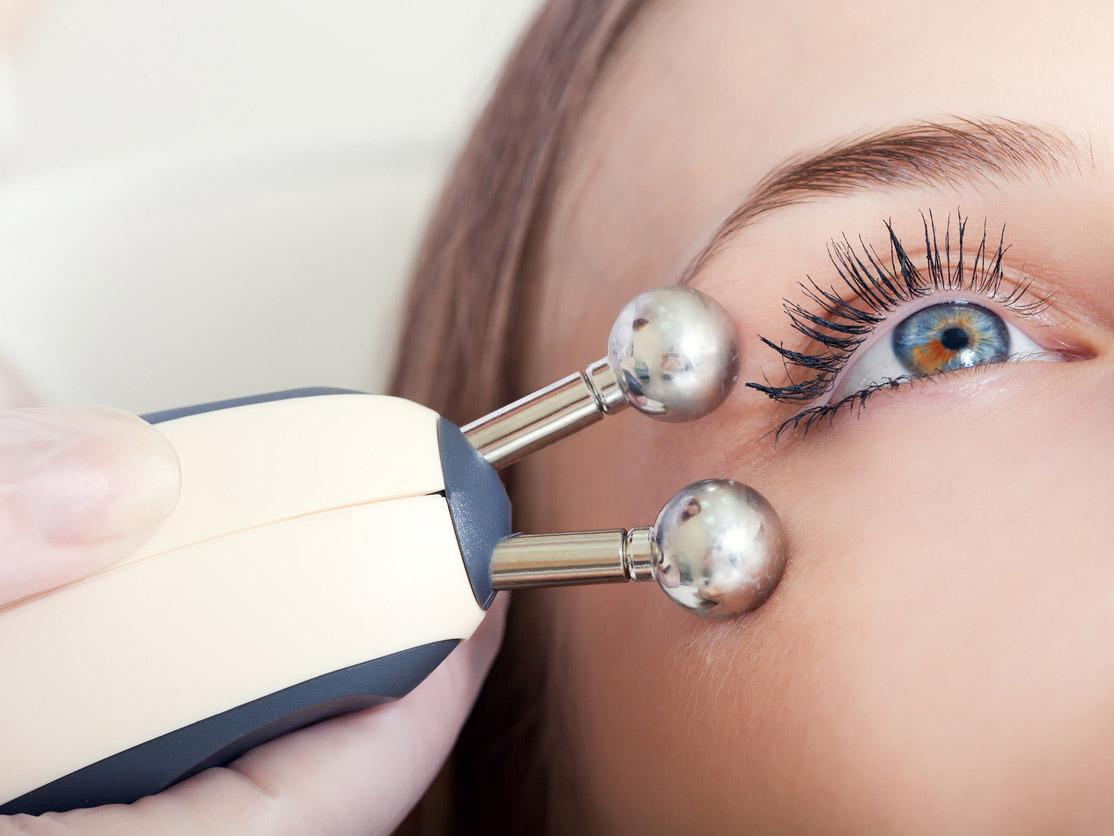
    The demand for electronic skincare devices is growing as consumers seek more affordable and time-efficient options to use at home rather than visit a dermatologist clinic.

    Electronics firms have been promoting a wide array of products, claiming they improve skin tone and suppleness using various light frequencies, sonic waves, and ion charges.

    Online retailer GS Shop recorded over 5.7 billion won (US$5.3 million) in sales with LG Electronics light-emitting diode (LED) masks this year. On June 3, the retailer sold 3 billion won worth of LED masks made by a smaller local firm named CellReturn in just one hour.

    The products are not cheap and prices vary widely depending on the brand or product model. Some cost 200,000 won (US$190) but higher-end products advertised by top actresses such as Kang So-ra can cost up to 1.7 million won.

    Even the latter price, however, is considerably lower than regular treatments at the dermatologist.

    The appeal seems to be greater for older women with increasing skin problems and working women or mothers who need quick, hassle-free remedies. The mask _ like other recent skincare devices _ simply needs to be switched on and placed over the skin for a few minutes each day.

    “Regular treatments at a dermatology clinic are too expensive,” said a 62-year-old housewife surnamed Kim who lives in Uijeongbu, Gyeonggi Province. Kim recently bought an LED mask for 200,000 won.

    “It’s light and convenient to use, so I leave it by my bedside and use it before I go to sleep,” she said. “About two months after I started using the mask, people said my skin looked brighter.”

    “But I’m not sure why the LED masks by bigger companies are so expensive,” she added.

    Before LED masks, there was the electronic cleanser brush, which became well-known here in 2013 with the popularity of L’oreal’s Clarisonic face cleanser. A similar device launched the following year by Eyesel Creative, a local firm, was also well received by consumers.

    Companies are capitalizing on the recent boom of the home skincare market with a diverse array of products.

    A local brand, introduced a vacuum face massager for relieving muscle tension and getting rid of dirt from pores. The handheld light therapy device by Makeon, a daughter brand of cosmetics giant Amore Pacific, has three different wavelength settings to address different types of skin concerns.

    The homecare beauty equipment market, already estimated at 450 billion won, is growing by 10 percent every year.

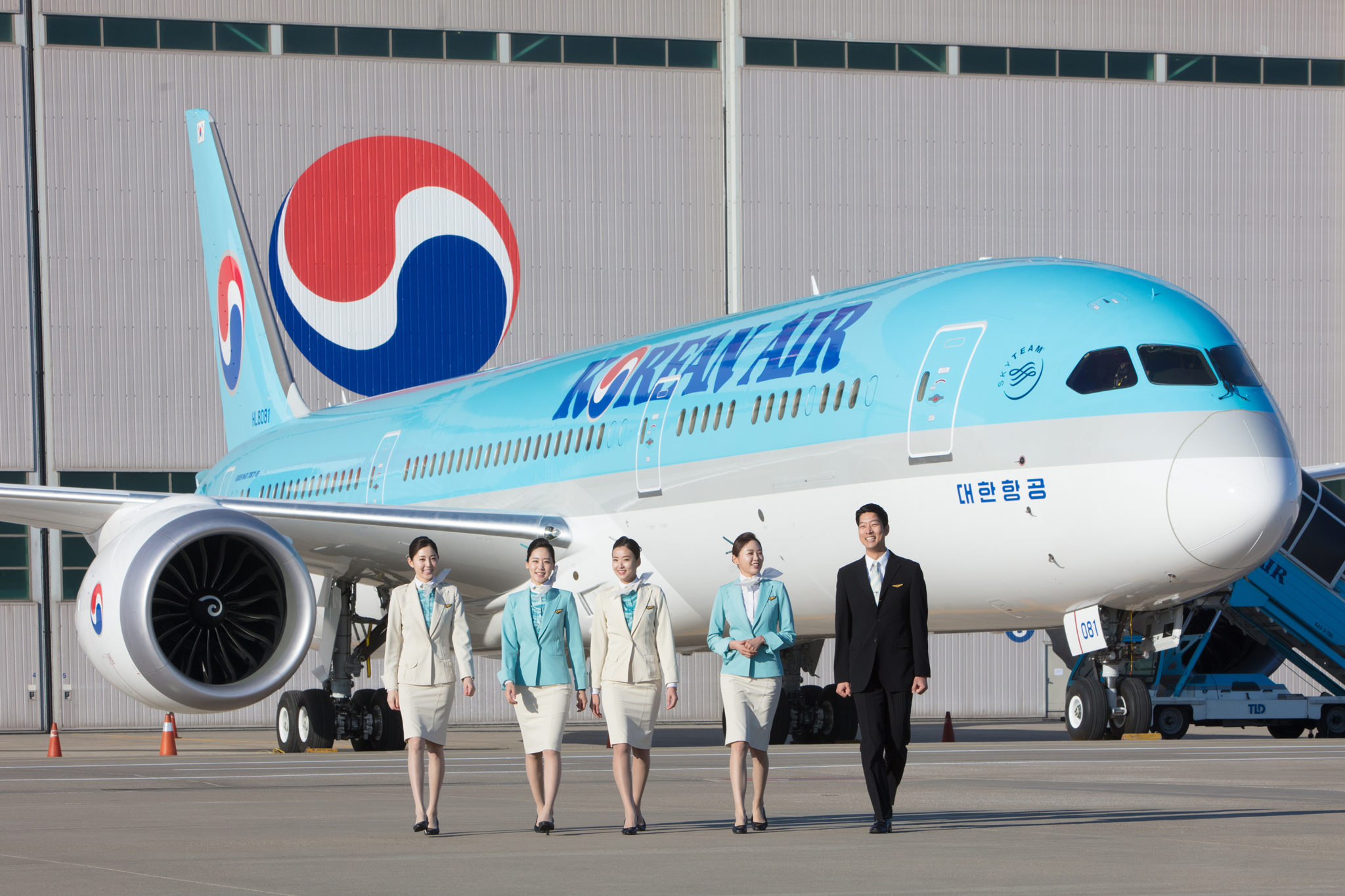
  • Korean Air hiring flight attendants

    Korean Air hiring flight attendants

    Korean Air’s reputation may be in the gutter due to ongoing investigations into its owner family, but it’s hiring.

    Korea’s largest airline is looking to take on 600 new flight attendants this year, the company said on Tuesday.

    Korean Air began recruiting 200 new flight attendants on Tuesday. The company already hired 200 attendants in the early half of the year, and is currently in the middle of hiring 100 experienced flight attendants.

    Korean Air usually takes on about 500 new flight attendants every year, so this year’s hiring represents a bit of a bump. A company spokesperson said that it increased its hiring to keep up with its expanding flight routes.

    Last year, the company hired only 180 new flight attendants, so it decided to hire more this year.

    Most of the company’s statements in recent months have been in response to allegations against the Cho family, which owns Korean Air.

    A series of investigations into the family began in April, when Korean Air Chairman Cho Yang-ho’s youngest daughter Cho Hyun-min was caught throwing a drink at an advertising executive during a meeting in March. Since then, the airline has been busy responding to complaints rather than promoting its business.

    Korean Air is expecting steep growth in its business this year. It moved to Incheon International Airport’s second terminal, which opened in January, and started a joint venture partnership with U.S. airline Delta in May.

    However, the scandalous stories of the Cho family have dominated coverage of the company. Various family members are under investigation for different charges and allegations including smuggling, tax evasion and unfair trading through affiliates.

    Most recently, Lee Myung-hee, the wife of the company’s chairman, was summoned by the Korea Immigration Service on Monday for about 13 hours of questioning into whether she illegally hired Filipino housekeepers.

    While only ethnic Koreans or immigrants married to Koreans can work as housekeepers in Korea, Lee is accused of making the airline’s branch in the Philippines recruit around 10 housekeepers and dispatch them to Korea, supposedly as Korean Air trainees. According to reports, Lee acknowledged that she hired Filipino housekeepers, but denied that she was involved in their hiring process.

  • Vincom Retail to expand business this year, masively

    Vincom Retail to expand business this year, masively

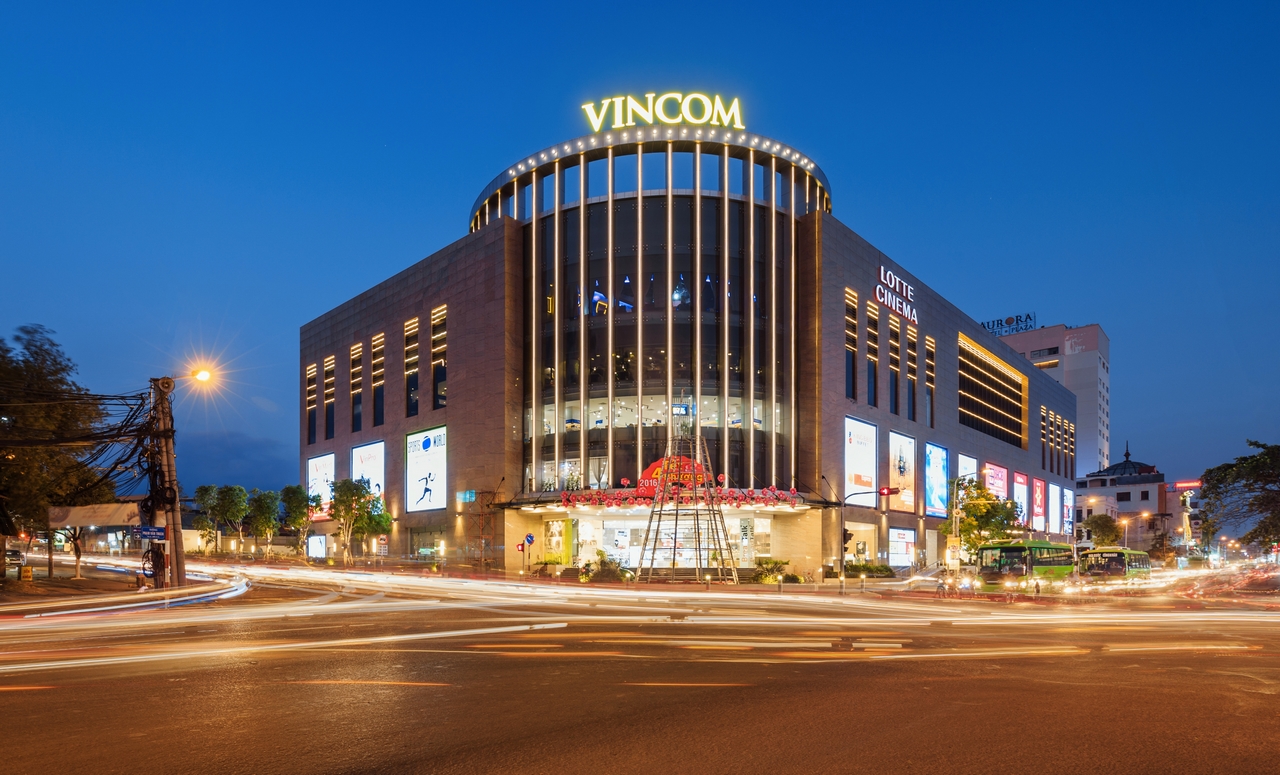
    Vincom Retail plans to open 30 more shopping centres in Vietnam this year, increasing its mall network to 200 by 2021.

    To fund the plan, the retail subsidiary of Vingroup will raise US$500 million.

    The first of the new malls to open will be Vincom Center Landmark 81 and Vincom Center Lieu Giai in Hanoi.

    Other malls will be launched around Vietnam under Vincom Plaza and Vincom + formats.

    Vincom Retail launched an IPO last October. Its total revenue last year was VND4455 billion (US$195 billion), up 17 per cent year-on-year.

    It currently operates 51 shopping malls across Vietnam.

  • Loob to bring Tealive to China, eyes 500 outlets within 3 years

    Loob to bring Tealive to China, eyes 500 outlets within 3 years

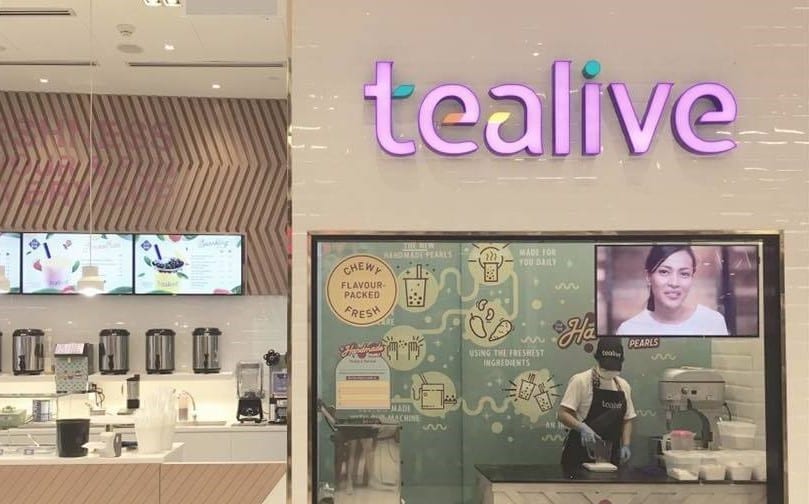
    Loob Holding Sdn Bhd, the creator of Malaysia’s Tealive bubble tea brand, today announced a joint venture with two China companies to bring 500 Tealive stores to China within three years.

    The Malaysian company inked the deal with Zhejiang Boduo International Trade Co Ltd and Shanghai Panfei International Trade Co Ltd at a ceremony attended by retail and franchise industry officials as well as government representatives from Malaysia and China.

    CEO Bryan Loo signed for Loob Holding, which will take a 51% majority stake in the joint venture known as Shanghai Loob Boduo Food and Beverage Co Ltd, subject to company registration approval by the relevant authorities in China.

    Loo said the joint venture would see the first Tealive outlet opening in Shanghai this September before more stores being opened in other selected cities. He expressed confidence that the joint-venture would be able to achieve the targeted 500 stores in three years.

    “Barely six months after the birth of Tealive, we took the brand to Vietnam and we now have five outlets. We have penetrated the Australian market with our first store there next month. Just last month, we appointed our master franchisee in India and we are targeting 140 outlets within five years,” Loo said.

    China, the world’s largest tea market, will be the fourth overseas market for Tealive.

    Loo said Tealive served 2.5 million consumers each month in its 175 outlets and the brand was still expanding every week.

    On prospects in China, Loo said latest indicators were that the market for tea in China had now exceeded US$21 billion per year.

  • Supreme and Nike sneaker collaboration is launched

    Supreme and Nike sneaker collaboration is launched

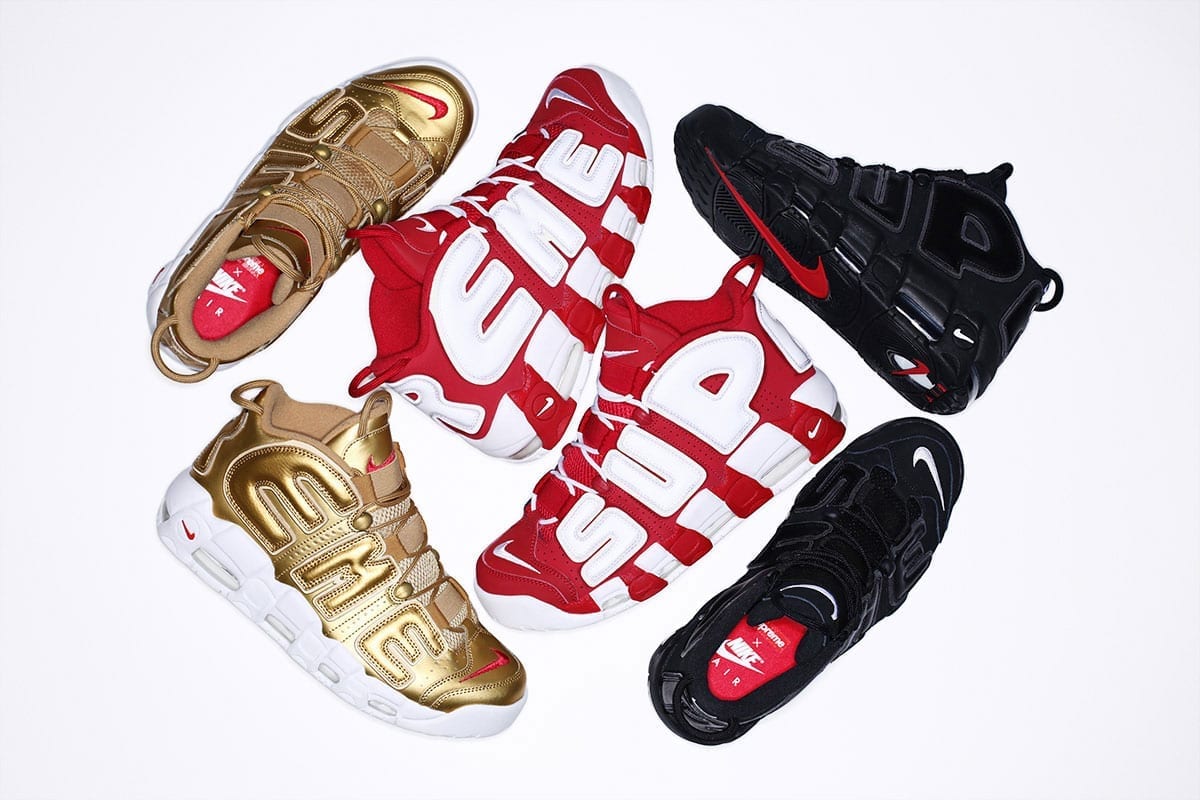
    Supreme and Nike have teamed up to release one of the highest-profile sneaker collaborations this year.

    The cross-branded release updates Nike’s road racing Air Streak Spectrum Plus, originally released back in 2003, with a new version in black with lime and blue flames “Black/Volt”. Another variant is the original white and red colourway “White/Habanero-Red”.

    Both designs are upgraded with a mesh upper, Phylon midsole, and a mesh tongue carrying the Supreme logo. The insoles are dual branded.

    The Supreme x Nike Air Streak Spectrum Plus Spring 2018 collection will be released on June 14 (June 16 in Japan) exclusively at Supreme stores and on its website.

  • Samsung Electronics calls for retrial in Apple case

    Samsung Electronics calls for retrial in Apple case

    Samsung Electronics on Tuesday called for a retrial of the latest ruling by a U.S. court, which ordered the Korean tech giant to pay Apple $539 million over design infringement.

    The Korean tech giant claimed that the amount awarded to Apple by the latest ruling is excessive, demanding that the U.S. District Court in San Jose, California, reconsider the ruling.

    The conflict between the two companies surrounding alleged design infringement started in 2011, with the court ruling ordering Samsung to compensate Apple coming in May.

    The U.S. company claimed Samsung violated its designs, such as a “black rectangular front face with rounded corners,” a “rectangular front face with rounded corners and a raised rim” and a “grid of 16 colorful icons on a black screen.”

    Shortly after the court ruling, Samsung said it would “consider all options to obtain an outcome that does not hinder creativity and fair competition for all companies and consumers.”

  • As plastic sector booms, Vietnamese firms are easy prey

    As plastic sector booms, Vietnamese firms are easy prey

    Major Vietnamese plastics firms are being taken over in a big way by foreign firms from Thailand, Japan and South Korea.

    In April, Thai business conglomerate Siam Cement Group (SCG) acquired over 50 percent of shares in Binh Minh Plastics (BMP), a big player in Vietnam’s plastics industry. Previously, SCG had already poured in $121 million to acquire seven other Vietnamese plastics firms, according to a report.

    Japan is also gearing up to conquer Vietnam’s plastics sector. Japan-based Sekisui Chemical has become a strategic partner in Tien Phong Plastics, acquiring 25 percent of the company’s shares last year, and Japan’s Meiwa Pax Group has paid $16.5 million to buy HCMC-based packaging firm Sapaco.

    South Korea firms have also jumped into the fray, with packaging firm Dongwon Systems acquiring over 97 percent of Tan Tien Plastics in 2016. Tan Tien is a frontrunner in Vietnam’s packaging industry, and a major partner for several big companies operating in Vietnam, such as Unilever, Ajinomoto, Trung Nguyen or Vinamilk.

    Vietnam has become a ripe destination for foreign firms because the plastics industry has been booming. For the last 3 years, it has grown by 15-17 percent each year.

    In 2016, Vietnam housed over 2,000 firms in the country. The annual per capita consumption of plastics in Vietnam is around 41 kilograms, according to Vietnamese securities firm Vietcombank Securities. That number is projected to increase to 45 kilograms per person in 2020, according to the Vietnam Plastics Association.

    “Vietnam’s plastics sector has great potential to grow,” said Kubo Hajime, a management board member of Sekisui Chemicals.

    Vietnam’s cheap labor and material costs is also an advantage, economist Dinh The Hien said. He said the fact that Vietnam is part of several trade agreements, most notably the Comprehensive and Progressive Agreement for Trans-Pacific Partnership, helps.

    Vietnamese plastics firms lack the necessary capital, technology and high-skilled labor required to compete in an increasingly tougher market, said Ho Duc Lam, President of Vietnam Plastics Association.

    “Another problem for Vietnamese plastics firms would be high production costs, which leads to high prices,” he said.

    Vietnam needs to focus more on targeting the right customers with the right products to compete, an unnamed representative of a Vietnamese plastics firm said.

    “We would also need to invest more in technology and machinery to upgrade our assembly chains, thus increase our product quality and reduce production costs,” he said.

    Last year, the plastic sector recorded an export value of over $3 billion, a year-on-year increase of 17.6 percent.

  • CGF issues call to action on forced labour

    CGF issues call to action on forced labour

    Retailers and manufacturers from around the world meeting in Singapore this week have pledged to end worker fees within 10 years and to end forced labour in the supply chain.

    At the Global Forum on Responsible Recruitment and Employment, today, which precedes the Consumer Goods Forum (CGF) Global Summit at Marina Bay Sands, has issued a call to action aligned with the International Labour Organization (ILO), the International Organization for Migration (IOM) and with the support of the Institute for Human Rights and Business (IHRB).

    Business leaders have the opportunity to eradicate forced labour through the global mainstreaming of the CGF’s Priority Industry Principles on Forced Labour, which state:

    • Every worker should have freedom of movement;
    • No worker should pay for a job; and
    • No worker should be indebted or coerced to work.

    Businesses can also work toward the eradication of worker fees in the next 10 years by implementing the Employer Pays Principle championed by the IHRB-led Leadership Group for Responsible Recruitment.

    “Forced labour is a complex issue that cannot be solved without cross-sectoral collaboration,” said Olaf Koch, chairman of hypermarket operato Metro AG and co-chair of CGF Board.

    “At Metro AG, we encourage you to rise to the challenge, and stand united with us in the global fight against forced labour. We thank the leaders from our industry and global partners, ILO and IOM, for joining us on this collective journey.”

    Grant Reid, CEO of Mars Incorporated, said two years have passed since the Consumer Goods Forum issued its global resolution to fight forced labour.

    “We remain steadfast in this commitment, and this is a call to action to accelerate the tangible steps we are taking as an industry, matching our commitment with concrete results and improvements in the lives of vulnerable people. We need to increase the pace of change on this critical issue.”

    Stand together

    The CGF says collaboration is crucial to accelerating action and driving positive change on the issue.

    “The CGF calls upon businesses to stand together in their commitment to combat the exploitation of human beings for the purposes of compulsory labour through the use of force or other forms of coercion, fraud or deception,” the organisation said in a statement released after the meeting.

    “Committing to work together with industry peers, and welcoming the efforts of institutions, organisations, and coalitions engaged in the fight against forced labour is vital. Businesses are asked to join forces with the ILO, IOM and IHRB, experts in the field of modern slavery, to put an end to these abhorrent crimes once and for all.”

  • Nine West, Bandolino brands sold for $340m

    Nine West, Bandolino brands sold for $340m

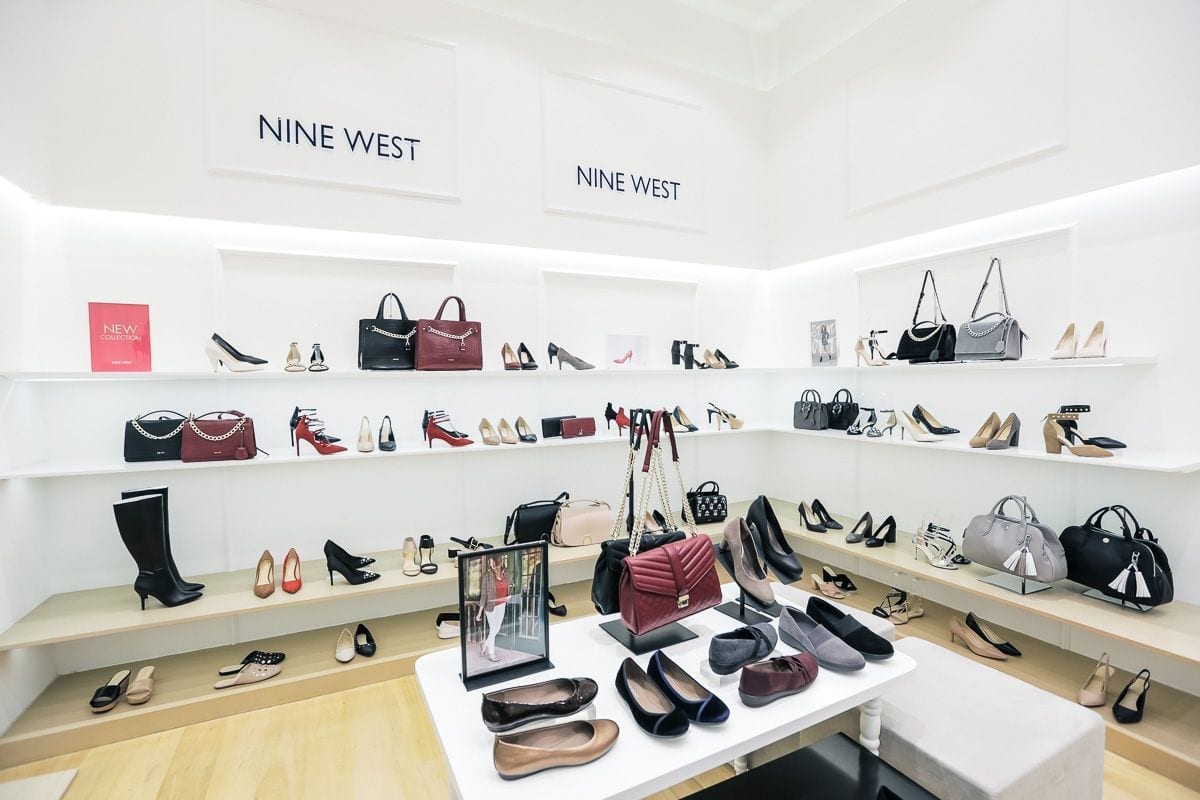
    Nine West Holdings Inc. has sold its Nine West and Bandolino footwear and handbag businesses at a court auction to Authentic Brands Group for $340 million.

    Nine West Holdings Inc. has sold its Nine West and Bandolino footwear and handbag businesses at a court auction to Authentic Brands Group for $340 million.

    The brand management firm won the auction by bidding more than $140 million over its initial stalking horse bid.

    Ralph Schipani, chief executive officer of Nine West, said, “We are pleased to have completed this important step in our restructuring and are now focused on moving forward with the reorganization of our remaining businesses with the support of our key stakeholder groups.”

    ABG chairman and ceo Jamie Salter said, “The addition of these two brands enhances ABG’s growing lifestyle portfolio, while launching our global footwear platform. We see incredible opportunity to expand the brands beyond footwear and handbags, specifically in the apparel and home categories as well as in new markets around the world.”

    Once the sale is approved by a Manhattan bankruptcy court and the deal has closed, ABG will assume all the licensing partnerships and marketing initiatives for both brands. ABG named Marc Fisher Footwear as operator of the footwear businesses and Signal Products as operator of the handbag businesses. A court hearing is scheduled for June 18 and a closing date is slated for July 15.

    Nick Woodhouse, president and chief marketing officer of ABG, said, “This purchase elevates ABG’s footwear and accessories business to over $2 billion in global retail sales and brings our portfolio to nearly $8 billion.”

    Nine West Holdings filed for Chapter 11 bankruptcy court protection in April in a Manhattan bankruptcy court.

    Nine West Holdings sold the two businesses so it can recapitalize its balance sheet. The sale will help the bankrupt firm restructure operations so it can focus on its profitable businesses — One Jeanswear Group, its Jewelry Group, the Kasper Group and its Anne Klein business. The company has said it plans to exit bankruptcy court proceedings around September.

  • Lotte Mart begins selling menstrual cups today

    Lotte Mart begins selling menstrual cups today

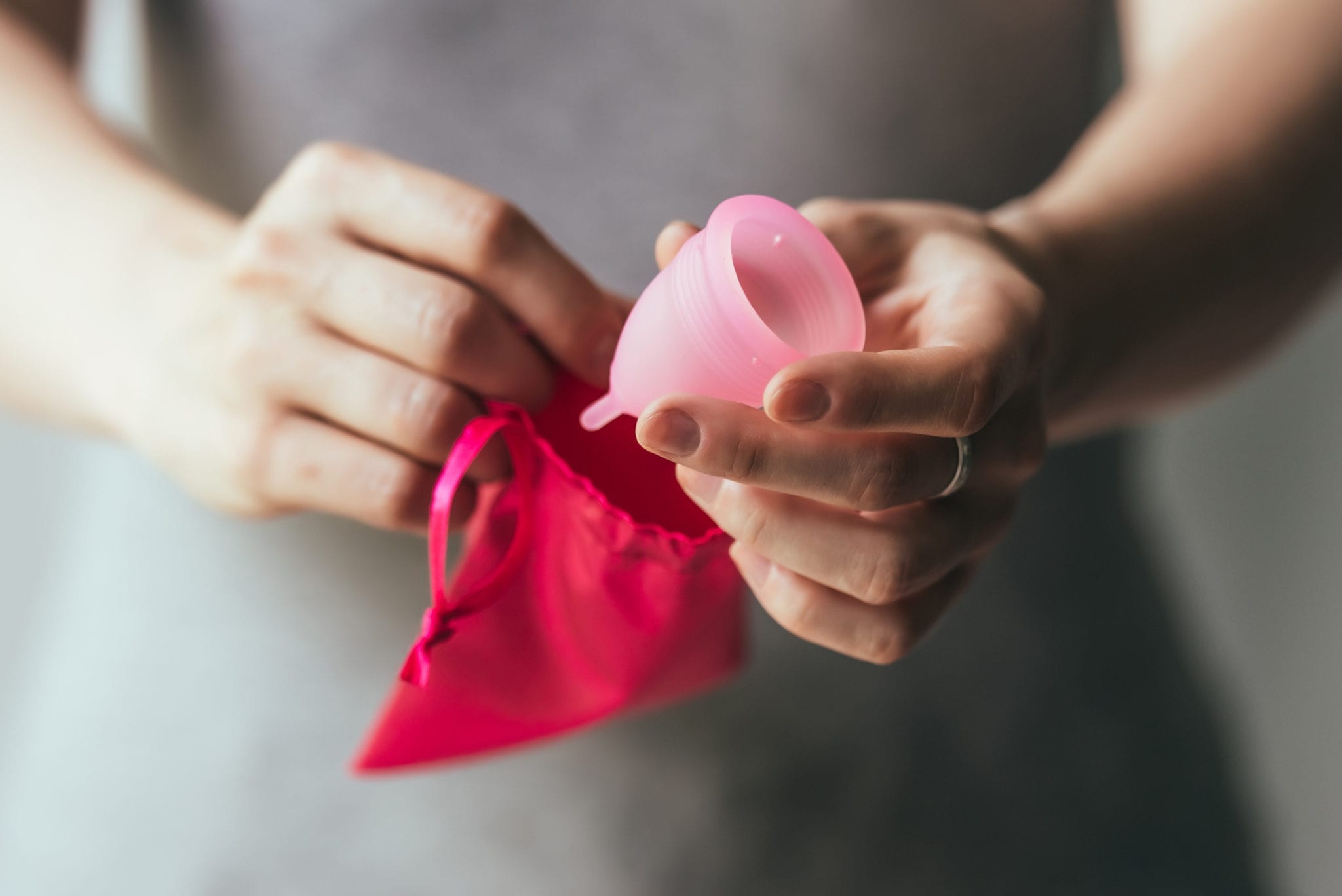
    Lotte Mart began selling menstrual cups at its online and brick-and-mortar stores today.

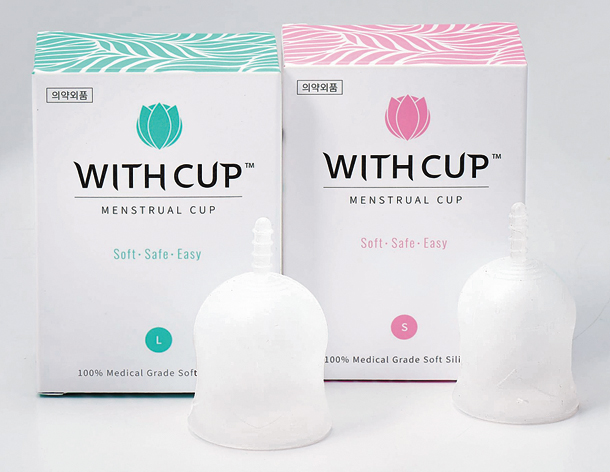
    The discount chain will sell two variations of “WithCup” in two different sizes, both priced at 39,000 won ($36.21). WithCup was the first menstrual cup made in Korea to receive safety approval from the Ministry of Food and Drug Safety last month. It is cheaper than the foreign products that consumers previously had to buy online.

    The launch makes Lotte Mart the first discount chain to sell menstrual cups. Menstrual cups rose as an alternative to sanitary pads last year when the safety of several sanitary products fell into question. But most of them had to be purchased through foreign shopping websites as menstrual cups were only approved to be officially imported into Korea in December.

  • Amorepacific loses a cushion compact patent

    Amorepacific loses a cushion compact patent

    The Supreme Court dismissed Amorepacific’s patent on cushion compacts, putting an end to a three-year legal battle, according to the company on Tuesday.

    Amorepacific appealed a Patent Court of Korea ruling in February that invalidated the company’s patent for cushion compacts on the grounds that the product lacked “inventiveness.” This meant that its manufacturing didn’t have innovative technology not found elsewhere in the industry.

    The Supreme Court decision, which came on May 31, concludes a three-year legal struggle between the beauty giant and six domestic beauty companies, including Cosmax, an original design manufacturer for well-known local and global brands.

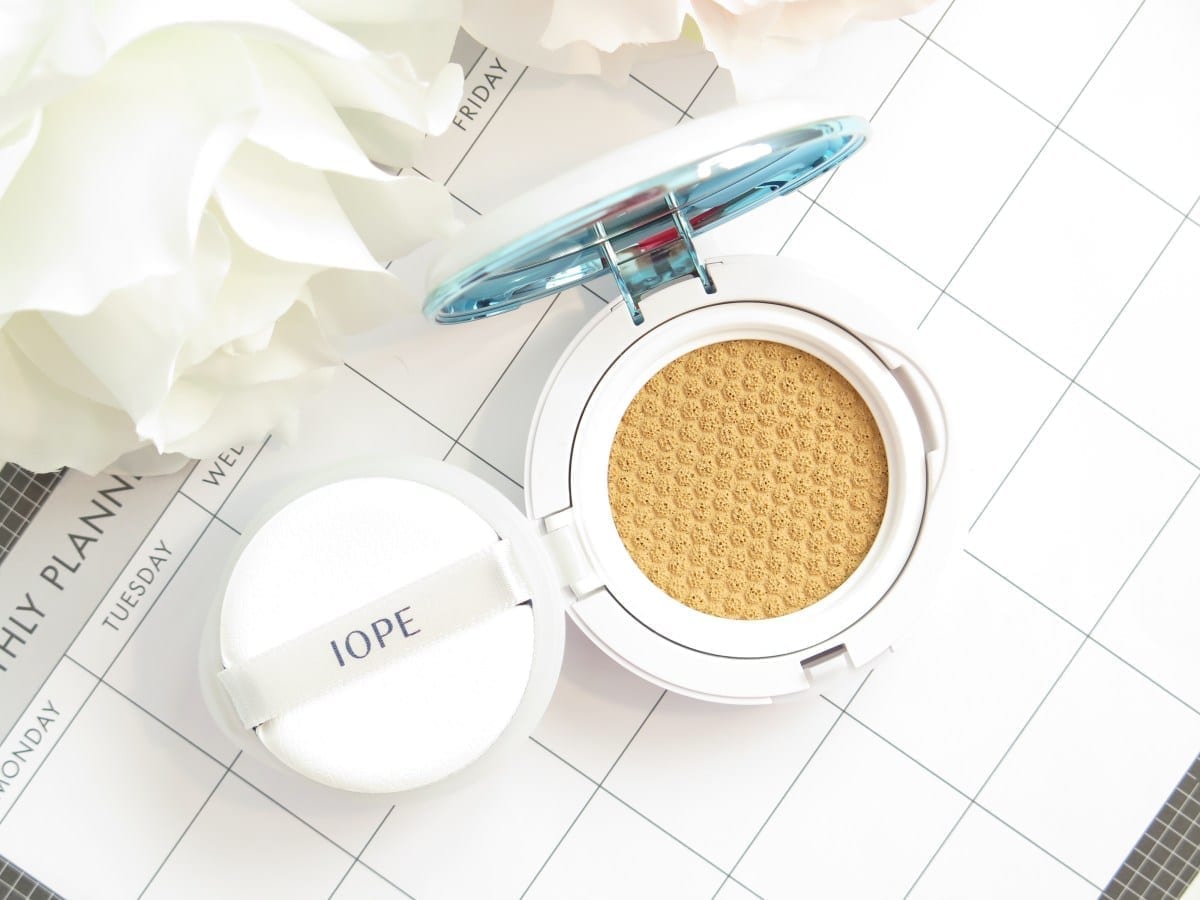
    Cushion compacts contain liquids like color foundation or sunscreen in a case, which was first used for skin powder. A sponge inside the case holds the liquids so they don’t flow out. Cushion compacts were first released by Amorepacific’s Iope brand in 2008, and became one of the company’s biggest successes. Now, cushion compacts are released by global names like Chanel, Yves Saint Laurent and L’Oreal.

    In 2011, Amorepacific registered a local patent for cushion compacts, which it described as a “cosmetic that includes urethane foam soaked with product.”

    In 2015, the six smaller beauty companies filed a suit in the patent court to annul Amorepacific’s patent on the grounds that urethane foam has been used in beauty products in the past. Cosmax was also sued by Amorepacific the following year for patent infringement.

    Amorepacific possesses more than 400 patents worldwide related to cushion compacts, but the one related to the usage of urethane foam as the sponge that holds the liquid is especially important. Manufacturers like Kolmar Korea and Cosmecca Korea paid loyalty fees to use the technique.

    Many beauty companies have since developed their own methods and materials to use in cushion compacts, but in the products’ early days, most followed Amorepacific’s model. If the court had ruled in favor of Amorepacific, this would have given the company grounds to ask for compensation for patent infringement.

    The patent court’s first ruling was in favor of Amorepacific, but the second one annulled the patent, so the beauty giant appealed to the Supreme Court but failed to receive a nod.

    “The domestic patent was annulled, but the same patent is still effective abroad, so we will continue exercising our rights to protect our technology in overseas markets,” said an Amorepacific spokesman.

  • Gold price swings take shine off Malaysia’s Poh Kong Q3

    Gold price swings take shine off Malaysia’s Poh Kong Q3

    Poh Kong Holdings Bhd’s net profit for the third quarter ended April 30, 2018 fell 41.8% to RM4.31 million from RM7.4 million a year ago, as the fluctuation of gold prices affected the group’s operating profits.

    Revenue, however, increased 17.2% to RM240.44 million compared with RM205.23 million in the previous year’s corresponding quarter due to the increase in demand for gold jewellery and investment products, and additional revenue contribution from new outlets in the current quarter under review.

    For the nine-month period, Poh Kong’s net profit dropped 5% to RM14.48 million from RM15.24 million a year ago, while revenue jumped 18.5% to RM731.35 million compared with RM617.01 million in the corresponding period last year.

    The group is optimistic in maintaining its growth and leading position in Malaysia despite more challenging and competitive conditions in the domestic jewellery market.

    “Notwithstanding uncertainties in the global and regional economies, fundamentals in Malaysia remain resilient, which have enabled corporate and industry players to meet their challenges and business performance.”

    Barring unforeseen circumstances, Poh Kong is confident of its resilience to weather the challenges ahead for financial year ending July 31.

  • Sony opens world’s 1st deep bass concept audio store in Malaysia

    Sony opens world’s 1st deep bass concept audio store in Malaysia

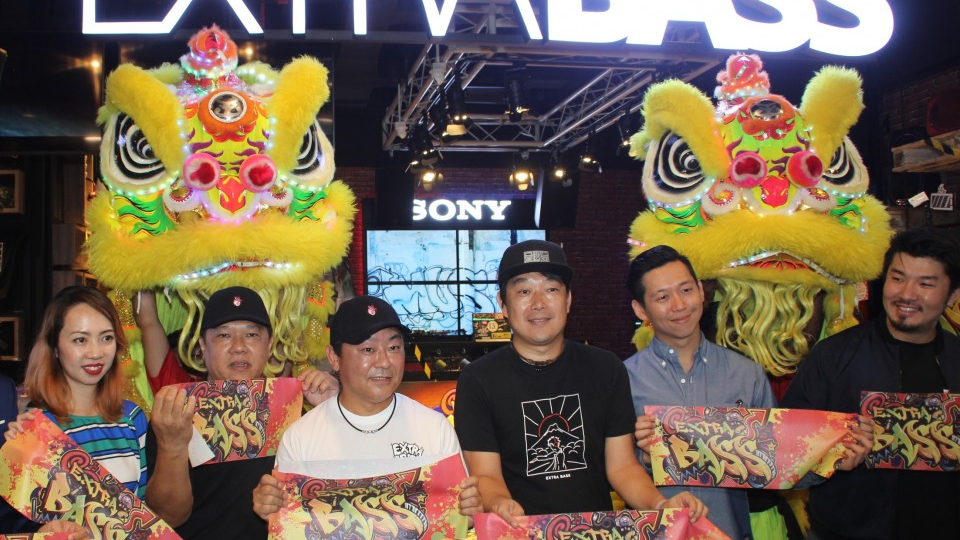
    Sony’s first Extra Bass store in Southeast Asia has just opened in Kuala Lumpur’s Sunway Pyramid Asian Avenue.

    Extra Bass was designed to provide an unusual shopping experience for consumers into sound experiences at home or on the move. Creative displays show off a range of Sony’s Extra-series products, including headphones and wireless speakers.

    Sony plans to expand the concept to create a Music Information Hub for students, working with schools and communities to encourage more young people to participate in music and the arts.

    With a focus on experience and engagement, the store’s primary goal is to broaden people’s minds about music and entertainment, rather than simply sell gadgets.

    “Living in a technological era, brick-and-mortar retail is rapidly losing ground to its online rivals,” said Nixon Ng from Chip magazine in a comment.

    “To combat this, concept stores have appeared on the scene, ready to stimulate our senses and tempt us back to the physical shopping world … It’s a space where art, culture and commerce collide to promote a particular lifestyle.”


  • Deadline for entries to Asia Food Innovation Awards extended

    Deadline for entries to Asia Food Innovation Awards extended

    The deadline for entries to the Asia Food Innovation Awards, to be held this July in Singapore, has been extended to 13 June. The inaugural edition of this awards scheme, which builds on the reputation of the World Food Innovation Awards, will give brands a platform for their success in Asia. It is organised by FoodBev Media in conjunction with event organisers Montgomery, and will be presented at RPB Asia and Speciality & Fine Food Asia on 18 July.

    Previously the deadline had been 7 June, but the extra week will give all interested parties the chance to finish their submissions.

    The full list of judges – which includes the managing director of Montgomery Asia, experts from the world of food accelerators, and an experienced brand design specialist – was announced at the end of May.

    The inaugural Asia Food Innovation Awards are designed to recognise and reward excellence across all aspects of the global food and beverage industry – from manufacturing to ingredients, packaging to finished products.

    They will offer a unique opportunity to showcase your latest innovations at these co-located events in Singapore – ideal for brands looking to increase their exposure in Asia, looking to launch in Asia for the first time, or simply seeking to promote their products in front of an international audience.

    In addition to the prestige of winning an Asia Food Innovation Award, winners and finalists will be receiving a comprehensive PR and media package to celebrate and highlight their success. This will include dedicated coverage on FoodBev.com and FoodBev’s social media channels, as well as a comprehensive communications kit and interview opportunities for winning entrants.

    As a company, FoodBev Media has been organising industry-leading awards schemes for more than a decade. Our most established schemes, the World Dairy Innovation Awards and World Beverage Innovation Awards, are held every year at major events such as the Global Dairy Congress and BrauBeviale or Drinktec, regularly receiving more than 200 entries.

    FoodBev Media group editor Alex Clere said: “We are very exicted to launch the Asia Food Innovation Awards and celebrate the food industry’s innovation achievements in Singapore for the first time. This is an excellent opportunity for brands to showcase their latest developments in front of our panel of judges and an audience of trade professionals at the presentation ceremony itself.

    “The Asia Food Innovation Awards will extend our partnership with Fresh Montgomery – with whom we organise the World Food Innovation Awards – and brings together their established and highly regarded events with FoodBev’s track record in rewarding innovation.

    “The benefits of entering are obvious, and we look forward to celebrating your innovation achievements this July.”