Tag: asia

  • Vietnam’s May auto sales slip 0.7 percent year-on-year

    Vietnam’s May auto sales slip 0.7 percent year-on-year

    Vietnam’s total vehicle sales edged down 0.7 percent to 23,065 units in May from a year ago, the Vietnam Automobile Manufacturers’ Association (VAMA) said on Monday.

    Sales by VAMA member-manufacturers edged up 2 percent to 22,374 units in May from the year-ago period, including commercial vehicles, passenger cars and special-purpose vehicles.

    Vietnam’s Truong Hai Auto Corp, which assembles sedans, trucks and buses, led the sales in May, followed by Toyota Motor Corp.

    May sales of passenger cars by VAMA members climbed 20 percent month-on-month, while commercial vehicle sales dropped 18 percent and special-purpose vehicles slumped 40 percent, VAMA said in a report.

  • Toyota Pumps $1b in Grab in Auto Industry’s Biggest Ride-Hailing Bet

    Toyota Pumps $1b in Grab in Auto Industry’s Biggest Ride-Hailing Bet

    Toyota Motor has agreed to buy a $1 billion stake in Grab in the biggest investment by a carmaker into a ride-hailing firm, at a time when traditional automakers are racing to team up with disruptive tech companies.

    The value of six-year-old Grab will be just over $10 billion after the investment, said a person familiar with the matter.

    The deal comes as the auto industry faces a spike in the need for technological prowess with the advent of features such as autonomous driving, while app makers offer passengers the option to forgo car purchases by connecting them with drivers.

    Some automakers have responded by partnering with makers of ride-hailing apps, which dominate the fast-growing field of mobility services, in anticipation of a future of reduced car ownership.

    General Motors has invested in US ride services firm Lyft, whose rival Uber Technologies is also backed by Toyota. Meanwhile Japan’s SoftBank Group – also an investor in Grab and Uber – last month said it would invest $2.25 billion in GM’s autonomous vehicle unit Cruise.

    Toyota’s trading arm invested an undisclosed sum in Grab last year. This time, the automaker is lead investor in a financing round launched after Grab acquired Uber’s operations in Southeast Asia, a region of 640 million people.

    Grab called it the largest-ever investment globally by an automotive manufacturer in the ride-hailing sector.

    The Singapore-headquartered firm did not disclose how much fresh capital it aims to raise. It raised $2.5 billion in its last round in July, resulting in a reported value of $6 billion.

    Grab said it logs six million rides a day via apps downloaded onto over 100 million mobile devices. The firm also offers online to offline services, such as food delivery and digital payments, which it aims to expand deeper into the region using funds from its latest financing round.

    “We will work with partners like Toyota to continue to transform transportation in Southeast Asia,” Grab said in an email. “We want to be the one-stop mobility platform for users.”

    It also said Toyota will appoint an executive to Grab’s board of directors while a dedicated Toyota team member will be seconded to Grab as an executive officer.

    Toyota said it aimed to offer financing, insurance and maintenance services to drivers based on data collected through recorder devices already installed in some Grab vehicles.

    “Going forward, together with Grab, we will develop services that are more attractive, safe and secure for our customers in Southeast Asia,” Toyota executive Shigeki Tomoyama said in a statement.

    The data could also help Toyota develop its own next-generation mobility services, including a self-driving electric vehicle aimed at companies for use in tasks such as ride hailing, package delivery and mobile shops.

    Other Grab investors include Japan’s Honda Motor, South Korea’s Hyundai Motor and Chinese ride-hailing firm Didi Chuxing. Uber acquired 27.5 percent of Grab in exchange for the US firm’s Southeast Asian business earlier this year.

    Grab’s main rival is now Indonesia’s Go-Jek, which last month said it would invest $500 million to begin expanding abroad.

  • Suitsupply still has plans for Asia after its 100th store

    Suitsupply still has plans for Asia after its 100th store

    European men’s fashion brand Suitsupply has opened its 100th international store, in Boston, and plans to expand in Asia.

    Founded in 2000 as a vertically integrated, direct-to-consumer brand that offers customers high-quality menswear at attainable prices, Suitsupply already has stores in Hong Kong and Singapore.

    While the brand started as a webstore, it soon after expanded into brick-and-mortar. It created spaces where customers could feel the brand’s products and have alterations made while they waited.

    “People are drawn to Suitsupply because of the energy and flair we bring to tailoring,” says Suitsupply founder/CEO Fokke de Jong. “They want to experience our brand and product both in person and online.”

    While no specific details were revealed about which Asian markets are a priority for the company, it is thought to favour a push in greater China.

  • Vietnamese stocks fall after 8 sessions of gain, Thailand extends rise

    Vietnamese stocks fall after 8 sessions of gain, Thailand extends rise

    Vietnam shares fell on Tuesday after eight consecutive sessions of gains, while Thai shares rose for a second straight day on the back of energy and consumer staples stocks.

    Broader Asian markets were choppy as the historic U.S.-N.Korea summit started in Singapore amid hopes that it could pave the way to ending a nuclear stand-off on the Korean peninsula.

    The fixation with the summit is as much about whether the two sides will strike a deal as it is about what would comprise a deal, Mizuho Bank analysts said in a note.

    “It appears that the term ‘de-nuclearization’ must be thrown into the mix somewhere, but strictly with wiggle room for both parties… and in return, the United States may offer some conditional reprieve on sanctions with sunset clauses,” Mizuho Bank said.

    Vietnam shares fell as much as 3.3 percent, snapping eight sessions on gains, with Vietnam Technological and Commercial Joint Stock Bank (Techcombank) down 4.5 percent and Vingroup JSC 3.5 percent lower.

    Malaysian shares were down for a third straight session, declining as much as 0.4 percent. Malayan Banking Bhd declined up to 1.3 percent and was headed for a third straight session of fall.

    CIMB Group extended its fall into a third session with a drop of up to 1.8 percent.

    An analyst said there is no immediate catalyst for the local market to see an upward trend as investors are still evaluating the policies of the new government.

    Investors are taking profit on whatever strengths they can find, said the analyst, adding that: “If the (U.S.-N.Korea summit) goes well, it could lead to slight optimism in the local market.”

    Thai shares rose as much as 0.7 percent as convenience stores operator CP All PCL gained 2.2 percent, while PTT PCL rose nearly 2 percent and PTT Exploration and Production PCL added 1.9 percent as oil prices edged higher.

    Indonesian financial markets are closed until June 19 for Eid Al-Fitr, while the Philippines was closed on Tuesday for Independence Day.

  • Daiso Taiwan to face second import ban

    Daiso Taiwan to face second import ban

    Japanese retail chain Daiso Taiwan is expecting to face a second import ban.

    It was earlier slapped with a six-month ban for illegally importing food products from areas affected by the 2011 Fukushima nuclear disaster and selling them with falsified labels of origin in Taiwan in 2015.

    Known for selling food and discounted consumer products, Daiso was also fined NT$41.64 million (US$1.39 million) for falsifying transaction dates to obtain import permits, says Taiwan’s Ministry of Economic Affairs. A total of 694 import application documents were found to be fraudulent.

    Daiso Taiwan may also close its retail branch in Penghu, leaving it with 59 outlets.

    Regarding the new import ban, Daiso Taiwan said on its website it had improved its import procedures since the lapse in 2015.

  • Tomas Maier exits Bottega Veneta

    Tomas Maier exits Bottega Veneta

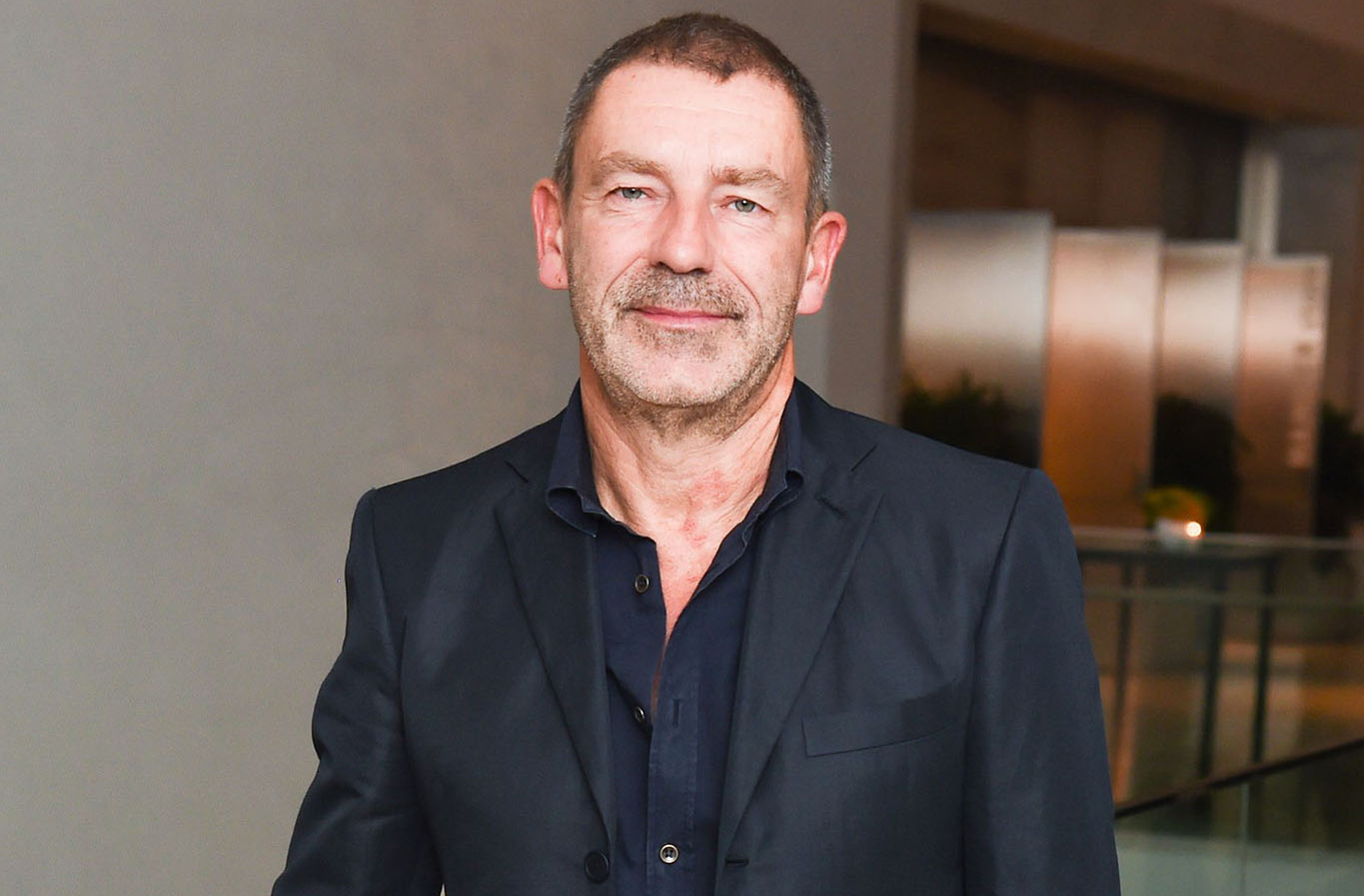
    Bottega Veneta announces the departure of its creative director Tomas Maier, who joined the Italian House in 2001.

    Tomas Maier crafted its renaissance by drawing on the exceptional know-how of the House. Thanks to his creative vision, Bottega Veneta today embodies the quintessence of understated and sophisticated luxury.

    Mandatory Credit: Photo by Billy Farrell/BFA/REX/Shutterstock (6118543kh)
    Tomas Maier
    Hammer Museum Gala in the Garden, Los Angeles, USA – 08 Oct 2016

    “It’s largely due to Tomas’s high-level creative demands that Bottega Veneta became the House it is today. He put it back on the luxury scene and made it an undisputed reference. With his creative vision, he magnificently showcased the expertise of the House’s artisans,” stated François-Henri Pinault.

    I am deeply grateful to him and I personally thank him for the work he accomplished, and for the exceptional success he helped to achieve,” he continued.

  • Vietnam importing bitcoin diggers in large numbers

    Vietnam importing bitcoin diggers in large numbers

    It is illegal to use cryptocurrency in Vietnam, but that has not stopped the import of large numbers of bitcoin diggers.

    From the beginning of this year until June 10, 3,664 mining systems were shipped to Ho Chi Minh City, according to the municipal Customs Department.

    Of these, over 3,000 systems were purchased by four companies, with one of them, just eight months old, getting almost 2,300, the department said.

    A total of 6,400 cryptocurrency mining systems have been imported in the first four months of the year.

    The Ministry of Finance recently proposed that the government bans the import of these machines, saying that the rigs were being used to try and create new currencies and forms of payment that were difficult to regulate.

    It referred to an alleged fraud in April, when dozens of people descended on the headquarters of Vietnamese IT firm Modern Tech in Ho Chi Minh City demanding refunds from the company for the cryptocurrencies it claimed to represent.

    Investors said this company, which has only 9 staff members, scammed VND15 trillion ($650 million) from them in a cryptocurrency ponzi scheme.

    As legislators debated the legal framework of Bitcoin in a National Assembly session on June 6, deputy Prime Minister Vuong Dinh Hue called for more research on this new form of currency.

    “The Government is directing the Ministry of Justice and the State Bank of Vietnam to research the experience of other countries in handling Bitcoin so we can come up with an appropriate policy,” the deputy PM said.

    Vietnam imported over 9,300 cryptocurrency diggers last year, which were mostly distributed in Hanoi, Ho Chi Minh City and Da Nang.

  • Missha and Disney launched make-up collection

    Missha and Disney launched make-up collection

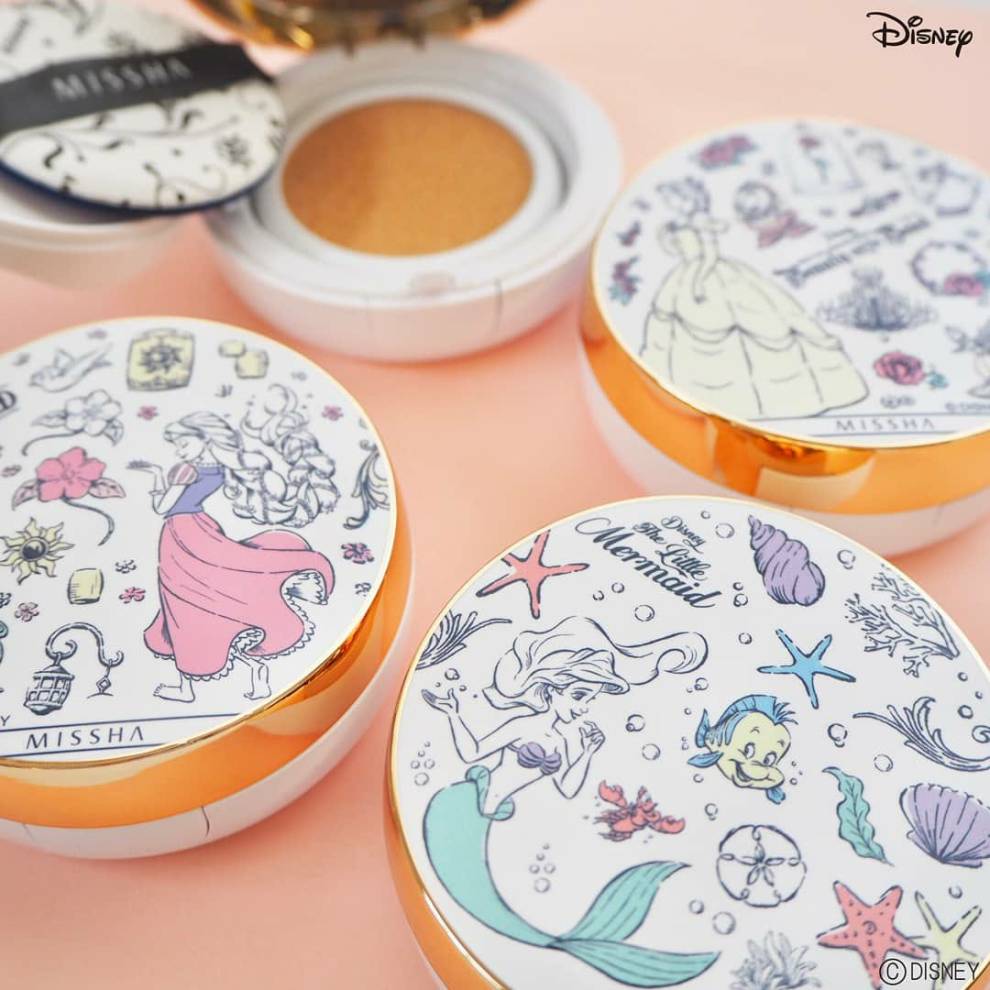
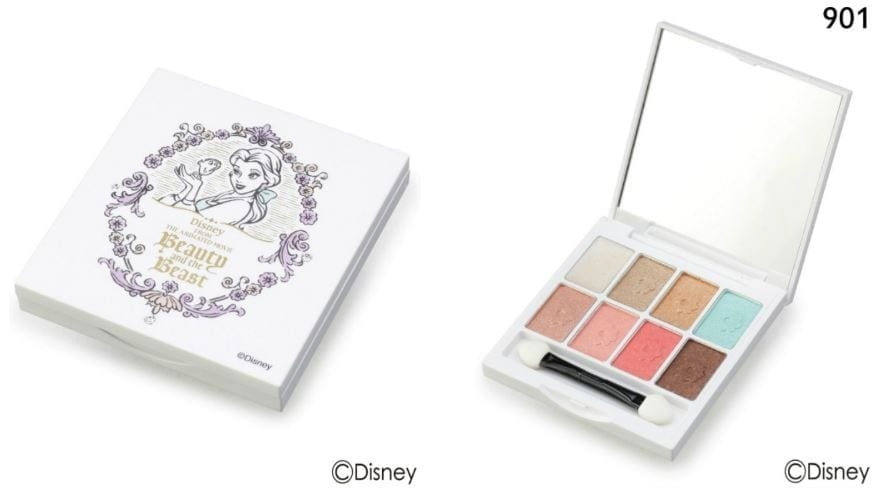
    Missha and Disney have teamed up to create a Princess-inspired collection “It’s Demo Missha x Disney Makeup”.

    The collection includes four princess designs – Belle, Rapunzel, Ariel or Snow White – for both cushion BB creams and the eight-shade FAB eyeshadow palettes.


    The collection is only available in Korea stores and the company only ships online to the US. However, customers can purchase via third-sellers on Amazon.

  • HSBC targets wealthy Asians in $15-17bn cash injection

    HSBC targets wealthy Asians in $15-17bn cash injection

    HSBC has announced plans to invest between $15-17bn in improving its technology and businesses in Asia where it anticipates significant growth, particularly in the wealthy middle class and high-net worth sectors.

    The global financial and banking giant said on Monday that it targets a return on tangible equity (RoTE) of over 11% by 2020.

    Speaking to journalists in Hong Kong, recently appointed chief executive John Flint said that the growth of the Asian middle class sector has led the company to invest in the region to cope with what he believes with be an increased demand for financial services products.

    Flint, who took over from outgoing CEO Stuart Gulliver in February said that the group will target the fast-growing wealth in Asia, particularly China, in a bid to get back into “growth mode” and will invest in retail banking and wealth business, particularly in Hong Kong, he said via a conference call.

    Asia ex-Japan is predicted to account for 28% of the $223trn private financial wealth globally, according to a BCG Global Wealth 2017 report, with the middle class in Asia predicted to rise 2.5 times to 3.5bn by 2030 from 2015.

    Significant

    This latest move is a significant change of strategy as it follows on from years of restructuring and cost-cutting at the financial giant, but it is one that Flint believes will keep rewards.

    “In dollar terms, the biggest opportunity by customer group will come from retail banking and wealth management,” Flint said. “Wealth creation in Asia, particularly in Hong Kong through [China] is significant.” The biggest opportunity by customer group will come from retail banking and wealth management, he said.

    HSBC said that is is now targeting revenue growth of over $3bn from its Hong Kong business including retail banking, wealth management and others by 2020, and another U$1bn+ revenue growth from its wealth management business elsewhere in Asia.

    In Hong Kong, it will target investments in growing its millennial client base and non-resident Chinese customers.

    Technology

    Looking at technology, the majority of the group’s investment will be in new digital banking capabilities, such as those used in its wealth management and trade finance businesses. In the UK, HSBC will also invest in a mobile banking app that relies on artificial intelligence and data analytics.

    Flint also said on Monday that the group has been rebuilding its credit card business over the last 12 months. In October 2017 it launched its own branded credit card in the US, adding that the right model to operate in the country was one backed by universal banking.

    “[We] need to get all components of the business growing in the US. Without exposure in unsecured credit business, it is difficult to achieve the industry level of profitability if you just take deposits and [offer] mortgages using your balance sheet. So we need to build back unsecured, bank originated [consumer] credit business in the US,” Flint added.

  • GenieTech closes agreement with Indonesian retail giant

    GenieTech closes agreement with Indonesian retail giant

    company Genie Technologies Inc. (GenieTech) bagged a deal for the rollout of its omnichannel solutions to the retail distribution system of Indonesian firm Kanmo Group in a bid to provide quality customer experience.

    “Our team is more than excited for this project. From our end, we look forward to supporting Kanmo Group’s vision and digital journey through this partnership,” said Mahesh Gopinath, COO of GenieTech.

    Claiming their nondisclosure agreement with Kanmo, the company did not divulge any amount when pressed on the project cost.

    GenieTech said that their new client is a retail giant in Indonesia, the most populous Muslim nation in the world.

    This project is aimed at accelerating the latter’s productivity by upgrading its current platform in integrating retail tools and application using Retail Pro Prism that gives control and flexibility in tailor-fitting the product to the business needs, processes and brand.

    Kanmo Group Omnichannel Director Bhavin Patel said their company recognizes the booming e-commerce market in Southeast Asia.

    This development is encouraging for online retail players like them to build an omnichannel that puts seamless customer experience at the center, whether live or offline.

    “To truly yield from our omnichannel strategy, the group has to look just beyond engaging customers through offline and online means. When you look at the customer behavior in Southeast Asia, you will know that people love creating ‘basket’ online. However, they still prefer doing the actual purchase in physical stores instead,” the executive said.

    “We want to enable our customers to walk in stores where they can collect and check out the basket they created by communicating with either a salesperson or through a POS [point-of-sale] system that runs in real time,” he added.

    Through Retail Pro Prism, Kanmo’s current platform will be replenished to have a real-time interface with customers, as well as their employees, helping them to react instantly to their business needs.

    It also allows a quick access to precise data from across the enterprise need to enhance decision-making process.  Another feature the group requires for its omnichannel boost is the flexibility to integrate all systems in one platform.

    Patel said they have been using Retail Pro solutions for the function, yet they needed an upgrade to meet their new level of customization.

    “Our vision was a bit higher than what Retail Pro Prism can do so, we knew there would be loads of customization needed to be done,” he said.

    “GenieTech, as our implementing partner for this project, fully understands this perspective. They already know how we work and understands our expectations when we came in.”

    The Retail Pro Prism rollout for the group has already gone live. The upgrade was made in just six months to seven months, as opposed to the usual process that generally takes about five years.

    Currently, it is undergoing system stabilization. The solution’s impact on Kanmo’s business is now being monitored.

    “As a business, this project is dedicated to bringing more convenience and better experience to our customers,” Patel said. “GenieTech and other partners helped us in this endeavor and made it right for our customers.”

    GenieTech was established in 1999, mainly offering a retail management software solution for the retail industry in the Philippines.

    It is now recognized as a highly specialized information technology firm providing world-class business solutions, consulting and support services to a number of small, mid-sized and large enterprises from various industries in Southeast Asia.

    Kanmo Group was formed in 2005 as the retail subsidiary of the K .Aloomall Group focusing on retail distribution in Indonesia and the Indian subcontinent.

    Within 13 years of operations, it now operates nearly 200 stores in Indonesia with a market leadership position in the kids and baby segment serving tens of thousands of customers monthly.

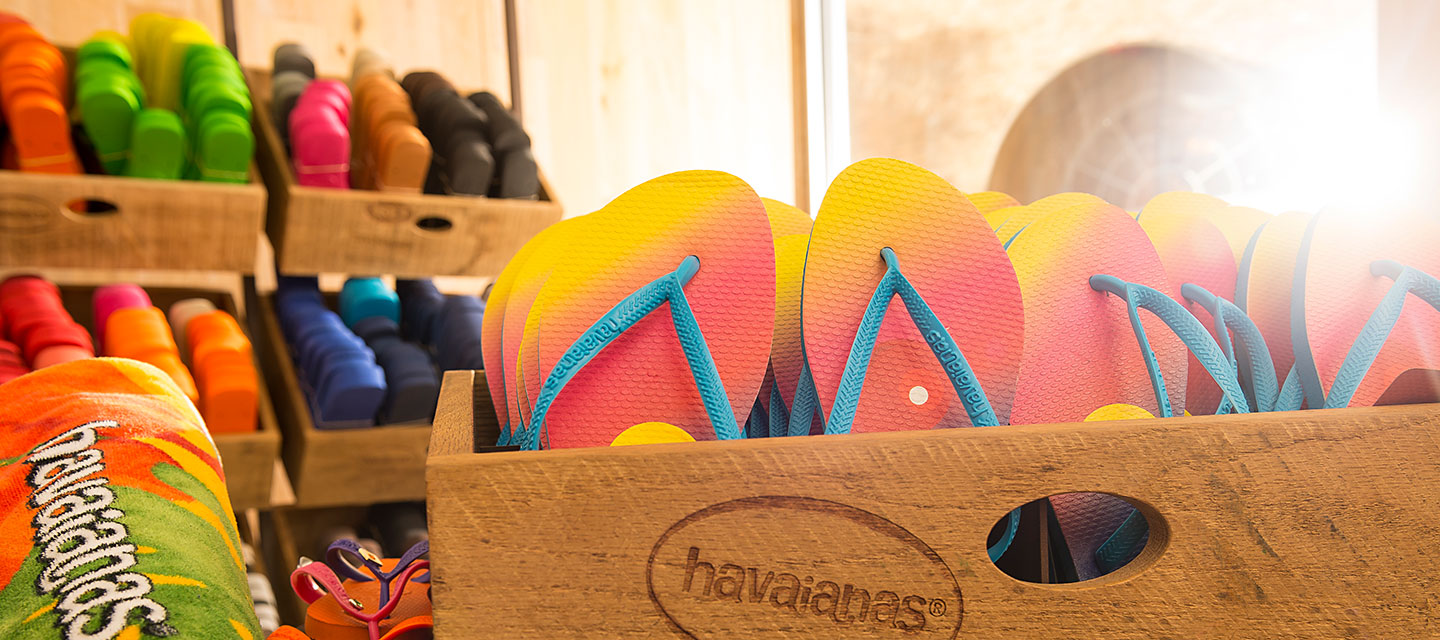
    In 2017 Kanmo expanded its retail footprint in footwear by acquiring sole distributorship of the global brand Havaianas and launch of the concept footwear store for kids, Wilio.

  • China, Hong Kong boost up L’Occitane sales

    China, Hong Kong boost up L’Occitane sales

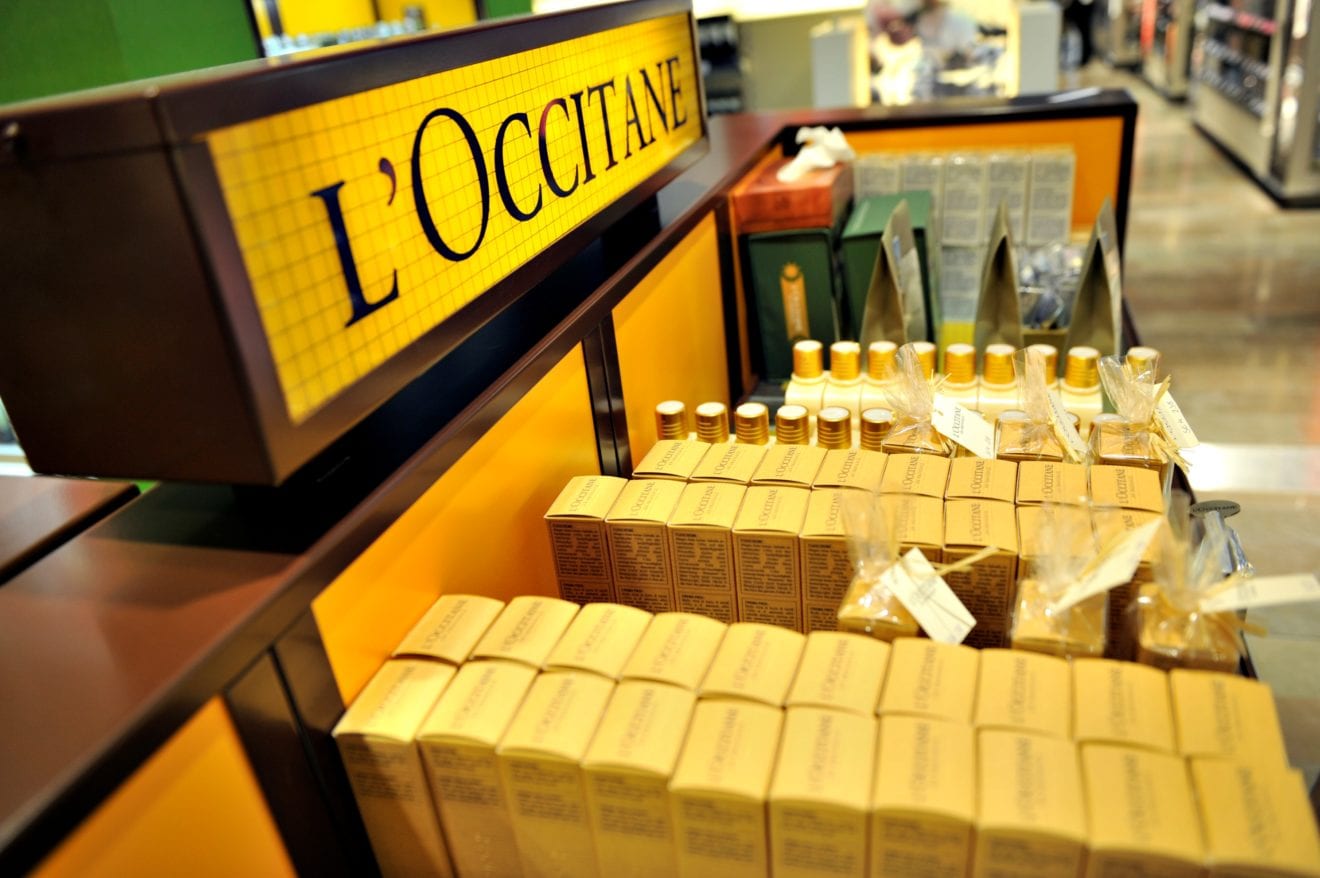
    China and Hong Kong were among the key contributing markets to overall growth in L’Occitane sales for its year to the end of March.

    The Hong Kong-listed, French fragrance group’s net sales were €1.31 billion, up 4.6 per cent at constant exchange rates and a slight decrease of 0.3 per cent at reported rates. Gross margin remained high at 83.3 per cent.

    Operating profit and net profit were €141 million and €96.5 million respectively, both down on last year thanks to unfavourable foreign-currency translation rates and tax reform in the US. However, the operating margin was strong at 10.7 per cent.

    Net sales in sell-out and sell-in segments (representing 74.9 and 25.1 per cent of total net sales respectively) increased by 4.8 and 4 per cent.

    The company increased the total number of retail locations by 8.2 per cent to 3285 as at March 31. It grew its own retail stores to 1555, up 2.7 per cent.

    During the year, the company added 41 own stores, including 10 in Japan (seven of them Melvita stores). China had five closings (including three Melvita stores) because of lease end and underperformance. There were four net closings in Taiwan.

    Marketplace driver

    The sell-out segment contributed 78.4 per cent to overall growth, mainly driven by the marketplace platforms in China and Korea. Web channels (including own e-commerce and marketplaces) grew 19.2 per cent at constant exchange rates.

    The group’s same-store sales growth was mainly driven by the strong market in China together with stabilisation of same-store sales in Hong Kong.

    The sell-in business segment, at €331.6 million, was primarily driven by dynamic growth in travel retail, B2B, web-partner and distributor channels.

    Japan’s net sales, at €218.9 million, were down 8.3 per cent, impacted by a sluggish retail market in the second half of the financial year, plus the closing of two large underperforming stores.

    Japan also closed its mail-order business, which was more than offset by double-digit growth in web sell-out channels.

    Hong Kong’s net sales were up 8.3 per cent at constant exchange rates, reaching €124.6 million and contributing 17 per cent to overall growth. Sell-in sales grew by 15.6 per cent at constant exchange rates, driven by the region’s dynamic travel retail business.

    China’s net sales at €159.1 million grew 14.5 per cent, or 20.5 per cent at constant exchange rates, contributing 46.6 per cent to overall growth. Sell-out sales growth was 21.6 per cent at constant exchange rates, with same-store sales growth at 15.1 per cent and marketplace growth at 75 per cent.

    At the end of the period there were 197 stores, five fewer than 12 months earlier.

    Taiwan’s net sales fell 5.1 per cent to €39.4 million against the backdrop of a challenging and competitive retail market. Four stores were closed during the year.

    However, says the company, Taiwan is one of the markets with highest repurchase rates in the group.

  • Bag collection by Jason Wu GREY, Sometime by Asian Designers, and ZALORA

    Bag collection by Jason Wu GREY, Sometime by Asian Designers, and ZALORA

    Zalora has been working towards the creation of exclusive collections to provide its customers with a unique experience. Zalora holds its own fashion labels, values local designers and culture in the markets, where it operates, and recently launched its first international collaboration.

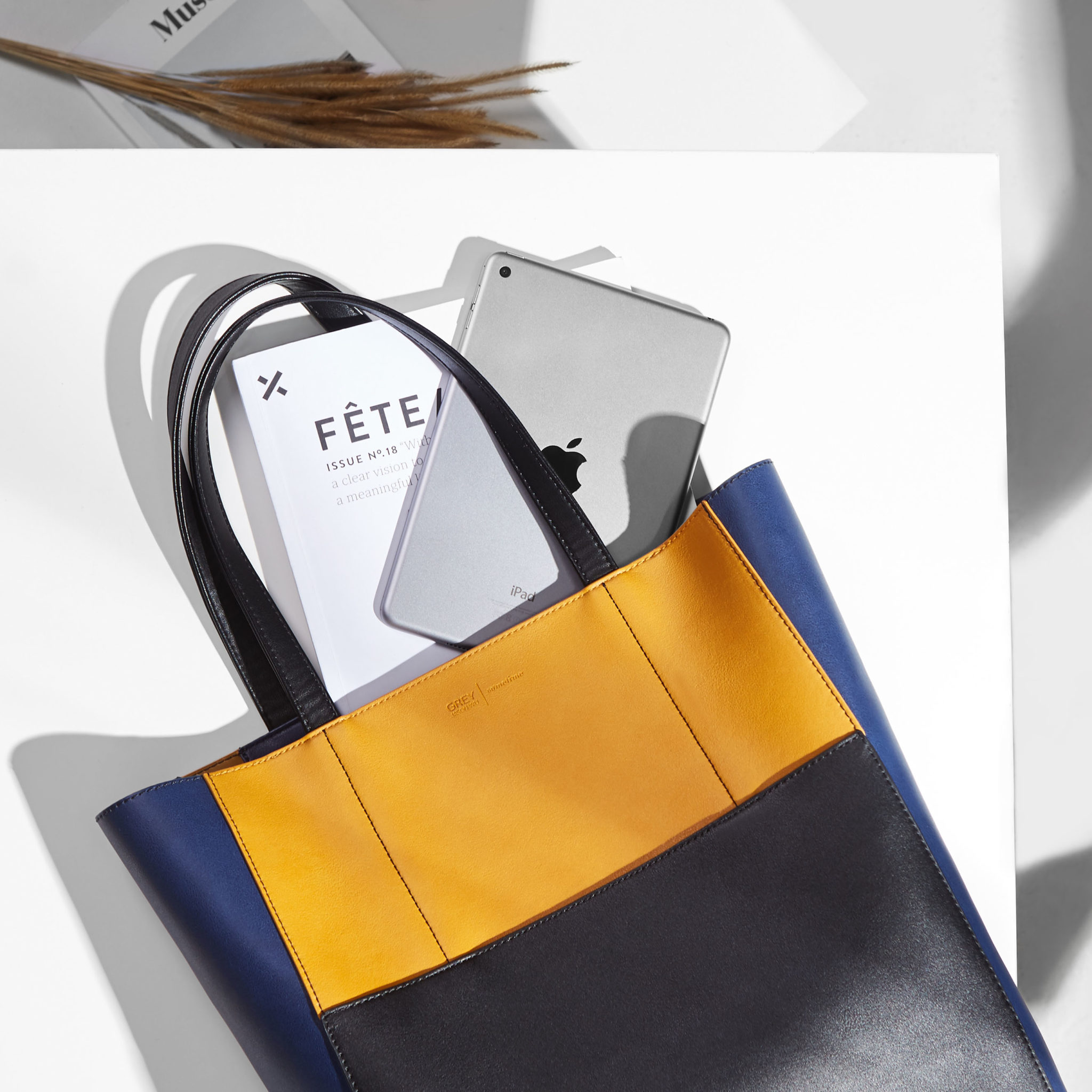
    ZALORA has launched the exclusive Jason Wu GREY x Sometime by Asian Designers Edie tote bag on 4th June 2018.

    Available only via the fashion ecommerce platform in Malaysia, Singapore, Indonesia, Taiwan, Hong Kong, and the Philippines, it is the first international designer collaboration by ZALORA and Sometime by Asian Designers.

    Designed with practicality in mind, the Edie is crafted vertically with three additional compartments. It closes up with a concealed magnetic hardware, ensuring accessibility and convenience. The tote comes in two sizes and is available in six colours ranging from Slipper, Soft Pink, Creme, Orange, Mustard, and Ultramarine. The Edie tote in Ultramarine , will be exclusive to Taiwan to honour Jason Wu’s birthplace.

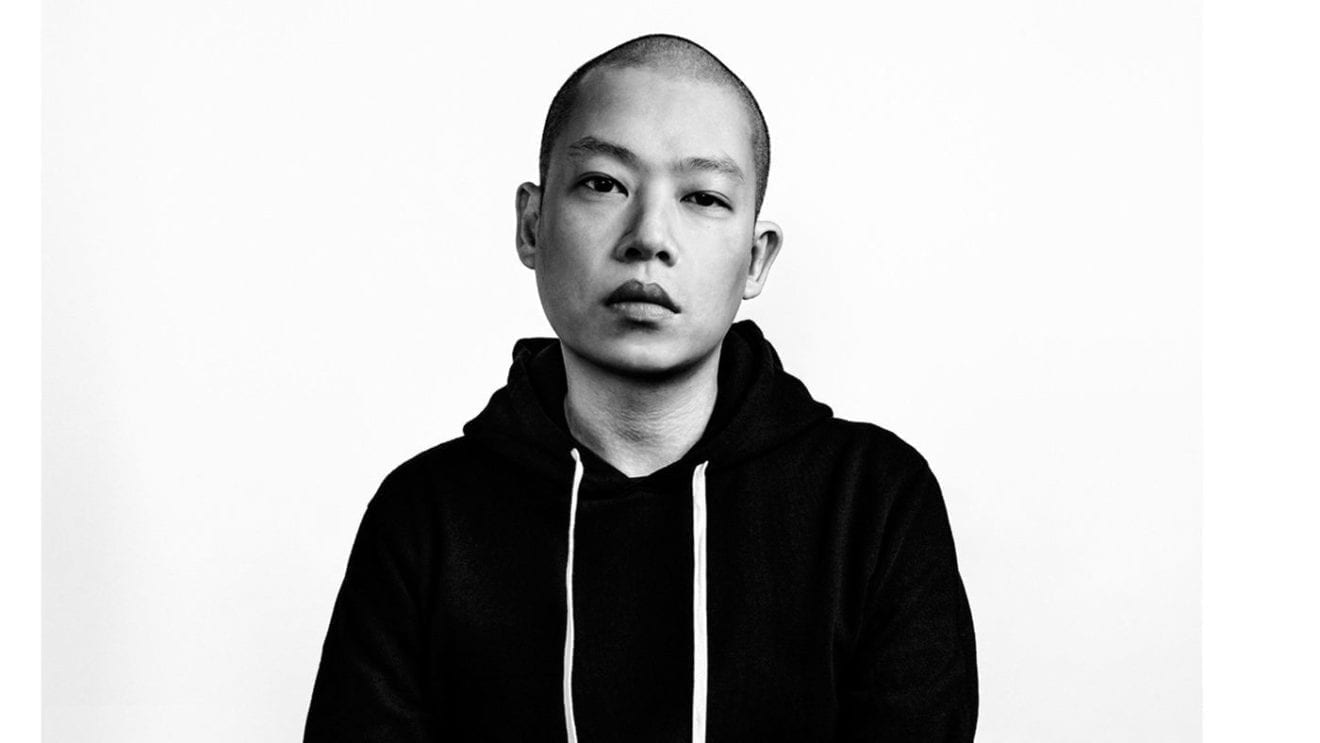
    Jason Wu, who is based in New York, cites the bag’s bold colour block details as reflections of Josef Albers’ square paintings. “The inspiration for the Edie tote comes from my love of mid-century art and architecture,” he said. Pairing the old and the new, he also said that the modern silhouette of the bag truly reflects the timeless sensibility of the collection.

    Bringing the design to life, Sometime’s Head of Product, Nicole W. said that, “Jason Wu is an extraordinary burst of creative energy in the fashion industry. It was our job to make sure that his design continues to inspire bag lovers and at the same time, for our clientele to own exceptional quality bags”.

    In a private dinner held in Malaysia to announce the collaboration recently, Wu shared his goals to engage with more collaborations in his home, the Asia-Pacific region. He hopes to help fellow Asian fashion designers and fashion companies to come into prominence. “I agreed on this project on so many levels. I love collaborations, and I’ve done many in my career. With this, it’s not just about Jason Wu GREY, Sometime by Asian Designers, and ZALORA. Everyone knows we know how to buy, but what they need to know is we also know how to make. That is something I am proud to share with the world. It’s very impressive, and that is my goal,” says Wu.

    Commenting on its first regional collaboration with an international designer, Nicole W. added that, “The brand speaks on celebrating the magic of Asian designers and the launch of Edie truly reflects what we advocate. We are honoured to have Jason Wu on board and there is no better partner than ZALORA to help spearhead our expansion into new markets, making everyone a style icon in their own rights!”

    Saskia de Jongh, ZALORA’s Chief Commercial Officer added, “This collaboration is a milestone for ZALORA, Sometime and Jason Wu, as we worked together to offer consumers in the region a product that celebrates Asian creativity and innovation.

    Supporting the region’s fashion industry has always been a key focus for us at ZALORA, and we see this collaboration as another exciting opportunity to enable our partners to access a much wider audience in the region through our innovative platform and expansive logistics network. It’s also a great opportunity for us to excite fashion customers in Asia with sought after fashion products available exclusively to them.”

  • Retail Sales During Ramadan Signal a Rebound

    Retail Sales During Ramadan Signal a Rebound

    Retail sales in Indonesia increased ahead of the Idul Fitri holiday, hinting of a much-anticipated rebound in private consumption.

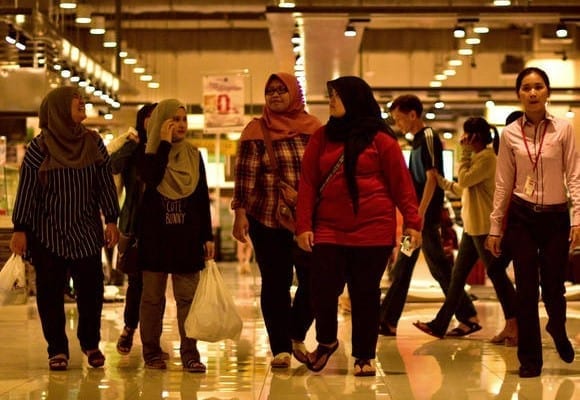
    Shopping malls saw crowds of people hunting for discounts on new clothes, jewelry or the latest trends in shoes and handbags ahead of the annual festivity. Housewives have meanwhile been filling their grocery baskets with staples such as beef, chicken and chili, the prices of which have been uncharacteristically low for this time of the year.

    “We expect retail sales to increase by between 20 percent and 25 percent, compared with the Idul Fitri holiday last year,” said Roy Mandey, chairman of the Indonesian Retailers Association (Aprindo).

    Sales growth has been accelerating since January, reversing last year’s downward trend, and reached 3.4 percent in April – the highest in 10 months, according to World Bank data.

    A Bank Indonesia survey also showed the Consumer Confidence Index increasing 2.9 points in May to 125.1 – near its three-year peak. A reading above 100 reflects optimism.

    Consumers started spending more of their incomes, according to the survey. The average income-for-consumption ratio slightly increased to 66.1 percent from 66 percent the previous month, while the income-for-saving ratio declined to 19.6 percent from 20 percent.

    According to Roy, retail sales during Ramadan and the Idul Fitri holiday will contribute around 40 percent to the full-year target. Last year, retail sales only contributed 6 percent to the total in the same period. The average contribution is 15 percent.

    Indofood Sukses Makmur, one of Indonesia’s largest producers of packaged goods and flour, predicts a 10 percent to 12 percent increase in sales during this period.

    “We increased stocks to meet rising demand during the fasting month and holidays that follow it,” Indofood director Taufik Wiraatmadja said on Thursday (07/06). He added that this was done to boost the company’s sales during Ramadan.

    Indofood CBP Sukses Makmur, its subsidiary that produces various branded consumer products such as instant noodles, snacks and dairy products, predicts an 8 percent to 12 percent rise, while Bogasari, its flour producer arm, predicts a 10 percent increase in sales.

    The growth in retail sales is also reflected in advertising spending during Ramadan, which increased 7 percent overall during Ramadan this year, compared with the same period last year.

    Research by Nielsen shows that there was an average of 7 million TV viewers in Indonesia per day during this year’s Ramadan, which is 18.6 percent more compared with other months. People watched TV about five hours 19 minutes on average during Ramadan, compared with four hours and 53 minutes during the non-Ramadan period. The research compared the Ramadan period on May 16-21, with the non-Ramadan period of April 1-7.

    “For online shopping during Ramadan, there is growth in clothing products, food and beverages products, household products and travel-related products,” said Hellen Katherina, executive director of media business at Nielsen Indonesia.

    Signs of a Turnaround

    Ramadan sales usually contribute 15 percent of Indonesian retailers’ annual sales, according to Roy of Aprindo. But last year’s sales were weak and only made up 6 percent of the full-year sales. As a result, retailers saw only 3.65 percent growth in 2017, representing the sector’s worst performance in the past 10 years.

    The positive trend comes as a relief to retailers, who are now confident of reaching between 8 percent and 9 percent growth by the end of this year, Roy said.

    He attributed the spike in retail sales to holiday bonuses and 13th checks received by some 4.3 million civil servants across the country.

    This year, the government allocated Rp 35.76 trillion ($2.56 billion) towards 13th checks and holiday bonuses for civil servants who have not seen pay raises since 2016. Last year’s figure was Rp 23 trillion. The government has also raised its expenditure on social assistance, which includes village funds, cash transfers under the Family Hope Program (PKH) and rice social assistance (Rastra). It has spent Rp 17.9 trillion between January and March, almost a double last year’s figure.

    “While a quarter that includes Ramadan usually fares better than other quarters, Jokowi’s move to increase the allowance for civil servants and expenditure on social programs proves to be a good decision to boost retail sales,” Alfred Nainggolan, a research analyst at brokerage firm Koneksi Kapital said on Sunday, referring to President Joko Widodo by his popular nickname.

    “There will be more momentum to increase it, such as regional elections and the Asian Games, which in turn will further support Indonesia’s economic growth,” Alfred said. The regional elections will be held at the end of June, while the Asian Games will take place in August and September.

    Stable food prices also contributed to consumer confidence, according to Juan Permata Adoe, deputy chairman of strategic foods affairs at the Indonesian Chamber of Commerce and Industry (Kadin).

    The government opened the import market for staple goods and imposed price controls on rice, sugar, meat, packaged cooking oil, and fuel and power to stabilize prices.

    A kilogram of beef sold for Rp 149,300 per kilogram during the last week of Ramadan, virtually unchanged from a month ago, according to National Strategic Food Price Information Center. In the past, it has not been unusual to see a 30 percent jump in commodity food prices during Ramadan and Idul Fitri.

  • Rakuten to buy mobile commerce startup Curbside

    Rakuten to buy mobile commerce startup Curbside

    Japanese e-commerce company Rakuten is to buy Curbside, an app which offers shoppers mobile ordering from brick-and-mortar stores for outside pickup.

    Curbside says after the acquisition it will continue to operate as an independent company, with its products, services and team unchanged.

    Rakuten’s investment heralds a shared “common vision around connecting consumers to easy, convenient mobile commerce at stores in the communities where they work and live,” said Curbside’s announcement.

    The purchase of Curbside is Rakuten’s 36th acquisition in 11 years, but its first for two years.

    Curbside, founded in 2013, was an early pioneer of mobile technology that can help brick-and-mortar retailers and restaurants provide an additional way to compete with e-commerce companies and food delivery services. They take the in-store pickup concept a step further by delivering purchases to shoppers without them having to get out of their cars.

    Website Mobile Marketer says the deal comes at a time that mobile ordering and pick up are gaining steam. But that means the company faces more competition than it did several years ago.

    “Having a big corporate parent like Rakuten is likely to provide Curbside with an opportunity to work with a wider group of retailers worldwide. At the same time, the deal suggests that, as mobile ordering and pickup become more popular, the supporting technology is becoming a must-have for digital retail platforms like Rakuten while underscoring the importance of location data for digital marketing services.”

  • Chelsea jerseys will soon bear Hyundai logo

    Chelsea jerseys will soon bear Hyundai logo

    Hyundai Motor signed a four-year contract with storied English Premier League club Chelsea FC to become its global automotive partner.

    Korea’s biggest automaker announced that it will sponsor the football team until 2022.

    Hyundai Motor’s logo will appear on the sleeves of the team’s new uniform and on the signboards at Chelsea’s home and away games. The automaker will also display its cars at Chelsea’s Stamford Bridge stadium.

    This is the first time Hyundai Motor has sponsored a British football team.

    “For 20 years, Hyundai has been bringing the dynamism, passion and excitement of football to fans around the world,” said Andreas-Christoph Hofmann, vice president of marketing product at Hyundai Motor. “We are thrilled to begin a new partnership with Chelsea, a successful and ambitious club that matches the global scale and challenging spirit of Hyundai.”

    Chelsea’s new uniform that features Hyundai Motor’s logo will debut on July 23, when the team will play against Perth Glory in Australia ahead of the 2018-19 Premier League season.

    Chelsea was founded in 1905 and has won six EPL seasons. It has also won the FA Cup eight times.

    The automotive company has been a FIFA Top Partner since 1999, and has been sponsoring the French football team Olympique Lyonnaise since 2012.

    As official FIFA partners, Hyundai Motor and Kia Motors have recently stepped up their marketing effort for the upcoming Russia World Cup.

    On May 31, Hyundai Motor delivered 530 Santa Fe, Tucson and Starex SUVs to the World Cup venues. Kia Motors sent 420 of its K9, Sorento, Sportage and C’eed models.

    Hyundai’s standalone Genesis luxury brand has sponsored the Genesis Championship, a men’s golf tournament for Korean players, since last year.