Tag: asia

  • Uber agrees to sell Southeast Asia business to Grab after costly battle

    Uber agrees to sell Southeast Asia business to Grab after costly battle

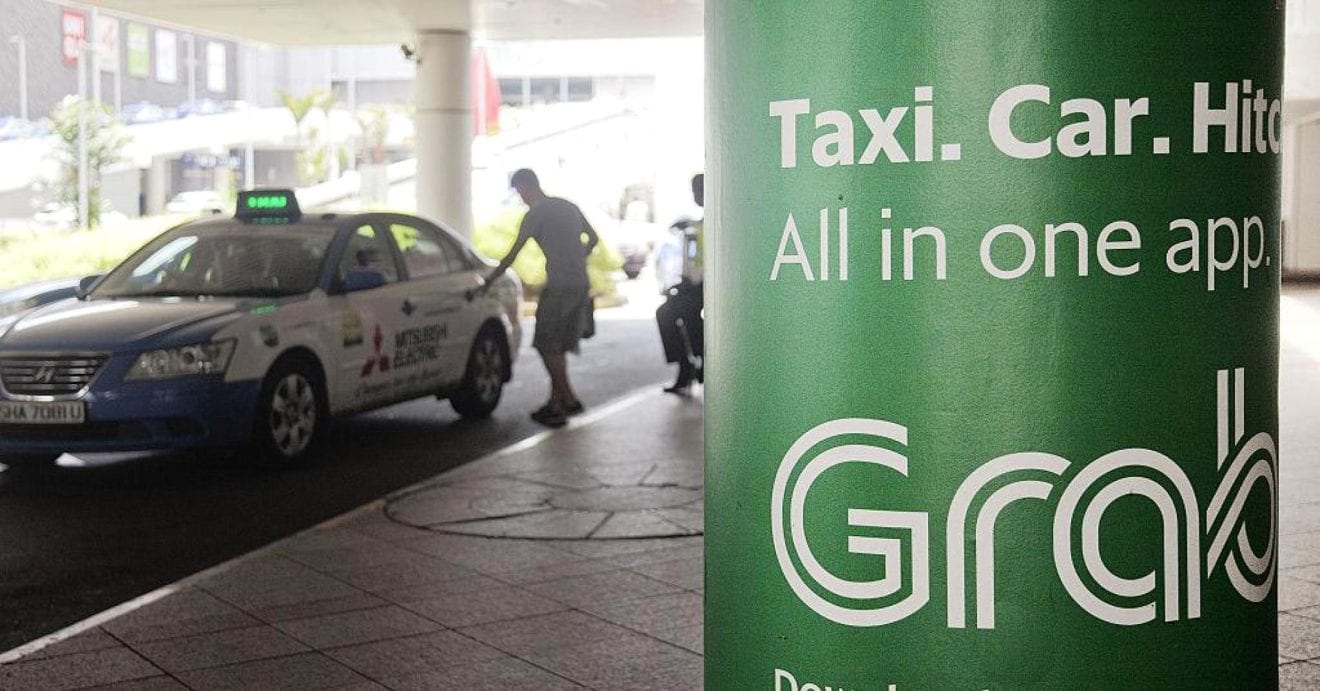
    Ride-hailing firm Uber Technologies Inc has agreed to sell its Southeast Asian business to bigger regional rival Grab, the firms said in a statement on Monday, marking the U.S. company’s second retreat from an Asian market.

    The deal marks the industry’s first big consolidation in Southeast Asia, home to about 640 million people, and puts pressure on Indonesia’s Go-Jek, which is backed by Alphabet Inc’s Google and China’s Tencent Holdings Ltd.

    As part of the transaction, Uber will take a 27.5% stake in the Southeast Asian company and Uber CEO Dara Khosrowshahi will join Grab’s board.

    Expectations of consolidation in Asia’s fiercely competitive ride-hailing industry were stoked earlier this year when Japan’sSoftBank Group Corp made a multi-billion dollar investment in Uber.

    SoftBank is also one of the main investors in several other big ride-hailing firms including Grab, China’s Didi Chuxing, andIndia’s Ola.

    Ride-hailing companies throughout Asia have relied heavily on discounts and promotions, driving down profit margins.

    Uber, which is preparing for a potential initial public offering in 2019, lost US$4.5 billion last year and is facing fierce competition at home and in Asia, as well as a regulatory crackdown in Europe.

    “It will help us double down on our plans for growth as we invest heavily in our products and technology,” Khosrowshahi said in a statement.

    Grab said it will take over Uber’s operations and assets in eight countries in the region, and will expand its food delivery services.

  • Clean-up makes Vietnam banks attractive to foreign investors

    Clean-up makes Vietnam banks attractive to foreign investors

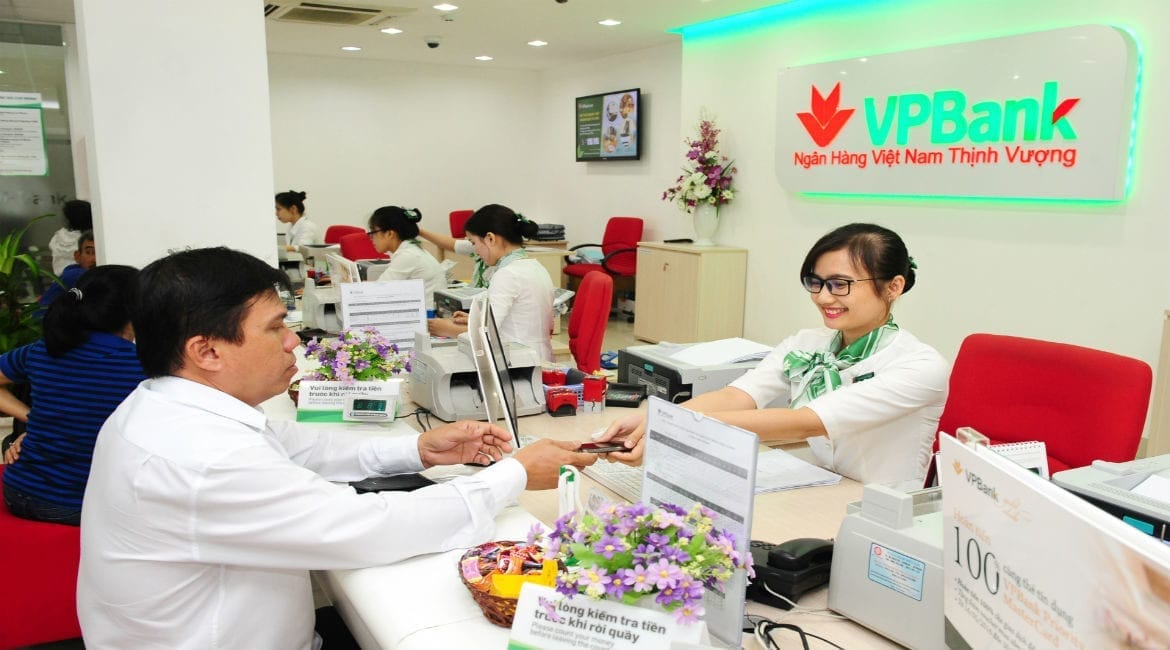
    Since last year there has been a churn in the banking sector with some foreign investors selling their stakes in local banks and others buying in.

    France’s BNP Paribas, HSBC and Australia’s Commonwealth Bank have been among those pulling out.

    ANZ sold its retail banking division to Korea’s Shinhan Bank and Standard Chartered Bank sold its entire 8.75 per cent stake in Asia Commercial Bank.

    Analysts said foreign banks are merely pulling out to invest in more profitable markets.

    Some pointed out that Asian banks which enter Việt Nam seem to be more successful than their western counterparts. They attributed this to their better understanding of the local market and business culture.

    But even in the case of western funds, the flow is not one-way: Just this month Việt Nam Technological and Commercial Joint Stock Bank (Techcombank) revealed it is selling stakes worth over US$370 million to US private equity firm Warburg Pincus.

    In December Hồ Chí Minh Development Joint Stock Commercial Bank (HDBank) had sold stakes to more than 76 foreign investors before listing.

    The investors include some familiar names like VinaCapital, Dragon Capital, Deutsche Bank AG, JPMorgan Vietnam Opportunities Fund and financial institutions like CAM Bank (Japan), RWC Frontier Markets Opportunity Master Fund (UK), Macquarie Bank (Australia), and Charlemagne (UK).

    HDBank’s partner in the consumer finance division, Credit Saison (Japan), also bought a stake.

    In all investors paid $300 million for a 21.5 per cent stake in HDBank.

    Finnish independent fund management company PYN Fund Management recently completed acquisition of a 4.99 per cent stake in Tiền Phong Commercial Joint Stock Bank (TPBank) for $40 million, marking its largest investment yet in Việt Nam.

    With a total portfolio value of 417 million euros, PYN is now the third largest foreign investment fund in Việt Nam.

    South-Korean based Hana Financial Group has acquired a stake in the Bank for Investment and Development of Vietnam (BIDV).

    The banking sector is at an historic point now, with a cleaning up of books well under way. The real estate market is booming, meaning banks’ bad debts are being settled increasingly and their revenues are increasing.

    But for analysts the most important factor is that the Government is forcing banks to meet Basel II standards.

    They said foreign investors recognise the potential of Việt Nam’s financial market, especially on mobile platforms, since the country has 53 million mobile subscribers and 40 million users.

    The Government is making policy changes that would help the industry overcome its limitations in technology, capital and management, making foreign investors feel secure.

    While foreign investors would like to woo Vietnamese banks, they are hamstrung by the fact that most of the latter have reached or are close to reaching foreign ownership caps.

    Vietnamese law allows maximum ownership of a bank by a single foreign investor of 20 per cent and combined ownership by foreign entities of 30 per cent.

    Based on these numbers, only a few banks remain below the threshold, most of them still in the process of restructuring, including SCB, BacA Bank, VietABank, and Sacombank.

    Many lenders have suggested that the State Bank of Việt Nam should increase the foreign ownership caps to 35-40 per cent in case of State-owned banks and 49-51 per cent in case of private banks.

    Foreign investors want the ratio to be increased to 50 per cent or even 65 per cent.

    Traditional grocers lose out to modern retail

    Hai Hương, 66, owns a small grocery store in an alley off Huỳnh Đình Hai Street in HCM City’s Bình Thạnh District. The shop has helped her run her family for the last 20-odd years.

    But now she plans to close it following a terminal slump and bad losses in recent times.

    “Business has dropped day after day,” she said.

    Most of her once-regular customers have switched to convenience stores or mini supermarkets, which are mushrooming in that area.

    But she admitted their choice was easy to understand because the modern retail stores have a huge range of products, a majority of them of high quality, and routinely offer promotions.

    “I cannot compete with them,” she said.

    Thousands of these so-called mom and pop shops in cities and towns around the country face a similar fate as modern retail shops spring up everywhere.

    According to a recent survey by the Việt Nam High Quality Goods Association, traditional grocery shops’ share of business has gone down from 17 per cent in 2011 to 9 per cent now.

    From just two supermarkets in HCM City in the late 1990s growth has been dizzying and now there are thousands of modern stores of all types around the country. By 2015 there were round 2,000 convenience stores and mini supermarkets.

    Vinmart+ for instance entered the retail business only three years ago but has already become the biggest convenience store chain in the country with 1,000 outlets.

    According to IDG research Việt Nam’s convenience store market is expected to grow at 37.4 per cent annually, the highest rate in Asia.

    A recent report by Kantar Worldpanel said the modern retail channel is growing at 15 per cent, a much higher rate than traditional channels like wet markets and grocery shops.

    Experts said the reasons for the strong growth of the modern retail sector can in fact be linked to the limitations of pop and mom stores.

    Most of the latter are small, measuring under 20 square metres on average, meaning the area for displaying goods is limited, a major factor in shopping.

    Many of the products sold at these traditional stores do not have clear information with regard to product origin, expiry date, quality and usage instructions.

    Việt Nam’s strong economic growth, a rapidly growing middle class with higher disposable incomes, frenetic urbanisation and increasing concern about hygiene and food safety are major factors fuelling the rapid growth of modern retail.

    The country also has a growing number of sophisticated consumers, especially young urban consumers, and middle-class shoppers who have little time to shop daily for food.

    It also has a large number of women in the workforce with rising disposable incomes, who buy higher value consumer items for their children and families.

    Products sold at modern retail stores are perceived as safer than those sold in wet markets and traditional grocery shops.

    Food safety and hygiene have an increasingly important influence over consumers’ food purchasing decisions. As a result, many are willing to pay a premium for perceived quality, nutrition and hygiene in their food and drinks.

    The US’s A.T. Kearney says 24-hour convenience stores and mini supermarkets are now the most favoured shopping outlets among Vietnamese consumers.

    There is a dizzying range of chains now — Circle K, B’s mart, Family Mart, MiniStop, Shop&Go and 7-Eleven owned by foreigners and CoopFood, Co.op Smile, SatraFoods, Vinmart+, Hapro and Vissan owned by Vietnamese companies — with all of them having a presence all over the nation.

    The rapid development of the modern retail channel is also thanks to Government policies, which are always favourable to it.

    For instance, according to the Ministry of Industry and Trade’s Circular No.08/2013, in case of setting up a retail establishment of  foreign retailers with area of less than 500 square meters in area planned for goods trading activities by central-affiliated cities and provinces and already finished construction of infrastructure, it is not required to perform provision on checking the economic demand.
     

  • KT Korea to launch 5G soon

    KT Korea to launch 5G soon

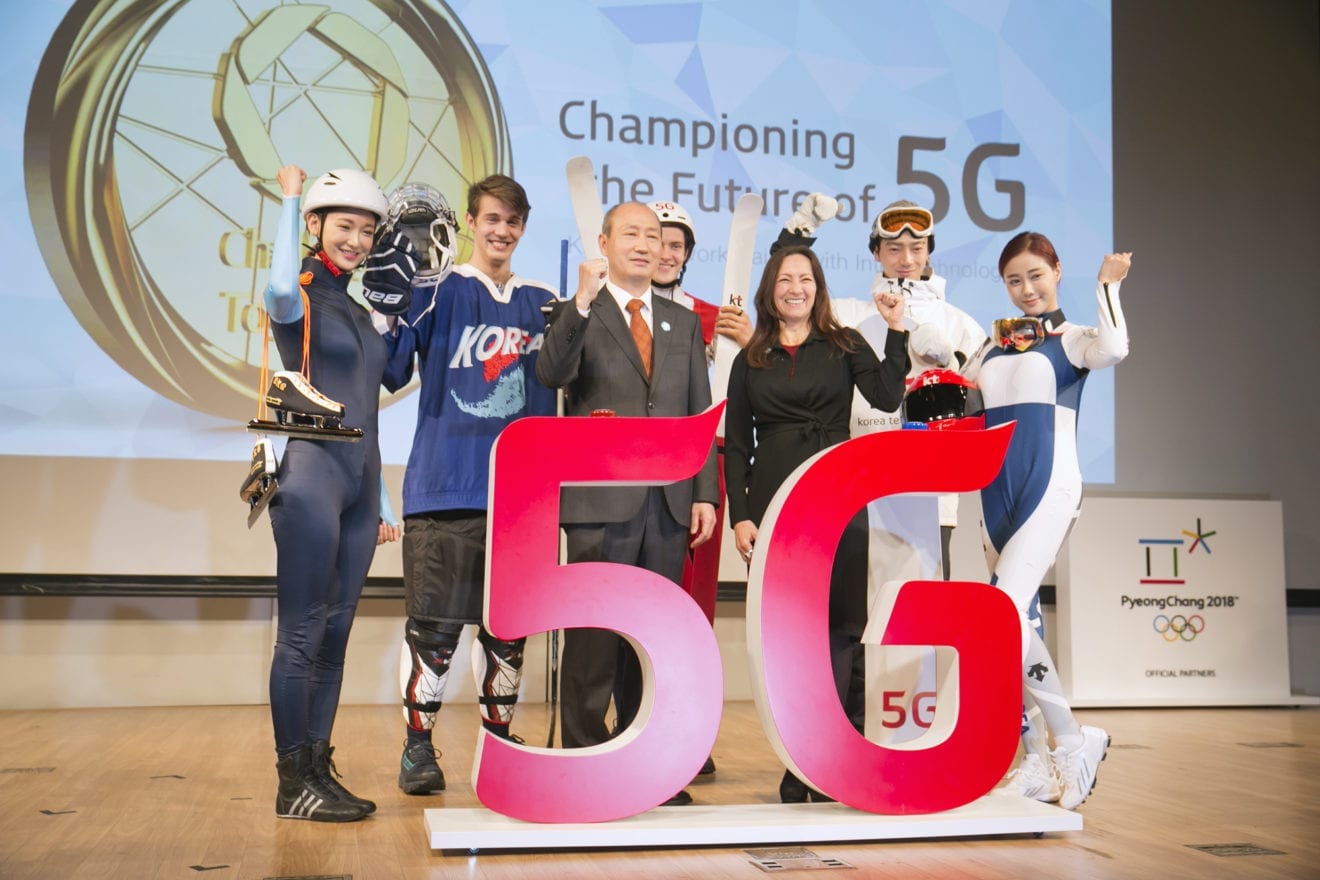
    KT plans to roll out its next-generation 5G network to users as soon as next March after its test run at the PyeongChang Olympics proved a success.

    The country’s second-largest mobile carrier said Thursday that its 5G system will offer true wireless service as opposed to fixed wireless service. Verizon is preparing to launch the first fixed wireless 5G service in the United States later this year. Fixed wireless 5G service requires the use of a router, and can only produce small networks for homes or offices.

    “We are not going to say we have commercialized a 5G network after offering fixed wireless service for homes,” said Oh Seong-mok, the head of KT’s network division, at a press briefing Thursday at the company’s Gwanghwamun headquarters in central Seoul. “We can offer fixed wireless services for those who really need them, like households in rural areas with poor network infrastructure, but it will not be our focus.”

    According to KT, the key to commercializing 5G is making sure users don’t lose connectivity as they move between the ranges of base stations which broadcast the signals.

    A KT spokesperson said that the strategies behind deploying fixed wireless 5G in the United States and Korea differ because of the two countries’ telecommunications infrastructure. The United States still has many areas without the fiber cables that enable broadband service, and laying down the cables is costly. Fixed wireless 5G could prove to be a cheap, efficient alternative, delivering high-speed internet to customers who are currently poorly served.

    KT wants to take the lead in Korea’s advanced telecommunications market by becoming the first company to provide a seamless mobile 5G network. Oh said that though its service will be first rolled out in major Korean cities, it aims to eventually create a nationwide network.

    The company is also working to set up its 5G Open Lab, a research and development center in Seocho District, southern Seoul, that will share 5G technologies with small and medium-sized businesses. KT expects to open the lab within the next few months.

    Even if KT manages to offer 5G by next March, customers will have to wait a little longer for 5G-enabled phones to hit the market. Global manufacturers are expected to launch the first 5G-capable commercial phones by the second quarter of next year.

    KT said its first customers will likely be enterprise clients that can use the 5G network on their own devices.

  • Positive trend for Swiss watch in Hong Kong

    Positive trend for Swiss watch in Hong Kong

    Exports of Swiss watches to Hong Kong rose 35.7 per cent last month, their strongest advance for six years, according to the Federation of the Swiss Watch Industry.

    After 44.3 per cent growth in January, China also exceeded the global average with a 21.7 per cent rise.

    Japan (up 7.1 per cent) and Singapore (up 7 per cent) posted significant growth.

    Following stronger January exports, February was even better, says the federation. The total value of watch exports reached SF1.7 billion francs (US$1.7 billion), up 12.9 per cent.

    Watches made of precious metals and steel set the pace. While overall volumes were less sustained, there was still significant growth, says the federation, driven by timepieces in steel. The result was nevertheless held back by the “other materials” category.

    Growth extended to all price segments, led by watches priced at between SF500 and SF3000 (export price) where the value of exports rose 19.3 per cent.

    Timepieces priced at more than SF3000 francs, up 12.9 per cent, fell within the average range. Products costing less than SF200 achieved 7.8 per cent growth after falling sharply for more than one year, says the federation.

  • Bratz Dolls maker bids to rescue Toys “R” Us

    Bratz Dolls maker bids to rescue Toys “R” Us

    Toy company executive Isaac Larian says he and other investors have pledged $200 million in financing and hope to raise four times that amount in crowdfunding in order to bid for up to 400 of the Toys “R” Us stores being liquidated in bankruptcy.

    The unsolicited bid still faces many hurdles, including finding other deep-pocked investors and getting a bankruptcy judge to agree to it. But this is the first public plan to keep the cherished toy brand in existence in the United States.

    Such a long-shot move would also greatly benefit Larian’s primary business. He’s CEO of Bratz Dolls maker MGA Entertainment, which relies on Toys “R” Us for nearly one in every five sales.

    Larian says he and the other investors, which he declined to name, believe salvaging part of the Toys “R” Us business will be good for the toy industry, customers and workers. They’re interested in more than half the 735 U.S. stores Toys “R” Us plans to liquidate and want to be able to use the valuable brand name.

    And they’re hoping the outpouring of affectionate nostalgia when Toys “R” Us announced its plans — #SaveToysRUs has been a trend on social media — translates into pledges toward their $1 billion goal.

    Toys “R” Us sought court approval last week to liquidate its remaining U.S. stores, threatening the jobs of some 30,000 employees and spelling the end for a chain known to generations of children and parents for its sprawling stores, sing-along jingle and Geoffrey the giraffe mascot.
    The store has an iconic place in American culture, said Larian. “We can’t just sit back and just let it disappear.” Larian, who is a billionaire, is using his own money, not MGA funds, for the bid.

    Why might Larian be successful with a retail chain struggling to stay relevant in the age of Amazon? For one thing, Larian wouldn’t have the massive $5 billion in debt that hampered the current owner of Toys “R” Us. He also says the toy industry needs a big chain like Toys “R” Us, where children can touch the toys and toy makers can test new products.

    The chain’s liquidation will have a “devastating effect” on the toy industry, said Larian, who estimates that 130,000 jobs in the U.S. could be lost when you include layoffs at suppliers and logistic operations. He said a total Toys “R” Us liquidation could mean MGA would have to lay off workers at an Ohio plant that makes the Little Tikes toy vehicles. That brand accounts for 25 percent of MGA total sales, and Larian says only Toys “R” Us really had enough room to display the cars. It’s harder to ship such bulky items on Amazon.

    The Toys “R” Us troubles have hurt big toy makers like Mattel and Hasbro, which have been key suppliers to the chain. MGA, based in Van Nuys, California, is the world’s largest privately held toy company. The planned liquidation would have a bigger impact on smaller toy makers that rely more on the chain for sales.

    “People do not realize the hole that can’t be filled by other retailers,” said Larian, noting that Toys “R” Us accounts for 18 to 19 percent of MGA’s worldwide sales. “The pipeline is too big.”

    Larian claims that if 400 U.S. Toys “R” Us stores are salvaged, he could save one-third of the 130,000 jobs.

    The planned closure of the U.S. Toys “R” Us stores over the coming months will finalize the downfall of the chain that succumbed to heavy debt and relentless trends that undercut its business, from online shopping to mobile games.

    When the chain filed for Chapter 11 bankruptcy protection last fall, it pledged to stay open. But after what CEO David Brandon called a “devastating” holiday shopping season, Toys “R” Us announced in January it would close 182 stores, and then last week that it would liquidate.

    The company said last week it’s trying to bundle its Canadian business with about 200 U.S. stores and find a buyer. Larian has personally aligned with another investor in a separate bid for those operations, though he declined to specify the value of it.

    Toys “R” Us is also likely to liquidate its businesses in Australia, France, Poland, Portugal and Spain. It’s already shuttering its business in the United Kingdom. That would leave it with the stores in Canada, as well as in central Europe and Asia. It operates more than 700 stores outside the United States.

  • Azalvo launched to collaborate with designers, startups

    Azalvo launched to collaborate with designers, startups

    A new Hong Kong fashion and lifestyle incubator aims to ease collaboration for startups in fashion and retail.

    Called Azalvo, the platform was founded by Joanne Chow, who believes in the sharing economy and wants to provide access to resources, collaborate and guide companies through the challenging process of transforming creative ideas into successful businesses.

    “Azalvo is cultivating a culture of collaboration, nurturing a new generation of the local manufacturing industry and contributing to enhance the economic influence of the industry to Hong Kong,” says Chow.

    Backed by Aussco, a textile trading and manufacturing company with nearly 60 years of experience, Azalvo believes it offers the technical know-how, network, technology and experience to mentor, incubate and launch promising ideas for its partners.

    “Aussco and its affiliated companies have created a 360-degree ecosystem to offer comprehensive support for both emerging and mature companies. With our long legacy in design, fashion, retail and branding industries, we can identify and bridge the gaps in their needs.

    “The establishment of Azalvo stems from our experience in working with artists, designers, entrepreneurs and established brands in the fashion and lifestyle industry,” she said. Azalvo is the first and most comprehensive hub to develop this platform.”

    Textile and garment manufacturing has always been a major industry in Hong Kong, but over recent decades, the local industry has shifted from labor-intensive operations to knowledge-based research, technology development and brand management for international fashion and lifestyle brands.

    One of the new ventures early partnerships has been helping AI technology startup Small Mind.

    Founded by HiuKim Yuen and Tom Kwun Wah Tong, Small Mind partnered with Azalvo, to create a unique AR experience tool, (pictured above). Designed with the needs of fashion buyers in mind, the tool gives users real-time data, providing buyers and even customers with a new buying experience, whether they are buying at a fashion show or in store.

    Azalvo’s services include marketing and branding, product research and design, manufacturing knowledge and technology, sourcing and sampling, logistics and distribution, business matching as well as trademark, patent and prototype development.

    In-house facilities available to startups includes 3D printers, a professional photography studio, 360-degree rotatable cabinet and display area and a fashion and material archive.

  • PSA signs Malaysia production deal to boost Asia reach

    PSA signs Malaysia production deal to boost Asia reach

    PSA Group has signed a deal with Malaysian company Naza to jointly produce PSA-branded cars for Malaysia and other Asian markets. It is part of the automaker’s plans to boost its presence in the region after a failed bid to form a partnership with with Proton Holdings.

    PSA said in a statement on Monday that it had signed a share sale agreement and a joint venture agreement to establish a shared manufacturing hub in Gurun, Kedah, in Malaysia. PSA will own a 56 percent stake in the manufacturing hub, but no deal value was disclosed at the press event in Kuala Lumpur.

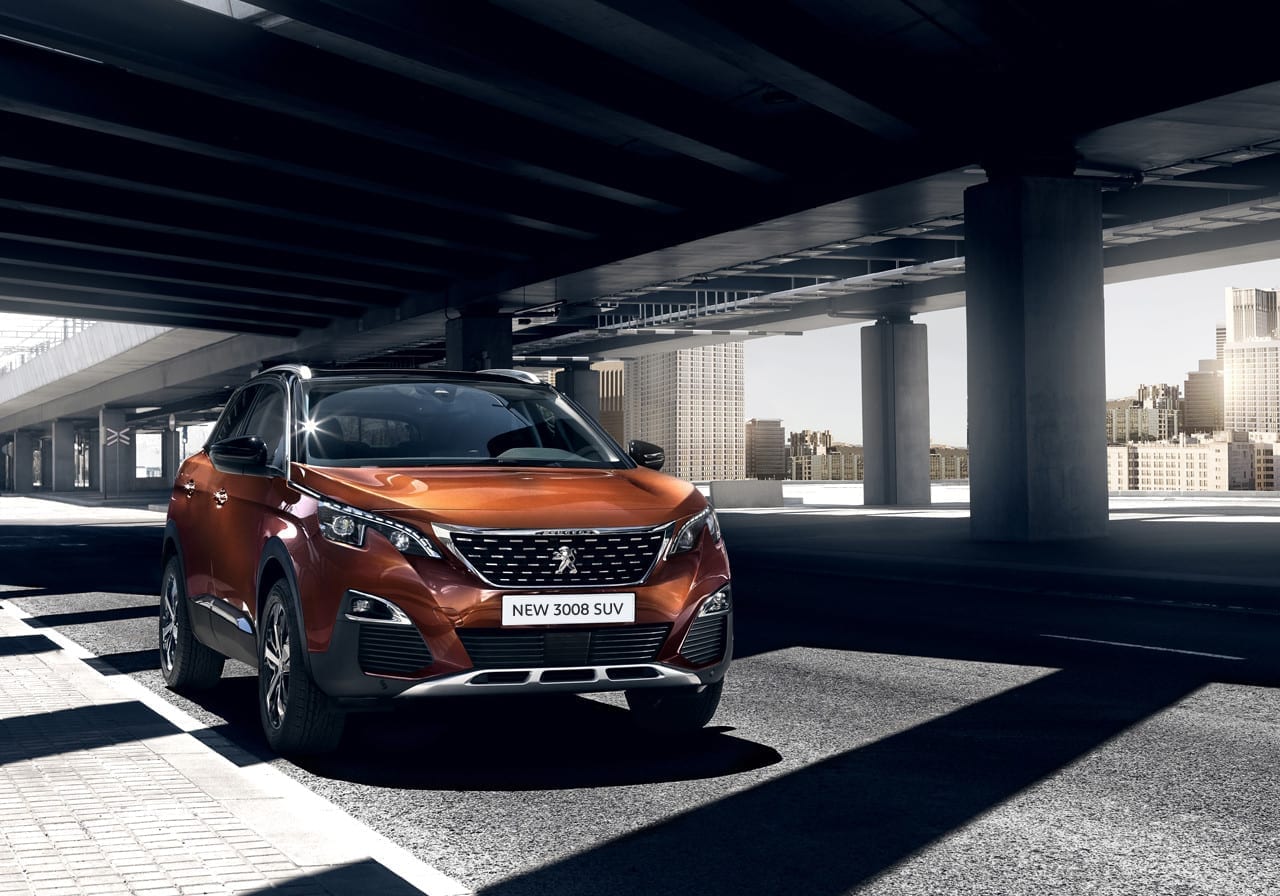
    The Malaysian plant will have a 50,000-unit capacity. Output of the Peugeot 3008 will begin this year, with the Citroen C5 Aircross following in 2019, PSA said.

    Naza said that with the joint venture it aimed to export 20,000 cars from the plant in the next three years.

    “The Naza Group will have sole responsibility for the distribution of Peugeot, Citroen and DS Automobiles in the domestic market and, with PSA, will explore distribution prospects in other ASEAN markets,” the statement said.

    PSA said the deal formed part of the company’s Push to Pass strategic plan to boost sales. That plan envisages a 10 percent increase in sales by 2018 and a further 15 percent by 2021 versus 2015 for the French group.

    “The creation of the ASEAN (Association of South East Asian Nations) hub in Gurun, Kedah, is a significant leap forward for PSA that will lead to the development of a profitable business in the region as part of our Push to Pass strategic plan,” PSA CEO Carlos Tavares said.

    PSA’s entry into Malaysia echoes that of Chinese manufacturer Zhejiang Geely Holdings Group’s last year. Geely bought a 49.9 percent stake in Malaysia’s Proton, pledging to help the struggling national automaker to strengthen its presence domestically and in the region. PSA was also in the running to form a partnership with Proton.

  • Hyundai’s union says revised trade deal with US ‘humiliating’

    Hyundai’s union says revised trade deal with US ‘humiliating’

    Hyundai Motor’s South Korean labor union on Tuesday called Seoul’s revised free trade deal with the United States “humiliating”, and said the extended tariffs on pick-up trucks mean a missed opportunity to tap into the US market.

    The United States and South Korea agreed to revise a trade pact sharply criticised by US President Donald Trump, Seoul said on Monday, with the nations agreeing to extend US tariffs on Korean pickup trucks by 20 years until 2041.

    “The union has called for domestic (South Korean) production of pickup trucks for the past several years,” the union said in a statement, adding it believes the US pickup truck market “represents the US market’s blue ocean and the future bread and butter of the South Korean auto industry”.

    Although no South Korean automakers currently export pickup trucks to the United States, Hyundai Motor had said last year it planned to launch a model there to catch up with a shift away from sedans.

    The government’s agreement to revise the US-Korea Free Trade Agreement’s auto industry section “is a humiliating negotiation that accepted Trump’s ‘strategy to preemptively block Korean pickup trucks’”, the union said.

    Hyundai was the worst performer among major automakers in the United States as of February, with its sales down 12 per cent year-on-year over the first two months of this year due to its heavy reliance on sedans and its aging SUV models. This compares to the market’s 0.8 per cent drop over the period.

    “Among potential offerings from (Korean) automakers in the US market, Hyundai Motor’s pickup truck is likely to be made locally (in the US),” Yoo Ji-woong, analyst at eBest Investment & Securities, wrote in a note on Tuesday.

    Hyundai Motor said on Monday it was “too early to elaborate on the details such as the estimated timing of the model release and production location”.

  • DHL Express officially opens its new Brussels Hub

    DHL Express officially opens its new Brussels Hub

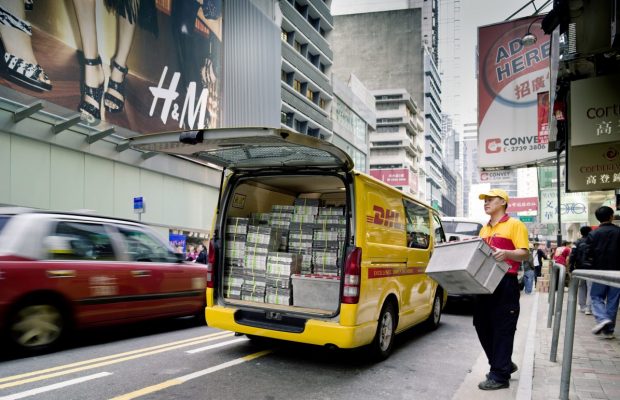
    DHL Express, the worldwide leader in logistics and express delivery, today opened its new regional hub at Brussels Airport. The state-of-the-art hub is equipped with the most recent logistics technology and will almost quadruple the capacity of DHL Express in Brussels to 42,000 shipments per hour. The hub, an investment of over 140 million euros including lease expenses, has seen the creation of an additional 200 new DHL jobs to date at the airport, three years earlier than initially planned.

    Ken Allen, CEO DHL Express said: “Brussels plays a crucial role in the worldwide DHL Express network. Brussels Hub is one of our largest hubs in the world and because of its location in the logistics heart of Europe, it also plays an important role in connecting companies from this region with the world. This new hub is a key part of our worldwide investment plan and will support our growth, the efficiency of our network and the high level of quality for which customers turn to DHL Express.”

    The new 36,500m² hub (including warehousing and offices) almost quadruples the capacity of DHL Express in Brussels. At full capacity, the hub’s two automated sorting systems can process up to 42,000 packages per hour, making it the fifth largest hub in the global DHL network. It offers air and ground links to a broad number of European destinations, as well as direct intercontinental connections to the Americas, Middle East and Africa.

    Koen Gouweloose, Vice President of DHL Brussels Hub, said: “This new hub is a great example of some of the latest state-of-the-art logistics technology. It allows us to process even more packages even more quickly and efficiently. As a hub, this allows us to play an important role in the network, while paying close attention to security and working conditions for our 1,200 employees, who are in turn ensuring that our clients are receiving the great service they expect from DHL Express.”

    At the official opening of the new hub, DHL Express welcomed 200 VIP guests, among them Belgian politicans, including Vice Prime Minister and Minister of the Interior Jan Jambon, Vice Prime Minister and Minister of Digital Agenda, Telecom and Postal Services Alexander De Croo, Federal Minister of Mobility François Bellot, and Flemish Minister of Mobility Ben Weyts, and major customers, such as the RSC Anderlecht football club and luxury leatherwear producer Delvaux.

    Danny Van Himste, Managing Director of DHL Express Belgium and Luxembourg, said: “The new hub allows us to provide an even better service to our customers. We can help Belgium be even better connected to Europe and the world. We are addressing the needs of customers of all sizes and from all industry sectors in the Belgian market. With the hub giving us extra capacity, speed and flexibility, national borders should be no barrier to our customers.”

    As part of DHL’s GoGreen program the new hub reduces the company’s ecological footprint by 768 tons of CO² per year, thanks to its more efficient sorting techniques and better insulation. It is also certified to the TAPA ‘A’ security standards.

  • Starbucks IFC Mall to adds alcohol in the menu

    Starbucks IFC Mall to adds alcohol in the menu

    Starbucks Hong Kong has opened its first cafe serving alcohol – including coffee-infused craft beers, exclusive to the city.

    Starbucks’ local licensee, the Dairy Farm International subsidiary Coffee Concepts, says the move is part of its strategy of elevating the chain’s ‘Third Place’ experience for its customers through continuous innovation in its coffee offer and in-store experience.

    After a month-long refit, the store on the level 2 podium of IFC Mall in Central was formally unveiled to media last evening. It has been upgraded into the Starbucks Reserve format in a bid to attract customers after work as well as during the day.

    And besides gourmet coffee blends, a Starbucks Reserve range of merchandise and beer, the cafe offers a selection of wines and light meal menu featuring dips, cured-meat-and-cheese board, bacon-wrapped asparagus skewers and baked meatballs.

    Craft beer partnership

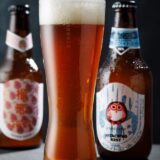
    Starbucks Hong Kong has released two coffee-infused craft beers created in partnership with a local brewery. A company spokesperson says the two beers are infused with “signature notes of Starbucks coffee, leaving a refreshing taste on the tongue”.

    “The Caramel Macchiato Cream Ale is inspired by the signature Starbucks Caramel Macchiato. Cream ale is harmoniously brewed with pre-ground Starbucks Colombian coffee and delectable caramel for more than 18 hours, resulting in an irresistibly smooth taste with nutty notes and a subtle caramel sweetness, as well as a brilliant golden colour.

    “The Mocha Brown Ale marries a robust brown ale with the indulgent chocolate and soft spice notes of Starbucks Caffe Mocha. Brewed with Starbucks Guatemala Antigua cold-brewed coffee and cocoa nibs, the intense brown ale will surprise customers with its distinctive contrast of dark-brown hue and luscious sweetness.”

    Starbucks Hong Kong is also launching three bottled beers including Hiiro Seed Guava Love, a fruity beer with a tropical pink guava aroma, brewed locally by Hitachino Nest Beer.

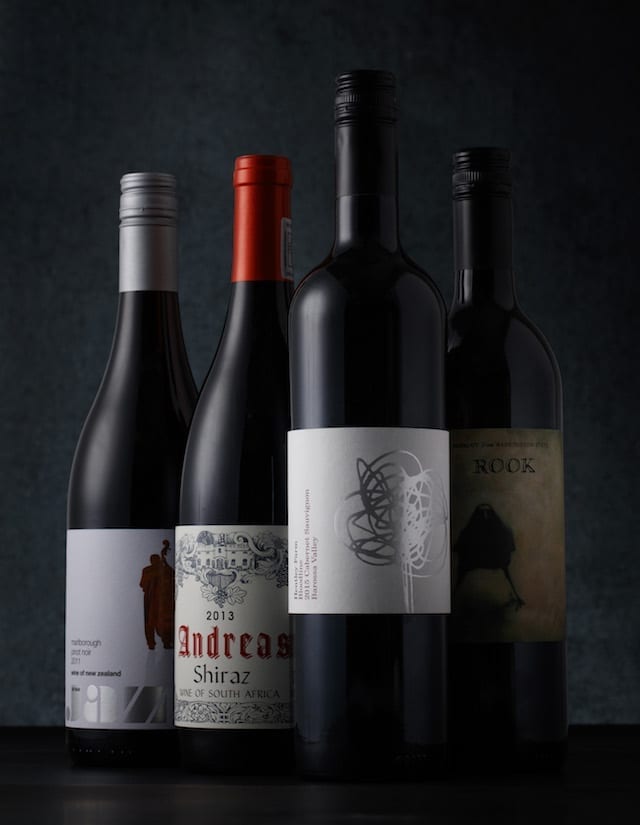
    The Starbucks Reserve wine list features four red wines (pinot noir, merlot, cabernet sauvignon and shiraz), three white wines (sauvignon blanc, chardonnay and riesling) and an Italian prosecco.

    Starbucks says that extending the ‘Third Place’ experience (in which home and workplace are the first and second places) the Starbucks Reserve Coffee Experience Bar provides “the widest in-store offerings for customers as they connect with colleagues and friends over their beverages of choice”.

    The pictures can be viewed below :

  • Indonesia sees maiden shipment of chicken nuggets to Japan

    Indonesia sees maiden shipment of chicken nuggets to Japan

    The Trade Ministry has seen the first export of 6 tons of chicken nuggets to Japan on last Wednesday. The nuggets were produced by PT Belfoods Indonesia, the subsidiary of publicly listed PT Sierad Produce.

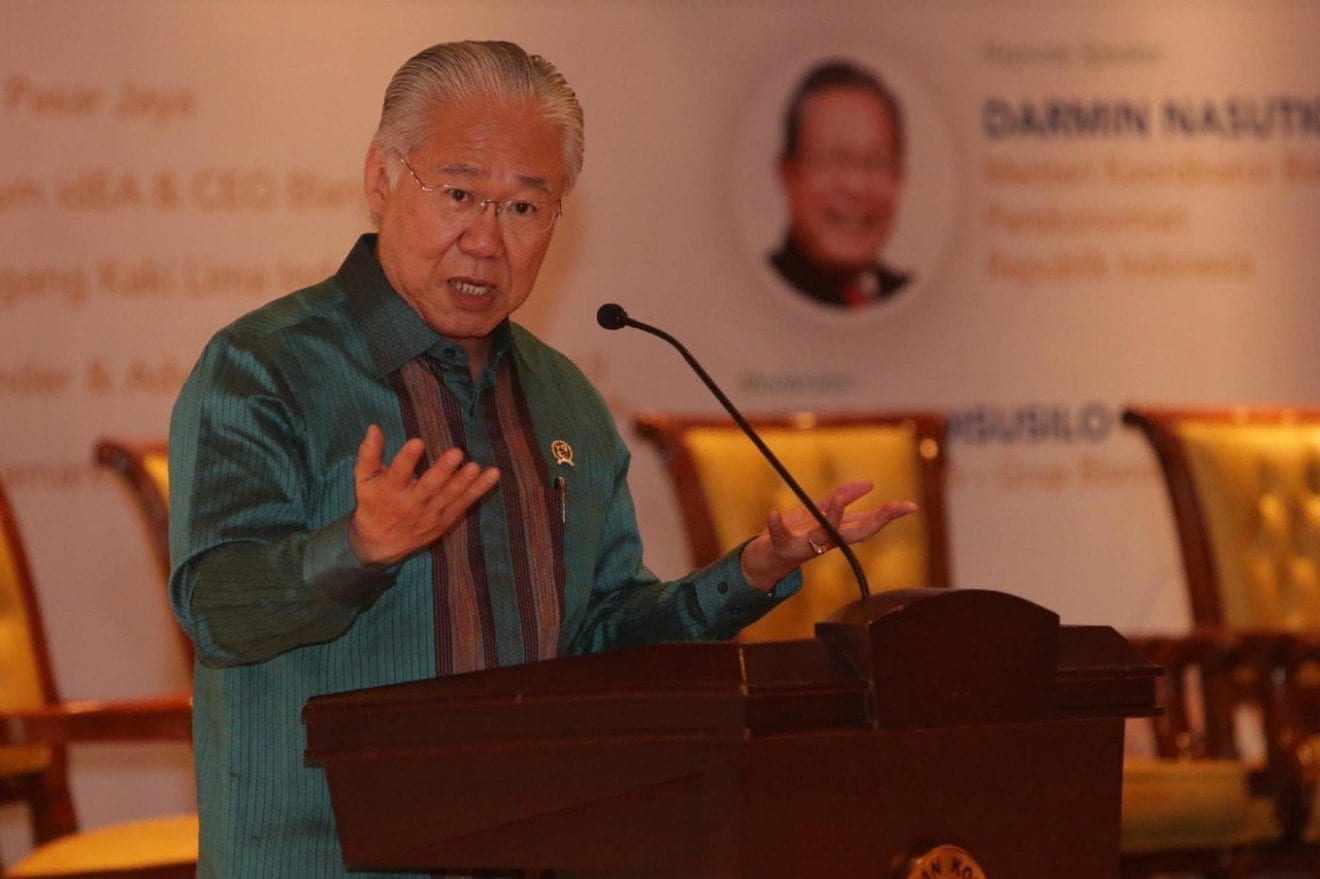
    “I congratulate Belfoods for being the first company to export chicken nuggets to Japan and for its contribution to Indonesian national exports,” said Trade Minister Enggartiasto Lukita in a statement.

    Enggartiasto said the shipment was a milestone for Indonesia given that the Japanese market was long known as hard to penetrate for Indonesian producers owing to its strict quality standards.

    “We expect that this is a good start to develop the Indonesian processed chicken industry for the international market. If Indonesian chicken nuggets can enter Japan, then it will be easier for it to access other countries,” he said.

    The trade minister also said he expected Indonesian chicken exporters to train local chicken farmers because exports should also increase the livelihoods of local stock farmers while increasing the country’s foreign currency savings.

    The consumption of poultry-based processed foods in Japan reached US$2 billion a year, making Japan a potential choice for exports. China and Thailand are known as the major exporters for Japan.

    Meanwhile, PT Sierad Produce CEO Tommy Wattimena said Belfoods products’ taste had become accepted by the Japanese because the subsidiary had done some market research in the country.

    “Belfoods will still focus on the domestic market while keeping the quality of our products up to export standards to help export development,” he said.

  • Lay Hong to invest RM16.6 million in liquid egg processing facility in Pasir Gudang

    Lay Hong to invest RM16.6 million in liquid egg processing facility in Pasir Gudang

    Lay Hong Bhd will invest RM16.6 million for a new pasteurised liquid eggs processing facility in Iskandar Halal Park, Pasir Gudang, Johor to cater the needs of the southern region and Singapore market as well as addressing logistics costs.

    The group told the stock exchange that the investment will include the purchase of a semi detached factory from Tentu Teguh Sdn Bhd for RM5.2 million. The project is expected to be completed within six to seven months upon delivery of certificates of fitness from the developer.

    The investment cost will be financed through a combination of internally generated funds and bank borrowings.

    Lay Hong said the new facility is also in line with the group’s focus on enhancing the sales of downstream products.

    Its share price gained one sen or 1.05% to close at 96 sen with 4.97 million shares done.

  • Hong Kong retail rents prepare to move into ‘early upswing’

    Hong Kong retail rents prepare to move into ‘early upswing’

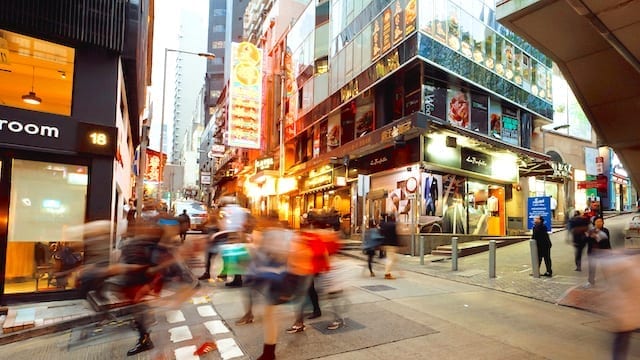
    Hong Kong retail rents are expected to move into an “early upswing cycle” this year according to a regional real estate market briefing prepared by Savills.

    The report details commercial and residential property leasing trends across major Asian markets and as the accompanying tables show, compares occupancy costs of space as well.

    It groups major cities by upswing and downswing, late and early, showing that Hong Kong is at the end of its downswing in retail rental rates. Cities currently in early upswing are Manila, Guangzhou, Jakarta and Singapore. Hong Kong is grouped with Taipei, Hanoi, Ho Chi Minh City and Seoul, suggesting all those markets are about to turn.

    Savills says regional prime retail rents moved by between a decline of 1.8 per cent in Beijing and an increase of 5.9 per cent in Guangzhou last year.

    “Strong local retail consumption growth of 9.5 per cent year on year in the second half of the year following 10.5 per cent in the first half of the year supported the Guangzhou leasing market, while prime shopping malls began to re-position and upgrade, focusing more on entertainment and food & beverage,” said Savills in a brief commentary.

    “Again, Hong Kong’s prime shopping mall rents are considerably ahead of all other Asia-Pacific markets and are expected to move into an ‘early upswing’ cycle this year.”

    Savills says economic growth across Asia-Pacific continued to picked-up moderately in the second half of last year and the International Monetary Fund estimates that the “Emerging and Developing Asia” economies grew by 6.5 per cent over the year as a whole while China grew by 6.8 per cent and Japan’s economy grew by 1.8 per cent last year, from 0.9 per cent in 2016.

    “The improving global economic outlook and an accommodative monetary policy created momentum for business expansion,” said Savills.

  • Natuzzi S.p.A. Signs a Joint Venture Agreement

    Natuzzi S.p.A. Signs a Joint Venture Agreement

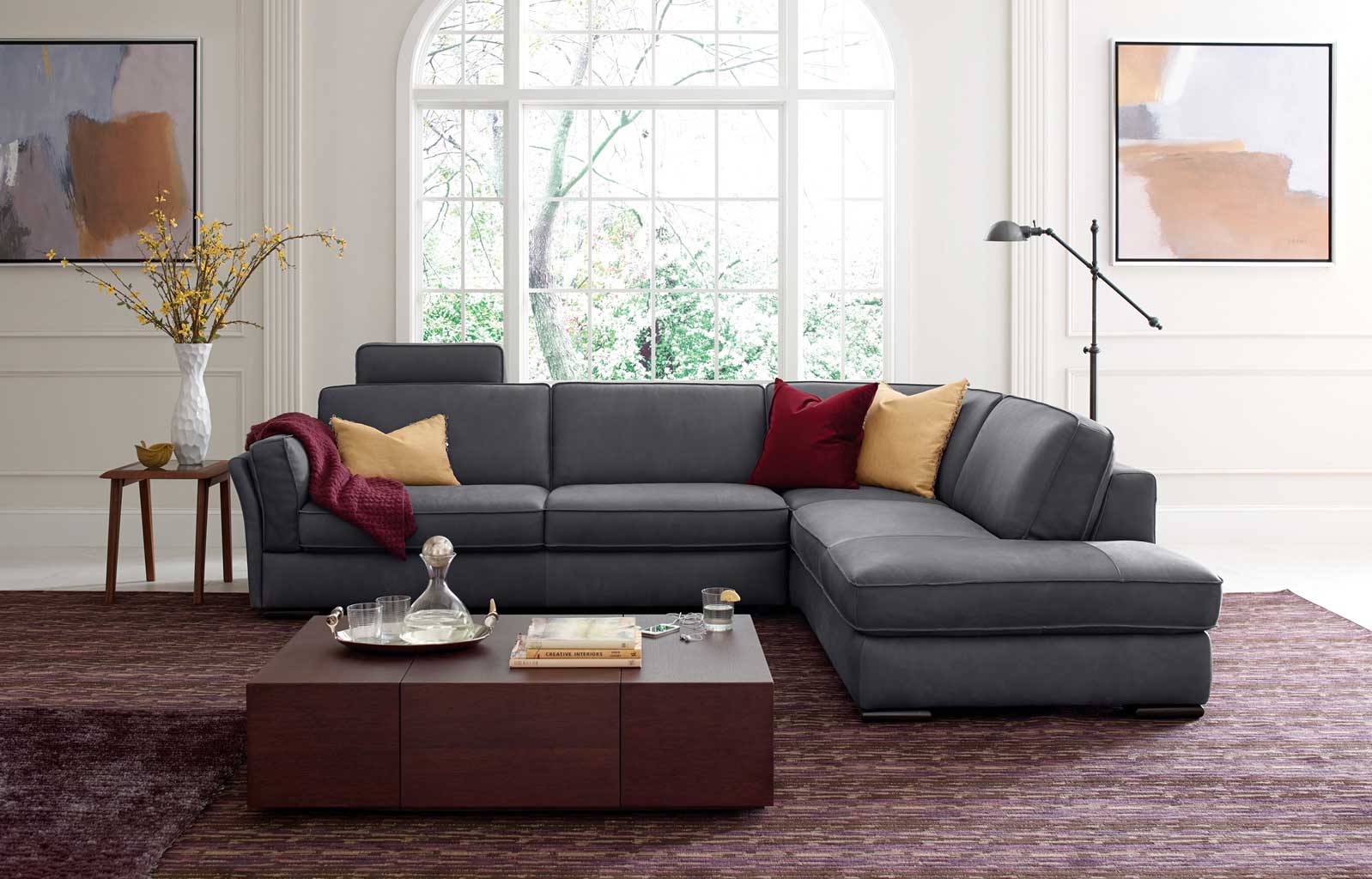
    Italian furniture brand Natuzzi and China’s Kuka furniture company have agreed to make the company’s wholly owned Chinese subsidiary Natuzzi Trading (Shanghai) a joint venture.

    The JV agreement is aimed at expanding the company’s retail network in Mainland China, Hong Kong and Macau. The company, the JV and Kuka have also entered into an agreement for the sale and purchase and subscription of shares In Natuzzi Trading (Shanghai).

    The agreements follow the execution of a preliminary agreement last month. Under the agreements, Natuzzi and Kuka will own, respectively, a 49 and a 51 per cent stake in the JV, which will distribute Natuzzi Italia and Natuzzi Editions branded products through a network of single-brand directly run stores and franchised stores in China, Hong Kong and Macau, as well as through online stores.

    Kuka will invest a total of €65 million (US$80 million), of which €35 million will be contributed to the JV for the subscription of a capital increase of US$567,869, and €30 million will be paid to the company as consideration for the transfer of US$486,744 of registered capital interest from the company to Kuka.

    The JV will be granted the perpetual and exclusive distribution licence for the Natuzzi Italia, Natuzzi Editions and other relevant trademarks for a consideration of €15 million.

    The transaction is subject to applicable authorisations, regulatory filings and approvals. Assuming these conditions are met, it is expected the closing will occur by August 22.

  • BMW raises R&D spending for electric, autonomous cars

    BMW raises R&D spending for electric, autonomous cars

    German carmaker BMW will increase research and development (R&D) spending to an all-time high of up to 7 billion euros ($8.6 billion) this year as part of efforts to bring 25 electrified models to market by 2025.

    The Munich-based maker of BMW, Rolls-Royce and Mini vehicles said that despite higher spending it expects group pretax profit to be over 10 billion euros in 2018, at least in line with last year’s level.

    In its annual report, BMW also warned of a possible impact from trade barriers and any anti-dumping customs duties in the United States and added that Brexit could have an adverse long term effect.

    Spending on developing electric and autonomous cars pushed R&D costs a billion euros higher last year, reaching 6.1 billion euros.

    “Investment will rise by a further high three-digit million euro amount year-on-year, primarily from the ongoing new model initiative as well as continued work on e-mobility and autonomous driving,” BMW said in a statement on Wednesday.

    BMW’s R&D ratio for 2018 is expected to be between 6.5 percent and 7 percent of sales. In the next two years the R&D ratio is expected to remain above its usual target corridor of 5 percent to 5.5 percent range, BMW said.

    LUXURY CARS IN DEMAND

    BMW this month reported a 5.3 percent rise in 2017 operating profit on surging demand for high-margin sports utility vehicles, helping to offset higher research spending.

    Sales of luxury cars are expected to continue rising, contributing to new record unit sales this year, it said.

    “In the automotive segment we expect to achieve new all-time highs in 2018. As long as conditions remain stable, we should see a light increase in deliveries from growth in China and the U.S. in particular,” BMW Chief Financial Officer Nicolas Peter said in a statement.

    BMW did inject a note of caution over trade tensions and Britain’s looming exit from the European Union.

    “A possible introduction of trade barriers, including anti-dumping customs duties, by the U.S. administration could have an adverse impact on the BMW Group’s operations,” BMW said in its annual report.

    Separately, BMW said the prospect of diesel bans had hit the second-hand values of some cars, leading to a rise in the credit loss ratio to 0.34 percent, from 0.32 percent a year earlier, reflecting “the situation in the used car markets in North America and Europe.”

    The increase was mainly due to the debate on diesel engines in parts of Europe, BMW said. BMW said risks related to the residual value of used cars were covered by risk provisions.

    BMW shares traded 0.6 percent higher at 0935 GMT.