Tag: asia

  • Stocks slump on trade-war worries

    Stocks slump on trade-war worries

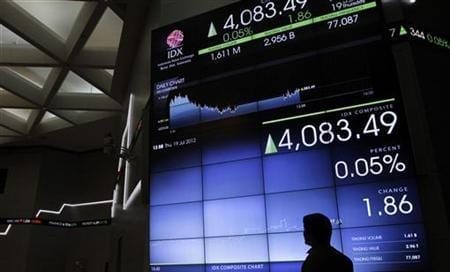
    Asian stocks followed their US counterparts lower after President Donald Trump’s decision to slap tariffs on China heightened concern a trade war could hurt global growth. The yen climbed to its strongest in more than a year.

    Equity indexes from Tokyo to Shanghai tumbled well over 3 percent. US stock futures also declined, signaling a further retreat for the S&P 500 Index after it tumbled 2.5 percent, the most in six weeks. As investors dumped stocks, they rushed to the safety of Treasuries, where yields dipped below 2.8 percent, and the yen, which jumped past 105 per dollar for the first time since November 2016. Follow live coverage of reaction here.

    The sell-off began after Trump instructed US Trade Representative Robert Lighthizer to levy tariffs on at least US$50 billion in Chinese imports. Subsequently, China announced plans for reciprocal tariffs on $3 billion of imports from the US, including products from steel to pork. News that the US is shielding some countries from steel and aluminum tariffs did nothing to lift investor gloom.

    “The window from coming back from an all-out trade war is still open, but closing fast, and obviously leaves a lot of uncertainty over the next two to three weeks,” said Kay Van-Petersen, a Singapore-based global macro strategist with Saxo Capital Markets. It is “classic risk-off for equities today and potentially over the next few days,” Van-Petersen said. Eventually it “could open up some interesting opportunities, especially in the credit space and in the consumption-driven sectors,” he said.

    Adding to the image of the ascendance of the “America first” faction, Trump said he is replacing White House National Security Adviser H.R. McMaster with John Bolton, a controversial foreign-affairs specialist whom the U.S. Senate declined to confirm as President George W. Bush’s ambassador to the United Nations.

    Oil prices climbed amid worries that Bolton would pursue a hard-line stance against Iran.

    Investor fears of escalating trade tensions are being realized as the U.S. tariffs quickly sparked a reciprocal response from China. Traders had already been bracing for the possibility of slowing growth as the Federal Reserve reiterated its commitment to further interest-rate increases after Wednesday’s hike.
  • Toys R Us founder dies days after chain’s announced shutdown

    Toys R Us founder dies days after chain’s announced shutdown

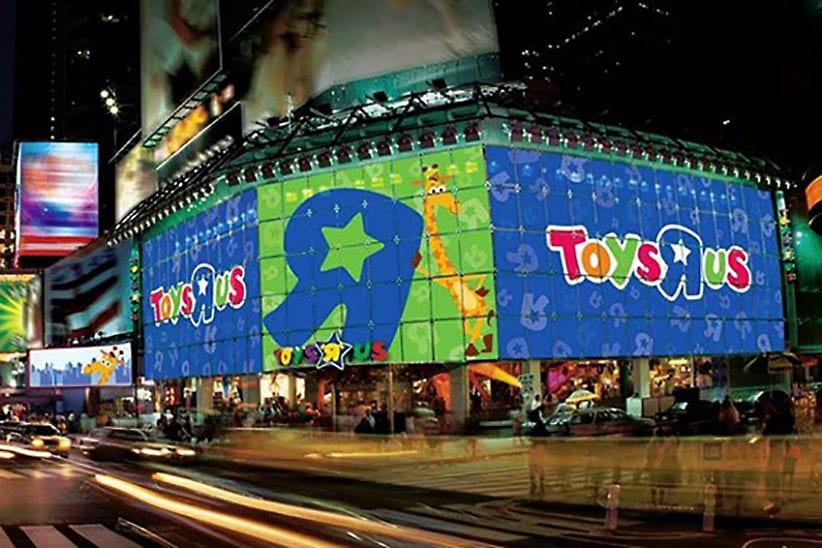
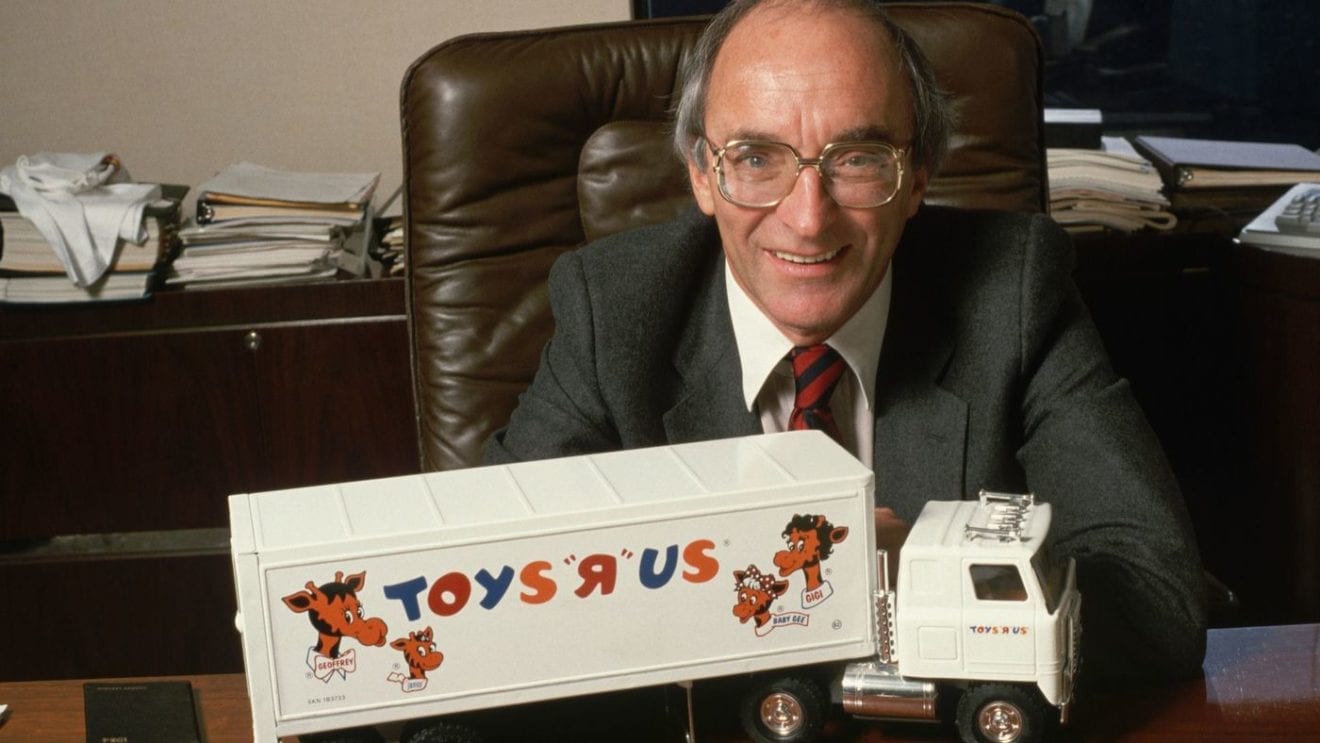
    There is sad synchronicity in the timing of the death of Toys R Us founder Charles Lazarus,  which comes as the retailer is preparing to shut up shop.

    News of the passing of Lazarus, 94, was tweeted by Toys R Us overnight. He founded the company in 1957 after returning from military service.

    The current woes of the toy giant do nothing to detract from the passion, skill, and enthusiasm that Lazarus brought to the business.

    The Toys R Us he created was an innovative and pioneering retailer that, in an era before online selling, used scale and volume to create a mecca to which generations of children were drawn.

    Unfortunately, many of the attributes that once made Toys R Us successful eventually became burdens that prevented the firm from competing in a digital era.

    Lazarus was not the author of those failures. Indeed, when he exited the firm in 1994, he left a sound business that had pride and purpose. Sadly, many – though not all – of his successors lacked his commercial intellect. Where he made sound decisions; they stumbled and made choices that would ultimately lead to the firm’s demise.

    The cold treatment of Toys R Us by private equity players during its latter days was in sharp contrast to the warmth and joy Lazarus had for – and brought to – the business at its start. Ultimately, his vision and approach were right. Retail in general and toy retail, in particular, is a business that needs emotion and enthusiasm. Once those things disappear, it is not long until decline sets in.

    The passing of Charles Lazarus is an ideal time to remember that retail is not just about numbers, metrics, and financials. It’s about passion, purpose, and strategy. Proper merchants, like Lazarus, knew this – which is one of the very many reasons he will be missed.

    Announcing Lazarus’ passing, Toys R Us commented: “There have been many sad moments for Toys R Us in recent weeks, and none more heartbreaking than today’s news about the passing of our beloved founder, Charles Lazarus, after a period of declining health. He visited us in New Jersey just last year and we will forever be grateful for his positive energy, passion for the customer and love for children everywhere. Our thoughts and prayers are with Charles’ family and loved ones.”

  • Indonesia Wins Appeal Against EU Over Anti-Dumping Duty on Biodiesel

    Indonesia has won an appeal against the European Union in a dispute over the bloc’s anti-dumping duty on biodiesel, the Ministry of Trade said in a statement on Wednesday (21/03).

    The European Court of Justice, the EU’s highest court, ruled that the bloc must do away with anti-dumping duties of between 8.8 percent to 23.3 percent on imports of Indonesian biodiesel products.

    Indonesia is one of the world’s largest exporters of palm oil-based biodiesel.

    “With the elimination of these duties, businesses can once again export biodiesel to the EU,” said Oke Nurwan, director general of foreign trade at the ministry.

    He added that the elimination of duties was valid from March 16, 2018.

    The Indonesia Biofuel Producers Association welcomed the ruling.

    “We’re asking producers to prepare exports soon,” said Paulus Tjakrawan, vice chairman of the association.

    He declined to give an estimate on expected export volumes.

    The EU court ruling reinforces a decision made by the World Trade Organisation (WTO) earlier this year, which said the EU needed to bring its measures into conformity with WTO agreements.

    Indonesia also plans to challenge anti-subsidy duties in the United States in a US court and at the WTO.

    Indonesia has also been pushing domestic biodiesel consumption as part of an ambitious plan to develop its biofuels industry. It plans to expand biodiesel subsidies to cover palm-oil blended fuels for use by its huge mining sector in addition to the power sector.

  • Cosmo Lady Says Unit To Form JV With Kappa

    Cosmo Lady Says Unit To Form JV With Kappa

    Cosmo Lady has formed a joint venture with Shanghai Kappa to develop and sell intimate apparel in China.

    The partnership – 75 per cent owned by Cosmo Lady and 25 per cent by Shanghai Kappa – will focus on men’s underwear and women’s sports underwear products.

    Shanghai Kappa and the JV company will enter into a licensing agreement giving the JV the exclusive right to use the Kappa trademarks on its intimate wear products in China for eight years.

    Shanghai Kappa, incorporated in China, is a wholly-owned subsidiary of China Dongxiang, which owns the rights to the Kappa sportswear brand in China and Macau.

  • BlackBerry to provide software for Jaguar Land Rover EVs

    BlackBerry to provide software for Jaguar Land Rover EVs

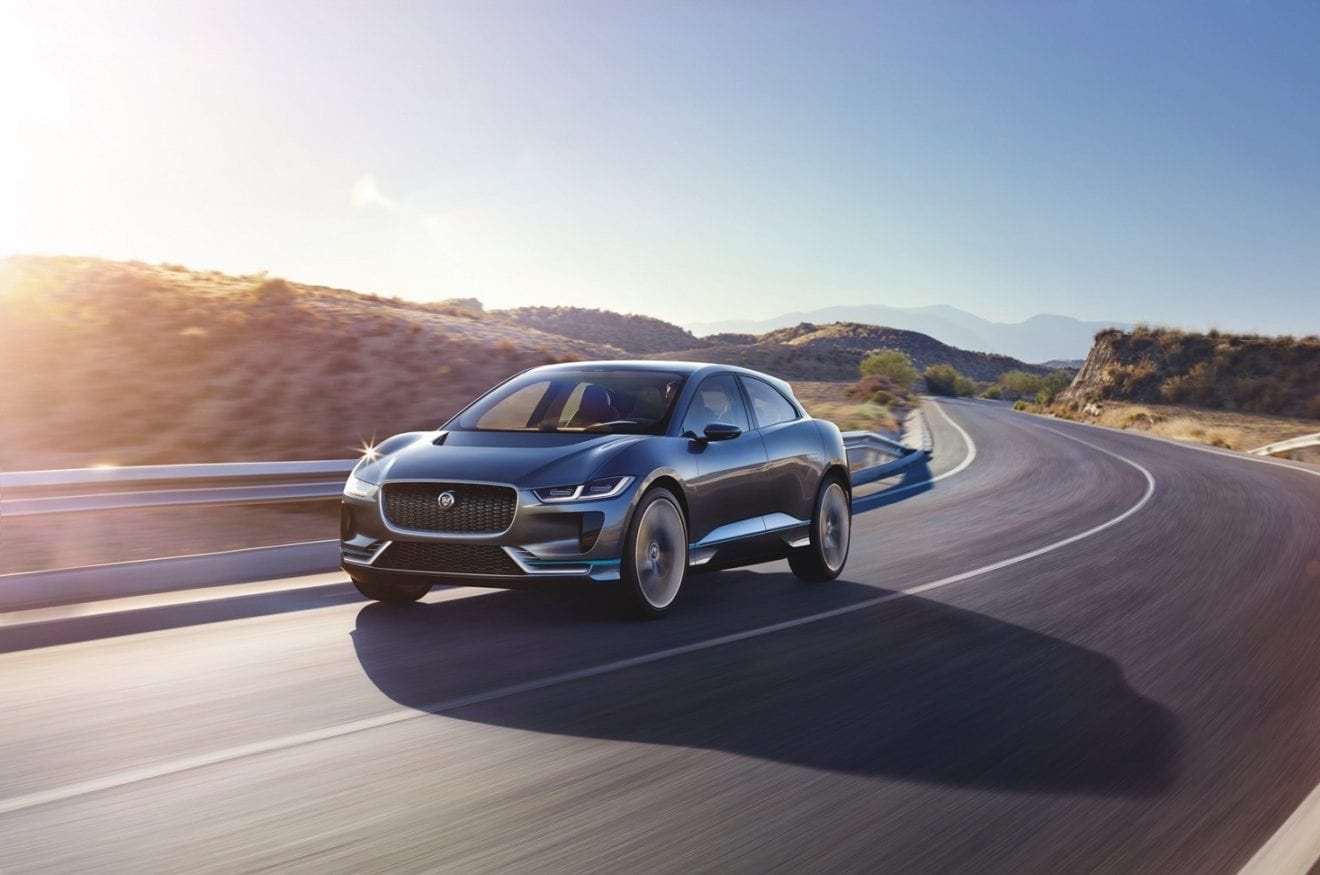
    BlackBerry Ltd and Tata Motors Ltd’s Jaguar Land Rover (JLR) said on Thursday they reached a licensing agreement to use the Canadian company’s software in the luxury car brand’s next-generation electric vehicles.

    BlackBerry will provide its infotainment and security software to JLR, in the Canadian firm’s latest licensing deal for its autonomous-driving technology after similar agreements with Qualcomm Inc, Baidu Inc and Aptiv Plc.

    BlackBerry’s QNX unit, which makes software for computer systems on cars and has long been used to run car infotainment consoles, is expected to start generating revenue in 2019.

    Its Certicom unit focuses on security technology and serves customers such as IBM Corp, General Electric Co, and Continental Airlines.

    JLR, which was bought by the Tata group in 2008, said last year that all its new cars would be available in an electric or hybrid version from 2020.

    Britain’s biggest carmaker said in January it would open a software engineering centre in Ireland to work on advanced automated driving and electrification technologies.

  • Xiaomi in sales deal with Shopee Thailand

    Xiaomi in sales deal with Shopee Thailand

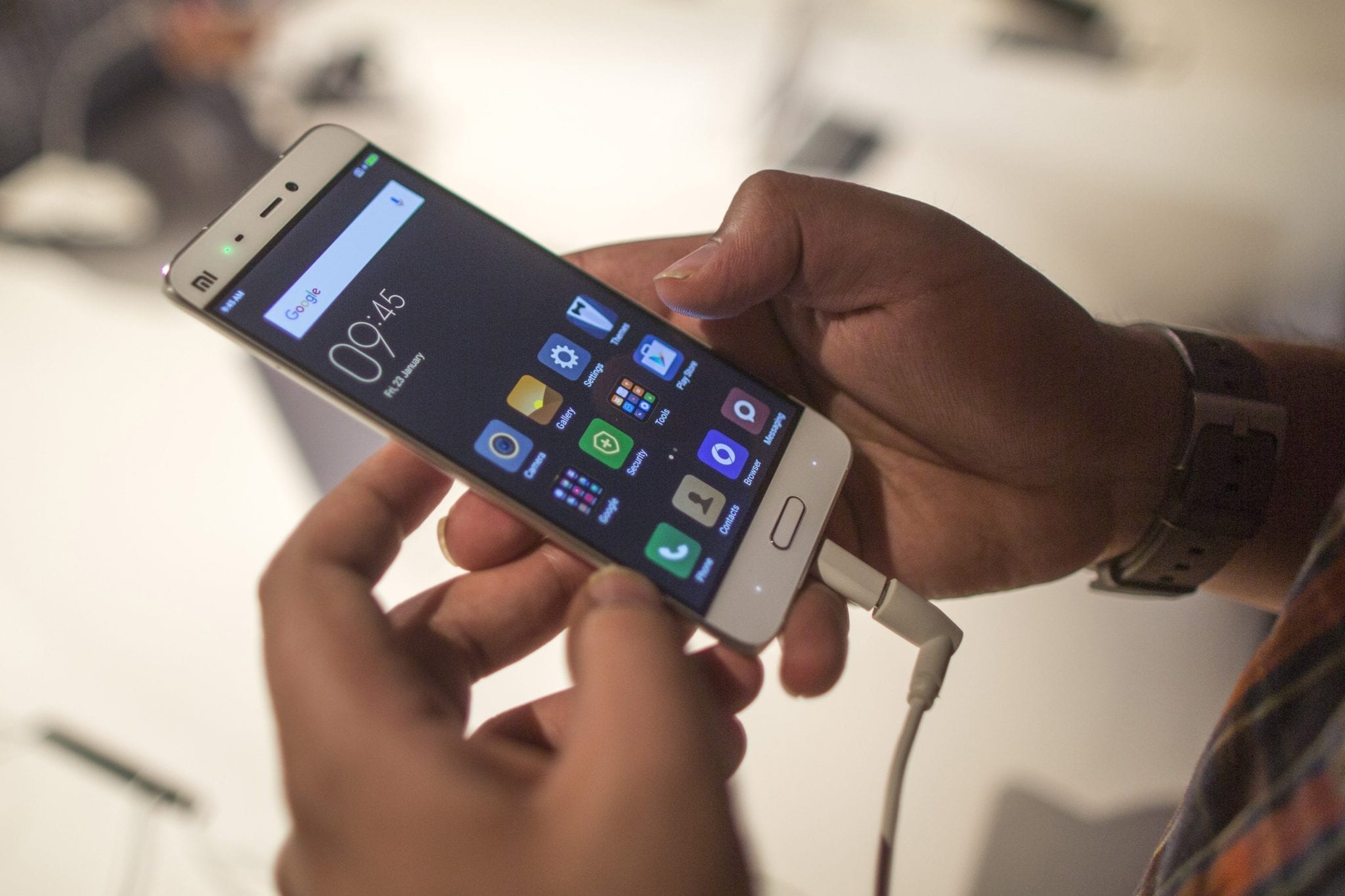
    China’s Xiaomi has partnered with Shopee Thailand to provide its smartphones on the online platform.

    And the company also plans to open 20 authorised shops and 50 Xiaomi zones for its products in stores and shopping centres in Thailand this year.

    Xiaomi Southeast Asia regional sales manager John Chen says the collaboration with Shopee will cover marketing and branding, and the technology company is confident it will generate revenue growth in the triple digits by the end of this year.

    A new smartphone has also been launched, the Redmi 5, which has a 5.7-inch display screen, 16GB of memory and a Snapdragon 450 chipset. It has been sold exclusively online on Shopee at a special price through a flash sale.

    Shopee COO Terence Pang says the partnership can offer access to a wide variety of Xiaomi official products. With revenue growth of more than 50 per cent last year, electronics products comprise around 30 per cent of its business.

    Shopee has more than 17 million visitors and customers, says Pang.

  • Pizza Hut Singapore to hire Pepper to take order

    Pizza Hut Singapore to hire Pepper to take order

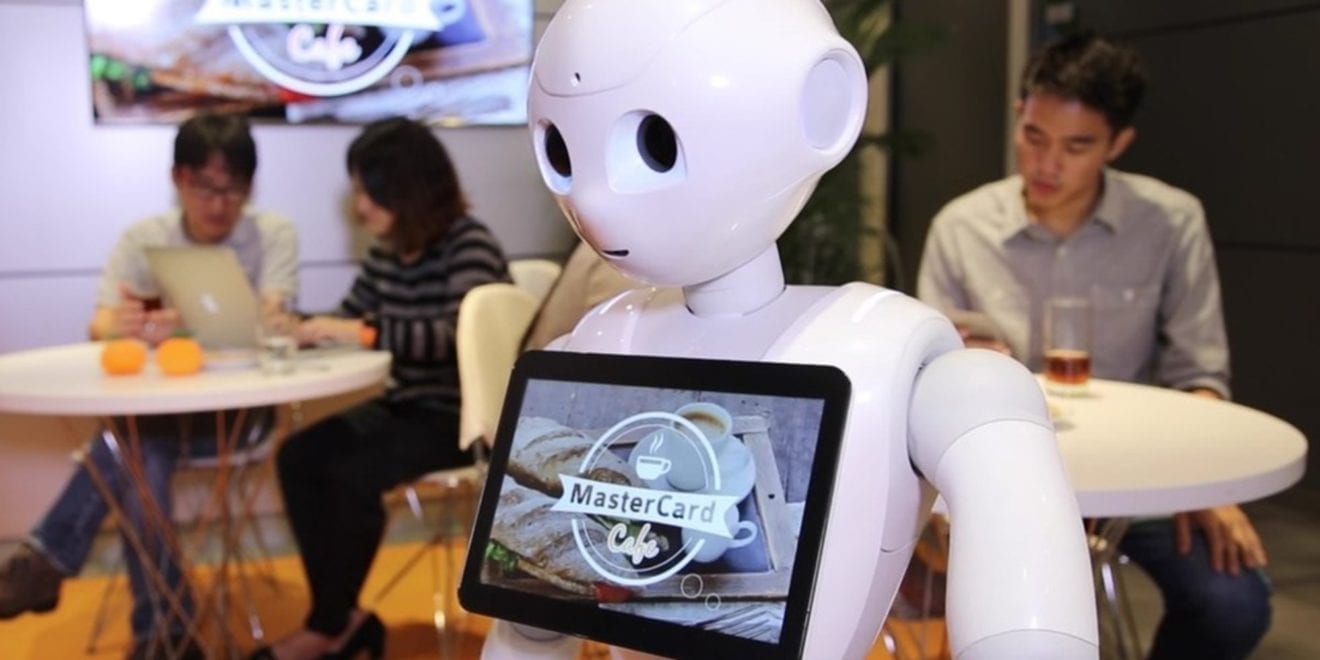
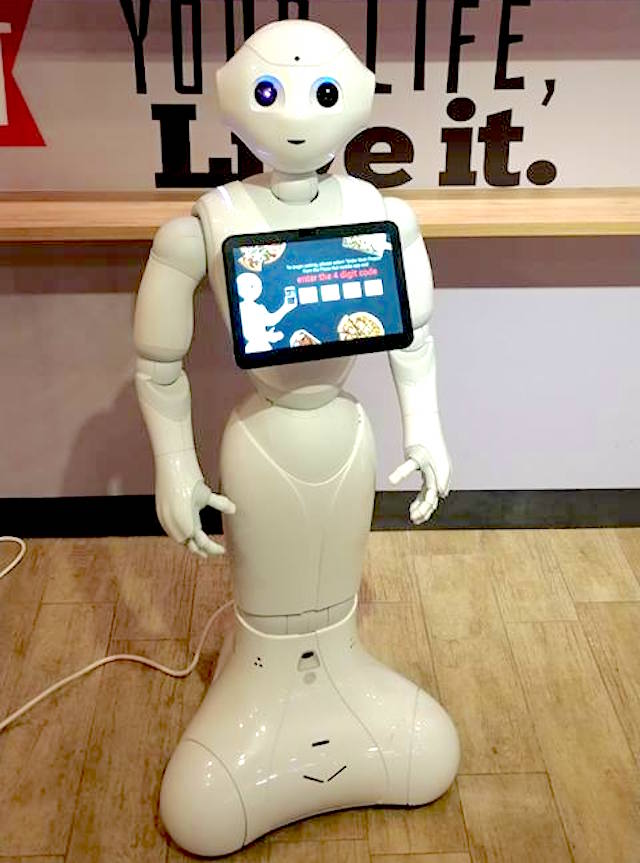
    In a five-day trial ending on Sunday, diners at the Safra Punggol Pizza Hut outlet will be the first in Southeast Asia to be able to try out the new technology. After the trial, Pizza Hut will consider customer feedback before deciding if the robot will stay.

    Patrons are greeted with “Hello” in a female voice from the robot, and to place an order first must greet the robot and pair their Mastercard Masterpass account embedded in the Pizza Hut Singapore mobile app.

    They can then tell the robot their orders and show a QR code that will provide their table information. The robot is not exposed to payment instruments or customer credentials, which minimises the chance of sensitive information being compromised.

    “This initiative gives people more choices without ever compromising security, and provides more reasons for people to go cashless,” says Labs at Mastercard Asia Pacific VP Tobias Puehse.

    The robot was developed by Japan’s SoftBank Robotics, which makes the Pepper robot used in customer service and retail. “We are focusing on how robots can help how people live,” says SoftBank marketing director Kan Kiyota. “The humanoid robot is an add-on to the value provided.”

  • China vows to hit back as US trade sanctions loom

    China vows to hit back as US trade sanctions loom

    President Donald Trump is poised to unveil sanctions against China today for the “theft” of US intellectual property, fuelling fears of a trade war as Beijing vowed to retaliate.

    White House spokesman Raj Shah said that Trump will announce actions following an “investigation into China’s state-led, market-distorting efforts to force, pressure, and steal US technologies and intellectual property”.

    According to his schedule, released by the White House on Wednesday evening, he will sign “a Presidential Memorandum targeting China’s economic aggression”.

    The Chinese commerce ministry issued a pre-emptive warning, saying in a statement today that Beijing “will certainly take all necessary measures to resolutely defend its legitimate rights and interests”.

    China today blamed US export restrictions for its record trade surplus with the US, but expressed hope that a solution can be found to settle trade issues between the world’s two biggest economies.

    Chinese Foreign Ministry spokeswoman Hua Chunying said it was unfair to throw around criticism about unfair trade if the US won’t sell to China what it wants to buy, referring to US export controls on some high-tech products.

    “How many soybeans should China buy that are equal to one Boeing aircraft? Or, if China buys a certain number of Boeing aircraft should the US buy an equal number of C919s?” Hua said, mentioning China’s new self-developed passenger jet.

    However, China still hopes it can hold constructive talks with the US in a spirit of mutual respect to seek a win-win solution, she added.

  • Korean fashion brand Hazzys to launch collaboration collection with Todd Selby

    Korean fashion brand Hazzys to launch collaboration collection with Todd Selby

    Korean casual fashion brand Hazzys has unveiled its second collection for Artist Edition in co-operation with photographer Todd Selby.

    Including more than 30 items for womenswear, menswear, golf wear, accessories and childrenswear, the Todd Selby collection will be available at Hazzys stores across Korea and online at LF Mall.

    Slide to view the gallery below :

    Launched last year, Hazzys’ Artist Edition is a global market collection created with international artists. The previous collection featured French artist Ramdane Touhami, who is also creative director of French cosmetics label Buly 1803.

    Hazzys is owned by LF Group, which also has such brands as Alegri, Daks Men, Il Corso, Maestro and TNGT.

  • Amazon Has Considered Buying Some Toys ‘R’ Us Stores

    Amazon Has Considered Buying Some Toys ‘R’ Us Stores

    Selected sites of Toys R Us US stores may be taken over by Amazon.

    Bloomberg reports the bankrupt toy retailer is in talks with the e-commerce giant over the future of an unspecified number of stores which could be converted to Amazon’s growing portfolio of offline retail spaces. The company recently acquired grocery chain Whole Foods, which has 450 sites, and has been opening physical book stores in selected US markets.

    Toys R Us US is closing down more than 700 stores, many of which have moderate- to large-sized footprints suited to bulky goods or grocery retailing.

    Bloomberg’s sources said Amazon is not interested in the Toys R Us brand but sees opportunities to use physical stores to deliver online purchases faster. It may possibly use the sites to demonstrate its Alexa voice-activated technology.

    Amazon has previously negotiated taking over Radio Shack stores after that chain collapse, but no deal was reached.

  • Facebook Vietnam appoints new general director

    Facebook Vietnam appoints new general director

    Social networking site Facebook has confirmed the appointment of Lê Diệp Kiều Trang (Christy Lê) as director of Facebook Việt Nam. She will work at the company’s headquarters in Singapore.

    According to Kenneth Bishop, Facebook’s managing director for Southeast Asia, with over 60 million Facebook users in Việt Nam every month, the company is investing heavily in resources and workforce to better support the community, including local businesses, partners and marketers. He said with her extensive experience, Christy Lê would help businesses in Việt Nam to develop and succeed.

    Born in 1980, Trang won a scholarship to the UK’s University of Oxford and Massachusetts Institute of Technology (MIT) in the United States.

    After leaving MIT, Trang worked for strategic consulting firm McKinsey. Later, she and her husband, Sonny Vu, founded Misfit Wearables, a start-up specialising in healthwear and body-measuring equipment.

    In 2015, Misfit Wearables was acquired by Fossil Group for US$260 million, but Trang continued as the CEO of Fossil Việt Nam. She unexpectedly resigned on March 9 this year, following which she was offered the position of director of Facebook Việt Nam.


  • H&M opened on Tmall

    H&M opened on Tmall

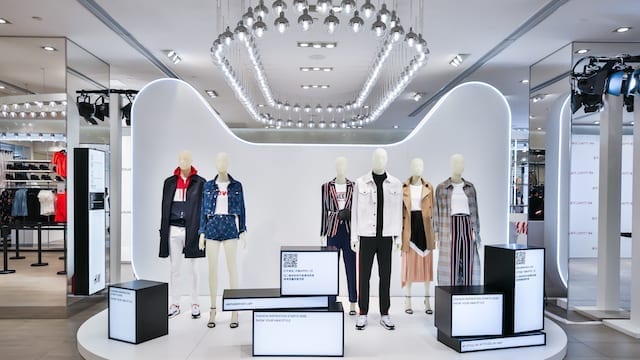
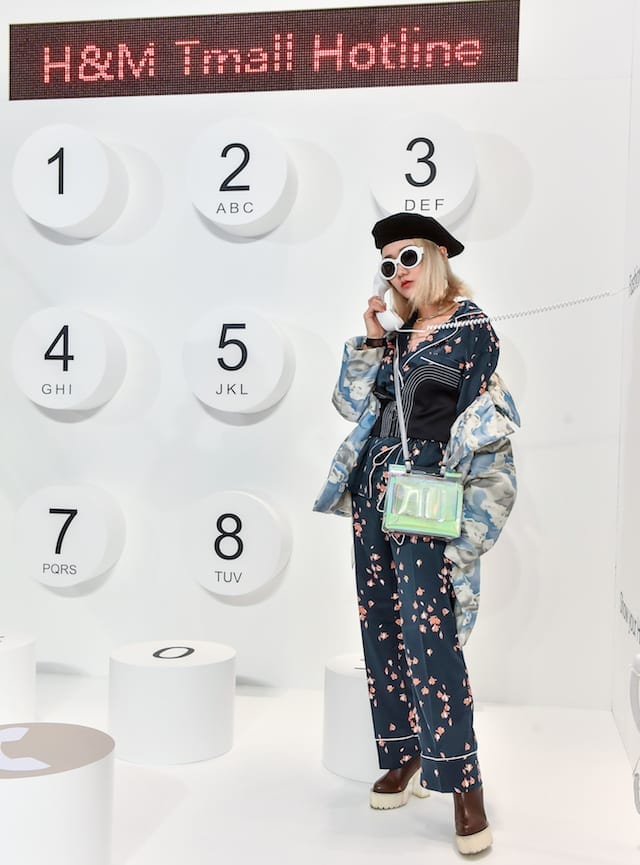
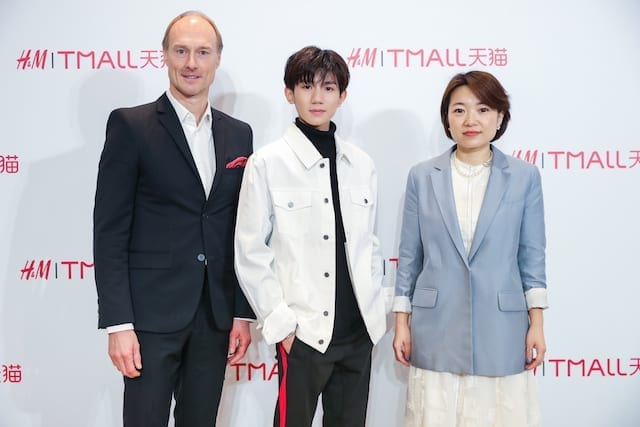
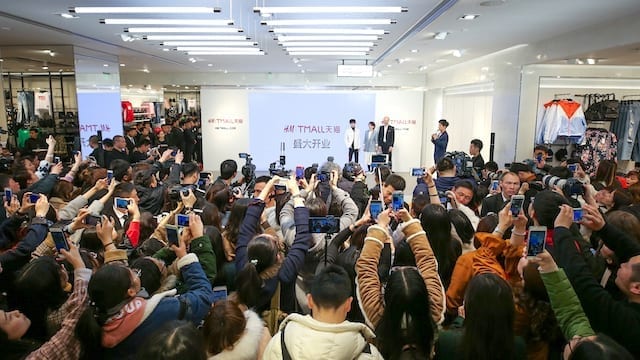
    H&M China launched on Chinese e-commerce platform Tmall, complementing the Swedish clothing retailer’s 400-plus physical stores and HM.com Shop Online.

    “We are very happy to extend our collaboration with Alibaba by launching H&M and H&M Home on Tmall,” says H&M Greater China country manager Magnus Olsson.

    H&M opened its first store in Mainland China in 2007 and launched its online shop in 2014. The H&M group brand Monki has had strong development in China since its launch on Tmall, and this collaboration between the two groups, touted in December, is being extended to include both the H&M brand and H&M Home.

    During the launch period, H&M’s Tmall shop is offering more than 10,000 styles of fashion items including women’s, men’s, teens’ and children’s styles, plus H&M Home. As well as special opening offers, Tmall and H&M is offering exclusive pieces featured by TF Boys singer Wang Yuan, one of the stars in a H&M/Tmall campaign film.

    “With H&M’s experience in online and offline fashion retail, this collaboration signifies an important milestone for Tmall’s expansion, allowing more customers to enjoy the pleasure of interactive shopping,” says Alibaba VP for Tmall fashion and luxury Lv Jianmei.

    Procurement centres

    Meanwhile, Tmall Global plans to open six procurement centres across the world to help overseas vendors capture Chinese consumers’ booming appetite for newer and better imported goods, says Tmall president Jet Jing. They will be established in Japan, South Korea and Hong Kong, as well as regions of North America, Europe and Oceania.

    Jing’s announcement, at the annual Tmall Global 2018 Global Partners Summit in Hangzhou, did not disclose a time frame.

    Launched in 2014, Tmall Global is Tmall’s channel for cross-border e-commerce. The platform controls nearly a quarter of the market. With Alibaba’s expansive consumer analytics, Tmall Global provides overseas vendors insights into Chinese consumers’ shopping behaviour and preferences.

    China is the world’s second-largest consumer market following the US, according to Boston Consulting Group. The research consultancy notes China will see nearly $2 trillion in new consumption by 2021, and also projects China’s e-commerce cross-border trade to more than double to RMB620 billion (US$98 billion) in gross merchandise volume by next year from RMB305.5 billion in 2016.

    Global commitment

    Tmall Global, which already offers more than 18,000 brands from 74 countries and regions, is committed to attract even more international brands and vendors to sell their goods into China in the coming year, says Tmall Global GM Alvin Liu.

    New Retail, which harnesses new technologies to unify online and offline shopping, will serve as an important driver to power such growth by allowing vendors to engage with their customers in both spheres, Liu says.

    “Our goal is to give Chinese consumers the best shopping experience, so we select only the best quality for China,” says Liu.“We must discover new categories and find new products so Chinese consumers can find items that are best suited to their needs.”

    To achieve these goals, Tmall Global has pledged to boost the traceability of items sold on the platform. By using blockchain technology, consumers will be able to track their orders throughout every stage of the delivery process, starting from the factory at the country of origin.

    Secondly, the platform seeks to expedite the expansion of overseas fulfillment centres so smaller foreign brands can introduce their products to the Chinese market more quickly.

    The platform will also increase the use of bonded warehouses, where imported goods can be stored securely without import duties until the items are sent.

  • European Commission to help Vietnam fight IUU fishing

    European Commission to help Vietnam fight IUU fishing

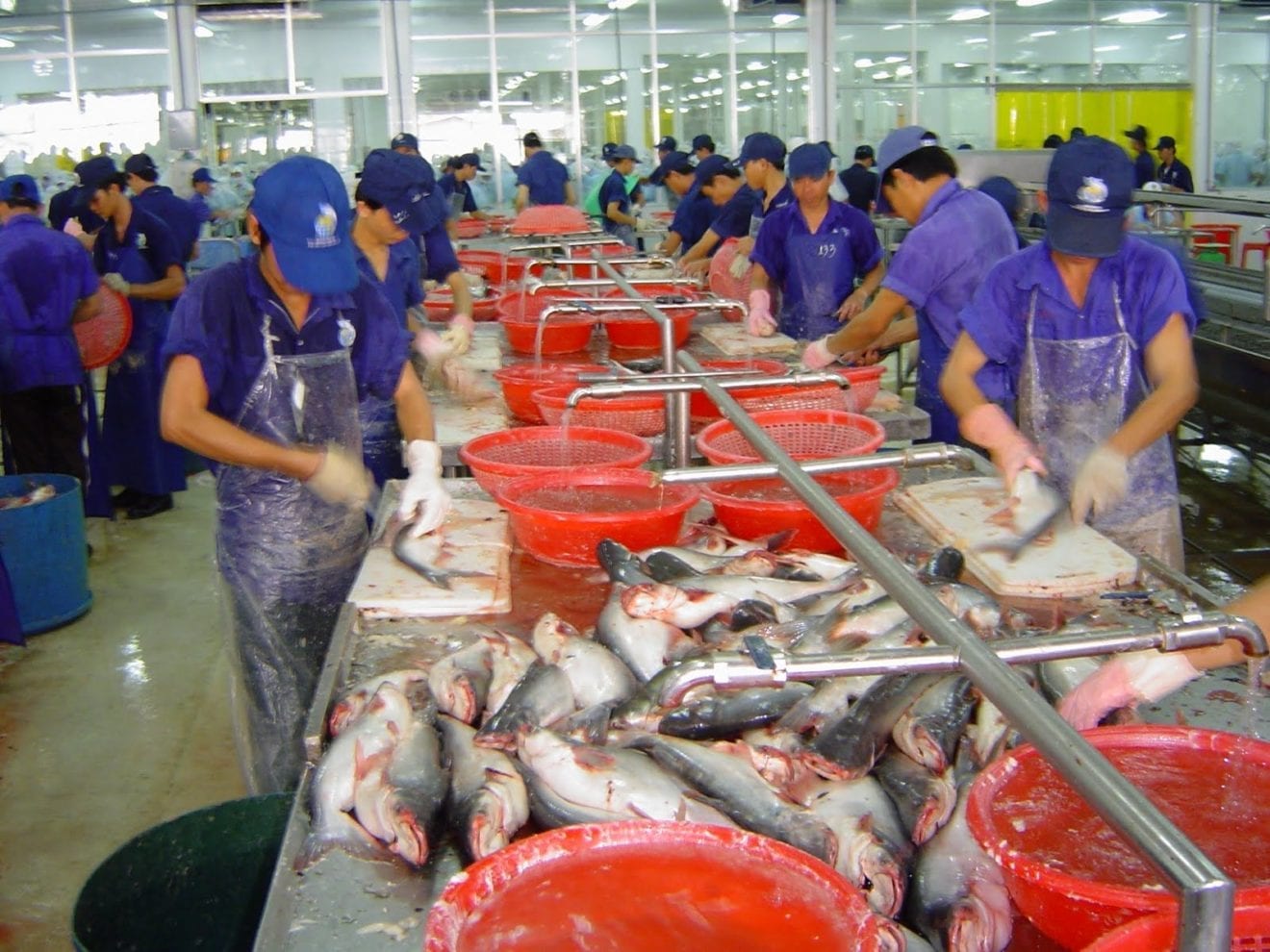
    The European Commission is willing to cooperate with and support Vietnamese authorities in their reforms to fight illegal, unreported and unregulated (IUU) fishing.

    This was said by Karmenu Vella, Commissioner of the European Union for Environment, Maritime Affairs and Fisheries.

    In an interview, Vella said the European Commission welcomed the high-level commitments of the Vietnamese authorities, notably the plan adopted by the Ministry of Agriculture and Rural Development, to implement urgent measures to overcome the yellow card adopted in October 2017.

    Minister of Agriculture and Rural Development Nguyễn Xuân Cường is currently on a working visit to the European Union from March 20-24 to promote the removal of “yellow card measure” for Việt Nam in IUU fishing.

    “Nonetheless, the European Commission reiterates its concerns as regards the translation of such commitments into tangible measures aimed at addressing the serious shortcomings that led the Commission to adopt the yellow card,” Vella said.

    According to him, the adoption of pre-identification (yellow card) of Việt Nam as a non-cooperating country in fighting IUU fishing in October 2017 is the formalisation of a dialogue in place since 2012. This step is just a warning and does not imply any kind of trade-related measures, he said.

    “The objective of the European Union’s IUU policy is to enter into a cooperation with competent authorities in third-world countries to ensure they align their legal and administrative frameworks with international obligations to fight against IUU fishing and establish adequate control mechanisms,” Vella said.

    By April 2018, six months after the adoption of the yellow card, Vietnamese authorities are expected to provide a progress report addressing the implementation of the action plan, he said, adding the European Commission will evaluate, including by means of visits to the country, the content of the action plan in light of the shortcomings established in the Commission’s decision of October 23, 2017.

    Talking about the possibility of removing the yellow card for Việt Nam, Vella said any decision would follow a careful analysis of the actions undertaken by the authorities to remedy the deficiencies that led to the yellow card.

    “The revocation of the yellow card will only be possible if all the mentioned deficiencies are sufficiently addressed,” he said.

    In case the situation does not improve, the European Commission may proceed with the identification of the country as non-cooperating in fighting IUU fishing (red card) and submit the proposal to the Council of the European Union to list Viet Nam as non-cooperating in fighting IUU fishing, Vella said.


  • Muji fresh store launched in Osaka

    Muji fresh store launched in Osaka

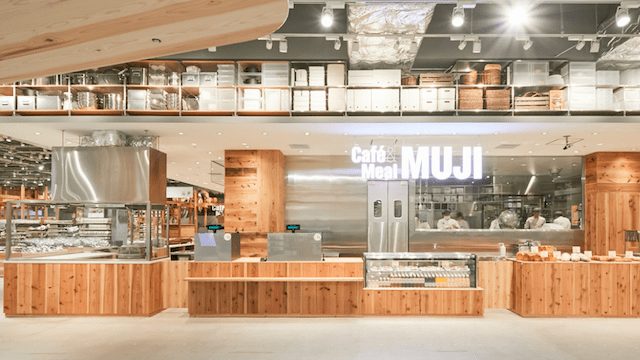
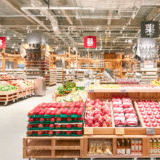
    Japanese anti-brand retailer Muji has opened a massive 4300sqm store in Osaka featuring its first dedicated fresh department.

    While the company has offered dried foods, snacks and other foods since it was founded in 1980, and even shelf-stable vegetables in some stores, this is the first time it has ventured into chilled, fresh meat and produce.

    The Muji fresh store is the brand’s largest globally and five times the typical Japanese footprint. About 50 per cent of it is dedicated to food and it also features a Cafe & Meal Muji eating place.

    Kei Suzuki, director and executive officer of Muji parent Ryohin Keikaku, said that once refined the company will look to roll out the concept in other markets.

    “At first we have to see what is going to happen in Japan, but I believe the Muji customer … is keen to have a good fresh product,” said Suzuki, who was one of the leading speakers at yesterday’s MarketingPulse conference, organised by the Hong Kong Trade Development Council.

    Suzuki said Muji customers are in tune with freshness, sustainability, supporting local farmers and suppliers – and they want quality. He is confident the Osaka concept store will win over customers.

    “Once we see that we are successful then … I also want to try it here in the future. But it has not been decided yet.”

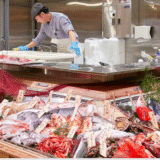
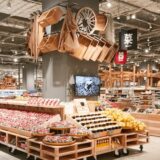
    Photos released by Muji show fresh meats, fish, vegetables and perishable goods on display in a bright, airy retail space. Minimalist design and displays made from natural materials are in keeping with the company’s market positioning.

    Meanwhile, in Japan, Ryohin Keikaku chairman Masaaki Kanai said Muji was committed to expanding its selection of local food products.

    “We want to become a part of the community.”

    One of the reported rationales behind Muji fresh is to entice customers to visit more often. Food is a more frequent purchase than stationery or household items, for example.

  • These 13 Korean Beauty Products Are Being Recalled From The Market

    These 13 Korean Beauty Products Are Being Recalled From The Market

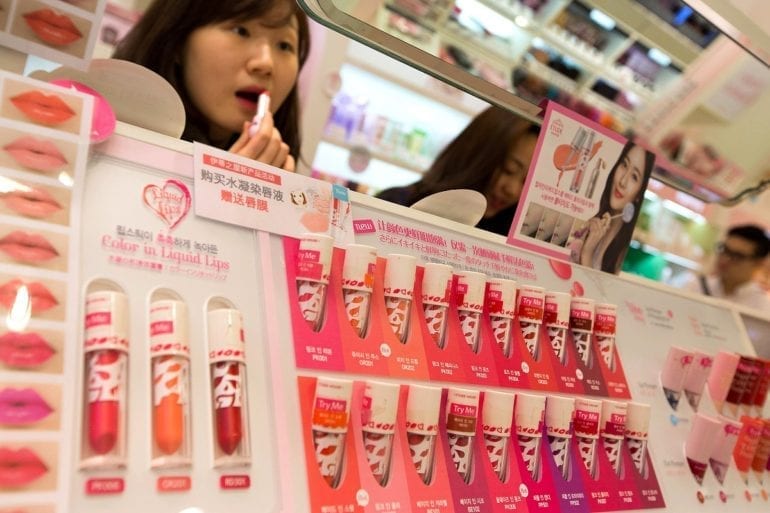
    Unsafe levels of the heavy metal antimony have led to the South Korean government banning 13 cosmetics products.

    Some of the products, including eyebrow pencils from 3CE and Etude House, were previously available in Hong Kong and have been taken off store shelves.

    According to the Ministry of Food and Drug Safety in South Korea, antimony at levels ranging from 10.1 parts per million (ppm) to 14.3ppm was found in the 13 products. The maximum legally permitted antimony level is 10ppm.

    After the department ordered recalls of the products, Amorepacific Group, whose brands accounted for six of the products, issued an apology to customers.

    Antimony is found in consumer products such as batteries and electrical appliances, and has been detected in food packaging and toys. Research has shown that chronic exposure to antimony in the air can lead to irritations of the skin, eyes and lungs. Drinking high levels of the metal in water could cause vomiting and abdominal pain.

    Among the products recalled were: 3CE Slim Eyebrow Pencil (chestnut brown) and Makeheal Naked Slim Brow Pencil (shades BR0203 and YL0801); Aritaum’s Full Cover Cream Concealer and Stick Concealer; Black Monster Homme Black Erasing Pen; Etude House’s AC Clean Up Mild Concealer; Skeda Concealer; Skinfood Cherry Full Lip Liner; and XTM Style Homme for Men Easy Stick Concealer.