Tag: asia

  • Funmaii jumps on cashless retail hype with e-wallet app service

    Funmaii jumps on cashless retail hype with e-wallet app service

    Malaysian convenience store concept Funmaii aims to become a major player in the cashless retail ecosystem.

    It has made this announcement at the opening of its second outlet, in Bandar Puteri, Puchong. Its first store launched at Sunway Nexis, Kota Damansara, in January.

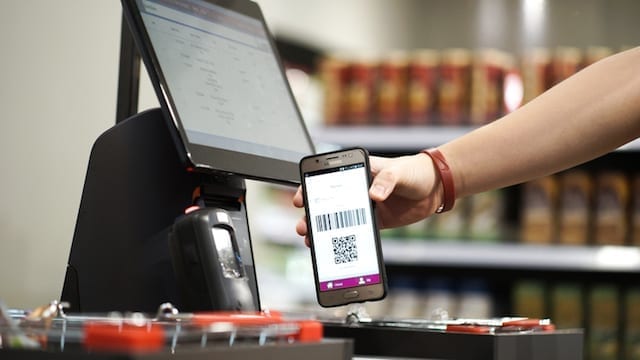
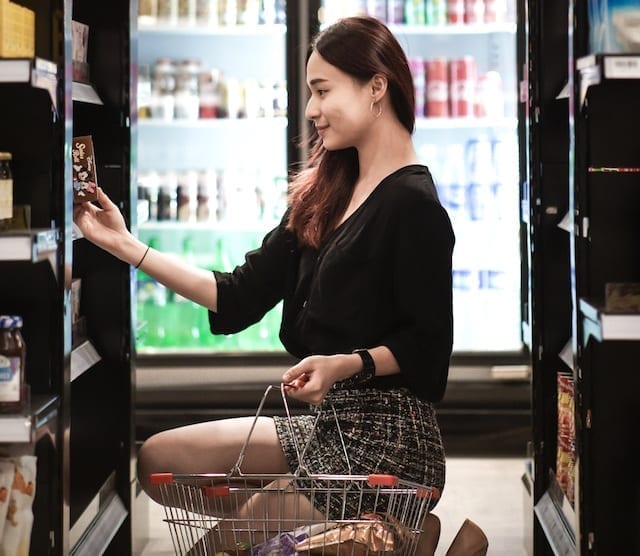
    Designed like a normal convenience store, Funmaii outlets offer daily necessities combined with the ease of electronic payment. Customers simply pick up their items and make payment through the Funmaii app e-wallet service, or by Mastercard or Visa credit cards. As well as Malaysian food products, the stores offer imported snacks and beverages from Japan, Korea, Taiwan Funmaii co-founder Brian Wee says the shopping experience is centered on an all-in- one mobile app. Besides its e-wallet capabilities, the app also allows customers to track their expenses and redeem rewards in the form of discount vouchers, extra credit and rebates.
    Meanwhile, Funmaii is about to introduce three types of convenience stores: Basic, Signature and Concept. Funmaii Basic stores offer cashless convenience and small seating areas, while Funmaii Signature stores also feature a “chillout” area for small events. Through partnerships with various brands, Funmaii has plans to set up Funmaii Concept stores that will feature an array of products and services not typically found at convenience stores, including dessert and coffee bars, and also fashion and beauty.
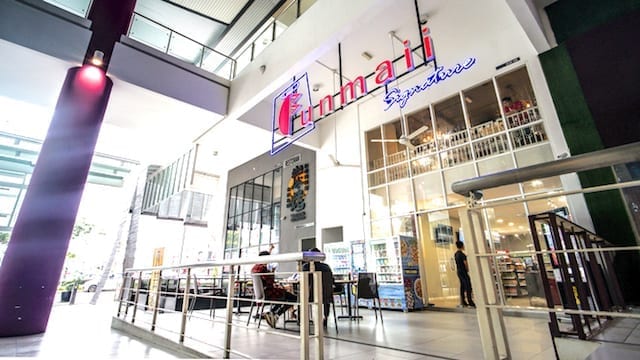
    “We have an aggressive ambition to grow our network of Funmaii branded stores and kiosks, not only in Malaysia but also in Southeast Asia, including Singapore and Indonesia,” says Wee. “We plan to open around 30 outlets over the next 12 months and ultimately have 100 outlets by the end of next year.”

    He says Funmaii also plans to install 10,000 vending machines in major shopping malls around Malaysia in the next three years.
  • Axiata share price down slightly after buying stake in Sri Lankan data centre firm

    Axiata share price down slightly after buying stake in Sri Lankan data centre firm

    Axiata Group Bhd’s share price fell 0.18% this morning following news that its unit is acquiring a 35% stake in data centre company Digital Reality (Private) Ltd (DRPL) for 262.5 million Sri Lankan rupees (RM6.55 million) cash to form a data centre business in Sri Lanka.

    At 11.08am, Axiata stood at RM5.48 with 882,800 shares changing hands.

    The group yesterday said Dialog Broadband Networks (Private) Ltd (DBN) has entered into a deal with St Anthony’s Property Developers (Private) Ltd (SAPD) for the stake acquisition.

    DBN, which is Sri Lanka’s second largest fixed telecommunications provider, is a wholly owned subsidiary of Dialog Axiata Plc which in turn is an 83.32% subsidiary of Axiata.

    SAPD is a member of St Anthony Group and is the main developer of Sri Lanka’s largest privately held IT park, “Orion City”.

  • The Children’s Place Expands Into China

    The Children’s Place Expands Into China

    The Children’s Place is the latest fashion retailer to look to the Far East for new growth opportunities.

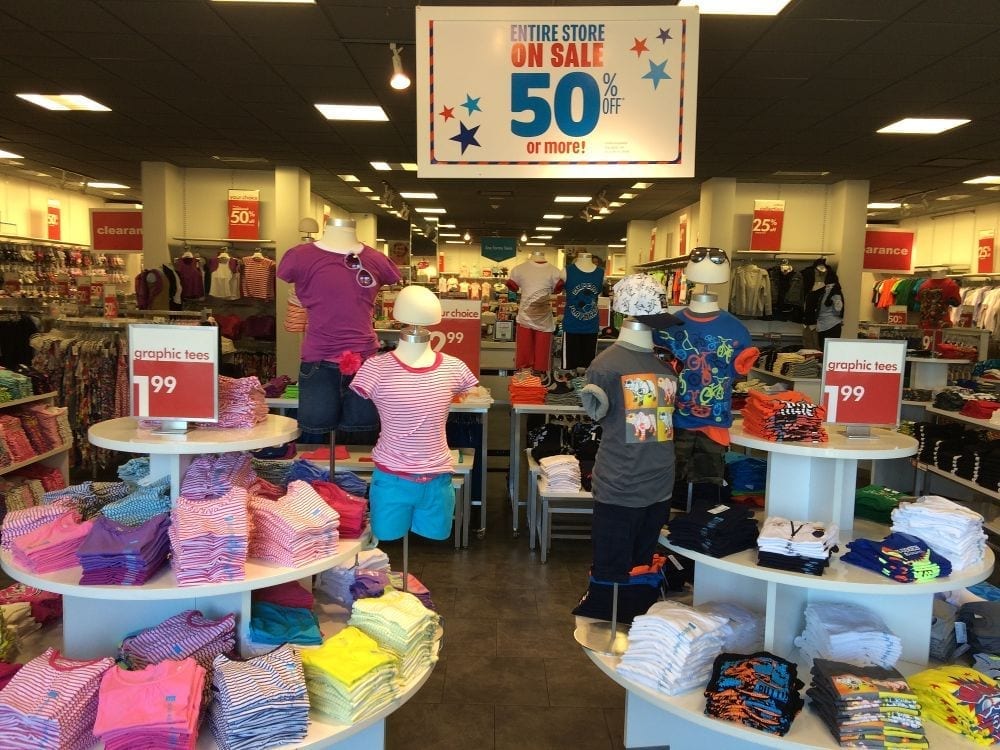
    The Secaucus, N.J.-based firm, which operates 1,014 stores in the U.S., Canada and Puerto Rico, announced today that it has signed an exclusive licensing agreement with Zhejiang Semir Garment Co. Ltd. (Semir), parent of Balabala, China’s largest specialty kids’ apparel retailer. The partnership will take The Children’s Place brand into the Greater China market, encompassing Mainland China, Taiwan, Hong Kong and Macau.

    Over the first five years, Semir will open at least 300 Children’s Place retail locations — stocking a mix of apparel, footwear and accessories — in Greater China, as well as operate the brand’s e-commerce business. The partnership is projected to generate between $125 million and $150 million in sales by 2022.

    “Entering China through this strategic partnership is a game-changer for our international business. It takes us one step closer to our goal of becoming the leading global omnichannel kids’ apparel brand,” said president and CEO Jane Elfers. “The young children’s apparel market is already one of the fastest-growing categories in China.”

    Indeed, the category is estimated at $24 million, and with China’s recent shift to a two-child policy for families, it is forecast to double by 2025.

    Elfers cited Semir’s dominance within China’s children’s market and its strong retail, digital and operational expertise. Through its Balabala brand, Semir operates and franchises approximately 4,400 children’s apparel stores and runs the largest such e-commerce business in China through third-party platforms such as Tmall, JD and VIP.com. Semir boasts annual revenues of $1.9 billion.

    “This partnership provides an entrée for The Children’s Place into the China market that would not otherwise be possible with any other partner,” Elfers said. “[Semir] provides The Children’s Place with instant access to prime retail locations, established relationships with a large number of franchisees, and significant local sourcing and logistics capabilities.”

    The Children’s Place is one of a growing number of U.S. retailers eyeing China, which is in the midst of a consumer revolution, fueled by an exploding middle class and aggressive moves by Chinese e-commerce giant Alibaba Group to shape China into a consumption-based economy. Joint research by Alibaba’s AliResearch think tank and Boston Consulting Group predicts that the Chinese consumer economy will swell to $6.1 trillion by 2021.

  • Lotte Duty Free will exit Incheon on 7 July 2018

    Lotte Duty Free will exit Incheon on 7 July 2018

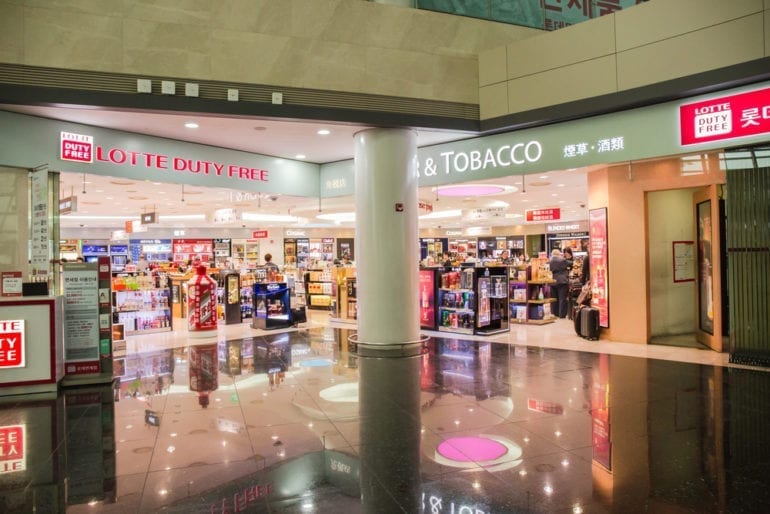
    Lotte Duty Free announced today that it will exit three of its four loss-making concessions at Incheon International Airport Terminal 1 on 7 July.

    The move follows Incheon International Airport Corporation’s (IIAC) acceptance of the retailer’s contract resignation and Lotte’s payment of an undisclosed penalty charge.

    The exit date is 120 days from IIAC’s approval of the resignation.

    As reported, Lotte Duty resigned the DF1 (P&C), DF5 (leathergoods & fashion) and DF8 (all categories) concessions on 13 February. The contracts, which Lotte won in early 2015, were due to run from September 2015 to August 2020. Lotte Duty Free said that its T1 stores have recorded losses of KW200 billion (US$184 million) since 2016. The contracts would run up a deficit of KW1.4 trillion (US$1.3 billion), the retailer claimed, if the stores continued to operate for the full term in 2020.

    Lotte Duty Free will continue to operate the main T1 alcohol and tobacco business concession (DF3).

    Report said, IIAC will retender the three contracts, probably later this month.

    Normally, one would expect Lotte’s rivals The Shilla Duty Free and/or Shinsegae Duty Free, to seize on the opportunity to snap up more Incheon business. However, both companies are also locked in talks with IIAC to try to further reduce their own T1 concession fees in the wake of the dilutive impact of the T2 opening.

  • Ministry working on faster internet with private sector

    Ministry working on faster internet with private sector

    Korea is pushing to commercialize 10-gigabit transfer speeds that are 10 times faster than Giga Internet, the fastest broadband service currently available in the country, the Ministry of Science and ICT said Sunday.

    The ministry would work closely with local IT companies to adopt 10-gigabit service, considered the core technology behind 5G wireless technology, virtual reality and augmented reality. Under the plan, the ministry plans to form a consortium to develop basic equipment and prepare networks for the rapid commercialization of 10-gigabit speeds.

    “The ministry hopes to achieve competitiveness in the ICT industry by commercializing 10-gigabit internet through close cooperation between public and private sectors,” a ministry official said.

  • Poltrona Frau Tokyo opens door

    Poltrona Frau Tokyo opens door

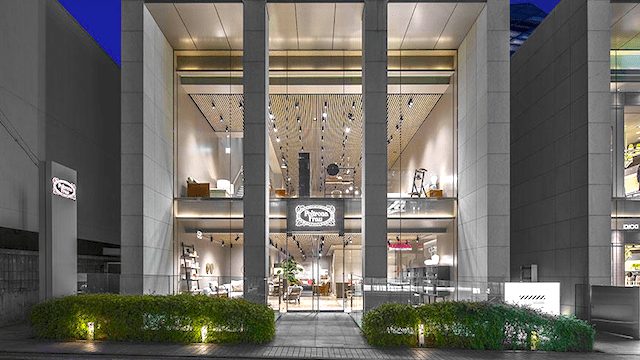
    Italian furniture brand Poltrona Frau has opened its first showroom in Tokyo.

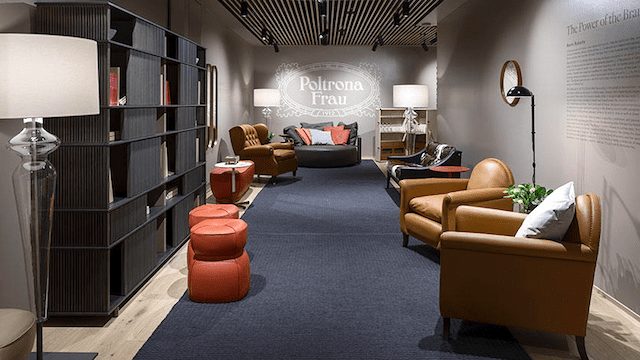
    Covering two floors, the 366sqm store’s design is inspired by the firm’s Via Manzoni showroom in Milan.

    Its opening in the culture/fashion/design district of Aoyama represents an important step for the company’s strategy to expand in Asia. It already has a distribution presence in 350 cities.

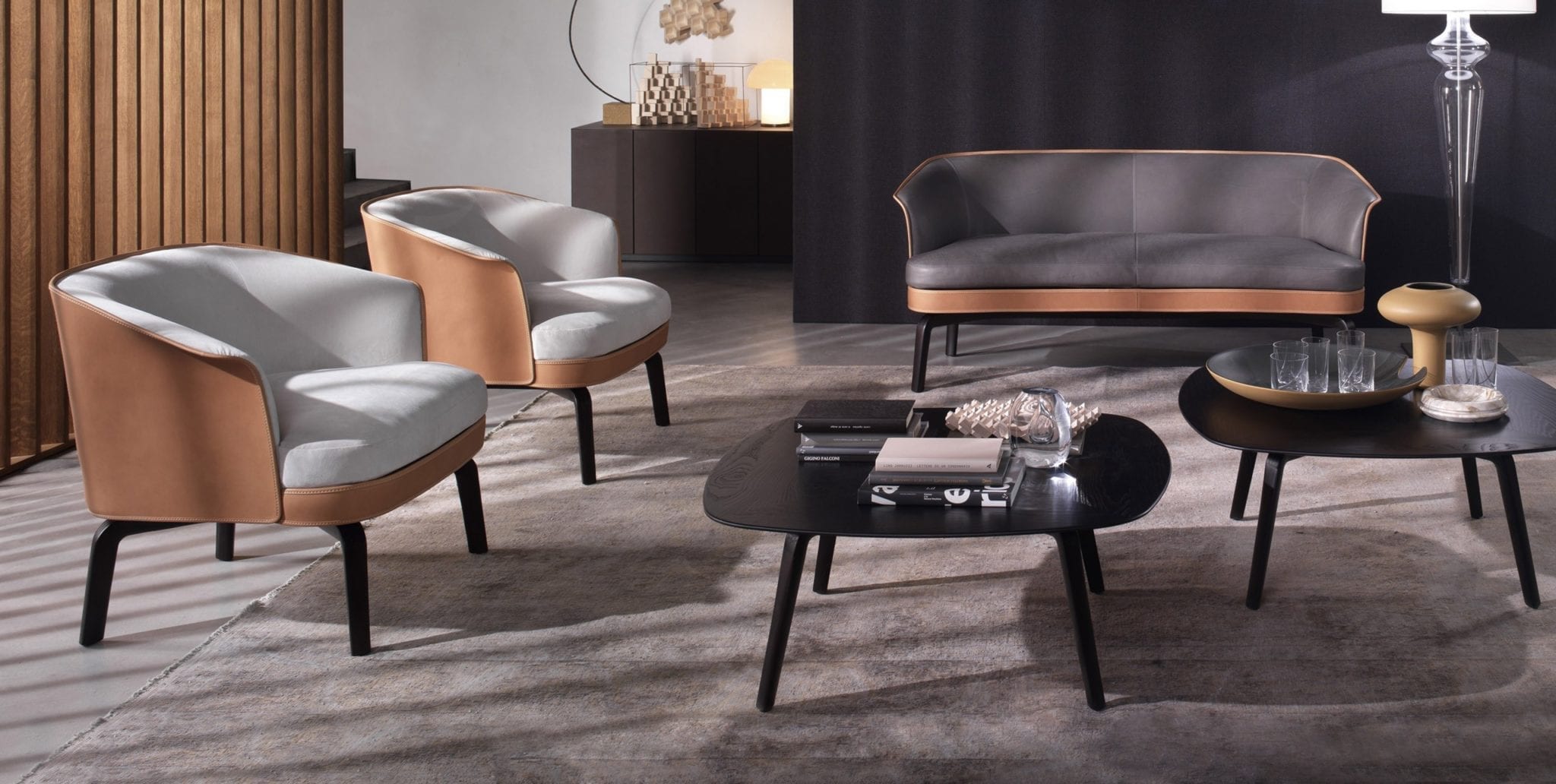
    The showroom’s layout combines historical and contemporary pieces, from the 1930s Vanity Fair armchair to the GranTorino sofa and the Archibald armchair, both designed by Jean-Marie Massaud.

    Poltrona Frau was founded in 1912 by Sardinian-born Renzo Frau in Turin.

  • It’s business as usual at Sa Sa Malaysia

    It’s business as usual at Sa Sa Malaysia

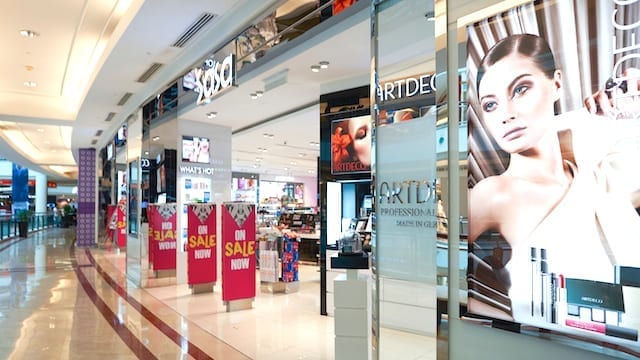
    Cosmetics retailer Sa Sa may have seen the closure of its Taiwan operations recently, but the move is not expected to affect the Malaysian business under Hong Kong Sa Sa (M) Sdn Bhd (Sa Sa Malaysia), said Sa Sa regional general manager for Malaysia & Singapore business Lisa Soon.

    “Sa Sa Malaysia is operating a total of 75 stores in Malaysia and still has plans of expanding our network nationwide in providing the best offerings of beauty products and brands internationally to our shoppers,” Soon said.

    Last month, its Hong Kong-listed parent Sa Sa International Holdings Ltd announced that it will close all its stores in Taiwan by March 31, 2018 after six consecutive years of losses, affecting 260 employees.

    With the closing of its loss-making operations in Taiwan, the group said it will concentrate on its other markets including mainland China, Hong Kong, Macau, Singapore and Malaysia markets as well as its e-commerce business.

    As at Jan 31, 2018, the retail network of Sa Sa consists of Hong Kong & Macau (118 stores), mainland China (55 stores), Singapore (19 stores), Malaysia (75 stores) and Taiwan (21 stores), all of which are solely owned and operated by the group.

    Established in 1978, the cosmetics retailing group opened its first store in Malaysia in 1998.

    According to Sa Sa International’s interim report 2017/2018 (six months ended Sept 30, 2017), the turnover for the Malaysian operations was HK$169.3 million (RM84 million), an increase of 9.2% in local currency terms over the previous period. Same-store sales growth rose a modest 1.1% in local currency.

    It noted that the reason for the conspicuous slowdown in same-store sales growth was weaker demand and purchasing power of local consumers amid the rising cost of living as a result of inflation. However, the group maintained its focus on continuous improvement with a readiness to capitalise on market recovery as and when opportunities arise.

    For the six months ended Sept 30, 2017, the Malaysian market contributed 4.6% of the group’s total turnover. The bulk of Sa Sa’s turnover comes from Hong Kong & Macau (81.5%), while the rest are from e-commerce (4.9%), mainland China (3.8%), Singapore (2.7%) and Taiwan (2.5%).

    Filings by Sa Sa Malaysia showed it posted a profit after tax of RM6.09 million for the financial year ended March 31, 2017, with revenue of RM181.52 million.

    In Malaysia, Sa Sa said it is the leading beauty specialty store in terms of number of stores and coverage. In recent times consumer sentiment has shown signs of a slowdown, necessitating a “comparatively conservative development strategy”.

    Sa Sa will continue to adjust its product portfolio and services to accelerate its penetration of the Malaysian market, it said.

    Adopting a “one-stop cosmetics specialty store” concept, Sa Sa sells more than 700 brands of skincare, fragrance, make-up and hair care, body care products, health and beauty supplements including own-brands and exclusive products. The group’s e-commerce arm sasa.com provides online shopping service to customers.

    On its business strategy, the group said with its global purchasing and sourcing capabilities, often buying in large quantities to increase bargaining power, Sa Sa manages to offer a wide selection of quality products at competitive prices. Its market leadership reflects its innovative retailing formula based on choice and convenience, it added.

    The group, which had a total workforce of around 5,000 employees as at Sept 30, 2017, considers employee training as crucial to the continued success of its operations and business expansion

  • Microsoft predicts digital gains

    Microsoft predicts digital gains

    Microsoft Korea said Tuesday the ongoing digital revolution will add roughly $42 billion to Korea’s gross domestic product by 2021 and push up the country’s growth rate by 0.5 percent annually.

    The projection was based on research conducted with market tracker IDC Asia Pacific. IDC surveyed 1,560 decision makers in mid- and large-sized business organizations across 15 economies in the Asia-Pacific region on the economic impact of digital technologies.

    According to Microsoft, application of digital technologies like the cloud, big data and artificial intelligence to business processes will increase profit margins and productivity, and create new sources of revenue for companies.

    The study predicted that while about eight percent of Korea’s GDP was derived from digital products and services created directly though the use of digital technologies last year, that percentage is expected to surge to around 65 percent by 2021.

    “Digital transformation has a positive and measurable impact on Asia Pacific’s economy,” said Andrea Della Mattea, president of Microsoft Asia Pacific, in a press briefing during the Digital Transformation Summit hosted by the computer software company on Tuesday.

    “In fact, organizations are seeing tangible improvements from their digital transformation initiatives today between the ranges of 15 to 18 percent, which shows digital transformation is no longer an idea, but a reality.”

    According to the study, about 77 percent of companies in Korea are in the midst of digital transformations while only seven percent can be classified as so-called leaders. The leaders in digital transformation have full or progressive digital transformation strategies with at least a third of their revenue from digital products and services.

    Microsoft introduced Korean partners that are rapidly adapting to digitization by using the software company’s AI and cloud platforms, such as 365mc Hospital, which is known for liposuction surgeries.

    “Until recently, liposuction procedures depended almost entirely on the surgeon’s experience and capability,” said Kim Nam-chul, CEO of 365mc Hospital.

    “Hence our motion capture and artificial intelligence-assisted liposuction system was built to collect data and enhance precision and safety of liposuction procedures.”

    Other Korean partners of Microsoft include Samsung Electronics, LG CNS, NH Investment & Securities, Hyundai Motor and Asiana Airlines.

  • New USA tariff plan draws backlash from US retailers

    New USA tariff plan draws backlash from US retailers

    Failing US president Donald Trump is facing widespread backlash from US retailers and brands over his intention to trigger a trade war with China and other nations.

    Just days after announcing tariffs on steel imports against the advice of officials, lawmakers and industry, Trump is now believed to be formulating sweeping tariffs on imported goods from China – a move retail and business groups warn will wipe away gains for the economy from the recent tax cuts.

    “This is not American industries crying wolf,” said Sandy Kennedy, president of the Retail Industry Leaders Association, which organised a letter to Trump, sounding alarm that such tariffs will boost prices of numerous consumer goods, including shoes, apparel and appliances.

    Twenty-four US retailers signed Kennedy’s letter, including Walmart, Target, Best Buy, Abercrombie & Fitch, American Eagle Outfitters, Columbia Sportswear, Costco, Dollar Tree, Gap, JC Penney, Kohl’s, Ikea, Levi Strauss, Sears, VF Corp and Wolverine World Wide.

    A second letter was signed by 82 shoe companies, including Nike, Payless ShoeSource, Under Armour and Shoe Carnival.

    “Adding even more tariffs on top of this heavy burden would mean higher costs for footwear consumers and fewer US jobs,” one of the letters said.

    “Given the price sensitivity of our products, any additional increases in our costs would strike right at the heart of our ability to keep product competitively priced for our consumers.”

    One of the issues worrying retailers and manufacturers is that Trump does not need approval from Congress to implement tariffs. He can impose unilateral tariffs on China citing national security grounds – the same rationale behind the steel tariffs – because a US government investigation had found Chinese had violated intellectual property rules.

    Trump has previously stated he does not fear a trade war because he believes America would win it.

    Widespread media debate about tariffs and the rationale behind them would also distract public attention from numerous controversies surrounding the Trump presidency, including a growing list of women revealing extramarital affairs with him, election tampering and his links to a company under investigation by the FTC for stealing personal details of 50 million Facebook users.

  • Pomelo Fashion CEO David Jou against the stream in SEA

    Pomelo Fashion CEO David Jou against the stream in SEA

    Pomelo recently had the largest-ever series B funding round for a Thai start-up, raising $19mn.

    Jou was previously Managing Director of Lazada Thailand, which was set up as to take advantage of digital adoption rates in emerging markets which lacked capital, technology and human resource investment. Why did he choose Thailand, and remain there to set up Pomelo?

    “I always thought Bangkok was a very international city, while simultaneously small and charming. It’s a central location, which is great for ecommerce. From Bangkok to Singapore, Hong Kong, Ho Chi Minh… it is all within a three-hour flight. In addition, the population and GDP per capita were at a level that can really support an online business – especially with accelerating trends in internet adoption rates. Another option was the Philippines, which Jou says would have been more challenging logistically due to its many islatnds, and Malaysia where the population is small and fragmented both ethnically and culturally. “A customer-facing brand serving such a hugely diverse population would have proved difficult,” says Jou, adding: “When I looked at Indonesia [four years ago] I thought maybe it was a bit early in terms of its technology development – but I was completely wrong; Indonesia has really leapfrogged other markets in terms of how quickly it was able to develop.”

    Thailand, in conclusion, was “a really great place to set up: 70mn people, 30-40% internet penetration, and social media adoption was greater than 100%, meaning there are more Facebook accounts than people”.

    For Pomelo, managing an efficient reverse supply chain is paramount to giving users what they require. “I think it’s really at the heart of the ecommerce problem fashion has. When people purchase fashion products like apparel and shoes fit and sizing are such important factor. We have a ton of customers and a huge online following, but when we look at the segment of people who have yet to make a purchase, they say the #1 roadblock isn’t brand or style, it is always fit and not wanting to deal with returns. That’s 95% of it.”

    “That is why in 2016 we recognized we’re not an online brand, we’re a digital brand. Online or offline, you can make it better through the use of technology. We do have an offline presence we’re rolling out very quickly. it is an omnichannel experience; we don’t think about it as ecommerce versus in-store retail, we think of it as offline and online both being ways to reach and interact with our customer.”

    Jou feels that an Asia-based fashion company is set to disrupt the fashion industry as the continent consumes 70% of fashion and produces the vast majority of clothing. In the Asian market, it’s important to look at what you are replacing with ecommerce, according to Jou: “It comes down to accessibility: they want trends localized to the climate and lifestyle people in these countries lead. In the US or Australia, every major town has multiple retail outlets selling all the high street brands, but here if you’re not in one of the major cities you don’t get that assortment. It is key that we’re able to provide that assortment of trendy fashion at a price point that works regardless of whether you’re in Bangkok, Chiang Mai or Phuket.”

    In the future, the brand hopes to expand its channels to reach a wider consumer base.

    “We are mostly online with a small offline footprint, but as we’ve recently realized the biggest barrier to purchase is fit, sizing and hassle of returns. This can be easily addressed by combining technology with the offline footprint that makes sense for the markets we operate in.”

    Next, Pomelo will expand geographically. “I like to call it multi-vector growth: all big companies have multiple vectors along which they are growing at any given time, simultaneously. Currently we are in Thailand, Indonesia, Singapore and are setting up our cross-border trade warehouse in Hong Kong which will allow us to reach customers across the world cost-effectively, efficiently and quickly. We will then be able to serve customers in India, Nigeria, the Middle East, Japan, Vancouver… all from the same warehouse. That will be possible due to recent innovations in the logistics space. That’s going to be really exciting.”

  • Ippin meets global demand for Japanese Sake with launch of vast online collection

    Ippin meets global demand for Japanese Sake with launch of vast online collection

    Cross-border e-commerce platform Ippin Japan Mall has launched one of the internet’s largest sake collections.

    Ippin, which specialises in direct sales internationally of quality items from Japan, has made available more than 1350 varieties of sake, with direct delivery within a week from supplier warehouses.

    Ippin Japan Mall is a part of the C-Connect Corporation, which also runs a printer ink retailing store. It is active in 16 countries.

  • Naver and Daum to track cryptocurrency prices

    Naver and Daum to track cryptocurrency prices

    Naver and Daum, Korea’s two largest search engines, will begin providing real-time cryptocurrency prices on their websites.

    Dunamu, an affiliate of Kakao which operates the cryptocurrency exchange Upbit, will run the service, the company said. Users can enter the name of a cryptocurrency in either search engine, and the current price will show up in the results.

    Service began on Daum, which is owned by Kakao, immediately after the announcement. Naver plans to start the service early next month.

    Users of KakaoTalk chat app could also check cryptocurrency prices inside the chat app.

    Dunamu already provides real-time cryptocurrency prices as well as information about highs and lows of the day, week, month and year, and transaction size on its own website.

    Its trading platform, Upbit, deals in 124 different cryptocurrencies.

  • Korea coffee market grows to 512 cups per person

    Korea coffee market grows to 512 cups per person

    Korea’s domestic coffee market surpassed 10 trillion won in 2017 for the first time ever as demand for the brew continues to rise, market data showed.

    According to the Korea Customs Service (KCS), the country’s coffee market stood at 11.7 trillion won (US$10.8 billion), up more than threefold from around the middle 3 trillion won level a decade earlier.

    This translates into 26.5 billion cups of coffee being served last year and an average of 512 cups being consumed per person. Asia’s fourth-largest economy has 51.7 million people.

    Broken down, coffee mixes ranked No. 1, accounting for well over 13 billion cups, followed by fresh roasted coffee making up 4.8 billion cups, with the remainder being canned coffee and various coffee-flavored drinks.

    The latest data showed that while people drank more, the price of a cup of coffee has also shot up in the past 10 years, with more people drinking expensive brews than before.

    The average price for a cup of fresh roasted coffee stood at 1,636 won, with this market reaching 7.85 trillion won market last year, while in 2007, it stood at just 900 billion won.

    In the past, Korea’s domestic market was dominated by coffee mixes and instant coffee, but this changed with the opening of Starbucks and Coffee Bean & Tea Leaf stores in the late 1990s and early 2000s.

    Starbucks Coffee Korea, the local unit of the global beverage company, reported sales topping 1 trillion won in 2016, 17 years after it opened its first outlet here in 1999, with the company’s operating profit hitting the 100 billion won mark for the first time last year.

    Besides the growth of big coffee chains, local trends are leading to more stores operating their own roasting machines and becoming more high-end to meet consumers’ diversified demands.

    But per capita consumption of coffee is far below that of such countries as the United States.

  • Salvatore Ferragamo wins US$60 million payout over counterfeit product

    Salvatore Ferragamo wins US$60 million payout over counterfeit product

    A New York court has confirmed an injunction against 60 unidentified holders of illegal online profiles and the transfer to Salvatore Ferragamo of about 150 domains that were infringing upon the luxury brand’s rights.

    The websites were selling counterfeit Salvatore Ferragamo products, and the court ruling acknowledged the substantial damage this had caused for the luxury Italian brand, ordering US$60 million in compensation.

    Also comprising exemplary damages, the ruling was the highest ever awarded for this type of violation, says Salvatore Ferragamo Group chairman Ferruccio Ferragamo.

    “The internet is the prime channel for traffickers of counterfeit goods and so is the focus of our monitoring and control efforts. In recent years, our group has implemented a series of anti-counterfeiting measures, both on- and off-line, to protect our customers and the value of our brand.”

    These measures last year enabled the group to have more than 35,000 items and illegal profiles removed from major social networks, as well as the interception, blocking and deletion of nearly 69,000 counterfeit products from online auctions.

    Furthermore, the group constantly monitors offline markets through court and out-of-court activities, focusing its efforts on China. About 62,000 counterfeit products were seized in China last year, out of the more than 268,000 counterfeit products seized around the world.

  • AirAsia in talks to set up airline serving Myanmar

    AirAsia in talks to set up airline serving Myanmar

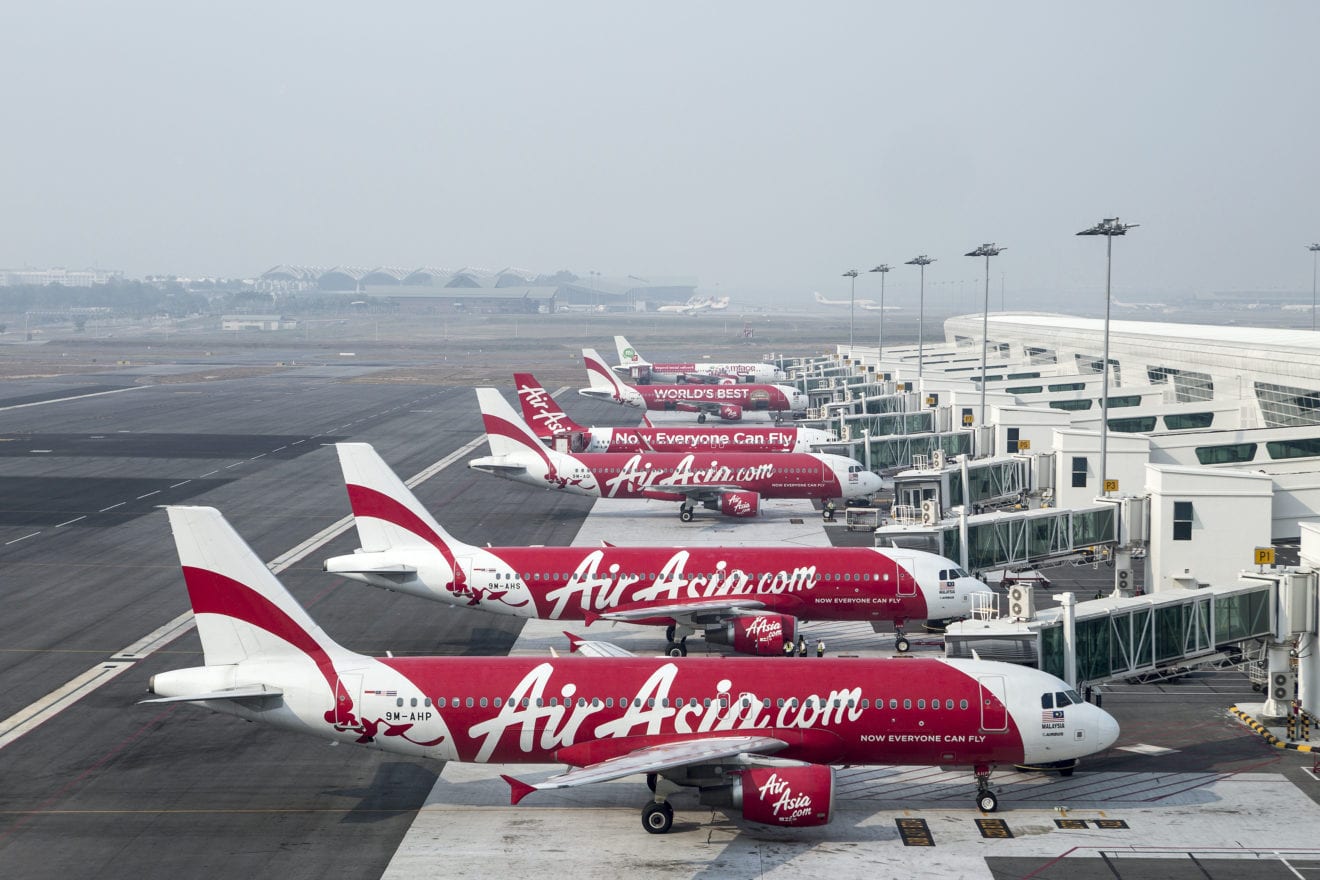
    AirAsia Bhd is in talks with a potential partner to open an airline serving Myanmar, in a move that would help the low-cost carrier cover up to 95% of the Southeast Asian travel market.

    In an interview with Reuters today, the airline’s group chief executive Tan Sri Tony Fernandes said he also expected AirAsia’s Vietnam joint venture to be flying by October.

    AirAsia now has businesses in Malaysia – its home – along with India, Indonesia, the Philippines, Japan and Thailand, as well as plans to launch an airline in China.

    “Once you’ve covered Vietnam and Myanmar, you’ve got all the big (Southeast Asian) populations,” Fernandes said. “Vietnam – we’re talking about October, we’ve had great support from the Vietnam government and we have a great partner. My team are very bullish.

    “It’s not going to be a big airline there (Myanmar), because the airport infrastructure is not there. But it is 50 million people and it will develop over time,” said Fernandes, who was in Sydney over the weekend for the Asean-Australia special summit.

    He added: “We had a good meeting with someone in Sydney – he’s got a good airline that we’ve known for a long time and he is a well-respected guy. We’re going through that process.”

    He did not name the potential partner.

    Fernandes was in Hong Kong for the launch of what he has termed a “We’re More Than an Airline” pitch, which he was due to present to analysts and investors at Credit Suisse’s Asia Investment Conference.