Tag: asia

  • Harry Winston opens store in Switzerland

    Harry Winston opens store in Switzerland

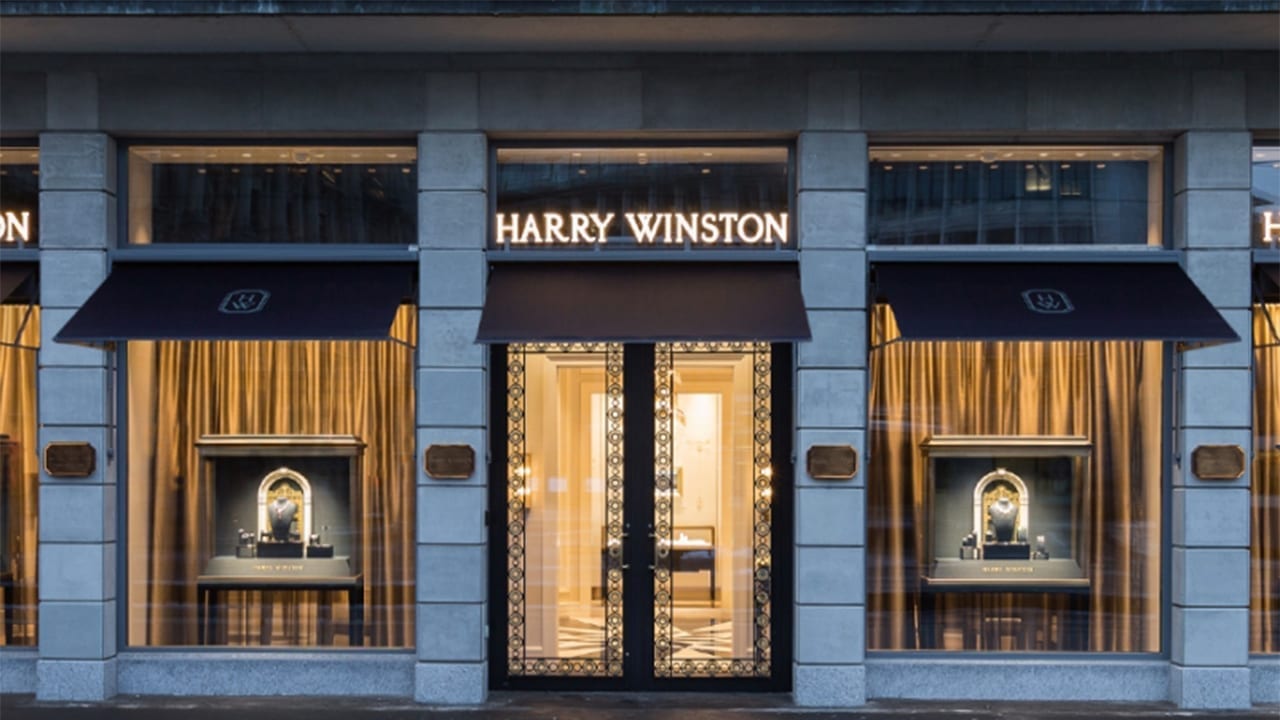
    Harry Winston has recenly opened a new salon in Zurich, the third in Switzerland.  Located on the famed Bahnhofstrasse shopping mile, the 146.2 square meter salon will house Harry Winston’s exquisite jewelry and timepiece collections, including the finest diamonds and rarest gemstones available today.

    “The opening of our Zurich Salon marks Harry Winston’s third location in Switzerland,” said Nayla Hayek, CEO of Harry Winston, Inc. “As the “King of Diamonds,” Harry Winston built his career around the world’s most sought-after diamonds and gemstones – a legacy we are proud to uphold today. With the opening of our new salon on Bahnhofstrasse, we are honored to bring the House’s tradition of excellence to one of the most exclusive retail destinations in the world and to share our commitment to incredible jewels with our new and existing clientele across the region.”

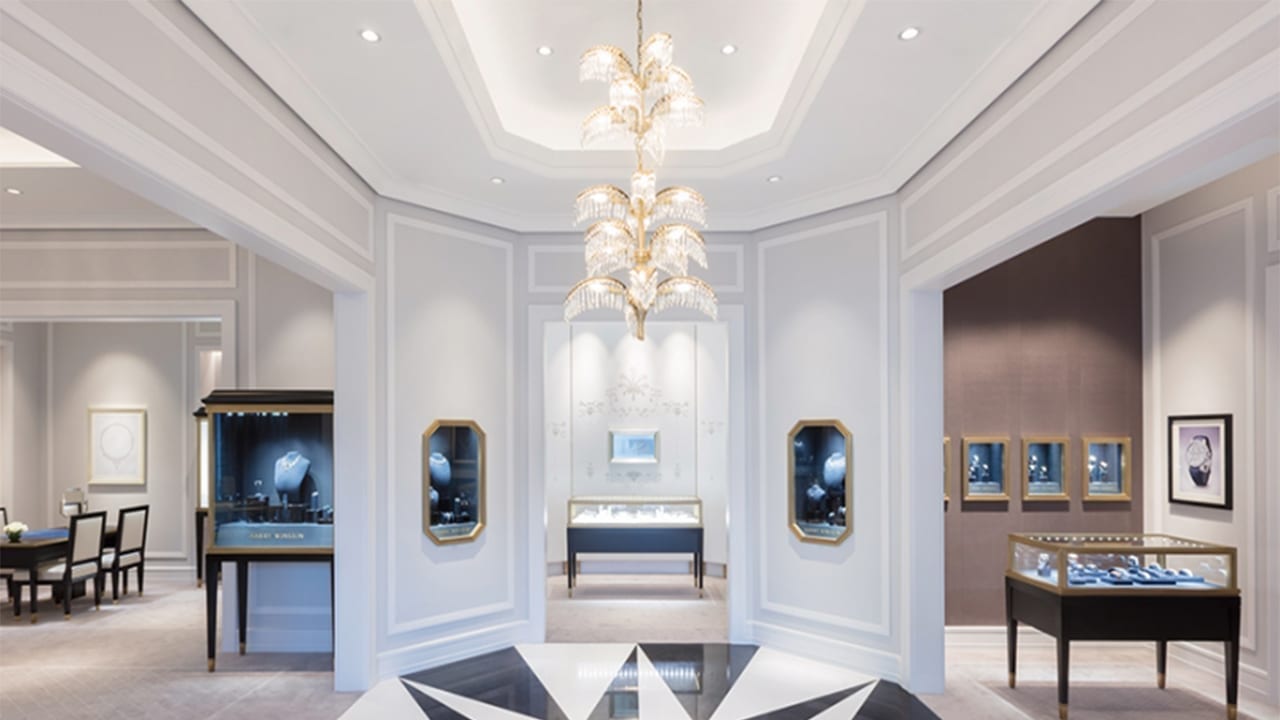
    Designed to capture the elegance and intimacy of a private estate, the new salon reflects a contemporary variation on the traditional Winston style. A soft taupe and grey color palette complements the custom designed black lacquer and antique bronze furniture, with bespoke chandeliers, hand-beaded silk walls and antique accents. A grand marble foyer, decorated with a striking black and white starburst motif, displays the House’s signature design collections. Dedicated areas for Harry Winston’s high jewelry, bridal, and state-of-the-art timepiece collections, ensure clients receive the discreet and highly personalized shopping experience that the House is known for, while private selling rooms provide a luxurious space for the ultimate in exclusivity.

    To commemorate the opening, the House hosted an exclusive cocktail reception for VIP guests, where it presented its most spectacular creations, from vintage Harry Winston designs, to the iconic Winston Cluster to the unparalleled Legacy Collection, to exemplary pieces inspired by the Harry Winston Archives.


  • Behind the glitz and glamour of ‘Monopoly City’

    Behind the glitz and glamour of ‘Monopoly City’

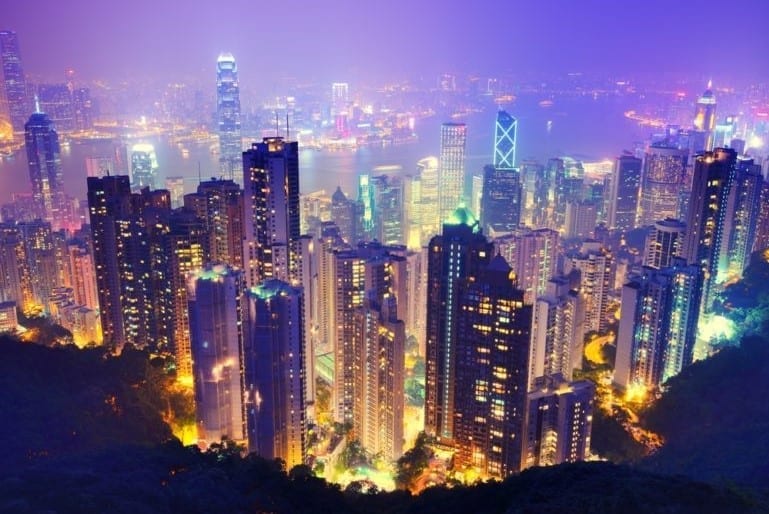
    Hong Kong has built its reputation as a free-wheeling, innovative and sophisticated city. Just like New York, it is known globally as a vibrant metropolis, which never sleeps and where money still talks.

    But is this view outdated, a facade constructed more from fantasy than reality? Certainly, business professionals, analysts and academics, who talked to Asia Times, are starting to voice serious concerns.

    They point to a myriad of problems, which are buried beneath the surface, such as monopolies in an array of sectors from transport to supermarkets.

    Underlining fears that “the rule of law” has been eroded by the “One Country, Two Systems” policy after Hong Kong was handed back to China by Britain in 1997 also loom large in the background.

    “In Western countries, the rule of law is a core value. But it is different in Hong Kong as it belongs to China,” Andy Kwan Cheuk-chiu, who runs ACE Center for Business and Economic Research, a Hong Kong think tank said.

    “Beijing’s reinterpretation of the Basic Law of Hong Kong might create certain political issues but it will not worry businesses as long as they make money,” Kwan, a former associate economics professor at the Chinese University, added.

    In the 2018 Economic Freedom Index rolled out by the Heritage Foundation, a conservative public policy think tank based in Washington, Hong Kong retained its No. 1 position.

    Yet even in a sanguine review, there was a caveat inserted into the section governing the “Rule of Law”, casting a shadow over the independence of the judiciary in the Special Administrative Region.

    “An exceptionally competitive financial and business hub, Hong Kong remains one of the world’s most resilient economies,” the Heritage Foundation study stated. “A high-quality legal framework provides effective protection of property rights and strongly supports the rule of law. There is little tolerance for corruption and a high degree of transparency.

    “The judiciary is independent, but Beijing reserves the right to make final constitutional interpretations, effectively limiting the power of Hong Kong’s Court of Final Appeal. Although the corruption rate is low, it is perceived as rising,” it added.

    With such a multi-layered society, perception is a crucial part of everyday life for the 7.4 million people who live in an area of 106 square kilometers or 41 square miles.  Alongside a dense population, property prices have soared at breakneck speed, leaving many unable to afford a home of their own.

    A report released in January by Demographia, entitled the International Housing Affordability Survey, showed Hong Kong was still the world’s “least affordable city” – a title it has held for seven straight years.

    The United States-based consultancy reported that prices were more than 18 times the median annual pretax household income. A score of more than five times is considered “severely unaffordable,” according to its website.

    “Hong Kong is like a confectioner’s jelly, it looks great from the outside but internally it is melting,” Neville Sarony, a practicing QC in Hong Kong and a former Professor of Law at the City University of Hong Kong said.

    “As I see it, there are two overarching but interconnected problems: 20 years of increasingly dysfunctional government and the paralyzing greed of the property developers,” he added.

    Similar concerns exist in the retail and transport sectors, which could squeeze growth and strangle competition.

    Despite what many consider a world-class metro system, road congestion and inadequate transportation in new towns have left parts of Hong Kong with a major gridlock headache, adding to the city’s pollution problems.

    Quentin Cheng has been an outspoken critic of Hong Kong’s transport policy and is convinced a lack of serious competition needs to be addressed.

    “Our town planning does not adopt a holistic approach, and only focuses on small areas of land. The Development Bureau just generates slogans and does not carry out the concepts. What we need is competition [in the industry],” Cheng, who is co-founder and spokesman for the Public Transport Research Team said.

    “Hong Kong’s rail networks are too small and inadequate. [They do] not cover a lot of areas, compared to other developed [cities and districts]. They should build more direct rail routes connecting different districts together,” he added.

    As for the highly vaunted retail industry, its veneer of choice has been peeled away to reveal a sector controlled by two supermarket chains.

    In a study compiled by Euromonitor, retail sales of food and beverages in Hong Kong reached US$11.9 billion “with supermarkets accounting for 55%” of the market.

    Two grocery groups, Dairy Farm International’s Wellcome brand and AS Watsons’ ParknShop, dominated the scene, accounting for about 75% of the revenue.

    “There is a monopoly in Hong Kong’s supermarket sector with Park’n Shop and Wellcome, [while] most of our pharmacies belong to Watsons and Mannings,” Ho Hei-wah, a veteran social activist and director of the Society for Community Organisation, a rights group for the disadvantaged said.

    “The elements of a monopoly exist in different industries [which means] small and medium-sized enterprises cannot bid [for] government projects because they haven’t worked on [them] before,” Ho, who is known as the “voice of the poor” in Hong Kong circles, added.

    “Monopoly” is a word that crops up often in a city which is not only struggling to retain its identity but its unique competitive spirit.
  • Issey Miyake Opens Traditional Kyoto “Machiya”

    Issey Miyake Opens Traditional Kyoto “Machiya”

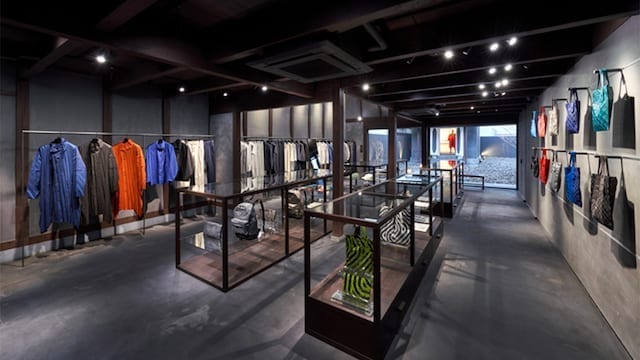
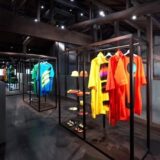
    Issey Miyake Japan has established a boutique in Kyoto, in a preserved traditional machiya (townhouse).

    Inspired by the classic japanese sumi, or ink colour, the interior has been created by designer and longtime collaborator Naoto Fukusawa. The retail setting is understated, balancing the structure’s original elements with modern interventions across two levels.

    Included in the store is a traditional kura, or storehouse, in a zen-like enclosed backyard. It will be used as a gallery space for Issey Miyake shows. The inaugural exhibition was dedicated to the third collection of Ikko Tanaka Issey Miyake, one of its many apparel lines that features the bold designs of graphic designer Ikko Tanaka (1930-2002).

    Check out the gallery below :

    The boutique stocks the men’s lines Homme Plisse Issey Miyake and Issey Miyake Men, as well as its Bao Bao Issey Miyake tote bags.

  • Government approves rights to purchase Vietnam Airlines’ shares

    Government approves rights to purchase Vietnam Airlines’ shares

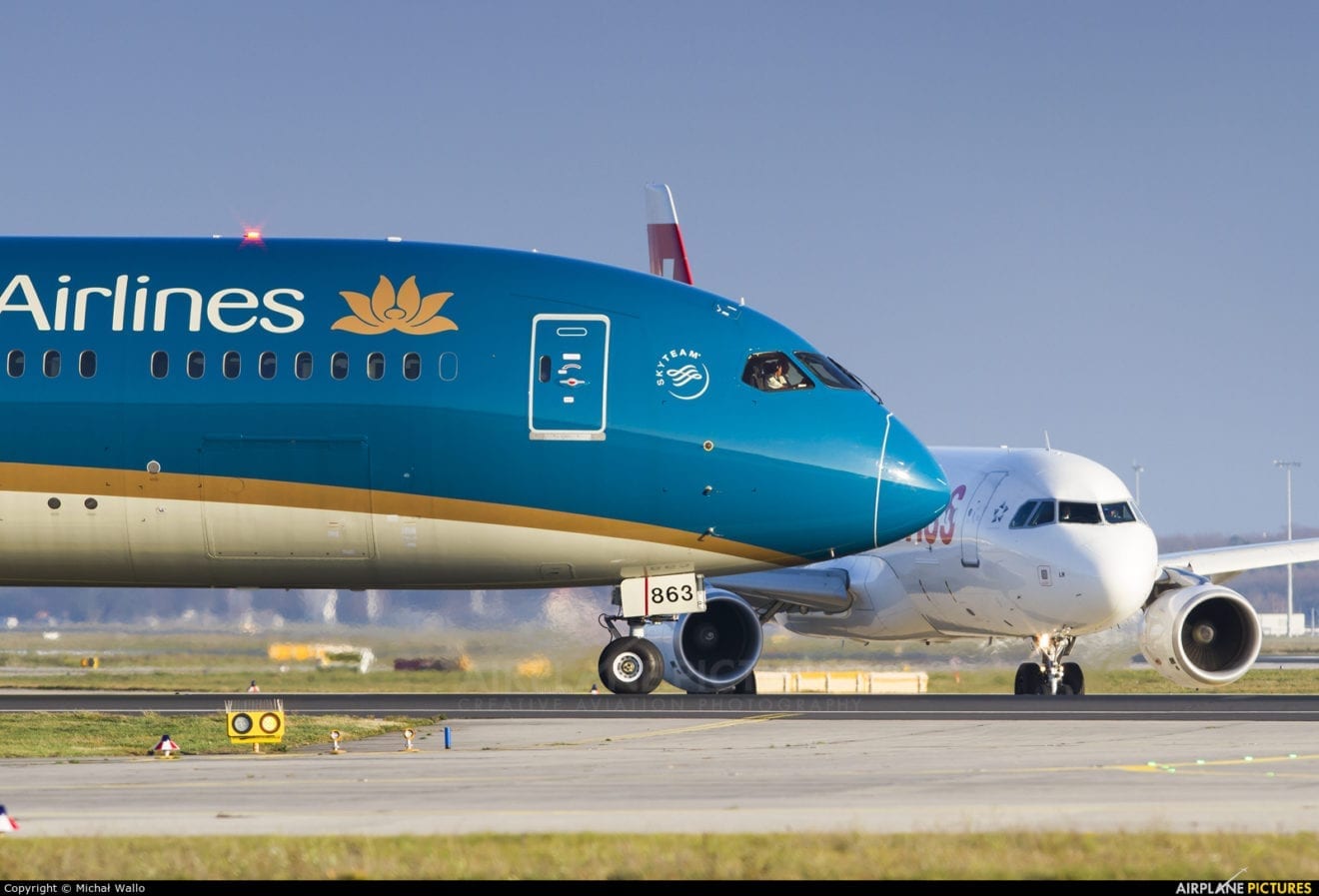
    The Ministry of Transport (MoT) will transfer its rights to purchase shares additionally issued by the Vietnam Airlines Corporation through auction at the Hà Nội Stock Exchange.

    Under its plan, the ministry, as Vietnam Airlines’ State stakeholder, will auction 371.5 million share purchase rights, an equivalent to 57.9 million additional shares in Vietnam Airlines’ upcoming share issue.

    Individual and organisations, including overseas Vietnamese and foreigners who meet the conditions as prescribed by the law, will be eligible to buy the rights.

    In July 2017, Vietnam Airlines decided to issue over 191 million shares to existing shareholders at the ratio of 15.57 per cent to raise charter capital. The issue, expected in the last quarter of 2017, however has yet to be implemented.

    The State now holds 86.16 per cent of Vietnam Airlines charter capital which is nearly VNĐ12.3 trilion after equitisation. If the State shareholder do not exercise their rights to purchase shares in Vietnam Airlines’ upcoming share issue, the State ownership in the national flag carriers will decrease.

    Vietnam Airlines shares, trading on the Unlisted Public Company Market (UPCoM) under the sticker HVN, close Tuesday’s trade at VNĐ48,100 (US$2.11) per share, down 5.9 per cent from the previous session.


  • Asian markets tumble with Wall St as Facebook breach hits tech

    Asian markets tumble with Wall St as Facebook breach hits tech

    Asian markets sank on Tuesday following sharp losses in New York as a massive data breach at Facebook fuelled fears of a regulatory crackdown on the technology sector.

    The scandal at the social media giant come as investors fret over a possible increase in the rate of US interest rate hikes and Donald Trump steps up his protectionist rhetoric that has sparked talk of a global trade war.

    Reports said Cambridge Analytica, the analysis firm hired by Donald Trump’s 2016 presidential campaign, stole data from 50 million Facebook user profiles to help design software to predict and influence voters’ choices.

    Stephen Innes, head of Asia-Pacific trading at OANDA, warned: “This security breach could end up being a significant turning point for the social media and network portal.”

    The news hammered tech giants with Facebook plunging 6.8 percent, while other household names were also hit — including Apple, Google-parent Alphabet and Netflix — by regulatory concerns.

    “The adults are starting to realise that the altruistic kids who started some of these tech behemoths are either unwilling or unable to deal with the fact that the companies they wrought and thought were a force for good can be manipulated by those who seek to do ill,” said Greg McKenna, chief market strategist at AxiTrader.

    The US losses filtered through to Asia, with Hong Kong-listed internet giant Tencent and AAC Technologies sharply lower. Samsung retreated in Seoul, while Sony was one percent lower in Tokyo.

    On broader markets Japan’s Nikkei went into the break more than one percent lower, while Hong Kong shed 0.6 percent and Sydney was off 0.5 percent.

    Shanghai dropped 0.3 percent, Singapore gave up 0.2 percent and Seoul retreated 0.4 percent, with Wellington, Manila, Taipei and Jakarta all sharply down.

    Investors are keeping a close watch on the Federal Reserve’s policy meeting this week looking for clues about its timetable for tightening monetary policy. Opinion is split on the number of rate hikes it will likely announce this year, with some forecasting three and others saying four.

    Market-watchers warn a G20 meeting of finance ministers in Argentina could also revive tensions on international trade after Trump unveiled his controversial tariffs this month.

    On currency markets the pound extended gains against the dollar after Britain and European Union leaders agreed a post-Brexit transition deal that will buy businesses and citizens time to adjust to life after the divorce.

  • Authentic Brands Group acquires Nautica

    Authentic Brands Group acquires Nautica

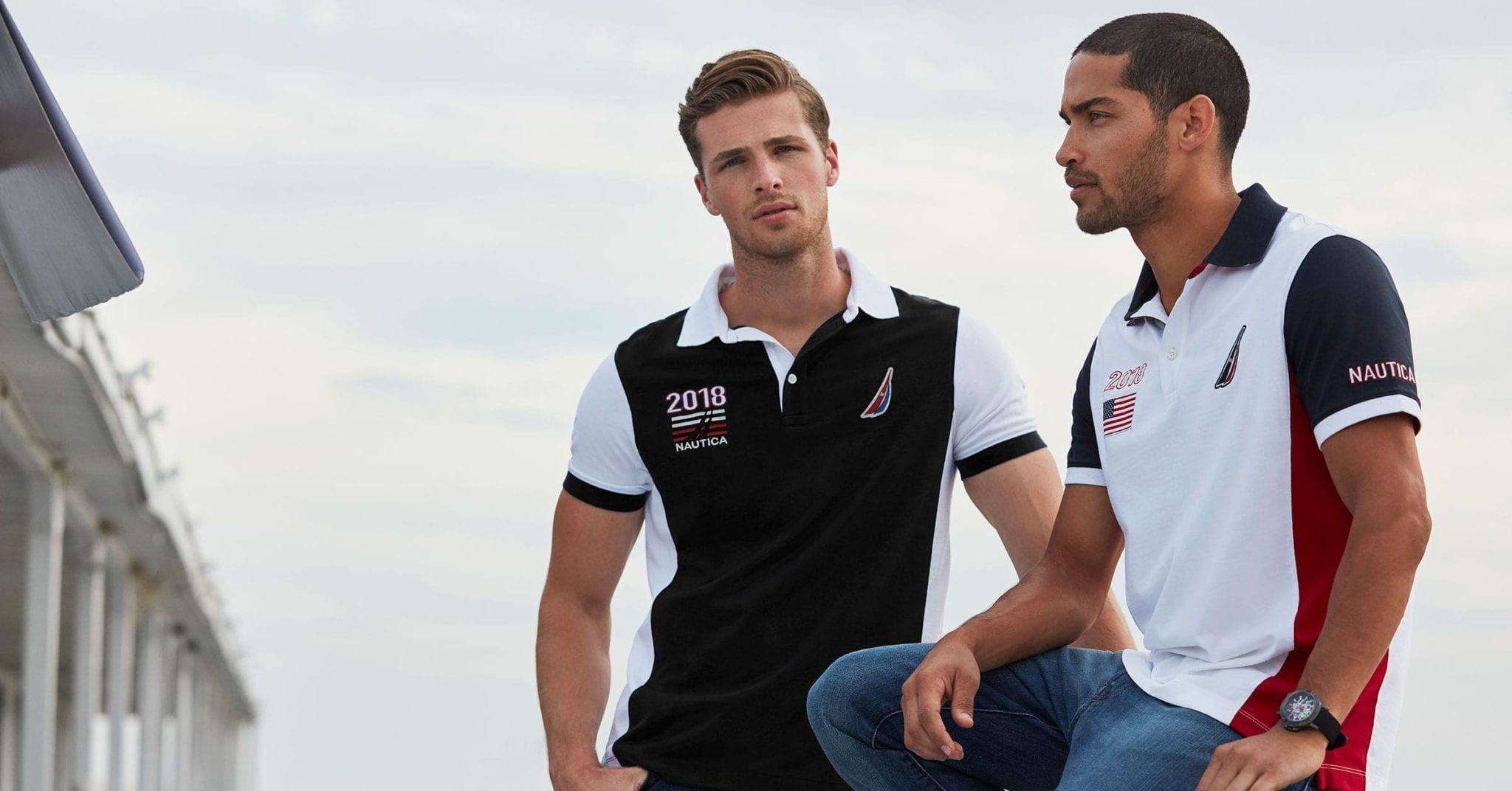
    Authentic Brands Group has bought the Nautica business from VF Corporation.

    The new owner, which lists Marilyn Monroe, Elvis Presley, Muhammad Ali, Greg Norman, Aeropostale, Juicy Couture and Frederick’s of Hollywood among an extensive portfolio, will take over the sports-inspired brand in the first half of this year. Terms of the deal have not been disclosed.

    VF chairman, president and CEO Steve Rendle said the company’s global business strategy is to actively manage its brand portfolio to ensure its composition allows strong growth.

    “This announcement marks yet another example of how we’re delivering on our commitment. We are pleased to have reached this agreement with Authentic Brands Group. The Nautica brand is an iconic, globally recognised brand, and Authentic Brands Group is the ideal owner to guide its next phase of growth and success.”

    Nautica, an American brand, has a strong nautical heritage, particularly associated with yachting. Besides producing clothing for men, women and children, it sells fragrances, watches and accessories.

    VF Corporation still owns the Vans, The North Face, Timberland, Wrangler and Lee brands.

  • Malaysian food delivery startup dahmakan acquires Thai competitor

    Malaysian food delivery startup dahmakan acquires Thai competitor

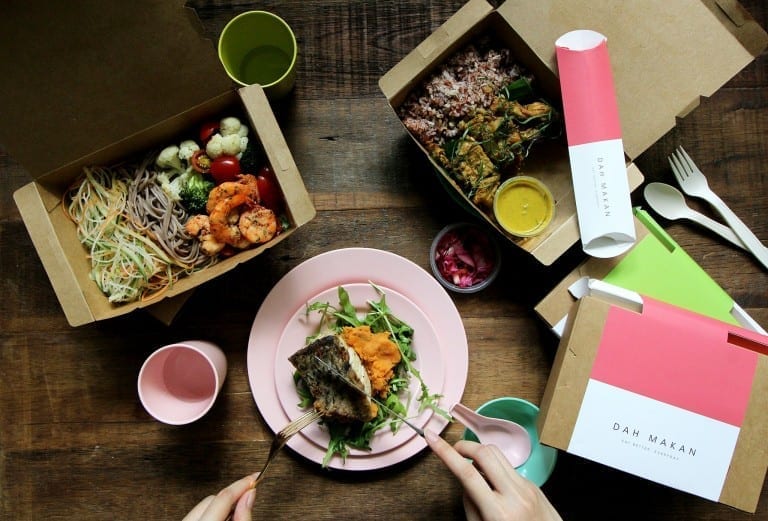
    Malaysian food-delivery startup Dahmakan, which raised US$2.6 million early this year, has acquired Bangkok-based competitor Polpa for an undisclosed amount.

    Dahmakan co-founder Jessica Li says Polpa has been integrated into the brand. The Thai startup’s founders, Dr Julian Timings and Prongfa Uennatornaranggoon, have joined Dahmakan’s executive team.

    “This will be the first of our three-city expansion in Southeast Asia this year, with Jakarta and Hong Kong slated for the third and fourth quarters.

    Dahmakan says demand for online food delivery in Southeast Asia grew 20-fold last year, with online spending projected to quadruple by 2025.

    CEO/co-founder Jonathan Weins says getting into Bangkok, the third-largest city in Southeast Asia, was strategic. “Bangkok has millions of office workers, high urban density and a lack of convenient food-delivery options that makes it an attractive market.”

    According to research firm Euromonitor International, Thailand’s online food-ordering market is on track to hit THB31.7 billion (about $1 billion) this year.

    Established in 2014, Polpa claims to be among the market leaders for healthy food delivery in Bangkok.

    Since launching in 2015, Dahmakan has raised more than $4 million in venture capital funding. It distinguishes itself from rivals – including Deliveroo, Foodpanda and UberEats – by delivering meals prepared in-house instead of picking up from restaurants and stalls.

    Meanwhile, Delivery Hero’s Foodpanda projects a surge in demand this year as competition intensifies.

    Thailand CEO Alexander Felde says he expects Foodpanda deliveries to roughly double this year to 16,000 a day.

  • HCMC Vietnam plans trading floor for pork

    HCMC Vietnam plans trading floor for pork

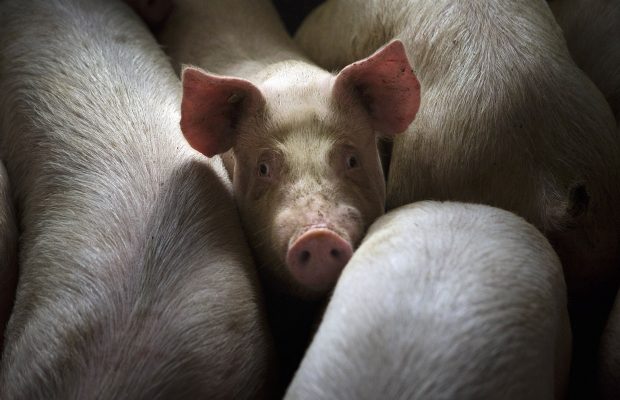
    HCM City plans to form a pork trading floor which will have advanced technology and careful control of pork origin to ensure quality.

    The city’s Department of Industry and Trade is working on forming the trading floor, which will allow direct purchases, without intermediaries, from pig farmers.

    Large, growing pork markets such as China and Japan have not bought pork from Việt Nam through large scale exporting, but instead through small border trade as international trade requires higher food safety standards.

    The city has begun a programme to keep better track of pork origin to ensure higher-quality products.

    By the end of 2017, 2,644 pig farms and 38 slaughterhouses had joined the programme, according to the city’s Department of Industry and Trade. The department has also held around 85 training sessions for farmers.

    As part of the programme, traders and consumers can look up information about the pork they have bought and their origin by scanning the QR code on each pork package which  has quality stamps.

    In HCM City, 7,500 to 8,000 pigs are supplied with a clear source of origin each day.

    The city plans to replace all manual slaughtering activities with machinery by the end of 2018, and make sure every slaughterhouse is equipped with freezers to store pork.

    According to the department, the city consumes US$500 million worth of pork every year.


  • Amorepacific’s Etude House opens store in UAE, first in Middle East

    Amorepacific’s Etude House opens store in UAE, first in Middle East

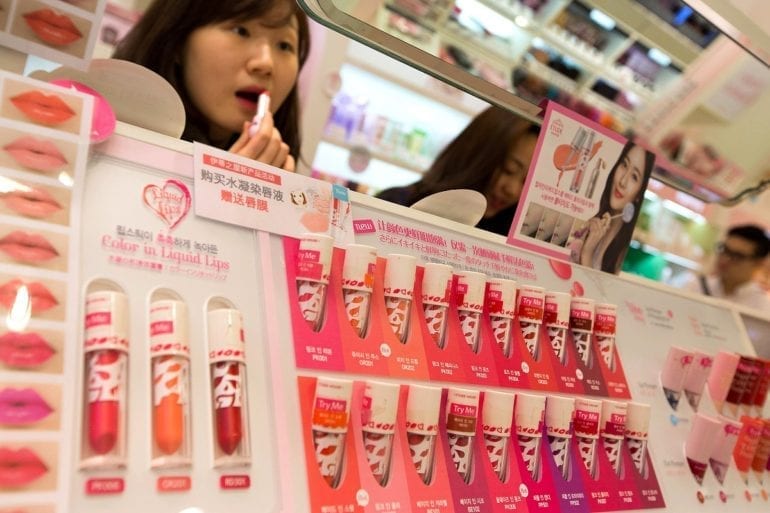
    Amorepacific-owned beauty brand Etude House has arrived in the Middle East with the first store opening in Dubai.

    The standalone store is located inside Dubai Mall, the world’s largest shopping centre, boasting 80 million visitors a year.

    All of Etude House’s best-selling products including Double Lasting Foundation, Dear My Blooming Lips and Real Powder Cushion are available at the store.

    For the Middle Eastern launch, Amorepacific said it studied makeup trends in the region for a long time to develop products tailored to locals.

    Etude House will open its first Kuwait store at the Avenues Mall on Thursday, followed by Saudi Arabia within the first half of this year.

    This year, Amorepacific has been boosting its international business. It has recently brought Mamonde to the US and Laneige to Australia.

    Its eco brand Innisfree also opened in Tokyo last Friday with a two-storey store.

  • Van Don airport Vietnam aims to serve 5m passengers

    Van Don airport Vietnam aims to serve 5m passengers

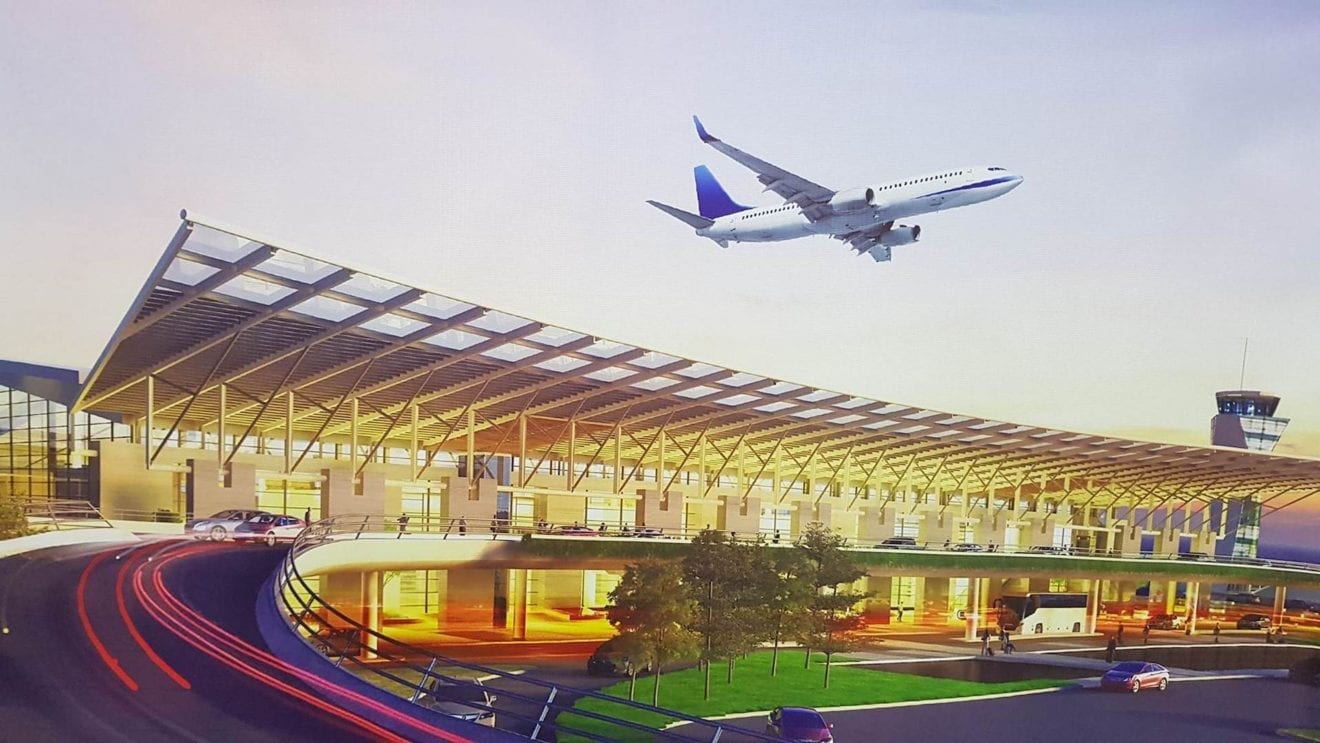
    The Ministry of Transport on Saturday announced a detailed plan for Van Don International Airport in the north-eastern province of Quảng Ninh for the 2020-30 period.

    Earlier, the Prime Minister had approved the airport’s plan to become one of the country’s top 10 international airports after he gave his nod to develop Van Don into a special administrative-economic unit (special economic zone) in the northern region.

    Under the detailed plan, the airport will be designed to serve both civil and military flights and will be able to receive 2-2.5 million passengers every year by 2020 as well as large aircrafts such as B777, B787, B747-400 and A350. The airfield will be expanded to serve five million passengers annually by 2030.

    The airport will be able to handle at least 51,000 tonnes of goods per year by 2030.

    By 2020, the airport’s runway will be 3.6km long and 45m wide. This will make it the longest runway in Việt Nam.

    Speaking at the announcement ceremony, Deputy Minister of Transport Lê Đình Thọ said the project was the result of the strong determination shown by the Government and ministries of the province in ensuring necessary infrastructure for its socio-economic development.

    Thọ has asked the concerned departments and units to inspect and manage the project.

    Nguyễn Văn Thành, vice chairman of the People’s Committee of Quảng Ninh Province, affirmed that the provincial authorities will ask the investor to speed up the construction process in accordance with the plan approved by the Prime Minister.

    Van Don International Airport will be built on 290ha in Đoàn Kết Commune, Van Don District, under the build-operate-transfer format, with an estimated investment capital of VNĐ7.5 trillion (US$351.8 million). This will include some VNĐ640 billion for site clearance. The project will be divided into three phases. In the first phase, the total investment will be VNĐ3.9 trillion.

    Sun Group has been chosen as the strategic investor for the project, which began in 2015 and is expected to become operational in the second quarter of 2018.

    Van Don International Airport will be the first airport where a province has mobilised capital by itself.


  • The famous “crazyshake” restaurant Black Tap is heading to Singapore

    The famous “crazyshake” restaurant Black Tap is heading to Singapore

    New York’s Black Tap Craft Burgers & Beer is about to make its Asian debut at Singapore’s Marina Bay Sands.

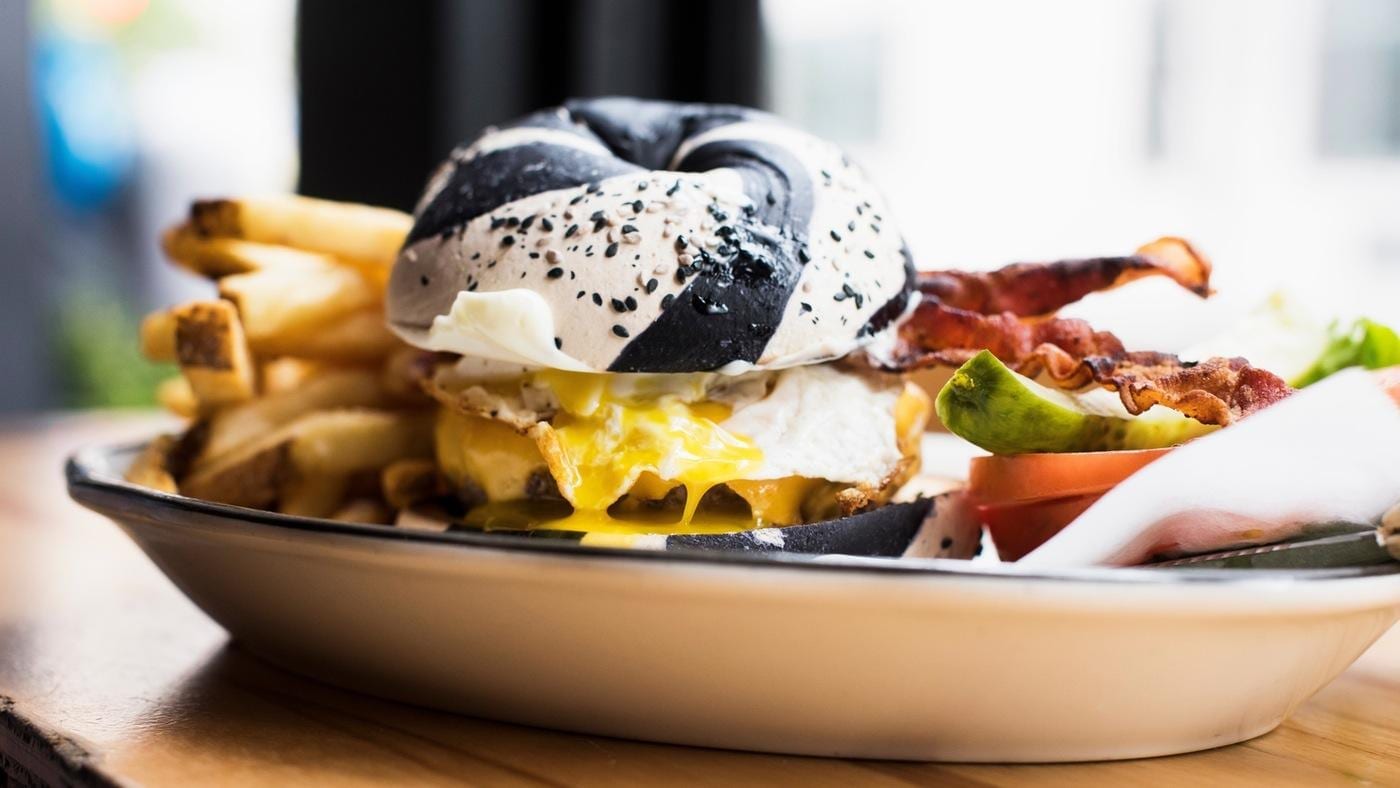
    Paying homage to the great American luncheonette experience, it will offer classic craft burgers, craft beers and its colourful CrazyShake milkshakes.

    Run my Michelin-starred chef Joe Isidori and restaurant/nightclub developer Chris Barish, Black Tap opened in New York in 2015.

    Isidori earned his Michelin star while executive chef of fine-dining restaurant DJT, while Barish is known for the Gordon Ramsay Pub and Grill, and Gordon Ramsay Steak.

    Black Tap Singapore will open in the third quarter at the South Promenade of The Shoppes at Marina Bay Sands, offering a casual vibe reminiscent of a classic American luncheonette and featuring ’90s hip hop and ’80s pop music. It will seat 150 guests.

    A commissioned wall mural will depicts elements of urban life in Singapore.

  • Apple Japan to open store in Shinjuku Tokyo

    Apple Japan to open store in Shinjuku Tokyo

    Apple will launch a new store in the Shinjuku ward of Tokyo on Saturday, April 7. It will be the company’s eighth retail outlet in the country.

    Shinjuku is a special ward that’s a major commercial and administrative centre, housing the Northern half of the busiest railway station in the world (Shinjuku Station) and the Tokyo Metropolitan Government Building, the administration centre for the government of Tokyo. As of 2015, the ward has an estimated population of 337,556.

    With the opening of its Shinjuki establishment, Apple will  have 504 retail stores in 24 countries and an online store available in 39 countries.

  • Audit asks Vietnam’s Sabeco to pay $111m

    Audit asks Vietnam’s Sabeco to pay $111m

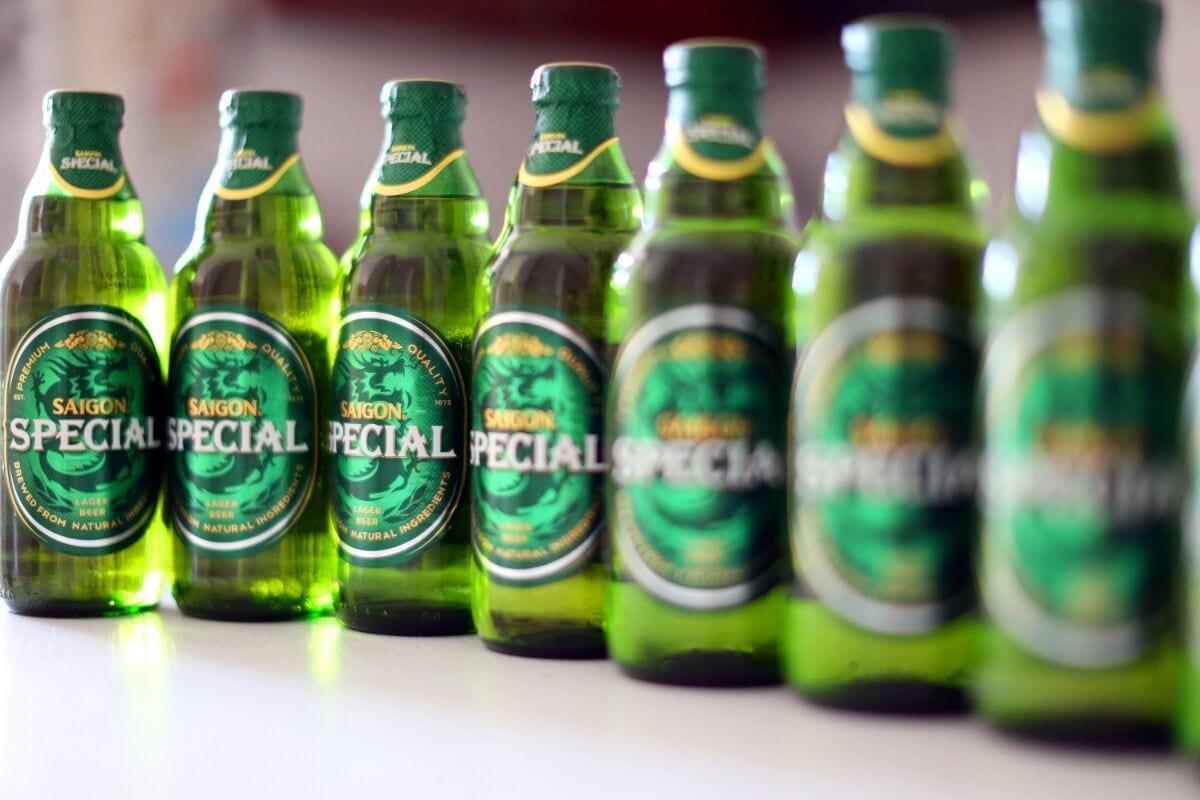
    The State Audit of Vietnam has proposed the Saigon Beer-Alcohol-Beverage Corporation (Sabeco) pay the State Budget nearly VND2.5 trillion (US$110.9 million) worth of dividends, taken from the brewer’s undistributed profit for the period prior to 2016.

    The amount that brewer Sabeco should pay to the State Budget was calculated based on the State’s ownership ratio of 89.59 per cent at Sabeco as of December 31, 2016.

    According to Sabeco’s financial report audited by PwC Vietnam Co Ltd, the undistributed profit for the prior-2016 period was more than VND2.9 trillion and the distributed profit was VND2.78 trillion.

    For the dividends of the remaining profits that had not been distributed before 2016, the representative of the Government in managing the State capital in Sabeco on November 4, 2016 sent a letter to the Ministry of Industry and Trade (MoIT) for guidance.

    In response, MoIT has not had a plan to make dividend payment out of Sabeco’s profits. The ministry asked the State capital representative at Sabeco to deliver financial reports each year since it started operating until the end of 2016 and asked for the opinions of the Prime Minister about the remaining undistributed profit.

    In addition, the State Audit of Vietnam demanded MoIT clarify individual and collective responsibilities for miscalculating the valuation of Sabeco Pearl, a subsidiary of Sabeco.

    In June 2016, Sabeco sold its entire 14.7 million shares or 26 per cent stake in Sabeco Pearl on a full-package deal at the price of VND13,247 per share, and the bidding price was VND13,347 per share.

    The deal has remained confidential and the buyer has remained unknown.

    According to the State audit agency, the valuation of Sabeco Pearl showed some mistakes and miscalculations, which reduced the value of Sabeco Pearl and resulted in the loss of State capital.

    Losses in 10 other firms

    The State Audit of Vietnam reported that Sabeco had made a provision fund for its financial losses in 10 long-term investment projects, in which Sabeco had 20 per cent of total charter capital.

    The provision was calculated at 77.8 per cent of the total investment value, including aVND154 billion investment in the Orient Commercial Joint Stock Bank (OCB) and Đông Á Joint Stock Commercial Bank (DongA Bank).

    Most of those investment deals were not Sabeco’s core businesses and the State Audit asked the MoIT to “clarify the causes and consider individual and collective responsibilities that were involved in the 10 investment deals.”

  • Parcel Santa to Collaborate with Singapore Press Holdings and Buzz Express to Expand E-Commerce delivery coverage

    Parcel Santa to Collaborate with Singapore Press Holdings and Buzz Express to Expand E-Commerce delivery coverage

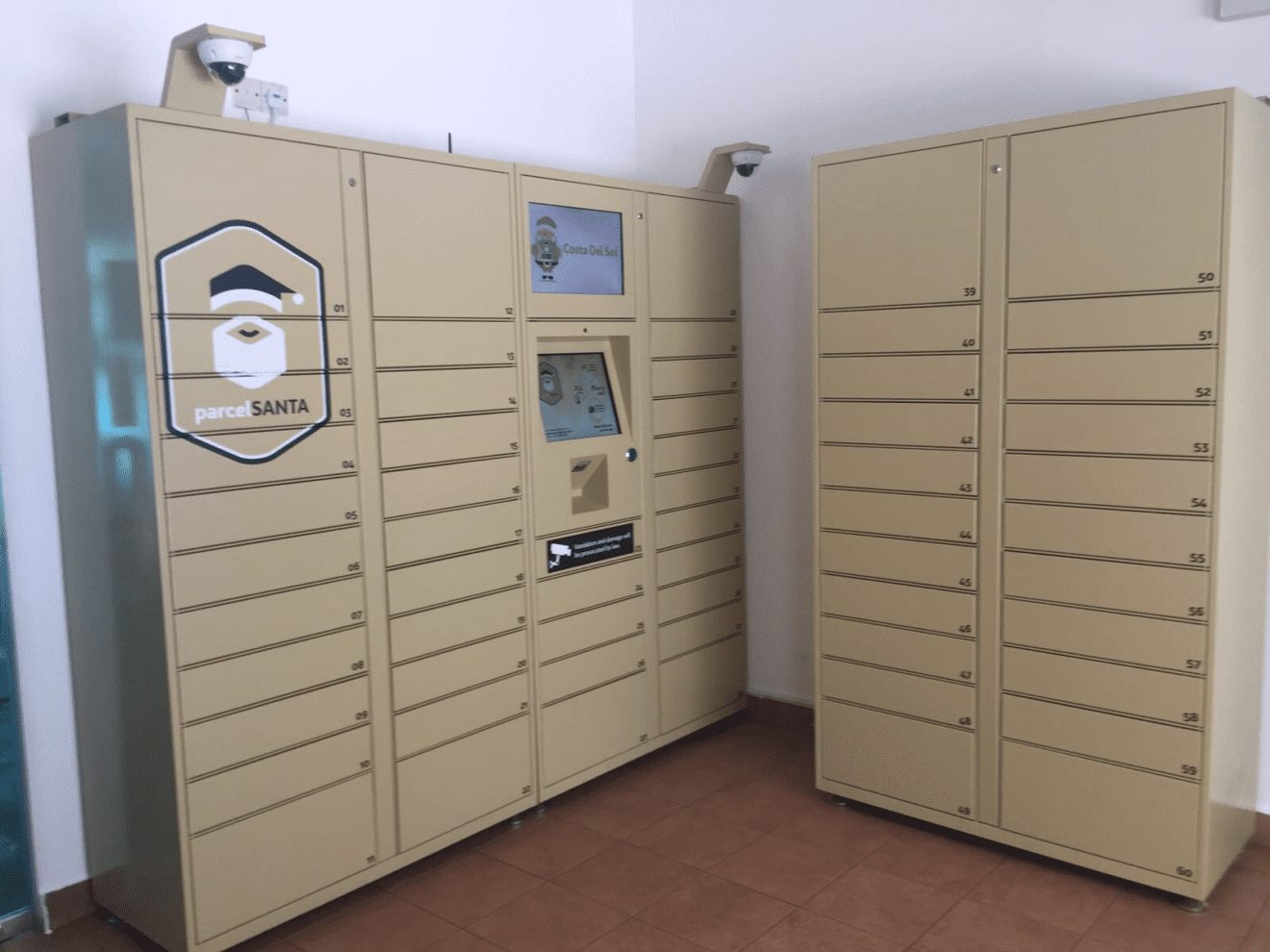
    One-year old sensor technology and parcel locker start up, Parcel Santa, has inked an agreement with Singapore Press Holdings and Buzz Express to utilize the latter’s extensive delivery network to make e-commerce deliveries to Parcel Santa lockers, located in Singapore condominiums.

    Parcel recipients will be informed via SMS when their parcels are delivered to secured lockers, which they have up to twenty-four hours to collect, using a One Time Password (OTP).  Recipients may choose to reschedule delivery to lockers or pay a small fee to extend the collection period.

    The entire delivery process is monitored by Parcel Santa’s back office system, with sensors able to identify when authorized recipients have collected their parcels.  The use of sensors and real-time communication ensures that parcels are received without repeated delivery attempts – which is in line with Parcel Santa and SPH’s corporate objectives to be environmentally friendly corporate citizens.

    As part of this collaboration, non-perishable items delivered by SPH’s network may also leverage Parcel Santa’s back office system and lockers as an end-mile collection point by recipients.

    The service offers the following benefits to the ecosystem:

    1. Environmental Sustainability – minimizes the use of motor vehicles to make repeated delivery attempts
    2. Safety and Security – parcels and couriers are pre-registered and tracked, and only authorized recipients may collect them
    3. Consumer Empowerment – to facilitate e-commerce, shoppers can make purchases and not have to wait for delivery
    4. Property Asset Enhancement – condominiums can offer this service with the latest customer-recognition, IoT (Internet of Things) and 3G/4G wireless transmission technology

    Parcel Santa lockers have been installed in one hundred residential condominium locations across Singapore.  The company is in the process of Series A fund raising to expand its target footprint of 500 condominium installations in Singapore – and initiate its expansion into the Southeast Asian region.  With the latest addition of SPH, Parcel Santa’s delivery partners include DHL Express, FedEx, UPS and WMG Delivery.  Once registered, couriers from partner companies may use Parcel Santa lockers to facilitate deliveries.

    “Since launching one year ago, we have been playing catch up with increasing e-commerce activity in Singapore as the demand for online shopping and other deliveries is on the rise, said Mr. Jim Huang, Co-Founder and Chief Executive Officer of Parcel Santa.  “The addition of SPH and Buzz Express’ networks is a very natural progression in partnering with one of Singapore’s most established delivery networks to provide wider convenience and brings great value to our customers”, he said.

    “SPH has a long history of delivering media and parcels in Singapore, with a reputation of being always on-time and reliable, said Mr. Spencer Tan, Deputy General Manager of SPH.  “With a delivery network of 3,000 delivery staff, SPH and its Buzz Express reaches every corner of Singapore as we deliver media and consumables.  As we strive to become a Greener player in the end mile logistics industry, Parcel Santa offers a unique ability to prevent or minimize failed or missed delivery attempts”, he said.

  • CapitaLand Retail to Manage Luxury Mall in Phnom Penh, Cambodia

    CapitaLand Retail to Manage Luxury Mall in Phnom Penh, Cambodia

    CapitaLand Retail has signed an agreement to manage a mall in Phnom Penh, the capital of Cambodia and one of the fastest growing economies in Southeast Asia.

    The mall is the retail component of The Peak, an upcoming high-end integrated development majority owned by Singapore-based developer Oxley, in partnership with Cambodian company Worldbridge Land.

    The deal extends CapitalLand’s expertise in operating shopping malls to a new market after Singapore, China, Malaysia, Japan, India and Vietnam.

    Mr Wilson Tan, CEO of CapitaLand Retail, said, “As the retail operating platform of the group, CapitaLand Retail is focused on growing our premier retail operations into a global platform. Through management contracts, we can scale CapitaLand’s shopping mall network in an asset-light manner. With CapitaLand’s proven track record in running successful malls across Asia, we are well-placed to explore new growth opportunities by offering our professional expertise in retail management to property owners.”

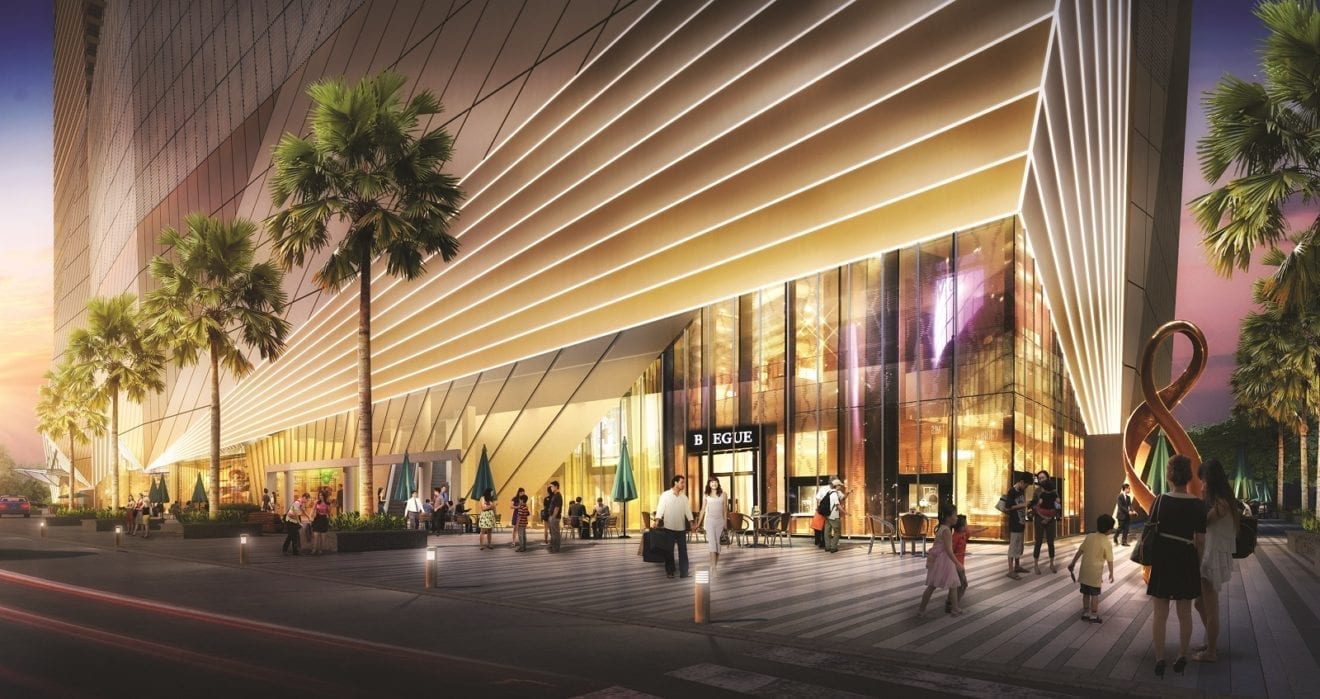
    Located in Chamkarmon District in central Phnom Penh, The Peak is a freehold 55-storey integrated development comprising an office tower, the country’s first Shangri-La Hotel with 300 guest rooms, and two luxury residential towers with 1,014 apartment units sitting atop a mall.

    CapitaLand will oversee asset planning, pre-opening and retail management for the five-storey mall with a Gross Floor Area (GFA) excluding car park of about 420,000 square feet (sq ft) and Net Lettable Area of about 260,000 sq ft.

     Currently under construction, the mall is expected to commence operations in 2020.

    “Cambodia has in recent years attracted the interest of international retailers – including Singapore-based brands – who are keen to tap the country’s rising spending power and growing tourist arrivals. This has led to an increase in demand for well-located and well-designed retail spaces in the country. Given The Peak’s strategic location in central Phnom Penh and high-grade building specifications, it is well-positioned to meet the requirements of quality retailers seeking to serve the growing aspirations of the city’s community. CapitaLand will leverage our expertise in retail asset management and industry leading retailer network of about 17,000 leases to maximise the retail potential of The Peak,” Mr Tan added.

    Located along the river esplanade, The Peak overlooks the Mekong River and Phnom Penh’s bustling cityscape. Surrounded by high-end residential developments and key commercial and government buildings, The Peak’s immediate catchment area covers the prime residential and commercial districts of Chamkarmon and Diamond Island.

    In Phnom Penh, CapitaLand also manages three serviced residences through its wholly owned serviced residence business unit, Ascott. They are CASA Meridian Residence, which is operational, and Somerset Norodom Phnom Penh and Somerset Meridian Square Phnom Penh opening this and next year respectively.