Tag: asia

  • ‘1000 Won Coffee’ Is Getting Much Popular In South Korea

    ‘1000 Won Coffee’ Is Getting Much Popular In South Korea

    The South Korean retail industry suggest that the popularity of “1,000 won coffee” is constantly growing. People are fond of it as it is brewed directly from the coffee machines and they get the opportunity to taste it while shopping at the convenience stores.

    The costs of basic necessities including foods are rising in South Korea, but to the coffee lovers, “1,000 won coffee” is always unique, delicious and worth drinking. According to 7-Eleven officials, instant brewed coffee was first introduced to the industry in 2015. Between 2015 and 2017, approximately 45 million cups of Americano from its brewed coffee brand Seven Café were sold (cost 1,000 won per cup).

    Another convenience store brand in South Korea managed by the GS CompanyGS 25 also sold approximately sold 64 million cups of instantly brewed coffee directly from the machines in 2017. In 2016, the number was at 23 million. On the other hand, South Korea’s largest chain store (having more than 10,000 convenience stores), CU sold instant brewed coffee (at the rate of 1,200 won per cup) over 60 million cups in 2017. In 2016 and 2015, CU’s figures were 45 million and 25 million respectively.

    Traditional banana-flavored milk replaced

    One of the 7-Eleven officials, Lee Na-ra said that the brewed coffee ranked first in 2017 beating the traditional banana-flavored milk that was on the top. The result was same in all the 7-Eleven stores across the nation. Presently, the brand not only has a major presence in the Republic of Korea, it has over 9,000 stores spreading across the nation. The first 7-Eleven was unveiled in 1989 in Songpa-gu in Seoul with a franchise license under the Lotte Group.

    The 7-Eleven Lee Na-ra further said that the brand only utilizes high-quality coffee beans that are imported from various nations such as Ethiopia, Brazil, and Columbia. The workers roast the coffee beans separately at the factory before making it ready for brewing and offering to the customers.

    Why office workers drink instant brewing coffee frequently?

    To the office workers, the instant brewing coffee acts as an energy booster. They tend to drink several cups of coffee every day. Another reason for drinking it frequently is that its price is quite cheap. An office worker named Kim Dong-in said that since the price is about one-third compared to coffeehouse chains like Starbucks, he prefers to drink it three to four cups a day.
  • FJ Benjamin sets up advisory board to integrate online and offline retail

    FJ Benjamin sets up advisory board to integrate online and offline retail

    Fashion and lifestyle retailer F J Benjamin has set up an advisory board to help the company integrate its bricks-and-mortar stores and online sales channels.

    The omni-channel advisory board will advise F J Benjamin’s management on strengthening links between new digital channels and the group’s network of over 200 stores and 1,500 points of sale in Singapore, Malaysia and Indonesia, the company said in a statement on Tuesday.

    The advisory board comprises domain experts as well as senior F J Benjamin executives. The domain experts are: Marcelo Wesseler, former CEO of SingPost e-commerce and now managing partner of e-commerce platform developer Codem; Jon Sugihara, head of global strategic partnerships at Google; and Tito Costa, chief marketing officer at Zalora.

    “We are pursuing an omnichannel strategy where we hope to harness our existing customer database in the region, which should have the twin impact of both optimising our regional network as well as growing our business volume online,” said F J Benjamin director of corporate strategy Ben Benjamin, who is also on the advisory board.

    “We have observed the online ecosystem evolve rapidly over the past two years, including last mile logistics, payments and mobile commerce, and feel that the time is now ripe to pursue an economically viable business model that will integrate the online ecosystem with our retail infrastructure.”

    F J Benjamin manages over 20 brands – incuding Guess, Marc Jacobs, Nautica and Swarovski – and operates 226 stores.

  • Hong Kong business icon Li Ka-Shing announces retirement

    Hong Kong business icon Li Ka-Shing announces retirement

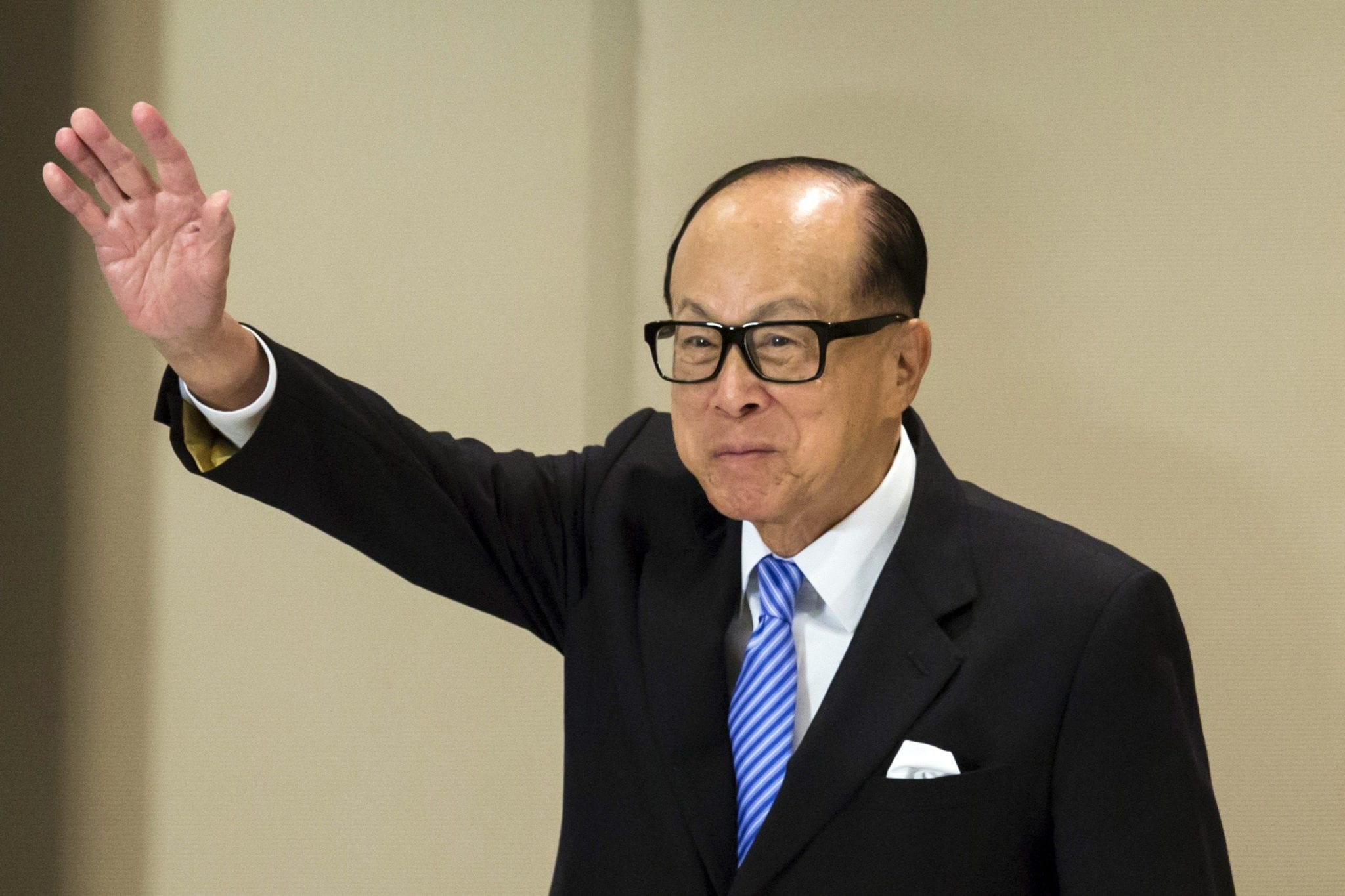
    Li Ka-Shing, business tycoon and Hong Kong’s richest man, has announced his retirement from conglomerate CK Hutchison Holdings Ltd., He is handing over all corporate responsibilities to his eldest son Victor.

    Li, with a net worth of $35.4 billion, has dominated Hong Kong’s business landscape for over two decades in areas including retail, telecommunications and real estate. He was ranked No. 23 on Forbes magazine’s list of world billionaires in 2018.

    CK Hutchison Holdings will now be headed by Victor Li, who was chosen as his father’s successor in 2012. The company reported attributable profits of $4.48 billion in 2017, making it the largest nonfinancial Hong Kong company listed on the Hang Seng.

    Li now intends to serve as senior adviser to the company and develop his charitable organisation, the Li Ka-Shing Foundation.

  • Retailers Urge White House To Rethink China IP Tariffs

    Retailers Urge White House To Rethink China IP Tariffs

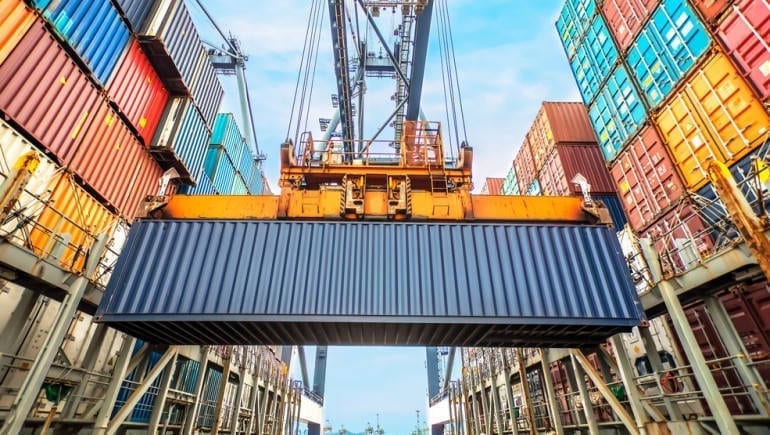
    Retail giants like Walmart, Target and Best Buy and their powerful lobbying groups on Monday urged the Trump administration to hold off new tariffs aimed at punishing China for its intellectual property practices, saying that such an aggressive step will only make matters worse.

    The White House is preparing to wrap up its sweeping audit of China’s IP regime, focusing mainly on Beijing’s policies requiring U.S. companies to hand over their proprietary technology as a condition of market access. The administration is said to be readying steep tariffs to punish China.

    A coalition of retail titans wrote a letter to the White House urging President Donald Trump to rethink the move, saying that while China’s IP policies deserve scrutiny, sweeping tariffs are not an effective remedy for the problem.

    “Investigating technology and intellectual property policies and practices is critically important to our innovative economy,” the companies wrote Monday. “Yet were this investigation to result in a broadly applied tariff remedy on imports from China, it would hurt American households with higher prices and exacerbate a U.S. tariff system that is already stacked against working families.”

    The administration kicked off its investigation of China under Section 301 of the Trade Act of 1974 last year. The law allows for a wide variety of responses if the U.S. finds that a foreign country is violating its trade obligations.

    Supporters of the multilateral trading system had hoped that the White House would use Section 301 as a pretext for a new World Trade Organization case against China, but it looks as if the administration is leaning in favor of bypassing the WTO and imposing unilateral tariffs.

    A day before the retailers sent their letter, the White House received a similar missive from business associations including the Information Technology Industry Council, the National Retail Federation and the U.S. Chamber of Commerce.

    Much like their individual member companies, the organizations pleaded with the White House to moderate its response and build a coalition with its allies to counter China.

    “Imposition of unilateral tariffs by the administration would only serve to split the United States from its allies, hinder joint action to effectively address shared challenges, and ensure that foreign companies take the place of markets that American companies, farmers and ranchers must vacate when China retaliates against U.S. tariffs,” the groups said.

    Both letters said that while tariffs will affect Chinese imports, they will also raise costs that will eventually be passed down the supply chain to U.S. consumers.

  • Smiggle Asia shows positive growth

    Smiggle Asia shows positive growth

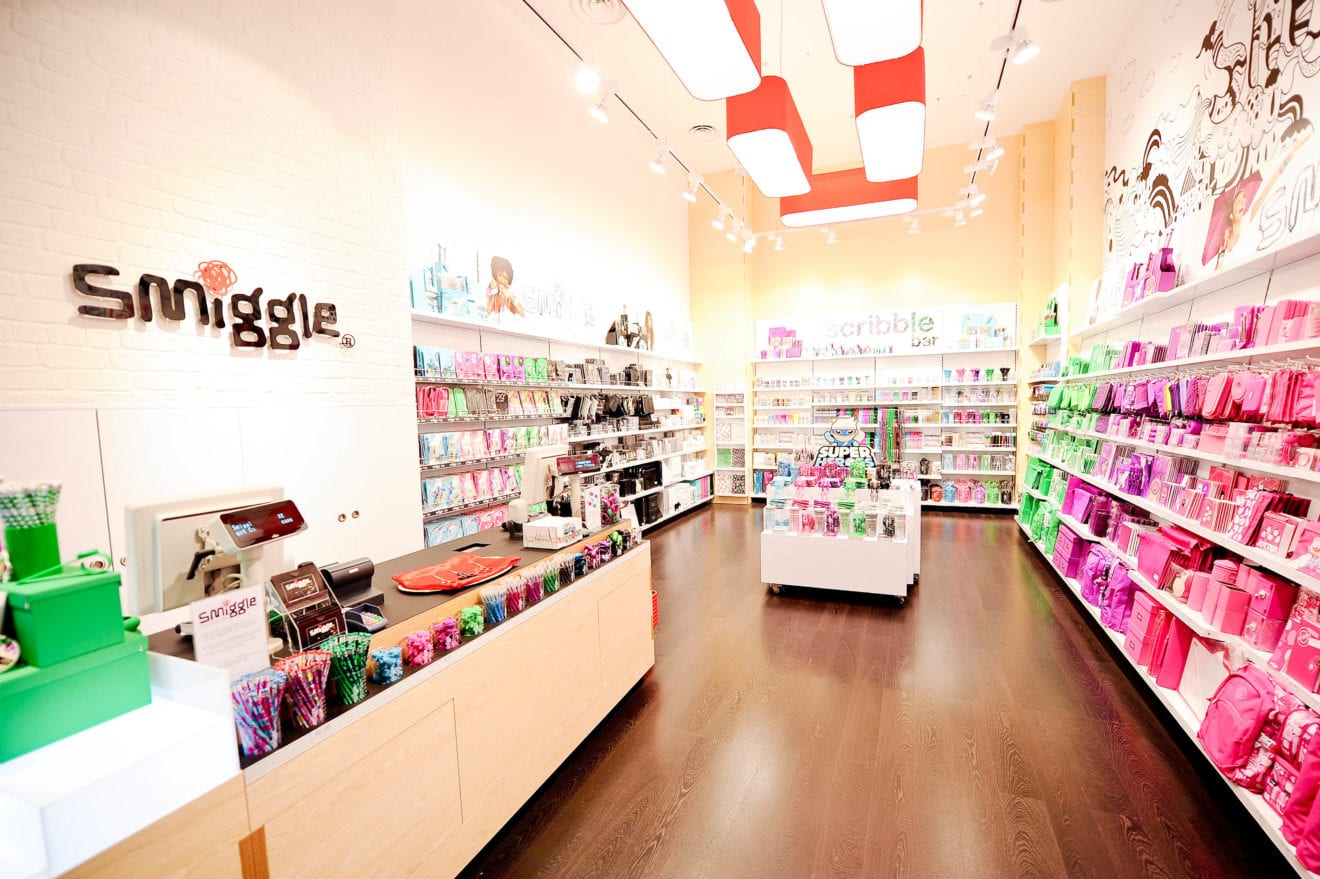
    Smiggle Asia is thriving, its success here encouraging the stationery retailer’s parent to expand in other global markets.

    Smiggle, a subsidiary of Australian listed company Premier Investments, opened three new stores in Hong Kong in the first half of its current trading year and a further two in Malaysia. Both markets now have 13 Smiggle stores trading.

    “The brand now expects to have between 17 and 19 stores operating in Malaysia within three years of first opening. This is well ahead of the original plan,” the company said in an earnings filing.

    “The Smiggle Asia division had an exceptionally strong half. Singapore, the most mature of the Asian markets, enjoyed strong like-for-like growth with tourists providing valuable insights into potential new Smiggle markets.”

    The brand achieved record global sales of A$170.7 million (US$131.6 million) in the first half, up 26.7 per cent on the same time last year, underpinned by the opening of 35 new stores. More than 60 per cent of Smiggle sales during the period were from outside Australia. Smiggle now has 332 stores across Australia, New Zealand, Singapore, England, Scotland, Wales, Northern Ireland, Hong Kong, Malaysia and Ireland.

    The company will open a global flagship on Oxford Street in London in May as the UK business aims for $200 million in annual sales by next year.

  • Toys R Us Asia assures it will not be affected by US’s liquidation

    Toys R Us Asia assures it will not be affected by US’s liquidation

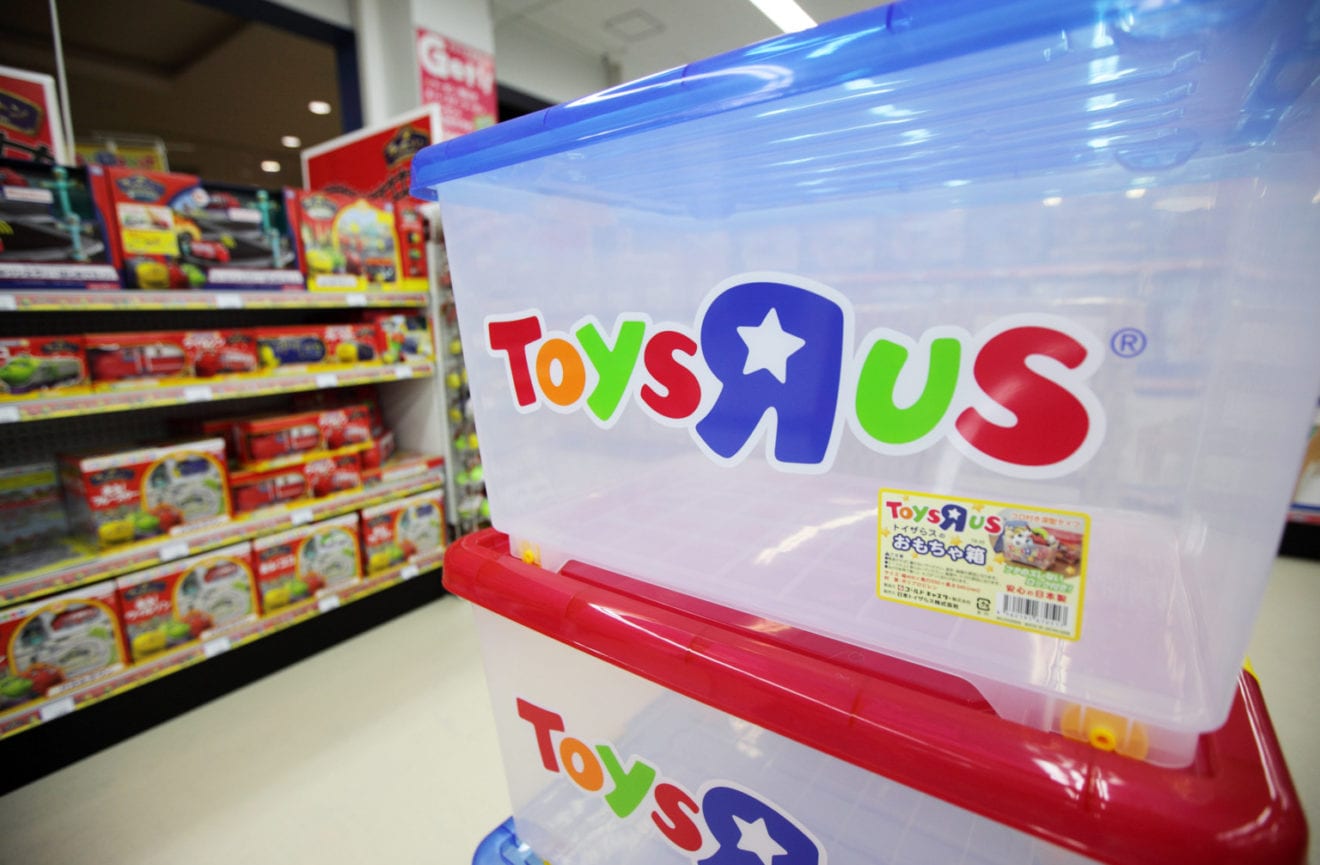
    Toys R Us Asia has repeated earlier assertions that its business will not be affected by the liquidation of Toys R Us stores in the US and UK, amid reports that Australian operations would likely need to close.

    Toys R Us Asia’s joint-venture partner Fung Retailing, which owns approximately 15 per cent of the toy retailer’s Asia-Pacific arm, has clarified that its 400 stores in greater China and Southeast Asia remain open for business.

    “Toys R Us Asia is open for business and continuing to serve our customers as we always do,” Toys R Us Asia president Andre Javes said.

    “We are a financially robust and self-funding retail operation, which continues to significantly grow and invest in this region.

    “Every year we are opening new stores in all our markets and particularly in China where we now operate over 150 stores and will be opening another 30 in the coming months.”

    Toys R Us Asia operates as a separate legal entity to Toys R Us Inc, and according to Fung is “financially independent from all other Toys R Us operating companies around the world”.

    Last week, Toys R Us’s US-based CEO David Brandon was quoted by The Wall Street Journal as saying that the retailer’s 39 stores in Australia would likely be liquidated.

    The Australian operations are currently being run by local MD Dianne Guerreiro, who less than six months ago was charting expansion for the business, outlining a plan to open up to 20 stores in the coming years.

    Toys R Us Australia has also said it is “business as usual” despite the US collapse.

    The US parent announced that it would be winding down the majority of its operations last week after efforts to save the company collapsed when lenders decided not to extend their support for the ailing business.

    The toy retailer, which has more than 800 stores across America, has struggled to keep up with escalating competition from the likes of Amazon and Walmart in recent years, particularly as online shopping has become more prevalent.

    Fung Retailing did not elaborate on its plans for the Asian arm if its US-based partner Toys R Us Inc goes under.


  • SPAR to establish largest cooperative food retail chain in Greece

    SPAR to establish largest cooperative food retail chain in Greece

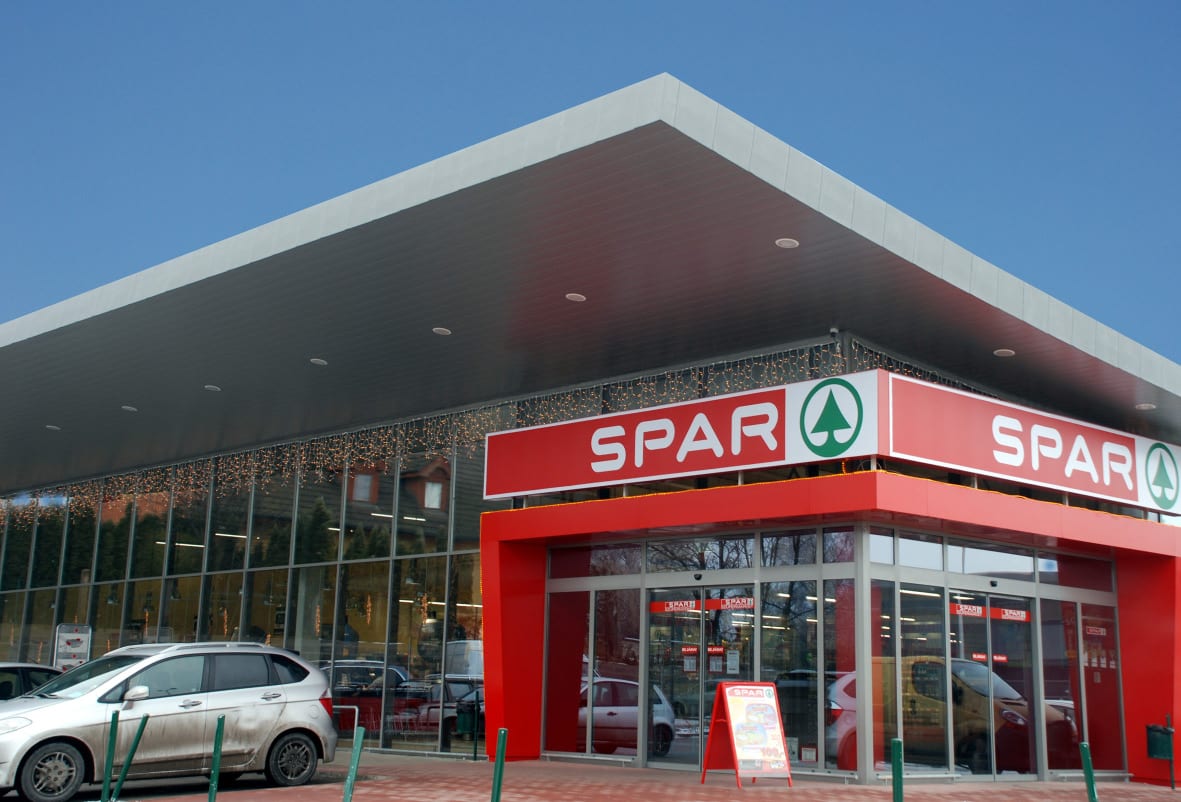
    SPAR Hellas has announced its entry into the Greek market with the ambition to create and operate the largest food retail chain of independent retailers in the country. It will be part of SPAR International, the world’s largest food retail chain with over 12,500 stores in 44 countries and overall sales of up to €33.1 billion. SPAR Hellas plans to develop more than 350 SPAR stores nationwide over the next four years. The stores will offer up to 1,400 SPAR Own Brand products, with many sourced from Greek producers and suppliers.

    A strategic cooperation between SPAR Hellas and the ASTERAS association will develop SPAR’s retail presence in Greece. Within the next 3 years, ASTERAS will convert most of its existing 200-store network to the SPAR Brand. To build its capabilities and resources further, ASTERAS has entered into a joint co-operation with the MESIS association, which leads to a group with more than 500 stores across Greece and a reported €700 million in sales.

    The first 10 SPAR stores are due to launch in Greece by July and SPAR Hellas aims to operate a total of 80 stores by the end of 2018. The SPAR network in Greece will grow both by the conversion of ASTERAS and MESIS stores and by SPAR Hellas operating new, company-owned stores.

    In addition to its global, dynamic brand, SPAR International offers licensed partners comprehensive support including store development, private label ranges, staff education and skills development, high-end supply chain distribution and the design and implementation of locally focused marketing campaigns. Access to international best practice and the local expertise of the team at SPAR Hellas will ensure a full set of services and benefits for all licensed partners, helping them grow their business in a competitive retail environment.

    Speaking about the strategic new initiative, Mr. Fivos Karakitsos, CEO of SPAR Hellas said: “SPAR is establishing in Greece in order to develop the most modern cooperative network of independent retail stores in the country. The combination of Greek retailers’ excellent local knowledge with SPAR’s international best practice and global brand will result in innovative store layouts for the customer, excellent fresh products, a wide range of private label products and value for money. High-levels of customer service will be delivered through continuous staff training programs. SPAR Partners will build on their traditional roots, creating a strong family focused business which is unique in the Greek market. SPAR Hellas in turn, consists of a well-regarded team from the areas of sales, marketing, operation and supply, something that guarantees the highest level of support for the retail network. Our vision is that SPAR will become one of the strongest Greek retail players in the market and we are excited to play our part in strengthening the Greek economy.”

    Mr. Tobias Wasmuht, SPAR International’s CEO said: “We are delighted to welcome SPAR Hellas to our network of partners all over the world. SPAR was founded on the principle of ‘Better Together’. Uniting the shared resources and expertise of ASTERAS and MESIS under the internationally recognized SPAR Brand will benefit all three parties. The Greek retail market is competitive, but SPAR will act as a dynamic force, bringing quality, fresh produce, value and an excellent retail experience for our customers. I am confident that SPAR will create growth opportunities for independent retailers and Greek producers and suppliers and bolster the growth of the Greek economy.”

    Mr. Georgios Vogiatzakis, Development Consultant at SPAR Hellas said: “Supplying local, Greek products in SPAR’s network is a key part of our business strategy. We recognize our responsibility to encourage Greek production and we will continuously strengthen both local production and thereby the economy. The private label products will gradually be produced in our country and we will offer quality producers the opportunity to access the SPAR network. We will open SPAR stores throughout Greece and will harness the power and expertise of the SPAR Brand to grow the business.”

    Mr. George Papantonis the president of group ASTERAS said “The cooperation with SPAR sets a totally new trajectory for ASTERAS but also for the market. With the increased cooperation through partnerships like the one with MESIS, we can achieve the union of the convenience business for Greece under the brand of SPAR. Our target is that by the year 2021 ASTERAS will report more than 1.20 billion euro in sales and a market share that will be well over than 12% in total.”

  • Singapore firms eye Vietnam food industry

    Singapore firms eye Vietnam food industry

    Many Singaporean firms are interested in investing in food, agriculture, and dining services in Vietnam as they forecast that these sectors will thrive in the near future amidst broader ASEAN integration.

    The statement was made by Andy Yun, Secretary General of Singapore Manufacturing Federation, representing more than 3,000 members operating in automation, biology, construction, heavy industry and more, during the second Vietnam – Singapore business exchange held in the island state last week.

    Yun described Vietnam as a major market in the region with huge potential in agriculture and the food industry. Meanwhile, Singaporean enterprises are strong in technology, supply chains and logistics – a supplementary factor to the bilateral partnership.

    Nguyễn Văn Thân, Chairman of the Vietnam Association of Small and Medium-sized Enterprises, led a delegation of over 100 Vietnamese firms, many of them start-ups, to the event.

    He said many Singaporean enterprises actively connected with Vietnamese ones at the event, proving that bilateral cooperation potential is huge.

    Accounting for over 97 percent of the total, Vietnamese SMEs contribute nearly 40 per cent of the gross domestic product, 33 per cent of industrial production value, 30 per cent of export value and attract more than half of the workforce, he said.

    Singapore is now the sixth largest trade partner of Vietnam in the world and the second largest in ASEAN. Vietnam is also the 12th largest trade partner of Singapore. Two-way trade has grown 12-15 per cent annually over the past years.


  • Converse starts selling online on Lazada

    Converse starts selling online on Lazada

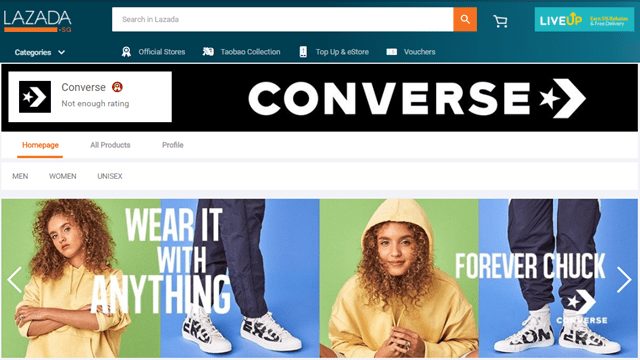
    Lazada has launched the first official Converse online store in Singapore and Malaysia.

    The two companies say they have created “a curated brand experience” which showcases a diverse product offering.
    The store opened on Friday and will expand later this year into Indonesia, Thailand, the Philippines and Vietnam.

    “We look forward to providing Southeast Asian consumers with the broadest selection of Converse products and an elevated shopping experience via our Converse Official Store,” said Dan Brausch, VP of global partner markets with Converse.

    Robin Mah, chief business officer with Lazada Group, said the store allows local fans of the brand to browse and purchase hundreds of styles for men and women.

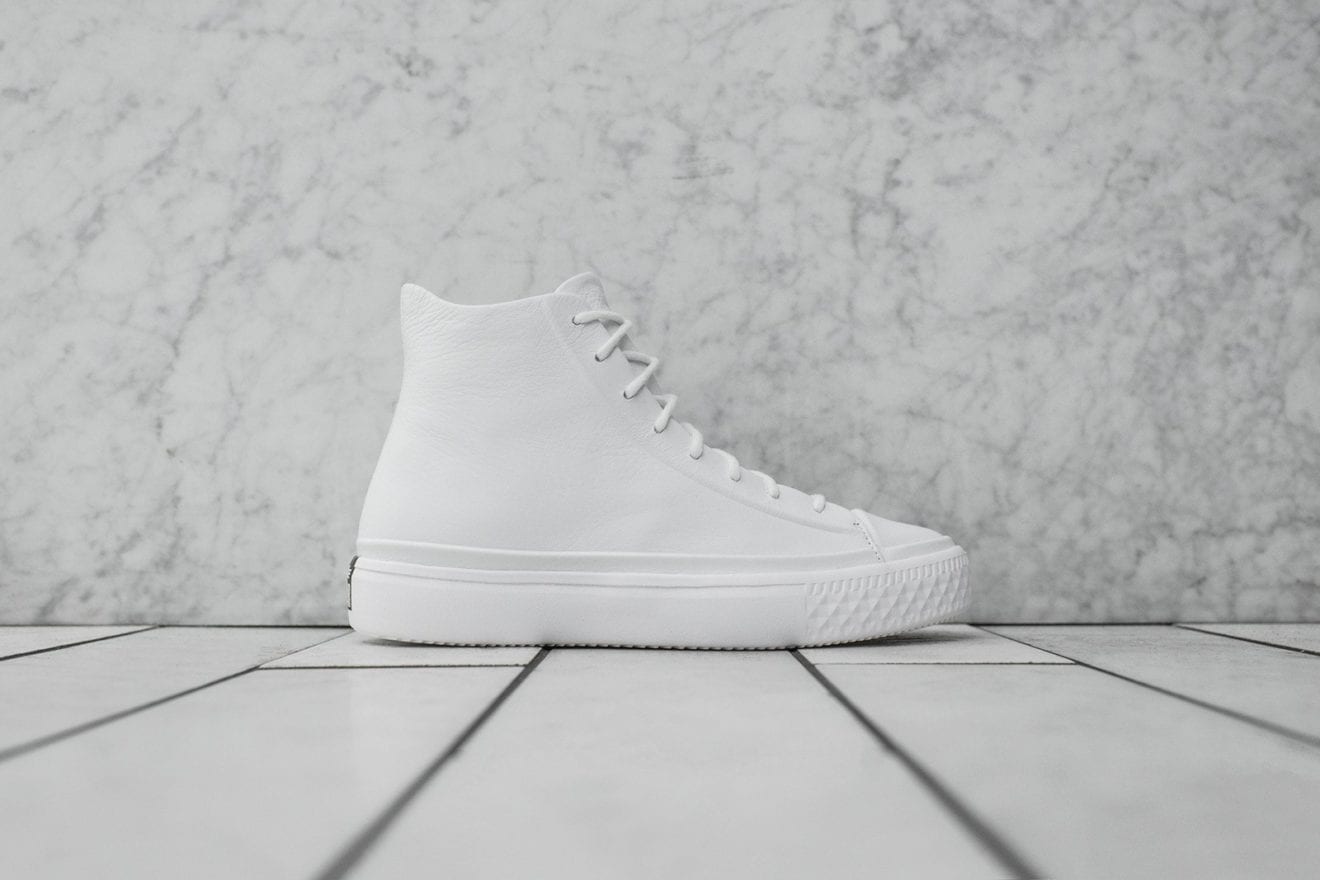
    Popular Converse ranges including the Chuck Taylor All Star, One Star and Chuck 70’s are all available in assorted colours, patterns and materials.

  • PM Vietnam expects huge investments from Australia

    PM Vietnam expects huge investments from Australia

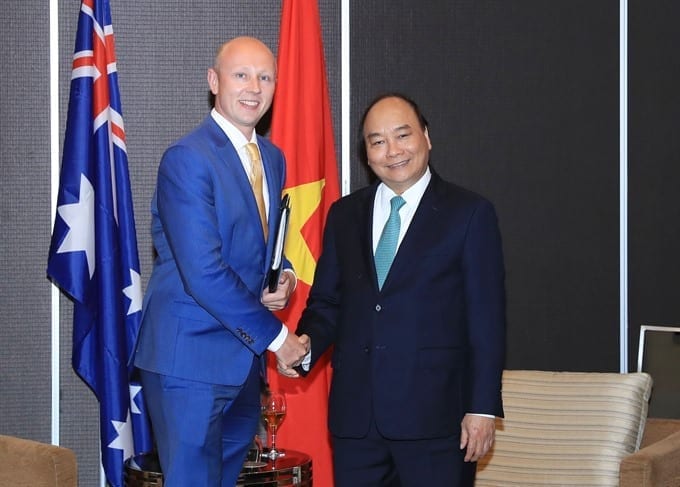
    Prime Minister Vietnam Nguyễn Xuân Phúc said he expected a new wave of investments, both direct and indirect, from Australia to land in Việt Nam for win-win benefits.

    His statement comes after the newly established strategic partnership of which the two countries are the members.

    Phúc said the partnership would provide a favourable environment for Australian investors to enter Việt Nam faster and would create a crucial foundation for Việt Nam and Australia to lift their cross-the-board co-operation to the next level.

    He said this at a working session with leading financial groups and investors from both Australia and Việt Nam in Sydney on March 16.

    The session was presided by 12 groups, finance investment funds and businesses managing an investment capital of worth over US$500 billion with keen interests in the Vietnamese market, along with nine prestigious financial groups of Việt Nam. The session was organised by VinaCapital and Macquarie Group.

    Macquarie Group Chairman Peter Warne showed great interest in Việt Nam’s priorities in infrastructure development. He said Việt Nam was urbanising strongly and thus its need for infrastructure, roads, transport and electricity was high.

    Meanwhile, VinaCapital CEO Don Lam said the Vietnamese Government had made great efforts to reform institutions and speed upequitisation of State-owned enterprises (SOEs). He hailed the Vietnamese Prime Minister for actively working to draw businesses and investment into the country.

    He said, as a result, Việt Nam’s business and investment environment had improved considerably, and the country’s market had become more attractive to international investors.

    PM Phúc welcomed the Australian groups’ interests in Việt Nam and spoke highly of the organisation of the session by VinaCapital and Macquarie.

    He told investors that 2017 was a successful year for Việt Nam as the country posted a growth rate of 6.81per cent, a record high in many years, maintained a stable exchange rate, soundly reined in inflation and achieved a record foreign reserve. The country also attracted $37 billion in foreign direct investment, the highest in a decade, and its stock market achieved a growth rate of 48 per cent, one of the highest rates in the global market.

    PM affirmed that the Vietnamese Government had undertaken many policies to ensure the sustainable development of the economy and safeguarding of the rights and benefits of investors.

    He further said Việt Nam had targeted to achieve a fast but sustainable growth on the basis of defending the rights of people and investors, and that the country had been persistent in pursuing the goal of building a facilitating, transparent and efficient government and continuing to improve the investment and business environment to meet OECD (Organisation for Economic Co-operation and Development) standards.

    He also told investors that the country would continue transforming its growth model, restructuring its economy, SOEs, human resources and other sectors.

    “Việt Nam is concentrating on developing a sustainable and healthy finance market that is friendly to investors,” he added.

    The country has so far signed 12 free trade agreements and the latest Comprehensive and Progressive Agreement for Trans-Pacific Partnership with Australia and is negotiating the Regional Comprehensive Economic Partnership with the aim of forming a large market to attract investors.

    During the intensive and extensive economic integration, Việt Nam had unceasingly worked to facilitate the development of the private economy, the Prime Minister told investors.

    At the session, Phúc, along with ministry and sector officials from Việt Nam, fielded questions pertaining to Việt Nam’s foreign investment attraction and agriculture development policies as well as its priorities in infrastructure development.

    Later, Phúc will chair the Việt Nam-Australia Business Forum.


  • Lotte to sell hypermarket chain in China

    Lotte China plans to wrap up the sales of its hypermarket chain in China within the next three months.

    Potential buyers have started to inspect the South Korean retail giant’s stores. While many have reviewed documents, Chinese retailer Liqun Group was the first to carry out on-site inspections of Lotte Mart’s Chinese stores.

    However, a Lotte Mart official says three or four other companies also also planning on-site inspections.

    He says Lotte’s aim is to complete the sales process by June, when about KW700 billion (US$653 million) of emergency funds it has injected into its Chinese retail business is expected to be run out.

    Lotte announced its decision to sell its Chinese stores in September after being hit by major losses in the wake of a diplomatic row between Seoul and Beijing over a US anti-missile system. The retailer bore the brunt of Beijing’s retaliation after signing a land-swap deal with the South Korean government to provide a golf course to host the missile shield system.

    Eighty-seven of its 99 Lotte Mart discount stores in China suspended trading, while sales at the few stores that managed to stay open tumbled more than 80 per cent. The group lost about KW1.2 trillion in lost sales in the process.

  • Japan Tobacco buys Russia’s fourth-largest cigarette maker

    Japan Tobacco buys Russia’s fourth-largest cigarette maker

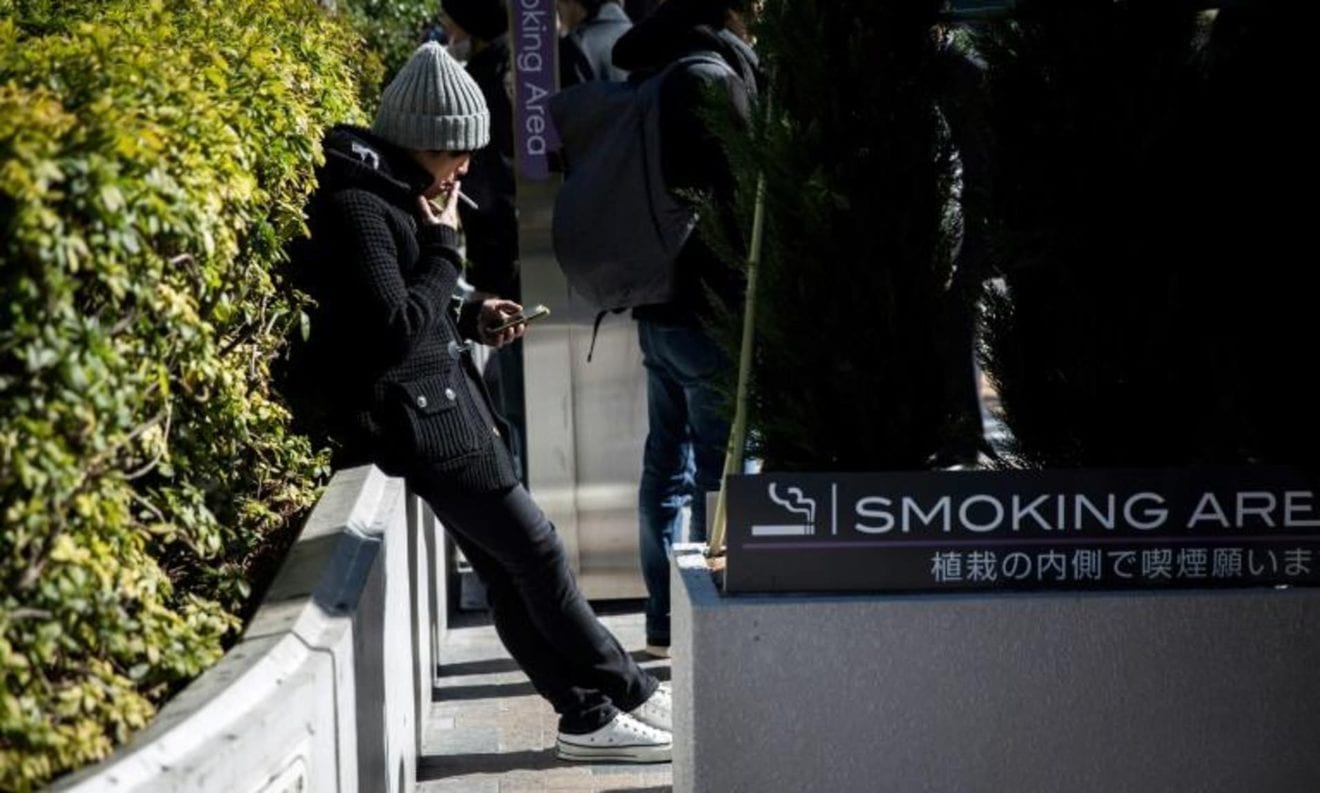
    Japan Tobacco has agreed to buy Donskoy Tabak, Russia’s fourth-largest cigarette maker, for $1.6 billion in a bid to reinforce its leading position in the country.

    One of the world’s biggest tobacco companies, whose global brands include Winston and Camel, Japan Tobacco (JT) has set its sights on international markets to counter slowing sales at home and intensifying competition in the e-cigarette market.

    JT on Friday said the deal would boost its Russian market share to about 40% from the current 33%, which was already the largest in the country.

    The acquisition of Donskoy Tabak, whose brands include Donskoy Tabak, Kiss and Play, will be completed later this year, it said.

    “This acquisition demonstrates our commitment to reinforce our number one position in Russia,” JT executive vice president Mutsuo Iwai said in a statement.

    The deal will also include JT’s purchase of Greek cigarette maker SEKAP, it said, adding that it has no plan to revise its earnings forecast following the announcement.

    Last year JT spent some $2 billion on acquiring major tobacco manufacturers in Asia, including Mighty of the Philippines.

  • Buccellati opens new store in Macau’s MGM Cotai Mall

    Buccellati opens new store in Macau’s MGM Cotai Mall

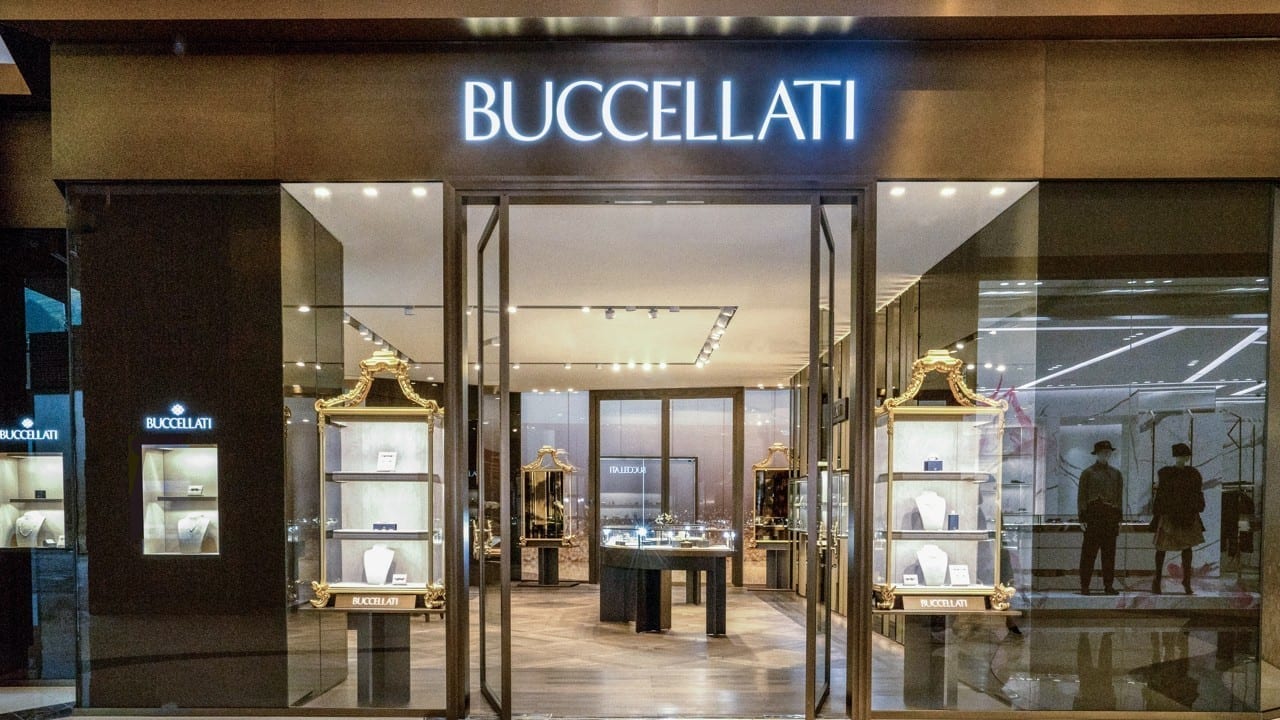
    Buccellati Macau has opened a store at the new MGM Cotai Mall as a step forward in its global expansion.

    This follows the acquisition of 85 per cent shareholding of the Italian jewellery brand by China’s Gansu Gangtai Holding last year, and the opening of several stores in China, including its first boutique at Plaza 66 in Shanghai.

    Buccellati plans to open 88 stores in the next five years, 18 of which will be in Chinese cities.

    Founded in Milan in 1919, the brand is known for its traditional engraving techniques and Italian Renaissance-inspired designs. Buccellati also has stores in Japan, Europe and the US.

  • Vietnam tech firms to expand in Japan

    Vietnam tech firms to expand in Japan

    Japan, one of the global leaders in implementing the 4.0 industrial revolution, is witnessing strong investment from Vietnam’s information technology (IT) firms.

    Currently, there are some 20 IT companies in Vietnam with branches in Japan.

    The Japanese market holds tremendous potential for Vietnam’s information technology (IT) sector, said Trương Gia Bình, chairman of FPT Corporation.

    He said this at the inauguration ceremony of the firm’s sixth representative office in Japan’s Hamamatsu, Shizuoka Prefecture on Tuesday.

    Vietnam’s software exports turnover to Japan is expected to increase from US$300 million to $1 billion by 2020, while the number of programmers working for the Japanese market in the future may increase from 10,000 to 300,000, Bình said.

    For FPT, the Japanese market accounts for more than half of the company’s global sales.

    At present, FPT has more than 400 Japanese customers, including 50 companies on the list of the largest enterprises in the world. FPT’s annual growth rate in Japan is consistently around 30 per cent.

    The Vietnam Software and IT Services Association is encouraging the trend, which will hopefully lay the foundation for turning Vietnam into a software-export country, according to Bình.

    Regarding Vietnam’s advantages when investing in Japan, Bình said “the two countries have similar cultures and strong political and socio-economic relations”. Moreover, “Vietnam, with its young population and low-wage human resources, can help Japan rejuvenate its work force in the software industry. Vietnam is also the source for many Japanese companies in the latest technology fields, such as artificial intelligence, robotics and data analysis”.

    On November 7, 2017, the CMC Corporation opened its first office in Yokohama City, Kanagawa Prefecture. It is expected that by 2020, there will be some 1,000 Vietnamese employees working for the Japanese market.

    Smaller businesses, such as NAL Vietnam Joint Stock Company, are also planning to expand in Tokai after opening representative offices in Tokyo and Nagoya.

    “Vietnam has been the second-largest partner of Japan in software and service outsourcing since 2014”, FPT Software CEO Hoàng Nam Tiến spoke at the recent Việt Nam IT Day 2018 in Japan.

    According to statistics from the Japanese Ministry of Economy, Trade and Industry, the country lacks 100,000 technicians in the fields of information safety, cloud computing and mobile technology.

    In terms of new technology, including artificial intelligence, big data, Internet of Things and robotics, the country is estimated to be short of 600,000 information technology professionals by 2030.

    “It is a huge opportunity for Vietnamese enterprises to join hands with their Japanese counterparts to solve the problem of inadequate human resources in this field,” Tiến added.


  • Tiffany post a strong growth in 2017

    Tiffany post a strong growth in 2017

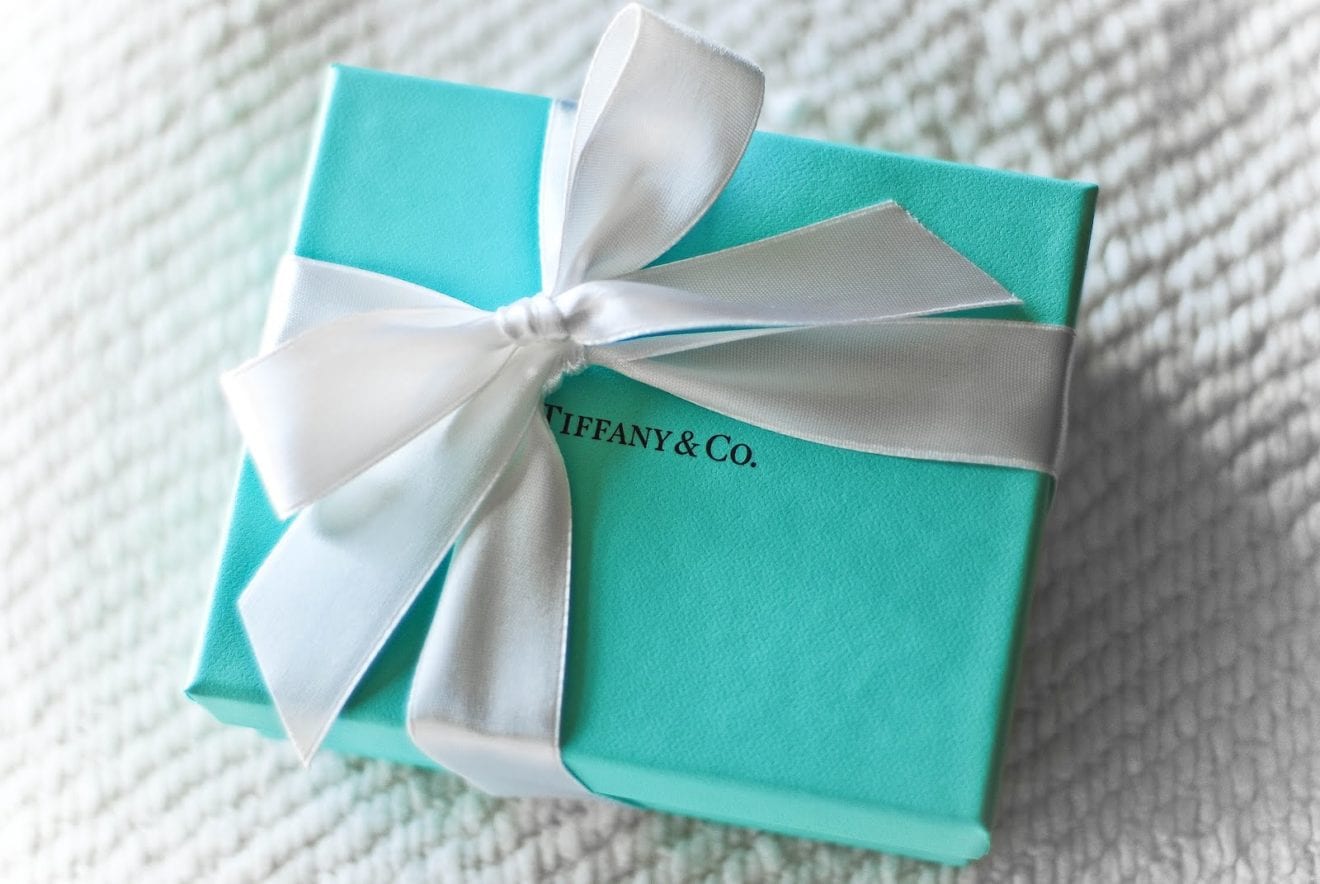
    Tiffany & Co worldwide has finished its latest year with solid sales growth, both geographically and across product categories, says CEO Alessandro Bogliolo.

    Strong sales growth in Mainland China was offset by lower sales in most other countries.

    “We are focused on six strategic priorities,” says Bogliolo, as the American luxury jewellery revealed it fourth-quarter/full-year figures to the end of January.

    He lists the priorities as:

      • Amplifying an evolved brand message
      • Renewing product offerings and enhancing in-store presentation
      • Delivering an exciting omnichannel customer experience
      • Strengthening the firm’s competitive position and lead in key markets
      • Cultivating a more efficient operating model
      • Inspiring an aligned and agile organisation.
        Total net sales in Asia-Pacific grew by 10 per cent to US$1.1 billion for the full year and 13 per cent to $320 million in the fourth quarter; comparable store sales declined 1 per cent and rose 3 per cent respectively.

    Total net sales growth reflected higher wholesale and retail sales, says the jeweller, while on a comparable store sales basis, the full-year decline reflected strong sales growth in China offset by lower sales elsewhere.

    Meanwhile, fourth-quarter sales growth benefited from performance across Greater China. On a constant-exchange-rate basis, total sales rose 8 per cent in the full year and 9 per cent in the final quarter, with comparable store sales declining 2 per cent and 1 per cent respectively.

    In Japan, total net sales of $596 million in the full year were 1 per cent below the prior year, while sales in the fourth quarter rose 2 per cent to $189 million; comparable store sales declined 1 per cent and rose 1 per cent, respectively.

    Tiffany worldwide net sales increased 4 per cent during the year to $4.2 billion, reflecting sales growth in most regions and across most jewellery categories. Net earnings of $370 million were 17 per cent below the previous year’s $446 million.

    For the fourth quarter, worldwide net sales rose 9 per cent to $1.3 billion, resulting from growth in all regions and across all product categories; comparable store sales rose 3 per cent.