Tag: asia

  • House of Fraser’s Chinese owners to sell stake in department store

    House of Fraser’s Chinese owners to sell stake in department store

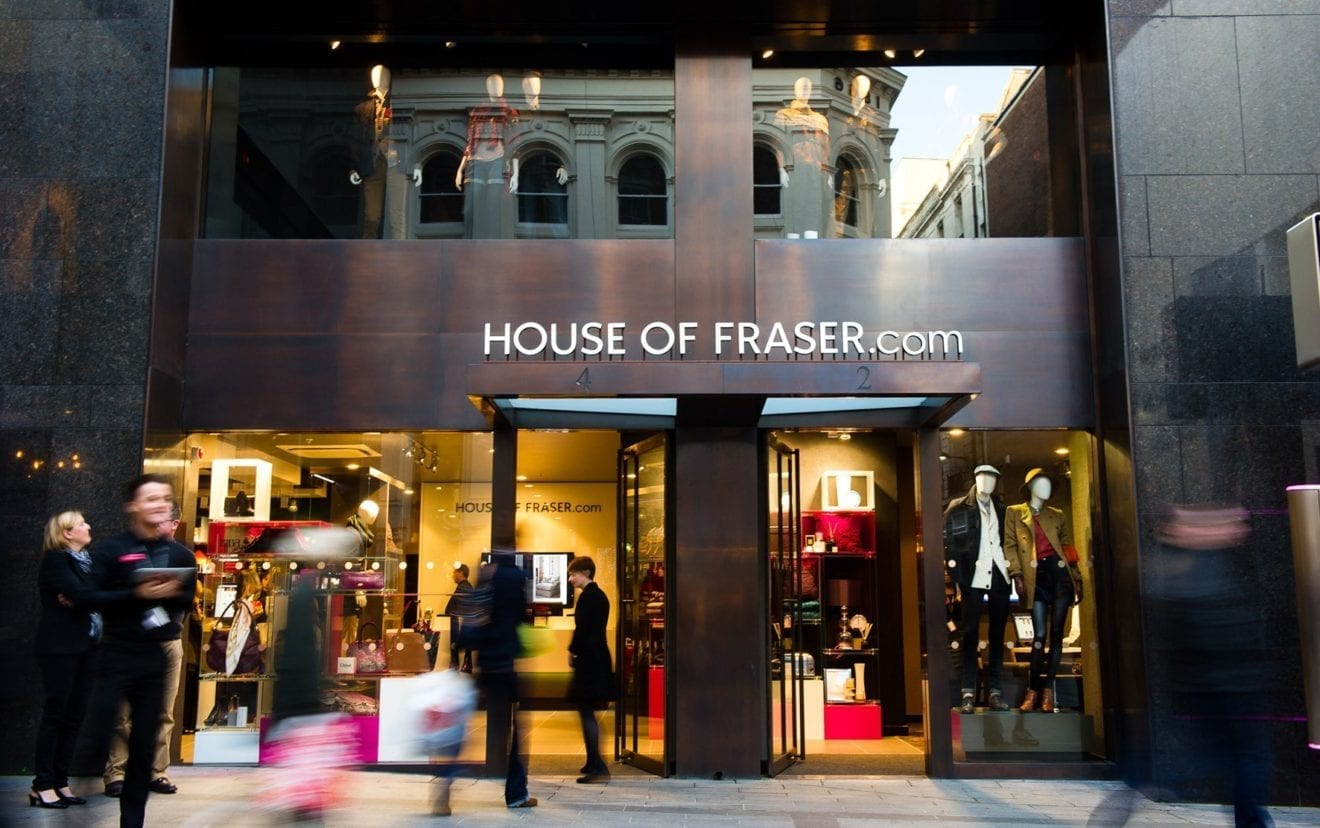
    The Chinese firm which has a majority ownership in House of Fraser has confirmed plans to offload most of its stake.

    A Chinese stock-exchange filing indicates that Nanjing Xinjiekou Department Store (or Nanjing Cenbest) is poised to sell off most of its holdings to tourism development company Wuji Wenhua.

    Nanjing Cenbest has an 89 per cent stake in House of Fraser, and is looking to sell off 51 per cent of it. This would mean retaining a 38 per cent stake in the retailer.

    Meanwhile, Nanjing Cenbest has confirmed it is in “advanced discussions” with Wuji Wenhua about it investing in the British department store chain.

    Nanjing Cenbest – a subsidiary of Sanpower Group, which acquired House of Fraser in 2014 – also hailed the potential collaboration as a strategy that could “further internationalise” the retailer. “We are very proud of our continued stake in the 169-year-old House of Fraser brand.”

    House of Fraser had a slump in Christmas sales, its credit rating has been downgraded, and it has drafted in Rothschild to help refinance its debt package.

    Nanjing Cenbest is a department store retailer in China, where it runs both the Xinjiekou fascia and Chinese House of Fraser stores.

    Bloomberg data shows Sanpower Group has a 27.32 per cent stake in Nanjing Cenbest. When the firm acquired its 89 per cent ownership of House of Fraser in 2014, it had planned to open 50 outlets in China.

    So far it has opened only two. The remaining 11 per cent stake in the retailer is owned by Sports Direct founder Mike Ashley.

    The department stores have struggled amid the rise of online shopping and a surge in sourcing costs driven by the pound’s 7 per cent fall against the US dollar and 14 per cent decline against the euro since the Brexit vote.

    House of Fraser reported a 2.9 per cent drop in sales over the holiday shopping season and has entered negotiations with landlords to reduce rents on some of its 59 UK stores. In the year ended January last year the company reported net income of £26.8 million (US$37.2 million).

    Sanpower Group, which owns a 27.32 per cent stake in Nanjing Xinjiekou, acquired House of Fraser in 2014 in a deal that valued the chain at £450 million.

  • Korea decides to partially support cryptocurrencies

    Korea decides to partially support cryptocurrencies

    Korea’s financial regulator said Tuesday the government will support “normal transactions” of cryptocurrencies, about three weeks after it banned their trading through anonymous bank accounts.

    The remarks by Choe Heung-sik, governor of the Financial Supervisory Service, were seen as being in stark contrast to the government’s previous stance that it could consider shutting down local virtual currency exchanges.

    Korea launched a real-name trading system for cryptocurrency transactions Jan. 30 to prevent virtual coins from being used for money laundering and other crimes.

    The system was also the government’s latest measures to curb speculative investment in virtual coins.

    Choe recently held a meeting with representatives from cryptocurrency exchanges during which he said the government “will support [cryptocurrency trading] if normal transactions are made.”

    Currently, local banks have been reportedly reluctant to open virtual accounts for cryptocurrency trading amid the government’s crackdown.

    Choe said the government will “encourage” banks to make transactions with cryptocurrency exchanges.

    Despite a boom in cryptocurrency transactions, the exchanges go largely unregulated in Korea as they are not recognized as financial products, with the country having no rules for protecting virtual currency investors.

  • RedDoorz Raises $11m to Fund Expansion in Indonesia, SE Asia

    RedDoorz Raises $11m to Fund Expansion in Indonesia, SE Asia

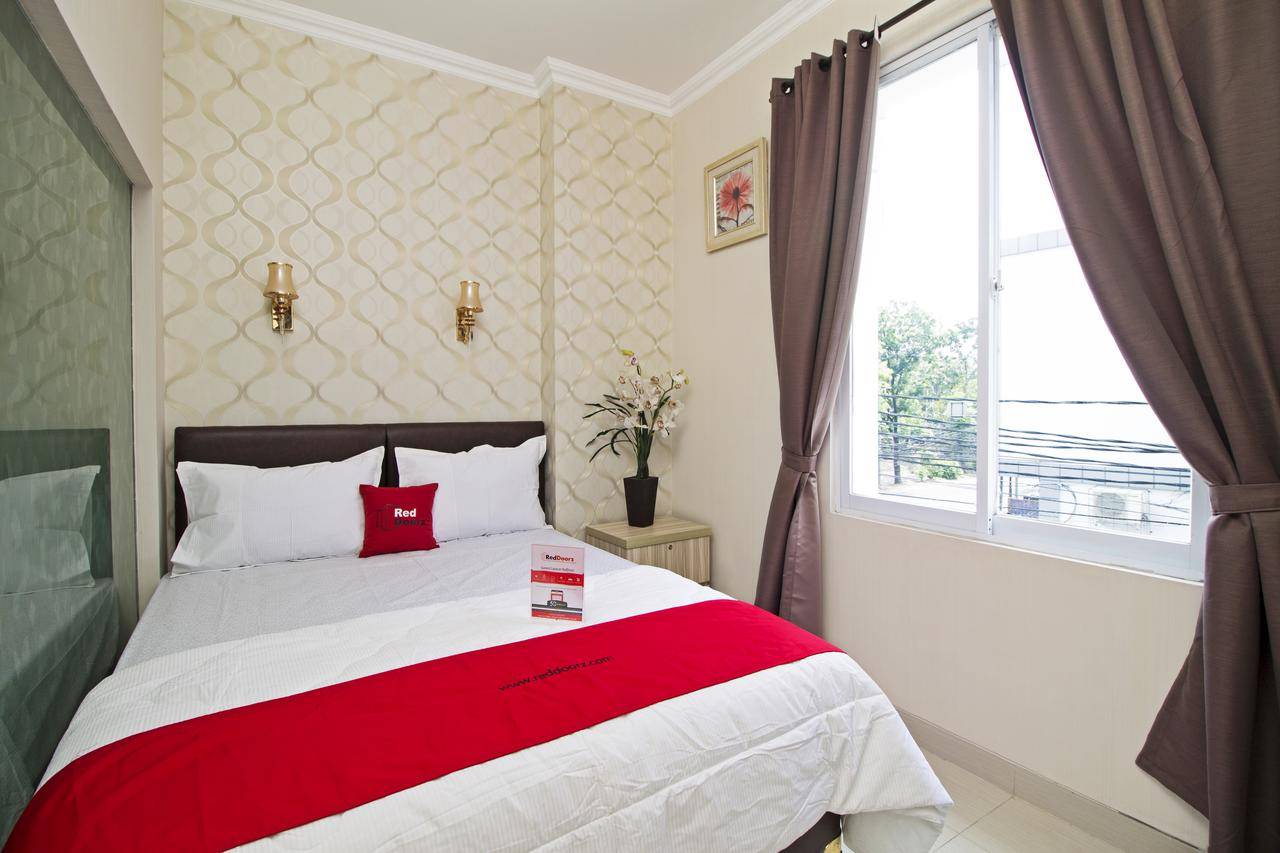
    Singapore-based online hotel booking platform RedDoorz announced on Tuesday (06/03) that it has secured $11 million in funding from several global investment capital firms as part of efforts to strengthen and expand its business in Southeast Asia.

    The company, established in 2015, received funding from several sources, including United States-based Susquehanna International Group, the International Finance Corporation (the World Bank’s investment arm), the Asia Investment Fund, Singapore’s InnoVen Capital and Jungle Ventures, which has been involved in previous funding.

    New investors also include Hong Kong-based DeepSky Capital and Hendale Capital, and Singapore’s Feng He Group, among other participants.

    “With a solid team, right investors and good market targets, we are confident that we will be able to grow greatly in the region,” Reddoorz founder and chief executive Amit Saberwal said in a statement.

    He said Indonesia has great potential as the country with the largest number of internet users in the region, along with a growing online and e-commerce market, citing a joint study by Google and Singapore’s Temasek Holdings, released in May 2016.

    The study projected that regional online travel accommodation market will increase to nearly $90 billion by 2025, compared with $5.6 billion in 2015. Indonesia is expected to account for about a third of that projected growth.

    The company said it will use the fresh capital to acquire 100 new properties fully operates by RedDoorz, and 1,000 properties managed by the company’s partners across Southeast Asia, within the next 18 months.

    RedDoorz currently has 500 properties in the region and it has served more than 700,000 customers since its establishment.

    In Indonesia alone, the company offers about 3,000 rooms in 16 cities for rent on its platform. The company currently employs 160 staff in the archipelago.

    RedDoorz recently launched a 65-room fully leased and operated property, located between East Coast Road and East Coast Park in Singapore.

  • Retail News Asia Honoured with the “Best Global Retail News Platform 2018” Award

    Retail News Asia Honoured with the “Best Global Retail News Platform 2018” Award

    Retail News announced today that it has been named the Best Global Retail News Platform 2018 in the AI Business Excellence Awards. Hailed as the “Internet’s highest honor” by KPMG, EY, PwC and Deloitte, The Business Excellence Awards, is the leading international awards organization honoring excellence on the Internet. The judging panel is compromised of the three directors here at AI Global, they have a combined total of 40 years of work within this industry and know it very well.

    The reason why AI uses an in-house judging panel is because they fully understand the process and also know what our standards are in terms of award winners.  They have been judging the award programs for the past 8 years. AI’s judging panel works very closely with a research team which is comprised of 4 researchers who are in charge of gathering information for each case study and presenting each case file to the judges. This is the 6th year of the Business Excellence Awards, hosted by Acquisition International, and you can view all the details of last year’s awards on their homepage.

    Launched over 8 years ago, AI has rapidly risen to and now has a circulation of 108,000 people in over 170 countries and regularly attracts editorial submissions from some of the biggest players on the global corporate landscape.

    AI is a monthly magazine that seeks to inform, entertain, influence, and shape the global corporate conversation through a combination of high quality editorial, rigorous research and an experienced and dedicated worldwide network of advisors, experts and contributors.

    Alongside the monthly issue AI hosts annual award programs which aim to highlight and provide recognition to the companies and individuals who have worked hard to get where they are today. The AI awards are only given 100% based on merit and not based on the judgment of a number of votes received.

    RetailNews is committed to providing both local and global retailers with the latest breaking retail news throughout the Asian market. This on a daily base. We have resources for everyone from the independently owned business owners, online-only retailers, and major chains expanding their reach throughout the Asian market, says Sven – founder of Retail News.

    We Are Stronger Together

    You can quickly and easily search for the latest breaking retail news by country, or come here to keep an eye on the latest local, global and seasonal trends.

    On Retail News you can network, engage, and share invaluable information with other retailers. Our retailers come from a wide range of industries and expertise, meaning that whatever the question may be—we have you covered!

    We are extremely honored with this recognition and my team has been working extremely hard the last 3 years to bring us to a level where we are operating now, Sven added. With nearly 8 million visitors a month, 23 daily retail updates, Retail News is believed to be the Retail industry leader.

  • Alibaba to quietly dominate retail

    Alibaba to quietly dominate retail

    While Australian retailers fret about the impact of American online retail behemoth Amazon, China’s Alibaba looms as an equal threat, according to Russell Zimmerman, Executive Director at the Australian Retailers’ Association.

    Speaking to A’n’Z of Economics on podcast, Zimmerman said the changes underway in retail brought by online retail giants were leading to a complete “revamping and re changing” of the sector – but warned Alibaba’s impact was being underrated.

    “I think Australian retailers have been very focused on Amazon and there’s certainly been a lot of hype,” he said. “[But] I think the biggest sleeper in the online space is Alibaba. I think we’ll actually need to move our focus away from Amazon and realiZe Alibaba is out there.”

    Zimmerman was a guest on the podcast alongside Richard Li, the Chief Operation Manager for Miniso, a Tokyo-based retailer which has recently opened stores in Australia. You can click below to hear an edited version of the comments – or go to the A’n’Z of Economics Soundcloud page to listen to the full podcast.

    Zimmerman said AliBaba is slightly different to Amazon in that it owns a large portion of the value chain, including not just sales but elements like data collection and AI-assisted marketing. On Single’s Day – China’s version of Valentine’s Day – in 2017, the company recorded record sales $US25.3 billion, a 40 per cent jump on the previous year’s figure.

    “I think Amazon is a very interesting case study because they really haven’t spent a dollar on advertising but everyone’s talking about it,” he said.

    “I know there are some retailers in Australia already dealing with Alibaba and they’re doing very well but I think [more need] to at least look at it. They may or may not wish to go on that platform, but at least look at it.”

    Miniso customers are currently unable to shop online in Australia but Li said the company had a strategy in the works.

    “We find there are two things stopping us launching our online strategy in Australia,” he said. “The first is there is no landmark website or something [in Australia] like an Amazon or Alibaba.”

    “The second thing is the lack of logistics. We find Australia is one of the most-expensive in the world when we’re selling different commodities. We need to find different ways to move product at the most-efficient cost. The good thing is right now things change very fast.”

    The conversation also touched on why overseas retailers were moving into Australia and the surprising true size of the Australian online retail market. Listen to the podcast above to find out more.

  • No more airport queues for overseas tax refund thanks to WeChat, Alipay

    No more airport queues for overseas tax refund thanks to WeChat, Alipay

    WeChat Pay and Alipay, China’s two biggest mobile payment platforms, have recently forged partnerships with tax refund companies to enable Chinese tourists to obtain rebates on their purchases via their respective mobile apps.

    Within this year, WeChat also plans to offer instant refunds in-store overseas as it competes for a larger share of rising Chinese tourist spending abroad.

    Their strategy is driven by how China has embraced mobile payments faster than any other country and is also the biggest source of outbound travellers. In 2016, mobile payment transactions in China reached US$5.5 trillion, making the country the largest mobile payments market in the world, according to iResearch.

    Both WeChat Pay and Alipay have been expanding their services as mobile payments are used for everything from food delivery, taxi rides and in-store purchases, both on the mainland and abroad.

    WeChat Pay, operated by Tencent Holdings, and Alipay, the payments subsidiary of Ant Financial Services Group, account for a combined 66 per cent of the third-party payments market in China, based on estimates of Analysys International.

    Ant Financial is an affiliate of New York-listed Alibaba Group Holding, which owns the South China Morning Post.

    WeChat Pay and Alipay, along with its overseas mobile payment partners, have estimated a total of 600 million and 800 million users, respectively.

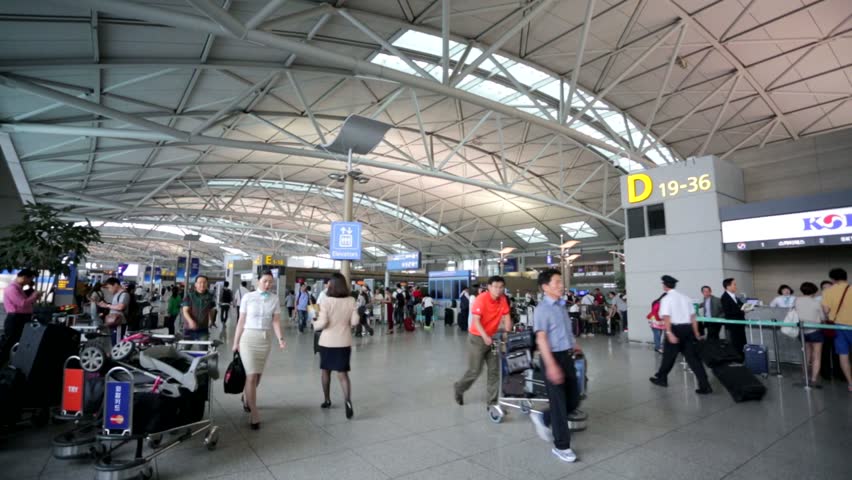
    Late last month, WeChat Pay partnered up with Swiss firm Global Blue to offer an instant tax refund service for Chinese tourists leaving from Madrid airport, while Alipay rolled out a similar service for returning Chinese tourists at Singapore’s Changi airport.

    With those instant tax refund services, users can get their rebates settled in yuan and sent to their WeChat Wallet or Alipay accounts immediately once their tax refund forms are stamped and approved at the airport counter.

    The rising affluence of Chinese consumers and the boom in outbound China tourism also made it attractive for WeChat Pay and Alipay to facilitate tax rebates.

    According to a recent report by the China Tourism Academy and online travel agency Ctrip, an estimated 6.5 million outbound Chinese travellers spent this year’s week-long Lunar New Year holiday overseas. Each tourist was expected to spend an average of 9,500 yuan (US$1,500) on their trip.

    “Offering instant tax refunds is a smart strategy by both Chinese players to capture further market share beyond what is likely to be a close to saturated market within the mainland,” said Michael Yeo, research manager for financial and retail insights at IDC.

    “Many outlets across Asia, Europe and Northern America already accept both WeChat and Alipay payments. Offering instant tax refunds provide convenience and may prove to be an effective tool in luring these tourists to switch from other payment methods, such as cash or credit card, for such trips.”

    Similar to other WeChat Wallet and Alipay programmes, the tax rebate service makes use of quick response (QR) codes. The tax refund officer scans the QR code on a user’s smartphone to credit the refund to their account.

    While Alipay allows users to access the QR code in the Alipay app, WeChat Pay users will have to search for its WeChat Tax Refund feature to process the refunds.

    Global Blue and WeChat Pay are now working to offer in-store refunds, which means that Chinese travellers would no longer need to line up to get their tax refund forms processed at the airport. The service is expected to be rolled out across Europe within this year, according to a joint statement.

  • Jeweller Michael Hill is closing all but six of its 30 Emma & Roe stores

    Jeweller Michael Hill is closing all but six of its 30 Emma & Roe stores

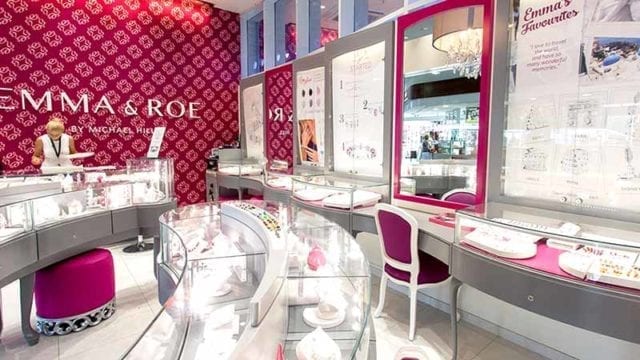
    Michael Hill will spend $5.8 -$7.9 million closing all but six of its 30 Emma & Roe stores by the end of the financial year as part of its repositioning of the struggling brand.

    The move will see Emma & Roe exit its operations in New Zealand and New South Wales to focus specifically on south-east Queensland.

    In an update provided to the market on Tuesday morning Michael Hill said that its review of the Emma & Roe brand, kicked off in January after another set of lacklustre trading results, was now completed.

    While management believes there’s an opportunity for the business in the demi-fine jewellery segment, it has opted to drastically reduce the brand’s footprint and will move forward with a “smaller, concentrated store footprint” for an initial trial period that will run until the end of FY19.

    Michael Hill has already negotiated non-binding lease exit terms with most of its Emma & Roe landlords and will now move forward with binding negotiations, which will likely see the brand exit several states and concentrate on a “single market area”.

    Chief financial officer Andrew Lowe said that Michael Hill will consider scaling the brand back-up in the future, but wants to preposition the company in an agile way.

    “30 stores is a very large footprint and the intention is to reposition the brand…we want to do that effectively and in an agile way with that smaller footprint,” he said.

    Michael Hill said it will redeploy Emma & Roe employees to Michael Hill stores where possible, but will undertake redundancy arrangements for others, with total severance costs expected to be finalised in 2H18.

    Severance costs, alongside one-off cash costs associated with lease terminations, are expected to cost $5.8 – $7.9 million, although management said this reflected the information currently available to it and was subject to change.

    The company also said that its negotiation to exit its nine stores in the US are ongoing with landlords.

  • Sunway Putra mall Wins Big At Malaysia Tourism Awards 2016/2017

    Sunway Putra mall Wins Big At Malaysia Tourism Awards 2016/2017

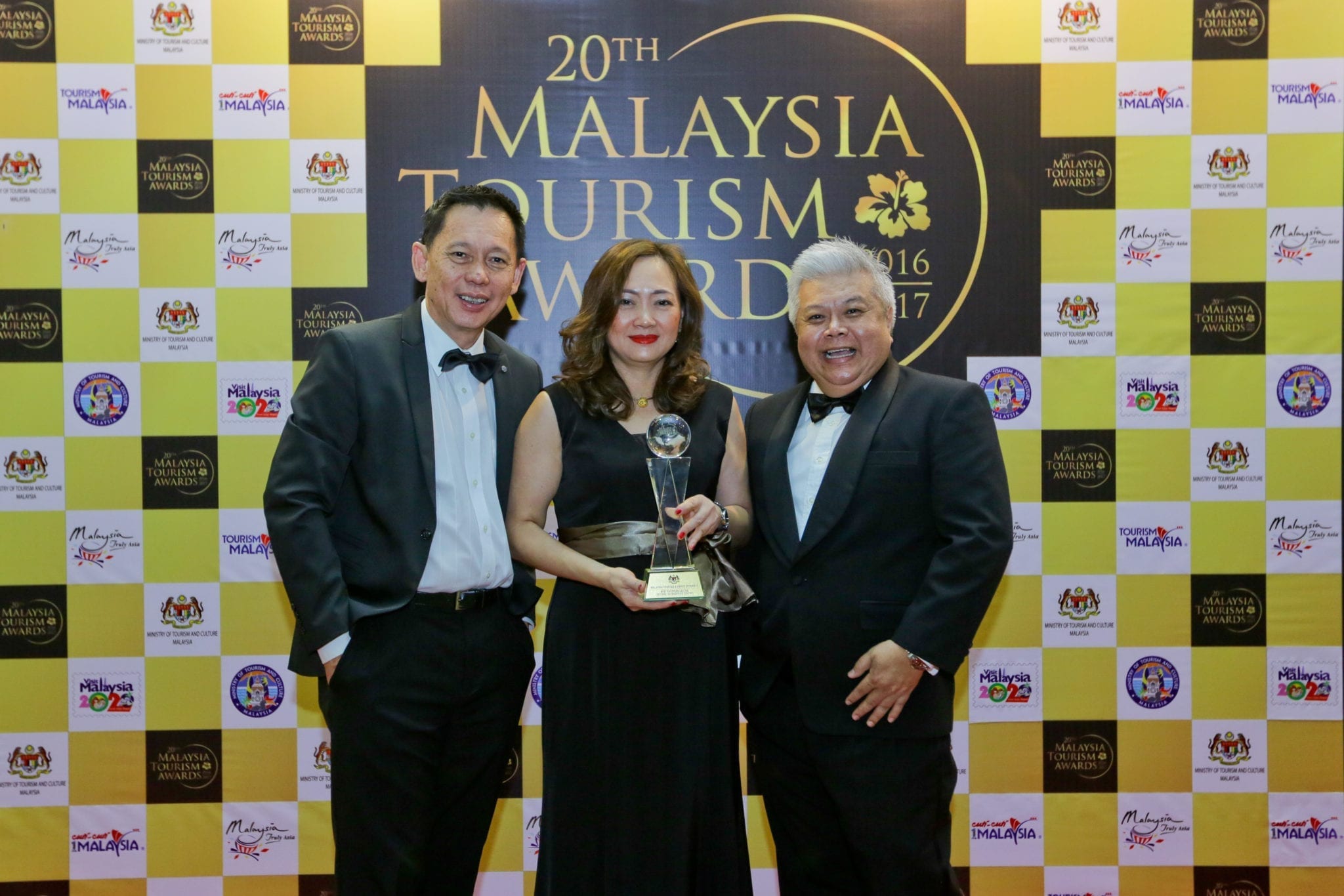
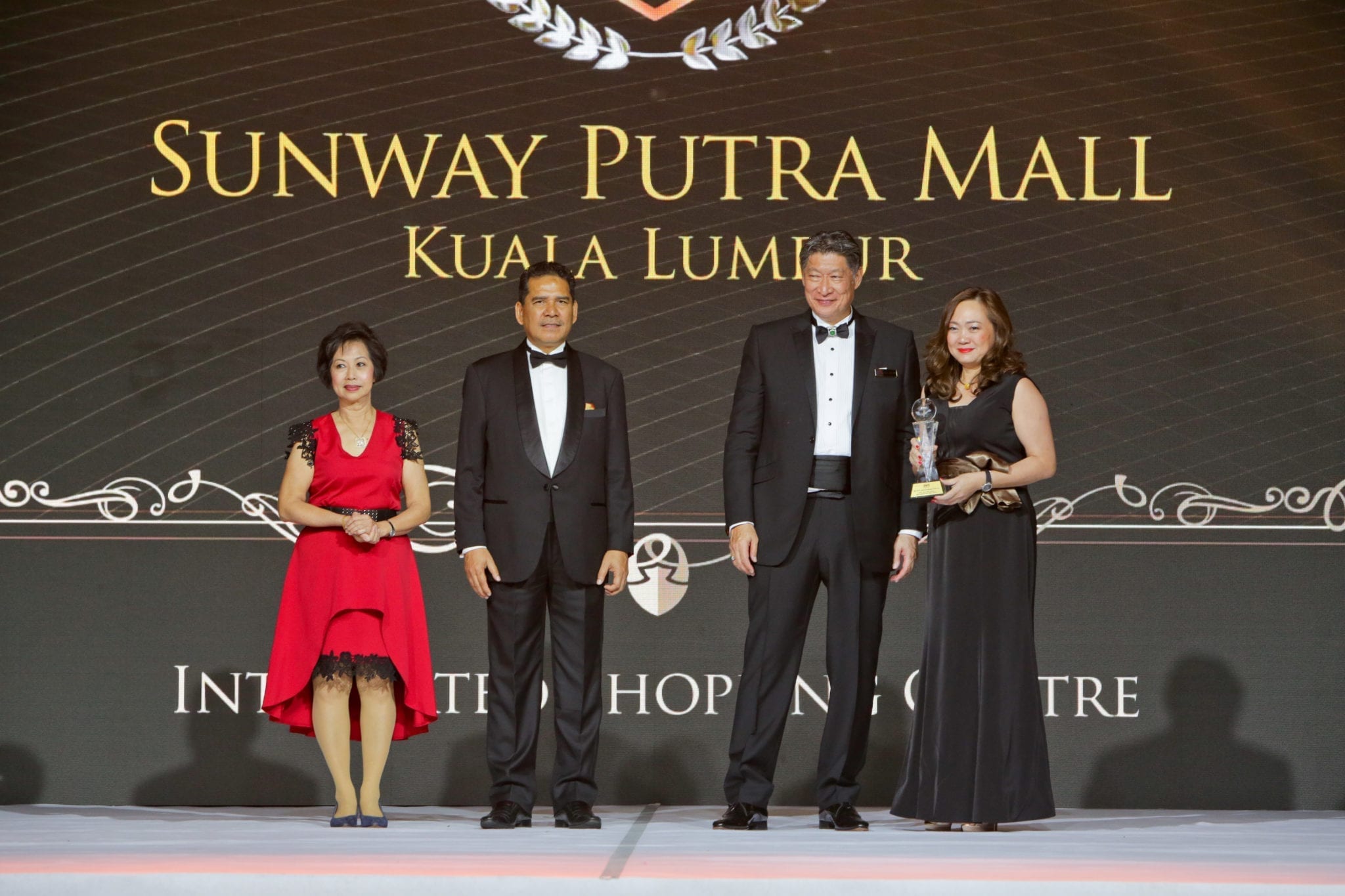
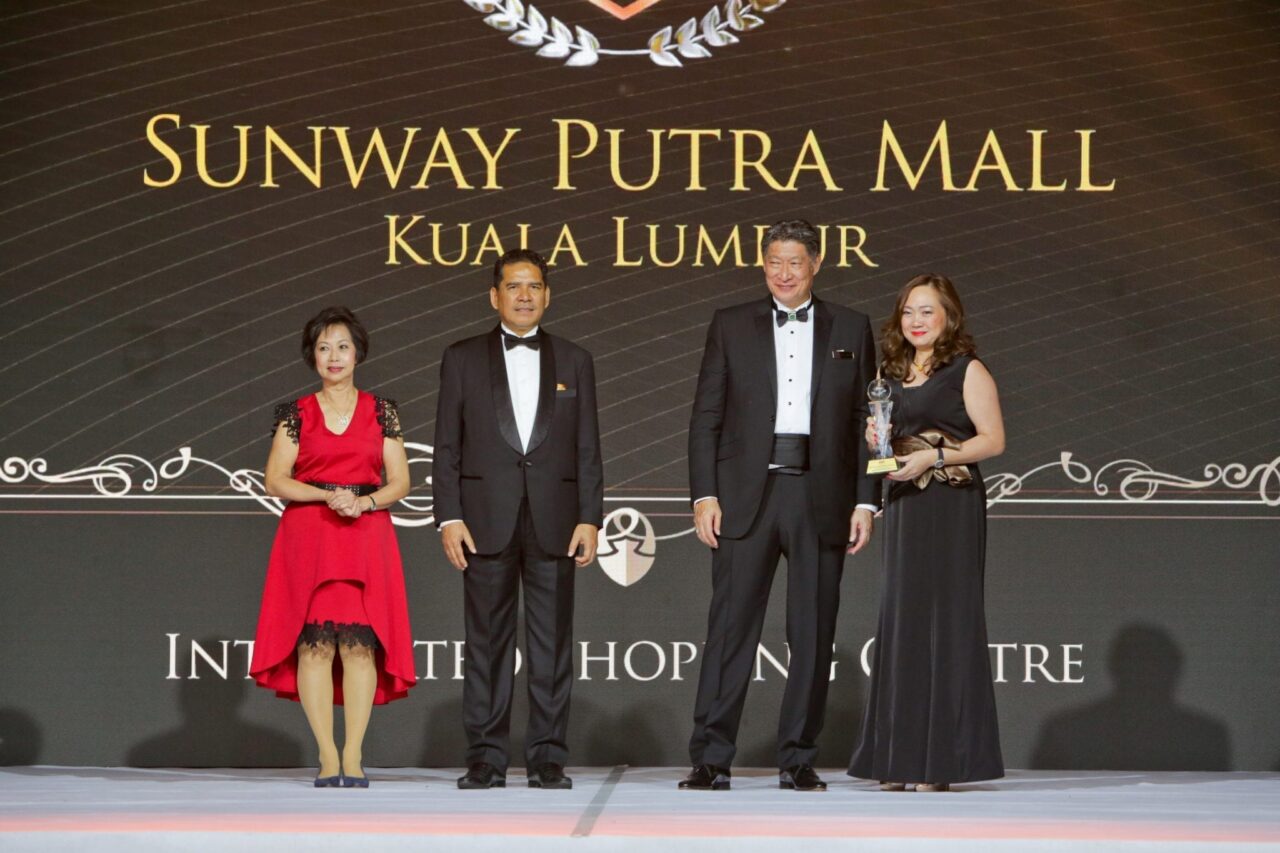
    It was a celebratory affair when Sunway Putra Mall emerged as the winner in the twentieth edition of the Malaysia’s Tourism Awards 2016/ 2017 award presentation ceremony at Putrajaya International Convention Centre (PICC) recently.

    The win saw the refurbished mall being named as the winner for best Shopping Centre under Integrated Shopping Centre category. It was the mall’s maiden attempt for the award.

    Tourism Malaysia chairman, Datuk Siew Ka Wei presented the award to Sunway Putra Mall General Manager Ms Phang Sau Lian alongside with Deputy Director General (Promotion) Tourism Malaysia, Dato’ Sri Abdul Khani Daud and Deputy Director General (Planning) Tourism Malaysia, Dato’ Chong Yoke Har in front of Malaysia’s various tourism industry players and related government agencies.

    Also present at the ceremony was, Minister of Tourism and Culture, Dato’ Seri Nazri bin Abdul Aziz, Tourism Malaysia director-general Datuk Seri Mirza Mohammad Taiyab and  Malacca Chief Minister Datuk Seri Idris Haron.

    The Tourism Minister had earlier paid tribute to industry players and captains for coming together amidst rising regional competition and limited resources towards the country’s tourism sector.  These awards were recognition towards tourism industry players contribution for boosting the country’s tourism attraction.

    Sunway Malls & Theme Parks CEO, Mr HC Chan said the win was meaningful for the mall group as this was the 6th time Sunway Malls was bestowed the prestigious award by the Ministry.
    “We like to thank the Ministry for their continued belief and support towards Sunway Malls. Apart from being the 6th time winning this award, what made it extra special is Sunway Malls has won this award for 8 consecutive years,” he added.

    Sunway Putra Mall picked up this award for year 2016/2017 edition while Sunway Pyramid won the 2010/2011, 2012/2013 and 2014/2015 editions.


    “This tourism award is another milestone for Sunway Putra Mall, despite being only just over two years in operation after the refurbishment, we are now recognized by the Minister of Tourism and Culture as the top Integrated Shopping Centre that promotes Malaysia.” said Phang.

    In addition, Sunway Group garnered the special Prime Minister’s Award at the 20th Malaysia Tourism Awards Ceremony. The award was a personal selection by Prime Minister and the Tourism and Culture Minister for an organisation’s exceptional contributions to the tourism industry.

    The Malaysia Tourism Awards is held once every two years, recognises and honours local and International tourism industry players for outstanding and innovative products and services. It also acts as an incentive for participants to strive for the highest level of professionalism and quality in both products and services. In its twentieth edition, this year’s awards saw over 665 nominations for 14 categories being received. Qualified entries went through a stringent selection by a panel of independent judges.

    The winning of this award added another feather to the cap for the mall tourism offering excellence. Sunway Putra Mall had received a gold award from Kuala Lumpur Mayor’s Tourism Award 2017 and recognised by the Ministry of Tourism & Culture as a Malaysia Tourism Quality Assurance (MyTQA) certified mall that delivered outstanding service quality and tourism products.

    Among the unique initiatives included DBKL Tourism Bureau appointment of the mall’s customer service representative as DBKL’s brand ambassador to promote tourists spots in Kuala Lumpur, promoting at overseas tourism missions alongside Tourism Malaysia and many others.

    The mall among others also partnered with international movies for activation, staging popular artistes appearances and collaborating with Malaysian Airlines and Matta Fair to promote KL as a tourism destination.

    The mall is home to international, regional and national retail brands with the likes of H&M. Uniqlo, Mango, Max Fashion, G2000, MONKI, Braun Buffel, Tissot, Padini Concept Store and many others. Offering more than 60 Food and Beverage outlets including local delights which are popular among tourists such as Dolly Dim Sum, Sepiring, Onde-Onde, Narenj and a food precinct called, ‘Selera Street’, that promotes locals favourites, namely Lorong Seratus Tahun, TeoChew Cendol, Ah Cheng Laksa and more.

    To date Sunway Putra Mall had also picked up the FIABCI 2017 Malaysia Property Award of Best Property for Retail Category, Malaysia Shopping Malls Association’s (PPK) Best Experiential Marketing Awards 2016 (gold award) for Category B (malls with 500,001 to 999,999 sq ft nett lettable area) and MPIM Asia Awards 2015 (bronze award) for best refurbished building category.

  • Lucky Vietjet Passenger wins VND100,000,000  in “Enjoy Sky Festival” campaign

    Lucky Vietjet Passenger wins VND100,000,000 in “Enjoy Sky Festival” campaign

    Travelling on flight VJ378 from Ho Chi Minh City to Chu Lai (Quang Nam Province) on 13 February 2018 proved to be an auspicious day for Mr Nguyen Hong Quang, when the lucky passenger won VND100,000,000 in cash thanks to Vietjet’s “Enjoy Sky Festival” campaign.

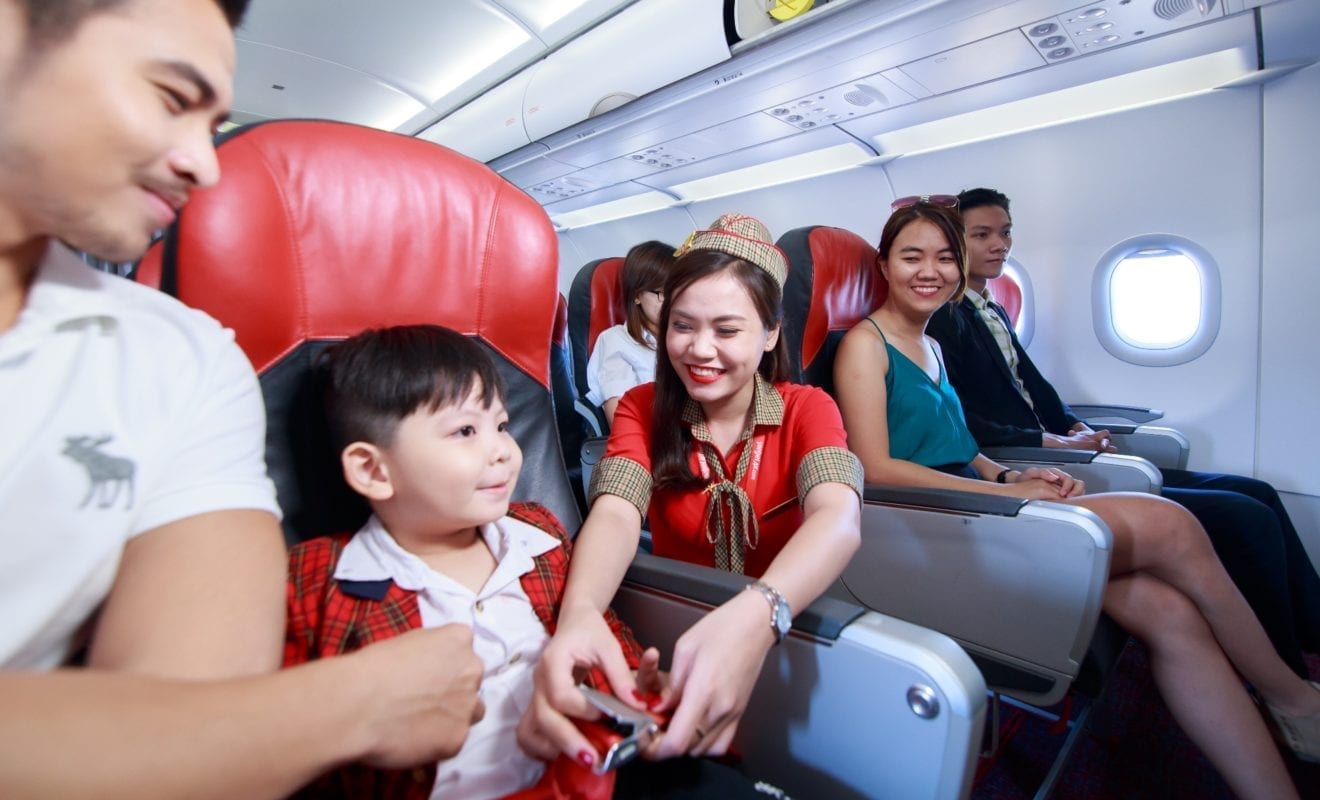
    The two-month campaign which ran from 28 December 2017 to 28 February 2018, received tremendous support from passengers as super promotional tickets priced from only VND0 were offered during the golden hours of 1pm – 3pm (Malaysian time). On top of that, a whole host of freebies valued at up to VND1 billion were also up for grabs including free domestic and international return tickets, “lucky money” prizes worth VND10, 000,000, as well as other Vietjet merchandise.

    Modeling itself as a ‘Consumer Airline’, Vietjet will continue to meet the growing demands of consumers by opening new routes, expanding its fleet, investing in modern technology, and offering greater value-added products and services. The airline also prides itself in offering diverse promotional programs on tickets and entertainment especially during the festive seasons.

    Vietjet is favored and known as a pioneer for its many interesting entertainment activities and special promotions during the festive seasons. With its high-quality services, special low-fare tickets and diverse ticket classes, Vietjet offers passengers enjoyable flights with a dynamic and friendly flight crew, comfy seats, amazing hot meals and special surprises from the airline’s inflight activities.

  • State tobacco to suffer first time loss in history

    State tobacco to suffer first time loss in history

    Thailand Tobacco Monopoly (TTM) says it is expected to suffer it’s first time loss in history of a tremendous amount of 5 billion baht this year from the government’s recent excise tax increase.

    TTM managing director Daonoi Suthinipaphan said the expected huge loss stemmed from the new excise tax law which became effective on September 16 last year.

    She said the new excise tax resulted in higher retail prices of cigarettes produced by TTM by 3-20 baht per pack.

    But on the contrary, prices of imported or foreign cigarettes which have lower production cost adjusted retail prices slightly, or some brands even lowered retail prices, she said.

    This situation, she said, has affected TTM’s market share falling from 80% to 55-60% in February this year, she said.

    She said the new excise tax has enabled sellers to reduce retail price for foreign cigarette to 60 baht per pack, while Thai cigarette which was earlier sold at 35-40 baht per pack instead has gone up to 60 baht, or same as foreign cigarettes.

    She said TTM’s production this year was expected to be 18,000 million cigarettes a year from its full production capacity of 65,000 million cigarettes after its new factory has officially started operations.

    With its huge machinery cost of over 16 billion baht, TTM therefore has to allocate it’s annual profit to pay for the machines with now has 7 billion remainder still unpaid.

    She said this year TTM was committed by its contract to pay 2.9 billion baht.

    Apart from the machinery cost, TTM still has to pay for the relocation of factory from Rama 4 road in Bangkok to new factory in Ayutthaya, take care of its own hospital’s expenses, buy tobacco leaves 22 baht higher than market price from farmers under the state’s subsidy programme, and 1.5 billion baht renovation for Benjakitti park, she said.

    In total, initial estimate of loss was expected to be 5 billion baht this year, she said.

    This would be the first time loss of the TTM’s history since it was established and began operation in 1948 or 70 years ago, she said.

  • Central group Thailand expanding property portfolio plan

    Central group Thailand expanding property portfolio plan

    Thailand’s Central Group plans to invest more than THB200 billion (US$6.3 billion) over the next five years on expanding its retail and hotel properties in Thailand and abroad.

    It is especially targeting Vietnam, where it expects its retail business to grow by four times over the period. The group aims for total revenue to reach THB397.3 billion this year, up 14 per cent from last year.

    CEO Tos Chirathivat says the group is studying designs and concepts for two mixed-use commercial projects in Bangkok. A site on Rama IV Road will be developed under a strategic partnership with Dusit Thani and a site in Ploenchit Road will be undertaken in partnership with Hongkong Land. The design process for the projects will take about two years to be fully completed. The mixed-use projects will require investment of about THB25 billion each.

    Tos says Central Group is committed to maintaining its investment at between THB30 billion and THB40 billion every year for the expansion of its retail and hotel properties in Thailand and potential markets abroad, especially in Vietnam and Europe.

    The group will this year invest THB47.5 billion in business expansion both at home and overseas, which is 27.8 per cent more than last year. This excludes the possible acquisition of e-economy businesses.

    Tos says the group is focusing on initiating online platforms so it can transform into a tech company.

    Main focus

    For overseas expansion, however, Vietnam is the group’s main focus. He says Central Group has grown there by an average of 340 per cent over the past five years. It is the largest foreign retailer in the country, with five core business units: 31 malls (Big C), 59 food stores (Big C, Lanchi Mart), 49 fashion stores (Delala, Marks & Spencer, Robins, Supersports), 79 stores for construction materials, home decoration and electrical appliances (including B2S, PowerMall and Nguyen Kim), and three online platforms (B2S.com.vn, NguyenKim.yn, Robins.vn).ins

    “Our penetration in Vietnam is now more than 217 stores with more than 700,000sqm in combined retail space in 37 provinces. By 2022, we expect to have more than 753 stores, and will occupy 2.5 million square metres in 57 provinces in Vietnam,” says Tos.

    The sales contribution from Vietnam would increase significantly from 13 per cent now to about 20 per cent over that period, he says. The company has 17,000-plus employees in Vietnam, serving more than 175,000 customers a day.

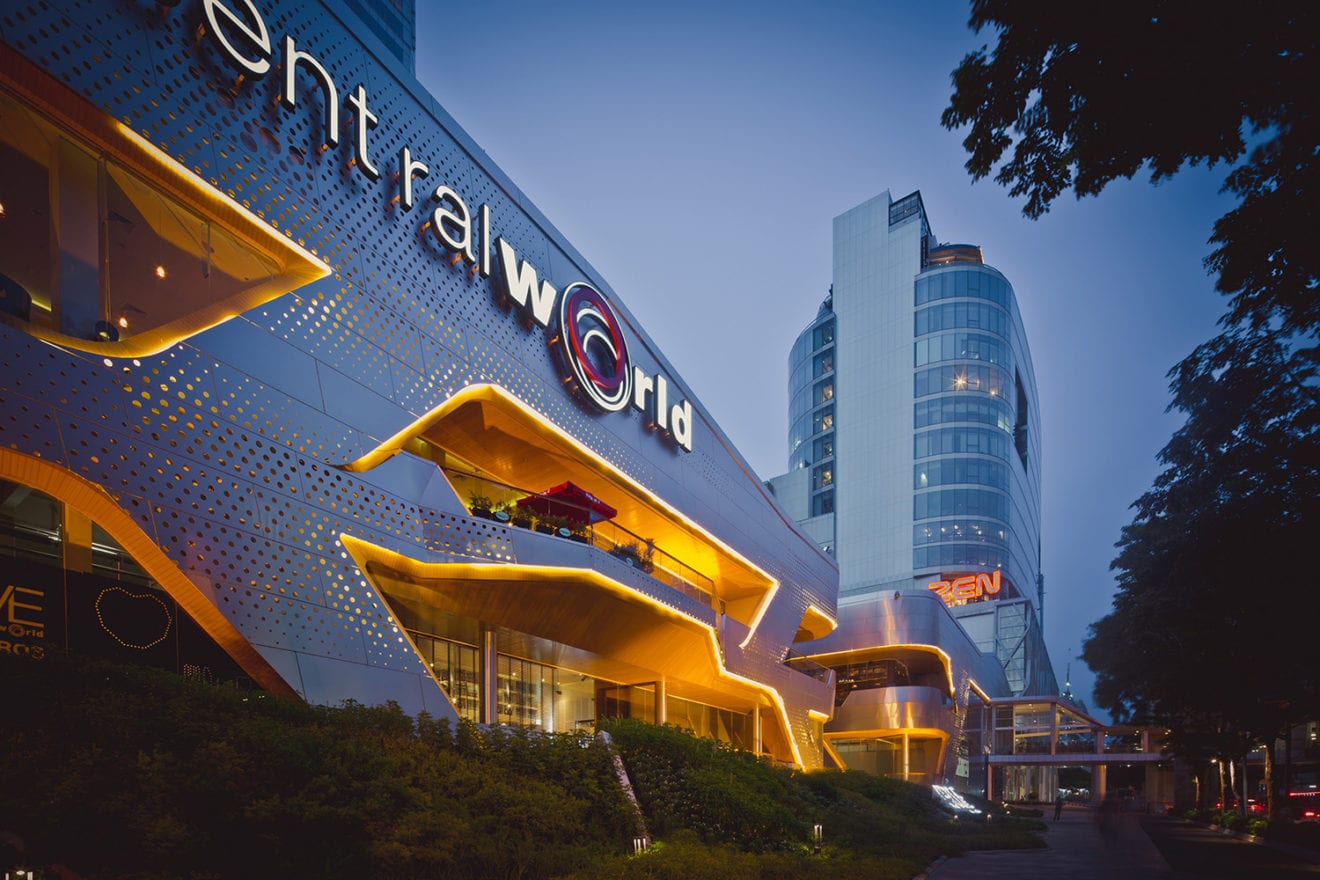
    In Thailand, he says the group will officially open its Tops Plaza in Phayao Province this quarter, followed by the relaunch of its CentralWorld in Bangkok in the second quarter. The group will also open the Robinson Lifestyle complex at Amata Chon Buri, Tops Plaza in Sing Buri, Central Phuket 2 and the Triphum theme park in Phuket.

    Other openings include residences and suites in Qatar, as well as Tops Plaza Amphur Phon, Khon Kaen and Pattalung, Zen Pathong in Phuket, Robinson Lifestyle in Chaiyaphum, and I-City Mall, the group’s first overseas mall, in Malaysia.

    An extra 459 stores will be opened in Thailand and Vietnam this year.

  • ZALORA Group CEO Parker Gundersen resigned

    ZALORA Group CEO Parker Gundersen resigned

    Online fashion platform ZALORA announced that ZALORA Group CEO Parker Gundersen has made the decision to leave the company at the end of May 2018 for personal reasons.

    Parker joined ZALORA in 2016 and has since worked with the leadership team to grow the brand, improve overall profitability and affirm the position of ZALORA as the leading online fashion destination in Greater Southeast Asia.

    Said Parker, “ZALORA’s evolution as a fashion platform is unrivaled in the region and is a testament to the great progress we have made improving our product offering, building stronger relationships with our brand partners and strengthening our positioning in the market. I want to thank the team for all of the hard work getting ZALORA to where it is today and wish them continued success moving forward.”

    ZALORA now offers the widest online selection of International and local fashion and lifestyle brands in the region, including latest additions Calvin Klein, J.Crew, Hugo Boss, Abercrombie & Fitch and Adidas. ZALORA’s brand positioning has been greatly strengthened through a revamped site and catalogue, television and online partnerships including Asia’s Next Top Model and How Do I Look Asia?, and a number of exclusive product launches with local and international brand partners. ZALORA has also made significant progress in improving its profitability by optimizing back office and supply chain operations.

    Patrick Schmidt, Co-CEO of Global Fashion Group commented “Parker has reinforced ZALORA’s strength as the preferred multi-brand fashion platform in Southeast Asia. I want to thank Parker for his leadership and ongoing commitment to ZALORA, and for supporting a smooth transition in the coming months.”

  • Indonesian fashion e-commerce app LYKE shuts down

    Indonesian fashion e-commerce app LYKE shuts down

    Indonesian fashion e-commerce app Lyke is shutting down, and is encouraging its users to transfer to the JollyChick app.

    Lyke says most of its employees will be joining Chinese fashion and lifestyle e-commerce startup JollyChic, which entered the Indonesian market last year.

    CEO Bastian Purrer says the company has been struggling to survive on its sales revenue despite having secured 1.6 million users.

    He also says the popularity of bank transfers as a payment method has also contributed to the shutdown, as they are relatively costly for e-commerce platforms to maintain.

    While the company’s marketing and business team is set to join JollyChic, its developer team will stay with Lyke during the transition period.

    Launched in February 2016, Lyke is an aggregator app for online fashion and beauty stores. It also offers a personalised service so users can follow their favourite shops and brands.

    The company raised nearly US$4 million in series-A funding in August 2016.

  • Food prices escalating after minimum wage hike in South Korea

    Food prices escalating after minimum wage hike in South Korea

    The cost of food and basic necessities in South Korea is continuing to rise, after the government decided to raise the minimum wage in January by the largest annual increase in 17 years.

    Scores of food and beverage establishments have raised prices due higher costs for labor and ingredients.

    A franchise specializing in grilled pork and a Chinese restaurant chain raised prices by at least a dollar. A bowl of soybean paste noodles costing around $4 is now priced at $5.

    Fast food restaurants including McDonalds, KFC, Burger King and Lotteria all adjusted their prices between one to eight percent after the minimum wage hike, as did major bakeries and coffee shops.

    Prices of groceries and basic necessities are also on the rise, particularly in convenience stores which employ part-time workers on minimum wage.

    Rice balls, sandwiches and ready meals have recently become up to 10 percent more expensive as have rice, fizzy drinks, as well as canned and frozen foods.

    One convenience store chain even raised prices for its own brand products including wooden chopsticks, paper cups and hair ties.

    “We decided to raise our prices following the continuous requests of our small-and-medium enterprise partners,” GS retail said.

    Prices will likely continue to rise until next year for across a broad spectrum of industries — not just the food and retail sectors, according to market observers.


  • Burberry lost marketing head Sarah Manley

    Burberry lost marketing head Sarah Manley

    Britain’s Burberry is set to lose its long-serving Chief Marketing Officer, Sarah Manley, who joined the luxury brand back in 2001, just one month after Christopher Bailey’s entrance into the top spot.

    Coinciding with Bailey’s last runway show for Burberry last week, Manley is reportedly packing her Burberry bags too, with a departure date slated for July’s end, as reported by FashionNetwork.com.

    While neither Burberry nor Manley have made a comment on the departure news, it is believed that the executive desires to take a break after seventeen years with Burberry. Manley’s departure has evidently been prompted by Bailey’s leaving too.

    No hints have been given as to who might replace Manley either.

    Manley joined Burberry in 2001 as global director of public relations, before being promoted to vice president, and then senior vice president of marketing. In 2008, Manly was named Burberry’s Chief Marketing Officer, where she oversaw a now 200-strong communications team in London.

    Major brand achievements linked to Manley include building the Burberry brand globally via elaborate events such as the holographic show, exhibition and store opening combinations in Beijing and Shanghai.

    She also put on the ‘London in Los Angeles’ party in Los Angeles’s Griffith Observatory, attracting 700 celebrity guests such as the Beckhams, Elton John, Rosie Huntington-Whiteley, Cara Delevingne and Anna Wintour.

    Manley was also involved in building Burberry’s burgeoning digital presence, growing its social media following and providing content that surpassed that of its competitors in terms of creativity and authenticity. Last week, social media analytics firm NetBase released its 2018 Luxury Brands Report, indeed naming Burberry as third in its overall ranking of the top ten luxury brands on social media, behind Louis Vuitton and Land Rover.