Tag: asia

  • German automakers gain ground in South Korea, outselling GM for first time

    German automakers gain ground in South Korea, outselling GM for first time

    Mercedes and BMW both sold more cars in South Korea than General Motors for the first time last month, helped by the growing popularity of German premium brands and as consumers shied away from GM after it announced a major restructuring.

    While home-grown automakers Hyundai Motor and Kia Motors Corp dominate the local market, high-end German vehicles have made inroads in recent years with more diverse offerings for brand-conscious consumers.

    BMW saw the biggest jump with February sales nearly doubling to 6,118 vehicles, industry data showed. That was just a tad behind Mercedes which led the imported car rankings with 6,192 cars, up 12 percent from the same period a year earlier.

    South Korea last year became the sixth biggest market for Mercedes, climbing from eighth place.

    GM’s announcement last month that it plans to shut down of one of its four factories in South Korea and was weighing the fate of the three other plants resulted in domestic retail sales nearly halving in February to 5,804.

    With consumers worried about loss of after-care services and residual value, GM lost its long-held spot as South Korea’s No. 3 automaker, slipping to sixth place.

    The U.S automaker, whose South Korean operations are primarily geared toward exports, is seeking financial aid from Seoul as well as concessions on wages and benefits from its local union to stay operating in the country.

    Talks with the labor union on Wednesday failed to produce concrete results although some 2,500 workers have applied for voluntary redundancy package.

    “We hope to wrap up talks with the labor union and the government swiftly,” a GM Korea spokesman said.

    “A drawn-out restructuring will hurt consumer trust,” he added.

  • Japan regulator to punish several cryptocurrency exchanges, suspend some others

    Japan regulator to punish several cryptocurrency exchanges, suspend some others

    Japan’s financial regulator will this week slap several cryptocurrency exchanges with administrative punishment notices and is considering forcing some to suspend their business.

    The Financial Services Agency may also tell Coincheck Inc – the exchange targeted by hackers in a US$530 million (RM1.96 billion) theft of digital money in January – to raise its standards, in what would be the second such order to the exchange.

    The FSA will mete out the punishments after uncovering flaws in customer protection and anti-money laundering measures during on-site checks at the exchanges.

    It did not specify which exchanges would be targeted.

    The FSA was not available for comment outside business hours. Coincheck did not immediately respond to an emailed request for comment.

    The Coincheck heist, one of the largest of digital money ever, underscored the risks of trading an asset with which policymakers across the globe are grappling, and drew focus on Japan’s system of regulating the exchanges.

    Last year, Japan became the world’s first country to regulate cryptocurrency exchanges at the national level. Some 16 exchanges are registered with the authorities, while a further 16 – including Coincheck – were allowed to continue operating while regulators assessed their applications.

    The regulator will order some of the unregistered exchanges to suspend their business, and is looking closely at the sustainability of their operations.

    The FSA said after the Coincheck heist it would investigate all Japan’s cryptocurrency exchanges for security gaps, ordering them to submit reports on their system risk management and storage of cryptocurrencies. After the cyber heist the FSA ordered Coincheck to bolster its security systems.

    The second improvement order will focus on customer protection, with the FSA monitoring progress of compensating investors affected by the hack.

    The exchange has promised to repay about ¥46.3 billion (RM1.71 billion) of the cryptocurrency it lost in the theft. Last month it said it has sufficient funds to make the repayments, but declined to specify when it would repay investors affected. It has also declined to comment on whether the FSA had verified that Coincheck has enough funds for the repayments.

  • Diptyque opens its new Singapore store

    Diptyque opens its new Singapore store

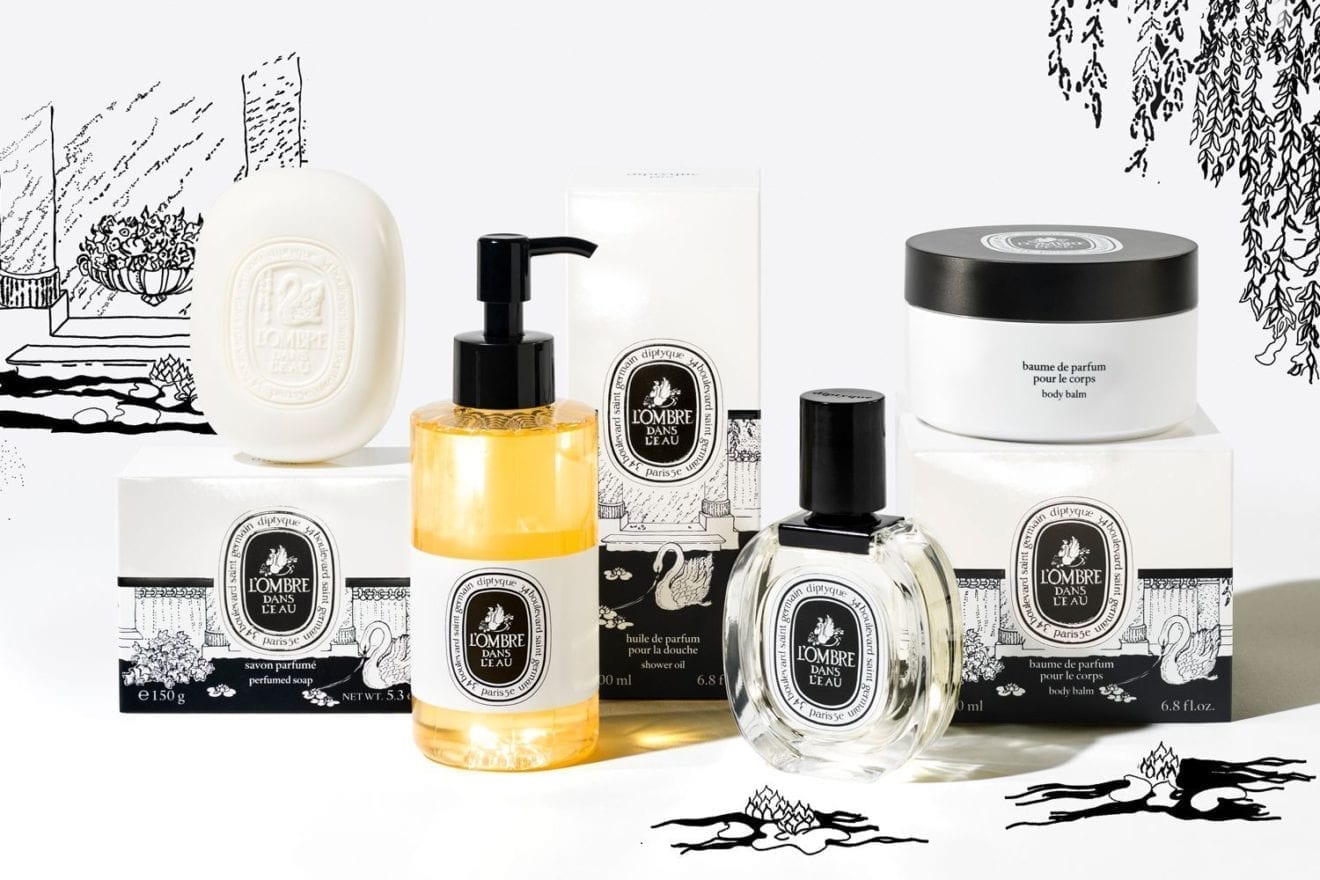
    Diptyque Singapore has opened its first store, a 423sqft (39sqm) space at Ngee Ann City.

    Previously, the French firm’s scented candles, perfumes, and face and bodycare range were available online or through smaller retailers and stores like Escentials and Tangs.

    It is only the second Diptyque boutique in Southeast Asia, the first being in Kuala Lumpur. It features brass furnishings and forest-green Indian marble, while its walls are bottle green. This echoes Singapore’s status as a garden city, as every Diptyque store is designed with the locality in mind.

    As the opening in Singapore coincides with the 50th anniversary of the brand’s first fragrance, L’Eau, two new scents have been released, Fleur de Peau and Tempo, both developed by perfumer Olivier Pescheux.

    A feature of the store is a gift-wrapping service.

  • Kobe Steel, Toyota hit with U.S. lawsuit over vehicle metal quality

    Kobe Steel, Toyota hit with U.S. lawsuit over vehicle metal quality

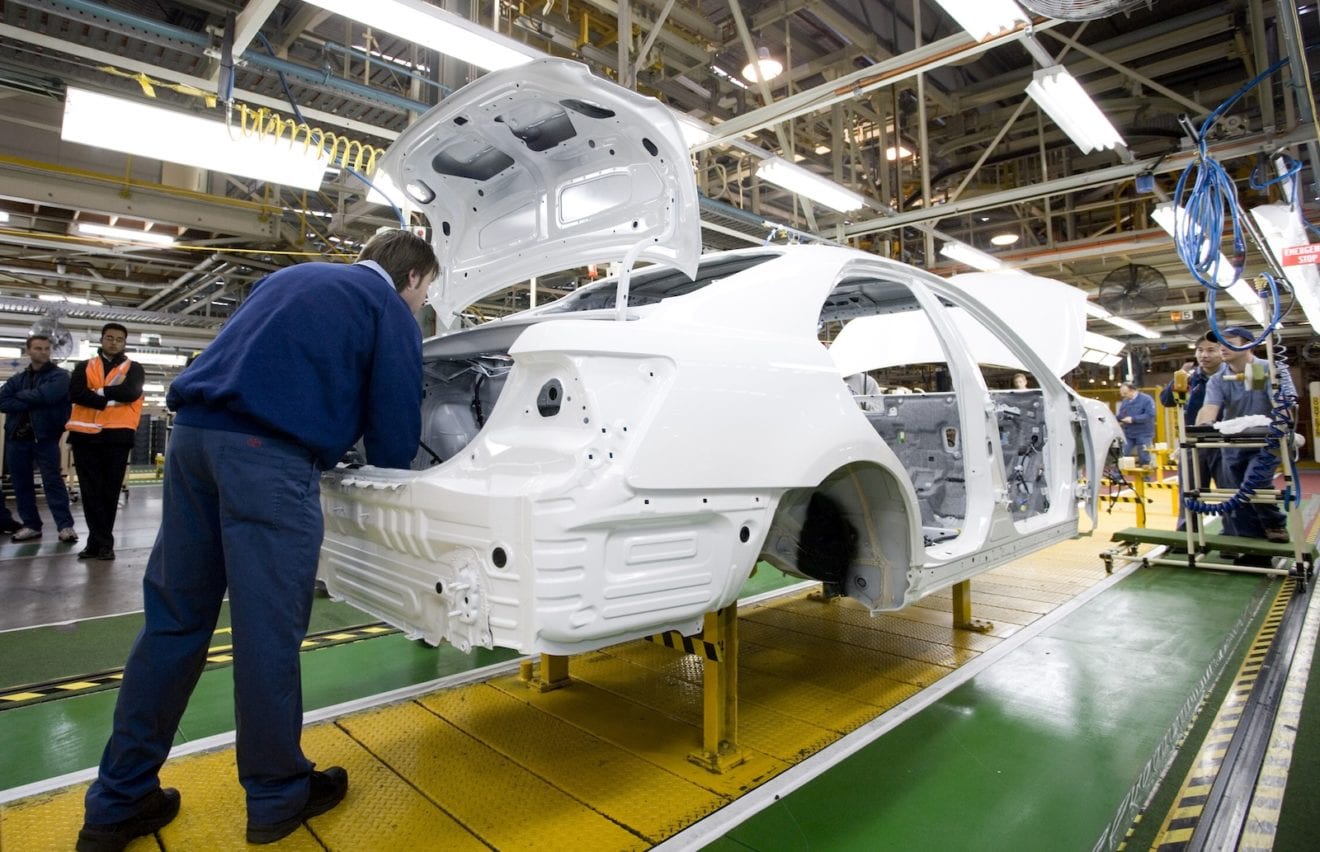
    U.S. consumers have filed a lawsuit against Kobe Steel Ltd (5406.T) and Toyota Motor Corp (7203.T) accusing the companies of violating consumer protection laws and engaging in fraud by concealing the use of substandard metal components in vehicles.

    The proposed class-action lawsuit represents the first U.S. consumer complaint filed against Kobe Steel over data fraud, and highlights the legal risks the company faces even after Chief Executive Officer Hiroya Kawasaki announced on Tuesday he would quit to draw a line under the scandal.

    The 112-year-old company, which supplies steel and aluminum parts to manufacturers of cars, planes and trains around the world, admitted last year to supplying products with falsified specifications to around 500 customers, throwing global supply chains into turmoil.

    Kobe, Japan’s third-largest steelmaker, said on Tuesday that the data fraud had gone on for nearly five decades, and that it found new cases of impropriety, widening the number of affected clients to 605, including 222 overseas. The company said Kawasaki would quit on April 1.

    The U.S. lawsuit, filed on Monday in federal court in San Francisco, was brought by two California residents who seek to represent a nationwide class of consumers who bought allegedly defective Toyota vehicles.

    According to the complaint, Toyota’s Prius, Camry, Land Cruiser and Lexus vehicles have all been manufactured with “sub-standard” steel, aluminum and copper.

    The plaintiffs allege that Toyota and Kobe Steel both violated federal and state consumer protection laws by claiming that the vehicles complied with U.S. quality standards.

    “We have not grasped the whole content of the case and we are now looking into the matter,” a Kobe Steel spokesman said on Wednesday.

    Toyota declined to comment on the lawsuit.

    In a special order in November, the U.S. National Highway Traffic Safety Administration asked 29 automakers, including Toyota, to disclose any safety issues for any of their vehicles or engines containing products supplied by Kobe Steel.

    The regulator did not immediately respond to a request for comment on what data it had received in response and whether there was any evidence of faulty materials in Toyota cars.

    Monday’s 40-page lawsuit outlines the ways in which the companies allegedly concealed poor metal quality. It demands compensatory and punitive damages of an unspecified amount.

    According to the complaint, at least six Toyota car models sold or leased to U.S. consumers were manufactured with substandard metal from Kobe Steel. Plaintiffs said the metal could impact vehicle safety and performance.

    Toyota had the duty to disclose any defective vehicle components because it has consistently marketed its automobiles as safe, functional and reliable, the lawsuit says.

    Kobe and Toyota had superior knowledge and access to the facts, the lawsuit alleged, giving rise to fraud by concealment claims.

    Four individuals in Canada who bought cars that use Kobe’s products have already brought class-action lawsuits seeking unspecified damages against Kobe and it subsidiaries.

    Kobe is also undergoing a separate U.S. Justice Department probe.

    A company executive said on Tuesday that it is fully cooperating with the U.S. probe, but it was hard to predict how it would develop.

  • Vietnam Airlines to introduce flights to Singapore, Taiwan

    Vietnam Airlines to introduce flights to Singapore, Taiwan

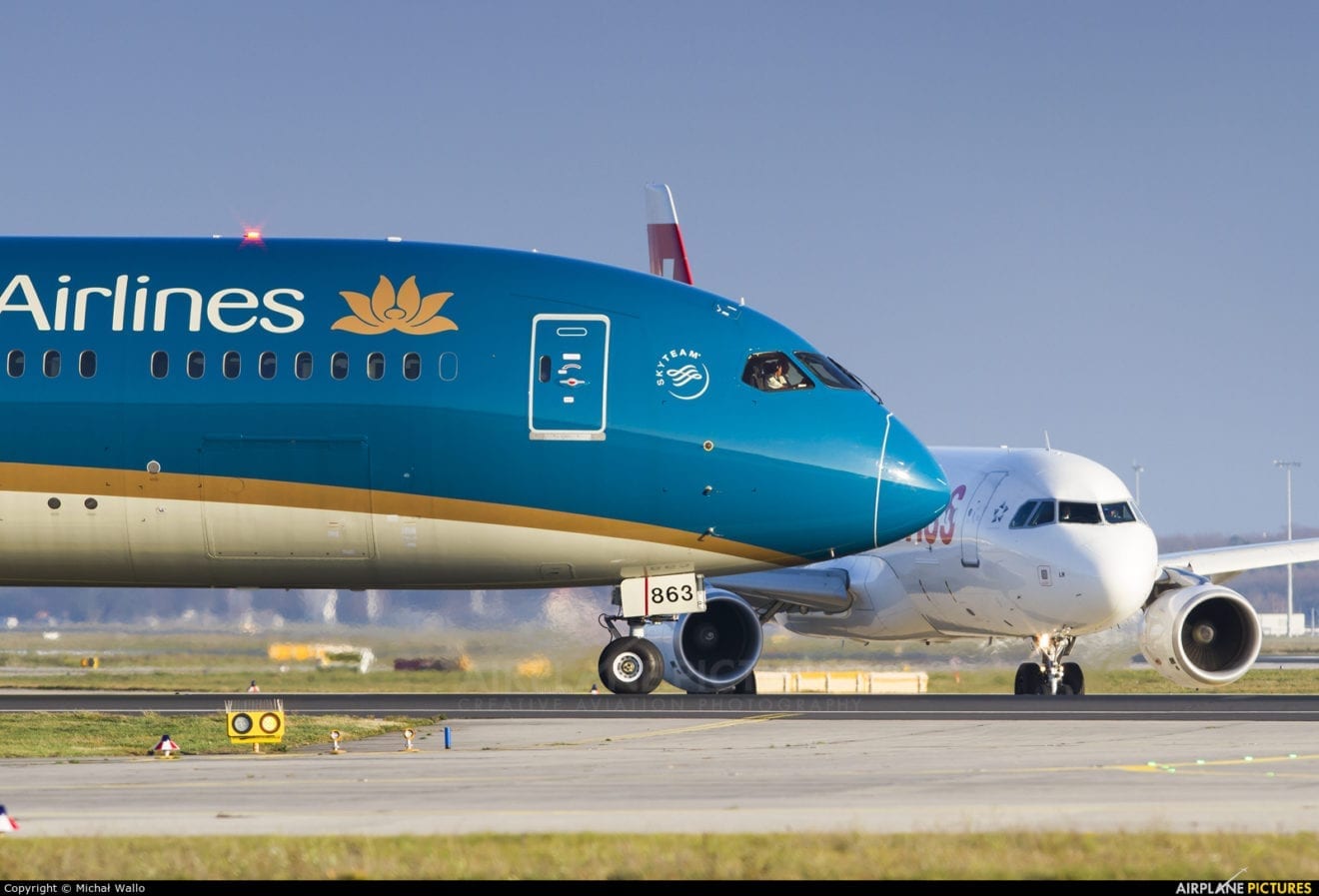
    National carrier Vietnam Airlines will add four flights per week from HCM City to Singapore and Taiwan each from March 27.

    A spokesperson of the carrier said the firm wanted to diversify its products to meet the demand of passengers as Singapore and Taiwan had recently become favourite destinations for Vietnamese tourists.

    The new flights to Singapore will depart from HCM City at 7.25pm every Monday, Wednesday, Thursday and Sunday, while the return flights will depart at 11.25pm on the same days.

    The flights from HCM City to Taiwan will depart at 2.05am every Tuesday, Thursday, Saturday and Sunday. The return flights will depart from Taiwan at 10.10pm every Monday, Wednesday, Friday and Saturday.

    With the introduction of the new flights, Vietnam Airlines will have a total of 11 flights per week on the HCM City-Taiwan route and 25 flights between HCM City and Singapore. All flights will be Airbus A321 with four-star international levels.

    On June 30, the carrier will launch a special promotional programme, in which the return ticket between HCM City and Singapore will cost VNĐ2.79 million and that between HCM City and Taiwan will cost VNĐ4.56 million (US$200), including taxes and fees.


  • Palm oil prices in Kuala Lumpur drop to six-week low

    Palm oil prices in Kuala Lumpur drop to six-week low

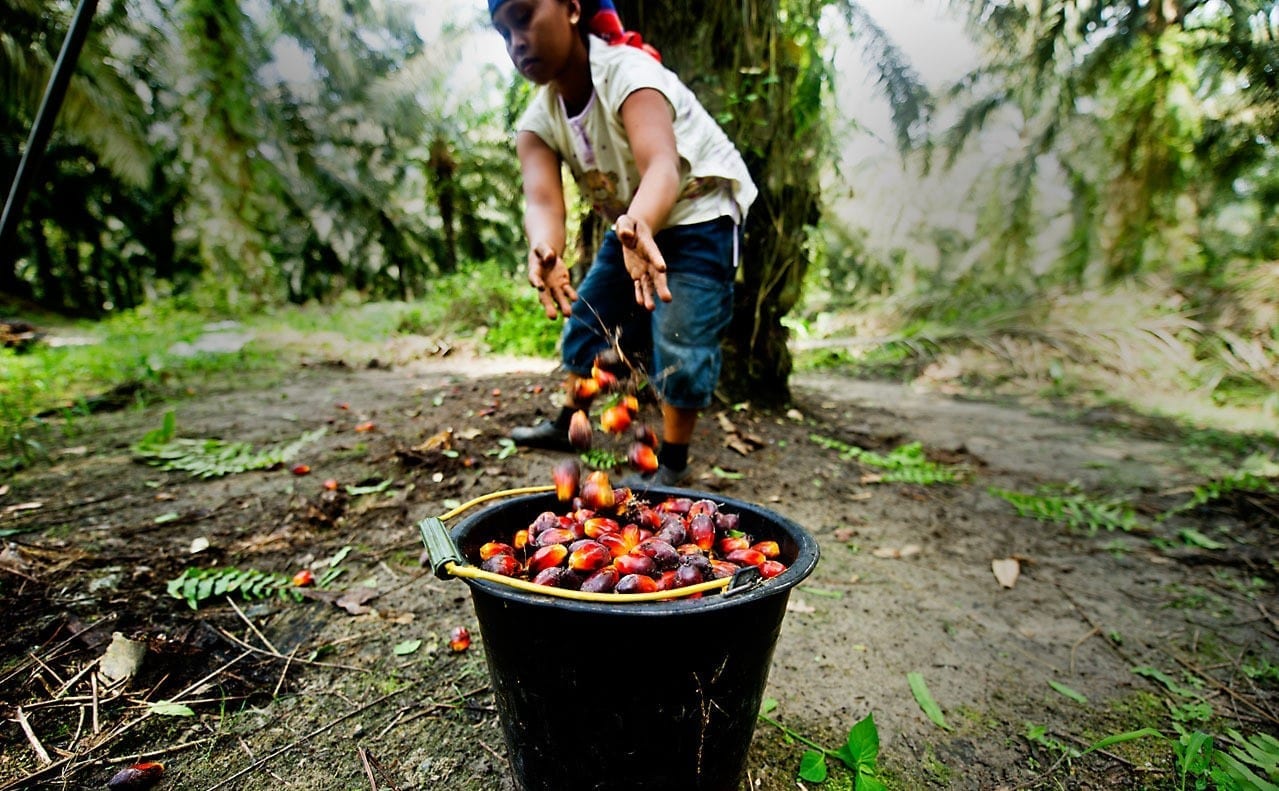
    Malaysian palm oil futures declined today, as traders feared the prospect of cancelled shipments to India and after forecasts made at an industry conference in Kuala Lumpur.

    The benchmark palm oil contract for May delivery on the Bursa Malaysia Derivatives Exchange was down 1.4% at RM2,443 per tonne by the close of trade.

    Trading volumes stood at 33,814 lots of 25 tonnes each at the end of the trading day.

    The vegetable oil earlier traded within a narrow price range, with industry participants eyeing forecasts from a two-day palm industry conference, a trader in Kuala Lumpur said.

    Leading industry analyst Dorab Mistry said on Tuesday he expects Malaysian palm oil futures to climb to RM2,700 a tonne by June, up nearly 10% from now.

    Malaysian crude palm oil futures are seen rising to RM2,600 a tonne before falling back to RM2,300 by July, said analyst James Fry.

    Meanwhile, analyst Thomas Mielke said today he expects Indonesian crude palm oil prices to average US$630 (RM2,457) a tonne from April to September, below current levels.

    The two countries count for nearly 90% of global palm oil output.

    Malaysia’s benchmark contract in Malaysia was hovering not far off Monday’s one-month low, which followed India’s decision to raise the import tax on palm oil to the highest level in more than a decade.

    Buyers in India, the world’s top vegetable oil importer, are now seeking to cancel up to 100,000 tonnes of crude palm oil cargoes due to the higher costs of imports, according to three trade sources.

    India tax import policy would have big short-term impact on palm demand, the Kuala Lumpur-based trader said, but he expected demand to be supported by China.

    “China is pointing toward higher demand for soybeans, which would benefit our palm oil,” the trader said.

    Another trader added overall market sentiment was weak, and which weighed on prices in the second half of trade.

    Palm oil prices are affected by movements in rival edible oils as they compete for a share in the global vegetable oils market.

    The Chicago Board of Trade’s May soybean oil contract was down 0.5%, while the May soybean oil on China’s Dalian Commodity Exchange fell 1.5%.

    From a technical viewpoint, a break below RM2,471 could cause a loss to RM2,418-RM2,448, said Wang Tao, a Reuters market analyst for commodities and energy technicals.

  • Thailand to have largest Ikea in SE Asia

    Thailand to have largest Ikea in SE Asia

    Ikea Thailand will open the Swedish furniture brand’s largest Southeast Asian store in Bangkok next week.

    In Bang Yai, Nonthaburi, it will be the second Ikea store to cater for the outlying districts in Bangkok’s northwest. It covers 50,278sqm, compared to the 46,700sqm of the Ikea Tebrau store in Johor, Malaysia, which was dubbed Southeast Asia’s largest Ikea when it opened in November.

    Ikea Bang Yai is partially solar-powered. Its rooftop solar arrays are capable of producing 1.5 megawatts of electricity a year, or about 13 per cent of the building’s needs.

    Unlike other Ikea outlets, the Bang Yai store has cashier stations on every floor. This new design enables shoppers who are short on time to get in and out of the store faster.

    Ikea’s largest store is in South Korea. Opened in 2014, the Ikea Gwangmyeong covers 59,000sqm.

  • JCPenney Annual Statement shows positive numbers

    JCPenney Annual Statement shows positive numbers

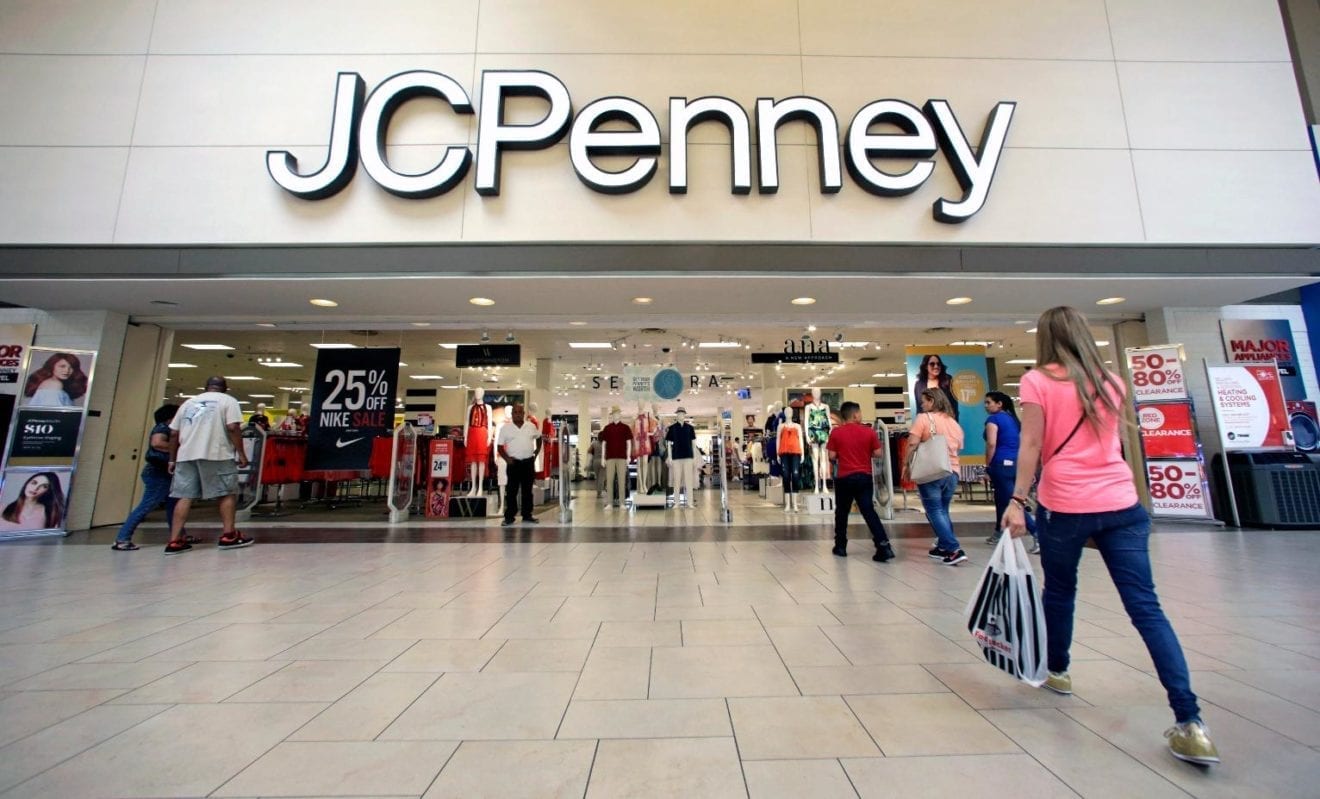
    US department store JCPenney has recorded a 2.6 per cent increase in same-store sales for its fourth quarter, rescuing full-year sales to a negligible 0.1 per cent rise.

    Total net sales for the 14 weeks ended February 3 increased 1.8 per cent to $4.03 billion compared to $3.96 billion for the 13 weeks ended January 28 last year. Comparable sales increased 2.6 per cent on the same 13 week basis as the fourth quarter last year.

    Jewellery, home, Sephora, footwear and handbags were the company’s top performing categories during the quarter.

    Adjusted net income was $179 million, down from last year’s $202 million.

    Total net sales decreased 0.3 per cent to $12.51 billion for the full year, compared to $12.55 billion last year. The company said the slight decline in total net sales was primarily due to store closures last year, most of which closed in the first half of the year, and was partially offset by incremental sales for the 53rd week.

    JCPenney reported a net annual loss of $116 million, compared to net income of $1 million last year. This reduction was driven primarily by restructuring charges associated with the fiscal 2017 store closures and voluntary early retirement program.

    Chairman and CEO Marvin R Ellison, said the company was encouraged by the results for the fourth quarter and full year.

    “Through the hard work and dedication of the entire JCPenney team, we delivered our second consecutive year of positive adjusted earnings. For 2017, we improved adjusted earnings per share by 175 per cent, reduced our outstanding debt levels by over $600 million and generated over $200 million of free cash flow.

    “During the fourth quarter, we delivered our strongest positive sales comps and achieved our largest gross margin improvement for the year.”

    Ellison said in the year ahead the company will intensify its market share efforts in appliances, mattresses and furniture, while continuing to modernise its apparel assortment and omni-channel offer.

    “Our strategy and plan is clear and consistent, and we remain focused on two critical factors – to operate the business for growth and deliver profitable earnings.”

  • Denso to invest $190 million in Tennessee plant, creating 320 jobs

    Denso to invest $190 million in Tennessee plant, creating 320 jobs

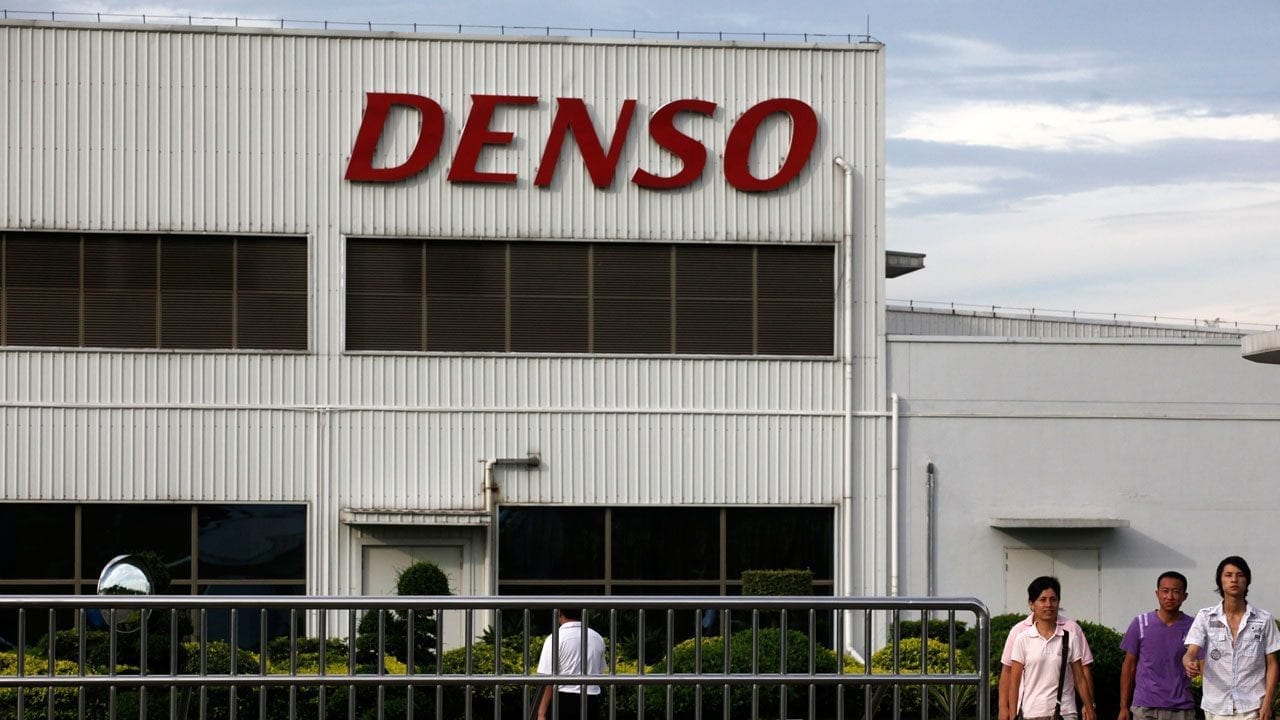
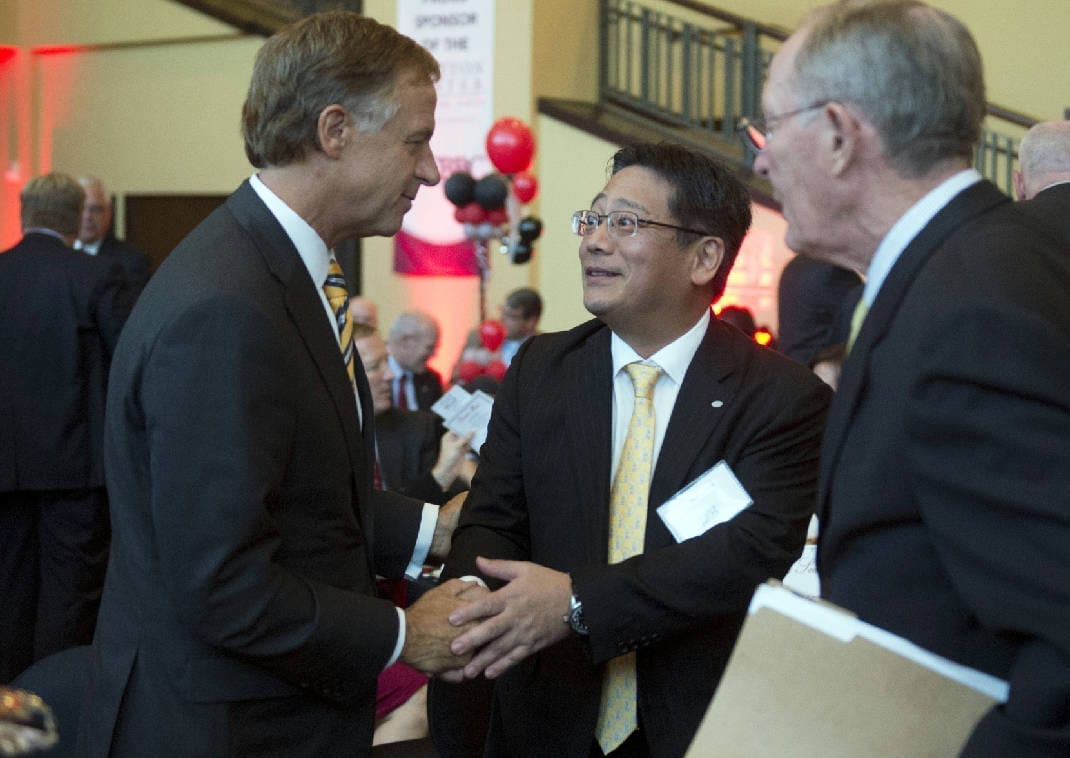
    Japanese auto parts supplier Denso Corp (6902.T) said on Wednesday it will invest $190 million in an existing Athens, Tennessee, plant to produce components for fuel delivery, ignition and exhaust gas systems for automakers in North America.

    The investment will add four production lines and create 320 jobs, the company said in a statement.

    Denso said the plant will have one new production line devoted to gasoline direct injectors and the other three for fuel pumps.

    In October Denso, Toyota Motor Corp’s (7203.T) largest supplier, said it would invest $1 billion in its Maryville, Tennessee, plant to develop vehicle electrification and safety systems, creating around 1,000 jobs.

    Last month, Toyota and Mazda Motor Corp (7261.T) announced a $1.6 billion joint venture assembly plant in Alabama that will employ up to 4,000 workers and produce 300,000 vehicles a year.

  • E-business of Giordano International looks good

    E-business of Giordano International looks good

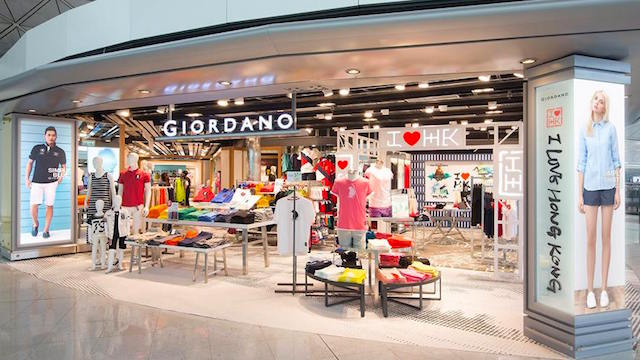
    E-business last year was particularly strong for apparel retailer Giordano International.

    Overall, consolidated sales reached HK$5.4 billion, up 5.2 per cent. Group comparable-store sales and comparable-store gross profit rose  by 5.2 and 5 per cent respectively.

    Consolidated gross margin edged up by 0.1 points to 59.5 per cent.

    Profit after income taxes attributable to shareholders of the company was $500 million,
    an increase of 15.2 per cent over 2016.

    Operating profit rose by 21.3 per cent, with most regions having double-digit growth, particularly Southeast Asia, Mainland China and Taiwan. The group’s business in Vietnam was acquired on July 1.

    With an improved merchandise assortment, Indonesia and Malaysia delivered good results.

    Operating profit increased by 18.6 and 26 per cent for Indonesia and Malaysia respectively. In Singapore, operating profit increased by 31.2 per cent, attributable mainly to the gross margin improving by 1.7 points to 63.7 per cent.

    Unusually strong sales from Thailand in 2016 resulted in an unfavourable year-on-year comparison. Operating profit declined by 20.1 per cent in local currency terms.

    A surge in net profit for South Korea – a 48.5 per cent JV under an independent management team – resulted from better cost control, closure of non-performing stores and enhancement in gross margin.

    Giordano had a network of 2414 stores at the end of December, of which 1268 were standalone outlets. Most stores were in Greater China, South Korea, Southeast Asia and the Middle East.

    Meanwhile, the group’s e-business is directly managed and derived mainly from third-party platforms as well as its own proprietary website in Greater China. This channel generated $310 million in revenue at a 31.4 per cent growth rate.

    Accounting for 93.2 per cent of the group’s e-business sales, Mainland China continued its momentum and recorded a 28.2 per cent increase in sales on various platforms combined.

    Giordano’s e-business in Taiwan was revamped during the year to become its second-largest online presence.

  • Happy Women’s Day flying with Vietjet’s 1.5 million HKD0 tickets

    Happy Women’s Day flying with Vietjet’s 1.5 million HKD0 tickets

    Celebrating International Women’s Day on March 8, Vietjet is to offer a 3 golden days promotion from March 6 to 8, 2018 with 1,500,000 tickets priced from HKD0. The promotional tickets are for all domestic and international routes flying from Vietnam to Hong Kong, Seoul, Busan (South Korea)/ Kaoshiung, Taipei, Taichung, Tainan (Taiwan)/ Singapore/ Bangkok, Phuket, Chiang Mai (Thailand)/ Kuala Lumpur (Malaysia)/ Yangon (Myanmar)/ Phnom Penh, Siem Reap (Cambodia) with the flight period from April 10 to December 31, 2018.

    Especially, the first 1,000 female passengers buying tickets on the website on March 8 and paying via international cards (Visa, Master, JCB, UnionPay) will receive the promo code to purchase discount tickets through email provided when booking.

    The promotional tickets are available during the golden hours from 13:00 to 15:00 (GMT+8). Payment can be easily made with debit and credit cards of Visa/ MasterCard/ AMEX/ JCB/ KCP.

    Aiming to become the “Consumer Airline”, Vietjet is continually opening new routes, adding more aircraft, investing in modern technology and offering more added-on products and services to serve all demands of customers. Vietjet is a pioneering airline that is loved by many for its exciting promotional and entertainment programs, especially during the festive season. With high-quality services, diverse ticket classes and special low-fare tickets, Vietjet offers its passengers flying experiences on new aircraft with comfy seats, delicious hot meals, beautiful and friendly cabin crews, and other interesting added-on services.

  • Beacon VC invests in Ookbee to expand C Channel Thailand

    Beacon VC invests in Ookbee to expand C Channel Thailand

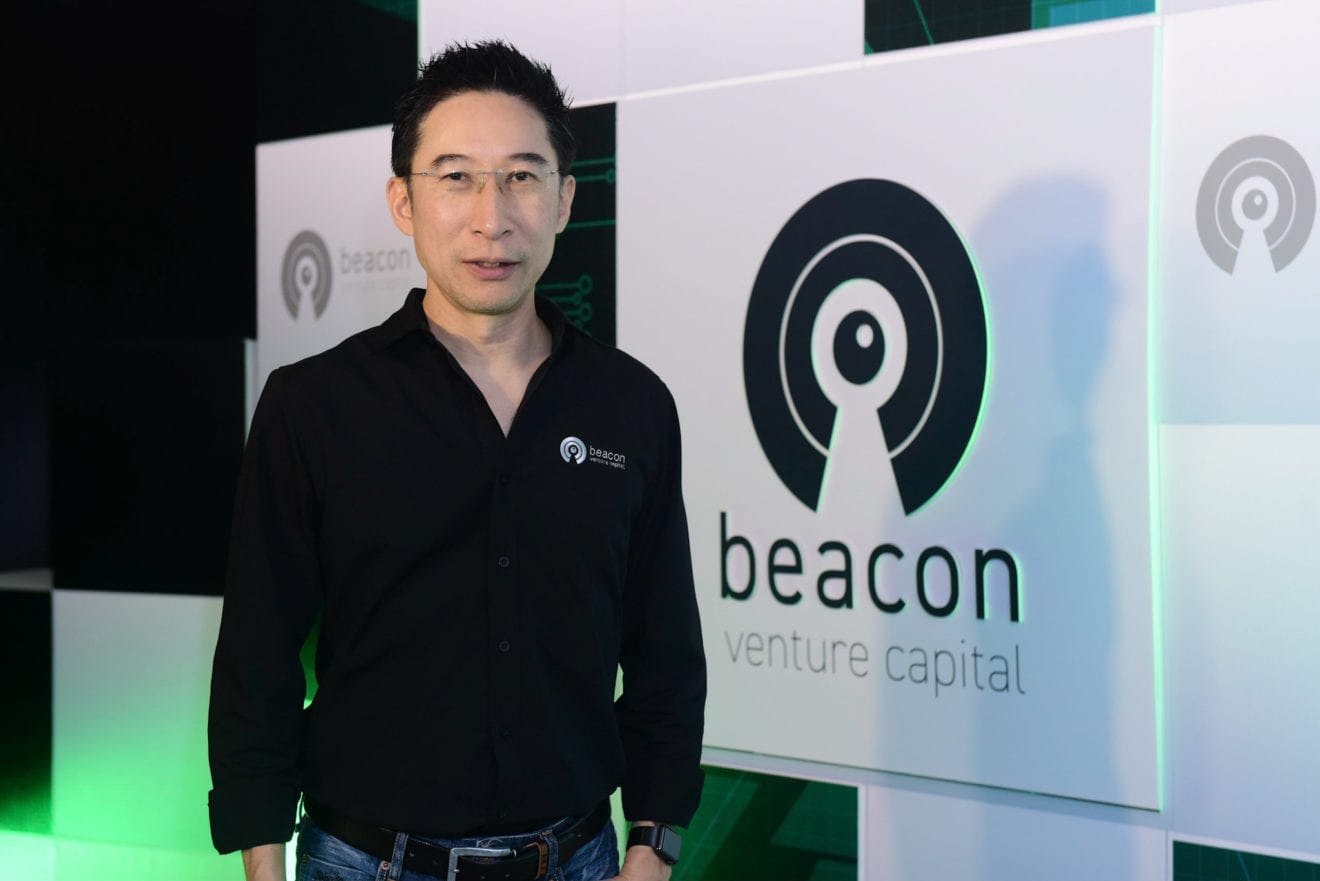
    Beacon Venture Capital announced its investment in Ookbee, the provider of Southeast Asia’s top digital lifestyle platform, to support the expansion of C Channel Thailand. Under collaboration of Ookbee and C Channel Japan, this joint venture will offer online lifestyle content, along with another new business to be announced within the first quarter of this year. Through this partnership, KASIKORNBANK (KBank) aims to approach greater audiences of new generations, which will reemphasize its digital platform leadership.

    Mr. Thanapong Na Ranong, Managing Director of Beacon Venture Capital Co., Ltd., said Beacon VC is a venture capital arm of KBank, with an aim to invest in potential startups in support of business advancements of the bank. Ookbee is one of the promising Thai startups, which has successfully redefined the digital publication landscape for the Southeast Asian market. At the early stage of business, Ookbee provided e-book products with content provided by publication companies. Currently, its products have diversified to professional- and user-generated contents, focusing on new trends and digital innovations with comprehensive online payment channels.

    C Channel Thailand, a new and interesting business of Ookbee, is a lifestyle video platform based on cooperation between Ookbee and C Channel Japan. Most recently, Beacon VC has joined in to support further development of C Channel Thailand.

    In addition, Ookbee is planning to launch another new and exciting business in 1Q18, which will not only help strengthen businesses that produce content for Ookbee’s current platform, but also spur the creation of better quality and more diverse content for service users, being part of Ookbee’s endeavor to meet the lifestyle needs of millennials. Beacon VC has set a target that such an investment will allow KBank to reach audiences, specifically Post-Millennials, in unique and creative ways, thus reinforcing KBank’s leadership in the digital platform.

    Mr. Natavudh Pungcharoenpong, CEO at Ookbee said that, “Our vision is to grow and expand platforms to accommodate creative content creation and consumption, as well as strengthening economic returns for creative communities.” Meanwhile, C Channel Thailand is an online VDO fashion magazine for women, featuring creative lifestyle content. It was launched by Ookbee in 2017 and has been popular since then. C Channel Thailand can be viewed via website and facebook. It has over 250 million monthly views and over 150,000 average views per clip.

    The partnership with Beacon VC will help Ookbee add value to C Channel Thailand and introduce new business to the market within 1Q18. The cooperation marks a significant step toward complementing Ookbee’s current digital lifestyle businesses and strengthening its ties with creative communities to enhance productive collaboration and foster its business presence.

    Since its inception in 2011, Ookbee has become No. 1 provider of digital lifestyle platform in Southeast Asia with over 10 million users and more than 1 billion page views per month. Ookbee provides a variety of informative content and entertainment on various modes of platforms, including e-books, translated novels, comics, music, videos, blogs, story chat, horoscope, from the company’s producing teams and user-generated contents. Achieving Series B funding round, the startup is expected to scale up to Series C funding round by the end of this year.

    Beacon Venture Capital, a VC arm of KASIKORNBANK PCL, was established in 2017. Mr. Thanapong Na Ranong is the company’s Managing Director. Beacon Venture Capital aims to jointly invest in Thai and international startups with the total funding of THB1 billion.

  • Jaguar Land Rover needs Brexit detail before building electric cars in Britain

    Jaguar Land Rover needs Brexit detail before building electric cars in Britain

    Jaguar Land Rover (TAMO.NS) is waiting for more information on trading conditions after Brexit before it decides whether to make electric cars in its home market, the boss of Britain’s biggest carmaker said.

    The Indian-owned automaker, which makes just under one in three of Britain’s 1.7 million cars at three factories, is building its new I-PACE electric model in Austria.

    The company is due to decide this year whether to build electric vehicles in Britain but, like its peers, is worried about the imposition of tariffs or customs checks after Brexit, snarling up supply chains and adding costs to production.

    “That makes the decision this year very, very critical and I don’t know whether we can make it,” Chief Executive Ralf Speth said at the Geneva Motor Show.

    London and Brussels hope to agree on a transitional deal this month to maintain free and unfettered trade until at least the end of 2020 ahead of a long-term Brexit agreement to be decided by the end of the year.

    Speth cited the need for support from government and academia but when asked whether Brexit was a factor in the decision-making process, he said:

    “We are waiting for these kinds of decisions. It goes without saying because uncertainty is really challenging us very much and not only us, it’s for the complete industry.

    “You hardly see inward investment any more or every decision is taking longer from every faculty. Therefore it would be … appropriate to get more information about these kinds of deals.”

  • Victoria Beckham unveils major expansion plans in Asia

    Victoria Beckham unveils major expansion plans in Asia

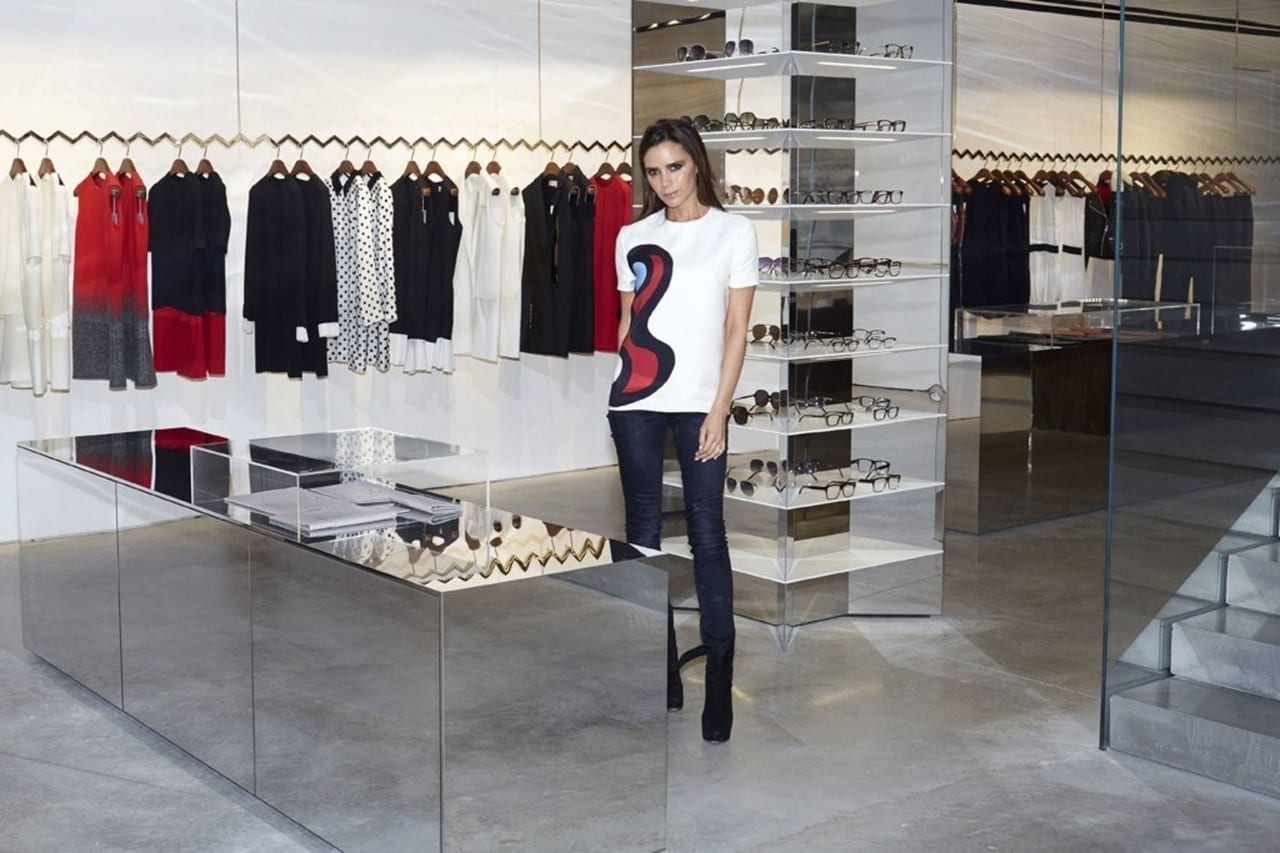
    Asia will be a particular focus as UK fashion brand Victoria Beckham pursues further geographical expansion.

    This follows a £30 million (US$ 41.7 million) investment from NEO Investment Partners in December, plus the appointment of fashion-industry veteran Ralph Toledano as chairman.

    Previously the CEO of Chloe, he will work closely with the team to “nurture the creative vision at the heart of the brand” as well as help it “prepare the business for its next phase of growth”, says the company.

    Toledano says his ambition is to turn the brand into a modern luxury group, while reviewing its cost base to return it to profitability. He says further expansion, particularly in Asia, where Victoria Beckham has a store in Hong Kong, is a “realisation of the company’s direct-to-consumer ambitions”.

    “Following the investment from NEO last year, I am thrilled to have the added expertise of Ralph as chairman,” says founder/creative director Victoria Beckham.

    NEO Investment Partners brands also include Parisian contemporary menswear brand AMI Paris, cult Italian luxury leather-goods brand Valextra, luxury British design brand Tom Dixon and contemporary F&B and boutique hotel brand Experimental Group.

  • Second JD.com’s 7Fresh supermarket to be opened

    Second JD.com’s 7Fresh supermarket to be opened

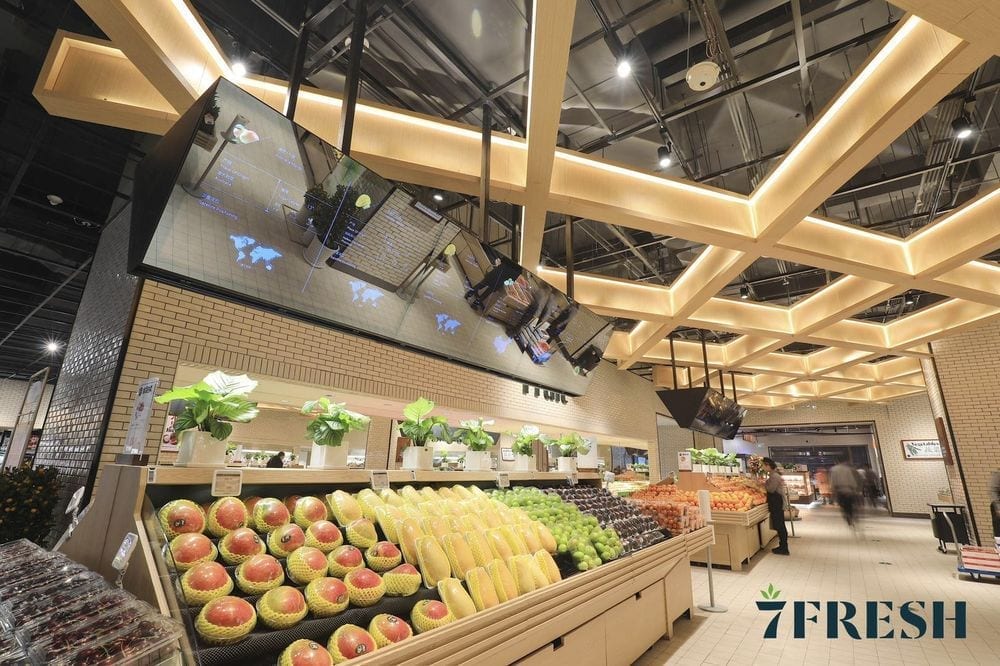
    Chinese e-commerce giant JD.com has opened its second 7Fresh supermarket, at the China Resources Dreamport shopping centre in northern Beijing.

    This follows the launch late last year of the initial 4000sqm outlet near JD.com’s headquarters in Beijing.

    JD.com fresh division president Wang Xiaosong, who is also CEO of 7Fresh, says the supermarket brand is in a “life or death mad rush to cover the entire Beijing market”. Its goal is to open more than 1000 outlets across China during the next three to five years.

    Its concept focuses on fresh goods including produce, meat, seafood, bakery goods, ready-to-eat packaged food and cooked-to-order foods. The supermarket also aims to integrate JD’s technical expertise to improve its offering and customer experience, drawing on data analytics to help formulate inventory based on customer behaviour and manage its supply chain.

    It also integrates O2O retail into its core business, offering consumers within a several kilometre radius the ability to order groceries online for delivery to their doorsteps within 30 minutes.

    The second 7Fresh outlet covers 2600sqm and is similar in layout to the original supermarket, but makes concessions because it is smaller, such as not offering a dining area.

    7Fresh is serving as a laboratory for JD.com to further its goal of seamlessly integrating online and offline retail, and redefining retail in China.

    JD Fresh was launched in 2016, initially as an online component of the JD.com e-commerce platform.