Tag: asia

  • Hong Kong Retail to Sell Well In Next Five Years, PwC Says

    Hong Kong Retail to Sell Well In Next Five Years, PwC Says

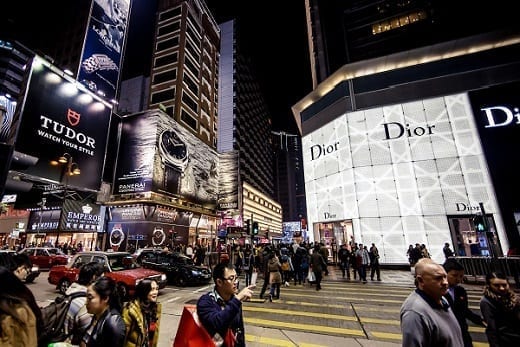
    After steady recovery last year, Hong Kong’s retail sector is expected to improve further this year on the back of a bullish economic outlook, both globally and in China, says PWC Hong Kong.

    Retail sales in Hong Kong for the first 11 months of last year eased up 1.8 per cent over the same period in 2016, and with the traditional shopping spree toward year-end, the full-year increase could reach 3 per cent (government retail sales figures will be released on Thursday).

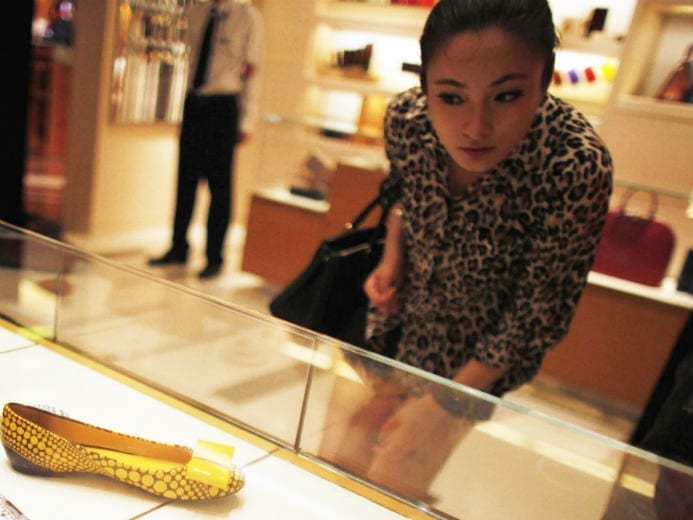
    Despite store consolidation and a retreat from main-street locations, luxury goods, especially jewellery and watches, was one of the best-performing sectors last year and is expected to further recover,

    Hong Kong’s retail sector could have growth between 4 to 6 per cent this year, which is equivalent to about HK$465 to 480 billion, with a positive outlook for the next five years.

    “All-time-high stock and real-estate markets, both local and global, have created a significant wealth effect, and much improved sentiment in consumption,” says PWC’s Michael Cheng.

    “In addition, tourist arrival numbers in Hong Kong, particularly from China, have been encouraging and recovering steadily under the much better and more stable political and social environment.

    Combined with a low jobless rate and a weakening US dollar against major currencies, Hong Kong’s retail sector should be recovering well in the medium term and exceed the all-time high of 2013 within the next five years.”

    Tourism key

    However, the sector still depends on tourism, particularly from China. From January to November, Mainland Chinese tourist numbers grew 3.6 per cent year on year, compared to 3.1 per cent for all tourists.

    Meanwhile, the Chinese government has slashed tariffs on 187 imported consumer goods, including wines and spirits, pharmaceuticals, and food. While this will strengthen domestic consumption in China, PWC says it will have only a modest effect on Hong Kong retail.

    “Hong Kong still enjoys the world’s freest economy, providing high-quality goods under a well-established legal system that provides excellent consumer protection,” says PWC China tax partner Rebecca Wong. “This encourages legal imports and reduces the attractiveness of purchases made through irregular channels.”

    However, Cheng says retailers need to transform, from being disrupted to becoming disruptors.

    “Embracing technology and data to provide unique customer experiences through diversified platforms and logistics networks are the keys to success.”

  • Daiso stores to penetrate Israeli retail market

    Daiso stores to penetrate Israeli retail market

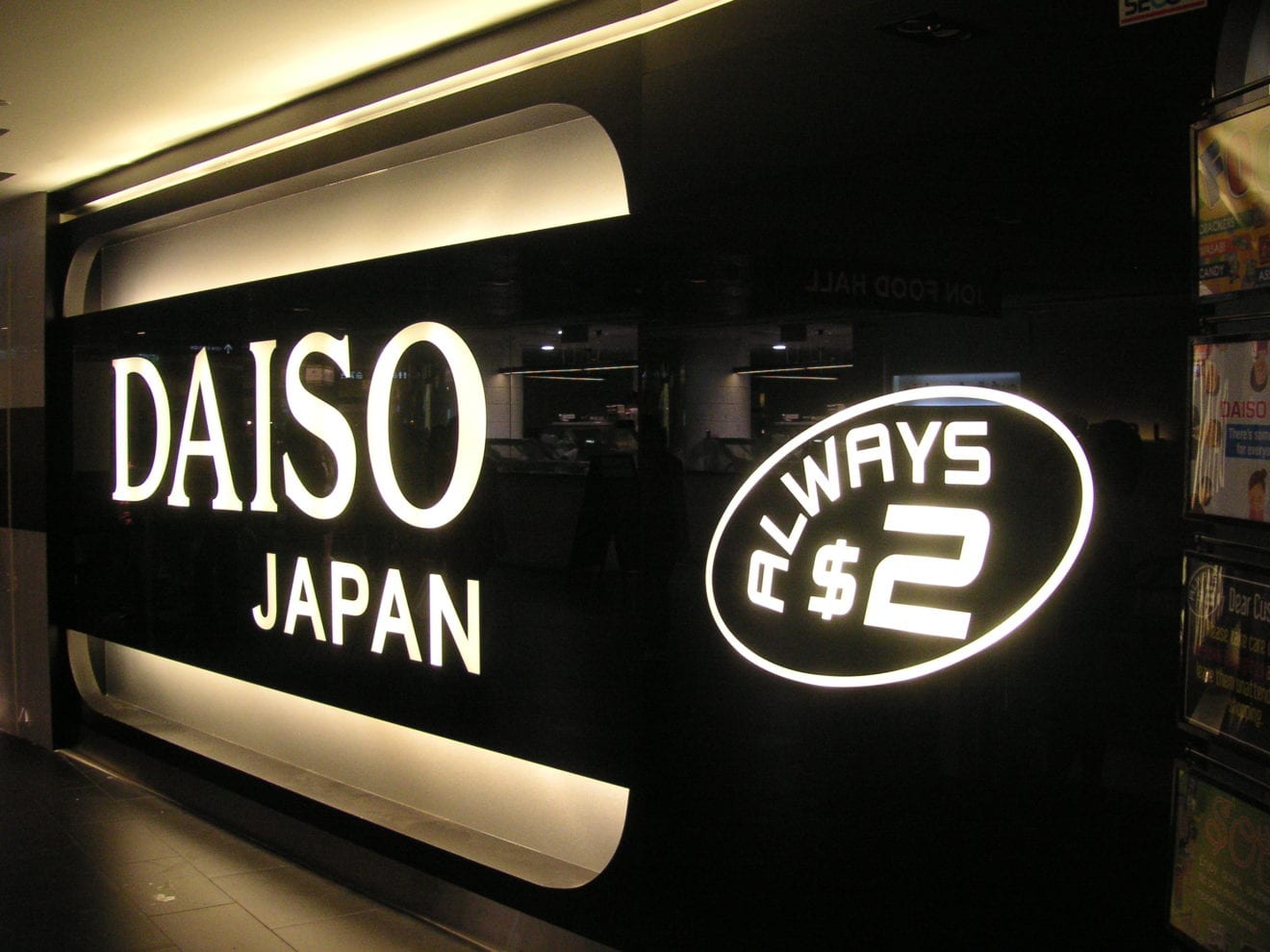
    Japanese “dollar store” chain Daiso is about to enter the Israeli retail market, to be run by the Union Group, the franchise holder for Cos and H&M in Israel and the official importer for Toyota and Lexus.

    Founded in 1977, Daiso will be competing in Israel with chains such as Hastock and Max Stock. It is expected to offer 100,000 products at a fixed low price, including designer products and accessories for the home, toys, design aids, work tools, gardening tools, electronic products, auto products, sewing tools and animal accessories. Most are made exclusively for the Japanese chain’s private label.

    Daiso has 4900 stores in 26 markets, 3000 of them in Japan. The company’s revenue totalled $4 billion in 2015.

    Daiso’s most popular items are batteries and small products for the home.

  • Wow! Amazon opens rainforest office space ‘Spheres’ in Seattle

    Wow! Amazon opens rainforest office space ‘Spheres’ in Seattle

    E-commerce giant Amazon has opened a rainforest-like office space in Seattle that it hopes will spark new ideas for employees.

    While cities across North America are seeking to host Seattle-based Amazon’s second headquarters, the world’s largest online retailer is still expanding its main campus.

    Company office towers and high-end eateries have taken the place of warehouses and parking lots in Seattle’s South Lake Union district.

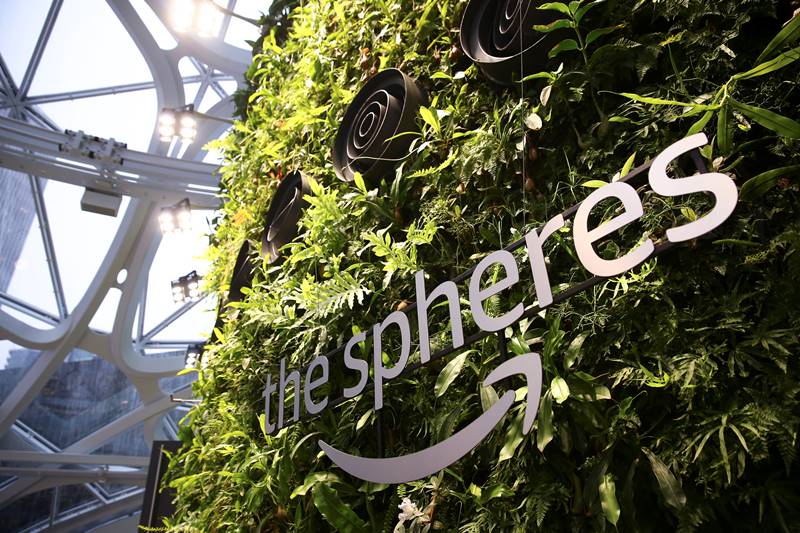
    The Spheres’ three glass domes house about 40,000 plants of 400 species. Amazon, famous for its demanding work culture, hopes the Spheres’ lush environs will let employees reflect and have chance encounters, spawning new products or plans.

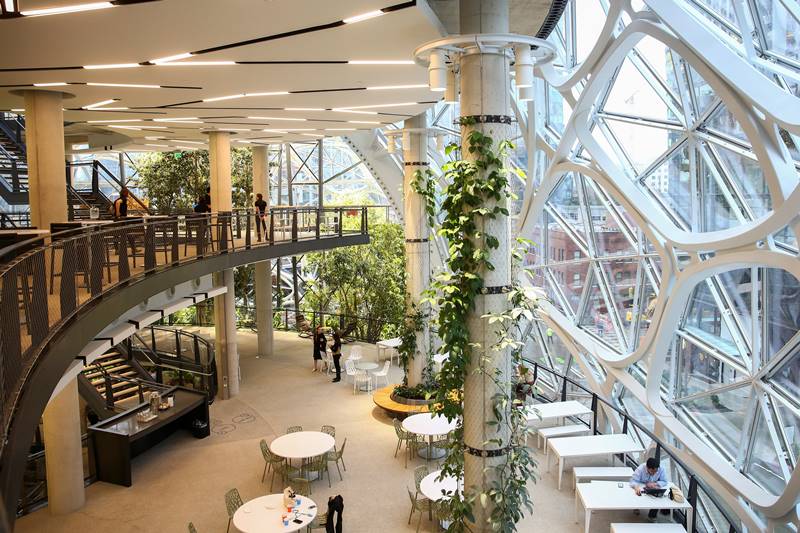
    The building’s facade contains 2,643 panes of glass that are energy-efficient, with a film interlayer to keep out infrared wavelengths that produce unwanted heat. The space is more like a greenhouse than a typical office. Instead of enclosed conference rooms or desks, there are walkways and unconventional meeting spaces with chairs.

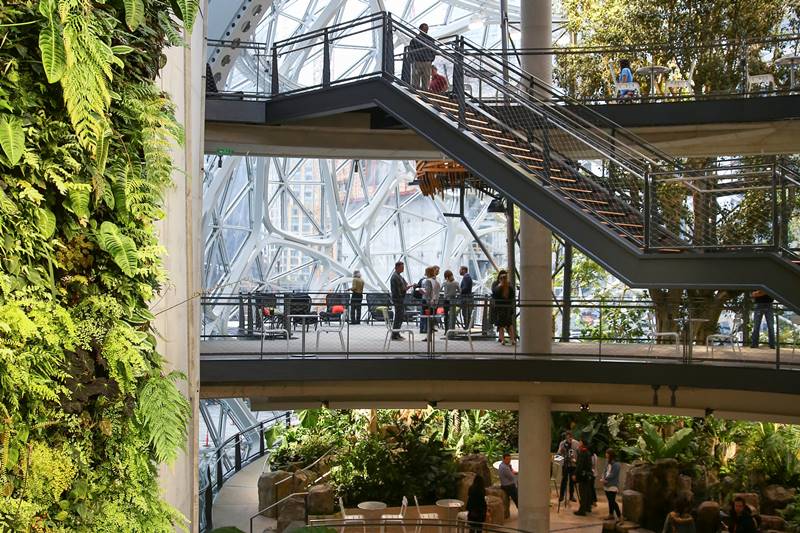
    There are no enclosed offices, conference spaces or desks in the building and employees can meet in treehouses suspended under 40+ foot trees or in sitting areas and walking paths alongside cascading waterfalls

    Plants, trees, sunlight, soil, and water take center stage – the sound of running water and the scent of flowering plants create an instant botanical immersion that takes visitors far away from the urban landscape

    The project created more than 600 full-time jobs, and is part of Amazon’s more than $4 billion investment in the design, development, and construction of its Seattle headquarters.

    Jeff Bezos, Amazon’s billionaire founder, officially opened the project in a ceremony with Amazon executives, elected officials and members of the media – by voice command.

    “Alexa, open the Spheres,” Bezos said, as a circle in the Spheres’ ceiling turned blue just like Amazon’s speech-controlled devices, whose voice assistant is named Alexa.

    Amazon has invested $US3.7 billion on buildings and infrastructure in Seattle from 2010 to (northern) summer 2017, a figure that has public officials competing for its “HQ2″ salivating.

    Amazon has said it expects to invest more than $US5 billion in construction of HQ2 and to create as many as 50,000 jobs.

    “We wanted to create something really special, something iconic for our campus and for the city of Seattle,” said John Schoettler, Amazon’s vice president of global real estate and facilities.

    Earlier this month, the online retailer narrowed 238 applications for its second headquarters to 20. The finalists, from Boston and New York to Austin, Texas, largely fit the bill of being big metropolises that can attract highly educated tech talent.

    The Spheres will be open to provide educational opportunities to the Seattle community through tours, field trips and partnerships with local schools and universities.

    The Spheres also include a visitor center – called The Understory – that is open to the public year round. The Understory provides a fully immersive, 360-degree experience where visitors can get up close and personal with the science, engineering, and plants behind The Spheres.

    “The Spheres are sure to become an iconic part of downtown Seattle, and I applaud Amazon for its latest innovation,” Gov. Jay Inslee said. “These unique buildings are so much more than a beautiful creative space for Amazon employees. They will help conserve a number of rare plant species from around the world and provide countless educational opportunities for local students – and that’s something Washington can take pride in.”

  • Young shoppers’ big, luxurious spending emerges as new trend

    Young shoppers’ big, luxurious spending emerges as new trend

    Shoppers  in their 20s in South Korea have become more prone to spending big on luxury items and services, emerging as a new consumption trend, according to industry data.

    Mobile commerce company Tmon says the sales pattern over the past three months showed that purchases among young shoppers of luxurious products and high-end services in fashion, food and travel categories have significantly surged.

    From 21 October 2017,  Tmon’s overall sales of sneakers from luxury brands like Gucci, Golden Goose, Valentino and Alexander McQueen — which range price between 300,000 won (US$280) and 800,000 won — rose 66 percent, compared to the same period in the previous year.

    The sales increase was particularly high among consumers in their 20s, soaring by 106 percent on-year.

    Over the same period, hotel buffets, particularly dessert buffets, also logged a sales increase of 71 percent on-year among young consumers. The price of a hotel buffet in Seoul begins from 44,100 won per person.

    The company said it had sold over 2,400 entries to such dessert buffets in just two months, portraying young shoppers’ interest in Instagram-worthy food spots.

    “From luxurious goods to upscale brunch bites and private travel products, the tendency of consumers to focus on higher satisfaction is expected to continue throughout this year,” said Han Jae-yeong, Tmon’s chief strategy officer.

    A similar trend can be seen in the popularity of Moleskine, a Milan-based luxury notebook company founded in 1997.

    Its limited edition notebooks — some of which have been inspired by Lego, “Star Wars,” “The Simpsons” and “The Hobbit” — are typically priced from 30,000-40,000 won, but the notebooks quickly sell out.

    “Consumers tend to find high quality and the brand value of Moleskine products worth spending their money on, which also gives them even a sense of ‘achievement’ when they purchase a limited edition, although it’s pricey,” said Yim So-young, a marketing manager for Moleskine in Korea.

    “Korean consumers’ interest in limited edition goods and premium product lineups will only expand in the future,” she added.

    And the trend is more marked among, while not limited to, the younger generation.

    According to Lotte Home Shopping, sales of global premium home electronic appliances such as Blomberg dryers and Balmuda’s steam oven toasters have seen double-digit growth each year since 2015.

    The company said such high popularity is attributable to premium brand products’ high performance and luxurious and sleek design, as well as brand awareness.

    Swiss coffee maker Jura’s E7 automatic coffee machine receives at least 1,000 calls on order each time the product goes on air, the company said. The coffee machine costs nearly 1 million won.

    Among Tmon’s travel products, sales are rising for luxurious accommodation in Japan, such as at ryokan, a type of traditional Japanese inn equipped with Japanese hot springs and private bathing facilities.

    The most expensive ryokan are “Category A+++” which begin at 70,000 yen (US$640) per person. The price for average ryokan begin from 300,000 won per person. Until only recently, ryokan had been considered as accommodations primarily for middle-aged couples or family trips.

    The company, however, said over the past three months, 20-somethings’ purchases of ryokan accommodations through packaged tours or individual trips had soared 166 percent on-year.

    asIndustry watchers say the trend will likely last, as consumers continue to crave satisfactory experiences and pleasures.

    “It is experience that many consumers now prefer, and it’s especially the dominant and preferred choice among those in their 20s, who want to experience the diverse range of the latest, satisfactory products and services,” said Jeon Mi-young, research professor at the Department of Consumer Science at Seoul National University, in an interview with a local daily.

  • SK-II Boutique Spa Malaysia Opens

    SK-II Boutique Spa Malaysia Opens

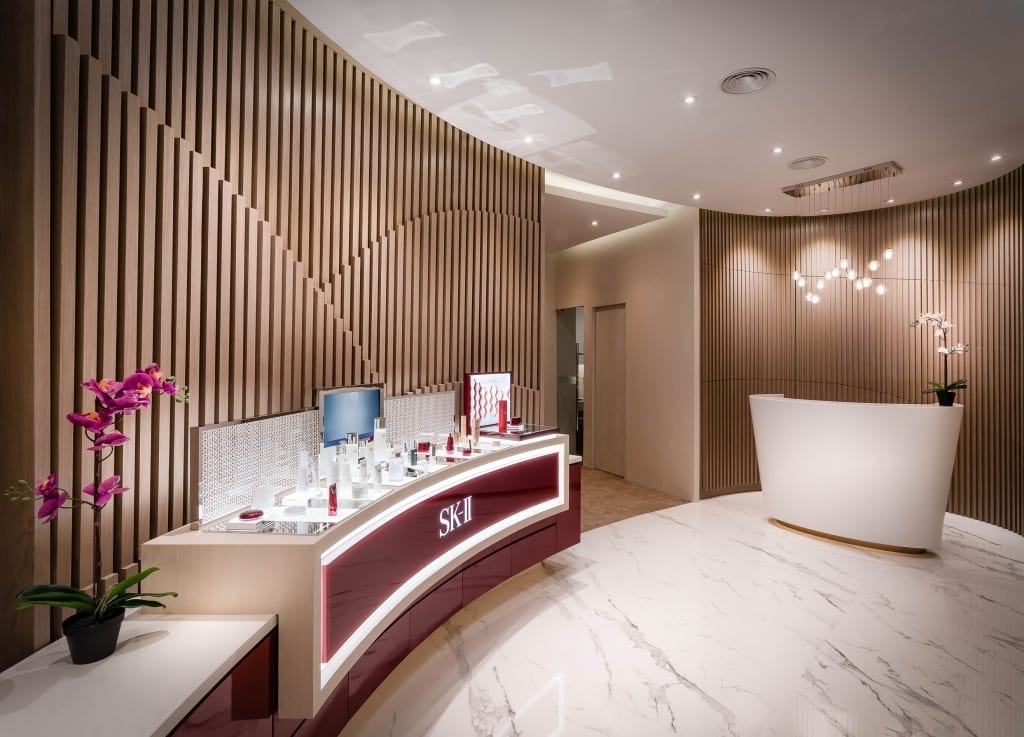
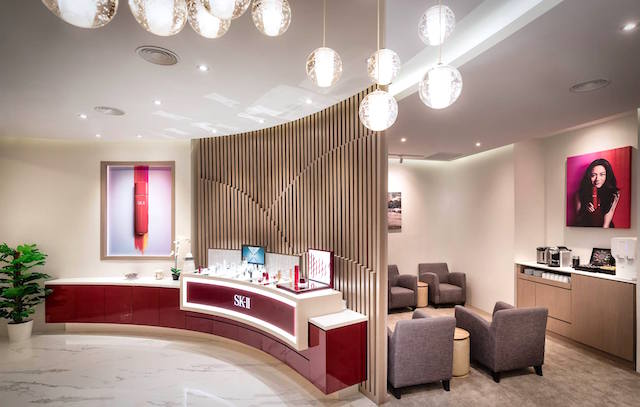
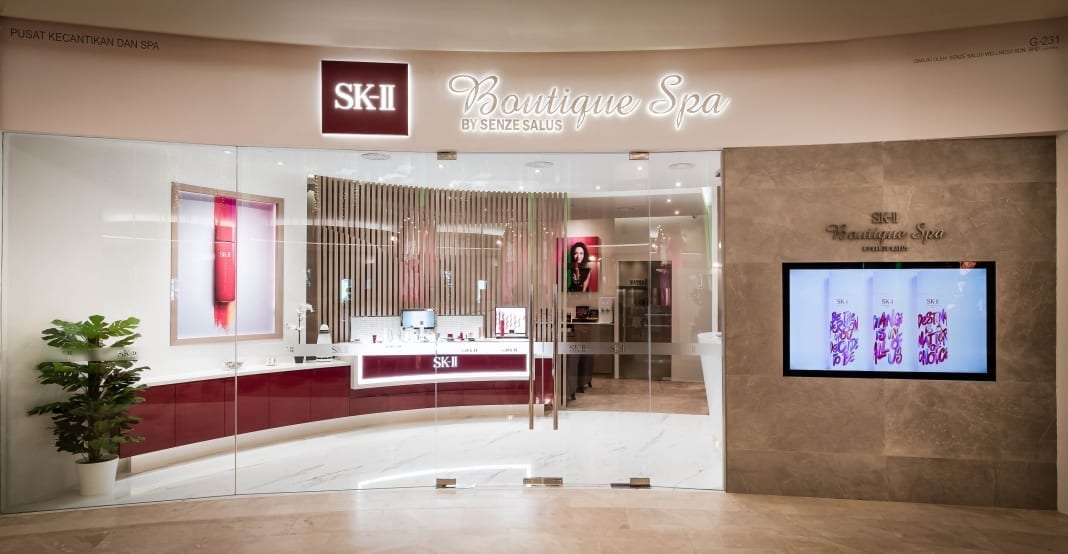
    The SK-II Boutique Spa has opened at The Gardens mall in Kuala Lumpur – its second location after Singapore.

    A Singapore-based Malaysian, Calvin Ng worked for more than 20 years with Procter & Gamble (P&G), the brand owner of SK-II. He then founded Senze Salus, which introduced the SK-II Boutique Spa in 2004. The spa offers facial treatments using only SK-II products.

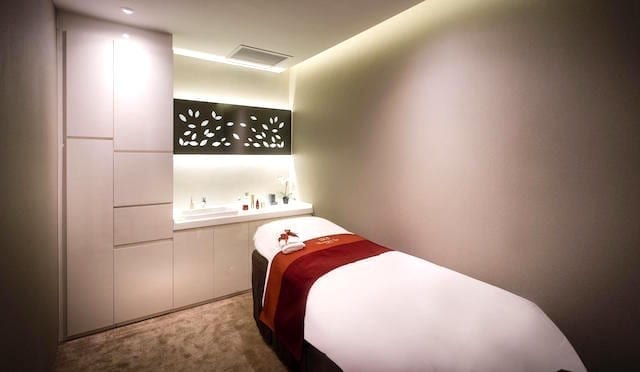
    Its Kuala Lumpur offshoot covers 213sqm and offers 12 soundproof treatment suites as well as a waiting lounge with refreshments, an SK-II beauty bar and a retail section.

    Signature treatments include the SK-II Senzational Facial that tackles multiple skin concerns and incorporates a 55-step facial massage technique. The Senze Oxygenated Facial features a stream of pressurised oxygen infused with SK-II Facial Treatment Essence being applied to the face.

    The SK-II Boutique Spa takes its name from the Japanese skincare brand.

  • Luxury on WeChat : The keys to succeed in 2018

    Luxury on WeChat : The keys to succeed in 2018

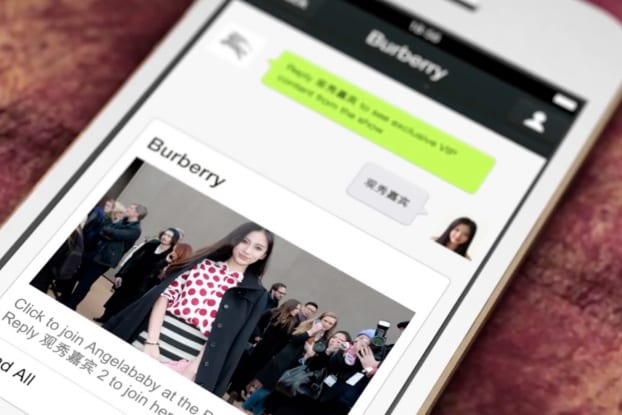
    Today, China leads the world in technical innovation and WeChat is its most iconic ambassador.

    With more than 900 million daily active users (as of September 2017) and close to 40 billion messages exchanged daily, WeChat is now more than ever the daily life tool for Chinese netizens.

    On the business front, Chinese consumers represent +32% of all luxury goods sold worldwide, with Chinese travelers accounting for an increasing share, and WeChat represents the perfect tool to connect with these consumers. Today’s leading luxury brands have anchored WeChat at the center of their O2O strategy in China, operating on three main pillars: Social, CRM/Data, and E-Commerce.

    On the social front, luxury brands strongly improved their digital creativity (HTML5, Canvas, Gaming, VR, Mini Program, etc.) and combined social campaigns with KOL engagement and significant media buying investment to increase impact. In 2017, we saw a clear shift away from traditional media spending in favor of digital media where the ROI is more immediate and transparent.

    Furthermore, luxury fashion brands have taken a page from FMCG brands and begun to implement CRM integration, message segmentation and advanced user tagging based on social behavior and consumption data. Some of them have gone a step further and developed WeChat loyalty programs aimed to increase user engagement and drive repetitive spending.

    Finally, 2017 witnessed the rise of 3rd party luxury platforms (Luxury Pavillon, Toplife, Viplux, Secoo), coupled with the emergence of the WeChat mini program and an increased investment by brands into their own .CN websites.

    WeChat provides the perfect ecosystem for luxury brands to court the Chinese consumer, from immersive branding campaigns to boutique appointment systems and integrated WeChat e-commerce.


  • China’s e-commerce giants to buy Dalian Wanda malls

    China’s e-commerce giants to buy Dalian Wanda malls

    Three Chinese e-commerce giants led by Tencent are buying into shopping centres as part of an alliance that will help fund property magnate Wang Jianlin’s HK$30 billion (US$3.8 billion) plan to take his Dalian Wanda Group private.

    Jianlin describes it as the world’s biggest single alliance between the new economy and bricks-and-mortar businesses as he vows to turn his flagship commercial property unit into an online-to-offline service provider.

    After shedding properties in Australia, China and the UK to help reduce debt, he is now selling off nearly 14 per cent of Dalian Wanda Commercial Properties to some of the mainland’s biggest internet and retail players.

    An investor group led by Tencent, along with e-commerce heavyweight JD.com, electronics retailer Suning and Wanda partner Sunac China Holdings, the stake is being sold for RMB34 billion (US$4.36 billion).

    On its website, Wanda presents the share sale as part of a transformation of the company from a real-estate developer with nearly 240 shopping centres across China into a commercial management company focused on integrating online and offline consumption.

    As part of the deal, Dalian Wanda Commercial Properties will be renamed Wanda Commercial Management Group.

    However, the new partners may lead the financing of new malls, with the website statement noting “Tencent, Suning and other investors will use their financial prowess to continuously support Wanda Commercial to speed up its growth, helping the company to achieve its goal of 1000 Wanda Plazas in China as early as possible”.in

    Wanda says the partners are keen to relist the commercial real-estate unit, still privately held after a 2016 buyout led by Wang, “at the earliest opportunity”.

    Also, the new group will use the online resources of Tencent, Suning and JD.com as well as its own offline commercial assets to “carry out various collaborations, jointly building a new consumption model in China that will integrate both online and offline services”.

    Wanda Commercial’s total debt at the end of June was RMB279 billion, according to ratings agency S&P.

    Tencent’s investment of RMB10 billion gives it a 4.12 per cent stake, while Suning and Sunac’s twin outlays of RMB9.5 billion will them a 3.91 per cent stake each, and JD.com’s RMB5 billion yields a 2 per cent stake.

    Meanwhile, WeChat owner Tencent last week said it might buy into French retailer Carrefour’s China business, along with local retailer Yonghui Superstores. This follows Amazon’s acquisition of Whole Foods for US$13.7 billion.

  • Celebrating Lunar New Year with offers from DFS

    Celebrating Lunar New Year with offers from DFS

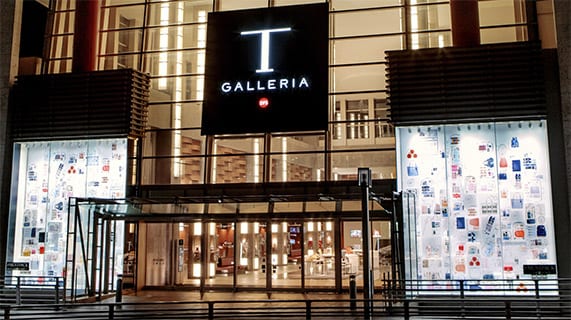
    To celebrate Lunar New Year and the arrival of the Year of the Dog, luxury travel retailer DFS Group will offer special promotions and interactive activities at certain T Galleria and DFS stores worldwide next month.

    There will also be exclusive offers from the group’s Give Joy Together gift guide.

    In-store activities will include a Pokemon Go-inspired game featuring the DFS Lunar New Year dog character Lolo. This will be available at T Galleria by DFS, Hong Kong, Canton Road; T Galleria Beauty by DFS, Hong Kong, Causeway Bay; and T Galleria by DFS, Angkor. It will also be at outlets in Hawaii and Sydney.

    Other activities include a Fortune Tree and Wishing Tree with lucky prize envelopes, and a personalised charm giveaway set for customers taking advantage of Give Joy Together promotions.

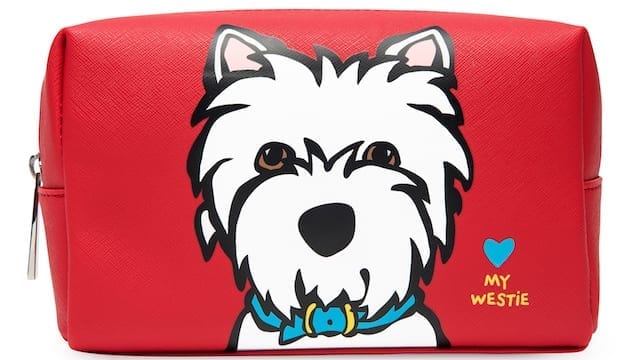
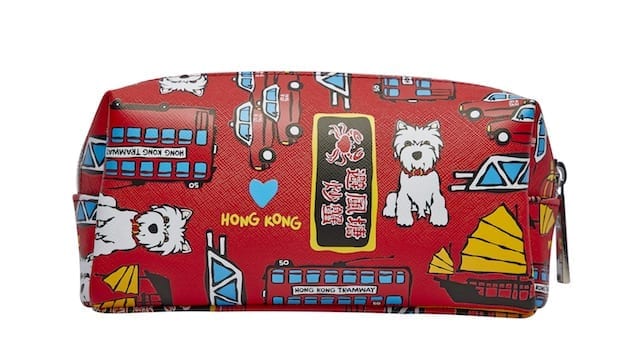
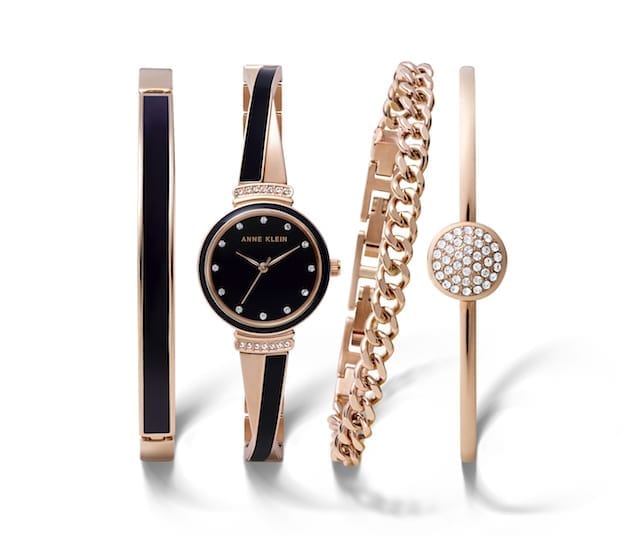
    Exclusive products for the month include: Anne Klein Blush women’s ceramic watch with Swarovski crystals; Bulgari Serpenti Twist Your Time, with either mother-of-pearl or red dial; Emporio Armani Connected touchscreen smartwatch; Estee Lauder limited-edition Pure Color Envy Sculpting Eye Shadow & Lipstick; Hamilton’s Ventura Elvis 80 automatic men’s watch with a complimentary exclusive Elvis Presley tote bag; Marc Jacobs exclusive tote bag; Marc Tetro Hong Kong Pug cosmetic bag and Westie tote bag; Swarovski Haves bracelet, pendant and earrings; and Tiffany & Co Keys Fleur de Lis Key and Keys Petals pendants.

  • First full year of profitability for Airbnb

    First full year of profitability for Airbnb

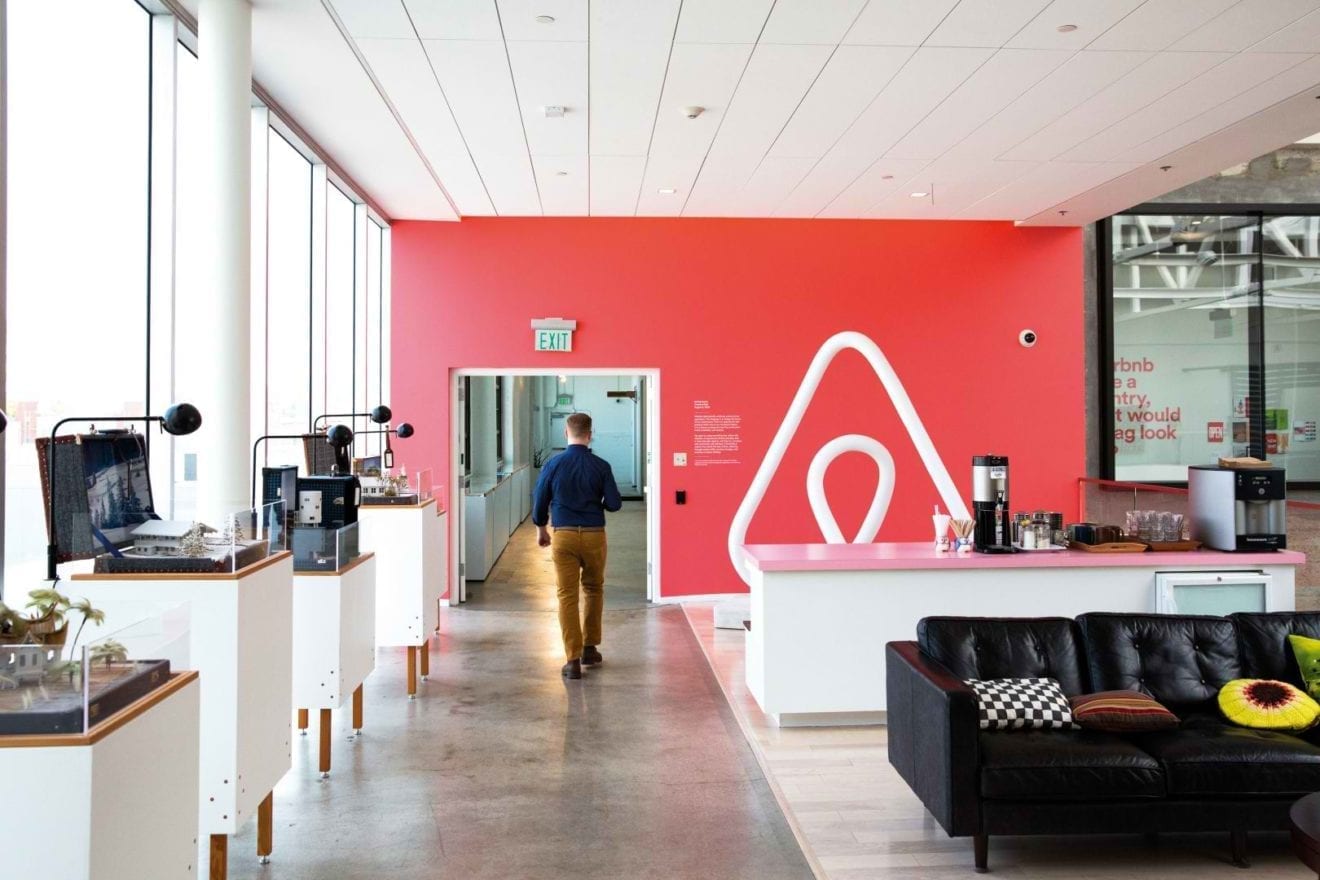
    Airbnb announced it generated earnings of about $100m in 2017 while bookings grew around 150 percent, in a streak of profitability that marks a contrast with heavily lossmaking peers such as Uber and Lyft.

    The 2017 year marks the first full year of generating income for the San Francisco-based company, which became profitable in the second half of 2016, as it managed to defy some of the disruptions in global travel in 2017.

    Airbnb’s earnings before tax, interest, depreciation and amortisation were $100m for the full year, according to a source close to the company, compared with an earnings loss the previous year.

    Airbnb also announced that Ken Chenault, chief executive of American Express, would be joining its board as the first independent director. He will be the sixth board member of the company, joining the three co-founders and two early investors who sit on the board.

    Airbnb’s chief executive Brian Chesky also announced on Thursday a new set of values for the ten-year-old company, which include “having an infinite time horizon” and “serving all of our stakeholders”.

    In a public letter, Mr Chesky said that he wanted to build a company that would last not only through the 21st century, but also the 22nd, without providing specific details about how the company would do that.

    Over the past 18 months, the company has expanded beyond accommodation into areas such as guided tours, and has hinted that it will add services like flight booking and car rentals in the future.

    In his letter Mr Chesky said that Airbnb would continue to grow these newer areas. “If people are good and mostly the same, then we should be able to offer more than people sleeping in one another’s homes,” he wrote.

    Airbnb’s main source of revenue is the commission it takes from accommodation bookings, and it take a cut of between 9 percent and 15 percent per booking.

    The company’s revenues last year were more than $3.5bn, according to FT calculations and previously reported quarterly figures. Gross bookings grew by about 150 per cent, according to a person close to the company.

    The company raised a $1 funding round in 2017, at a valuation of $30bn, and its investors include General Atlantic and Andreessen Horowitz.

  • New shopping center opened in Ho Chi Minh City

    New shopping center opened in Ho Chi Minh City

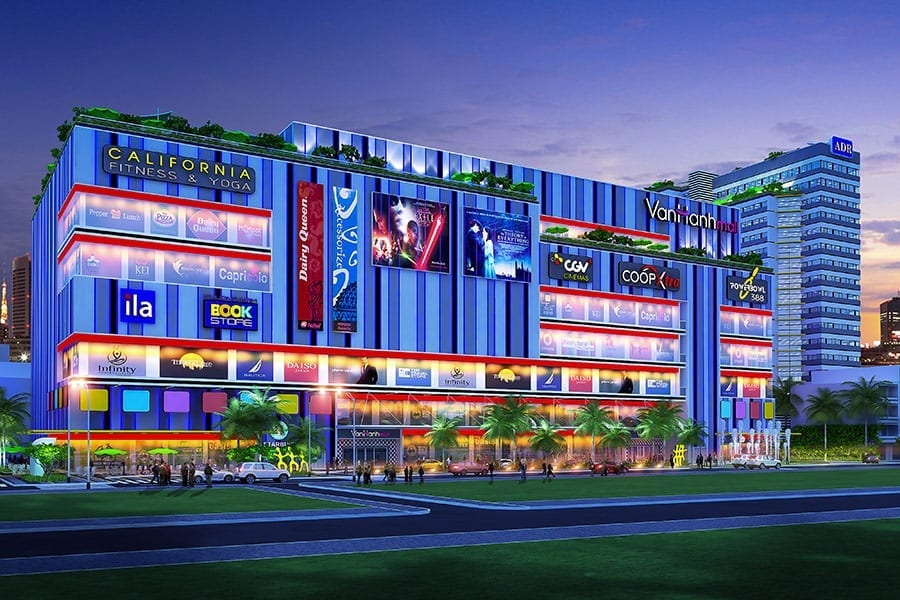
    Vietnam’s newest shopping centre, Van Hanh Mall, has opened in Ho Chi Minh City, on Su Van Hanh Street in District 10.

    Built on a 90,000sqm site, the shopping complex has 55,000sqm of retail space, which is 90 per cent occupied already, by more than 200 international and local brands.

    Tenants include Bata, Charles & Keith, Levi’s, Mujosh and Nike and a raft of dining options, including Buffalo Wild Wings, Crystal Jade, Sushi Kei, Starbucks and Phuc Long coffee.

    For entertainment, there is a CGV multiplex cinema, a Superbowl amusement center and a giant European-themed bookstore.

    A Co.opXtra hypermarket, operated by Saigon Co.op and Singapore’s NTUC FairPrice, also opened, marking the brand’s third outlet in the city.

    There are nine parking floors from basement to fifth floor, enough space for 350 cars and 3000 bikes.

    Built at the cost of VND1 trillion (US$43.9 million), Van Hanh mall rentals range from US$30-60 per sqm.

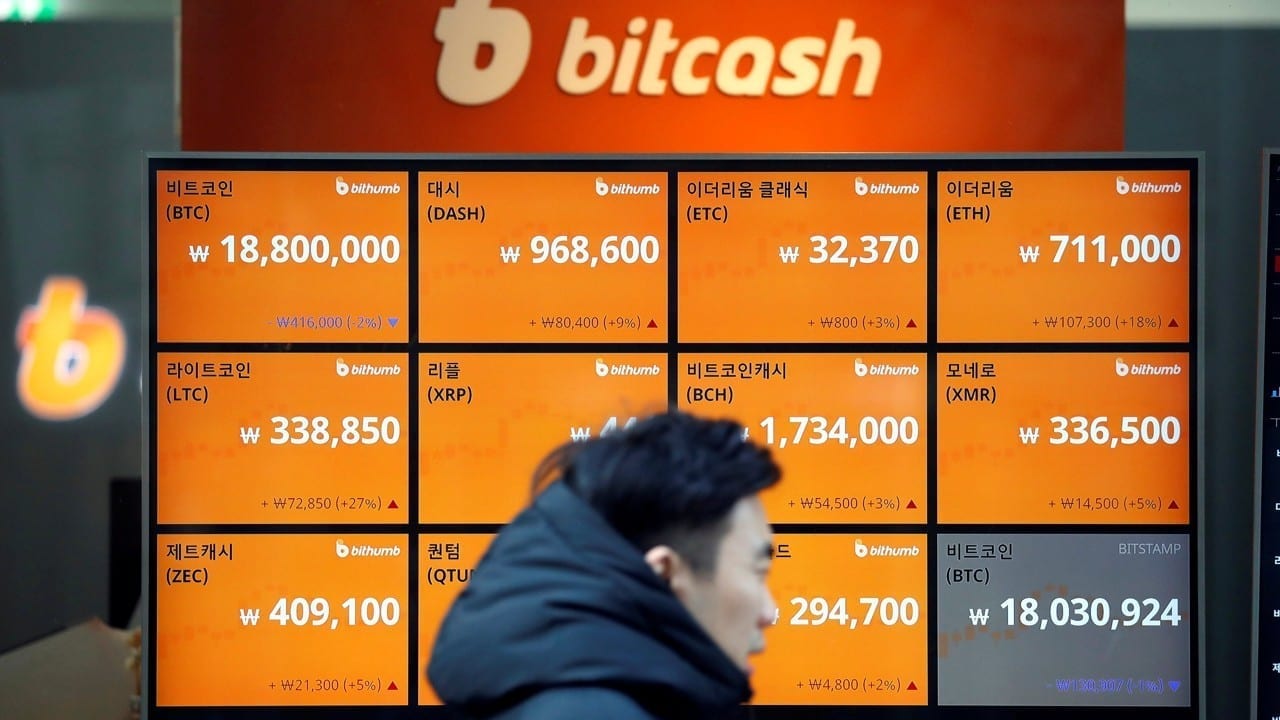
  • South Korea is banning foreigners from trading cryptocurrency

    South Korea is banning foreigners from trading cryptocurrency

    South Korea’s financial regulators set the pace for sweeping cryptocurrency regulations to curb speculative overheating and illegal activity, including banning foreigners and minors from opening new cryptocurrency accounts.

    Financial Services Commission Vice Chairman Kim Yong-beom announced measures to ban anonymous trading on domestic exchanges, while foreigners and minors would be completely banned from trading through cryptocurrency accounts. Both measures go into effect 30 January.

    They are the first concrete measures to be implemented since the government began observing overheating in the market in September. The system aims to tackle money laundering and related crimes, along with speculation-driven overheating in the market, Kang Young-soo, head of the FSC’s cryptocurrency response team said after the announcement.

    “The government is concerned about manipulation of market conditions and injection of illegal funds while market funds are leaked into speculative investments,” he added. “We view that foreigners’ and minors’ investments contribute to our areas of concern.”

    All foreigners, including residents, nonresidents and “kyopo” ethnic Koreans with foreign citizenship, will be banned from trading cryptocurrencies in Korea, the FSC’s foreign media department said by email. Minors are banned after Prime Minister Lee Nak-yeon earlier claimed the cryptocurrency craze could lead the youth toward crime.

    “If they’re not Korean citizens, then they can invest in exchanges provided in their countries. Why do they have to invest in ours?” Kang quipped.

    The government has been under mounting pressure to deliver on impending regulations over the country’s cryptocurrency market, one of the world’s largest for Bitcoin, Ethereum and Ripple, as the uncertainties have thrown global prices into turmoil. Cryptocurrency trade has gone largely unregulated as South Korea neither recognizes digital coins as financial products or currency.

    But for the past few months, financial authorities and prosecutors have been mulling comprehensive regulations on anti-money laundering, tax evasion, fraud and other illegal activity, including a proposed ban on all initial coin offerings.

    Justice Minister Park Sang-ki threw fuel on the speculative market when he claimed all crypto exchanges would be shut down. The government later clarified that it was one option being considered, along with only shutting down exchanges that were acting illegally. Since then, citizens have railed against the government with over 220,000 signing a petition to demand a response from the presidential Blue House.

    “The government is creating boundaries for instances of foreigners injecting in coins into the country and a phenomenon of more Bitcoins and other cryptocurrency circulating within the Korean market,” says Kim Jin-hwa, corepresentative of the Korea Blockchain Association, which has about 30 member companies including several exchanges. “With the current conditions of our market, higher supply would equate to higher speculation.”

    The targets of the latest regulation, says blockchain startup BlockchainOS Choi Yong-kwan, are Chinese investors who have flooded the cryptocurrency market since their country banned cryptocurrency trade last year. Digital coins from China enter Korean exchanges, then are illegally changed into foreign currencies, which are sent back to China, he explained.

    Under the new rules, foreigners who have already have cryptocurrency trading accounts will be allowed to withdraw their assets, even after the new rules come into force, the FSC explained. But they will be banned from making new deposits through the accounts.

    Meanwhile, all cryptocurrency investors need to establish an account under their legal name at one of six banks rather than anonymous cryptocurrency accounts to trade on a domestic cryptocurrency exchange. The so-called real-name system is part of efforts to establish measures similar to the Know Your Customer (KYC) verification system in the U.S. The Korea Blockchain Association’s member exchanges had already self-imposed an ID verification system for users who create new accounts as of Jan. 1, but this will be replaced by the government’s regulation.

    Results of an investigation found that some companies handling cryptocurrency had been registered as “shopping malls,” but subject banks did not have customer verification procedures or internal systems to recognize this, the FSC said.

    Also, funds deposited into cryptocurrency-handling companies have been deposited to accounts of the company’s major shareholders or its employees, and there have also been cases of deposits to cryptocurrency handling companies from corporate names.

    These transactions are irregular managements of funds, the FSC said, as they can be identified as suspicious transactions because banks have not practiced faithful reporting of suspicious transactions.

    Financial regulators are struggling to keep their own in line, as an investigation found that at least one official, aware of upcoming government announcements, used internal information to profit off cryptocurrency sales. In response, Prime Minister Lee has called for stronger codes of conduct for public servants, while Hong Nam-ki, Minister of the Office for Government Policy Coordination, urged civil servants not to trade during work hours.

    Meanwhile, blockchain insiders say regulators still have little understanding of the technology behind cryptocurrency, even as other government agencies such as the Ministry of ICT are promoting blockchain as part of the country’s “fourth industrial revolution” push.

    The government must walk a fine line to foster the potential of blockchain technologies – which include cryptocurrency – while reining in dangerous behavior such as hacking and fraud. But uncertainty and strict regulations may risk an outflow of assets and innovation.
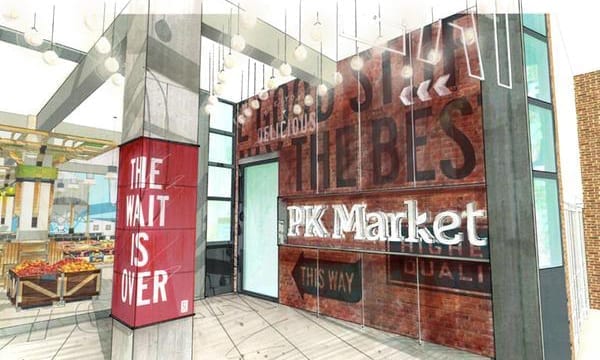
  • Korea’s PK Market to enter the US market

    Korea’s PK Market to enter the US market

    Shinsegae’s discount chain E-mart plans to enter the US by opening its premium food outlet PK Market.

    While mostly high-end products will be sold at the South Korean group’s outlet, some of its low-tier private brands such as No Brand and Peacock will also be offered.

    E-mart is eyeing cities with significant Asian communities, such as Los Angeles and San Francisco. It may also acquire a food factory in Portland, Oregon, for producing its Peacock products for the US.

    E-mart has also joined hands with US shopping mall giant Taubman, which helped establish Starfield shopping malls in Korea.

    The Korean company has been trying to diversify its global reach, particularly after closing down stores in China over the THAAD row. Its accumulated operating loss in China has reached more than KW150 billion (US$141 million) since 2013, according to industry sources. E-mart finally exited the Chinese market last month.

    Meanwhile, the company plans to open its second outlet in Ho Chi Minh City in May.

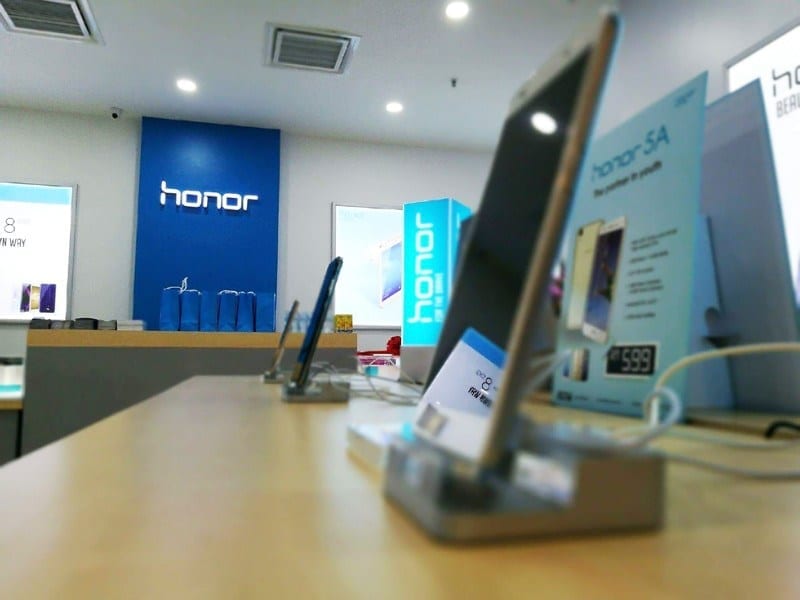
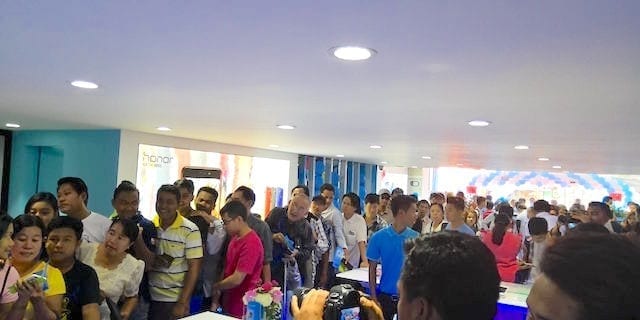
  • Honor Opens its First Flagship Store in Myanmar

    Honor Opens its First Flagship Store in Myanmar

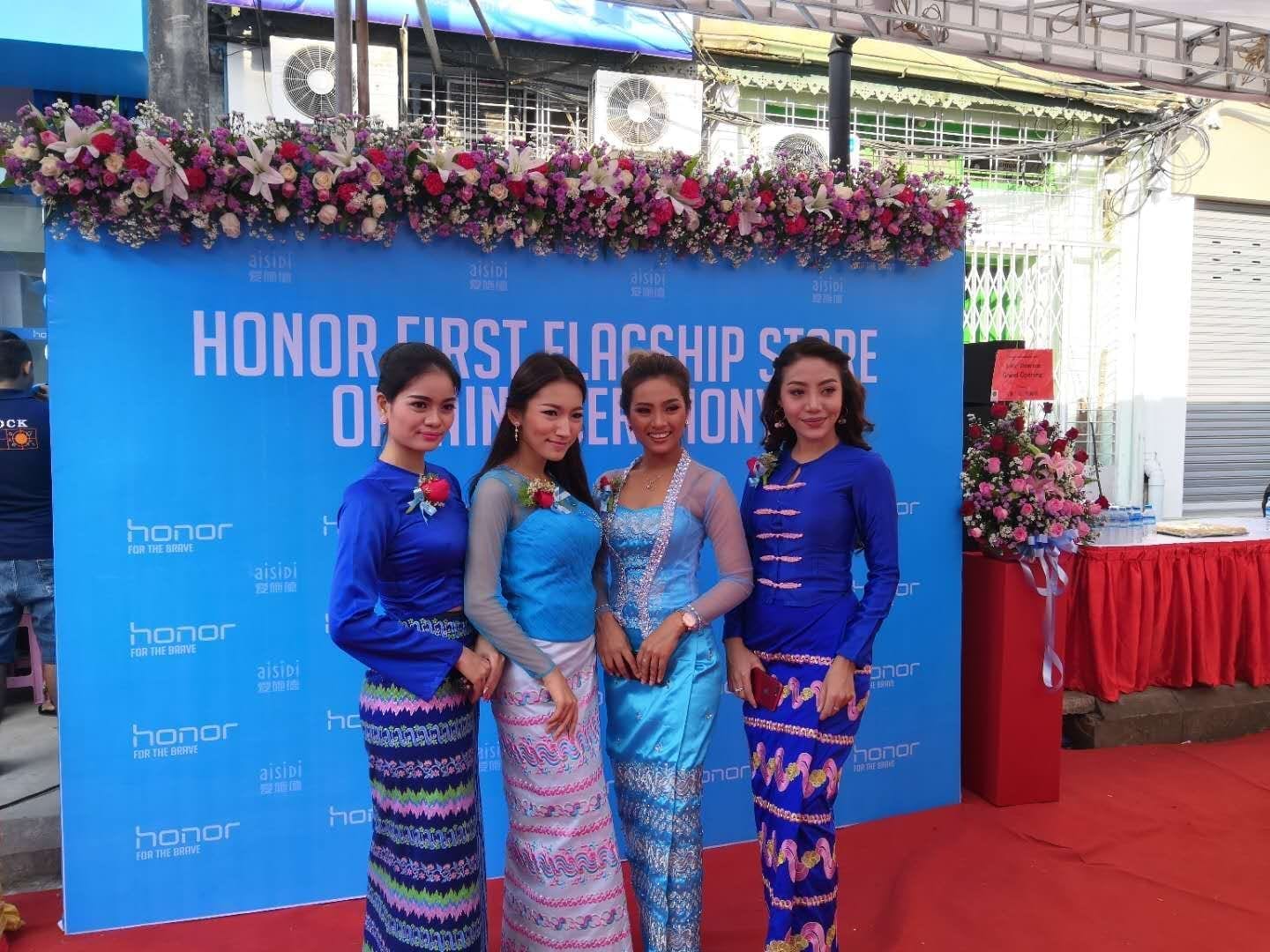
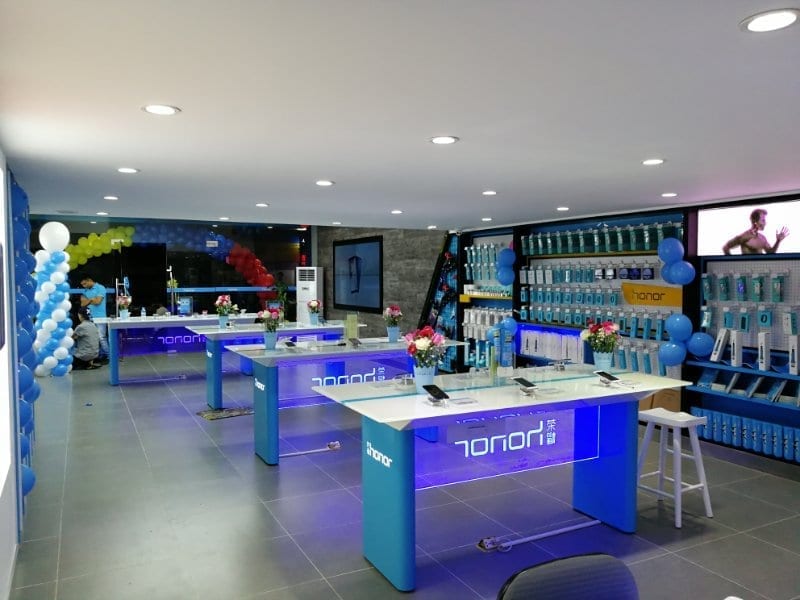
    A flagship store for Honor, a smartphone brand from China’s Huawei Group, has opened in Yangon.

    With its slogan “For the brave”, the brand was created for digital natives and offers internet-optimised products and high specifications at an accessible price level.

    Honor president George Zhao says the Myanmar flagship is a milestone for the brand’s Southeast Asia expansion journey. “Globally, we are confident we will see Honor rise to become a top-five smartphone brand within three years.”

    Four of Honor’s top-rated products feature in the new store: Honor 7X, its first FullView Display smartphone aimed at gamers; Honor V9 Play, a minimalist Scandinavian-style smartphone; Honor 6X, offering budget technology for digital natives; and Honor Holly 6, am affordable high-performance model.

  • Elon Musk has just earned $7.5M for boring out of flamethrowers

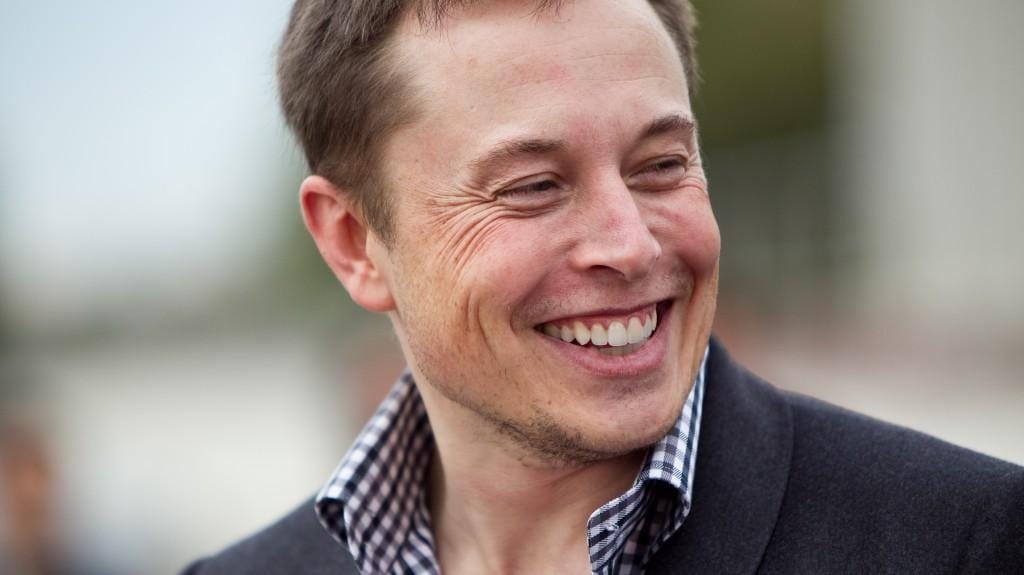
    Elon Musk has just earned $7.5M for boring out of flamethrowers

    The Boring Company is getting decently well-capitalized on the back of sales of its flamethrower.

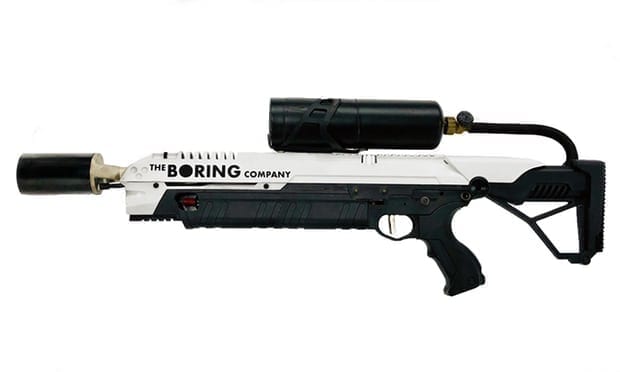
    The no-doubt overpriced piece of knack, which can be made yourself at home using likely around $30 in parts, is selling for $500 and has already netted Elon Musk’s digging venture $7.5 million.

    That’s after just over a day of being on sale, and not counting the revenue from fire extinguisher sales (those sell for just $30, which is itself also overpriced). All told, Musk says he’s sold 15,000 of the flamethrowers thus far, with only a total of 20,000 available in total during the sale.

    Chances are, we are very near the total sell-out of the stock, so if you really want to own this potential piece of transportation history, you would better act fast. Or you could continue living your life, and ignore this particular circus show in favor of paying attention to what will hopefully be the main act: Actually building a network of interconnected underground hyperloops.

    Mr. Musk appeared to suggest the flamethrowers are crucial in case of zombie-linked emergencies. “When the zombie apocalypse happens, you’ll be glad you bought a flamethrower. Works against hordes of the undead or your money back!” he wrote.

    However the flamethrower probably has less to do with zombies than it does to do with Musk’s firm The Boring Company, an infrastructure and tunnelling enterprise.

    In December 2017, the entrepreneur vowed on Twitter that if he could sell 50,000 of a $20 hat made to raise funds for The Boring Company, he would start selling flamethrowers.

    He appears now to be making good on what people believed was a whimsical promise.

    Founded in December 2016, the Boring Company’s project is to create a network of tunnels underneath major US hubs to relieve traffic congestion and enable rapid intercity travel.

    Musk himself later admitted: “The rumor that I’m secretly creating a zombie apocalypse to generate demand for flamethrowers is completely false.”

    Musk said on Twitter that the flamethrower is “great for roasting nuts”, although it can be safely assumed the flames produced by the flamethrower will set light to a wide array of items.

    The Boring Company is also selling a fire extinguisher alongside the gizmo priced at $30.

  • Trunk Clothiers to pilot own-brand wholesaling in China

    Trunk Clothiers to pilot own-brand wholesaling in China

    Gearing up to launch in China, UK menswear boutique Trunk Clothiers is considering a wholesale push of its own-brand offering.

    It plans to trial this through Lane Crawford in Hong Kong, where it already has space, this coming autumn. MD Mats Klingberg says it will pilot a mix of own-label tailoring, shirts and trousers.

    Trunk began collaborating with Lane Crawford last year with a tailoring space at its stores in the Central, Causeway Bay and Tsim Sha Tsui.

    “Coming from a retail background, we have good experience as buyers,” says Klingberg. However, when it comes to taking orders “there’s a lot to learn”.

    “We’re not really set up as a wholesale business. We work with many brands that are also manufacturers, so it would be a natural step for us to do our own thing. It offers more flexibility, because we’re less bound by the seasons. We can also develop our own things based on what we see selling well in the shop, and there’s the creative aspect, too.”

    Meanwhile Trunk’s own-brand offering, which it introduced in 2011 with polo shirts and sweaters, is expanding to t-shirts, outerwear and leather accessories.

    Trunk launched with a shop in London in 2010, followed by its accessories store, Trunk Labs, in 2013.