Tag: asia

  • BAssets continues to up stake in 7-11 Malaysia

    BAssets continues to up stake in 7-11 Malaysia

    After rumblings that 7-Eleven Malaysia Holdings is being targeted for privatisation, diversified group Berjaya Assets (BAssets) has taken steps to achieve this.

    BAssets is owned by businessman/investor Vincent Tan Chee Yioun, who has started mopping up 7-Eleven shares on the open market.

    “Something is brewing between 7-Eleven Malaysia and BAssets – a corporate exercise is being contemplated,” the newspaper says, quoting an unnamed source.

    BAssets last week surfaced as a substantial shareholder of 7-Eleven Malaysia. It has a 5.1 per cent stake after acquiring 5.1 million shares on the open market and through direct deals.

    Tan himself is already a major shareholder in 7-Eleven, along with Sultan Ibrahim Sultan Iskandar.

    Including BAssets’ stake, Tan has total equity interest of 42.46 per cent in the 24-hour convenience store chain. He also controls BAssets with a 59.36 per cent stake. Sultan Ibrahim is the second-largest individual shareholder of 7-Eleven Malaysia with a 15.52 per cent direct stake, and he also has a 9.38 per cent direct stake in BAssets.

    Tan’s Berjaya Retail, the single largest shareholder of 7-Eleven Malaysia, has pared down its stake from 48.62 per cent as at January 9 last year to 31.61 per cent in October.

    According to the 7-Eleven corporate website, it has 17,799 stores in Japan, 8469 in Thailand, 5022 in Taiwan, and 477 in Singapore. In Malaysia, it has more than 2100 stores serving about 900,000 customers daily.

  • Meitu try on e-commerce to boost revenues

    Meitu try on e-commerce to boost revenues

    China’s beauty-enhancing app developer and smartphone maker Meitu is looking to boost revenues by expanding further into e-commerce, leading a $5 million funding round in Goxip, a Hong Kong-based online shopping platform.

    Juliette Gimenez, CEO and co-founder at Goxip, said that the Chinese photo-editing applications maker was the biggest contributor to its series A funding round, making it the first e-commerce company in which Xiamen-based Meitu has invested.

    “Meitu will be a strategic partner,” Gimenez said. In addition to the investment, the two companies would cooperate in various ways, including on Goxip’s expansion in the lucrative mainland China market, she said

    Gimenez said she started talking to Meitu’s executives, including founder Cai Wensheng, about six months ago, when the selfie app company was seeking to diversify.

    Meitu, whose image-processing applications are reportedly used to edit more than half of China’s selfies on social media, now labels itself a “mobile internet company.”

    “We will not comment on one single project,” Meitu’s spokesperson said. However, she added: “Meitu’s investment strategy has always been revolving around new technology, beauty and user growth.”

    Last year Meitu rolled out two e-commerce platforms. MeituDIY allowed users to design and create personalized outfits using artificial intelligence and to purchase the items from its platform. The other application, MeituBeauty, specializing in cosmetics and skincare, allows shoppers to try out the products by uploading their selfie.

    The investment in Goxip is also expected to accelerate Meitu’s overseas expansion.

    Goxip partners with more than 500 international online retailers. Its data base comprises more than 36,000 luxury brands and 5 million items, according to its website. The fashion retail platform allows users to search similar products by uploading photos.

    Despite a market cap of 48.97 billion Hong Kong dollars ($6.26 billion), Hong Kong-listed Meitu has not made a profit since it was founded in 2008. But its business segment including online advertising, e-commerce and virtual item sales turned profitable for the first time in the first half of last year, according to its financial filings.

    In December 2017, Meitu acquired a stake in Hong Kong-based media company PressLogic, which uses data and technologies including machine learning to better target advertising on social media.

  • PCCW launches e-commerce platform Habbitzz to plug Hong Kong market

    PCCW launches e-commerce platform Habbitzz to plug Hong Kong market

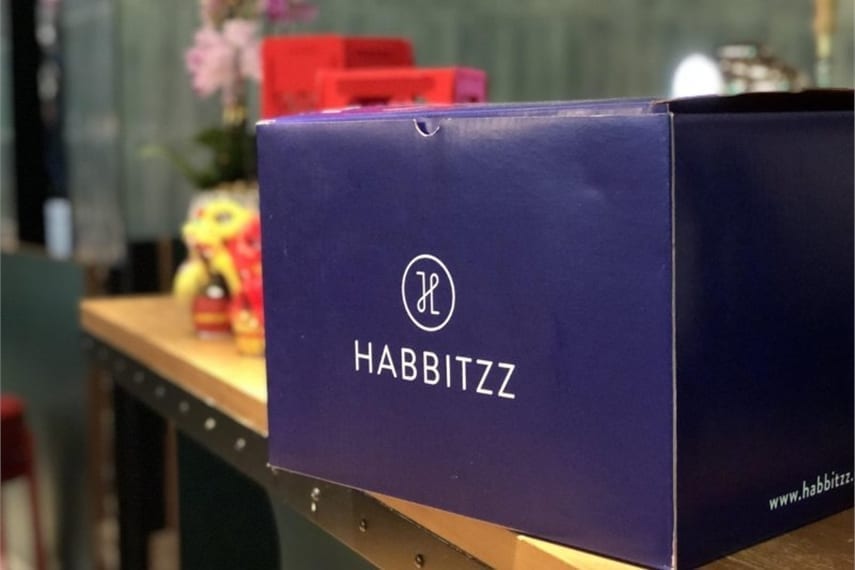
    Hong Kong tech company PCCW is about to launch a B2C e-commerce platform, Habbitzz.

    Kicking off on March 6, it will feature 15,000 SKUs from more than 1000 international brands covering alcohol, babycare, electronics, fashion and beauty, sports and lifestyle, and travel.

    “Think of us as the Amazon of Hong Kong, but remove all the low-end products,” says Habbitzz CEO Alex Bono, who is also senior VP of e-commerce for PCCW solutions, the IT and outsourcing services division of the conglomerate.

    PCCW has been preparing the venture for nine months, and says it came up with the name Habbitzz because it wants Hong Kong consumers to move beyond their more traditional habits of shopping.

    Bono says the goal is to have 100,000 products and services by this time next year, with a broader O2O strategy in the works by 2019 or 2020.

    Alongside the main business of Habbitzz Retail – the webstore reselling products from both mainstream and niche merchants – are two other business lines: Habbitzz Express (warehouse and logistics support) and Habbitzz Services (CRM, data analytics and payment gateway technology).

    “At speed”

    Bono says PCCW is letting Habbitzz have “more freedom to execute at speed”.

    “One year in, this startup will be like five years in a corporation like PCCW that is accustomed to big, finalised products,” he says.

    PCCW had previously tried to grow e-commerce “in a corporate way” with its e-commerce-as-a-service package. In November 2015, PCCW Solutions also ventured into e-commerce logistics. With LTF Asia, it jointly launched a network of automated lockers, House of Parcels, to store online orders for customer pick-up.

    For Habbitzz, Bono has hired almost 100 employees based in Hong Kong and the Philippines including data scientists, software engineers, merchandisers, product managers, search-engine technologists and design specialists.

    Habbitzz’s main local rival, HKTVMall, launched in 2015 and today handles 7600 daily orders, taking in an average of HK$537 an order from 180,000 products out of 2700 brands.

    “There will be categories in which Habbitzz will overlap with HKTVMall, but we aim for premium positioning,” says Bono. “We will definitely not hold any cheap brands.”

    He says Habbitzz is aiming for same-day or even a four-hour delivery window.

  • Zhejiang World Trade Center to have new face

    Zhejiang World Trade Center to have new face

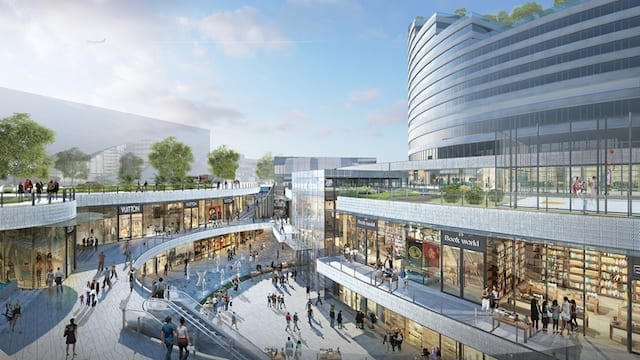
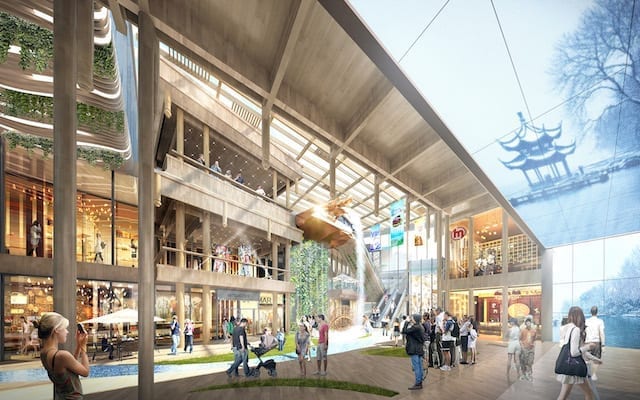
    Hong Kong architectural and interior design practice Leigh & Orange (L&O) has been engaged to redesign the Zhejiang World Trade Center in Hangzhou.

    Built in 1987, the centre was originally designed as a key foreign trade venue during the early years of Chinese economic reform. With the concept of a transit-oriented development, the new design will help rezone the hotel/office/convention centre clusters to become a catalyst for the business community.

    In heart of the Huanglong financial district, near West Lake, the project is primarily an underground redevelopment with a construction area of 79,250sqm, including 24,700sqm of commercial spaces. The basement retail will be seamlessly connected to the metro, forming a public gathering space and focal point for the community.

    Central to the design is a “retail park” concept, featuring an indoor sport-themed arcade and an outdoor park trail. There will be two major retail anchors, a sports-themed concept store and a flagship bookstore.

    L&O project director Kelvin Li says the project will help shape the future of the Huanglong district. “With the 2022 Asian Games in Hangzhou, we hope to work hand-in-hand with Hangzhou Metro to transform this into a world-class mixed-used development. ”

    Construction will start in April and is expected to complete in 2021.

  • Cotton On’s Factorie to step out from two markets

    Cotton On’s Factorie to step out from two markets

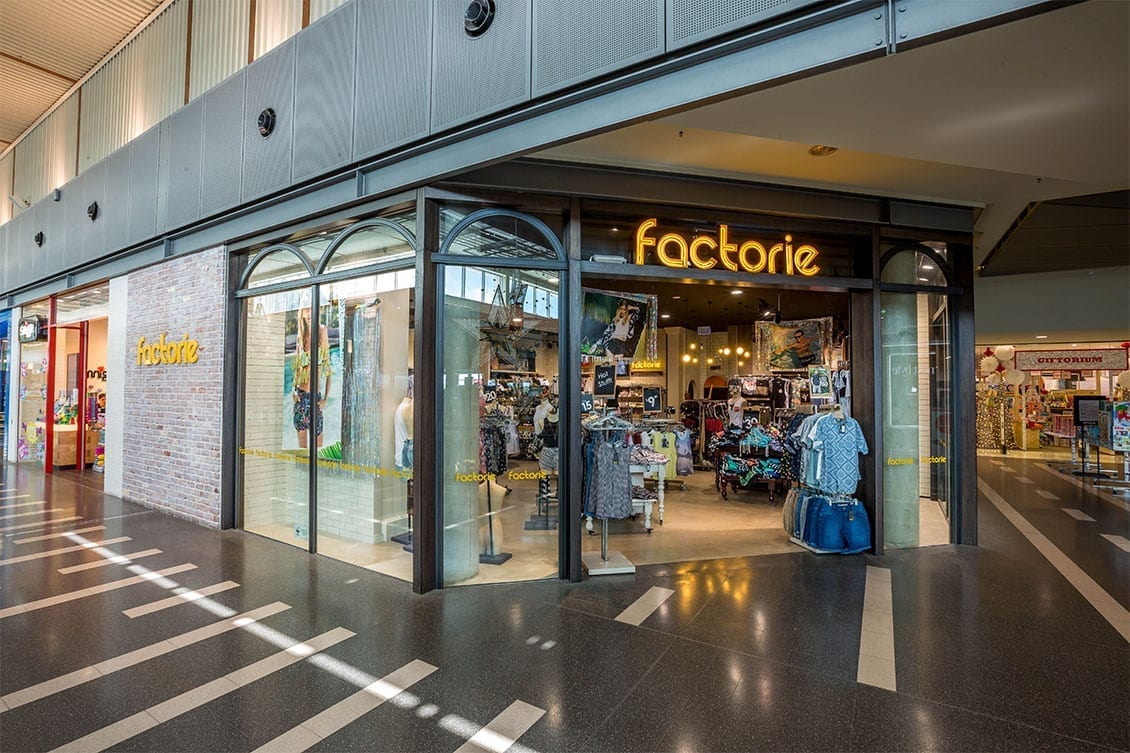
    Cotton On Group has confirmed it is withdrawing its fashion brand Factorie from Malaysia and Singapore.

    A spokesperson says the move impacts eight outlets, four in each country, but the company will seek to improve its store footprint across the markets. “We value the incredible contribution our team members have made to Factorie …they remain our number-one priority and we’re working closely with them to identify opportunities for their redeployment within the business.”

    The spokesperson would not comment on the reason behind the closure. While the stores are scheduled to shutter by the end of next month, Factorie products will still be available online on Zalora.

    Factorie entered the Asia Pacific market in 2013. Its latest move follows fashion brands such as Celio and New Look leaving the Singapore market.

    Meanwhile, the retail industry in Malaysia saw sales dip 1.1 per cent in the third quarter last year. According to a Retail Group Malaysia report, this was because of a drop in purchasing power among Malaysians.

  • Lina’s Paris opened new eatery at Incheon Airport

    Lina’s Paris opened new eatery at Incheon Airport

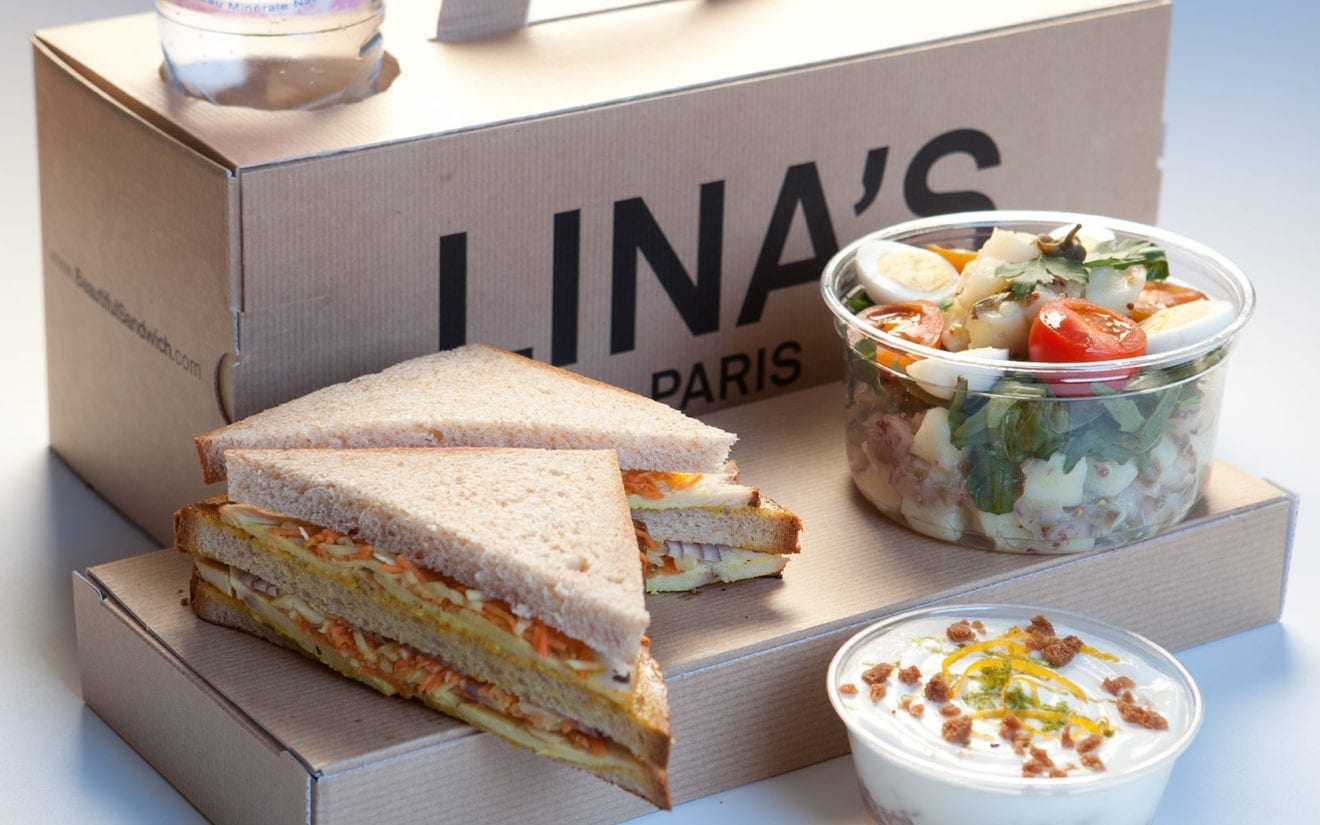
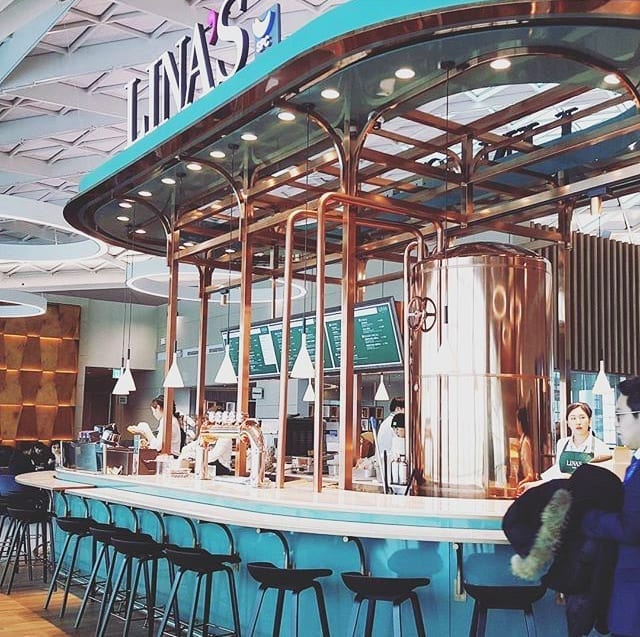
    French restaurant brand Lina’s Paris has opened a kiosk in the new terminal at Seoul’s Incheon Airport.

    Managed by the exclusive franchisee SPC, it is the brand’s 12th outlet in South Korea. Half the sales in the country are beverages, predominantly French coffee and French draft beer.

    A concept that is midway between a French cafe and a quick-service restaurant, Lina’s Paris was founded in 1989 based on four factors: a full range of French preparations (breakfasts, sandwiches, salads, hot dishes, soups, fresh juice, sorbet and pastry), a comfortable environment (a lounge area, free Wi-Fi, free press and a Parisian atmosphere), creative and authentic French recipes, and healthy, fresh, quality products and preparation.

    The brand has nearly 55 restaurants in six countries, with South Korea being the first for Asia. Development plans include expansion in Southeast Asia.

    Lina’s Paris will be looking for opportunities at the Paris Franchise Expo from March 25 to 28.


  • Shiseido launches new teen brand Posme

    Shiseido launches new teen brand Posme

    Shiseido looks to increase teen beauty sales with the launch of its open innovation project, Posme Me.

    Posme will consist of a variety of cosmetic and non-cosmetic products and services, which are collectively created by high school girls.

    According to the Japanese cosmetics giant, high school girls are becoming a major source of a new pop culture, following the “Millennials movement in Japan.”

    For the project, Shiseido has gathered an array of high school students and formed a team called Posme & Co. The team currently consists of 40 members who live mainly in Tokyo.

    The influencer-group have been partnered with several companies to develop beauty products and services, as well as items beyond cosmetics, to fall under a new Posme brand, targeted at their peers.

    New products will include items favoured by high school girls such as sweets, stationery and fashionable accessories.

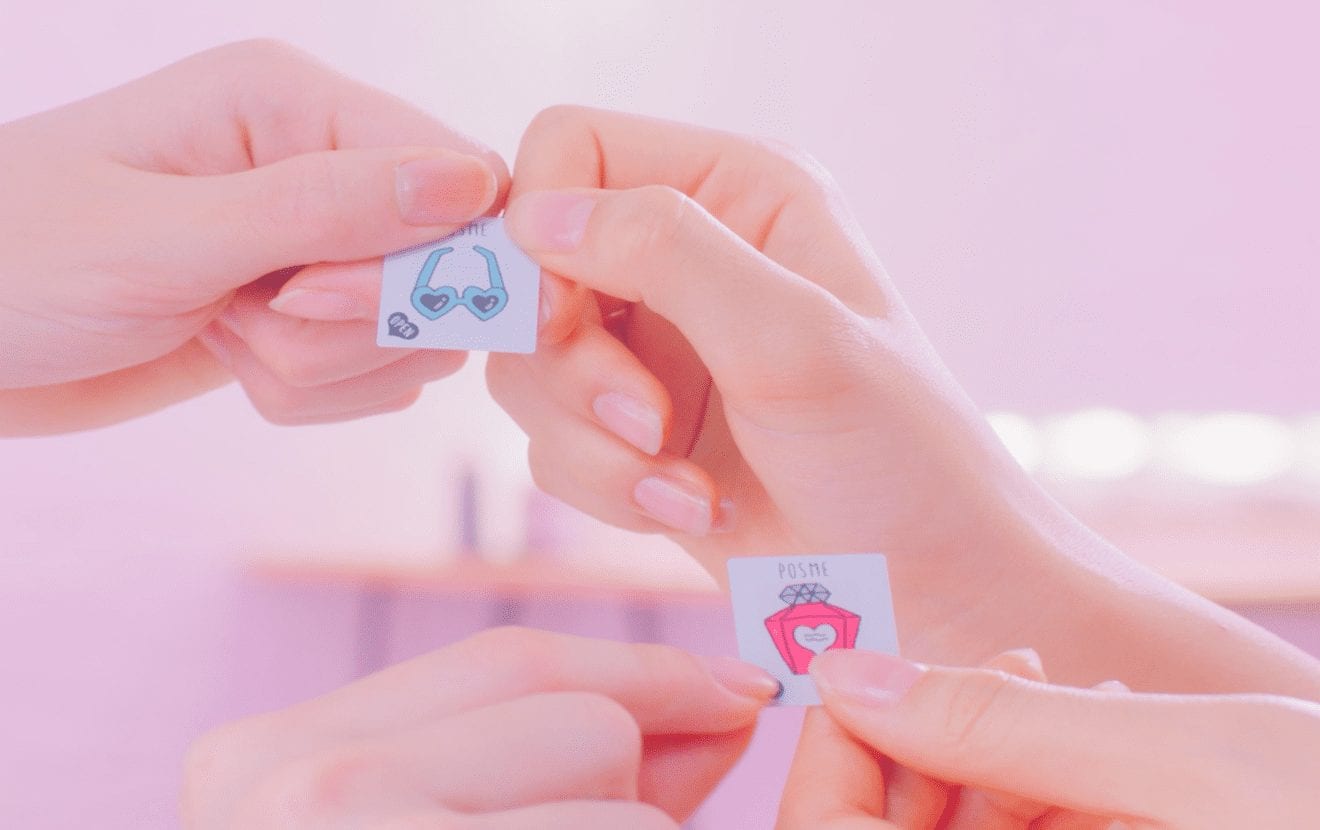
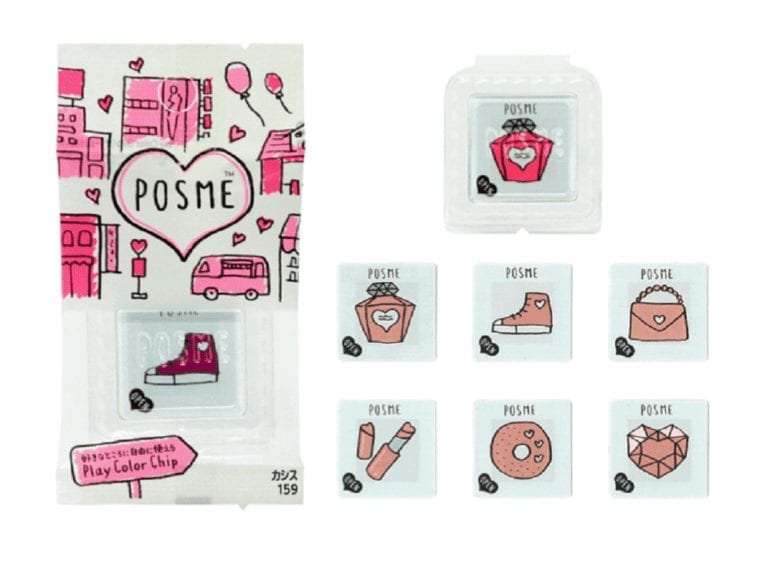
    The first product to launch will be a multi-use colour item, Play Colour Chip. It can be used in a variety of ways; be it, an eye colour or blush.

    “This product was developed through communication with more than 150 high school girls and will be sold in a set of six disposable chips of the same colour,” explained Shiseido in a press statement.

    “Play Colour Chip marks a change in cosmetics, transforming an item to be used individually into something that can be ‘shared or swapped’, creating a new form of enjoyment. The new chips offer more freedom in makeup, allowing users to coordinate colours with friends, try a new colour more easily, or enjoy a special colour for a special occasion.”

    A recent survey conducted by Shiseido revealed that 93% of female school girls perceived the novelty of the items because they can be swapped with friends, are easy to carry around, are good for a gift, and are perfect to try a new colour.

    Going forward, Shiseido plans to gather hundreds of Posme members throughout Japan with more products expecting to be released.

    The company is also launching a new shop, Posme Lab Shibuya, on 26 January, which will serve as a communication space for Posme members.

     The teen beauty initiative is the first project to form part of Shiseido’s Innovation Design Lab, a division first established by the company in January 2017.

    The Innovation Design Lab comes under Shiseido’s ‘Vision 2020’, and aims to “foster innovation”, a major goal of the firm’s mid-to long-term strategy.

  • Kit Kat Flagship Store to Open Its First Location in Korea

    Kit Kat Flagship Store to Open Its First Location in Korea

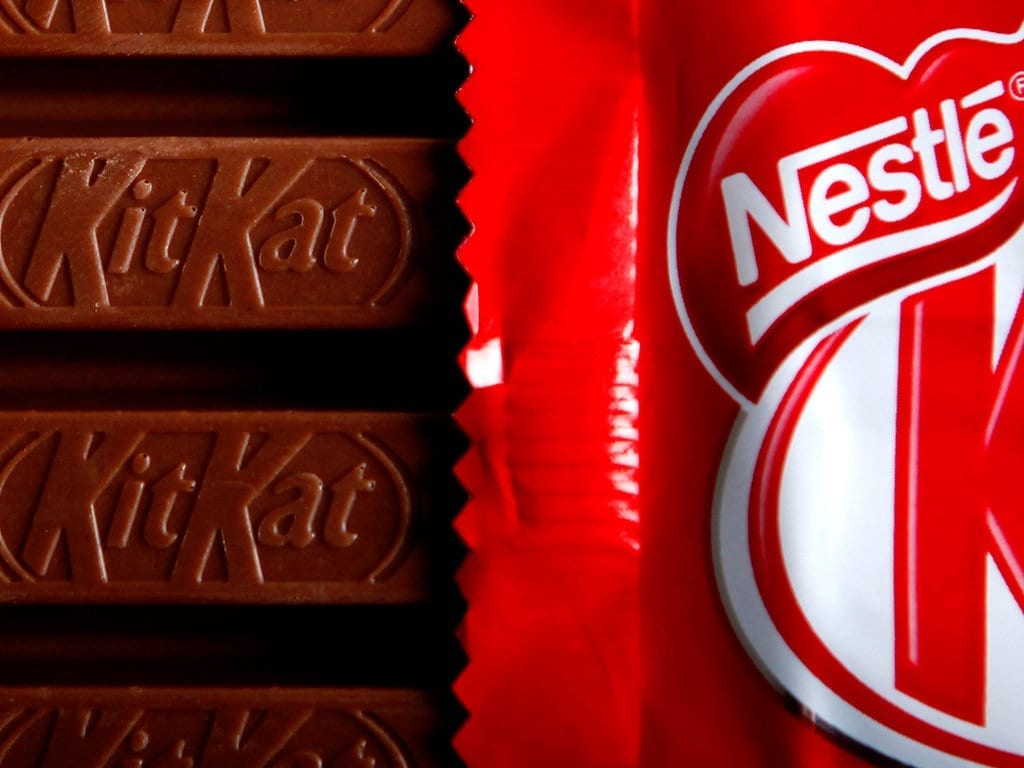
    A KitKat flagship store has been launched in Shinsegae’s Gangnam department store in South Korea.

    It has been opened by Swiss food giant Nestle’s Japanese unit, which has developed special flavours for the chocolate wafer snack in collaboration with chef Yasumasa Takagi, who has just rolled out a special ruby version. As well as the original KitKats, the new Seoul store offers such exotic variations as cherry blossom and wasabi.

    “Nestle decided to open the first flagship store to reflect Korean customers’ needs for new and trendy premium chocolate,” says Nestle Korea CEO Erwan Vilfeu.

    Nestle Japan is looking into taking its special flavours to other Asian countries with similar flagship stores.

  • Japanese firms mull over expansion plans in Vietnam

    Japanese firms mull over expansion plans in Vietnam

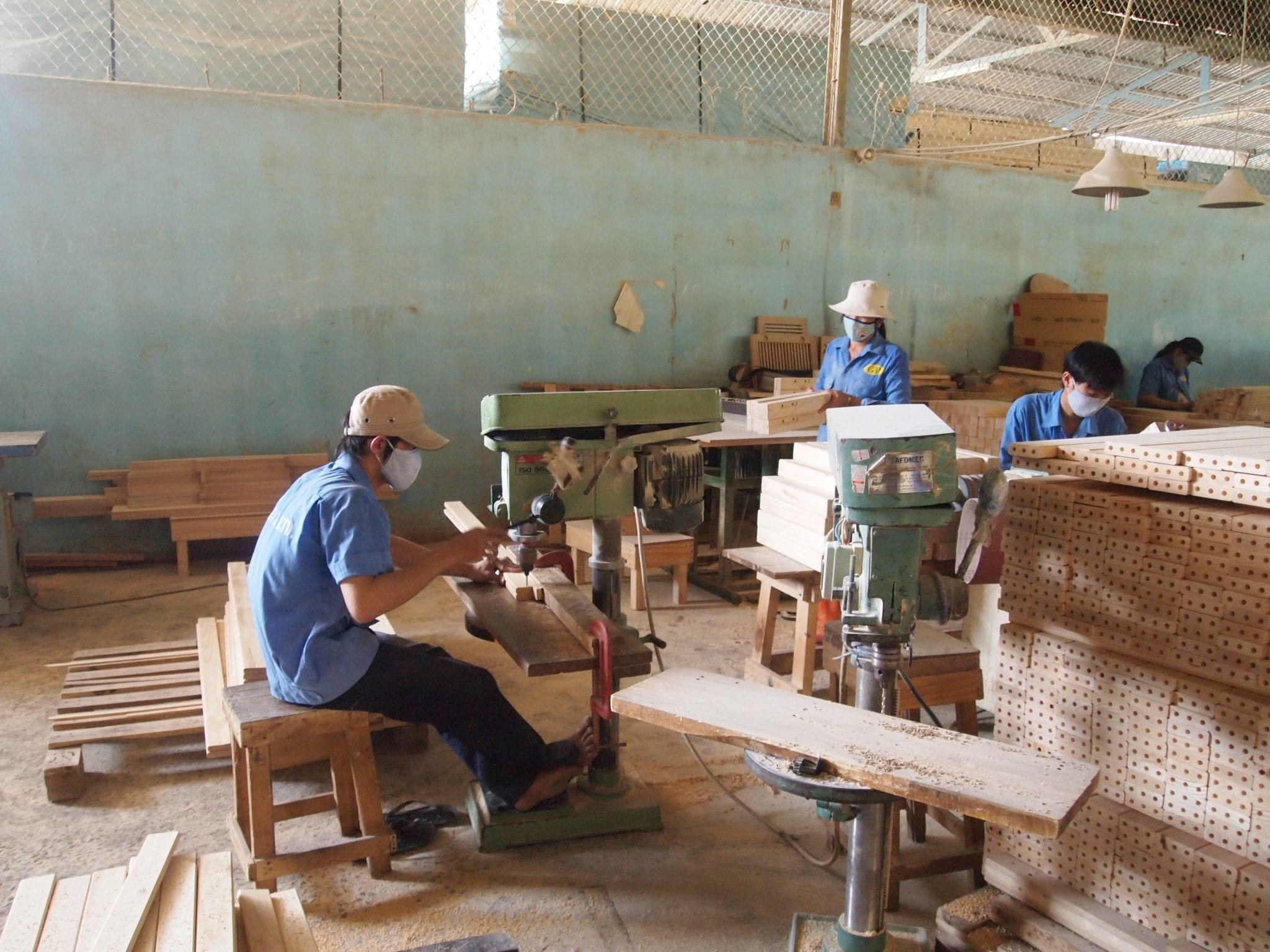
    Việt Nam maintained its position as an important investment destination for Japanese companies, with some 70 per cent of operational Japanese-invested firms making plans for business expansion here.

    This information was revealed by Hironobu Kitagawa, chief representative of Japanese External Trade Organisation (JETRO), in Hà Nội, at a meeting with the Ministry of Industry and Trade on January 29.

    According to the latest survey conducted by JETRO on the operation of Japanese firms in Asia and Oceania, 65.1 per cent of Japanese businesses operating in Việt Nam reported profits, up 2.3 points over the 2016 survey.

    Some 70 per cent of Japanese firms have mulled over expansion schemes in Việt Nam given the country’s market size, growth, stable political and social state of affairs, and cheap labour cost.

    This was a high rate in comparison with other countries where JETRO conducted the annual survey, Kitagawa said. “Việt Nam continues to be an important investment destination for Japanese businesses.”

    However, the head of JETRO in Hà Nội also pointed out the risks in the investment climate, concerns and obstacles that Japanese enterprises are facing during the investment process in Việt Nam.

    The latest survey was conducted with nearly 12,000 Japanese enterprises in 20 countries and territories in Asia and Oceania from October 10 to November 10, 2017. In Việt Nam, 1,345 Japanese firms participated in the survey.

    The full report will be made available next week.

    According to Deputy Minister of Industry and Trade Đỗ Thắng Hải, the survey provides comprehensive and objective information to help the Vietnamese Government and ministries to make effective and practical policies.


  • The world’s first MasterChef TV restaurant is coming to Dubai

    The world’s first MasterChef TV restaurant is coming to Dubai

    TV’s MasterChef series is to make its live debut in Dubai – as a restaurant.

    A landmark deal for the first MasterChef the TV Experience restaurant has been signed by Dubai property developer and F&B specialist The First Group with global content giant Endemol Shine Group.

    Based on the reality television series, the restaurant will showcase the talents and recipes of MasterChef contestants from many of the 52 territories where the program is produced.

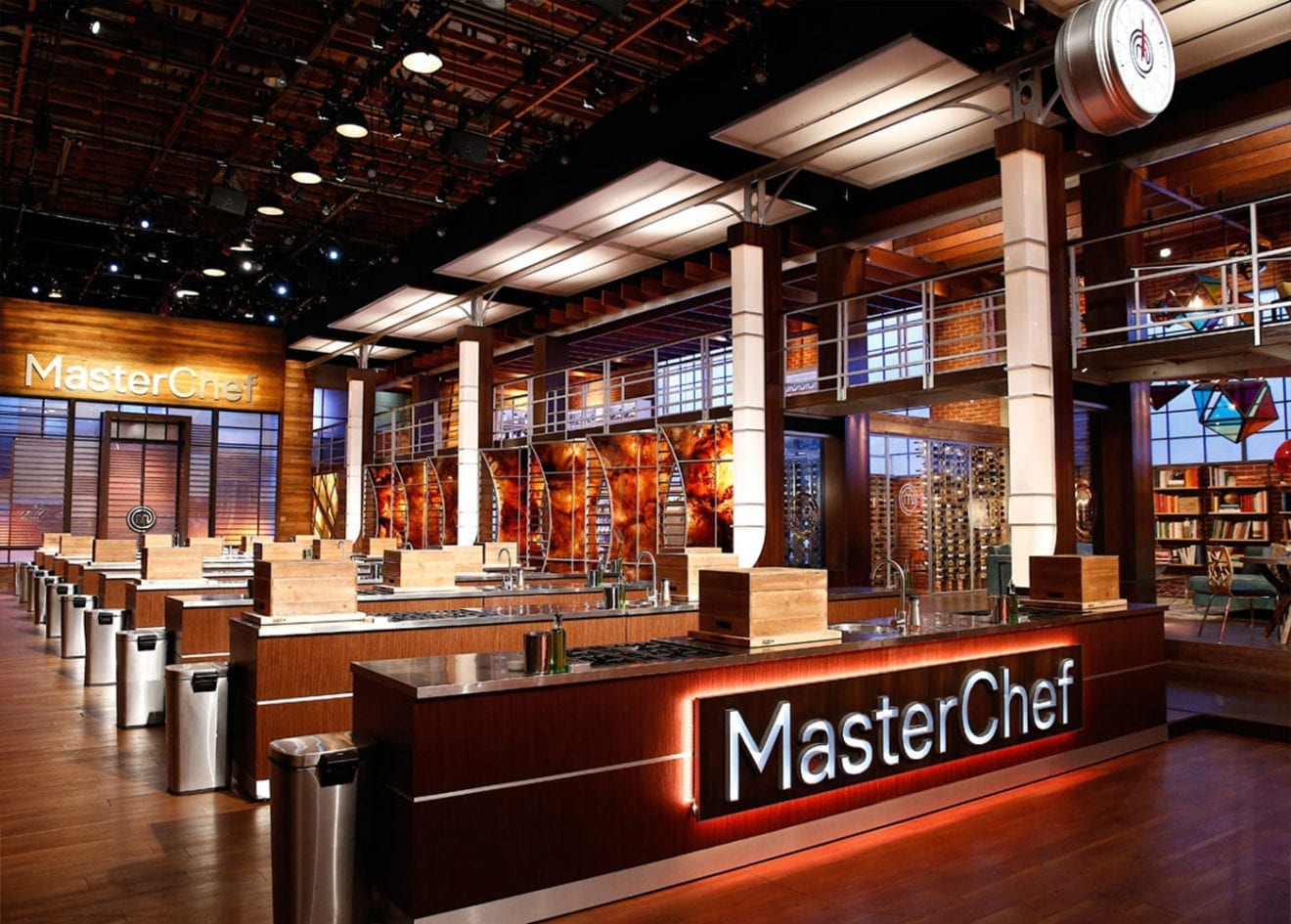
    Scheduled to open late this year in The First Group’s upcoming Wyndham West Bay Dubai Marina Hotel, the restaurant concept will fully immerse guests in the MasterChef experience with its interior design inspired by the show’s TV set.

    MasterChef is produced and distributed by Endemol Shine Group, a Dutch production company, and has been adapted in 52 countries. It is seen in more than 200 countries and watched globally by more than 250 million viewers.

    “MasterChef has a global fan base keen to engage with the brand in new ways,” says Endemol brand-strategy director Frances Adams. “MasterChef the TV Experience is an exciting opportunity for audiences in this market to enjoy a unique and immersive dining experience.”

    Global F&B director for The First Group Duncan Fraser-Smith says the company will work with Endemol to take the concept to other cities worldwide in coming years.

    He says the signing of the restaurant is a milestone development for The First Group, which aims to introduce up to 40 original and world-first dining concepts to the UAE by 2021.

  • Is Amazon ready to dominate cosmetics market?

    Is Amazon ready to dominate cosmetics market?

    Reading through recent headlines about Amazon disrupting the beauty industry, one would think that it is time for Sephora and Ulta to panic and rethink their strategies.

    However,  beauty needs retailers to provide compelling customer experiences and a sense of community to succeed.

    According to a report by 1010data, Amazon’s marketplace captures 21.1% of the U.S. market share, with Macy’s coming in second with 17.4% and Sephora in third place with 15%.

    Amazon is clearly making strides to increase their presence in beauty by partnering with cosmetic giants like Coty to launch their “Let’s Get Ready” skill for Amazon Echo Show, a company that made headlines with Amazon last year for banning third-party platforms like Amazon from selling their prestige products.

    Prestige beauty brands like Coty and the Estee Lauder Cos have tended to stay clear of selling their products on Amazon supposedly because it lacks the cachet of traditional luxury beauty retailers. While that may be somewhat true, I also think it is because luxury brands are terrified of the lack of control on Amazon – the possibility of consumers unknowingly purchasing knockoffs from China or older products at a discount.

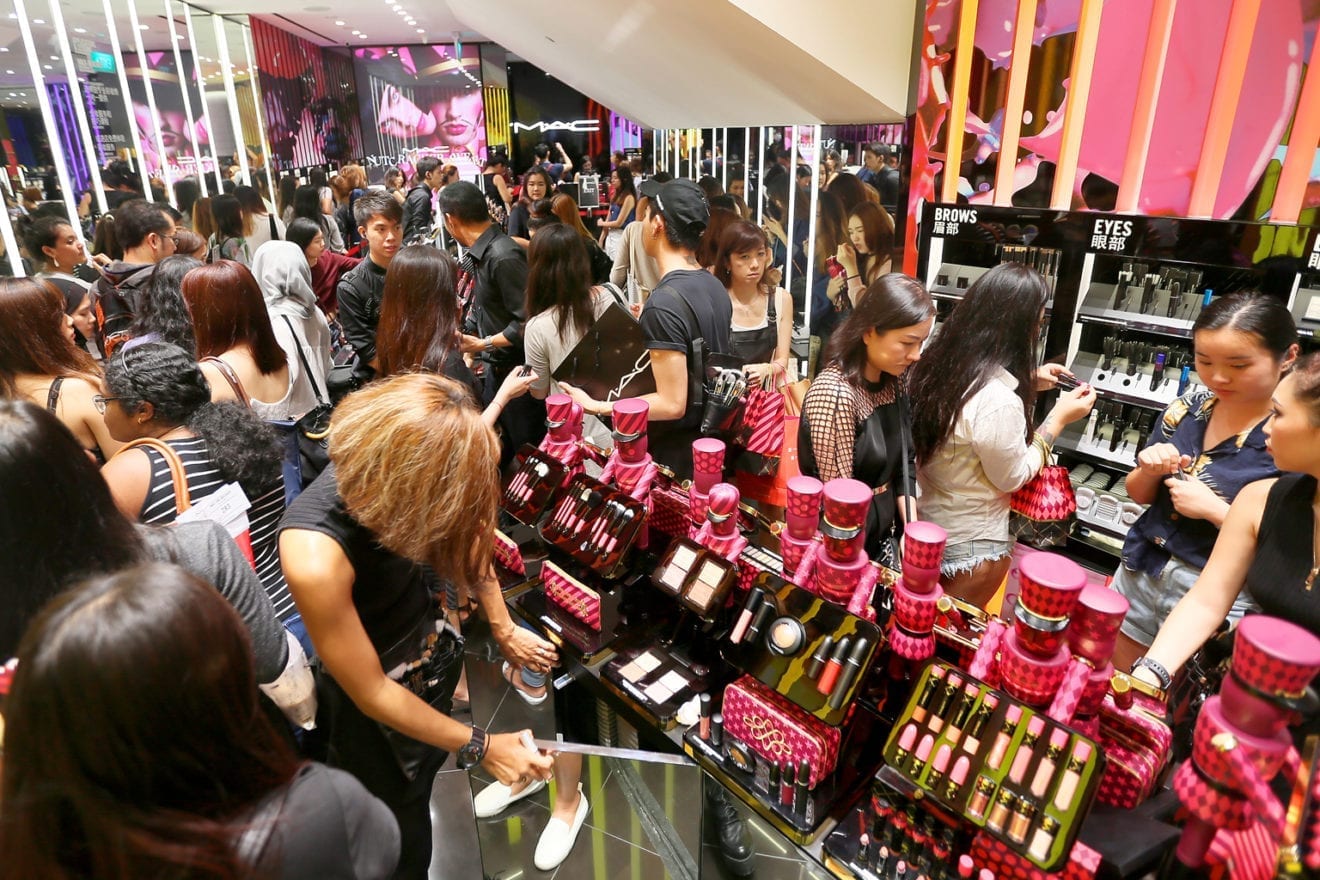
    If prestige brands are so bothered about being sold under the same roof as mass market, why are luxury brands like Lancome, Benefit, and MAC pleased as punch to be top-sellers at Ulta, where mass market rules? Because brands can work with retailers like Ulta to ensure consumers get the right experience and right product for that matter.

    While virtual reality and augmented reality are becoming key technologies for helping beauty consumers make informed decisions, it doesn’t mean these technologies can replace the brick-and-mortar experience.

    Sephora and Ulta continue to drive foot traffic and sales with innovative in-store experiences and workshops, making visiting their brick-and-mortars more of a fun encounter than an errand.

    Seeing how a lipstick looks via an augmented reality app is novel but it cannot replace actually trying it on to feel its texture or test if it bleeds. Testing a cream on the back of your hand to see how it makes your skin look and feel is something that even Amazon can’t duplicate without a brick-and-mortar.

    Building a sense of community like its competitors in the beauty space will also be an uphill battle for Amazon. Sephora launched their Beauty Insiders Community last August, offering multiple channels for consumers to find each other, discuss beauty, post and view photos, and unlock shopping benefits through usage.

    While Amazon may have a comprehensive rating and review system, the e-tailer giant also has a bad reputation for bot reviews, which doesn’t lend well to a sense of community.

    While Amazon will probably continue to dominate in online sales, Amazon is going to have a tough time dominating the beauty industry until they can grab the brick-and-mortar traffic too.

  • FedEx launches ‘crucial’ e-commerce service in Asia Pacific

    FedEx launches ‘crucial’ e-commerce service in Asia Pacific

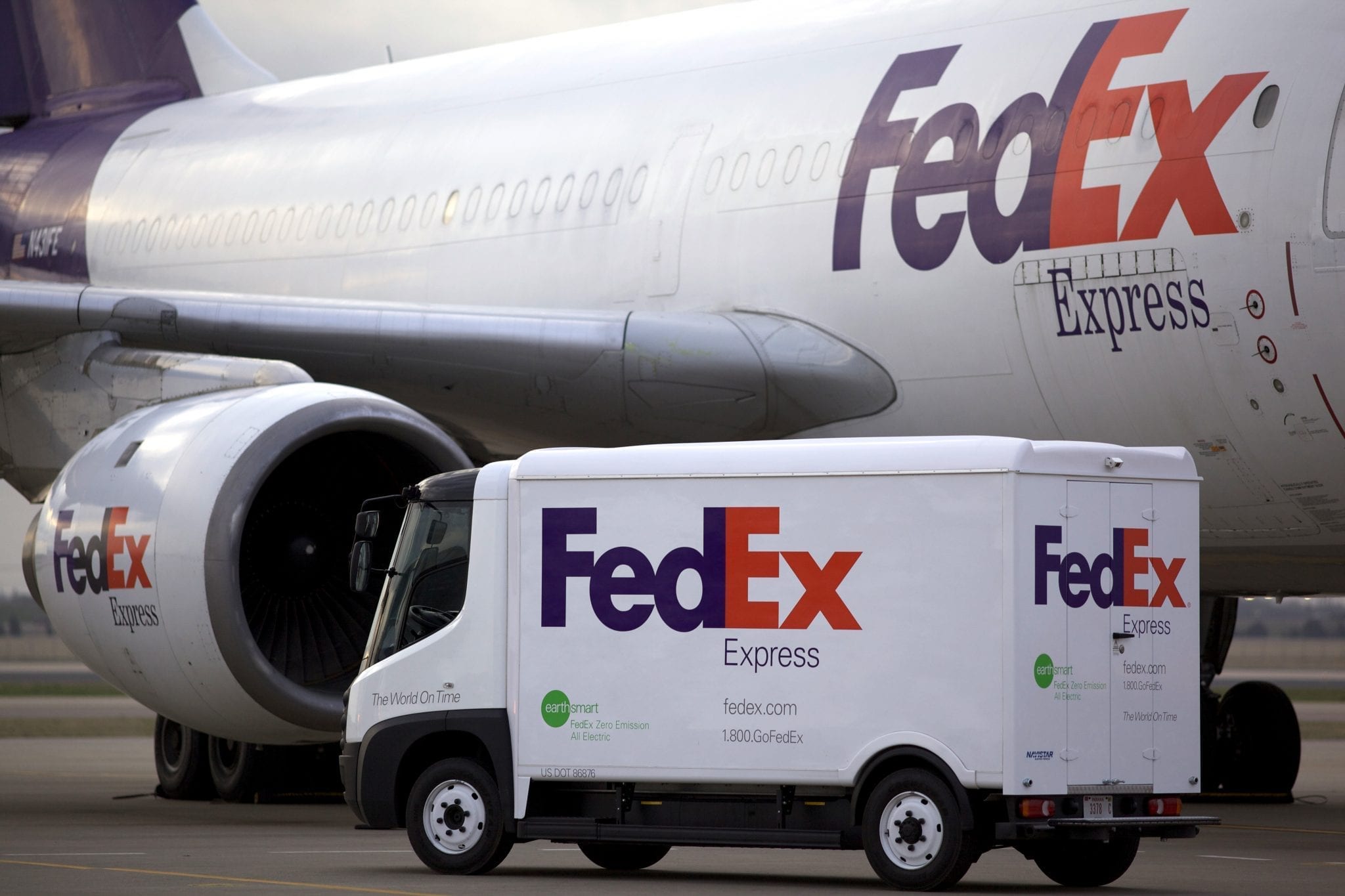
    FedEx customers in the Asia Pacific market have a new e-commerce delivery option. FedEx Express — subsidiary of Memphis-based logistics and delivery powerhouse FedEx Corp. — announced Jan. 23 its FedEx Delivery Manager service would now be offered in Australia, China, Japan, Malaysia, New Zealand, Singapore, South Korea and Taiwan (Asia Pacific).

    Customers using the delivery manager service can request specific delivery times or have packages delivered to a different address as part of the free service. FedEx sends SMS or email notifications when it picks up a package; recipients can then change any delivery instructions as needed. This is also intended to reduce the amount of deliveries FedEx makes to people who are not home.

    “The last mile of delivery capability is crucial to e-commerce as consumers today view convenience as a necessity and not a luxury,” said Karen Reddington, president of FedEx Express Asia Pacific, in a release.

    FedEx recently confirmed the importance of an “efficient and flexible shipping process” to SMEs [small-to-medium enterprise] via a FedEx-commissioned research study. According to the company, study results showed that 79 percent of Asia Pacific SMEs generate revenue through e-commerce; 32 percent have had e-commerce growth in the past 12 months; and, of the businesses that reported e-commerce growth, 46 percent said they needed more flexible shipping options.

    The study, “Global Trade in the Digital Economy: Opportunities for Small Businesses” was commissioned by Harris Interactive on behalf of FedEx in September 2016.

    With this latest addition, FedEx Delivery Manager is now offered in 41 markets across the world, including Asia Pacific, Europe, North America, Latin America and the Middle East.

    “The flexible delivery options provided by FedEx Delivery Manager will give end-consumers the peace of mind and enhance their overall online shopping experience,” Reddington said. “This is crucial to businesses, especially SMEs, as this will help them meet customers’ expectations and stay ahead of the competition.”

    FedEx Corp. reported $60.3 billion in annual revenue for fiscal 2017. In total, FedEx has more than 400,000 employees across the world. FedEx reported $16.3 billion in revenue for its second quarter 2018 results.

  • Vingroup eyes stake in mobile device retailer Vien Thong A

    Vingroup eyes stake in mobile device retailer Vien Thong A

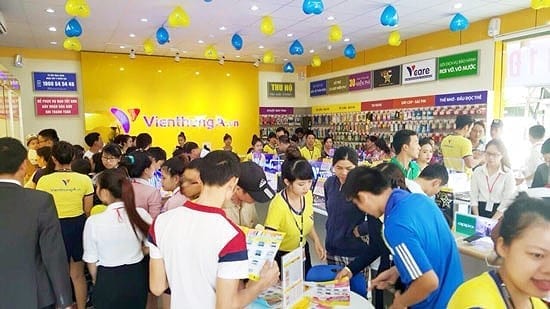
    VinPro, the electronics retail arm of Vietnamese conglomerate Vingroup, may invest in mobile device retailer Vien Thong A.

    However, Vien Thong A GM Hoang Ngoc Vy has denied the media reports, before enigmatically adding that further information would be forthcoming.

    VinPro was launched in March 2015 as part of the property giant’s foray into the nation’s US$4.5-billion electronics retail market. It has two brands: VinPro for big stores in Vincom Retail’s shopping malls, and VinPro+ for smaller stores.

    Established in November 1997, Vien Thong A has nearly 200 stores across Vietnam and 100 warranty centres.

    Vietnam’s electronic and electrical appliances market is expected to expand by 11.9 per cent by 2020, according to Boston Consulting Group and consumer information company GFK Vietnam.

    Meanwhile, the market is dominated by FPT Retail and Mobile World, which has just acquired about 95 per cent of Hanoi-based Tran Anh Digital World. Earlier, Thailand’s Central Group bought a 49 per cent stake in electronics retailer Nguyen Kim Trading.

  • The Shilla Duty Free aims high with new Terminal 2 perfume & cosmetics offer

    The Shilla Duty Free aims high with new Terminal 2 perfume & cosmetics offer

    The Shilla Duty Free has pledged “brand new kinds of customer experience that the airport has never seen before” at its new Incheon International Terminal 2 perfumes & cosmetics stores.

    T2 opened on 18 January. The Shilla Duty Free was awarded the terminal’s perfumes & cosmetics contract after an open tender in 2017.

    The travel retailer offered KW100 billion (US$87.9 million) in first-year guarantees for the five-year contract, which covers six stores and 2,105sq m of space.

    Shilla said that the T2 stores will offer “the best beauty experience in Incheon”. The overall retail concept will major on two key themes – “interactive” and “experience”.

    Seven interactive experience zones will enhance brand identity through promotional campaigns and product demonstrations.

    Customer interactive elements will include a ‘Digital Beauty Bar’, powered by what Shilla described as “cutting-edge display and information & communication technology”. It will provide a combination of information services, in-store promotions and virtual make-up previews, using a “gigantic” LED screen and interactive kiosk.

    Around 110 cosmetics & perfume brands, Korean and international, will be on offer. Chanel, Dior, Lancôme, Estée Lauder, SK-II and Sulwhasoo will each have flagship stores within an area of approximately 360sq m. The flagships are three times larger than the brands’ existing shops at the airport, Shilla said. Each has been independently conceptualised and designed by the respective beauty houses to create unique brand experiences. Key aspects of each offer are as follows:

    Chanel: “Brand new skincare experience”, featuring in-store product demonstrations and new product awareness using VR technology.

    Dior: Professional make-up artist’s product recommendations and demonstrations; Digital beauty tool including skin type analyser and lip test tablet.

    Lancôme: Virtual make-up mirror to showcase popular items and new arrivals; Digital screen covering entire store interior for video demonstrations.

    Estée Lauder: In-store engraving for various products, including fragrances and lipsticks.

    SK-II: Skin type analysis for personal counselling and product recommendation.

    Sulwhasoo: Hands & eyes massages; skin analysis and related product recommendation service with in-store moisture-measuring device.

    The offer will not just be about established brands. The Shilla Duty Free is also promising nine brand newcomers. Five are Korean – Primera, Too Cool for School, Cell Fusion C and Atopalm – and four imported – Caudalie, Foreo, Santa Maria Novella, Acqua di Parma and Atelier Cologne.

    r

  • Beef & Liberty to take off at Hong Kong airport

    Beef & Liberty to take off at Hong Kong airport

    Burger chain Beef & Liberty will start serving its signature gourmet offering at Hong Kong International Airport from early April.

    Opening in Terminal 1, its restaurant will seat up to 100 diners.

    From Shanghai, where it has three outlets, Beef & Liberty arrived in Hong Kong in 2014. The airport outlet will be its fourth for Hong Kong.

    Beef & Liberty uses beef only from Hereford cattle, raised naturally by farmers in the Cape Grim region of Tasmania, Australia. It says the meat is typically lean and high in omega-3 fatty acids and vitamin E.