Tag: asia

  • Single-brand retailers now easier to enter India

    Single-brand retailers now easier to enter India

    Indian Prime Minister Narendra Modi has removed the need for a federal approval of foreign single-brand retailers entering India.

    He has also relaxed the rule mandating 30 per cent local sourcing giving companies five years to reach the threshold.

    The surprise moves will speed the launch of at least 10 foreign brands believed to have applications in processing at present, including Uniqlo parent Fast Retailing and Tesla, according to a report in the Times of India. Fast Retailing had lodged an application to open Uniqlo stores last November, and Tesla has been in talks with government officials.

    “There are around 10 applications under single-brand retail trading and these will be positively impacted once the amendments in the FDI policy are notified,” Suresh Prabhu, Commerce and Industry Minister said without revealing brand names.

    Apple may be another foreign company to benefit from the about-face. The US tech giant had a previous application to enter the country via its own Apple stores declined because it could not meet local content requirements.

    Foreign brands have long been frustrated by Indian government restrictions on single-brand retailers, which were effectively designed to protect the ‘unorganised’ domestic retail sector, dominated by ma-and-pa retailers.

    Modi is trying to stimulate the Indian economy by relaxing foreign investment rules in a number of sectors, even allowing overseas companies to take a stake in the national carrier Air India.

  • Indonesia to Start Implementing Stricter Regulation for Ride-Hailing Services in February

    Indonesia’s Transportation Minister Budi Karya Sumadi confirmed on Thursday (25/01) the government will start implementing its newly-revised regulation for app-based ride-hailing services in February.

    The new ministerial regulation for services like Uber and Grab was set in October last year. It has been trialled in some major cities including Jakarta, Bandung (West Java), Semarang (Central Java), Surabaya (East Java) and Medan (North Sumatra).

    The new regulation will impose operational area limits for app-based taxis and require their drivers to obtain a public transportation driver’s license. Each driver will also have to join up with a company or a co-operative with at least five members.

    Cars used by app-based taxis will have to undergo regular test to keep their certificate of roadworthiness, or KIR, and each car should have a sticker saying it is being used as a ride-hailing cab.

    “In England, Uber cars have that kind of sticker, that’s easily seen on the street,” Budi told reporters at Kuningan City Mall in Jakarta on Thursday (25/01).

    “The ultimate goal for this regulation is to provide better safety for passengers,” he said.

    Many online taxi drivers have been complaining about the new regulation since it was first introduced in October.

    According to them, the hardest requirement to meet in the new regulation is re-registering the car as a public transportation vehicle and doing the KIR test regularly.

    “The regulation has to be fair,” Budi said. “It’s for everyone’s benefit. But public safety is our top concern. The regular KIR test, for example, is to make sure the cars are in tip-top shape,” Budi said.

    Last Monday, hundreds of online taxi drivers marched to the Transportation Ministry headquarters in Jakarta.

    The drivers promised a bigger street protest next Monday, Jan. 9, in front of the presidential palace.

    The government has also said it will impose tiered sanctions for drivers who disobey the rules, from suspending their license, fines of up to Rp 500,000 ($37) to a two-month jail sentence.

  • Shinsegae to ramp up e-grocery business with $940 million from private equity

    Shinsegae to ramp up e-grocery business with $940 million from private equity

    South Korean retail heavyweight Shinsegae has drawn a US$938 million investment to help it build a major e-commerce business.

    Shinsegae has signed an initial funding agreement with BRV Capital and private equity company Affinity Equity Partners as it strives to make the most of a rapidly expanding Korean online shopping market.

    Shinsegae says it will carve off the online business divisions of Shinsegae Department Store and its discount store chain operator E-Mart and merge them to establish a separate affiliate dedicated to the group’s e-commerce business.

    “Our goal is to launch the new affiliate within this year,” Choi Woo-jung, head of the group’s e-commerce business, said in a press release. “Further details, including the name of the company and its structure, will be decided down the road.”

    Shinsegae plans to carry out new business projects, including mergers and acquisitions, through the spun-off company and raise it as the business group’s key distribution channel with an annual revenue of 10 trillion won by 2023.

    Shinsegae’s e-commerce business has been posting double-digit growth since the launch of an integrated online mall for its subsidiaries, SSG.com, in 2014, it said. The online platform logged 1.5 trillion won (nearly $1.4 billion) in sales in the first nine months of 2017.

    The retailer’s move to expand its e-commerce business comes in line with a steep rise of purchases made over the Internet in South Korea as the use of smartphones has fully caught on with local consumers.

    Transactions made with personal computers and other mobile devices reached 7.55 trillion won November last year, up a solid 21.7 per cent from a year earlier, according to data from Statistics Korea.

  • Alibaba and Kroger in talks

    Alibaba and Kroger in talks

    Looking to fight back against Amazon’s move into the grocery business, Cincinnati-based Kroger is reportedly eyeing an alliance with the Seattle juggernaut’s nemesis: China’s Alibaba.

    Industry speculation has Kroger exploring everything from a technology alliance to an outright acquisition by the Hangzhou-based tech company. Such an epic takeover – which could easily top $50 billion – would be four times larger than last year’s acquisition of Whole Foods by Amazon that sent traditional grocers scrambling to boost their digital capabilities.

    Senior Kroger executives met with senior Alibaba officials last month in China, the New York Post and Reuters reported, citing unnamed sources. While details of a potential partnership were not revealed, an arrangement of some type was disclosed by of all sources, China’s Ministry of Commerce.

    “Alibaba has teamed up with Kroger … to speed up the integration of online and off-line sales,” the Chinese agency said in a statement on Jan. 13.

    Kroger shares rose Thursday as investors pondered the merits of a pact or a takeover of Kroger by Alibaba. Kroger stock climbed as high as $30.46 on Thursday, up 3.3 percent. Shares closed at $30.26, up 2.7 percent.

    Alibaba at the least could provide a digital payment platform to create stores that would not need cashiers or checkout stations. That’s something it has done in China and which Amazon introduced earlier this week in Seattle with a new Amazon Go store.

    With 2,800 stores across the U.S., Kroger could provide Alibaba a massive American platform to compete against Amazon. The Cincinnati-based grocer is the U.S.’s largest supermarket chain. Further, Kroger could direct some business to Alibaba’s site for general merchandise, sources told the paper.

    But while Alibaba’s annual sales last year were only $25 billion versus Kroger’s more than $100 billion, it has pockets nearly as deep as Amazon. The company is worth 10 times Kroger. If Alibaba wants to enter Western markets via an acquisition, it could make a credible offer.

    Wall Street analysts were intrigued at the possibility of a takeover, but seemed to think a partnership was more likely to result from the talks.

    “If these articles are in fact true, we applaud Kroger for thinking outside the box – because a Kroger/Alibaba partnership would be a superior solution… and would meaningfully alter the competitive landscape in the US,” wrote Barclays analyst Karen Short in a Thursday note to investors. “Alibaba could certainly provide Kroger with the most – if not all – of the e-commerce solutions.”

    Wells Fargo analyst Edward Kelly also leaned toward a possible alliance.

    “A partnership with a player like Alibaba would seem to make a lot of sense, as it could provide an attractive opportunity to advance Kroger’s technology platform and digital knowledge without significant upfront cost,” Kelly wrote in a Thursday note to investors.

    Andy Stout, managing director of investments at Simply Money in Symmes Township, said a takeover might be hard to pull off as regulators might resist a foreign ownership for a Fortune 500 company. He noted regulators early this year helped kill the acquisition of Moneygram by Alibaba subsidiary Ant Financial.

    “Regulators would look very closely at a Chinese company buying the third-largest retailer in the US,” Stout said. “In this age of populism, I think regulators probably would not allow Alibaba to buy Kroger.”

    Kroger officials declined to comment Thursday, labeling the reports “rumor or speculation.”

    Speculation of possible Kroger acquisitions or partnerships are in overdrive this month with news outlets suggesting the grocer was eyeing potential takeovers of digital wholesaler Boxed as well as online retailer Overstock.com. The common thread to all these reports besides unnamed sources and Kroger silence was avenues for the retailer to beef up its digital abilities.c


  • Starbucks China sales rises 30 per cent

    Starbucks China sales rises 30 per cent

    Starbucks China sales grew 30 per cent in the first quarter, overshadowing a lacklustre performance in the US company’s home market.

    Same-store sales in the core Asian market rose a respectable 6 per cent, with the majority of the growth down to new store openings: 700 new Starbucks stores opened, taking its global network to 28,039.

    US same-store sales rose by 2 per cent, driven by a similar increase in the average transaction value. Global revenue reach US$6 billion in the 13 weeks to December 31.

    Neil Saunders, MD of GlobalData Retail, said the strong Chinese result “hides an underlying softness – although we would stop short of saying problem – in the rest of the business”.

    “Barring last quarter – which was affected by one less week of trade than the prior year – Starbucks’ growth trajectory has slowed. This is most noticeable in the US, where both overall and comparable sales growth is trending lower,” said Saunders.

    “This slowdown does not mean the domestic business is broken. Instead, it is a function of maturity and saturation which has made both adding new stores and driving performance from existing locations steadily more challenging. Given that this dynamic will only worsen over time, it raises a question as to how Starbucks intends to remedy the issue.”

    Kevin Johnson, president and CEO of Starbucks, said the strategic acquisition of East China positioned the company to accelerate its growth in the key China market.

    “Today, Starbucks has two powerful, independent but complementary engines driving our global growth, the US and China. Our work to streamline the company is sharpening our focus on our core operating priorities.”

  • Cypark awarded RM260.51 million solar plant project

    Cypark awarded RM260.51 million solar plant project

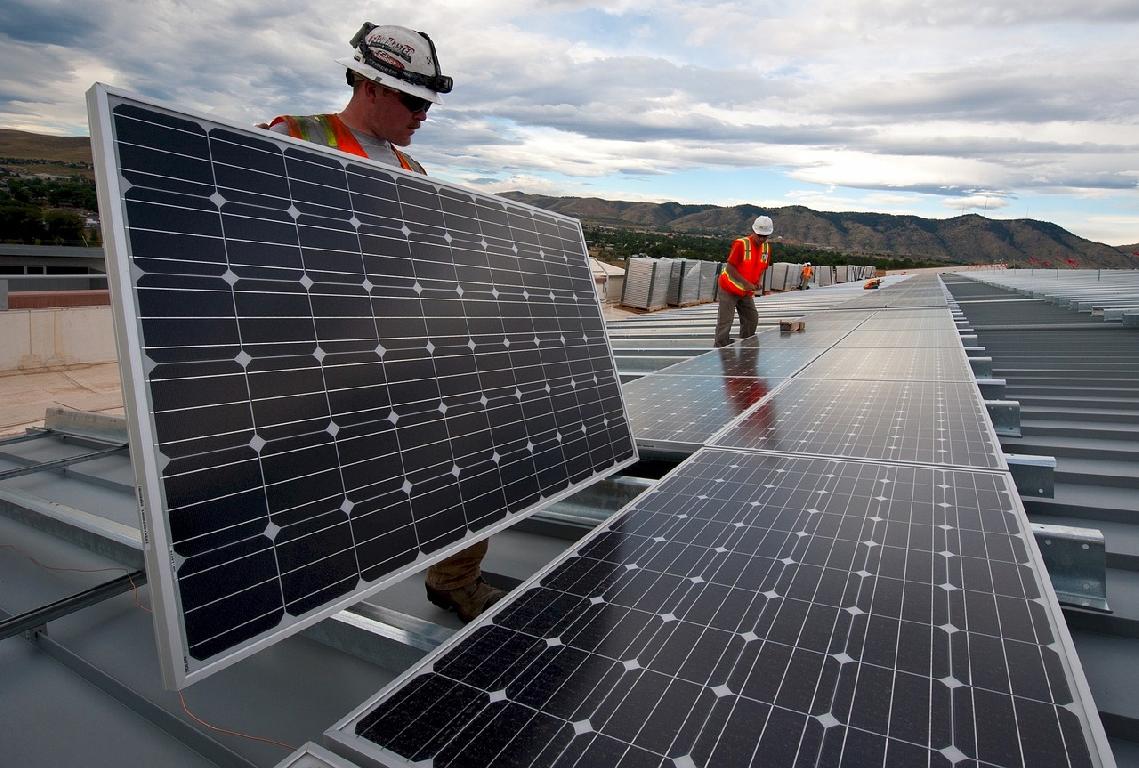
    Cypark Resources Bhd has bagged a RM260.51 million contract for the construction of a 30MW large scale solar photovoltaic plant at Empangan Kelinchi, Negeri Sembilan.

    The company told Bursa Malaysia it had on January 26 accepted the conditional letter of award dated January 26, 2018 from Cove Suria Sdn Bhd.

    The engineering, procurement, construction and commissioning of the plant is for a period of 24 months, while operation and maintenance will last for 21 years.

    At 2.31pm, Cypark’s share price was unchanged at RM2.52 on some 227,300 shares done.

  • Jaya Grocer to open five more outlets in 2018

    Jaya Grocer to open five more outlets in 2018

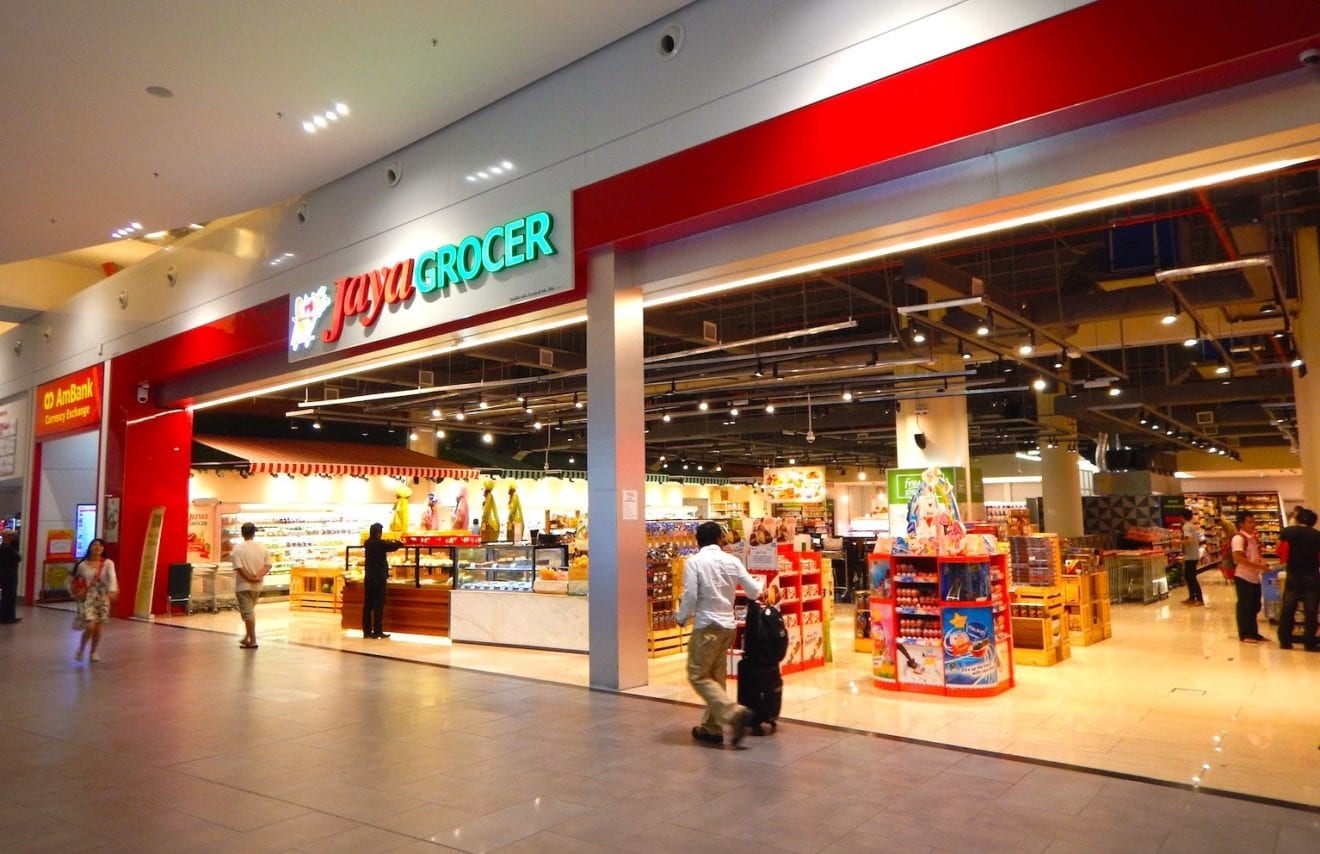
    Neighbourhood fresh grocer Jaya Grocer, which celebrates its 10th anniversity, plans to open five more outlets in the Klang Valley this year.

    Its operations director Daniel Teng said on Thursday the outlets would be at Eco Ardence at Setia Alam in February; Kuala Lumpur Eco City (KLEC) at Bangsar in June; Empire City Damansara in July; Kiara 163 at Mont Kiara in September, and Kuala Lumpur East at Taman Melati in December.

    Jaya Grocer has 22 outlets. The latest outlet opened at Sunway Iskandar Citrine Hub in Johor last week.

    As part of its anniversary celebrations, Jaya Grocer is offering 10 items on special promotional prices each week since the start of the year.

    During a briefing for the media at Starling Mall Jaya Grocer in Damansara Utama, he said the management team is led by retail veterans with a family heritage dating back to pre-Independence Malaya.

    “We are proud of our heritage and are yet humbled by the overwhelming support shown by our loyal customers through the decades,” Teng said.

    On the opening of its Bangsar Market by Jaya Grocer, he said it would be one of the largest “urban fresh grocers” in the country.

    This would be located at the KLEC, a strategic and synergistic public-partnership between developer SP Setia Bhd and Kuala Lumpur City Hall.

    “The concept of Bangsar Market by Jaya Grocer is to bring back the feeling of shopping in a fresh wet market which is clean and well laid out. We hope to meet the discerning demands of sophisticated modern day shoppers in the city,” Teng said.

    Bangsar Market will occupy 54,000 sq ft or the entire second level of the mall.

    On Jaya Grocer’s online delivery service, Teng said it would be gradually expanded to cover more areas in the Klang Valley, beginning with its Pearl Point Outlet in Jalan Klang Lama.

    “Since we started at the end of 2016, our online segment has grown by 30%,” said Teng.

    “It has certainly helped to meet a need among modern consumers with a hectic city lifestyle or busy mothers with young children who cannot spare time to shop in person.

    “We provide same day delivery, with the quickest delivery time being within two hours. Furthermore, we only charge a token for the delivery service and prices remain the same as in-store, including promotional items,” he said.

    Jaya Grocer plans to set up a new distribution centre in Puchong that will help improve the overall supply chain management, Teng said.

    Jaya Grocer is operated by Trendcell Sdn Bhd, which is 45% owned by the Asean Industrial Growth Fund (AIGF). The other 55% being held by the founding Teng family which continues to manage the business.

    AIGF, a private equity fund, is 45% owned by CIMB Private Equity, 45% by Mitsubishi and 10% by the Development Bank of Japan.

    Jaya Grocer started in 2007 with its first outlet in Jaya 33 in Petaling Jaya. Jaya Grocer was set up by the Teng family, who are the founding family of Giant Hypermarket and the TMC (Teng MiniMarket Centre) in Bangsar.

    The family sold the Giant chain to Hong Kong-based Dairy Farm group in 1999 for an undisclosed sum. Meanwhile, TMC Store Bangsar has been wholly owned and operated by GCH Retail (Malaysia) Sdn Bhd since November 1980.

  • Vietnam phone exports to China surge eight-fold

    Vietnam phone exports to China surge eight-fold

    Customs data shows China became the second largest importer of phones and phone parts from Vietnam last year, just behind the European Union with US$11.96 billion, a year-on-year increase of 6.4%.

    Exports of the products to South Korea also rose by a staggering 45.4% year-on-year to US$3.97 billion and shipments to the United Arab Emirates edged up a slight 1.6% to US$3.89 billion.

    The report indicates Vietnam spent US$8.75 billion importing phones and phone parts from China and US$6.18 billion from South Korea last year, up 42.4% and 72.6% from a year earlier.

    Therefore, for these products alone, Vietnam ran respective trade deficits of around US$600 million and US$2.21 billion with China and South Korea.

    Notably, according to the report, China has accounted for around half of phone and phone part exports to Vietnam in recent years.

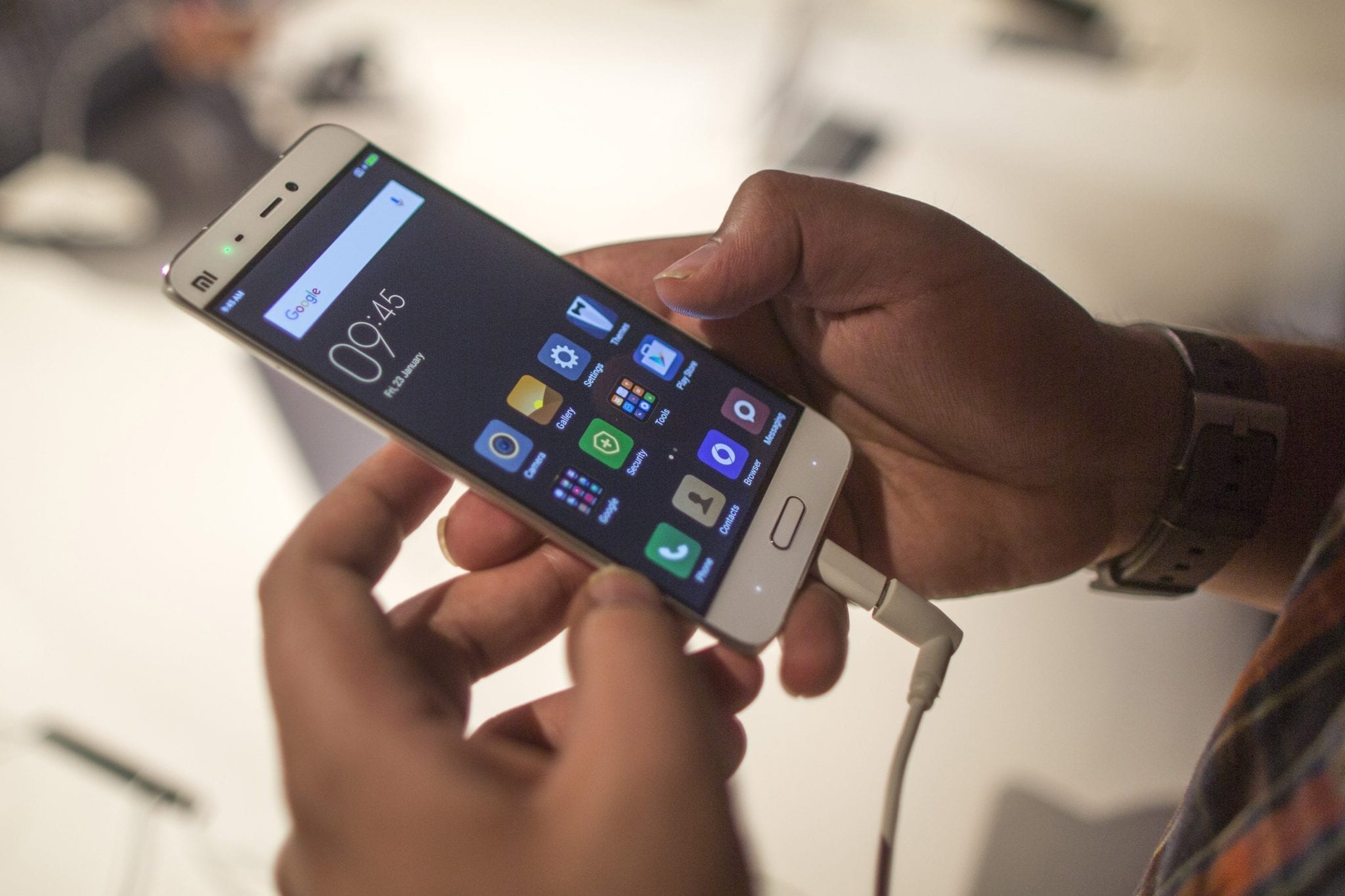
    Apart from hi-end gadgets of tech giants like Samsung, Apple and HTC, industry watchers said Chinese brands such as Oppo, Huawei, Xiaomi and Vivo have dominated the mid-end and feature-phone market segments.

    Although some major Korean phone producers like Samsung and LG have set up shop in Vietnam, many parts suppliers of these tech firms have yet to come to the country. Therefore, analysts forecast Vietnam will have to continue importing phone parts from the Northeast Asian nation this year.

    Customs data shows Vietnam exported phones and phone parts worth US$45.27 billion last year, a year-on-year increase of 31.9%, while the country saw a 54.8% rise in imports of these products at US$16.34 billion. The products made up over 21% of the country’s export revenue last year.

  • JD.com Announced Its Chic New Paris Office

    JD.com Announced Its Chic New Paris Office

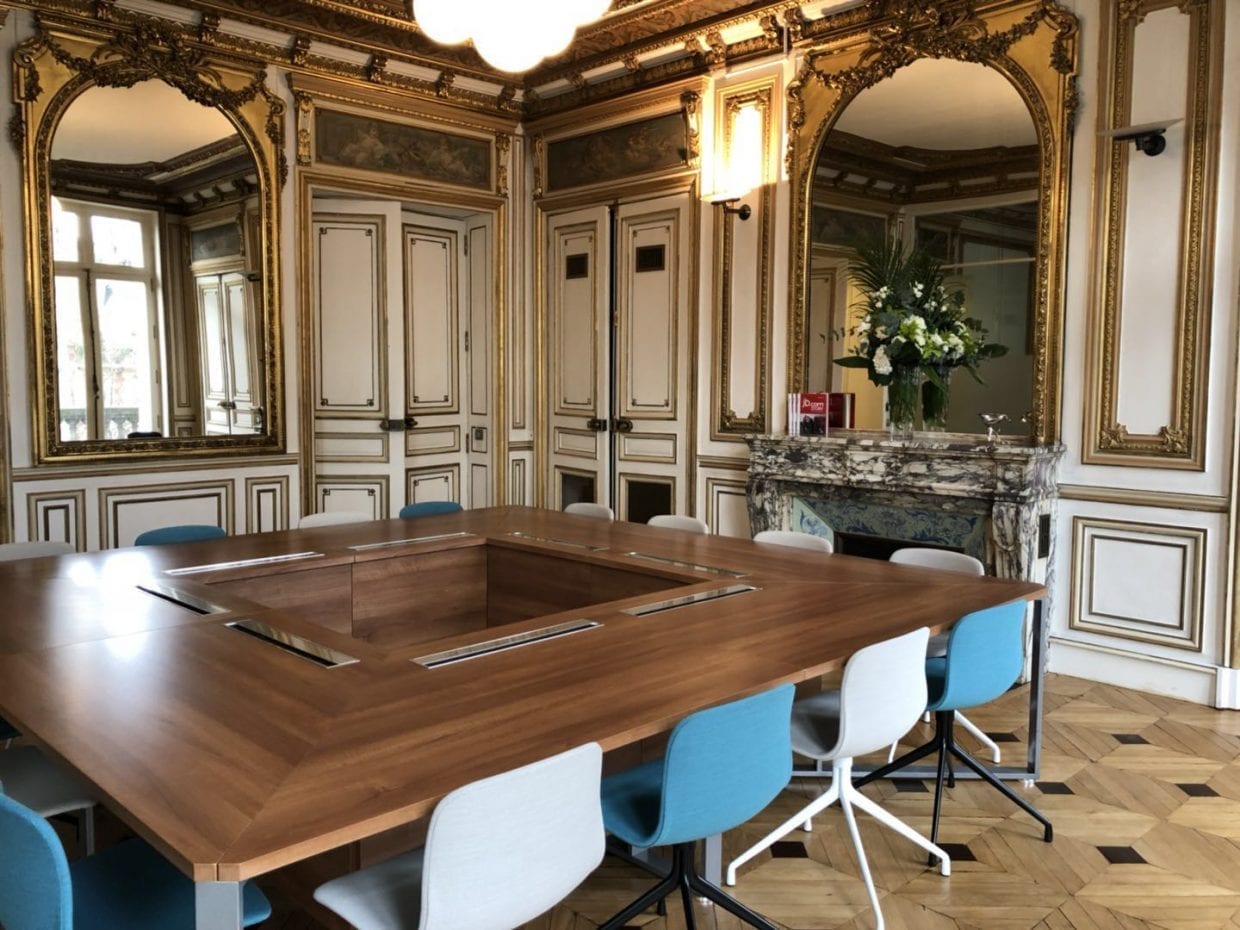
    JD.com announced yesterday that it has opened a Paris office. The move follows an agreement with France’s official trade promotion agency, Business France, to sell €2 billion (US$2.4 billion) in French products to Chinese consumers over the next two years.

    It’s a strategic move, putting JD.com in close proximity to many of the world’s top luxury brands at a time when China’s leading e-commerce platforms are battling for a bigger share of the luxury market.

    JD.com France’s Managing Director, Florent Courau

    JD.com first made public its intentions to woo French retailers earlier this month when French President Emmanuel Macron made a state visit to China. This visit also coincided with another landmark announcement that French luxury fashion house Saint Laurent would be officially partnering with JD.com to sell its collections on the e-commerce site’s luxury platform, Toplife, joining the ranks of La Perla, Tod’s, Emporio Armani, and more recently, Derek Lam.

    Company representatives called the collaboration with France a “milestone” for the e-commerce giant. The newly appointed Managing Director for JD.com in France is Florent Courau, who worked as COO of Sephora in North Asia and, before that, at LVMH for 12 years, six of them in China.

    JD.com intends to leverage stronger relations with the country to broaden its luxury portfolio in Europe, giving its customers access to a wider range and a better quality selection of not only fashion brands, but categories like cosmetics, food, and wine and spirits.

    “Our customers value the quality of French products, making this a critical market for us to further expand our brand relationships,” Courau said in a statement. “Our Paris office will be committed to providing tailor-made support to our French partners who want to seize the immense opportunity that JD offers.”

    A new report released by Bain last week revealed that many luxury consumers were still wary about making purchases online and preferred shopping either at brick and mortar stores, on the brand’s official website, or on its WeChat platform. Luxury aggregators like JD.com’s Toplife and Alibaba’s Tmall Luxury Pavilion were the third most-preferred resource for these consumers.

    But both JD.com and Alibaba have been ramping up their efforts to secure the trust of both consumers and brands in the luxury sector with the launch of these ‘pure play’ platforms—JD.com launched Toplife last fall—that keep luxury goods separate from their other mass market offerings and even counterfeit goods.

    These platforms also let JD.com cater to the specific demands of luxury consumers through offering better customer service, guaranteed authenticity, and a “white glove” delivery service. JD.com has also spent much of the past year forging stronger networks in the luxury industry beginning with $397 million deal with UK luxury platform Farfetch.

    “Since we launched Toplife the goal has been to provide the convenience of online with the personalized feel of making a luxury purchase online,” VP for International Corporate Affairs at JD.com Josh Gartner said. “Our physical presence in France brings us closer to the world’s leading luxury brands and helps us understand them better so we can ensure the integrity of their offline brand identity when they come online with us in China.”

    To smooth the process of entering China’s world of online retail, JD.com also plans to offer a new training program for senior executives on reaching China’s online shoppers, as well as build a logistics center to smooth out the overseas shipping process.

    “Now, we want to bring the best of France, not only in terms of world-class brands, but also in terms of a world-class shopping experience, right to the doorsteps of our luxury consumers,” Gartner said.

  • UNIQLO Thailand to Open First Roadside-Type Store in March

    UNIQLO Thailand to Open First Roadside-Type Store in March

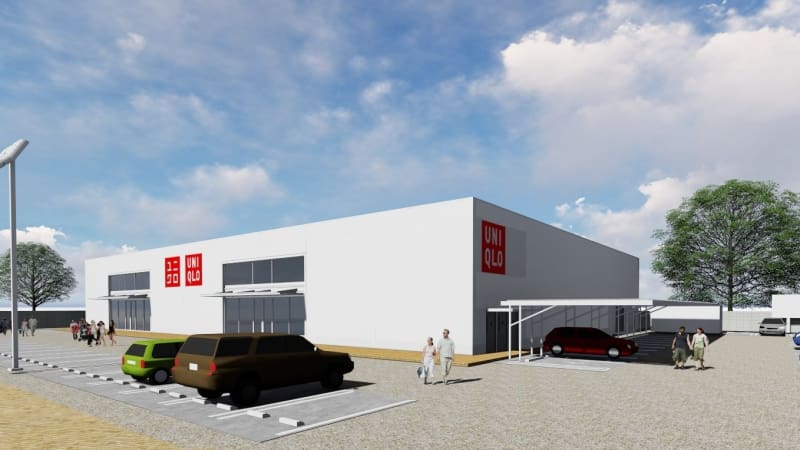
    UNIQLO announced it will introduce a new type of store – its popular roadside store model – to Southeast Asia, with the first store of the region to be launched in the bustling east Bangkok at Phatthanakan Road on Friday, March 23 this year.

    UNIQLO Phatthanakan roadside store will showcase the brand’s full assortment of LifeWear in men’s, women’s and kids’, as well as provide a brand new, world-class shopping experience for customers in Thailand with the new format.

    “We are honoured, and excited to bring our first roadside-type store from Japan to the Southeast Asia region. We believe this new store format will deliver greater convenience for our customers, where each store will serve as a focal point that brings communities together”, said Satoshi Hatase, CEO, UNIQLO Southeast Asia. “Eastern Bangkok, like some other places in Southeast Asia, is ideal for this type of store. Spacious parking space exclusively for UNIQLO customers from the neighbourhood and a considerate store design make the roadside-type store a great place for customers to drop by for a visit with the whole family”, he added.

    A UNIQLO roadside-type store usually features ample parking space for customers, and becomes the centre point of its community through considerate, localised store design. Historically, roadsidetype stores have played a very important role in UNIQLO’s growth throughout Japan, and the model has also been very successful outside Japan, including Korea and Taiwan.

    While carrying on the tradition of a UNIQLO roadside store, UNIQLO Phatthanakan will take the needs of its local customers into consideration to create a truly community-focused store that provides great happiness and convenience through a unique mix of services and products.

    UNIQLO Phatthanakan store will feature an extensive range of the latest line ups for women, men, kids and babies, across a sales area of approximately 1,440 square metres. The store, located at Phatthanakan Road, will open on Friday, March 23 2018.

  • HKCYIA Offers Cruise Talks to the Public FREE

    HKCYIA Offers Cruise Talks to the Public FREE

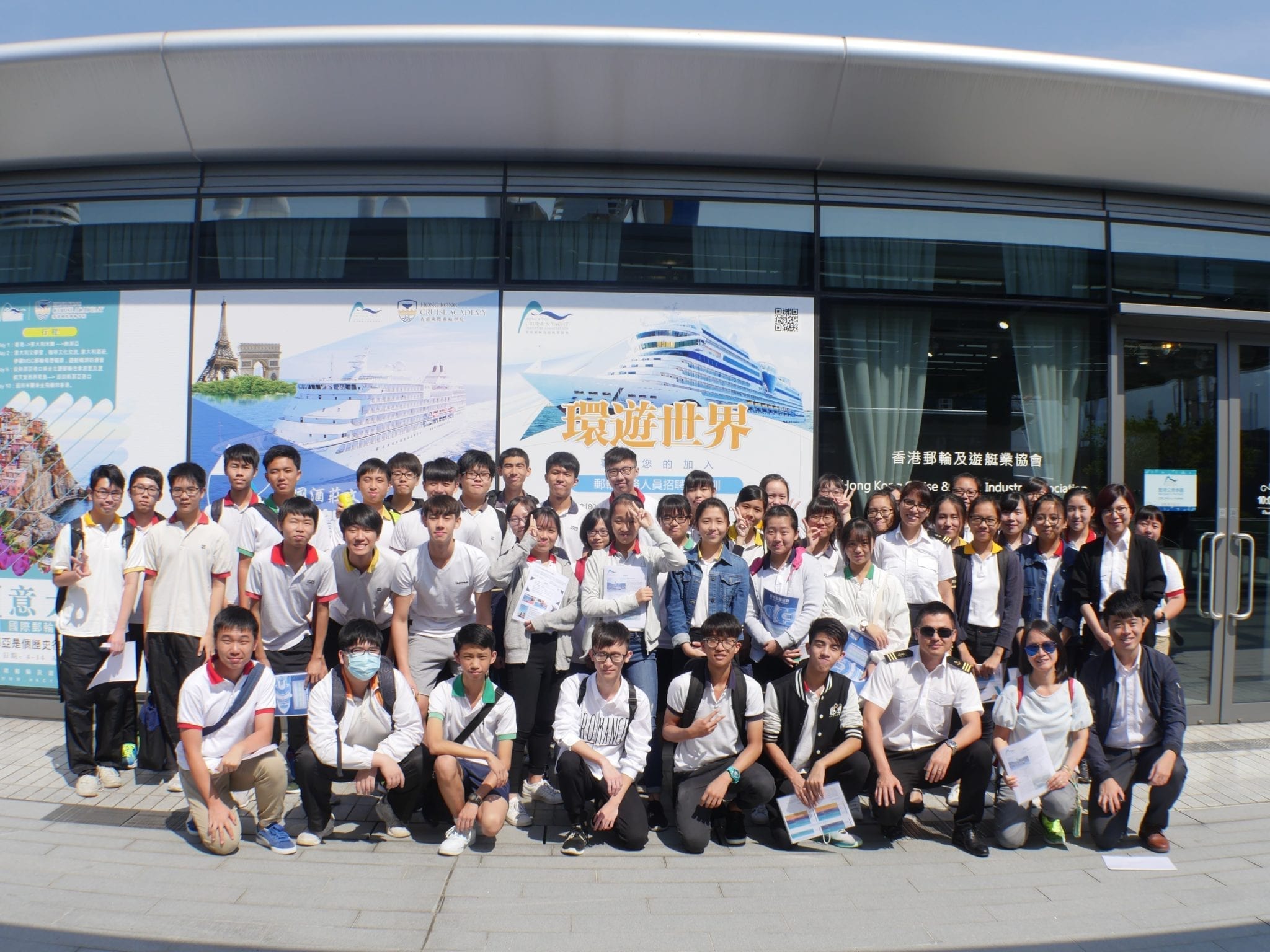
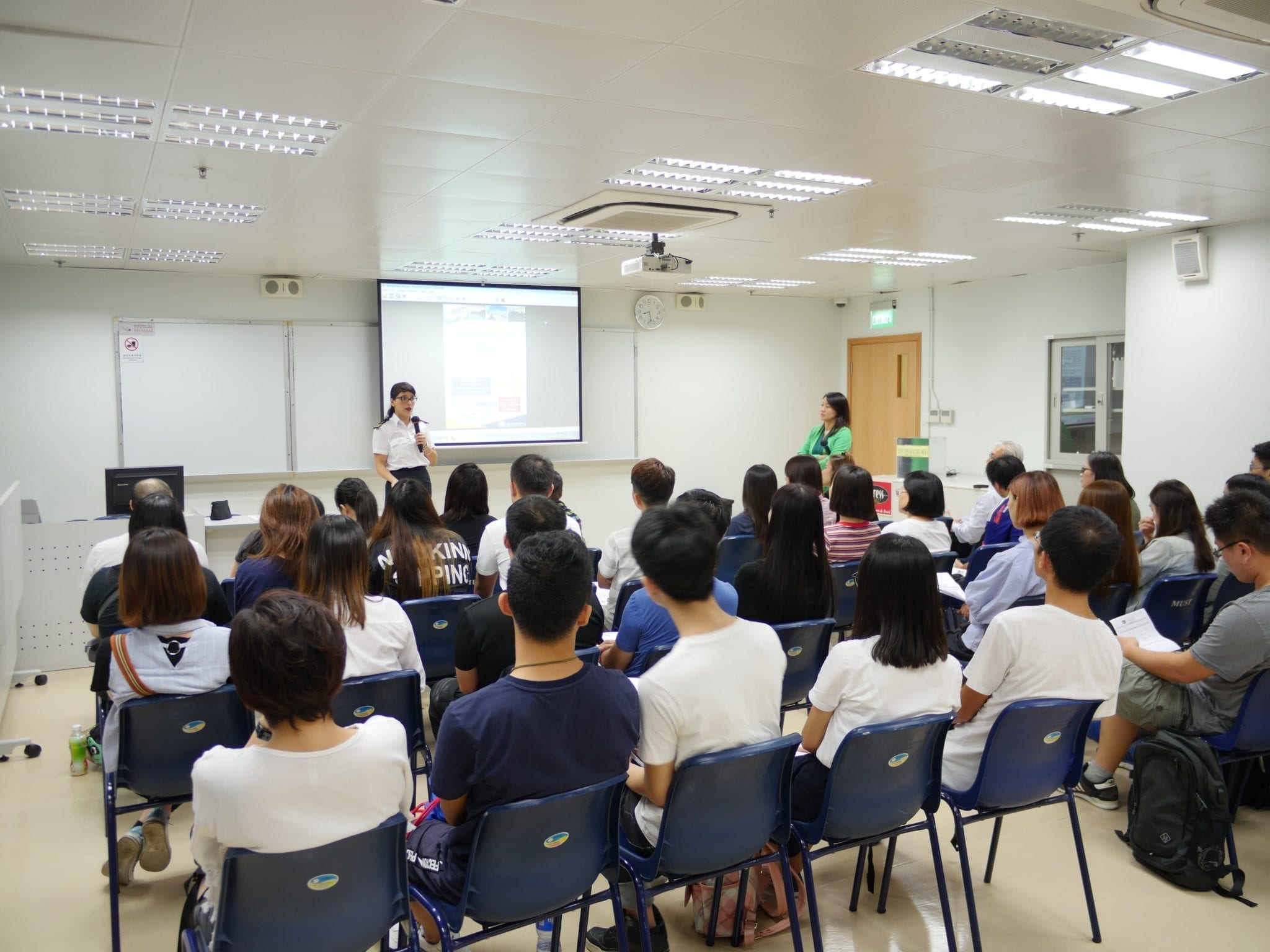
    To promote public awareness of the cruise industry and its contributions to the economy, the Hong Kong Cruise & Yacht Industry Association (HKCYIA) is to provide free talks on cruise careers for youths. This follows the talks for Tourism and Hospitality Studies students which received overwhelming response with over 70 secondary schools having enrolled for the talks since last October.

    The cruise talks for the public will be held from now till March. The 3-hour talks will be conducted in English and given by HKCYIA Purser Trainer Laura Escobar, who has over 10 years of experience in the management of European cruises. The talks will cover international cruise information, structure of international cruises, introduction to cruise travel, and career development in cruise industry, providing the public with information about cruise careers and industry developments.

    Kara Yeung, Executive Director of HKCYIA, said “In view of the relatively low awareness of the cruise industry among Hong Kong people, HKCYIA is dedicated to advancing the long-term development of the Hong Kong cruise industry through free talks to the general public. The talks are designed to enable them to acquire a broad knowledge and understanding of the global cruise industry, thereby promoting employment in the fast-growing cruise sector.”
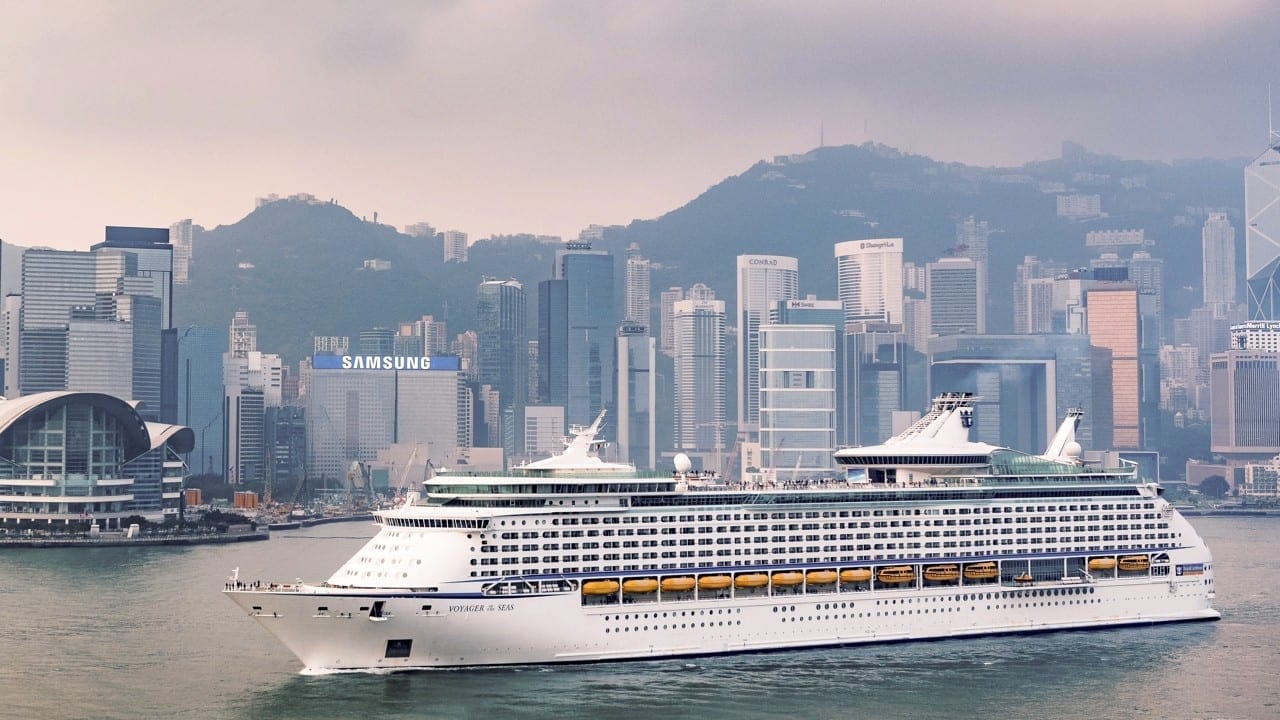
    The free talks will be held at Kai Tak Cruise Terminal where most international cruises berth in Hong Kong.

    Participants can have the opportunity to watch international cruises visiting Hong Kong, including Costa neoRomantica of the Italian Costa Cruises, Queen Elizabeth and Queen Mary 2 of the British Cunard Line. They can also visit the Kai Tak Cruise Terminal and the HKCYIA office. Those wanting to visit the cruises are required to make prior arrangements with travel agencies on their own. For those interested in attending the free talks, please contact Ms. Chan at (852) 2180 0723 for registration as seats will be available on a first-come-first-served basis.


  • Singtel appoints global cyber security chief

    Singtel appoints global cyber security chief

    Singtel has appointed Arthur Wong (pictured) as its new CEO of global cyber security to help fulfil the operator’s ambition of becoming a global leader in the cyber security market.

    Wong joins Singtel from IT services company DXC Technology, where he served as SVP and general manager of the company’s security business.

    DXC was formed from the $25.6 billion merger of Hewlett Packard Enterprise Services (HPE) and Computer Sciences Corporation (CSC), which closed in April.

    Wong has also previously with companies such as HP, Symantec and McAfee in various executive roles. Wong is also the founder of five startups, including IT security companies Secure Networks and SecurityFocus.

    “We are very pleased to bring Art on board as we step up efforts to drive growth in our cyber security business,” Singtel CEO Bill Chang said.

    “This newly-created position reflects our commitment to scaling the Group’s cyber business and accelerating our journey to becoming a global leader in the cyber security space. Art’s wealth of industry experience will help us optimise our cyber security assets and sharpen our business unit’s focus.”

    Singtel’s cyber security revenues grew 84% S$473 million ($361.5 million) in the year ended in March last year and are expected to reach around S$550 million this financial year.

    The company employs over 2,000 cyber security professionals across nine advanced security operations centers in APAC, Europe and the Americas, as well as through its Trustwave managed security services business, which the company acquired in 2015.

  • Honda, Forever 21 to Collaborate on Vintage Collection

    Honda, Forever 21 to Collaborate on Vintage Collection

    Forever 21 has launched a collection featuring classic Honda racing motifs.

    The brainchild of Honda’s brand management agency Earthbound, the F21xHonda racing capsule collection consists of iconic Honda designs from the early 1980s and action sportswear of the 1990s.

    “Pairing nostalgic Honda racing iconography with updated silhouettes and fabrics to create a modern yet timeless aesthetic, the latest collection includes a variety of men’s and women’s apparel,”said the two companies in a statement.

    The women’s collection offers vintage inspired styles from long and short sleeved crop-tops, long sleeve t-shirts and skirts, including items in the Plus size range. The men’s collection features street-wear ready pieces including t-shirts, pull-over sweaters and racing jackets.

    “We are always looking for new and unexpected partnerships,” said Linda Chang, VP of marketing for Forever 21. “This collaboration with Honda racing is especially relevant now with the popularity of racing and motorsport designs. We hope that fans of both Honda racing and our customers will celebrate with us through this collection.”

    Honda Powersports Marketing’s senior manager Mike Snyder said collaborating with a brand like Forever 21 allows Honda motorcycles to access a completely new audience.

    “We are very happy with the collection they have developed. It does a great job of blending Honda’s Racing history with Forever 21’s fashion sense.”

    The F21 x Honda racing collection launched in stores throughout North America and on Forever21.com this week.

  • PepsiCo Cuts Ties With Indofood’s Palm Oil Unit Over Labor Abuse Claims

    PepsiCo Cuts Ties With Indofood’s Palm Oil Unit Over Labor Abuse Claims

    Food and beverage giant PepsiCo has suspended procurement from a palm oil supplier over claims of labor abuses on its Indonesian plantations, a move hailed by campaigners on Wednesday (24/01).

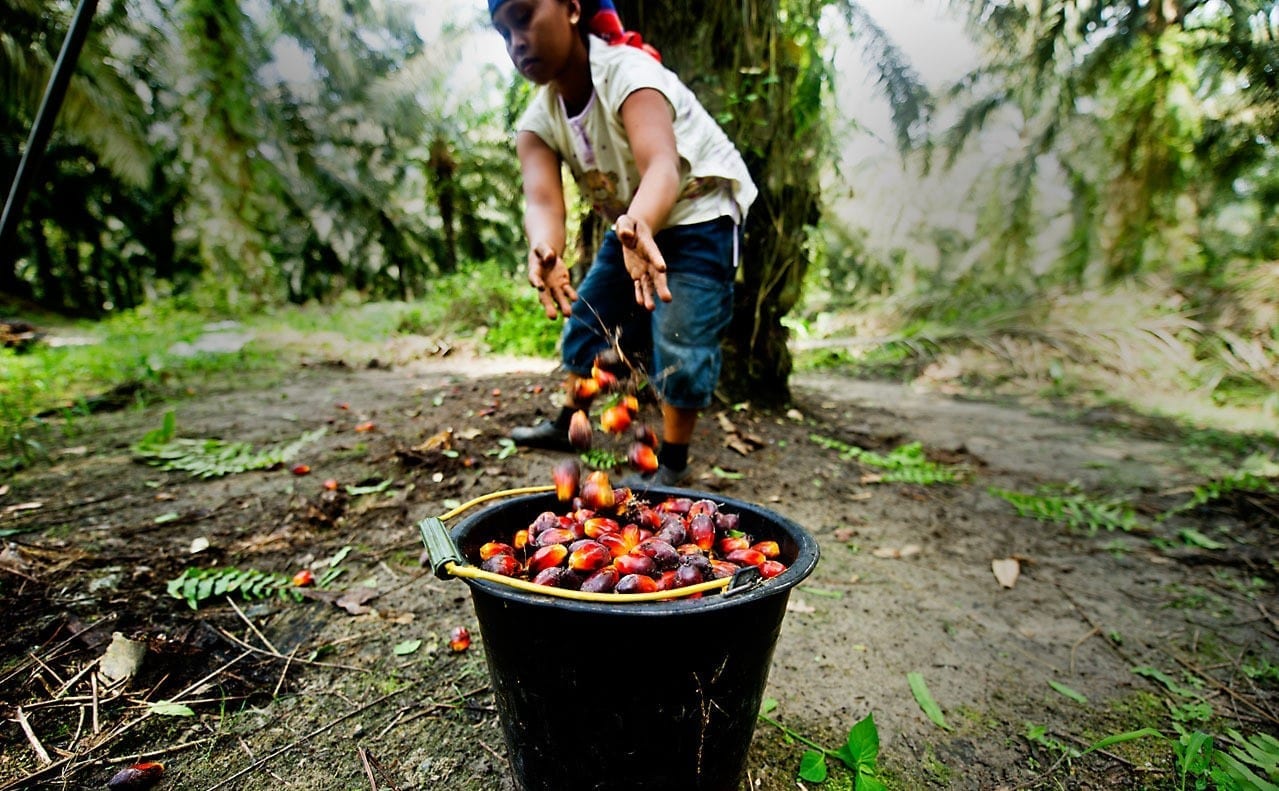
    A 2016 probe by several campaign groups alleged there were child labor and worker exploitation, such as low wages and hazardous working conditions, on Indonesian plantations operated by Singapore-listed Indofood Agri Resources (IndoAgri).

    Although IndoAgri has taken action to address the complaints, PepsiCo said it decided to suspend ties “pending further progress and visibility around the issues” after it looked into the allegations.

    “PepsiCo is very concerned about the allegations that our policies and commitments on palm oil, forestry stewardship and human rights are not being met,” it said in a statement.

    Neither IndoAgri nor its parent company, Indofood, were immediately available to comment. IndoAgri said on its website that it has a sustainable palm oil policy which ensures human rights are respected.

    Businesses are facing increasing pressure from governments and consumers to disclose what actions they are taking to ensure their supply chains are free from modern-day slavery.

    Indonesia is the world’s largest palm oil producer but it has been regularly linked to the destruction of rainforests and wildlife habitats, as well as displacement of indigenous communities.

    IndoAgri is a subsidiary of Indonesian food manufacturer Indofood, which produces PepsiCo’s snacks in Indonesia under a joint venture partnership. The joint venture sourced palm oil from IndoAgri.

    The investigation was carried out by San Francisco-based Rainforest Action Network (RAN), Indonesian labor rights group OPPUK and Washington-based International Labor Rights Forum.

    “After years of denial, PepsiCo has admitted to the high risks associated with its palm oil supply chain and business partner,” RAN campaigner Robin Averbeck said in a statement.

    Palm oil, used in soap, cosmetics and food spreads, has been one of the fastest expanding crops in the last few decades.g

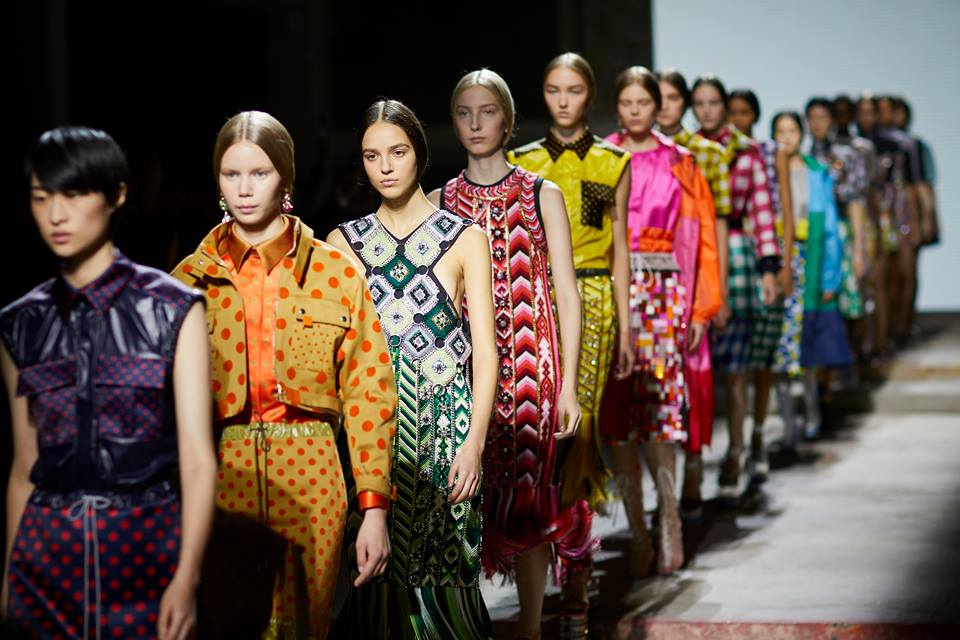
  • Mary Katrantzou pursues China expansion with an investment from Yu Capital

    Mary Katrantzou pursues China expansion with an investment from Yu Capital

    To boost its presence in China, London-based womenswear brand Mary Katrantzou has received funding from fashion investor Wendy Yu’s investment fund Yu Capital.

    With only two points of sale on the Chinese mainland – in the stores of multi-brand retailer Joyce in Beijing and Shanghai – and one in Hong Kong at On Pedder, the Greek designer firmly believes her brand has expansion potential in China.

    Katrantzou and Yu are friends, and the designer believes Yu to be an investor with “a pragmatic and forward-looking vision”.

    Daughter of Chinese billionaire Jingyuan Yu, the owner of wooden goods company Mengtian, Wendy Yu attended boarding school in the UK, and as an investor aims to “bridge the economic and cultural gap between China and the rest of the world”, reports Fashion Network.

    As well as philanthropic activities, notably with the British Fashion Council, the British Museum and the V&A Museum, she founded Yu Capital in 2015, an investment fund specialising in technology, lifestyle and fashion.

    Along with Yu Culture, which aims to enrich the Chinese cultural scene through international projects and partnerships, and Yu Fashion, which has the goal of working with brands and designers to promote creativity, Yu Capital is part of Yu Holdings, a platform launched by Yu this month with the aim of investing US$20 million in emerging businesses this year.

    Already Yu Capital has invested in brands such as ASAP54, now Fashion Concierge, a fashion-centered search application, and Bottletop, a British leather goods label.

    By becoming a minority shareholder in Mary Katrantzou’s brand, Yu has entered the luxury sector. She says the brand, which has its tenth anniversary this year, owes its fame to its whimsical prints and collaborations with Adidas and Longchamp.