Tag: asia

  • World’s biggest brands put on notice over 5,000,000-tonne laminate packaging problem

    World’s biggest brands put on notice over 5,000,000-tonne laminate packaging problem

    Big brands have been put on notice about their inaction over the world’s growing 5,000,000-tonne problem of plastic aluminium laminate waste.

    Following revelations about the scale of the problem in the UK and internationally, the CEO of the company behind the world’s only solution for recycling laminates – food pouches, pet food pouches, toothpaste tubes, sachets – has called on the world’s biggest FMCG companies to support investment in new processing capacity.

    Enval CEO Dr Carlos Ludlow-Palafox has written an open letter addressed to the CEOs of companies that benefit from laminate packaging, such as Unilever, Kraft, Nestlé Mars, Colgate, Campbell’s, GSK and Hain-Celestial to get behind efforts to process post-consumer waste.

    Across Europe and the US, billions of plastic aluminium laminate pouches, tubes and sachets are being discarded and sent to landfill or incineration while consumers are often misled into thinking that they are recycled, as reported.

    In the UK alone more than 10 billion laminate packaging items are sold annually but fewer than 1 in 20,000 is recycled. Of the remainder two thirds go to landfill and the rest are incinerated. This recycling rate is 50 times worse than that of disposable coffee cups, which has received great attention from media and politicians alike.

    Because the material contains bonded plastic and aluminium, the packages cannot be treated either as plastic or as aluminium. Only the Enval process can deal with them, however currently there are no major initiatives in place in the UK or the world to collect and sort post-consumer packages and genuinely recycle them.

    To process the waste, Enval has developed the world’s only commercial scale plant to deal with the material, which uses a microwave heating method to recover the aluminium into reusable ingots and process the plastic into reclaimed oil.

    Manufacturers and waste companies have undertaken successful trials with the Enval plant but have failed to support wider collection and processing efforts due to a reluctance to make the initial investment required.

    Enval CEO Dr Ludlow-Palafox said the lack of involvement by the FMCG brand owners and the risk-averse nature of the waste handling sector has meant the Huntingdon plant is still the only one in operation.

    “We believe the time for complacency is over. FMCG brands are using laminate packaging because of its exceptional characteristics and cost and environmental benefits. Yet the fact remains that more than 10 billion pouches, tubes and sachets end up being thrown away in the UK alone. This is inexcusable now that we have an environmentally sustainable and economically viable solution. These same companies boast about their environmental credentials: it is time for some action.

    “Consumers are buying laminate packaging in good faith – often either thinking it can be recycled or because there is no other choice. Big brands have reaped the benefits of advancements in packaging technology while delivering no certainty to consumers.

    “The problem of single-use laminates dwarfs that of coffee cups. Brands and regulators now need to put their money where their mouth is and ensure that laminates can be genuinely reprocessed and these materials brought into a circular economy that benefits both the market and the planet.”

    Independent studies commissioned by WRAP UK and the UK’s Department for Environment, Food and Rural Affairs (DEFRA) have shown that laminates can be readily separated from waste streams using conventional sorting technology. These studies also proved that a majority of householders, when asked, sort laminates for recycling for collection as they do with other materials.

  • Yitu Technology Eyes Southeast Asia AI Market

    Yitu Technology Eyes Southeast Asia AI Market

    Yitu Technology, a Shanghai based artificial intelligence technology company, has opened a new office in Singapore as part of its effort to boost growth in Southeast Asia, Hong Kong, Macau and Oceania.

    The office will act as launching pad for the company to introduce AI and collaborate with public, banking and healthcare sectors across the region, Yitu general manager for Southeast Asia, Hong Kong and Macau Lance Wang said at a launching event on Tuesday (23/01).

    “We see huge potential in Singapore and Southeast Asia. With our strength in R&D, we believe we can contribute more to the artificial intelligence sector here,” Wang said.

    A 2017 study by global consultants McKinsey & Company estimated Southeast Asia could gain potentially $897 billion in economic value if countries in the region pursue proactive artificial intelligence adoption across all sectors, including manufacturing, financial services, healthcare and transportation.

    Founded in 2012 by Leo Zhu, a UCLA-trained artificial intelligence scientist, and Lin Chenxi, a former Alibaba Cloud engineer, Yitu made its breakthrough by implementing AI technology for face recognition in the banking industry.

    Its facial recognition technology was rolled out in 2015 at 1,500 China Merchants Bank branches across China to help the bank verify customers. Other banking clients that have implemented the technology include Shanghai Pudong Development Bank and Agricultural Bank of China.

    Yitu’s facial recognition technology, capable of analyzing 1.8 billion faces in less than three seconds, was deployed at large-scale events like the G20 meeting and the BRIC Summit in China last year.

    The company has also developed an AI system that helps doctors analyze medical data and medical imaging faster and more accurately.

    Regarding plans for an expansion in Indonesia, Wang said the company is quite open to collaborate with distributors, banks or even airport operators that are interested in deploying the artificial technology.

    Scott Ong, the technical director of Southeast Asia, Hong Kong and Macau at Yitu, said the decision to set up an office in Singapore was made primarily to gather the best talent from around the region. Yitu also plans to open research and development centers in Singapore later this year.

    Yitu’s move is in line with Singapore’s plan to boost its artificial intelligence research. The island country set aside 150 million Singapore dollars ($113 million) in funding to support Singapore-based research institutions and plans to train 200 artificial intelligence engineers over the next three years.

    “With Yitu setting up an R&D lab in Singapore, it will give the best and brightest AI talent from Singapore a chance to work alongside a technology leader like Yitu to tackle the challenges and problems across industries for Singapore, Asia and the world,” said Ang Chin Tah, director of infocomms and media at Singapore Economic Development Board.

    Yitu received $55 million in Series C investments led by Hillhouse Capital Group, a Chinese private equity firm focused on the consumer, industry and healthcare sectors last year. Others who participated in the investment round include Yunfeng Capital, Sequoia Capital, Banyan Capital and ZhenFund.

  • CapitaLand Mall Trust remain stable despite challenges as retail sector stalls

    CapitaLand Mall Trust remain stable despite challenges as retail sector stalls

    Despite challenges in the retail sector, CapitaLand Mall Trust (CMT) maintained stability in its fourth quarter.

    “This points to the underlying strength of our well-located malls, and the management’s continuous focus on enhancing their offering as well as improving efficiency,” says CMT management company CMTML chairman Professor Richard Magnus.

    CMT achieved net property income (NPI) of S$119.3 million (US$90.6 million) for the period, to the end of December, up 2.6 per cent from the final quarter the previous year.

    With Singapore’s GDP growth expected to be stable this year, competition in the retail sector will remain intense, with new retail space coming onstream, says Magnus. “To stay at the forefront of a dynamic retail landscape, CMT will continue to push the boundaries and explore new ways to future-enable its malls.”

    CMT’s malls had an occupancy rate of 99.2 per cent at December 31, says CMTML CEO Tony Tan.

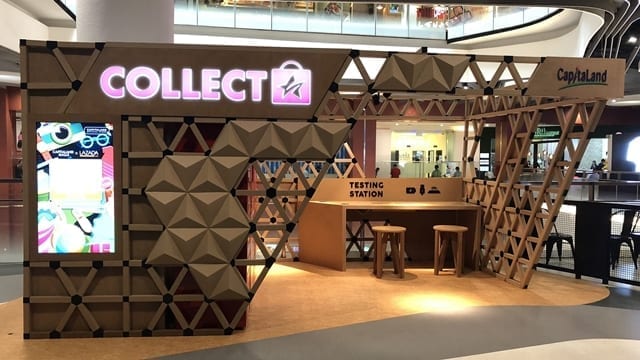
    “As part of our ongoing effort to enhance the offline and online shopping experience in our malls, we introduced seven click-and-collect lounges under CapitaLand’s partnership with e-commerce player Lazada. They are in Bedok Mall, Bugis+, IMM Building, JCube, Plaza Singapura, Tampines Mall and Westgate.”

    He says construction for Funan is progressing well. “With less than two years to target opening, Funan has received strong leasing interest for its retail and office components.”

    For its fourth quarter, CMT recorded growth of 1.8 and 2.6 per cent in gross revenue and NPI respectively year on year. The increase was mainly because of higher occupancy for Bugis Junction and The Atrium@Orchard, partially offset by lower gross revenue from Bedok Mall because of lower rental rates and reduced occupancy.

    For the full year, CMT recorded S$682.4 million in gross revenue, down 1.1 per cent. This was mainly because of the closure of Funan mall for redevelopment, lower rental rates and the lower occupancy at Bedok Mall. This was partially offset by higher rental from IMM Building, JCube and Clarke Quay.

  • ASEAN companies face US$750b risk from cyberattacks

    ASEAN companies face US$750b risk from cyberattacks

    Companies across the ASEAN bloc face a growing risk of cyberattacks, which can expose the region’s top-listed firms to a US$750 billion erosion in current market capitalisation.

    This was revealed on Tuesday in a new research commissioned by Cisco.

    Conducted by global management consulting firm A.T. Kearney, the research underlines that ASEAN’s growing strategic relevance, driven by economic expansion and ongoing digital adoption, make it a prime target for cyberattacks.

    A combination of nascent policy preparedness, absence of a unifying regional governance framework, shortage of skilled talent, underestimation of risk and lack of adequate investment are among the factors contributing to the heightened risk.

    The research report, titled “Cybersecurity in ASEAN: An Urgent Call to Action”, emphasises that cyber-security risk across the bloc will continue to escalate as the bloc gets more digitally interconnected.

    ASEAN countries underspend on cyber security. The region currently spends an average of 0.07 per cent of its collective gross domestic product (GDP) on cyber security annually. It will need to increase the spending to 0.35-0.61 per cent of GDP between 2017 and 2025 to be in line with the best benchmark (based on spending levels as percentage of GDP for Israel).

    The research estimates that this translates to $171 billion in collective spending needed across ASEAN countries during the period. Limited sharing of threat intelligence, often because of mistrust and a lack of transparency, will lead to even more porous cyber-defence mechanisms.

    Naveen Menon, ASEAN President at Cisco, said: “Digital innovation and adoption are central pillars of economic growth for ASEAN. Its success hinges in large part on the bloc’s ability to combat cyber threats. Cyber security needs to be an integral part of policy discussions at the semi-annual ASEAN Summit, with the aim of developing a unified policy framework for the region. The corporate sector also needs to start treating cyber security as a business wide issue that can only be tackled by adopting a risk-centric approach to building resilience, rather than just an IT problem.”

    Lương Thị Lệ Thuỷ, general director of Cisco Việt Nam, said: “Việt Nam has fallen to rank 101 among 195 countries in the Global Security Index 2017 compiled by the UN International Telecommunication Union, down 25 places from 2016.”

    “The National Assembly (NA) has been discussing the need to formulate a law on cyber security. It has been put under consideration at the fourth session of the 14th NA. However, all stakeholders need to work together to help build cyber-security capabilities in Việt Nam to ensure that we are able to combat these threats,” Thủy said.


  • Prada’s new concept Spirit pop-up Bar in Macau Galaxy Mall

    Prada’s new concept Spirit pop-up Bar in Macau Galaxy Mall

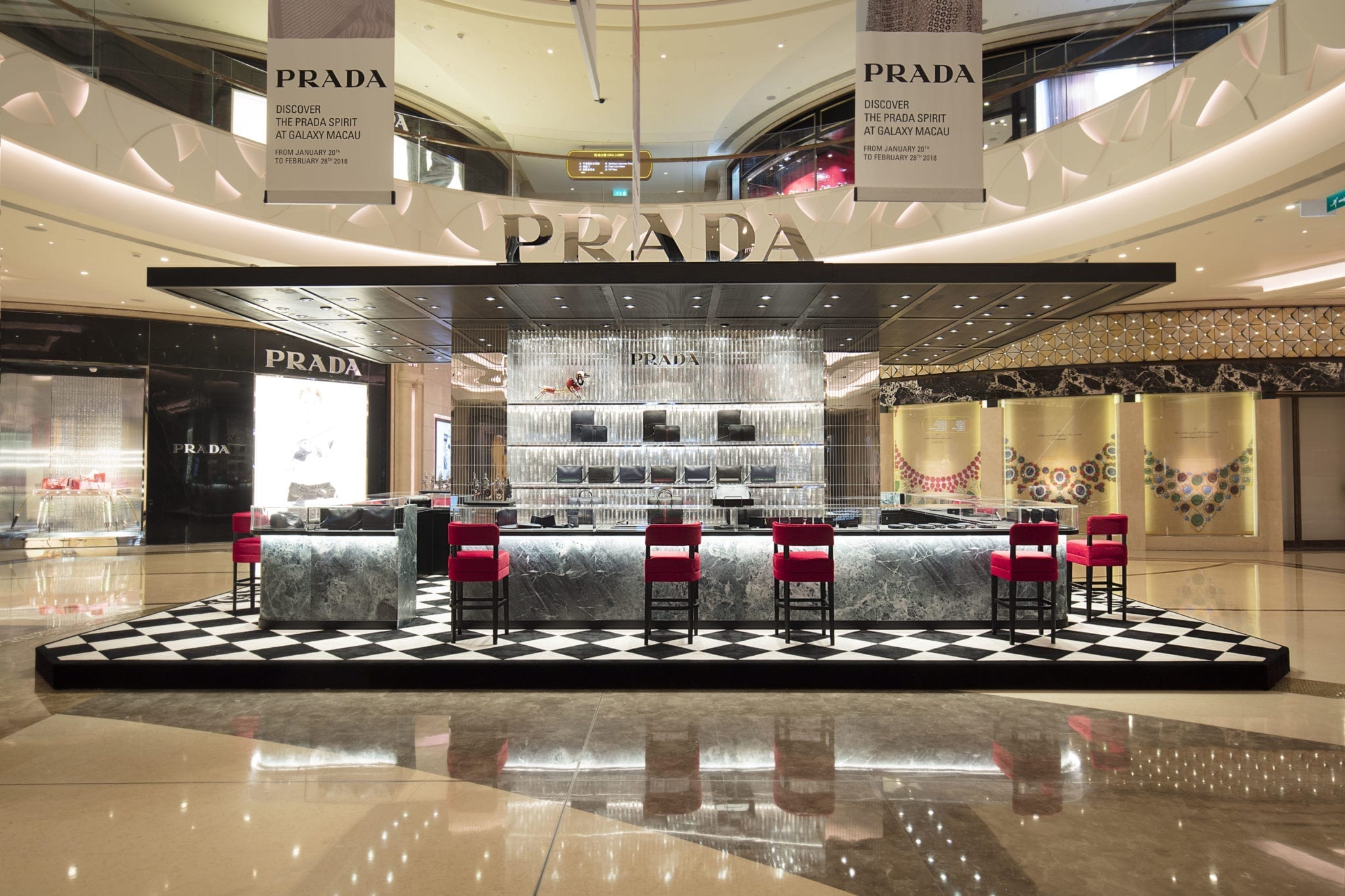
    Just in time for the Lunar New Year, Galaxy Macau and Italian fashion house Prada have introduced the Prada Spirit retail project, running until the end of next month.

    Following the success of the Prada Station pop-up with it railway theme, the project offers exclusive products in a concept location, allowing shoppers to socialise in a relaxed, luxurious atmosphere.

    Premiering at The Promenade Shops of the Galaxy Macau, Prada Spirit will later travel to other major cities in Asia including Beijing, Shanghai, Hong Kong, Taipei, Singapore and Seoul.

    With a setting inspired by traditional Italian cafes, it displays an exclusive collection of leather bags and accessories. Lounge corners feature red velvet sofas and small black tables. A central, squared counter is lined with display cases, while a wall-chandelier with multi-faceted Perspex blades makes a contrast with the black-and-white marble checkered flooring. High wooden stools complete the space.

  • AirAsia to add around 30 jets this year amid strong demand

    AirAsia to add around 30 jets this year amid strong demand

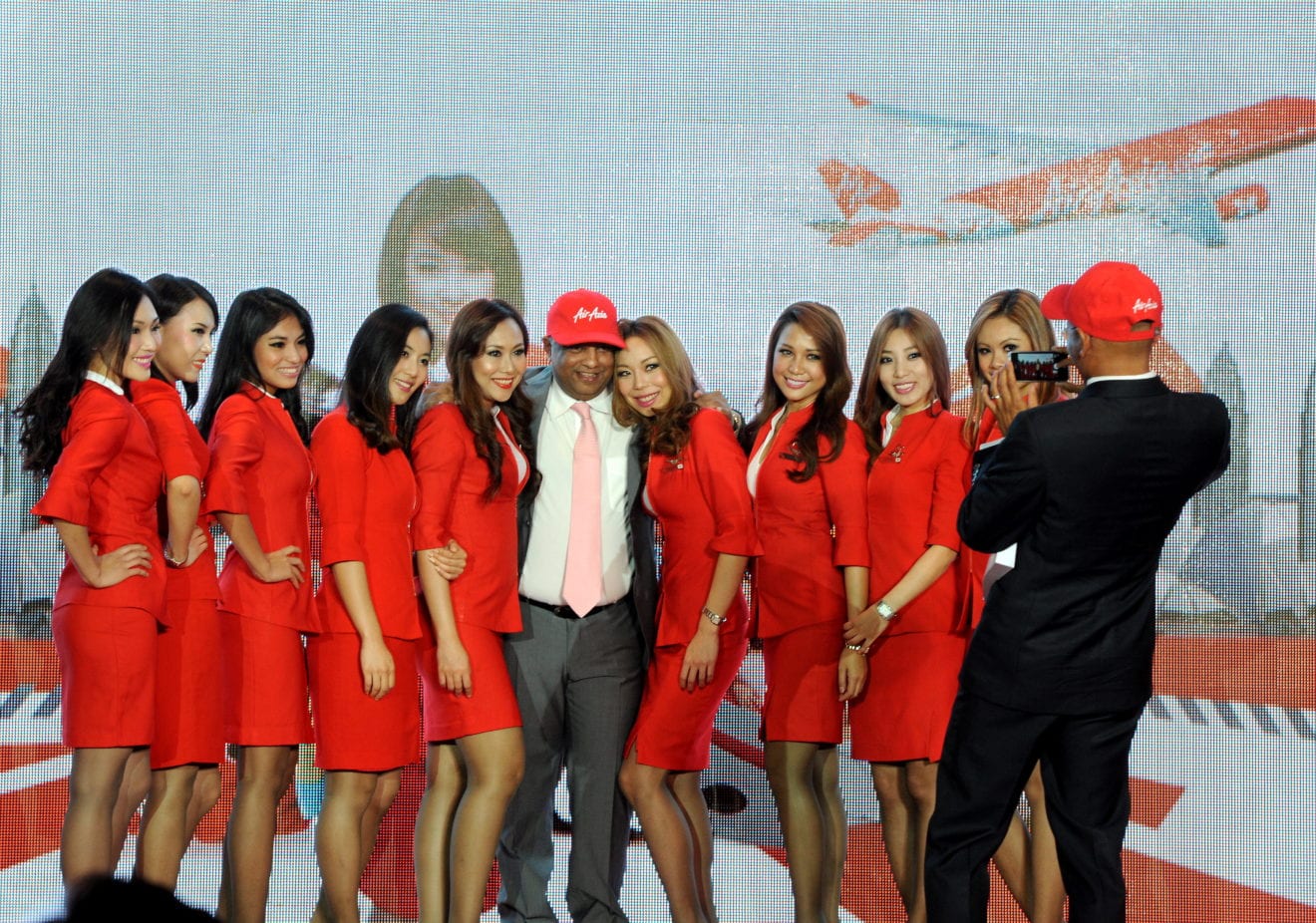
    Budget airline group AirAsia plans to add around 30 jets to its airline affiliates across Asia this year due to strong demand growth across the region, chief executive Tony Fernandes said on Tuesday.

    AirAsia, which flies close to 200 airplanes and is the largest operator of Airbus’s best-selling A320 jet, has airlines in Malaysia, Thailand, Indonesia, the Philippines, India and Japan and plans to grow in China and Vietnam.

    “We’ve been able to get the Philippines and Indonesia really rocking, turning them into little gems,” Fernandes told on the sidelines of the World Economic Forum in Davos.

    “Demand is good, the ancillary model is doing well and our JV business using our data has started moving.” Fernandes said the board of AirAsia’s Indian arm, a joint venture with Tata Group, had approved plans to pursue an initial public offering and was appointing bankers for initial work.

    “India is going to be a real nice surprise for AirAsia,” he said.

    The Indian government this month said it would allow foreign investors to participate in a planned privatisation process for rival state-owned carrier Air India, but Fernandes on Tuesday ruled out AirAsia’s involvement.

    “We know what we are good at – low cost,” he said. “Air India is a great airline, but it is really not our business model and not something that we would be involved in.”

    Fernandes told on Tuesday the group will look at ordering more airplanes “eventually but not at present”.

    AirAsia also has no plans to bring forward deliveries despite strong demand, he said.

    Since Fernandes bought what was then a debt-laden carrier for the token price of one Malaysian rinngit in 2001, AirAsia has expanded to become one of the world’s largest low-cost airline groups as well as one of Airbus’s biggest customers worldwide.

    Industry experts have begun to question whether AirAsia will remain exclusively linked to Airbus as it expands, with some suggesting that Boeing 787s could fit into its long-haul operations. Boeing and Airbus are fighting for twin-aisle sales.

  • Aeon plans foray into on-demand delivery services

    Aeon plans foray into on-demand delivery services

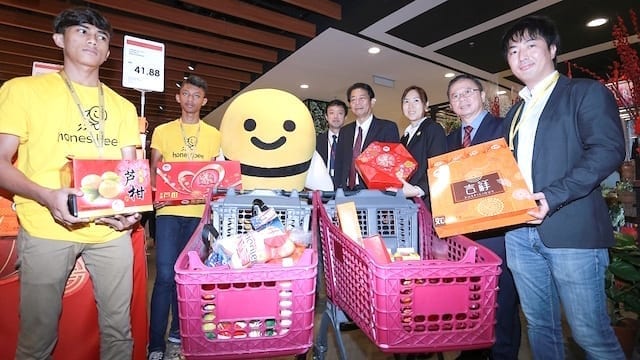
    Aeon Co (M) Bhd signed a memorandum of understanding (MoU) with Singapore-based online concierge and delivery service, honestbee, to venture into on-demand delivery services.

    This new delivery option, which uses personal shoppers to pick up and deliver orders, will enable Aeon customers to make their purchases online, via honestbee mobile app or website.

    Speaking at the signing ceremony, Aeon executive director Poh Ying Loo said the alliance is part of the group’s strategy to speed up its e-commerce business and at the same time add value to its outlets.

    Aeon joined the e-commerce bandwagon in late 2015 through its online website called shoppu.com.my, offering various product categories including electronics, fashion and household items.

    Asked on how this new service will help to elevate its e-commerce sales growth, Poh said at this point of time, it is still early to determine. It was reported that the group’s online website shoppu.com.my contribution in financial year 2016 (FY16) remained marginal.

    For now, Poh said the new online marketplace platform will only offer delivery service for grocery items at its flagship store, Aeon Mid Valley. He said customer who live within 17km radius from the store will enjoy a minimum one-hour delivery service.

    Commenting on its future plans for e-commerce segment, Aeon managing director Shinobu Washizawa said going forward, the group will have more such innovations in the pipeline.

    “In order to enhance the value for our customers by moving towards an omni-channel retailer, we want to combine our strengths with honestbee’s expertise to digitalise our customer’s shopping experience.”

    “We will closely monitor the feedback and demands from our customers, and consider to expand this service both in terms of regional and in merchandise offering,” Washizawa added.

    At present, Aeon has 26 malls, 33 Aeon outlets and two Maxvalu prime supermarkets across the country.

    Launched in 2015, honestbee currently has presence in eight markets including Singapore, Hong Kong, Taiwan, Japan, Malaysia, Indonesia and Thailand. To date, it has 112 partners, providing more than 90,000 products across the markets.

  • Top 10 Global Consumer Trends for 2018

    Top 10 Global Consumer Trends for 2018

    Genetic make-up and extended augmented reality are among the top 10 consumer trends for 2018, according to a new Euromonitor International report.

    People’s growing curiosity about their genetic make-up and a rising interest in personalised health and beauty are fuelling a global market expected to soar by 2022, says the Top 10 Consumer Trends for 2018 report.

    A new wave of companies aims to provide consumers with genetic findings related to their general health, fitness and nutrition, with the market growth being global and competition in the largely unregulated Chinese market particularly intense.

    “Although the consumer market still faces hurdles, such as country-specific regulations, things are improving on the regulatory front, and with the market continuing to evolve, it is likely that further innovative start-ups will invest in new technologies,” says report author Alison Angus, Euromonitor International’s head of lifestyles.

    With augmented reality (AR) having a wide range of applications in various industries, the potential in the mainstream consumer space is vast, bringing the benefits of in-store shopping into the home, says the report.

    Convenient shopping

    It forecasts that global internet retail sales will increase in value by a further 3 per cent this year.

    “Online captures consumers’ interest with the convenience of the hassle-free, anytime, anywhere shopping they crave. The ability to see and touch products before buying is a bonus.

    This is in part why the in-store shopping experience remains appealing, with 88 per cent of global sales in value terms still being made in-store last year,” says Angus.

    “This year consumer expenditure is expected to grow at its strongest rate since 2011. Overall, we will see consumers continuing to question their values, priorities and purchasing decisions; deepening their engagement in the brands and issues that matter to them.”

    The top 10 global consumer trends for this year are:

    • Clean lifers: Consumers adopting clean-living, more minimalist lifestyles, where moderation and integrity are key. Clustering around educated 20 to 29-year-olds, a new generation of “straight edge” consumers has grown up knowing deep recession, terrorism and troubled politics, and has a wider worldview than previous generations.

    • The borrowers: A new generation of community-minded sharers, renters and subscribers is reshaping the economy, making conspicuous consumption a thing of the past. Rejecting material goods in favour of experiences and a freer lifestyle, which has characterised the buying habits of millennials for the past few years, is a trend that continues to evolve and spread.

    • Call-out culture: Whether it is airing a grievance on Twitter, sharing a viral message or signing an e-petition, consumers are having their say. “Hashtag activism”, while not new, is rapidly gaining momentum as internet use explodes and more people have access to social media.

    • It’s in the DNA – I’m so special: People’s growing curiosity about their genetic make-up – what makes them so special – and a rising interest in personalised health and beauty are fuelling demand for home DNA kits. Target consumers range from the “worried well” and those curious about their origins to hardcore fitness and nutrition fanatics.

    • Adaptive entrepreneurs are increasingly seeking flexibility in their lifestyles, and are prepared to take risks. Millennials especially have an entrepreneurial nature, shifting away from the “traditional” nine-to-five career toward one that affords more freedom.

    • View in my roomers will be connecting perception and reality this year, merging digital images with physical space. Consumers will be able to visualise products before they try or buy, both in-store and online. The advent of even more sophisticated smartphones has given this demographic access to greater functionality, including AR technology.

    • Sleuthy shoppers: With further political upheaval last year, the consumer trust crisis is deepening and leading to greater emotional involvement and action. Shoppers are still sceptical of mass-produced products and the motivations of the companies that create them, and are tired of hearing empty rhetoric and soothing words of assurance.

    • Co-living: This trend has blossomed among millennials and the over-65s in the residential space. It is a form of housing where residents share living space and a set of interests and values. The trend stems from hyper-urban hubs that have embraced the sharing economy as a lifestyle choice.

    • I-designers: The lingering impact of the global financial crisis has encouraged prime, working-age older millennials and gen X-ers to re-evaluate their spending habits.

    Simultaneously, the rise of the sharing economy, with pioneers such as AirBNB and Uber, is eroding their desire to own goods (see The Borrowers trend).

    • The survivors: Ten years on from the credit crunch that heralded the start of the Great Recession, the frugal mindset of consumers remains entrenched. Despite improving economies, rising incomes and falling unemployment, the gap between rich and poor is highly visible, and those caught between low pay/meagre state benefits and high living costs are still struggling to cope with austerity.

  • Malaysia Inflation rises 3.5% in Dec 2017, full year 3.7%

    Malaysia Inflation rises 3.5% in Dec 2017, full year 3.7%

    Malaysia’s consumer price index (CPI) expanded 3.5% to 120.9 in December 2017 from 116.8 in the corresponding month of 2016, mainly driven by the transport segment, which was up 11.5%.

    For the full year of 2017, CPI rose 3.7% compared with the same period in 2016.

    According to the Department of Statistics, other major groups which recorded increases in December 2017 were food & non-alcoholic beverages (+4.1%), restaurants and hotels (+2.6%), furnishings, household equipment & routine household maintenance (+2.4%), health (+2.3%) and housing, water, electricity, gas & other fuels (+2.2%).

    On a month-on-month basis, CPI increased 0.1% in December 2017. Core inflation, which excludes most volatile items of fresh food, as well as administered prices of goods and services, rose 2.2% in December 2017 compared with the same month of the previous year.

    MIDF Research expects the headline inflation rate to average at 2.6% in 2018 amid unfavourable base effects.

  • Nike, Sony and NBA collaborate for PlayStation sneakers

    Nike, Sony and NBA collaborate for PlayStation sneakers

    Nike and Sony Playstation are set to introduce a signature shoe with NBA superstar Paul George.

    Both Nike and Sony have released a teaser video showcasing the sneakers, expected to be released in limited quantities on February 10.

    Capturing the spirit of PlayStation, the footwear features LED logos on the tongue that light up either on static mode or pulse.

    The midsole also takes on PlayStation’s galaxy theme, echoing the PlayStation 2 start-up screen.
    The eyelets on the shoes also feature the classic PlayStation button colours of pastel green, red, pink and blue.

  • Indonesia Ranks Higher in 2018 Global Talent Competitiveness Index

    Indonesia Ranks Higher in 2018 Global Talent Competitiveness Index

    Indonesia improved its ability to attract professionals and keep the existing skilled workforce, the annual Global Talent Competitiveness Index showed on Wednesday (24/01).

    The report was released during the World Economic Forum by graduate business school Insead, which has campuses around the world.

    For the study Insead cooperated with staffing company Adecco Group and telecommunications services provider Tata Communications.

    Indonesia ranked 77th out of 119 countries, which is a leap from last year’s 90th position.

    According to the study, Indonesia has strong employability, as through vocational education and technical training it prepares domestic talents to match the skills needed by the economy.

    Despite the position rise, however, the largest economy in Southeast Asia still lags behind Singapore, which ranks second, Malaysia (27th), the Philippines (54th) and Thailand (70th).

    The Global Talent Competitiveness Index considers four “pillars” called “enable” (reflecting a country’s regulations and markets), “attract” (reflecting a country’s capability to lure resources), “grow” (reflecting the ability to improve self-competence through education and training), and “retain” (reflecting an ability to maintain domestic and overseas talent).

    The report said Indonesia has a lot of homework “to catch up on all the pillars” to cultivate a talent pool large and competitive enough to support its growth in the competitive global economy.

    The index drew data from public sources: the United Nations Educational, Scientific and Cultural Organization (Unesco) for quantitative data; the World Bank’s World Governance Indicators and Doing Business Report for composite indicator data; and the World Economic Forum’s Executive Opinion for survey data.

    This year’s report highlighted the critical role diversity plays in linking talent policies to innovation strategies to increase talent competitiveness.

    “Eventually, diversity has come to be understood as an essential enhancer of corporate productivity and performance. Recruiting the best talent is essential. But evidence shows that diversity can actually trump talent,” Alain Dehaze, chief executive officer of Adecco Group, said in a statement.

    According to the report, diversity can be a national resource, as it will create innovative and competitive working environments, especially in the era of automation, which makes people with different knowledge and experience join together in problem solving.

    “If there is a high diversity of social mobility … then the richness of knowledge, perspective and networks pushes economic performance even higher via increased innovation,” Insead said in the report.

    Developed, high-income countries continue to top the ranking, 15 of them being European countries with well-developed education systems, flexible business regulators, employment policies highlighting adaptability, social protection and internal and external openness.

  • South Korean group acquires Prudential Finance in Việt Nam

    South Korean group acquires Prudential Finance in Việt Nam

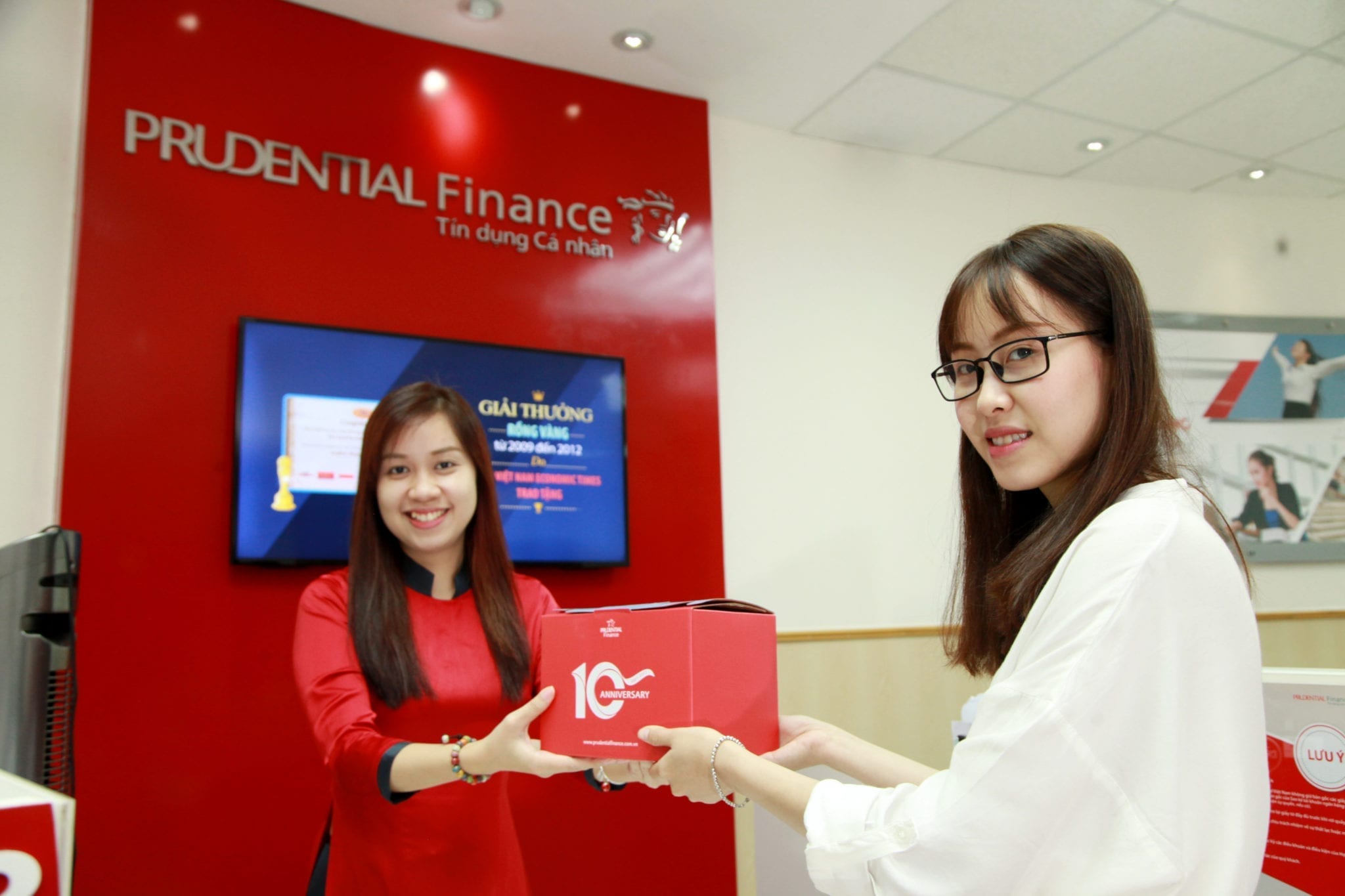
    Prudential on Tuesday announced that it had reached an agreement to sell 100 per cent of its Prudential Vietnam Finance Company (PVFC) to Shinhan Card Co Ltd, a subsidiary of the Shinhan Financial Group (Shinhan), at a cost of US$151 million.

    The United Kingdom-based financial services group’s PVFC was launched in 2006 as the first foreign non-bank financial institution licensed for consumer finance lending in Việt Nam. Today, it is the fourth-largest consumer finance company by outstanding loan balance.

    “Prudential and Shinhan will work closely to ensure a smooth transition of the business. PVFC remains committed to all of its customer obligations and operations will continue as normal until the transaction has been completed,” Prudential said in a statement.

    It remains fully committed to the Vietnamese market through its life insurance business, Prudential Vietnam Assurance Private Limited, and asset management business, Eastspring Investments Fund Management Company.

    “PVFC is a high-quality business, but it is not core to our strategy in Việt Nam. We are delighted that Shinhan will be able to lead this consumer finance business through to the next stage of its development. Việt Nam remains an attractive and important market to Prudential where we have high-quality and fast-growing life insurance and asset management operations,” Nic Nicandrou, Chief Executive of Prudential Corporation Asia, said.

    “As part of this transaction, we are further expanding our regional platform through the new long-term bancassurance partnership with Shinhan in both Việt Nam and Indonesia to continue serving the growing savings and protection needs of the Asian population,” he said.

    Shinhan is a financial institution in South Korea with a diversified business portfolio across banking, credit cards, securities brokerage, life insurance, asset management and leasing. It is one of the largest financial institutions by market capitalisation in Korea, and Shinhan Card is the largest credit card company in the country. Shinhan has had a presence in Việt Nam since 1993.

    Last year, Shinhan Bank Vietnam, a wholly owned unit of Shinhan Bank, also acquired the retail division of ANZ, a major Australian bank, in Việt Nam.

    Currently, Prudential Finance Vietnam, FE Credit, HomeCredit and HDSaigon are four companies ruling the Vietnamese consumer finance market. According to StoxPlus, the total outstanding loan of consumer finance companies was more than VNĐ56 trillion ($2.47 billion) at the end of 2016.


  • Michael Hill to step out from US market

    Michael Hill to step out from US market

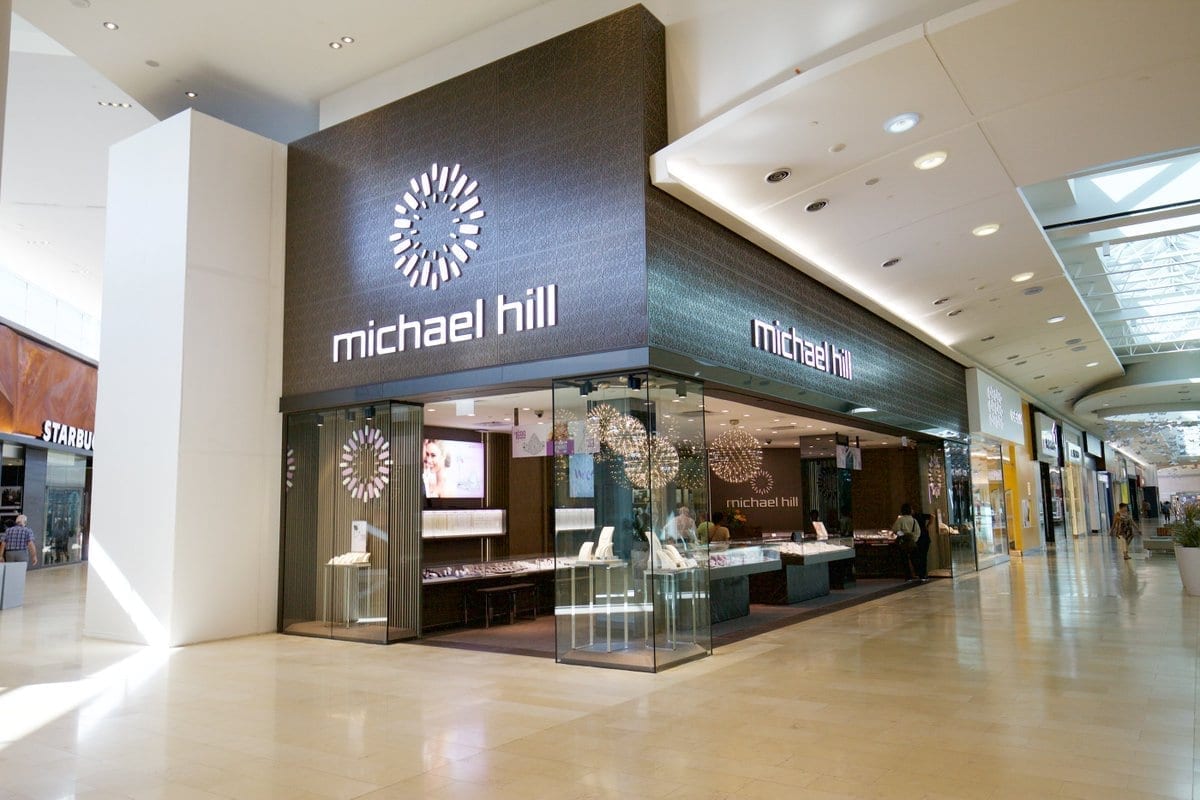
    New Zealand jeweller Michael Hill is to close down its US operations following a strategic review.

    The complete exit of its loss-making retail operations in the US comes after continued poor performance saw same-store sales drop a further 10 per cent in the retailer’s most recent trading update.

    Since launching in the US in 2008, the Michael Hill US business has struggled to provide a return for the group despite significant investment into developing a viable business model.

    “Our time in the highly competitive US jewellery market taught us a lot and helped to strengthen our core business including the development of our bridal collection strategy and the development of our professional care plan,” said Taylor.

    “However, our US operations have not gained sufficient traction in recent years and the level of capital required to scale-up the business is not warranted under current trading conditions.”

    After the US closures are finalised, Michael Hill will continue to operate more than 300 stores globally, including 172 in Australia, 53 in New Zealand and 83 in Canada.

    The company said it continues to see significant long-term value in its Australia, New Zealand and Canada businesses. which continue to perform strongly. During the first half of the current year, those stores accounted for 95 per cent of total group revenue and recorded same-store sales and total revenue growth of 1 per cent and 5 per cent respectively.

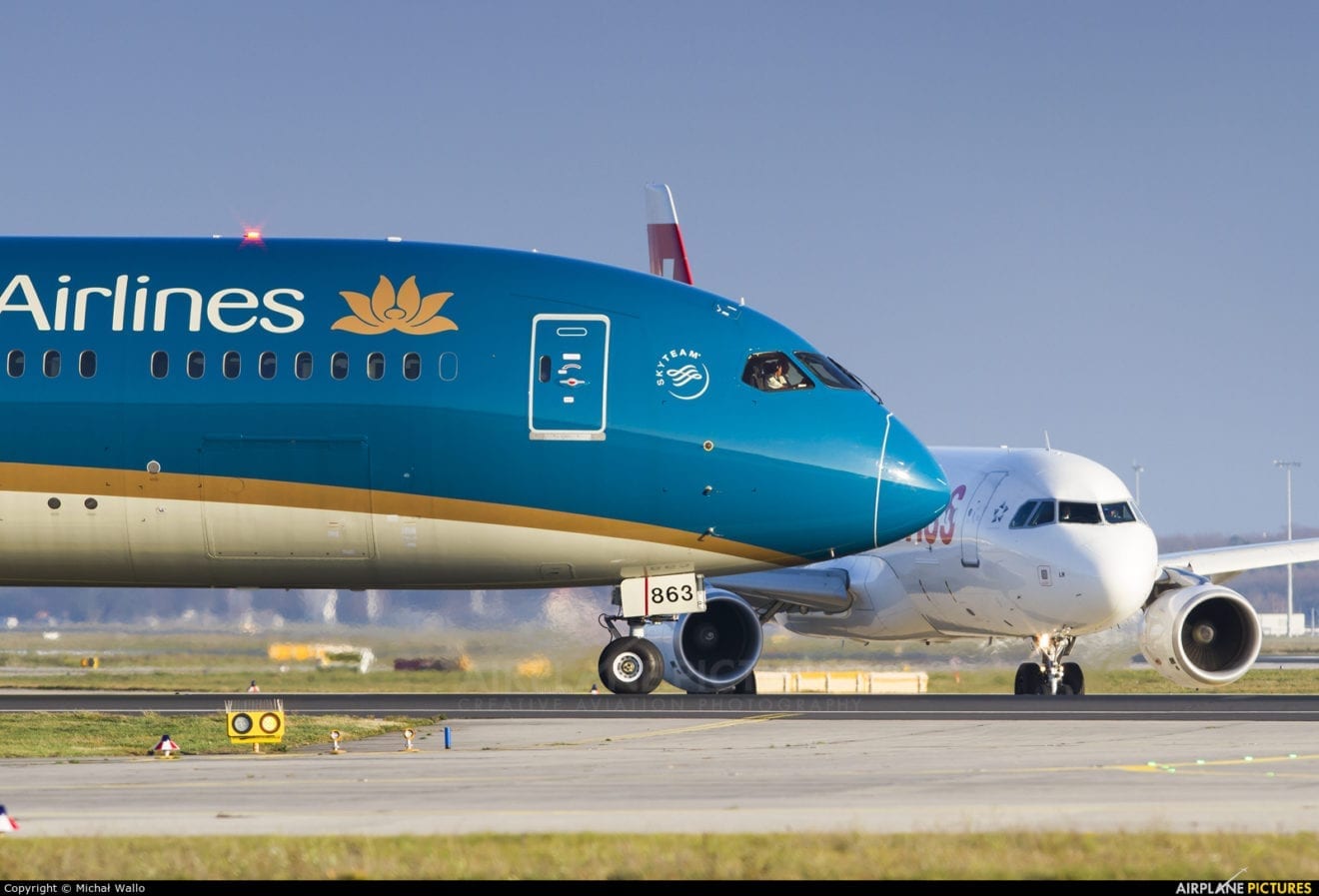
  • Vietcombank to sell 7.6 million Vietnam Airlines’ shares

    Vietcombank to sell 7.6 million Vietnam Airlines’ shares

    Joint Stock Commercial Bank for Foreign Trade of Việt Nam (Vietcombank) has registered to sell 7.6 million shares of Vietnam Airlines Corporation, which is listed as HVN on the stock market.

    The transaction is expected to take place from January 24-February 22.

    This is part of more than 22.4 million shares, equivalent to 1.8 per cent of charter capital of Vietnam Airlines that Vietcombank bought in the airline’s initial public offering in late 2014. The bank spent VNĐ544.12 billion (US$23.9 million) to buy the shares, or VNĐ22,300 for each share.

    At the current market price of Vietnam Airlines’ shares at some VNĐ63,700 each, Vietcombank can earn an estimated VNĐ484 billion from the sale of its 7.6 million shares after more than two years of holding. Compared to six months ago, the stock has nearly tripled in terms of market value.

    If successful, Vietcombank’s holdings at Vietnam Airlines will reduce to 1.2 per cent.

    The shares of Vietnam Airlines and VJC shares of budget carrier Vietjet Air are two aviation stocks that have grown fast in the past few months. The growth of share prices comes mainly from positive business results in late 2017 and early 2018 in the aviation industry.

    Last year, Vietnam Airlines Corporation, including Jetstar Pacific and Vietnam Air Services Company (VASCO), recorded a consolidated revenue of VNĐ88.4 trillion (US$3.88 billion) and pre-tax profit of more than VNĐ2.8 trillion, exceeding 72 per cent of its plan and up 8.3 per cent year on year, respectively. This is the highest level of revenue and profitability the firm has made in its history.

    According to stock investors, the increasing demand for air transportation during Tết (Lunar New Year) holiday is another reason for the acceleration in prices of aviation shares in recent times.

    Vietnam Airlines has traded more than 1.2 billion shares on UpCOM, making it a large-scale public company in the leading group of capitalisation value in the stock market. The airline plans to put all of its shares on HCM Stock Exchange (HOSE) in the second quarter of this year.

    Meanwhile, it will continue to issue additional shares to existing shareholders to increase charter capital and reduce State ownership. Accordingly, in the first quarter of this year, Vietnam Airlines plans to increase charter capital by issuing additional 191 million shares at VNĐ10,000 each to existing shareholders.

    Vietnam Airlines has a charter capital of nearly VNĐ12.28 trillion, of which the State holds 1.057 billion shares, equivalent to 86 per cent of charter capital. Of the remaining shareholders, ANA Holdings Inc., Japan’s largest aviation group, holds 107 million shares, representing nearly 8.8 per cent of charter capital.


  • 2nd STREET USA to Launch Its First US Store

    2nd STREET USA to Launch Its First US Store

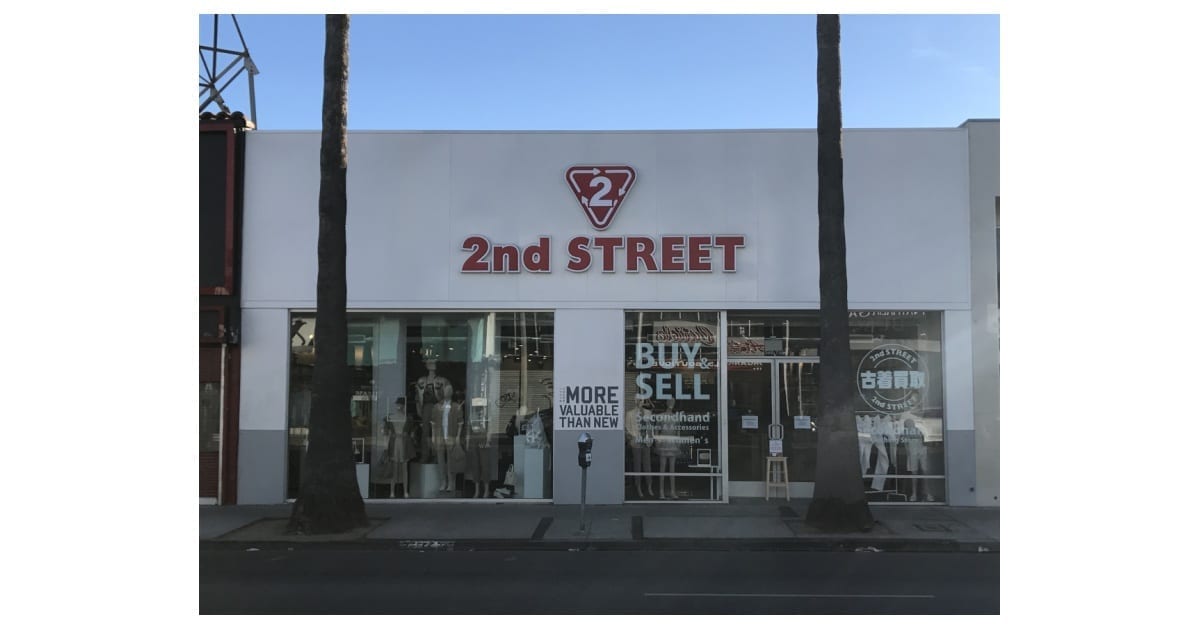
    Japanese used-clothing market 2nd Street USA has set up shop in the US.

    A subsidiary of Tokyo-based GEO Holdings, 2nd Street USA has opened on Melrose Avenue in Los Angeles. Selling and buying goods, it offers men’s and women’s clothing as well as accessories.

    Among the assortment are designer labels like Burberry, MCM and Supreme, along with “big-in-Japan” brands A Bathing Ape, Comme des Garçons and Porter. There is also Kurofine, a clothing line produced by Kyoto Montsuki which recycles used clothing items with a special dyeing process.

    It is 2nd Street’s first venture outside of Japan, where it has 578 stores. The company plans two more stores for California by March next year, and aims to expand to 10 stores in the US by 2020.

    CEO Masahiro Kikuchi says all goods are carefully chosen for quality, and the store offers attentive service.