Tag: asia

  • Daimler Trucks on track to record sales of 465,000 units in 2017

    Daimler Trucks on track to record sales of 465,000 units in 2017

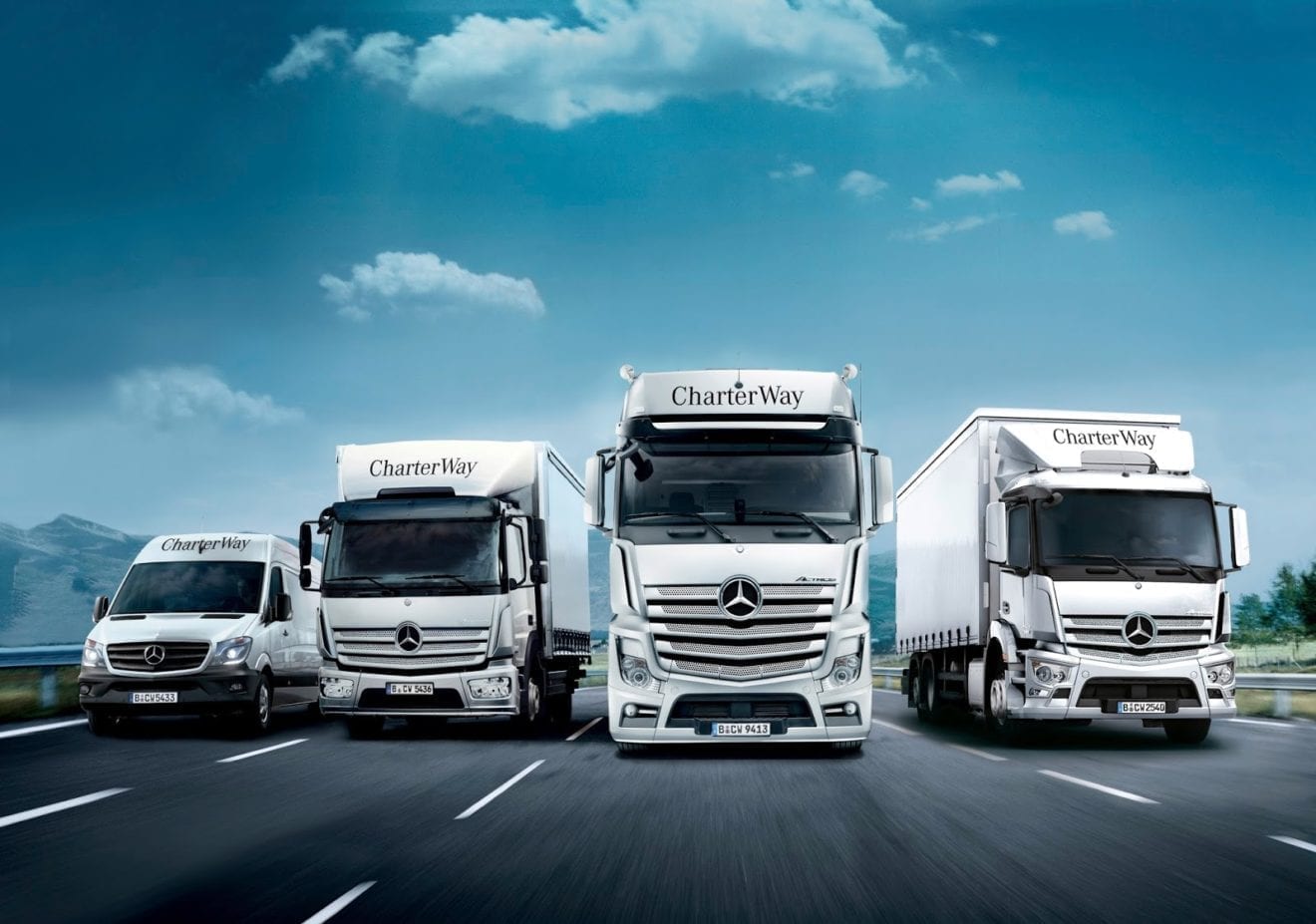
    Daimler Trucks has increased its worldwide deliveries in the first 11 months of 2017 by 12 percent year on year to 422,500 units, despite the continuation of disparate market conditions. Until the end of November, more trucks were delivered than in the whole of last year. In full-year 2016, the Daimler truck division sold approximately 415,100 vehicles of the Mercedes-Benz, Fuso, Freightliner, Western Star, Thomas Built Buses and BharatBenz brands worldwide.

    On the basis of initial December data, Daimler Trucks assumes that it will end the full year with unit sales in the magnitude of 465,000 vehicles (2016: 415,100). The final sales figures will be available at Daimler’s annual press conference on February 1, 2018.

    “For full-year 2017, we at Daimler Trucks anticipate unit sales in the magnitude of 465,000 trucks – significantly more than in the previous year and significantly more than we expected at the beginning of the year. This is only possible with leading products and an excellent international team – especially with an ongoing situation of weak tailwinds from our markets. I thank all our employees for their outstanding efforts,” stated Martin Daum, Member of the Board of Management of Daimler AG, responsible for Trucks & Buses. “In everything that we do, our focus is on our customers. In order to offer them the best products and solutions, we work continuously on innovations. We used the year 2017 to work hard on efficient, electric, automated and connected trucks.”

    North America key growth driver
    The significant growth in unit sales achieved by Daimler Trucks was driven by the positive sales development in the NAFTA region, especially in the second half of the year. Sales rose by 12 percent to 150,600 units (2016: 134,200).

    With a market share of 39.2 percent in weight classes 6 to 8 (2016: 40.0 percent), Daimler Trucks says it continued to be the undisputed market leader for medium- and heavy-duty trucks in North America by a clear margin. A key growth driver in the North American market is the new Freightliner Cascadia, which has been produced since early 2017 with an integrated Detroit powertrain and sets standards in terms of fuel efficiency, safety and connectivity. Also in the fourth quarter, Daimler Trucks recorded a significantly higher number of orders received in the NAFTA region than in the prior-year period.

    Uptick in Europe and Latin America – growth in Brazil again
    Daimler Trucks increased its sales also in the EU30 region (European Union, Switzerland and Norway) by three percent to 73,600 units in the months of January through November (2016: 71,100). Mercedes-Benz maintained its market leadership in the segment of medium- and heavy-duty trucks with 21.0 percent (2016: 20.7 percent). Mercedes-Benz is the best-selling brand also in Germany, with a market share of 36.6 percent (2016: 37.2 percent) and deliveries of 28,000 vehicles (2016: 27,600).

    Since March 2017, Mercedes-Benz trucks feature the new Truck Data Center. This standardised connectivity module is fitted across the Daimler Trucks brands: in the Mercedes-Benz Actros, Arocs, Antos and Atego as well as in the new Freightliner Cascadia and the new Fuso SuperGreat. The Truck Data Center forms the basis for existing connectivity solutions from Daimler Trucks such as the telematics systems of Fleetboard, Truckonnect and Detroit Connect. However, it also allows new digital services such as the Mercedes-Benz Uptime service product. This intelligent linking up of trucks, Mercedes-Benz Service and customers can reduce off-road times.

     

  • Indonesia Logistics Market is Expected to Reach USD 240 Billion by 2021

    Indonesia Logistics Market is Expected to Reach USD 240 Billion by 2021

    3PL market in Indonesia is expected to increase at a five year CAGR of 14.0% in the near future. Jakarta contributed highest revenue share of 38.0% in Indonesia warehousing market in 2016 owing to the industrial parks situated in the largest city Jakarta.

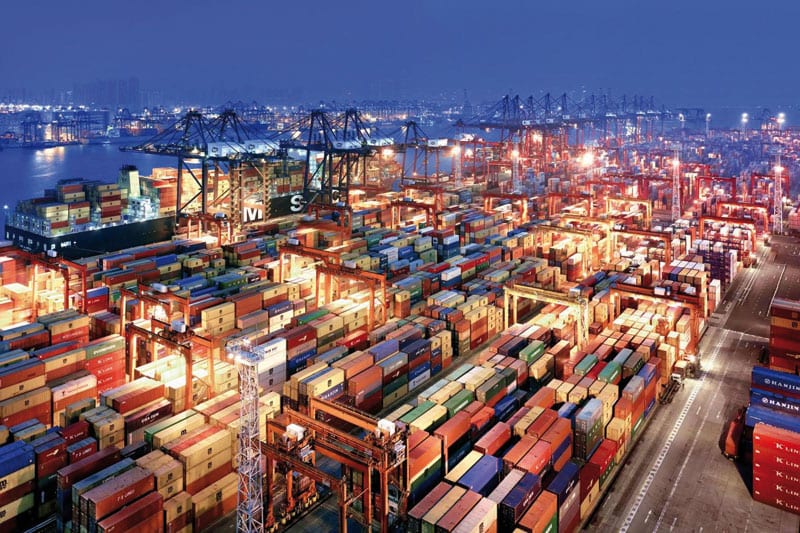
    Indonesia Logistics Market is currently in the growth stage with presence of various organized and unorganized players consisting of a combination of shipping and international freight forwarders, courier providers which are mainly engaged in land transportation and total logistics services providers that operate a multimodal transport model. Players are taking up and diversifying into 3PL segment to enhance their market share. Presently, there are more than 155 logistics and warehouse service providers in Indonesia.

    The freight forwarding market size has increased with the boost in air freight and sea freight, the development of transportation infrastructure and increase in number of freight forwarders, increasing industrial activities, growing FMCG market and rising e-commerce industry. Road freight has the highest share owing to the high number of deliveries that take place through road network. Air freight had the second largest share in the country freight forwarding market. Asian Countries flow corridor is the largest contributor in terms of revenue in the freight forwarding market owing to free trade agreement. The leading players in the industry are DHL, CEVA Logistics, Yusen Logistics, Agility Logistics and others. The freight forwarding market is forecasted to dominate the Indonesia logistics market in future

    Air express logistics has dominated the Indonesia express logistics with 61.0% revenue market share during 2016 owing to major international shipments falling in this category. B2B segment has dominated the express logistics market in Indonesia during 2016. The major players of Express logistic in Indonesia include DHL, FEDEX, First Logistics and JNE Express. High growth rate can be advocated from the growth expected in the e-commerce industry, rise in the demand of perishable goods and the increased use of express delivery by people in case of personal and corporate documents and last mile delivery.

    According to the report by Ken Research, a noteworthy CAGR of 7.9% in revenue in Indonesia Logistics Market is expected in next 5 years till 2021. Freight Forwarding is expected to be the fastest growing segment in future with an expected CAGR of 9.2% from 2016-2021.

  • China targets cryptocurrencies in online pyramid scheme crackdown

    China targets cryptocurrencies in online pyramid scheme crackdown

    China will crack down on online pyramid schemes, including speculation masked as cryptocurrencies and online games, the public security ministry said on Friday.

    The ministry will act jointly with the industrial and commercial department to stamp out pyramid-type schemes, besides punishing those who swindle students and vulnerable groups, the ministry said in a statement on its website.

    Chinese regulators have moved to rein in financial risks associated with virtual currency trades and pyramid schemes.

    A court this month sentenced two people to life imprisonment for fraud in a pyramid scheme involving 15.6 billion yuan ($2.44 billion) that sucked in more than 200,000 people.

  • Retailers suffer worst December since 2010

    Retailers suffer worst December since 2010

    Retail sales fell more sharply than expected in the core Christmas month, capping the worst December performance for volumes since 2010.

    The Office for National Statistics (ONS) issued the grim update on the health of the high street just hours after Carpetright became the latest big name chain to announce a profit warning .

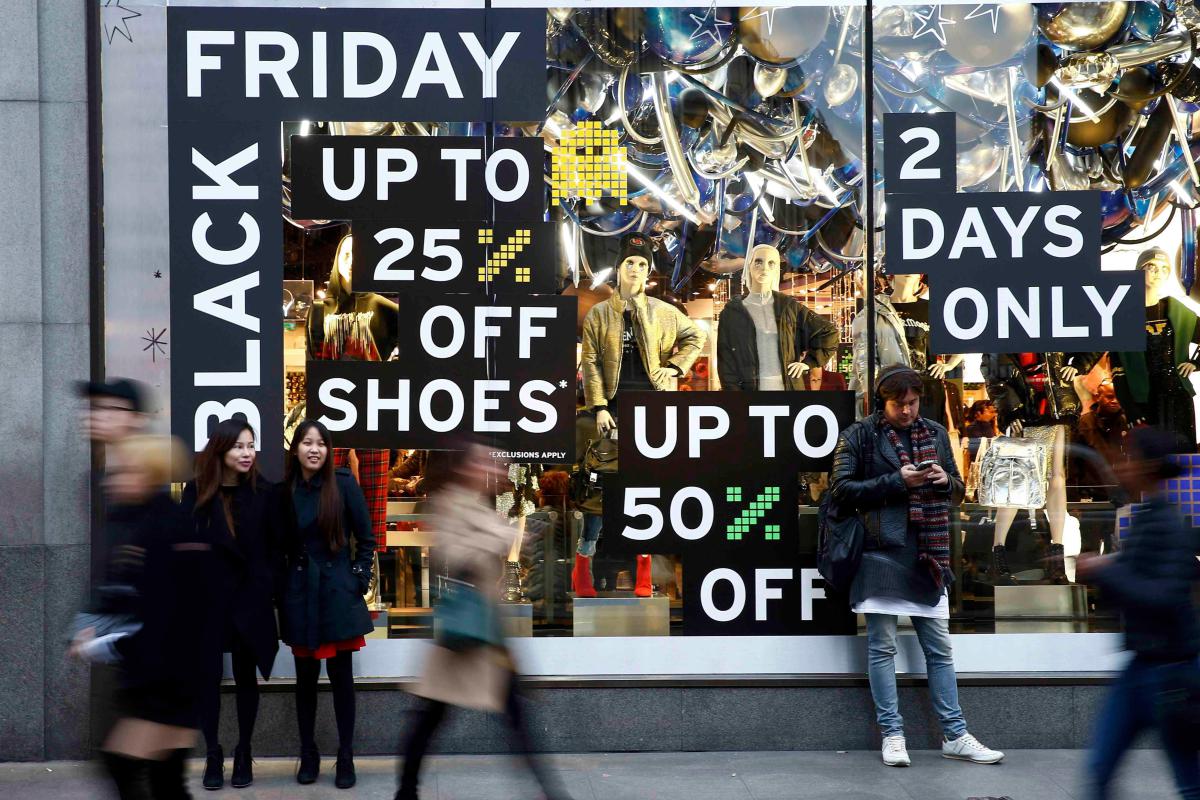
    The retail figures showed sales volumes fell 1.5% on November which was boosted by strong Black Friday trade.

    It marked the biggest month-on-month fall since June 2016 – the month when the UK was focused on the Brexit vote on 23 June.

    The Leave win prompted a collapse in the value of the pound, resulting in a leap in shop prices during 2017 as a whole as stores passed on higher import costs.

    Higher inflation, coupled with earnings failing to keep pace, has been a thorn in the side of the retail sector as the squeeze on shoppers’ budgets has dented demand for non-essential goods.

    The ONS said 2017 was the weakest year for retail since 2013 but it still recorded year-on-year growth of 1.3% and a rise of 1% over the final quarter of the year.

     How the major retailers have fared over Christmas

    Senior statistician, Rhian Murphy, said: “Retail sales continued to grow in the last three months of the year partly due to Black Friday deals boosting spending.

    “Consumers continue to move Christmas purchases earlier with higher spending in November and lower spending in December than seen in previous years.

    “However, the longer-term picture is one of slowing growth, with increased prices squeezing people’s spending.

    “Over the year the proportion of internet spending is continuing to rise, with almost one in every five pounds spent online by the end of 2017.”

    Ruth Gregory, UK economist at Capital Economics, said it was difficult to get a clear picture of the state of the high street because the ONS figures showed retail sales values rising – suggesting a limited impact from price pressures.

    “A fall in retail sales volumes in December had always looked likely, given November’s hefty rise.

    “After all, UK retailers’ adoption of “Black Friday” discounting appears to have caused consumers to bring forward their Christmas purchases, rather than to buy more overall in recent years,” she wrote.

  • Nike footwear supplier Yue Yuen to make HK$6.7b from retail arm’s privatisation plan

    Nike footwear supplier Yue Yuen to make HK$6.7b from retail arm’s privatisation plan

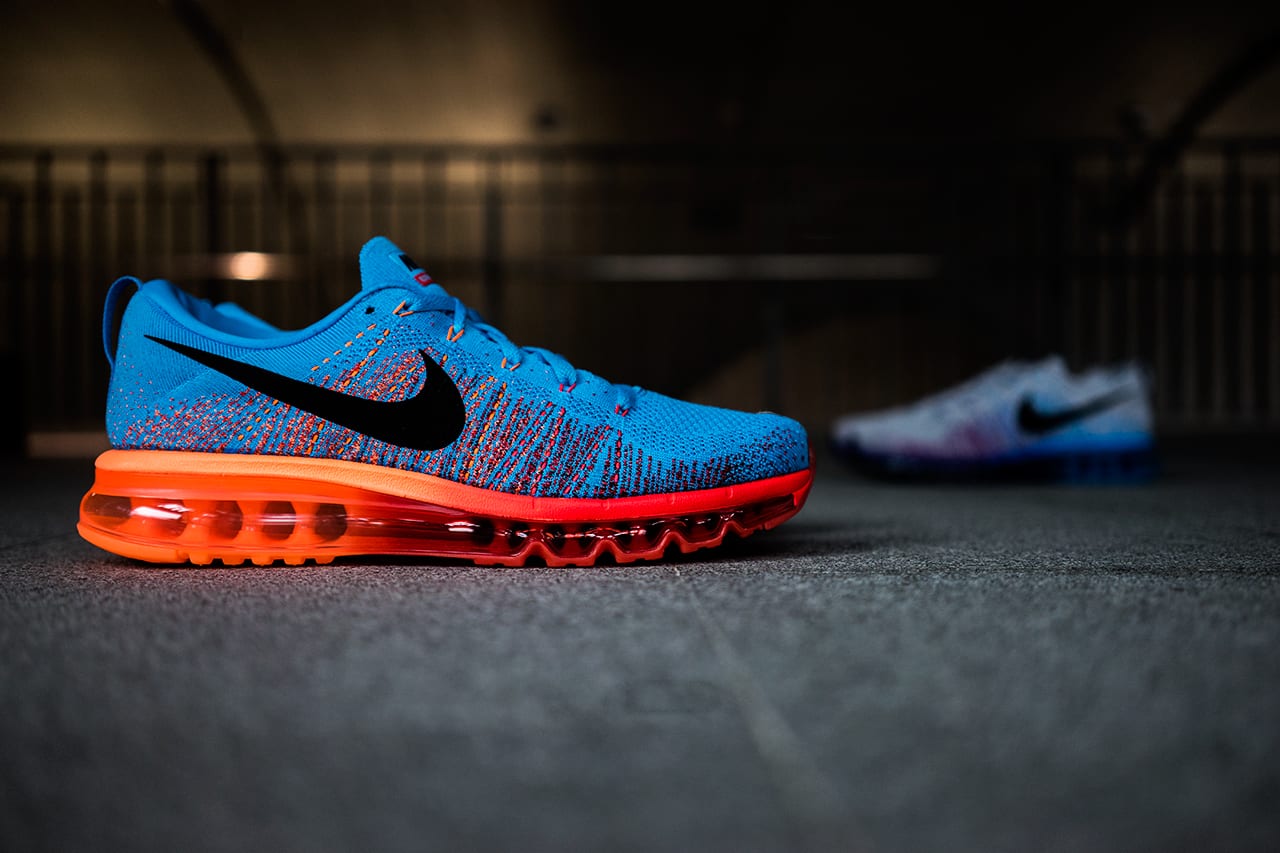
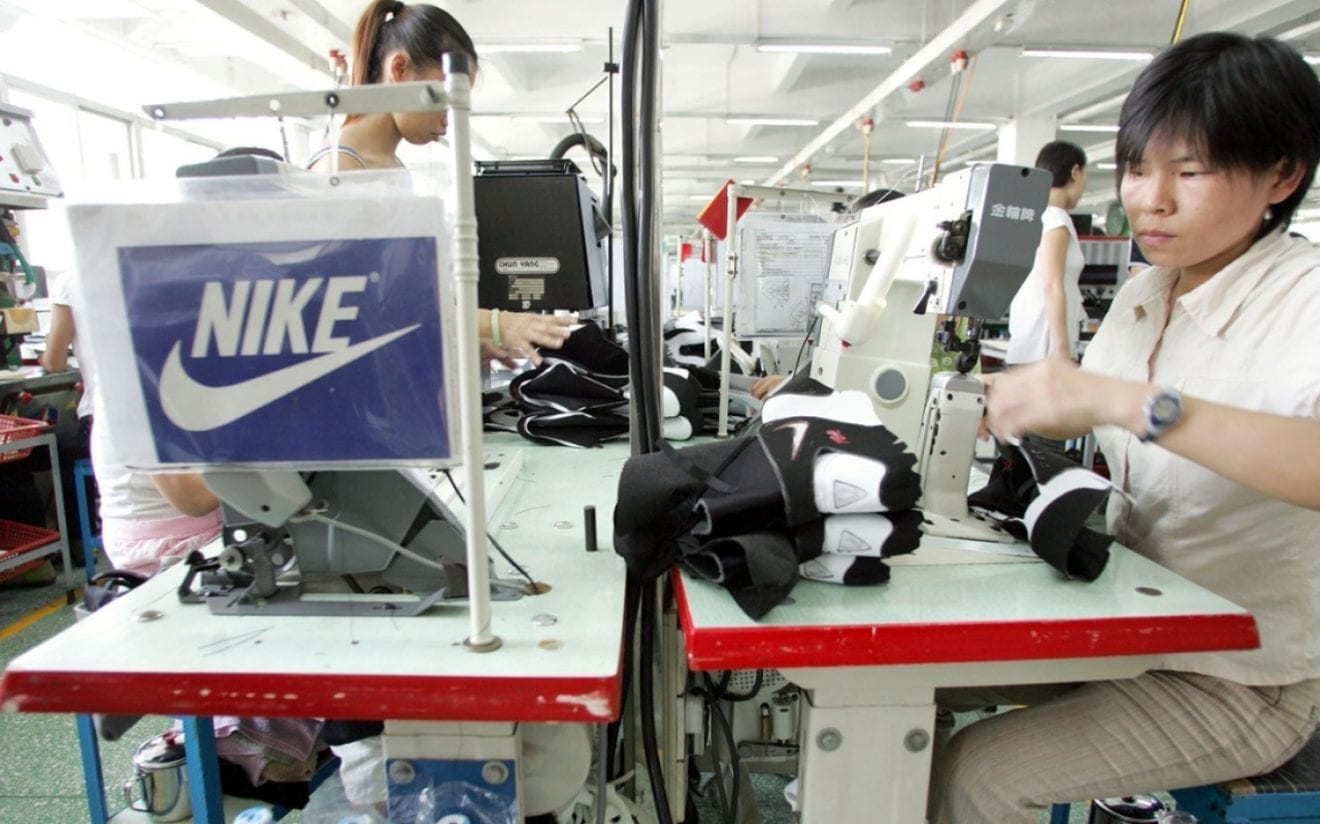
    Yue Yuen Industrial Holdings, the world’s largest footwear maker which supplies global brands including Nike and Adidas, is set to receive HK$6.76 billion (US$860 million) from the proposed privatisation plan of its retail arm, according to a stock exchange filing on Sunday.

    Yue Yuen plans to sell its 62.41 per cent stake in Chinese footwear retailer Pou Sheng International (Holdings) to its Taiwan-listed parent Pou Chen Corporation in a HK$10.9 billion privatisation plan. Pou Chen in turn owns a 49.99 per cent stake in Yue Yuen.

    Pou Chen is offering Pou Sheng shareholders HK$2.03 per share, which represents a 31.82 per cent premium over the HK$1.54 per share closing price on Friday.

    The privatisation offer, which needs shareholders’ approval, is expected to be completed by May 30 after which Pou Sheng will cancel its listing status in Hong Kong.

    Pou Chen said it intends to finance the offer from internal cash resources and loans. Its financial adviser Citigroup is satisfied the company has sufficient financial resources for the offer.

    Yue Yuen said it plans to return part of the HK$6.76 billion as a one-off special dividend to its shareholders while the rest will be used for general working capital.

    Pou Sheng was spun off from Yue Yuen and listed in Hong Kong in 2008. Since trading in the shares was not active it made the “listing status ineffective in providing a sufficient source of funding for Pou Sheng’s business and growth”, the filing said.

    Pou Chen said turning Pou Sheng into a wholly owned subsidiary would allow the retailer to be more flexible in developing a new business model to better compete in China’s retail market where it faces increasing competition from online stores and aggressive marketing from sportswear companies.

    “Pou Sheng needs to be very flexible in transforming its operations in a timely fashion; Pou Sheng will enjoy more advantageous financing and coordinated internal treasury management under Pou Chen;

    and Pou Sheng will benefit from a streamlined corporate and management structure and an enhanced sharing of expertise,” the announcement said.

    Yue Yuen, which has been listed in Hong Kong since 1992, owns factories in China, Vietnam and Indonesia, producing 300 million pairs of shoes a year for Nike, Adidas, Reebok, New Balance, Puma and Timberland.

  • China’s biggest retail owner posted declining revenue, again

    China’s biggest retail owner posted declining revenue, again

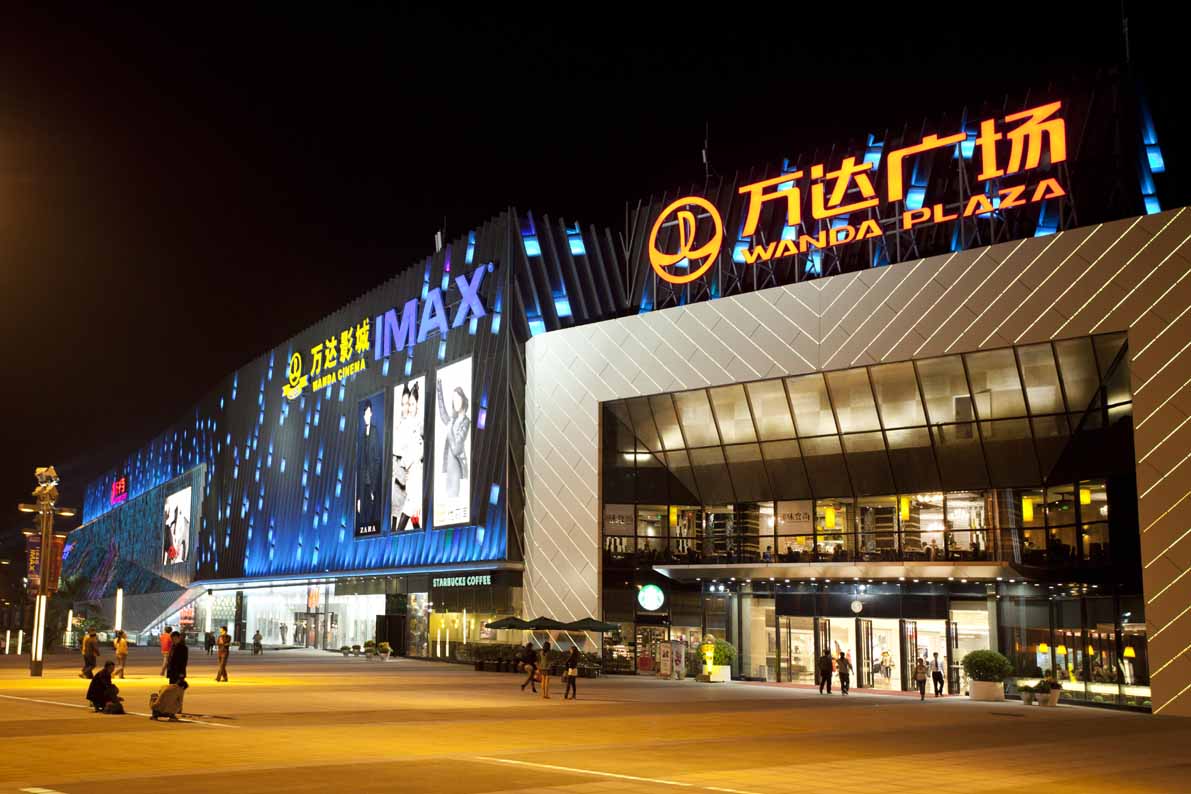
    Dalian Wanda Group, the largest mall owner in China, posted a 10.8 percent decline in revenue for 2017 — making it the second year in a row the retailer reported a drop.

    Wanda explained its performance of only about $35 billion in revenue as being due to selling off its cultural and tourism holdings, reported the Wall Street Journal. The company’s cultural assets account for 28 percent of its overall revenue, or nearly $11 billion.

    Analysts say Wanda’s retail portfolio is not the cause of its reported revenue decline.

    “Wanda is doing quite well in its shopping malls, from their rental-income growth and high occupancy rate,” S&P Global Ratings’ Dennis Lee told the Journal. Income derived from rents increased 30 percent this year for the company.

    In its report, Wanda also noted for the first time that 93 percent of its holdings are located in China. The information — never previously disclosed, according to the Journal — may be in response to the pressure the company faced last year amid the Chinese government’s crackdown on capital outflows to sell off its overseas real estate and other holdings.

    Last fall, Wanda was selling five foreign developments, including One Beverly Hills, a $1.2 billion condo and hotel project, while in July it sold of $9.4 billion worth of its hotel portfolio.

    In 2016, Wanda’s decline in revenue was explained by a drop in residential markets.

  • China’s economy grew by 6.9% in 2017

    China’s economy expanded at a 6.9 per cent pace in 2017, faster than expected and the first annual increase in seven years, the government reports.

    The numbers beat economists’ forecasts for the world’s second largest economy and the Chinese government’s own official growth target of 6.5 per cent. The economy expanded at a 6.7 per cent pace in 2016, its slowest pace in 26 years.

    Growth in the fourth quarter held steady at 6.8 per cent, the report said.

    It said strong demand for exports and buoyant consumer spending helped drive the faster expansion. Those factors helped to offset curbs on bank lending that forecasters had predicted would be a drag on economic growth.

    “The national economy has maintained the momentum of stable and sound development and exceeded expectations,” said the report released by the National Bureau of Statistics.

    “China’s growth is very healthy,” said Iris Pang, Greater China Economist, ING, Hong Kong.

    “The risks that we worried about in 2017, for example overcapacity cuts having a negative impact on GDP, did not happen because new sectors are actually coming out to help production to grow.”

  • Bursa Malaysia to continue upward momentum next week

    Bursa Malaysia to continue upward momentum next week

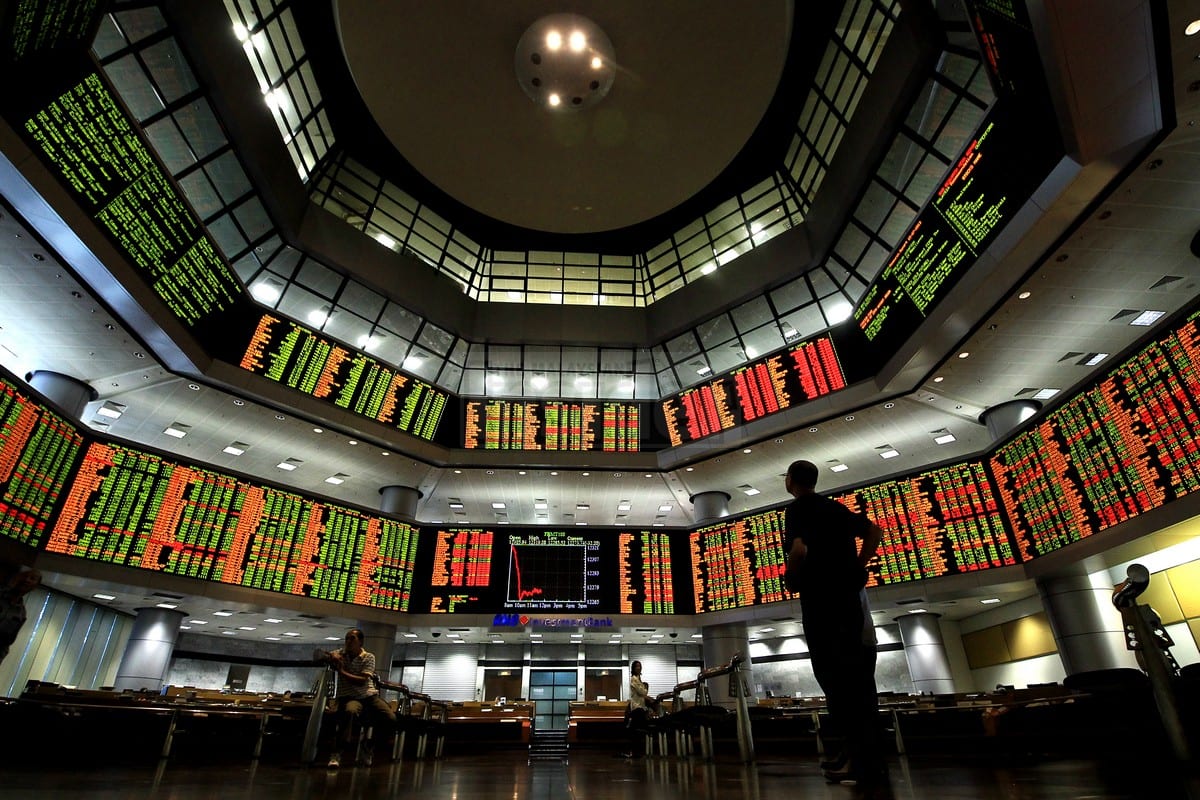
    Bursa Malaysia is expected to continue its positive momentum next week, driven by a stronger ringgit, firmer oil price, strong global economic outlook, and better corporate earnings, a dealer said.

    Affin Hwang Investment Bank Vice-President/Head of Retail Research Datuk Dr Nazri Khan Adam Khan said the global economic outlook is looking good so far this year, triggered by buying interest among local and foreign investors.

    “It has been a good start (for FBM KLCI) this year, with positive outlook on the local and global economy. The local benchmark index has experienced the highest fund inflows in three years, signalling investors’ confident towards our market,” he said.

    For next week, he said that the FBM KLCI would likely move between 1,800 and 1,850 points.

    “The strong oil prices have so far lent support to our market, of which about 30 per cent of companies in Bursa Malaysia are directly and indirectly involved in the oil and gas industry,” he said.

    He said that the benchmark index would also be affected by US President Donald Trump’s tax reform plan.

    As the week ended, the market was traded mostly higher, benefitting from gains in the Wall Street, as well as positive economic data from China.

    However, the European Union’s (EU) approval of draft measures to back a ban on the use of palm oil in biofuels from 2021 on Thursday has hurt the plantation and palm oil related counters as the commodity is a major export from Southeast Asia to the EU.

    On a Friday-to-Friday comparison, the FBM KLCI performed better, gaining 6.16 points to end the week at 1,828.83.

    On the scoreboard, the FBM Emas Index slipped 26.78 points to 13,195.82, the FBMT 100 Index decreased 2.06 points to 12,860.60, the FBM Emas Syariah Index dipped 79.87 points to 13,627.46, the FBM 70 shed 154.79 points to 16,472.37, and the FBM Ace fell 192.66 points to 6,713.12.

    On a sectoral basis, the Finance Index surged 26.07 points to 17,236.98, the Plantation Index fell 99.45 points to 8,037.87 and the Industrial Index erased 31.52 points to 3,368.02.

    Total turnover slipped to 25.35 billion units valued at RM15.97 billion from 27.14 billion units valued at RM19.11 billion in the previous week.

    Main Market volume decreased to 17.14 billion shares worth RM14.73 billion from the previous Friday’s 17.88 billion shares worth RM17.59 billion.

    Warrants turnover declined to 2.64 billion units worth RM448 million from 3.46 billion units worth at RM479.51 million previously.

    The ACE Market narrowed to 5.51 billion shares valued at RM778.77 million against the previous week’s 5.74 billion shares valued at RM1.02 billion.

  • Bulgarian water bottler Devin signs distribution deal with South Korean co

    Bulgarian water bottler Devin signs distribution deal with South Korean co

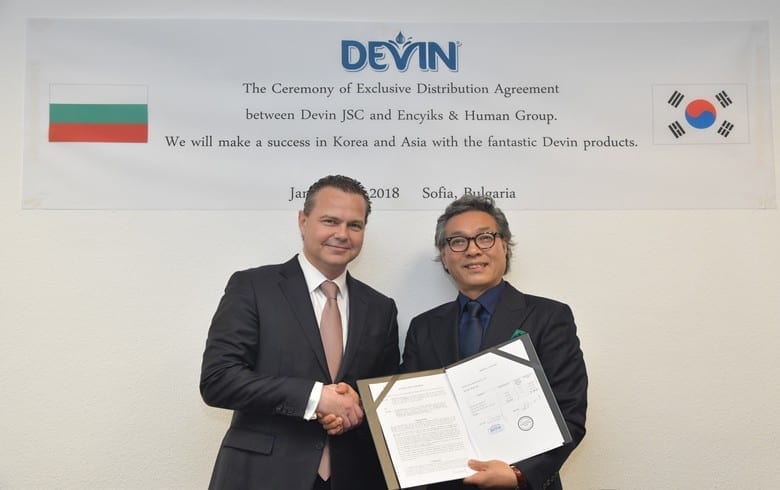
    Bulgarian water bottling company Devin said on Friday it has signed a distribution agreement with South Korea’s Encyiks and Human Co.

    “Under the agreement, Devin will provide natural mineral, sparkling and spring water, which will be distributed in South Korea,” the company told SeeNews in an e-mailed statement.

    Encyiks and Human Co. plans to expand its operations in the future and might offer Devin bottled water in other Asian countries, according to the statement.

    The duration of the distribution deal is three years, with the option to be extended with interest from both sides.

    In March 2017, Belgian mineral water producer Spadel acquired a 93.29% stake in Devin from Advent International for around 120 million euro ($146.9 million).

    Founded in 1992, Devin bottles and sells a wide range of products including mineral water, spring water and table water. Together with its national network of distribution partners, the company delivers its products to more than 35,000 retail outlets across Bulgaria.

    South Korea will host the 2018 Winter Olympics from 9 to 25 February in Pyeongchang county.

  • Vietnam-China trade likely to reach $100 billion

    Vietnam-China trade likely to reach $100 billion

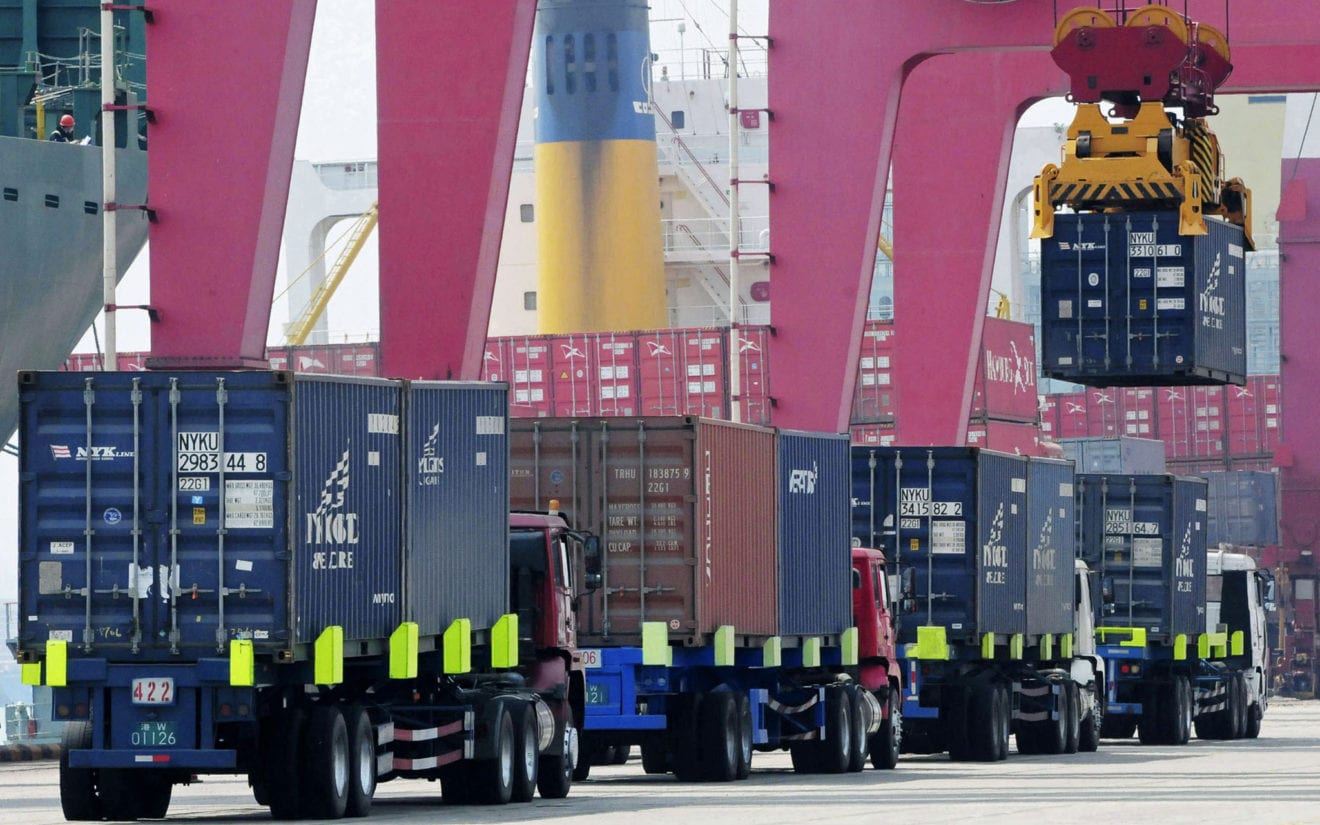
    Bilateral trade between Việt Nam and China will touch a record high of US$100 billion this year, after reaching $93.69 billion last year, experts predict.

    Last year’s two-way trade was $21.79 billion higher than in 2016 and accounted for 22 per cent of Việt Nam’s total import-export value, according to statistics from the General Department of Customs.

    Vietnamese exports to China experienced a significant yearly increase of 61.5 per cent to over $35.46 billion. That helped to reduce Việt Nam’s trade deficit with China to $22.76 billion last year from $28 billion in 2016.

    Telephones, a major item of export, recorded the highest turnover of $7.15 billion, up $6.35 billion compared to that of the previous year, according to the latest data.

    Last year also saw 13 staple products with export earnings of more than $1 billion, up by six staples against the previous year. The new items include seafood, with nearly $1.1 billion in export earnings, rice ($1.02 billion), rubber ($1.44 billion) and footwear ($1.14 billion).

    The Ministry of Industry and Trade says bilateral trade ties between the two countries have been growing in the past few years.

    China is one of Việt Nam’s largest trade partners and is also a key export market, the ministry said.

    Besides trade, China is currently one of the 10 biggest foreign investors in Việt Nam, with a total registered investment capital of more than $12.1 billion.

    During a visit to China last May, President Trần Đại Quang urged Vietnamese and Chinese firms to continue initiating innovative ideas to create a new momentum for bilateral economic partnership.

    He suggested Chinese companies invest in infrastructure, logistics and electronics and support industries while protecting the environment and engaging in social activities in Việt Nam.

    President Quang asked the two sides to facilitate access to each other’s markets.


  • Alibaba’s Hema supermarket chain to open more stores

    Alibaba’s Hema supermarket chain to open more stores

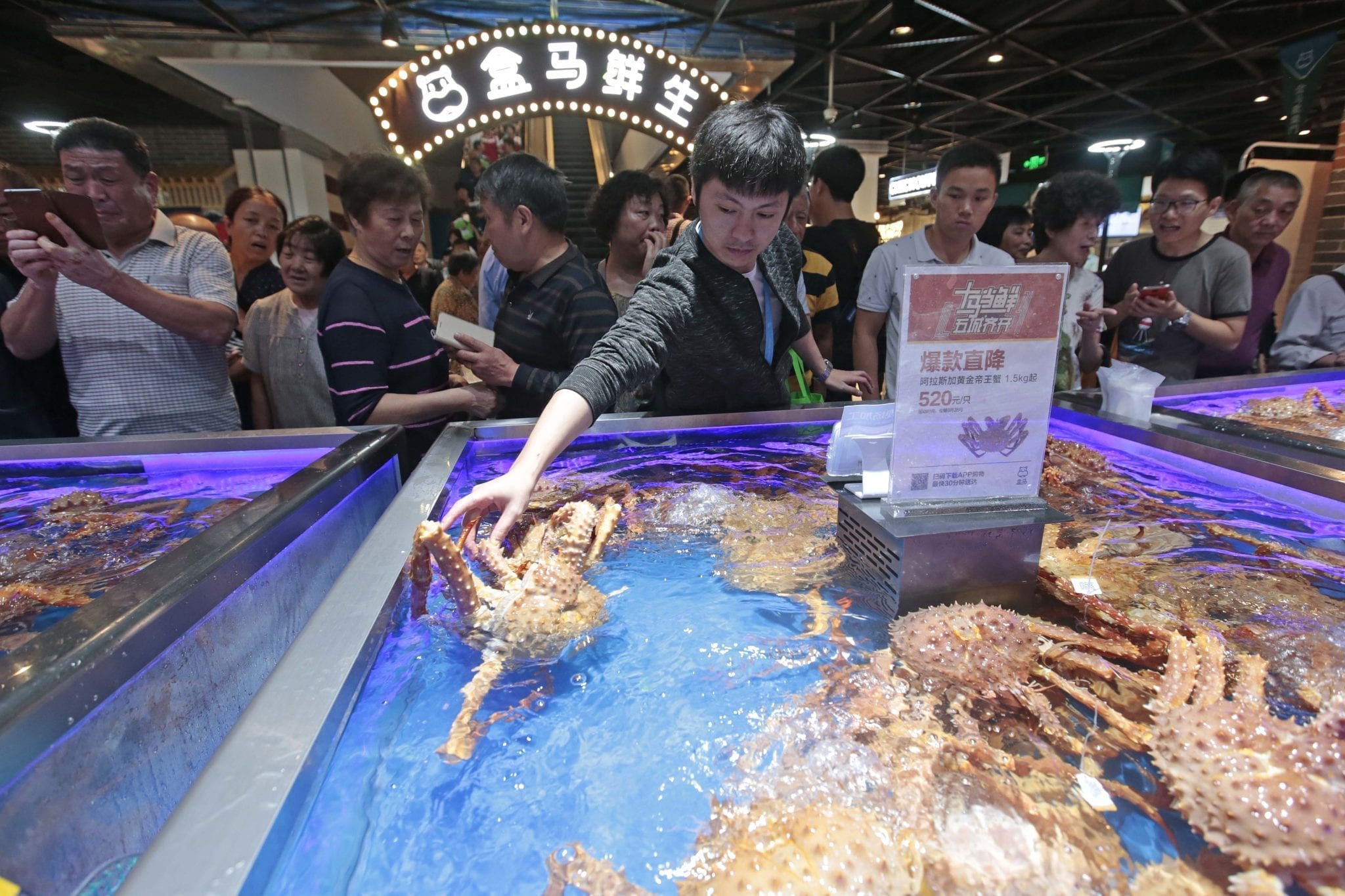
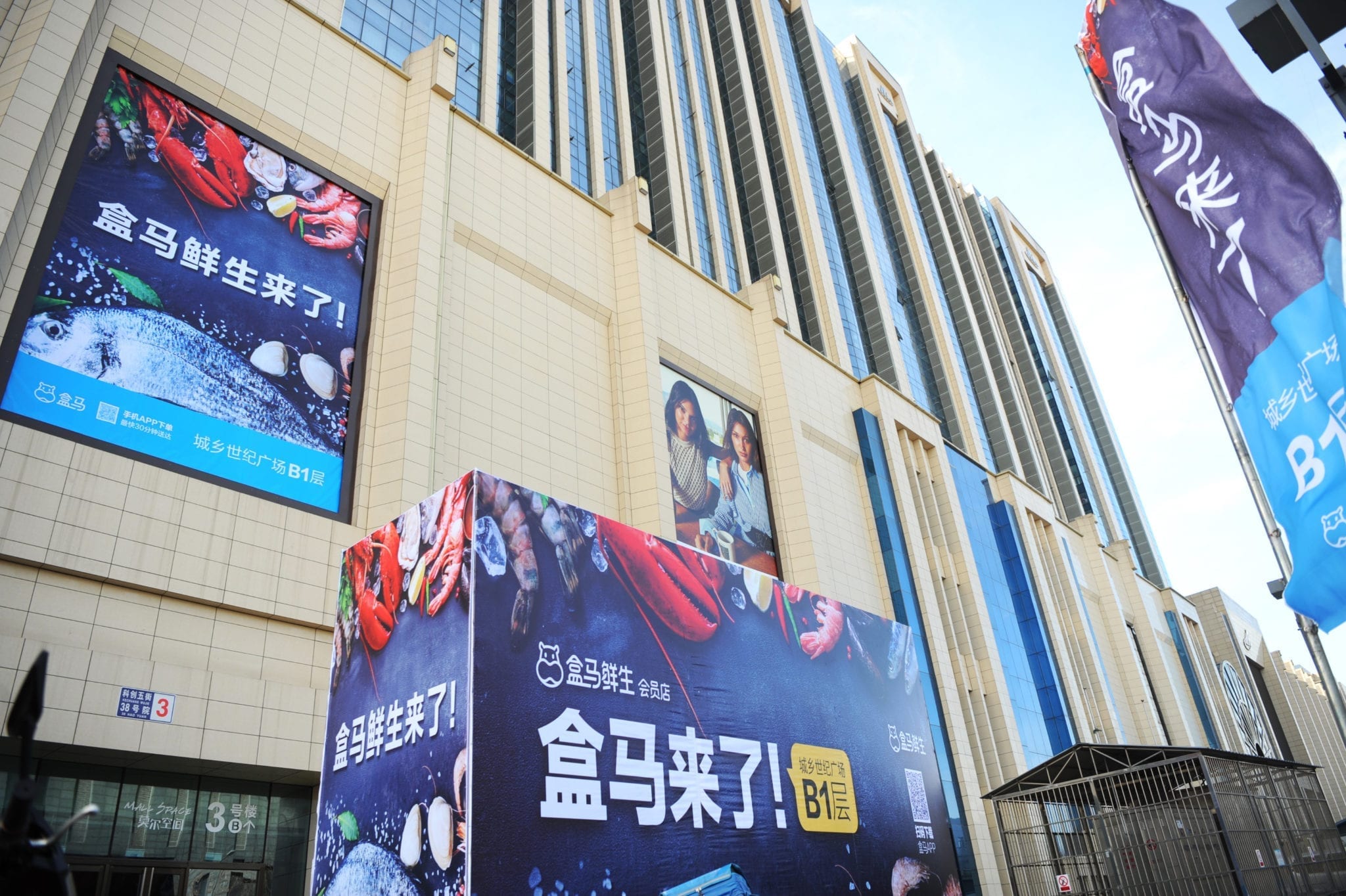
    Alibaba’s Hema supermarket says it will open three stores in the Chinese city of Xian by the end of this year.

    The offline supermarket’s expansion into the northwestern Chinese city follows an announcement that it will add 30 locations in Beijing by year-end, rapidly expanding its store count in the capital to 35 from the current five.

    The Beijing and Xian expansion, together, more than doubles Hema’s presence – currently 26 stores in seven Chinese cities, including 14 in Shanghai, five in Beijing, two in Ningpo, two in Hangzhou, and one each in Shenzhen, Suzhou and the Southwest city of Guiyang.

    Launched in March 2015, the ‘new retail’-driven supermarket is the purest manifestation of Alibaba’s ambitions to marry online with offline, offering consumers a “more-efficient and flexible” shopping experience.

    It starts with a mobile app that allows for researching of products while consumers browse the store. All payments are handled through Alipay, the mobile-payments platform owned by Alibaba’s related company Ant Financial. To improve consumers’ experience, the data collected from transactions is used to personalise recommendations, while geographic data helps to plan the most efficient delivery routes. Residents living within a 3km radius of a Hema store can have their groceries delivered to their doors as quickly as 30 minutes after ordering.

    Government partnership

    Expanding Alibaba’s Hema supermarket in Xian is part of a series of pacts Alibaba Group signed with the city government on Tuesday, including a memorandum of understanding for Alibaba’s new Silk Road headquarters, which the company will build in the city in the next few years. The two parties signed a total of 11 strategic partnership agreements spanning cloud computing, smart logistics, New Retail and financial services.

    Tianhua Zhong, vice president of Alibaba Group, said the partnership with the city government has been progressing smoothly since talks began last summer, adding that the next stage of collaboration will focus on five areas: e-commerce and new retail, City Brain projects, accessible financial services, smart logistics and culture and entertainment.al

    In addition to being the historic gateway to the Silk Road, “Xian is an important part of the ‘Belt and Road’ initiative, and building our Silk Road headquarters [in the city] will help to expand Alibaba’s reach in the midwest, in addition to economic zones along the [modern-day] Silk Road,” added Zhong.

    The Belt and Road Initiative, announced by Chinese President Xi Jinping in 2013, is an ambitious, US$90-billion infrastructure project to connect Asia, the Middle East, Europe, and Africa through global trade.

    Earlier this year, Xian became the first city in China to have its entire subway system accept mobile payments via Alipay – passengers can pass through subway gates simply by scanning a QR code. Upcoming collaboration projects with Ant Financial, Alibaba’s related company and operator of Alipay, include allowing cabs throughout the city to receive payments using the digital wallet, as well as providing accessible credit and financing options to the thousands of small and midsized businesses based in Xian.

    “With this agreement, Cainiao will work with Xian City to build a smart logistics hub for the northwestern region, which would serve the needs of the Belt and Road Initiative. Delivery speed in the midwest has a chance of becoming on par with eastern regions,” said Zhong.

    Alibaba’s logistics arm, Cainiao Network, is expected to invest RMB1 billion in the logistics hub, which would house the unit’s cutting-edge technologies such as automated production lines, AGV robots and robotic arms. Constructions are slated to begin this year and to be put into use before the 11.11 Global Shopping Festival comes around in 2019.

  • Bitcoin Use Under Scrutiny in Indonesia

    Bitcoin Use Under Scrutiny in Indonesia

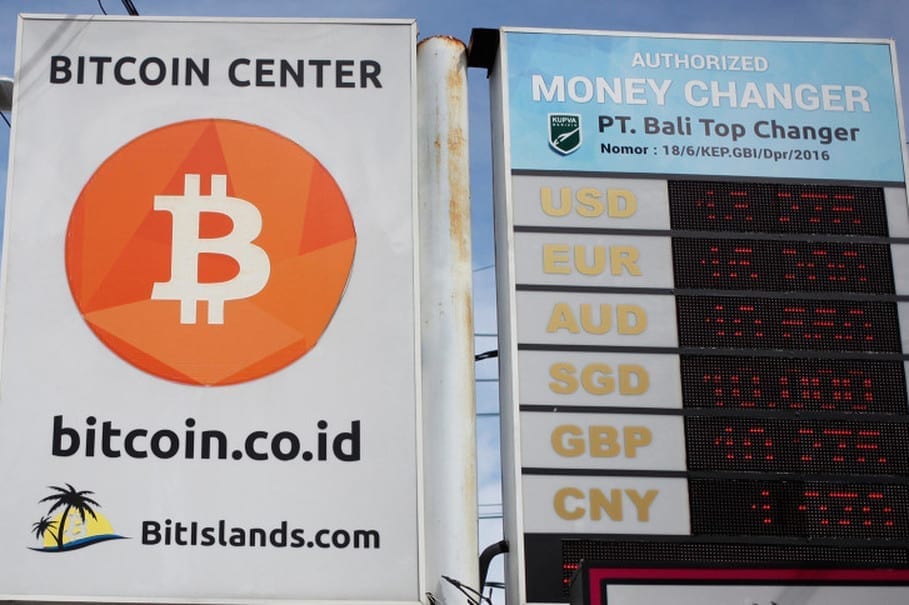
    Indonesian authorities are investigating the use of bitcoin in the holiday island of Bali, amid warnings by the central bank over the risks posed by virtual currencies, an official said.

    The probe started after the central bank on Dec. 7 issued a regulation banning the use of cryptocurrencies in payment systems, said Causa Iman Karana, head of Bank Indonesia’s representative office in Bali.

    “We found out from some postings on social media that Bali appeared to have become a haven for bitcoin transactions,” said Causa, adding that central bank officials and police went undercover at the end of 2017 to investigate scores of businesses in Bali advertising online that they offered bitcoin payment services.

    The team found two cafes still using bitcoin as a means of payment, but 44 businesses including car rental outlets, hotels, travel companies and jewelry stores, prevgiously offering the service, had now stopped, he said.

    A Bitcoin sign is seen in Kuta on the resort island of Bali, Indonesia January 18, 2018. Picture taken January 18, 2018. REUTERS/Nyimas Laula

    One of the cafes used bitcoin only for transactions of more than Rp 243,000 ($18), or about 0.001 bitcoin. A single transaction took about one and a half hours to be processed and included a fee of Rp 123,000 so this had discouraged its wider use for payments, Causa said.

    The official declined to name the businesses because he was still waiting for further instructions from Bank Indonesia in Jakarta.

    “The next step is we will ban them as mandated by the law. We ask them not to use it anymore. Along with the National Police’s Criminal Investigation Unit (Bareskrim), we will enforce the rule that all transactions in Indonesia must use rupiah.”

    Some locals in Bali said bitcoin was being used mainly by foreigners on the island, which is Indonesia’s tourism hub and has a large expatriate community.

    Bank Indonesia has called ownership of virtual currencies high risk and prone to speculation, because no authority takes responsibility or officially administers them and because there is no underlying asset to be the basis for the price.

    Virtual currencies could also be used in money laundering and terrorism funding, and could have an impact on the stability of the financial system and causes losses for society, it has said.

    While trading has not be regulated so far, the central bank has said it was looking into the issue.

    Regulators around the world have been grappling with how to address risks posed by cryptocurrencies, as bitcoin, the world’s most popular virtual currency, soared more than 1,700 percent last year.

    Prices have plummeted since South Korea said last week it may ban domestic cryptocurrency exchanges.

    Bitcoin.co.id, an Indonesian online cryptocurrency exchange, said on its website that bitcoin was trading at Rp 162.70 million per unit after losing around a quarter of it value this week.

  • Vietnam is world’s second largest shoes exporter

    Vietnam is world’s second largest shoes exporter

    Of 23 billion pairs of shoes sold worldwide in 2017, Việt Nam exported over one billion pairs, continuing to maintain the second position (after China) in shoes export.

    According to the latest statistics of the World Footwear Magazine in 2017, Việt Nam continued to rank second among the top 10 largest footwear exporters, with 1.02 billion pairs of shoes, equivalent to 7.4 per cent of the global footwear supply, said Diệp Thành Kiệt, vice chairman of the Việt Nam Leather, Footwear and Handbag Association (LEFASO).

    China still maintained the top position in exporting shoes, with 9.31 billion pairs, representing 67.3 per cent of the total 23 billion pairs of shoes the world consumed in 2017.

    Asia continued to be recognised as the world’s leading region in the production and consumption of footwear throughout the world.

    Meanwhile, the United States was the largest footwear importer; the country imported 2.34 billion pairs of shoes last year, accounting for 19.6 per cent of global footwear consumption.

    Export of Việt Nam’s backpacks and handbags continued to rise, to make it to the top five countries exporting these products in the world today.

    In 2017, the export turnover of backpacks and handbags in Việt Nam was estimated at US$3.3 billion, accounting for 5.5 per cent of global production, but only about one-seventh as compared to China’s supply.

    Kiệt said the biggest challenge for the domestic footwear-handbags industry was the low level of technology application in management and production, as compared to regional and foreign direct investment (FDI) enterprises.

    The labour productivity of domestic enterprises was only equal to 60-70 per cent of FDI enterprises. Most domestic firms have not joined the global supply chain; meanwhile, international brands usually tend to deeply control the global supply chain. In addition, labour costs in Việt Nam were rising significantly, Kiệt added.

    Not only interfering in the price of the goods, importers were now gradually intervening in the traceability of raw materials and factories supplying machinery for production.

    On the other hand, the time taken for supplying goods, product confidentiality, the level of technology used, and advantages of raw material supply are given priority to help consumers select where to place an order and process production, Kiệt said.


  • First GS25 convenience store opens in HCMC

    First GS25 convenience store opens in HCMC

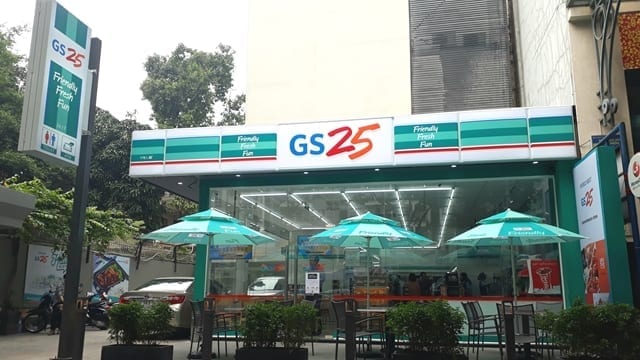
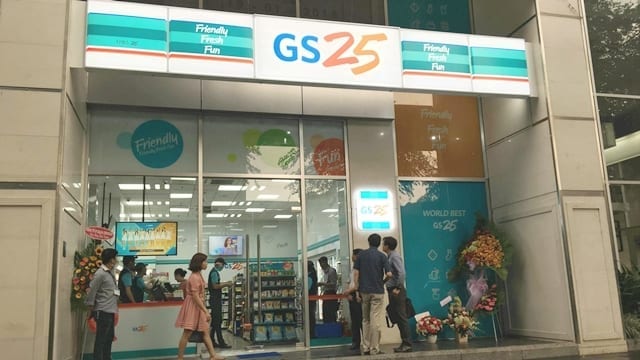
    Convenience store GS25 Vietnam officially opened the doors of its first store in Ho Chi Minh City today.

    Spread over 87sqm, the store is located on the ground floor of Empress Tower on Hai Ba Trung Street in District 3, close to the city’s CBD.

    Three more stores will open this month, including on sites at Truong Dinh Street, inside M Plaza, and Viettel Tower.


    Targeting Vietnamese customers in their 20s and 30s who are familiar with Hallyu, GS25 offers Korean food and products.

    All the stores have cooking and eating stations and sell food including Korean-style fried chicken, dumplings, cup rice, and tteokbokki (spicy rice cakes), as well as boxed lunches.

    Local dishes such as banh mi and sticky rice, and freshly brewed coffee will also be served.

    All dishes are made at a local factory overseen by GS25 standards.

    GS25 CEO Cho Yoon Sung believes Vietnam’s high economic growth rate makes it a good starting point for the company’s overseas expansion.

    The chain also plans to launch in other Asian markets, such as Cambodia and China.

    GS25 Vietnam is a joint venture between Korea’s GS Retail and Vietnam’s Son Kim Group.

  • Indonesian Gov’t to Lower Income Tax for Conventional, Online SMEs

    Indonesian Gov’t to Lower Income Tax for Conventional, Online SMEs

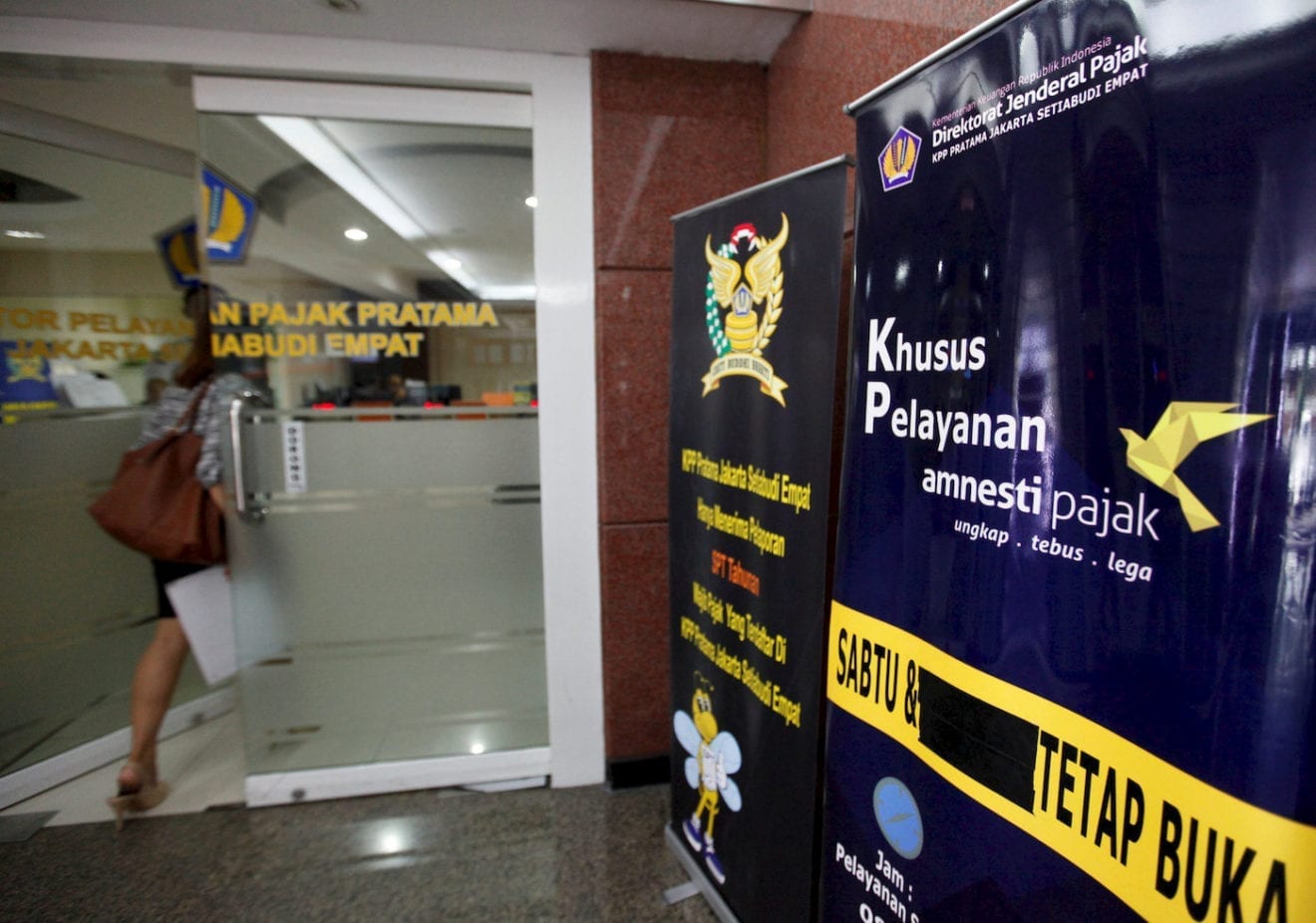
    Indonesia will cut final income tax on small and medium enterprises by half and also impose taxes on e-commerce businesses to even the playing field between traditional brick and mortar and digital businesses, Finance Minister Sri Mulyani Indrawati said on Friday last week (19/01).

    Under a current regulation, businesses earning less than Rp 4.8 billion ($360,600) a year are exempted from paying income tax and value added tax. They only have to pay a final tax of 1 percent of their total sales. The current income tax rate stands at 25 percent of profit, while the VAT is at 10 percent of sales.

    “We are currently formulating [the rules] with the players […] The basic principle is to have the playing of field on the same level,” Sri Mulyani told reporters.

    The minister said the government is planning to lower the income tax for small and medium enterprises (SME) to 0.5 percent of their sales. SMEs or individuals selling exclusively on e-commerce marketplaces will also be required to pay the tax.

    Sri Mulyani said the sales threshold will also be lowered.

    In the e-commerce roadmap rolled out in 2016 as part of the 14th economic policy reform package, the government expects up to $130 billion in e-commerce transactions in 2020.

    “The majority of supplier merchants [for the e-commerce business] are SMEs. We are planning to revise the government regulation to lower the level,” Sri Mulyani said, adding that the regulation will not burden businesses.

    The government has also included an income tax reduction for SMEs to be implemented in this year’s state budget.

    Sri Mulyani said the process of collecting the tax has not been decided yet.

    The Ministry of Finance is currently formulating details on future tax regulations on e-commerce businesses. The government aims to issue the regulation by mid-year, as it is still coordinating with other related ministries and agencies.