Tag: asia

  • Dunkin’ Donuts Unveils Next Generation Concept Store in the US

    Dunkin’ Donuts Unveils Next Generation Concept Store in the US

    Dunkin’ Donuts US has unveiled its next generation concept store – in the city where it opened its very first outlet 68 years ago.

    The new store, in Quincy, Massachusetts, features what the brand describes as “a modern atmosphere” and new and innovative technologies and design elements – including the first drive-thru exclusively for mobile ordering.

    The “On-the-Go drive-thru lane” allows members of the Dunkin’ Donuts loyalty program DD Perks who order ahead via a mobile app to bypass the ordering lane and merge straight into the line for the pickup window.

    The interior design uses lighter colored materials, an open layout and natural light to create an approachable, positive and energetic environment.

    And a new tap system has been designed to pour eight types of cold beverages such as coffees, iced teas, cold brew coffee and nitro-infused cold-brew coffee.

    Later this year, Dunkin’ Donuts will introduce digital kiosks allowing customers to order with or without the help of a staff member, while a mobile pick-up area will allow DD Perks members to order ahead via an app, reducing the time waiting in-store.

    New uniforms are also revealed in the Quincy store, including headwear designed in partnership with lifestyle brand Life is Good. Staff t-shirts feature slogans such as “Fuelled by Positive Energy,” and “Drink Coffee. Be Awesome”.

    The new 2200sqft Quincy stores is located about 1.6km from the original Dunkin’ Donuts US location and is the first of 30 or more new and remodelled Dunkin’ Donuts US restaurants that will test variations of the new design this year.
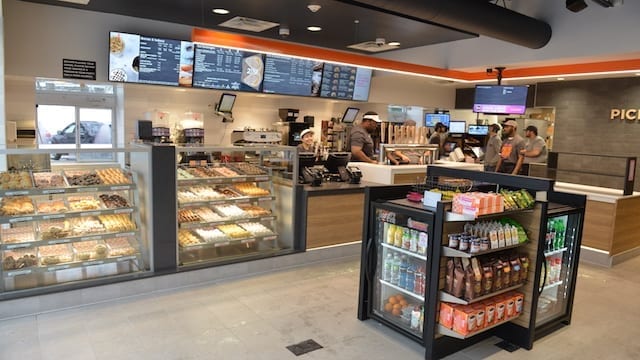
    The final Dunkin’ Donuts store design will be unveiled once testing is complete. The Quincy store is also one of a select number of restaurants testing new signage that refers to the brand simply as “Dunkin’.”

    “The launch of our next generation concept store marks one of the most important moments in Dunkin’ Donuts’ growth as an on-the-go, beverage-led brand,” said Dave Hoffmann, president of Dunkin’ Donuts US and Canada. “We have worked closely with our franchisee community to create a positive, energetic atmosphere for our guests that remains true to our heritage, while emphasising and enhancing the unparalleled convenience, digital innovation and restaurant excellence that distinguishes Dunkin’. We are thrilled to begin the New Year with such an exciting milestone for our brand, and look forward to rolling out Dunkin’ Donuts’ store of the future to our guests in all of our communities.”


  • Phú Yên ready for an explosion of tourism

    Phú Yên ready for an explosion of tourism

    Investors should turn the potential of central coastal Phú Yên Province into money, Prime Minister Nguyễn Xuân Phúc said on Friday.

    Speaking at the largest investment promotion conference held in the province, Phúc asked the locality to continue to use tourism as its development momentum.

    “The province should attract big and prestigious investors while diversifying and improving tourism quality,” he said. “It should also enhance links with other localities inside and outside the country.”

    Phú Yên has a north-south road system, railway, airways and seaway. It also has diversified natural resources, including sea economic sectors, hi-tech agriculture, agro-forestry, minerals and renewable energies.

    Phúc highlighted the advantages of the province and its dynamic authorities in welcoming “sunrise” development.

    The PM said he valued the province’s efforts in developing economic infrastructure and improving the investment environment.

    “With its advantages and hard-working people, Phú Yên can surely achieve sustainable and rapid development in the central and Central Highlands regions,” he said.

    Phúc urged Phú Yên to ensure stability, transparency and equal competition in accessing resources and business opportunities. It should also pay attention to start-ups, especially by young people in the rural areas.

    “Phú Yên was requested to follow the country’s reform flow as well as taking advantages of the Fourth Industrial Revolution in management, building e-governance and removing bureaucracy,” he added.

    The province was asked to quickly resolve investment barriers, while improving its provincial competitiveness index (PCI) and public administrative performance index (PAPI) and become known as trustworthy.

    He said Phú Yên should enhance regional associations, especially with Bình Định, Khánh Hòa, Lâm Đồng and Đắk Lắk which could supplement advantages for the province.

    It could also mobilise social resources to attract investment of clean and hi-tech industries.

    He expected the province to develop seafood and prevent illegal exploitation. Businesses and investors should protect the environment and traditional culture.

    Secretary of the provincial Party Committee, Huỳnh Tấn Việt, said the province had strong commitments to helping investors.

    Between 2011-17, Phú Yên received 284 investment projects, including 19 foreign direct investments with total registered capital of US$6 billion.

    “The province will give priorities to sea eco-tourism, culture and building distinctive tourism products,” Việt said.

    “Phú Yên will also focus on key sectors of finance, logistics, information and telecommunications; support industries, energy and agro-forestry processing.”

    Việt added that the province would seek investment in urban infrastructure, housing and real estate and establish special cultivation areas with post-harvest and processing technologies.“Investors in the province are our citizens. Their success will be ours,” he added.

    At the event, the provincial People’s Committee approved 17 investment licences worth a total of  VNĐ12.4 trillion ($558 million) and signed memoranda of understanding with others.

    These have been big scale projects, contributing to the province’s development and providing jobs for local people.

    On the same day, PM Phúc attended the inauguration of the Đà Rằng- Sông Chùa Bridges to ease congestion at the south of Tuy Hòa City and expanding Phú Yên Urban Area.

    The Ministry of Culture, Sports and Tourism also announced the PM’s decision to approve development planning of Xuân Đài Bay National Tourism Area by 2030.

    Accordingly, Phú Yên will develop the area based on its advantages of the Gành Đá Đĩa (Sea Cliff of Stone Plates) to develop national tourism products.

    More than 500 delegates, including those from 260 domestic and international enterprises attended the conference.


  • ChikuChiku Cafe Hong Kong to feature hedgehog

    ChikuChiku Cafe Hong Kong to feature hedgehog

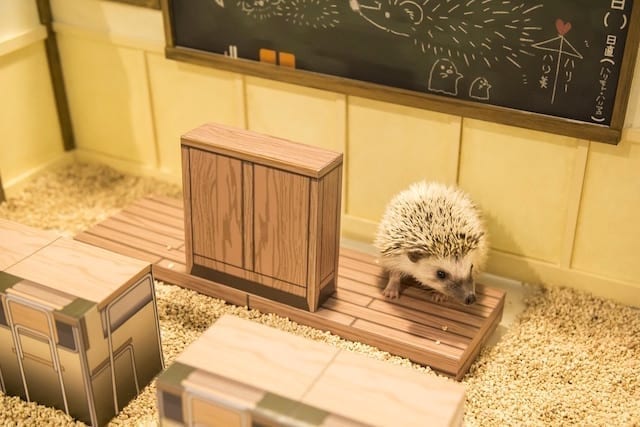
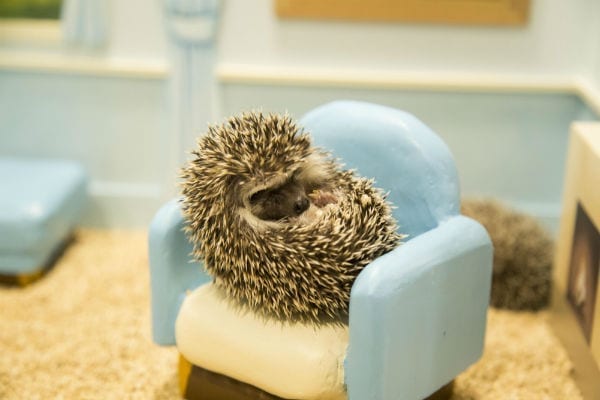
    Hedgehogs in dollhouses are central to the new first-for-Japan concept ChikuChiku Cafe, which translates as “prickly cafe”.

    Set up in Shibuya by the Shiikugakari company, ChikuChiku (also known as the Hedgehog Home and Cafe) allows patrons to feed, touch and take photos with its cute inmates.

    There are 10 different abodes for the hedgehogs including dining rooms, bedrooms, bathrooms, a garden, a Japanese-style room and a classroom, plus a large “cityscape” in the centre of the cafe where the hedgehogs take a walk.


    There are plans for ongoing updates for the hedgehog houses.

    Children 12 years and younger need to be accompanied by adults at the cafe, while children six years and younger are not allowed to touch the animals.

    Other terms of service as listed on the cafe’s website include:

    • ● We charge for the table by the hour. If you have a reservation, your ticket is valid for one hour only. Even when you are late for the reservation time, please leave us on schedule. If you visit without a reservation, you can stay for one hour starting from the time on your receipt.Drinks are available at a self-service vending machine. Please sterilise your hands each time before you have drinks after having touched the hedgehogs.
      ● Hedgehogs may bite your fingers, etc, if in a bad mood. The tip to keep the hedgehogs in a good mood is to pet them gently.
      ● Hedgehogs hate strong lights. Please refrain from flash photography.
      ● Hedgehogs are very timid.
      ● Hedgehogs may bristle their spines when they hear sounds or voices above them, or when they are in the shade of your hands or face.
      ● Please do not look into the hedgehogs suddenly, and pet them gently.
      ● Hedgehogs have a great attachment to their house. We recommend you pet the hedgehogs in their house without lifting or carrying them.
      ● Hedgehogs may get surprised by sounds or lights, and get upset by unfamiliar smells.
      ● Hedgehogs may get injured severely when they fall from high places.
  • WTO gives US deadline to fix anti-China practices

    WTO gives US deadline to fix anti-China practices

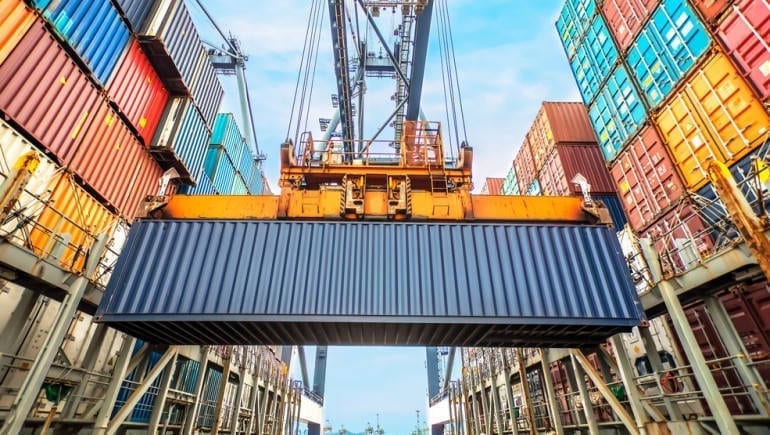
    A World Trade Organization arbitrator on Friday gave Washington until August 22 to implement a prior ruling faulting the anti-dumping measures taken against Chinese products.

    The WTO’s Dispute Settlement Body ruled last May that some of the US anti-dumping practices were inconsistent with international trade rules.

    Arbitrator Simon Farbenbloom said in a report that it was “reasonable” to expect the United States to implement the ruling within 15 months.

    “The reasonable period of time for implementation will expire on Aug 22, 2018,” he said.

    The case dates back to December 2013, when China filed a dispute against the United States, taking issue with the way Washington assesses whether exports have been “dumped” at unfairly low prices onto the US market.

    The use of anti-dumping duties are permitted under international trade rules as long as they adhere to strict conditions, and disputes over their use are often brought before the WTO’s Dispute Settlement Body.

    In this specific case, China alleged that the United States, in violation of WTO rules, was continuing a practice known as “zeroing”, which calculates the price of imports compared to the normal value in the United States to determine predatory pricing.

    In October 2016, a panel of WTO experts found largely in China’s favour in the case, including on the issue of “zeroing”.

    The United States, which has repeatedly lost cases before the WTO over its calculation method, said in June 2017 that it would implement the panel’s recommendations, saying it would do so within a “reasonable” time frame.

    This prompted China to ask the WTO to appoint an arbitrator to set an end date.

    The 162-member Geneva-based WTO aims to create a level playing field in global trade, although US President Donald Trump’s trade envoys maintain the organisation has given unfair advantages to China at the expense of the United States.

  • Google, Temasek Coming in as New Investors in Indonesia’s Go-Jek

    Google, Temasek Coming in as New Investors in Indonesia’s Go-Jek

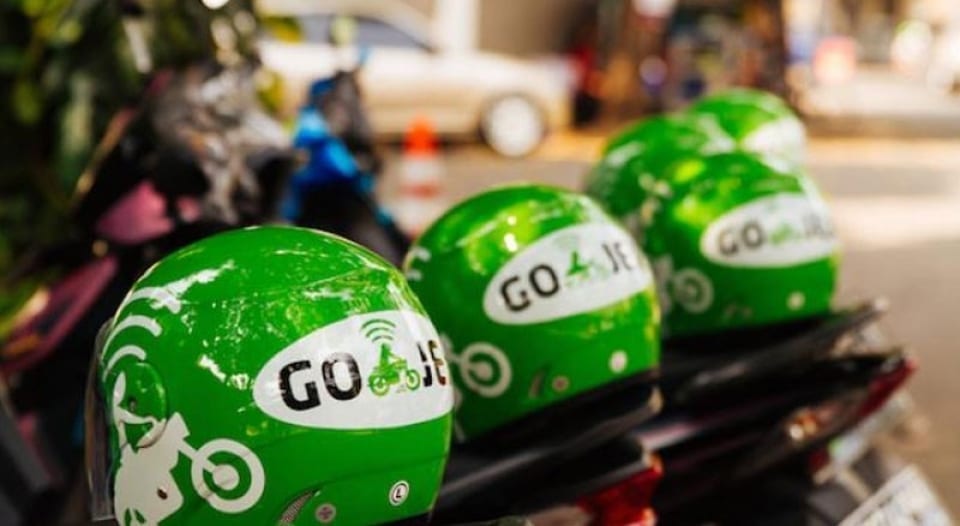
    Google, Singapore state investor Temasek Holdings and Chinese online platform Meituan-Dianping are investing in a fundraising round of Indonesian ride-hailing startup Go-Jek, sources familiar with the matter said.

    Go-Jek’s existing investors, such as global private equity firms KKR & Co and Warburg Pincus, are also participating in the funding round, which is raising about $1.2 billion in total, the sources said.

    They said the funding round opened last year and is expected to close in a few weeks.

    The funding by prominent investors including Google gives Go-Jek greater firepower to tackle competition at home from Grab and Uber Technologies, which are viewing Indonesia, Southeast Asia’s most populous country, as a large potential market.

    “As a strategic investor, Google can add a lot to Go-Jek’s business,” said one source.

    It was not immediately clear how much the investors are pumping in individually.

    Google, KKR, Warburg and Temasek declined to comment. Meituan-Dianping and Go-Jek did not immediately respond to requests for comment. The people declined to be identified as they were not authorized to speak to the media.

    Go-Jek, which began as a ride-hailing app for motorcycle taxis, operates mainly in Indonesia but is developing a food delivery business. Its mobile payment business, Go-Pay, is also growing rapidly.

    Reuters reported last year that JD.com was investing about $100 million in Go-Jek. This followed an investment by Chinese social media and online entertainment firm Tencent Holdings, which is also an investor in JD.com.

  • EMart’s M-Lounge to sell electric mini-vehicles

    EMart’s M-Lounge to sell electric mini-vehicles

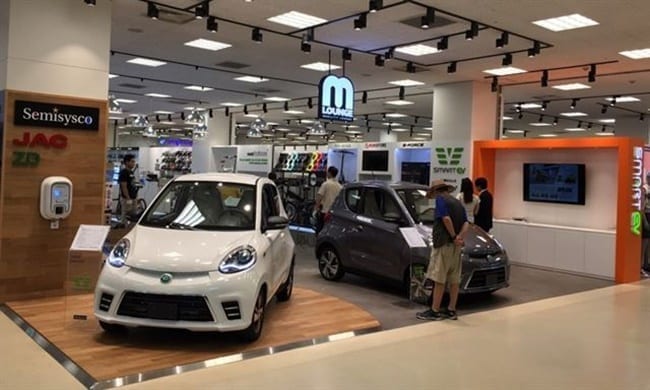
    South Korea’s discount store E-Mart, a unit of retail conglomerate Shinsegae Group, has started selling electric mini-vehicles.

    E-Mart says it has expanded its M Lounge network to seven shops across Korea to sell electric bicycles and EVs.

    Introduced at its Yeongdeungpo store last March to introduce its e-mobility lineup, M Lounge now sells E-Mart’s private-brand e-bike Pedelec and other brands such as Mando Footloose and Maskali, as well as Air Wheel (electric wheel) and iBoat (electric kickboard). It has also started taking orders for the Zhi Dou two-seater electric car from China, which can run up to 150㎞ on a single charge.

    Cleared by regulatory authorities last month, the vehicle is expected to be priced at KW13 to 14 million (US$13,000).

    E-Mart aims to install M Lounge at up to 20 key stores across the country.

  • Nissan’s ePower tech coming to U.S. vehicle

    Nissan’s ePower tech coming to U.S. vehicle

    Startled by enthusiastic consumer demand for ePower in Japan last year, Nissan Motor Co. now plans to introduce the electric motor-powered technology to its vehicles in the U.S.

    But unlike its Japanese application in the humble subcompact Note, Nissan will more likely use ePower here as an option on higher-end vehicles, said Philippe Klein, the automaker’s chief planning officer said last week.

    Klein did not say which Nissan brand products might receive ePower but suggested it will begin with higher-priced nameplates that can absorb the added cost of the powertrain.

    Meanwhile, Klein’s boss, Nissan CEO Hiroto Saikawa said that Infiniti will begin offering ePower in the near future. Saikawa said ePower will play a key role in Infiniti’s move to almost completely electrify its lineup starting in 2021.

    The technology, essentially a range extender, appears on the Note in Japan.

    Saikawa said that every Infiniti that appears in or after 2021 will either be a full electric vehicle or have an ePower powertrain.

    The technology reached the market in Japan as a powertrain option on the Note in late 2016. But in 2017, its first full year of availability, it had a 65 percent take rate on the car, Klein said.

    “Our strategy is to expand to other vehicles and to other markets,” Klein said. “It’s not only for small vehicles. We’re going to go to bigger vehicles.”

    The system is essentially a range extender in which an electric motor propels the vehicle at all times. A battery provides the power for the motor. A gasoline engine is used to charge the battery when necessary.

    The system delivers a fuel economy rating of about 77 mpg under Japan’s testing protocol, which is not comparable to U.S. testing methods.

    But Klein said fuel economy is only half the attraction to consumers. A second appeal is the powertrain’s exhilarating acceleration, he said, which is something that will appeal to buyers of any vehicle.

    “One part of it is the rational — lower gas costs. The other issue is emotional,” he said. “The driving experience is very close to that of an electric vehicle. Contrary to a conventional hybrid, you have the smooth acceleration of an electric vehicle.”

    Klein said that ePower has helped Nissan increase the revenue generated by the Note, and also has allowed Nissan to reposition the Note in Japan as a more upscale model.

    He added that Nissan believes the technology also provides an alternative to diesel powertrains in Europe.

    The company is considering offering ePower there as regulations make it harder to sell diesel vehicles.

    Its immediate benefit as a new source of fuel economy is not so clear for the U.S. market, he said. “But the benefits of being emotional and fun to drive might apply in the U.S. for some categories of vehicles,” he said. “So it’s part of the strategy.”

  • Jaymart cryptocurrency to “feel lovely” in launching day

    Jaymart cryptocurrency to “feel lovely” in launching day

    Thailand’s J-Ventures, a subsidiary of electronics retailer Jaymart, is to launch a cryptocurrency on Valentine’s day as means of raising US$20 million.

    There are no clear regulations in Thailand at this time relating to cryptocurrencies, which can be traded on the Thailand Digital Asset Exchange (TDAX) and Thailand Bitcoin Exchange (BX).

    J-Ventures says it will hold an ICO (Internet Coin Offering) of 100 million JFin tokens, each with a face value at launch of 20 cents, from February 14 to 28.  A further 200 million virtual tokens will be kept in reserve for later use.

    The Jaymart cryptocurrency will be accepted as currency in Jaymart stores and traded on the two exchanges.

    The funds raised in the offering will be used by another Jaymart subsidiary J Fintech to develop a digital lending platform using blockchain technology

    “Jaymart’s loan service business has a large growth potential,” explained J-Ventures CEO Thanawat Lertwattanarak. “Therefore, we need to create an ecosystem, develop a customer database and provide a new channel for people to access loans more easily.”

  • New shopping centre in India combines contemporary architecture with traditional styles

    New shopping centre in India combines contemporary architecture with traditional styles

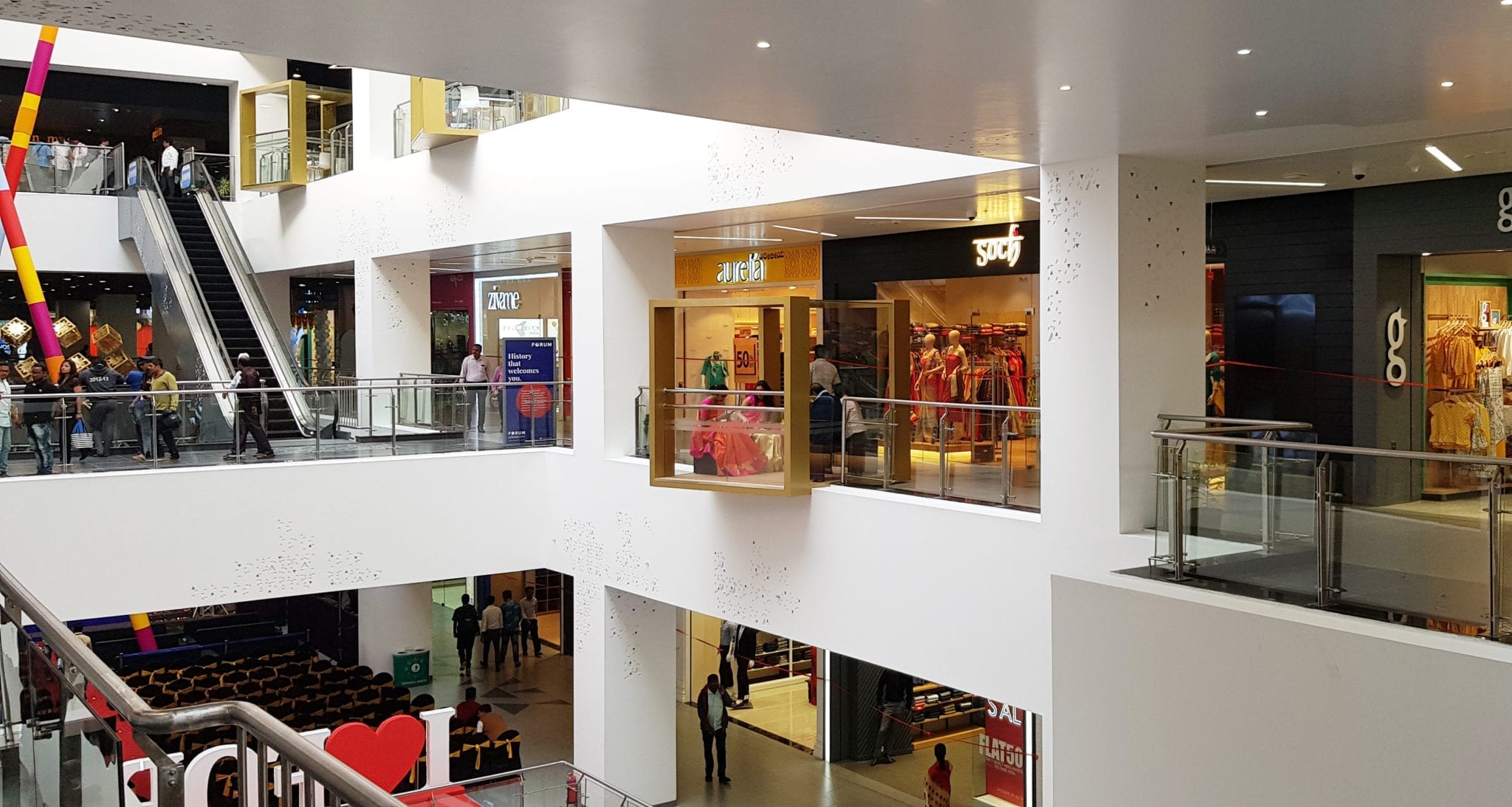
    A shopping mall designed by international consultant Broadway Malyan has opened in India. The firm was appointed by Prestige Group to design the interior fit-out and exterior façade of Forum Mall, Mysuru.


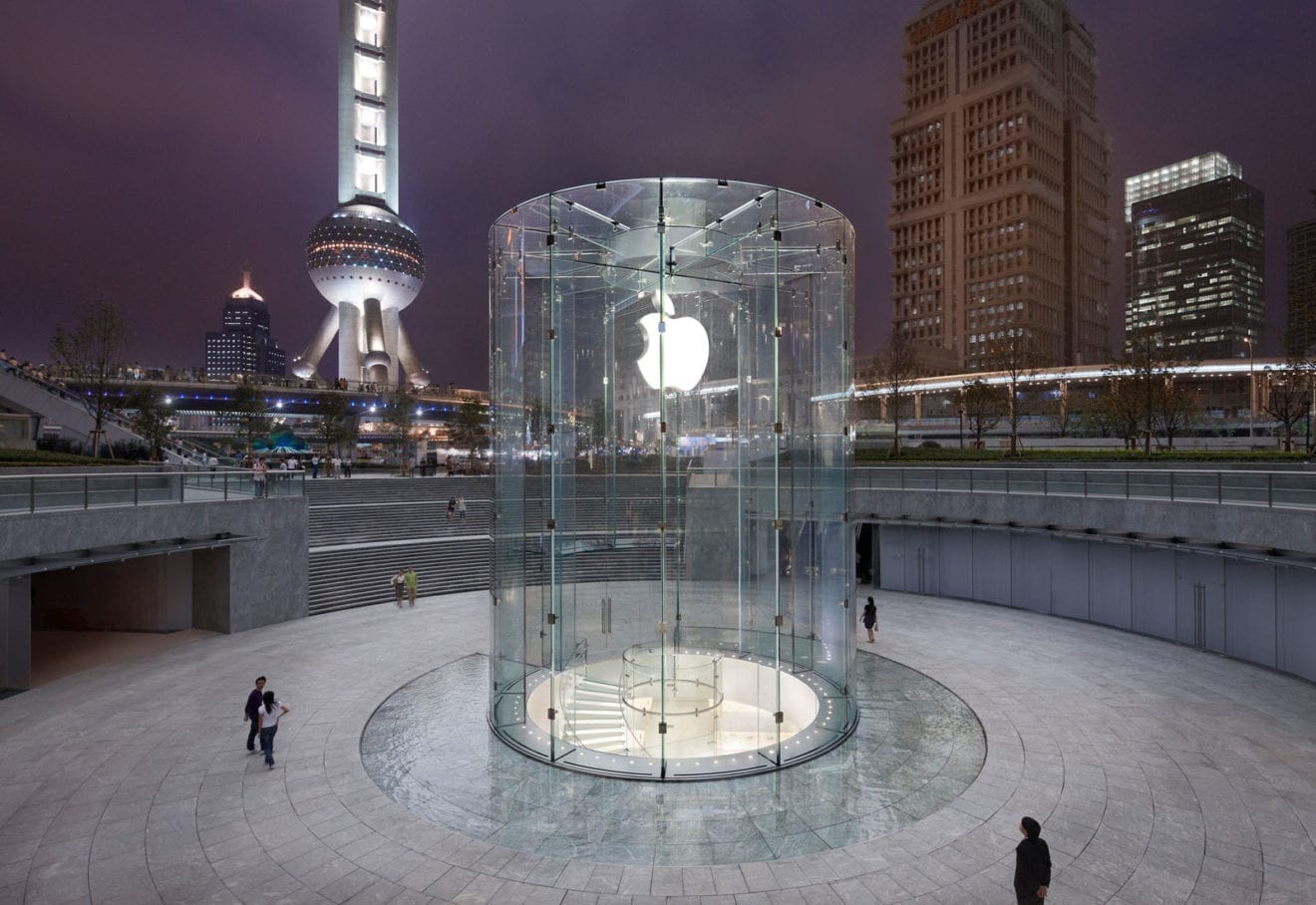
    The shopping mall comprises 54,000 sqm of space, and is home to over 150 local and international brands, with big names such as H&M, Nike, Levi’s and Apple all taking space within the mall. It also includes a hypermarket and department stores, and leisure needs are catered for through the inclusion of a multiplex, gaming arcade and range of restaurants and cafes.


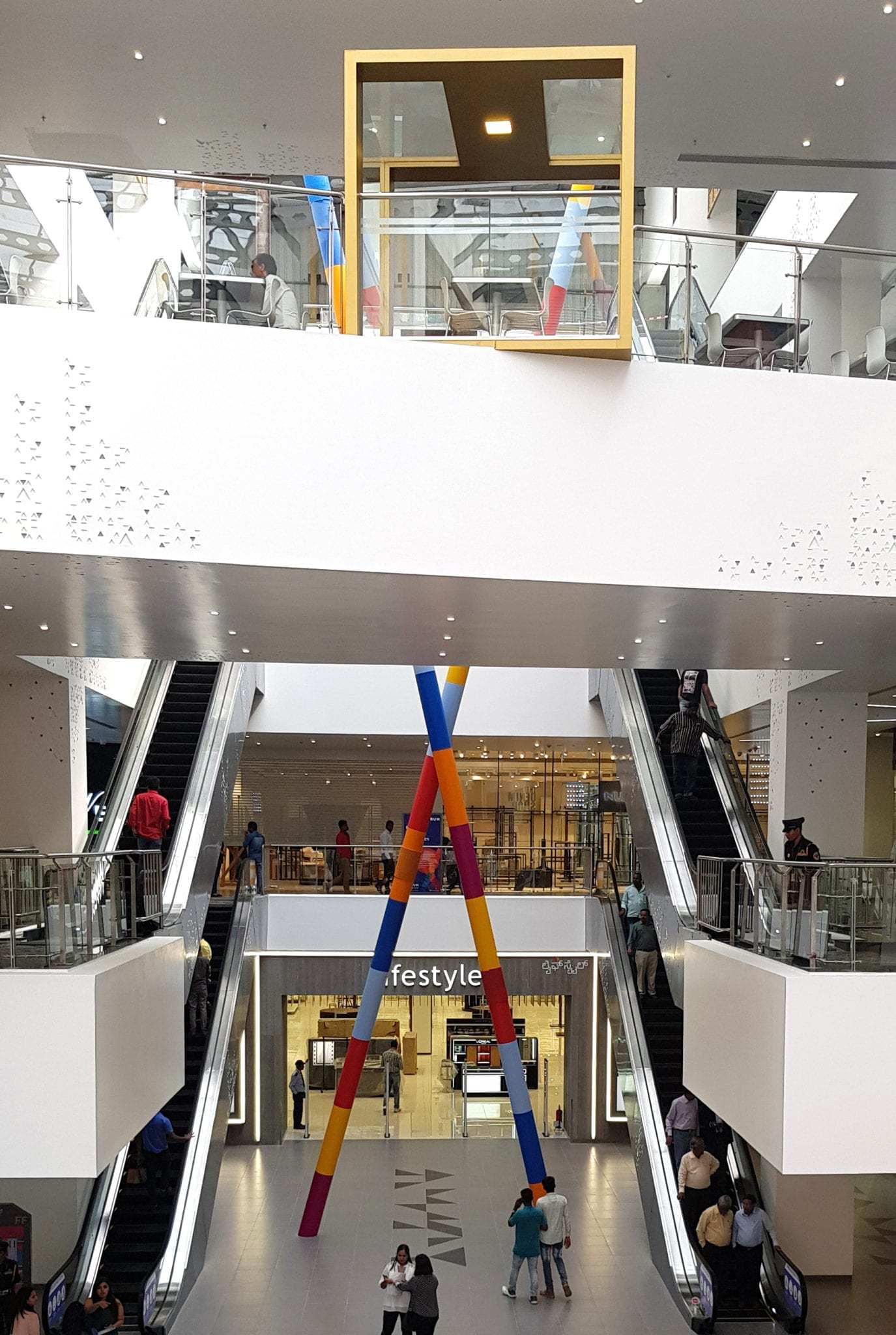
    The interior design was inspired by local culture, including celebrations such as the Dussehra and Holi festivals, landmarks such as Mysore Palace, and textures and materials including Mysore Peta, Sarees and Jali Stonework. These design references have been merged with a modern style to create a unique retail environment.


    Ankit Kamboj, associate director at Broadway Malyan, said: “Our challenge was to combine cultural elements with a contemporary, clean architectural style. The balance is important; both aspects should complement rather than detract from each other.


    “By designing the façade and interiors we have been able to ensure that the same design approach is followed throughout to create a strong identity for the mall.


    “Significant growth is expected in the retail sector in the city and Forum Mall looks set to capitalise on this by offering a new type of retail and lifestyle destination for local residents to enjoy.”


    The interior design is underpinned by simple, white plaster on a number of core surfaces such as the ceilings, main pillars and escalators. By using this neutral approach, the featured elements stand out more. Depth and texture is added to the design the ways in which various materials, patterns and light is used.

     Kolam drawings, which is a style specific to the south of India, are printed over floors, glass balustrades and pavements to add further distinction and also help with wayfinding by highlighting key areas such as the entrances, lifts and public squares.

    Prestige Group is one of the leading developers in India with a range of landmark developments throughout the country. As well as retail schemes, they deliver residential, commercial and hospitality projects. Retail is one of Broadway Malyan’s core areas of expertise, and the firm is currently providing advice for a number of projects throughout India, from small, niche retail projects through to large malls and out of town shopping destinations.

  • Katrina brings So Pho to Shanghai; maiden outlet opened with Ajisen Group

    Katrina brings So Pho to Shanghai; maiden outlet opened with Ajisen Group

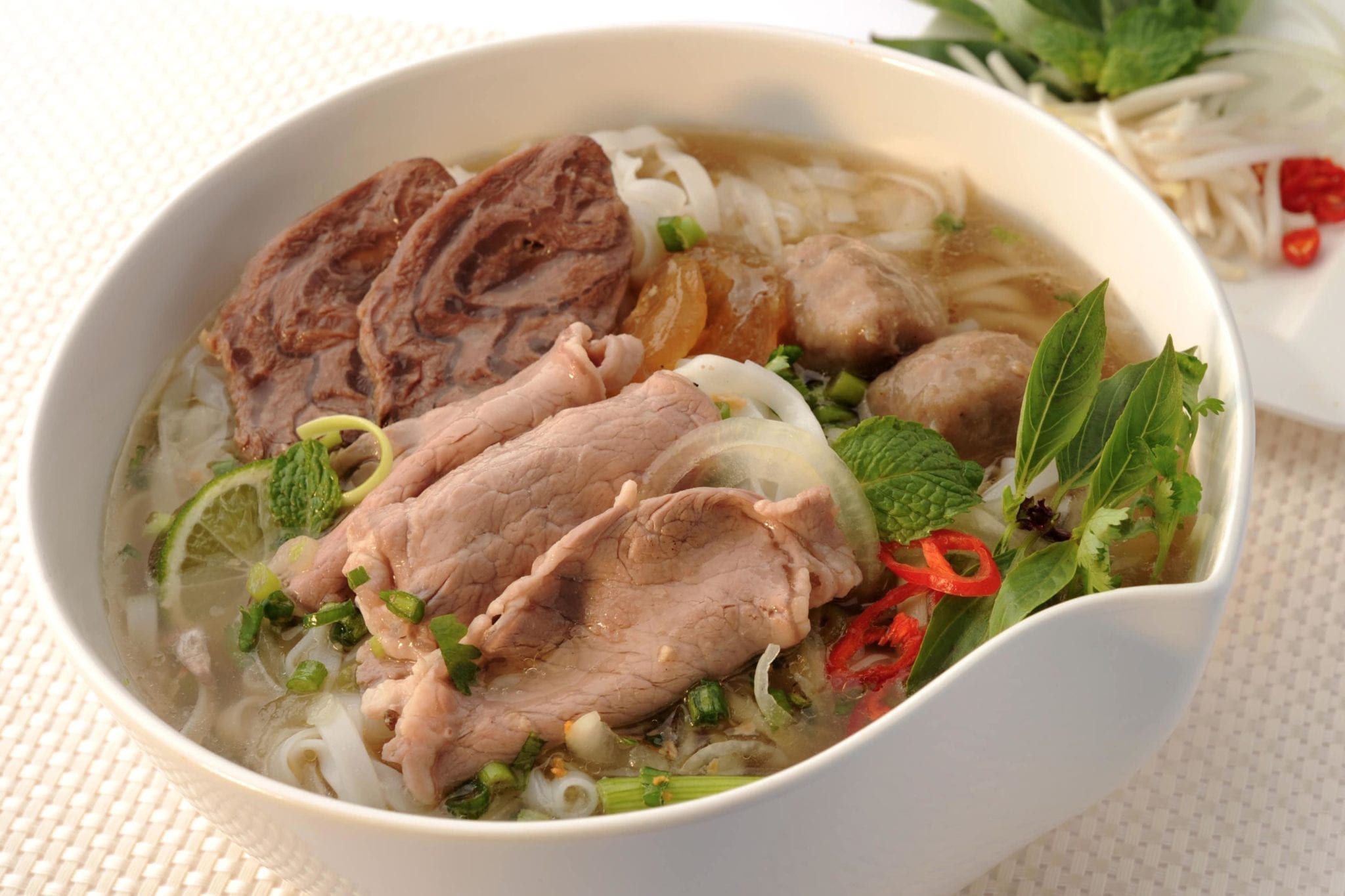
    Katrina Group Ltd. (“Katrina” or the “Group”), an established and recognised Food & Beverage (“F&B”) group specialising in multi-cuisine concepts and restaurant operations, today announced that it has opened its first So Pho restaurant in Shanghai under the joint venture (“JV”) company, So Pho International Limited, with Big Benefit Group Limited, a wholly-owned subsidiary of Ajisen (China) Holdings Limited (“Ajisen China”, and together with its subsidiaries, collectively, the “Ajisen Group”).

    The BaiLian Chuansha Shopping mall is located in Chuansha New Town in the Shanghai Pudong New Area. The Pudong area is a financial hub of modern China and one of the most populous districts in Shanghai. Nearby landmarks include the Port of Shanghai, the Shanghai Expo and Century Park, Zhangjiang Hi-Tech Park, Shanghai Pudong International Airport, the Jiuduansha Wetland Nature Reserve, and the Shanghai Disney Resort.

    The Group’s outlet in Shanghai is approximately 1,162 square feet with a seating capacity of 42. The location of its maiden outlet enhances the Group’s ability to raise the So Pho brand profile to a wider consumer mix, thus helping to pave the way for further expansion in the region.

    The Group has also opened three new restaurants in Singapore, one each in Causeway Point and Northpoint City under the brand name “So Pho” and one at Suntec City under the brand name “Streats”. The Group looks to complete the opening of its outlets at Marina One and West Mall by end-January2018, which will bring the total number of restaurants operated by the Group to 41. Adding to this, the Group has also signed agreements to open a “Streats” outlet in Tampines 1 and a “So Pho” outlet in Jewel Changi Airport.

    We have made good progress since our listing in July 2016, increasing our total number of restaurants by seven to 41 by end-January 2018. Although conditions have been less than favourable since we listed, we see some improvement in consumer sentiment. With the foundation that we have set, we believe that 2018 is a year with the potential for significant positive development for the Group.

    We will continue to persevere and look ahead for further opportunities to raise our profile and market position in the region.”

    The Group will continue to update the market as and when there are material developments to its business.

  • CapitaLand signs MoU to explore investing in an integrated development in Wuhan,

    CapitaLand signs MoU to explore investing in an integrated development in Wuhan,

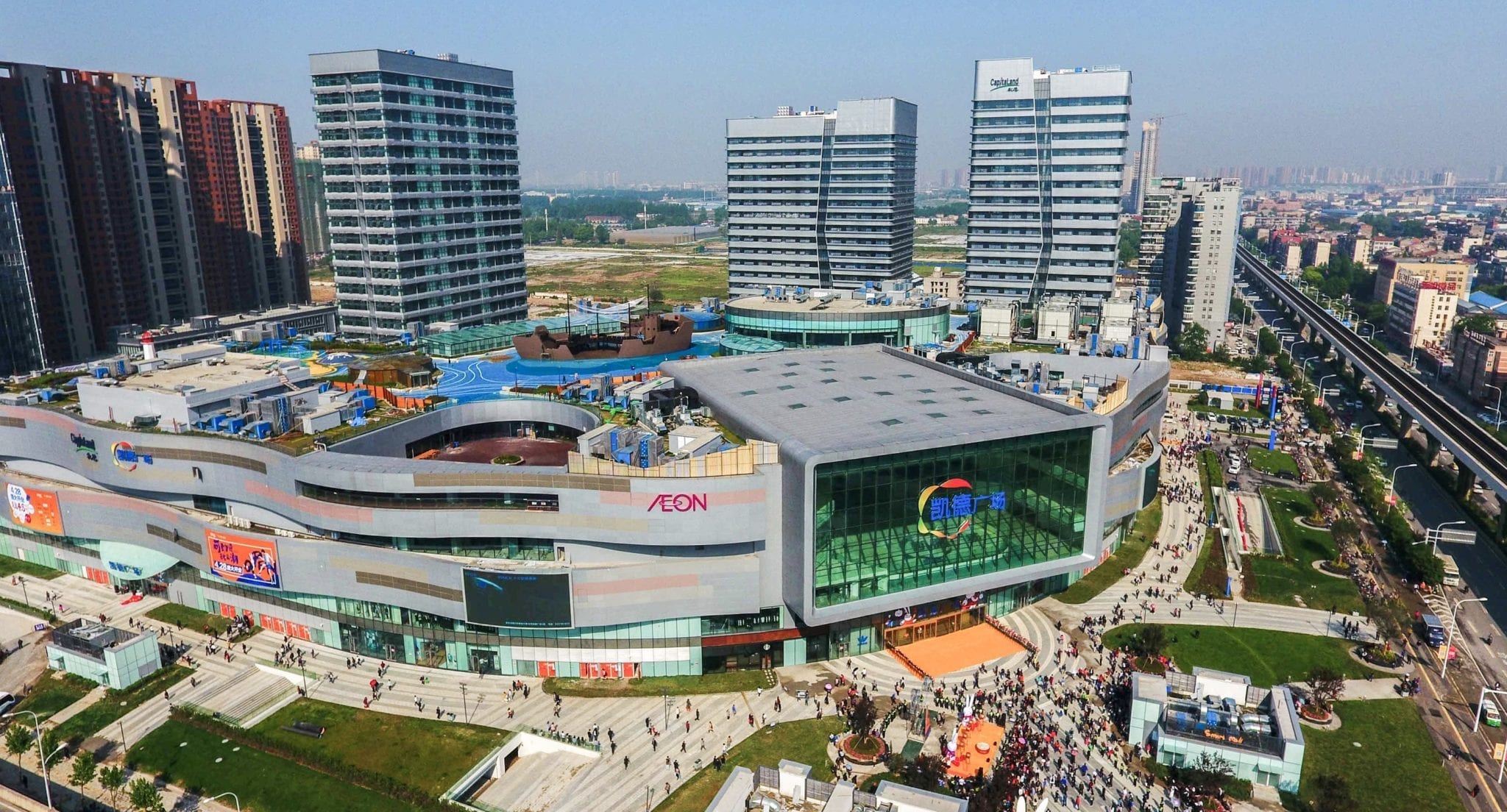
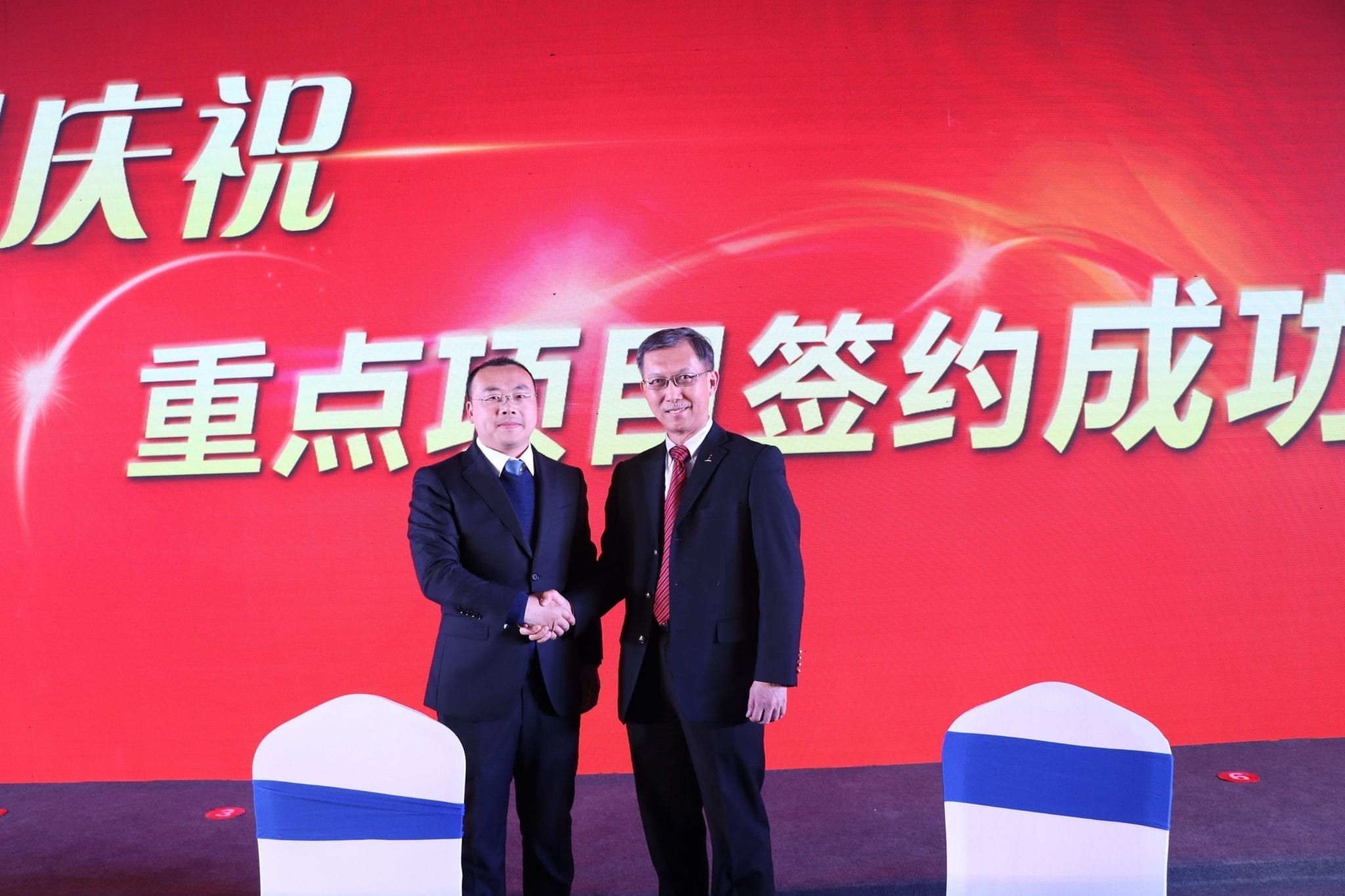
    Following a major reconstitution of its China shopping mall portfolio, CapitaLand is eyeing expansion opportunities under its “core city clusters, dominant assets” strategy. Through its wholly owned subsidiary CapitaLand China, CapitaLand today signed a Strategic Cooperation Memorandum of Understanding (MoU) with the district government of Wuchang – known as the urban core and one of three key areas of Wuhan, the capital of Hubei Province. The MoU sets out the general principles of collaboration between CapitaLand and the district government in developing a prime site in Wuchang. The potential scale of the proposed integrated development on the site is expected to surpass all CapitaLand’s existing properties in central China.

    Mr Lim Ming Yan, President and Group CEO of CapitaLand Limited, said: “Unlocking the value of mature assets for reinvestment into new growth opportunities is a hallmark of CapitaLand’s capital recycling strategy. As part of our proactive capital management, the Group has divested S$2.5 billion worth of assets and deployed some S$5.8 billion toward new properties in 2017. The proposed divestment of 20 non-core retail assets announced in early January, will further enhance our financial flexibility to invest in other compelling opportunities.”

    Mr Lim added: “In China, we are focused on deepening our presence in core city clusters where we can leverage our existing operations to grow faster. As the major transport and commercial hub in central China with strong economic fundamentals, Wuhan is a high-growth city that is set to benefit further from China’s Belt and Road Initiative. The city’s rapid urbanisation has created a high demand for quality real estate products and services, particularly integrated developments that will make efficient use of land to fulfill consumers’ intertwined live, work and play aspirations in one central location. CapitaLand looks forward to making greater contributions to Wuhan’s urban development through quality projects.”

    Mr Lucas Loh, CEO of CapitaLand China, said: “CapitaLand’s leadership in integrated developments is fast gaining market recognition. Serving as an enabler to catalyse an area’s economic growth, our integrated developments are well-sought after by Chinese urban planners around the country. To date, the Group owns and manages 23 integrated developments with over 6.2 million square metres (sq m) of gross floor area (GFA) in China’s first- and second-tier cities, making CapitaLand the foreign developer in China with the largest portfolio of integrated developments. Last year, CapitaLand marked the successful opening of six of these – namely Raffles City Changning in Shanghai, Raffles City Shenzhen, Raffles City Hangzhou, Capital Square in Shanghai, Suzhou Center, and CapitaMall Westgate in Wuhan. We will continue to build on our growing track record to take on more integrated developments in strategic locations that maximise the returns on our investments.”

    The MoU signing followed last April’s opening of CapitaMall Westgate in Wuhan’s Hankou area. Comprising a shopping mall, two office towers and one SOHO block that span about 250,000 sq m in GFA, it is CapitaLand’s fifth largest integrated development in China and its biggest in central China to date. Opened with a high committed occupancy of about 93%, the retail component of CapitaMall Westgate drew more than 435,000 shoppers over its first four days of operations.

    Besides CapitaMall Westgate, CapitaLand owns and manages a second integrated development in Wuhan’s Hankou area, namely CapitaMall Wusheng, which also comprises a serviced residence Somerset Wusheng. CapitaLand’s portfolio in Wuhan also includes two other shopping malls, namely CapitaMall 1818 in Wuchang and CapitaMall Minzhongleyuan in Hankou. In addition, The Lakeside, Wuhan – a 2,246-unit residential project by CapitaLand is currently under development; 1,526 units launched to date have been fully sold. Through its wholly owned serviced residence arm The Ascott Limited, CapitaLand also manages four serviced residences in Wuhan.

    Wuhan is the largest city in central China, with a population of about 12 million people. Based on advance estimates, Wuhan achieved a GDP growth of 8% in 2017 – outpacing the national average. A major transport hub, Wuhan connects the rest of the country via well-established highway and railway networks, and one of the largest inland ports in China. With its central location and fast-growing economy, Wuhan has attracted strong international trade and foreign direct investment. Its key industries are car manufacturing, steel production and optical-electronics, including housing China’s largest production centre for optical-electronic products. Leading multinational corporations such as Citroen, Foxconn, Hewlett-Packard, Honda, Nissan, Philips and Siemens have established operations in Wuhan. In addition, Wuhan is home to several well-known local companies such as Dongfeng Motor, FiberHome Technologies Group and Wuhan Iron and Steel.

    Wuhan is part of the five core city clusters under CapitaLand’s China strategy, which also include Beijing/Tianjin, Shanghai/Hangzhou/Suzhou/Ningbo, Guangzhou/Shenzhen, and Chengdu/Chongqing/Xi’an.

  • Former DKNY Commercial Head, Paul Kotrba joins SEAFOLLY as Chief Executive Officer

    Former DKNY Commercial Head, Paul Kotrba joins SEAFOLLY as Chief Executive Officer

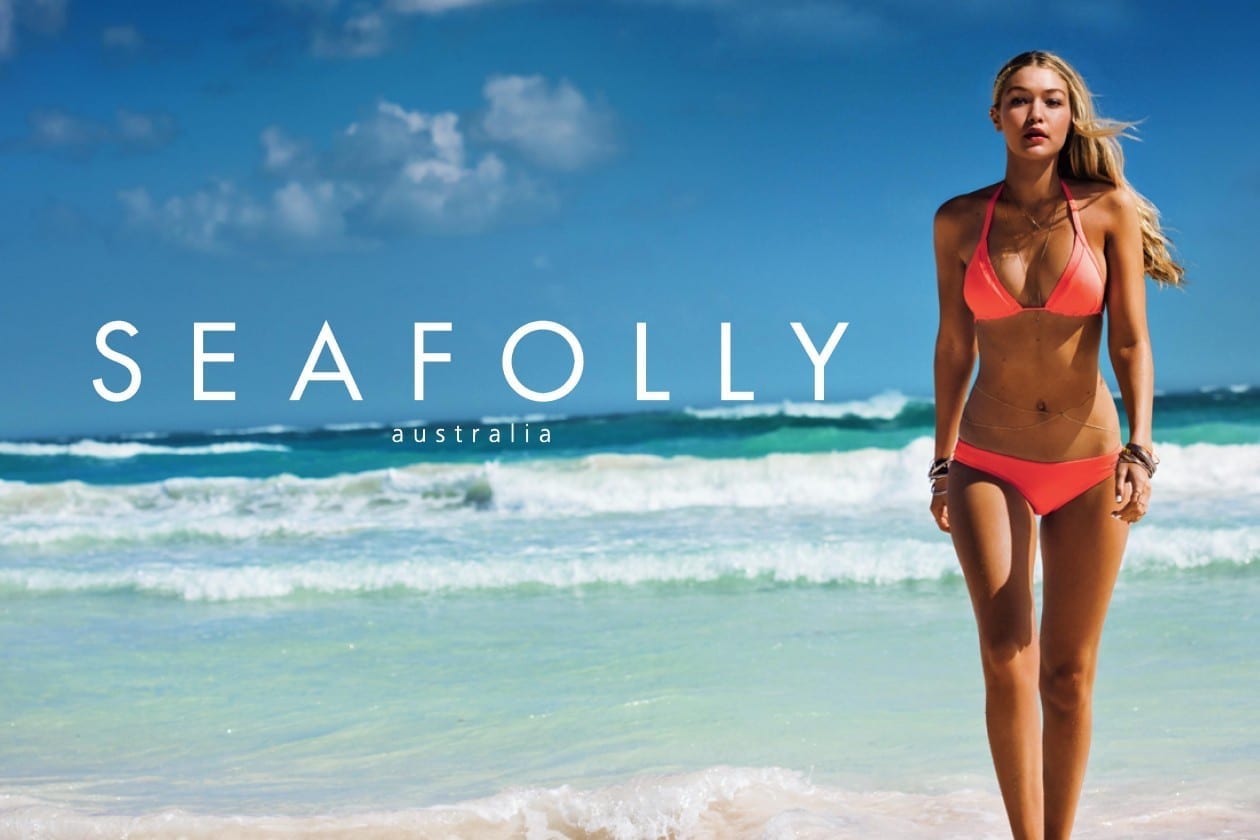
    Paul Kotrba has been appointed SEAFOLLY’s new CEO. This international appointment will enable SEAFOLLY, the 42-year old Australian swimwear powerhouse, to further develop its global growth potential.

    Originally from Vienna, Austria, Kotrba is an experienced global retail executive with over 15 years spent in New York City at Donna Karan and DKNY during the period of ownership under LVMH. There he successfully built brand equity by leading the execution of the groups’ commercial growth strategy across the US, Europe, Middle East and Asia.

    Paul Kotrba: “I am very much looking forward to joining the SEAFOLLY team and for us to expand this powerful Australian brand across the globe. It is impressive what the founders and the management team have accomplished and to experience the loyal following the brand has, especially here in Australia. I believe there is now a real opportunity to build SEAFOLLY into the world’s number one iconic swimwear and beach lifestyle brand.”

    Commenting on the appointment, Chairman and Managing Partner of the majority shareholder private equity group, L Catterton Asia, Ravi Thakran, stated: “Paul’s appointment is another significant step in our journey in continuing to expand the brand that Peter and Anthony Halas have successfully built over the last four decades. Paul’s leadership and experience will be a huge asset to SEAFOLLY in the next stage of growth and bring us closer to becoming the world’s most recognized brand in this exciting category.”

    Founded in 1975 by Peter & Yvonne Halas, the SEAFOLLY brand was led by Anthony Halas since 1998 when he became CEO, and subsequently grew the business across several international markets in Europe, North America and Asia.

    Anthony Halas, who remains a Non-Executive Director and shareholder stated, “Paul’s extensive commercial acumen and experience building brand equity in established and emerging markets is second-to-none. His international experience combined with SEAFOLLY’s unique history is a success formula for the brand’s future.”

  • MoF tightens casino supervision

    MoF tightens casino supervision

    Casino establishments in Việt Nam must soon equip their venues with features like a working camera system to aid the Ministry of Finance (MoF) in supervising the casinos’ operations, as part of the MoF’s plans to legalise casino activities for Vietnamese people.

    The MoF’s Decree No 03 will take effect starting February 12, 2018, with the purpose of ensuring that casinos are run properly and winnings are reported regularly for tax collection purposes. Accordingly, eligible casinos in the country must follow the decree’s regulations on management of money, conventional currency and organisation.

    The regulation stipulates that businesses are only allowed to exchange and return conventional currency at the cashier for players before they start playing. The management of foreign exchange for casino business activities shall comply with the guidance of the State Bank of Việt Nam.

    All transactions related to domestic, foreign and conventional currency must be monitored by computer software. The data from the software must be collected and put into revenue summaries. At the same time, any monetary transactions must be recorded and reported to the relevant State management agencies.

    Furthermore, the MoF instructed casinos to arrange specialised containers to hold cash or conventional currency, which will then be sealed immediately after being removed from the game tables and before being taken out of their vault.

    Casino businesses shall declare and pay taxes in accordance with the Law on Tax Administration, the Law on Value Added Tax, the Law on Special Consumption Tax, the Law on Corporate Income Tax and other sub-law documents guiding the implementation thereof.


  • Apple’s multi-billion dollar bonanza

    Apple’s multi-billion dollar bonanza

    Apple will make about $US38 billion ($A53 billion) in tax payments on its overseas cash and plans to open a second US campus as part of a five-year, $US30 billion US investment plan.

    Apple said it plans a wave of investing and hiring in the United States and will create 20,000 jobs through hiring at its existing campus and the new one. It will announce the location later this year.

    About a third of the new spending will be on data centers to house its iCloud, App Store and Apple Music services. The company has data centers in seven states and also on Wednesday broke ground on an expansion of its operations in Reno, Nevada, where local officials granted it tax breaks on a downtown warehouse.

    The announced tax payment was roughly in line with what analysts expected from the tax bill, which requires companies to pay a one-time tax on foreign-held earnings whether they intend to bring them back to the United States or not.

    Apple has $US252.3 billion in cash abroad and previously had set aside $US36.3 billion in anticipation of tax payments on its foreign cash, meaning the payment would not represent a major impact on its cash flow this quarter.

    Apple did not indicate how much, if any, of its cash it would actually bring back to the United States.

    Apple also said it would boost its advanced manufacturing fund, which it uses to provide capital and support to suppliers such as Finisar Corp and Corning Inc, from $US1 billion to $US5 billion. Apple said it plans to spend $US55 billion with US-based suppliers in 2018, up from $US50 billion last year.

    Apple joins Amazon.com Inc in scouting for a location for a second campus. Amazon finished taking applications from cities in October for its second campus.

  • Gold Phantom Opéra de Paris | Devialet limited edition in Asia Pacific

    Gold Phantom Opéra de Paris | Devialet limited edition in Asia Pacific

    Following the announcement of their 10-year partnership, Devialet is releasing a limited supply of Gold Phantom Opéra de Paris | Devialet to its key flagships across Asia Pacific region.

    The partnership and licence agreement will see the two organisations work together upon a shared vision of excellence and strong ties to France’s musical and historical heritage.

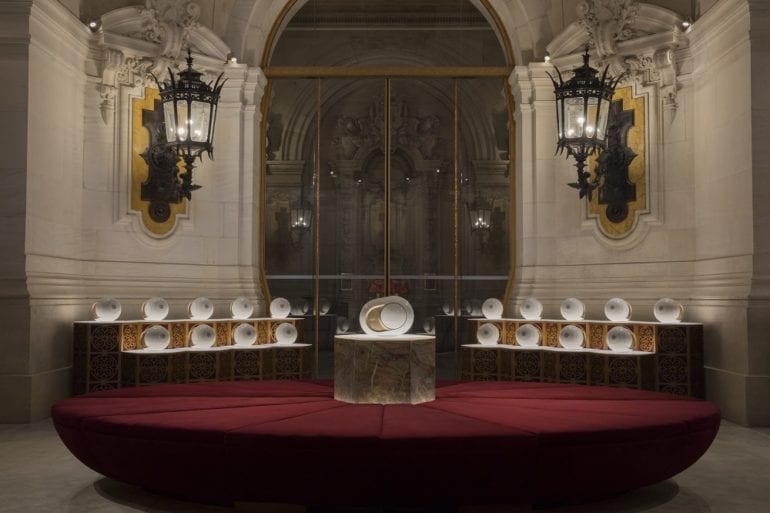
    The three main focuses of the project will be a Devialet sound discovery area within the Palais Garnier, a co-branded product line, and an Opera “hors les murs” (outside the walls) project, offering a new way to listen to and experience opera.

    Jean-Philippe Thiellay, Deputy General Director of the Paris Opera said; “The search for new forms of outreach and development is an integral part of our mission. Devialet is a magnificent partner for us, with a uniquely French take on innovation and excellence that is completely in line with the Opera’s own vision. The Paris Opera will celebrate its 350th anniversary in 2019, and is constantly seeking new ways to reinvent itself as an institution.”

    Devialet can claim such a partnership as one of its kind and Quentin Sannié, cofounder and CEO of Devialet commented :  “Working alongside the Paris Opera, a symbol of excellence, and having a presence in the Palais Garnier, the visionary work of an innovator of his time, has been a dream for almost 10 years. We want to use this project to contribute to the influence of French creativity around the world.”

    Retail in Asia joined the launch of the limited edition of 88 pieces available in Hong Kong. Hong Kong is one of three chosen destinations in the world to release the covetable collection’s edition otherwise only available within the sound discovery area of the Opera Garnier, Paris.

    The launch at the Devialet private lounge in Lee Garden One in Causeway Bay presented the Gold Phantom Opéra de Paris | Devialet as if it was an artwork dominating the hall. Once unveiled, the guests were transported to the Opéra de Paris on the musical notes of the The Phantom of the Opera.

    Drawing on the iconic gilded interiors of the Auditorium, each Gold Phantom Opéra de Paris | Devialet features the Paris Opera logo and gold leaf gills finished by Ateliers Gohard, according to meticulous and time-honored oil gilding methods.

    Handed down across 3 generations of traditional and fine application, they have treated each of Phantom’s side panels with the same original mastery used to restore and illuminate the gold of the Palais Garnier itself.

    The design, being finished by Ateliers Gohard makes the collaboration between Opéra de Paris and Devialet a 360 degree experience of the excellence of French art in its myriad of realizations.

    Each gold leaf is applied by hand for a unique and irreplaceable patina. Once the leaf has been applied, it cannot be removed. Absolute perfection is required first time round.