Tag: asia

  • Pizza parlor chain plans expansion for 2018

    Pizza parlor chain plans expansion for 2018

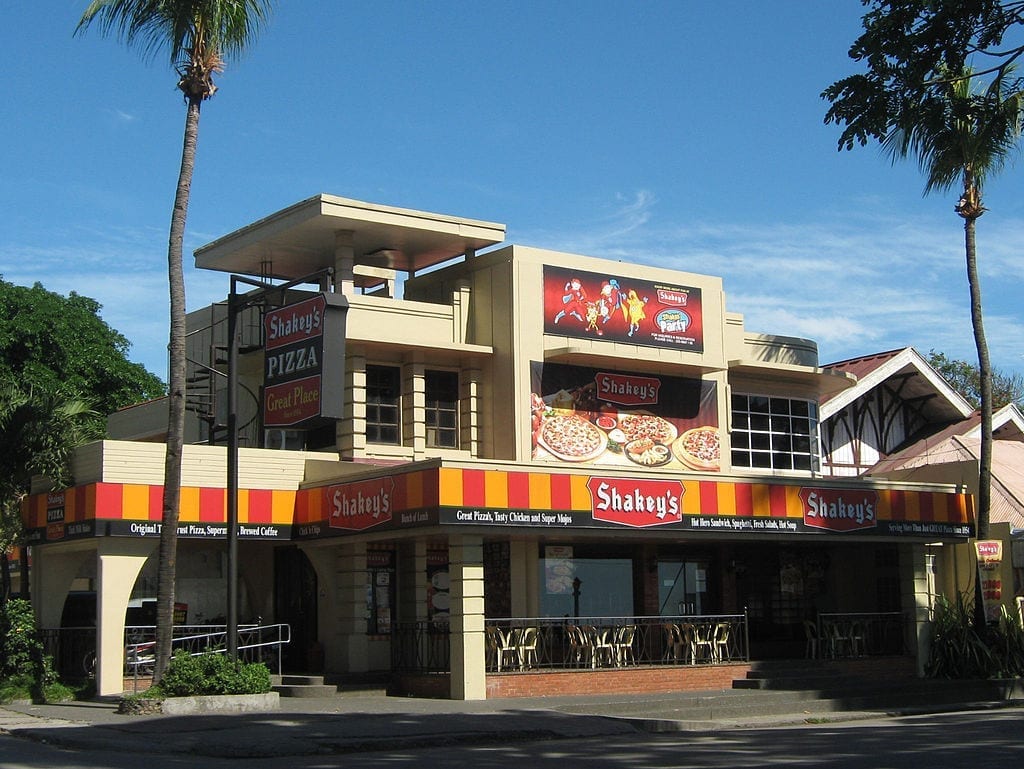
    Following a “banner year”, Shakey’s Pizza Asia Ventures (SPAVI) plans to add 20 restaurants to reach a total of 228 outlets by year end.

    In a disclosure to the Philippine Stock Exchange, the family-led company says it opened 24 stores last year, exceeding its target of 20.

    “It has been a banner year for Shakey’s – our maiden year as a publicly listed company – as this is the fastest we’ve grown in terms of store network,” says president Vicente Gregorio. “We are keeping pace with the accelerating growth of our economy.”

    He says Shakey’s aims to open stores in areas outside of first-tier cities. It opened restaurants in provincial locations last year including Iligan, Puerto Princesa, Antique, Gapan, and Palo, Leyte.

    “As Filipinos are now looking for more premium dining experiences, we are driven by our mission to consistently ‘wow’ them. This includes upgrading our look, launching innovative products and emphasising quality service,” says Gregorio.

    Earlier, the company said its plans were to reach a total network of 500 local and overseas restaurants in the next five years, to be funded by internally generated cashflow alongside proceeds from its public offering.

    Established in California in 1954, Shakey’s business in the Philippines is now bigger than in the US. In fact, the Philippine market is the brand’s largest market. The Philippine company is independent after acquiring the brand’s trademark and intellectual property rights, and also owns perpetual rights for the brand for the Middle East, Asia (excluding Japan and Malaysia), China, India, Australia and New Zealand.

    The company’s recurring net income for the first nine months of last year grew by 15 per cent year-on-year to PHP519 million (US$10.3 million) on higher sales. System-wide sales rose by 15 per cent to PHP6 billion, driven by same-store sales growth of 6 per cent and the increase in store numbers.

  • LV chooses Korea for the launch of its new menswear collection

    LV chooses Korea for the launch of its new menswear collection

    French luxury brand Louis Vuitton has chosen Korea for the launch of its new collection for men.

    The new SS18 menswear and bags will be available in Shinsegae Department Store from 19 January, and Louis Vuitton men’s exclusive store in Seoul from the 10 January 2018.

    Louis Vuitton said the collection is pre-sold at seven stores in seven countries with maily trend-conscious consumers.

    Louis Vuitton selected 7 countries to introduce its new menswear collection, namely Korea, France, the United States, Japan, China, Hong Kong and Singapore.

    In each country, the brand selected one store to represent the brand, and pre-release the collection.

    This new product reflects the design inspired by famous islands around the world with the subject of ‘luxury island hopping’.

    Leather goods, clothing, shoes, accessories, including the Monogram Reflective Keypole Bag, which was first unveiled in the menswear collection in Paris last June, are all available in the selected stores.

    Kim John, Artistic Director of the Louis Vuitton Men Collection Design said “this collection has been designed with a special reminder of beautiful islands such as New Zealand, Easter Island and Hawaii,” and “Travel and Island, where different cultures and identities can be experienced, that is where I got the idea from.”

    Meanwhile, Louis Vuitton store specializing in menswear was opened on the sixth floor of Shinsegae Department Store’s main branch in Seoul. The department store has accommodated a renovated store featuring women’s collections as well on the ground floor.

    Other Louis Vuitton stores can only be found at Saks Fifth Avenue in New York, Harrods in London, and Shin Kong Place in Beijing, as well as Shinsegae Department Store’s Gangnam branch stores having also womenswear.

  • Red Wok invests in Quan Ut Ut chains

    Red Wok invests in Quan Ut Ut chains

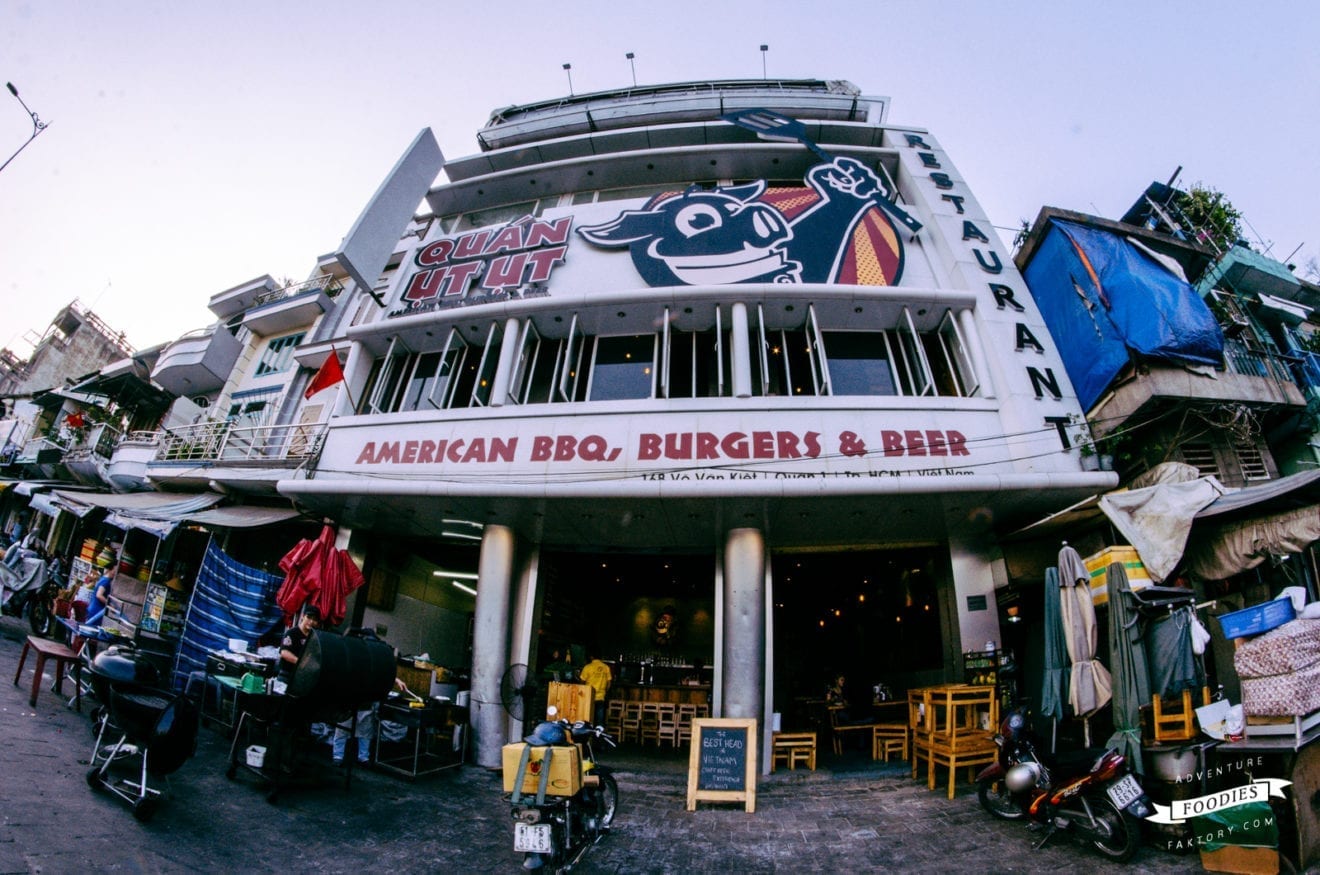
    Vietnam’s F&B group Red Wok has invested in Quan Ut Ut Barbecue, which owns the American-style restaurant of the same name as well as craft-beer brand BiaCraft.

    Red Wok will support Quan Ut Ut with business services, technology and marketing management with the aim of helping it to expand. The level of investment has not been disclosed.

    Backed by Mekong Capital, Red Wok plans to invest in small-scale dining chains, with fewer than 10 restaurants, over the next three years. It so far has interests in Wrap & Roll, Cuon Viet and Lau Bo Sai Gon Vivu, which has 25 locations nationwide and six franchised outlets in Singapore and Shanghai.

    Founded in 2014, Quan Ut Ut Barbecue has four branches in Ho Chi Minh City.

  • Global Electric Vehicle Market to Reach 10.8 Million Units by 2026

    Global Electric Vehicle Market to Reach 10.8 Million Units by 2026

    Increasing global concerns regarding the negative effect of climate change along with alarming pollution levels recorded in the major cities have created a demand for electric vehicles. A major factor behind the growth of electric vehicles is the support provided by various governmental agencies to encourage the sale of these vehicles.

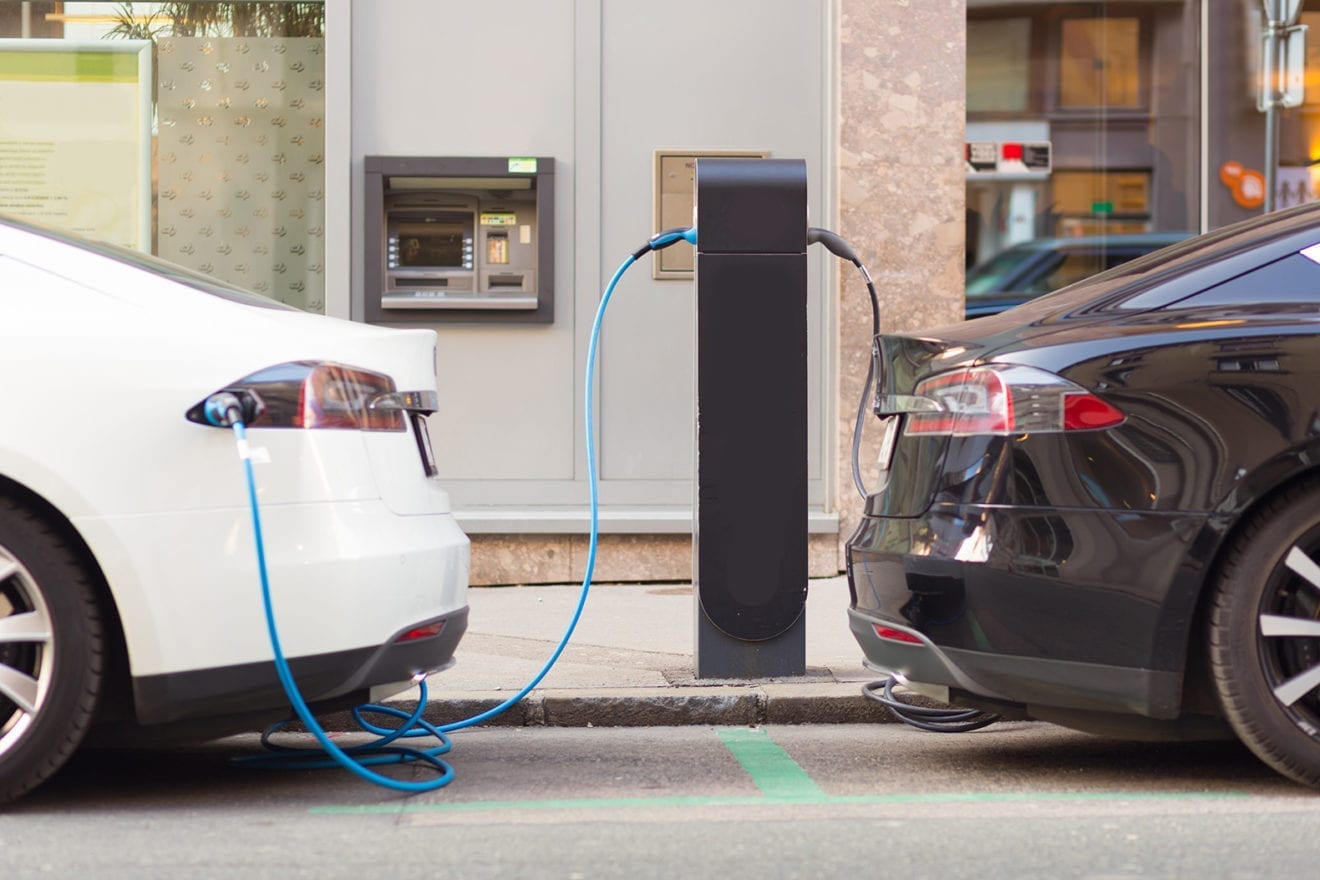
    Furthermore, the well-established road infrastructure network has further aided the market for these vehicles, with charging points available more frequently on the civilian roads. Today, electric vehicles have transformed from an experimental mode of vehicle to a necessity, with automakers worldwide putting in efforts to make EVs available in all the economic ranges. This is evident from the meteoric rise in its sales over the last five years, with over 2 million electric vehicles on the road at present, as compared to a few thousands back in 2012.

    With number of initiatives and product developments taking place, it won’t be long before EVs occupy a significant share of the global automotive market. The market in terms of volume is estimated to witness growth at a CAGR of 28.3% over the period of 2017 to 2026. The report is a compilation of various segmentations including market breakdown by propulsion type, component type, vehicle type, and different geographical regions.

    The report provides a detailed market analysis and forecast with respect to different propulsion types in the electric vehicles market which are Battery Electric Vehicle and Plug-in Hybrid Electric Vehicle (PHEV). On the basis of component, the electric vehicles market is segmented into battery, motor, and regenerative brake. While highlighting the key driving and restraining forces for this market, the report also provides a detailed study of the different vehicles that are analyzed, which include passenger and commercial vehicles.

    The report addresses the following key questions about the global electric vehicles market:
    • What is the global electric vehicles market size in terms of volume in the period 2017-2026?
    • Which is the dominant propulsion type by volume for the global electric vehicles market?
    • Which is the dominant vehicle by propulsion type in terms of volume in 2016?
    • What is the revenue generated by the different components in the global electric vehicles market in the period 2017-2026?
    • What is the revenue generated by the different components for different propulsion type in the global electric vehicles market in the period 2017-2026?
    • Which vehicle type will lead by volume in the global electric vehicles market by the end of the forecast period?
    • What are the different factors driving the market forward in the forecast period?
    • What are the major factors challenging the growth of global electric vehicles market?
    • Which type of new strategies are being adopted by the existing market players to make a mark in the industry?
    • Which region will lead the global electric vehicles market by the end of the forecast period?

    The report includes an exhaustive analysis of the geographical split into North America (the U.S and Canada), Europe (Germany, the U.K, France, Netherlands, and Norway), and Asia-Pacific (China, Japan, and South Korea). Analysis of each of the geographical regions details the individual push and pull forces in addition to the key players from that particular region.

    The report examines the role of the leading market players involved in the industry. The company profiles section includes highlights of significant information about the key companies involved, along with their financial positions, key strategies & developmental activities of recent years (2014-2017).

    Some of the key players are Tesla Inc. (U.S.), BYD Company Limited (China), Volkswagen AG (Germany), Nissan Motor Corporation (Japan), and Mitsubishi Motors Corporation (Japan). EV components manufacturers such as Samsung SDI (South Korea), Automotive Energy Supply Corporation (Japan), LG Chem. (South Korea), Panasonic Corporation (Japan), and Continental AG (Germany).

    Executive Summary
    The automobile industry is one of the fastest-growing industries in the manufacturing sector. Intense global competition along with consumer preference driven innovation have been crucial factors driving the industry.

    However, the growing demand of and subsequent increase in the number of vehicles have contributed majorly to the depletion of non-renewable resources and deterioration of the earth’s atmosphere. A steep rise in the conventional fuel vehicle sales along with global population and urbanization has brought with it some serious concerns such as global warming and alarming pollution levels. There are innumerable issues that are plaguing the planet and the natural resources (especially fossil fuels) are declining at a rapid pace.

    This has consequently led the governments, environmental agencies, and automobile manufacturers to develop modes of transport that run on alternate means. Electric vehicles are considered the most desirable option of all the alternative forms of vehicles. The support of the governments of various nations and revolutionary developments by the automakers can be credited for the growing prominence of Electric Vehicles in the automobile industry.

    Several countries have pledged to ban the sale of gasoline-powered vehicles within the next two decades, with many others to follow. The Electric Vehicle Initiative launched in 2010 by some of the major countries across the globe is one of the many initiatives undertaken that are accelerating the growth rate of the market for EVs on a global scale.

    The report defines and estimates the market size in terms of volume and the section on electric vehicle components market size has been provided in terms of value. The global electric vehicles market is estimated to reach 10,761.42 thousand units by 2026. The market is driven by a number of factors such as stringent governmental regulations in terms of emissions and fuel economy, growing demand for fuel efficient vehicles, and governmental initiatives such as tax benefits and subsidies to promote the sales of electric vehicles. However, there are certain challenges which are inhibiting the overall growth for the global electric vehicles market such as high initial cost and time required to charge the electric vehicles.

    The global electric vehicles market has been fundamentally benefiting from the changing paradigms in governmental regulations and increasing environmental awareness among the consumers. BEVs held the highest market share in 2016 in terms of volume and is expected to grow at a higher growth rate as compared to PHEV.

    BEVs produce no pollution when being driven, as there is no gasoline interaction which means tailpipe pollution is zero. Factors such as improved charging infrastructure, governmental initiatives, and increased range are expected to propel the market growth for BEVs.

    Battery held the maximum share in the market and accounted for 68.8% share in 2016. Battery is the most important component of an electric vehicle and is used to power the main propulsion system.

    While a battery serves as the primary source of power in Battery Electric Vehicles (BEVs), it works in tandem with a combustion engine in PHEVs and other conventional hybrids. The battery makes up substantial cost of an electric vehicle owing to its high price.

    The electric passenger cars held the highest share in the market in 2016 in terms of volume and is also expected to grow at a higher rate as compared to commercial vehicles. Factors such as governmental initiatives, urbanization, and increasing disposable income is responsible for such a gigantic share of electric passenger cars. A major factor expected to play the key role in the development of passenger electric vehicles is the development of adequate road infrastructure for easing the adoption of these vehicles.

    This report also covers the global electric vehicles market, by geography and consequently provides the volume of the key regions which include North America, Europe, and Asia-Pacific (APAC). APAC dominated the global electric vehicles market by volume in 2016.

    The APAC automotive electric vehicles market is mainly dominated by the South Asian countries comprising of some of the biggest automotive producers in the world. The automotive market in the APAC region is growing rapidly, and the development of electric vehicles is gaining attention due to a collective effort from the government and manufacturers to initiate reforms and develop technologies which will promote the sale of these vehicles and make them economically efficient to use.

    Some of the key players in the electric vehicles market are Tesla Inc. (U.S.), BYD Company Limited (China), Volkswagen AG (Germany), Nissan Motor Corporation (Japan), and Mitsubishi Motors Corporation (Japan). EV components manufacturers such as Samsung SDI (South Korea), Automotive Energy Supply Corporation (Japan), LG Chem.

    (South Korea), Panasonic Corporation (Japan), and Continental AG (Germany). These companies are aiming for an increased number of product launches and collaborations to expand their operations and prevent new companies from becoming potential future competitors.

  • Puma Parents Announces Plan To Sell 70% Of Its Stake

    Puma Parents Announces Plan To Sell 70% Of Its Stake

    Luxury fashion brand owner Kering says it will sell off the majority of its Puma stake.

    Under the plan, Kering will reduce its 86 per cent holding in the German athletics-wear label to 16 per cent, the remaining 70 per cent of stock distributed proportionally to Kering shareholders.

    While Puma has proven successful under Kering’s ownership, the Paris-headquartered company wants to shift its focus to what it sees as its core business – luxury brands like Gucci, Balenciaga and Stella McCartney, and a growing focus on watches and jewellery.

    “With Puma’s unique DNA, heritage of innovation and creativity, the ongoing successful implementation of its “Forever Faster” transformation plan has started to deliver results,” said Kering in a statement.

    “The brand is enjoying strong revenue growth momentum and achieving an improvement in its profitability. Furthermore, Puma’s management team is fully committed to pursue its successful strategy, and continue to deliver the growth and profitability potential of the brand.”

    “We are very pleased that Kering has proposed this way to reduce its stake in Puma, said Bjørn Gulden, CEO of Puma. “It would allow us to continue with our current business strategy that has started to show good results. We would be able to carry on to invest in becoming the Fastest Sports Brand in the world, create value for retailers, improve performance for athletes and excite consumers.

    “Puma would become much more attractive for investors as our shares would have a substantially higher free float and larger trading volumes. Kering and [Kering’s largest shareholder] Artémis, however, would remain strong partners and shareholders, which proves that they believe in our strategy and Puma’s future success,” said Gulden.

    The Puma stake divestment will be voted on by Kering shareholders on April 26.

  • Ace Turtle, CEVA to enable freight forwarding for international brands in Southeast Asia

    Ace Turtle, CEVA to enable freight forwarding for international brands in Southeast Asia

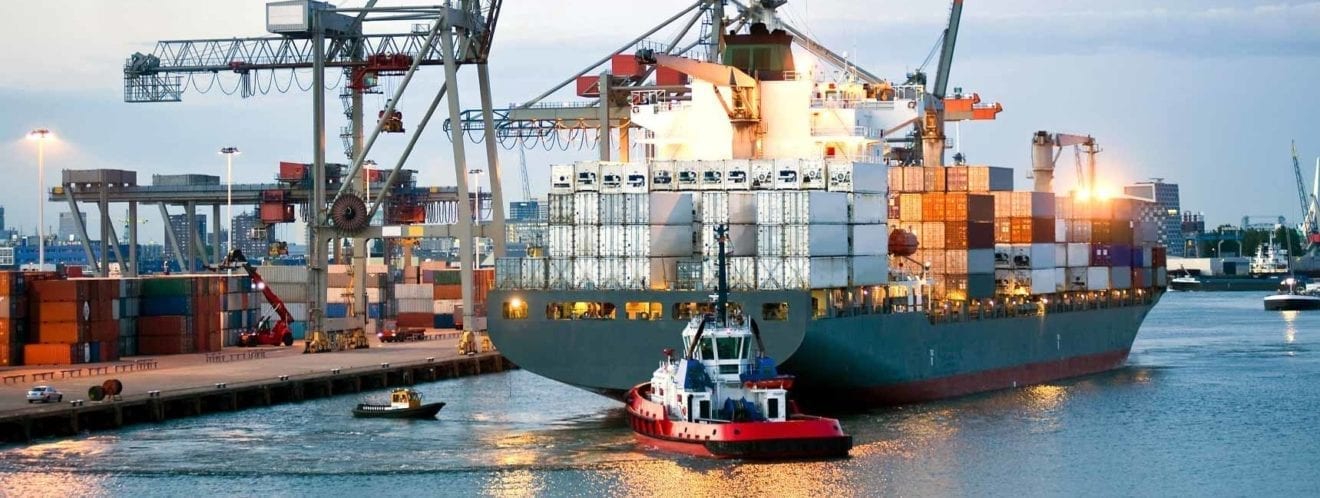
    Ace Turtle, Asia’s omni-channel platform company, has partnered with CEVA Logistics to manage global freight forwarding for International brands that Ace Turtle will power through its cross border solution in Southeast Asia.

    Ace Turtle, with its proprietary platform Rubicon which integrates offline and online channels automating and optimising Omni-channel fulfilment for brands will also be enabling cross border commerce solutions for international brands. Ace Turtle’s Cross Border solution will enable brands to reach new customers in newer geographies where the local customers can shop within the same ecosystem of e-commerce which they are used to.

    CEVA will handle international air-freight service, local transportation in origin and destination countries and manage custom clearance for the international brands. Under the agreement, CEVA will provide international freight forwarding services for the following countries, US – Singapore, China – Singapore, China – India, India – Singapore, India – Malaysia, and subsequently from Europe to APAC region.

    Speaking on the partnership, Nitin Chhabra, CEO, Ace Turtle said, “In Southeast Asia, cross border e-commerce has a significant contribution in the total e-commerce sales. With the launch of Cross Border solution, our solution is now complete for Southeast Asia. Through our platform, brands will be able to expand their reach in Southeast Asia. Our partnership with CEVA is a step towards this direction, as we envisage in providing high class logistic service to enable cross border business for international brands in Southeast Asia.”

    Elaine Low, executive vice president, SEA, CEVA Logistics said, “We are excited to partner with Ace Turtle in their e-commerce journey, providing logistics solutions including freight management and cross border trucking across Southeast Asia and other regions. We are confident that CEVA’s commitment to operational excellence coupled with Ace Turtle’s technology will increase service delivery quality to all their customers. We look forward to a partnership that creates more value and efficiency in a growing e-commerce market.”

    Backed by Singapore based Vertex Ventures and C31 Ventures, the venture capital arm of Capitaland, Ace Turtle’s technology helps in drastically reduce the costs and complexity of Omni-Channel transformation for enterprise retail clients by using the existing framework of their legacy system.

  • Exploring the Chatuchak market easier with newest launched app

    Exploring the Chatuchak market easier with newest launched app

    Bangkok’s Chatuchak weekend market has launched a mobile app as a guide to its 8000 shops and restaurants.

    The Chatuchak Guide also offers special offers, promotions and discounts.

    Developed by Digital Ventures, a subsidiary of Siam Commercial Bank, in collaboration with State Railway of Thailand, the app aims to provide the market’s retailers with an online presence to attract both local and international shoppers.

    App users can search for shops by name or type, while a “live” map helps prevent users becoming lost in the market as well as find the shop they want to visit. They can also set up a shopping map by placing pins on shops they want to visit, or they can explore using the app’s recommendations.

    Other features include The Spirit of Chatuchak, a video featuring each shop in the historic market, plus information on where to find toilets, meeting points, ATMs and other services. There is also the Flash Sale & Promotion section with special offers and discounts.

    The app can be downloaded for use on both Android and iOS, and is available in English, Chinese and Thai.

  • Vietnam to celebrate its new retail sales highest record US$129 billion

    Vietnam to celebrate its new retail sales highest record US$129 billion

    Spurred by a rising middle class and influx of international retailers, Vietnam retail sales hit a record US$129.6 billion last year.

    This was growth of 10.9 per cent over 2016, according to the Vietnam General Statistics Office (GSO).

    Vietnam’s largest real estate company, Vingroup, starting expanding its Vinmart Plus convenience store chain in 2016 and has already topped 1000 stores – it opened 100 last month alone. It is predicted the store network could reach 3000 this year.

    Meanwhile, Vietnam last year saw the arrival of a slew of foreign retail brands, headed by Japan’s Seven & I Holdings opening its first Vietnamese 7-Eleven convenience store in Ho Chi Minh City in June.

    Swedish fast-fashion brand H&M followed in September with a store in the same city, while Zara, the chain of Spanish rival Inditex, opened its second Vietnam location in Hanoi in November (its first store, covering two levels, launched at Vincom Centre Dong Khoi in Ho Chi Minh City in September 2016).

    Thailand’s Central Group has made several acquisitions in Vietnam, including the Big C supermarket chain and electronics retailer Nguyen Kim Trading. It also launched its first stationery and office supplies store in Vietnam last year.

    South Korea’s GS Retail partnered with Vietnam’s Son Kim Group 12 months ago to open the first of their convenience stores in Ho Chi Minh City this month. They plan to open 2000 locations within 10 years.

    Double-digit growth

    Since joining the World Trade Organisation in 2007 and opening up to foreign goods and businesses, Vietnam has seen continued double-digit growth, led by a 31.5 per cent spike in 2008. With the Association of Southeast Asian Nations Economic Community taking full effect this month, Vietnam has eliminated nearly all tariffs on goods from within the region.

    Meanwhile, supermarkets and convenience stores are selling meat and vegetables at prices that are 20 to 30 per cent higher than at traditional markets, and the number of specialty shops selling organic vegetables is growing.

    Spending on cars, home electronics and other consumer durables is also brisk, with 70 per cent of Vietnam’s GDP coming from personal consumption.

    The GSO says auto sales grew by 14 per cent in value, gemstone and precious metals by 13.2 per cent, food and foodstuffs by 11.1 per cent, cultural and educational products by 10.2 per cent, apparel by 9.6 per cent, and home products by 8.5 per cent.

    Vietnam still has room for growth as modern retail channels like supermarkets and shopping centres account for only a quarter of total retail sales, and most of these businesses are in big cities, reports VIetnamNet. By 2020, the proportion of modern retail channels is forecast to rise to 45 per cent.

  • Santander and JD.com to support UK brands expanding into China

    Santander and JD.com to support UK brands expanding into China

    Santander UK has partnered with Chinese retailer JD.com to give British brands access to China’s massive retail and consumer market.

    As part of the agreement, small and medium-sized business customers at Santander with turnover of at least £10 million and international trading experience will be able to launch stores on JD.com, which is known as one of China’s largest B2C online retailers.

    The online marketplace has a customer base of over 266 million people, and its extensive delivery network has attracted top European and American brands. Luxury brand Saint Lauren was the latest to join the platform this week as it announced its launch on JD.com’s Toplife.

    The Santander/JD announcement comes after the signing of a Memorandum of Understanding in July 2016.

    Deputy general manager of JD.com worldwide Kaisi Li commented: “This partnership with Santander opens up many more opportunities to small and medium-size enterprises across the UK. Demand for imported products in China is strong and growing rapidly, and we’re excited to work with Santander to enable more UK-based brands to benefit from the growth of this huge market.”

    JD rival ecommerce site Alibaba features brands such as Burberry, Hugo Boss and Gucci.

  • Nordstrom Ends Rocky Year With Modest Holiday Sales Growth

    Nordstrom Ends Rocky Year With Modest Holiday Sales Growth

    Department store chain Nordstrom has seen a boost in sales during the holiday season buoyed by greater consumer confidence, lower unemployment and e-commerce growth.

    Nordstrom posted a 2.5 per cent increase in net sales and a 1.2 per cent increase in same store sales for the nine weeks ending December 30, 2017 compared to the previous corresponding period.

    For the Nordstrom brand, including US and Canada full-line stores and Nordstrom.com, net sales when combined with Trunk Club, increased 0.7 per cent and comparable sales increased 1.0 per cent. In the Nordstrom Rack brand, which consists of Nordstrom Rack stores and Nordstromrack.com/HauteLook, net sales increased 8.2 percent and comparable sales increased 2.9 per cent.

    Based on holiday results, the company has updated its fiscal 2017 expectations for an increase in net sales of approximately 4.2 per cent, inclusive of the 53rd week, and an increase in comparable sales of approximately 0.5 per cent.

    The retailer announced it is expecting full-year earnings per diluted share to be in a range of $2.90 to $2.95, compared with its prior outlook of $2.85 to $2.95.

    The company is scheduled to report its fourth quarter and full-year 2017 financial results after the close of the financial markets on March 1.

    Nordstrom has also recently announced the president of its Rack brand, Karen McKibbin, will retire in March.

    McKibbin joined Nordstrom in 1985 and has held many leadership roles within the company, including president of Nordstrom Canada, where she led the first-ever international expansion of Nordstrom’s full line stores.

    “We are indebted to Karen for the many contributions she’s made over her more than 30-year career with Nordstrom,” said Blake Nordstrom, co-president of Nordstrom, Inc. “During her long tenure, Karen brought great depth of experience to her various roles including president of Canada, president of Nordstrom Rack, and a member of the Executive Team. Her leadership will be missed across the company and we wish her all the best in her next endeavor.”

    Geevy Thomas, chief innovation officer, will succeed McKibbin.

    Thomas, who joined Nordstrom in 1983, has held numerous senior leadership positions throughout the organisation and served as president of Nordstrom Rack from 2010 to January 2017.

  • GreyOrange launches GreyMatter for robotics warehouse automation at Nitori

    GreyOrange launches GreyMatter for robotics warehouse automation at Nitori

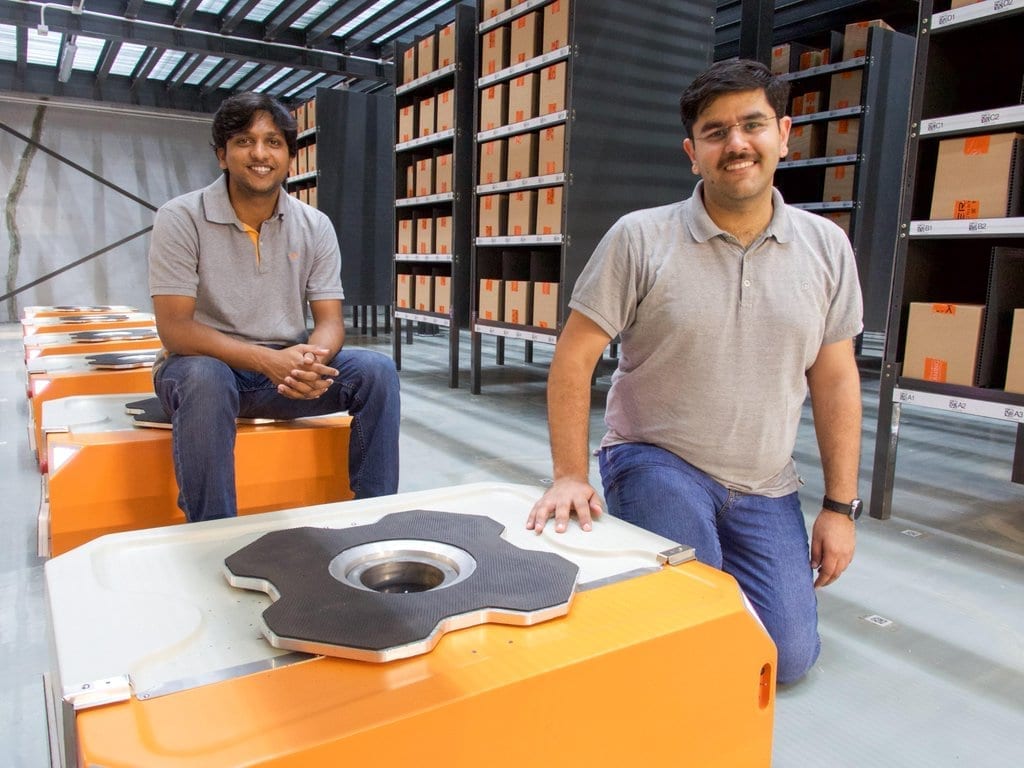
    Automation and robotics company, GreyOrange, has announced the release of its next-generation software platform, GreyMatter, at the launch of the latest warehouse of the Nitori Holdings Group, Japan’s largest furniture and home furnishing chain with over 400 stores. The Butler robotics system from GreyOrange is deployed at the Osaka centre of Home Logistics, a logistics subsidiary of Nitori Holdings which operates 34 distribution bases and a logistics network for product delivery to stores and e-commerce customers across Japan.

    The GreyOrange goods-to-person robotics system at the Osaka warehouse of 160,000 square metres is one of the largest Butler sites in the world. It has been designed to handle automated inventory storage (putaway) and picking using self-navigating robots to bring mobile shelves of inventory to the operator to accelerate putaway and order fulfilment.

    In the Butler system, GreyMatter is an end-to-end Intelligent Order Fulfilment software solution from GreyOrange that controls and manages automation in a warehouse via collaboration among devices comprising Butler robots, storage racks, pick-put stations, charging stations, among others. Central to the GreyMatter software is its Artificial Intelligence (AI) which operates at several levels to drive autonomous collaboration to automate warehouse functions and processes.

    Its always-on AI algorithms learn from large amounts of data and identifies patterns quickly to perform in real-time to make super-smart decisions. It adapts to changing inventory profiles and order fulfilment requirements to optimise path planning and navigation of the robots and racks. This enables the team of robots to work together to maximise storage, streamline zoning, improve space utilisation and accelerate order fulfilment. This is particularly important for operations handling same and next day deliveries that require faster efficiency and accuracy, and a higher throughput in a volatile multi-SKU environment. The GreyMatter software is applicable across industries such as e-commerce, Store Retail and Factory Warehouses.

    Manabu Matsuura, CEO of Home Logistics said, “For a start we stocked the most popular items capable of fulfilling over thousands of online orders a day. The Butler robotics and advanced software collaborate among the devices to take efficiency to new heights. The most number of items are brought from the racks to be picked in the shortest time, which is a very productive process. Over time as the system is continuously learning about our products, we expect to see increasingly higher levels of efficiency. Our staff appreciate working with these new processes as it is easy and they are seeing good results in their output.”

    Nalin Advani, CEO – APAC, GreyOrange commented, “GreyOrange and GROUND Inc., our distributor in Japan, are honoured to work with the Nitori Group to deploy our Butler robotics solution and launch our next-generation Artificial Intelligence, GreyMatter, at the Home Logistics centre. E-commerce growth in Japan is forecasted to grow to US$200 billion within the next three years, and will accelerate annually in the lead up to the 2020 Olympics in Tokyo. We are excited to play our part in this exhilarating journey.”

    He added, “On top of Nitori’s industry-leading warehouse operations, we worked together to layer the AI-powered software to create a revolutionary process for order fulfilment. Within the AI of GreyMatter, the Industry Engine we have designed for e-commerce provides control at even more granular levels than before. Using machine learning and analytics, it is able to predict product popularity and seasonal trends, and more, to magnify the efficiencies for order management.”

  • Luk Fook expands into Cambodia

    Luk Fook expands into Cambodia

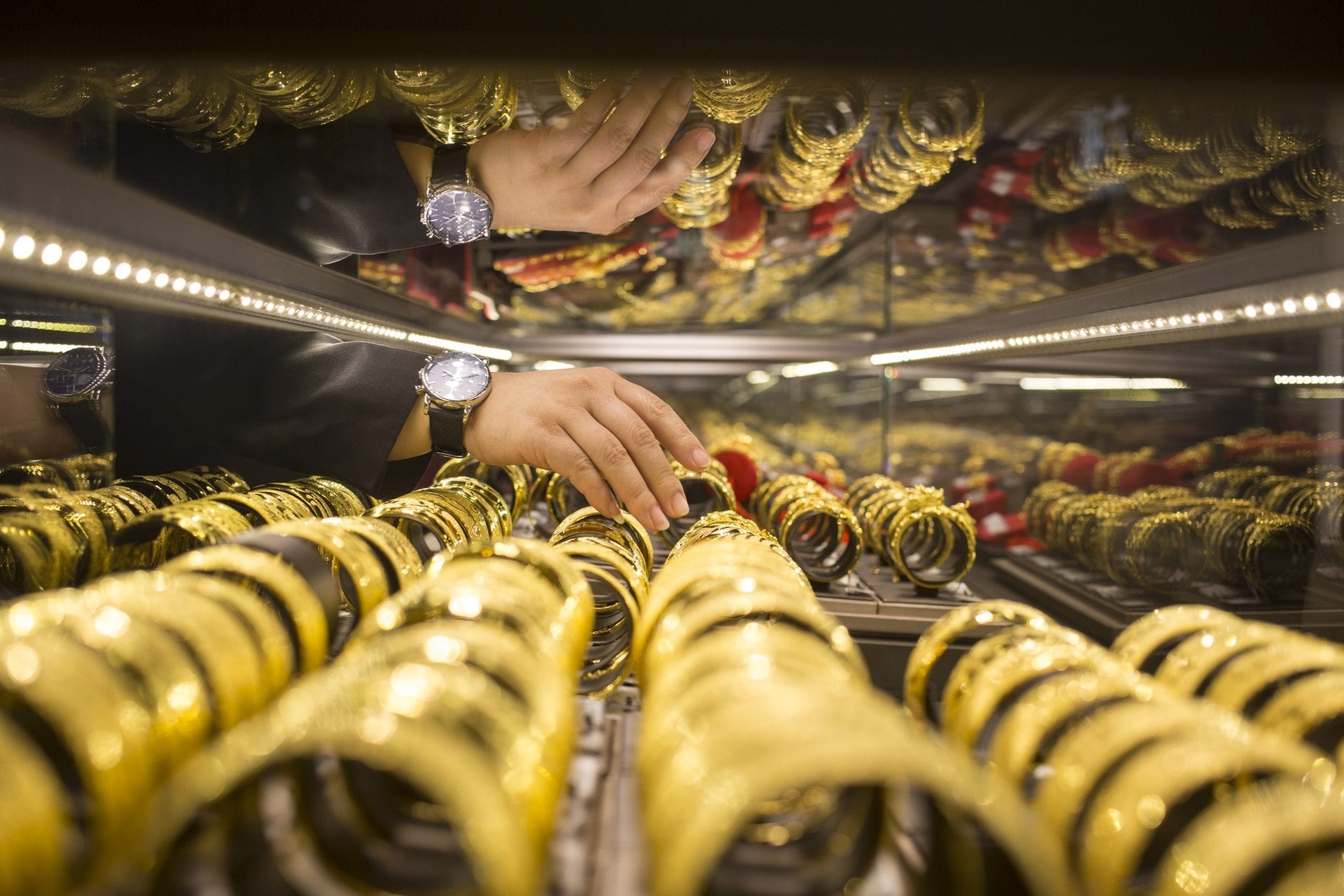
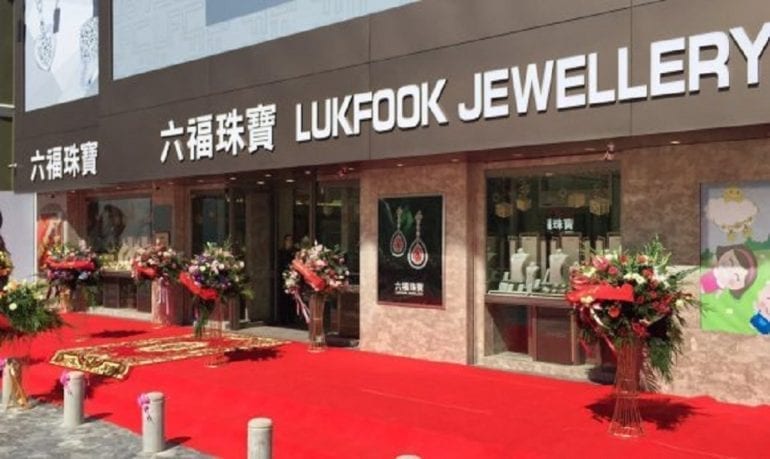
    Luk Fook Holdings (International) Limited has announced its foray into the Cambodian market with the grand opening of a flagship store in its capital city, Phnom Penh, marking the expansion of the Group’s retail network to 10 countries and regions globally.

    Mr. Wong Wai Sheung, Chairman and Chief Executive of the Group said: “Adhering to the corporate vision of ‘Brand of Hong Kong, Sparkling the World’, the Group has been seeking new business opportunities in the international market to expand our footprint.”

    He continued: “With the launch of the Belt and Road Initiative, the Group is optimistic about the prospects of the Southeast Asian market. Following our entry into Malaysia with opening of two shops last year, the Group now establishes a flagship store in Cambodia, with a view to introducing our quality jewellery and professional, caring services to the market. With over 1,610 shops globally, the Group will continue our efforts in providing unparalleled shopping experience for customers worldwide, so as to ensure that Lukfook Jewellery remains a premier jewellery brand for consumers everywhere.”

    The flagship store in Phnom Penh covers an area of over 5,600 square feet and is adjacent to a tourist hotspot with high tourist traffic and great potential.

    Phnom Penh, the capital of Cambodia, is a developing city as well as the country’s political, economic, industrial, cultural and tourist centre with considerable room for development. With the opening of this new shop, the Group expects to further expand its retail network in Southeast Asia.

  • IKEA Offers Discount to Pregnant Women

    IKEA Offers Discount to Pregnant Women

    Ikea Sweden is offering pregnant women a discount on cribs ‒ but a specimen is needed to qualify.

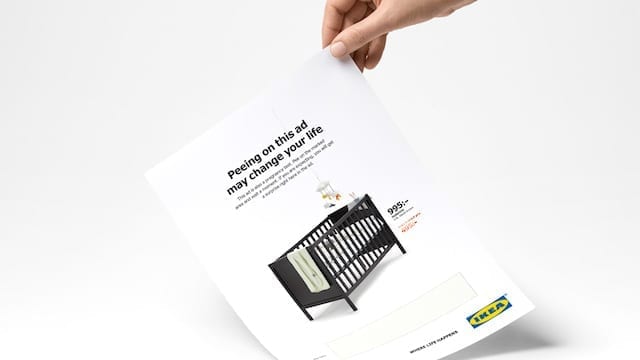
    Taking its cue from at-home pregnancy test kits, the furniture giant includes a swatch in its latest print advertisement. By adding urine to the special panel, a chemical reaction reveals a lower price for the crib being advertised, says Adweek.

    Devised by Stockholm advertising agency Akestam Holst, the technology was created by Marcene Labs and is being used in the advertisement in a Swedish women’s magazine. The agency even claims that technical advancements made during the work on the campaign “have the potential to improve medical diagnostics”.

    The crib in question, the Sundvik, is available online for US$119. For the discount price, available only in Sweden … mums-to-be know what to do. Or maybe they can just waddle in to the store if it is obvious they qualify.

  • Dachser feted for commitment to sustainability

    Dachser feted for commitment to sustainability

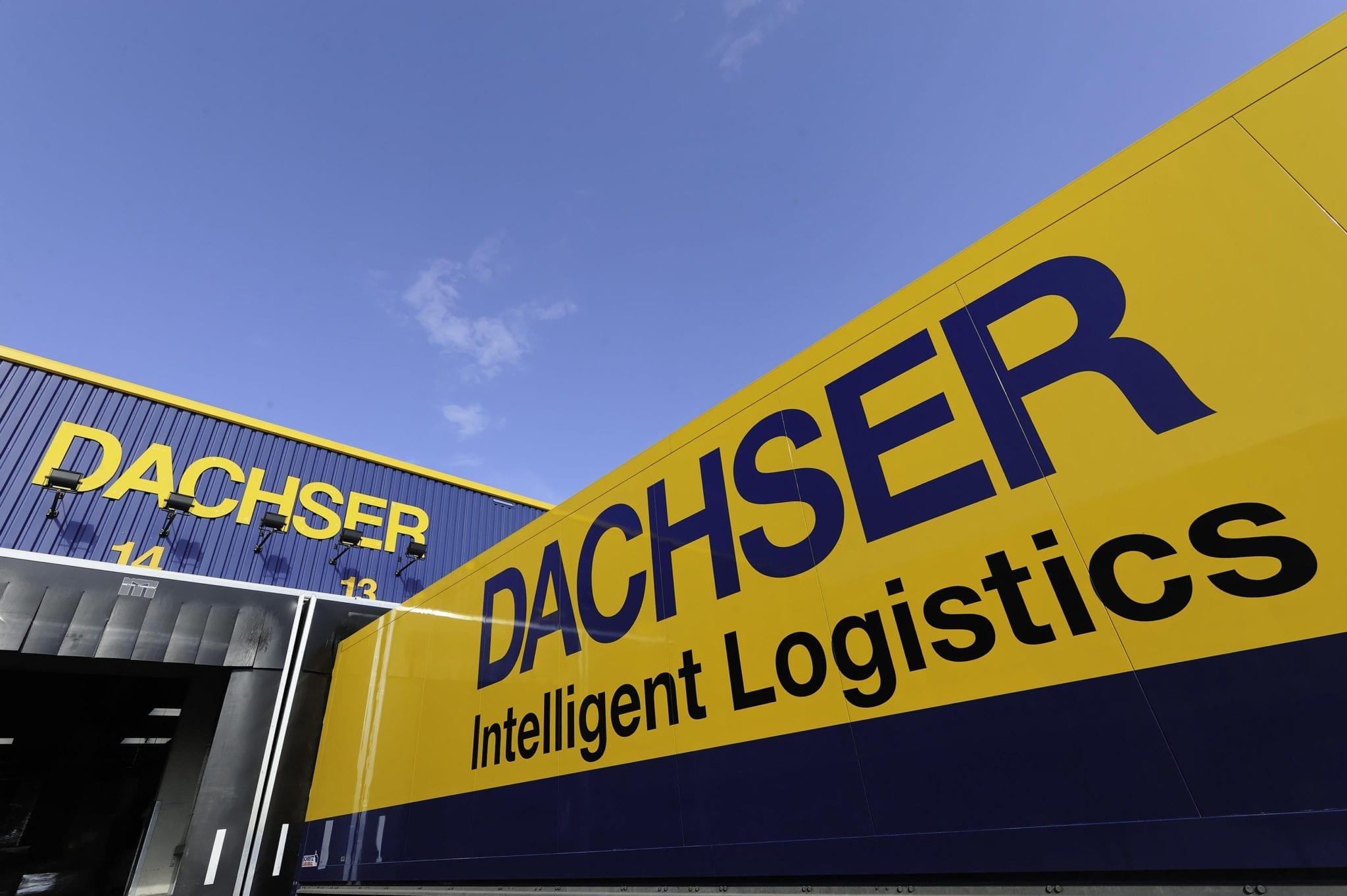
    As part of the presentation of the European Transport Award for Sustainability (ETPN), this year Dachser received the Special Award for Corporate Social Responsibility. The company came first in the Transportation and Forwarding Companies category.

    Awarded by Munich-based specialist logistics publisher Huss-Verlag, the Special Award recognises a company’s commitment to sustainability. It takes into account environmental protection, corporate social responsibility, corporate culture, and a commitment to the science community and to safeguarding the future. A key consideration is for this commitment to be in line with corporate objectives. “What most impressed us about Dachser was the sustainability of its overall concept as a family-run company,” the jury said

    “We have been committed to social, ecological, and economic sustainability for many years. This award is both a welcome recognition of our efforts and motivation to continue,” said Dachser CEO Bernhard Simon. Dr. Andreas Froschmayer, corporate director Corporate Development, Strategy & PR at Dachser, accepted the award in Munich on behalf of the company.

    The jury was made up of six editors of trade publications at Munich’s Huss-Verlag publishing house. Each member of the jury was permitted to propose up to three candidates for each of this year’s categories: Transportation and Forwarding Companies, and KEP Services.

  • Robomart brings food to buyer door

    Robomart brings food to buyer door

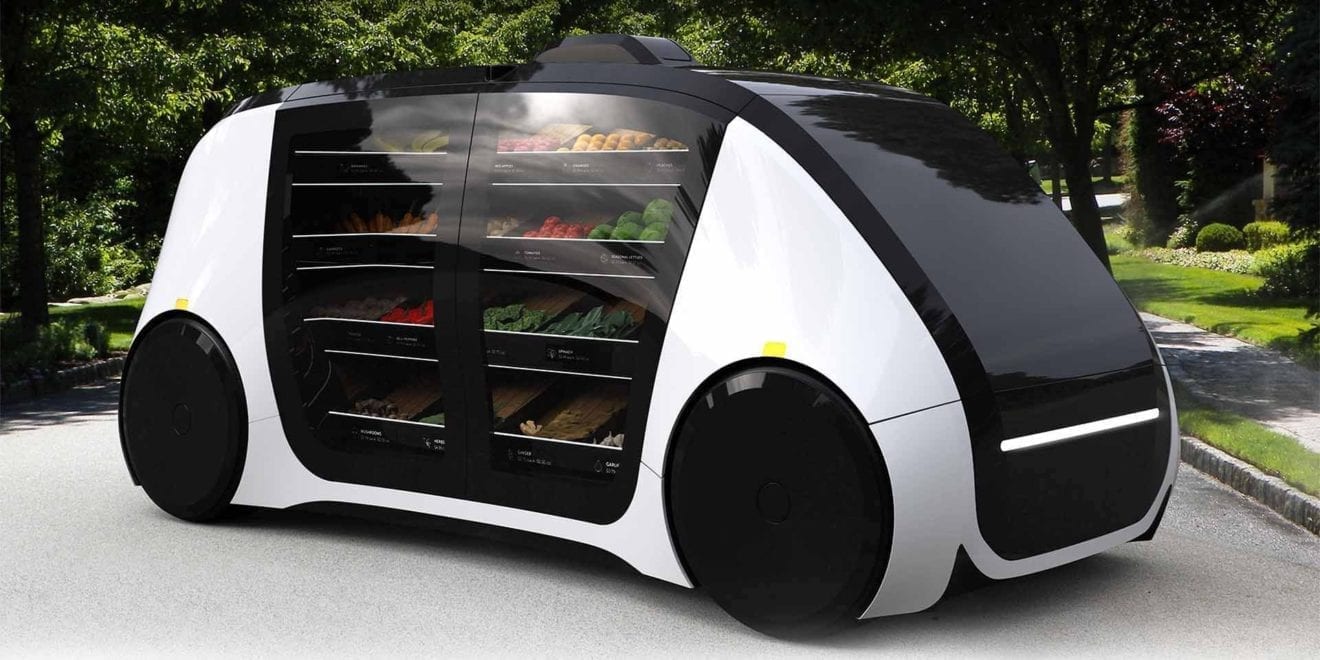
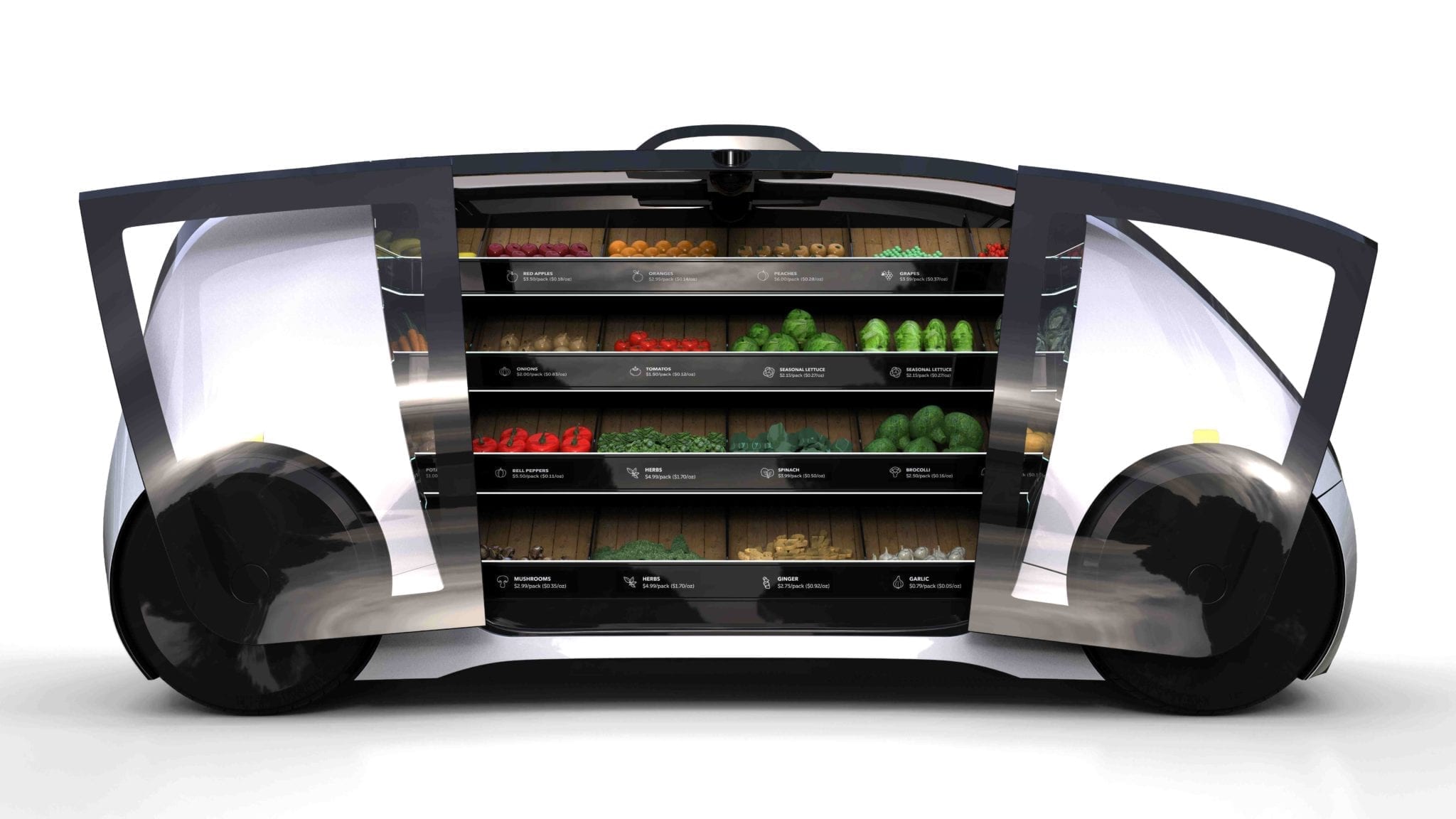
    California-based startup Robomart has introduced the world’s first self-driving store to deliver fresh produce to the customer’s doorstep.

    Making its premiere at CES (Consumer Electronics Show) in Las Vegas this week, the Robomart vehicles are completely autonomous and fully electric, recharging wirelessly.

    Fresh produce makes up about 60 per cent of all groceries sold, but Kantar Worldpanel says less than 5 per cent of perishables sales have moved online. This is because picking and delivering groceries is prohibitively expensive for retailers, while consumers do not trust someone else picking produce for them.

    This prompted the Robomart concept, and the company is building a fleet of the on-demand self-driving stores to license to retailers.

    For consumers, all they need do is tap a button on an app to request the nearest Robomart. When it arrives, they unlock the doors via the app then chose their products. When they are finished, they just close the doors and send the vehicle on its way.

    Robomart tracks what customers have taken using patent-pending “grab and go” checkout-free technology, and will charge them and send a receipt.

    Robomart says it did extensive research. In a survey of US women between 26 and 44 years of age it found that more than 85 per cent of them do not shop for fruits and vegetables online because they find home delivery too expensive and prefer to pick their own produce.

    Almost 65 per cent said they would order a Robomart more than once a week.

    Environmentally friendly

    Robomart’s vehicles do not need a driver, are environmentally friendly and access wireless EV charging using NVIDIA Corporation technology. The startup is in the process of obtaining an Autonomous Vehicle Testing Permit from the Department of Motor Vehicles in California.

    It has built its first prototype and has started work on a fleet which it aims to deploy for commercial pilot services soon.

    “Retailers can sponsor these pilots and test our autonomous store proposition with their customers in the San Francisco Bay Area,” says the company.

    Benefits for grocery retailers include consumer data giving detailed insight into sales and consumption patterns. On-demand delivery is more than five times cheaper, and retailers can expand their store footprint at low cost with no initial capital expenditure.

    Also, the direct-to-consumer channel means retailers retain ownership and control of their customers, says Robomart.

    “Retailers would have access to our state-of-the-art autonomous fleet-management system that manages orders, routing, restocking and teleoperations.

    “Although this system will be automated, they would be able to communicate with customers, store staff and law enforcement if necessary, and access real-time sales data and analytics.”