Tag: asia

  • Honeywell invests in, forms JV with FLUX to pursue opportunities outside China

    Honeywell invests in, forms JV with FLUX to pursue opportunities outside China

    Honeywell has signed an agreement to acquire a 25 per cent ownership interest in FLUX Information Technology, a leading provider of warehouse management and related supply chain software in China. Honeywell will also form a new joint venture company with FLUX’s founder to serve customers outside China. Honeywell will hold a 75 per cent stake in the new joint venture, which will initially focus on opportunities in the Asia Pacific region. The investment in FLUX is expected to close by the end of the fourth quarter pending Chinese regulatory approvals.

    FLUX develops and implements warehouse management systems and other software for customers in multiple industries, and is a leading player in China’s booming e-commerce, apparel, pharmaceutical, retail, third-party logistics, cold chain and manufacturing sectors. FLUX’s supply chain execution solutions include its Warehouse Management System, Transportation Management System, Order Management System and Data Exchange Platform.

    FLUX’s offerings complement those of Honeywell Safety and Productivity Solutions, which develops hardware and software that improve productivity, enhance worker safety, and increase accuracy and throughput of supply chains.

    “We are pleased to be partnering with a dynamic, emerging leader with a proven track record in a fast-growing market,” said John Waldron, president and CEO, Honeywell Safety and Productivity Solutions. “FLUX’s strong software capabilities fit well into Honeywell’s Connected Supply Chain strategy, complementing the warehouse expertise of our Honeywell Intelligrated business. FLUX’s warehouse, transportation management and order management offerings complement Honeywell’s data capture technology, worker productivity and warehouse automation solutions, and enable us to maximise customer satisfaction in the digital age.”

    Over the past decade, FLUX’s business has grown significantly. Its software now manages more than 12 million square metres of warehouse space in China alone. During China’s November 11 “Singles’ Day” online shopping festival – the largest e-commerce day in the world – FLUX’s solutions helped process up to 650,000 orders per warehouse per day. E-commerce sales currently total more than US$1.3 trillion in the Asia Pacific region according to expert estimates, and sales are expected to more than double to US$3 trillion by 2021.

    “We are pleased to team up with Honeywell to further expand in China and to play an active role in the global warehousing and logistics industry by offering our leading Warehouse Management System solutions,” Shi Zunli, founder and CEO of FLUX. “Honeywell has outstanding industry reach and strong global presence, which will enable us to fulfil our vision of globalisation. With this strategic partnership, we will connect, collaborate and create more value for our customers.”

    Li Ning, president of Honeywell SPS Greater China & India, said, “This partnership will allow Honeywell to accelerate the pace of executing our connected strategy in China and the Asia-Pacific region and create a win-win situation for both companies. This agreement strengthens our position as a software-industrial company and supports our efforts in developing and acquiring capabilities in China that are relevant for a global customer base.”

  • SM acquisition of Goldilocks OKd

    SM acquisition of Goldilocks OKd

    SM Retail has received approval from the Philippines antitrust body to acquire the Goldilocks Bakeshop chain.

    This follows the two parties submitting commitments to address potential competition issues in the deal, says the Philippine Competition Commission (PCC).

    SM Retail is a subsidiary of SM Investment (SMIC), which through another subsidiary, SM Prime Holdings (SMPHI), runs nearly 70 SM Malls in the Philippines. On the other hand, Goldilocks has a network of more than 500 stores, some of them in SM Malls.

    Potential concerns included the possibility that retail space in SM Malls might be limited for Goldilocks’ competitors. There were also concerns SM Retail might gain access to sales information from competitors and share it with Goldilocks.

    PCC chairman Arsenio Balisacan says mall owners should not be allowed to discriminate when it comes to tenants and lease applicants, “especially those that compete with stores owned by the mall itself”.

    After the acquisition, Goldilocks will become a subsidiary of SM Retail.

    In its voluntary commitment, which the PCC approved in December, SMPHI undertook to give Goldilocks’ competitors “a fair share in their lease at all times”.

    SMPHI also committed to data protection: not to allow Goldilocks access to competing tenants’ information, including sales data captured by the POS system of SMPHI tenants.

    “The commission appreciates SM’s move to make these voluntary undertakings – proof that PCC and the business community can work together to promote a culture of competition,” says Balisacan.

    The SM Group is also legally bound to comply with its commitment and submit reports to the PCC. The parties will be monitored periodically by a team of PCC experts over a five-year period. This will include random inspections, says the commission.

    SM Group negotiations to acquire a controlling stake in Goldilocks Bakeshop were revealed in August.i

  • Australia’s November online sales surge most in three years

    Australia’s November online sales surge most in three years

    Online sales in November 2017 increased the most in three years in Australia, according to data released by the NAB, with consumers buying considerably more items online compared to the same month in 2016.

    The NAB Online Retail Sales Index (NORSI) said online sales increased 4.7% in November 2017, equating to the biggest growth rate over the period of one month since December 2014. The NORSI also revealed e-commerce sales year-on-year surged 14.4%, excluding the holiday sales period and Amazon’s launch in Australia.

    The biggest shift was the increase in online sales made in Australia, compared to the start of the year, said the NAB.

    “We estimate that Australian consumers have spent around $24 billion over the 12 months to November 2017. This is equivalent to 7.7% of spending at traditional bricks and mortar retailers, as measured by the Australian Bureau of Statistics in the 12 months to October 2017,” NAB said.

    By category, homewares and appliances recorded the most rapid growth over the past year, up 24.9%, compared to 3.8% last year. Fashion and apparel witnessed a comeback after weaker sales, increasing by 5%.

    Moreover, Australian retail sales, including off and online sales, hit 1.2 per cent – the biggest jump in almost five years. Experts were predicting a 0.4%.

    The Australian Bureau of Statistics said the November uptick was helped by the release of Apple’s iPhone X and higher sales activity Black Friday sales, adopted in by Australian retailers from the US, due to the globalization of retail.

    As a whole, Australia’s retail sales at department stores fell 1.1%; fashion was up 2.2% and footwear and other personal accessories sales were up 0.3%. Cosmetics were up 1.1%, said the ABS.

  • Japanese baby products firm Ficelle makes full-scale Thai debut

    Japanese baby products firm Ficelle makes full-scale Thai debut

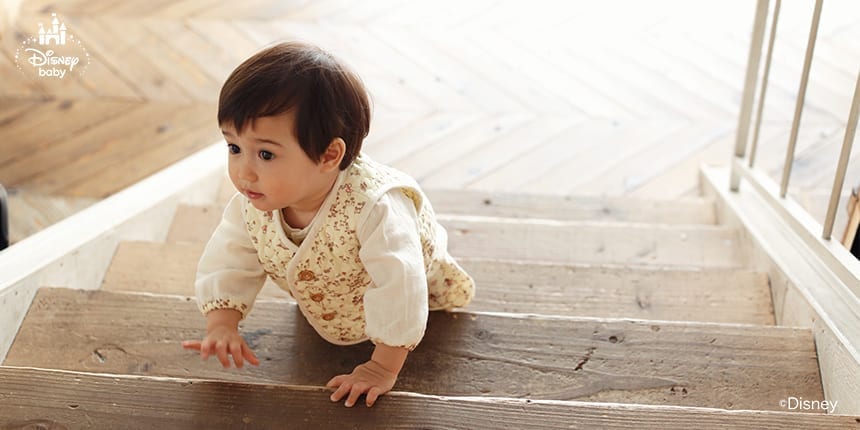
    Japanese baby products retailer Ficelle has launched its first outlet in Thailand.

    In partnership with distributor K-AG Kin All Gen, it has opened a store in Bangkok’s Central Embassy shopping mall. This follows a six-month trial of online sales in Thailand last year, which raked in THB5 million (US$155,000).

    Ficelle offers a range of brands, including Japan’s 10mois, with such items as baby and maternity clothes, sleeping vests, bibs and portable chairs.

    K-AG Kin All Gen executive director Lukkana Jaovisidha says the luxury goods market in Thailand, particularly babycare products, is expected to grow. The trend of having fewer children means parents are likely to spend more on infant apparel and baby accessories per child.

    Nearly a third of customers are expected to be expatriates in Thailand.

    Two more stores are planned for Bangkok this year, including a flagship in a Takashimaya department store. The partners hope to have five shops in Thailand by 2020.

    Ficelle has also just opened an outlet in Singapore following product launches in Hong Kong, South Korea and Taiwan.

  • Siam Commercial Bank and Prudential Thailand announce unit-linked bancassurance partnership

    Siam Commercial Bank and Prudential Thailand announce unit-linked bancassurance partnership

    10 January 2018- Siam Commercial Bank Public Company Limited (“SCB”), a leading bank in Thailand, and Prudential Life Assurance (Thailand) Public Company Limited (“Prudential Thailand”), a subsidiary of UK-based Prudential plc, have agreed to establish a bancassurance partnership to jointly develop and provide insurance solutions for SCB’s wealth segment customers.

    Both companies have a long history of providing Thai people with innovative financial products that meet their evolving needs. The partnership, which will be effective from 1 February 2018, will provide SCB’s customers with access to Prudential Thailand’s world class range of unit-linked products through the bank’s licensed financial advisers.

    SCB and Prudential Thailand will initially offer three-unit linked products with both Regular and Single Premium options1, to serve the protection, savings and investment needs of the Bank’s wealth segment customers.

    Ms. Salisa Hanpanich, Executive Vice President of First Division and Segment Management Division for Siam Commercial Bank, said “The alliance with Prudential Thailand supports our strategy to provide our customers with best-in-class unit-linked life insurance products, which are perfectly fit to serve the financial and investment needs of customers in the fast-growing wealth segment, as customers in this segment are looking for investment products that provide them with an opportunity to get higher returns than deposit ones, and at the same time get protection for the peace of mind of their families. We expect that, through Prudential’s unit-linked products combined with strong team of sales, training and customer service support, we can achieve our ambition.” Aman Chowla, Chief Executive officer of Prudential Thailand, said, “We are proud to partner with Siam Commercial Bank, the longest established bank and one of the most successful banks in Thailand. Bancassurance is an integral part of our multi-distribution strategy to reach and serve Thai customers. This partnership with SCB enables us to leverage our expertise in unit-linked products to provide innovative and need-based solutions to SCB’s wealth segment customers. Thailand is one of the largest insurance markets in South East Asia with low insurance penetration, a growing and increasingly prosperous population with significant insurance and savings needs. This partnership will give us further opportunity to reduce the insurance gap in what is an important market for Prudential in Asia.”


  • Starbucks Debuts Largest Store in South Korea

    Starbucks Debuts Largest Store in South Korea

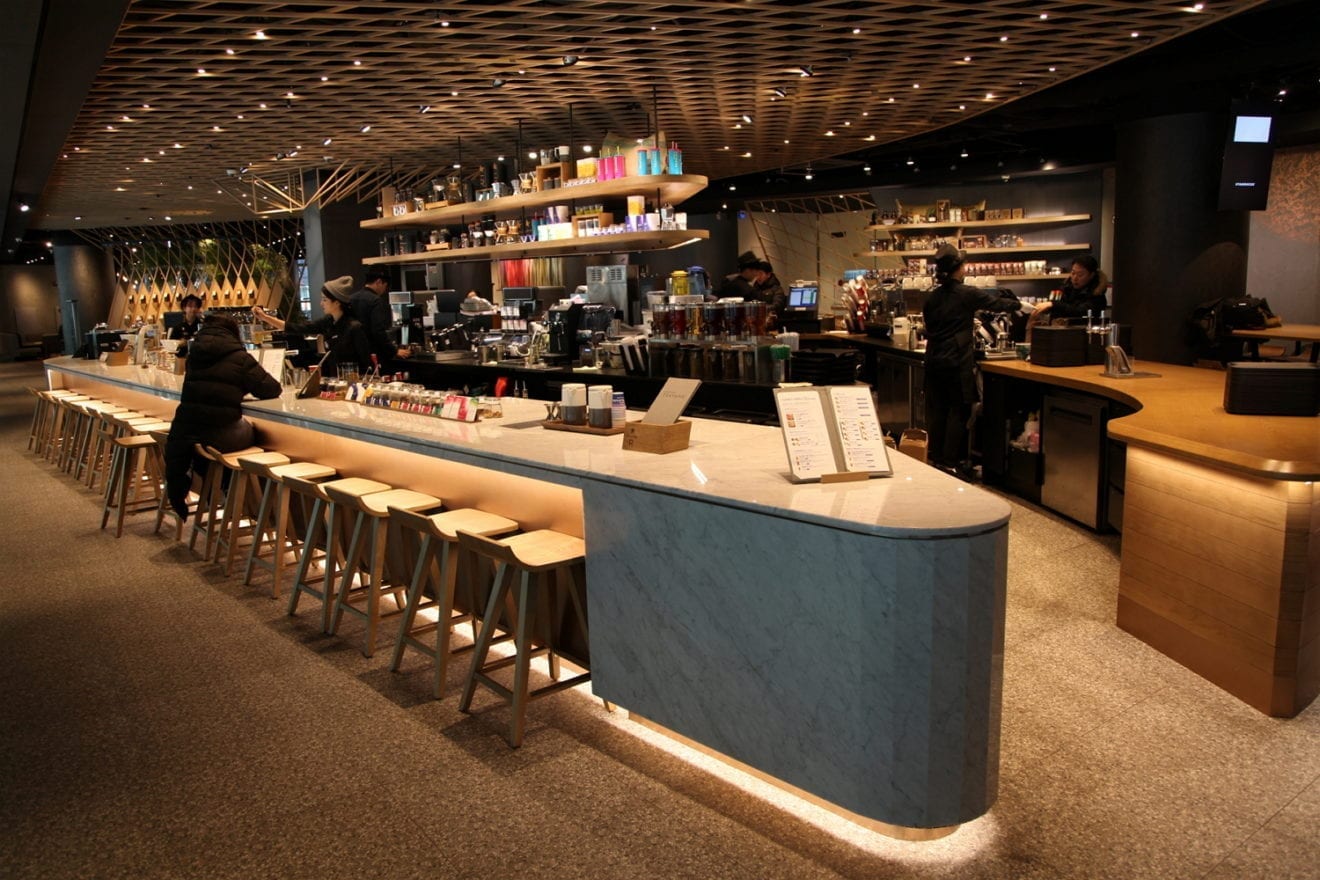
    Starbucks Coffee Korea Co., a 50/50 joint venture between Starbucks Coffee International, Inc. and Shinsegae Group, celebrated the opening of Korea’s largest Starbucks store in Central Seoul near Jonggak Station in December 2017. Located in Jongro Tower, with more than 900 residents, the store sits between two of the Tower’s floors covering over 1,000 square meters (11,000 square feet). Jonggak Station serves as a gathering place for all generations of Koreans to shop, dine, work and play in a location where history and tradition of Korean culture merge with modern city amenities.

    The Jongro store features a “Grand Bar,” a triangular bar on the second floor measuring 25 meters (82 feet), making it the largest stand-alone bar at any Starbucks across South Korea, and puts both coffee forward and Teavana handcrafted beverages at centerstage.

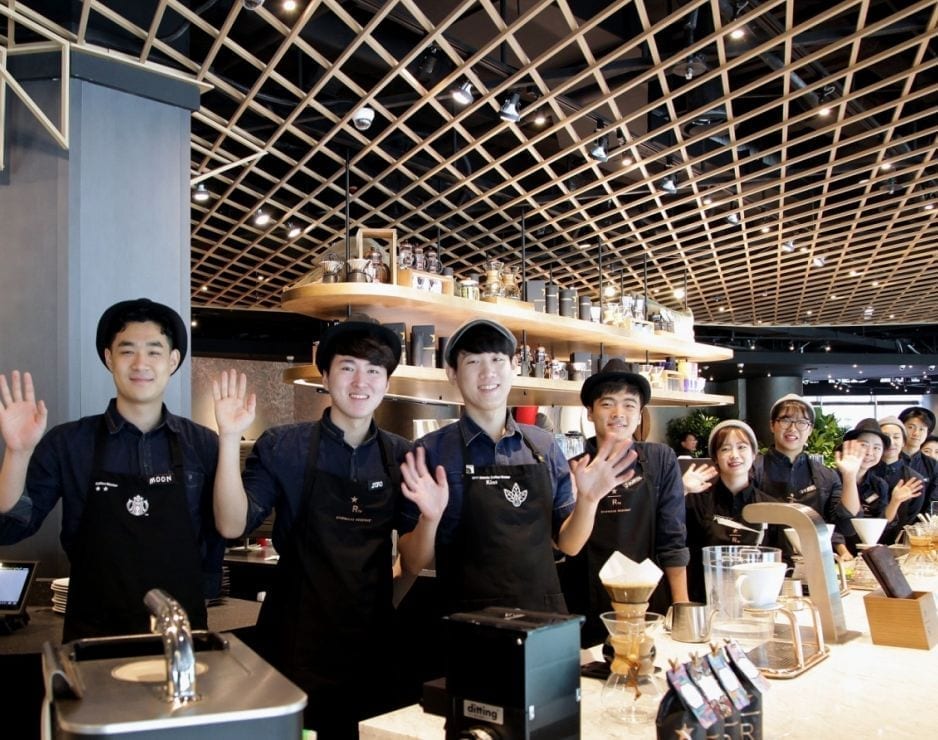
    Beyond the Grand Bar, the space also offers a space known as the Coffee Stage, for a more personalized and intimate coffee experience with Starbucks baristas. In addition, specially-designed seating zones, inspired by the six commonly traded goods among Koreans during the Chosun Dynasty, provide comfortable seating for large groups, close friends and individuals to enjoy a cup of coffee in this unique atmosphere.

    “The Jongro store represents the 19-year coffee journey we’ve been on with Korean customers,” said S.K. Lee, CEO, Starbucks Coffee Korea. “We are pleased to create a place which pays respect to our Korean heritage while elevating the coffee retail experience customers have come to expect of Starbucks.”

    The beverage menu at the Jongro store includes nearly 100 handcrafted customized beverages. The Teavana Blueberry Bliss and Teavana Lavender Sage beverages are uniquely brewed on a Siphon to extract the full tea flavors and aromas. These teas, as well as the Starbucks Reserve Origin Flight and Reserve Brew Comparison tasting experiences, can only be found at the Jongro store.

    In addition, more than 60 locally-sourced food items are available, including seven various rice dishes such as a Cactus rice ball with beans and sweet potato, as well as light meals and snacks, and can be found only at this location.

    “We are committed to innovating the Starbucks Experience to meet the expectations and needs of our customers and are proud to bring our Korean customers closer to our coffee and partners (employees) than ever before,” said Mark Ring, president of Starbucks Asia Pacific.

    Since opening in 1999, Starbucks today has more than 1,140 stores across 75 cities in South Korea. Employing over 13,000 partners (employees), Starbucks Korea is a leading Employer of Choice in the country and is also a model of corporate citizenship with an robust social impact agenda, partnering with over 140 communities and nonprofits to serve its partners and the community.

  • India paves way for foreign stakes in Air India

    India paves way for foreign stakes in Air India

    Foreign investors will be allowed to own 49 per cent of Air India when it is privatised, opening the path for companies such as Singapore Airlines to take a stake in the country’s flag carrier.

    The Indian government announced it would allow foreign companies to take a non-controlling stake in the struggling company as part of long-running plans to sell it off.

    The cabinet in New Delhi last year gave its approval for a sale, but ministers have been grappling for the past few months with how exactly to do so.

    One of the most politically sensitive decisions has been whether to allow foreign companies to bid for part or all of the airline.

    While many officials think it will be difficult for domestic carriers to swallow the company whole given it has $8bn of debt, some politicians are reluctant to see what they view as a prized national asset fall into foreign hands.

    Many still talk of the role the airline played in helping to airlift nearly 200,000 Indians from Kuwait before the war in 1990.

    A parliamentary panel this week reportedly recommended the government find “an alternative to disinvestment of our national carrier which is our national pride”.

    Atul Anjan, national secretary of the Communist Party of India, said of Wednesday’s decision: “Air India is not merely an air carrier, it is our national pride.”

    Despite Air India’s status in the country’s national consciousness, it has struggled in recent years to keep up with no-frills domestic airlines and better resourced international ones.

    The company has made losses for almost the entire past decade, and received a Rs422bn ($6.6bn) government bailout in 2012.

    Government officials are hoping several foreign companies might enter the bidding for the company, but so far only Singapore Airlines has indicated possible interest.

    Last week Leslie Thng, chief executive of Vistara — an Indian joint venture between Tata and Singapore Airlines — said the two companies were open to making an offer.

    Kapil Kaul, chief executive in South Asia for the Centre for Asia-Pacific Aviation, said: “I would expect a significant interest from foreign airlines, though the offer and conditions attached will determine the level of participation in the bids.

    “What’s more, this is a major reform and national economic policy decision — not just limited to aviation. It sends a very important signal to the global investors.”

    At the same time, ministers also decided to make it easier for foreign retailers to set up in India, without having to partner with local companies.

    The cabinet in New Delhi said foreign investors would no longer require government approval to invest more than 49 per cent in an Indian single-brand retail business.

    It did not decide to do the same for retail chains who sell more than one brand, a move that would have allowed major chains such as Walmart and Carrefour, both of which have previously operated in India, to open their own stores.

  • Zodiac dog, pig go missing for Chinese New Year t-shirt

    Zodiac dog, pig go missing for Chinese New Year t-shirt

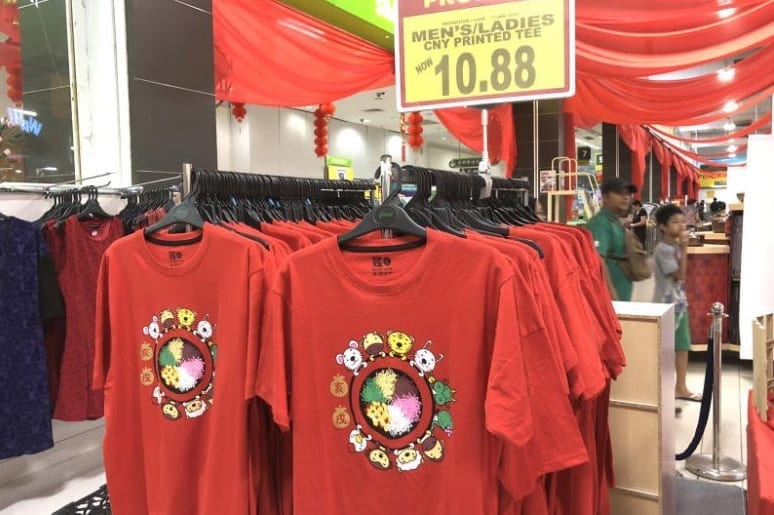
    There may be 12 animals in the Chinese zodiac, but it looks like Giant Hypermarket outlets in Malaysia missed the memo.

    A photo of a festive Chinese New Year t-shirt being sold by the hypermarket chain received flak online from Malaysians because its image of cartoon animals perched around a platter of yu sheng was missing two animals – the pig and the dog, reported Free Malaysia Today.

    Chinese New Year this year, which ushers in the Year of the Dog, falls on Feb 16.

    Instead of a cute cartoon image, the pig and the dog were represented by the Chinese characters “hai” and “xu”.

    People were far from happy about it. In fact, many of them turned snarky.

    Facebook comment by Mynn Liew

    Facebook comment by Magima Raj Pragasam

    Facebook comment by Masihtah Abdul Mutalib

    According to The Straits Times, the T-shirt comes in different sizes and is being sold at a discounted price of RM10.88 ($2.73), down from its original RM15.99.

    But selling it at a discount might not be enough, with many calling for a boycott of the t-shirt altogether.

    Facebook comment by Supachai Phoong

    Facebook comment by Peter Aeria

    Others were simply left speechless.

    Facebook comment by Neelaa Siva

    This is not the first time that the Malaysian authorities have banned or restricted materials containing dogs or pigs – animals considered unclean by the country’s majority Muslims.

    Last February, thousands of paint brushes suspected of containing pig bristles were seized after Malaysian consumers demanded a crackdown.

    In 2016, the Department of Islamic Development of Malaysia (Jakim) even went as far as banning food outlet operators seeking halal certification from using words linked to non-halal references on their menus – and yes, that includes “hot dogs”.

  • 7-Eleven in talks with a ‘few parties’ on food deal

    7-Eleven in talks with a ‘few parties’ on food deal

    7-Eleven Malaysia Holdings Bhd is in talks with a few parties on food chain supply after its memorandum of undestanding (MoU) with Brahim’s Holdings Bhd’s subsidiary lapsed after close to two years.

    Last week, 7-Eleven said in a stock exchange filing that the MoU with Brahim’s “has lapsed and accordingly ceased to have any effect”.

    “We’re looking to work with many others. We’re talking to some (a few parties), but it’s not finalised yet,” 7-Eleven Malaysia majority shareholder and Berjaya Corp founder and executive chairman Tan Sri Vincent Tan told a press conference after launching mobile wallet app One2pay today.

    He added that once the company has finalised the decision, it will make an announcement, estimated in the next two to three months.

    Meanwhile, Tan said the group is projecting a 3%-5% increase in sales for the retail businesses under Berjaya Group, on the back of the appreciation of the ringgit and positive signs such as the growing economy and foreign investments in the country.

    He said while retail associations and retailers have lamented the soft retail market, partly due to competition from e-commerce, the situation has been better because the ringgit has strengthened, which augurs well for the retail industry.

    “The retail trade in Malaysia is still okay and is not as bad as painted by some. For our group, we’re optimistic that the retail trade will get better,” said Tan.

    He added that the group witnessed a dip in sales when the Goods and Services Tax (GST) was implemented but now it has stabilised and sales are going up.

    “People have accepted GST. Consumers are back and the sales are up.”

  • Café that Shuns Cash and Welcomes Bitcoin Opens in Singapore

    Café that Shuns Cash and Welcomes Bitcoin Opens in Singapore

    Cash is not accepted for coffee at Singapore’s Ducatus Cafe, which has officially opened at Oxley Tower on Robinson Road.

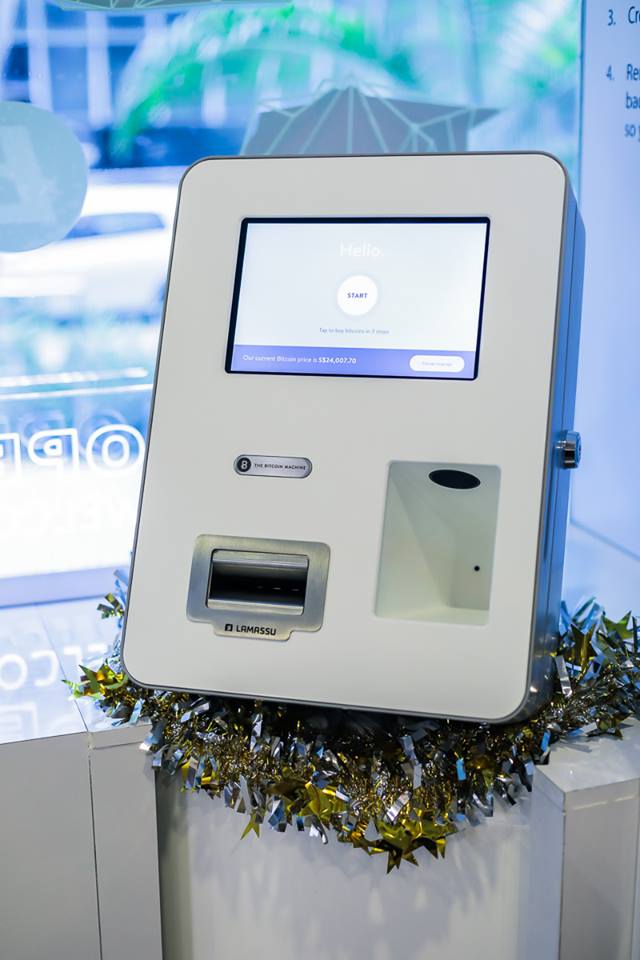
    Owned by cryptocurrency mining company Ducatus Global, the cafe does not take cash, depending on credit cards and, of course, cryptocurrencies – available through a special ATM in the store.

    However, in its latest Facebook posting, the cafe says its cryptocurrency ATM is temporarily out of service.
    Bitcoin is accepted as well as its own Ducatus coin, available via the Ducatus App which can be found in the Google Play Store. CEO Ronny Tome says there are plans to accept other cryptocurrencies soon.

    “The idea of developing the cafe was because we wanted to make sure people can use our Ducatus coins as well as bitcoins and other cryptocurrencies in day-to-day business.

    “Right now, cryptocurrencies are mostly used for speculation on markets…We want to make it part of our daily life,” he says.

    Also launched this month, the Ducatus coin is worth about 10 cents.

    The in-store cryptocurrency ATM is to enable customers to make cash-to-bitcoin deposits while waiting for their order. As well as coffee and snacks, the cafe sells branded gifts.

    Tome says he will open more cafes in Singapore. His initial cafe opened in Seminyak, Bali, on December 12, and he has plans to roll out the cafes in other countries as well as team up with hotels and travel agencies.

    Meanwhile, Tome is confident the virtual money industry will help national economies grow faster. He says governments should give cryptocurrency the chance to further grow.

    “Cryptocurrency and the underlying technology of blockchain will change the world. I’m 100 per cent sure of that – it’s here to stay.

    “I see only upsides, and it just requires all of us, all players, the government as well as businesses, to work together and find the best way of making use of this new amazing technology.”

  • Idea Cellular plans to raise $1b

    Idea Cellular plans to raise $1b

    Indian operator Idea Cellular said Thursday that its board has approved plans to raise up to 67.5 billion rupees ($1.06 billion) in the sale of new shares, in a bid to strengthen its capital position ahead of completing its planned merger with Vodafone India.

    The company, which is poised to merge with Vodafone’s India unit to create the country’s biggest mobile carrier, will raise 32.5 billion rupees by selling shares to its controlling shareholder the Aditya Birla Group (ABG) and raise the remaining 35 billion rupees by selling shares to institutional investors or a rights issue, the company said.

    As a result, ABG will buy a minimum of 2.5% of the merged entity from Vodafone, or such higher stake as required in order for ABG to ultimately own at least 26% of the merged entity.

    The purchase of the 2.5% interest by ABG follows the increase in its ownership in Idea to 47% from 42%, as a result of a fundraising by the Indian carrier.

    Under the original merger agreement, ABG is expected to reach a shareholding of 26% in the merged entity.

    Vodafone will receive minimum proceeds of 19.6 billion rupees from such sale and its ownership in the combined entity is expected to be approximately 47.5% at the completion of the merger.

    The companies said such changes to the capital structure were already contemplated in the scheme of arrangement for the merger. Vodafone’s stake in the combined entity in excess of 45.1% will not be subject to any lock-up.

    The merger of Vodafone India with Idea Cellular — the country’s second and third-largest mobile operators, respectively–was announced in March 2017. The proposed deal has already been approved by shareholders and creditors and the Competition Commission of India, but still needs clearance from the Department of Telecom and the National Company Law Tribunal.

    The companies expect to complete the merger in the first half of calendar 2018.

  • Natuzzi, Kuka signed JV agreement

    Natuzzi, Kuka signed JV agreement

    Natuzzi has signed a preliminary agreement to form a JV with China’s Kuka furniture company with the aim of expanding the Italian brand’s retail network in Greater China.

    “We have known Kuka for many years and have always admired its growth-oriented entrepreneurial spirit and approach,” says Natuzzi chairman/CEO Pasquale Natuzzi. “This partnership will enable Natuzzi and Kuka to become the leading player in the emerging and growing market for branded luxury home furnishings in Greater China.”

    Kuka chairman Jiangsheng Gu says Natuzzi is the right product and brand for the new growth in the Chinese home-furnishing market.

    Subject to certain terms and conditions in the preliminary agreement, and to applicable authorisations, it is expected Natuzzi will contribute exclusive perpetual distribution rights for the Natuzzi Italia and Natuzzi Editions trademarks into a Chinese corporate entity, and that Kuka will invest €65 million (US$77.5 million) to sustain the expansion of the Natuzzi retail network in Greater China, particularly Mainland China, Hong Kong and Macao.

    Of Kuku’s investment, €15 million is in exchange for Natuzzi’s trademark contribution. Natuzzi and Kuka will own 49 and 51 per cent respectively of the entity.

    The preliminary agreement also envisages Natuzzi will contribute its existing stores and commercial organisation in China. Further, the venture will employ Natuzzi’s retail management team.

    It is also expected the JV will take over existing distribution agreements related to the Natuzzi network of franchised stores.

    If the parties fail to reach a final agreement by March 31, the preliminary agreement will be voided.

  • H&M apologizes for ‘coolest monkey’ racist campaign

    H&M apologizes for ‘coolest monkey’ racist campaign

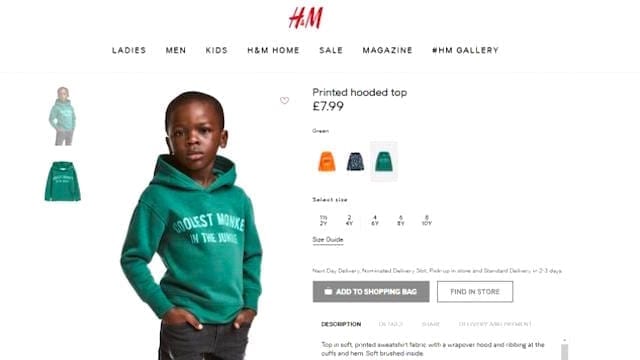
    Swedish fast fashion chain H&M has apologised for featuring a black child modelling a garment with the text “coolest monkey in the jungle”, also removing the advertisement and item from stores.

    H&M was forced to apologise following widespread backlash from consumers, staff, stakeholders and the media.

    “Our position is simple and unequivocal – we have got this wrong and we are deeply sorry,” the retailer stated.

    “H&M is fully committed to playing its part in addressing society’s issues and problems, whether it’s diversity, working conditions or environmental protection – and many others. Our standards are high and we feel that we have made real progress over the years in playing our part in promoting diversity and inclusion. But we clearly haven’t come far enough.”

    The retailer said it agreed with all the criticism that the controversy had generated and stated that “even if unintentional, passive or casual racism needs to be eradicated wherever it exists.”

    The item will be recycled after being removed from shop floors.

    “We appreciate the support of those who have seen that our product and promotion were not intended to cause offence but, as a global brand, we have a responsibility to be aware of and attuned to all racial and cultural sensitivities – and we have not lived up to this responsibility this time,” the retailer stated.

    “Racism and bias in any shape or form, conscious or unconscious, deliberate or accidental, are simply unacceptable and need to be eradicated from society. In this instance we have not been sensitive enough to this agenda.”

  • Amazon goes shopping

    Amazon goes shopping

    All sorts of rumors are out there talking up potential Amazon acquisitions.

    First, it was Kohl’s that was going to be bought by Amazon. It seemed reasonable; after all, they are already selling some of the Amazon electronic equipment like Alexa. Kohl’s also agreed to take back Amazon merchandise from customers.

    It was a good idea for Amazon to initiate brick and mortar returns. At the same time, Kohl’s is counting on gaining more customer traffic

    Then, technology analyst Gene Munster of Loup Ventures wrote that Target was a candidate to be purchased by Amazon. The locations of Target stores are appealing and would provide a great opportunity for the sales of Amazon hardware. Moreover, the fashion appeal of Target’s 1,834 stores makes this an interesting candidate.

    As long as we are guessing who the next candidate might be, Walmart could be a great candidate. It has stores in every state of the U.S.A., a significant global presence, and is a fierce competitor to Amazon. All the more since Mark Lore has intensified online sales, so eliminating competition could enrich Jeff Bezos’s coffers. However, Walmart has 11,650 stores worldwide.

    Here is another option. Forbes contributor and Columbia University Professor Mark Cohen’s belief that Costco could be the most likely candidate has merit since I believe both the food and non-food sections of Costco continue to function well and generate higher revenues and earnings every quarter.

    Many Costco customers stay loyal to the company because of the quality of Costco’s offerings and value of every product they sell. And, membership renewals are very high. This acquisition would also strengthen Amazon’s presence in the food business. Amazon’s 2017 acquisition of Whole Foods Markets was a spectacular move.

    Amazon is an amazing company – hated by the industry but loved by its customers. Their next acquisition is most likely going to be a ready-to-wear retailer that will intensify its fashion presentation. Kohl’s fits that description. Maybe J.C. Penney, but that company has too much debt. So what about Macy’s? Dillard’s?

    The industry is fighting for survival. Amazon recognizes the opportunities and may act. However, this is still just a guessing game. Amazon will choose if and when to act when it’s ready, so we can just wait and watch as none of this is going to accelerate what Amazon will do.

  • Xiaomi IPO plan reportedly eyes $200b valuation

    Xiaomi IPO plan reportedly eyes $200b valuation

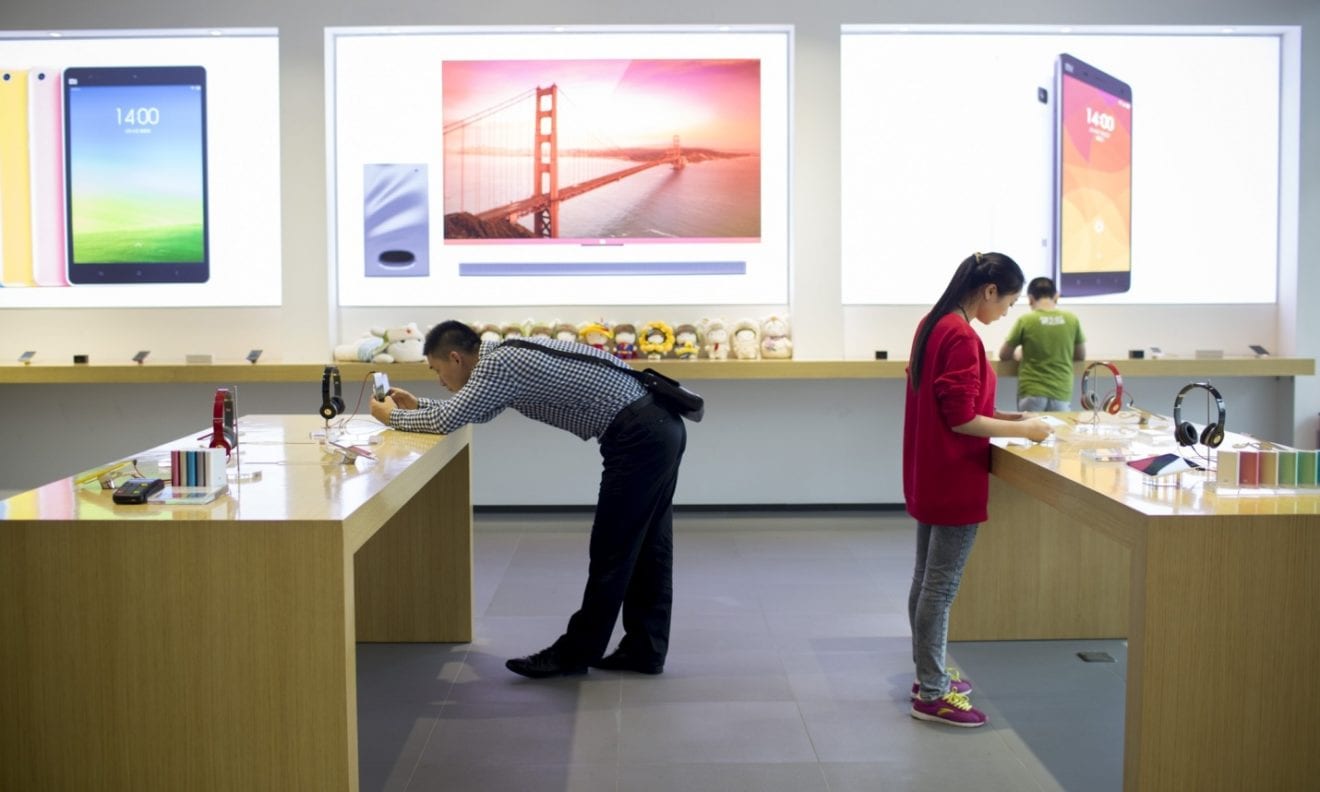
    Planning to go public late this year, Chinese smartphone maker Xiaomi Corp is said to be seeking a valuation of up to US$200 billion.

    Based in Beijing, the electronics and software company prefers Hong Kong over New York for its listing mainly because Hong Kong retail investors are more familiar with its products and founder as reported.

    Xiaomi chairman/founder Lei Jun started liaising with investment banks in November, according to media reports in China. Also, senior executives have told several employees of the impending public issue, reports News.163.com.

    The company was valued at $46 billion in its latest funding round in 2014. After declining sales in 2016, the company managed to revive growth last year, partly by opening offline retail stores and expanding its presence internationally, especially in India.

    In the third quarter of last year, Xiaomi caught up with Samsung to become the largest smartphone brand in India. It had 23.5 per cent of the market with a shipment of 9.2 million units, marking a 300 per cent year-on-year jump, data from research company International Data Corp shows.

    Xiaomi says it topped its annual revenue goal of RMB100 billion (US$15 billion) by the end of October.

    Should it reach US$200 billion valuation, Xiaomi would be the biggest technology IPO after Alibaba Group Holding, which raised a record $25 billion for a $231.4 billion market value in 2014.