Tag: asia

  • L Brands hit by sagging Victoria’s Secret sales

    L Brands hit by sagging Victoria’s Secret sales

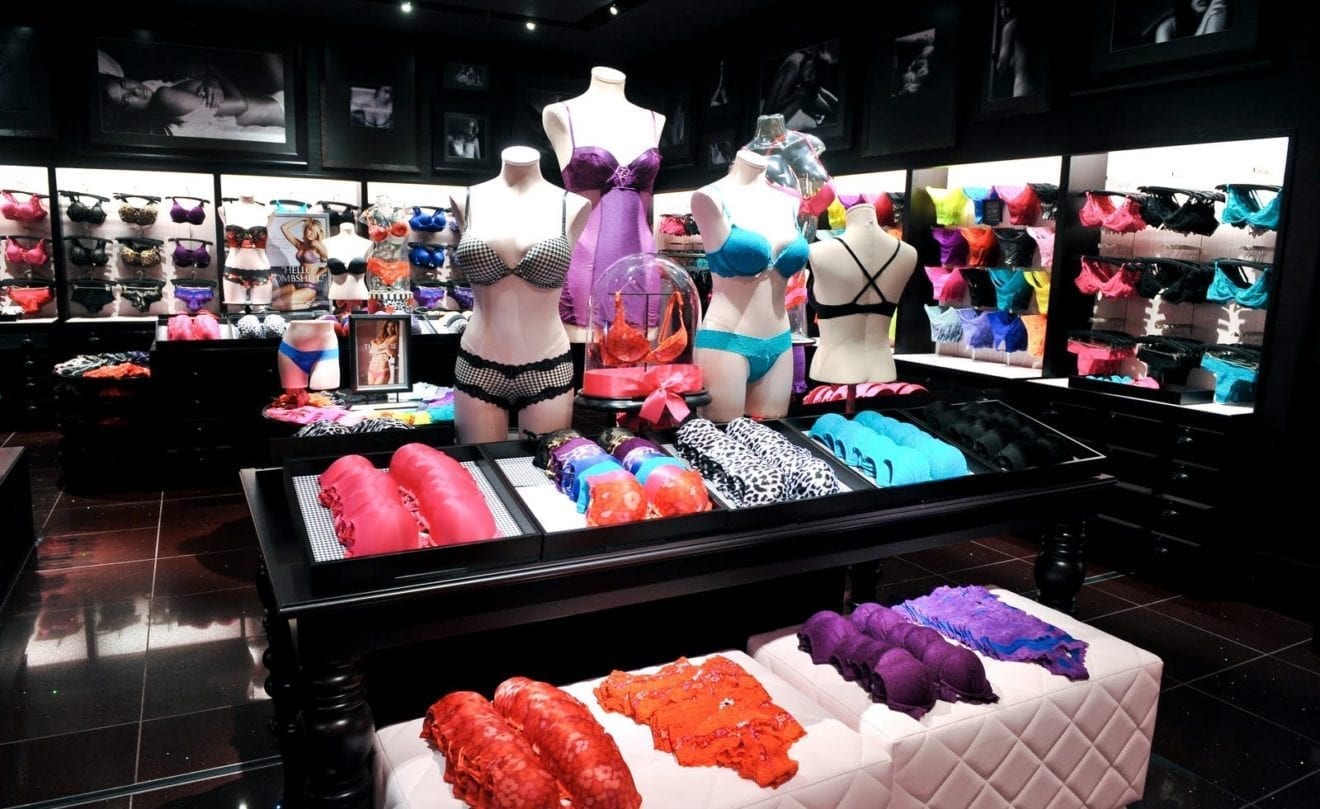
    L Brands, which owns the Victoria’s Secret, Pink and Bath & Body Works brands, has reported positive comparable and net sales for December.

    However, Victoria’s Secret sales failed to pick up during the holiday season.

    Net sales reached US$2.5 billion for the five weeks ended December 30, up 3 per cent compared to the same period the previous year, while comparable sales increased 1 per cent.

    Bath & body Works sales rose 4 per cent while Victoria’s Secret comparable sales declined 1 per cent. Minus the effect of online sales, Victoria’s Secret comparable-store sales fell 6 per cent.

    This follows Victoria’s Secret brand quitting the swim and apparel categories.

    For the 48 weeks to the end of December, the company reported net sales of $11.5 billion, down from $11.7 billion. Comparable sales dropped 4 per cent.

  • UL-OS to appoint its new brand ambassador

    UL-OS to appoint its new brand ambassador

    TVXQ ‘Yunho (Jeong Yun-ho)’ was selected as the first solo male cosmetics brand model.

    UL-OS, a male total skin care brand in Otsuka Pharmaceutical Korea, announced on  that the brand selected Yunho, the leader of group Dong Bang Shin Ki (TVXQ).

    An UL-OS official said, “We decided to choose Yunho as a new model, judging that Yunho’s healthy skin and sophisticated image fit well with the Ul-os brand image.”

    Yunho finished shooting a new TV advertisement of UL-OS’s representative product of all-in-one moisturizer. In this advertisement, Yunho’s stylish and manly charm will appeal to viewers with his UL-OS brand message and will be aired from January 1, 2018

    Yunho said “I am very interested in skin care products for normal moist and healthy skin.” “I am very pleased to be a model of the UL-OS brand that helps people to understand skin troubles and needs accurately and to provide effective skin care.”

    Yunho, who was selected as the fourth model of UL-OS after Cha Tae Hyun, Jung Woo and Eric, is the 13th year of his debut this year, as a K-POP leader, Korea’s best male idol, and he has been loved by fans home and abroad. He has been still active in the five major dome tours in Japan since November 2017.

    Meanwhile, men’s total skin care brand UL-OS presents three all-in-one moisturizers (skin milk, skin lotion, and skin conditioner) as men’s all-in-one products and has a full skin care line including scalp shampoo, skin wash, sunblock and face sheet.

    In particular, UL-OS Skin Milk has recently been selected as a men’s cosmetics standard at the Olive Young 2017 Health & Beauty Awards, and received continuous support from male consumers, including the Olive Young Health and Beauty Award in the men’s all-in-one category for the second consecutive year.

  • Suning Unmanned ‘Biu’ Store goes International

    Suning Unmanned ‘Biu’ Store goes International

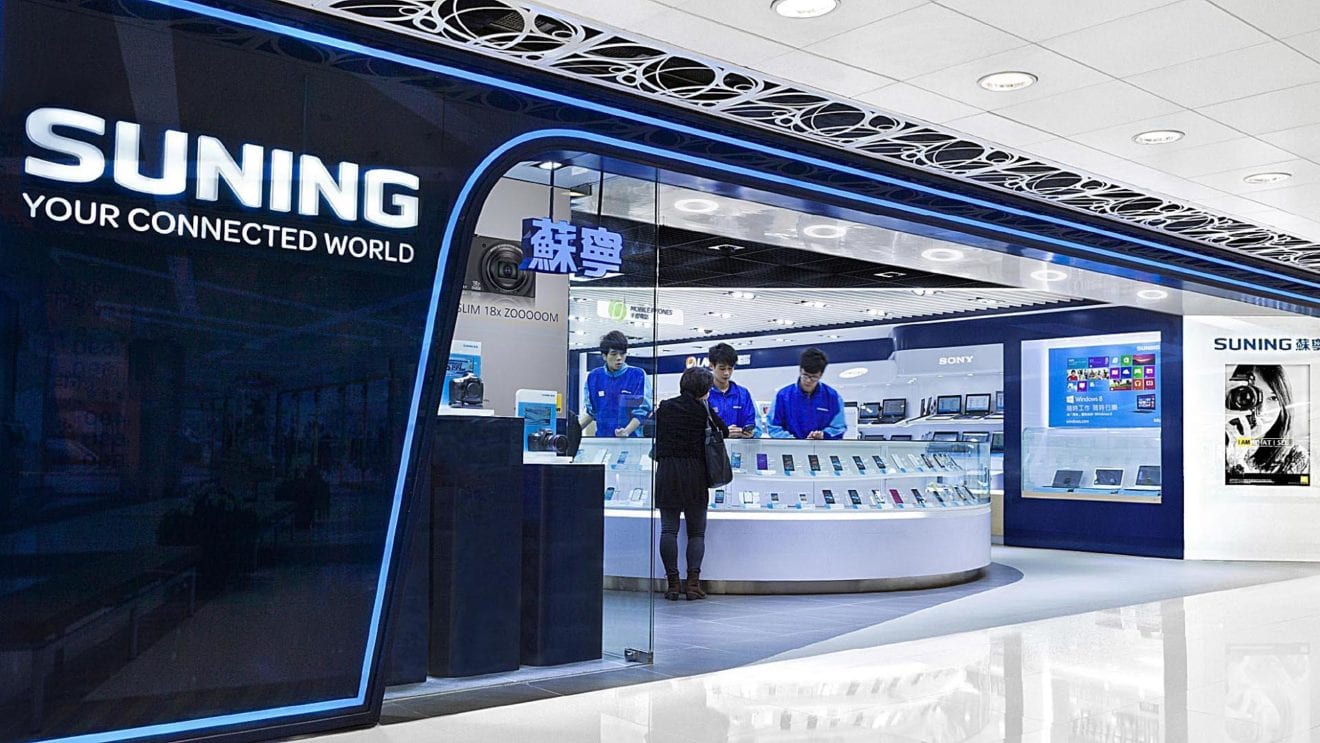
    Suning Commerce Group, one of China’s largest non-government retailers, is showcasing its unmanned, automated Biu store at CES 2018 in Las Vegas this week.

    Running until Friday, CES is the global stage for new innovative consumer electronics. Suning’s promotion of its Smart Retail program comes as the company prepares to launch its developments internationally,

    “Suning’s Biu store concept showcases the latest in our online-to-offline retail strategy, designed to offer consumers a one-stop seamless shopping experience,” says the group’s R&D executive VP Joshua Xiang, who is also GM of Suning Global Research.

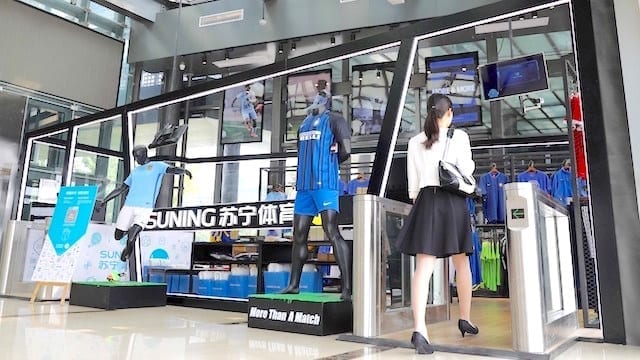
    Suning’s Biu store concept is big-data driven and powered by facial recognition and radio frequency identification (RFID) technology. Since launching its first self-service store in Nanjing in August, Suning has opened a further four cashierless stores in China, in Shanghai, Beijing, Chongqing and Xuzhou.

    It says shoppers have been flocking to the stores to buy gadgets, personal electronics, FMCG and sports accessories. They can also find branded football merchandise, including Italian team Internazionale Milano, which is owned by Suning.

    Immediate identification

    Bui shoppers who link their bank card to the Suning Finance app are immediately identified by camera at the store’s entrance and granted access. Inside, they can be helped with their purchase decisions by Suning Smart Recommendation, a shopping guide system based on big-data analysis. RFID technology along the payment pathway ensures an effortless check-out experience taking no longer than 15 seconds.

    At CES, Suning is also showcasing its e-commerce services and tech products that focus on enhancing the consumer experience. These include the Smart Sue shopping assistant, with voice and text interaction system; the Anywhere AR shopping experience, allowing shoppers to place virtual products into a real scene; Suning Smart Home, incorporating advanced Internet of Things automation systems to control electronic home appliances and built-in technology; smart retail chain software; and logistics and shopping financial services.

    A Created in China forum at CES tomorrow, hosted by Suning and the China Household Electric Appliance Research Institute, will explore electronics industry trends in China and also demonstrate Suning’s Smart Retail concept.

  • The Different Advantages And Disadvantages Of Cell Phone Charging For Retail

    The Different Advantages And Disadvantages Of Cell Phone Charging For Retail

    Living in a digital society, wireless phone charging has become a commonplace daily activity.  Technology is becoming more advanced in the 21st century and it is creating an ecosystem of various wireless charging gadgets that are not just for smartphones.  Nowadays, wireless phone charging can be done not only at home but also at public companies.  While the advantages of wireless phone charging are quite obvious, there is a negative side to this feature.  If you are planning to switch to wireless charging, it may be useful to read this article on its benefits and drawbacks.

    Before heading further into this discussion, you should have some idea of how wireless chargers operate.  Through an elimination of cables and connectors, the wireless charging has various benefits over wired chargers.  In this fast-changing digital society, it is obvious that people need “smart chargers” to charge the “smart phones”.

    What Are The Different Benefits Of Phone Charging?

    1. Convenience

    The first benefit to using wireless charging devices is that you will not need to deal with cables or cords.  By removing the need for cords, it becomes far simpler to place the phone at a charging station.  Furthermore, you will not have to concern yourself with where you left the cable or the need for different types of chargers.  Wireless chargers are also able to charge different phones simultaneously. Cell Phone Charging Stations with Lockers are also safe, providing you with peace of mind.

    1. Integration

    One of the greatest advantages to using wireless chargers is that it can integrate with almost all mobile phones regardless of the size or shape of the phone’s charging socket.  It should also be mentioned that other devices beyond a smartphone can be charged using the wireless charging option.

    1. Multiple Device Charging

    Nowadays, it is common for several smartphones to be within the same room.  In many cases, the smartphones will have the same or similar chargers; however, there are still differences when it comes to Android and Apple cell phones.  By using a wireless charging pad, you will be able to charge numerous types of smartphones at the same time.  It is also possible for you to charge other devices using the wireless charging pad including laptops and tablets.  This is beneficial because you will reduce the number of cables required and other international power adapters used at the workplace or at home.

    What Are The Disadvantages Of Wireless Phone Charging?

    Despite the different benefits of wireless charging, everyone knows that this concept is not perfect and there are several drawbacks.  To make an informed decision regarding this item, it is important that you know these drawbacks.

    1. Performance

    Unlike traditional device chargers, wireless chargers are not fully integrated for all devices.  This is because it lacks efficiency and the charging process is much slower than traditional charging options.  Furthermore, wireless chargers generate heat that is higher than traditional options which can be highly detrimental.  Click here to read tips on how to boost a smartphone’s battery life.

    1. Mobility

    While the signals transmitted between a phone charger and the mobile phone are wireless, it is still necessary to plug the wireless charging station into a wall socket.  This means that the charging station is not portable.  In addition, you will need to keep the device (mobile phone, tablet, or laptop) on the charging pad at all times for it to be charged.  If the device is moved from the pad, it is no longer being charged.  This can cause difficulties to operate the phone when it is being charged.

    1. Compatibility

    Despite the fact that charging stations can be used for different gadgets, people have experienced issues when charging different devices at once.  Reports claim that there are compatibility problems with smartphones not being charged or drawing power from the wireless power station.

     

  • Courts Invests in Growth by Reimagining Its Omni-Channel Retail Experience

    Courts Invests in Growth by Reimagining Its Omni-Channel Retail Experience

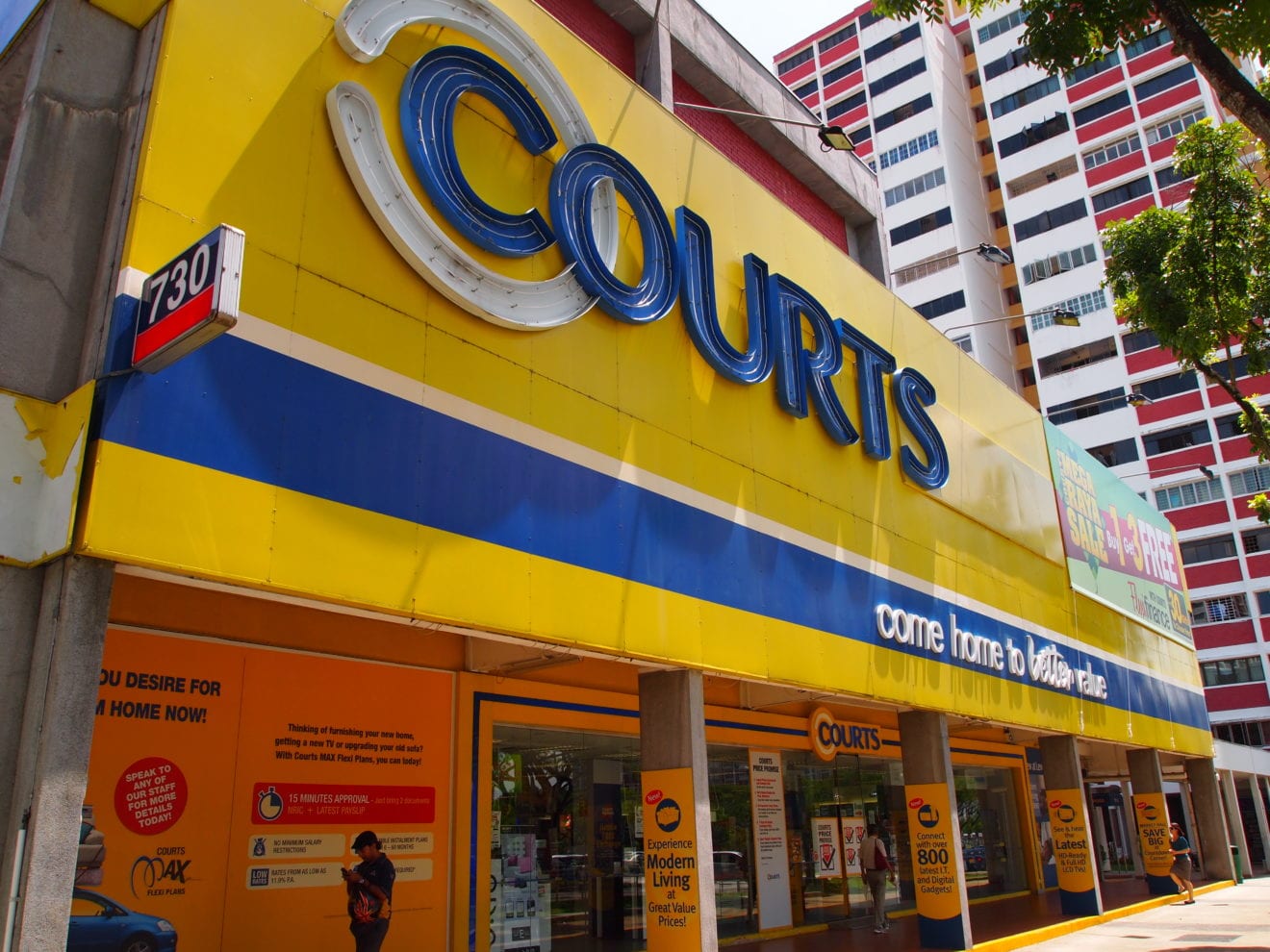
    Specialising in electronics, IT and furniture, COURTS Singapore has put more than a year into researching and redesigning its in-store experiences and omni-channel customer journey. The results are two recent announcements: the relaunch of its e-commerce website, built by e-commerce agency SmartOSC, together with the opening of its newly redesigned Megastore in Tampines, transforming the store experience to serve a wider range of customers seamlessly across touchpoints.

    There has been a significant change in the way customers shop around the world, and they now take a more sophisticated path by engaging with both online and offline channels to collect information and make purchasing decisions. With the new releases, COURTS seeks to catch multi-channel customer generations who, according to recent research published in HBR, spent an average of 4% more on every shopping occasion in the store and 10% more online than single-channel customers. Even more compelling, with every additional channel they used, the shoppers spent more money in the store.

    The new COURTS Online now boasts over 17,000 SKUs, making it their largest store across COURTS’ regional network. SmartOSC, COURTS’ e-commerce partner, has helped them to establish a new mobile first and user-centric experiences with features that connect their digital and physical stores. COURTS customers can research and purchase online to later pick up in-store or ship-from-store, all while accessing their personal accounts. The system also gives COURTS customer service and retail associate teams the information they require to meet customers’ end-to-end needs by connecting all of their touchpoints.

    Built upon Magento Enterprise 2, combined with innovative solutions for omni-channel retailing, marketing automation, and content management, COURTS’ new e-commerce system offers a real-time single view of inventory and customer profiles, activated through integrations with ERP and retail management systems. The website has also been built to be easily navigable, featuring a completely refreshed intuitive navigation, search and faster check-out experience.

    Mr. Stan Kim, Chief Strategy Officer at COURTS Asia shared, “The COURTS Online relaunch was timed strategically around key retail events of the year such as Black Friday and Cyber Monday. Powered by the new platform, online sales for both events grew almost 100% year-on-year. Engaging with the right partners has proved to be pivotal to our e-commerce growth this year. COURTS will continue strengthening its back-end infrastructure to offer customers the seamless online-to-offline experience they expect from best-in-class retailers. We will continue to drive online growth, and our ambition is to grow online sales to comprise 10-15% of the business in five years’ time.”

    The relaunched COURTS e-commerce site augments the transformed retail experience in the physical stores, delivering the ultimate in ‘bricks and clicks’ shopping. The newly redesigned COURTS Megastore in Tampines stands as an aspirational hub featuring the latest in-store experiences, with dedicated experiential retail spaces that have been redesigned to be more immersive, focusing on memorable and informative experiences that will bring customers into the store to encounter the products firsthand.

    COURTS features a 30-day lowest price guarantee and 30-day hassle-free returns both online and in all stores, and tourist tax free scheme to help customers feel secure and confident with their purchase decision. The retailer operates more than 80 stores across Singapore, Malaysia and Indonesia, spanning over 1.6 million square feet of retail space.

  • Centara Signs Private Partnership Agreement for Centra by Centara Government Complex

    Centara Signs Private Partnership Agreement for Centra by Centara Government Complex

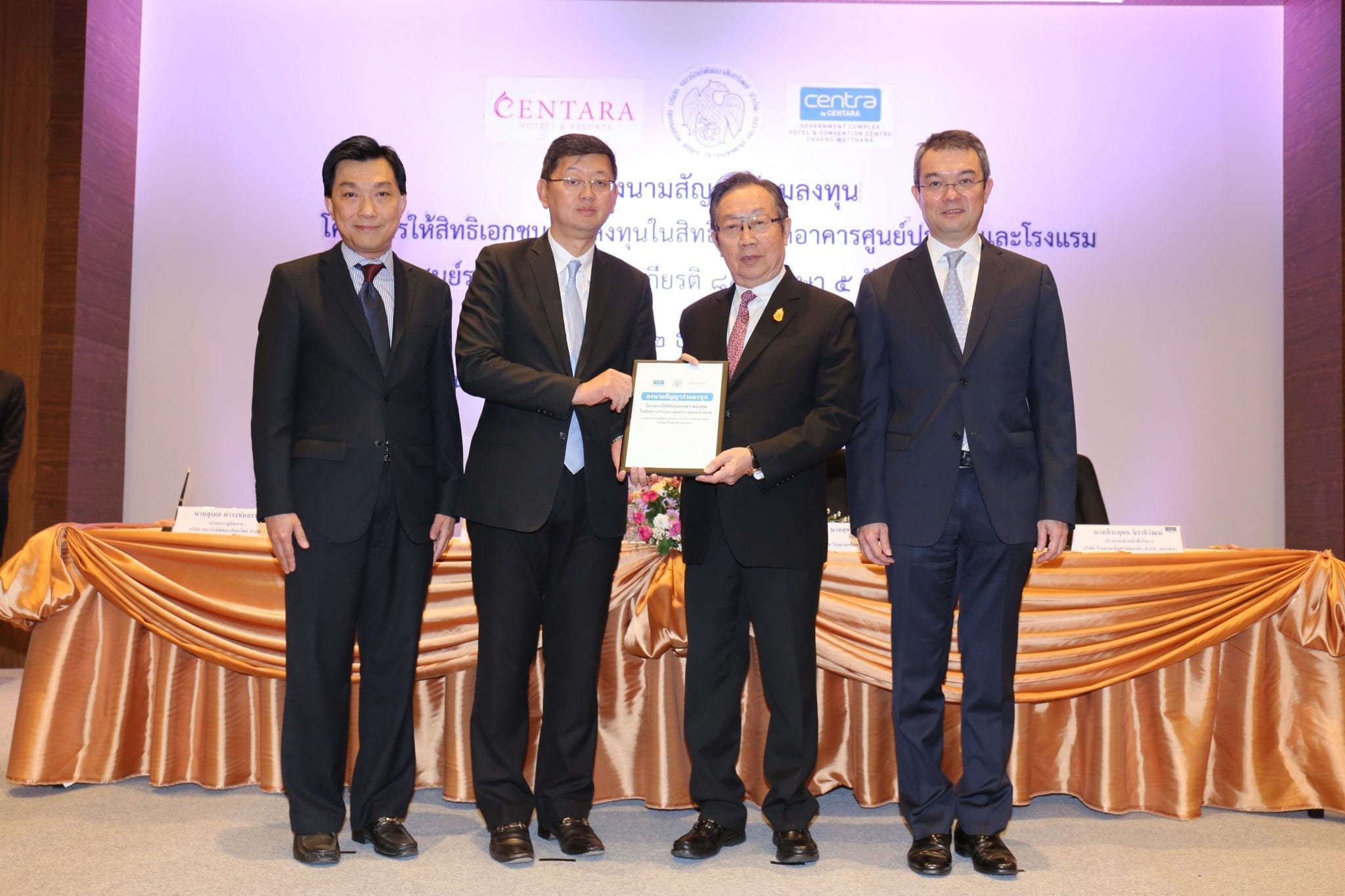
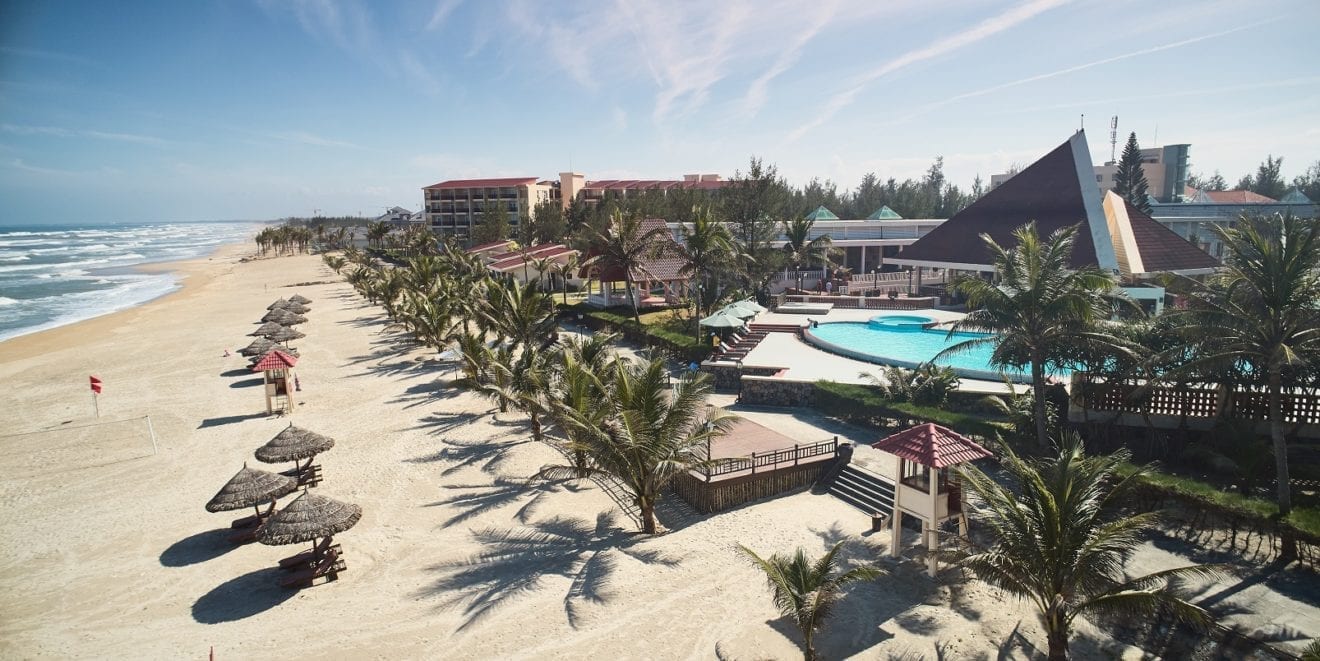
    Centara Hotels & Resorts, Thailand’s leading hotel operator, announced a long-term lease agreement for Centra by Centara Government Complex Hotel & Convention Centre Chaeng Watthana.  Centara’s Chairman of the Board Suthikiati Chirativat signed the agreement for the 204-room hotel and conference property in the Thai government community 10 minutes from Bangkok’s Don Mueang International Airport. Centara had managed the property for its owner, Dhanarak Asset Development Company Ltd., since 2011. The 20-year, around 1.2 Billion Baht lease deal with Dhanarak effectively turns ownership over to Centara.

    “Centra by Centara Government Complex continues to play a vital role in the facilitating of official and government business in Thailand. Having managed this successful hotel and convention centre for 6 years the investment in a long term lease in this property was a logical step and supports our strategic plan to double Centara’s size within the next five years,” said Centara’s Chairman of the Board Suthikiati Chirathivat.

    Centra by Centara is one of the hospitality group’s six hotel brands. The Centra by Centara Hotel and Convention Centre at the Government Complex offers ideal accommodations and meeting facilities for businesspeople, delegates and officials. Its 24 meeting rooms, including the large Vayupak Grand Ballroom, can host a variety of large and small conferences and events simultaneously. Hotel and conference facilities are integrated so that guests can easily walk between meeting and event venues, restaurants, and their hotel rooms. The Centra by Centara property also hosts weddings and concerts.

    The Government Complex in which the property is located is home to over 30 official departments and agencies. It functions like a small town, including banks, retail shops, restaurants, clinics and other amenities. There is parking for over 2,000 vehicles.

    Dhanarak Asset Development Company Ltd., the property’s original owner, was established by the Thai Ministry of Finance to build and manage the Government Complex. Centara has ambitious plans to eventually renovate both the hotel and its attached convention centre.

    Over the next five years, Centara Hotels & Resorts aims to double its size with additional properties in Thailand and its new international markets, while spreading its footprint into new continents and market niches. Its flagship properties in Bangkok, Centara Grand & Bangkok Convention Centre at CentralWorld, and Centara Grand at Central Plaza Ladprao, have established the company’s reputation as the leading meeting, conference, and large event host in Thailand.

  • Vietjet introduces first A321neo “new-engine option” aircraft to Southeast Asia

    Vietjet introduces first A321neo “new-engine option” aircraft to Southeast Asia

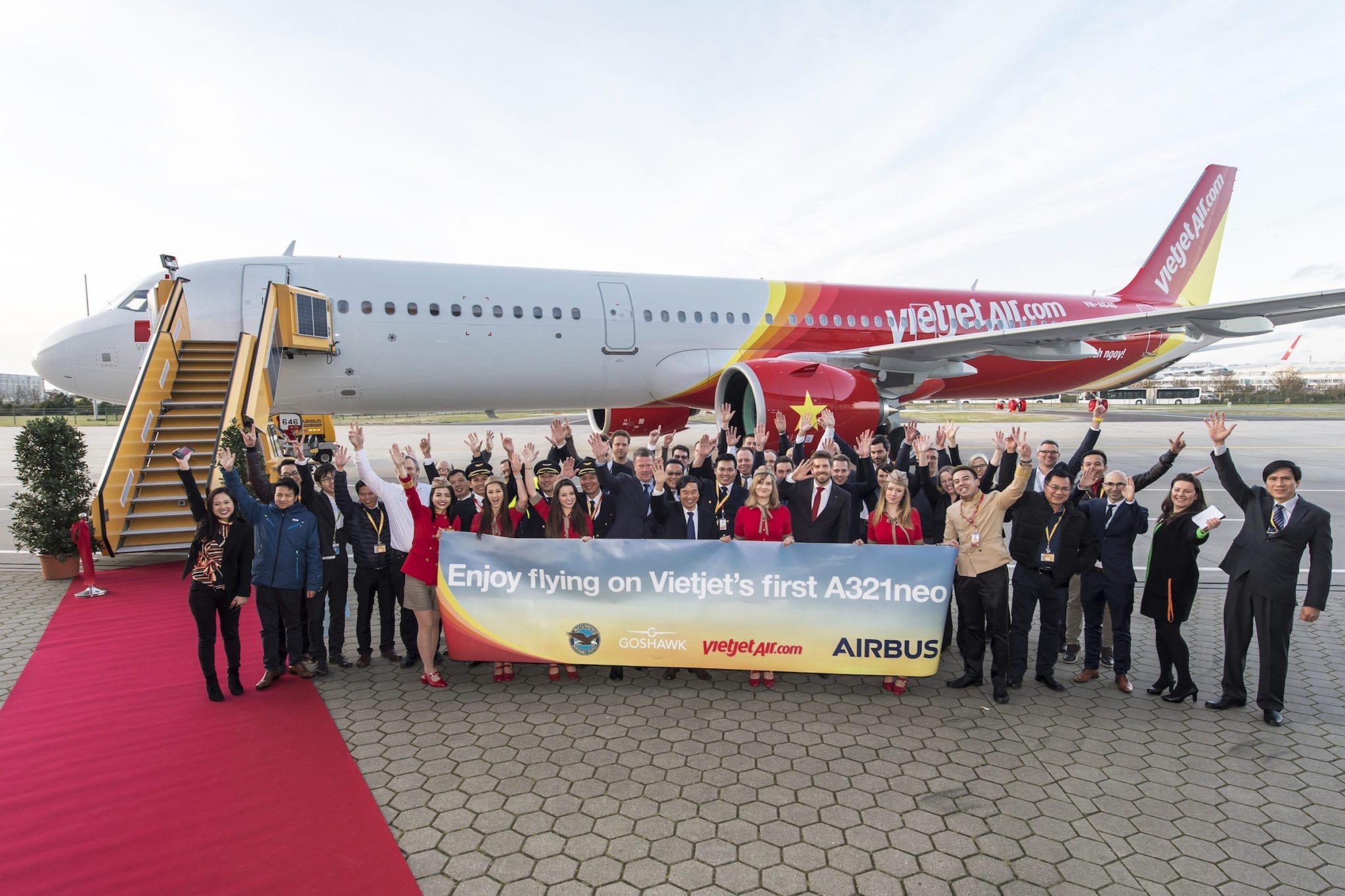
    New-age carrier Vietjet has become the first airline in Southeast Asia to take delivery of an A321neo (new engine option) after the Airbus aircraft landed at Tan Son Nhat International Airport from Hamburg, Germany. The A321neo, registered as VN-646, is powered by Pratt & Whitney’s latest-generation GTF engines.

    Fitted out with 230 comfy leather-covered seats and high-quality carpeting, the first five rows of Vietjet’s spacious new A321neo have been especially designed to accommodate passengers flying Skyboss, the airline’s premium service. The aircraft’s interior also features a unique color-changing LED light system and striking décor to create a comfortable and refreshing ambience through the whole cabin.

    The brand new A321neo incorporates the latest in engine design, advanced aerodynamics and cabin innovations. According to the aircraft manufacturer, its GTF engines offer a significant reduction in fuel consumption — at least 16 percent from day one and 20 percent by 2020 — as well 75% reduction in noise and 50% in emissions. The engines were first introduced by Pratt & Whitney in 2016. Vietjet is one of the very first airlines in the world to incorporate the engines to its aircraft. The A321neo is also the 17th aircraft delivered to Vietjet from Airbus in 2017.

    The new aircraft will begin operating on domestic and international routes to and from Vietnam in January 2018. On receiving the aircraft, Vietjet also announced its decision to upgrade an existing order for 42 A320neo aircraft to the superior, and larger, A321neo models. Accordingly, the airline now has a total of 73 A321neo and 11 A321ceo on order for future delivery.

    “We are proud when a dynamic airline like Vietjet endorses our products,” said Fabrice Brégier, Airbus Chief Operating Officer and President Commercial Aircraft. “The A321neo combines higher capacity with the lowest operating costs in its class, offering unbeatable efficiency. This aircraft will be a real asset in Vietjet’s expansion plans in such a competitive market. We look forward to seeing the A321neo flying in Vietjet colours.”

    “The A320 family aircraft has greatly contributed to Vietjet’s impressive operation performances with the airline’s technical reliability rate standing at 99.6% in 2017. The aircraft have also helped us maintain some of the lowest operating costs in the airline world,” said Nguyen Thi Phuong Thao, Vietjet President and CEO. “The upgraded A321neo deal once again emphazises Vietjet’s ceaseless efforts to modernize our fleet. We believe that the technical reliability rate and other operation and safety indexes will continue to go up in order to bring maximum comfort, joy and safety to our valued passengers.”

    The A320 Family is the world’s best-selling single-aisle product line and comprises four models (A318, A319, A320, A321) seating from 100 to 240 seats. With more than 5,300 orders received from 95 customers since its launch in 2010, the A320neo family has captured some 60 percent share of the market.

  • Centara appoints new Business Development VP to support expansion

    Centara appoints new Business Development VP to support expansion

    Centara Hotels & Resorts, Thailand’s leading hotel operator, announced the appointment of Allen Thomas as Vice President Business Development, effective January 1st. Thomas has 28 years of experience developing hotel and resort businesses, a career that includes positions with HPL and Como Hotels and most recently Resorts Holdings International. His appointment marks another significant Centara move in their five year plan to double the company’s size and become a major regional hospitality brand.

    Mr. Thomas will report to Centara’s Deputy CEO Markland Blaiklock. He will be responsible for executing the company’s plan to grow from 58 to 134 hotels over the next five years. Mr. Blaiklock himself was brought on board in October to lead the expansion strategy. In the weeks since then, Centara has already launched its new affordable lifestyle hotel brand COSI; signed a joint venture to take ownership of Centra by Centara Government Complex Hotel & Convention Centre Cheang Watthana; announced a significant upgrade of its technology infrastructure in partnership with Oracle and IDeaS; and finalised an agreement with Nakheel to develop a family lifestyle resort in Dubai.

    Centara’s CEO, Mr. Thirayuth Chirativat commented, “Allen is a tenured industry expert with an impressive track record of growing the brand footprint of hotel and resort businesses in Asia and beyond. We are confident of meeting our expansion targets with a professional of Allen’s calibre leading our Business Development division”.

    With this latest appointment, Centara’s management team is almost complete following its recent reorganisation. The company is building a diverse and experienced leadership structure to set it up for continued future success.

  • Modest sales rise for Bauhaus International

    Modest sales rise for Bauhaus International

    With two more shops at year’s end, apparel company Bauhaus International (Holdings) had a modest rise in same-store sales for its latest nine months.

    The quarter reverses a trend of declining sales and store closures by the streetwear retailer.

    Unaudited figures show sales growth was up 9 per cent for Hong Kong and Macau with a weighted average of 65 shops for the third quarter, while for the nine months growth was 4 per cent from 64 shops.

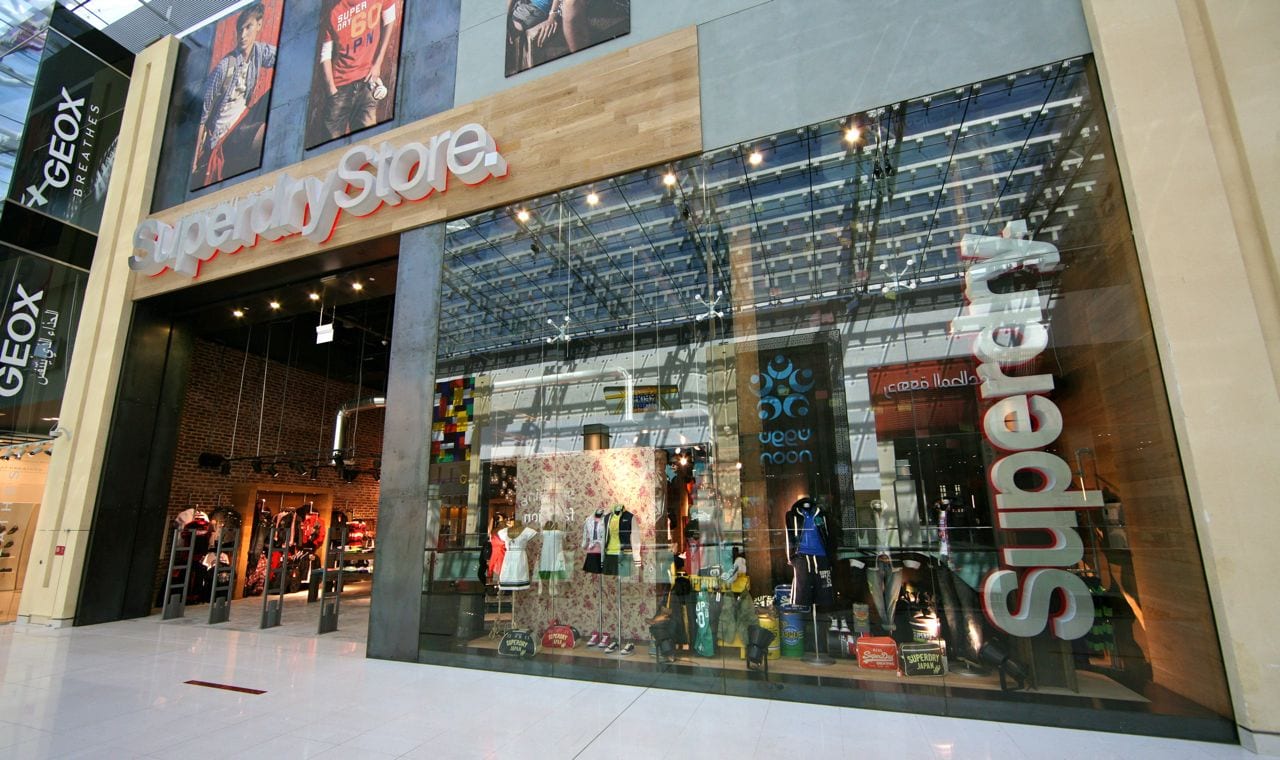
    Bauhaus designs and makes apparel and accessories which it wholesales and retails under its brand names including Bauhaus, Salad and Tough, and retails third-party labels including Superdry.

    With a constant 82 shops, Taiwan saw sales fall 8 per cent for the quarter and 16 per cent for the year to date.

    For Mainland China, 18 shops saw sales growth of 9 per cent for the quarter, while for the nine months growth was 12 per cent for 19 shops.

    Overall, group sales growth was 4 per cent for 165 shops for the quarter, with a 1 per cent sales dip for 165 shops for the nine months.

    At the end of the year the group had 198 self-managed offline shops, two fewer than nine months earlier.

    These comprised 80 outlets in Hong Kong and Macau at March 31, dropping to 77 at year end, 91 in Taiwan rising to 96 by December 31, and no change in China with 25 shops.

  • Amorepacific bets on luxury cosmetics for Europe push

    Amorepacific bets on luxury cosmetics for Europe push

    After launching in France last year, South Korean cosmetics company Amorepacific aims to introduce one of its luxury brands in Britain this year and in Germany next year.

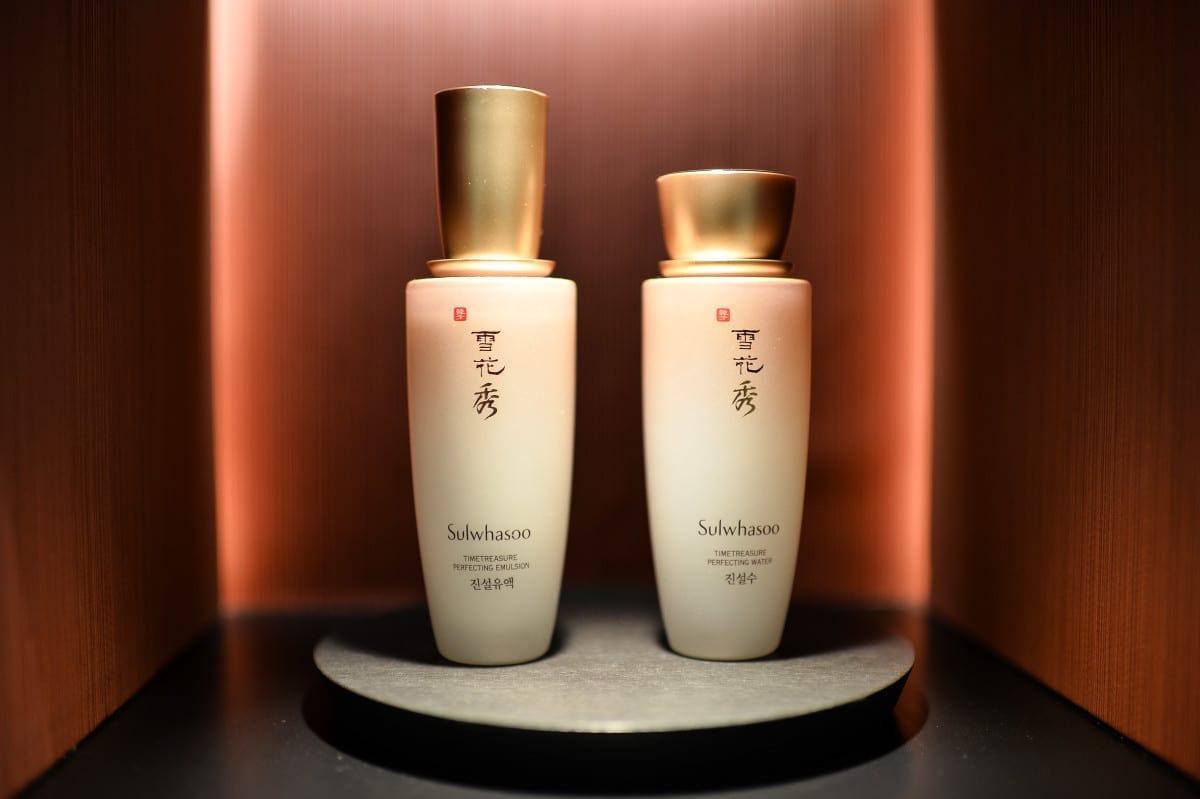
    It began selling its luxury Sulwhasoo brand of creams and other cosmetic products in Galeries Lafayette department store in Paris in September.

    Amorepacific Europe head Thierry Maman, hired in 2015 from the perfume and beauty arm of LVMH’s Givenchy, says the Paris outlet is a good testing ground.

    The group first tried to break into the French cosmetics market 30 years ago but withdrew after just two years because of poor sales. It bought French perfume house Annick Goutal in 2011.

    Maman says France is a tough market, but Sulwhasoo is betting on drawing customers with its traditional herbal-inspired formulas.

    Amorepacific’s European revenues, including Goutal, are less than €50 million (US$60 million) annually but are expected to rise by 20 per cent is year, he says.

    Sales were hit last year when diplomatic tensions with China cut back Chinese tourists to South Korea. Relations are now on the mend, but Amorepacific’s sales fell 8 per cent to about KW4 trillion (US$3.76 billion) in the year to September.

  • Ford India sales up 27% in December 2017

    Ford India sales up 27% in December 2017

    Ford India’s combined domestic wholesales and exports in December recorded 29,795 vehicles, compared to 23,470 vehicles in the same month last year, registering a growth of 27%.

    The company sold 5,087 vehicles in domestic wholesales, compared to 5,566 vehicles the corresponding month last year. Exports in December stood at 24,708 vehicles, against 17,904 vehicles a year ago.

    Ending the year with sustained growth, the combined domestic wholesales and exports in CY 2017 stood at 262,784 vehicles, compared to 238,098 units in CY 2016 – recording its highest production and wholesale volume ever.

    “The year 2017 saw the Indian automotive industry overcome challenges precipitated by the implementation of GST, increased inflation, after-effects of demonetization, rising crude prices and volatile regulatory environment to register growth,” said Anurag Mehrotra, president & managing director, Ford India.

    “At Ford, we remain committed to India as one of our most important markets, and are focused on the strategic pillars like strong brand, right products, competitive cost and effective scale, to build a profitable business.”

    Ford’s efforts on delivering differentiated customer experience and surprisingly affordable service cost continue to win customers. The introduction of several industry-first service initiatives such as service price promise and parts price promise are enabling Ford customers to know the exact costs of routine repairs, parts, and maintenance, even before they walk into a dealership.

    With two of its world-class plants, Ford continues to deliver on the Make in India promise with the commencement of KA+ exports to mature markets like Europe and New Ford EcoSport to North America.

  • SPH REIT’s net property income up, thanks to higher rents

    SPH REIT’s net property income up, thanks to higher rents

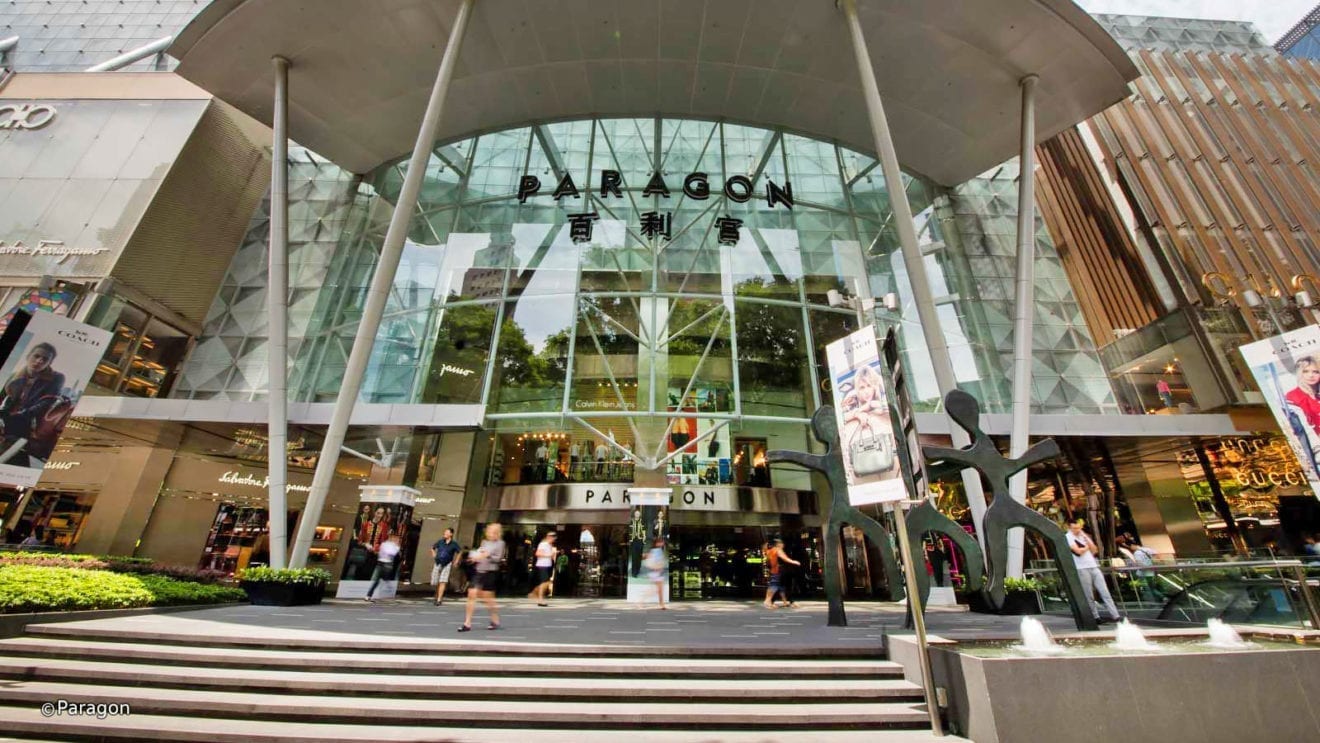
    Higher rental income has helped boost first-quarter turnover at SPH Reit, which owns two malls, Paragon in Orchard and The Clementi Mall in Clementi.

    Both properties continued their track record of full occupancy amid headwinds in the retail environment, says SPH Reit.

    Gross revenue for the quarter, to the end of November, grew 1.7 per cent to S$53.5 million (US$40.2 million), on the back of higher rental income, while net property income rose 1.9 per cent to $42.2 million.

    “In keeping with our long-standing philosophy of partnering tenants toward mutual success, the rental review for tenants takes into consideration occupancy cost,” says the group. “This will better position them to ride on the sales recovery since June.”

    However, there was a negative rental reversion of 10.6 per cent for Paragon’s new and renewed leases, which had mainly been committed 12 months earlier. This represented 4.4 per cent of the mall’s net lettable area.

    There was only one tenancy change at Clementi Mall, and the overall portfolio rental reversion – based on the weighted average of all expiring leases – was a negative 10.6 per cent for the quarter, compared with a positive 1.2 per cent for new and renewed leases last year.

    Meanwhile, SPH Reit Management CEO Susan Leng says the group has maintained its track record of 100 per cent committed occupancy and delivered steady performance. “The Singapore economic outlook has improved and retail sales have shown signs of recovery since June.

  • H&M to open its third store in Vietnam

    H&M to open its third store in Vietnam

    H&M Vietnam is opening its third store, at Ho Chi Minh City’s Vincom Mega Mall Thao Dien.

    The fast-fashion outlet will open on January 27 with limited-edition gifts for its first customers.

    The Swedish brand arrived in Vietnam four months ago, launching at Vincom Dong Khoi in Ho Chi Minh City. A second store followed at Vincom Mega Mall Royal City Hanoi, with more planned to open across Vietnam in the next two years.

    H&M has more than 4500 stores in more than 63 countries.

  • BlackBerry software to be used in Baidu’s self-driving platform

    BlackBerry software to be used in Baidu’s self-driving platform

    BlackBerry said on Wednesday it will collaborate with Chinese internet search firm Baidu Inc to tap the fast-growing autonomous vehicle market.

    BlackBerry, which has developed software QNX Hypervisor 2.0 to run complex computer systems in vehicles, said Baidu will use its software for its self-driving open platform, Apollo.

    “By integrating the BlackBerry QNX OS with the Apollo platform, we will enable carmakers to leap from prototype to production systems,” said Li Zhenyu, general manager of Baidu’s intelligent driving division.

    The automotive industry is one of the fastest-growing segments of the technology market, as automakers race to add more features toward building self-driving cars.

    As part of the agreement, BlackBerry and Baidu will also integrate Baidu’s smartphone integration software for connected cars and its AI system to run on the BlackBerry QNX Platform, the Canadian software maker said.

    U.S.-listed shares of BlackBerry were up 4 percent at $12.50 in premarket trade.

  • Asia Keeps Swiss Watch Recovery on Track

    Asia Keeps Swiss Watch Recovery on Track

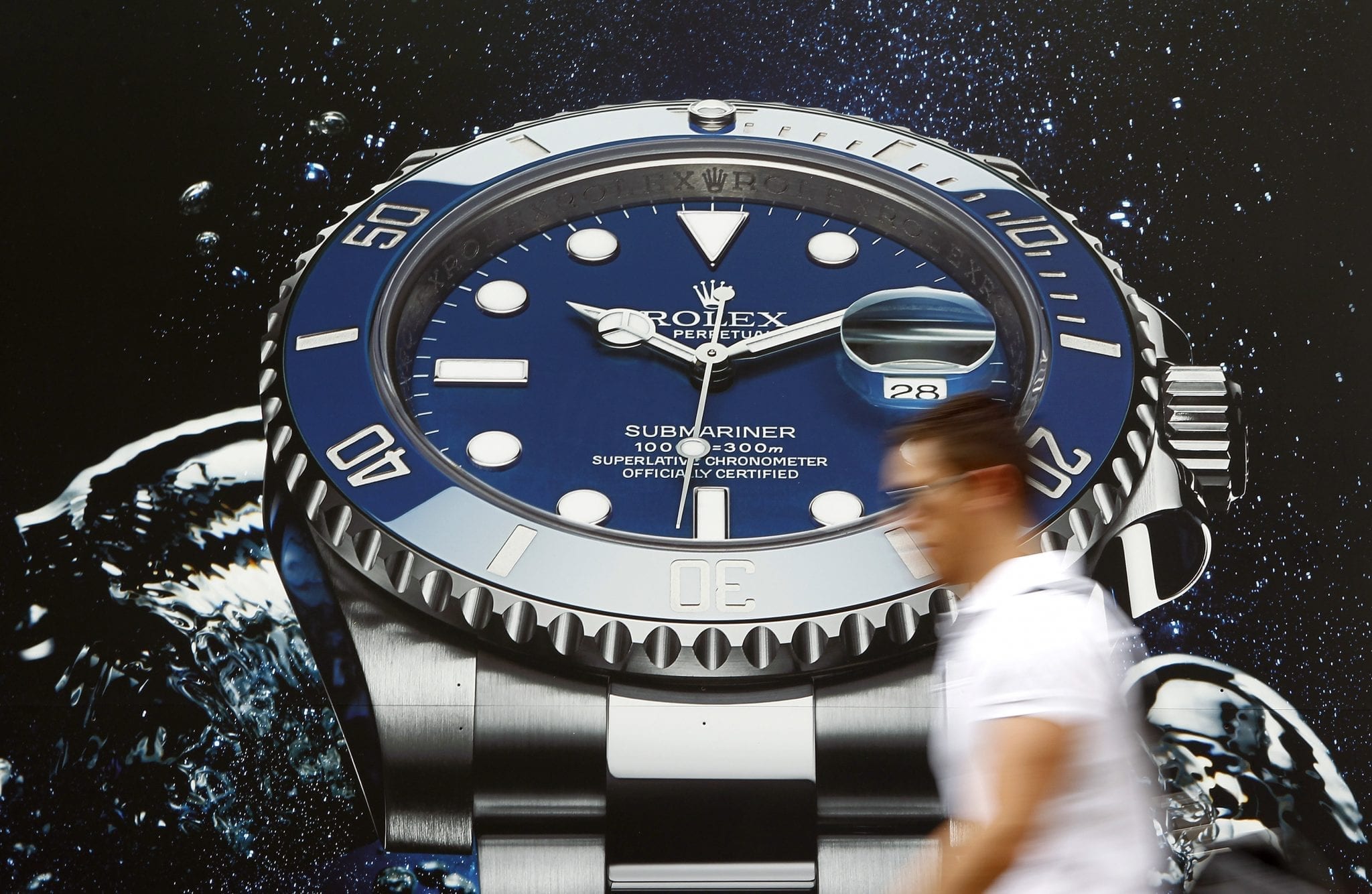
    China and Japan continue to grow as key markets for Swiss watches, reports the Federation of the Swiss Watch Industry.

    China had its strongest growth for 30 months at 39.8 per cent, while Japan, up 22.5 per cent, showed strong growth for the second month in succession.

    Hong Kong has confirmed its recovery with its eighth positive month, exports there rising 4.4 per cent, while exports to Singapore, Switzerland’s seventh-largest market, rose 10.6 per cent.

    Export growth has continued over the seven months to the end of November, says the federation. The total value of exports reached nearly FRF2 billion francs (US$1.9 million), equivalent to 6.3 per cent growth over the figure for the previous November.

    Electronic watch exports were down by more than 1 million units to 15.6 million, a drop of 6.3 per cent. By contrast, mechanical watch exports rose 4.6 per cent to 6.59 million pieces.

    All groups of materials shared in the value growth, in particular steel, up 7.9 per cent. While the other materials category grew 32.3 per cent, the number of pieces fell 1.1 per cent.

    Watches priced at less than FRF200 (export price) fell substantially in November, says the federation, while the other price segments advanced in terms of both value and volume. The FRF200-500 category had the best performance with growth, up 20 per cent.