Tag: asia

  • T2 opens Alibaba Tmall store

    T2 opens Alibaba Tmall store

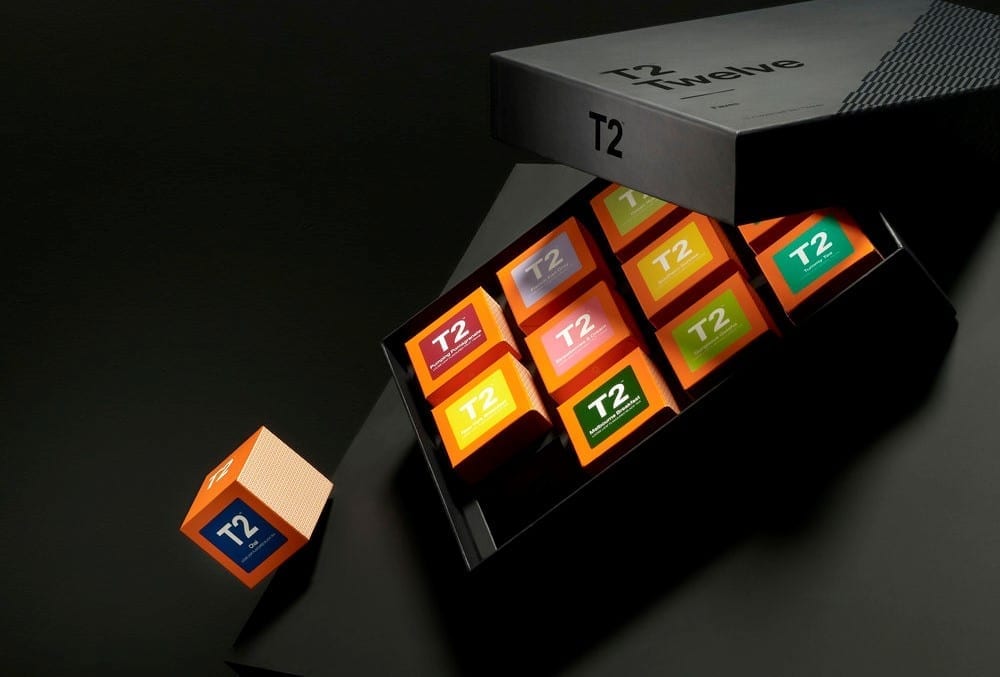
    Australian tea retailer T2 Tea has opened an online storefront on Alibaba’s Tmall Global marketplace to cash in on Chinese demand for Australian products.

    Tmall Global enables international brands to sell to Chinese consumers online, simplifying the export and retail process.

    A curated range of products will be available to Chinese shoppers at t2tea.tmall.hk including homegrown tea blends such as T2 Tea’s Bondi tea, which includes lemon myrtle and native berries.

    “It’s T2’s curiosity for taking the ancient tradition of tea culture in China and giving it a modern twist that we think is both intriguing and exciting for the Chinese consumer,” said Nicole Sparshott, T2 Global CEO.

    First launched in Melbourne 20 years ago, T2 now has 100 stores across five markets. It entered the Asia market in January 2017 and now has four stores in Singapore.

    “For a company that came from humble beginnings in Melbourne, launching on Tmall Global marks a key milestone in our mission to build a generation of tea lovers on every continent,” Sparshott said.

    According to Alibaba, more than 14,500 international brands from 63 countries and regions sell on Tmall Global. For more than 80 per cent of those brands, their Tmall Global virtual store was their first foray into the China market.

    The number of imported product categories on Tmall Global climbed nearly 50 per cent to 3,700 this year.

    “The opening of T2 Tea’s Tmall Global store reflects the growing diversity in demand for premium Australian products,” said Maggie Zhou. “We’re excited to be working with such an iconic Australian brand to help them expand on the success they’ve already seen in Australia.”

    So far there are 1,300 Australian and 400 New Zealand brands on Tmall and Tmall Global. The Chinese demand for Australian products was demonstrated during the company’s 11.11 sale last month.

    Australia recorded its best performance to date ranking as the third highest selling country (outside of China) behind the United States and Japan. Last year, Australia ranked fourth, and fifth in 2015.
  • Malaysia sees mobile commerce boom as mobile payments become widely available

    Malaysia sees mobile commerce boom as mobile payments become widely available

    Malaysian people’s love for mobile shopping has led to more transactions generated on mobile platforms.

    The data compiled from Malaysia’s three major online marketplaces — Lazada, 11street and Shopee — revealed that 70 percent of the online transactions on Single’s Day and MyCyber sales were done through mobile devices, said iPay88, a leading regional payment gateway provider in South East Asia.

    MOBILE USERS GROWING

    “Mobile users are growing faster than our anticipation, we expect the momentum to continue,” Ipay 88’s executive director and co-founder Chan Kok Long told Xinhua in a recent interview.

    According to Malaysian Central Bank, there are 42.8 million mobile phone subscriptions in Malaysia currently. Meanwhile, smartphone penetration stands at 70 percent and it is expected to increase.

    In view of the growing mobile phone user base and more friendly mobile applications, Chan said the transactions generated on mobile platform will account for 60 percent of the total before climbing to 70 percent in the next two years. Last year, the ratio stood at 50 percent, he said.

    MOBILE PAYMENTS’ CONTRIBUTION

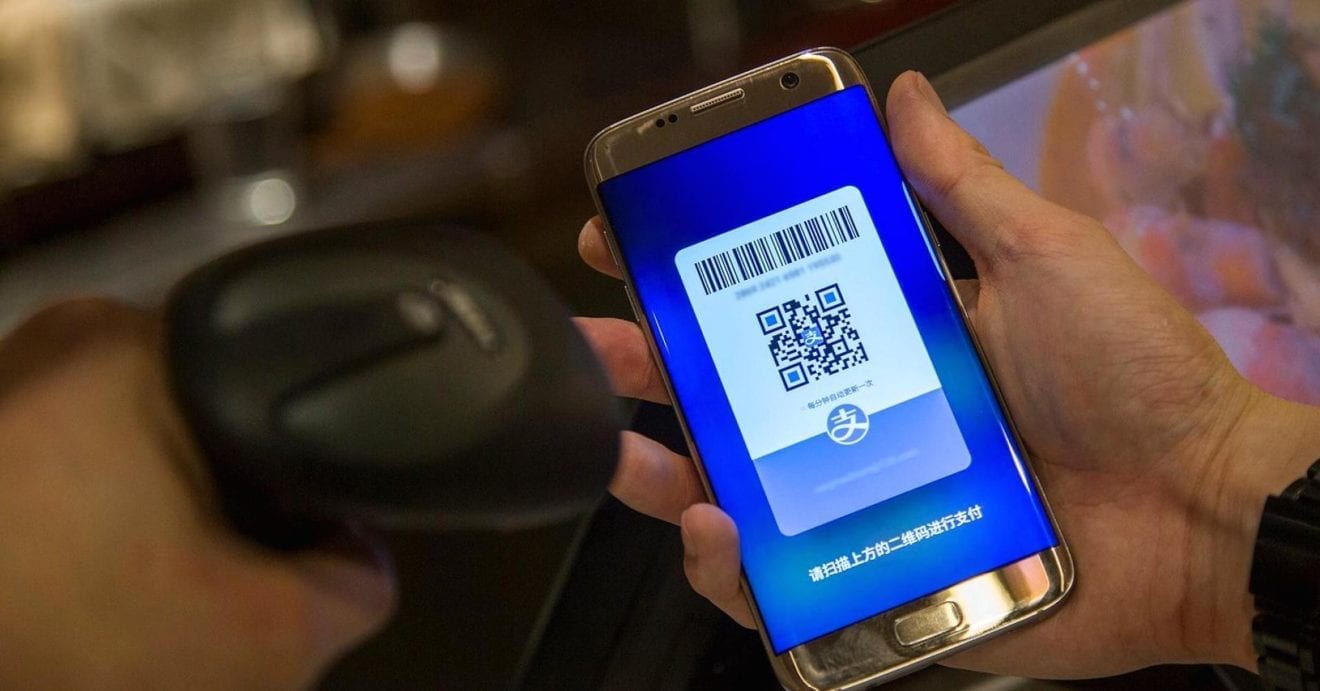
    Another key driver is the introduction of mobile payment, which several banks are looking to launch Quick Response (QR) code-wallets that enable payment to be done in an easier way.

    IPay88 is currently the payment gateway market leader in Malaysia, accounting for 60 percent of Malaysia’s online payments system transaction.

    Chan also believed the two major Chinese online payment companies — Alipay and WeChat Pay — making their ways into Malaysia e-payment segment, could potentially double the online transactions.

    “When you see m-commerce growing tremendously, the next thing will be mobile-wallets. It is no doubt that they (the two Chinese players) will contribute a lot to the online transactions in Malaysia going forward,” said Chan.

    Cited Alipay as an example, he said, the retail transaction volume has grown robustly since it was launched four months ago.

    “Although Alipay is new in Malaysia, the growth potential is tremendous because of the increasing Chinese tourists in Malaysia,” Chan said, adding that more Malaysian retailers have to adopt the payment system as they are also afraid of losing competitiveness in dealing with Chinese tourists.

    Chan also sees great potential from WeChat Pay, which will be unveiled in Malaysia next year, as it has 20 million WeChat holders in Malaysia and 600 million active users in China.

    Earlier this year, Alipay, a unit of Alibaba affiliate Ant Financial, has inked agreements with Malaysian banks for the rollout of its service this year.

    Its competitor, WeChat Pay by Tencent Group, was then granted an e-payment license in Malaysia and planned to unveil its service in early 2018. Since then, it has secured Hong Leong Bank as its partner for the service.

    The payment gateway provider that has presence in other Southeast Asian countries, also sees Malaysia ahead its peers in embracing cashless payment.

    This is due to Malaysia’s strategic position with decent population and better infrastructure, in addition to the Malaysian government’s encouraging policies, Chan said.

    “Malaysians are more ready than its counterparts in the Association of Southeast Asian Nations, also because of the Alibaba-led Digital Free Trade Zone, which is expected to drive the country’s e-economy,” Chan said.

  • Espoir introduced new concept store ‘Make-up Pub’ in Seoul

    Espoir introduced new concept store ‘Make-up Pub’ in Seoul

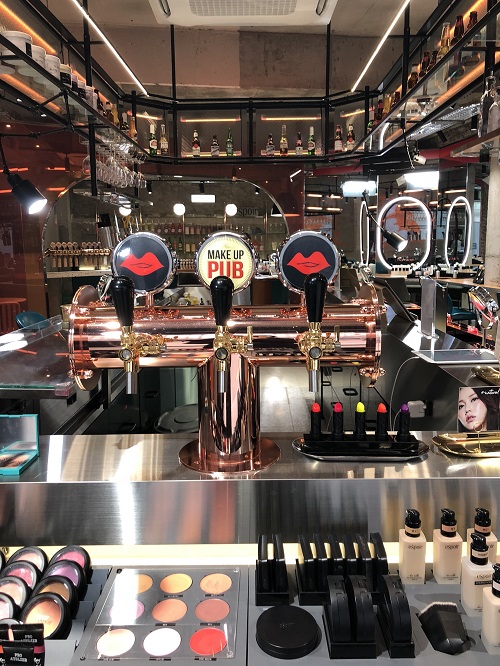
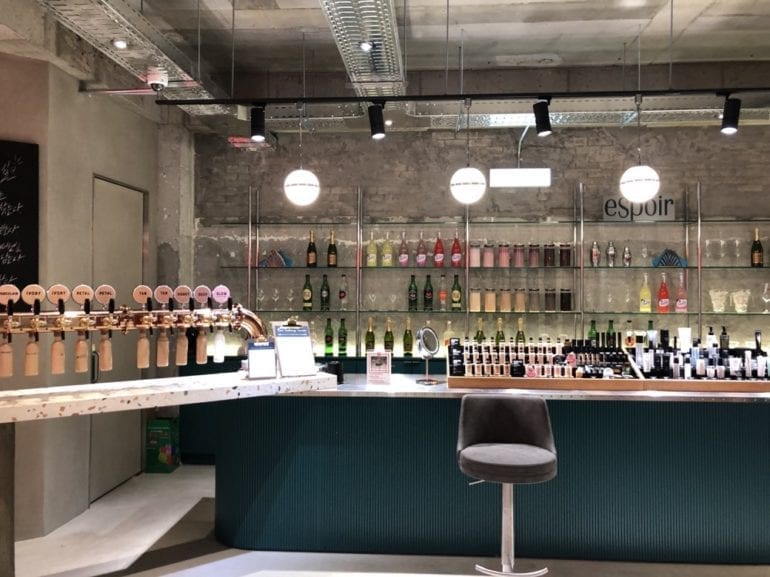
    The cosmetics brand ‘Espoir’ introduced a new concept store ‘Make-up Pub’ reminiscent of draft beer house.

    Eespoir, a professional makeup brand, opened the first make-up pub concept store in Hongdae in November under the concept of Lively, Free like a lounge pub.

    The newly launched ‘ Espoir Makeup Pub’ Concept Store is the first concept store designed for the millennial generation that pursues an enjoyable makeup experience.

    In this concept store, Espoir’ has provided special services that can only be experienced at the Hongdae Makeup Pub, as well as the best products that have been recognized for its superior product quality.

    Espoir to introduce new concept store 'Make-up Pub' in Seoul 2

    The make-up pub, which opened in Donggyo-dong, Mapo-gu, Seoul, is filled with a variety of ll items commonly found in draft beer, just like its name suggests.

    There are many different colors of foundation on the nozzles where cool draft beer comes out and a variety of color cosmetics on the cutting board.
    On the other hand, staffs with color charts like menus will find the perfect color for consumers.

    This concept store provides exotic spaces and a differentiated service so that anyone who wants to change freely visit and experience brand.

    As soon as customers enter the store, the color mix bar captures their attention with its gorgeous neon lights. It is a space where anyone can enjoy the ‘Hot Colors’ mix performance that the artist suggests and mix colors directly.

    The Face Tailoring Zone, reminiscent of draft beer machines, provides professional consulting for customers to fine right color and texture for their skin.

    Apart from that, there is a mirror room where customers can put on self-makeup by themselves and have make-up service from professional makeup artists without making advance reservations. A variety of samples and beverages were provided free of charge to all visitors.

    Meanwhile, in order to commemorate the opening of the concept store, the brand has presented with a special coaster with the ‘Make UP PUB’ logo.

    Espoir official said “here is the ‘Make-up Pub’ where customers can find the best color and choose the best color cosmetics.” “We will have more ideas and provide good products to meet customer’s expectations.

  • Cole Haan Thailand opened Bangkok flagship

    Cole Haan Thailand opened Bangkok flagship

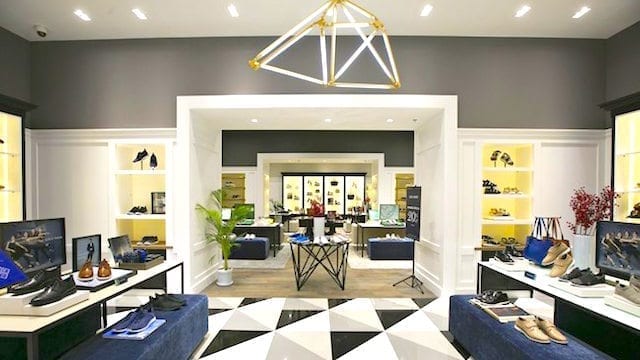
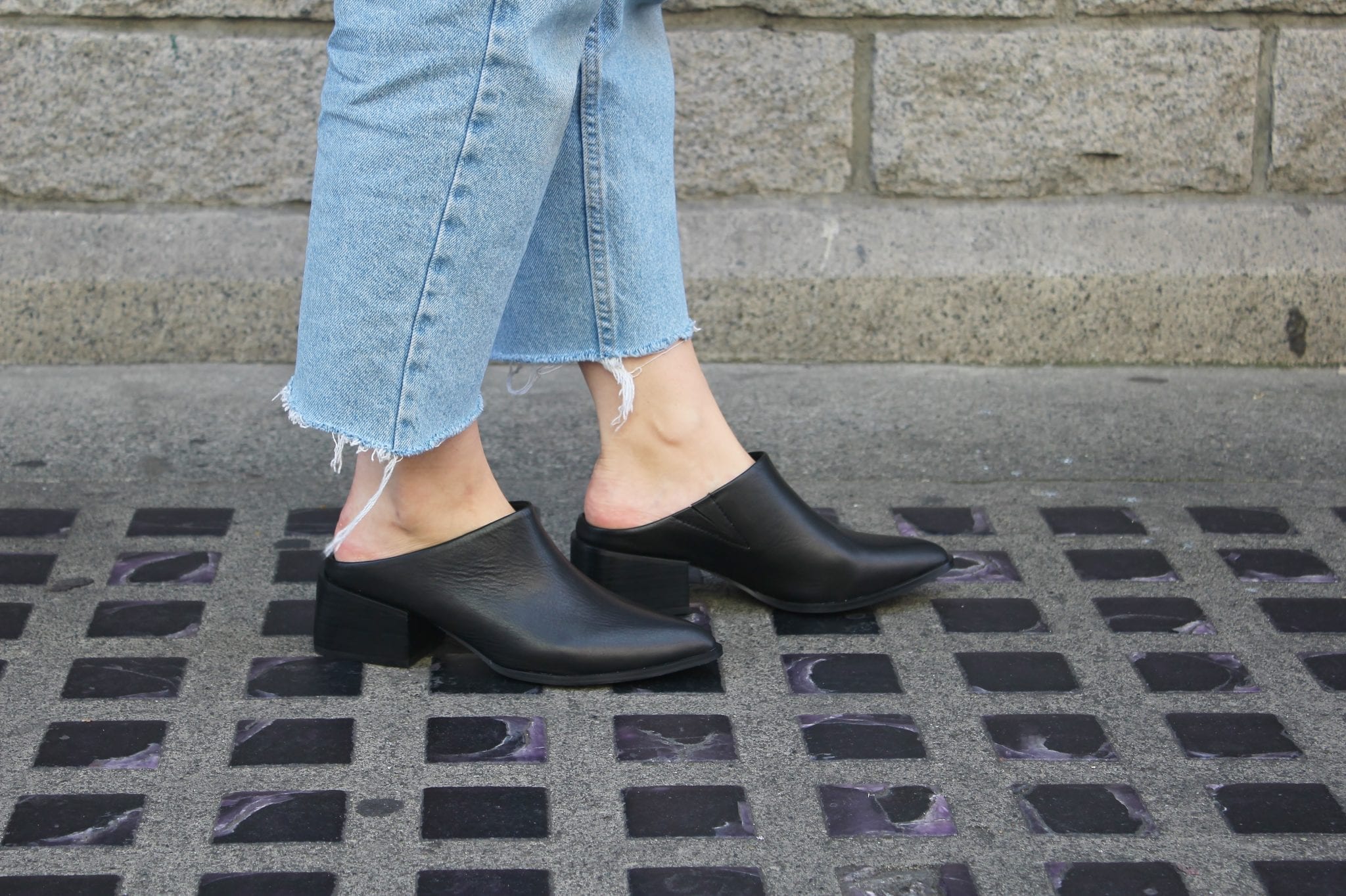
    Continuing its international expansion with its Southeast Asian partner Star360, based in Singapore, footwear brand Cole Haan Thailand has unveiled a flagship at CentralWorld in Bangkok.

    Drawing inspiration from a home, the store comprises a series of rooms that showcase its lifestyle products and allows for more footwear and accessories to be displayed than is available in other other locations in Thailand’s capital.

    Over the past three years the US brand has established itself in more than 40 markets, including the Asia Pacific.

    Its Bangkok opening comes as the brand is ramping up its marketing with its Extraordinary Women, Extraordinary Stories campaign featuring Christy Turlington Burns and Karlie Kloss, photographed by Cass Bird.

  • Melt Shop Signs First SEA Franchise Agreement

    Melt Shop Signs First SEA Franchise Agreement

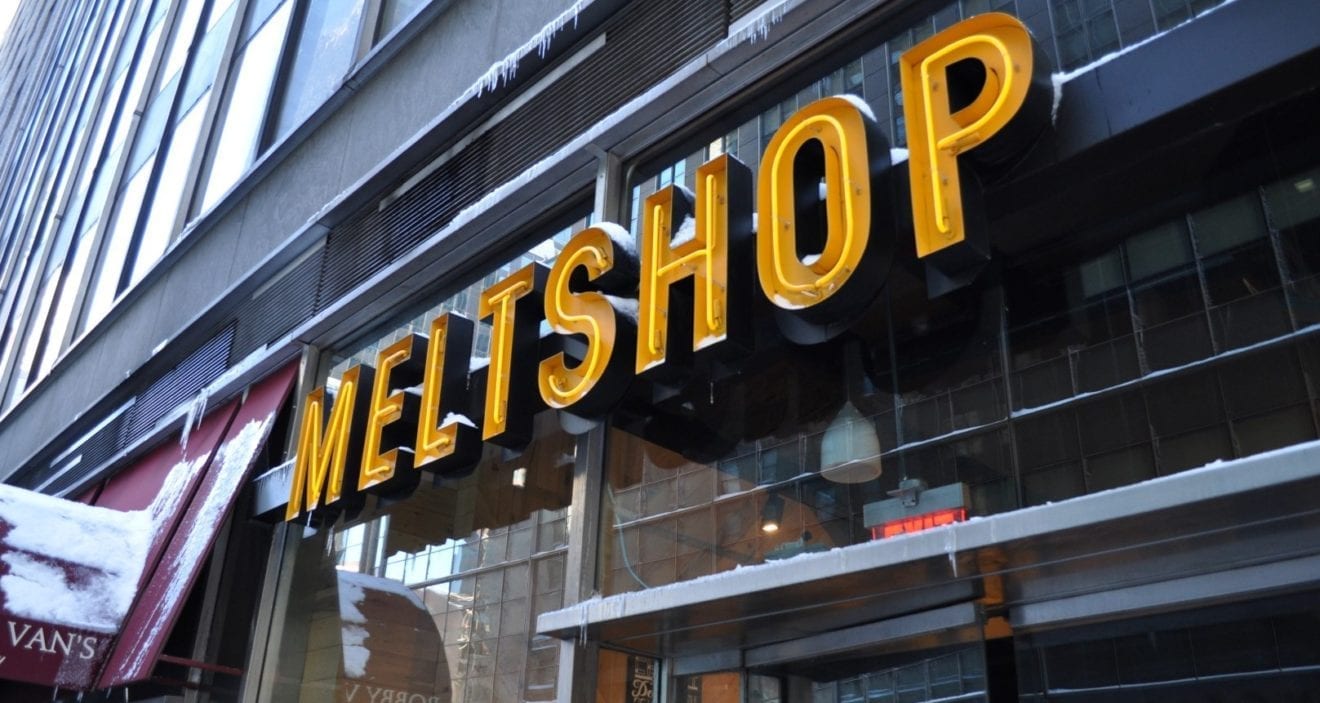
    Melted sandwiches are about to take on the world, including Southeast Asia, according to the directors of US franchise chain Melt Shop.

    Founder/managing partner Spencer Rubin believes the company is perfectly positioned to begin franchising internationally after expanding into the Middle East.

    Melt was established in 2011 and now has eight corporate locations in New York, Philadelphia, and Minneapolis. Parent company Aurify Brands is a hospitality-focused business founded by multi-unit franchisees, and its plans for the Melt Shop include a global target of more than 100 locations over the next five years.

    “Melt Shop has spent the past six years perfecting our brand and business model,” says Rubin. “The timing is right to take our New York-born fast-casual concept to the world.”

    He says the company sees immense potential to grow through franchising, and is targeting experienced multi-unit franchisees who have restaurant and hospitality experience.

    “Keeping the integrity of the Melt Shop brand is important to us. We will have dedicated operators overseeing the day-to-day running of our international locations. An intense and all-encompassing training program will also ensure no steps are overlooked.

    “We strongly believe in compliance, and it is important we find partners who are dedicated and passionate about the Melt Shop brand. All locations will follow the same processes and quality standards, and we’ll do everything to make sure it is consistent across every location.”

  • Who are the new muses for cosmetic brands?

    Who are the new muses for cosmetic brands?

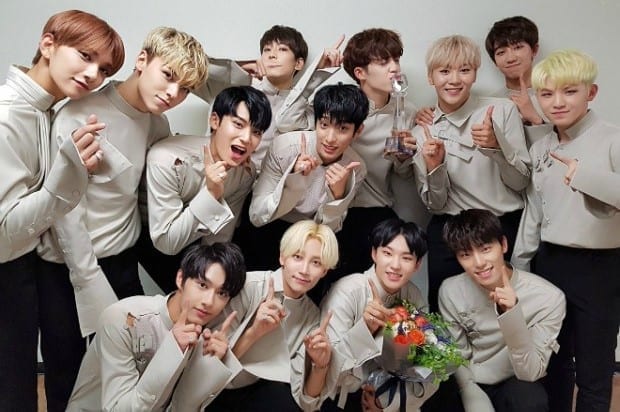
    An idol group “Seventeen” was  recently selected as a cosmetic model for another brand. The cosmetic brand ‘TheSaem’ said it has chosen the idol “Seventeen” as a new global eco-star.

    Seventeen will be working on a variety of product lines including the Global Eco Brand Identity as well as the Skincare Urban Eco Series.

    Official sources said, “‘Seventeen’ has been loved in Korea and abroad because it is a pure and cheerful boy-like image. Therefore, it matches the image of the global eco-brand ‘TheSaem’”.

    Meanwhile, Seventeen is an idol group with talented production capacity, which is known as a self-produced idol, and it has fans not only among the teens but also among the 20s and 30s.

    In addition, singer and actress Soo Ji will become a new model of global beauty brand ‘Lancome’.

    An official source said for the beauty brand Lancome that Soo Ji will act as a new model of Lancome after actor Kim Go-eun. Lee said, “Suji is an artist who constantly faces new challenges in both music and acting, and her dignified and beautiful appearance has been chosen as a new model for Lancome, in line with the brand value of cheering for the true happiness of women.”

    Sources confirm that Soo Ji finished her photo shoot with Lancome in Australia last month and plans to continue her career as a full-fledged brand model in the near future.

    Soo Ji posted Lancome cosmetics model picture on her own instagram on the same day and made a lot of efforts to promote it. The photo shows 315,354 “Likes” in nine hours.

    Soo Ji was a long-term model of LG Household & Healthcare’s The Face Shop since April 2013, which has contributed greatly to brand recognition and sales.

  • Ermenegildo Zegna presents a multisensory experience

    Ermenegildo Zegna presents a multisensory experience

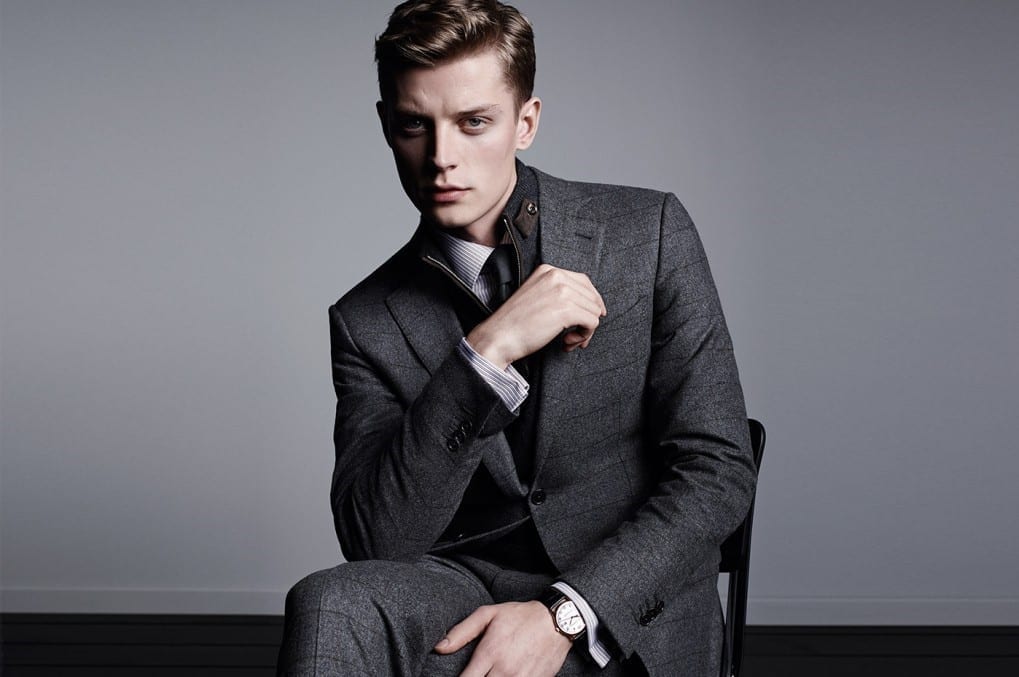
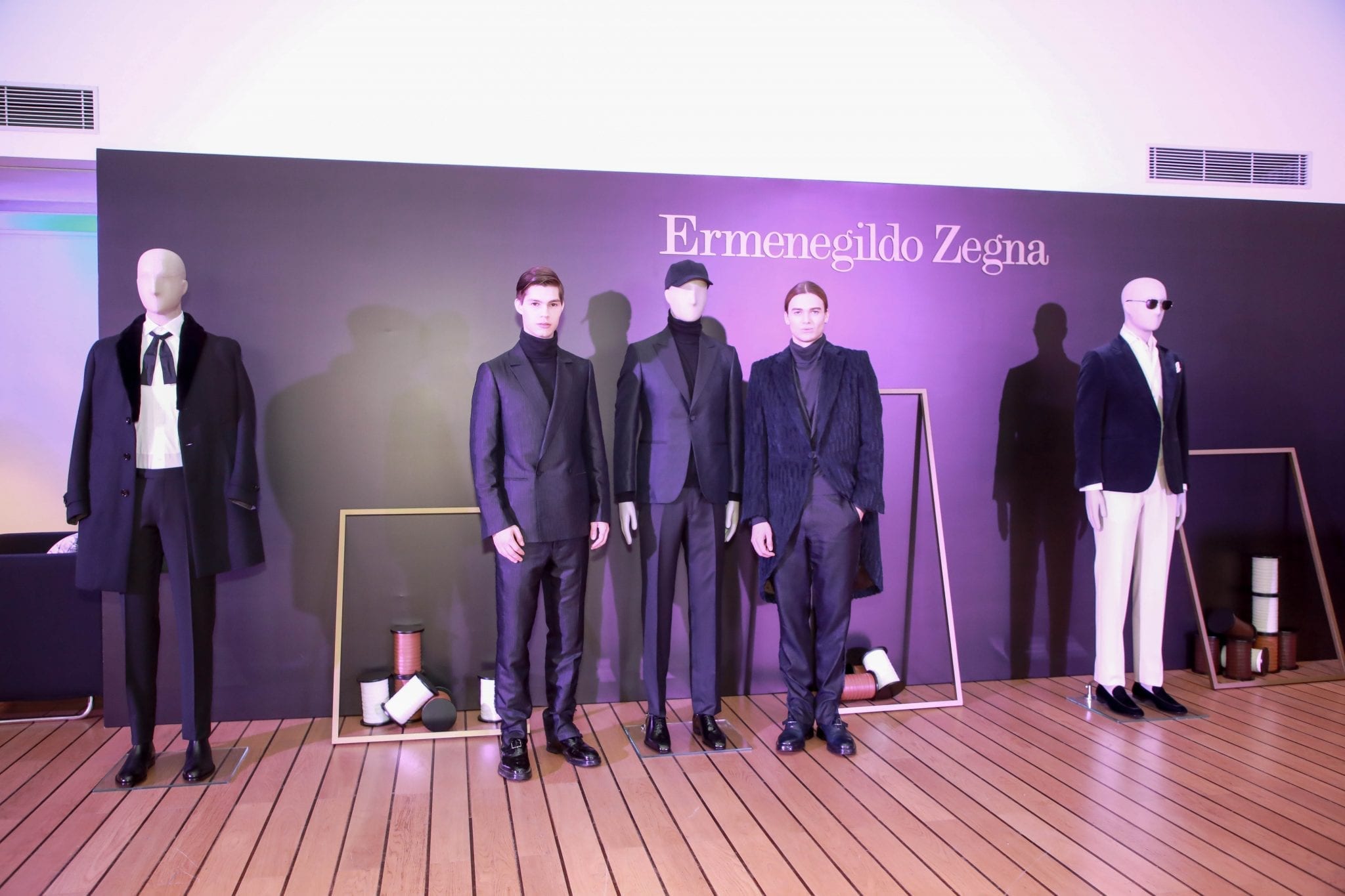
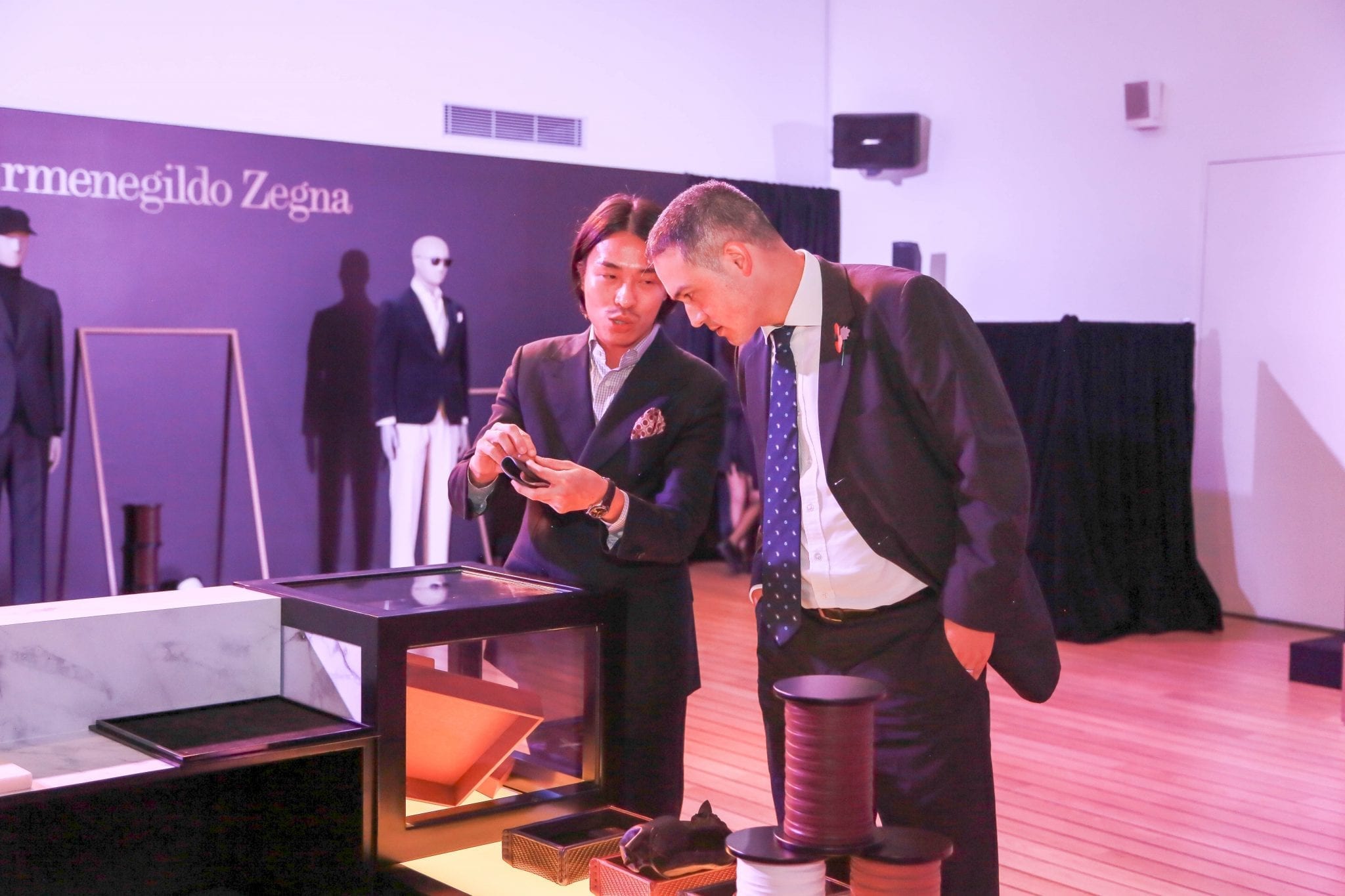
    Ermenegildo Zegna, one of the most luxurious  Italian fashion houses for modern gentlemen, hosted an experiential cocktail event “Crafting Modernity” at the Hong Kong  Maritime Museum.

    The event was an interactive, multisensory celebration where guests were guided through an intimate look into Ermenegildo Zegna’s creativity and artisanship, as well as their latest offerings – from the iconic PELLE TESSUTA Leather Collection, to the new arrivals of Zegna Toyz Collection which is also exclusively made in PELLE TESSUTATM.

    Renowned actors Sean Lau and Moses Chan joined the evening to share some of the key defining moments in their life that have made them who they are today. Both embody the mature elegance of the sophisticated gentleman, their successes mirror Ermenegildo Zegna’s continuous pursuit of excellence and innovation.

    Up and coming singers Tim Wong and Alfred Hui also joined the event to provide a dynamic equation to the evening, as their contemporary music reflects the spirit of modern young men today.

    Undoubtedly though, the star of the show was the brand’s PELLE TESSUTA collection. Famous for its premium fabrics, Ermenegildo Zegna has taken leather to a new level, and the PELLE TESSUTA collection is the latest innovation, replicating the traditional method of weaving cloth to recreate precious fabric using extremely thin strips of select nappa leather.

    The Zegna Toyz Collection, which was officially launched in Hong Kong at the event, features a wide range of home, travel and gaming products all made in PELLE TESSUTATM. The items are dedicated to the modern man for three different moments of his life: “Essential” is a collection of small leather goods for the gentleman’s business life and includes, among other things, a coin case, a business card case and a sunglasses case. “Toys” is a selection of leisure and entertainment travel games, which includes a domino set, a playing card set and a game cube. The “Technological” offer consists of a series of multimedia accessories, such as headphones and turntable, created in collaboration with Master & Dynamic, the premium audio brand known for its sophisticated sound tools.

    At the event multisensory experience was created to stimulate the senses and guide each guest to connect with the brand on a deeper level and to truly experience and appreciate the innovation of the PELLE TESSUTA and the Zegna Toyz collection. Guests were invited to record a personalised audio message that can be immediately stored and also realized in a soundwave art on a plastic card, and when given to a loved one, can be played back by scanning the QR Code on the card face.

    Another highlight of the evening was  the headphone and vinyl record player created through a special collaboration with Master & Dynamic, resulting in a beautiful set of  top-of-the-line music gear that stands out with its timeless design that is both elegant in its lines and sophisticated in its bearing.

    To celebrate the collections, award winning bartender James Barker tailor –made 3 different signature cocktails inspired by Ermenegildo Zegna and its latest collections.

  • Alibaba all set to put $300 million in BigBasket

    Alibaba all set to put $300 million in BigBasket

    Chinese e-commerce giant Alibaba Group Holding plans to invest about US$200 million in India’s online supermarket Bigbasket.

    This leads a $280 million funding round and would give it a stake of about 25 per cent in the startup, insiders say. The deal is awaiting approval from the Competition Commission of India.

    Based in Bangalore, the grocer has previously had investment discussions with Amazon.com, which was given government approval this year to invest $500 million into food retailing. Founder Jeff Bezos has said he will invest $5 billion in India.

    Meanwhile, Alibaba has invested in One97 Communications, which runs digital payment and e-commerce businesses.

    Owned by Innovative Retail Concepts, Bigbasket has TV commercials featuring Bollywood actor Shahrukh Khan. The company offers delivery in more than 25 cities and offers 18,000 products from 1000-plus brands.

  • Leading Australian Label Sol Sana Enlarges Footprint in Asia

    Leading Australian Label Sol Sana Enlarges Footprint in Asia

    Australian women’s leather footwear label Sol Sana is seeking investment partners in Asia to support its international expansion.

    The company has appointed R3D Global as its strategic investment relations adviser and aims to secure further distribution networks and sales agents in Asia.

    It has also appointed Primer Group of Companies to manage its distribution into the Philippines, and already has distributors in China, Japan and South Korea.

    “We have seen a growing demand for our footwear over the past few years in Asian markets,” says CEO Michael Shandler. “The time is right for us to bring in new partners to help take our brand to the next stage of development. Our continued expansion to Asia is key to the company’s continued international strategy.”

    He says Sol Sana plans to double its sales in Asia in the next three to five years through both online and retail stores.

    Founded six years ago, Sol Sana has a focus on minimal designs, craftsmanship, leathers and environmentally friendly materials.  As well as online, its footwear is available in departmental stores such as Bloomingdales and Nordstrom in the US, Robinsons in Singapore and Harvey Nichols in Hong Kong, as well as independent retail stores.

    With a presence in 22 countries, the brand earlier this year appointed sales agents in five European countries.

  • E-commerce trend as highlight at Luxury China report

    E-commerce trend as highlight at Luxury China report

    Luxury brands have started embracing e-commerce in China, says the Luxury China report released by digital marketing company L2.

    It says 91 per cent of luxury brands in China had gone online by June last year, more than double the 43 per cent using e-commerce 12 months earlier.

    This comes as Chinese millennials and generation Z are set to become the dominant driver of luxury consumption over the next decade, according to the 2017 Chinese Luxury E-Commerce Whitebook report from high-end e-commerce platform Secoo and data company Tencent.

    The average age of the online shopper of luxury goods in China is now 25, 15 years younger than the average age of European luxury consumers, and 20 years younger than those in the US. These young consumers are stepping up their buying of minority brands – as opposed to high-profile labels – in a quest for more personalised and less mainstream experiences. For example, the streetwear trend has gradually become more mainstream, leading to more young people embracing such brands as Supreme and Vetements.

    “Consumers are no longer too loyal to one specific brand, but want luxury brands that speak for themselves,” says a Deloitte global luxury consumption survey about millennium consumers. “They are more willing to pay attention to trendy brands with stories.”

    Secoo has announced partnerships with niche brands including Corto Moltedo, Maison Kistune and Mr&Mrs Italy, which has been popularised by a South Korean TV series. Corto Moltedo is known for its entirely handmade bags.

    Corto Moltedo and Mr&Mrs Italy have signed exclusive co-operation agreements with Secoo, and all their collections are sold simultaneously across the world at the same prices.

  • K-beauty eyes Middle East

    K-beauty eyes Middle East

    The political tension between Seoul and Beijing has eased after a summit between the two leaders during the APEC Summit, but K-beauty companies are diversifying their overseas operations instead of returning to the Chinese market.

    Supermarket chain E-mart said  that it has signed a franchise deal with Saudi Arabia’s largest retailer Fawaz Alhokair. Under the contract, E-mart is set to sell its cosmetic brand Sentence at Fawaz Alhokair shopping malls.

    Fawaz Alhokair operates 21 shopping malls in Saudi Arabia, and E-mart said it will open one Sentence store in the Riyadh and Jeddah malls by March. Another four more stores are expected to be opened by the end of 2018.

    The nation’s largest cosmetic company AmorePacific also plans to open its first Middle Eastern store in the United Arab Emirates in January while preparing to open others in Saudi Arabia and Kuwait.

    AmorePacific signed a partnership deal with the Middle East’s largest retailer Alshaya Group.

    LG Household & Healthcare has already entered the Middle Eastern market. It now operates more than 60 The Face Shop stores in Saudi Arabia while another K-beauty brand Tonymoly has opened five stores in the country, including two in Jeddah and one in Riyadh.

    Market researchers say their surging interest in the Middle East is attributed to the market’s growth potential.

    London-based consultancy Euro Monitor said the Middle East cosmetic market was worth 19.5 trillion won (US$18 billion) in 2015 but is expected to reach 39.1 trillion won by 2020. The figure is double the average growth rate of the world’s cosmetic market.

    Likewise, Korean cosmetic firms’ exports to the market have soared.

    According to KOTRA, Korean firms exported only 150 million won worth of cosmetic products to the Middle East in 2008. The figure, however, jumped to 40.1 billion won last year, a 265-fold increase over eight years.

    “The cosmetics market in Saudi Arabia has grown 10 percent a year on average for the last decade. This is one of the most rapidly growing cosmetic markets in the world,” an E-mart official said.

    “Korean cosmetic products are expected to enjoy good sales there thanks to booming Hallyu popularity.”

  • Find Out ‘It’  Winter item in Korea

    Find Out ‘It’ Winter item in Korea

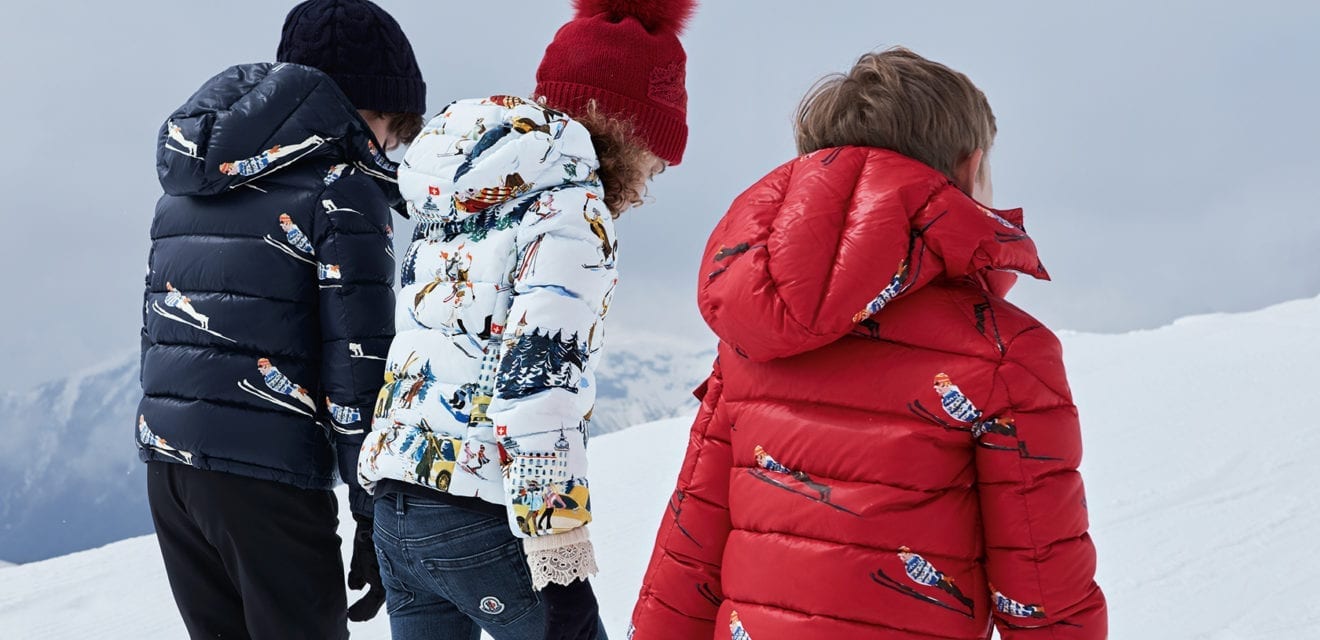
    Choosing the right padded jacket — this winter’s ‘it’ item — is a much more complicated task than one may think. It is not just design and color, but the type of insulation also has to be decided — goose, duck or synthetic materials, as well as their composition ratios, waterproof or not and even the overall weight.

    For many South Koreans, however, it all seems to come down to a choice between luxury and cost-effective alternatives.

    On the high-end side, with brands like Canada Goose, Nobis, Herno and Moncler, the jackets are priced at well over 1 million won (US$920).

    As for Moncler, the retail prices of long padded jackets for women hover around 2-3 million won. But some of the popular models have been sold out since summer and there’s a long waiting list still, an employee at a Moncler shop in Seoul said.

    The passion for the French fashion brand is high, as a growing number of people are purchasing online instead and have them delivered directly from Europe.

    “The price is 20-30 percent cheaper,” said Oh Su-hyun, who bought a Moncler coat this year via a Paris-based online shopping mall.

    “It cost me around $1,800, including tax. But I think it as an investment. Winter is long and you can wear it for many years because it’s Moncler.”

    More cost-conscious consumers have turned to more affordable options, chief among which is the PyeongChang Winter Olympic official down jacket, which was offered only in limited numbers.

    High-performance yet stylish and affordable, the PyeongChang coat has become an instant top seller.

    Since its launch on Oct. 26, people have been lining up for the coat which costs 149,000 won. But no more jackets are available now as the 300,000 pre-ordered items are completely sold out. The coats were manufactured by a local company in request by the nation’s retail giant Lotte, a licensed partner to the PyeongChang Olympics, to commemorate the global sports event.

    Some of the coats are being traded online, with a mark-up of 2-3 times the original price.

    The long padded coat craze seems to have led to an overall increase in winter coat purchases.

    According to Lotte Department Store, the sale of winter clothes surged 70 percent this month, while other retailers Hyundai and Shinsegae saw sales growing 12.7 percent and 13.4 percent, respectively.

  • Heineken Partners With A Bathing Ape For Its Capsule Collection

    Heineken Partners With A Bathing Ape For Its Capsule Collection

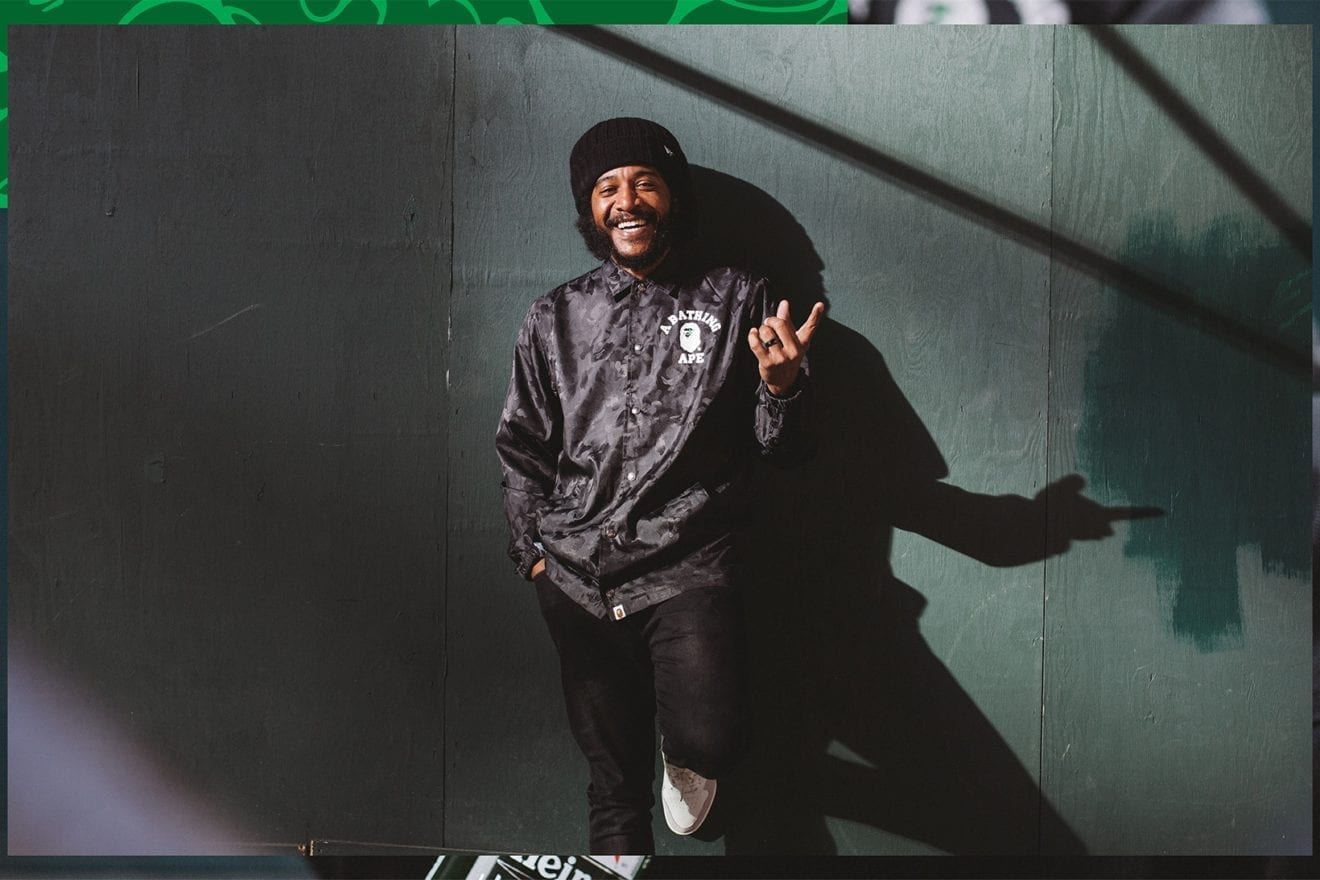
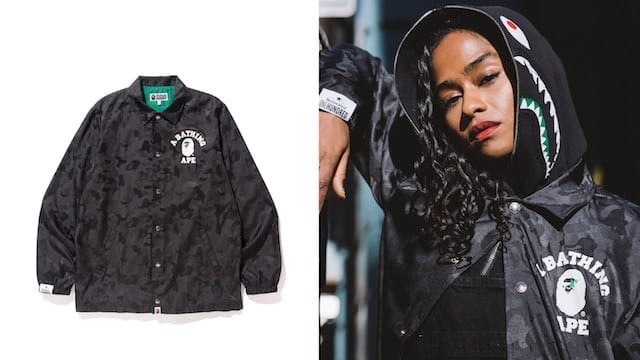
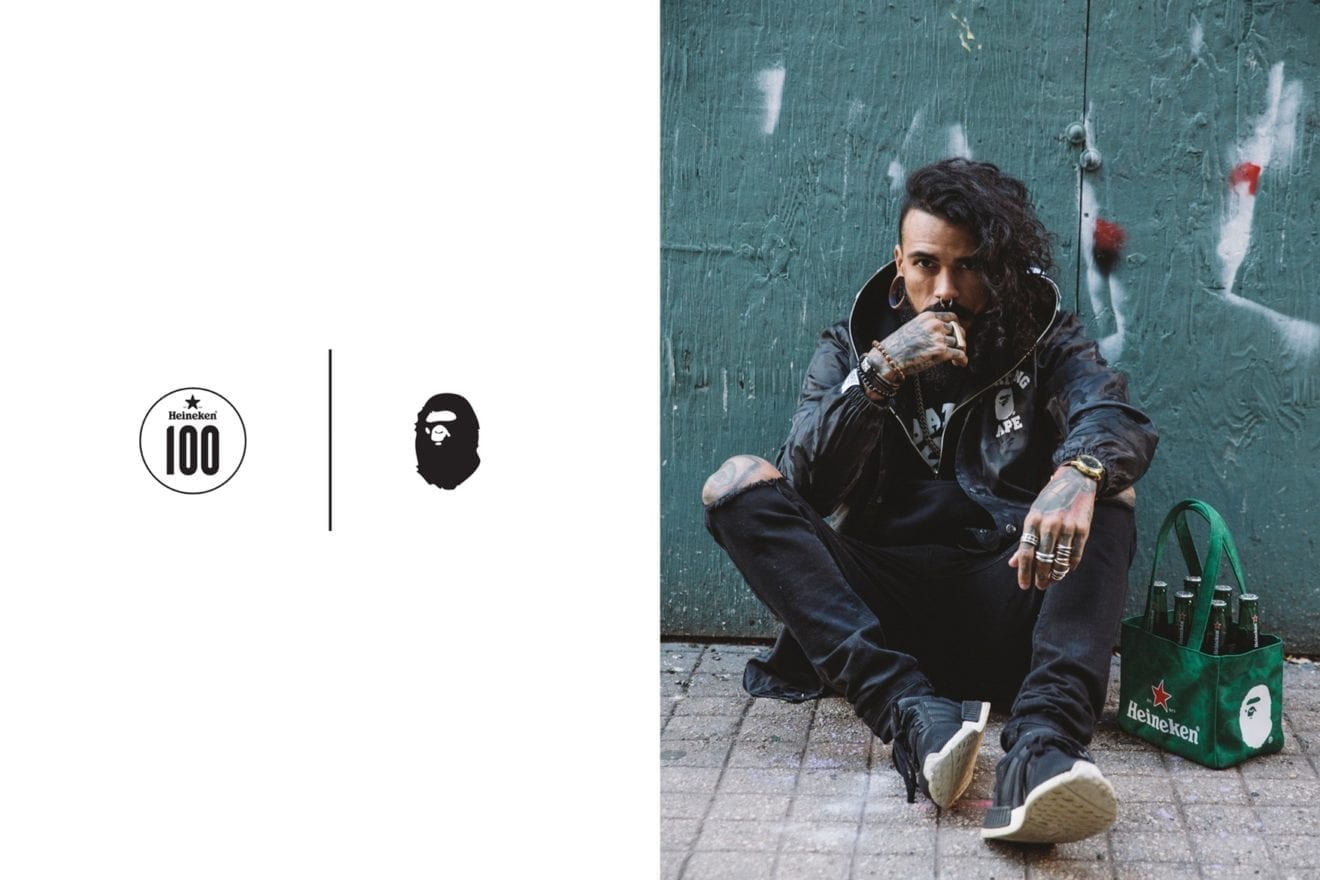
    Hong Kong-owned A Bathing Ape has been chosen by brewing giant Heineken as its partner for this year’s #Heineken100 program, its eighth collaboration with a retail fashion brand.

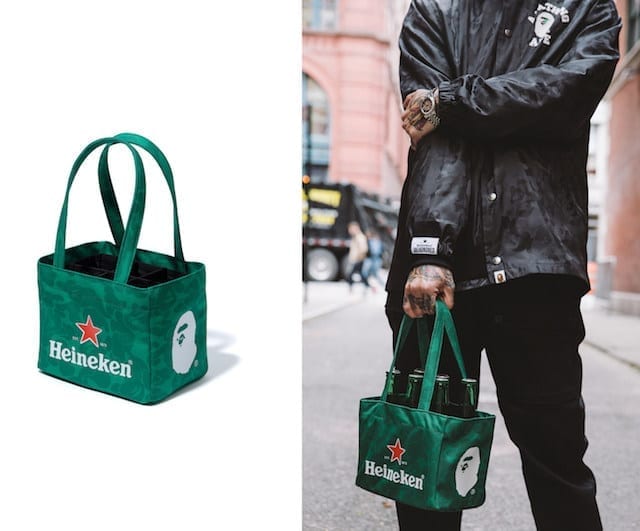
    The two companies have created a capsule collection of four co-branded fashion items: a hoodie, coach jacket, t-shirt and a six-pack bottle carrier.

    Unlike previous years – when the creations were gifted only to the 100 most influential beer drinks around the globe – this year consumers can buy the merchandise at a one-day only popup in New York. The store will be open in Japanese gastropub Izakaya in Manhattan’s East Village neighborhood in New York on Tuesday (December 12).

    Last year, Heineken collaborated with luggage brand Tumi to create a series of essential travel products. Other previous partners include Public School, Garrett Leight, Union Los Angeles, Parabellum, Mark McNairy, Kith and Neighborhood Japan.

    “The goal of the #Heineken100 program has always been to connect the brand with people who drive culture forward,” said Coltrane Curtis, founder and managing partner of Team Epiphany, the marketing agency behind the initiative. “This year, we listened to the fans. By opening up #Heineken100 to New Yorkers, we’re able to directly engage with consumers in one of the most influential cities in the world.”

    “This year’s #Heineken100 campaign brings together two brands with global ubiquity, whose consumers have a taste for luxury and innovation,” added Raul Esquer Lopez, Heineken USA brand manager. “We’re thrilled to partner with Bape, an iconic brand that shares a history of inventiveness through creating highly-aspirational imports for the man of the world.”

    The half-zip pullover hoodie will sell for US$399, the camo coach jacket for $413, the t-shirt for $112 and the cooler for $115. All feature dual branding.

    Bape is owned by Hong Kong’s I.T. Group.

  • Louis Vuitton launches its Facebook chatbot

    Louis Vuitton launches its Facebook chatbot

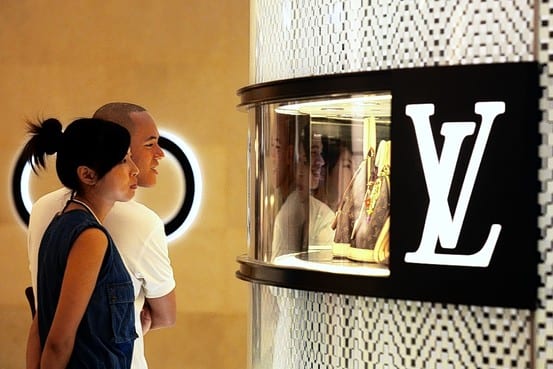
    In a bid to think “client first”, Louis Vuitton has launched a chatbot on Facebook Messenger that advises shoppers on products, aiming to provide meaningful feedback during the busy holiday period.

    The bot is powered by mode.AI, which has also previously partnered with the likes of Levi’s with its artificial intelligence, visual search and machine learning technology.

    It aims to give clients a more “sophisticated, personalized, visual and conversational online shopping experience” via Facebook, where Louis Vuitton currently has more than 20 million followers.

    The main focus is on search– users can converse with the bot to discover the brand’s full line of products, as well as use it to get suggestions on specific items. It uses natural language processing to facilitate a more advanced search experience.

    They can also share items with friends directly through it, and get votes in return on what to buy. Additional services include info on stores worldwide, access to product care instructions and a conversational view on the brand itself, from its fashion shows to its history and the craftsmanship behind its products.

    LV

    Louis Vuitton CEO, Michael Burke, said: “At Louis Vuitton, we always think client first. Today, our clients like to be connected to the Louis Vuitton universe wherever they are. They shop in our stores worldwide and are often in contact with their personal shoppers. They also follow us on Facebook, Twitter, Instagram, etc. and find our products on louisvuitton.com. It became evident that we should create the Louis Vuitton Virtual Advisor powered by mode.ai, a 24h/7 service to be able to fully meet their needs.”

    “We are still in the very early stage of AI technology adoption in the retail industry. The dominance of e-commerce isn’t just a trend, but an ever-growing arena, giving luxury brands like Louis Vuitton the opportunity to reach and sell to their customers in new and exciting ways. As shoppers continue to move online, the most forward-thinking companies will turn to AI chatbot technology to meet these shifting client demands,” said mode.ai CEO Eitan Sharon.

    Burke added: “The [bot] is designed to increase the quality of the relationship we have with our clients by enhancing and personalizing the shopping experience. We see messaging platforms as future key drivers of conversations with our clients, and potential for the integration of artificial intelligence and chatbot technologies to further enhance service to clients across these new channels.”

    The experience is currently only available on Facebook Messenger in the US, but there are plans to roll it out to Europe and Japan next, as well as across additional platforms including WeChat and Line.

  • Indonesian Pizza Hut Operator Plans $150 Million IPO

    Indonesian Pizza Hut Operator Plans $150 Million IPO

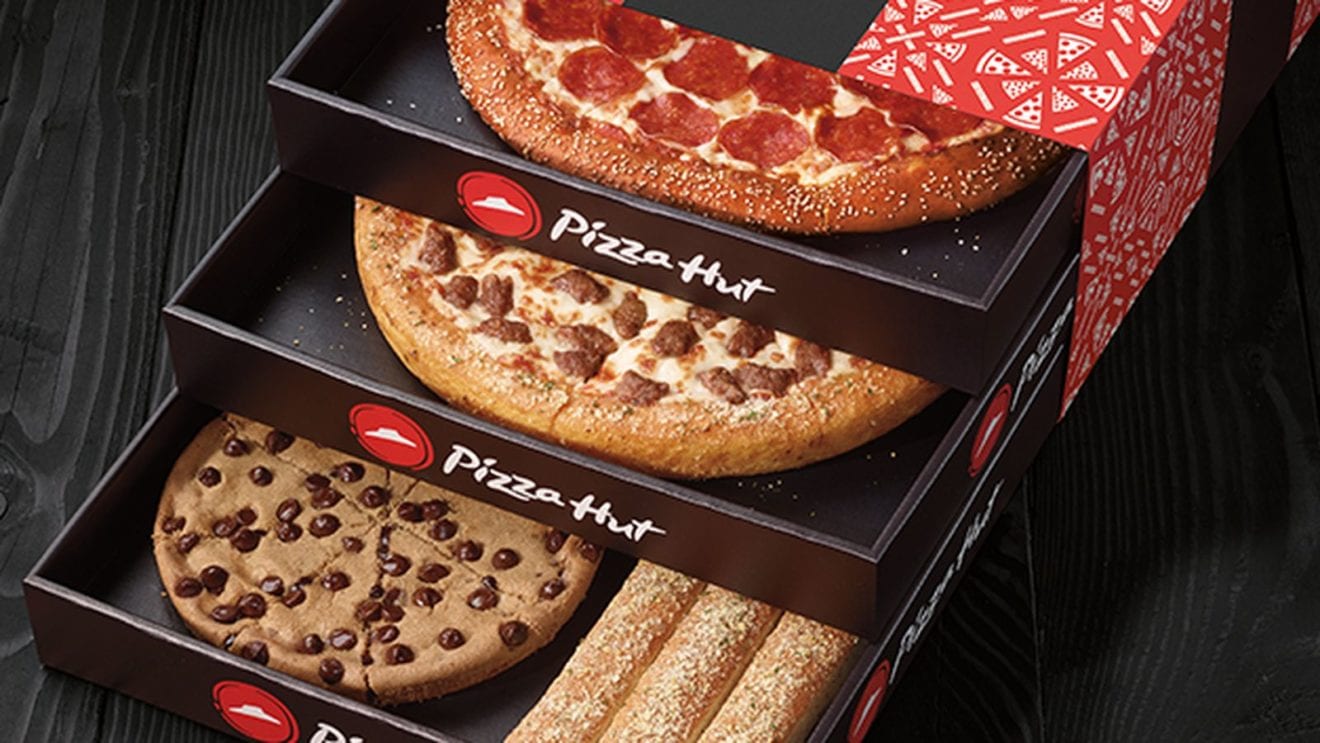
    The company that runs Pizza Hut Indonesia plans an IPO that could raise as much as US$150 million.

    Sriboga Raturaya has taken on advisers for a listing of its foodservice and restaurant franchising unit, which also runs the Japanese noodle chain Marugame Udon.

    Shares could go on sale in Jakarta in the first half of next year, insiders say.

    Indonesia’s pizza market is forecast to expand to IDR8.81 trillion ($650 million) by 2021, up from IDR5.76 trillion last year, according to Euromonitor International. Pizza Hut had more than 70 per cent of the market last year, followed by Domino’s with 6.1 per cent.

    First-time stock sales in Southeast Asia’s largest economy raised $683 million this year, down from $1.03 billion for the same period last year, according to Bloomberg.

    Sriboga Raturaya, which started as a producer of wheat flour in 1995, also has interests in education, logistics and making food ingredients.