Tag: asia

  • BMW expects jump in electric car sales in 2018

    BMW expects jump in electric car sales in 2018

    BMW expects its sales of electric and hybrid vehicles to jump next year, its research and development chief said as the premium carmaker races to catch up with rivals such as U.S. electric car pioneer Tesla.

    Sales in 2018 will exceed a 2017 sales target of 100,000 vehicles by a medium double-digit percentage, Klaus Froehlich said at an event, without being more specific.

    In the first 10 months of 2017, BMW sold 78,100 electric cars and plug-in hybrids.

    BMW, which launched the i3 electric car in 2013, is gearing up to mass produce electric cars by 2020 and aims to have 12 different models by 2025.

    Chief Executive Harald Krueger said BMW aimed to keep its return on sales around 8 to 10 percent even with the added costs of developing electric cars.

    Carmakers are trying to lower the cost of electric vehicles by investing in the development of affordable but powerful batteries and through modular production systems.

    BMW’s Froehlich said he expected such modular systems to benefit the development of autonomous cars as well.

    BMW earlier this year teamed up with U.S. chipmaker Intel and Israel-based camera specialist Mobileye to develop autonomous driving technologies.

    Frohlich said another carmaker was to join them by the end of the year. He said the aim was to have partners from Europe, North America and Asia.

    So far, U.S.-based Fiat Chrysler and auto parts makers Delphi and Magna have joined the partnership, along with Germany’s Continental.

  • NTUC FairPrice tries experiment on hypermarket

    NTUC FairPrice tries experiment on hypermarket

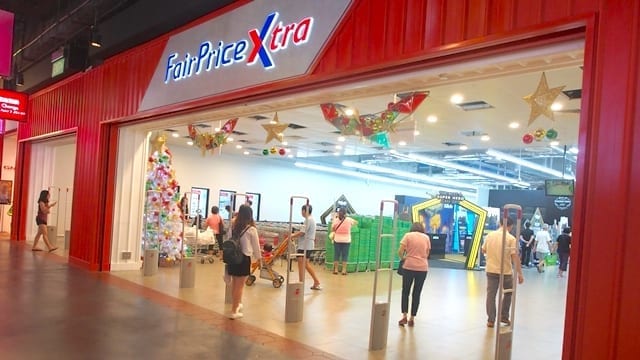
    To mark the 10th anniversary of its hypermarket format, NTUC FairPrice has launched an experiential concept at its FairPrice Xtra hypermarket in Jurong Point shopping centre.

    Offering more than 26,000 grocery and household products across 57,000sqft (5300sqm) of retail space, the new hypermarket is designed to engage and entertain families in a carnival-like atmosphere with dedicated zones.

    There are five specific zones in the revamped store, grouping merchandise and activities based on specific shopper needs – the Parenting Zone, Health and Beauty Zone, Healthy Eating Zone, Kitchen Zone and Total Home Solutions Zone.

    With the store’s family-oriented focus, the Parenting Zone offers more than 1250 baby- and children-related products including formula milk, diapers, toys and clothes. There is also a KidsMart interactive play area with miniaturised shelves and shopping trolleys for children to pretend shop, plus an event space where they can play interactive games.

    Integrated pharmacy

    In the Health and Beauty Zone an integrated Unity pharmacy store provides personal-care, wellness, senior-care and adult nutrition products. A pharmacist is also available for consultations on medication. Health-related activities will also be held in this zone, such as free blood-pressure monitoring services.

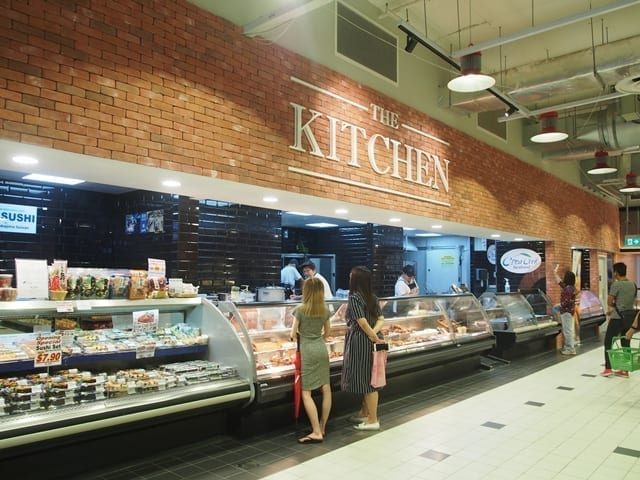
    More than 2190 organic, free-from, natural, low-GI and fresh produce features in the Healthy Eating Zone, which also has an event space for such activities as cooking demonstrations, while the Kitchen Zone offers cooked meats and seafood, ready-to-eat meals and an in-store bakery by home-grown brand Swee Heng.

    The Total Home Solutions Zone features cleaners, tools, household appliances, cookware and a space for product demonstrations.

    Beyond these zones the store also offers activities like claw machines, roving magicians and musicians.

    Wider aisles and low shelves are offered so the elderly and shoppers with limited mobility can have easy access. Electronic shelf labels using e-ink for easy reading have been installed throughout the store.

    The store is open 24 hours daily.

  • JDA and SATO Partner to Deliver the Future of Warehouse Management

    JDA and SATO Partner to Deliver the Future of Warehouse Management

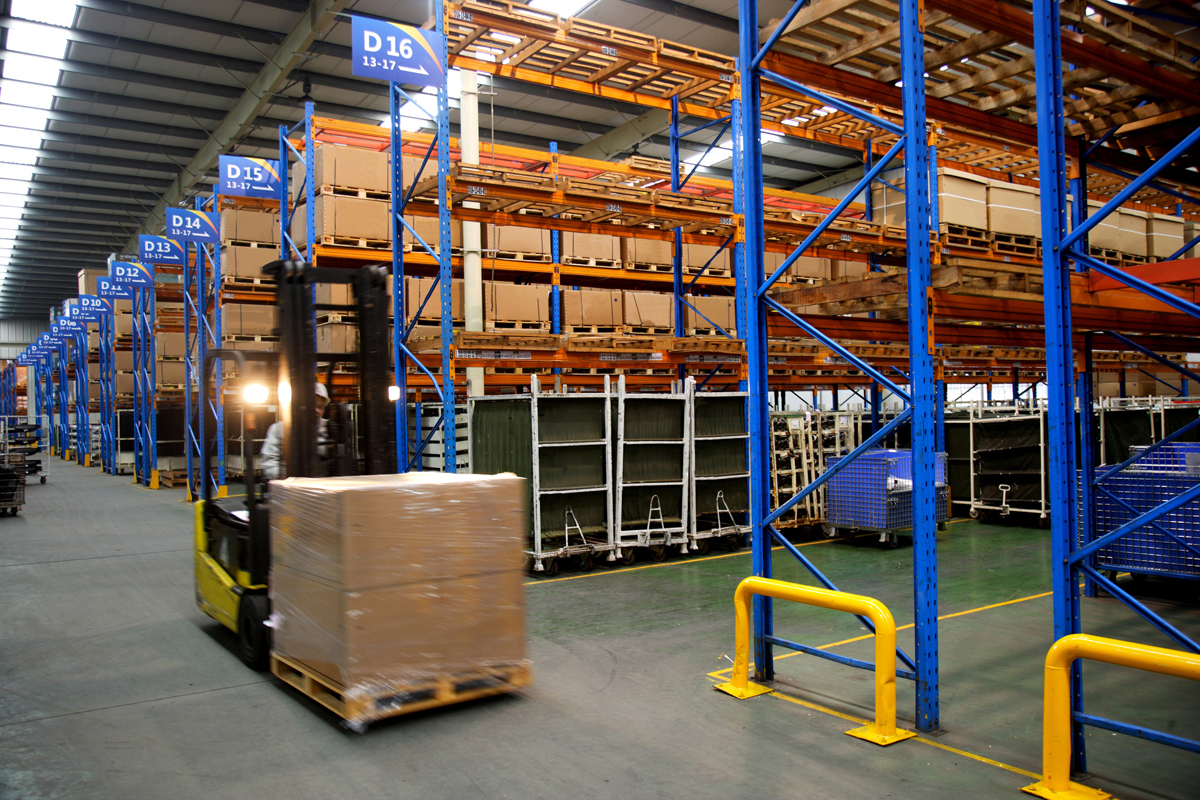
    JDA Software Group, Inc. and SATO today announced a new alliance representing JDA’s first Japanese hardware partnership as the company expands its presence in Japan. The technology partnership will combine JDA Warehouse Management and JDA® Warehouse Labor Management with SATO’s Visual Warehouse Solution to help customers take advantage of digitalization technologies such as the Internet of Things (IoT) and big data. The sales alliance will streamline the logistics process for customers leveraging JDA and SATO’s solutions together. JDA and SATO aim to deploy the solution in five leading food and beverage companies by March 2019.

    Japanese companies are facing labor shortages and increasing supply chain complexity due to rising consumer demands which require diverse product lineups to meet their needs. Meanwhile, Japan ranks poorly among the Organisation for Economic Co-operation and Development (OECD) nations (18 of 35) in terms of overall workforce productivity, even as nominal labor productivity hit a new high this year*1. This highlights the room for improvement Japanese companies can realize by fully unleashing the power of data in operations. Only six percent of large Japanese corporations utilize big data and 48 percent have yet to identify how to extract value from it.*2 Among Japanese manufacturers, only 45 percent utilize big data to drive operational efficiencies.*3

    “SATO is proud to have been selected as a partner by a cutting-edge solutions provider like JDA,” said Kaz Matsuyama, president and CEO of SATO Holdings. “We hold a mutual commitment to open innovation and user-centric value, so I am excited about the possibilities of our collaboration. We will strive to bridge the last inch of our customers’ last mile challenges to design the ultra-efficient, IoT warehouse of the future.”

    In today’s ever-complex unified commerce environment, companies need to do more than track labor productivity and warehouse processes, but to turn the warehouse into a performance-focused competitive advantage. JDA Warehouse Labor Management provides a real-time view into warehouse activities, improving planning and scheduling by ensuring the right number of workers with the right skills are available when and where they are needed to fulfill order demand. And companies can get real-time visibility into labor concerns before they become issues and shift workers where they are needed. Combined with JDA Warehouse Management, companies can address real-world disruptions to drive improved performance and predictable results by sensing these shifts in real-time to respond quickly and profitably.

    The SATO Visual Warehouse solution is a virtual warehouse director that fully streamlines picking route navigation for enhanced logistics and labor utilization. An accompanying picking guidance system guides workers on the shortest possible route, with audio and visual instructions, to cut time spent and distance travelled per picking order by approximately half. The system allows inexperienced warehouse workers to achieve a similar efficiency level as more experienced workers.

    JDA and SATO seek to improve warehouse productivity by enabling actionable improvements based on data sets of real, specific operational data. By logging individual workers’ location over time, the combination of JDA and SATO will enable collection of real operational data. Accumulating this real-time data in the warehouse and linking it to JDA Warehouse Labor Management makes true visualization of labor possible, and empowers users to make data-driven decisions to streamline their operations, providing a 30 to 40 percent boost to operational productivity in the warehouse upon deployment.

    “This partnership will tap into SATO’s real-time visualization and tagging technology to gather all information in the warehouse related to labor efficiency that will improve productivity and take advantage of the latest cutting-edge innovations,” said Amit Bagga, regional vice president, sales, Asia-Pacific, JDA. “As we expand our presence in Japan, we are best addressing Japanese customers’ demand, and leveraging SATO’s IoT capabilities, combined with JDA’s advanced warehouse management solutions.”

  • Amazon secret recipe to save the physical store

    Amazon secret recipe to save the physical store

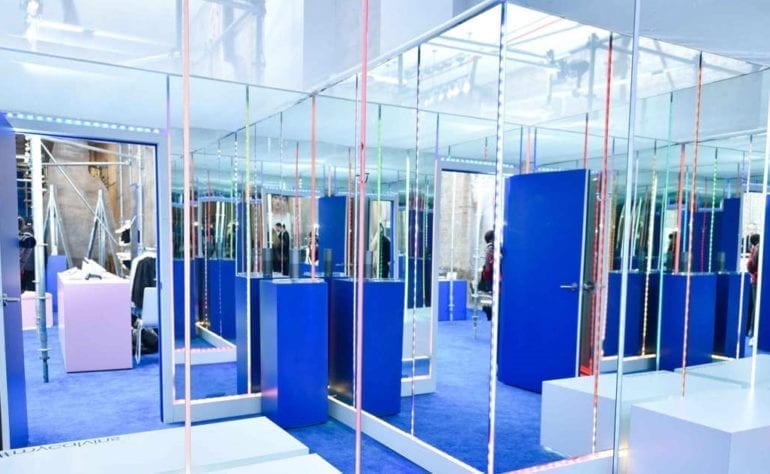
    The Amazon-Calvin Klein pop-up stores in New York City and Los Angeles may be just what brick-and-mortar retailers need to bring online shoppers back to the real world, Morgan Stanley’s Brian Nowak said.

    Amazon is banking on its loyalty with consumers who rely on the company for the best prices, Nowak said. When it comes to brick-and-mortar, that transparency “could encourage more people to shop in store rather than online,” he said.

    The key way it does this is by having consumers experience dynamic pricing while at the shop, prompting shoppers to scan the barcodes of items in order to see the ever-changing prices. The prices will match what’s on Amazon.com, which is often the lowest price, Nowak said.

    The Amazon-Calvin Klein pop-up also offers free personalization and customization of basic items, such as underwear, the mainstay of Calvin Klein’s brand. It is also offering exclusive merchandise, which can only be found in the store or at the ‘My Calvins’ online brand store on Amazon.com.

    “This phone scanning and dynamic pricing combination is another example of Amazon’s attempt to change consumer behavior/expectations in the offline world in a way to build trust with consumers that they are always getting the lowest price,” Nowak wrote in a note.

    Amazon’s outsized influence as an ecommerce giant has retailers scrambling to stay relevant as it eats away at brick-and-mortars’ market share, particularly in-store sales. When Amazon announced a partnership with Nike in June, it hit Dick’s, Under Armour, Foot Locker and other competitors with many retailers reporting dismal third-quarter earnings.

    The company’s attempts at providing a different shopping experience in brick-and-mortar stores may be what saves the retail industry and brings shoppers back to physical stores.

    Amazon’s stock is trading at $1,133.97 a share and was up 50.39% up for the year. PVH Corp, the parent of Calvin Klein, is trading at $134.28 a share and is up 47.64% for the year.

  • Health and beauty stores prove lucrative for retail conglomerates

    Health and beauty stores prove lucrative for retail conglomerates

    Health and beauty stores are rapidly expanding their footprint in Korea as the sector remains one of few lucrative realms in the local retail industry.

    CJ Olive Networks will soon open its 1,000th Olive Young store 18 years after starting the business. This year alone, it has added more than 200 locations. GS Retail in February took full ownership of Watsons Korea, the local operation of the Hong Kong franchise, and significantly expanded the chain. Lotte Shopping is also picking up the pace with LOHB’s, which had 30 stores in 2014 and now runs 89 locations across the country.

    Health and beauty stores, sometimes shortened to H&B, are similar to drugstores like CVS and Walgreens in the United States, but Korean law forbids them from selling pharmaceutical products, even off-the-counter medicine, so businesses naturally shifted to cosmetics and body care products, including dietary supplements.

    The H&B market has seen average annual growth of 22.5 percent in the last five years and is forecast to reach 2 trillion won (US$1.8 billion) this year. For retail conglomerates like CJ, GS and Lotte, the figures suggest the market is mature enough to ensure steady revenue as they look for the next big thing to make up for falling sales at discount chains and department stores.

    The companies are competing fiercely to expand their presence. Late entrants in particular are boosting efforts to catch up to the market leader Olive Young.

    Even smaller cosmetics brands that operate their own small shops and discount retail operators are eyeing a leap into the market.

    Olive Young’s parent company, CJ Olive Networks, is expected to pull in sales of 2 trillion won and operating profit of 111 billion won this year, according to industry estimates. The figures would represent an increase of 32 percent and 18 percent from last year.

    It is a remarkable turnaround from 2009, when CJ acquired a full stake in Olive Young from a Hong Kong retail group. For the next few years, the H&B chain remained profitless, with loss surpassing 10 billion won.

    But demographic changes – a rise in the number of single-person households and growth of a young population in their 20s and 30s – reversed the situation, and now, Olive Young is CJ Group’s fastest-growing subsidiary.

    About 80 percent of this year’s revenue at CJ Olive Networks, which also runs a home shopping channel, is expected to come from Olive Young. H&B stores also benefited from a new law in 2011 that allowed retailers other than pharmacies to sell sanitary pads and other women’s health care products. H&B stores began selling the products, and the market began growing at a remarkable speed, from 300 billion won in 2011 to 1.3 trillion won last year.

    Another attribute cited by analysts for H&B stores’ success is the carefree shopping atmosphere. Customers can freely try on products like lipstick and makeup without being followed by staff, a strategy that has worked well with younger consumers who value cost and saving money.

    With the market proving its worth, conglomerates are now making aggressive moves to include or expand H&B stores in their business portfolio. The market’s No. 2 player, Watsons, entered relatively early in 2005 but failed to make leaps due to a conservative business strategy.

    But after fully acquiring Watsons Korea, GS Retail has been signing off large investments to boost the sector despite going through some struggles with its convenience store chain GS25. The company said it is looking for ways to create synergy between GS25 and Watsons. Lotte Shopping is also looking for ways to expand LOHB’s, which started in 2013 with 10 stores.

    The first few years were slow, without impressive results, but last year, Lotte began investing heavily in the chain, setting up more than 30 new stores and doubling its sales. LOHB’s now has 89 locations, closely tailing Watsons’ 139.

    “Until now, LOHB’s didn’t receive much attention, squished between Lotte Department Store and Lotte Mart [both under Lotte Shopping], but we’re planning to develop it into one of our major businesses,” a source at Lotte Shopping said. The company plans to have more than 100 stores by the end of this year.

    Shinsegae last year won the right to operate the British drugstore chain Boots in Korea as part of its bid to enter the H&B market. The company opened four Boots stores this year, including one in the Starfield Hanam mall in Gyeonggi and a four-floor location in Myeong-dong, central Seoul, just steps away from Olive Young.

    The Myeong-dong store is the largest H&B in Korea, measuring 1,284 square meters (13,820 square feet). The company said its strategy is to customize each store and its product categories based on the commercial area in which it is located.

    Standalone cosmetics shops are also adding products to their offerings to turn themselves into H&B stores.

    Aritaum, which is owned by cosmetics maker AmorePacific and has 1,340 stores nationwide and 300 in Seoul alone, recently added skin care supplements to its product lineup.

    The company said the “rapid transition is hard because more than 80 percent of the branches are franchises,” but industry analysts believe this may be a sign that Aritaum is looking to profit from the H&B market.

    Convenience stores have also started signing partnerships with cosmetics and skin care product manufacturers to sell at their own operations.


  • Ford China partnership possibility with Tmall

    Ford China partnership possibility with Tmall

    Ford Motor China may soon be selling cars through Alibaba’s Tmall and via an “auto vending-machine” concept.

    The US automaker yesterday signed a three-year agreement signed with Alibaba Group to expand its footprint in China. It is the latest partnership in a series in China in recent months, and follows a visit to Hangzhou, where Alibaba has its headquarters, by Ford CEO Jim Hackett and executive chairman Bill Ford Jr.

    Last month the company announced a $756 million partnership with Anhui Zotye Automobile Co to build electric vehicles, and earlier this week Hackett and Ford announced plans to bring 50 new vehicles to market in China by 2025, and to build five new models in China.

    Hackett says Ford is collaborating with technology leaders to build on its vision for smart vehicles in a smart world.

    Meanwhile, the Alibaba partnership is based on the companies jointly finding new ways to sell vehicles, which could include an online component. They aim to “redefine” the retail experience and explore sustainability concepts, working together in the fields of mobility, connectivity, cloud computing, AI and digital marketing.

    Their first priority is to come up with new ways for people to buy, maintain and own vehicles using the internet, computers or other technology.

    The partnership will be part of Ford’s efforts to overhaul its China strategy to revive the growth momentum it has lost in recent months, Reuters reports. The agreement could mean that cars bought online are delivered to buyers by franchised Ford retail stores, which would maintain and repair the vehicles.

    Ford could also use Tmall’s new retail concept, the “Automotive Vending Machine”, a multi-storey parking garage that partly resembles a giant vending machine. Alibaba says buyers can use their phones to browse through the cars and choose to either immediately test drive or buy a vehicle, which would be delivered to them on the ground floor.

    Shoppers with good credit would be able to drive away after a 10 per cent down payment, then make monthly payments through Alibaba’s affiliate Alipay.

  • Ford ramps up electric vehicle push in China amid slowing sales

    Ford ramps up electric vehicle push in China amid slowing sales

    Ford Motor Co will launch 50 new vehicles in China by 2025, including 15 electrified vehicles, the U.S. firm said at an event in Shanghai on Tuesday, as it looks to rev up sales growth in the market and shift towards cleaner electric cars.

    Ford’s sales in China have been weak in recent months, and the company is scrambling to come up with electric and hybrid vehicles to comply with strict Chinese quotas over production and sales for so-called new energy vehicles, or NEVs.

    The U.S. automaker is undergoing a broad review of its China operations, part of a strategic re-think under new Chief Executive Officer Jim Hackett, which will likely see the company focus on electric commercial vans as well as electric cars.

    “Between now and 2025, we will launch 50 new vehicles in China, and of those 50 new vehicles, 15 of them will be all-new electrified vehicles,” said Peter Fleet, Ford’s head of Asia Pacific, pointing to big growth in the “utility” segment.

    Fleet also said Ford’s China revenue would grow by 50 percent over the same period.

    China is pushing automakers toward electric and hybrid petrol-electric vehicles, setting tough quotas for NEVs that come into play in 2019, and has signaled a longer-term shift away from traditional internal combustion engine cars.

    The major shift in the world’s largest auto market has jolted some automakers, sparking a spate of recent electric vehicle (EV) joint ventures in the market. Ford has announced an EV tie-up with China’s Anhui Zotye Automobile.

    “We’ve never seen change like we do today,” said Ford Executive Chairman Bill Ford. “Everything is being disrupted” by the development of autonomous vehicles, trends such as ride-sharing and electric vehicles, he added.

    “It’s clearly the case that China will lead the world in EV development, and so we at Ford are investing enormous amounts of money both here in China and globally to bring electrification into fruition.”

  • Chinese co-working space operator opens second Singapore hub

    Chinese co-working space operator opens second Singapore hub

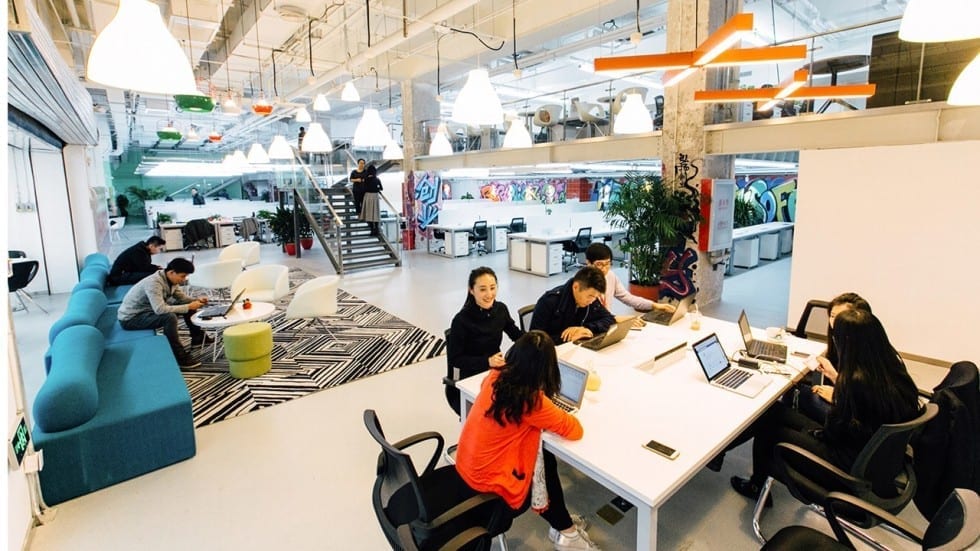
    Prominent Chinese co-working space operator UrWork is opening a second Singapore location in the first quarter of next year. The company, which is backed by Alibaba’s Ant Financial and Sequoia Capital among others, launched its first overseas branch at Ayer Rajah Crescent in July. Its new outlet will be at Suntec City and is part of the firm’s efforts to become a bridge between South-east Asia and China, founder and chief executive Mao Daqing said.

    Beijing-based UrWork, which has been billed as China’s answer to Silicon Valley co-working giant WeWork, has been valued at about US$1.5 billion (S$2 billion).

    It has 100 co-working sites in 33 Chinese cities and is the country’s largest co-working space operator.

    The company plans to expand globally into 35 cities with 160 locations over the next three years.

    To stand out in the increasingly crowded co-working market, UrWork positions itself as a provider of key services to start-ups looking for global growth.

    It runs a series of acceleration programmes to help new firms scale, and has also developed a proprietary scheme partnering Chinese government agencies and service suppliers to help foreign start-ups enter the Chinese market.

    Its second location in Singapore will span 1,300 sq m in Suntec City and will take in South-east Asian start-ups looking to expand into China, as well as Chinese firms keen on growing in the region.

    UrWork also invested in Jakarta-based co-working space Rework earlier this year as part of its regional strategy.

    The company signed a memorandum of understanding with trade agency IE Singapore and property giant CapitaLand last December to help Singapore firms break into the China market by offering co-working spaces as well as business advisory services.

    South-east Asia has become a market with plenty of opportunities for investors in China “due to a strong supply of high-potential tech start-ups, big market volume, surging amount of freelancers, low operational cost and high rate of digital penetration”, said Mr Mao.

    “As a Chinese home-grown company, we know the needs of Chinese entrepreneurs in China and overseas, laying a solid foundation for our fast-scaling and service integration,” he added.

    Key sectors of interest for UrWork in Singapore and South-east Asia include artificial intelligence, the Internet of Things and fintech, Mr Mao said.

  • AirAsia appoints 28-year-old celebrity businesswoman to board

    AirAsia appoints 28-year-old celebrity businesswoman to board

    AirAsia, one of Southeast Asia’s biggest budget carriers, has appointed the well-known 28-year-old entrepreneur Neelofa Noor as non-executive independent director, hoping she can bring fresh insights about the market for digital-savvy young people and women.

    Neelofa is a household name in Malaysia, famous for her brand of hijab collections, which are available in over 35 countries, and which are worn by AirAsia’s female pilots. She becomes AirAsia’s youngest board member.

    She rose to prominence after winning a teen beauty contest, and was a film and television actress before starting her Muslim headwear business in 2014, supported by her parents.

    “Her experience as an entrepreneur, a brand creator and an industry disruptor will be invaluable to AirAsia,” said Tony Fernandes, chief executive of the low-cost carrier, in a statement Friday.

    He added that Neelofa’s business success could teach the company about the youth market and the world of digital communications.

    “Neelofa is super smart, young and independent,” he said. “Her reputation as Malaysia’s leading businesswomen … and her track record in championing women in business is an inspiration to us.”

    The hijabista — a woman who dresses stylishly while conforming to Islamic modesty by wearing a hijab — has a large social media following, with millions of followers on Twitter and Facebook.

    “Such an inspiration,” said one comment on Facebook about the appointment.

    In Southeast Asia — AirAsia’s key market — ambitious Muslim women who combine a taste for lifestyle brands and digital technology with religious observance have been playing an increasingly important role in the marketplace, according to a recent study.

    “Young Muslim women in Southeast Asia are coming of age at a time of societal flux and are demonstrating a new set of aspirations and behaviors which represent opportunities and challenges to brands,” said the study, titled “The New Muslimah: Southeast Asia Focus,” by J. Walter Thompson Company.

  • SingPost raises rates for international small packets

    SingPost raises rates for international small packets

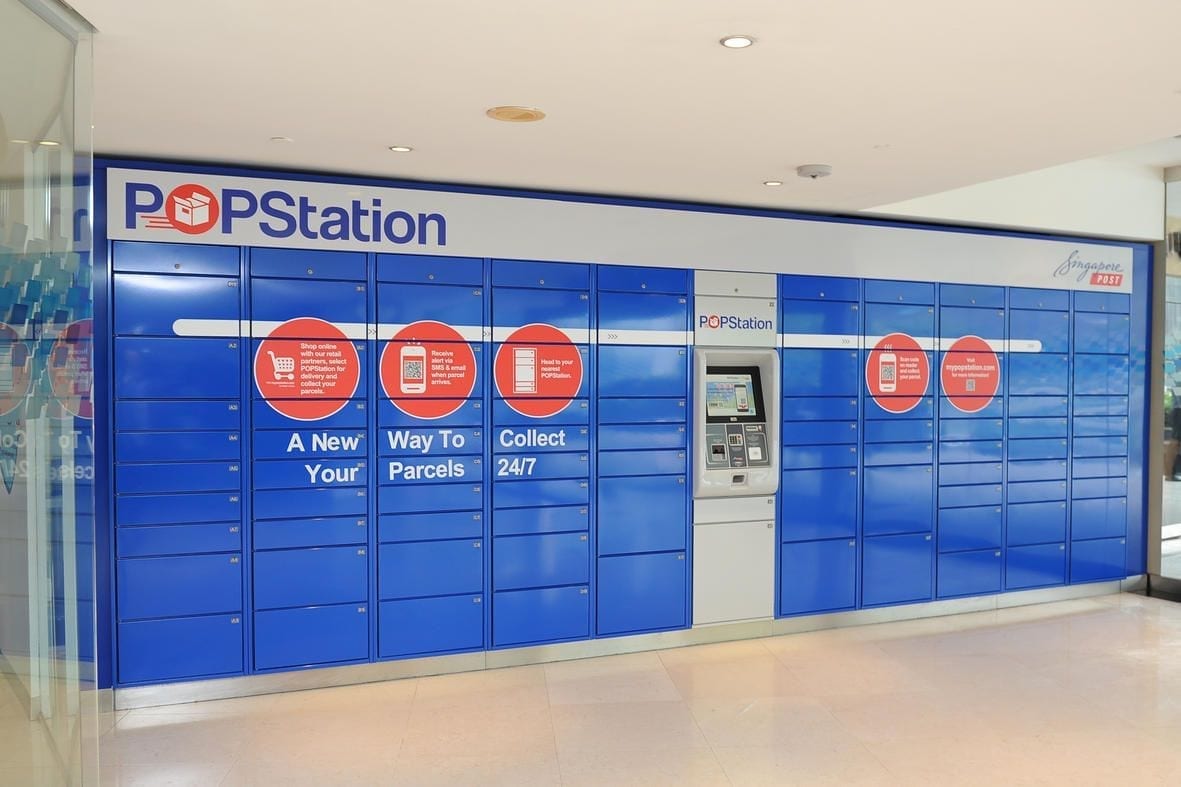
    Singapore Post Limited is revising its rates for the international delivery of small packets from Jan 2 next year, following new rates set by a United Nations agency.

    Also from the same date, it will stop accepting delivery of international small packets by ship as several postal organisations have ceased to accept such forms of conveyance, it said. Demand for such a service is also low, with most senders choosing to use airmail.

    International postal settlement rates – the amount that SingPost compensates other postal organisations for mail delivery in their country – are being raised on Jan 1 next year.

    These rates are set every four years by the Universal Postal Union (UPU), a UN agency that sets the rules for international mail exchanges.

    Small packets currently come under international airmail rates, said a SingPost spokesman. With the separate pricing structure for small packets, customers sending small packets will have to pay a maximum increase of S$3.40 per item or enjoy maximum savings of S$1.10, depending on the destination and the item weight, he added.

    The firm told The Business Times that international small packets from public consumers do not currently make up a significant part of its volumes, and it is monitoring the effect of the new rate structure for international small packets on its postal business.

    The changes made by UPN reflect rising volumes of e-commerce packets and the higher cost of delivering such packets, said SingPost.

  • New Eve Lom store in Harbour City, Hong Kong

    New Eve Lom store in Harbour City, Hong Kong

    The store opening is the culmination of a collaboration between Eve Lom and NY-based creative branding agency, School House, that first began with a refresh of the brand’s positioning.

    Eve Lom was one of the first founder brands in the luxury beauty space; since her entrance more than 30 years ago, the space, much like Hong Kong, has become crowded, causing a shift in the luxury paradigm.

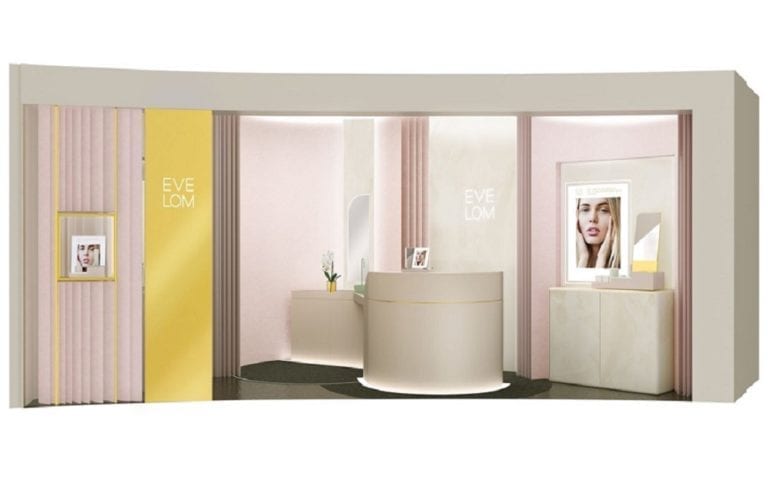
    Inspired by the disciplined reductivity and subtlety of Eve Lom, the store concept offers guests a unique luxury beauty experience in the heart of the bustle of Hong Kong’s Harbour City.

    To complement its presence in one of the most densely populated and over-saturated cities in the world, the store actively refuses noise, in all senses of the word, with its overall atmosphere built from multiple curvaceous felt panels that seemingly envelope you upon entrance and absorb all chaos from the store’s surroundings.

    To bring the space to life, School House’s design team incorporated the new brand visualization using Eve Lom’s traditional color palette of white and gold while incorporating a new soft pink and green tones, inspired by the original balm cleanser coloration, along with the strategic use of a soft black.

    School House combined a mix of hard and soft materials such as slate, felt, porcelain and onyx to create an environment of simplicity and depth, to mirror the products being sold. The store is complete with an assisted consultation area, a full-line demo and testers display, and a retractable panel for privacy. The store signals a new era for the brand by making a powerful understatement, like only Eve Lom can.

    Consumers now seek authority, authenticity and simplicity from luxury beauty brands, tenets that Eve Lom has always represented. Noticing this change, School House saw an opportunity to reinvigorate the brand by strongly expressing its subtleties in order to take Eve Lom from the person to a persona through the execution of a strategy across a new brand visualization, including this new store concept.

  • Why Has Bitcoin’s Price Gone Up So Fast ?

    Why Has Bitcoin’s Price Gone Up So Fast ?

    Bitcoin has been in a bull market like few the world has ever seen. At the beginning of the year, the price of a Bitcoin was below $1,000. It hit $5,000 in October, then doubled by late November. And on Thursday, less than two weeks later, the price of a single Bitcoin rose above $20,000 on some exchanges, according to Coinmarketcap.

    The latest price spike has been credited to signs that Wall Street companies plan on bringing their financial heft into the market.

    At the current cost, the value of all Bitcoin in circulation is about $300 billion. To get a sense of how big that is, all the shares of Goldman Sachs are worth about $90 billion.

    The gains have been driven by several other factors — perhaps the most important being the irrational mentality that can take over in speculative bubbles.

    But most people buying Bitcoin are doing so in the belief that others will want it even more in the future. The gains, though, have many people, even Bitcoin believers, anticipating a big crash.

    Currently, the average price of one Bitcoin is about $15.435, according to Blockchain.info, a news and data site.

    Bitcoin used to be all about libertarians and black-market trade. Are those still driving the price?

    The fringe communities that drove Bitcoin in its early years are playing a much less important role in the current rally.

    Many investors have said the most important factor driving the current enthusiasm is the entry of hedge funds and other institutional investors.

    The path for large investors has been smoothed by the Chicago Mercantile Exchange and Chicago Board Options Exchange, which have been racing to roll out Bitcoin futures contracts. Most banks are already signed up with these exchanges and consequently can immediately begin trading the contracts. The options exchange has said it plans to start trading on Sunday.

    It is still unclear how the arrival of Bitcoin futures will influence the demand for the digital tokens.

    With a futures contract, banks can bet on the price of Bitcoin without holding the underlying Bitcoins. This is expected to bring many new players into the market who don’t want to deal with the complications of holding Bitcoins.

    But the futures contract will also allow investors to short Bitcoin, or bet on the price’s going down, which has been hard to do until now. Some analysts think this could put downward pressure on the price. Other market participants have worried that Bitcoin futures could spread the risks of Bitcoin into the rest of the financial system.

    People still use Bitcoin and other virtual currencies to make ransom payments and buy illegal goods online, including synthetic opioids. But that activity has been on the wane since the authorities shut down some of the largest online black markets this year.

    What role are smaller investors playing in the virtual currency markets?

    Individual investors have been just as active as large investors. Nowhere has the phenomenon of ordinary people buying virtual currencies been more visible than in South Korea, where several exchanges have storefronts to help new customers. This is all the more remarkable because just a year ago, Koreans showed almost no interest in these markets.

    Small Japanese investors have also been investing in Bitcoin. They have been encouraged by laws passed this year that essentially legalized Bitcoin and allowed Bitcoin exchanges to get regulatory licenses.

    Most small-time investors have gone to the San Francisco company Coinbase, which provides a Bitcoin brokerage service, similar to Charles Schwab, as well as an exchange for larger investors. Coinbase now has more account holders than Schwab, and it has struggled to keep up with the growth.

    China used to be the most active country for Bitcoin trading and mining, but the authorities there have cracked down this year.

    What are the dangers of getting into this market?

    Many of the largest exchanges, including in South Korea, are essentially unregulated. The lack of oversight means that no one is checking that the exchanges are properly securing their customers’ money or that large players are not able to manipulate the price. One of the largest exchanges in the world, Bitfinex, has been hacked numerous times and provides little transparency about where it is keeping its money.

    Even regulated exchanges, like Coinbase in the United States, have not been battle tested like larger financial institutions, and their operations have gone down at key moments.

    Once people buy Bitcoin or other virtual currencies, they are often targeted by hackers who have become experts at penetrating Bitcoin accounts.Bitcoin “wallets” are vulnerable to new kinds of attacks that are not a problem for ordinary financial accounts.

    Most important, in contrast to money in a bank account, when a Bitcoin is gone there is essentially no way to get it back and no insurance covering its loss.

    Are more people using Bitcoin to pay for things?

    When Bitcoin was released in 2009, it was described as a new kind of electronic cash.

    Recently, though, many programmers working on Bitcoin have said the system in its current form is not a particularly good way to pay for things.They argue that it is best designed to serve as a sort of scarce commodity, like digital gold, allowing people to keep their money outside the control of governments and companies.

    Many people who want to use virtual currencies for online payments are looking to Bitcoin competitors, like Bitcoin Cash and Monero.

    What role are the other virtual currencies playing in this frenzy?

    Earlier this year, bullish sentiment was focused on Ethereum, a virtual currency network that is more adaptable than Bitcoin. The price of Ether, the virtual currency on the Ethereum network, has continued to rise in recent months, but not as fast as Bitcoin.

    Many investors were also putting their money into custom virtual currencies released by entrepreneurs in so-called initial coin offerings. These new virtual currencies have generally been designed to serve as the internal payment mechanisms on new software the entrepreneurs are building.

    This fall, though, regulators have signaled that they are planning to crack down on coin offerings.

    Where did virtual currencies come from, and how do they work?

    The Bitcoin software was released in early 2009 by a mysterious creator who went by the name of Satoshi Nakamoto. The search is still on for the true identity of Satoshi.

    The software released by Satoshi set out the basic rules for Bitcoin and the computer network on which it lives. Unlike other forms of money, which are controlled by governments and financial institutions, Bitcoin operates on a decentralized network of computers that no one institution controls.

  • Xidan Joy City’s new zone unveiled to mark 10 year anniversary

    Xidan Joy City’s new zone unveiled to mark 10 year anniversary

    Beijing’s iconic Xidan Joy City celebrated its 10 year anniversary today by unveiling its newly renovated Rose Garden relaxation zone. The celebration also marks the completion of the first phase of a significant upgrade of the mall’s interior and public areas that will continue until 2019.

    Mall owner COFCO has commissioned Woods Bagot to lead the interior design of renovation works as part of its wider strategy to deliver a new generation of Joy City malls that continue to stay ahead of changing lifestyles and interactive digital technology in China.

    Already a favourite destination among Beijing’s trend-setters and fashion-conscious youth, the 185,000 m2 mall is arranged over 12 floors in an established downtown shopping district and is home to a range of global brands including Apple, Kate Spade, Michael Kors, Sephora and Zara.

    When the renovation is complete in 2019 the mall’s leading brand portfolio will be showcased across eight diverse thematic areas, providing a change of pace and an engaging journey for visitors as they move through the space.

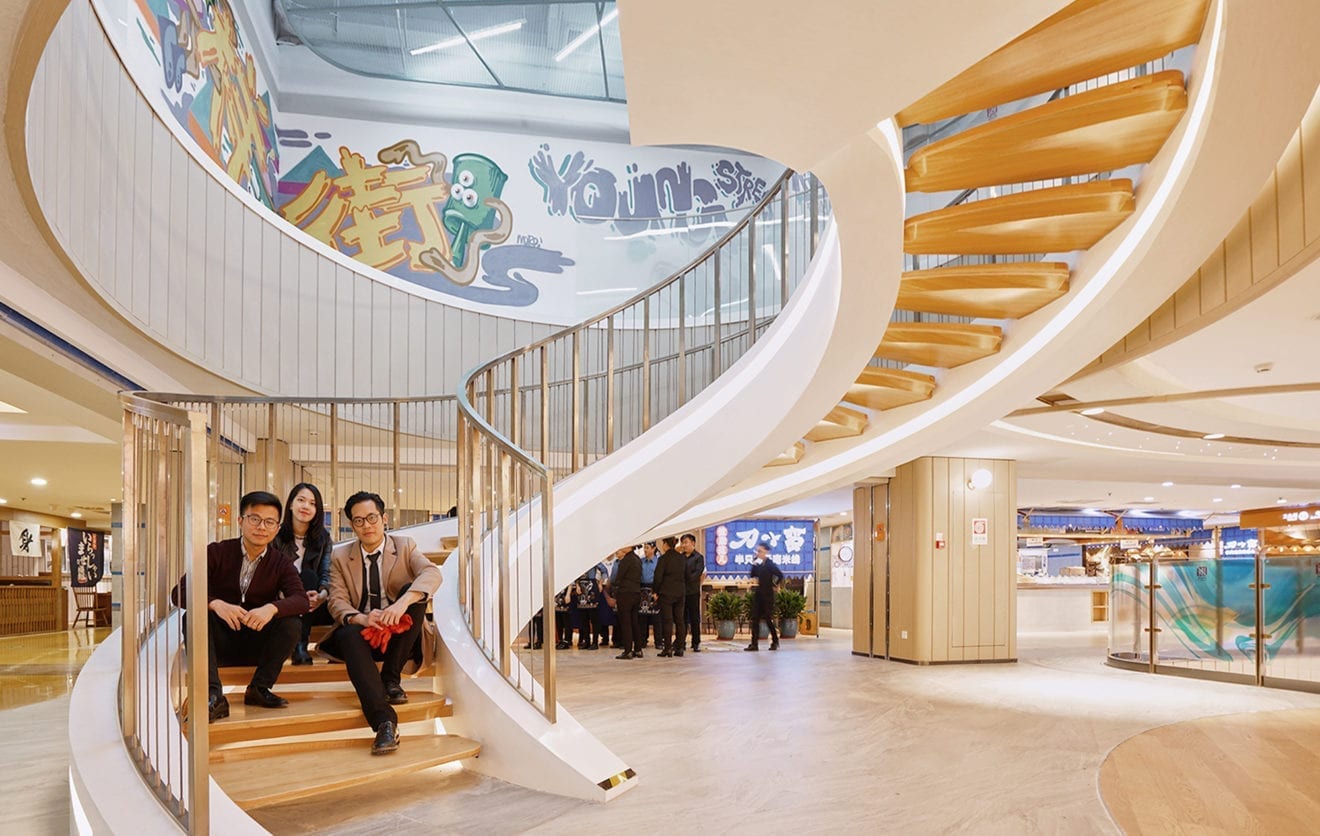
    Xidan Joy City’s reimagined Rose Garden is a spacious relaxation area within the F&B zone featuring a spectacular organic-form wood and glass spiral staircase as its focal point.

    The Rose Garden offers breathing space in an outdoor-themed environment, bathed in abundant natural light during the day and lit dramatically from above at night by an abstract rose ceiling light fixture. Different-height seating scattered with foliage and greenery gives shoppers a unique line of sight to enjoy a more natural and personal experience as they relax.

    Billy Ip, Woods Bagot, said:

    “Beijing’s youth market has evolved greatly over the last decade, with social, economic and technological developments driving new trends, desires and lifestyles. Visitor experience is the new battleground for this sophisticated audience who seek to spend time in unique, engaging environments.

    “For Xidan Joy City’s many fans, the Rose Garden is a space where many happy memories have been made. We have honoured this sentiment by creating a place for visitors old and new to both recall and build new memories.

    “Woods Bagot’s concept for the revived Rose Garden provides an avant-garde interpretation of an energising and peaceful ambience, and we look forward to sharing our creative direction for the other spaces as works progress over the next year.”

  • FPT Retail to hold IPO in mid-December

    FPT Retail to hold IPO in mid-December

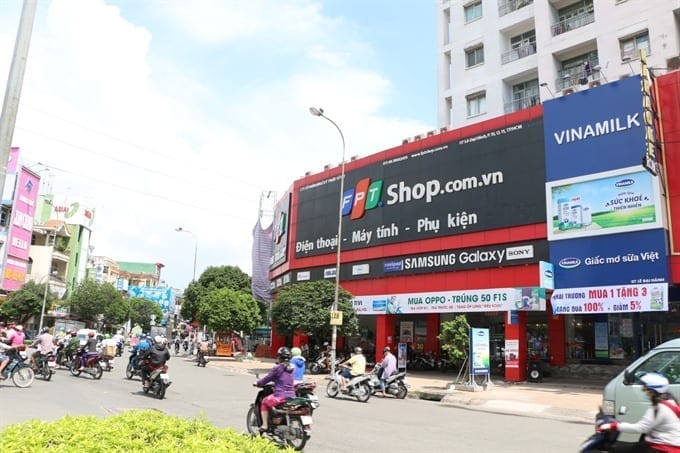
    FPT Digital Retail is set to launch an IPO on the Ho Chi Minh City Stock Exchange on Friday week.

    Details of the IPO pricing have not been disclosed, but the retail arm of Vietnam’s largest IT company plans to use the proceeds over the next three years to open 100 stores officially licensed by Apple.

    FPT secured the nation’s first licence from Apple in 2012 to set up a store network specialising in such products as the iPhone and Macbook under the brand F.Studio. There are now 10 outlets run by FPT Digital Retail. Apple products make up 40 per cent of the the chain’s offerings, and the retailer plans to increase the network tenfold.

    Meanwhile, a survey has shown that more than a third of Apple products in the Vietnam market are “unauthorized” and do not have a guarantee from the manufacturer.

    While Apple has a representative office in Vietnam, there is yet to be an official Apple Store. Sales of Apple products in the Vietnam are currently valued at $1 billion annually. Apple iPhones accounted for 7 per cent of the total 14 million smartphones sold in Vietnam last year, ranking third after Samsung Electronics (28 per cent) and Oppo (25 per cent), according to IDC Vietnam.

    Vietnam has 15 Apple-authorized stores run by local retailers, including the 10 F.Studio outlets and those of Mobile World Group. This compares with 527 authorised stores in Singapore, 480 in Thailand and 364 in Indonesia.

    FPT Retail general director Nguyen Bach Diep has told an investor roadshow in Ho Chi Minh City that the market listing date will be no later than April 30.

    CEO Nguyen Viet Anh says the company expects total revenues of about US$600 million this year, 10 per cent of this from online sales, while its profit is estimated to be VND293 billion (about US$13 million) by year-end.

    Splitting from FPT’s retail and distribution sector in 2012, FPT Retail is now the second-largest information and communications technology retailer in Vietnam, holding 18 per cent market share after Mobile World Group with 45 per cent.

    FPT Retail’s nationwide store network will reach 480 outlets by the end of this year, up 25 per cent year on year.

  • Saigon scores high on global property growth index

    Saigon scores high on global property growth index

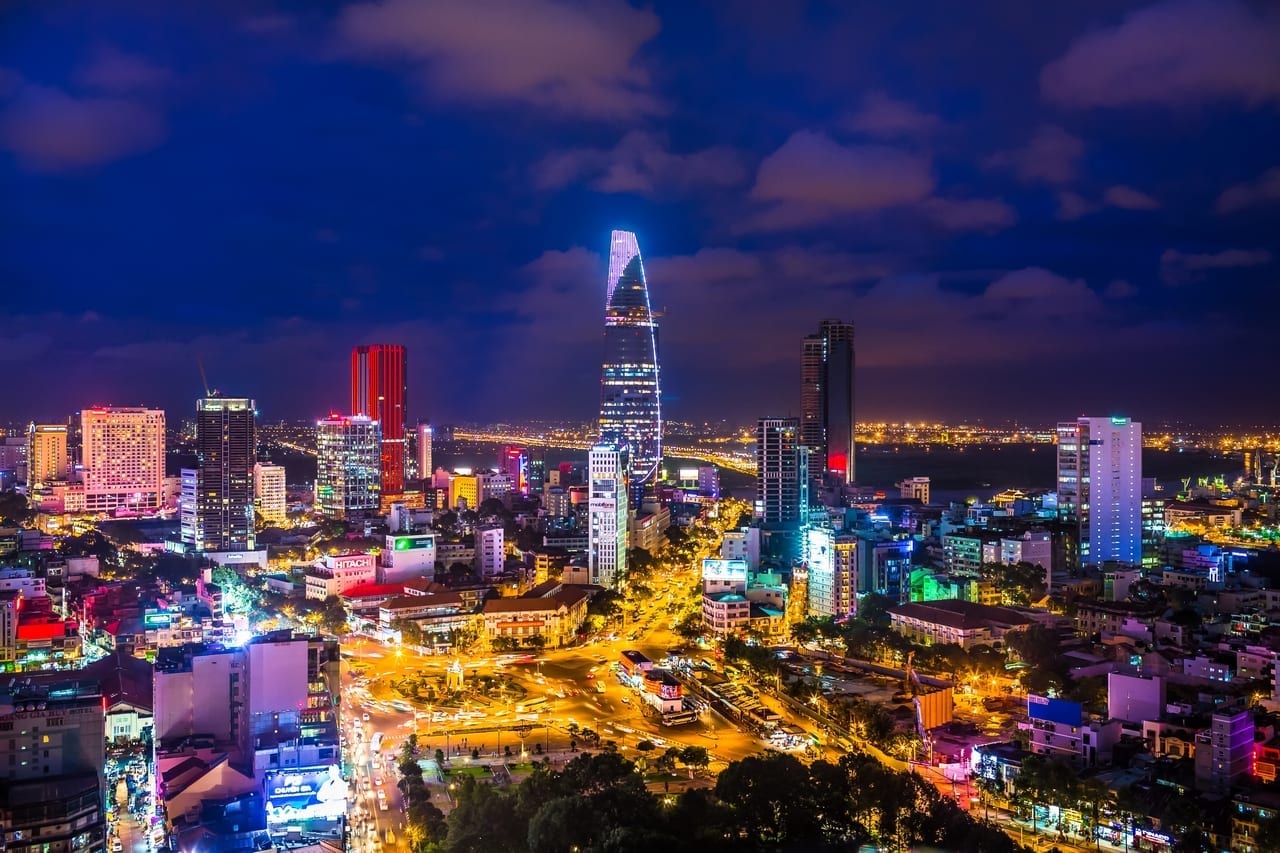
    Ho Chi Minh City has been ranked third in a survey of 50 cities worldwide for property rental growth.

    The survey, conducted by real estate firm Savills, also ranked Vietnam’s southern metropolis fifth in terms of investment prospects, and second for development prospects.

    In its new publication, “Impacts: the future of global real estate”, Savills said cities that are resource rich, young and fast-growing, economic powerhouses, or at low risk from natural disasters, are the ones to watch for over the next decade.

    Troy Griffiths, deputy managing director of Savills Vietnam, said: “This is an annual, long-running survey across a multitude of sophisticated property investors that demonstrates the strong sentiment towards Ho Chi Minh City and Vietnam as a highly favorable investment destination.”

    “This is underwritten by the first position across all surveyed cities as buy options for office, retail, industrial and residential assets,” he added.

    According to another report, “Emerging Trends in Real Estate Asia Pacific 2016”, jointly published by the Urban Land Institute and consulting firm PwC, foreign investors, mainly from Japan, South Korea and Singapore, are interested in the city’s property market on expectations of an annual return of between 20 and 25 percent.

    The city is an attractive destination to investors mainly due to the government’s efforts to stabilize the local currency, control inflation, ease property lending regulations and improve market access for foreigners.

    Global investors prefer entering Vietnam’s real estate market through mergers and acquisitions. Many are eying beach resorts, serviced apartments, residential buildings and hotels, mostly in Hanoi, Ho Chi Minh City and Da Nang.