Tag: asia

  • GreyOrange released GreyMatter for robotics warehouse automation

    GreyOrange released GreyMatter for robotics warehouse automation

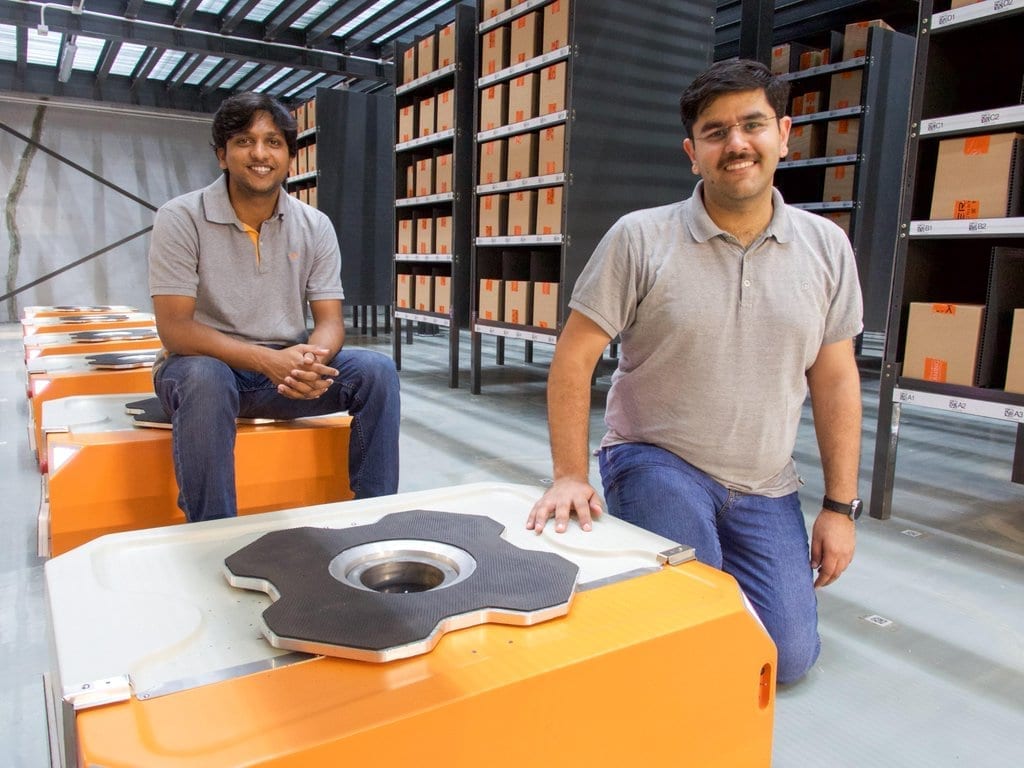
    Leading robotics and automation company, GreyOrange, announced the release of its next-generation software platform, GreyMatterTM, at the launch of the latest warehouse of the Nitori Holdings Group, Japan’s largest furniture and home furnishing chain with over 400 stores. The ButlerTM robotics system from GreyOrange is deployed at the Osaka centre of Home Logistics, a logistics subsidiary of Nitori Holdings which operates 34 distribution bases and a logistics network for product delivery to stores and e-commerce customers across Japan.

    In the Butler system, GreyMatterTM is an end-to-end Intelligent Order Fulfilment software solution from GreyOrange that controls and manages automation in a warehouse via collaboration among devices comprising Butler robots, storage racks, pick-put stations, charging stations, among others. Central to the GreyMatter software is its Artificial Intelligence (AI) which operates at several levels to drive autonomous collaboration to automate warehouse functions and processes.

    Its always-on AI algorithms learns from large amounts of data and identifies patterns quickly to perform in real-time to make super-smart decisions. It adapts to changing inventory profiles and order fulfilment requirements to optimise path planning and navigation of the robots and racks. This enables the team of robots to work together to maximise storage, streamline zoning, improve space utilisation and accelerate order fulfilment. This is particularly important for operations handling same and next day deliveries that require faster efficiency and accuracy, and a higher throughput in a volatile multi-SKU environment. The GreyMatter software is applicable across industries such as Ecommerce, Store Retail and Factory Warehouses.

    Manabu Matsuura, CEO of Home Logistics said, “For a start we stocked over the most popular items capable of fulfilling thousands of online orders a day. The Butler robotics and advanced software collaborate among the devices to take efficiency to new heights. The most number of items are brought from the racks to be picked in the shortest time, which is a very productive process. Over time as the system is continuously learning about our products, we expect to see increasingly higher levels of efficiency. Our staff appreciate working with these new processes as it is easy and they are seeing good results in their output. ”

    Nalin Advani, CEO – APAC, GreyOrange commented, “GreyOrange and GROUND Inc. our distributor in Japan, are honoured to work with the Nitori Group to deploy our Butler robotics solution and launch our next-generation Artificial Intelligence, GreyMatter, at the Home Logistics centre. E-commerce growth in Japan is forecasted to grow to US$200 billion within the next three years, and will accelerate annually in the lead up to the 2020 Olympics in Tokyo. We are excited to play our part in this exhilarating journey.”

    He added, “On top of Nitori’s industry-leading warehouse operations, we worked together to layer the AI-powered software to create a revolutionary process for order fulfilment. Within the AI of GreyMatter, the Industry Engine we have designed for E-Commerce provides control at even more granular levels than before.  Using machine learning and analytics, it is able to predict product popularity and seasonal trends, and more, to magnify the efficiencies for real-time order management.”

  • K11 art mall to open Pokemon Hub soon

    K11 art mall to open Pokemon Hub soon

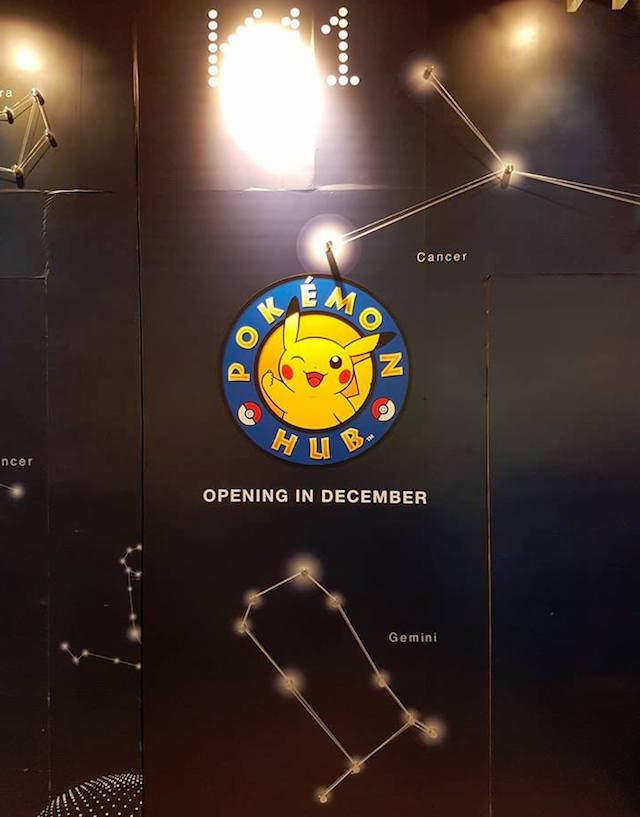
    A Pokemon Hub will open in Tsim Sha Tsui’s K11 art mall in time for Christmas.

    Few details have been released, including the opening date, but the official Facebook page has been publishing images of items on their way from Tokyo.

    Pokemon stores in Japan offer themed sweets, tableware, trading cards and plush toys.

    Pokemon Hub is the first official and permanent Pokemon store outside of Japan licensed by The Pokemon Company.

  • New Concept for L’Occitane Flagship store

    New Concept for L’Occitane Flagship store

    French-headquartered, Hong Kong-listed L’Occitane en Provence, opens a world-first concept store in Canada  which it says offers an immersive digital experience and connected shopping model.

    Two new L’Occitane flagships based on the concept will open in London’s Regent Street and on the Champs Elysee in Paris later this month, with the format to be rolled out globally from next year.

    The skincare, body care and fragrance retailer has completely redesigned its 1600sqft (150sqm) Canadian store, located in the Yorkdale Shopping Centre in Toronto.

    Inspired by the land and culture of Provence, guests are invited to take a multi-sensory journey, setting what the company describes as “a new standard for the L’Occitane in-store customer experience”.

    “Visiting this store will be an experience like no other. Upon entering, guests will feel a sense of wonderment – they will be transported to the lavender fields of Provence, learn about L’Occitane’s expertise in the art of extraction, and visit the land of Corsica, home of the powerful Immortelle flower,” said Paul Blackburn, North American VP of concept design, construction & merchandising.

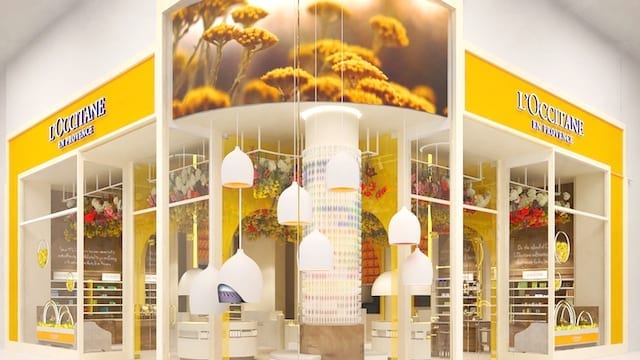
    “Behind the striking external glass facade, a curved video wall immediately attracts the attention of passersby. Below this eye-catching feature is an immersive digital experience inside a pair of suspended capsules. Within each capsule, a true story unfolds before your eyes combining imagery, scent, light and sound for a truly sensorial experience.”

    L’Occitane says the Toronto redesign is part of a larger expansion and refocus of store concept innovation from the brand. The company will pursue a ‘glocal’ retail strategy, in which it will tailor the customer experience with innovative and personalised services across the globe, while adapting the concepts according to local market specifications.

    The Regent Street store will be the largest L’Occitane store in the world, covering 6450sqft (600sqm), with specialised features to evoke all five human senses and a ‘test and play’ experience.

    “A visceral experience”

    L’Occitane commissioned brand creative and experience agency School House to create the new design.

    “Journeying through Provence is a visceral experience that changes something within you,” says Christopher Skinner, founder and principal of School House. “In 1976, Oliver Baussan experienced a connection to Provence’s land and culture, which he distilled from lavender and rosemary into essential oils. In the same way, we approached Yorkdale as an artistic expression of Provence, served through tactile and digital brand experiences that spark a sense of wonderment.”

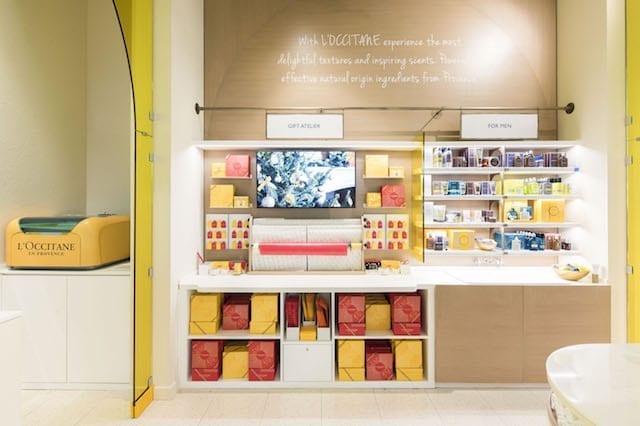
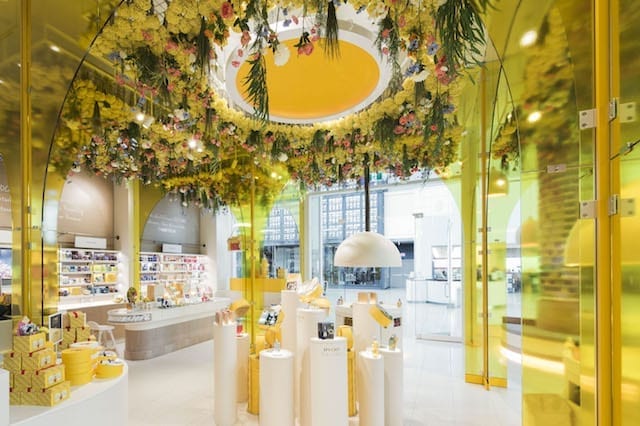
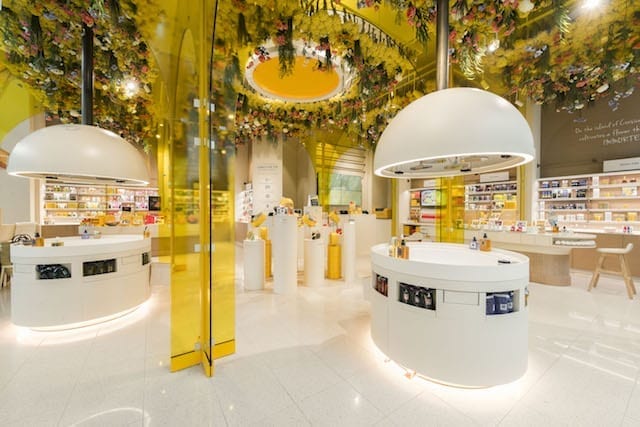
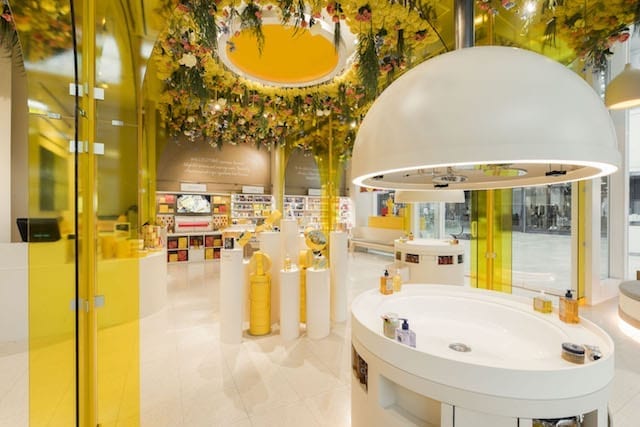
    Described as “a celebration of wonderment and discovery,” the Yorkdale boutique has multiple unique features for an immersive and connected shopping experience. An exterior facade stretching nearly seven metres hosts a curved video wall two metres high, drawing guests in-store. Upon entering, they are greeted by yellow glass archways, inspired by Provencal architecture. Key features include an interactive ‘skincare bistro’, and large hand-cream column wrapped in communal seating.

    “Provence is brought to life through an elevated shopping experience that channels the elements of earth, fire, air and water,” the company’s Canadian spokespeople say in a statement. “The elements are expressed through creative design features, heightening the senses and inviting exploration.

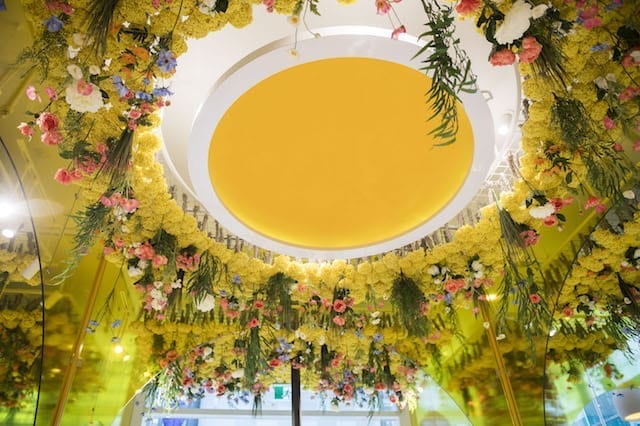
    “Earth is cultivated with a flooring of natural stone and a botanical ceiling installation of a ‘land reversed’. Water is cultivated with automated rain shower sinks, encouraging test-and-play with products beneath showers from hanging illuminated arched domes. Fire is channelled through a radiating sun installation set within the ceiling plane above. Lastly, air is cultivated into fragrance clouds, creating a unique testing experience for fragrances.”

    L’Occitane - new concept 10

    The L’Occitane team has also worked to ensure the store positively impacts the environment. All lighting will be 100 per cent LED, and, for the first time in North America, an in-store bottling recycling program in partnership with Terracycle will be offered. The stone flooring and countertops are made of recycled natural stone aggregates and contain pre-consumer recycled content. The yellow arches are made from co-polyester resin, incorporating 40 per cent pre-consumer recycled content, compatible with one of the largest post-consumer recycle streams.

    L’Occitane Yorkdale, opens on December 7, 2018.

  • Coca-Cola is yet to crack the code in Indian market

    Coca-Cola is yet to crack the code in Indian market

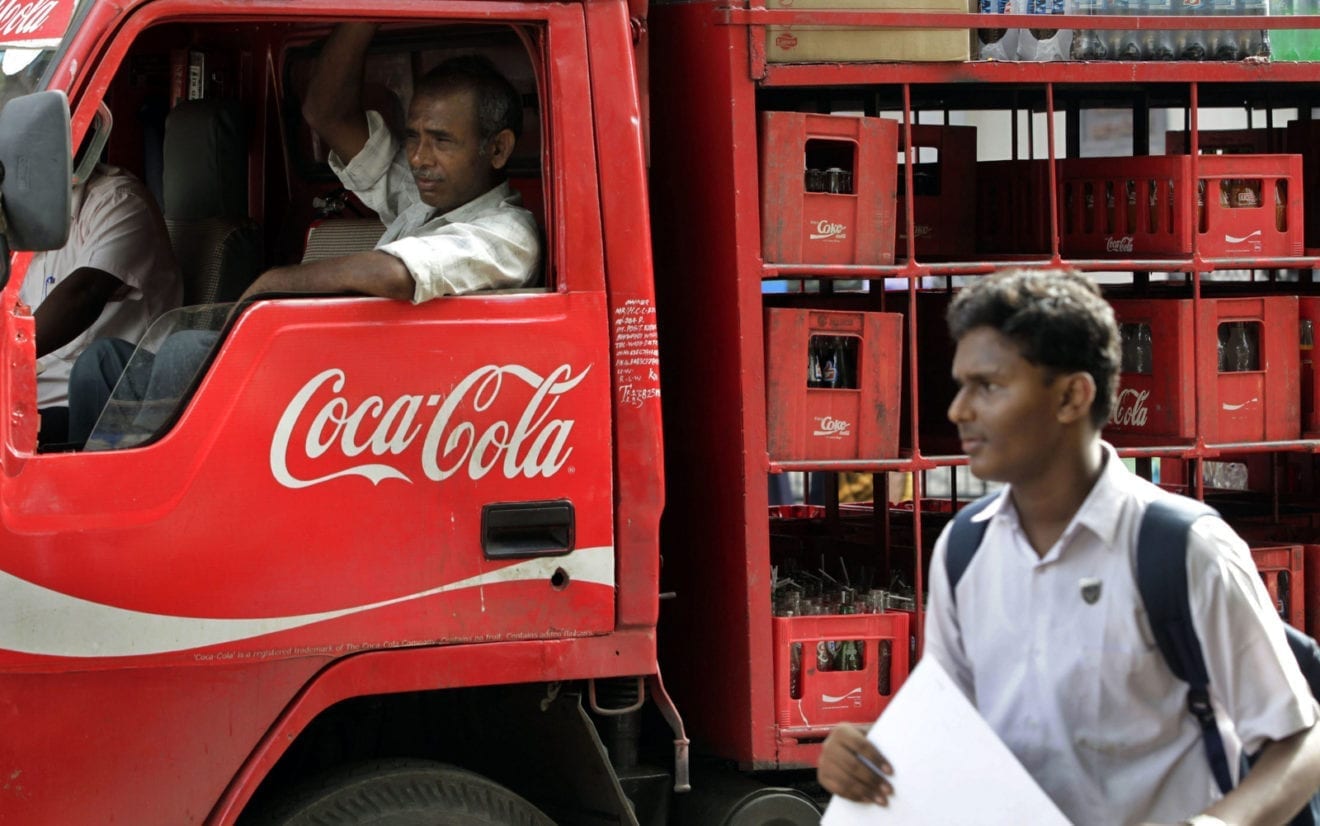
    Coca-Cola, the world’s largest beverage company, has not been able to crack a section of the Indian market even with brands such as Sprite, Maaza and Thums Up.

    India is “a different story,” John Murphy, President of the Asia Pacific Group of Coca-Cola, said at the company’s investor’s day conference in Atlanta, referring to a market of almost 300 million people in the bottom half of the pyramid in India that is yet to take to the global soft drink brands.

    “We have tried so many times in my time in the Coca-Cola system to crack the code there and we haven’t done it. We have got a team of pretty smart people who want to have the legacy to be the first to do so,” he said. India is the US giant’s sixth largest market and Coca-Cola is the country’s leading beverage maker.

    “In India we have leader brands, but we have an industry that is very underdeveloped,” Murphy said at the conference on November 16, adding that in China, Coca-Cola has a value share of an industry that is actually quite huge.

    He said Sprite, Maaza and Thums Up have tremendous equity in India and the company’s job is to leverage those brands to help grow the industry.

    “We’re excited with the work we have under way to do that. In addition, we have a couple of other categories that we believe have tremendous room for growth as we go forward and the good news is there are not too many there yet who have cracked the code on leadership in those categories,” Murphy said.

    Sales growth for soft drinks in India has tapered as urban consumers opt for low-sugar beverages and rural buyers cut discretionary spending. Smaller regional brands that are cheaper are getting popular, hurting the prospects of global beverage companies including Coca-Cola and Pepsi.

    Addressing investors and company executives across the world, including global president James Quincey, Murphy said the beverage maker had, over the past three years, launched over 500 products in Asia-Pacific.

    The runway for growth across Asia-Pacific is significant, given that 52% of the world’s population lives in the region, he said.

    “The beverage landscape in Asia-Pacific is very different today than you have seen in other parts of the world. Seven out of every 10 beverages consumed in Asia-Pacific are non-commercial,” he said.

    Asian consumers have something in common — whether they are in Japan, India or China.

    “Home rituals are important, hence the prevalence of self-home beauty, homemade juices. They love a lot of stuff, sweet, unsweet, hot, cold, gooey, un-gooey — you name it. They are very trend conscious increasingly in today’s environment and those trends are influencing the repertoire of beverages that they are trying and they love to try,” Murphy said.

    Mentioning the launch of mosambi juice under its Minute Maid franchise, Murphy said marrying a local desired fruit to a global brand creates value. The move to localise to the last mile with ethnic flavours and leveraging local fruit-based beverages is aimed at fighting back the onslaught of regional brands.

    Recent examples include ethnic flavours in carbonated soft drinks such as jeera drink RimZim and grape-flavoured Portello.

  • Tuvia Italia under kerry logistics wins capital elite award at china awards in milan

    Tuvia Italia under kerry logistics wins capital elite award at china awards in milan

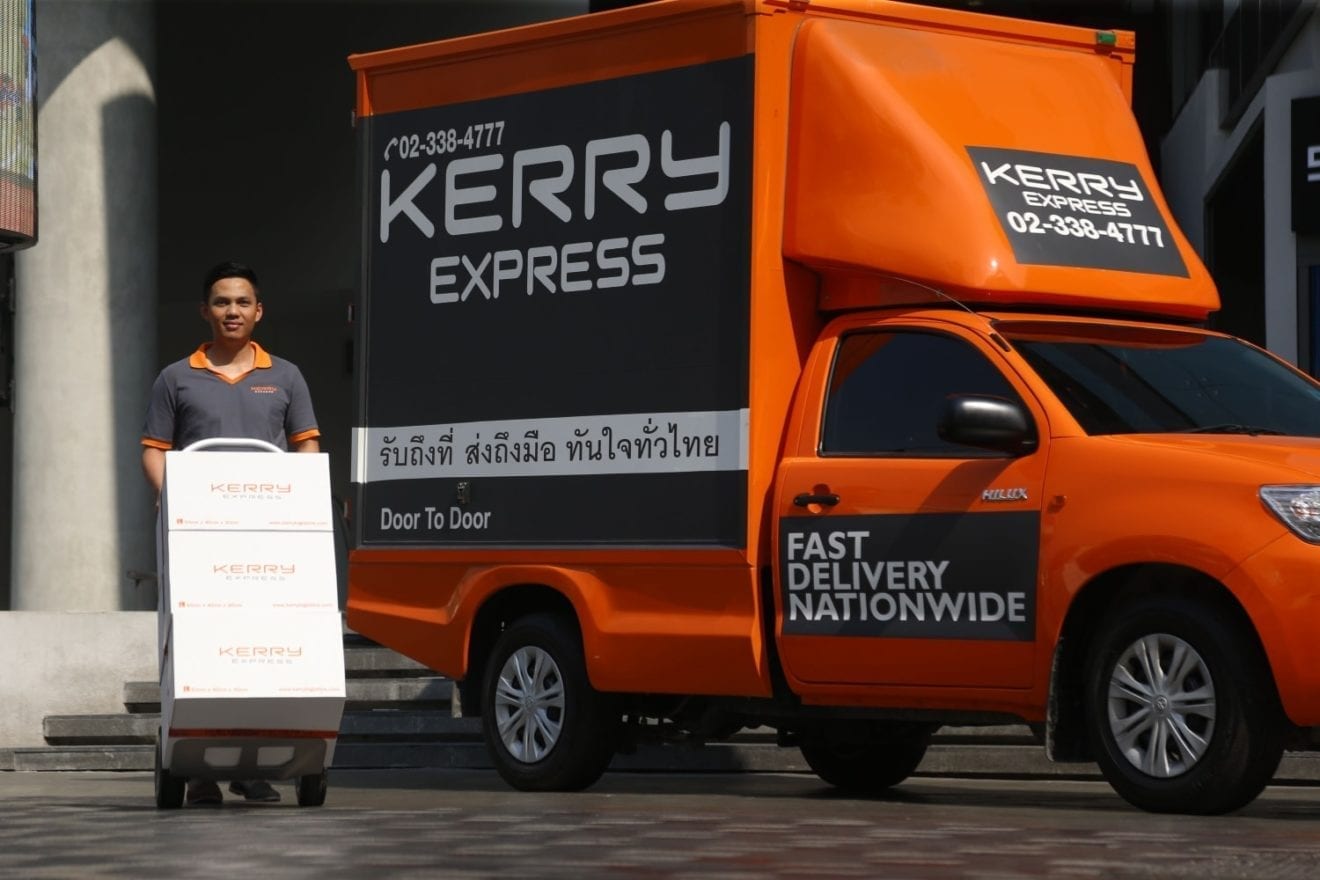
    Tuvia Italia under Kerry Logistics Network Limited, has garnered the Capital Elite Award at the China Awards 2017, in Milan, Italy.

    The China Awards, organised by the Italy-China Foundation, recognise and champion Italian and Chinese companies that have maximised opportunities of cross-border investment in both countries. Judges of the awards included senior members of the premier Italian financial newspaper MF-Milano Finanza, the Italian Chamber of Commerce in China, and the University of Brescia.

    Alessandro Canese, Managing Director of Tuvia Italia said, “Receiving the Capital Elite Award is a wonderful recognition of how investment opportunities for many sectors depend upon efficient logistics services. The tools to trade across borders and supply the international markets are increasingly important to today’s shippers, and we do our utmost to facilitate them, including acting as tax agent for non-EU customers wishing to set up operations in Italy.”

    Tuvia Italia was recognised for its work assisting the two most famous ‘non-docking’ bicycle Chinese companies to begin operations in Italy by using its new China-Europe rail services, launched this year.

    It also supported the launch of Chinese operations for an Italian e-retailer by integrating Chinese online platforms Alibaba, JD, TMall, and Yihaodian, into its own fulfilment software. Tuvia Italia was also appointed by a leading Chinese telecommunication company to run the downstream logistics operations for a strategic infrastructure project with a major telecommunication company in Italy. In November 2017, Tuvia Italia was welcomed as a member of the Italy-China Foundation.

    To support trade flow between China and Italy, Tuvia Italia participated in the business conference ‘Belt and Road Initiative: Building a Concrete Roadmap for Italy and China’s Joint Growth’ in Milan, Italy on 30. November 2017. Rio Lam, Assistant Manager Global Management Office of Kerry Logistics, illustrated to the audience the opportunities and challenges along the new Silk Road.

  • DHL Express takes delivery of first new A330 converted freighter

    DHL Express takes delivery of first new A330 converted freighter

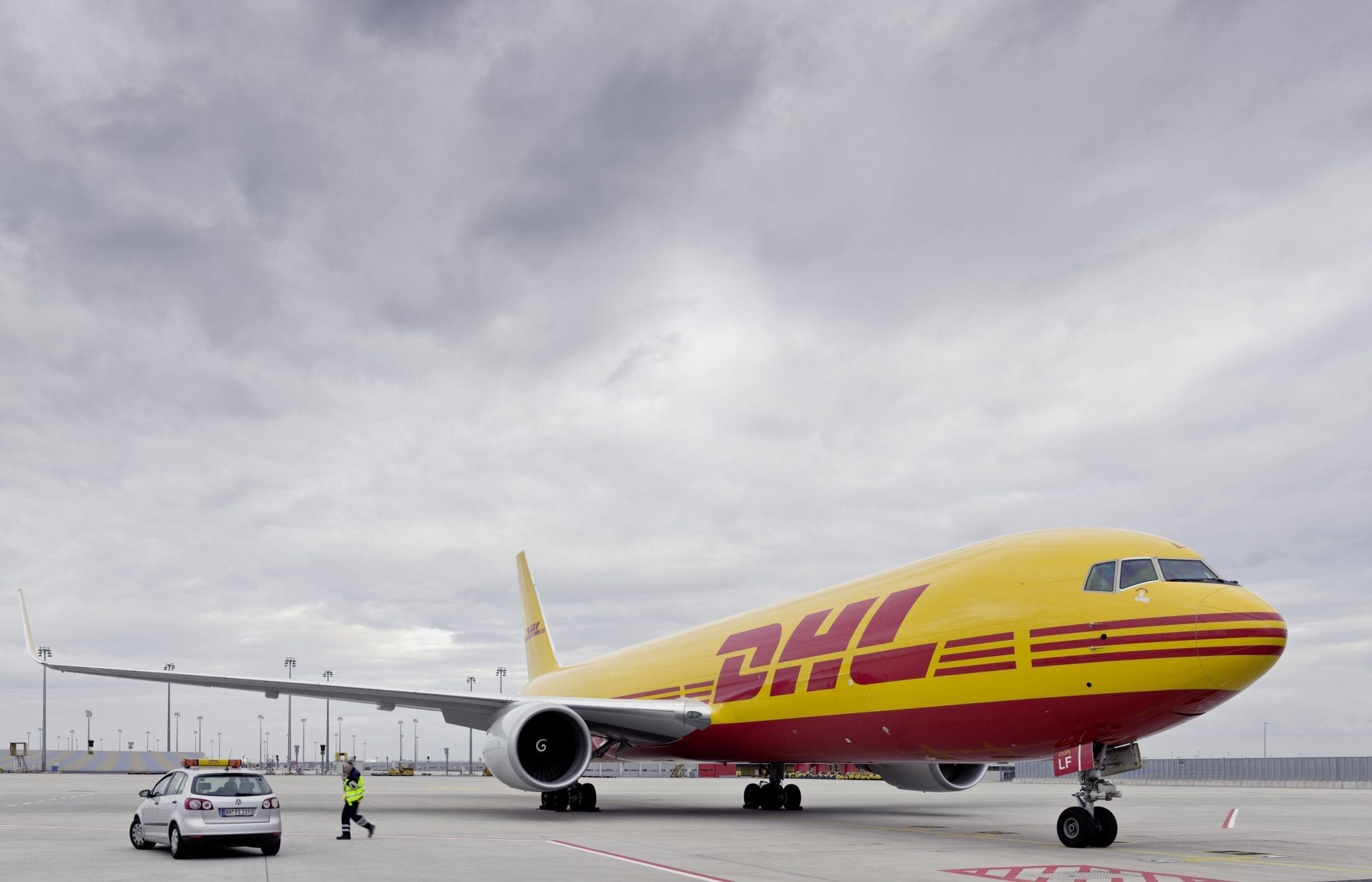
    Express freight specialist DHL Express has become the first operator to accept an Airbus A330-300 Passenger-to-Freighter (P2F) converted aircraft from Elbe Flugzeugwerke (EFW), the joint venture between Singapore-based ST Aerospace and Airbus.

    DHL Express has ordered eight A330-300P2Fs, with options for a further 10.

    The handover at EFW’s conversion facilities in Dresden, Germany followed the completion of test flights in October and award of a Supplemental Type Certificate (STC) by the European Aviation Safety Agency (EASA) in November.

    “The first aircraft is scheduled to strengthen our Asia-Pacific air network, bringing added capacity and increased efficiency to a market where we are seeing dynamic express volume growth,” DHL Express SVP- global air fleet management Geoff Kehr said.

  • Korean fashion brand to invade China market

    South Korean fashion retailer Shinwon Corp has launched a joint menswear brand with China’s Golden Eagle Retail Group in a move to advance into China.

    It is the first such move by a Korean fashion company.

    Shinwon says the new brand, Mark M, is available in department stores owned by Golden Eagle Retail Group including its Nanjing Xianlin, Nanjing Xinjiekou and Shanghai stores. The group has 30 department stores in major cities.

    Mark M is a casual brand targeting young men born between 1980 and 1989, known as “baling hou” or the “post 1980s” generation in China. Shinwon is responsible for the brand’s design and marketing, with Golden Eagle Retail Group handling distribution. The two companies are expected to seek an IPO in Hong Kong for the joint venture.

    Meanwhile, the two companies plan to expand their partnership to include other industries such as F&B to become a comprehensive lifestyle service provider in the long term.

  • Can Japan’s Uniqlo make it big in India?

    Can Japan’s Uniqlo make it big in India?

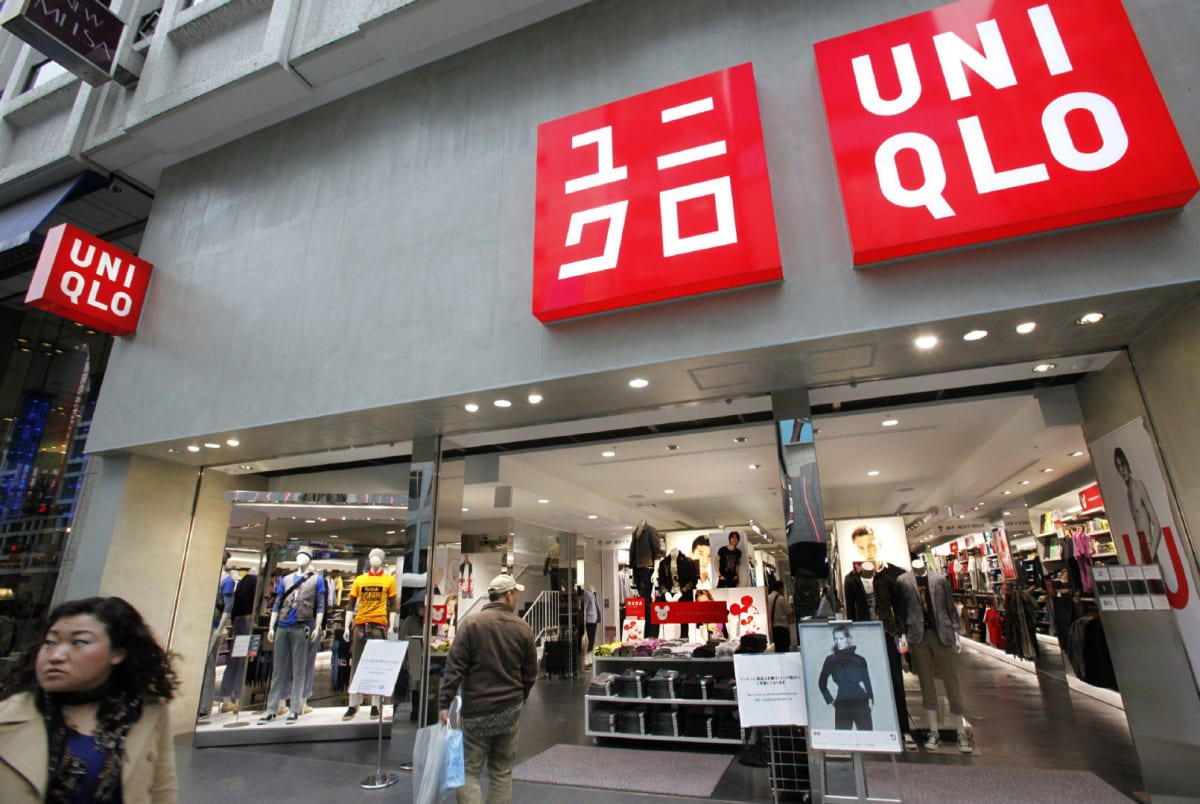
    Japanese brand Uniqlo, Asia’s largest apparel retailer, is all set to enter India. The Fast Retailing Co-owned brand, popular for its casual clothing in solid colours and iconic lightweight jackets, has sought the approval of India’s department of industrial policy and promotion (DIPP) to undertake single-brand retail trading in the country.

    If its proposal is cleared, Uniqlo will join the ranks of fast-fashion brands such as Zara, Forever 21, and H&M to open stores in Asia’s third-largest economy, where fashion retail is a $70 billion business. And here, its range of winter-wear, polos in solid colours, linen shirts, and other minimalistic offerings could well lure legions of young, aspiring shoppers hunting for branded clothing.

    While Uniqlo’s positioning and fashion are visibly different from that of Spanish retailer Zara and Swedish label H&M, with more focus on basic clothing and a strong line-up of winter wear, the brand will have to work on its pricing, communication, and styles to suit Indian shoppers, said retail experts.

    That’s because, unlike in other Asian markets, the brand is quite niche in India. “Not too many Indians know it as (well as) they know a Zara or H&M, so expansion is going to be a big challenge,” Pankaj Renjhen, managing director-retail at real estate consultancy JLL India, said. “Since Uniqlo is a basics brand…its positioning will have to be in line with that, which means the sizes and pricing will need to be tailored to India.”

    But what is likely to work for Uniqlo is its plain linen shirts and trousers that may find takers among India’s young office-goers seeking business casuals. Also, the Japanese firm offers a mix for both men and women, unlike Zara and H&M that mostly target the later. “While Zara and H&M are high on the fashion quotient, Uniqlo will have an appeal with the more young, office-going crowd as it offers casual wear at affordable prices,” said Ankur Bisen, vice-president of retail and consumer products at Technopak. “It also has a wide range for both men and women.”

    Uniqlo’s interest in India comes at a time when the retailer, which first opened a shop in Hiroshima in 1984, has been expanding its presence outside Japan where it holds a 6.5% share of the apparel market. In its most recent earnings report, the Fast Retailing Co posted a record operating profit of $1.57 billion for the year ended August 2017, bolstered by a jump in Uniqlo’s international business.

    For India, it has spent years evaluating the country’s policies. India allows foreign retail companies to invest directly in single-brand retail trading but has local sourcing requirements. Top Uniqlo officials have on several occasions met Indian government representatives to discuss its India debut. “India is a market with great potential,” a company spokesperson told Bloomberg, adding, “At the moment, we are awaiting word from the government, and we will be able to discuss potential future steps at a later date.”

  • Vietnam’s PM demands answer on rubber firm sprung for stretching financial legality

    Vietnam’s PM demands answer on rubber firm sprung for stretching financial legality

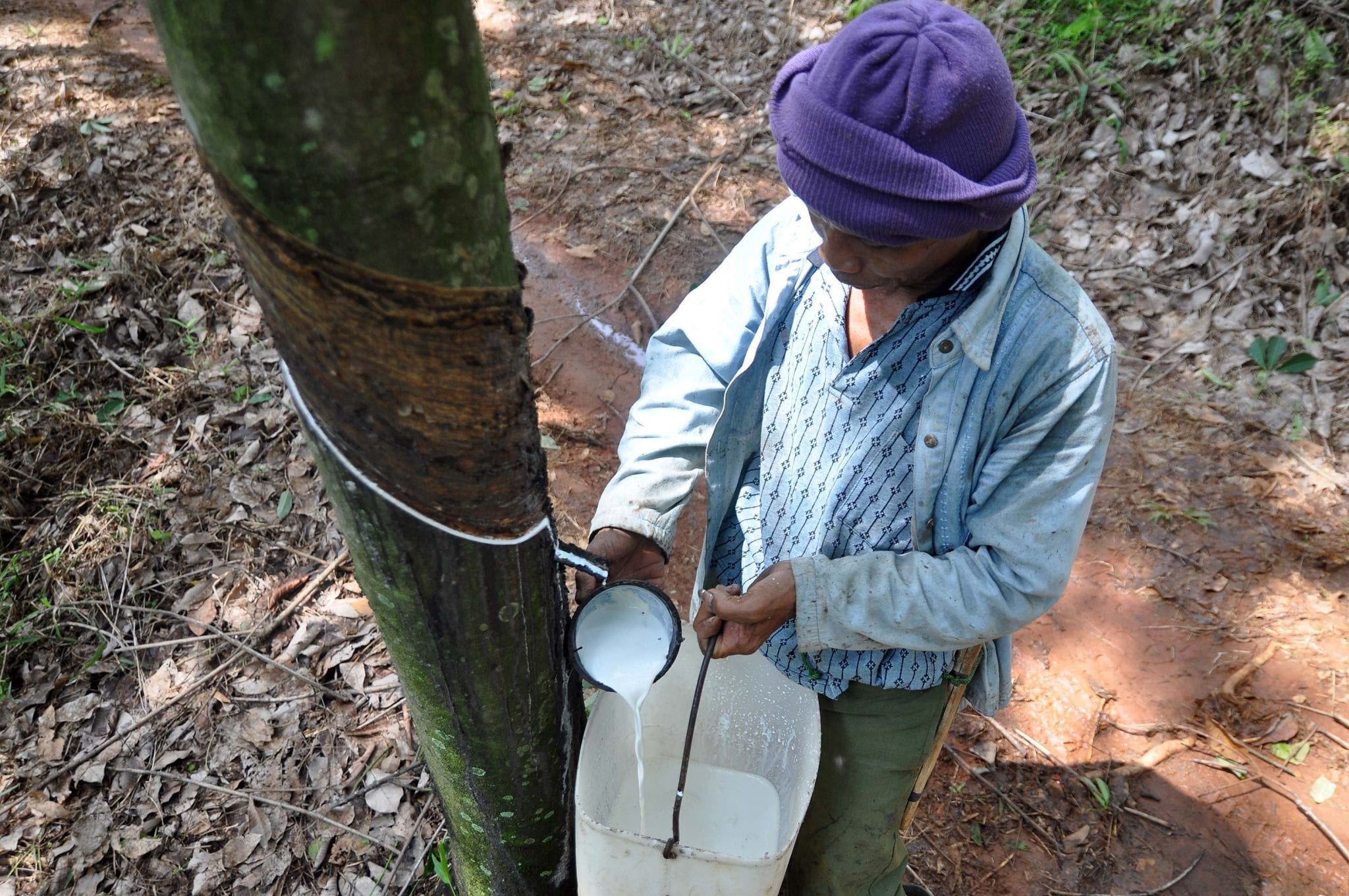
    Prime Minister Nguyen Xuan Phuc has called for a report on potential fraudulent activity at the state-owned Vietnam Rubber Group (VRG) after government inspectors discovered misuse of state capital and assets at the group three years ago.

    The Ministry of Public Security has been instructed to submit the report by December 31.

    VRG, in which the Vietnamese government currently owns a 95 percent stake, has allegedly committed fraud worth up to VND8.4 trillion ($370 million).

    Between 2006 and 2011, the group spent over VND2.42 trillion, or 13 percent of its charter capital, on non-core businesses, such as cement, hotels, steel, hydropower projects and the stock market.

    Most of the investment came from the state budget, but the group reported that it did not generate any profits.

    Some VRG leaders have also been accused of contributing capital to establish and run a seafood import-export firm in the southern province of Dong Thap.

    VRG also raised its charter capital in 2010 and 2011, without government approval, by VND1.84 trillion.

    And although the inspection, completed back in 2014, was aimed at handling individuals and groups that committed fraud, VRG has yet to be held accountable.

    Thanh Nien (Young People) newspaper reported last month that where the money had gone, and how the group would make up for the massive sum, remained a questions that the public still has no answer to.

    In September, VRG rolled out a privatization plan, in which it declared a charter capital of VND40.7 trillion and 244,000 hectares (593,052) of lands in 18 cities and provinces across the country.

    The rubber giant, which has 103 subsidiaries, expects to earn VND13 trillion from selling one billion shares in its initial public offering.

    It also has a target of earning more than VND3 trillion in net profit this year, up 9 percent from last year.

    “There is a sense of urgency in Vietnam to privatize state-owned enterprises (SOEs) and use the money raised from public offerings to alleviate the government’s fiscal burden,” HSBC said in a report in August.

    Late last year, PM Phuc signed off on a decision which pushes for further divestment of state capital in existing SOEs by eliminating or reducing the minimum level of ownership that the government holds in certain industries.

    The decision provided a clearer roadmap for equitization by saying that the state will equitize 137 SOEs and sell its entire stakes in 103 firms. Equitization is the term Vietnam uses to describe the process of issuing shares to partially privatize state-owned businesses in which the government will still hold the majority stake.

    The Ministry of Finance said in June that the country’s public debt, which includes central government debt, government-backed loans and local government debt, may reach the ceiling set by the legislative National Assembly of 65 percent of gross domestic product from 2017-2018.

  • AirAsia resumes Bali and Lombok flights

    AirAsia resumes Bali and Lombok flights

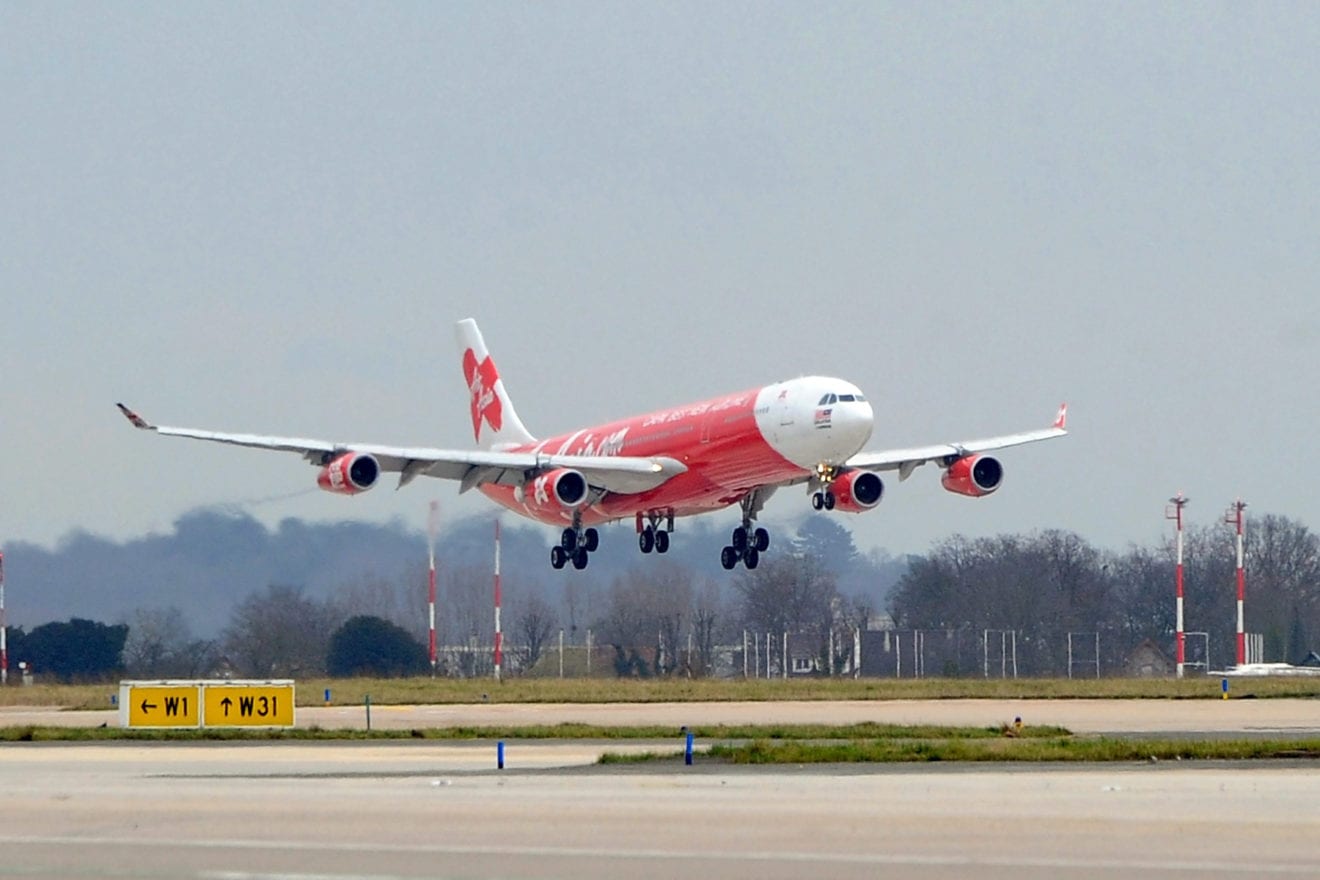
    AirAsia has resumed flights to and from Bali and Lombok, with flying conditions around the Gusti Ngurah Rai International Airport and Lombok International Airport expected to remain clear.

    AirAsia, in a statement today, said it would continue to monitor the situation closely and keep guests informed of any development.

    The Malaysian-based low-cost airline also advised passengers to check the status of their flight on Twitter (@AirAsia) or airasia.com before heading to the airport.

    It said those flying to Bali or Lombok from now until Dec 31, who no longer wished to travel, would be entitled to choose one of the service recovery options.

    “For flights from Nov 25 until Dec 10, guests can pick to move flight and change to a new travel date on the same route within 30 calendar days from the original flight date without additional cost and subject to seat availability.”

    “They can also retain the value of fare in their AirAsia BIG Loyalty account for future travel with the airline or obtain full refund in the amount equivalent to their booking, via the e-form available on support.airasia.com,” it said.

    Meanwhile, for flights from Dec 11 until Dec 31, passengers can choose either to change flights to a new travel date on the same route up to Jan 31, 2018 without additional cost and subject to seat availability or reroute to another destination within the AirAsia network with fare difference applicable, subject to seat availability.

    “Or guests can retain the value of fare in AirAsia BIG Loyalty account for future travel with AirAsia,” it added.

    The airport reopened on Wednesday last week, two days after volcanic ash spewing from Mount Agung spread across the island and forced it to close. Malaysia Airlines (MAS) and Malindo Air resumed their flights to the island last week, following the reopening of the airport.

    Most airlines, however, only resumed their flights to the popular holiday destination this week.

    More than 120,000 tourists were stranded in Bali, including 1,000 Malaysian tourists during the closure of the airport.

  • Outstanding start for Nanchang Capital Outlets

    Outstanding start for Nanchang Capital Outlets

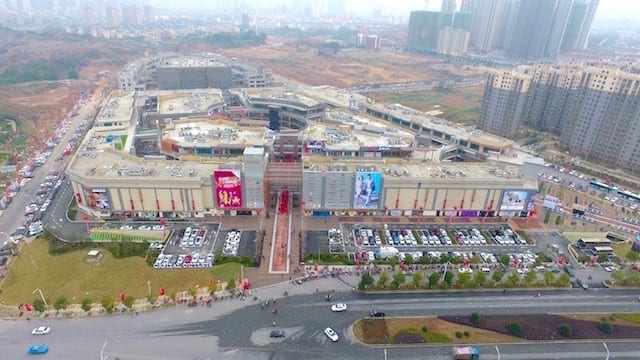
    In its first three days, Nanchang Capital Outlets generated sales of more than RMB21.8 million (US$3.2 million) with customer traffic exceeding 1.8 million.

    It is the second outlet project this year for Beijing Capital Grand, the commercial property arm of Beijing Capital Land, and its sixth outlet project in China. It is also the company’s first foray into central China. Nanchang is one of the 10 youngest cities in China.

    Covering 130,000sqm, Nanchang Capital Outlets combines key elements of Chinese lifestyle and culture. It has more than 300 shops, including international, fast-fashion and sportswear brands, children’s entertainment, theme restaurants, reading corners and 2000 parking spaces.

    Still to come are a trampoline park, Jump360, a 5000sqm Imax cinema and an 8000sqm supermarket.

    The project’s 150-plus fashion and lifestyle boutiques include Adidas, Aigner, Chic Outlets Multi Brands Boutique, New Balance, Nike, Rodrigo, Skechers and Stella Luna. The food line-up includes KFC, Taste of Caimi and Yuemandajiang Classic Sichuan Hot Pot.

    About 12 more Capital Outlets projects are on the drawing boards.

  • Lotte Duty Free to partner with Klook

    Lotte Duty Free to partner with Klook

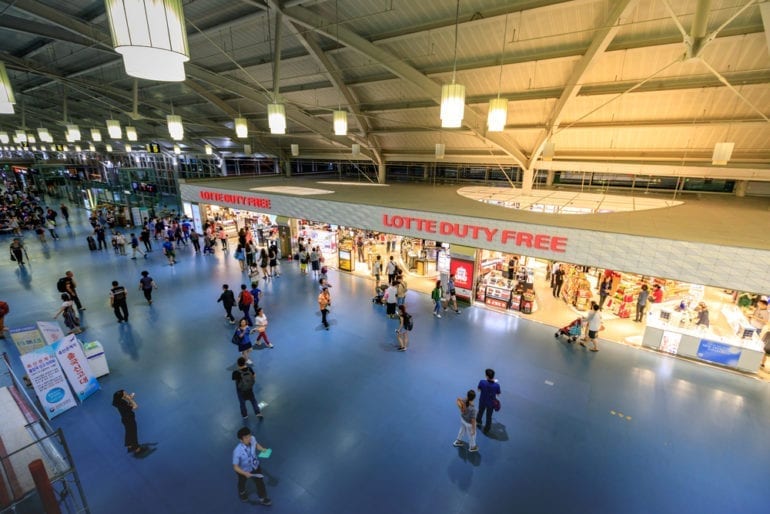
    Travel booking platform Klook has signed a memorandum of understanding with Korea’s Lotte Duty Free Shop to attract more travelers to South Korea by offering shopping deals.

    Shopping ranks as the top activity for 67.2 per cent of tourists in Korea, according to the Korea Tourism Organisation. This is followed by such activities as dining, cultural and historical tours, and sightseeing.

    Under the partnership, Klook will introduce Lotte DFS shopping discounts for its users. The discounts can be taken up in any Lotte DFS store in Korea. Also, Lotte DFS customers will be offered discounts of up to 70 per cent on Klook travel experiences in more than 120 destinations.

    The dual marketing campaigns are being rolled out this month.

    With its headquarters in Hong Kong, Klook became established in Korea early this year. Its services include e-tickets to Lotte World, entry to the Nanta Show culinary performance, Korea Rail Pass, restaurant deals and exclusive snow activities in Pyeongchang, where the Winter Olympics 2018 will be held.

    Klook’s network of more than 3000 direct partners includes such attractions as Bangkok’s Blue Elephant Cooking School, Disneyland, Hong Kong’s Ngong Ping 360 and Universal Studios.

    Founded in 2014, Klook has a team of more than 400 across 13 offices. Its services are available in seven languages, and it supports more than 30 currencies.

  • GM venture to recall nearly a million vehicles in China

    GM venture to recall nearly a million vehicles in China

    One of General Motors’s China ventures will recall nearly a million vehicles due to fuel tank problems, the country’s quality watchdog said on Friday, the latest in a spate of major auto recalls in China over the last few months.

    SAIC-GM-Wuling Automobile Co Ltd is a three-way tie-up between SAIC Motor, General Motors and Guangxi Automobile Group, formerly known as Wuling Motors.

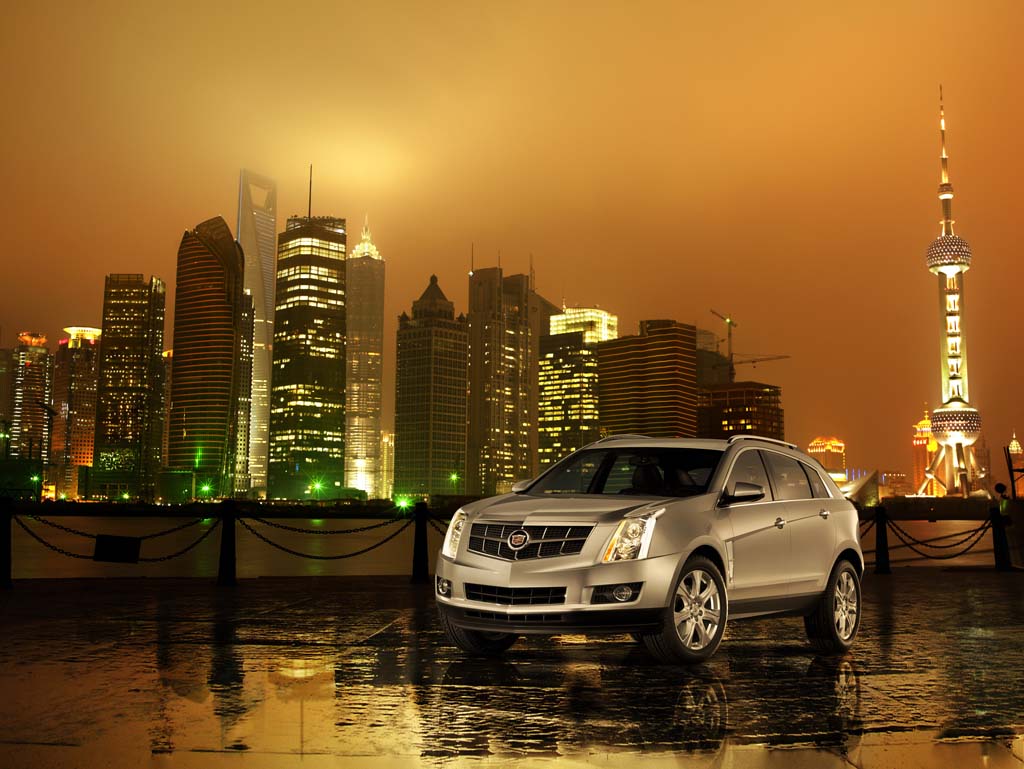
    The recall of the 938,686 vehicles involves two models of the venture’s popular Baojun cars, a high-volume, entry-level brand for the Chinese market, which sold more than 2 million vehicles last year.

    GM did not immediately respond to a request for comment.

    This year has seen a number of major car recalls in China, the world’s biggest auto market.

    China’s quality watchdog said in September GM and its China ventures would recall over 2.5 million vehicles over airbag issues. That followed a similar 4.86 million vehicle recall by Volkswagen AG and its Chinese joint ventures.

    GM produces vehicles in China through a joint venture with SAIC, the country’s largest automaker, as well as the three-way venture that is now working on an electric battery car called the Baojun E100 to help meet strict new-energy vehicle quotas.

  • Vietnamese equities lead Asia-Pacific price gains in November

    Vietnamese equities lead Asia-Pacific price gains in November

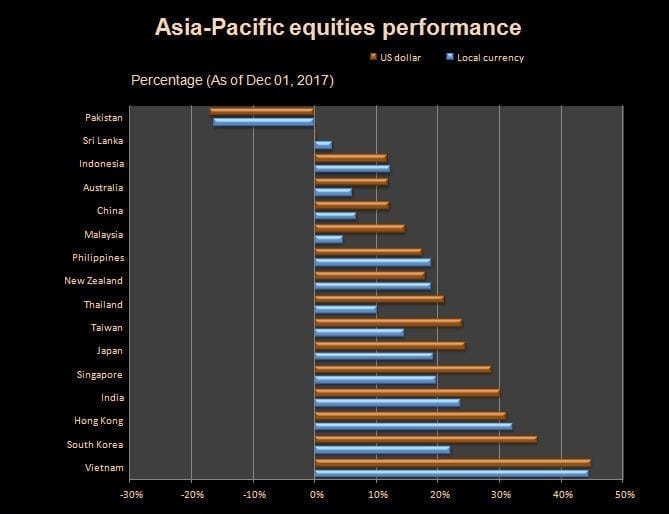
    Vietnamese shares reached decade-highs and topped Asia-Pacific with the highest price gains in November, bolstered by rising foreign interest during the month.

    Foreigners were net buyers of about $500 million of shares in the country’s stock market in November, the highest monthly purchases in at least seven years.


    Vietnam will also kick off the sale of a majority stake in Sabeco, the country’s biggest brewer, in December.Singapore-listed Jardine Cycle & Carriage Ltd’s purchases of about $900 million in Vinamilk’s shares was seen as a positive for Vietnamese markets, with government aiming to trim its stakes in more state-owned firms.

    The Vietnam index rose more than 13 percent in November.

    Hong Kong and Japanese shares rose more than 3 percent each in November.

    Sri Lankan stocks led the losers with a fall of 3.11 percent, followed by China and Taiwan shares with declines of more than 2 percent.

    South Korean, Malaysian, Thai, Philippine and Indian equities fell between 1 to 2 percent.

  • VW brand forecasts record sales of over 6 million models

    VW brand forecasts record sales of over 6 million models

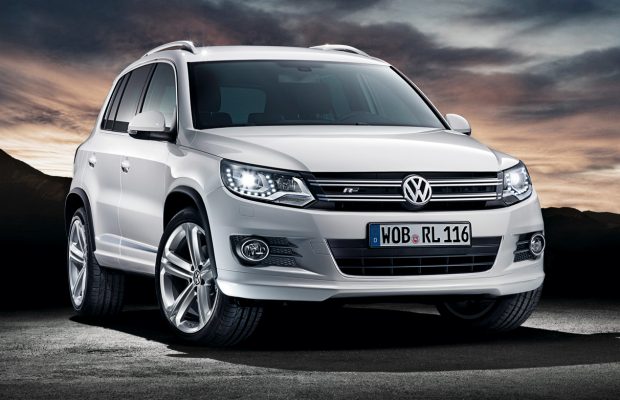
    The Volkswagen car brand expects deliveries to hit a record this year and raised its midterm profitability forecast on Thursday, citing cost cuts and expanding ranges of higher-margin models.

    While the emissions scandal of September 2015 has cost Volkswagen (VW) billions of euros in fines and penalties, it doesn’t seem to have had a lasting effect on the carmaker’s popularity with motorists.

    The world’s largest automaker said it expects to significantly exceed last year’s record 5.99 million VW brand auto sales in 2017, counting on strong momentum in China, Europe and the United States.

    The operating profit margin at the VW brand may climb to between 4 and 5 percent by 2020, the carmaker said, still lagging rivals such as PSA Group and Toyota  but higher than the 4 percent or more VW has previously been indicating.

    The increase brings the VW group’s largest division by sales into line with a more upbeat outlook for overall VW group profit announced earlier in November.

    “We have completed the first five kilometers of a marathon,” VW brand chief executive Herbert Diess said. “We are all aware of the challenges that lie ahead of us.”

    The maker of VW’s top-selling Golf hatchback expects to significantly improve underlying earnings this year from the 1.9 billion euros in 2016, which would mark the brand’s first profit gain year-on-year since 2011, Diess said at a news conference.

    Profit will be driven by a growing number of more lucrative sport-utility vehicles (SUVs), whose share of overall brand sales may triple to about 40 percent by 2020 from currently 14 percent, the CEO said, citing the redesigned Touareg and an all-new T-Cross due to hit dealerships in 2018.

    “With SUVs, we are earnings the money we need to fund the shift towards electric mobility,” Diess said, referring to the brand’s accelerating push into zero-emission vehicles.

    The VW brand, which has been undergoing heavy restructuring for about a year, said it has kept fixed costs broadly stable this year despite growing spending on model launches.

    The carmaker said it will achieve 3,800 job cuts in Germany by the end of 2017, a year after it agreed with unions to slash 23,000 positions via natural attrition by 2020.