Tag: asia

  • China Jo-Jo expansion plan in Hangzhou

    China Jo-Jo expansion plan in Hangzhou

    China Jo-Jo Drugstores has added seven more retail outlets in Hangzhou.

    Chairman/CEO Liu Lei says the stores offer convenient access to best-in-class pharmacy products and services.

    All stores are full-service pharmacies staffed with licensed pharmacists. They offer prescription and OTC medicines, traditional Chinese medicines, dietary supplements, medical devices, health and beauty products and general merchandise.

    A rewards program offers members exclusive discounts and enhanced customer experience.

    The seven new stores are in the Binjiang (two), Jianggan, Lin’an (two),  Shangcheng and Yuhang districts. The company opened two stores in Lin’an just three months ago.

  • FamilyMart Japan to sell its Interests

    FamilyMart Japan to sell its Interests

    Japanese convenience store company FamilyMart Uny Holdings may sell its Hong Kong retail interests.

    Working with a financial adviser, the company is seeking about US$100 million for its three stores, insiders say.

    In Hong Kong, FamilyMart Uny runs department stores under the Apita, Piago and Uny brand names. They sell stationery, clothing and food ranging from local produce to imported chocolate, wine and wagyu beef.

    Government statistics show that sales in Hong Kong’s supermarket industry fell 0.1 per cent in the first 10 months of this year, compared with overall retail industry sales rising 1.2 per cent.

    A spokesman told the company had no plans to sell the stores at the moment.

  • Subaru Expands Production at Assembly Plant

    Subaru Expands Production at Assembly Plant

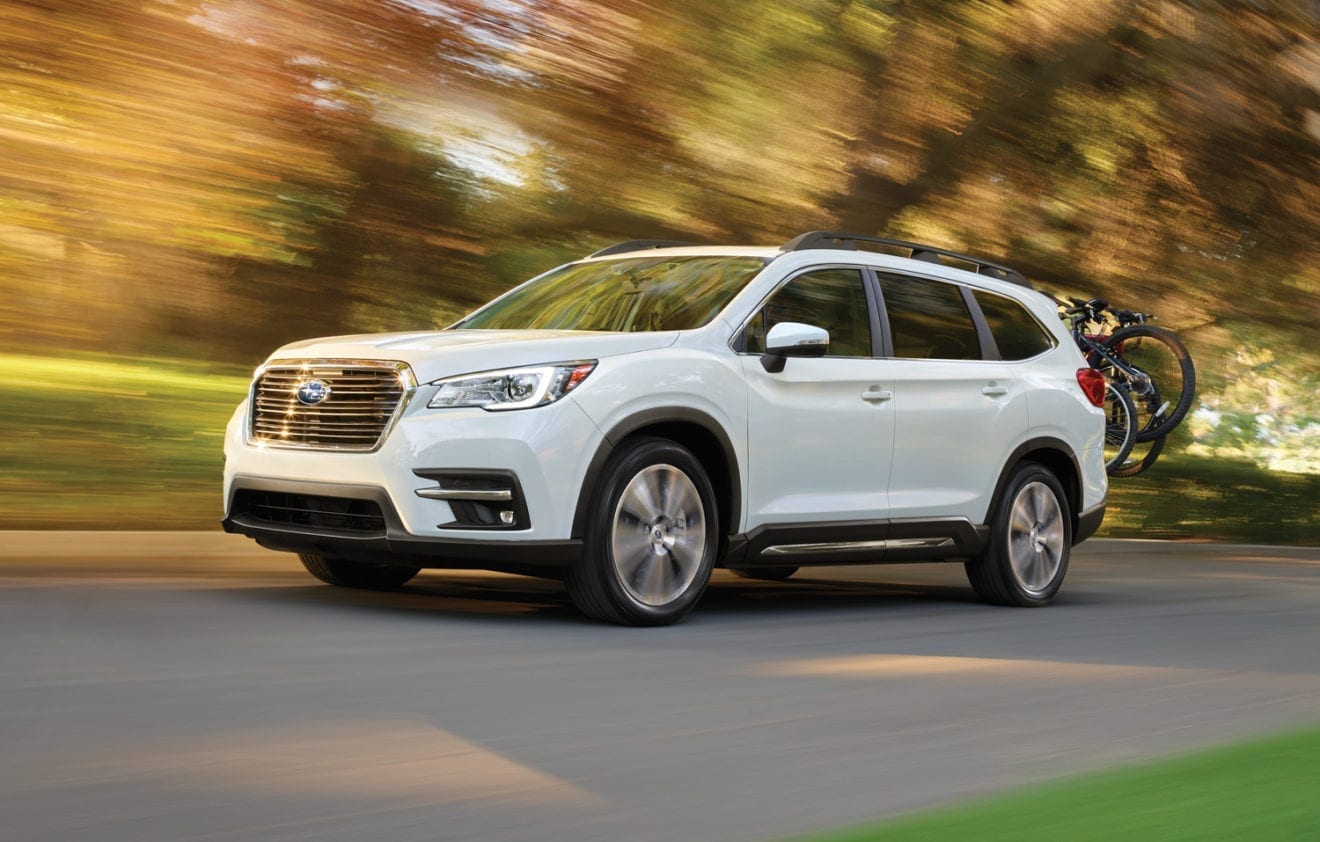
    Subaru of Indiana Automotive unveiled its new Subaru Ascent, which will be manufactured at the automaker’s assembly plant in Lafayette, Indiana. To support the increased production, the company plans to create up to 200 new jobs by 2018.

    As an incentive, Indiana Economic Development Corporation offered Subaru of Indiana Automotive Inc up to $500,000 in training grants based on the company’s job creation plans. These incentives are performance based, meaning until Hoosiers are trained, the company is not eligible to claim incentives. The city of Lafayette and Tippecanoe County support this project.

    “The Subaru Ascent is a great addition to our production mix,” said Tom Easterday, Senior Executive Vice President of SIA. “This great new family vehicle allows us to create hundreds of new jobs at SIA, and also at our suppliers in Indiana and across the country.”

    The company, which is a subsidiary of Subaru Corporation and is the company’s only assembly plant outside Japan, will invest more than $140 million to purchase new machinery and equipment to add production of the Subaru Ascent in 2018 to meet the growing demand for mid-level vehicles in North America. The all-new Subaru Ascent is a three–row crossover vehicle that has the capacity to hold seven or eight passengers.

    SIA currently employs more than 5,600 associates at its location in Indiana and will produce approximately 400,000 vehicles in 2018, including the Subaru Legacy, Impreza, Outback and Ascent. Since the start of the company’s production 30 years ago, the facility has produced more than five million vehicles.

    “Today we witness Subaru’s continued commitment to Indiana as the company unveils the all-new Subaru Ascent and announces its plans to create more jobs for Hoosiers,” Governor Eric J. Holcomb said. “For 30 years, Subaru has spurred economic growth and I’m confident they will witness continued success as we work to take Indiana to the next level by growing our economy and developing the skills of our workforce.”

    “We are pleased that the IEDC recognizes the value that SIA brings to our community,” said Lafayette Mayor Tony Roswarski. “As one of the area’s largest employers, SIA has established itself as a company who offers jobs that can translate to lifetime careers, with tangible and lasting benefits directly impacting quality of life.”

  • Toyota’s November China vehicle sales dip 1.3 pct

    Toyota’s November China vehicle sales dip 1.3 pct

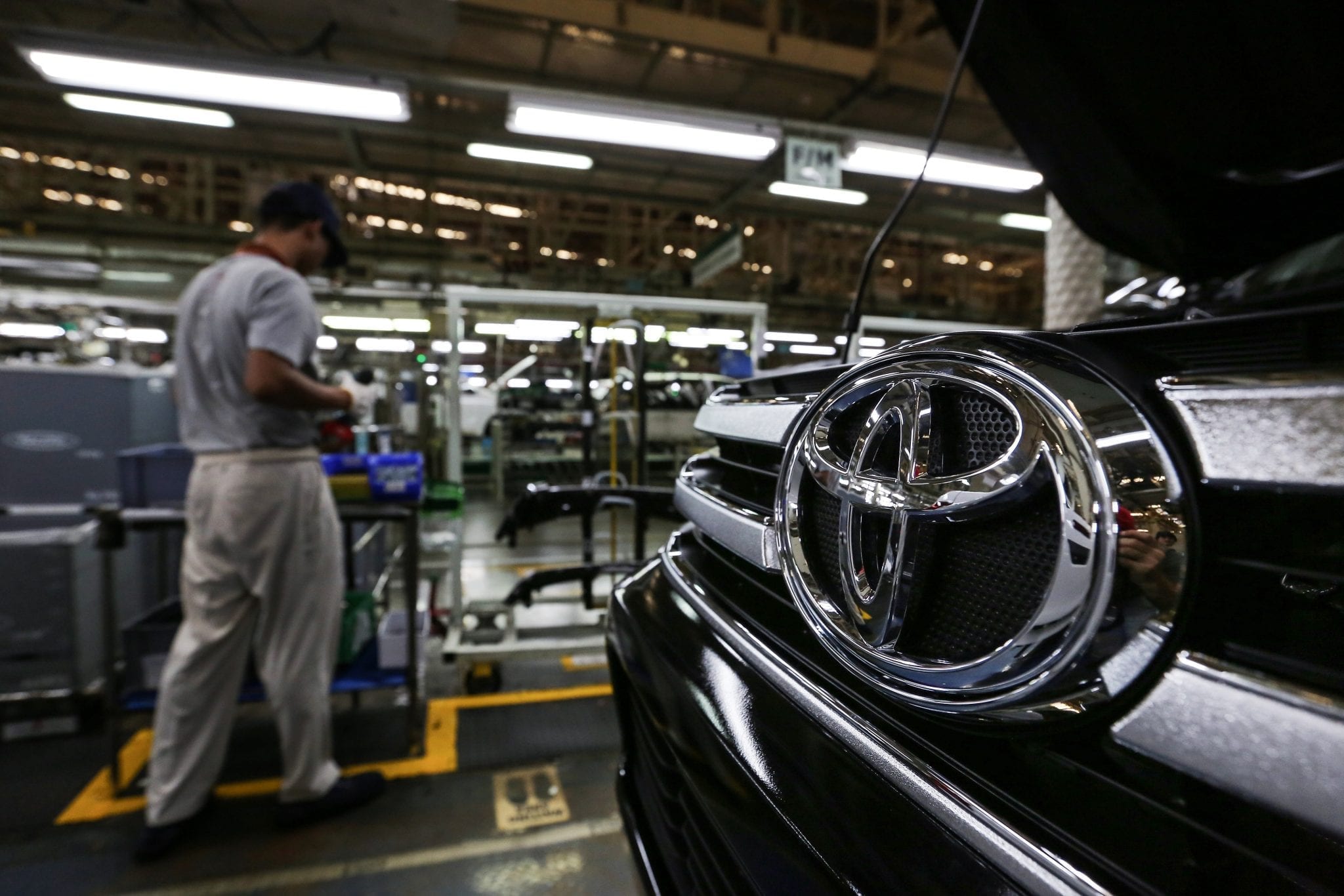
    Toyota Motor’s sales in China fell 1.3 percent in November from a year earlier to 109,600 vehicles, following a 13.5 percent gain in October, the company said on Tuesday.

    The Japanese automaker’s sales during the first 11 months of the year totaled 1.18 million vehicles, up 7.5 percent from the same period a year ago.

  • AmInvest Research neutral on transportation sector, AirAsia top pick

    AmInvest Research neutral on transportation sector, AirAsia top pick

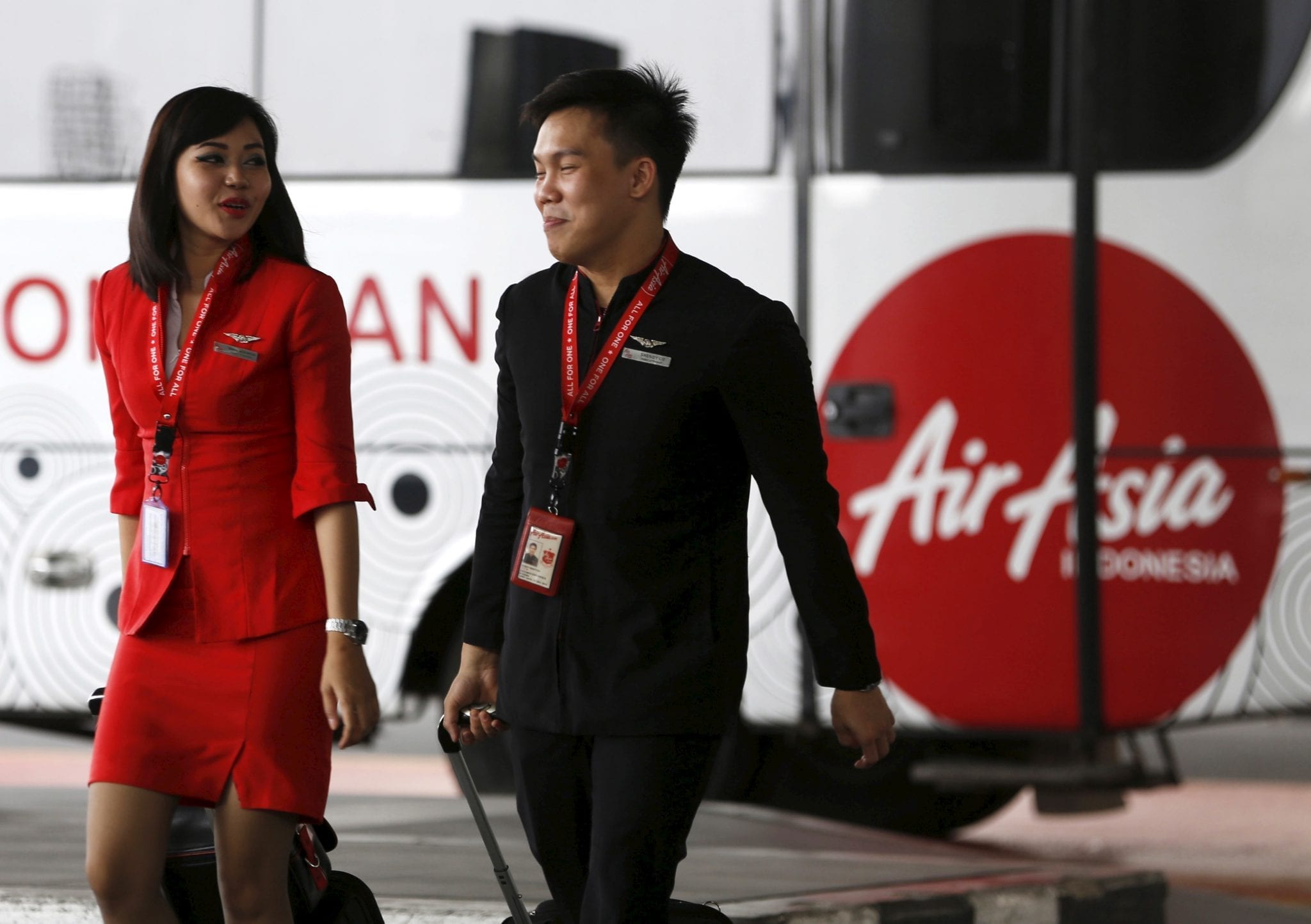
    AmInvestment Research is Neutral on the transportation sector in 2018, as it sees upside for AirAsia

    It said on Wednesday while it likes transport firms which operate (or have a growing presence) in the tourism and e-commerce space, it is cautious on seaport operators.

    Transport firms operating in the tourism space, that is AirAsia and Malaysia Airports, will benefit from the sustained recovery in tourist arrivals in 2018 (after reporting the first dip since 2003 in 2015 following the air disasters of MH370 and MH17 in 2014).

    The government projects Malaysia’s tourist arrivals should hit 28 million in 2018 (up 3.3% from 27.1 million in 2017).

    AmInvest Research expected the number should continue to grow, leading up to Visit Malaysia Year in 2020, when Malaysia is also slated to host a series of high-profile international events including the Commonwealth Heads of Government Meeting (CHOGM), the APEC Summit and World Congress of Information Technology (WCIT).

    The rapidly expanding e-commerce sector, particularly, online shopping, has created huge opportunities for parcel delivery service providers such as Pos Malaysia.

    “Malaysia’s presence in the regional and global e-commerce market is on the cusp of an unprecedented quantum leap forward, driven by the Alibaba-backed Digital Free Trade Zone (DFTZ) project in the KLIA Aeropolis,” it said.

    The DFTZ will serve as a regional e-fulfilment centre as well as a regional e-commerce logistics hub.

    “Apart from Malaysia Airports (the landowner and developer of the KL Aeropolis), we believe local logistics players (including warehouse operators) are poised to garner a slice of action in the physical zone of the DFTZ.

    “On the other hand, we do not expect seaport operators (particularly, a transshipment port like Westports) in 2018 to completely shrug off the negative impact from the recent reorganisation of the global shipping alliance, and the resulting diversion of transshipment cargo volumes to Singapore,” it said.

    However, AmInvest Research said on a brighter note, it expects gateway cargo volumes to continue to grow in 2018, thanks to Malaysia’s robust exports and imports.

    Bintulu Port will be weighed down by start-up costs at its newly completed Samalaju Industrial Port in 2018.

    AmInvest Research said it may upgrade its Neutral stance on the transport sector to overweight.

    However, this would hinge on whether tariffs (such as airport taxes, postage rates and port tariffs) are adjusted upwards; volume performance (such as passenger traffic, cargo throughput and letter mail/parcel volumes) beats expectations; yields surprise in the upside on reduced competition; and fuel cost (jet fuel for airlines and diesel for seaport operators) comes in lower on weaker crude oil prices.

    On the other hand, it might downgrade its neutral stance on the transport sector to Underweight if: volume performance (such as passenger traffic, cargo throughput and letter mail/parcel volumes) misses expectations; yields surprise in the downside on heightened competition; and fuel cost (jet fuel for airlines and diesel for seaport operators) comes in higher on stronger crude oil prices.

    “Our top pick for the sector is AirAsia. AirAsia is a good proxy to the growing low-cost air travel market in the region, underpinned by rising per capita incomes and a young demographic.

    “Its strong market presence (in terms of the number of routes, and frequencies for each route) enables it to compete effectively against its rivals (both low-cost and full-service).

    “It has struck a chord with investors with its plans to monetise some of its auxiliary businesses and assets including its leasing arm and ground handling unit, which could translate to special dividend payouts to shareholders,” it said.
  • Calvin Klein watch showcase will be in Suria KLCC

    Calvin Klein watch showcase will be in Suria KLCC

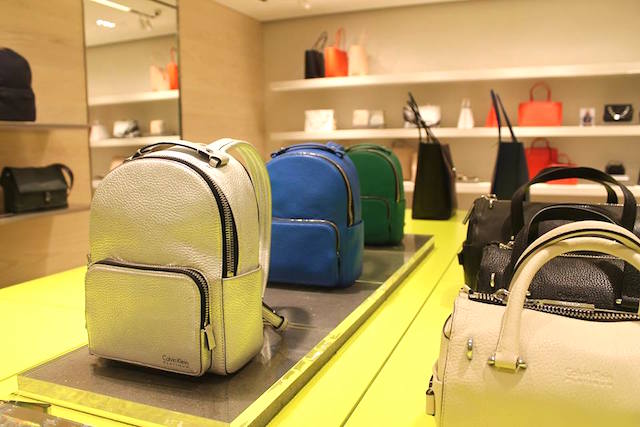
    Calvin Klein Watches + Jewelry has opened its largest kiosk for Malaysia in Suria KLCC, featuring timepieces and accessories.

    Attended the launch were Swatch Group Malaysia and Singapore president Jose de Cardoso, Calvin Klein Watches + Jewelry regional sales manager Pascal Scherer, brand manager Kenny Lim sales and marketing manager Florence Loke. Special guests included actress Siti Saleha and TV presenter Reem Shahwa.

    Since his debut, new Calvin Klein chief creative officer Raf Simon has been providing a singular global creative vision for the brand, as reported. The Belgian fashion designer has been taking the founder’s legacy of modern, simple and sharp aesthetic coupled with provocative imagery to greater heights. This encompasses Calvin Klein Watches + Jewelry, developed in the 1990s in partnership with Swatch Group.

  • Thinking about investing in Bitcoin?

    Thinking about investing in Bitcoin?

    Investors who bought Bitcoin just ahead of Thanksgiving certainly have something to be thankful for. Bitcoin prices breached $11,300 for the first time, representing a rise of over $3,100 in a week.

    It is a stunning rise for the cryptocurrency, which only just broke the psychologically important milestone of $10,000 hours earlier—despite financial heavyweights voicing their concerns about an asset with limited regulatory clarity.

    But several major governments, including the U.S., have signaled a willingness to regulate the cryptocurrency space rather than outright ban it. Meanwhile, institutional investors have also been jumping onto the bandwagon, with the Chicago Mercantile Exchange saying that due to client demand, it would launch Bitcoin futures by the end of 2017.

    The Wall Street Journal reported that both Nasdaq and Cantor Fitzgerald are looking to launch bitcoin derivatives. A futures market for Bitcoin would likely usher in more institutional investors, adding more liquidity — and potentially stability — to the cryptocurrency market.

    “Demand pressure is essentially driven by two things. Firstly, the increasing awareness by both the public and investors that cryptocurrencies are here to stay, and secondly, the increasing professionalization of cryptocurrency trading,” said Daniele Bianchi, an Assistant Professor in the Finance Group at the Warwick Business School, in an email.

    Bitcoin’s price has risen dramatically over the past year. While it took nearly four months to climb from $1,000 to a closing price of over $2,000, it soared to $10,000 from $9,000 in the course of about three days.

    Bitcoin Cash’s price has also risen to $1,611, about 2.5% in the past day and about $300 in the past week. The price of Ethereum has risen about 5% in the same period to $496.31.

    While Bitcoin bulls hail its rise as a sign of increasing acceptance, other investors are warning of an increasingly volatile bubble. Investing legend Jack Bogle, who founded the Vanguard Group, cautioned investors to steer clear of Bitcoin because it does not provide a steady stream of income in the way that bonds or dividends might. Instead, its price is dependent on sentiment.

    “Bitcoin has no underlying rate of return,” said Bogle at a Council on Foreign Relations event on Tuesday, as reported by Bloomberg. “You know bonds have an interest coupon, stocks have earnings and dividends, gold has nothing. There is nothing to support Bitcoin except the hope that you will sell it to someone for more than you paid for it.”

  • Echo Base Collection Star Wars Jackets by Columbia

    Echo Base Collection Star Wars Jackets by Columbia

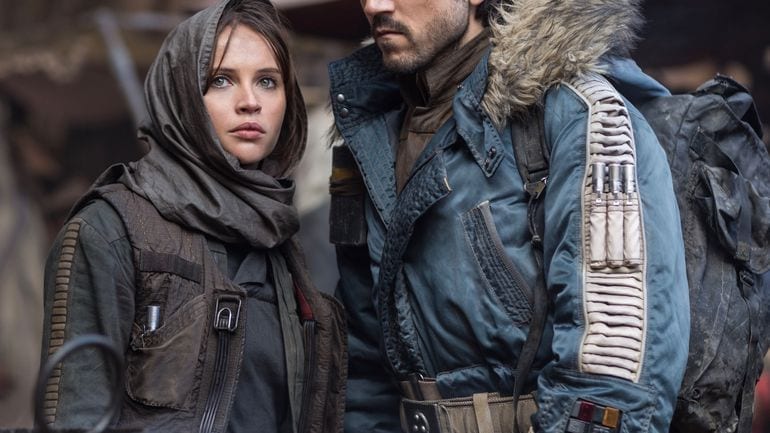
    Columbia Sportswear has unveiled three limited-edition jackets inspired by iconic characters in Star Wars: The Empire Strikes Back.

    Inspired by the costumes worn by Han Solo, Princess Leia and Luke Skywalker, the collection is named after the Rebels’ secret base on ice planet Hoth. In developing the Echo Base Collection, Columbia’s designers worked with Lucasfilm and it archives team to incorporate details of the original jackets worn in the classic movie, released in 1980.

    With Columbia’s “tested tough” promise, the jackets include the brand’s technologies to ensure they can withstand the freezing conditions on planet Hoth, or other galaxies closer to home.

    The limited-edition jackets, with vest combined, are made from water-resistant cotton-blend fabric and insulated with Omni-Heat Reflective lining. The Leia Organa Echo Base Jacket includes a stowable hood, seam piping and gusset sleeves, the Luke Skywalker Echo Base Jacket has a stowable hood and the Han Solo Echo Base Parka features multiple closures, a leather Rebel patch, and quilted faux-fur trimmed hood.

    Columbia has also produced a limited run of the dark-brown Han Solo Archive Edition parkas, and has also collaborated with actor Harrison Ford to raise funds for Conservation International, a global organisation dedicated to the protection of nature. Ford has hand-signed each parka, and Columbia will donate total proceeds from their sale to Conservation International.

    Only 1980 jackets of each style in the broad Echo Base Collection were produced. The jackets are individually numbered and contain references to Star Wars and the characters who wore them.

    The jackets are being sold on Columbia’s website and at branded retail locations including China, Hong Kong, Japan and Korea, from Friday.

  • Abercrombie & Fitch opens new mega Hong Kong store

    Abercrombie & Fitch opens new mega Hong Kong store

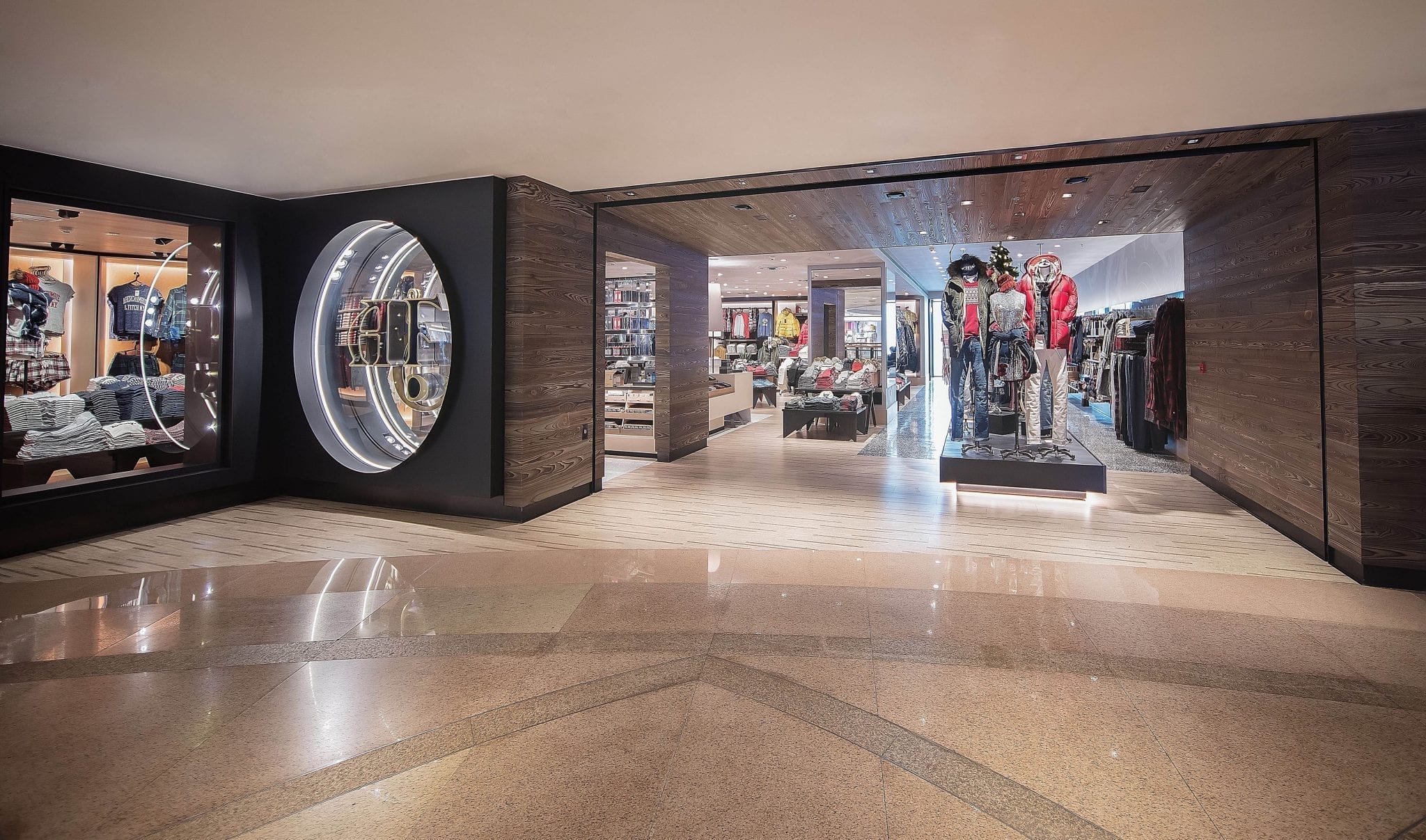
    Abercrombie & Fitch has opened its first overseas store designed with the retailer’s new boutique outfit, launching a mega store in Hong Kong.

    Located in the Harbour City mall, the 6,800 square-foot-flagship design reflects the evolution of the brand as it aims to flick its sexy image and attract a more mature audience. It is the largest Hong Kong store to date and forms part of Wharf Holdings in Harbour City.

    “Harbour City is a world-renowned mall and it will be a premier location for our updated Abercrombie & Fitch experience. While we continue to invest in our omnichannel capabilities, enabling our customers to engage with us whenever, wherever and however they choose, our stores remain an important gateway to our brands,” said Fran Horowitz, Chief Executive Officer of Abercrombie & Fitch Co.  “In this new space, we expect to deliver greater productivity on a significantly smaller footprint than our previous Hong Kong store. We are looking forward to bringing our new store experience to existing and new customers in Hong Kong.”

    Inside the store, the new layout looks to make customers stay in the store for longer, as well as promoting “product trial.” Other unique features included gender-neutral fitting rooms quipped with controls for lighting and music, as well as a phone charging dock.

    There are three separate spaces and three “suite-style” rooms for shoppers to share looks with friends or family while browsing.

    “We designed this new space based on our customers’ feedback, and our understanding of how they like to shop,” said Stacia Andersen, brand president for Abercrombie & Fitch.

    “The result is an open, comfortable, technology-enabled and service-first experience that reflects the shopping experience of today.”

    Abercrombie first announced in June that it would open the Hong Kong flagship before Christmas. It is one of seven new concept stores that will be completed by the end of 2017, all of which will be in the US. The first new prototype store opened in February of this year in Columbus, Ohio.

    The largest mall in Hong Kong, including shopping, dining, entertainment and sightseeing, Harbour City attracts more than 80 million visitors a year, and its tenants include many of the world’s leading brands.

  • 10,000 Google staff set to police YouTube content

    10,000 Google staff set to police YouTube content

    Google is to deploy a staff of 10,000 to hunt down extremist content on its YouTube platform following recent criticism, the video-sharing site’s chief executive told Tuesday.

    Susan Wojcicki, YouTube’s CEO admitted in the broadsheet that “bad actors” had used the website to “mislead, manipulate, harass or even harm.”

    British Prime Minister Theresa May has put pressure on internet giants to root out online radical material following a spate of terror attacks, while YouTube last week pulled 150,000 videos of children after lewd comments about them were posted by viewers.

    Wojcicki claimed that her company had developed “computer-learning” technology to identify extremist videos, and that it could also be used to identify content that risked children’s safety.

    “We will continue the growth of our teams, with the goal of bringing the total number of people across Google working to address content that might violate our policies to over 10,000 in 2018.”

    Last week’s move to take down suspect content came after a British newspaper reported that ads for big-name brands were displayed alongside videos of children or teens which, while innocent on their own, drew viewer comments that seemed paedophilic in nature.

    Media reports indicate the situation made advertisers skittish, with some halting YouTube advertising.

  • Uber joins forces with global public transport association

    Uber joins forces with global public transport association

    Ride-hailing app Uber said on Monday it was joining a global public transport association to improve mobility in the cities it operates in.

    Uber also said it was joining the International Association of Public Transportation (UITP) to connect more people to public transport.

    Andrew Salzberg, Uber’s head of transportation policy and research, said aligning the company with public transport authorities was a good way to make Uber a better partner for cities.

    UITP represents public transport providers around the world, including Transport for London (TfL) – which in September stripped Uber of its operating licence.

    Scandal-hit Uber has just had to reassure authorities it is tackling the way it does business after the disclosure of a massive data breach cover-up that has prompted investigations from regulators around the world.

    Uber, currently valued at $69 billion, has been testing a more collaborative approach to regulators under its new CEO Dara Khosrowshahi in a shift away from a more aggressive culture under former CEO Travis Kalanick.

    “One of the big emphases that Dara has made … is that we want to be better partners for the cities we operate in,” Salzberg said, acknowledging that Monday’s announcement was part of the company’s effort to improve relationships with local authorities.

    Uber said it would work on a series of training sessions with UITP starting with the so-called first and last mile issue of public transport to connect people better at the start or end of their journeys.

    Salzberg said the company also wanted to help to reduce congestion on roads by encouraging people to move to shared modes of transport.

    Alain Flausch, Secretary General of UITP, said Uber joining the association was a sign that the company wanted to have a better relationship with regulators.

    “They are kind of saying to every politician: ‘We are joining the community and we want to help in the new ecosystem’,” Flausch said.

    Flausch said he had told members of UITP that he would check the company stuck to its promises.

    “It’s a work in progress and having Uber join is a good sign. Of course they keep their business model but … they need to be a bit more flexible and open to talking.”

  • Apple’s Tim Cook says developers have earned $17 bln from China App Store

    Apple’s Tim Cook says developers have earned $17 bln from China App Store

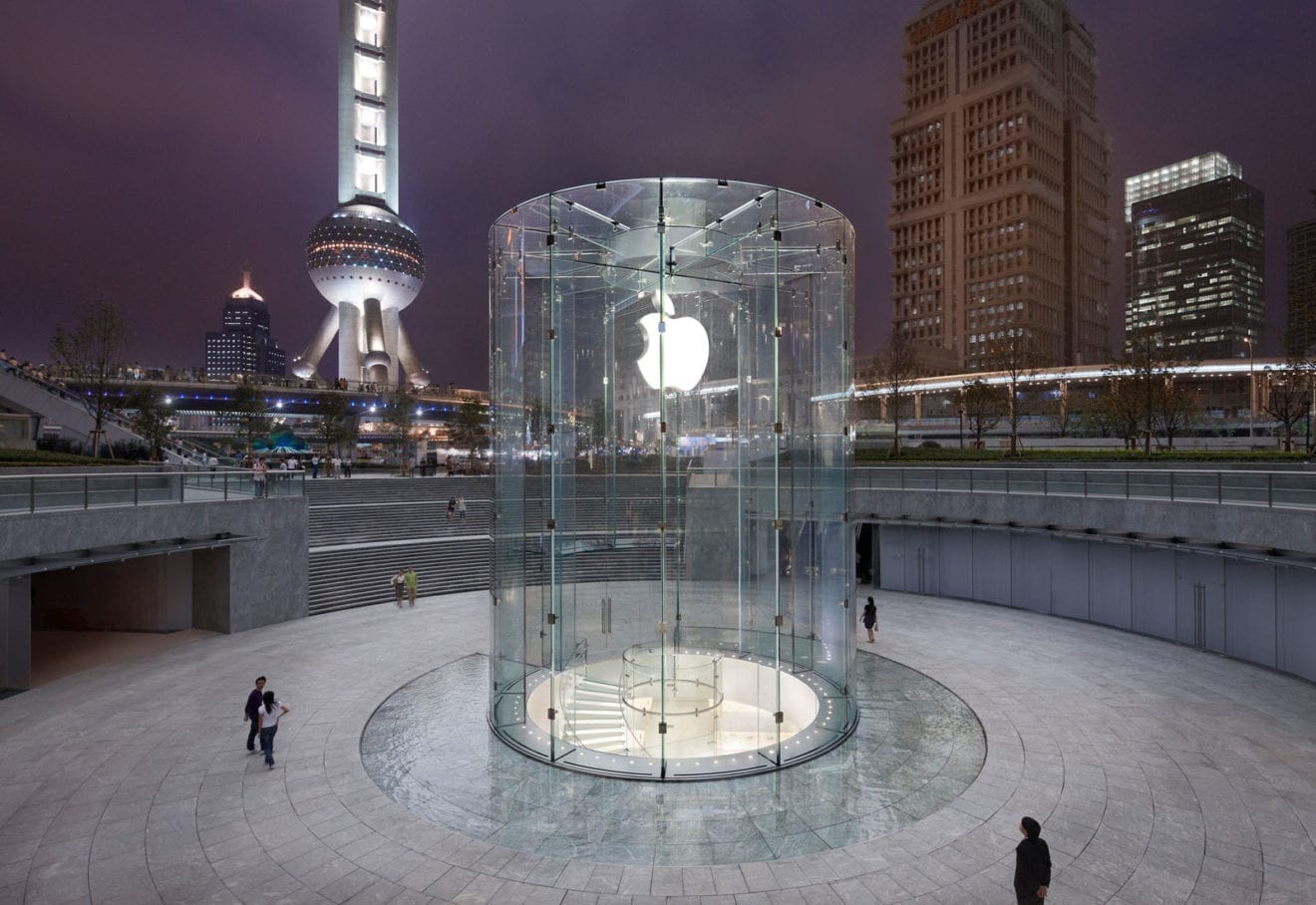
    Apple Inc’s chief executive Tim Cook said developers using its platform in China number 1.8 million and have earned a total 112 billion yuan ($16.93 billion), representing roughly a quarter of total global App Store earnings.

    Cook shared the data on Sunday during a speech at China’s top public cyber policy forum, organised by the Cybersecurity Administration of China (CAC), which oversees internet regulation including censorship.

    Earlier this year, Apple said that developers had earned roughly $70 billion in total revenue through the store.

    Apple is facing criticism from local users and rights groups for bowing to pressure from Beijing cyber regulators after it decided to remove hundreds of apps from its Chinese store this year, including messaging apps and virtual private network (VPN) services, which help users subvert China’s Great Firewall.

    Apple counts China as its third-largest region by sales but it has lost market share in recent years as high-end handsets from local rivals continue to gain traction. The firm is hoping to regain momentum following the release of its iPhone 8 and iPhone X models which shipped in November.

    The U.S. tech giant said earlier it had moved its Chinese cloud data onto the servers of a local partner in the Chinese province of Guizhou.

    Cook has come to China several times this year, including an October visit where he was among executives that met with President Xi Jinping, who also had prepared remarks read at the conference on Sunday.

    Cook’s attendance is conspicuous at the conference, marking the first high-level executive to attend in the event’s four-year history.

    Others included Google chief executive Sundar Pichai, who is also attending the conference for the first time.

  • Carrefour Taiwan adds four stores in one week

    Carrefour Taiwan adds four stores in one week

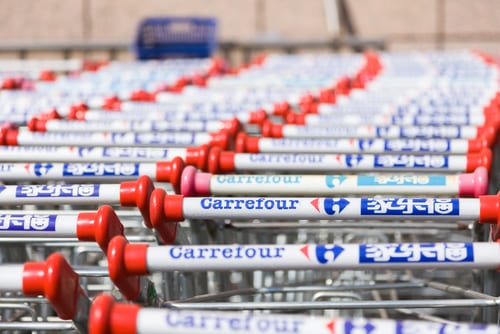
    Carrefour Taiwan has opened four more stores, three in Taipei and one in Tainan.

    The French hypermarket chain introduced the stores all in a space of a week, and all will be open 24/7.
    First up was Tainan Yu Nong at 650sqm, followed by Luzhou Guanghua (515sqm), Taipei Jinan (670sq) and Shi Lin Zhong Cheng.

    These stores follow the Carrefour formula of offering fresh and grocery items as well as basic bazaar, textile and small-appliance items. Shoppers are offered free Wi-Fi access, dining, coffee and ice cream.
    Carrefour has 64 hypermarket and 45 supermarket in Taiwan.

  • Little Starters seeking US$20,000 kickstart

    Little Starters seeking US$20,000 kickstart

    Hong Kong children’s fashion startup Little Starters is using crowdfunding campaign Kickstarter to finance international expansion and growth of its basics collection.

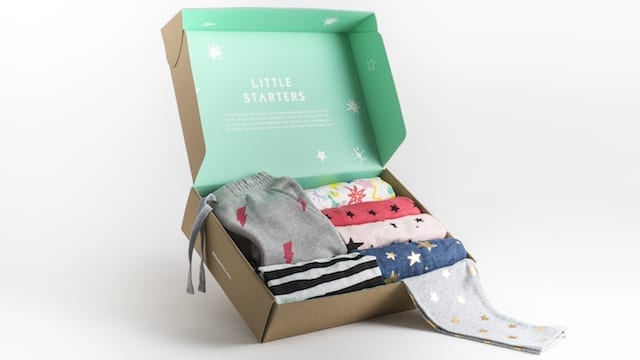
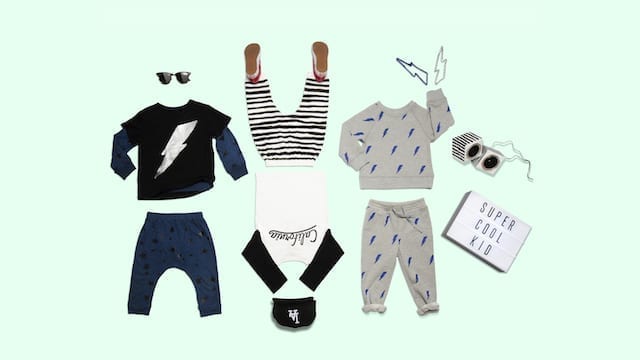
    Founded by best friends Leisia Tsang and Ellen Ogren, the brand offers seasonal and monthly deliveries through a bespoke subscription concept. Clothes are hand-picked and delivered to customers’ doors on an ongoing basis. There is also a core collection year-round for customers wanting to buy individual basics in key colorways and prints.

    “After more than a decade working with fashion brands all over the map, we began to feel the
    repercussions a busy lifestyle has on one’s time for friends and family,” says Tsang. “This is when we saw an opportunity in children’s fashion.”

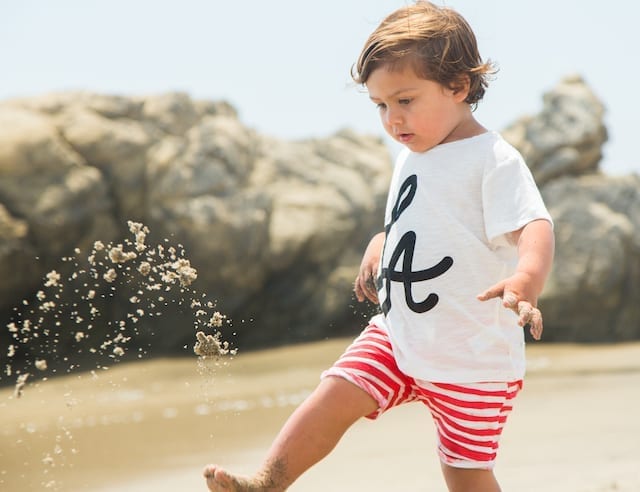
    Ogren says Little Starters designs and produces “casual-cool” clothing in sizes for newborns up to four years old. “We use only super-soft fabrics that are kind on skin, responsibly sourced and free of dangerous chemicals.”

    Shoppers complete a style quiz at the website to determine their tastes for their children’s clothes.

    Based on this, the Little Starters team personalises seven mix-and-match pieces for delivery, and shoppers have three options for delivery frequencies.

    For each subsequent delivery, the clothing sizes increase to keep up with the growing children. After each delivery, shoppers have seven days to decide what to keep. Returns are simple and free. If the entire box is kept, thre is a 20 per cent discount.

    Little Starters has set out to raise US$20,000 on Kickstarter by January 11.

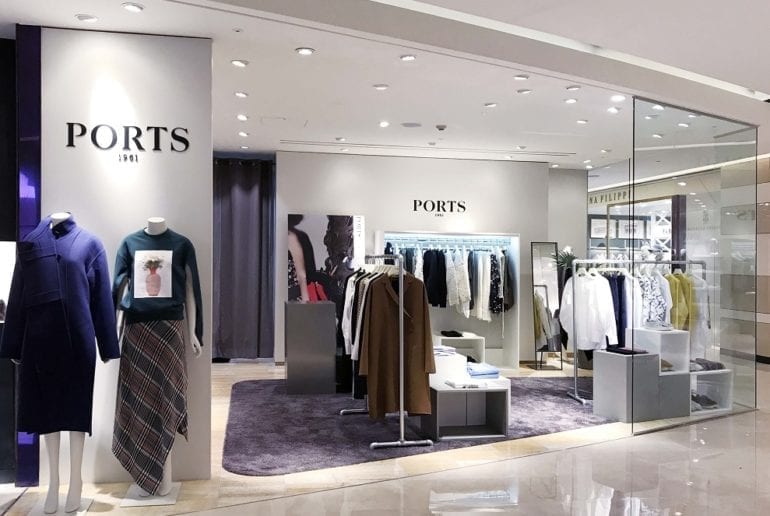
  • Ports 1961 expands in Korea

    Ports 1961 expands in Korea

    The collaboration of Ports 1961 and Handsome began at multi-brand store “Space MUE,” a celebrity go-to spot catering to the shopping needs of South Korea’s influential entertainment elite.

    Ports 1961 quickly became a top three selling brand, prompting Handsome into another pilot project – the first Ports 1961 womenswear pop-up store in Hyundai Main Department store in February 2017, which had a successful and impactful run for 2 months.

    In the latest effort to bring the sought after label to Korea, Handsome officials have stated that they “plan to introduce a variety of comfortable and stylish products, such as shirts, sneakers, coats and other core products of the company, in order to provide for the needs of Korean consumers with affluent taste.”

    “Korea has long been a priority for Ports 1961, and we have had early successes in the market,” said Marc Boelen, VP, Head of Strategic Planning & Growth of the Ports Group.

    “To build on our success, we need to work with a strong local partner to expand our store presence in the Korean market. By partnering with Hyundai – one of the leading industry leaders with more than 20 brands under their management – we will be able to give the Korean consumers even more convenient and specialized access to our premium designs,” Marc added.

    In October and November 2017, Ports 1961 opened in the Hyundai Main and Hyundai Coex Malls of Gangnam-gu, two of the most desirable locations for new entrants into the Korean fashion scene. With high visibility at these prime retail locations, the teams at both Ports 1961 and Handsome look forward to further expansion of the brand in this market in the near future.

    Ports was founded in Toronto in 1961 by Luke Tanabe who was one of the first to adopt the revolutionary jet set lifestyle.

    Ports first appealed to people who understood it was possible to travel, dream, and work all at once: breakfast in the Sahara, and then dinner in New York. With this inner essence of “Global Soul, Urban Spirit,” Ports 1961 soon became synonymous with cutting-edge fashion, design excellence, and a free nomadic spirit.

    Given the appealing brand DNA of Ports 1961, Korean top-tier celebrities, such as Gianna Jun, Choi Soo-yeong of Girl’s Generation, G-Dragon, Taeyang, Daesung of Big Bang, Gong Yoo, Lee Min Ho, and also fashion bloggers Irene Kim and Kim Na Young, to name a few, have celebrated the bran launch in the Korean market .

    Ports 1961 and Handsome Corp., the fashion retail business unit of Hyundai Group, have entered into an exclusive distribution agreement for the expansion into the Korean market.