Tag: asia

  • Job cuts continue in embattled property sector

    Job cuts continue in embattled property sector

    The mass layoffs that began last year amid a market decline continue in the struggling property sector, with major developers and brokerages downsizing their sales teams to survive.

    Property developer Dat Xanh Group laid off 1,384 people in the first quarter after letting go 3,191 in the previous one.

    Its brokerage subsidiary, Dat Xanh Services, sacked 1,245 employees last quarter after letting go 3,000 in the final quarter of 2022.

    The company expects more cuts in the remaining months of this year amid the continuing market slump.

    Giant developer Novaland has been downsizing since last year and only had 1,362 employees on its payrolls at the end of March, a stark contrast to 2021 when it sought to hire 2,000 new workers.

    It posted its first quarterly loss — of VND410 billion (US$17.45 million) — since listing its shares on the stock market in 2016, while revenues fell by 70% year-on-year.

    Many brokerages partnering with Novaland have either cut 70-80% of their payroll or closed down as of May.

    Other developers such as Danh Khoi, Hung Thinh, An Gia, Thu Duc House, Hoang Quan, Phat Dat, and LDG have also been laying off staff.

    The marketing head of a Ho Chi Minh City brokerage said since March he has been doing multiple jobs, including as a secretary and customer service officer, after 80% of the staff were sacked.

    The company has been owing salaries since the beginning of this year, which means people are likely quit in the coming months, he said.

    “I have been working in the industry for 18 years, but never seen a layoff wave this big.”

    Data from the Vietnam Association of Realtors shows that 40-50% of property transaction platforms shut down in the first quarter, and the number of brokers was 70% down since the beginning of 2022.

    What property firms are struggling with most are the drying up of cash flows due to plunging sales and inability to repay debts.

    Companies in the construction, architecture and design segments are also struggling, according to the association.

    The number of companies in the property sector registering in the first quarter fell by 63% year-on-year, according to the General Statistics Office.

    The number shutting down temporarily was up 60.7% at 1,816, while 341 closed for good, a 30.2% increase.

    Tran Xuan Ngoc, CEO of developer Nam Long Group, said 2023 would be a challenging year for the sector with the difficulties being even more severe than during the 2013 crisis.

    They would persist in 2024, he said.

    “This is a severe and inevitable crisis. Property companies must restructure completely to survive.”

    Nguyen Mac Hoai Nam, CEO of property consultancy Nam Phat, said the 2016-20 boom caused prices go out of control, and the challenges mushrooming now are a result of that.

  • Google announces new Android features including a trio of useful new widgets

    Google announces new Android features including a trio of useful new widgets

    Google today announced new features for Android devices that are designed to get information to you faster, protect your devices, and more importantly, allow you to have fun. First, for those learning to read, is a new feature in Google Play Books available now called Reading practice. You’ll find Reading practice on Children’s ebooks marked with a “practice” badge in the Google Play Books app and it will read aloud certain hard-to-pronounce and unknown words. The child reading the book gets to say the word and receives feedback from the device in real-time.
    Hey widget fans, Google is adding a trio of new widgets to Android phones and tablets that are designed to help you track your stocks through Google Finance, view headlines from Google News, and get recommendations for movies and television shows to view from Google TV. I’m looking forward to adding all three to my Pixel 6 Pro home screen. To install a widget on your Android device, long-press on an empty bit of your home screen, tap Widgets, find the one you want, and add it to your home screen.
    You’ll soon be able to press play on your Wear OS-powered watch and hear Spotify’s DJ “spin” your favorite music, play episodes of your favorite podcasts, and more thanks to new tiles from Spotify for Wear OS. In addition, commuters in Washington D.C. and San Francisco can access their SmarTrip and Clipper cards via Google Wallet via their Wear OS smartwatch. All they need to do is “tap and ride” to start their commute.
    Speaking about Wear OS smartwatches, the always useful Google Keep app is being made available for your wrist with Google Keep for Wear OS. You’ll swipe through your tiles until you come to a shopping list, or anything else you’ve pinned from the app.
    I don’t know about you, but I enjoy using the Emoji Kitchen which mixes up two different emoji to create a weird-looking new sticker. Google is adding aquatic-themed combinations that will have you screaming “shark” on a hot day at the beach.
    Lastly, most Android users with Google Accounts in the U.S. can now use the Google One website or app to see whether their email address has been exposed on the dark web. Google will also advise you on what to do if a scan shows that your email address is part of a data breach. Google says that “Google One members in the U.S. are able to scan for additional personal information, such as their social security number. Access will also expand to more than 20 countries in the coming months.”
    And Pixel users should be looking forward to next Monday when the next Pixel Feature Drop is due. Those running the QPR3 Beta will be able to exit the Beta program without a penalty once they have installed the final version of the June Feature Drop on their compatible Pixel handset.
  • Google Chat may receive design updates and Mobile App redesign

    Google Chat may receive design updates and Mobile App redesign

    In recent years, group chats have seen a significant surge in demand, especially with the rise of remote work in specific industries. Communication software like Slack, Microsoft Teams, Chanty, and Google Chat have become go-to platforms, making any news regarding their updates worth paying attention to.

    It appears that Google Chat may be gearing up for some design updates, including a fresh logo and a redesigned mobile app, to improve conversation management.

    The tech giant recently showcased a four-color icon when discussing Google Chat. Google clarified that this was a concept for the future of Google Chat. Currently, the logo consists of overlapping speech bubbles, reminiscent of Google Chat’s predecessor, Hangouts.

    The proposed new logo aligns more closely with other Google features, following the same four-color scheme and graphic layout in the style of Gmail, Drive, Meet, Maps, and more. The new logo looks like a chat bubble with a slight drop-off in the right corner—simple and quite similar to the Google Calendar’s logo, which for some might be a bit confusing, especially when in a hurry.

    9to5Google also suggests the possibility of a redesign for the Google Chat mobile app. Right now, the app includes a bottom bar with two tabs: Chat and Spaces. “Chat” encompasses both one-on-one and group conversations, while “Spaces” are designed for larger teams, similar to other popular communication software solutions.

    The redesigned version may introduce top tabs on the app’s main screen. The “Timeline” tab is expected to comprehensively view all conversations, including chats and spaces. Users may be able to categorize their conversations by labels such as All, Unread, Pinned, DMs, and Spaces.

    Another tab could show conversations where you are mentioned directly, which may be a lot easier in terms of managing your conversations.

    With potential improvements in the form of a new logo and enhanced functionality, Google Chat may be aiming at becoming a more competitive app among the many others out there.

  • Gold prices increase

    Gold prices increase

    Gold ring price rose 0.18% to VND56.6 million per tael. A tael equals 37.5 grams or 1.2 ounces.

    Globally gold prices eased on Wednesday, set for a monthly drop, as progress in the U.S. debt ceiling deal and expectations that the Federal Reserve will likely raise interest rates further eroded bullion’s safe-haven status.

    Spot gold fell 0.2% to $1,955.28 per ounce, and lost 1.7% so far this month. U.S. gold futures eased 0.2% to $1,954.80.

    An overnight decline in Treasury yields have allowed gold prices to defend its support confluence zone at the $1,940 level for now, but intermittent bounces since early-May have been short-lived, which raises the chances that it could be the same this time round as well, said Yeap Jun Rong, a market analyst at IG.

  • Rice, fruits bright spot amid Vietnam export slump

    Rice, fruits bright spot amid Vietnam export slump

    While exports of textiles, wood products and seafood plummeted in the first five months of 2023, those of rice and fruits have risen.

    Overall exports between January and May were worth US$136.17 billion, down 11.6% year-on-year, according to the General Statistics Office.

    Seafood, wooden furniture, handicrafts, and textile exports fell by double digits. Many businesses ran out of orders.

    Fruits, rice and a few other staple products were bright spots, however. Fruit and vegetable exports grew by 29% to $1.9 billion, mainly due to increased Chinese imports, according to the Vietnam Fruit Association.

    Among the top fruit and vegetable markets, strongest growth was seen in exports to China, the U.S., the Netherlands, and Malaysia. China alone accounted for $805 million worth of products.

    Exports of processed foods such as instant and rice noodles and spices grew by 10-30%. Nguyen Anh Tuan, deputy general director of Colusa – Miliket Food Joint Stock Company, said exports, which went to 30 countries and territories, were 30% higher year-on-year.

    Shipments to key export markets such as the U.S., Japan and South Korea increased sharply, he added.

    Every year Lotus Rice exports several thousand tons of the grain to the EU market, but this year it is not “able to buy enough quality rice to sell,” its director Huynh Van Khoe said.

    “There has never been a year when we’ve seen this many rice export orders. Even though rice prices have increased, our partners still want to buy large quantities.”

    China’s reopening has greatly benefited, Nguyen Dinh Tung, general director of Vina T&T Import and Export Company, said.

    In the first four months of the year his company’s fruit exports grew by 20%, he said. He added that it has a contract to ship 1,500 containers (of 15 tons each) of durian to China.

    Dang Phuc Nguyen, general secretary of the Vietnam Fruit and Vegetable Association, said Vietnamese fruits are becoming popular because of their taste.

    Vietnamese durian, mango and dragon fruit are better priced and have higher quality than their competition from China and India, he said.

    Vietnam also has a favorable climate and better farming techniques than other countries, and grows fruits all year round unlike in other countries, where they are seasonal, he said.

    In the latter half of this year fruit and vegetable exports could spike if businesses meet the demands of the Chinese market using good agricultural practices, he said. “Fruit and vegetable exports this year could top $4 billion.”‘

    Several factors drive the export boom. China’s reopening has led to a rise in demand for food staples, the war between Russia and Ukraine has forced countries to create food reserves and drought has caused a decrease in global food supply.

    Markets such as Europe, the U.S. and the UK have increased food imports for their reserves.

    A report by the U.S. Department of Agriculture said global output in the 2022-23 rice crop is expected to reduce by 2% from last year to 503 million tons, the first annual decline since 2015-16.

    Yet businesses warned that the big picture for exports during the rest of 2023 is not very bright. The global economy is still in recession, inflation remains high and the risks of rising raw material prices still lurks.

  • Ample Introduces Modular Battery-Swapping Technology

    Ample Introduces Modular Battery-Swapping Technology

    Ample, electric vehicle (EV) charging solutions provider has introduced a technology known as modular battery swapping. This innovative approach aims to revolutionise the way EVs are charged by delivering a 100 per cent charge in under five minutes. Unlike traditional charging methods, which can be time-consuming, Ample’s battery-swapping system offers a fast and efficient alternative.

    The key advantage of Ample’s technology lies in its modular design. By swapping out depleted batteries with fully charged ones, EV owners can achieve a complete charge within minutes. This speed rivals the refuelling time of conventional internal combustion engine vehicles, addressing a significant concern for potential EV buyers.

    In addition to its efficiency, Ample’s battery-swapping system offers cost advantages. Compared to traditional fast-charging stations, the construction and installation of Ample stations are three to ten times cheaper. The lightweight and modular design eliminates the need for complex infrastructure, reducing overall costs.

    Another notable feature of Ample’s technology is its compatibility with any electric vehicle. Unlike other charging solutions that require car manufacturers to modify their designs, Ample’s modular, swappable battery architecture can be seamlessly integrated into existing EV models. This compatibility ensures that all EV owners can benefit from the rapid charging capabilities without limitations.

    Ample’s battery swapping stations are designed for rapid deployment and scalability. Their lightweight nature and minimal construction requirements allow for swift installation, making it possible to establish a city-wide network of stations within weeks. This rapid deployment ensures that EV charging infrastructure can keep pace with increasing demand and adapt to evolving needs.

    Ample claims that its battery technology is future-proof and adaptive. The battery modules can accommodate any make, model, or driving profile, catering to various EV applications such as commuting, ridesharing, and delivery services. The modular design also allows for future improvements in battery technology, ensuring that vehicles on the Ample platform benefit from the latest advancements.

    Ample’s battery-swapping stations employ advanced technologies like computer vision and secure wireless communication to facilitate a fully automated process. The station identifies the precise location of each battery module in the vehicle, allowing for seamless swapping. Once the discharged batteries are removed, they are charged and made ready for the next vehicle, ensuring a continuous and efficient charging cycle.

  • TIDAL launches new hub dedicated to artists

    TIDAL launches new hub dedicated to artists

    TIDAL, one of the major music streaming services in the US, has just announced a new feature dedicated to artists. Artist Home is a new hub for TIDAL that’s meant to help make it easier for artists to focus on their content. Artists can manage how fans see their TIDAL profile and get early access to the latest products and resources specifically designed for them.

    If you’re an artist and plan to use TIDAL, now you’ll have direct control over the content your fans see on your profile. Additional features available for artists in the hub include the ability to update social media links and the option to request content updates to media like albums, Eps, and Singles directly to TIDAL’s Content Operations.

    Here are the main functionalities of the new Artist Home hub that artists on TIDAL will be getting beginning today:

    • Manage the content that fans see on their TIDAL profile
    • Get early access to the latest products and resources built for artists
    • Self-serve edit access to their profile content
    • Update social media links to help their TIDAL listeners become followers
    • Request content updates to media like albums, EPs, and Singles directly to TIDAL’s Content Operations team
    • Extend access to their TIDAL Artist Home account to their team (managers, labels, bandmates, or publicists)

    TIDAL’s core of new features aims to better accommodate artists who have a massive following or want to build one using the music streaming service and the well-known social networks. It’s an interesting approach that will eventually attract many artists fans as well, which is also what TIDAL probably wants.

  • Foreign Bank Expansion Slows in Mainland China

    Foreign Bank Expansion Slows in Mainland China

    The opening of China’s financial sector has hit a speed bump, particularly amongst US banks, due to a changing business environment.

    In 2019, China decided to accelerate the opening of its financial sector with the introduction of various new measures, including the elimination of foreign ownership limits. At the time, mainland China’s financial market had an estimated value of $45 trillion and numerous global banks lauded the opportunity to compete onshore in the world’s second largest economy.

    The environment has changed in less than four years following the nation’s zero-Covid policy and a significant shift in US-China relations. Onshore expansion by global banks is expected to slow down for various reasons.

    US banks are headlining the retreat, primarily due to a dented outlook. Goldman Sachs, for example, reportedly revised projections for its five-year plan in China after the business environment drastically changed with a reduction of more than one-tenth of its workforce in the mainland after doubling its headcount to over 600.

    Morgan Stanley is opting against building an onshore brokerage unit, instead making a smaller investment of about $150 million in its futures and derivatives businesses. On Monday, the bank received regulatory approval to set up its futures unit in China.

    It will be a longer journey than we would wish to build up scale and reputation to do business gradually,» said JPMorgan China chief executive Mark Leung in an interview on the bank’s plans in the mainland

    Elsewhere, foreign bank expansion is being slowed down by structural changes outside of China.

    The combination of UBS and Credit Suisse is expected to create some challenges due to existing exposure in China by both Swiss lenders. Under the current regulations of the China Securities Regulatory Commission, a company cannot be a majority shareholder in more than one securities firm nor hold stakes in over two asset management firms.

    This would require the newly enlarged UBS to offload shares, creating further complications to an already complex integration.

    Nonetheless, not all banks are hit by worsened sentiments or structural hurdles with HSBC being one of the most notable optimists, as part of its broader plans to pivot its global business to Asia.

    The British lender currently owns 49 percent of its asset management joint venture, HSBC Jintrust Fund Management, and has reportedly reached an agreement earlier this month to purchase the remaining 51 percent.

    The bank is also rapidly growing its wealth business onshore with the rollout of various new product capabilities, such as an upgraded legacy planning offering in April. According to chief financial officer Georges Elhedery, HSBC is on track to hire around 2,000 private wealth managers in China’s insurance sector over the next two years, after adding 1,000 in 2022.

  • H&M to close its Beijing flagship store in Sanlitun

    H&M to close its Beijing flagship store in Sanlitun

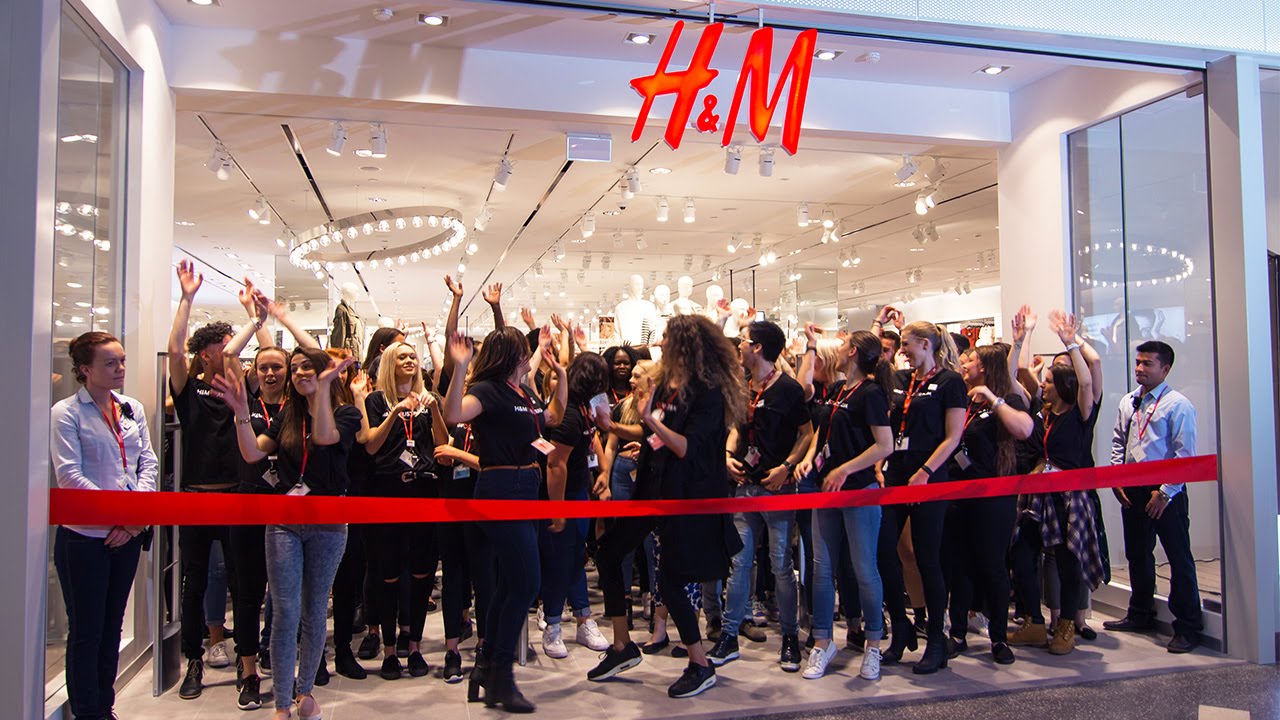
    Swedish fashion brand H&M announced on Sunday it would close its flagship store in Beijing’s Sanlitun area on June 11 as the lease contract is set to expire.

    Its public relations department said that the brand would later pick new locations in Beijing and other Chinese cities.

    Covering an area of over 1,200 square meters, the store is one of the largest in China. As the 200th store in China, it means a lot to the brand.

    As fashion trends and customer tastes alter constantly, changes are happening in the fast fashion industry. In addition to H&M, many fast fashion brands have adjusted their marketing strategies in China in recent years.

    For example, Zara has closed its stores in several cities in China last year, including Beijing, Shanghai, Guangzhou in Guangdong Province, and Yantai in Shandong Province. Gap, a clothing brand from the U.S., sold its business in the Chinese market to Chinese brand Baozun, which provides all e-commerce value chain services, while its sub-brand Old Navy has officially withdrawn from China in 2020.

    “The competition in the Chinese market is fierce. China’s economic development level is constantly improving, and the consumption power of its residents is also improving. In this context, the positioning of some fast fashion brands is suitable for the Chinese market,” said Wang Peng, a researcher at the Beijing Academy of Social Sciences.

    “They don’t belong to high-end brands and are less competitive in cost performance than some online brands, so their positioning is rather embarrassing,” Wang added.

  • Colgate-Palmolive teams up with Bluey to launch new range

    Colgate-Palmolive teams up with Bluey to launch new range

    Bluey has become the first ever Australian brand to feature on Colgate products, with BBC Studios and the global oral care company teaming up to launch a range of toothpaste and toothbrushes, available now.

    Bluey Manual Toothbrushes, Bluey Power toothbrushes, and Bluey Kids Toothpaste in recyclable tubes — featuring loveable characters, Bluey and Bingo, from Australia’s number one kids’ series — have started hitting shelves in Woolworths, Coles, Big W, Chemist Warehouse, ALDI (toothpaste only), and a range of independent retailers across Australia. The products will also be rolled out in New Zealand and Fiji.

    Anthony Crewes, Head of Marketing, Colgate Australia and NZ, said: “We are thrilled with our new partnership with Bluey. We can’t wait to help kids, and parents, make brush time negotiations easier with the help of Bluey and Bingo, and give everyone a reason to smile. We are sure this is the beginning of a strong friendship between Colgate and Bluey. “

    Kate O’Connor, Head of Brands and Licensing, BBC Studios ANZ, said: “We are always looking for ways to bring Bluey and Bingo to life in new, fun ways for our fans, and we’re so proud to be the first Aussie brand to partner with Colgate. We think it’s a wonderful match, as Bluey and Colgate have similar goals – to keep kids (and parents) smiling!

    Colgate joins an esteemed list of brand partner deals inked by BBC Studios’ ANZ team, including Bonds, Peter Alexander, Pauls Dairy, Smiggle, Wahu and Adairs.  


  • Town asks Waze to stop sending traffic to its residential roads

    Town asks Waze to stop sending traffic to its residential roads

     Crowd-sourced navigation app Waze has been asked by authorities in Southern Shores, North Carolina to stop sending traffic through residential streets which it does to help users avoid bumper-to-bumper traffic on the main roads. The problem with doing this is that it leaves the local, residential roads overcrowded. In these quiet neighborhoods, the additional traffic causes pollution, and noise, and can lead to accidents.
    While the officials in Southern Shores, North Carolina tried to find a solution including closing some roads, this led to drivers getting stuck on some other streets which caused major congestion. But the local council in Southern Shores feels that it has taken back control by passing a resolution that asks Waze to stop directing traffic to residential streets by removing these streets from the Waze routing system. This would essentially keep traffic on the main roads.
    Elizabeth Morey, the mayor of Southern Shores, had a Zoom meeting with two Waze employees and they agreed to make the changes once the aforementioned resolution is adopted. While all of the details are unknown, Waze has agreed to stop drivers from “seeing where it’s faster to go through town streets.” This will probably lead Waze to remove residential areas from its routing models leading drivers to stay on the main roads. This could lead to more traffic congestion as cars would stay on the same road.
    Mayor Morey also says that transitioning to residential streets does not make driving any faster although she did not cite any data that would prove this statement. The report suggests that the mayor was pointing out that the speed limits on residential streets are typically lower than the ones allowed on major roads. As a result, drivers usually are forced to drive slower on residential streets.
    While the resolution in Southern Shores, North Carolina appears to focus on Waze, it is unclear whether it will eventually be amended to include other navigation apps such as Google Maps and Apple Maps.
  • Vietnam’s VinFast recalls first batch of US-bound EVs over safety risk

    Vietnam’s VinFast recalls first batch of US-bound EVs over safety risk

    Vietnamese electric vehicle (EV) maker VinFast said it is recalling all of the first batch of vehicles it shipped to the United States last year following a safety warning issued by U.S. authorities.

    The move came after the U.S. National Highway Traffic Safety Administration (NHTSA) said 999 of VinFast’s VF 8 vehicles suffered a software error in the dashboard display that prevented critical safety information from being shown and “may increase the risk of a crash”.

    More than 700 of the 999 units are still in VinFast’s hands and have not been delivered to customers or fleet services, the NHTSA estimated.

    In a statement to Reuters, VinFast said it issued a voluntary safety recall of the VF 8 City Edition on which the dashboard screen goes blank while driving or stationary.

    “VinFast is not aware of any field reports of incidents. The company is issuing this recall out of an abundance of caution,” it said.

    The recall statement comes less than two weeks after VinFast announced it would list in the United States via a merger with special purpose acquisition company (SPAC) Black Spade Acquisition Co (BSAQ.N).

    The two companies estimated the new entity would have a potential equity value of $23 billion, assuming no Black Spade shareholders elect to cash out.

    In February, VinFast recalled 2,781 VF 8 cars sold domestically over an issue with the front brake of some models.

    VinFast, which was founded in 2017 and began selling EVs in California this year, has shipped two batches of VF 8 cars to the United States totalling 2,097 units. It is also planning to send its first vehicles to Europe in July.

    In documents filed with the NHTSA, VinFast said it first became aware of the dashboard issue on April 27 while reading customer comments and concerns. According to the safety agency, the problem has been documented 18 times.

    The NHTSA said VinFast will introduce a software update that should fix the issue. The software fix is scheduled to go live on May 25 with notification letters being sent out to owners by May 29.

    Last month, VinFast said it had received a fresh round of funding pledges worth $2.5 billion from parent Vingroup JSC, Vietnam’s biggest conglomerate, and founder Pham Nhat Vuong, Vietnam’s first billionaire and richest man.

  • UBP Acquires Japanese Asset Manager

    UBP Acquires Japanese Asset Manager

    Swiss-based Union Bancaire Privée has acquired a new asset manager specializing in Japanese small-cap equities.

    According to a statement, UBP has acquired 100 percent of the shares issued by Angel Japan Asset Management (AM). Founded in 2001, Angel Japan AM is a Tokyo-based independent investment advisor specializing in Japanese small-cap equities.

    Hirotaka Usami leads the firm and houses five investment professionals including four portfolio managers with an average experience of 24 years.

    It currently manages three strategies (IPO, new growth and steady growth) with total assets under advisory of $1.2 billion.

    Following the transfer of ownership, Hirotaka Usami will become chairman of Angel Japan AM’s newly created board of directors while current chief operating officer Ryota Bando will be appointed chief executive officer.

    Angel Japan AM’s current employees are expected to remain with the firm.

    Other than the changes to its governance structure and directors, there will be no changes to Angel Japan AM’s current investment process, investment philosophy, investment style and investment team.

    The acquisition follows a successful partnership since 2018 with Angel Japan AM advising UBP’s Japanese small-cap equities strategy and outperforming the relevant benchmark.

    The acquisition of Angel Japan AM underscores UBP’s high conviction on the investment opportunities in the global small-cap equity segment, notably in Japan, and as to the team’s unique ability to seize them, said UBP asset management co-CEO and head of institutional clients Nicolas Faller.

    Taking on the ownership of Angel Japan AM will not only broaden our distribution channels to onshore Japanese clients but will also strengthen our in-house capabilities and value proposition to serve our offshore clients better.


  • How Can Malaysian Traders Boost their Trading Game

    How Can Malaysian Traders Boost their Trading Game

    For Malaysian traders looking to enhance their trading skills and performance, there are several strategies and techniques that can help boost their trading game. Adopting the right mindset, developing a solid trading plan, utilizing effective risk management strategies, and staying informed about market developments can increase the chances of success in forex trading Malaysia. This guide provides valuable insights and suggestions to help Malaysian traders elevate their trading game and achieve their goals.

    Developing a Trading Mindset

    Developing a strong trading mindset is crucial for Malaysian traders to succeed in the financial markets. Embracing discipline and patience allows traders to follow their trading plan consistently and avoid impulsive decisions driven by emotions. By managing emotions such as fear and greed, traders can make rational and objective trading choices.

    Cultivating a growth mindset is also important, as it encourages continuous learning, adaptability, and resilience. Malaysian traders should approach trading as a journey of improvement and view setbacks as opportunities for growth, enabling them to stay motivated and focused on refining their trading skills.


    Building a Robust Trading Plan

    A solid trading plan is a foundation for success in trading. Malaysian traders should define clear trading objectives and goals aligning with their financial aspirations. Identifying preferred trading strategies and styles helps traders focus on methods that suit their strengths and preferences.

    Setting risk tolerance and money management rules is essential for preserving capital and managing risk effectively. Establishing specific entry and exit criteria based on technical or fundamental analysis provides structure and consistency to trading decisions. A well-designed trading plan is a roadmap guiding market participants toward their trading goals.

    Mastering Technical Analysis

    Technical analysis is a key skill for Malaysian traders to make informed trading decisions. Understanding essential technical indicators and chart patterns helps identify potential trade setups and market trends. Analyzing support and resistance levels assists in determining optimal entry and exit points. Implementing trend-following and reversal strategies based on technical signals enhances trading accuracy.

    Additionally, incorporating multiple time frame analysis provides a broader perspective and improves trade timing. By mastering technical analysis, Malaysian investors can effectively analyze price charts and identify profitable trading opportunities.

    Utilizing Fundamental Analysis

    Fundamental analysis plays a vital role in trading, especially for Malaysian traders in the forex market. Staying informed about economic news and events, such as GDP reports, employment data, or central bank announcements, enables traders to assess the potential impact on currency pairs or assets.

    Monitoring central bank policies and interest rate decisions helps anticipate market reactions and adjust trading strategies accordingly. Incorporating geopolitical factors, such as trade tensions or political developments, into trading decisions provides a broader understanding of market dynamics.

    Implementing Effective Risk Management

    Effective risk management is essential for preserving capital and ensuring long-term trading success. Malaysian traders should set appropriate position sizing and leverage levels based on their risk tolerance and account size. Placing stop-loss orders and implementing trailing stops helps protect against significant losses and secure profits.

    Diversifying the trading portfolio across different currency pairs or asset classes reduces the impact of individual trades on overall performance. Regularly reviewing and adjusting risk management strategies in response to market conditions allows traders to adapt to changing environments and control risk exposure effectively.

    Utilizing Technology and Trading Tools

    Leveraging technology and trading tools enhances the trading experience for Malaysian traders. Exploring trading platforms with advanced features, such as customizable charts, technical indicators, and order types, enables traders to analyze markets and execute trades efficiently.

    Using technical analysis software and indicators streamlines the process of identifying trade setups and signals. Leveraging mobile trading apps provides flexibility and allows traders to monitor and execute trades on the go.

    Joining Trading Communities and Networking

    Joining online trading forums and communities provides an avenue for Malaysian traders to connect with fellow traders, exchange ideas, and gain insights. Engaging with other traders allows for valuable discussions, sharing of experiences, and learning from different perspectives.

    Attending trading seminars and workshops provides opportunities to learn from industry experts and expand knowledge in specific areas of trading. Seeking mentorship or guidance from experienced traders can offer valuable insights and personalized advice tailored to the needs of investors. By actively participating in trading communities and networking events, Malaysian traders can broaden their understanding of trading strategies, stay updated with market trends, and develop a supportive network that encourages growth and learning.

    Staying Updated with Market Developments

    Malaysian traders should stay informed about market developments to stay ahead in the financial markets. Following financial news and market analysis from reputable sources helps traders stay updated with economic events, policy decisions, and geopolitical developments that may impact the markets.

    Subscribing to market research sources provides access to expert analysis and insights on specific currency pairs or asset classes. Monitoring economic calendars and event schedules allows traders to anticipate high-impact news releases and adjust their trading strategies accordingly.

    Practicing Discipline and Consistency

    Practicing discipline and consistency is key to successful trading for Malaysian traders. Following the trading plan consistently, without deviating based on emotions or impulsive decisions, is crucial. Avoiding the temptation to chase market trends or make reckless trades helps maintain a disciplined approach.

    Learning from past mistakes and adjusting strategies based on performance analysis contributes to continuous improvement. Maintaining a trading journal to track progress, record trade details, and analyze trading patterns enables Malaysian traders to identify strengths, weaknesses, and areas for refinement.


  • Japanese brand Uniqlo has decided to leave Russia after suspending its operation there last year.

    Japanese brand Uniqlo has decided to leave Russia after suspending its operation there last year.

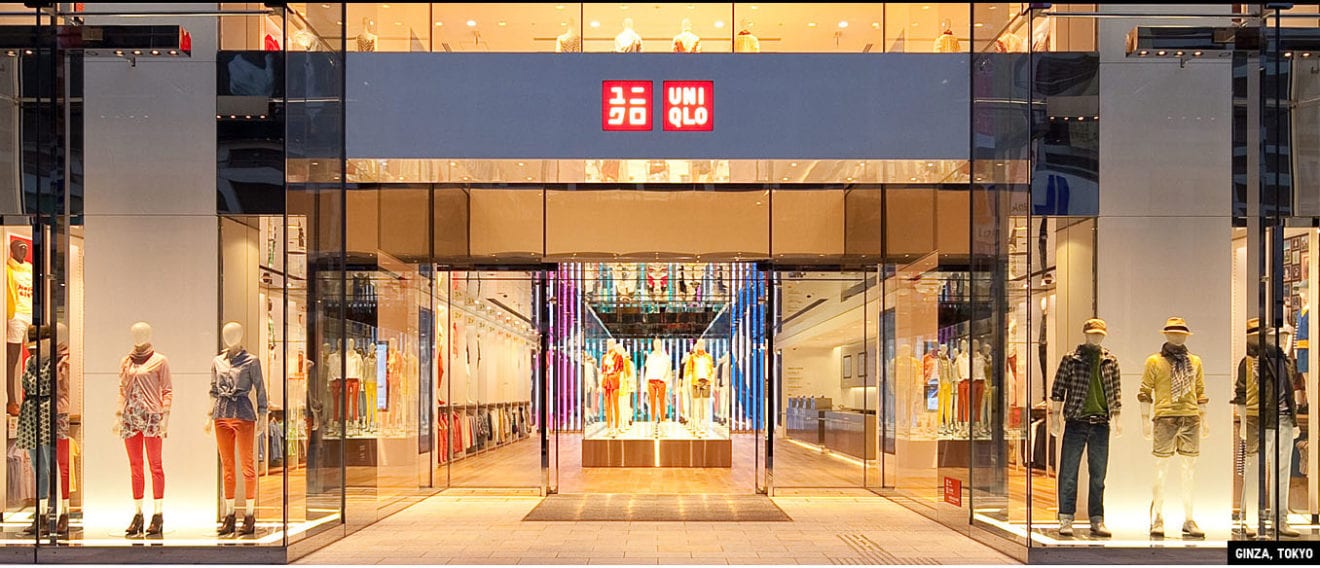
    Japanese brand Uniqlo has decided to leave Russia after suspending its operation there last year, paving the way for a sale of the business, the Izvestia newspaper cited Russia’s deputy trade minister as saying.

    Uniqlo owner Fast Retailing suspended the clothing brand’s operations in Russia in March, 2022, joining scores of international companies, after Moscow sent troops into Ukraine in what it dubbed a “special military operation”.

    Deputy Minister of Industry and Trade Viktor Yevtukhov said the company has decided to completely leave Russia but has not yet submitted an application to the government, which means the chain has no buyer yet, Izvestia reported on Tuesday.

    “I think they can offer potential buyers their business model,” Izvestia cited Yevtukhov as saying. “The Japanese retailer will be able to offer … lease agreements, popular points of sale with the good buyers traffic and equipment.”

    Fast Retailing said in a statement its operation in Russia remains suspended, adding some stores were closed with “no foreseeable prospects to resume operations.”

    The statement said the company will continue to monitor the situation closely and make decisions accordingly.

    Tadashi Yanai, the founder of Fast Retailing, told Japanese media earlier that Uniqlo was operating 50 stores in Russia.