Tag: asia

  • Vietjet launches Golden Day Promotions with 500,000 HKD0 ticket offers

    Vietjet launches Golden Day Promotions with 500,000 HKD0 ticket offers

    To welcome the upcoming travel and most beautiful festive season in the year, Vietjet offers 500,000 tickets priced from only HKD0 (*) with two 3-Golden Days Promotion. The sensational promotion will be available from November 8 to 10 and November 14 to 16, during the golden hours of 13:00 to 15:00 daily.

    The promotional tickets will be applied for all international routes to Hong Kong, Seoul, Busan (South Korea)/ Kaohsiung, Taipei, Taichung, Tainan (Taiwan)/ Singapore/ Bangkok, Phuket, Chiang Mai (Thailand)/ Kuala Lumpur (Malaysia)/ Yangon (Myanmar)/ Siem Reap, Phnom Penh (Cambodia) with the flight time being from December 1, 2017 to May 31, 2018. Except for the travel period for Ho Chi Minh City – Chiang Mai route which runs from December 12, and Ho Chi Minh City – Phuket route from December 15, 2017.

    The super seasonal offer follows the opening of the routes from Ho Chi Minh City to Phuket and Ho Chi Minh City to Chiang Mai (Thailand), which serve the traveling, trading demands between these well-known destinations in Vietnam and Thailand.

    Considered as the ideal traveling season for the cool and dry weather which is suitable for most entertaining activities and outdoor excursions, the travel cost for this period which is also lower than the summer vacation makes the offer even more attractive. It is also a good opportunity for tourists to combine the enjoyment of natural beauties with shopping, spiritual tourism or relaxation in the year end.

    With high-quality services, diverse ticket classes, special low-fare tickets, Vietjet offers its passengers flying experiences on new aircraft, comfy seats, delicious hot meals, beautiful and friendly flight attendants and other interesting added-on services.

  • Morozoff coming back after 14 years

    Morozoff coming back after 14 years

    Making a comeback after 14 years, Japanese confectionery and chocolatier Morozoff has opened a stand-alone boutique at Plaza Singapura.

    It sells 90 per cent of Morozoff’s full range including chocolates, cookies and packaged baked goods such as madeleines.

    Founded in Kobe in 1931, the brand had been previously available in Singapore from 1984 at the Japanese department store Daimaru at Liang Court. After Daimaru closed in 2003, Morozoff left the market as well.

    This time round, Morozoff has been brought in by Uptron, the first foray into F&B by the electronics and gaming company that distributes across South-east Asia.

    Morozoff’s return is past of a new wave of Japanese food brands setting up in Singapore, including Maple Mania and Tokyo Milk Cheese Factory. The chocolatier has more than 1000 shops and 33 cafes in Japan and is also available in China, Hong Kong and Taiwan. The Singapore shop is its 19th overseas outlet.

    Uptron plans to open about 10 Morozoff shops and cafes in Singapore over the next few years. It also wants to take the brand to other Southeast Asian countries such as Indonesia, Malaysia, Thailand and the Philippines.

    Director/COO Girish Pradeep Tewani’s link with Morozoff goes back to his childhood when his father, Uptron’s founder Pradeep Kumar Tewani would bring its products home from his business trips to Japan.

    Uptron will be looking into setting up a central kitchen when it opens its cafes so it can produce Morozoff’s signature desserts Denmark Cream Cheese Cake and Custard Pudding.

    Many Japanese people live in Singapore, says Morozoff president Shinji Yamaguchi. “We recognise that our products may be more high end, but we see potential in Singapore because of the standard of living .”

    The company’s products are flown to Singapore at least once a week.

  • Apple closer as ever to trillion-dollar valuation

    Apple closer as ever to trillion-dollar valuation

    Apple has taken a step closer to becoming a trillion-dollar company after the tech giant reported a blowout third quarter and shrugged off concerns related to the iPhone X.

    Its shares rose almost four per cent in pre-market trading on Friday, on track to add nearly $US30 billion ($A42 billion) to its market capitalisation. The company is valued at $US868 billion.

    The California-based company also forecast a strong holiday quarter ahead, which will include the much-awaited iPhone X that started selling on November 3.

    “We see iPhone X unlocking pent-up iPhone upgrades, especially in China, driving more than 20 per cent iPhone unit growth and a revenue and earnings beat in 2018,” analyst Katy Huberty on Morgan Stanley said.

    Long lines had already started forming outside Apple stores in Asia as fans flocked to buy the new iPhone.

    At least five brokerages raised their price targets on the stock, with Canaccord Genuity making the most bullish move by raising its price target by $US15 to $US195.

    The median price target on the stock is $US180.

    With Canaccord’s move, five Wall Street analysts now have target prices for Apple that put its market value above $US1 trillion.

    Drexel Hamilton’s Brian White is still the most bullish among Apple analysts tracked by Thomson Reuters with a target price of $US208.

    Apple’s third-quarter results underscored the company’s ability to drive growth not just on iPhones, but across its range of products, analysts say.

    The company’s suite now includes five different iPhone models, the iPad, the Mac and the Apple Watch as well as its fast-growing services.

    Apple said it sold 46.7 million iPhones in the fourth quarter ended September 30, above analysts’ estimates of 46.4 million, according to financial data and analytics firm FactSet.

    Mac and Ipad sales were also above the estimates of most analysts.

  • Adairs continues with international expansion plans

    Adairs continues with international expansion plans

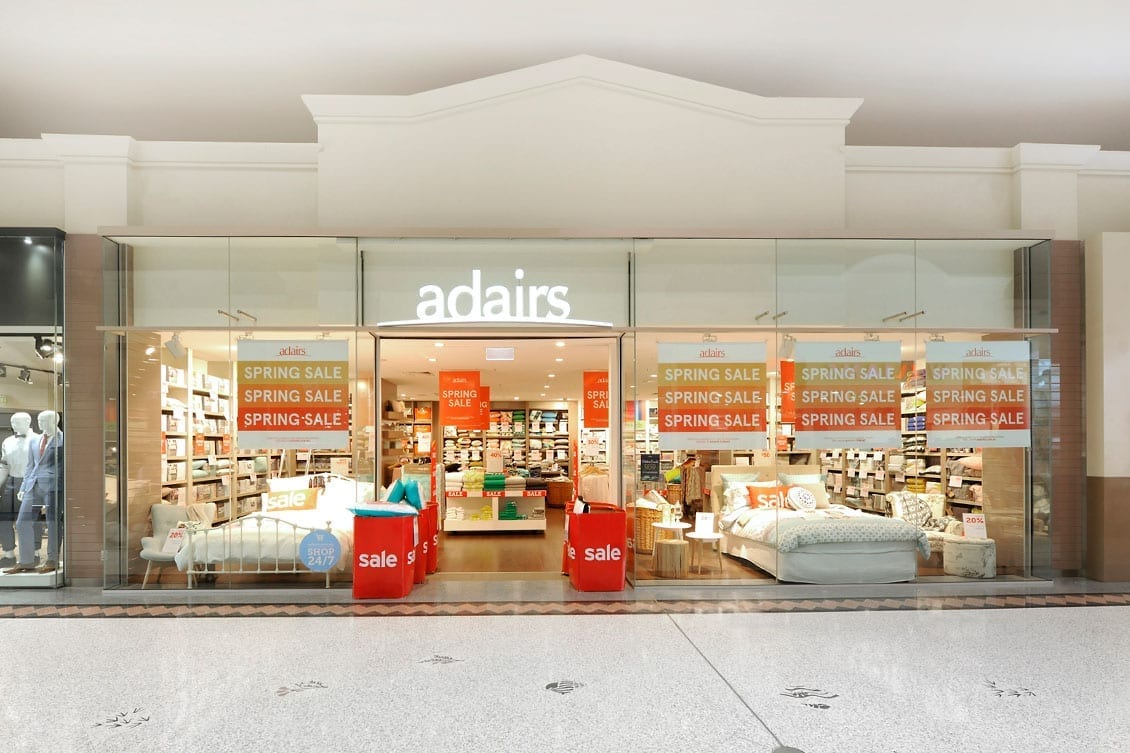
    Bedding retailer, Adairs, announced it will continue its international expansion next year and will roll out new stores in New Zealand and launch an international website.

    Mark Ronan, managing director and CEO, stated after the successful opening of their store in New Zealand, the company is looking into opening up to two additional stores in the country.

    Ronan said the company is also looking to deliver an international website in 2018.

    “Adairs has considerable opportunity to grow inside and outside of Australia and we will continue to assess these opportunities over the coming year,” he said.

    Ronan said Adairs will also continue to invest in their product team by adding resources to ensure that they “can deliver great product to customers.”

    “As I reflect on the lessons of the last 12 months, it has served to enhance my confidence that our strategy is sound, and our results will be most influenced by our successful execution of this strategy, rather than matters beyond our control,” he said. “‘Product, product and product’ refers to our product differentiation, range optimisation and merchandise planning strategy. Adairs is a product and design led business. Great product is critical to our success.”

    The company has posted a seven per cent increase in total sales for FY17, like-for-like sales, however, finished down 1.4 per cent.

    The company’s online sales continued to grow with investments in this area seeing second half sales up 41 per cent on the prior year. Despite growing total sales, Adairs’ NPAT result was well down on the prior year, with the large majority of this decline coming in the first half.

    Michael Butler, chairman of Adairs also addressed the ASIC infringement notice, denying the allegation asserting the retailer “has complied with its continuous disclosure obligations at all times.”

    “Nevertheless, your Bboard considered that it was in the best interests of Adairs to pay the penalty of $66,000 to enable the management team to focus on the operations of the business and avoid the anticipated cost and management diversion of defending this allegation,” he said.

    “Adairs is committed to keeping our shareholders fully informed.”

  • Asia drives significant L’Oreal growth

    Asia drives significant L’Oreal growth

    Asia-Pacific led global growth for beauty giant L’Oreal in the latest quarter, with sales rising 14.7 per cent on a like-for-like basis.

    The region capped off a solid quarter of L’Oreal growth, with the company reporting global sales of euro 19.5 billion, up 5.1 per cent, like-for-like on the same quarter last year.

    “In Northern Asia, China is achieving sustained growth, driven by L’Oreal Luxe, and by the strong vitality of e-commerce sales,” the company said in a statement. “Hong Kong is also growing strongly, with Chinese tourists continuing to return.”

    In Southern Asia, growth was spurred by Thailand, Malaysia and Indonesia, “thanks to the strength of our make-up brand portfolio in the consumer products division”.

    “Overall, the group outperformed the market and strengthened its position,” said chairman and CEO Jean-Paul Ago of the results for the three months to September 30.

    L’Oreal Luxe delivered a strong performance with double-digit growth, driven by the robust health of its four key brands: Lancome, Yves Saint Laurent, Giorgio Armani and Kiehl’s, and the momentum of its recent acquisition, IT Cosmetics.

    “The active cosmetics division is growing significantly, reflecting the quality of its launches and the good performance of CeraVe,” he said. “The consumer products division is reinforcing its positions in several major zones, but is still being slowed down by continuing difficulties in the American and French markets.”

    Ago described the acceleration of sales in its so-called “New Markets” as the highlight of the quarter. He referred to “strong performances” in Asia-Pacific, particularly in China, but also in Latin America and Eastern Europe.

  • The best quarter ever for Alibaba sales

    The best quarter ever for Alibaba sales

    In an “outstanding quarter” to September 30, Alibaba sales have grown 61 per cent to US$8.3 billion.

    That’s the tech and e-commerce giant’s strongest quarterly performance since its IPO and a result the company says reflects the strength of the business beyond its core activities.

    “We had an outstanding quarter,” said CEO Daniel Zhang. “Our consumer insights and technology innovation were the key drivers behind our customer value proposition across the Alibaba economy.

    “We are seeing the early results from our efforts to integrate online and offline with our New Retail strategy, and consumers have benefited from access to high quality products, improved customer experience and the tremendous convenience of shopping anytime, anywhere.”

    Maggie Wu, CFO, said the group generated about $3.4 billion in free cash flow during the quarter, “which enables us to invest in our future growth areas of core commerce, including logistics, cloud computing, digital entertainment and other innovation initiatives.”

    E-commerce remained the backbone of the business despite its rapidly growing diversification. Mobile monthly active users on China retail marketplaces reached 549 million in September, an increase of 20 million over June 2017. Annual active consumers on China retail marketplaces reached 488 million, up 22 million users from the 12 months to June 30.

    Cloud revenue grew 99 per cent year-on-year to $447 million, driven by robust growth in paying customers and an improving revenue mix of higher value-added services.

    Revenue from digital media and entertainment increased 33 per cent to $721 million and the daily average subscribers of Youku video increased by more than 180 per cent, attributed to a strategy of offering a mixture of licensed and original content.

  • Telstra buys MTData to bolster connected vehicle business

    Telstra buys MTData to bolster connected vehicle business

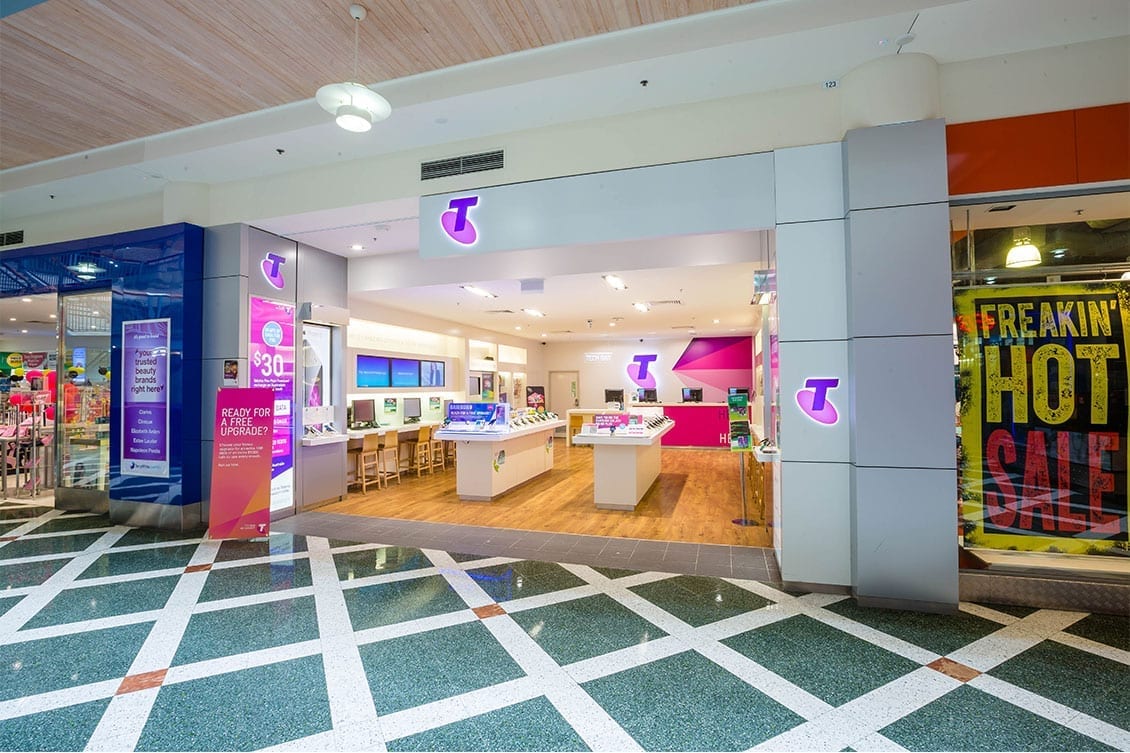
    Telstra has announced the acquisition of GPS and telematics fleet management solutions provider MTData in a bid which the incumbent says will boost its IoT offerings in the global connected vehicle market.  Financial terms of the deal were not disclosed.

    MTData was founded in 2003 and has operations in New Zealand, the US, Canada and the Middle East as well as Australia.

    According to Telstra, MTData provides GPS telematics and fleet management services that assist customers with compliance and safety, improving productivity and reducing operating costs.

    Michelle Bendschneider, executive director of Telstra Enterprise, said the acquisition will provide Telstra with the technical capability and software expertise necessary to help fast track the operator’s enterprise connected vehicle offering as part of its growing business-ready IoT ecosystem.

    “The MTData acquisition provides Telstra with advanced technology and deep domain expertise in connected vehicle solutions,” said Bendschneider.

    “This strategic acquisition will enable us to capitalize on the business ready IoT capability on our network, deliver IoT solutions to our customers in the heavy vehicle industry and supports a natural transition towards future autonomous vehicle technologies.”

    Commenting on the acquisition, Matthew Bellizia, CEO and co-founder of MTData, said, “There are strong synergies with our technology and customer focused cultures and through our integration we will provide customers with access to new and existing technologies like Telstra’s IoT offerings.”

    The acquisition by Telstra will allow MTData to provide connected vehicles, asset tracking and location insights, in the utilities, agriculture and resources industries, Bellizia said.

  • StarHub Q3 profit falls 11%

    StarHub Q3 profit falls 11%

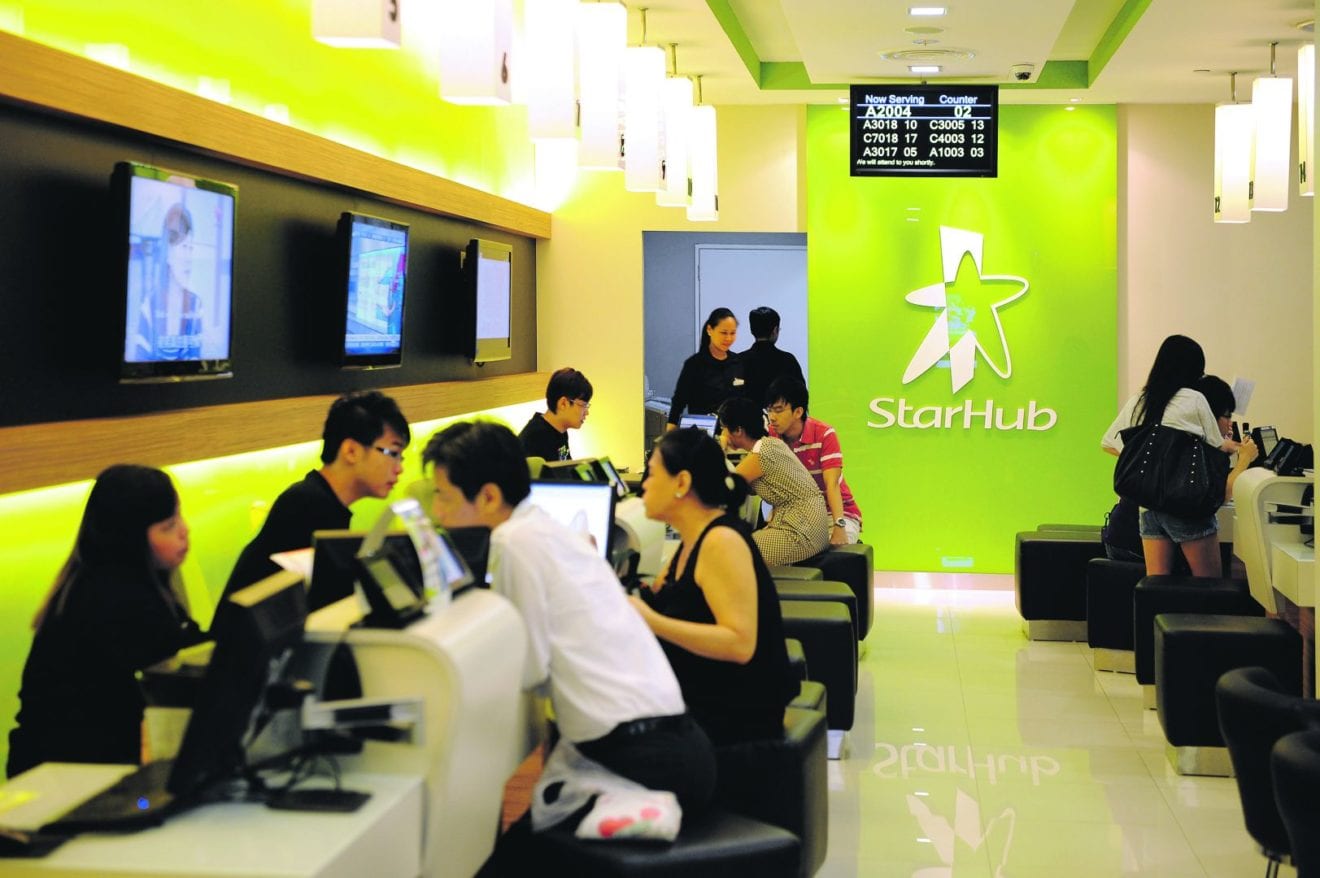
    Singapore’s StarHub has reported an 11% decline in net profit for the third quarter of 2017 to S$77 million ($56.6 million), partly as a result of lower core service revenue.

    Service revenue fell 0.7% to S$545 million, with mobile revenue down 2.3% to S$297 million, broadband revenue declining 1.5% to S$53.2 million and pay TV revenue falling 7.9% to S$85.7 million.

    Enterprise fixed line revenue by contrast increased by a healthy 11.1% to S$109.4 million, growing to account for 18.8% of total revenue (including device sales).

    This quarter, we are further seeing the fruits of our growth strategy as shown by the encouraging double-digit increase in our enterprise fixed revenue. We will continue investing in the enterprise space to drive our future growth,” StarHub CEO Tan Tong Hai commented.

    “We have recently struck Singapore’s first bank-telco strategic partnership with OCBC Bank. By harnessing our collective data insights, we can better understand customers’ needs and deliver even more relevant services to enhance their connected lifestyles.”

    For the first nine months of the year, service revenue likewise fell 1% to S$1.62 billion with net profit down 18% to S$235 million. Mobile service, broadband and pay TV revenues declined 0.8%, 1.8% and 7.7% respectively but enterprise fixed service revenue grew 5%.

    StarHub’s postpaid mobile customer base decreased by 11,000 year-on-year due to a termination of 23,000 inactive legacy data-only lines. Postpaid ARPU dipped by S$1 to S$69, while prepaid ARPU declined from S$16 to S$15.

    Broadband customers meanwhile decreased by around 1,000 to 466,000 but ARPU remained stable at S$37.

    For the full year, StarHub is projecting roughly flat revenue, but expects total capex to decrease to around 10% of total revenue.

  • RCom to stop offering 2G voice in eight circles

    RCom to stop offering 2G voice in eight circles

    Struggling Indian operator Reliance Communications will stop offering 2G voice services in eight circles from December as a cost saving measure.

    Telecoms regulator Trai has issued a direction stating that RCom plans to discontinue 2G GSM services in eight telecoms circles after the closure of the merger between RCom and Sistema Shyam Teleservices (SSTL), providing only 4G data services.

    RCom also plans to use the merger to upgrade its network from CDMA to LTE using the 800-MHz band in nine circles including Delhi.

    Trai has requested that all operator honor any porting requests from existing RCom customers and directed RCom not to deny any such requests from its own subscribers until the end of the year.

    RCom has been reconsidering its operations after failing to clinch a proposed merger with Aircel due to regulatory uncertainty and the objections of some creditors.

    The operator is grappling with debt of around 450 billion rupees ($6.95 billion) and had been hoping that the merger could help it reduce this burden.

    The RCom-SSTL share swap merger by contrast was approved last month. RCom will acquire around 2 million new customers, as well as 30 MHz of 800-MHz spectrum in eight of India’s 22 telecoms circles including Delhi.

  • Fortinet extends security fabric to IIoT

    Fortinet extends security fabric to IIoT

    Fortinet has extended its FortiGuard threat intelligence service to the industrial IoT (IIoT).

    The new FortiGuard Industrial Security Service (ISS) builds on the threat intelligence services of FortiGuard Labs by providing application control and defensive signatures specific to critical infrastructure and industrial sector organizations.

    The company is particularly targeting the utility, oil and gas, transportation, and manufacturing sectors.

    FortiGuard ISS protects the most widely-used industrial control system (ICS) and supervisory control and data acquisition (SCADA) devices and applications. The service provides vulnerability protection, visibility and granular control over ICS and SCADA systems and is backed by real-time threat intelligence updates.

    Enterprise and consumer demand has created an explosion in the number of IoT devices connecting to global networks. McKinsey estimates that 20 to 30 billion IoT devices could be connected globally by 2020, up from 10 billion to 15 billion devices in 2015. However, as devices proliferate, security risks also increase.

    Traditionally, commercial and industrial networks and their IoT devices have operated in isolation, but the mainstreaming of things like smart cities and connected homes have begun to merge these devices within local, national and global infrastructures.

    This is requiring organizations to rethink how they secure increasingly converged IT, OT and IoT networks and devices. Integrating distinct security tools into a unified Security Fabric enables organizations to collect and correlate threat intelligence in real time, identify abnormal behavior and automatically orchestrate a response anywhere across this complex IoT attack surface.

  • Toyota seeks more investments in Israeli auto tech, robotics

    Toyota seeks more investments in Israeli auto tech, robotics

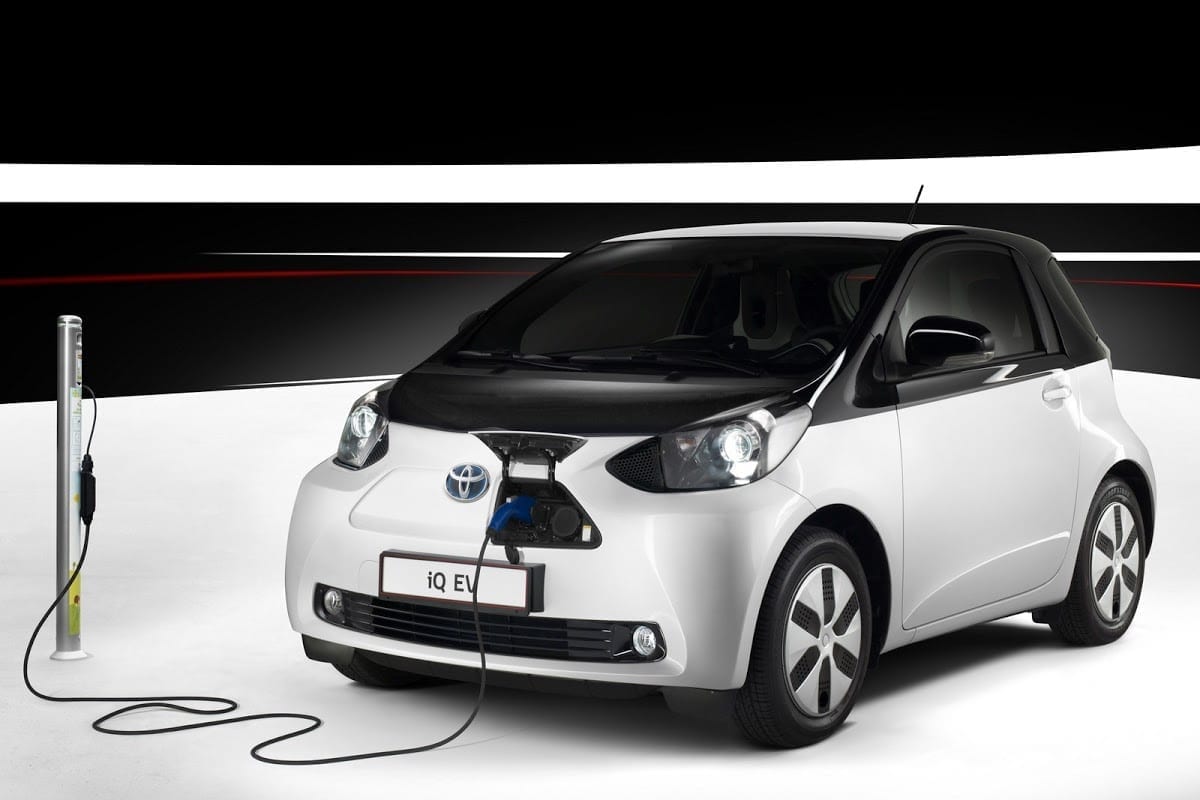
    Japan’s Toyota Motor is seeking more investments in Israeli robotics and vehicle technologies after its venture arm led a $14 million investment in Intuition Robotics in July.

    The startup, which makes robots for the elderly, was the first Israeli investment for Toyota AI Ventures, a new $100 million fund investing in artificial intelligence, robotics, autonomous mobility and data and cloud computing.

    “We will see more involvement of Toyota in the Israeli market in the future,” said Jim Adler, managing director of California-based Toyota AI Ventures, which is part of the $1 billion Toyota Research Institute.

    “There’s more in the pipeline,” he told Reuters during a visit to Israel, adding that technologies dealing with perception and prediction and planning were of particular interest to Toyota.

    Perception technology enables a self-driving vehicle to understand the world around it while prediction and planning can help a car interpret situations such as whether a child at an intersection might try to cross at a red light.

    “There’s a tremendous amount of innovation happening in Israel as cars become more produced by data,” said Adler, who is in the country meeting companies whose technologies interest Toyota.

    Israel is a growing center for automotive technology. Earlier this year Intel Corp bought autonomous vehicle firm Mobileye – one of Israel’s biggest tech companies – for $15.3 billion.

    On Friday Germany’s Continental AG said it was buying Israel’s Argus Cyber Security, whose technology guards connected cars against hacking.

    Toyota AI Ventures has made five investments and expects to invest in at least 20 companies worldwide.

    Regarding its investment in Intuition Robotics – which plans to begin trials of its robots with older adults in their homes early next year – Adler said there were many common features between robotics and autonomous vehicles, which he referred to as “big robots with wheels”.

    Japan’s population is aging, with 40 percent expected to be over 65 in 20 years, he said, and there will be demand for technologies that help the elderly stay in their homes, rather than have to move to assisted-living facilities.

    “We think Toyota will have a role there,” he said.

  • Zong upgrades backbone network to 100G

    Zong upgrades backbone network to 100G

    China Mobile’s Pakistani subsidiary Zong has upgraded its backbone network with 100Gbps technology to accommodate demand from its growing customer base.

    The operator has expanded its backbone capacity by over 10 times compared to its previous 10Gbps backhaul network.

    Zong launched 4G services in 2014 and currently operates the country’s largest 4G network with around 10,500 cell sites nationwide. The company currently has a more than 70% share of the 4G market.

    The operator is expanding its OTN backbone network to ensure ample capacity for its 4G subscribers and to future proof the network for later core network upgrades.

    “We are extremely excited to have successfully implemented this upgrade in record time, without any outages or downtimes on our network,” Zong head of corporate affairs and strategy Maham Dard said.

    “Zong 4G is the only cellular operator that remains committed to investing in nothing less than the cutting edge, continuously employing some of the most advanced technology available. I am confident that, this enhancement to our network infrastructure will contribute greatly to quality of service and end-user experience for many years to come.”

  • Fujitsu, Lenovo agree to PC merger

    Fujitsu, Lenovo agree to PC merger

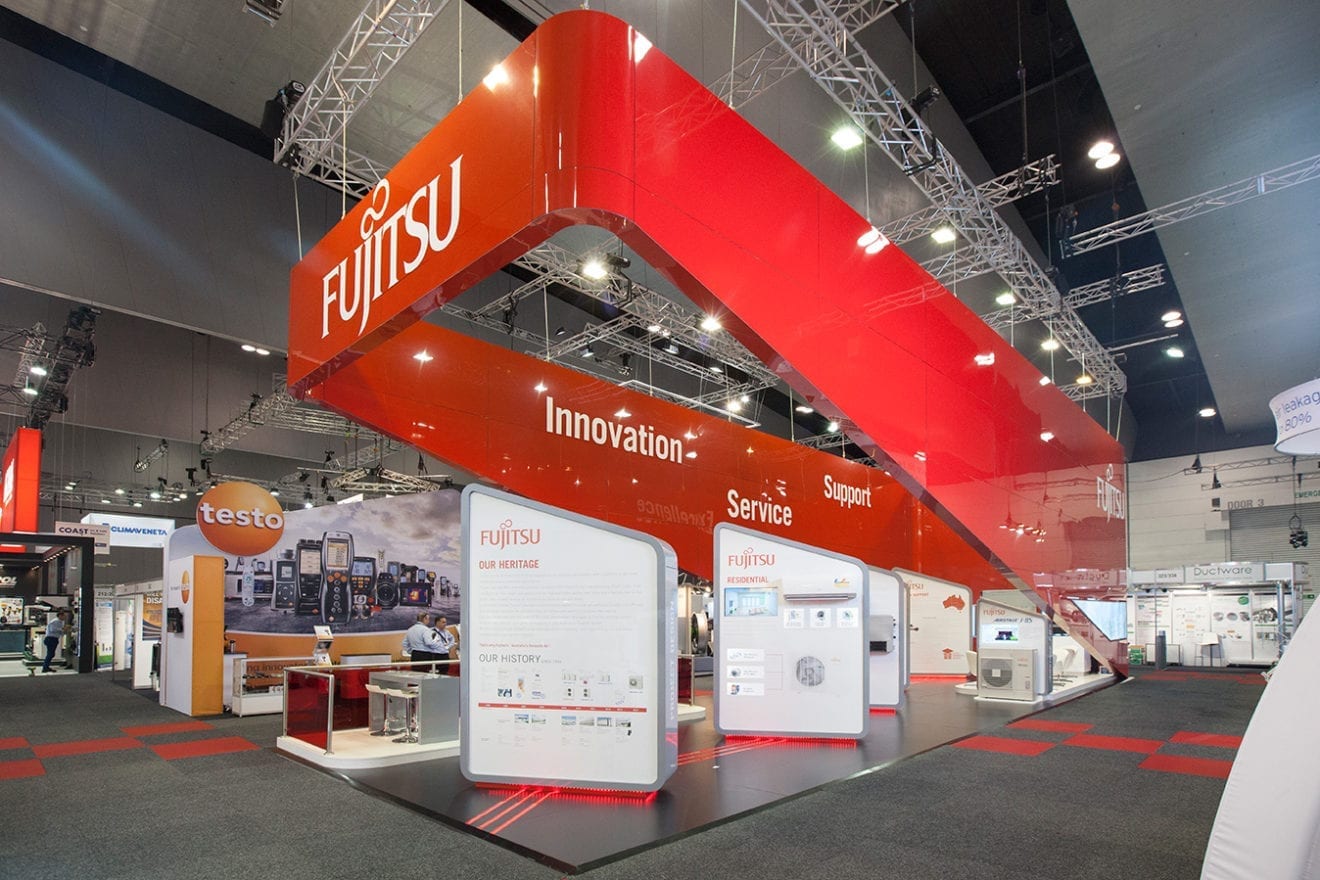
    The deal should allow Fujitsu to pour more resources into its profitable IT services operations. Japan’s Fujitsu said on Thursday it had agreed to merge its struggling PC business with Lenovo, giving the Chinese computer giant a controlling share of the business.

    Tokyo-based Fujitsu said it had “decided to formally sign a deal” with Lenovo, the world’s largest PC maker, and the government-backed Development Bank of Japan (DBJ) on a “strategic partnership” to develop and sell PCs.

    Lenovo will hold 51 percent of the shares in Fujitsu’s PC subsidiary, while the DBJ will hold five percent, Fujitsu said in a statement.

    The deal should allow Fujitsu to pour more resources into its profitable IT services operations, while also pushing ahead with a sweeping restructuring program that will see 3,200 job cuts.

    The decision came after Fujitsu said last month it was in talks with Lenovo over a potential deal, which pushed Fujitsu shares up by 7.8 percent.

    After the announcement however, Fujitsu shares were trading down 2.44 percent at 874.1 yen.

    The company had been in talks with Toshiba and Vaio to merge their once high-flying personal computer businesses, but those negotiations failed to result in a deal.

    Once-mighty Japanese firms have struggled in the face of stiff competition from lower-cost rivals overseas, including in China and South Korea.

    Earlier this year, Taiwan’s Hon Hai, better known as Foxconn, took over struggling Japanese electronics maker Sharp after it faced huge losses and mounting debts.

  • Blockchain becoming the rage at US business schools

    Blockchain becoming the rage at US business schools

    U.S. business schools are beefing up training in the software that underlies digital currency bitcoin, a technology expected to be a game changer in many industries.

    The move makes sense as more students seek careers in financial technology, or “fintech,” which has captivated leading Wall Street banks and been called “the most important technology since the internet.”

    In January, the Haas School of Business at the University of California at Berkeley will offer its first ever course in blockchain software.

    The Haas school, which is near San Francisco and Silicon Valley, will handpick 60 students from the departments of business, engineering and law and split them into groups of six to explore possible applications of the technology.

    “When people think about blockchain they think about cryptocurrencies,” said Haas school lecturer Greg LaBlanc, who sees the technology as potentially disrupting many sectors.

    “We believe it will have the biggest impact on contracting, logistics and supply chains, healthcare, public administration, assets clearing, property, transactions,” he said.

    “Pretty much every function of businesses are going to be affected by this.”

    ‘Very transformational’

    Blockchain runs by recording transactions as “blocks” that are updated in real time on a digitized ledger that can be read from anywhere and does not have a central recordkeeper.

    It was originally developed as the accounting method for bitcoin. But while that cryptocurrency remains controversial with some players in finance, bankers increasingly see exposure blockchain as a must.

    Blockchain is “something we are very optimistic about,” JPMorgan Chase chief financial officer Marianne Lake said on a conference call last month.

    Newer technologies could be “very transformational for the financial services industry and we are forward-leaning and optimistic about that,” Lake added.

    The technology, which lets users trace items back through their supply chains, also could offer a means to limit tainted food problems, or to guard against “blood diamonds” that come from a war-ravaged area.

    In finance, blockchain could be used to permit parties to check the solvency of counterparties, significantly reducing costs.

    Training students for that function and other evolving roles in finance is altering curricula at universities and shifting how students structure their programs.

    Students who wish to work in trading must learn how to code, while bankers need to understand algorithms and big data to be able to attract new clients and devise strategies for fast-changing markets.

    Traditional skills still required 

    “Anyone who is coming into the financial industry is expected to have some skills in technology,” said Stephen Daffron, a founder of Motive Partners, a private equity firm specializing in fintech investment.

    “If they don’t understand how to evaluate a company that tries to employs blockchain, then they won’t probably be a good fit for us,” said Daffron, who lectures at the Yale School of Management.

    Barbara Hewitt, senior associate director in the career services office at the University of Pennsylvania, home to the Wharton School, also noted the rising interest in new skills and technology.

    “I increasingly see students opting to explore technical minors, such as in computer science, to be well prepared for the growing use of technology in many fields,” she said.

    But if exposure to fintech has become more important to hireability, traditional skills such as accounting, mathematics and understanding of economics remain the top criteria for recruiters, the schools say.

    Companies “want people with strong technical skills, people with management skills,” said Abigail Kies, assistant dean of career development at Yale.

    At Yale, about 20 percent of 2016 graduates found jobs in finance, according to figures supplied by the university.

    Fritz Foley, a finance professor at Harvard Business School said jobs in this sector still “require strong analytical abilities, an understanding of institutional details, and good judgment.”

    “These requirements have not changed as innovations have occurred.”

  • More Tokyo snack brands in Singapore

    More Tokyo snack brands in Singapore

    Two Tokyo snack brands are setting up shop in Singapore, one opening today and the other in eight days’ time.

    Established in 2013, The Maple Mania is ready to roll out the red carpet at Ion Orchard. It is known for its maple butter cookies, maple baumkuchen with a caramelised top, and maple financiers.

    With its iconic cow logo, Tokyo Milk Cheese Factory will follow with an outlet at Raffles City. The six-year-old brand is known for its cheese cookies – salt and camembert, honey and gorgonzola, and porcini and gouda. It also offers milk cheesecake, a strawberry milk roll plus its own Cow Cow Ice ice cream in two flavours and a sundae option.

    During the festive season, The Maple Mania will sell cookies from Tokyo Milk Cheese Factory as well. Both are sister brands of LeTao, which was brought to Ion Orchard last year by Alvin Ng, the founder of The Rosti Farm and Once Upon a Milkshake, both at Waterway Point in Punggol.

    From Hokkaido, LeTao is known for its double fromage, a two-layer cheesecake.