Tag: asia

  • True Religion undergoes resurrection

    True Religion undergoes resurrection

    US denim brand True Religion has emerged from Chapter 11 bankruptcy protection after just four months, with key stakeholders agreeing to a reorganisation plan ratified by the Delaware Bankruptcy Court.

    True Religion is now free to trade with a substantially reduced debt burden. Term loans have fallen from $471 million to $113.5 million with longer term maturity.

    “With substantial debt burden removed, we are eager to turn our full attention to implementing our forward-thinking strategy, including improving our retail operations, new partnerships and growing the brand’s digital presence,” said CEO John Ermatinger.

    “We would like to thank our consumers, our employees, vendors and suppliers for their unwavering support and continued dedication to the True Religion brand,” he added.

    “With the consummation of this restructure, we are very excited and poised for the future.”

    The company has also revealed a profit of of $13.6 million in the period to September, up 46 per cent on the same period last year.

    True Religion was founded in 2002, focusing on “crafted denim” along with vintage-inspired knits, graphic t-shirts and activewear.

  • Kering Eyewear, Cartier launch collection

    Kering Eyewear, Cartier launch collection

    Jewellery retailer Cartier has teamed with Kering Eyewear for its latest eyewear collection.

    Presented at the Silmo International Optics and Eyewear Exhibition in Paris, it marks the official start of the companies’ licensing agreement.

    Described as “timeless”, the collection has three main components, Santos de Cartier, C de Cartier and Panthere de Cartier, and introduces new shapes that aim to “redefine the art of eyewear”.

    Effective from January 2, the licensing partnership will see the two luxury groups co-operate to to create a platform for product development, manufacturing and worldwide distribution of Cartier Eyewear.

    Under the terms of the agreement, Cartier owner Richemont has acquired a minority stake in Kering Eyewear, which has also integrated the Manufacture Cartier Lunettes entity in France.

    In June, a lawsuit was filed against Kering, accusing it of false advertising, unfair competition and fraud for claiming its China-produced eyewear had been made in Italy. Kering has denied all charges.

  • Toyota scrambles to ready ‘game-changer’ EV battery for mass market

    Toyota scrambles to ready ‘game-changer’ EV battery for mass market

    Toyota is scrambling to solve outstanding issues as it races to commercialize a battery breakthrough during the first half of the 2020s with the potential to cut the cost of making electric cars.

    All solid-state battery technology is a next-generation, high-capacity energy storage device that improves on today’s lithium-ion batteries, replacing the liquid or gel-form electrolyte with a solid, conductive material.

    Among other benefits, the new technology offers more capacity and better safety.

    “There are a few next-generation battery technologies we’re looking at, and the most promising is an all solid-state battery,” Toyota Chairman Takeshi Uchiyamada said in an interview ahead of the Tokyo Motor Show, which opened to the public on Friday.

    “We’re scrambling to finish developing this technology, but a few issues still remain as we try to mass produce this.”

    Battery life is the biggest of those issues, Uchiyamada said, adding Toyota has developed the know-how to produce all solid-state batteries in such a way as to hit all the technology’s performance potential.

    But it hasn’t yet mastered how to mass produce them to last as intended for a mainstream car that some buyers could expect to drive for 200,000 kms (124,274 miles) or more.

    Uchiyamada would not say how long an electric-vehicle (EV) battery should last before it needs replacing, but he dismissed a lifespan of three years. “Nobody would buy a car like that, if you had to replace the battery after just three years,” he said.

    Toyota, though, appears confident it can complete the commercialization process for the new battery technology.

    “We believe our solid-state battery technology can be a game changer, with the potential to dramatically improve driving range,” Executive Vice President Didier Leroy told reporters on Wednesday.

    While Toyota is still pushing its alternative hydrogen fuel-cell vehicle technology, derided by Tesla CEO Elon Musk, Uchiyamada insisted the Japanese firm is not “anti-EV”, and is spending heavily in EV technologies such as the solid-state battery.

    Dubbed the “Father of the Prius,” Uchiyamada, 71, helped set the global auto industry on its path to electrification two decades ago, and believes both electric-battery cars and those with hydrogen fuel-cell technologies will be needed to ultimately replace gasoline cars.

    BIGGER CAPACITY, BETTER SAFETY

    Toyota believes solid-state battery technology can double the capacity of today’s lithium-ion battery technology, and help EVs travel further on a full charge.

    The significance of the battery’s higher capacity, or energy density, is the potential for Toyota to reduce manufacturing costs for an EV’s battery propulsion system. High battery capacity means the technology needs less lithium, cobalt, manganese, nickel or aluminum, allowing automakers to reduce the overall size of an EV propulsion system.

    “In automotive manufacturing, smaller and lighter generally means cheaper to produce,” another Toyota official said.

    Successfully commercializing solid-state battery technology could be key to making electric battery cars as affordable as today’s gasoline cars. Experts say this means the cost of producing a kilowatt hour of electricity needs to fall to around $100 from a little under $200/kWh today.

    Global automakers are racing to lower battery manufacturing costs to pad out today’s thin margins on battery cars.

    “We see this tipping point around 2025,” says Nissan Motor Co 7210.T Executive Vice President Daniele Schillaci.

    “By then, for the customer, it will be practically the same cost to buy petrol or EV. If you have the same price for EVs and petrol, why would you buy traditional technology?”

    All solid-state battery technology should also be safer – as conventional lithium-ion batteries with liquid or a gel-like electrolyte have been known to leak or can ignite when they short-circuit and overheat. These risks are reduced in solid-state batteries, says Uchiyamada.

    And, unlike today’s lithium-ion batteries, solid-state battery cells don’t need to be layered closely together and linked by electric connectors, giving car designers more flexibility to create more space for passengers or storage.

    “I’d say that’s fairly revolutionary, and I‘m sure others are looking at solid-state lithium-ion battery technology to break out of the pack and come up with a safer and more potent energy storage technology,” Uchiyamada said.


  • ‘Robust’ quarter for Suntec REIT

    ‘Robust’ quarter for Suntec REIT

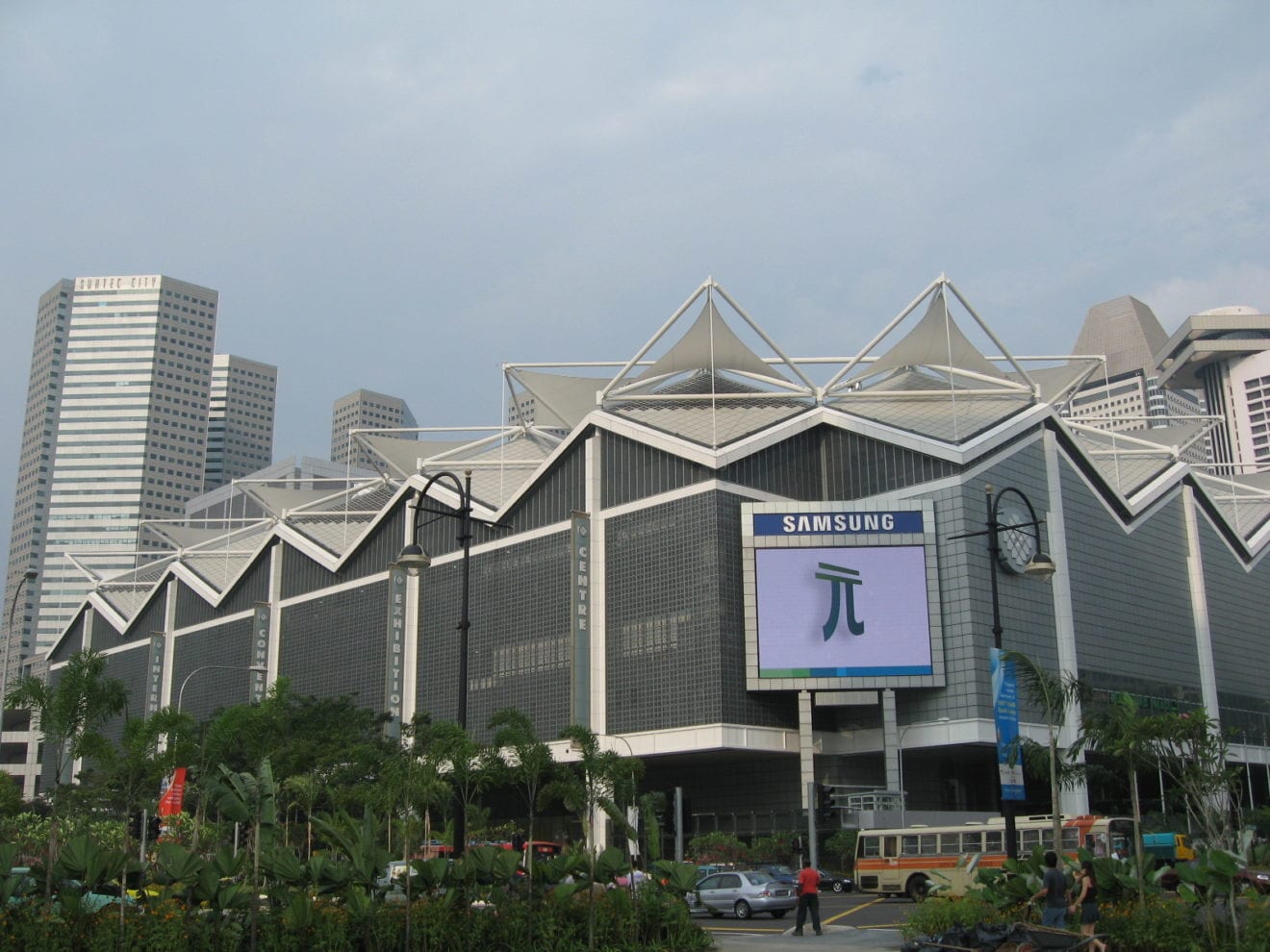
    Suntec Real Estate Investment Trust (Suntec REIT) reports a “robust” third-quarter performance, thanks to offshore properties.

    Gross revenue rose 10.6 per cent to S$91.1 million (US$66.7 million) for its third quarter, mainly because of a higher contribution from Suntec Singapore plus a new property in Sydney, says trust manager ARA Trust Management (Suntec).

    Net property income rose 11.6 per cent to $63.9 million for the quarter, while for the year to date, gross revenue was up 11.4 per cent to $266.9 million and net property income grew by 13 per cent to $185.1 million.

    “While the Singapore assets continued to deliver steady income, the two properties in Australia contributed to our robust performance this quarter,” says ARA Trust Management CEO Chan Kong Leong.

    For the Singapore retail portfolio, the overall committed occupancy as at the end of September was 99.1 per cent. The committed occupancy for Suntec City Mall was steady at 99.3 per cent while that for Marina Bay Link Mall stood at 93 per cent.

    Chan says Suntec City Mall saw a 12.2 per cent increase in year-to-date footfall while tenant sales per square foot grew by 4.9 per cent.

    “We also secured a number of new-to-market brands that will further enhance the city’s retail offerings.”

  • Hundreds of cities bid to become home to second Amazon HQ

    Hundreds of cities bid to become home to second Amazon HQ

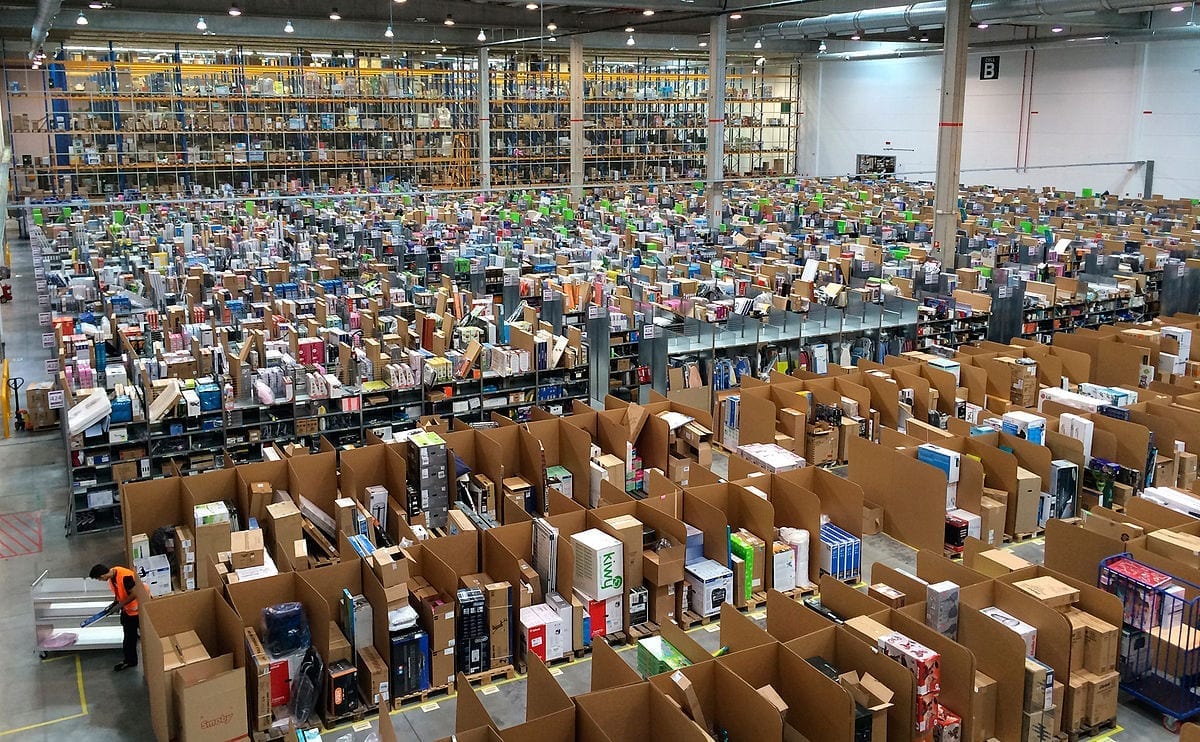
    It’s the prize of a lifetime – a $5 billion investment creating 50,000 well-paid jobs that everyone wants, but only one city will get. Amazon said Monday it has received 238 pitches from places across North America vying to be home to its second headquarters.

    It’s the prize of a lifetime – a $5 billion investment creating 50,000 well-paid jobs that everyone wants, but only one city will get.

    “We received 238 proposals from across North America for #HQ2,” the Seattle-based internet colossus said in a post from its official Twitter account.

    “The team is excited to review each of them!”

    From East to West and North to South, metropolises across the United States are locked in a frenzied bidding war, desperate to woo Amazon into favoring them as the site of the e-commerce giant’s second headquarters.

    Proposals were also reported to have come from Canada and Mexico.

    From $7 billion in tax breaks in Newark, New Jersey — 50 years ago aflame in deadly race riots — to a giant cactus shipped inter-state from Tucson in Arizona, bids ranged from the extremely ambitious to the silly before the deadline for submissions recently passed.

    The e-commerce giant announced last month that it planned to invest more than $5 billion in opening Amazon HQ2, a second company headquarters in North America that would also create tens of thousands of spin-off jobs.

    “We expect HQ2 to be a full equal to our Seattle headquarters,” promised Amazon founder Jeff Bezos, America’s second richest billionaire worth $85.8 billion.

    The unusual announcement unleashed competitive streaks nationwide as some of America’s most glittering cities vie with lesser-known backwaters looking to exit oblivion.

    In addition to direct hiring and investment, Amazon expected construction and operation of HQ2 to create tens of thousands of additional jobs.

    Amazon said in an online post that it is making the selection of its second headquarters a public process because “we want to find a city that is excited to work with us.”

    It has expressed a preference for places with more than one million people, a business-friendly environment and urban or suburban locations able to attract and retain strong technical talent.

    A study commissioned by World Business Chicago claimed that in 17 years, HQ2 would generate $341 billion in total spending, including $71 billion in salaries.

  • Apple says iPhone X pre-orders are ‘off the charts’

    Apple says iPhone X pre-orders are ‘off the charts’

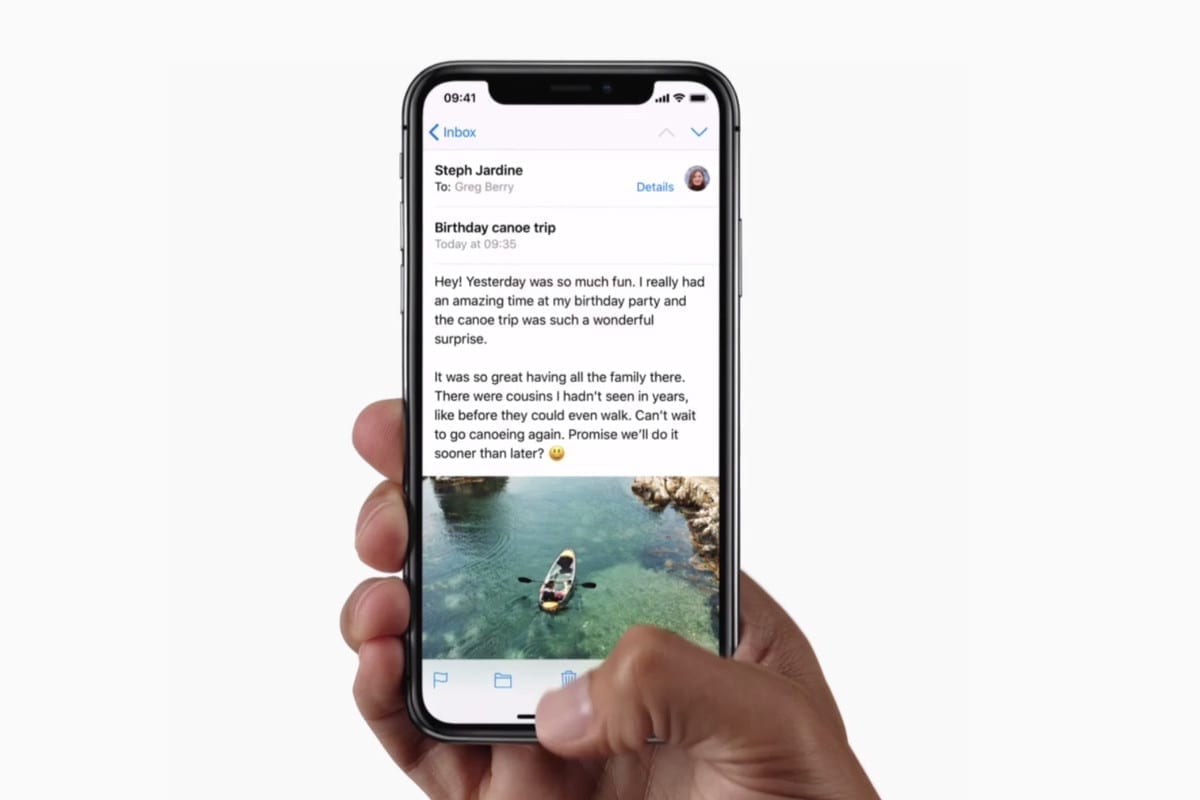
    The company’s website showed delivery times pushed out to five to six weeks for the phone, compared to an initial plan of Nov. 3.Apple Inc quashed concerns of muted demand for its iPhone X on Friday, saying pre-orders for the 10th anniversary phone were “off the charts”.

    The company’s shares, which have fallen steadily since it announced in early September it would launch two iPhones within two months, rose nearly 3 percent in response.

    Pre-orders for the much-anticipated 10th anniversary phone started from 12.01 a.m. PT (0701 GMT) on Friday.

    “We can see from the initial response, customer demand is off the charts,” an Apple spokeswoman told.

    “We’re working hard to get this revolutionary new product into the hands of every customer who wants one, as quickly as possible.”

    The company’s website showed delivery times pushed out to five to six weeks for the phone, compared to an initial plan of Nov. 3.

    IPhone X’s launch follows weeks of concerns among analysts about the production of the new phone, which for the first time includes new facial identification software to replace the fingerprint used on previous phones.

    Analysts have cautioned that production of the phone was below target, due to difficulties in producing the TrueDepth camera system, which houses sophisticated cameras and sensors making it possible to unlock the phone using Face ID.

    Wireless carriers in the United States and Canada have reported slow third-quarter customer upgrades.

    Major promotions on the iPhone X from U.S. carriers have yet to materialize, and in some cases, the offers have been even less generous than what was available for the iPhone 8, said Walter Piecyk, an analyst at BTIG in a research note on Thursday. The base price for the phone is $999.

    He noted that Sprint Corp’s iPhone X promotion of $350 in savings for trading in an eligible device was the most aggressive but still lower than what it offered for last year’s launch of the iPhone 7.

    However, electronics retailer Best Buy Co is charging shoppers an extra $100, if they wish to buy an unactivated iPhone X outright.

    If customers order the phone on an installment billing plan, they will pay the same price charged by Apple and the carriers.

    “Our prices reflect the fact that no matter a customer’s desired plan or carrier, or whether a customer is on a business or personal plan, they are able to get a phone the way they want at Best Buy,” Best Buy spokeswoman Carly Charlson said.

    “Our customers have told us they want this flexibility and sometimes that has a cost.”

  • Apple, Samsung face new iPhone damages trial

    Apple, Samsung face new iPhone damages trial

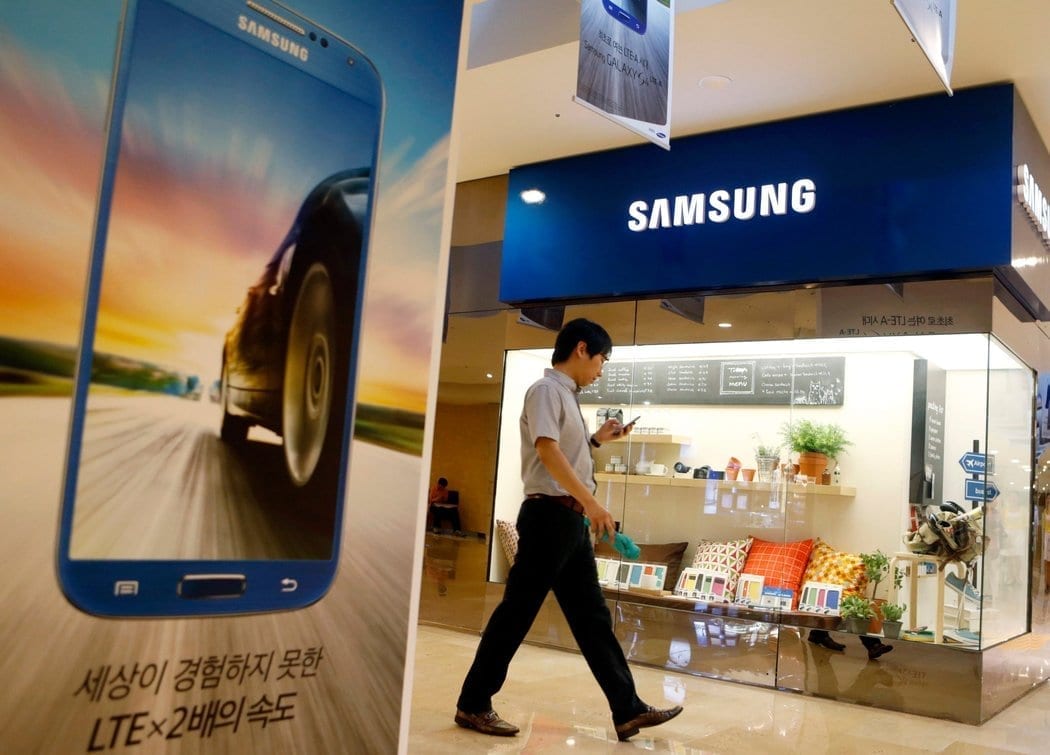
    A U.S. judge has ordered a new trial to determine how much Samsung Electronics Co should pay Apple Inc for copying the look of the iPhone. U.S. District Judge Lucy Koh in San Jose, California issued her order late on Sunday, 10 months after the U.S. Supreme Court set aside a $399 million award against Samsung, whose devices include the Galaxy.

    The three Apple patents covered design elements of the iPhone such as its black rectangular front face, rounded corners, and colorful grid of icons for programs and apps.

    Koh’s order is a setback for Apple, which called a retrial unnecessary and said the award should be confirmed. The Cupertino, California-based company did not immediately respond on Monday to requests for comment.

    Silicon Valley has closely followed the 6-1/2-year-old case.

    Companies such as Facebook Inc and Alphabet Inc’s Google have said an Apple win would encourage owners of design patents to sue for huge, unfair awards on products containing hundreds of features that are costly to develop.

    The $399 million represented profit from Samsung’s sales of infringing smartphones, though the South Korean company has said it deserved reimbursement if it prevailed in the litigation.

    It was part of a $548 million payment that Samsung made to Apple in December 2015.

    The legal dispute concerned whether the “article of manufacture” for which Samsung owed damages included its entire smartphones, or only parts that infringed Apple patents.

    Without deciding that question, Justice Sonia Sotomayor wrote for the Supreme Court last Dec. 6 that “the term ‘article of manufacture’ is broad enough to embrace both a product sold to a consumer and a component of that product.”

    In Sunday’s order, Koh said the jury instructions at the original 2012 trial inaccurately stated the law on that issue.

    She said Samsung may have been prejudiced if jurors were prevented from considering whether any infringement covered “something other than the entire phone.”

    Apple contended that the jury instructions were “not erroneous,” and said it had proved that Samsung applied its patented designs to its “entire phones.”

    Jurors initially awarded $1.05 billion to Apple, which was later reduced.

    Samsung, in a statement, welcomed a new trial, calling it “a historic opportunity to determine how the U.S. Supreme Court’s guidance on design patent damages will be implemented.”

    The case is Apple Inc v Samsung Electronics Co et al, U.S. District Court, Northern District of California, No. 11-01846.

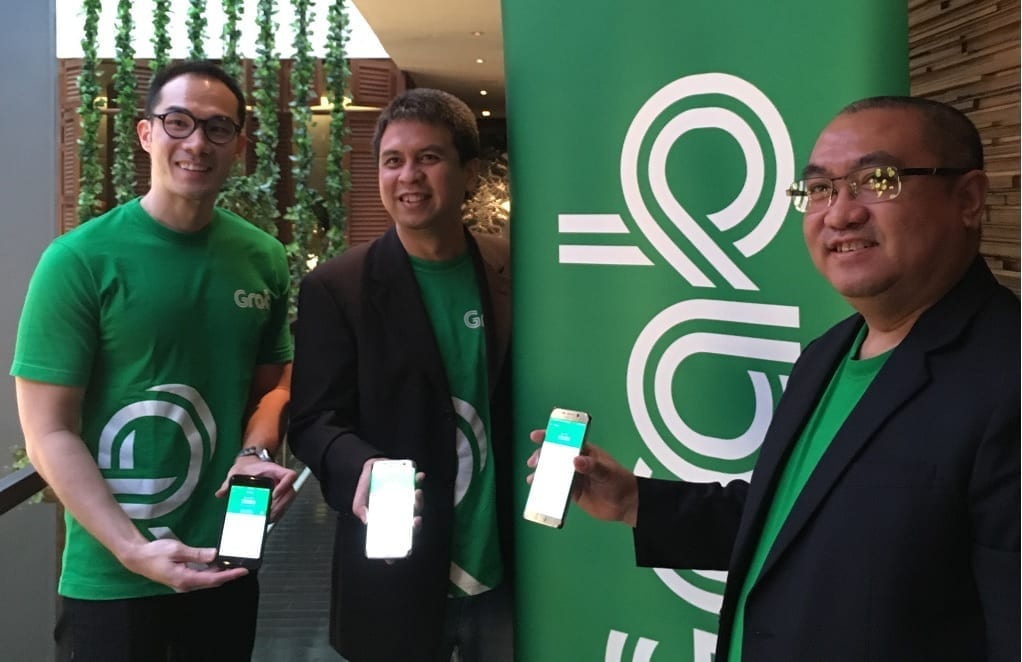
  • Grab, Uber benefit from ‘unfair competition

    Grab, Uber benefit from ‘unfair competition

    Vietnam’s top taxi firms have for months been blaming Uber, Grab for their losses. The two most popular app-based ride-hailing services in Vietnam, Uber and Grab, hold an unfair advantage over local taxi firms, according to reports by the trade and transport ministries.

    “App-based ride-hailing services are not regulated by the same laws as transport providers like local cab firms and motorbike taxis,” said the trade ministry in its report.

    “These app-based services should be regulated the same as transport providers,” the ministry said.

    Both ministries are in favor of a change to the legal framework to guarantee fair competition.

    Uber and Grab currently operate in Vietnam as part of a pilot scheme that also allows for 10 or more app-based ride-hailing services, including the apps launched by Vinasun and Mai Linh. They are treated as providers of transport software which, unlike traditional taxis, excludes them from being accountable for passenger and traffic safety.

    Responding to a proposal in September from the Hanoi Taxi Association, the transport ministry said a complete halt to their operations was unlikely, but the government should hold fast on new approvals for app-based taxis.

    Authorities fear the fast-growing number of app-based taxis will contribute to Hanoi and Ho Chi Minh City’s traffic problems. There are now already over 50,000 Uber and Grab vehicles registered in the two cities.

    In Vietnam, local cab firms like Mai Linh and Vinasun have to pay VAT of 10 percent and corporate income tax of 20 percent, while Grab and Uber only have to pay 3 percent and 2 percent.

    But this July, the tax department found that most local cab firms in Ho Chi Minh City only paid 0.01 to 0.06 percent corporate income tax, while some like Mai Linh Taxi paid less than 3 percent value added tax. The finance ministry subsequently asked the tax department to review these cases for possible tax fraud,

    Meanwhile in September, Ho Chi Minh City’s tax department demanded Uber Vietnam pay over VND10.5 billion ($460,000) in tax arrears.

    “We look forward to new regulations that ensure fair, relevant competition among transport providers,” a Grab Vietnam representative told last month, in response to recent allegations of local cab firms regarding unfair competition.

    Both Uber and Grab have repeatedly told local media they are not violating any laws.

    Vinasun, the biggest taxi firm in Vietnam, has lost 10,000 employees so far this year, and its nine-month revenue only reached 58 percent of the company’s annual target. Rival firm Mai Linh also has lost 6,000 employees this year, 20 percent of its total drivers.

  • Bitcoin transactions remain illegal in Vietnam

    Bitcoin transactions remain illegal in Vietnam

    The only payment methods allowed in the country are issued or controlled by the State Bank. Cryptocurrencies such as Bitcoin remain illegal in Vietnam, the State Bank affirmed in a statement released on Saturday.

    “From January 1, 2018, the act of issuing, supplying or using illegal means of payment may be subject to prosecution in accordance with the provisions of Article 206 of the Penal Code 2015,” the statement said.

    The only payment methods allowed in the country are issued or controlled by the State Bank.

    People who attempt to use illegal means of payment will be subject to a fine ranging from $6,600-9,000.

    Earlier this week, Vietnam’s top technology university FPT announced plans to allow students to pay for their tuition fees using Bitcoin.

    Some service providers have already started accepting Bitcoin and other cryptocurrencies in Vietnam, but they are mostly used for trading and speculation on the free market.

    The central bank has warned organizations and individuals in Vietnam not to invest in Bitcoins or conduct transactions in the currency, saying they would be taking a huge risk with no legal protection.

    “Bitcoin transactions are anonymous and can be used for money laundering, drug trafficking, tax evasion and illegal payments,” the bank claimed.

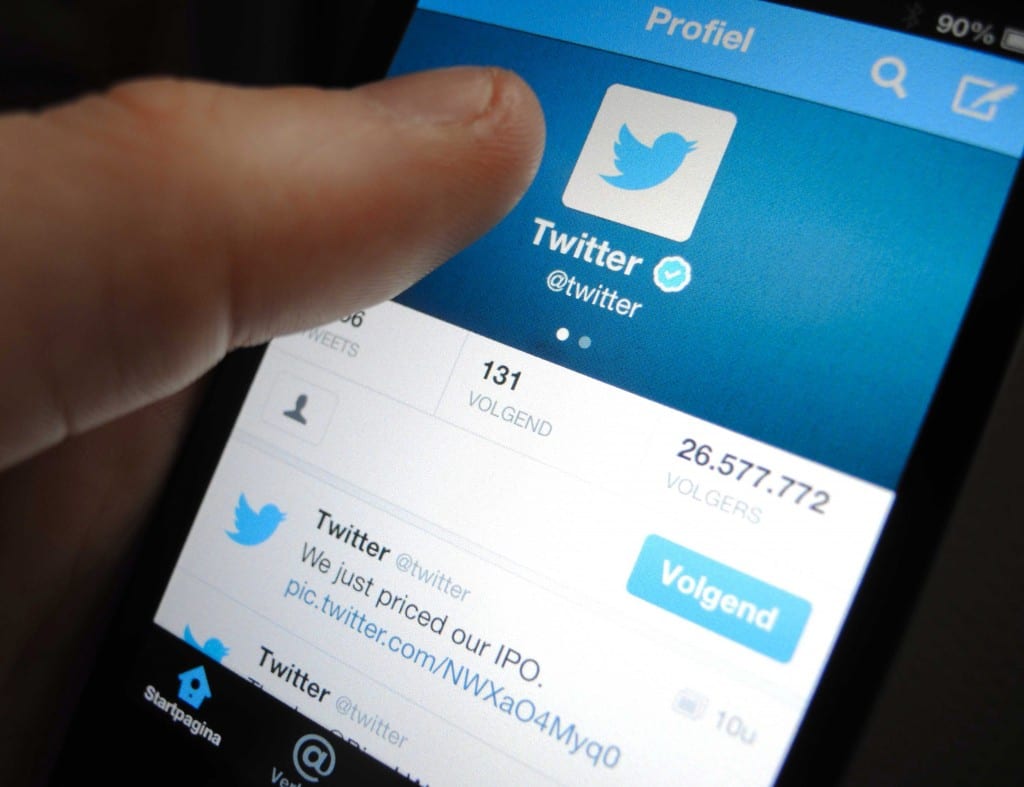
  • Twitter increase ad transparency to foil politics meddling

    Twitter increase ad transparency to foil politics meddling

    US lawmakers are also looking into how foreign entities used social media to meddle in politics last year. Twitter on Tuesday announced steps to make it easier to see who is behind political ads and who they are targeting as social media giants try to thwart skullduggery.

    The moves include launching an online center with details about advertisers and their messages, according to general manager of revenue and product engineering Bruce Falck.

    Twitter also plans to adopt stricter ad policies and improve controls, amid heightened scrutiny surrounding the news that Russian-backed entities used online platforms to spread disinformation during the 2016 campaign to help Republican Donald Trump defeat Democratic challenger Hillary Clinton.

    “To make it clear when you are seeing or engaging with an electioneering ad, we will now require that electioneering advertisers identify their campaigns as such,” Falck said in an online post.

    “We will also change the look and feel of these ads and include a visual political ad indicator.”

    Honest Ads Act

    US lawmakers last month unveiled legislation to require disclosure of sources of online political ads, a move aimed at preventing a recurrence of Russian entities using social media to influence the 2016 election.

    Senators behind the Honest Ads Act referred to it as an issue of national security.

    Democrat Mark Warner, who was among those who introduced the bill, referred to Twitter’s move as “a good first step, particularly public disclosure of ads info,” in a tweet fired off on Tuesday.

    The Honest Ads Act would require online platforms with at least 50 million users to maintain and disclose information on spending of at least $500 for ads for candidates or legislative issues, applying rules that are similar to those for television and radio.

    Lawmakers are investigating how foreign entities used Facebook, Google and other online platforms to sway sentiment in 2016.

    Facebook handed to Congress about 3,000 Russia-linked ads that appeared to use hot-button issues to turn people against one another ahead of last year’s US election.

    Dark ads

    Many of these were so-called “dark ads” targeted at specific groups and which could not be viewed by the public.

    Falck noted that there is no clear industry definition of issue-based ads that aren’t clearly linked to politics but that Twitter is working with peers, policy makers, advertisers and others on a way to quickly and clearly identify such advertising.

    Twitter planned to debut the ad policy updates first in the US and then roll them out globally.

    Just a few years ago, Facebook and Twitter were hailed as tools for democracy activists, enabling movements like the Arab Spring to flourish.

    Today, the tables have turned as fears grow over how social media may have been manipulated to disrupt the US election, and over how authoritarian governments are using the networks to clamp down on dissent.

    Facebook and Twitter are among internet companies that have made moves to crack down on their services being used to achieve hidden political agendas with the help of bogus news stories or manipulative ads.

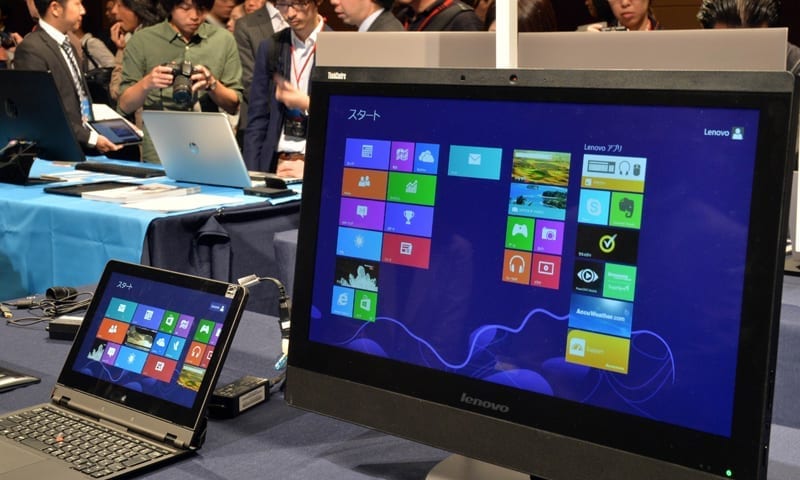
  • Microsoft tops forecasts with 16 percent profit growth

    Microsoft tops forecasts with 16 percent profit growth

    The tech giant saw growth in its ‘productivity and business process’ and ‘intelligent cloud’ units.

    Microsoft on Thursday delivered stronger-than-expected earnings for the past quarter, lifted by gains in cloud computing and other business services.

    For its first fiscal quarter to September 30, the tech giant said profit was up 16 percent from a year ago to $6.6 billion.

    Revenue meanwhile rose 12 percent to $24.5 billion for the one-time tech sector leader which has shifted its focus away from consumer software to a range of enterprise services.

    Shares in Microsoft jumped 3.2 percent to $81.35 for in after-hours trade following the release.

    Microsoft chief executive Satya Nadella said: “Our results reflect accelerating innovation and increased usage and engagement across our businesses as customers continue to choose Microsoft to help them transform.”

    Microsoft’s “more personal computing” division which produces the ubiquitous Windows operating system, saw revenues virtually unchanged from a year ago at $9.4 billion.

    But it showed sharp growth of 28 percent from its “productivity and business process” unit, which brought in revenues of $8.2 billion.

    The “intelligent cloud” unit that delivers artificial intelligence to a wide range of products saw its revenues grow 14 percent to $6.9 billion in the quarter.

    LinkedIn, the professional social network acquired by Microsoft last year, contributed revenue of $1.1 billion during the quarter.

    Microsoft said its “cloud technologies” operations now accounts for some $20 billion annualized and is a key to the company’s future.

    “Across major industries — from finance and energy sector to retail and professional sports — organizations are betting on Microsoft to help them transform their customers’ experiences, employee productivity, operations and products,” said executive vice president Judson Althoff.

    “In fact, 96 percent of Fortune 500 companies have at least one of our cloud offerings, and 90 percent have at least two.”

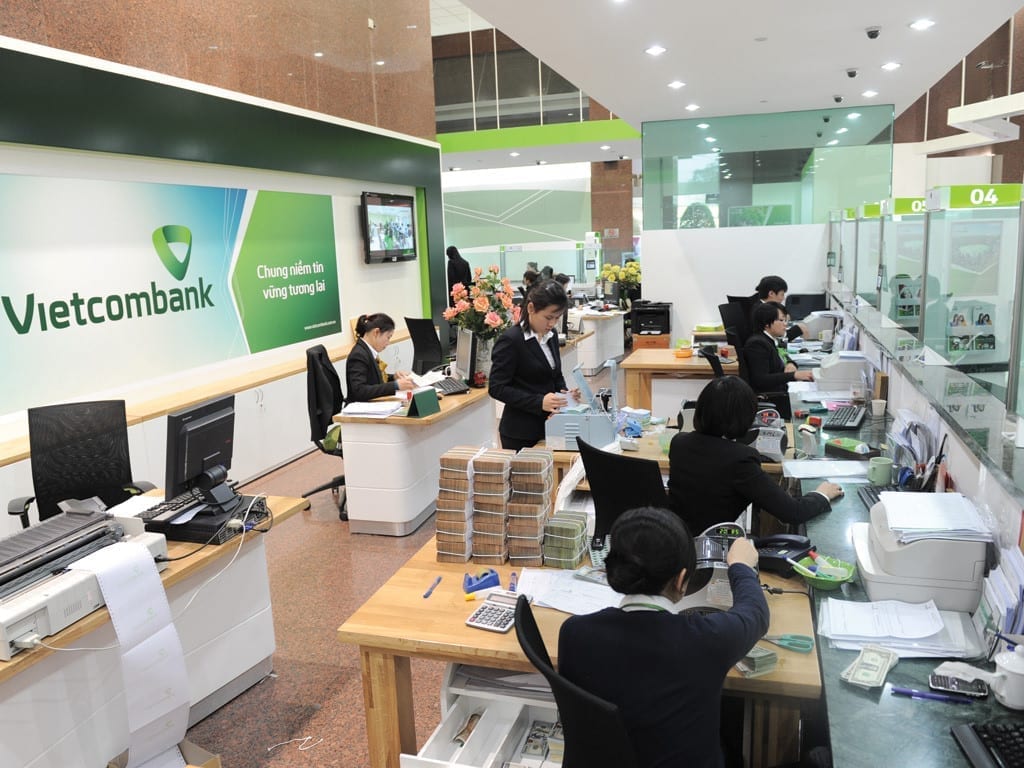
  • Vietnamese bank appoints foreign executive to head retail operations

    Vietnamese bank appoints foreign executive to head retail operations

    Vietcombank has taken the unusual move of plunging a foreigner into the financial fray.

    Vietcombank has appointed a Canadian executive as its new retail banking director in a country that rarely hires foreign execs in its commercial banking sector.

    Thomas William Tobin holds an MBA in international finance from MacMaster University. According to his LinkedIn profile, he has more than 20 years of experience in the financial services industry, having worked as HSBC’s CEO and country head in Vietnam before leading the Hong Kong, Macao and Northeast Asian branches of the U.S.-based financial services corporation Visa Inc.

    Vietcombank’s chairman Nghiem Xuan Thanh said at a ceremony to announce the appointment that Tobin’s experience and understanding of the Vietnamese and global markets will help Vietcombank become the top retail bank in Vietnam by 2020, Vietnam News Agency reported.

    Vietcombank, the country’s third biggest listed bank by assets, said on Monday that its net profit in the third quarter went up 30.9 percent on-year to VND2.15 trillion ($94.6 million), Reuters reported.

    The bank’s pre-tax profits in the first nine months hit more than VND12.18 trillion ($536 million), up 14.1 percent against the same period last year.

    Its bad debt ratio also fell to 1.13 percent of all loans, according to a source from the bank.

    The National Financial Supervisory Commission has reported credit growth of 11.5 percent in the banking system in the first nine months of this year, while profit rose 39 percent to around VND47 trillion (nearly $2.1 billion).

  • Facebook moves toward revealing political ad backers

    Facebook moves toward revealing political ad backers

    People will be able to click ‘view ads’ on a page to determine the source. Facebook said Friday it would take steps to deliver on a promise to reveal backers of political advertisements to boost transparency in the wake of criticism of the social network’s role in the 2016 U.S. election.

    The leading social platform said it will begin testing and refining political ad transparency tools next month in Canada, with a goal of having them in place in the US before elections next year.

    Under the plan unveiled by Facebook vice president Rob Goldman, people will be able to click “view ads” on a page to determine the source.

    “Transparency helps everyone, especially political watchdog groups and reporters, keep advertisers accountable for who they say they are and what they say to different groups,” Goldman said in a blog post.

    “People should be able to tell who the advertiser is and see the ads they’re running, especially for political ads, That level of transparency is good for democracy and it’s good for the electoral process.”

    Facebook founder and chief executive Mark Zuckerberg said in a separate post this is more transparency than required for other media.

    “We’re making all ads more transparent, not just political ads,” Zuckerberg said.

    Additionally, he noted that political advertisers “will now have to provide more information to verify their identity.”

    Facebook in September announced a plan to increase “transparency” regarding political advertising and hire more than 1,000 people to thwart deceptive ads crafted to knock elections off course including “dark” messages crafted for specific demographic groups but invisible to others.

    Facebook has turned over to Congress some 3,000 Russia-linked ads that appeared to use hot-button issues to turn people against one another ahead of last year’s U.S. election.

    Facebook’s second-ranking executive, Sheryl Sandberg, has acknowledged that “things happened on our platform in this election that should not have happened, especially foreign interference.”

    According to Facebook, some 10 million people may have viewed the ads placed by a Russian entity that appeared aimed at sowing division and mistrust.

    Some 470 accounts spent a total of approximately $100,000 between June 2015 to May 2017 on ads that touted fake or misleading news, according to Facebook.

    Goldman said Canada is a “natural choice” to test the new system.

    “Testing in one market allows us to learn the various ways an entire population uses the feature at a scale that allows us to learn and iterate,” Goldman said.

    Twitter this week unveiled similar steps that will disclose the sources of political ads. The messaging platform separately said it would ban ads from Russia-based RT and Sputnik, accused of spreading disinformation during the 2016 campaign.

  • Hermes pop-up on WeChat introduces smartwatch

    Hermes pop-up on WeChat introduces smartwatch

    A Hermes pop-up store, its first on WeChat, features a 13-second promotional video for its new Eperon d’Or Hermes x Apple smartwatch.

    The French luxury brand is offering six options of wristband, each based on a classic Hermes scarf pattern.

    When clicking on “read more” at the bottom of the post, readers are taken directly to Hermes’ watch collection page which offers a detailed view of six models. The prices range from RMB8988 (US$1354) to RMB10,988.

    Buyers need to register an account on the site to track the order, and use WeChat Pay to complete deals.

    The pop-up ends on November 5.

    Meanwhile, Hermes sales in Asia Pacific, excluding Japan, have grown by 14.3 per cent year on year. Its WeChat experiment indicates the brand has taken a significant step toward digital marketing, reports CIF News.

    CEO Axel Dumas says Hermes has excellent sales track records in China, and has expanded from major cities, gradually developing in  growing centres such as Chengdu and Hangzhou.

  • L’Oreal adds Paris to digital start-ups

    L’Oreal adds Paris to digital start-ups

    L’Oreal, the world’s biggest cosmetics company wants to see more beauty tech like sensory hair brushes that tell you how to care for your hair, and skin patches that let you know how much sun you are getting.

    So, it plans to launch a program of start-up collaborations in Paris as it ramps up digital investments and seeks out new beauty products like its “smart” hairbrushes.

    L’Oreal makes an ever greater slice of sales online and has rolled out services and items for tech-savvy consumers, such as a phone app for virtual make-up tests.

    The French group says it is looking to develop more inventions at a site for start-up companies in Paris, where 10 to 12 firms will work on projects with L’Oreal every year.

    “The world of beauty has already become very digitalised…this will allow us go even further than what we do today,” L’Oreal chairman and chief executive Jean-Paul Agon said, at a reconverted 1920s railway depot in Paris that now houses a start-up campus.

    Known as “Station F” and launched by billionaire businessman Xavier Niel, it will now have a L’Oreal workshop.

    Agon did not say how much L’Oreal had invested so far in start-up ventures and online development, but did say the group’s budget for all things digital was growing fast.

    L’Oreal now spends 35 per cent of its media budget on digital campaigns and had recruited 1,700 people to work in this area, he said. Five years ago staffing in this section was closer to 150.

    L’Oreal derives about seven per cent of its revenues – which totalled 13.4 billion euros ($A20.2 billion) in the first half of the year – from online sales, up from just over five per cent in 2015. It has not disclosed online growth targets.

    The company has already invested in London’s Founders Factory, a so-called start-up incubator, in 2016, and it has its own innovation program in San Francisco.

    Products developed there include an electronic UV skin patch that measures exposure to the sun.

    Aside from seeking new technology, such as developments in artificial intelligence or voice recognition software, L’Oreal will also work with start-ups developing new beauty products, be it creams or make-up, the company said.

    L’Oreal’s push comes as Paris seeks to overtake London as a leading European tech centre for investors and inventors, in a “start-up nation” championed by France’s pro-business President Emmanuel Macron.

    “We’re also happy to be contributing to that project,” Agon said. L’Oreal is France’s fourth-largest listed company.