Tag: asia

  • Tata Tele informs govt of shutdown plans

    Tata Tele informs govt of shutdown plans

    India’s Tata Group has reportedly informally notified the government of plans to shut down its wireless business Tata Teleservices after 21 years in operation.

    Tata Group executives have been meeting with Department of Telecom and other government officials to discuss ways of surrendering or selling off the struggling Tata Teleservices’ spectrum assets.

    According to the report, which cites unnamed sources, the operator will have 60 days to complete the wind-down process once it formally begins. The company will need to give customers 30 days’ notice of its intent to shut down.

    Tata Teleservices was launched in 1996 as a landline company, but moved into mobile services in 2008 under a partnership with Japan’s NTT DoCoMo.

    After DoCoMo decided to enter the loss-making JV in 2014 the company pursued a sale to larger rivals Bharti Airtel and Vodafone, but these talks fell through, prompting parent company Tata Group to consider shutting down the operations instead.

    On the record, Tata Sons chairman N Chandrasekaran would not confirm whether a shut down will take place, but said he will have to make a “tough call” surrounding the future of the venture.

    If it takes place, the closure will affect around 5,000 Tata Teleservices employees nationwide.

  • Michael Kors reopens Makati flagship store

    Michael Kors reopens Makati flagship store

    Affordable luxury leather goods brand Michael Kors has finished renovating its flagship store in Manila, reopening to the Filipino customer in October 2017.

    Located at Greenbelt 5, the improved Makati store unveils a new play on metal accents — as seen on shelves and fixtures – for the US brand.

    The New York handbag and accessories retailer is locally distributed in the Asian nation by Stores Specialists Inc. (SSI), and is looking to ramp up sales in the Philippines.

    “Michael Kors has contemporary styling and great value. It is very up to date with trends interpreted in a way that resonates with every kind of style,” SSI Group president Anton Huang, told local media.

    According to Huang, Michael Kors bags, accessories and footwear remain the Philippines’ most sought after item.

    However, Michael Kors Philippines has witnessed an increase in sales for ready-to-wear lines, adding the brand’s success is rising as more customers adopt a sophisticated lifestyle.

    “Ready-to-wear apparel has become more important to our customers. It  is been successful. For apparel, there’s growth season after season.”

    In addition to the newly reopened Makati flagship, Michael Kors has other stores in the Philippines located at Central Square on Bonifacio High Street, Newport Mall, Power Plant Mall, Rustan’s Makati, and Shangri-La Plaza Mall.

    Kors had been grappling with declining sales in recent quarters as more people shop online. The firm has faced over-distribution of its products and a reliance on promotions to boost sales also eroded some of Kors’ brand value and its appeal.

    However, in August 2017, Michael Kors Holdings reported better-than-expected profit for the first quarter as it cut down on promotions and sold more premium handbags, it said.

    Looking ahead, the company expects fiscal 2018 revenue of about $4.28 billion, slightly higher than its earlier forecast of $4.25 billion.

  • Ferrari opens new Kuala Lumpur showroom

    Ferrari opens new Kuala Lumpur showroom

    Ferrari has opened a new showroom in Kuala Lumpur in partnership with Naza Italia, the official importer and distributor of Ferrari in Malaysia.

    Located at Naza Platinum Park on the ground flor of Tower 1, Naza Italia has invested RM2.8 million to develop the 3,115 square foot Ferrari City Showroom.

    A second Ferrari outlet for the Malaysian capital, the new showroom showcases three of the latest Ferrari models, and boasts a luxurious customer lounge as well as a configuration and customiszation room.

    The opening is part of the company’s strategy to boost the brand’s presence in the metropolitan area.

    “Substantial growth in business calls for an expansion that will enable us to better serve Ferrari’s discerning clientele,” Naza World Group executive chairman, Datuk SM Faisal SM Nasimuddin, told media at the launch.

    “To address that, we are making the brand more accessible with a showroom in this prime location,” he continued.

    The Naza Platinum Park location compliments Ferrari’s first showroom offering, located in Petaling Jaya.

    “The showroom is somewhat of an appetizer, presenting Ferrari enthusiasts and potential buyers a taste of the latest offerings and a preview of experience provided at the showroom in Petaling Jaya,” he said.

    Naza World also recently invested RM5 million to renovate its debut KL showroom.

    “The upgrade is a reflection of Naza Italia’s commitment to the clientele and to better serve our customers,” he concluded.

  • Longchamp Singapore reopens at Paragon

    Longchamp Singapore reopens at Paragon

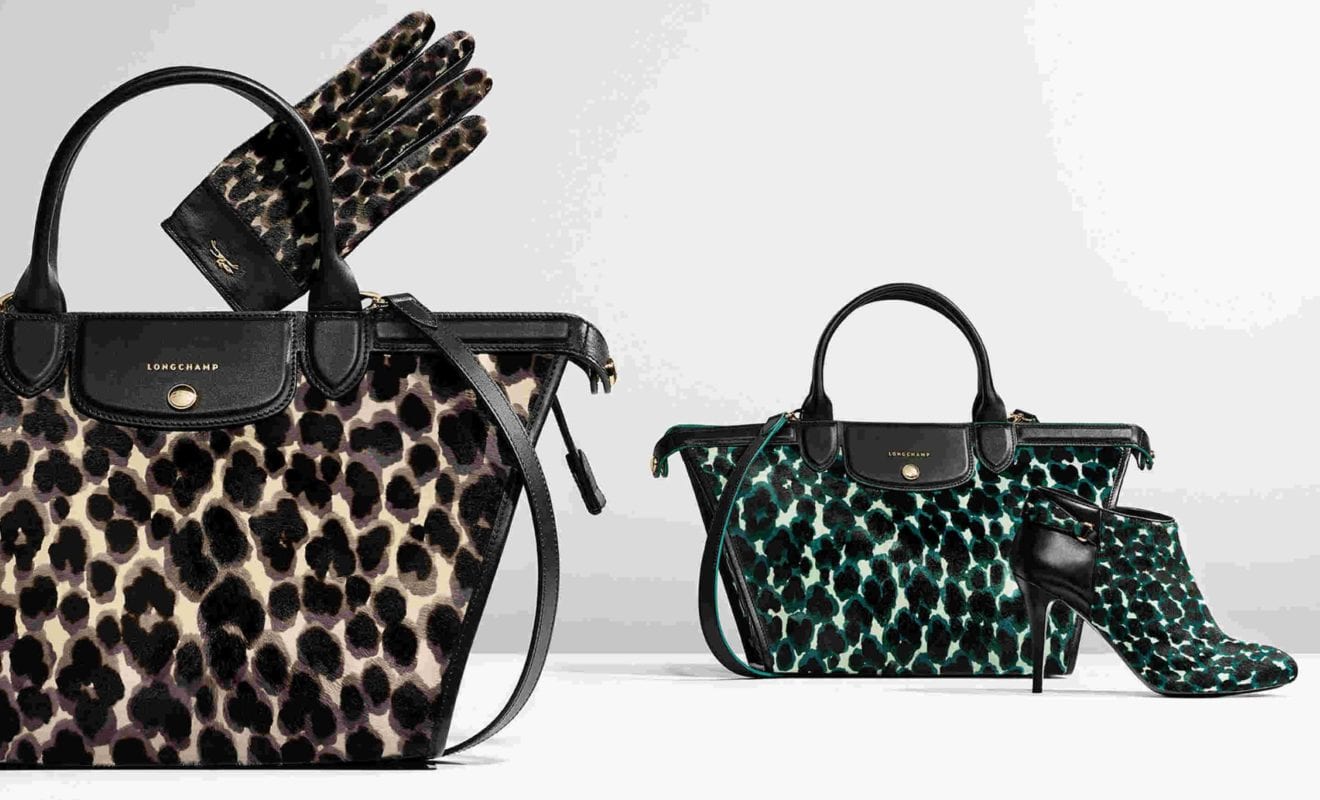
    Longchamp Singapore has reopened its Paragon mall boutique.

    Marking the relaunch at 02-40 kiosk, the French luxury leather brand released its Mademoiselle Longchamp range of bags, which is exclusively distributed there until September 15, and at all Longchamp outlets thereafter.

    Inspired by 1970s heroines such as Jane Birkin and Francoise Hardy, the bags are available in black, grey, cognac and mimosa, and are sold from US$630 to $1955.

  • Céline opens in Sydney

    Céline opens in Sydney

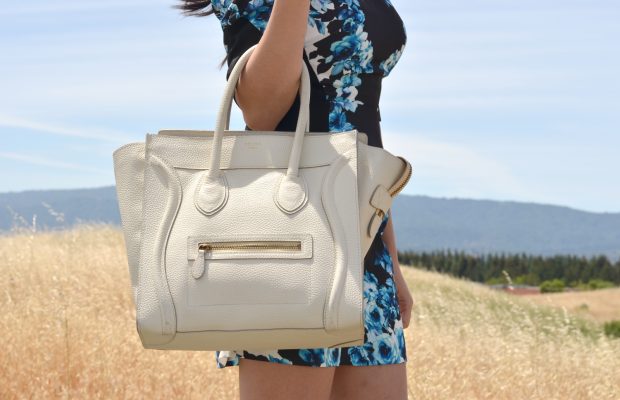
    French maison Céline has opened its second Australian store in Sydney.

    Located on level four of Sydney’s Westfield Shopping Centre, the 186-square-metre store is designed with clean lines and pared-back simplicity, hallmarks of the brand’s creative director, Phoebe Philo.

    Raw materials such as onyx, fired terracotta, carved lime wood and industrial chipboard mix in with foliage, and bounce off black metal hanging rails, brought to life by a concrete floor in grey.

    A central sculpture wall divides each room, with bespoke furnishings – designed by Danish artist FOS – splattered throughout. Features include mirrors, a jewellery table, sunglasses and jewellery display casing, and a large seating area in ceramic and wood.
    The new Sydney flagship hosts Céline’s autumn/winter 2017 collection, as well as a range of ready-to-wear, shoes and accessories.

    The Sydney store is the brand’s 141st store globally. The first Australian flagship opened in Melbourne’s Chadstone shopping centre in 2016.

    Founded in 1945 by Céline Vipiana, the Paris house is today owned by global luxury conglomerate LVMH group.

  • Nokia launches carrier-grade home Wi-Fi suite

    Nokia launches carrier-grade home Wi-Fi suite

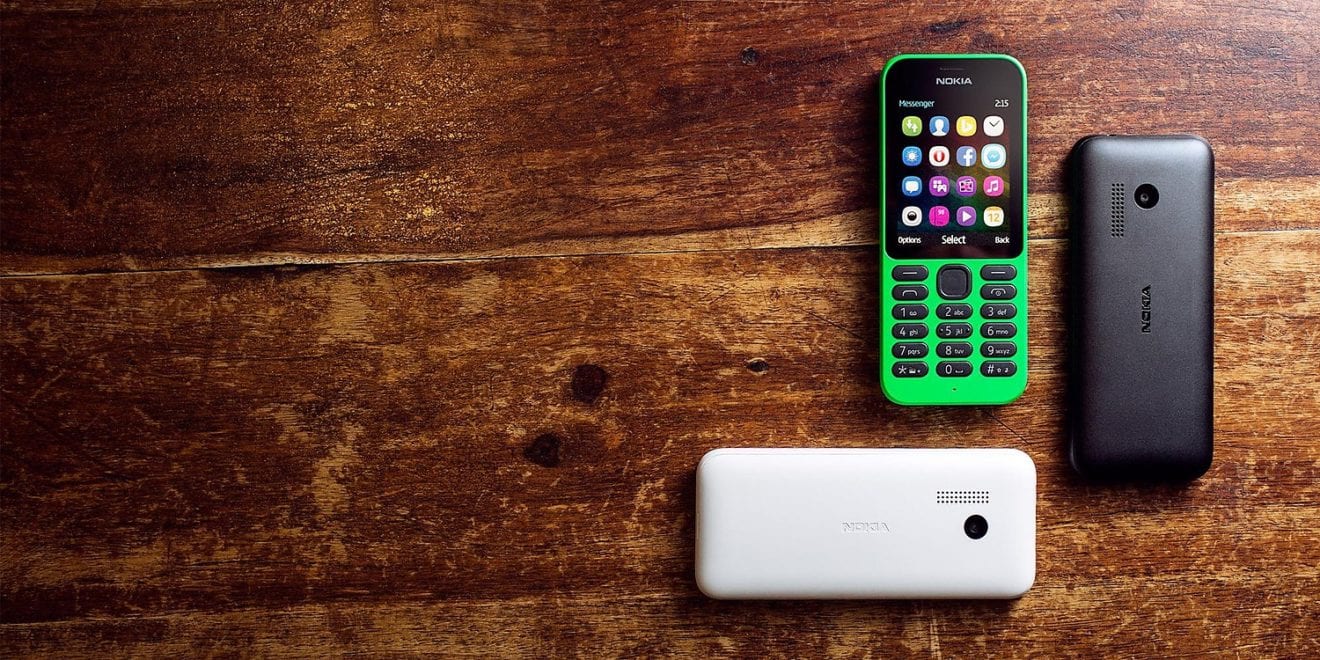
    The product portfolio will consist of a line of Wi-Fi gateways and extenders for operators to offer their customers to improve the user experience and decrease Wi-Fi related support costs.

    Operators will be able to offer a managed in-home Wi-Fi solution which aims to reduce the volume of customer support calls related to poor in-home connectivity and reduce churn.

    The portfolio also utilizes a Broadcom WLAN chipset to analyze and avoid interference effects caused by other Wi-Fi and non Wi-Fi devices, minimizing connectivity issues. The Nokia Wi-Fi gateways can identify 17 different interference sources at both 2.4-GHz and 5-GHz.

    “Everyone knows how tedious malfunctioning Wi-Fi networks can be. People demand instant connectivity and perfect coverage throughout their homes. Nokia in-home Wi-Fi delivers just that,” Nokia SVP and GM for broadband carrier access Greg Fischer said.

    “Nokia Wi-Fi will be a great tool for service providers to increase customer loyalty and focus on new revenue streams. As they lease the central home gateway and have a trusted relationship with subscribers, they have a key role to play in delivering the Digital Home.”

  • Huawei, SUSE building mission-critical server

    Huawei, SUSE building mission-critical server

    At SUSECON 2017, Huawei and Linux-based operating system developer SUSE announced a expanded partnership to build a more reliable Mission Critical Server for enterprise customers.

    The server will support memory module hot swap, helping customers slash unplanned maintenance time while keeping their production systems up and running.

    The solution will run on Huawei’s 16-/32-socket KunLun Mission Critical Server and SUSE Linux Enterprise Server for SAP Applications. It strengthens both companies’ lineup of enterprise mission-critical offerings.

    The Huawei KunLun Mission Critical Server is specifically engineered for critical workloads such as enterprise database, decision support, and business processing. Supporting 8, 16, or 32 Intel processors with up to 32 TB in-memory computing, the KunLun server is capable of processing massive amounts of data even in large-scale in-memory database systems.

    “Huawei is teaming up with SUSE to jointly launch the in-memory computing hot swap solution built on the Huawei 16-/32-socket KunLun Mission Critical Server and the SUSE Linux Enterprise Server RAS enhanced feature package,” Huawei IT server product line president Qiu Long said.

    “This solution will ensure continuous, stable running of enterprise business-critical applications and reduce unplanned downtime. Supporting memory online maintenance, it reduces unplanned system outage caused by memory faults to almost zero, thereby boosting the reliability of enterprise critical applications.”

  • Ericsson picks new chair to guide recovery efforts

    Ericsson picks new chair to guide recovery efforts

    Ericsson has nominated former mining equipment provider Atlas Copco CEO Ronnie Leten as its new chairman to assist with the struggling vendor’s recovery efforts.

    Leten will stand for election at a shareholder vote on March 28 as Ericsson’s pick for the successor to Leif Johansson, who announced in July that he won’t make himself available for re-election.

    As well as his role as president and CEO of Atlas Copco, Leten is currently a board member of bearing and seal manufacturer SKF, chairman of home appliance maker Electrolux and proposed chairman of planned Atlas Copco division Epiroc.

    Despite his lack of telecoms industry experience, the chairman of Ericsson’s nominating committee Johan Forssell said the committee believes Leten is the right pick for the job.

    “Ronnie Leten has a very strong track record when it comes to value creation,” Forssell said. Under his tenure, Atlas Copco has seen its shares rise twice as high as the European industrial sector index.

    “Mr Leten is a very skilled businessman, technically savvy and strategically versatile. Furthermore, he has significant experience from digitalization of major operations, which will be beneficial for Ericsson’s focused work together with its customers.”

    The committee has also proposed that Kurt Jofs, the leader of Ericsson’s networks business between 2003 and 2008, rejoin the company as a new board member.

    “With Mr Jofs’ deep knowledge of and background from the telecom and IT-industry, not least from his previous tenure at Ericsson, we believe that he will contribute complementary skills and experience to Ericsson’s Board. With these changes, the Nomination Committee believes that the company is given the right conditions for realizing its long-term potential,” Forssell said.

  • Asia Beauty Group deal for ‘beauty park’

    Asia Beauty Group deal for ‘beauty park’

    A consortium comprising a Macau firm and two Mainland Chinese companies has signed an agreement with Hong Kong’s Asia Beauty Group Holding to open a “beauty park” in Grand MixC, an urban complex being developed in Hengqin.

    Macau’s San Fong Wang Property Development & Investment is also funding the construction of the RMB50 billion (US$7.52 billion) mixed-use complex. The two other parties are real-estate developer China Resources Land and financial services group China Resources Trust, according to information released by the Zhuhai government.

    Aimed at providing “one-stop fashion and leading cosmetic services” for women, the 20,000sqm park will include hairdressers, beauty salons, spas, catering, wedding services, photography resources, a themed hotel and a media centre within 10 theme areas. Hengqin is an island and special economic zone in Zhuhai, in Guangdong province.

    Previously owned by Ng Lap Seng, a Macau real-estate tycoon convicted on July 30 of bribery, money laundering and corruption, San Fong Wa is now headed by his son Ng Kei Nin.

    Completion of the beauty park is expected next year, when the first phase of the Grand MixC project is also expected to be completed. The complex is expected to become a retail and cultural destination, targeting the boutique trade and exhibitions, healthcare, cultural and creative activities as well as the hi-tech industry.

  • ThaiBev acquires restaurant chain

    ThaiBev acquires restaurant chain

    Thai Beverage Public Co (ThaiBev) has bought a 76 per cent stake in Thailand restaurant chain Spice of Asia for THB114.5 million (US$3.4 million).
    Funding for the acquisition will come from internal resources, says the F&B giant.

    Spice of Asia has 10 restaurants under four brands – Cafe Chilli, Chilli Thai Restaurant, Eat Pot and Pot Ministry, serving Thai food and hotpot concepts. The acquired stake will be held by ThaiBev subsidiary Food of Asia.

  • Cool Japan Fund to raise cuisine awareness abroad

    Cool Japan Fund to raise cuisine awareness abroad

    State-affiliated Cool Japan Fund says it will launch comprehensive Japanese food outlets overseas featuring restaurants, shops and cultural experiences.

    Its first such outlet will be in London early next year through a JV, Ichiba UK, with Japan Centre Group, a Japanese-run company based in the British capital. Cool Japan Fund will invest up to £3 million (US$3.9 million) for the establishment of the outlet.

    It will be called Ichiba, modelled after Italian food marketplace Eataly, and will include a food zone offering Japanese cuisines, a retail zone for groceries and other products from all over Japan, and Japanese cooking demonstrations.

    Japan Centre Group, established in 1976, runs two Japanese grocery stores and 11 restaurants.

    Similar outlets are planned for other major European cities, including Milan and Paris, says Cool Japan Fund.

    Japan’s government hopes to boost agricultural exports by releasing information about Japanese food culture abroad and supporting moves to sell Japanese specialties in overseas markets.

  • Oppo Mobiles India given nod to open stores

    Oppo Mobiles India given nod to open stores

    Oppo Mobiles India has been granted approval to open single-brand retail stores, meaning the Chinese smartphone maker can now sell directly to consumers in addition to its wholesale business.

    The Foreign Investment Promotion Board announced the approval on its website, and has also approved luxury goods retailer Louis Vuitton’s application to open its own stores in India.

    India allows foreign firms to sell directly to consumers through the “single-brand retail” system, but companies need to source 30 per cent of the products locally. India moved to partially relax those conditions last year, exempting foreign retailers for three years from the 30 per cent local-sourcing rule.

  • Tesco Asia sales slump, profit soars

    Tesco Asia sales slump, profit soars

    Tesco Asia sales plummeted in the last half year – but profit soared by nearly a quarter.

    The UK headquartered supermarket operator, which operates Tesco Lotus in Thailand and Tesco in Malaysia – said in its trading statement that Asian operating profit before exceptional items was £141 million, up 24.8 per cent at constant exchange rates and 39.6 per cent at actual rates.

    “This improvement has been driven by refocusing on our core retail offer and significantly

    reducing the level of short-term promotional coupon activity. Furthermore, we have continued to focus on reducing our cost base as part of the group’s overall cost savings program and to help offset inflationary cost increases in the region.”

    Overall Tesco Asia sales fell by 6 per cent at constant exchange rates, with like-for-like sales falling 8.3 per cent.

    “The sales performance in Asia reflects our decision to withdraw from bulk selling activities in Thailand at the start of the financial year. Before this impact, underlying like-for-like sales in the region were down circa 2 per cent, largely as the result of a reduction in the level of short-term promotional couponing activity and the deflationary impact of lowering our food prices for customers. New store openings contributed 2.3 per cent to sales growth in Asia,” the company said.

    “Strong progress”

    Tesco CEO Dave Lewis hailed “strong progress” for the group as it reported an eightfold rise in overall first-half profits to £562 million and resumed dividend payments after a three-year hiatus.

    “Our offer is more competitive and more customers are shopping at Tesco. Today’s announcement that we are resuming our dividend reflects our confidence that we can build on our strong performance to date,” he said.

    “Market conditions have been challenging with inflationary pressure being felt throughout the half, but we have worked hard with our supplier partners to minimise price increases for customers.

    “Our overall sales inflation in the half was around 1 per cent less than the rest of the market, helping us become even more competitive.”

    However some analysts were a little more cautious in their assessments, suggesting the retail will soon have to raise its prices in the UK.

    Molly Johnson-Jones, senior retail analyst with GlobalData, said Tesco UK could not afford to maintain the 1 per cent inflation gap with its rivals and simultaneously reach its ambitious 3.5 – 4 per cent margin target and £1.5 billion cost savings goal by the 2020 year.

    “Tesco’s ability to maintain its price competitiveness will be challenged by cost inflation, which will continue through to 2019, and shelf-edge inflation, which will reach a peak of 2.9 per cent in the first half of 2019. Using our price tracker, we have seen that Tesco raised its prices circa 2 per cent during the first half, and we estimate that they are, therefore, absorbing about 1 per cent of cost inflation. At the moment, this ability to absorb cost inflation comes from the volume benefits that it has gained from suppliers.

    “We predict that Tesco’s prices will begin to increase towards 2019 as volume benefits from its supplier negotiations start to dissipate.”

  • Myer welcomes Android and Apple pay on new credit card

    Myer welcomes Android and Apple pay on new credit card

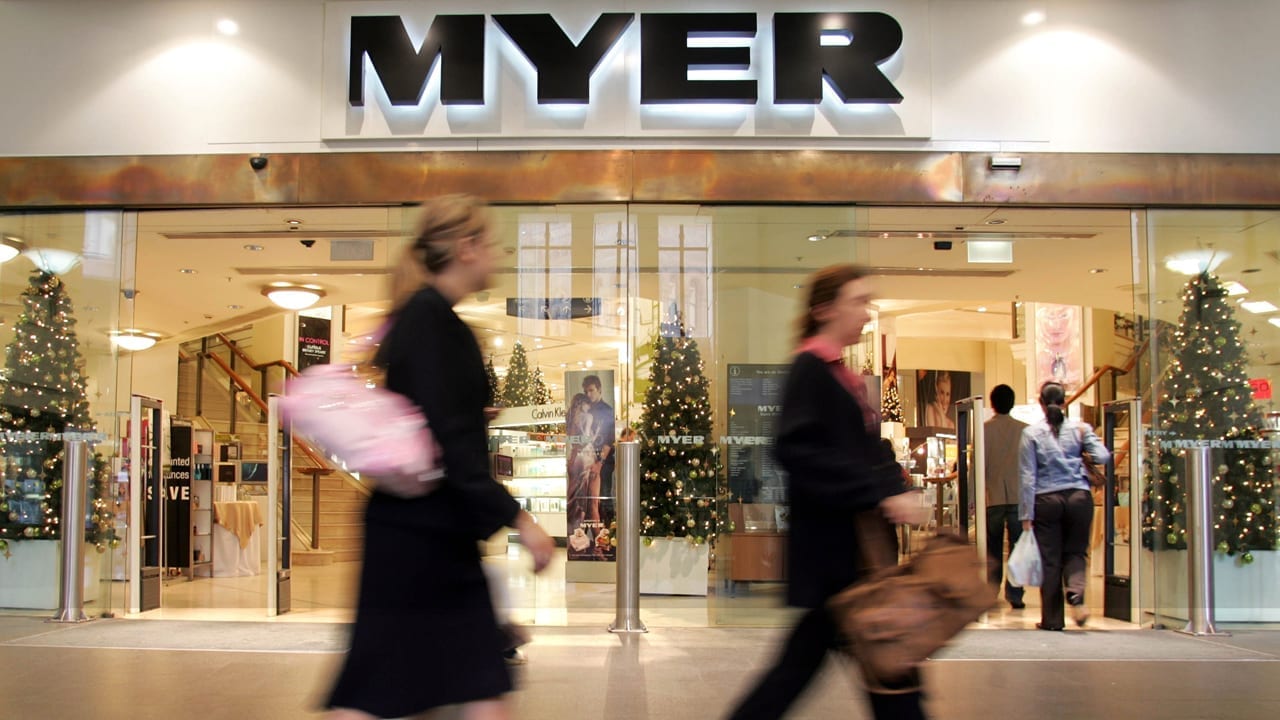
    Myer has become the first Aussie retailer to launch Android Pay and Apple Pay on a Visa card, in a move that the department store retailer says accelerates its commitment towards digital.

    Launching this month, the card is issued by Macquarie Bank and supplied by Visa payment technology. It allows shoppers to access smart phone digital wallets and designed to make it easier to track and manage spending through the Myer credit card app.

    The new card is also now the only way for customers to earn Myer one shopping credits on eligible credit card purchases.

    “The card will provide our customers with an easier way to pay and reward them for their loyalty,” said Richard Umbers, Myer CEO and managing director.

    “We are delighted with our partnership with Macquarie and Visa which will further accelerate the growth of Myer’s digital capability.”

    The head of Macquarie’s Banking and Financial Services Group, Greg Ward, said the finance firm had offered credit cards directly and through white label arrangements for “many years” and that the Myer partnership was the “latest step in supporting innovative digital banking solutions for Australians.”

    Stephen Karpin, Visa’s group country manager for ANZ and the South Pacific, said digital technology is driving “new and imaginative commerce experiences” within retail, and that “how people pay is at the heart of these experiences.”

    It’s the second tech-related launch embarked on by Myer in recent weeks, after the department store retailer dipped its toes into radio frequency identification technology, with a six to eight week trial.

  • Jaguar Land Rover store opens at Westfield Bondi Junction

    Jaguar Land Rover store opens at Westfield Bondi Junction

    Australia’s first Jaguar Land Rover retail experience store has opened at Westfield Bondi Junction last week.

    The new-look premium retail experience store covers 290sqm over two floors and showcases display vehicles housed in two state-of-the-art digital vehicle configuration spaces.

    Electronic displays allow customers to “build” their cars on-screen, changing and comparing interior and exterior colours, adding options and also try different wheels and trims to create unique vehicles.

    The auto firm said the space offers a different experience to traditional automotive retail outlets, and is staffed by dedicated product experts.

    The location will offer a full range of Jaguar and Land Rover vehicles on-site at the shopping centre for immediate test drives.

    Jaguar Land Rover Australia’s managing director, Matthew Wiesner, said the new retail experience store’s location puts it right in the heart of one of Sydney’s most upbeat areas.

    “We are very excited to see the first Jaguar Land Rover premium retail experience store in Australia and we are extremely pleased to have worked with our partner Inchcape to bring it to fruition, he said.

    “The location at Westfield Bondi Junction illustrates how changing market trends and buyer demands are bringing the premium retail experiences to shopfront locations.”

    Designed by Centric Architects and built by Reitsma Constructions, the store also carries a complete range of quality, branded merchandise from clothing and accessories to luggage and die-cast models, office items, toys, tees and back packs.

    “This fantastic new facility is in line with our own approach to delivering new, customer-centric ways of experiencing the brands, sophisticated environment that is totally focussed on consumer needs and convenience,” said Nick Senior, CEO of automtive supplier, Inchcape.