Tag: asia

  • Amazon Japan launching pop-up bar

    Amazon Japan launching pop-up bar

    To promote the alcoholic drinks being sold on its platform, Amazon Japan will launch a promotional pop-up bar in Tokyo.

    In Ginza, the 78-seat Amazon Bar will run for 10 days from October 20, serving cocktails, sake and wine.

    The online retail giant says some products will be exclusive, and the bar will not have a menu but recommend drinks to customers. It is the company’s first such venture, its previous foray into brick and mortar being bookstores.

    Japan is one of Amazon’s four largest markets and is among the world’s biggest alcohol markets. Beer drinking is fading there, with wine showing the biggest increase in popularity over the past decade, followed by whiskey. The number of drinkers has risen by more than 55 and 34 per cent respectively, according to Japan’s National Tax Agency.

  • Permata Bank adopts voice biometric authentication

    Permata Bank adopts voice biometric authentication

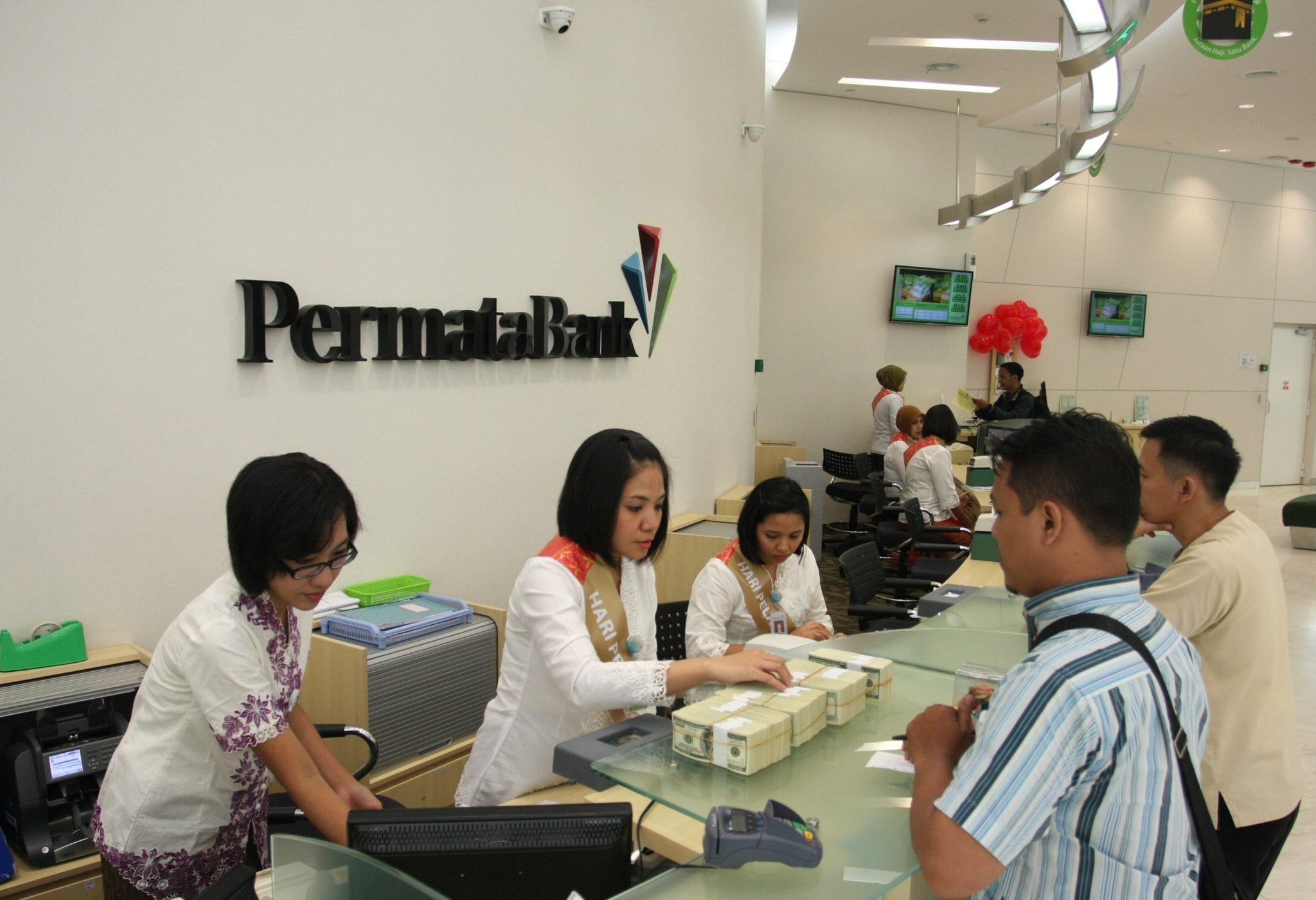
    Permata Bank has become the first domestic bank in Indonesia to introduce voice biometrics as part of its customer authentication protocol, using technology from customer experience company NICE.

    NICE Real-Time Authentication (RTA), together with its process automation solution, will allow the financial institution to conduct secure and seamless voice authentication, improving customer service.

    Permata Bank is a veteran NICE customer, already benefiting from its Quality and Workforce Management solutions, as well as real-time back office applications. More recently, the bank sought new ways to improve fraud prevention and increase the efficiency of its contact center, turning to NICE to address these challenges.

    NICE’s Real-Time Authentication (RTA) solution creates and utilizes one voice print for each caller to deliver quick and efficient customer service across all voice channels, with no customer effort required.

    Authentication takes place within the first few seconds of the call, and customers’ issues are resolved during the natural flow of conversation. This automated, rapid and transparent process will help Permata Bank deliver better service while improving the accuracy of its fraud prevention program.

    “Permata Bank’s introduction of voice biometrics in the local banking industry positions us as a leader in financial services innovation throughout Indonesia,” Permata Bank director of consumer banking Bianto Surodjo said.

    “This is largely thanks to NICE’s unique Fluent engine capability, which provides omnichannel authentication with a single voiceprint, which is a major advantage over competing solutions in the market.”

  • Marken expands logistics footprint with Touchdown International acquisition

    Marken expands logistics footprint with Touchdown International acquisition

    Marken has acquired Touchdown International Ltd, a privately held specialty logistics company in Taiwan, for an undisclosed sum. Touchdown is dedicated to the life sciences industry and complements Marken’s strategy to continue expanding in the Asia Pacific region.

    Touchdown was founded in 2013 as a specialty courier with specific expertise in clinical trials logistics.  In 2015, Marken entered into an exclusive sales and agency contract with Touchdown, which allowed Marken to quickly establish its brand with local pharmaceutical and life science clients.  With a dedicated staff and fleet of vehicles, Touchdown provides courier services across Taiwan for biological samples, clinical trial drug shipments, API-, and other clinical trial materials. The acquisition enables Marken to expand its service offerings in Taiwan by leveraging both Marken’s and UPS’ global transportation networks.

    With the acquisition of Touchdown, Marken now has its own operational presence in Taiwan and adds its 46th global location to a continually expanding network of logistics sites, depots and regional offices.  The new legal entity will be named Marken Taiwan Ltd. with its headquarters in Taipei.

    Mike Wu, the founder and CEO of Touchdown, will remain with Marken as the new general manager in Taiwan. Mike commented, “We have worked hard to establish Marken’s brand locally in Taiwan. We respect Marken’s approach to clinical trial logistics and are proud to introduce their services to our local life science clients. We are very much looking forward to becoming part of the Marken family.”

    Michael Culme-Seymour, VP APAC for Marken stated, “Asia continues to be a vital part of Marken’s strategic growth plans.  With the acquisition of Touchdown, we now have a solid footprint in Taiwan, whose pharma market is expected to grow to US$84 billion by 2020. We can now serve our clients in Taiwan with the depth and breadth of our global services.”

  • Renault expects electric cars and emerging markets to boost sales

    Renault expects electric cars and emerging markets to boost sales

    French carmaker Renault expects a first-mover advantage in electric cars and a wider range of vehicles for emerging markets to help it deliver a 44 percent sales increase by 2022.

    Electric cars are “turning into a significant contributor to our performance while other automakers are just starting the journey”, Chief Executive Carlos Ghosn said on Friday.

    Renault’s mid-term plan shows it growing faster than alliance partner Nissan (7201.T), which it trails in China, due to recent investments in Iran and India and a Russian rebound.

    While taking a lead in electric vehicles had come at the expense of profitability, Ghosn expects to turn this around with the launch of eight new battery-powered models and 12 hybrids.

    “Our vision now is a profitable core business,” he said. Renault and Daimler’s (DAIGn.DE) Smart are likely to extend their small-car cooperation into electric models, he added.

    Renault plans to increase annual sales to 5 million vehicles by 2022 from 3.47 million last year while also aiming for a 7 percent operating profit margin and 70 billion euros ($82 billion) in revenue, goals that were announced in February.

    Renault said on Friday that its margin would remain above 5 percent in the intervening years, as it pursues 4.2 billion euros in cumulative productivity gains and invests 18 billion euros in research and development.

    The company also outlined a new dividend policy, promising to increase shareholder payouts to 15 percent of earnings by 2022, from 7 percent last year.

    In addition, it will continue to pass through its own Nissan and Daimler dividends to Renault shareholders. Renault owns 43.4 percent of its Japanese alliance partner and 3.1 percent of the Mercedes-Benz maker.

    Renault’s share price was up 1.5 percent at 86.86 euros at 1100 GMT and the price might be supported in the coming weeks by “management’s increased confidence” over its mid-term goals, Evercore ISI analyst Arndt Ellinghorst said.

    “This is good news in a world where most people fear earnings, cash flow and profitability will fall due to disruption,” Ellinghorst said.

    LOW-COST RANGE

    The market in China, where Renault only began manufacturing last year, is expected to account for half a million sales by 2022.

    Renault’s budget car line-up, starting with the Dacia Logan in 2004, has underpinned the push into emerging markets and spawned a second car platform underpinning the Kwid mini-SUV, which has more than doubled the group’s sales in India.

    Combined sales of the “Global Access” low-cost cars are seen expanding 54 percent to reach 2 million vehicles, or 40 percent of the group total. An expanded utility van range is also expected to contribute to the emerging-markets surge.

    Europe’s share of Renault vehicle deliveries would shrink to 36 percent from 52 percent under the plan, with sales in the home region remaining broadly flat.

    Pure electric cars may rise to about 5 percent of global sales, Ghosn said, adding that the forecast was “probably conservative” and almost certainly wrong.

    Renault has been transformed since 2005 when he took over from a carmaker dependent on French sales of Megane compacts into a “resilient, multi-polar global company”, Ghosn said.

    Ghosn, who also heads the Renault-Nissan-Mitsubishi alliance, has not yet indicated whether he will seek to renew his contract as Renault’s CEO, which expires next year.

  • Singtel to be first in SEA to launch Google’s Pixel 2 XL

    Singtel to be first in SEA to launch Google’s Pixel 2 XL

    Singtel has signed on as the exclusive telco partner in Singapore for Google’s planned Pixel 2 XL smartphone.

    The operator will become the first in Southeast Asia to launch the device for customers when it is launched on November 15, Singtel said.

    The Cat 11 LTE compatible Pixel 2 XL will support data speeds of up to 500Mbps island-wide using Singtel’s LTE-Advanced network. It will also support a localized version of the Google Assistant virtual assistant service, which will be launched soon for use with Singaporean English.

    The device is now available for pre-order on Singtel’s website.

    “We’re excited to bring the Pixel 2 XL to Singapore. It is a device that many Android fans here have been eagerly waiting for, and we are sure they will be amazed by its innovative features,” Singtel CEO consumer Singapore Yuen Kuan Moon said.

    “With our extensive 4G network speeds and new Combo plans, coupled with our unlimited data options, customers will enjoy the optimal Google Pixel 2 XL experience.”

  • Thumbs up for 7-Eleven Thailand draught beer

    Thumbs up for 7-Eleven Thailand draught beer

    Convenience store chain 7-Eleven Thailand is not breaking the law by offering beer on tap as long as it is poured by cashiers rather than customers, and beer brand names or logos are not visible.

    Debate is raging after 7-Eleven outlets on Bangkok’s Yaowarat Road in Chinatown introduced a draught beer service, but an official says a beer dispenser worked by store staff members is fully within the law.

    Deputy-director Dr Asadang Ruayajin of the Department of Disease Control (DDC), which works under the umbrella of the Public Health Ministry, says an inspection of the stores in question – after receiving a petition to do so – shows the dispensing machines have labels attached to obscure the beer brands’ logos, which complies with the Alcohol Control Act.

    The department has been watching about 10 stores but has not found any transgressions.

    Coconuts Bangkok offers a backstory to the protest, following a video of draft beer being poured from a 7-Eleven automatic machine went viral on the Facebook page Thai Smile.

    Thai netizens got just a little too excited about the new Leo beer-pouring machine,” it reports. But when an official visited the store the beer machine was covered with a big white cloth hiding the beer logo. Also, customers need to pay at the cashier where IDs can be checked.

  • NEC completes green energy tower demo in India

    NEC completes green energy tower demo in India

    NEC has completed a demonstration in India involving use of renewable energy management technology at telecoms tower sites with unstable power supplies.

    The project incorporated solar power photovoltaic generation systems and lithium-ion rechargeable battery systems to reduce reliance on diesel generators as backup power sources.

    Indian tower companies are under pressure to reduce fuel consumption by diesel generators due to cost reduction requirements and the conditions outlined in the Indian government’s Green Telecom policy.

    The demonstration project was organized by the Indian government in collaboration with its Japanese counterpart and overseen by Japan’s New Energy and Industrial Technology Development Organization (NEDO). NEC was selected to implement the project in 2014.

    “NEC is focused on providing solutions for society that are friendly to people and the Earth,” NEC general manager for ESS Michihiro Ezawa said.

    “With approximately 400,000 telecom tower sites throughout India, there is a great deal of promise for these technologies to significantly reduce the impact on our environment, while improving business conditions. Moving forward, we aim to proceed rapidly with the verification of business models that enable effective commercialization of these technologies.”

    He said that through its involvement in the project NEC has demonstrated reductions in diesel fuel consumption, energy costs, CO2 emissions and total costs of ownership, as well as the safety of lithium-ion batteries and the reliability of AI-powered prediction technologies in estimating power failures and recovery times.

  • Revolut raises $66 million for its global banking alternative

    Revolut raises $66 million for its global banking alternative

    Revolut has raised a $66 million Series B round with Index Ventures leading the round, and existing investors Balderton Capital and Ribbit Capital also participating. The startup will also run another $5 million crowdfunding campaign in a few weeks. The company has raised $83 million in total.

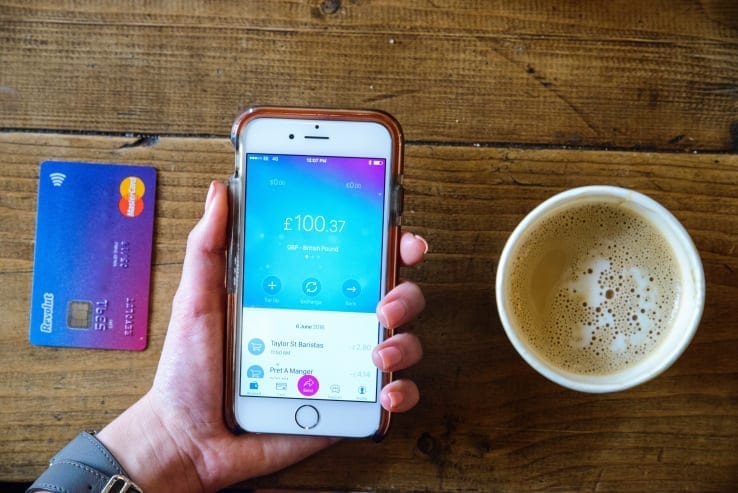
    Revolut started as a mobile app that lets you send and receive money in multiple currencies. Over time, the company has added a ton of financial services, turning it into a credible alternative to a regular bank account.

    When you sign up, you can create virtual cards and receive a good old plastic MasterCard. You can top up your account using another card or a bank transfer. You can exchange your money in 16 different currencies in order to send it or spend it without any fee up to £5,000/€5,000 per month.

    700,000 people have signed up so far. That’s why users are also using Revolut to split bills and instantly send money. When you create an account, you now also get an IBAN.

    More recently, Revolut introduced a credit feature for U.K. users and business accounts. The startup even plans to add cryptocurrencies, stocks and bonds soon. You’ll also be able to purchase travel insurance from the app. With today’s funding round, the company also plans to expand to new countries in Asia and North America.

    It’s sometimes hard to understand where Revolut is heading as the company is launching so many different products and currencies at once. It looks like the company doesn’t want to restrict itself. As long as it’s a financial or insurance product, Revolut wants to have it. And with so much more money in the bank account, the startup is definitely not going to stop just yet.

  • Bonia Vietnam moves south with second store

    Bonia Vietnam moves south with second store

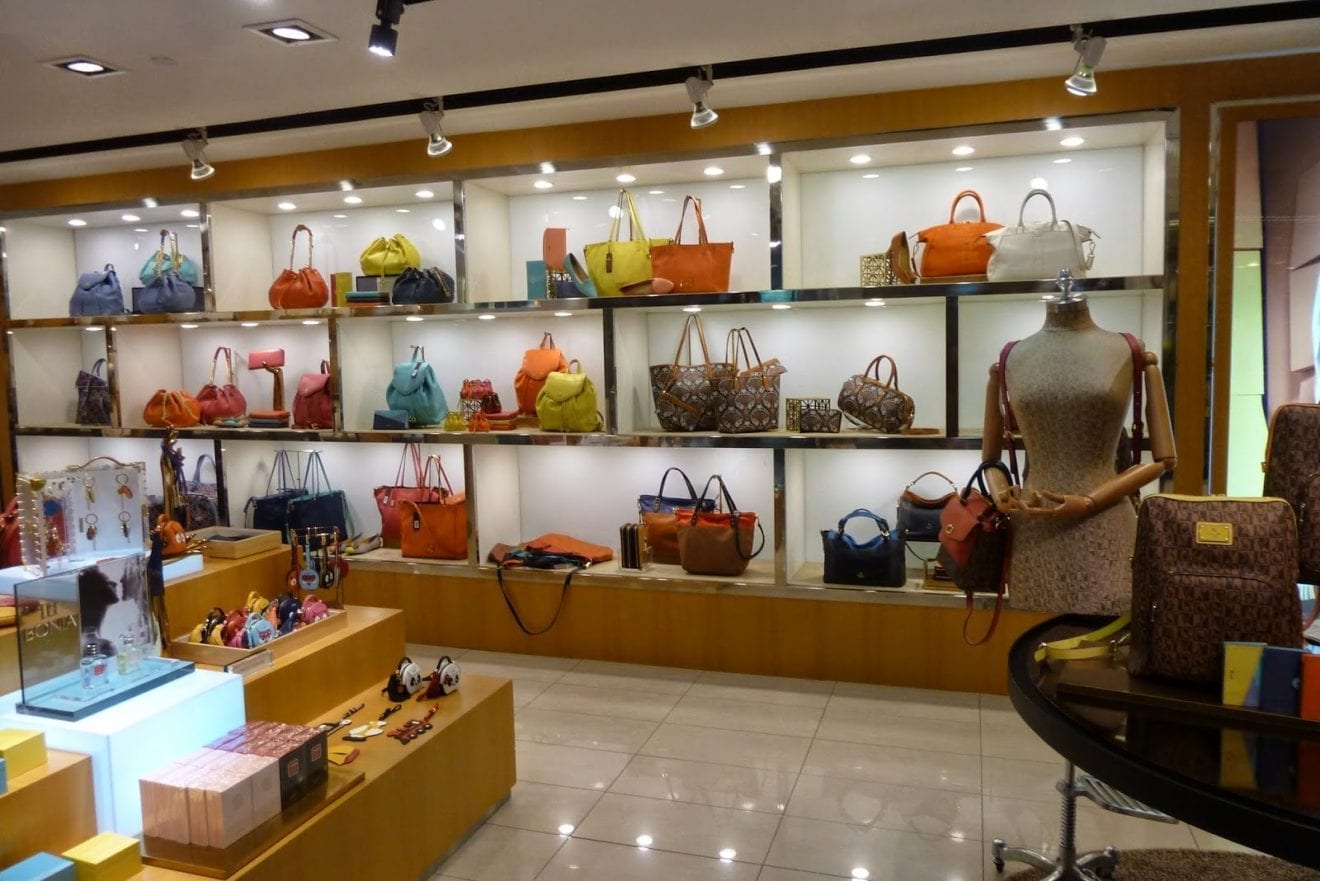
    Leathergoods retailer Bonia Vietnam has opened its first Ho Chi Minh City boutique, at Crescent Mall.

    Covering 192sqm on the mall’s second floor, the store has a simple design featuring timber and bright colours as a background to the brand’s latest items.

    Celebrities attending the grand opening included actress/director Ngo Thanh Van, who joined Bonia representatives in cutting the opening ribbon.

    It is the Malaysian brand’s second store in Vietnam, the first being at Vincom Hanoi.

  • Vikings Group expands on buffet concept

    Vikings Group expands on buffet concept

    Buffet restaurant chain Vikings Group has expanded its offering with a venture in Pasay City that offers a smorgasbord of activities including massages, billiards, karaoke and mahjong – plus buffet dining, of course.

    Beside the Esplanade Seaside Terminal at SM Mall of Asia, the Marina Bay Spa and Lifestyle Club offers 20 massage rooms, foot reflexology and mani-pedi services, body scrubs, hot and cold baths, sauna, steam room and a ganban’yoku (traditional Japanese-style room with heated stone “beds”).

    “The owners wanted to come up with something Manila has not tasted yet,” says spa manager Erlene Chichirita. “You feel like you’re in a hotel – that’s the concept, bringing out the amenities of a hotel and putting it together in a more approachable and modern setting.”

    Two feature services are the Marina Signature Massage and the Crystal Chakra Healing Touch. GM Nenita Cabrera says the signature massage has a Filipino touch, while the chakra therapy uses healing stones matched to the client’s zodiac sign.

    The therapists, who use gongs in the room to signal the start and end of a massage session, were trained by the spa service manager who has had eight years of spa experience in the Maldives.

    Two features of the spa are the relaxing lounge and buffet dining room. The lounge is like a theater with reclining chairs and LED screens. Buffet dining is an inclusion with massages.

    There is also a fitness studio where there will be classes like yoga, Pilates, TRX suspension training, boxing and Muay Thai, with personal trainers available.

    A lifestyle club component is available, with membership granting access to the club’s gym, salon, entertainment space with private KTV rooms, mahjong room, infinity pool and conference rooms.

    With a glass wall feature, the infinity pool is surrounded by relaxation spaces where guests can watch the Manila Bay sunset.

  • Globe expanding LTE network amid growing demand

    Globe expanding LTE network amid growing demand

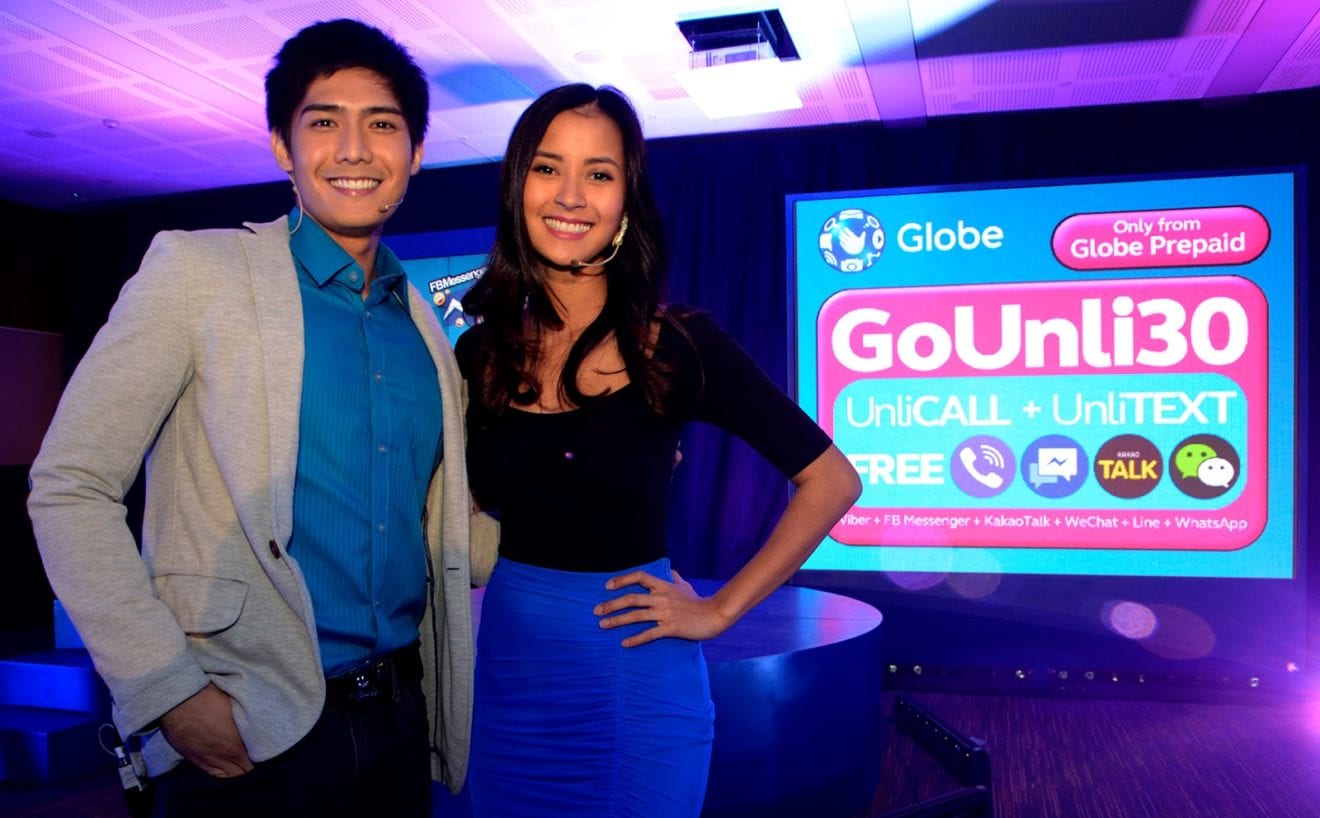
    The Philippines’ Globe Teleom expects to be generating around half of its mobile data traffic from LTE by the end of the year.

    The operator plans to deploy 600 more LTE cell sites by this time to cater to growing demand, taking its total network of sites up to nearly 5,600.

    Currently around 43% of Globe’s data traffic comes from its LTE network, which operates on the 700-MHz, 1800-MHz and 2600-MHz bands.

    Total mobile data traffic for the first six months of the year climbed 85% year-on-year to 280 petabytes as smartphone penetration increased to around two thirds of the opeartor’s total mobile subscribers, Globe’s latest statistics indicate.

    Globe has been concentrating its LTE rollout on Metro Manila and other densely populated areas.

    But a significant number of its customers are still using 3G SIMs with LTE devices or vice versa, so the operator is encouraging customers to upgrade for a superior experience. Since January the company has migrated around 900,000 customers using LTE devices onto LTE SIMs.

  • Ooredoo Myanmar launches mobile money service

    Ooredoo Myanmar launches mobile money service

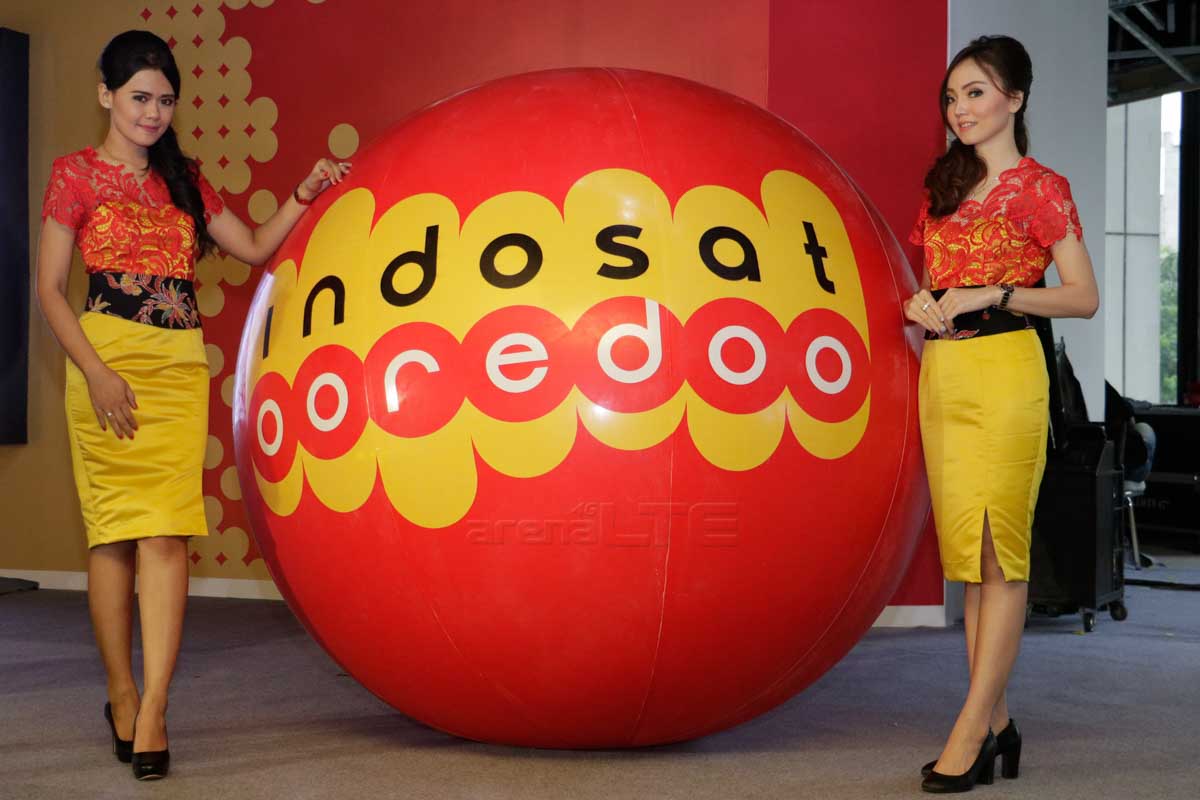
    Ooredoo Myanmar has announced the launch of a new mobile money service branded M-Pitesan.

    The new service will allow instant money transfer and payments between local mobile numbers through a dedicated mobile wallet for Ooredoo customers or a store for non-registered users.

    Ooredoo said M-Pitesan is the only mobile money service in Myanmar that offers real-time tracking between CB Bank accounts and the mobile wallet.

    In addition, mobile customers can transfer or receive money through the operator’s network of 2,400 M-Pitesan agents in Yangon, Naypyitaw, Mandalay, Bago and Taunggyi. The company plans to add an additional 7,500 agents to its network in the future, mainly in rural and underserved areas.

    The operator is planning to expand the service in the future to support functionality including QR code payments and bill payments for utilities or municipal services.

    “There is real appetite for mobile money services in Myanmar. I am confident that M-Pitesan will give customer’s access to the digital financial services they have been asking us for, helping support their increasingly digital lifestyles,” Ooredoo Myanmar acting CEO Vikram Sinha said.

    “We have big plans for M-Pitesan and in the months to come will be expanding the service to include additional functionality for customers, banks and businesses alike.”

  • Sephora to open at Highpoint Shopping Centre

    Sephora to open at Highpoint Shopping Centre

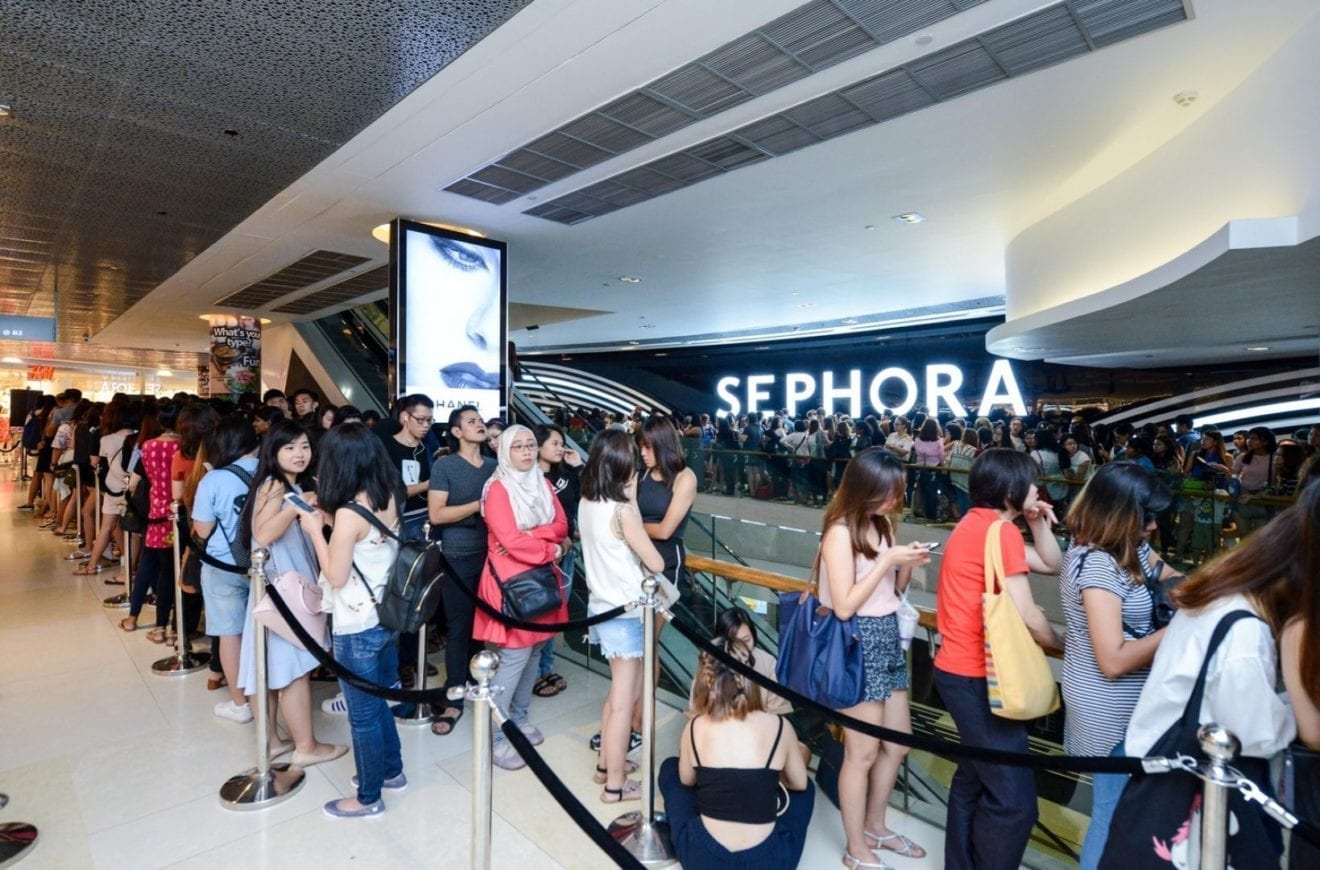
    Global beauty giant Sehpora has today announced its next store location, continuing its extensive retail expansion in Australia, opening at Highpoint Shopping Centre this November.

    It’s the beauty retailer’s 13th Australian store and third in Victoria, (Melbourne Central and Chadstone), and follows hot on the heels of the cosmetic’s chainslatest opening at Erina Shopping Centre on the Central Coast yesterday.

    “The demand for more Melbourne stores has been considerable and we want to be able to meet the expectations of our local beauty aficionados,” said Sephora country manager Libby Amelia.

    “Highpoint Shopping Centre is a great fit for us and we’re looking forward to launching there next month. We have some super exciting activities planned for launch day to welcome Melbourne’s inner western beauties to the wonderful world of Sephora,” said Amelia.

  • Starbucks bucks trend, closes online store

    Starbucks bucks trend, closes online store

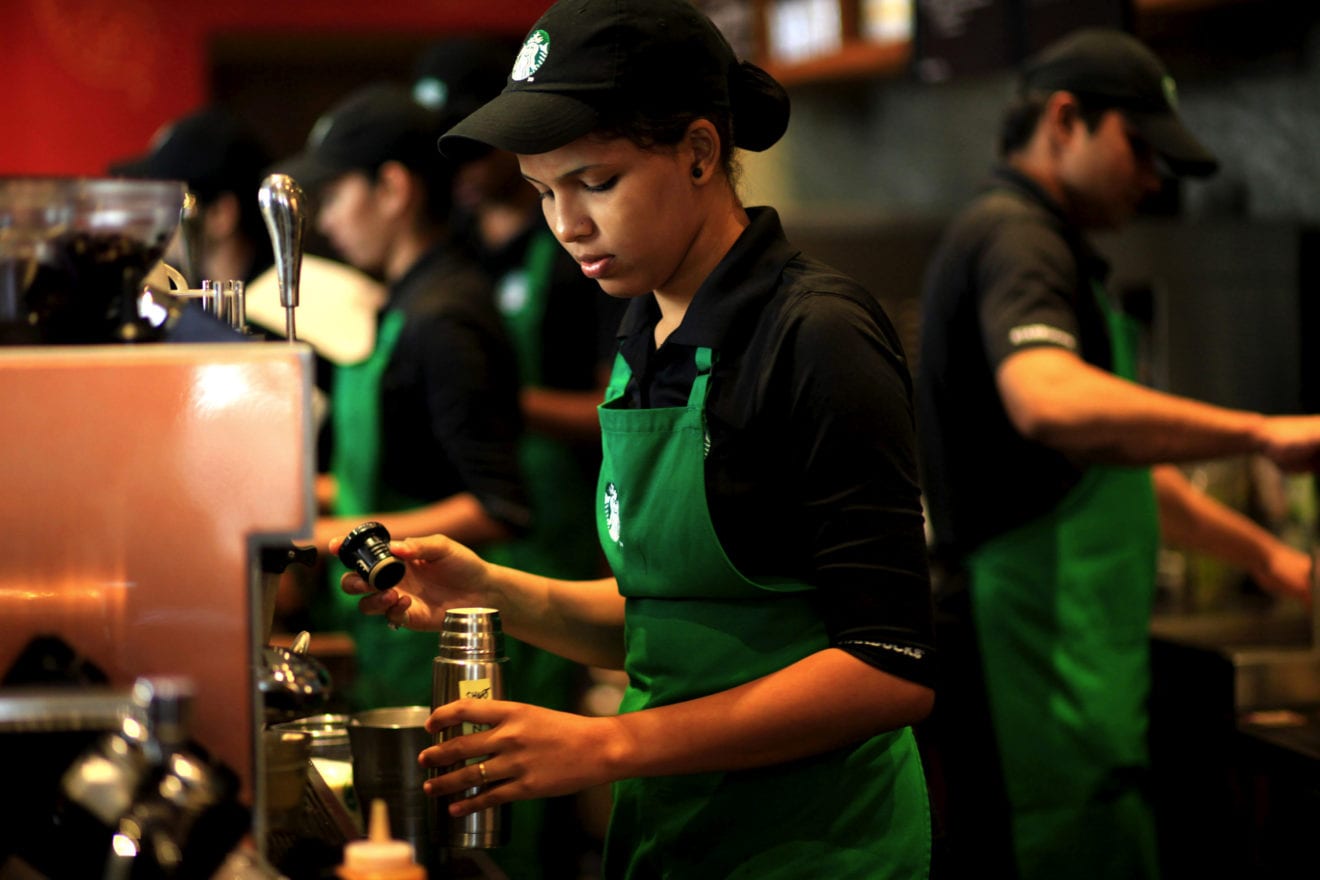
    Global coffee giant Starbucks has closed its online store in the US, bucking the broader trend in retail to invest in the growing e-commerce industry.

    Starbucks announced the decision to customers in late August and officially closed the online store on 1 October.

    The coffee chain is operated in Australia by the Withers Group, which also runs 7-Eleven. The local website provides information about various Starbucks products, but does not sell any items.

    Starbucks initially launched its online store in the US in 2011 as an additional sales channel for its coffee, syrups and sauces, mugs, coffee machines and other coffee-related products. It also offered a subscription service for customers to receive regular coffee orders through the website. This service was discontinued on 1 September.

    While customers can still buy Starbucks coffee and other merchandise in the company’s coffee shops and at certain grocery stores, the company’s syrups and sauces are no longer available for purchase.

    “We cannot guarantee availability of any product in stores, but we know you will find many choices to enjoy. You can purchase your favorite coffee and Starbucks merchandise in your local Starbucks,” the company wrote in a note to customers.

    “You can also purchase coffee on the Starbucks App for in-store pickup. And you can find Starbucks coffee to enjoy at home in your local grocery aisle. Syrups and sauces will no longer be available for retail purchase.”

    The online store closure comes as major retailers in the US, like Walmart, are ramping up their investment in e-commerce.

    But the move should not be seen as a wholesale repudiation of digital retail. If anything, Starbucks is more focused than ever on getting customers to make purchases through its mobile app.

    The company has implemented a ‘digital flywheel strategy’, involving customer acquisitions, spend-based rewards, personalised offers and convenient ordering, to make the app more sticky.

    At the same time, the company’s leadership has previously spoken about the need for retailers to create unique in-store experiences to survive.

    Starbucks CEO Kevin Johnson referred to a “seismic shift” in retailing in the company’s most recent earnings call, and chairman Howard Schultz indicated a few months earlier that he had soured on digital sales.

    “Every retailer that is going to win in this new environment must become an experiential destination,” Schultz told investors in April. “Your product and services, for the most part, cannot be available online and cannot be available on Amazon.”

  • Uniqlo plans denim concept shop for LA

    Uniqlo plans denim concept shop for LA

    Fast Retailing’s Uniqlo says it plans to open a “denim concept shop” in Los Angeles soon.

    “We take so much inspiration from Los Angeles,” says Uniqlo head of US marketing Marisol Tamaro.

    The brand has been increasing its commitment to LA and its latest autumn denim campaign gained its inspiration from LA style. Its Denim Innovation Center opened in the city in November last year as a hub for both Uniqlo and J Brand denim creation and manufacturing. There are also innovation centres in Paris, Shanghai, New York and Tokyo.

    Tamaro says the concept shop will mostly stock denim but also feature complementary clothes. The shop will also carry J Brand as well as collaborations from local artists and designers.

    The denim concept shop will be Uniqlo’s eighth store in Los Angeles and the 47th in the US.