Tag: asia

  • Sales heat up for Uniqlo Japan

    Sales heat up for Uniqlo Japan

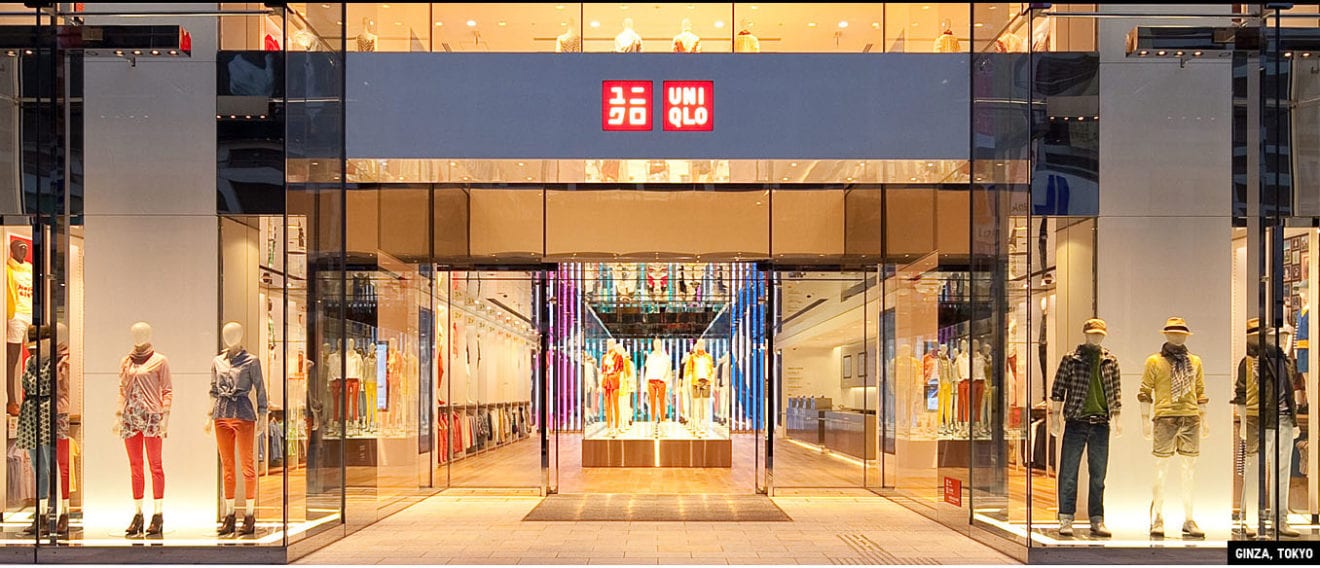
    Cool weather and strong advertising campaigns helped boost sales for Uniqlo Japan last month.

    It says same-store sales, including online sales, increased by 6.3 per cent year on year, while sales at its own stores grew by 5.5 per cent. Total sales increased by 6.9 per cent, says the Fast Retailing Group subsidiary.

    During the month, Uniqlo Japan opened four stores and closed two. It also opened its first store in Spain, Uniqlo Passeig de Gracia Store in Barcelona.

  • YP Basics taking caps to the world

    YP Basics taking caps to the world

    Hong Kong-based YP Basics has launched an online store, YPbasics.com, designed to take its basic caps to the world.

    Since 1974, YP (short for Yupoong) has created and refined a series of headwear styles embracing sport, action and street fashion. Its products have included the Snapback, Dad Hat, and Flexfit.

    YP Basics is the curated selection of Yupoong’s most popular styles, offered as the logo-free alternative to its private-label products. After a test roll-out in Taiwan last year, YP Basics is aiming its redesigned online shopping experience at customers across America, Asia, Europe and Oceania.

    The global online store lets customers compare fits and view lookbooks when making their choice from more than 100 styles of basic headwear.

    YP Basics is managed by Premium Direct Imports.

  • Mobitel launches LTE on 900-MHz spectrum

    Mobitel launches LTE on 900-MHz spectrum

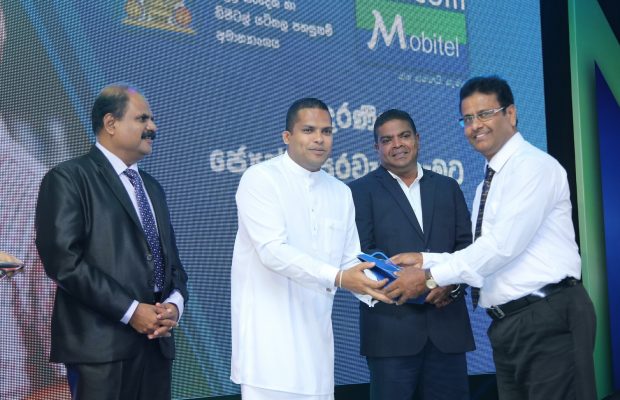
    Sri Lanka’s Mobitel has enhanced its LTE network with the nation’s first deployment of LTE over re-purposed 900-MHz spectrum.

    The operator said the deployment will significantly enhance Sri Lanka’s LTE coverage and make Mobitel the top network for LTE broadband in the nation.

    Mobitel chairman P G Kumarasinghe Sirisena said the deployment will particularly help the operator bring affordable LTE broadband services to rural areas of the country.

    This will also help the Telecommunications Regulatory Commission of Sri Lanka meet its objective of bridging the digital divide between citizens in urban and rural areas.

    Mobitel is a wholly-owned subsidiary of Sri Lanka Telecom. The operator launched Sri Lanka’s first LTE services in the 1800-MHz band in 2013.

  • AirAsia to install broadband on more than 120 planes

    AirAsia to install broadband on more than 120 planes

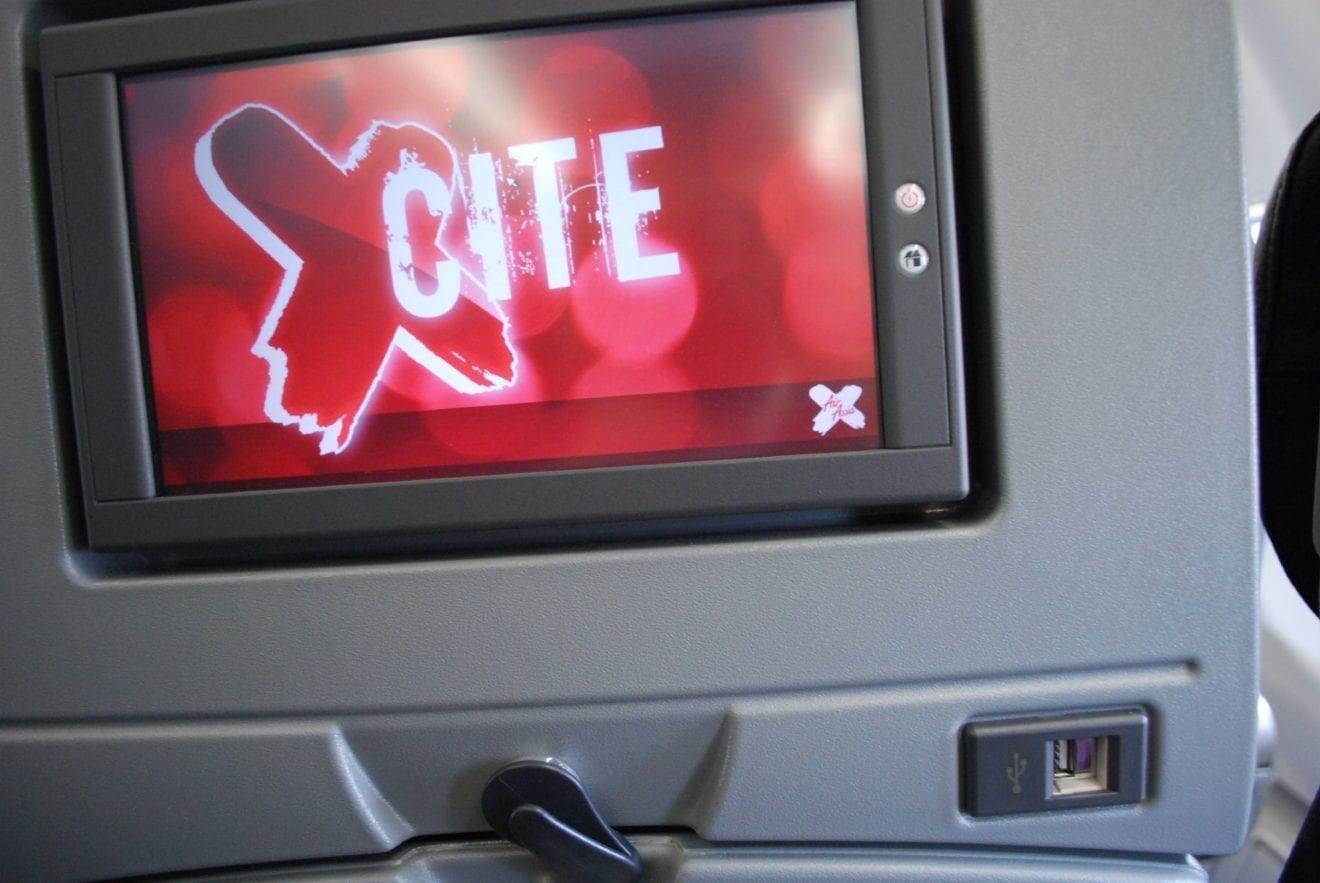
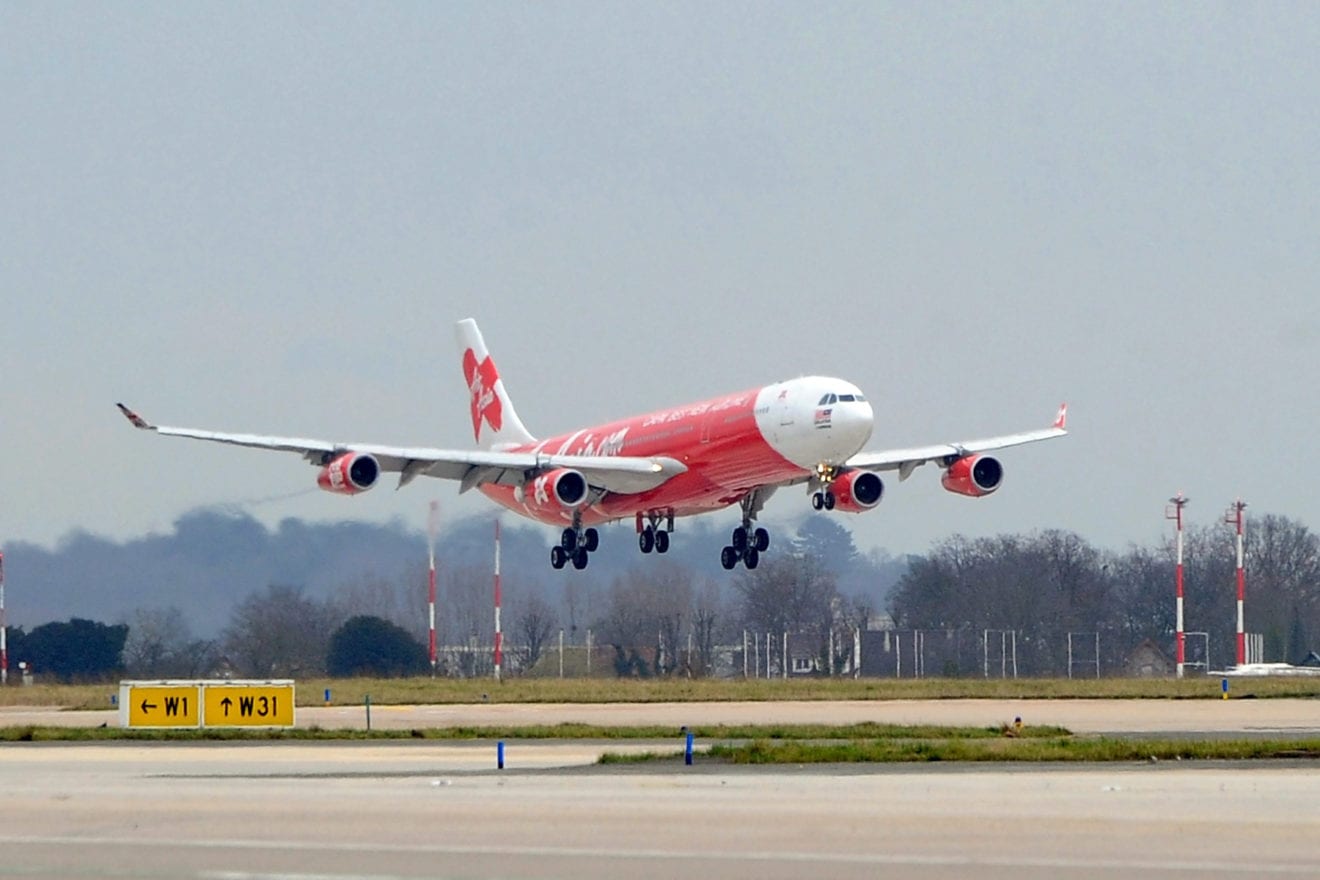
    The Malaysian conglomerate has signed a contract to hook up much of its vast fleet with high-speed broadband. It announced the move last week as the ink dried on a contract with Inmarsat, a British satellite telecommunication company.

    From the first half of next year, the airline will set up its inaugural connected plane with GX Aviation, Inmarsat’s in-flight broadband tech.

    The contract covers all existing and future Airbus 320 and A330 across the AirAsia Group as a whole, including its long-haul operator AirAsia X. There is also a possibility for the agreement to cover planes joining the fleet in the future, such as the Airbus 350.

    Inmarsat Aviation President Philip Balaam said, “AirAsia Group is one of the aviation industry’s leading innovators and we are delighted that GX Aviation will play a key role in their future service offering. The fact that we have signed this contract within months of announcing a Memorandum of Understanding is testament to AirAsia’s confidence in GX Aviation and builds on its successful track record as a leading customer of our SwiftBroadband service.

    “The scale of this contract, covering more than 120 existing aircraft and one of the industry’s largest order books for additional aircraft, showcases our status as a global market leader in advanced in-flight broadband. Inmarsat has the fastest growing service uptake in our market, with, following this agreement, more than 1,300 aircraft, expected under signed contracts, both installed and under backlog, for our next generation GX Aviation and European Aviation Network (EAN) solutions.”

    AirAsia Group Chief Executive Officer Tony Fernandes said, “GX Aviation will form the backbone of AirAsia’s digital cabin offering. By delivering inflight connectivity that’s indistinguishable from what you get on-ground, our guests will be able to stay connected in ways that matter to them, whether it’s streaming movies or music, checking social media, messaging friends or catching up with work emails. Coupled with our ROKKI entertainment and e-commerce platform featuring free movies, music, articles and games as well as shopping, AirAsia guests will soon be able to enjoy one of the richest digital inflight experiences in Asia, while also enhancing our knowledge of our guests with very rich data.”

    This contract supports Inmarsat’s strategy of providing airlines with tailored scalable capacity by designing, owning and operating a global network of High-Throughput Satellites (HTS).

    AirAsia Group will connect to the GX network using new JetWave terminals produced by Honeywell Aerospace. The terminals are designed, according to Inmarsat, for ease of installation and maintenance to assure the lowest downtime for any cabin connectivity solution in the market, allowing installation with minimal labour and using standard tools available in maintenance hangars.

  • BT unveils new SD-WAN service for large enterprises

    BT unveils new SD-WAN service for large enterprises

    BT has launched BT Agile Connect, a new software-defined wide area network (SD-WAN) service that aimed at helping large enterprises with their digital transformation.

    The new service, powered by technologies from BT and Nuage Networks, uses software-defined networking (SDN) to determine the most effective route for traffic across a customer’s wide area network.

    According to BT, Agile Connect will give large enterprises greater control and insights over their infrastructure and traffic flows, allowing much faster and simpler set up of new sites with reduced network complexity and lower costs.

    Customers are able to prioritize applications or manage use of access services via an interactive portal. They also gain an improved visibility of application performance. Changes are implemented centrally without the need for expensive local technical support, the UK operator said.

    The new SD-WAN product runs on BT’s global wholesale network infrastructure, with Agile Connect equipment currently live within the networks of several large global organizations.  BT is now rolling the product out for new and existing customers as part of its Dynamic Network Services program.

    Agile Connect includes a BT pre-built controller infrastructure hosted on the internet and on BT’s multi-protocol label switching (MPLS) network. It also uses BT pre-built MPLS Internet gateways to offer simple cloud-based connectivity between internet-connected and MPLS-connected sites.

    “Together, these features save customers from having to undertake time-consuming and costly design, delivery and on-going maintenance of controllers, interconnection gateways, security and monitoring systems critical to the performance of a SD-WAN,” BT said.

    Agile Connect is delivered as a single box located on the edge of their network, with further services added as additional devices. In the future, Agile Connect will support virtual network functions (VNFs), with new services deployed virtually to the Agile Connect device, removing the need to install multiple boxes, BT said.

  • Thai AirAsia adds two new destinations in India

    Thai AirAsia adds two new destinations in India

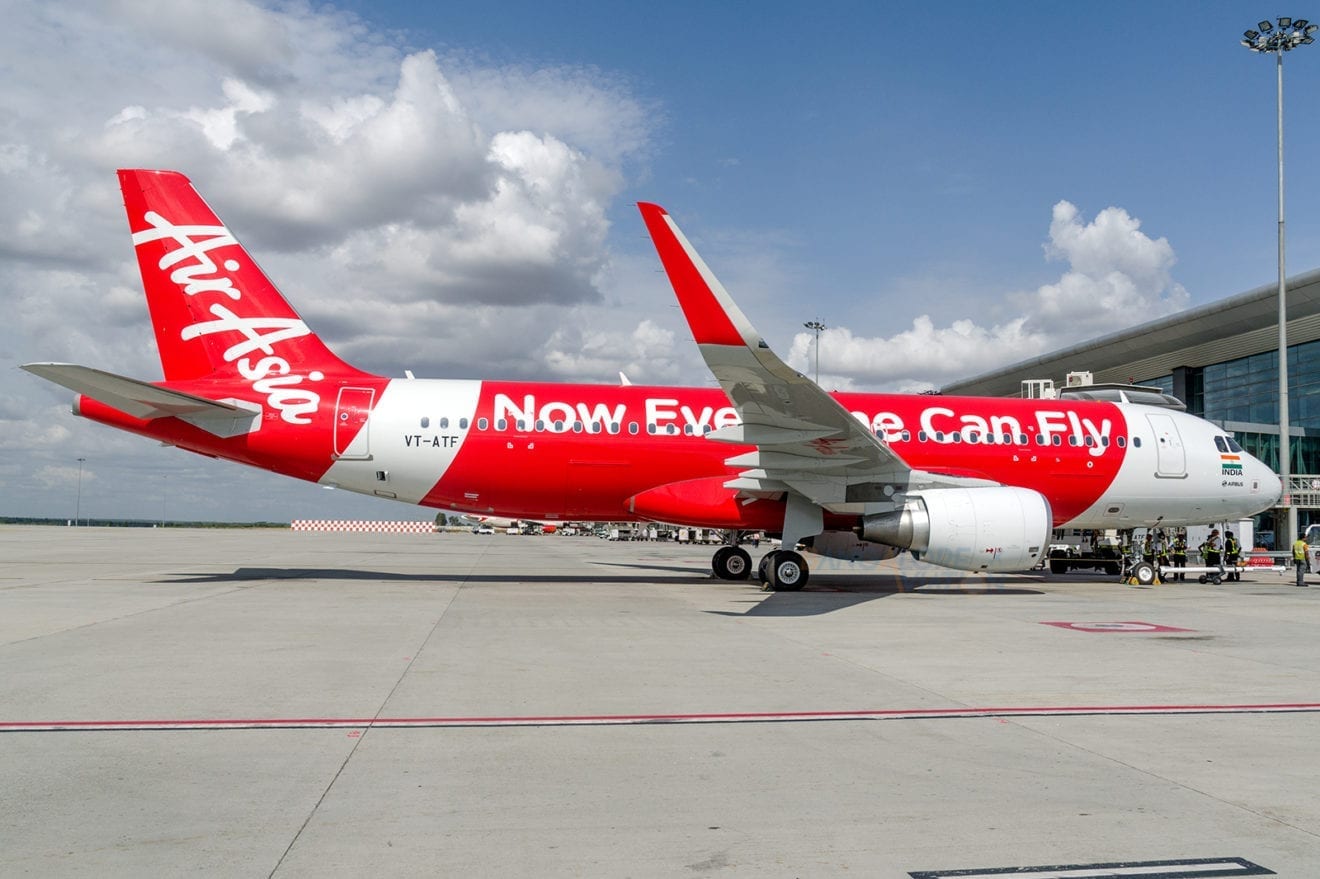
    Thai AirAsia commenced two new routes from Bangkok Don Mueang (DMK) to India. Flights from the Thai airport to Tiruchirappalli (TRZ) commenced on 28 September, followed by the inaugural service to Jaipur (JAI) on 29 September. Both routes will be served four times weekly by Thai AirAsia A320s. There is no competition on either route. The airline now serves six destinations in India from Don Mueang, accounting for 32 weekly flights.

  • EU cracks tax whip, demands Amazon pay up

    EU cracks tax whip, demands Amazon pay up

    Amazon has been told to pay about €250 million (A$374 million) in back taxes to Luxembourg, the latest US tech company to be caught up in a European Union crackdown on unfair tax deals.

    The fine was much lower than some sources close to the case had expected and is only a fraction of the €13 billion that Apple Inc was ordered to pay to Ireland last year.

    EU Competition Commissioner Margrethe Vestager, who has other big US tech companies in her sights, has taken a tough line on multinational companies’ approach to tax.

    Amazon said it was considering an appeal.

    Amazon shares were little changed in early Wednesday trading.

    While the exact amount Amazon needs to repay is yet to be calculated, the €250 million is significantly less than the 400 million euros which sources close to the matter told Reuters a year ago was under consideration by Vestager.

    The bill suggests the Commission believes Amazon shielded around 900 million euros in EU profits from tax, calculations by Reuters show.

    For most of its existence, Amazon has worked on razor thin profit margins to fuel its global expansion, making only US$2.4 billion (A$3.1 billion) profit on global revenues of US$136 billion in 2016.

    The Commission said Luxembourg allowed Amazon to channel a significant portion of its profits to a holding company without paying tax.

    Amazon’s corporate set up with subsidies in Luxembourg was also subject of a US$1.5 billion court case with US tax authorities, which Amazon won in March.

    Amazon, which employs 1500 in the grand duchy, is one of the biggest employers in the country of half a million people. It has a Europe-wide staff of some 50,000.

    Luxembourg, whose tiny economy has benefited from providing a European base for multinational companies, rejected the finding and said it was looking at its legal options.

  • Sephora opens 12th Aussie location at Central Coast

    Sephora opens 12th Aussie location at Central Coast

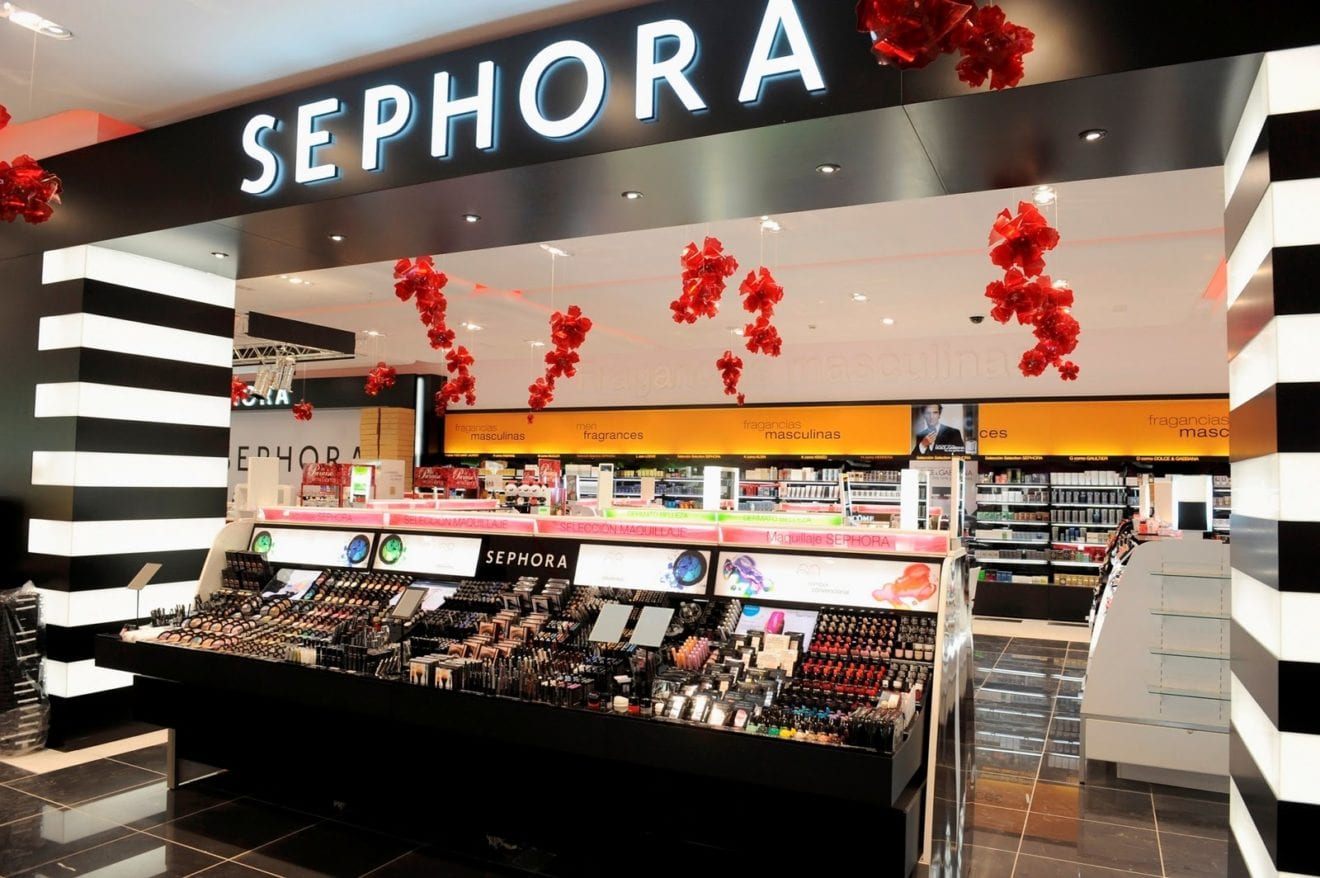
    Global beauty retailer Sephora has today opened a new store today at Erina Fair, the company’s 12th Australian retail location, and seventh New South Wales store.

    Continuing their investment in brick-and-mortar stores, Sephora’s country manager, Libby Amelia, said “freedom to experience” is at the core of the cosmetics chain’s model.

    “After almost three years in the market our core customers know all about our exclusive brands like Tarte, Marc Jacobs Beauty, Fenty Beauty, Kat Von D and Huda, but with an ever-increasing list of new makeup, skincare, hair care and lifestyle brands, we know our customers are crying out for the opportunity to touch, play experience our brands, products and services too,”Amelia said.

    “We want our customers to be able to come into our stores whenever they like, for as long as they like,” she said. “You can touch and feel and play – being left to your own devices, or you can ask one of our experienced Beauty Advisors to guide you.”

    Stephen Ross, centre manager, said adding Sephora to Erina’s mix meant consumers “no longer have to travel outside the region to get their beauty fix of Sephora’s brands”.

    The global chain recently opened in concept stores in Spain and France, hinting at the LVMH-owned cosmetics retailer’s future design direction.

  • Colocation providers facing escalating challenges

    Colocation providers facing escalating challenges

    As demand for colocation data centers continues to swell, the role of a colocation provider has never been more important, but the challenges they face continue to intensify.

    To understand the future dynamics of the colocation market Schneider Electric partnered with 451 Research to survey 450 end user decision makers of colocation services in the United States, Australia, Europe and China across multiple geographies.

    Providers today are dealing with an ever-changing set of buyers, evolving customer demands and a growing list of emerging technology such as the Internet of Things (IoT), next-generation edge computing and cloud computing.

    Each of these categories pose both an opportunity and a threat to the colocation segment, and the survey results speak to how each is viewed by colocation end users in terms of adoption and importance.

    With 62% of those surveyed saying they have moved IT applications out from colocation data centers and into public cloud within the last two years, colocation providers must look to find ways to entice new and existing customers to consider colocation as a viable option for their businesses.

    “Whether they deliver the services themselves or via partners, successful colo providers are increasingly broadening their service offerings,” said Rhonda Ascierto, Research Director, 451 Research. “Our research identified several value-added services that align with colo customers’ changing needs.”

    It became clear throughout the research that there are many ways to gain and maintain competitive advantage amongst other hosting options. With 82% of respondents saying it was either very or somewhat important that cloud services are hosted in the same data center as their colocated IT infrastructure, colocation providers can turn what may seem like a threat to the segment into an opportunity.

    Many additional statistics within the report offer opportunities for providers to set themselves apart from their competitors.

    For instance, 65% of customers surveyed said they would be more willing to use a provider that had data center infrastructure management (DCIM) deployed. Other technologies such as lithium ion batteries, on-demand prefabricated modular (PFM) capacity, and direct cooling also resonated strongly with customers.

    Meanwhile, 82% of respondents said they were interested in using more remote-hands services from their colocation provider to track or monitor the work being done via an online portal. For providers, this presents an opportunity to either expand or introduce new services and open up revenue opportunities for their business.

    The most successful colocation operators will ensure all of these customer questions and requirements are addressed to ensure they are in a position to take advantage of the 64% of customers who said colocation will play a role in their data center strategy during the next two to three years.

  • Nokia aims to stimulate fixed network innovation with Broadband Access Abstraction project

    Nokia aims to stimulate fixed network innovation with Broadband Access Abstraction project

    Nokia has teamed up with the Broadband Forum (BBF) to lead the new Broadband Access Abstraction (BAA) project, which aims to leverage open source software to drive the adoption of software-defined fixed access networks.

    The BBA project, which was created within the BBF under its Open Broadbandprogram, will define a software reference implementation for an open BAA layer. This will eliminate dependencies on vendor-specific equipment and proprietary software functions by providing standardized interfaces and decoupling implementation from the underlying hardware, Nokia said in a statement.

    Federico Guillén, president of Nokia’s fixed networks business group, said the BBA initiative is driving an agile and collaborative environment that produces reusable software for fixed access operators worldwide.

    “Open source software is a powerful tool that can make us more efficient as an industry. However, one of the biggest hurdles is simply getting started. By opening and standardizing the common, generic part of the network software, we avoid the need to re-write that same software for every technology, every vendor and every node,” the executive said.

    “In turn, we can now focus our efforts on developing new applications and capabilities that make the network faster, better, and smarter: for example, converging fixed and mobile networks; fronthauling 5G over fiber-access networks, automating operations and building self-healing and self-optimizing networks.”

    Guillén said Nokia is the first vendor partner to contribute open source code under the BAA project. The open source code delivers common management functionality, making it easier to operate multi-vendor, multi-technology access networks and letting operators and vendors focus on developing new innovative cloud capabilities instead.

    Robin Mersh, CEO of Broadband Forum, said the new initiative will help reduce the time and efforts needed to achieve interoperability and help operators to develop a framework for cloud infrastructure in the central office.

    “By aligning open source code to industry specifications, the BBF can effectively collaborate with the open source community to aid in development and testing,” Mersh said.

  • OUE Limited takes new approach to retail

    OUE Limited takes new approach to retail

    Singapore’s Downtown Gallery has introduced three retail concepts that prioritise shopper experiences, pioneered by retail property developer OUE Limited.

    OUE Social Kitchen offers Singapore’s first communal cooking kitchen in a retail space; OUE Re:Store is an automated deli service that serves heritage food using an efficient order and pick-up system; and OUE Beauty Bar features a beauty dispensing machine.

    OUE Social Kitchen has more than 10 kitchen spaces styled by appliance brand Smeg. Users have access to an in-house chef and helpers, with cooking tips being provided on request.  Communal dining is encouraged, so the dining area can be used free for hosted meals or to interact with other users. Customers can book a space using the OUE Downtown Gallery’s smartphone app.

    OUE Re:Store allows customers to use the app to place a food order along with a preferred pick-up time. This enables CBD diners to skip lunch-hour queues. The menu was designed by chefs KF Seetoh, Malcolm Lee, Sau del Rosario and William Wongso, and offers Filipino, Indonesian, Peranakan and Singaporean dishes. Free of preservatives, the meals are packed in a four-section bento box.

    Opening this month, OUE Beauty Bar uses interactive technology and features four beauty vending machines along with a standalone virtual assistant display. Each vending machine has a touchscreen display enabling shoppers to browse, explore and choose from more than 140 skin and makeup staples. These self-service kiosks offer skincare and cosmetics from global brands including Clarins, Nars and Shiseido. Product information, videos and samples are also available.

    “We have created a version of what we imagine retail experiences will look like in future,” says OUE senior VP for retail, marketing and leasing Patrina Tan. “We will continue to invest in creating new connection points and culling real-time feedback so we can introduce better customer experiences.”

  • Hong Kong retail sales rise ‘moderate’ in August

    Hong Kong retail sales rise ‘moderate’ in August

    Hong Kong retail sales continued their steady but sure recovery in August, rising 2.7 per cent year-on-year.

    The Census and Statistics Department (C&SD) estimates retail sales totalled

    HK$34.8 billion. After taking into account the revised estimate of 4 per cent for July, retail sales rose 0.3 per cent during the first eight months of this year, compared to last year. That takes the year-to-date figure out of the red after a shaky first two months of the year.

    A government spokesman described August’s growth as “moderate” and said the rise was mainly supported by “the prevailing sanguine consumer sentiment amid a full-employment situation”.

    “The near-term outlook for retail sales should remain positive given the favourable job and income conditions and stabilisation of inbound tourism. However, the various external uncertainties remain causes for concern.”

    Categories to perform well (in order of the category’s impact on the total figure) were jewellery, watches and clocks, up by 7.3 per cent, supermarket sales (up 2.3 per cent),  department store sales (up 5.2 per cent), medicines and cosmetics (up 2.3 per cent), electrical goods and cameras (up 1.4 per cent), books and stationery (up 1.8 per cent), and furniture and homewares (up 3.5 per cent).

    Apparel sales fell 0.6 per cent, food and liquor sales by 3.9 per cent, footwear and accessories by 5.2 per cent, Chinese drugs and herbs by 3.2 per cent and optical shop sales by 0.1 per cent.

    After netting out the impact of inflation and other price changes year-on-year, Hong Kong retail sales rose 3.2 per cent in August.

  • Lady M cake walk comes to sticky end

    Lady M cake walk comes to sticky end

    Daigou (contract buyers) were on to a sweet thing, thanks to the popularity of the new Shanghai branch of New York luxury cake company Lady M, but border authorities have pulled the rug from under their feet.

    It all started because Shanghai residents were unwilling to queue up for hours to buy the gateaux and pastries at the Lady M outlet in IFC Mall, which opened a month ago. However, they were willing to pay well for daigou to bring in the sweet treats from Hong Kong, where there are two Lady M outlets (in Causeway Bay and Tsim Sha Tsui).

    So people assisting the Daigou were reportedly paying people to queue at the Shanghai store so as to encourage the parallel trade.

    The shop even had to close for a day shortly after opening because the crowds it attracted were seen as a possible safety hazard, and waiting areas needed to be provided.

    Shanghai customs officers were quick to become wise to the daigou cake courier service, and have warned on its official WeChat account that cake from abroad must not be for commercial use.

    “If you really want to enjoy the cake, be it in Hong Kong, Singapore or the US, enjoy it there directly,” says the post. “As regards bringing it back, you’d better drop the idea.”

    Meanwhile, the Shanghai Lady M shop has changed its takeaway policy. It has introduced a “lottery” system through its WeChat booking site, with winners being able to buy up to six slices of cake at any one time. Three time slots have been designated for takeaways.

  • Rich Sport seeks IPO for international expansion

    Rich Sport seeks IPO for international expansion

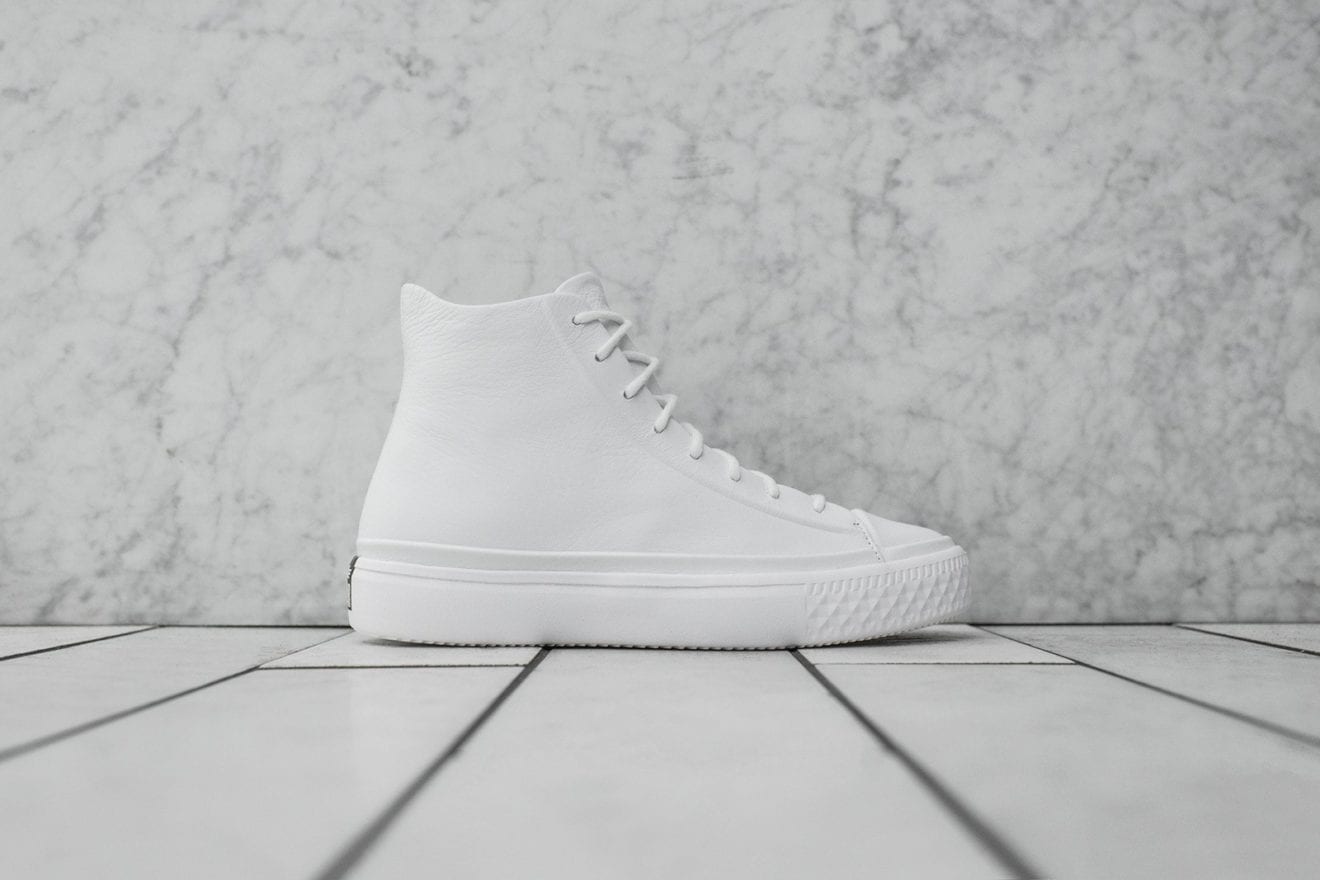
    Thailand’s sole distributor of Converse footwear and sportswear, Rich Sport has submitted its filing for an IPO on the Stock Exchange of Thailand this year.

    It is hoping to raise funds to expand internationally.

    Rich Sport has been making and distributing the Converse brand in Thailand for 14 years. It has 41 retail shops and 11 counters in department stores. It reported revenue of THB601.12 million and net profit of THB122.16 million for its first half this year.

    According to its filing, the company is looking at issuing 200 million IPO shares, equivalent to about 26 per cent of its registered capital. Of that, 195 million shares will be offered to the public while the balance will be allotted to employees and subsidiaries.

    Rich Sport Holdings owns 30 per cent of shares, and the rest is held by three members of the Wongpaitoonpiya family at 23.33 per cent each. After the IPO, Rich Sport Holdings’ share will be diluted to 22.21 per cent.

  • South Pacific and Asia flights from $99 on AirAsia

    South Pacific and Asia flights from $99 on AirAsia

    It’s almost the end of the year and to get you through the last of 2017, AirAsia has a flight sale that’ll take you across its entire network from October 2017 to March 2018 for as little as $99.

    This super low fare is on journeys from Darwin to Bali and is one-way only. Fly return though and you won’t have to pay the cost of two one-way fares when you book through Flight Centre. Instead, you’ll pay a fraction of the cost as we found return flights down to $129. This is on journeys from 12-15 November, though these aren’t the only dates you can travel to revel in this fare.

    It’s not the only destination you can take off to in this sale either. Other cities you can discover include Kuala Lumpur from $119 (departing Perth), Auckland from $139 (departing Gold Coast) and Phuket from $183 (departing Perth).

    Flights depart from Melbourne, Sydney, Perth and Gold Coast with most including a stopover in Kuala Lumpur.

    While this sale is on travel between 2 October 2017 and 31 March 2018, blackout dates still apply during the peak Christmas season.

    As AirAsia is a budget carrier, your ticket to fly doesn’t include checked luggage or in-flight meals and entertainment. However, you can add these on for a fee during the booking process.

    This AirAsia Year-End sale ends 15 October 2017 or until seats sell out.