Tag: asia

  • Facebook to hire more than 1,000 people to thwart election manipulation ads

    Facebook to hire more than 1,000 people to thwart election manipulation ads

    Facebook on Monday said it will hire more than 1,000 people to thwart deceptive ads crafted to knock elections off course.

    The announcement came as the leading social network turned over to Congress some 3,000 Russia-linked ads that appeared to use hot-button issues to turn people against one another ahead of last year’s US election.

    “Today we are delivering those ads to congressional investigators,” Facebook vice president of global policy Joel Kaplan said in an online post.

    “Many appear to amplify racial and social divisions.”

    The ads appeared to be linked to a Russian entity known as the Internet Research Agency, and violated Facebook policies because they came from inauthentic accounts, according to Kaplan.

    “Aggressive steps” by Facebook will include hiring more than 1,000 people to bolster its global ads review teams in the coming year, Kaplan said.

    Facebook also planned to ramp up investment in machine learning to identify and take down ads violating the social network’s policies.

    “Enforcement is never perfect, but we will get better at finding and removing improper ads,” Kaplan said.

    Facebook will require those interested in running ads related to US elections to confirm businesses or organizations they represent.

    Asking forgiveness

    Facebook chief executive Mark Zuckerberg last month announced a crackdown on efforts to use the leading social network to meddle with elections.

    Zuckerberg outlined a series of steps that would help prevent the manipulation of the social network, including more transparency on political ads appearing on Facebook.

    Facebook last month agreed to hand over information about the ads from the Internet Research Agency to special counsel Robert Mueller’s investigation of the 2016 election..

    An internal Facebook review showed that Russia-linked fake accounts were used to buy ads aimed at exacerbating political clashes ahead of and following the 2016 US presidential election.

    Some 470 accounts spent a total of approximately $100,000 between June 2015 to May 2017 on ads that touted fake or misleading news or drove traffic to pages with such messages, a Facebook official said.

    While the amount of money involved was relatively small, enough to buy roughly 3,000 ads, the accounts or pages violated Facebook policies and were shut down, according to Facebook chief security officer Alex Stamos.

    Zuckerberg over the weekend posted a message marking the Jewish holiday of Yom Kippur, or day of atonement, asking forgiveness “for the ways my work was used to divide people rather than bring us together.”

    Free speech vs abuse

    Facebook vice president of communications Elliot Schrage on Monday posted answers to “hard questions” prompted by the Russia ads.

    The social network estimated that 10 million people in the US saw the ads, some 44 percent of those views happening before the November election and the rest afterward.

    Many of the ads did not violate Facebook rules regarding banned content, but instead broke a policy barring accounts from hiding who is really running them, according to the social network.

    “That means that for most of (the ads), if they had been run by authentic individuals, anywhere, they could have remained on the platform,” Schrage said.

    “This is an issue we have debated a great deal.”

    Facebook has become an important platform for debate on political and social issues, and faces the challenge of protecting free speech while guarding against malicious interference in elections.

    “We are dedicated to being an open platform for all ideas — and that may sometimes mean allowing people to express views we — or others — find objectionable,” Schrage said.

    “This has been the longstanding challenge for all democracies: how to foster honest and authentic political speech while protecting civic discourse from manipulation and abuse.”
  • Genki Sushi owner buying into rival

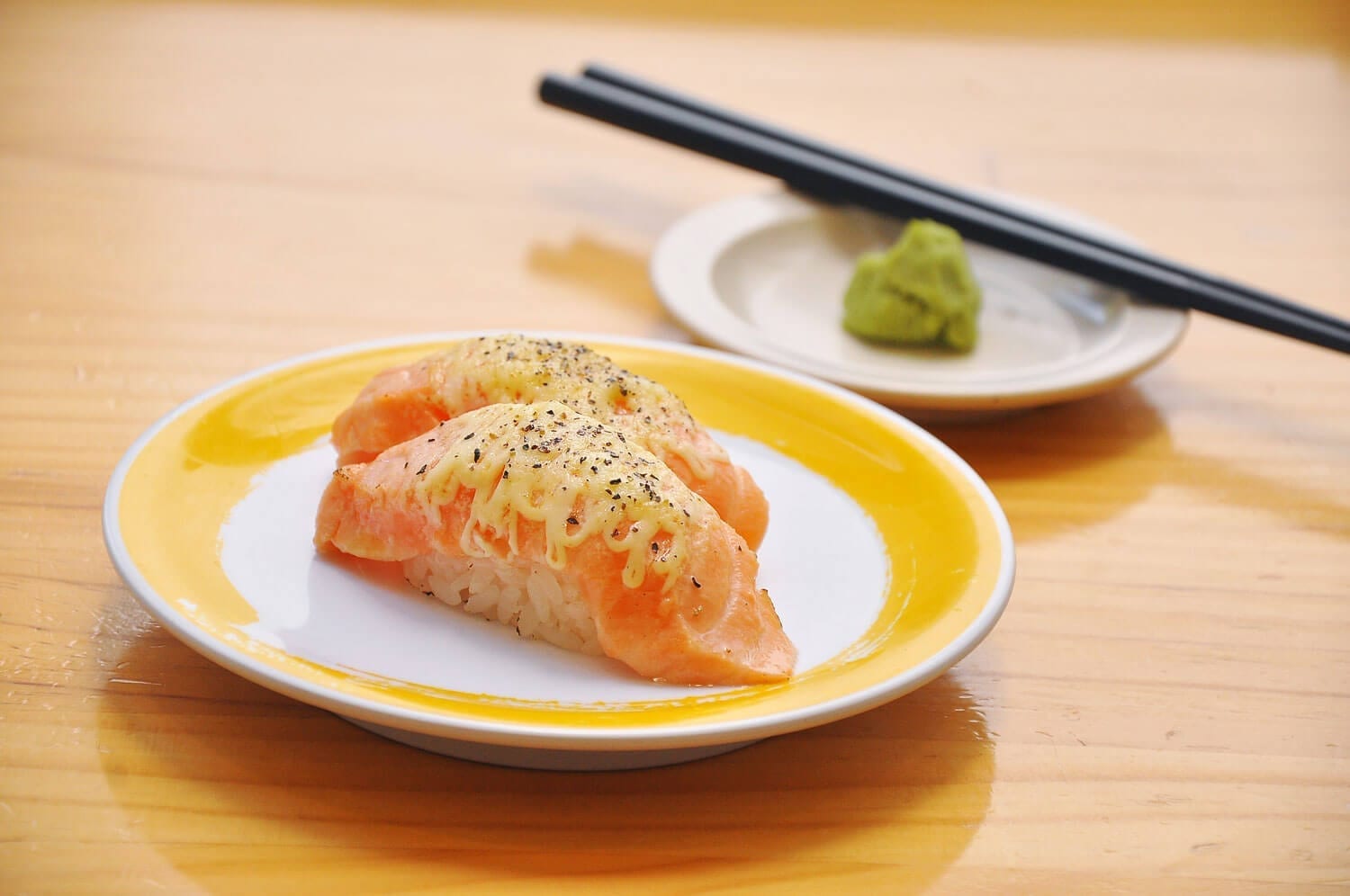
    Genki Sushi owner buying into rival

    hinmei, which owns Japanese restaurant chain Genki Sushi, will buy a one-third stake in bigger rival Sushiro Global Holdings from European private equity firm Permira.

    Permira has agreed to sell its stake in Sushiro Global, which it bought from Japanese private equity firm Unison Capital in 2012, to Shinmei.

    Permira, which paid about ¥80 billion (US$708.5 million) for Sushiro, boosted the value of the company by cutting costs on fish ingredients by using its global network.

    The market for Japan’s conveyor-belt sushi market is expected to grow by about 25 per cent to ¥625 billion this year from ¥500 billion in 2012, according to research firm Fuji Keizai.

  • SaladStop! heading for Korea

    SaladStop! heading for Korea

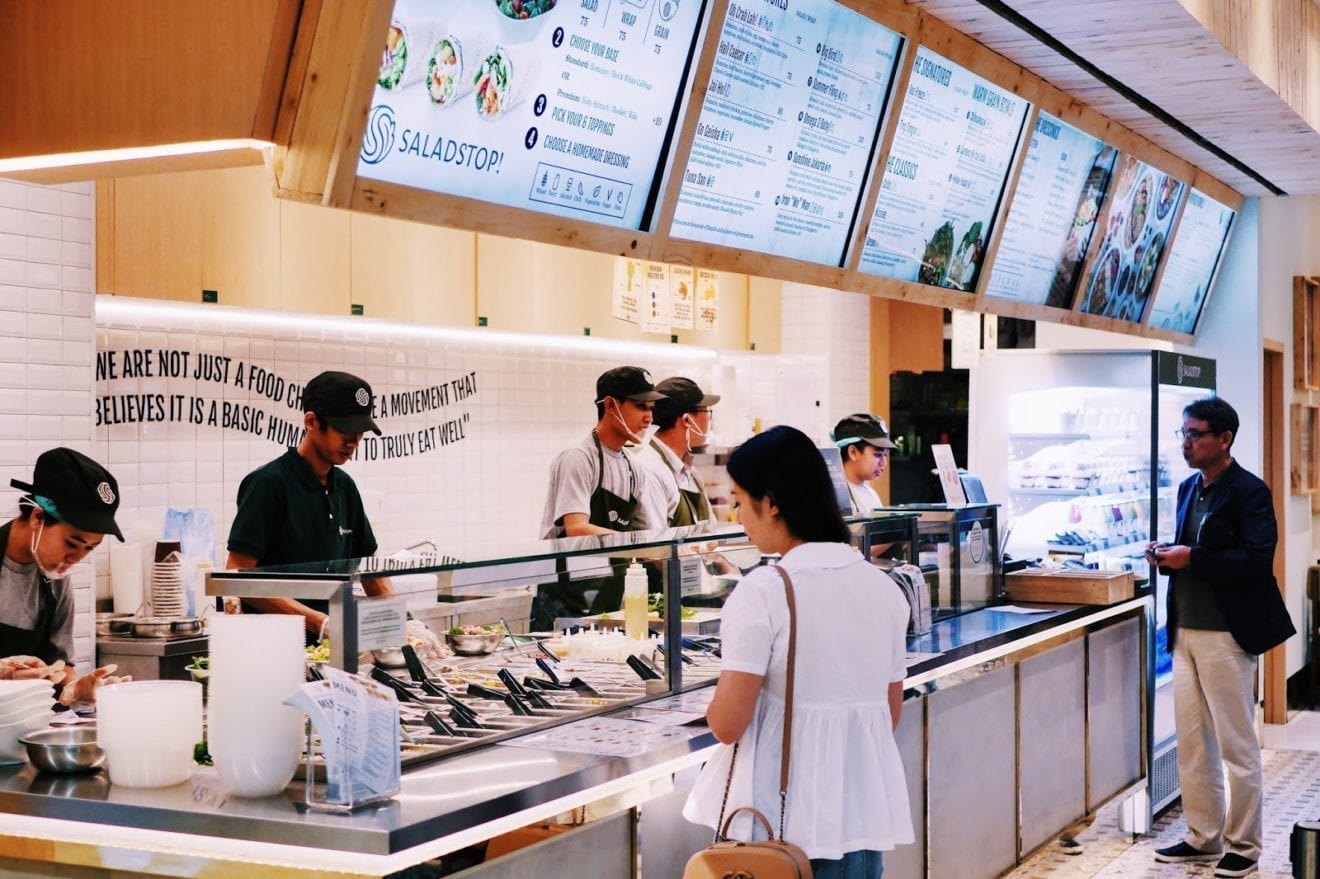
    Established eight years ago, Singapore food brand SaladStop! is about to launch into Korea.

    It opens in Seoul next month, about the same time as its first non-Asia location, in Barcelona. The brand has 19 outlets across Singapore, 12 in the Philippines, three in Jakarta and four in Tokyo.

    Co-founded by Adrien Desbaillets and his father Daniel, SaladStop! Is still a family affair. At 36, Adrienne is president while Daniel, 67, is director and chairman. Daniel’s sister Katherine handles marketing while her Paris-born husband Frantz Braha is business development manager, spearheading overseas franchising.

    The Desbaillets are Swiss citizens who put down roots in Singapore 22 years ago. Daniel was previously a hotel executive. When Adrien returned to Singapore after working in China for a hotel investment company, he planned a chain of nutrition-conscious quick-service restaurants.

    However, the says affordable, wholesome and nutritious were three options rarely found together in one meal, and he guessed that expats like himself were “craving a good salad”.

    Father and son opened their first store in Marina Square, working with corporate chef Tony Tan.

    All overseas locations have more or less the same core combos, but franchise holders modify them to suit local preferences.

    In Singapore, the next stage of growth is a mobile app.

  • Vodafone Australia to roll out Massive MIMO from 2018

    Vodafone Australia to roll out Massive MIMO from 2018

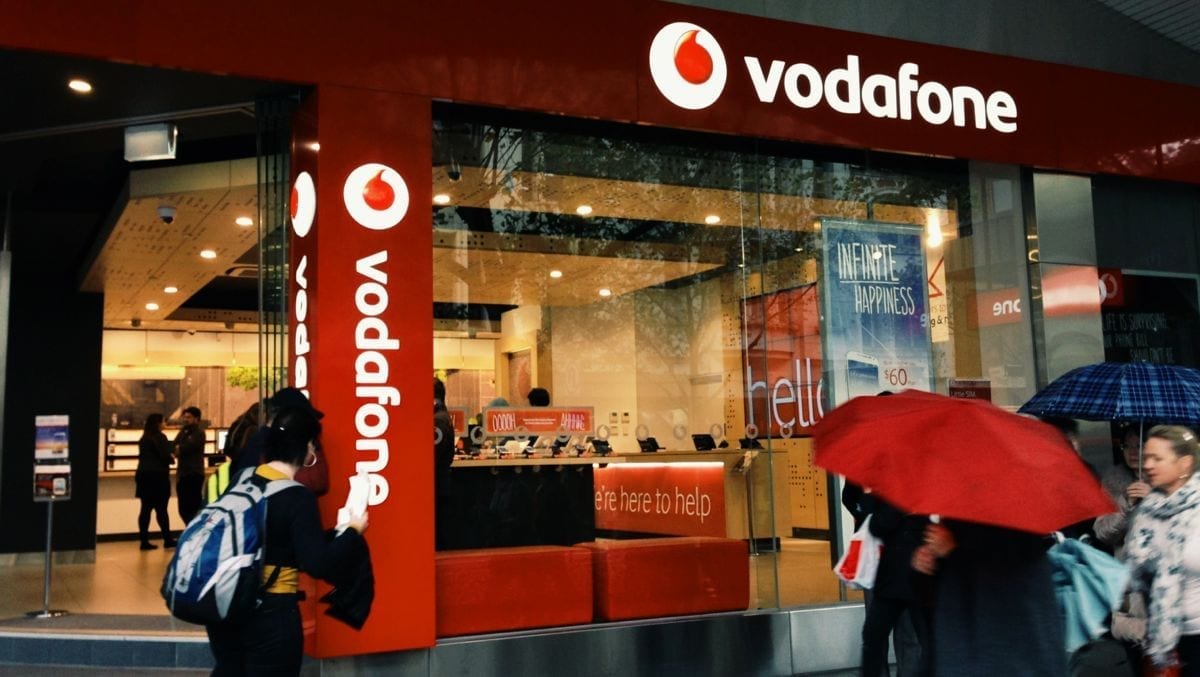
    Vodafone Australia has joined rival Optus is testing massive multiple-input multiple-output (MIMO) technology, and plans to start rolling it out from 2018.

    The operator announced a recent successful trial of Massive MIMO in the 1800-MHz FDD band.

    The trial, conducted with Huawei in a suburb of Sydney, used 20 MHz of 1800-MHz spectrum to achieve a peak cell throughput of 717Mbps across eight simultaneous devices.

    Vodafone revealed plans to roll out its FDD Massive MIMO technology to selected mobile sites during 2018.

    “This week’s demonstration is another significant step towards 5G, following our live 5G trial last year which saw speeds of up to 5Gbps,” Vodafone GM of technology strategy Easwaren Siva said.

    “When it is rolled out in an area, FDD Massive MIMO will give the Vodafone network multiple-fold increase in capacity, delivering a consistently high quality network experience, even in times of high usage.”

    Rival Optus last week announced plans to start rolling out Massive MIMO on its mobile network at the end of the year, after completing trials in June that combined Massive MIMO with three carrier aggregation. This trial was also conducted with Huawei.

  • Panasonic to launch new auto battery line at ex-TV screen plant in Japan

    Panasonic to launch new auto battery line at ex-TV screen plant in Japan

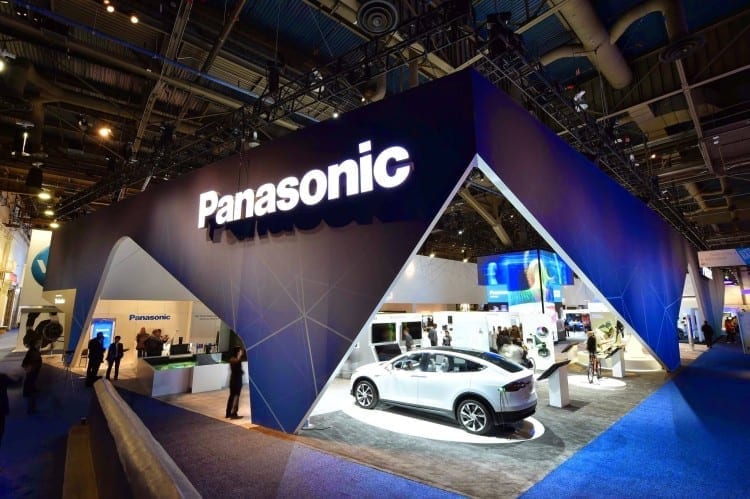
    Japan’s Panasonic said on Friday it will start producing automotive batteries at its former television screen plant in Japan, accelerating its battery drive to meet anticipated demand for electric vehicles.

    Panasonic, the exclusive battery cell supplier for Tesla’s mass-market Model 3, is reinventing itself as a provider of advanced auto parts to escape the price competition of smartphones and other lower-margin consumer products.

    The new battery production will start at its LCD plant in Himeji, western Japan, in the financial year from April 2019, using space left vacant after it closed its unprofitable TV screen manufacturing business last year.

    The company declined to comment on the size of new investment or the production capacity of the new line.

    The Himeji plant currently produces screens for vehicle dashboards and medical equipment, but output has dropped significantly after it exited TV screen production.

    Panasonic sees batteries as a key driver for its plan to nearly double its automotive business revenue to 2.5 trillion yen ($22 billion) in the year through March 2022.

    Already one of the leading suppliers of automotive lithium ion batteries, it currently has five production sites in Japan.

    It started mass production of battery cells at Tesla’s Gigafactory in Nevada earlier this year and plans to follow suit at a new plant in Dalian, China.

  • China sets 2019 deadline for automakers to meet green-car sales targets

    China sets 2019 deadline for automakers to meet green-car sales targets

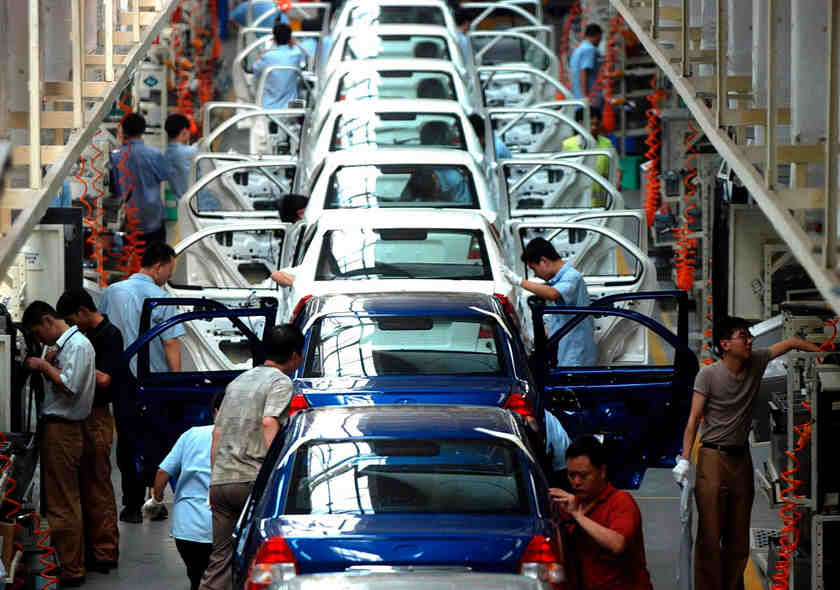
    China has set a deadline of 2019 to impose tough new sales targets for electric plug-in and hybrids vehicles, slightly relaxing an earlier plan to launch the rules from next year that had left global automakers worried about being able to comply.

    Car makers will need to amass credits for so-called new-energy vehicles (NEVs) equivalent to 10 percent of annual sales by 2019, China’s industry ministry said in a statement on Thursday. That level would rise to 12 percent for 2020.

    A single vehicle can generate multiple credits meaning the proportion by NEVs by volume would likely be lower.

    The targets, announced by the Ministry of Industry and Information Technology (MIIT), closely mirror previously announced plans, but remove an explicit 8 percent quota for 2018, in effect giving carmakers an extra year grace period.

    The quotas are a key part of a drive by China, the world’s largest auto market, to develop its own NEV market, with a long-term aim to ban the production and sale of cars that use traditional fuels announced earlier this month.

    Global automotive manufacturers, however, had urged a softening of the proposals for all-electric battery vehicles and electric plug-in hybrids.

    Under the rules, car makers will receive credits for new-energy vehicles including plug-in hybrids and fully electric cars that can be transferred or traded. Firms with annual sales volumes above 30,000 units will need to comply with the targets.

    These credits – which will vary depending on the range and performance of the vehicle – will be used to calculate if firms have met their quota, a system which would likely mean the actual proportion NEVs made up of total sales was lower.

    “The rules could result in the production of more than one million EVs annually in China by 2020, or about 4 percent of sales,” Simon Mui, a transport and energy exert at the U.S.-based Natural Resources Defense Council wrote in note.

    GREEN CAR ROLL-OUT

    Carmakers were in general positive about the move.

    “We welcome the Chinese auto industry’s shift towards greater adoption of NEVs and will comply with relevant regulations presented by authorities,” Ford Motor said in a statement responding to the announcement.

    General Motors said it would “strive to comply with the NEV mandatory requirements”, though it added “continued joint efforts by the government and companies are essential to build broad-based consumer acceptance for NEVs”.

    “GM has sufficient capacity to manufacture NEVs in China,” it said in a statement.

    Japan’s Honda Motor said it planned to launch an electric battery car in China next year and would “try to expand our lineup of new energy vehicles” to meet the quotas.

    China is keen to combat air pollution and close a competitive gap between its newer domestic automakers and global rivals. It wants to set goals for electric and plug-in hybrid cars to make up at least a fifth of Chinese auto sales by 2025.

    Reuters reported in August that China would delay the implementation of the NEV quotas until 2019, giving global automakers more time to prepare.

  • DHL is new worldwide title sponsor for DR1 Drone Racing Series

    DHL is new worldwide title sponsor for DR1 Drone Racing Series

    DHL has signed on as the latest title sponsor for a new drone racing series – DR1 presents the “DHL Champions Series, Fueled by Mountain Dew”. This racing championship is organised by DR1 Racing, the premiere drone racing organisation that brings together top pilots and racing teams to compete at exhilarating locations throughout the world, including the Post Tower in Bonn, Germany, the headquarters of Deutsche Post DHL Group. This October and November, the races will be broadcast and streamed online by Eurosport, Fox Sports Asia and Twitch.TV, potentially reaching more than 300 million homes around the world.

    This new racing series gives DHL the opportunity to continue bolstering its leadership position in the development of drone technology, which plays a vital part in the future of logistics, and extending the reach of the DHL brand to a broader business and consumer audiences through a thrilling new sport. Locations for the first season of the DHL Champions Series are expected to include the United States, Germany and Ireland. DR1 events are already being broadcast in more than 100 countries.

    “This new racing series is an exciting opportunity for DHL to showcase our passion for drone racing and illustrate our extensive history in developing innovative and sustainable approaches towards future logistics solutions,” said Ken Allen, CEO, DHL Express. “Similar to Formula E, drone racing represents an exciting new e-racing series, which is why DHL took the opportunity to engage as the logistics partner and title sponsor for DR1’s premier league racing series.”

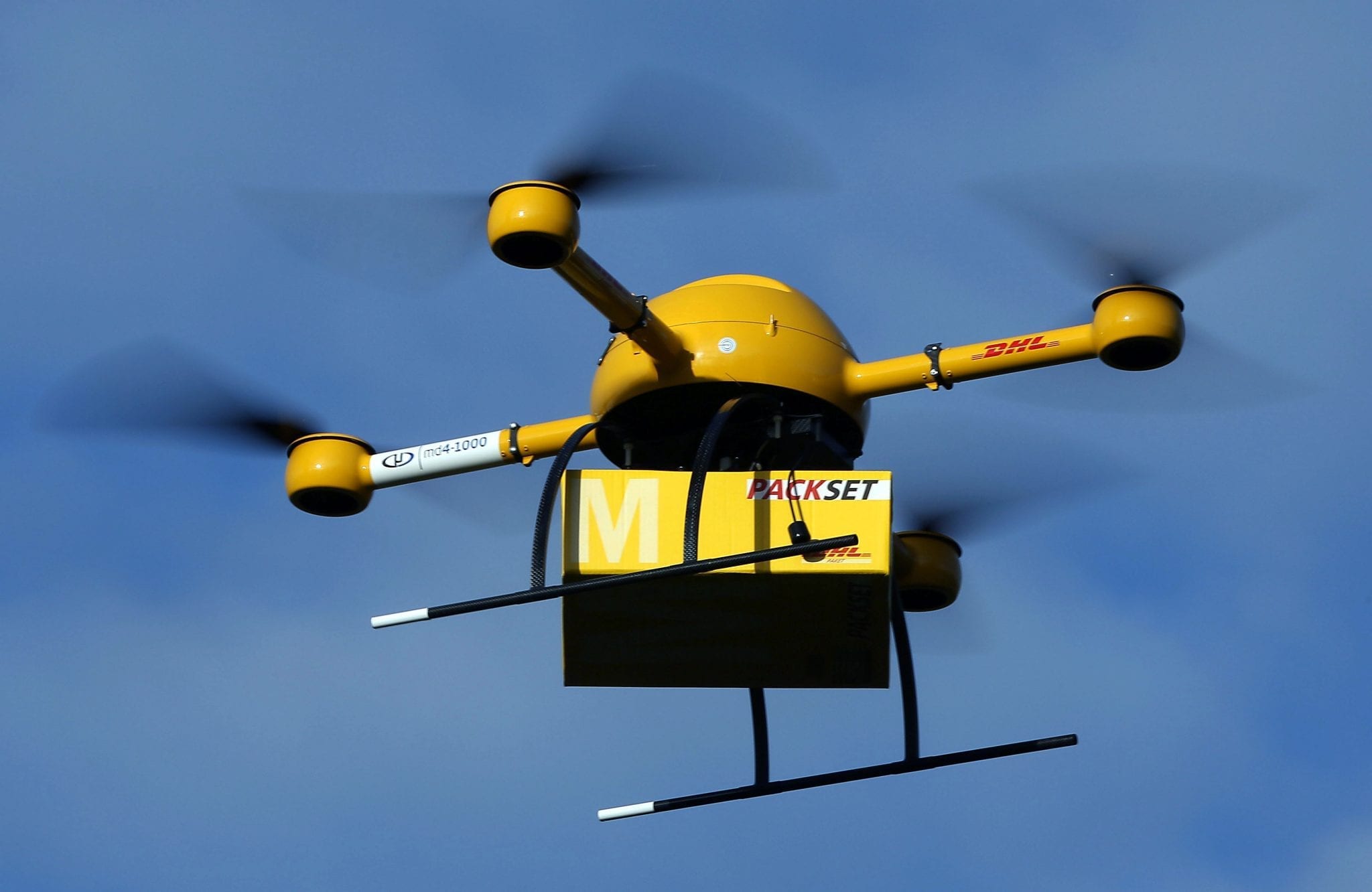
    DHL has been developing and testing its Parcelcopter for more than four years for deliveries in geographically ambitious areas. It has successfully deployed the Parcelcopter for fully automated deliveries in high-altitude and severe weather conditions in the Bavarian Alps and remote locations on German North Sea islands, successfully integrating them into the overall logistical processes of the DHL Parcel unit. DPDHL’s engagement in this area of research has also won the Group the “German Mobility Award 2016” (Deutscher Mobilitätspreis 2016).

    DHL Supply Chain has deployed drones in Mexico and Brazil for security surveillance, monitoring sites and assets for theft and damage. Drones can also be used as aid deliveries as part of disaster relief missions after natural disasters.

    “We are excited by the potential of innovative technologies in transforming logistics operations in the future. Drones, with their flight capabilities, for example, can significantly cut short the time needed during the last mile delivery. These innovations allow us to more efficient as well as effective in allocating resources, which in turn will benefit our customers as waiting times for deliveries get shortened and more predictable,” said Frank-Uwe Ungerer, managing director, DHL Express Singapore.

    “Our commitment to our customers remains at the core of what we do. Embracing new technologies is aligned to our company’s goal of being at the fore of innovation in logistics, so that we maintain pole position as the preferred logistics partner in Asia Pacific.”

    Joining DHL and Mountain Dew as sponsors of the Champions Series are Air Hogs, makers of the official DR1 Micro Race Drone and FPV Race Drone, and the US ARMY, which is sponsoring DR1’s Twitch Channel program, “DR1 Drone Tech” that airs before each race.

    “We are thrilled to have DHL join the DR1 organisation as the title sponsor for the DHL Champions Series Fueled by Mountain Dew,” said DR1 CEO and founder, Brad Foxhoven.

    “Along with Mountain Dew, who has been with us since our first race last year, we have established a racing series that combines epic outdoor racing, elite pilots and racing teams, and a racing format that creates excitement and engagement for the pilots, viewers and spectators.”

  • Opposing suitors lining up for 11street Malaysia

    Opposing suitors lining up for 11street Malaysia

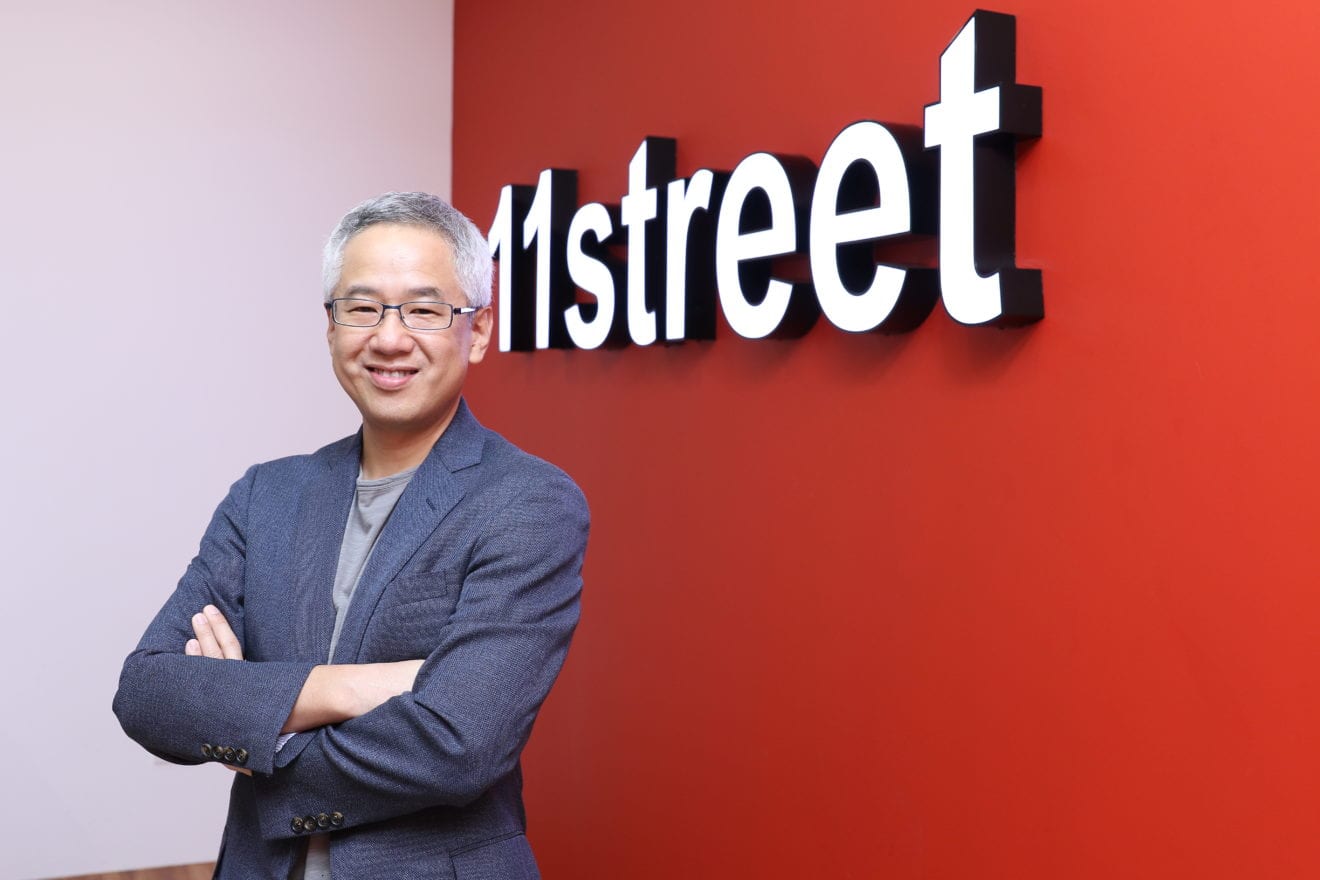
    Alibaba Group and JD.com are both competing to try to take over e-commerce company 11street Malaysia, a partnership between Celcom Axiata and Korea’s SK Planet, called Celcom Planet.

    The Chinese rivals are both discussing deals with 11street Malaysia.

    Running second to Lazada in terms of monthly visits and apps installed, 11street is an online marketplace for fashion, electronics, groceries, health and beauty, children’s and baby products, leisure and sports, home and living, books and services, and deal offerings such as e-vouchers.

    In late August, Celcom Planet CEO Hoseok Kim said the company was confident about its long-term growth prospects, but appeared to concede a change of ownership was on the cards, at least in part.

    “We are very pleased with the success and progress that 11street Malaysia has made in less than three years since its launch and we are confident that we will be the number one marketplace in Malaysia within the next three years”, said Kim.

    He added that the company was looking at various strategic options including funding from strategic partners to prepare for the next phase of accelerated growth.

    Alibaba has already invested more than $2 billion in Lazada, and has led a $1.1 billion investment in Indonesia’s Tokopedia.

    SK Planet launched 11street in Thailand this year. It launched in Malaysia in 2015 and a year earlier in Indonesia as Elevenia (now taken over by Salim Group).

    Meanwhile,  JD.com has announced a $500 million joint venture with Thailand’s Central Group focused on e-commerce and financial technology.

    Chairman/CEO Richard Liu says he plans to make Indonesia the centre for the island area of Southeast Asia, and Thailand the hub for mainland Southeast Asia.

  • Amazon Global Selling to take Korean products everywhere

    Amazon Global Selling to take Korean products everywhere

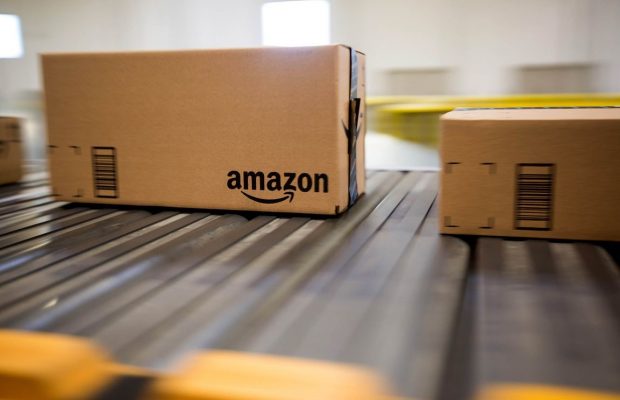
    Amazon has revealed plans to help South Korean sellers make international sales via its Amazon Global Selling program.

    Amazon laid out its plans during its first press conference in South Korea dubbed the ‘Global Selling Conference’, which was held at COEX this week. The international shopping giant discussed its global selling service, ‘Amazon Global Selling,’ which allows sellers to sell items to other countries without the help of a customer service center or local distribution centre.

    According to the company, using its global selling platform can enable South Korean sellers to reach up to 300 million people in 185 countries across the world. Amazon Global Selling not only provides sellers with access to the international market but also provides help in dealing with common problems such as refunds, returns, and issues surrounding international delivery.

    Using Fulfillment by Amazon, a one-stop order processing service, sellers can use the distribution center owned by the shopping giant from which the rest of the selling process will be handled by Amazon.

    “Though domestic online sales are common, international online sales are still at an early stage in South Korea. We plan to actively help South Korean companies maximise their sales during the most eventful days of the year such as Black Friday, Cyber Monday and the Christmas season,” a company spokesperson said.

    Amazon Global Selling was first launched in 2015, and now the international company is set to begin the Korean language service of its portal ‘Seller Central’, as well as providing education programs for South Korean sellers.

    During the press conference, which was held in the presence of more than 1000 officials ranging from business partners and government officials to people interested in working with Amazon, Cindy Tai, the head of Amazon Global Selling-Asia, explained the conference was held two years after the global selling service was launched in the country, as an active community has been built only recently.

    Amazon’s move to help South Korean online sellers is set to see competition intensify in the online sales market, as similar services are already being operated by the likes of GMarket and 11street.

    With the growing number of people who wish to sell their products online in the international market in South Korea, some industry sources believe Amazon’s decision to introduce localised support programs for online sales is part of their effort to boost their competitiveness by training online businesses with potential and encouraging them to use their platform.

  • John Gokongwei turning focus to e-commerce

    John Gokongwei turning focus to e-commerce

    Billionaire John Gokongwei, whose empire includes airlines, malls and property, is expanding the family business into online shopping.

    His Robinsons Retail Holdings is moving more of its $2.7 billion empire online with plans to triple by next year the number of supermarkets handling web orders. Other retail chains in the empire will follow.

    Rivals SM Investments Corp and Ayala Corp are already expanding their e-commerce reach, all three launching online shops or investing in services over the past year.

    The Gokongwei family is speeding up its efforts as Alibaba and Amazon move into Southeast Asia.

    But supermarkets are the main driver of revenue. Robinsons launched online sales in May and is already showing exponential growth, says president Robina Gokongwei-Pe, the tycoon’s daughter.

    “This is the way to go given the horrible traffic in urban areas like Manila and a growing market of millennials.”

  • Dyson Malaysia opens concept store in KL

    Dyson Malaysia opens concept store in KL

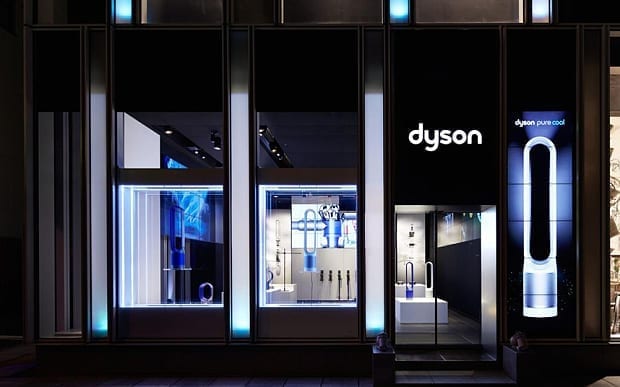
    Dyson Malaysia has opened its first concept store, in The Gardens Mall, Kuala Lumpur. Dyson Demo is also the largest space in Southeast Asia for the British engineering company.

    “We want our visitors to have the chance to be hands-on with our products. They can pick up, test and experience Dyson’s technology,” says Dyson Southeast Asia GM Martyn Davies.

    Three main products feature in the minimalist store – cord-free vacuum cleaners, purifying fans and hairdryers. Davies says Dyson hopes to introduce four new technologies by 2020.

    “We have a development centre in Johor Baru, so there is a high chance Malaysian engineers worked on the technology behind these products, and are working on our upcoming ones,” he says.
    Visitors to the store can try the vacuum cleaners on three different floor surfaces.

    “This space is designed for our clients to pick up the machines, pull them apart and test them on our test track with various dust samples,” says Dyson Electronics head Jim Roovers.

  • Record numbers for Asia Fruit Logistica

    Record numbers for Asia Fruit Logistica

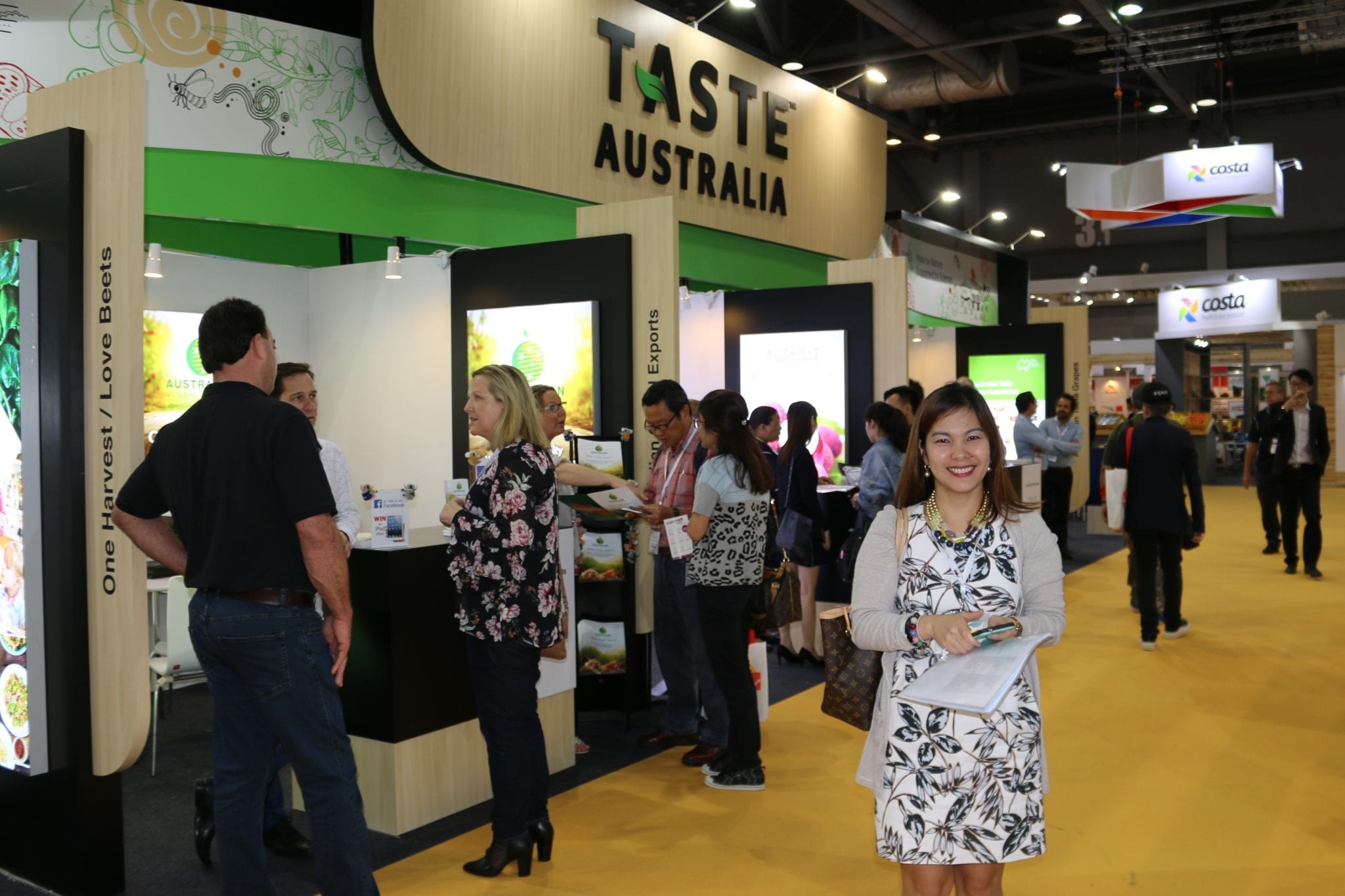
    Asia Fruit Logistica was a hive of business activity recently, with more than 13,000 trade visitors from 76 different countries pouring through the doors of AsiaWorld-Expo in Hong Kong on 6-8 September 2017. Visitor numbers were up by 16 per cent on last year’s event, setting a new attendance record.

    Opening Press Conference: (L-R) Wilfried Wollbold, commercial director Asia Fruit Logistica; John Hey, editor Asiafruit Magazine; Chris White, managing director of Asiafruit’s publisher Fruitnet Media International.

    Some 70 per cent of visitors came from Asia, with 20 different markets across the Asia-Pacific region represented. The main origins in terms of visitors were China, Hong Kong, India, Taiwan, Korea, Malaysia, Indonesia, Singapore, New Zealand, Japan and Australia.

    “We’re delighted with the dynamic business activity on the show-floor during Asia Fruit Logistica this year,” said Wilfried Wollbold, commercial director of organiser Global Produce Events. “The results underline Asia Fruit Logistica’s role as the leading continental trade exhibition for the fresh produce business in Asia.”

    Visitors to Asia Fruit Logistica found a show that had expanded by almost a third compared with last year’s event in terms of exhibition space. Exhibitor numbers increased by more than 150 on the 2016 edition. A total of 813 exhibitors from 43 different countries took part, while 24 national pavilions featured at the event.

    China remained the single-largest exhibiting country at Asia Fruit Logistica, with bookings and company participation expanding by more than 50 per cent compared with last year’s event. The other leading exhibiting countries were Italy, Egypt and Australia, which ranked second, third and fourth respectively in terms of exhibitor bookings.

    Spain leapt into the top five exhibiting countries for the first time with more than 40 Spanish companies showcasing their products and services. South Africa surged into sixth place, with exhibitor numbers tripling to 33 companies.

    Close to half of all exhibitors at Asia Fruit Logistica came from the Asia and Oceania regions. Europe made up almost a quarter of all exhibitors, followed by the Americas (15 per cent), Africa (12 per cent) and the Middle East (four per cent). Five countries also made their debut appearance as exhibitors at the show, including Costa Rica, Finland, Jordan, the Ukraine and Uzbekistan.

    AsiaFruit Congress offers expert insights

    Asia Fruit Logistica offered visitors an unrivalled combination of business, networking and information opportunities. It all got under way with the AsiaFruit Congress, Asia’s premier fresh produce conference event, which took place on Tuesday 5 September, the day before Asia Fruit Logistica opened its doors. More than 400 high-level industry professionals from around 40 different countries attended the conference, which was addressed by expert speakers covering a range of hot topics.

    AsiaFruit Congress opened with a session exploring the rapidly changing food retail landscape in Asia. Shirley Zhu, who leads the South East Asia research programme for global food and grocery analyst IGD, provided a macro-view of the key trends in Asia’s food retail market. The session then zoomed in on the merging of online and offline (O2O) retail channels. AsiaFruit Congress moderator Chris White interviewed Paul Sheh of Alibaba-backed O2O retailer Hema Supermarket, followed by Walmart China’s Winstone Chee and Sam’s Club China’s Yoep Man, about their respective strategies.

    In the other general sessions at AsiaFruit Congress, Zespri’s global marketing manager Jiunn Shih delivered a dynamic insight into consumer-centric fresh produce marketing, while Rabobank’s chief Asia-Pacific strategist Michael Every offered a thought-provoking perspective on the changing global trade landscape.

    Asia Fruit Awards: celebrating excellence

    AsiaFruit Congress also hosted the presentation of the Asia Fruit Awards. Presented by Asiafruit Magazine and Asia Fruit Logistica to celebrate excellence in Asia’s fresh produce business, the Asia Fruit Awards recognise Asia’s best companies in the fields of marketing, importing and produce retailing.

    Major apple and pear cooperative Belgian Fruit Valley won the Marketing Campaign of the Year for ‘Truval Pears’, a long-running campaign to develop new markets for a new product across Asia. Freshmart Singapore took out the Importer of the Year Award, while the Produce Retailer of the Year Award went to Alibaba-invested O2O retailer Hema Supermarket.

    More information opportunities on the show-floor

    Visitors to Asia Fruit Logistica found plenty of information opportunities on the show-floor with two Hall Forums this year. Hall Forum One – the AsiaFruit Business Forum – offered practical workshops covering topical subjects in the fields of packaging, marketing, and production and trade

    Hall Forum Two turned the spotlight on the worlds of hi-tech and logistics. Each morning, Smart Horticulture Asia explored data management and disruptive technologies at different stages of the supply chain. Each afternoon, Cool Logistics Asia offered practical workshops on cold-chain management covering a range of issues, from the future of container shipping to exporting to Asia by air.

    The next edition of Asia Fruit Logistica takes place on 5-7 September 2018 at AsiaWorld-Expo Center in Hong Kong. AsiaFruit Congress takes place on 4 September at the same venue.

  • H&M’s profit falls in latest quarter

    H&M’s profit falls in latest quarter

    H&M’s profit fell 20 per cent in the last quarter as the Swedish fast-fashion retailer

    experienced reduced footfall in stores and increased competition.

    Net profit for the three months to end-August, the third quarter of the retailer’s financial year, came in at 3.84 billion kronor (US$469 million). Sales grew 4.6 per cent to 51.23 billion kronor.

    Despite the drop, which was in line with analysts’ forecasts, there was rapid and profitable growth of the retailer’s online sales, which in some established markets already account for 25 to 30 percent of total sales.

    “The fashion retail sector is growing and is in a period of extensive and rapid change as a result of ongoing digitalisation,” said Karl-Johan Persson, CEO, H&M.

    “The competitive landscape is being redrawn, new players are coming in and customers’ behaviour and expectations are changing, with an ever greater share of sales taking place online.”

    Persson said the shift to online was “clearly reflected” in H&M’s increasing online sales, however did not fully compensate for reduced footfall to stores in several of its established markets.

    “This is of course something that we are not satisfied with and which, among other things, resulted in that we entered the third quarter with inventory levels that were too high,” he said.

    “Through our aggressive summer sale we succeeded in improving the inventory position. This contributed to the autumn collections getting off to a good start, although sales slowed somewhat towards the end of September.”

    The fashion retailer is now looking to refine its store portfolio, with a raft of renegotiation, rebuilds, relocations and closures to take place.

    “Overall we will be closing around 90 stores during the year, resulting in a net addition of approximately 385 new stores,” said Persson.

    “We still see good potential for more physical stores primarily in many of our growth markets. In the year to date we have opened four new H&M store markets: Kazakhstan, Colombia, Iceland and most recently Vietnam. With Georgia which will open later this year.”

    H&M will be present in 69 markets.

    H&M said there had been a successful reception of its new brand, Arket, in London as well as online in 18 markets.

    “Creating and launching new brands is an important part of our growth strategy, and next year we plan to launch another new brand,” said Persson.

  • Emporio Armani Hong Kong launches star hunt

    Emporio Armani Hong Kong launches star hunt

    High-fashion brand Emporio Armani Hong Kong has launched its first-treasure hunt app, with augmented-reality technologies to enable users to track down a special quarry, Shanghai actor Hu Ge.

    Until October 17, the EA Collector app can be downloaded to scan AR images on four Hu Ge posters scattered around Harbour City. Users will then be able to take virtual photos with the Emporio Armani brand ambassador for Greater China and Asia Pacific.

    Users who present one of Hu Ge images can redeem a gift at the Harbour City Emporio Armani store, with a limited-edition postcard holder for anyone collecting all four images. There are limited daily quotas for this offer.

    Furthermore, there is a a chance to win an invitation to Emporio Armani’s party to meet Hu Ge by using the app to submit a virtual photo with the actor before October 15. The actor himself will choose 10 winners to attend the party, on October 18.

    To celebrate the event, a limited-edition Hu Ge Octopus Card will be launched at all Emporio Armani stores across Hong Kong.

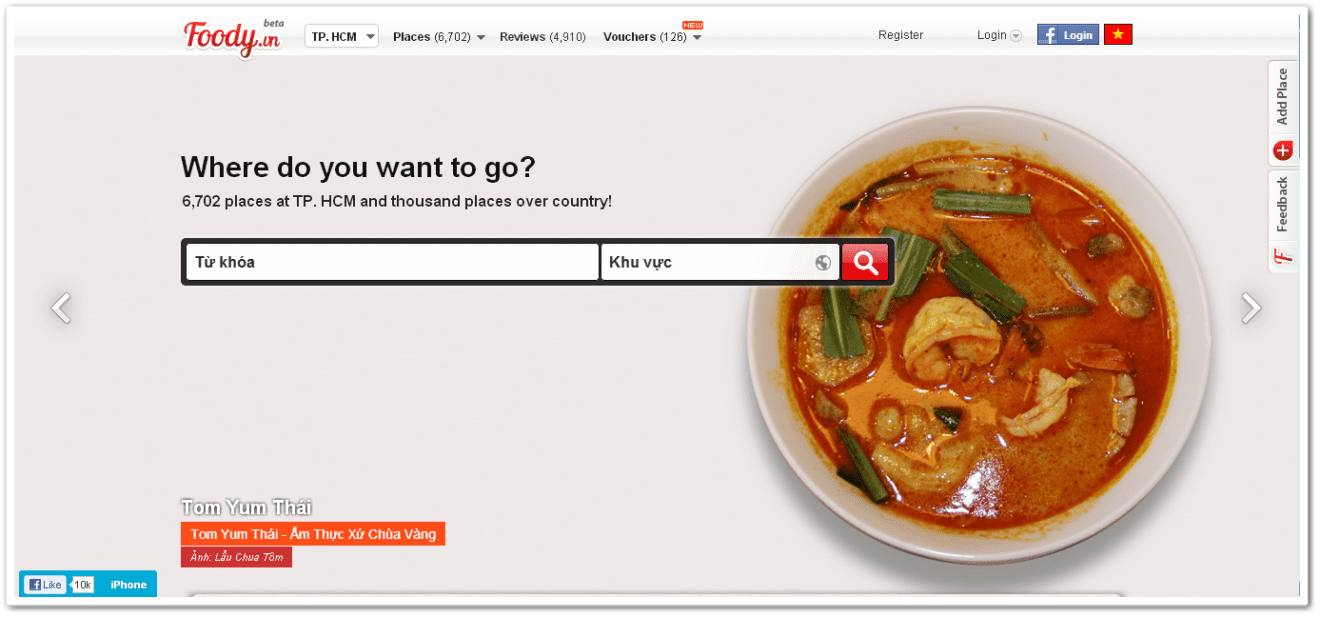
  • Foody Vietnam sold to Singaporean firm

    Foody Vietnam sold to Singaporean firm

    Online restaurant directory Foody Vietnam has sold a majority stake to consumer internet group Sea Limited.

    Worth about US$64 million, the transfer was announced on a NYSE listing by Sea.

    Foody, which also accepts meal bookings and runs a delivery service, has announced that foreign entity Airview Investment of Singapore has taken an 82 per cent shareholding.

    Sea says it has acquired a Vietnamese food-delivery platform to help expand its payment platform AirPay, launched in Vietnam in 2014.

    “We intend to pursue strategic investment and acquisition opportunities in order to grow our user base, deepen our market penetration and further expand our offerings, including complementary services and products,” says Sea.

    Foody Vietnam was founded in 2012. Sea, valued at $3.75 billion, has already invested in Foody, as series-B investor in July 2015.