Tag: asia

  • Wolverine World Wide sells Sebago

    Wolverine World Wide sells Sebago

    Wolverine World Wide has sold its Sebago brand to BasicNet, an Italian corporation with a global footprint and a portfolio of brands including Kappa, Robe di Kappa, K-way and Superga.

    “As an organisation, we have always been active portfolio managers, with a sharp focus on our highest-value opportunities. We have recently completed a strategic review of our existing portfolio and have been exploring a variety of alternatives for some of our smaller brands and businesses,” said Blake Krueger, chairman, CEO and president of Wolverine World Wide.

    “We believe the decision to divest Sebago will allow us to focus on accelerating our most important opportunities while enhancing shareholder value.”

    Wolverine World Wide is a marketer of branded casual, active lifestyle, work, outdoor sport, athletic, children’s and uniform footwear and apparel. Its brand portfolio includes Merrell, Sperry, Hush Puppies, Saucony, Wolverine, Keds, Stride Rite, Chaco, Bates and Soft Style.  The company is also the global footwear licensee of popular brands including Cat and Harley-Davidson.

    Sebago, founded in 1946, is based in Michigan, US where it produces a variety of higher-end boating shoes, outdoor shoes and dress shoes.

  • They’re only human: Big data made simple

    They’re only human: Big data made simple

    Big data has become one of the big buzzwords of retail in 2017. But many retailers remain confused by what it means and how to use it.

    Cue a team from Scotland who just three years ago founded a startup called Big Data For Humans.

    They weren’t your typical team of ‘tech guys’ but by a group of highly experienced retailers with decades of shop floor customer experience under their belts. Their mission: harness the power of big data to bring an unprecedented depth of insight into customers – not just as lines on a spreadsheet but as groups of ‘humans’ with unique tastes, needs and spending habits.

    “It’s one of those ideas that didn’t come to us overnight. It came to us gradually,” recalls co-founder and CEO Peter Ellen. “I was a retailer for about 20 years as a founder, and latterly as CEO, of a retailer in the UK which grew pretty quickly throughout the 1990s. One of the key rationales there was that we were really customer focused – we knew which customers delivered the most sales and we analysed carefully how we could use those relationships to drive growth in the business.”

    In 2005 Ellen co-founded a business called Maxymiser, a cloud-based software solution that tests, targets and personalises what customers see on a web page or a mobile app, substantially increasing engagement and revenue. It was ultimately sold to Oracle in the US.

    “We dealt with digital marketers as well as general marketers. What became very clear was that very, very few of those digital marketers actually knew who their customers were and some couldn’t even tell you what a customer was. One of them said ‘Is that like a non-unique visitor?’ And I said, no that’s like a human,” Ellen recalls.

    “The dictionary definition of a customer is someone with whom you transact. The culture being created around digital marketing is such that people are starting to categorise anyone as a customer… Someone who rocks up to your digital store or anywhere else, rather than someone who actually buys something.”

    Lurkers vs spenders

    “When I was a retailer it was very important to differentiate between the people who hung around your store and the people who actually spent serious cash. Online, I think, that problem is magnified many, many times over. And with retailers facing increasing costs of acquisition online, under constant pressure of dealing with occupancy costs offline, and with all the other marketing costs they’re surrounded with in multichannel, it is economically critical that retailers build relationships with the customers they have. Those people deliver 80 per cent of your profits and if you leave that process to chance – or leave them to an email marketer to knock out a couple of emails here and there on a random basis – you’re probably missing out on the biggest profit and revenue opportunity your retail business has.”

    Ellen is constantly amazed how many retailers have no idea who their customers are. “They guess who their customers are or they use technology invented in a bygone era to do the job.”

    The problem identified, the solution was already there. Or was it? The technology required to measure and monitor customer behaviour meaningfully is very technical. Analysts use complex tools to understand it, then there is an uneasy transition to transfer that information in a usable format to the people running the marketing and managing actual stores.

    “We realised retailers fell into two groups: One was retailers who didn’t bother doing anything with their customer data because it seemed like too nasty or scary a project to attack because of the technical challenges and the cost. Then there was a second group who had invested vast sums of money into customer analytics and employed analytics teams but often the rate at which they were able to get the insights into the hands of people who actually wanted to do something with it was really slow.

    “And the cost associated with that process was really high. So it was almost easier for retailers to go on ignoring their customers and carry on acquiring them over and over many times with different methods and losing money in the process.

    “So we thought: that’s not right. It’s economically unsustainable. We watched some businesses growing and growing through omni channel where the costs got higher and higher the bigger they got. And their profit shrank as their sales grew. We thought: It’s time to do something about that. If we can simplify the process in a smart way, we could help a lot of retailers around the world.”

    That’s how Big Data for Humans thus became the first company in the market to develop an automated customer insights platform which has transformed the way retailers understand their customers and sell to them, helping deliver deeper understanding of customers, more effective marketing, increased customer value and thus higher revenue. At its heart is the ‘Customer Graph’, which empowers business users at all levels to use automated customer insights to power their marketing.

    “We realised that one of the best ways to understand people in the modern world is through networks and that’s how we understand our place in social [media] and professional networks as well. So why don’t we do something similar to understand customers in the retail business?”

    Overcoming barriers

    “We found there were barriers to achieving that goal. Most of them around the fact using graphs is a more complex and technically difficult thing to do for an analyst but we realised if we could automate the process, and do it well, we could produce incredibly powerful insights that anyone in the marketing team could pick up and run with. We spent about a year on the basics of that before we launched the company and since then we’ve been growing in Europe and Asia very fast and getting some amazing results.”

    Since opening a Singapore office last October, the company has signed up Philippine Seven Corporation – the local operator of the 7-Eleven convenience store network – adding the brand to an international list already including AirAsia, Tesco, Selfridges and Jelmoli.

    “We are new to the region, but we have been talking to businesses in Thailand, Malaysia, Singapore and the Philippines. Hong Kong is definitely one of our next steps and we are speaking to some great businesses there.”

    Big Data for Humans works within retail sectors ranging from convenience stores to luxury and in size from small businesses to multinationals. The concept is easily scaled to fit different sized companies.

    “The smallest retailer we deal with would have tens of thousands of customer records, whereas the largest might have 60 million.” Data sources the company starts with range from loyalty-scheme information, or data collected from e-commerce receipts. “You generally find a retailer has some degree of data coverage.”

    The business hosts workshops in Europe and Asia in a bid to ‘demystify’ big data, the most recent held in Kuala Lumpur in May. During the two-hour sessions, retailers are challenged to rank their needs for information using a ‘playbook’. The retailers rank goals in order of priority, such as upselling, cross-selling, retention and win-back. They then drill down into subcategories like (within retention) seasonality prediction, implementing a VIP program, improving the conversion from first to second order and enhancing customer sentiment during the purchase process. There is no hard-sell at these seminars – rather they help retailers understand where their business is at and how using their own data can make a difference.

    For example, Tesco used data to cross-sell customers making weekly shops for shelf-stable foods into more regular shoppers buying fresh foods where the margins are higher. “Obviously they were buying fresh food, they just weren’t buying it from Tesco,” explained Ian Webster, chief customer officer at the Kuala Lumpur workshop. Using big data to drive a tailored marketing campaign, Tesco converted 15 per cent of ‘family supplier” shoppers into fresh food shoppers.

    Train-of-thought

    “In analytics there is something called a train-of-thought analysis where you sit an analyst down in front of data and everyone says: well that’s amazing – but what are we going to do now?,” explains Ellen.

    “Often they come up with interesting things that nobody can use. So in our software and our playbook we take a highly prescriptive approach to how you turn the data results you have in your business into money. Because that’s really all we are interested in. We guide people down that path and our software looks at what is the most important data you need in retail – we believe that’s mainly around people, products and money. And then we guide them through that process so that the output tells them who the customers are, what they want, what they might want in the future, how much they are worth, how often they shop, where they shop and all the main things they need.

    “And then through our methodology we help them plan a customer marketing program across their business and channels that should deliver an increase in annual revenue.

    “Big data provides a massive competitive edge because now retailers can actually plan their customer marketing communications and strategy in their overall business rather than in one channel. A lot of marketing is done in channel now where the company says: ‘I might send them an email on a Monday, an SMS on a Tuesday and a flyer on a Wednesday’, whereas our solution enables our clients to see what the opportunities are within the retailer’s customer base and how they can sell more.”

    Once they’ve worked that out, explains Ellen, they can calculate which channels are the best to contact the customer groups. It might mean direct relationships in the luxury sector, or reaching out by emailing special offers in high-volume businesses.”

    After only a matter of months in Asia, Ellen and his team are already seeing differences compared with European retailers.

    “Because Asian retailers often have experience running multiple locations and brands across multiple [territories], a lot have developed large databases for cross-brand marketing activities.”

    Big data is clearly in retailers’ lives to stay – and Ellen argues there is a need to understand it and make the most of it if retailers are to build a competitive edge – and more importantly optimise their sales.

    “It comes down to the economics of how you’re going to get more revenue from your customers. Retail is all about selling more to the customers you have.”

    “Embrace data,” adds chief marketing officer for Asia, Helen Wasserman. “You have to embrace it.”

    And study your customer life cycles, adds Webster. “A retailer might have customers who shop every week, every month or every five years. Treating those customers the same is not a good idea. If someone buys from you every three years and you don’t see them for a month, that’s not an issue. But if you normally see a customer every week and you don’t see them for a month, you should be worried.”


  • HappyFresh (Thailand) meeting growth targets

    HappyFresh (Thailand) meeting growth targets

    Online grocery HappyFresh (Thailand) says its THB200 million (US$6 million) first-half investment has started to pay off.

    The Thai subsidiary of Jakarta-based HappyFresh said early this year it would make the investment with the aim of growing by more than 500 per cent. All targets are being met or exceeded, says HappyFresh Group MD/co-founder Benjamin Koellmann.

    “We’re right on track to hit our full-year targets and expect the second half of the year to be even better.”
    The company’s mobile app and website are offering customers a wide variety of grocery products from local partners with home delivery within an hour. Its partners range from Big C Supercenter, Gourmet Market of The Mall Group, and Tesco Lotus, plus specialty retailers such as Bei Otto German Delicatessen, Food Glorious Food, Sunshine Market and The Accidental Butcher.

    Marketing, operations and human resources are the focus of the investment, says Koellmann.

    “Marketing is important as we still need to raise awareness of HappyFresh and educate Thai consumers about online grocery. Operations are the backbone of our business, and a good experience is what keeps customers returning. Finally, none of this can happen without a strong team, so we spend a lot of time and resources to attract the best local talent.”

    As well as Indonesia, HappyFresh is in Malaysia. It launched its Thailand subsidiary in Bangkok in September 2015. “We are exploring expansion options to other major markets in Thailand, but for now remain focussed on the large opportunity in the greater Bangkok area, says Koellmann.

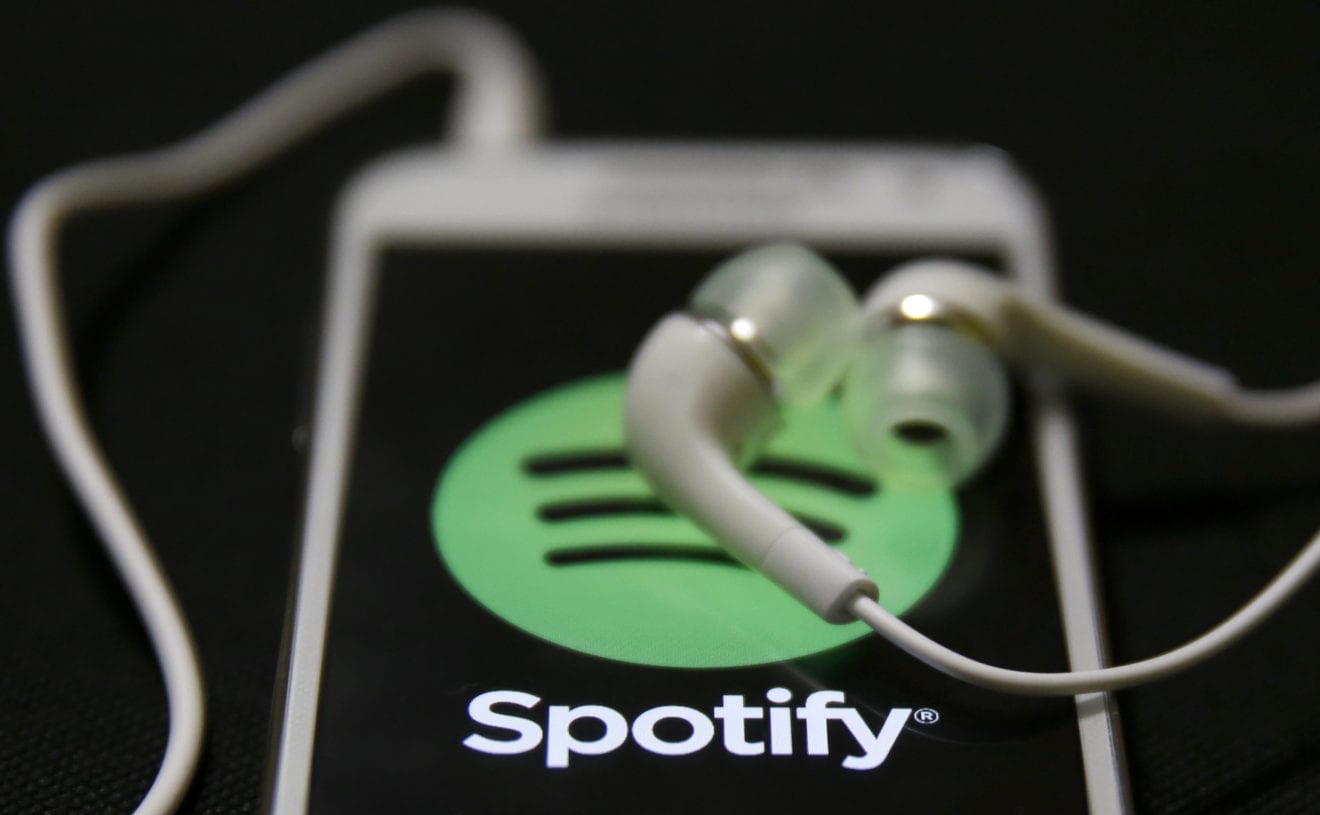
  • Spotify builds streaming lead at 60 million subscribers

    Spotify builds streaming lead at 60 million subscribers

    The Swedish company has more than double the base of nearest competitor Apple Music.

    Spotify said Monday that it had 60 million paying subscribers, expanding its lead in the fast-growing world of music streaming.

    The Swedish company has more than double the base of nearest competitor Apple Music, which in early June said it had 27 million subscribers.

    Apple Music, however, achieved its growth rapidly as it was launched only two years ago by the tech giant.

    Spotify — started in 2008 and available in 60 countries — gave the figure in its first update since March, when it had announced that it had 50 million subscribers.

    The company said in June that it had more than 140 million overall users — meaning most people listen on its free, advertising-backed tier, which is controversial with many artists.

    The next competitor to Spotify is Paris-based Deezer, which is especially strong in continental Europe and said in January 2016 that it had six million paying subscribers.

    Other streaming sites include rap mogul Jay-Z’s Tidal, a service launched last year by retail giant Amazon and early streaming site Rhapsody, which has rebranded itself as Napster.

    Most music industry watchers expect streaming to keep growing sharply, with the subscriber numbers a small fraction of the potential global market.

    Streaming has helped the music business chart two years of bumper growth after long stagnation, although artists often question how much of the money comes back to them.

  • Mi Hong Kong opens doors

    Chinese smartphone maker Xiaomi has opened its first retail store outside the Mainland.

    The Mi Hong Kong store – dubbed Mi Home – is a 270 sqm space inside Hollywood Plaza at 610 Nathan Rd in Mongkok.

    We say ‘space’ because the store was created as somewhere “just like home” – somewhere Mi owners, or prospective owners, would feel at home.

    As the images released by Xiaomi show it is a lot like an Apple store, but without the vast product range. Instead there are brightly coloured sofas and cushions and giant flat screen TVs.

    Hugo Barra, the former Google executive who is now VP of Xiaomi Global, promised last month Xiaomi would create “a service and store experience that feels just like home, we want a place that feels so comfortable you’re just happy to come and hang out”.

    As well as allowing customers to try out the handsets and compare models, the store has a service guarantee: customers can bring a phone in to be fixed and wait no longer than 19 minutes before being able to take it away.

    Xiaomi was launched in China in 2011 yet has already become the world’s third largest smartphone brand – and the largest in the mainland. Last year it sold 60 million handsets, almost all of them in Mainland China. Founder and CEO Lei Jun, China’s 23rd richest man, is now expanding the brand into other consumer electronics lines.

    And the company has begun what promises to be a relentless march abroad. As well as opening its flagship in Mongkok – almost certainly a test before the concept is rolled out elsewhere – it has started selling accessories like headphones online in the US and Europe.

    So far it is not selling handsets in either market, but Mi phones are finding their way into other markets via distributors and grey imports.

    Xiaomi launched its new Mi 4i handset in Hong Kong on May 12 at HK$1599 – a handset with a 5.5 inch screen and 15 megapixel forward camera, running Android. At the equivalent of US$206, it is a potential category killer once consumers grow to trust the Mi brand. An Apple iPhone 6 starts at $5588 (US$720). It is Xiaomi’s first phone developed for the global market.

    Xiaomi has a small network of 19 retail stores in Mainland China, dubbed Mi Homes and 541 service centres operated by partners in eight markets.

    To date most of its handsets are sold online and through a small group of retail partners in Hong Kong and India.

  • Tesla begins to deliver model for the masses

    Tesla begins to deliver model for the masses

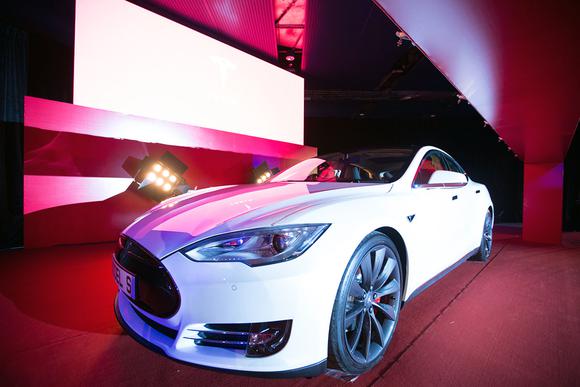
    Analysts have predicted that Tesla may be reshaping the future of the auto industry, like Apple did with the iPhone. Tesla began delivering on a dream to make an electric car for the masses, rolling out the first of its keenly-awaited “Model 3” cars, aiming to disrupt a world accustomed to automobiles powered by pollution-spewing fossil fuel.

    An initial batch of the ‘Model 3’ cars that rolled out of the Tesla plant in Fremont, California late Friday were given to customers, most of whom were employees of the company.

    Tesla founder and chief Elon Musk proclaimed it a great day for the company, saying the goal was to make a terrific electric car “that everyone can buy.” Musk starred in a ceremony at the plant delivering the first batch to their owners.

    “It’s the best car for its cost, either electric or gasoline,” he said.

    Production of the electric car aimed at the broader market — with a starting price of $35,000 — will ramp up quickly, according to Musk, with 100 in August and 1,500 or more in September.

    Tesla aims to produce 5,000 units of the Model 3 a week this year, and 10,000 units a week in 2018.

    Tesla already sells “S” and “X” model electric cars, but with a starting price of $80,000 they have been seen as wheels for the wealthy.

    The Model 3 silhouette resembles that of the Model S, but the new electric ride is smaller with a simpler design.

    The vehicle’s battery was designed to keep it going for “at least 215 miles” (345 kilometers) before needing to be recharged, according to Tesla. A battery with a longer range is available for more money.

    Musk has mentioned in Tesla earnings calls that while early models were packed with innovative engineering, they caused vexation on the assembly line.

    The Model 3, he said, was designed from the outset with mass production in mind to push down cost and crank cars out quickly.

    ‘Crucial step’

    More than a half-million customers have placed deposits to get on the waiting list for the Model 3, and anyone wanting one will have to wait at least until 2018.

    “Demand is not a challenge there,” Musk said, noting that most of the orders have been in the US.

    A big question for Tesla is whether it can ramp up production to meet demand and whether rivals will cut into the electric vehicle market.

    Like its predecessors, the Model 3 is fully electric and on-board computers can handle some driving tasks.

    Tesla referred to the arrival of the Model 3 as a “crucial step” in the company’s mission to speed the transition to renewable energy.

    Not long after Tesla was founded in 2003, Musk said the plan was to use money from high-end electric vehicles to create more affordable offerings to make the technology the new automotive norm.

    Cars powered by green energy are consistent with a concern for the environment seen in Musk’s other enterprises.

    Musk runs solar energy firm SolarCity, and is building rechargeable batteries to power homes as well as cars.

    His Boring Company is part of a vision for near-supersonic rail travel through low-pressure tubes that he laid out in a Hyperloop white paper he made open to other entrepreneurs.

    Combined sales of Model S and Model X vehicles in the first half of this year were estimated to tally from 47,000 to 50,000.

    With the Model 3, Tesla hopes to start cranking out hundreds of thousands of cars annually.

    The iPhone of cars?

    Success of the Model 3 could put in the rear-view mirror concerns about Tesla’s prospects for growth.

    So far, Musk’s strategy has paid off. Even though most major car makers sell electric vehicles, Tesla practically defines the category.

    The rush of pre-orders allowed Tesla to recently become the biggest US car company in terms of market capitalization, despite the fact that General Motors (GM) and Ford produce millions of cars per year and Tesla has yet to make a profit.

    While Tesla is scrambling to meet Model 3 demand, GM has temporarily halted production of its ‘Bolt’ electric car to eas ease inventories.

    Some analysts say that with the launch, Tesla may be reshaping the future of the auto industry. Gene Munster, analyst with the research firm Loup Ventures, argues that Tesla may do for the auto sector what Apple did for smartphones and electronics.

    “We believe we will eventually look back at the launch of the Model 3 and compare it to the iPhone, which proved to be the catalyst for the shift to mobile computing,” Munster said in a recent research note.

    Munster says Tesla will play a central role in “paradigm shifts” to electric and autonomous vehicles that could transform the sector.

  • HSBC profits up in first half of 2017

    HSBC profits up in first half of 2017

    The Asia-focused giant has been on a recovery drive over the past two years to streamline the business and slash costs, and has laid off tens of thousands of staff.

    HSBC said profits were up Monday in the first half of the year in what it called an “excellent” result after a turbulent 2016.

    Reported pre-tax profit for the six months to June rose five percent to $10.2 billion compared with $9.7 billion for the same period last year.

    HSBC also announced a share buyback of up to $2 billion, expected to be completed in the second half of the year.

    Shares were up 2.77 percent at HK$78.55 ($10.06) in early afternoon trading in Hong Kong Monday.

    The half-year results showed operating expenses dropped 12 percent to $16.4 billion, partly stemming from a sell-off of its Brazil operations.

    Chairman Douglas Flint described the performance as “extremely pleasing”.

    Flint said there were still uncertainties due to increasing geopolitical tensions and “ambiguous predictions” around Britain’s future relationship with the European Union post-Brexit, but described HSBC’s performance as resilient.

    Analysts said the results had outstripped predictions.

    “HSBC’s earnings are definitely better than market expectations,” said Dickie Wong of Hong Kong-based Kingston Securities.

    He described the firm as in “very good shape” after wide-ranging restructuring programmes following the global financial crisis in 2008.

    Net profit for the first half of the year rose 10 percent to $6.99 billion from $6.36 billion for the same period in 2016.

    Pre-tax profits for the second quarter rose $1.7 billion to $5.3 billion year on year, beating Bloomberg analysts’ estimates, which had averaged out at a $4.6 billion forecast.

    HSBC announced the appointment of a new chairman in March as part of a management overhaul that will also see it choose a new chief executive to replace Stuart Gulliver, following a massive drop in 2016 profits.

    British businessman Mark Tucker, currently group chief executive and president of insurance group AIA, will take over from Flint in October.

    Gulliver has said he will step down in 2018.

    Gulliver and Flint were grilled by British lawmakers in 2015 and apologised for “unacceptable” failings at HSBC’s Swiss division following allegations the unit helped rich clients hide billions of dollars from the taxman.

    HSBC was one of six major U.S. and European banks that were fined a total of $4.2 billion by global regulators in a November 2014 crackdown for attempted manipulation of the foreign exchange market.

    It was also fined $1.92 billion by U.S. prosecutors in 2012 to settle allegations that it failed to enforce anti-money laundering rules exposing it to exploitation by drug cartels and terrorist organisations.

  • QR-code payments could dominate mobile payments

    QR-code payments could dominate mobile payments

    QR-code payments have the potential to replace any other form of mobile payment according to new research.

    More than 1000 Chinese consumers and 60 decision-makers from global merchant companies were surveyed by mobile payments specialist Cancan and financial research company Kapronasia for the first global study covering the impact of Asian mobile POS payments worldwide.

    “Alipay and WeChat Pay, both based on QR code technology, are already dwarfing their Western counterparts tenfold with 750 million active users between them,” says Cancan MD Candice Koo.

    She says global merchants need to meet shoppers’ expectations regarding mobile payments. “Today that consumer is predominantly Chinese, but in year we could also be looking at Indians, Indonesians, Japanese and Koreans, who are already all following the Chinese trajectory.”

    “The rapid adoption of mobile payments by Chinese consumers domestically is well known, but not as much how they are using them abroad,” says Kapronasia director Zennon Kapron.

    The 2017 Mobile Payment Survey: Chinese Consumers Abroad investigates how mobile payments methods such as Alipay and WeChat Pay are shaping Chinese consumer expectations toward shopping outside of China. It also investigates global merchant preparation for this phenomenon.

    Key findings include:

    • Mainland Chinese consumers expect to spend more with mobile payments this year and next when travelling abroad, overriding the use of cash or credit cards
    • Nearly half of the consumers surveyed made between 10 and 30 per cent of their overseas shopping purchases with QR-code mobile payment methods; one-third paid for more than half their purchases in China with mobile
    • Fashion and cosmetics/skincare products are the categories most likely to attract mobile payment purchases
    • Consumers chose mobile payments for transaction convenience and the ability to track purchases in real time; they also appreciate not needing to carry cash and credit cards while travelling
    • More than a third of merchants who accept mobile payments say this payment method contributes to at least 3 per cent of their global sales, with some merchants experiencing a share as high as 25 per cent.

    The report says customer demand is driving merchant adoption of mobile payments, while merchants are attracted by the speed of mobile-payment transactions.

  • Samsung begins official distribution of Harman products

    Samsung begins official distribution of Harman products

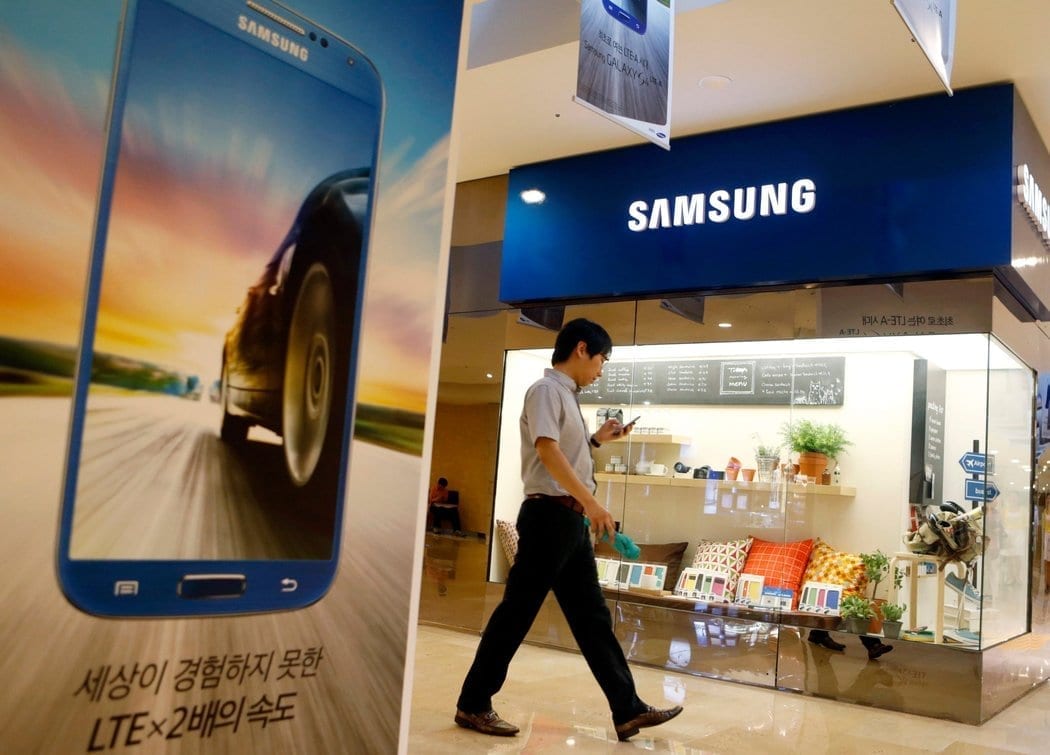
    Samsung Electronics will start selling Harman International’s consumer audio products from Tuesday through its local distribution channels, the company announced Monday.

    It is the first official business move since the South Korean tech titan completed its acquisition of the 70-year-old US-based audio system manufacturer for $8 billion in March.

    Samsung will officially release 40 speaker, earphone and headphone products under the Harman Kardon, JBL and AKG brands that represent strong audio systems through 30 Samsung Digital Plaza shops across the country, with a plan to gradually expand the distribution points.

    Within the year, Samsung plans to open exclusive Harman shops at multipurpose malls, providing consumers with better experiences of enjoying sound.

    Harman products have been sold here through Harman Korea with limited distribution channels that are now to be expanded through Samsung.

    After-sales services for the Harman products will be available through Samsung’s service centers nationwide, the company said.

    Samsung took over Harman that is also specialized in automotive electronics with an aim to expand into the transportation, retail, hospitality and education industries.

    While keeping Harman’s operations separately, Samsung said the two will team up for new projects in the aforementioned areas whenever necessary. On July 13, the two announced a collaborative theater project adopting Samsung’s light-emitting diode technology for cinema together with Harman’s JBL speakers at Lotte Cinema World Tower in Jamsil, southern Seoul.

  • Xiaomi announce US$1 billion loan to help with overseas expansion

    Xiaomi announce US$1 billion loan to help with overseas expansion

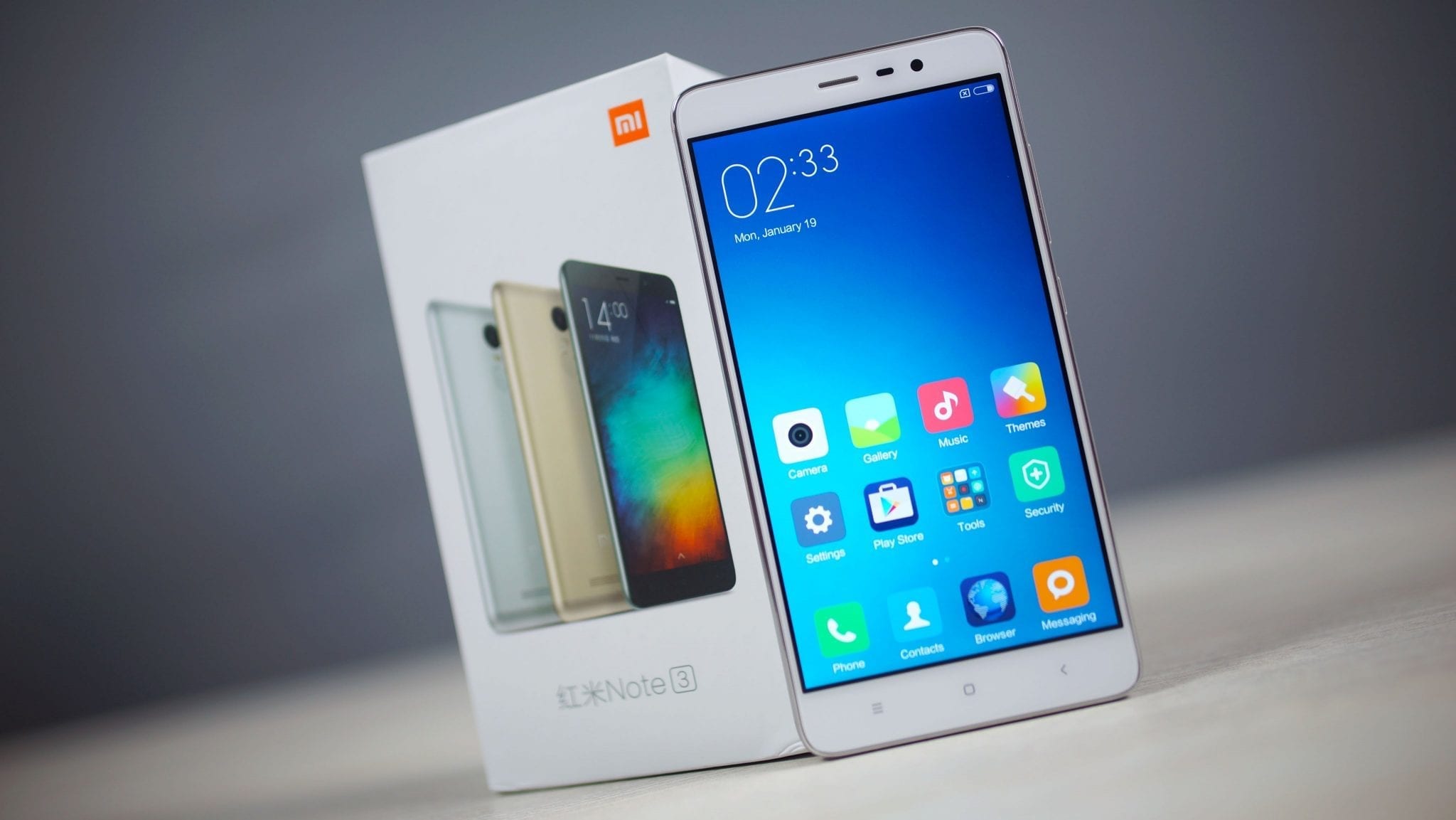
    Xiami announced today they will obtain a loan of US$1 billion over three years to aid overseas expansion and the improvement of distribution channels.

    It signed a syndicated loan agreement for US$1 billion over the next three years, with 18 banks including Bank of China, Deutsche Bank AG and Wing Lung Bank. Xiaomi previously secured a three-year term US$1 billion syndicated loan in 2014.

    Xiaomi Founder, Chairman and CEO Lei Jun, said that “new retail,” which is the integration of online and offline retail, as well as globalization, are the company’s top strategic areas for development, with the support of a syndicated loan.

    Xiaomi is among the top five smartphone brands in China, behind Huawei, Oppo, Vivo and Apple.

    In the second quarter, Xiaomi sold 23.16 million smartphones, marking a record high for quarterly smartphone sales. To date, Xiaomi has opened 149 Mi Home stores across China, with plans to open more in order to improve distribution channels.

  • AirAsia, Indonesian tourism ministry in joint marketing pact

    AirAsia, Indonesian tourism ministry in joint marketing pact

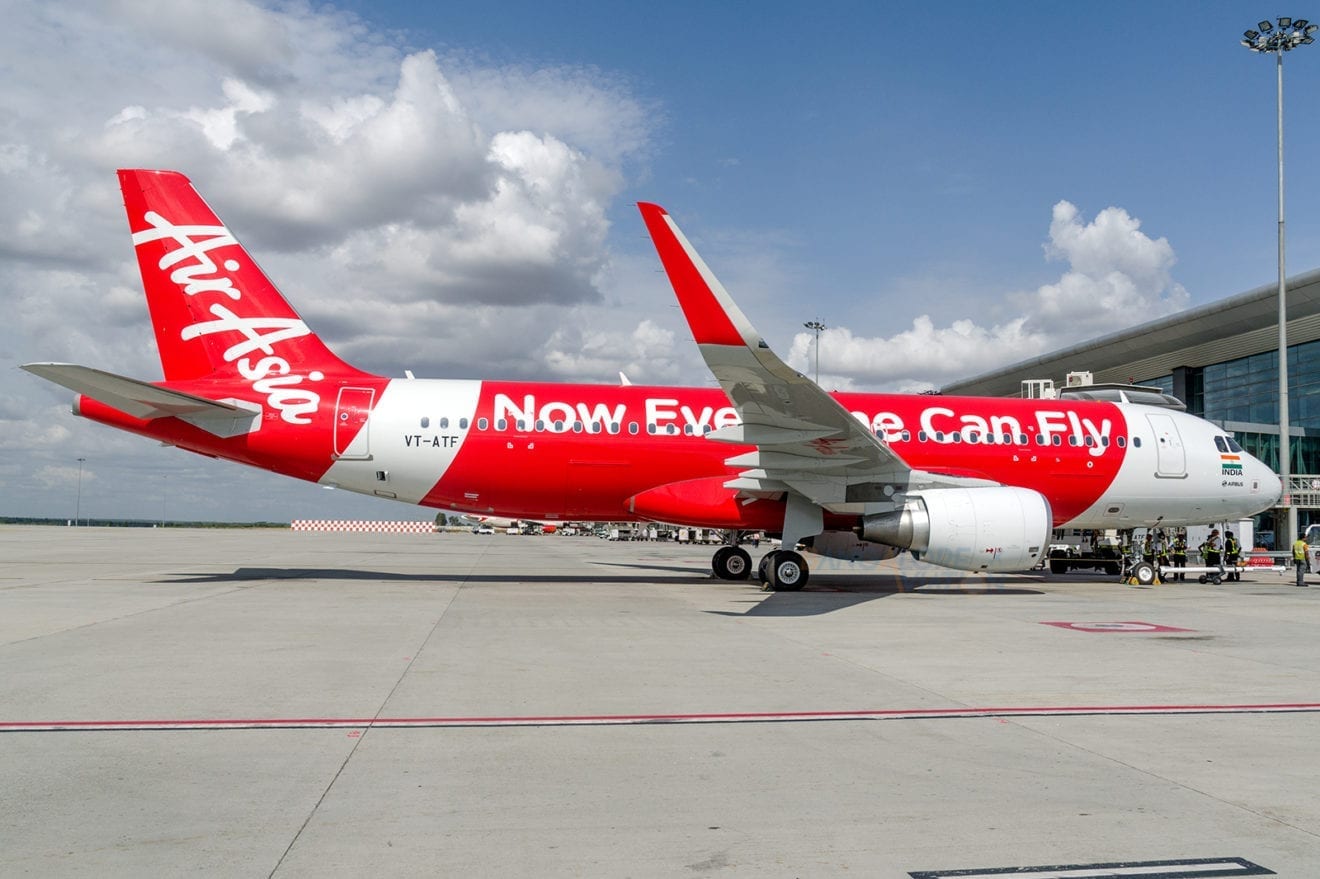
    Indonesia’s Ministry of Tourism and AirAsia have announced a collaboration in marketing in terms of brand advertising, promotional activities and activations across various touch points including, digital, print, radio, in-flight branding, consumer selling travel fair and more.

    The launch of the collaboration was held in Shah Alam, and was attended by Judi Rifajantoro, professional staff to the minister for tourism infrastructure, Indonesian Ministry of Tourism; Robert D. Waloni, senior adviser to the minister for air accessibility, Indonesian Ministry of Tourism; Aireen Omar, CEO of AirAsia Bhd; and Rifai Taberi, commercial director of Indonesia AirAsia.

    “Under the joint promotion for the media campaign, we hope AirAsia will cater more travellers to Indonesia and more people especially Malaysians can experience Indonesia thanks to AirAsia’s numerous routes. This is obviously part of a much broader agenda of collaboration with airlines and the community,” said Rifajantoro.

    Aireen said, “This partnership could not be more timely as we have been seeing a robust demand for Malaysia and Indonesia. In 2016, we have flown more than four million guests between both countries to contribute significantly to the tourist arrivals last year and this is only a fraction of the great potential we can achieve.

    “We look forward to this commitment with the Ministry of Tourism Republic of Indonesia and we are confident that we can further increase more tourist traffic and income for both countries.”

    AirAsia connects Malaysia with Indonesia with more than 350 times weekly flights to 15 different cities such as Banda Aceh, Bandung, Bali, Jakarta, Lombok, Medan, Pekanbaru, Palembang, Padang, Pontianak, Semarang, Solo, Surabaya, Makassar, and Yogyakarta.

    The airline recently added more frequencies to several routes in Indonesia and has launched direct flights from Kuching, Sarawak, to Pontianak.

    In conjunction with the partnership, AirAsia is offering promotional fares for flights into Indonesia, starting from RM79, for bookings made from yesterday until Sunday, for immediate travel until Feb 25, 2018.

  • Delayed launch for Pablo Singapore

    Delayed launch for Pablo Singapore

    After a delayed launch, cheese-tart chain Pablo Singapore is set to open in Wisma Atria in the next couple of weeks.

    The Japanese brand had originally been scheduled to open this month.

    On sale will be the chain’s signature 15cm-wide tarts, plus two other flavours – the matcha cheese tart with shiratama mochi and azuki or red beans, and the chocolate cheese tart.

    As in other overseas outlets of Pablo, the “medium” version of the tart will be offered (in Japan, diners can also order a “rare” version that oozes molten cheese filling when sliced).

    There will also be a crustless premium cheese tart with a caramel glaze topping, inspired by creme brulee. Later this year mini-tarts will be added to the menu.

    With 78 seats, the cafe will occupy a 1400 sqft (130 sqm) space on the first level of Wisma Atria, formerly occupied by Omakase Burger.

    Pablo is being brought in by Caerus Holdings, which runs New York confectionery chain Lady M in Orchard Central, Westgate mall and South Beach Avenue.

  • HAWKR launches healthy ‘grab-and-go’ in heart of Quarray Bay

    HAWKR launches healthy ‘grab-and-go’ in heart of Quarray Bay

    Using the freshest ingredients and authentic flavours, HAWKR has reconceived Southeast Asian favourites for grab-and-go eating. Curries, soup noodle pots, Vietnamese and Thai baguettes and wraps, healthy breakfasts, bespoke HAWKR juices and tailored, house-blend coffees are on the menu at HAWKR’s new outlet in Quarry Bay.

    Inspired by the hawker food centres of Southeast Asia, serving a variety of regional dishes, HAWKR is newly opened on the ground floor of 36 Hoi Kwong Street, on the corner of Tong Chong Street and opposite the commercial complex of Taikoo Place.

    The contemporary grab-and-go takes on the region’s vibrant food culture from Singapore and Malaysia to Vietnam, Myanmar, Thailand and Indonesia, and brings an innovative and much needed takeaway concept to Hong Kong’s culinary scene.

    In partnership with the founder of Myanmar based lifestyle concept Pun+Projects and restaurateur, Ivan Pun, and consumer private equity professional Jake Astor, pop-up dining and private kitchen chef Mina Park’s nutritious, fresh take on Southeast Asian street food is appealing to time-pressed young professionals and office workers amid the commercial mini-metropolis of Taikoo Place.

    Each dish has been conceived by Mina using the freshest ingredients and HAWKR’s own recipes. No MSG, artificial flavours or preservatives are used in any of the menu items.

    The day-long menu starts with light breakfasts including healthy superfood sabja and chia seed puddings, with fresh fruit, yoghurts and pastries.

    HAWKR is also standing out from the ‘grab-and-go’ crowd by developing its own bespoke coffee blends using only the highest quality beans. Each blend, developed by their resident barista, has an Indonesian coffee base, as well as a mixture of other beans, including Ethiopian and Brazilian.

    HAWKR’s beans are roasted to order by local artisan roaster, Happy Bean Roastery.

    HAWKR avoids MSG and artificial flavouring, and strives to use only ingredients that “we would feel comfortable eating ourselves every day,” said Mina Park.

    “We have worked hard to create dishes that highlight the flavours of Southeast Asia and incorporate the gorgeous herbs and spices that I love.”

  • IoT and transformation driving ITOM investment

    IoT and transformation driving ITOM investment

    The growth of digital business and the IoT will drive large investment in IT operations management (ITOM) through 2020, Gartner has predicted.

    Organizations are moving towards ITOM open-source software (OSS), and a primary driver of this transition is the promise of a lower total cost of ownership, the research firm said.

    “While acceptance of OSS ITOM is increasing, traditional closed-source ITOM software still has the biggest budget allocation today. Moreover, complexity and governance issues that face users of OSS ITOM tools cannot be ignored. In fact, these issues open up opportunities for ITOM vendors. Even vendors that are late to market with ITOM functionality can compete in this area,” Gartner research director Laurie Wurster said.

    Gartner believes many enterprises will turn to managed ITOM or ITOM as a service (ITOMaaS) enabled by open-source technologies and provided by a third party. With OSS, vendors can provide more cost-effective and readily available ITOM functions in a scaled manner through the cloud.

    Through 2020, public cloud and managed services are expected to be leveraged more often forITOM tools, which will drive growth of the subscription business model for both cloud and on-premises ITOM.

    However, on-premises deployments will still be the most common delivery method. This imposes multiple challenges to incumbent ITOM vendors. First, those vendors that do not offer a cloud delivery model will face continuous cannibalization from ITOM vendors that can deliver ITOM through both cloud and on-premises.

    Second, platform vendors, such as Microsoft Azure and Amazon Web Services (AWS), are providing some native ITOM functionalities on their public clouds. Customers that are running workloads solely on these platforms may prefer these native features. There are also “hybrid” requirements for ITOM tools that can seamlessly manage both cloud and on-premises environments.

  • Alexander McQueen opens new store at Elements

    Alexander McQueen opens new store at Elements

    Alexander McQueen shows a world that is both classic and contemporary, familiar and subversive at its new retail store at Elements in Tsim sha Tsui.

    Creative director Sarah Burton partnered with David Collins Studio to design the store, which highlights nude and black colours with accents of aged and polished brass.

    Bookmatched Calacatta Oro marble is used to create a stunning marble feature wall in the shop front while pink onyx frames the collection with bold architectural backdrops.

    A selection of special commissions and mid-century-inspired furniture are curated within the store, including armchairs upholstered in antique blush and black.

    Alexander McQueen stores can also be found at Sogo Department Store in Causeway Bay and Landmark Atrium in Central.