Tag: asia

  • Vietnam’s 4G population coverage hits 95%

    Vietnam’s 4G population coverage hits 95%

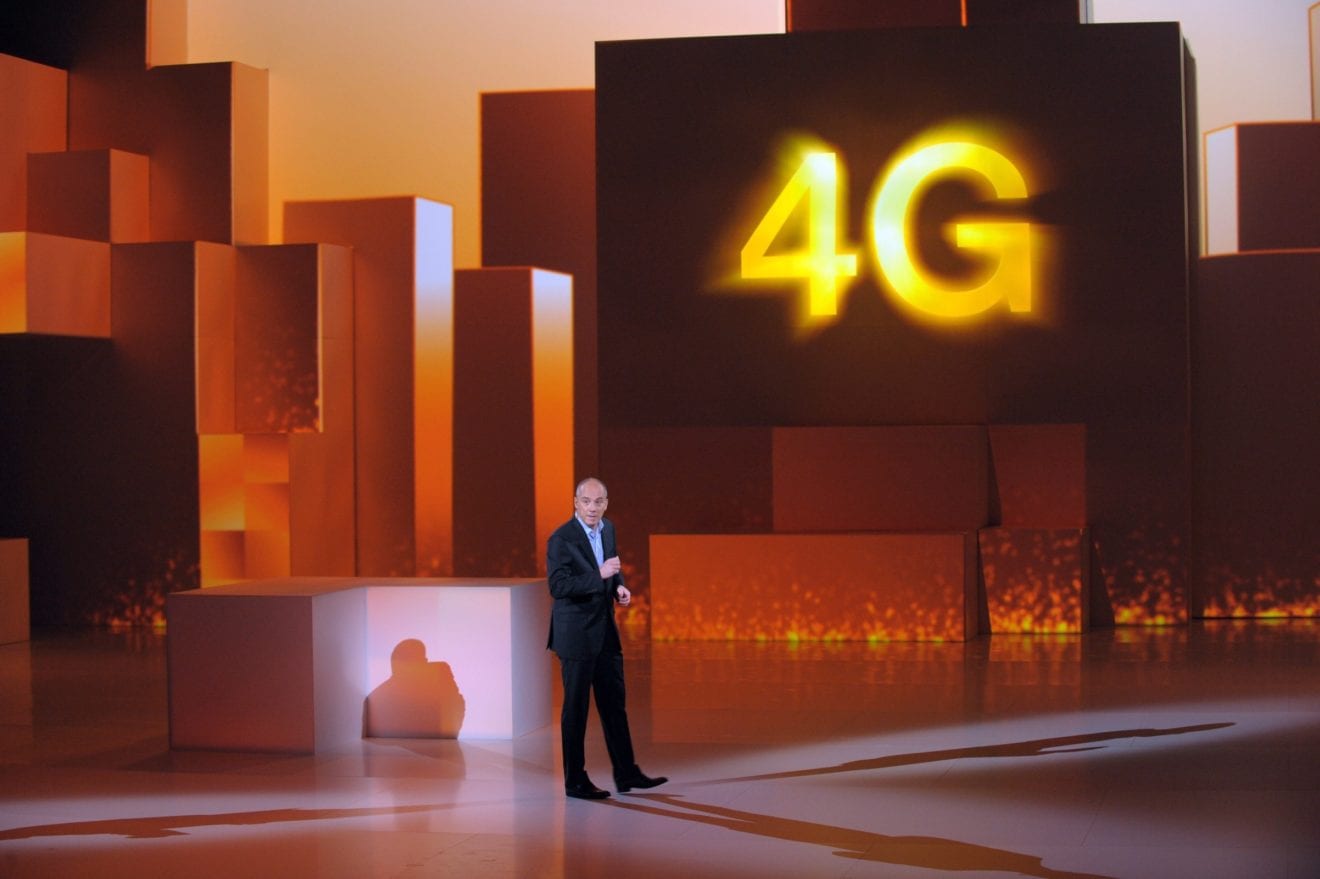
    Vietnam’s 4G networks now cover 95% of the nation’s population, attendees to the 4G LTE 2017 International Conference learned.

    The conference, organized by the Vietnam Internet Association and IDG Vietnam, was told that around 43,000 4G base stations have now been deployed nationwide.

    Vietnam issued 4G licenses in the 1800-MHz and 2600-MHz band last year. There are now four 4G licensees in Vietnam – Viettel, Vinaphone, MobiFone, and Gmobile – with the first three of these having launched services.

    Speaking at the event, deputy minister for information and communications Pham Hong Hai called on operators to launch 4G network to create opportunities for explosive growth in 4G services.

    He said the arrival of the 4G era in Vietnam will also create opportunities in fields including the IoT and smart cities.

  • Amazon confirms first Aussie fulfilment centre

    Amazon confirms first Aussie fulfilment centre

    Online retail giant Amazon will open its first Australian distribution warehouse in Melbourne’s south eastern suburbs, in a move the company says will create hundreds of jobs.

    Amazon has announced it will open a 24,000 square metre fulfilment centre in Dandenong South at the M2 industrial park.

    The company’s Australian director of operations Robert Bruce said “this is just the start” for Amazon.

    “Over time, we will bring thousands of new jobs to Australia and millions of dollars of investment as well as opening up the opportunity for thousands of Australian businesses to sell at home and abroad through Amazon Marketplace,” he said.

    He promised hundreds of thousands of products would be stocked at the new warehouse at low prices for Australian consumers.

    The new centre is located in the Pellicano’s M2 Industry Park in Dandenong South, which Amazon said provides easy access to the South Gippsland Highway, Monash Highway and Eastlink. The building is also in close proximity to a wide range of amenities for employees. The lease of the centre was facilitated by CBRE’s Industrial & Logistics business.

    Victorian Industry Minister Wade Noonan said it was the latest global company to choose the state for its Australian operations.

    “The company’s decision to locate its centre in Dandenong South will create hundreds of local jobs and open up retail opportunities for thousands of local businesses,” Noonan said.

    The international giant has already started to recruit staff including operations managers, pickers, packers, systems technicians and HR specialist.

    The company already has 1000 employees in Australia.

    Recently, Amazon reported a jump in retail sales but its profits took a big hit as the e-commerce giant continues investing in a number of costly areas, including video, fulfilment centers and international expansion within fast-growing economies such as India.

    The world’s largest online retailer has reported a 77 per cent slump in quarterly income and forecast a potential operating loss in the current quarter, $US300 million ($A376 million) to a loss of $400 million.

    Nine in ten Australians said they will purchase from Amazon Australia if it delivers on its lofty promises, according to a study commissioned by parcel delivery service, CouriersPlease.

    The results of an independent survey of 1,001 Australian adults who have shopped online at least three times in the last six months showed 90 per cent of Australian online shoppers think they will purchase from the e-commerce giant if it fulfils its promise to deliver low prices, vast selection and fast delivery.

    However, other research from finder.com.au says Australians are showing mixed reactions to the arrival of retail giant Amazon in Australia.

    According to finder’s research, half of the population, about 47 per cent, indicated they are excited about the retailer coming to Australia, hanging out for cheaper deals, a bigger range of products and fast delivery.

    But 53 per cent aren’t so keen, preferring to shop at brick and mortar stores, or worried about its impact on local business.

    Bessie Hassan, money expert at finder.com.au, said while Amazon appeals to many shoppers, some would take some convincing.

    “While it is certainly grabbing a lot of headlines in Australia, Amazon needs to prove what all the fuss is about before most consumers will change their buying habits,” Hassan said.

    Euromonitor senior research analyst, Bettina Kurnik, said Amazon watchers have had a busy month, ever since the global e-commerce giant announced its planned acquisition of US grocer Whole Foods. Yet the developments are not restricted to the company’s domestic market, and news of its aggressive expansion globally spans across the Asia-Pacific region.

    “Amazon’s launch in Singapore, for instance, was much publicised due to its offering Prime Now two-hour delivery on all purchases, and having to enlist the services of taxi, Uber and Grab drivers to make good on the promise,” she said. Meanwhile Amazon India has just announced that it will set up three more fulfilment centres, taking the total number of such facilities within the country to 41 by October 2017.

    “With the confirmation that Amazon is setting up a fulfilment centre in Dandenong South we can add Australia to that list, hopefully ending the speculation around the company’s arrival to Australian shores and providing a more concrete vision of what’s in store for Australian retailers in the near future.”

  • Under Armour Asia sales skyrocket

    Under Armour Asia sales skyrocket

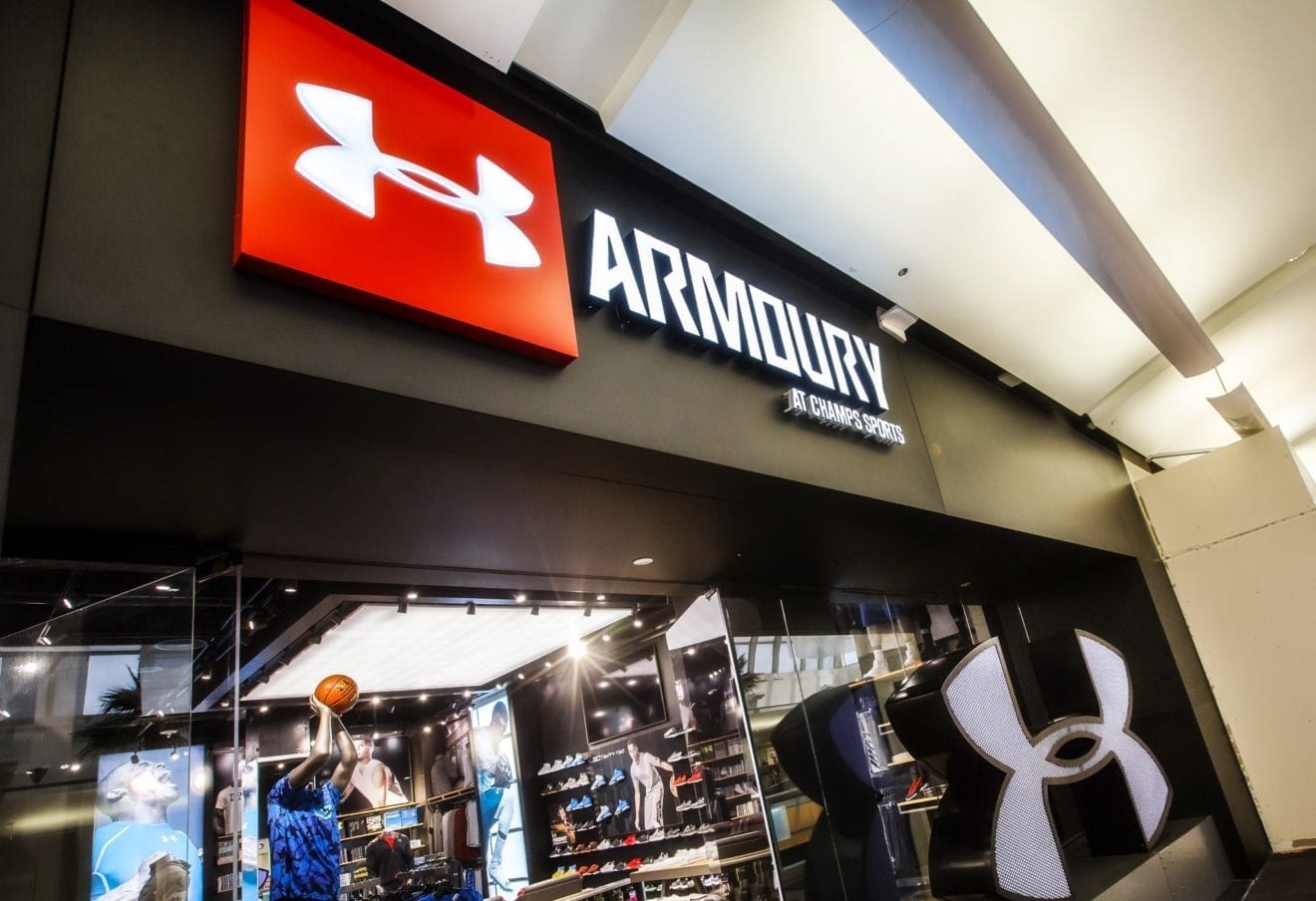
    Under Armour Asia sales soared 89 per cent in the latest quarter to US$93.6 million as Chinese continued to embrace the sports brand.

    Profit in the region rose an equally spectacular 53.8 per cent to $15.2 million.

    The US-headquartered sportswear company said the Asian regional performance was driven by China, Taiwan and Korea as it continued to resonate with consumers in key categories such as basketball and running.

    But the Under Armour Asia results were a bright spot in an otherwise disappointing quarter which ended with the company downgrading its sales and profit expectations and announcing a restructure which will reduce its workforce by 277, or about 2 per cent. Investors responded by punishing the company’s share price, which fell 10.4 per cent on Tuesday.

    Ironically, the second-quarter sales results were actually better than Wall Street had expected – it was a surprise decline in the footwear category and the decrease in growth projection for the full year from between 11 and 12 per cent to between 9 and 11 per cent which gave the market the jitters. Under Armour had previously targeted $10 billion in annual sales by 2020 – a huge increase from last year’s $4.8 billion.

    “We enjoyed hyper-growth for several years and I want to be clear we still believe we’re a growth company,” CEO Kevin Plank told analysts on a conference call, describing the layoffs and restructuring program as “a demonstrative sign that we’re not standing still, but acting quickly to evolve Under Armour to become a stronger, faster and smarter company”.

    “Some of the growing pains that we feel, while difficult, are the ones we believe necessary in securing the infrastructure, systems, processes, leadership and discipline to realise the full strength and potential of the Under Armour brand. Reinforcing and building the Under Armour brand remains a vision for our company, and we’re in this fight. We’ve got a couple of competitors in front of us, there’s a number behind us, and you’ll see us continue to separate ourselves as we move forward in building the brand that we believe is the brand of the future.”

    Total second quarter sales rose 8.7 per cent to $1.1 billion. Gross margin declined 190 basis points to 45.8 per cent, hit by currency rates, rising air freight costs and the implementation of a new enterprise resource planning system. The company posted a net loss of $12.3 million, significantly lower than the $52.7 million loss of the same quarter last year.

    Regionally, North America sales rose a mere 0.3 per cent and Latin America by 10.4 per cent. Total revenues outside the US rose 57 per cent.

  • Despite Snapdeal Setback, SoftBank May Invest $2 Billion In Flipkart

    Despite Snapdeal Setback, SoftBank May Invest $2 Billion In Flipkart

    SoftBank Group is still in talks to invest in Flipkart – despite the collapse of discussions to fold a smaller rival into India’s largest e-commerce site – but it would do so through its Vision Fund, according to sources familiar with the matter.

    SoftBank, already invested in Indian online grocer Grofers and cab hailing firm Ola, tried for months to engineer a share swap transaction between Snapdeal and Flipkart, India’s two main homegrown e-commerce companies.

    That deal would have given SoftBank, as Snapdeal’s largest shareholder, a significant stake in Flipkart – but it was scuppered on Monday, in the face of opposition from Snapdeal’s founders, Kunal Bahl and Rohit Bansal.

    Three sources, who declined to be identified as the discussions were private, said SoftBank founder Masayoshi Son was still eager to invest in Flipkart through his Vision Fund, in which Saudi Arabia is also a major stakeholder.

    The Vision Fund’s planned investment is not dependent on a deal between Snapdeal and Flipkart, one of the sources said.
    Flipkart, the most significant Indian challenger to US retail giant Amazon’s ambitions in the country, declined to comment on the matter.

    A spokeswoman for SoftBank said the Vision Fund “follows an independent process and judges every investment on its own merit”. Snapdeal also declined to comment.

    Bloomberg reported earlier on Tuesday that the fund could invest up to $2 billion in Flipkart.

    The Vision Fund, created by the tech-to-solar conglomerate, has raised more than $93 billion from investors including Saudi Arabia’s main sovereign wealth fund and Apple.

  • New Zealands’s ComCom to review $2b mobile market

    New Zealands’s ComCom to review $2b mobile market

    New Zealand’s Commerce Commission has agreed to launch a review of the nation’s NZ$2.7 billion ($2 billion) mobile market in the coming year.

    The competition regulator has been asked by New Zealand telecommunications commissioner Simon Bridges to evaluate why there are relatively few MVNOs in the market.

    Bridges has encouraged the regulator to investigate whether competition in New Zealand’s mobile sector is working effectively.

    According to the report, the commission is currently considering the scope of the review, which will be determined in consultation with operators.

    While New Zealand has three mobile operators – Spark, Vodafone New Zealand and 2degrees – MVNOs form a less important part of the mobile ecosystem than in other markets, Bridges argued.

    But mobile operators have questioned the need for a review, stating that competition is already working effectively.

    The commission already conducts annual benchmarking of prices and services in the mobile market against international averages.

    The most recent report found that prices for bundled voice, SMS and data packages are below the average from other OECD countries, but data-only offerings are comparably expensive.

  • Vietjet Generated USD84.7 million Group Profit before Tax in 1H2017

    Vietjet Generated USD84.7 million Group Profit before Tax in 1H2017

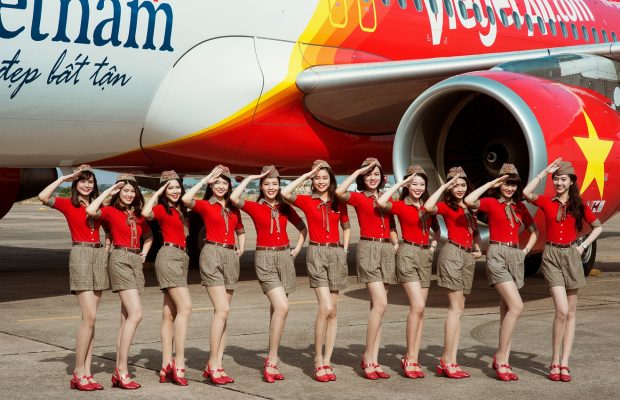
    Following its 1H2017 unaudited separated financial statements released last week, Vietjet Aviation Joint Stock Company (HOSE code: VJC) has released its unaudited group financial statements for 1H2017, charting surpassed growth in targets as compared to the same period last year.

    Accordingly, overall revenue for 1H2017 stood at USD730.7 million, an increase of around 31 per cent compared to the previous period. Revenue in 2Q2017 on the other hand reached USD503.0 million, an increase of 89 per cent year-on-year.

    The group profit before tax in the second quarter was USD66.1 million while the group profit before tax in the first half of 2017 stood at USD 84.7 million, a 44.7 per cent increase year-on-year.

    Moreover, the growth in passenger carriage on international routes increased by nearly 130 per cent, making it the main driving force behind the quarter growth. Also, revenue in aviation carriage in 1H2017 stood at USD478.9 million, an increase of 45.1 per cent compared to the same period last year. The company’s profit before tax from aviation carriage reached over USD48.6 million, an increase of 46 per cent year-on-year.

    In 2Q2017, Vietjet received five more brand-new A321 aircraft from Airbus, generating USD250.6 million in revenue from aircraft sales. As of 30 June 2017, Vietjet’s total assets were USD1.13 billion, a 50.8 percent increase; while owners’ equity reached USD355.04 million, an increase of 130 per cent year-on-year.

    The airline also successfully optimised its operation costs as its cost of Available Seat-Kilometer excluding fuel (CASK ex-fuel) continued to decrease to 2.23 US cents compared to 2.43 US cents in the same period last year. Furthermore, the Revenue per Available Seat-Kilometer (RASK) increased from 4.29 US cents to 4.42 US cents. This puts Vietjet among the most efficient carriers in the world.

    As of 30 June 2017, Vietjet operated 30 A320 aircraft and 15 A321 aircraft on 73 domestic and international routes, an increase of 13 routes compared to that of 31 December 2016.This is equivalent to an increase of 37.7 per cent year-on-year, an achievement of the year’s target by 110.6 per cent

    The airline conducted a total of 49,151 flights with 8.27 million passengers, charting an average load factor of around 88 per cent and an increase of 22.4 per cent year-on-year. Vietjet also recorded a technical reliability rate of 99.55% and on-time performance rate of 85.7%. Other index rates for operation safety, technical operations and ground operations were among the highest in the Asia-Pacific region.

    Vietjet also broke ground for the construction of the Vietjet Aviation Academy in the Saigon Hi-Tech Park in District 9, Ho Chi Minh City, Vietnam. The first element of the academy – the full flight simulator is expected to be operational in the next 12 months.

    On July 25, Vietjet and Japan Airlines (JAL) reached a formal comprehensive partnership agreement with the aim of improving customer convenience and operations and service quality while enhancing the corporate value of both companies.

  • Korean convenience store chain GS25 to enter Vietnam

    Korean convenience store chain GS25 to enter Vietnam

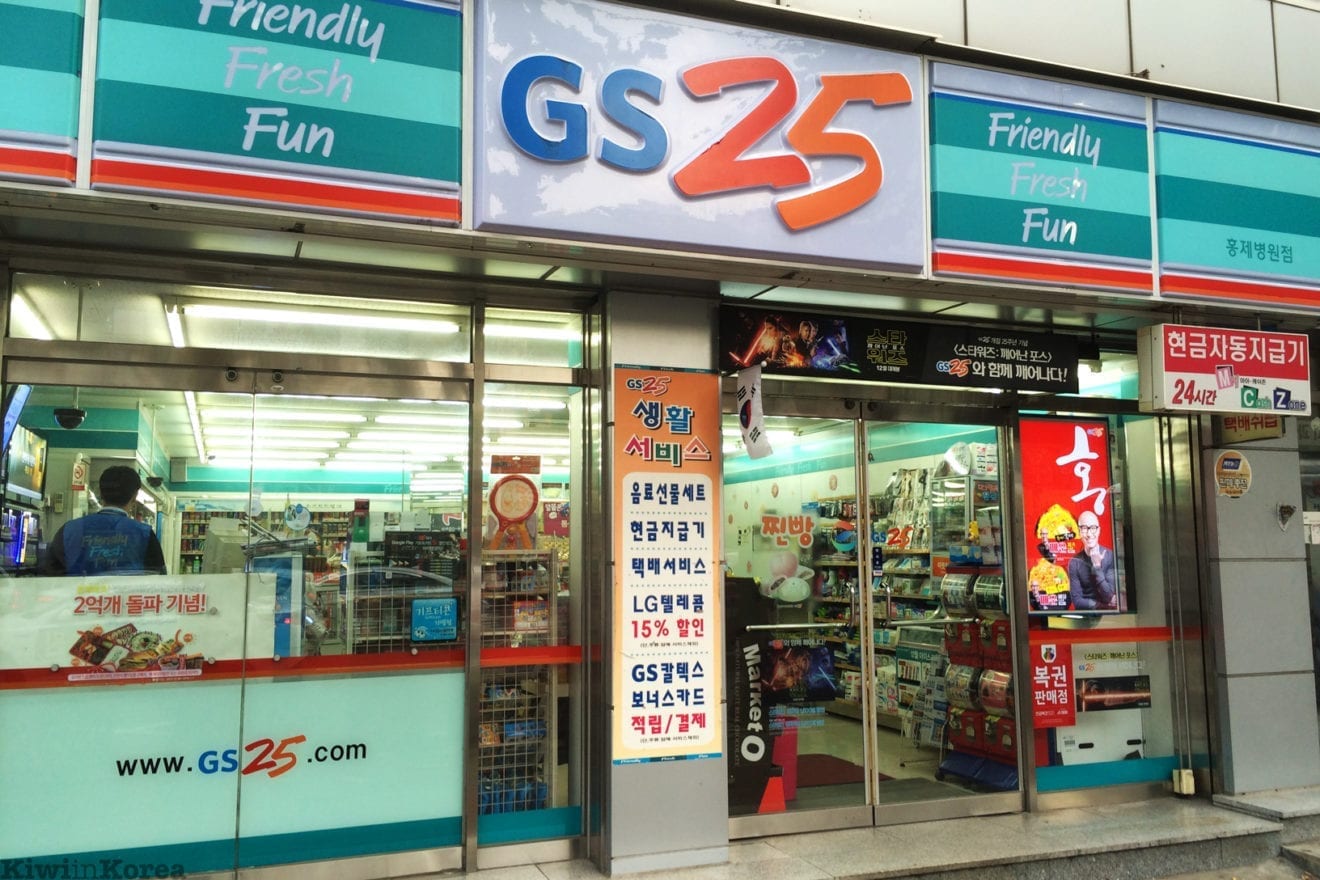
    South Korea’s GS25 convenience store chain is about to make its Vietnam debut after forming a joint venture with Son Kim Group.

    Vietnam will be GS25’s parent GS Retail’s first foreign market, with the first store scheduled to open before the year ends.

    “We received requests from many countries, including China and other Southeast Asian countries, to export our brand,” a GS Retail spokesman said.

    “After months of research, we concluded that Vietnam had the largest potential for growth.”

    GS Retail, holds 30 per cent of the JV, will sign a master franchise agreement with the JV later to receive royalties on trademark rights and operation.

    GS Retail and Son Kim worked together on Vietnam’s VGS home shopping in the past.

    Vietnam’s large population and rising consumer spending have encouraged a number of international convenience stores to come.

    In June, 7-Eleven stepped into the market and now has four locations in Ho Chi Minh City.

  • Saint Laurent China signs up with Farfetch

    Saint Laurent China signs up with Farfetch

    Saint Laurent China is forming an e-commerce partnership with online fashion retailer Farfetch.

    The French fashion house’s merchandise will be sold on a new online platform set up by Farfetch in a JV with JD.com, says Saint Laurent CEO Francesca Bellettini.

    Farfetch’s partnership with JD.com has helped ease concerns about knockoffs, says Belletiini. “Protecting the brand from counterfeiting is fundamental for Saint Laurent.”

    She says Saint Laurent’s sales to Chinese consumers have surged in recent years despite a slowdown in the global luxury market.

    Kering, which owns Saint Laurent as well as other brands including Gucci, last week reported a sharp rise in sales across Asia, particularly in Mainland China. Saint Laurent has 18 stores in China, mainly in Beijing and Shanghai. Bellettini says the online sales push will help the brand reach customers in smaller cities without the risk of overexpansion.

    Saint Laurent is pledging same-day delivery in Beijing and Shanghai as well as Hong Kong. From October, the brand aims to offer delivery within 90 minutes in those three cities.

    In New York City in 2015, Kering sued Alibaba, claiming the firm was conspiring with Chinese manufacturers to produce and sell counterfeit versions of its brands. Alibaba has denied the accusations, and a judge dismissed part of the complaint 12 months ago.

  • Mixed half-year for Salvatore Ferragamo Group

    Mixed half-year for Salvatore Ferragamo Group

    While retail revenue rose, net profit fell 15.4 per cent for Italian luxury goods company Salvatore Ferragamo Group for its first half to the end of June.

    Retail revenue was up 4.7 per cent, offset by a 4.7 per cent drop in wholesale revenue because of destocking activity.

    Revenues reached €718 million (US$848 million), up 1.1 per cent year on year, yielding a net profit of €76 million compared to €90 million for the same period last year. Revenue growth at constant exchange rates was 0.1 per cent.

    Led by China, Asia Pacific was the group’s top market in terms of revenues, increasing by 6.1 per cent (4 per cent at constant exchange rates), despite a soft trend in South Korea mainly because of a significant drop in the number of Chinese tourists, and a still negative performance in Hong Kong in particular.

    China’s retail revenues grew 12.2 per cent (15.5 per cent at constant exchange rates) for the half-year.

    In Japan, the company’s sales fell 3.4 per cent (3.5 per cent at constant exchange rates) because of a strategic rationalisation of the wholesale channel. Retail stores had a positive performance.

  • Debt deal secures Oroton funds extension

    Debt deal secures Oroton funds extension

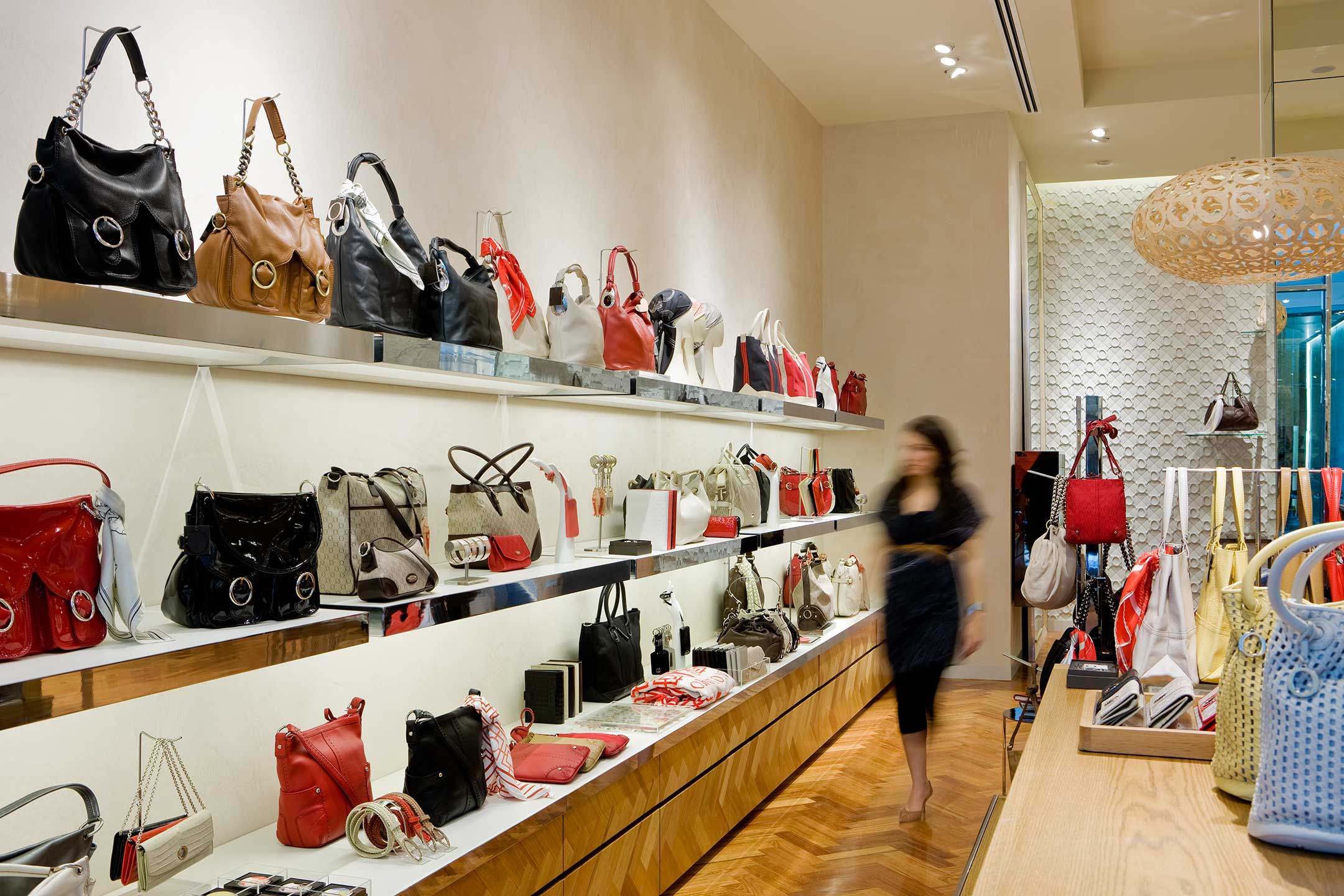
    Troubled luxury handbag retailer Oroton has secured a six month extension of a $35 million finance package with Westpac in a deal that could result in a major shareholder controlling the company’s debt.

    Oroton’s former director Will Vicars, a fund manager who holds an 18.2 per cent stake in the retailer, and Westpac have agreed on a put and call arrangement that extends the maturity date of the debt by six months to October, 2018.

    The call option enables Vicars Entities to purchase all of the Westpac debt any time until one month after April 16, 2018, while the put would allow Westpac to transfer a $20 million working capital component of the facility to Vicars if there is a default.

    The funds will be used in the lead up to Christmas and post-Christmas sales amid Oroton’s ongoing sales slump, with the retailer’s revenue down 11 per cent in the nine months to April 30.

    In a trading update to the ASX on Tuesday, Oroton said the arrangements with Westpac and Vicars Entities will not stop it from pursuing other corporate or financing arrangements.

    “Oroton Group has had commercial-in-confidence discussions with numerous substantial shareholders gauging their interest in providing a measure of credit support to Westpac in order to secure the continuation of the company’s facilities,” the company said in a statement.

    The statement thanked Mr Vicars for his ongoing support, which included a $3 million line of credit to Oroton which expired, without being used, on July 31.

    Vicars resigned from Oroton’s board in May, saying he wanted to reduce the number of his directorships.

    Oroton has reaffirmed its previous guidance for underlying full-year earnings before interest, taxes, depreciation and amortisation of $2 million to $3 million.

    However, it said the group’s net debt was forecast to be about $6 million, down from its previous guidance of $10 million, with the improvement largely due to the timing of tax payment refunds.av

  • Venture gears up to field test self-driving delivery robot

    Venture gears up to field test self-driving delivery robot

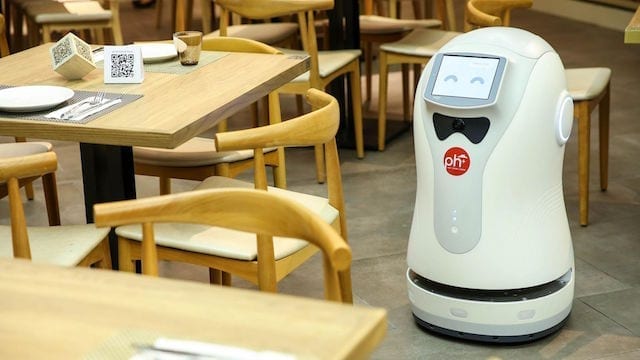
    Tokyo-based venture ZMP Inc. may begin field testing a self-driving delivery robot in August intended as an alternative to aerial delivery drones as Japan grapples with a growing labor shortage.

    The box-shaped CarriRo Delivery robot, which is 133 cm long and 109 cm high, is designed to run on sidewalks and carry loads of up to 100 kg, ZMP said.

    “Our delivery robot is more suitable than drones when it comes to delivering heavy products like food items,” said ZMP Chief Executive Officer Hisashi Taniguchi.

    The company has teamed up with sushi delivery firm Ride On Express Co. to test a prototype of the autonomous vehicle on private property.

    The robot, which is equipped with cameras and sensors and can steer itself at a maximum speed of 6 kph, selects delivery routes on its own using a pre-loaded map. It can be controlled remotely when needed, according to ZMP, which is also developing self-driving car technologies.

    Customers can unlock the robot’s cargo hold using a code sent to their smartphones.

    While looking to improve the robot’s features, including climate management in the cargo hold, ZMP and its partners will urge the government to make regulatory changes that allow the robot to be tested on public roads.

    ZMP hopes the CarriRo Delivery robot will be treated similarly to electric scooters used by the elderly.

    Domino’s Pizza Enterprises Ltd. began testing an autonomous delivery robot in Australia last year, while companies like Amazon.com Inc. and Rakuten Inc. are seeking to commercialize drones for door-to-door parcel deliveries.

  • Beijing leads the way for China’s cashless generation

    Beijing leads the way for China’s cashless generation

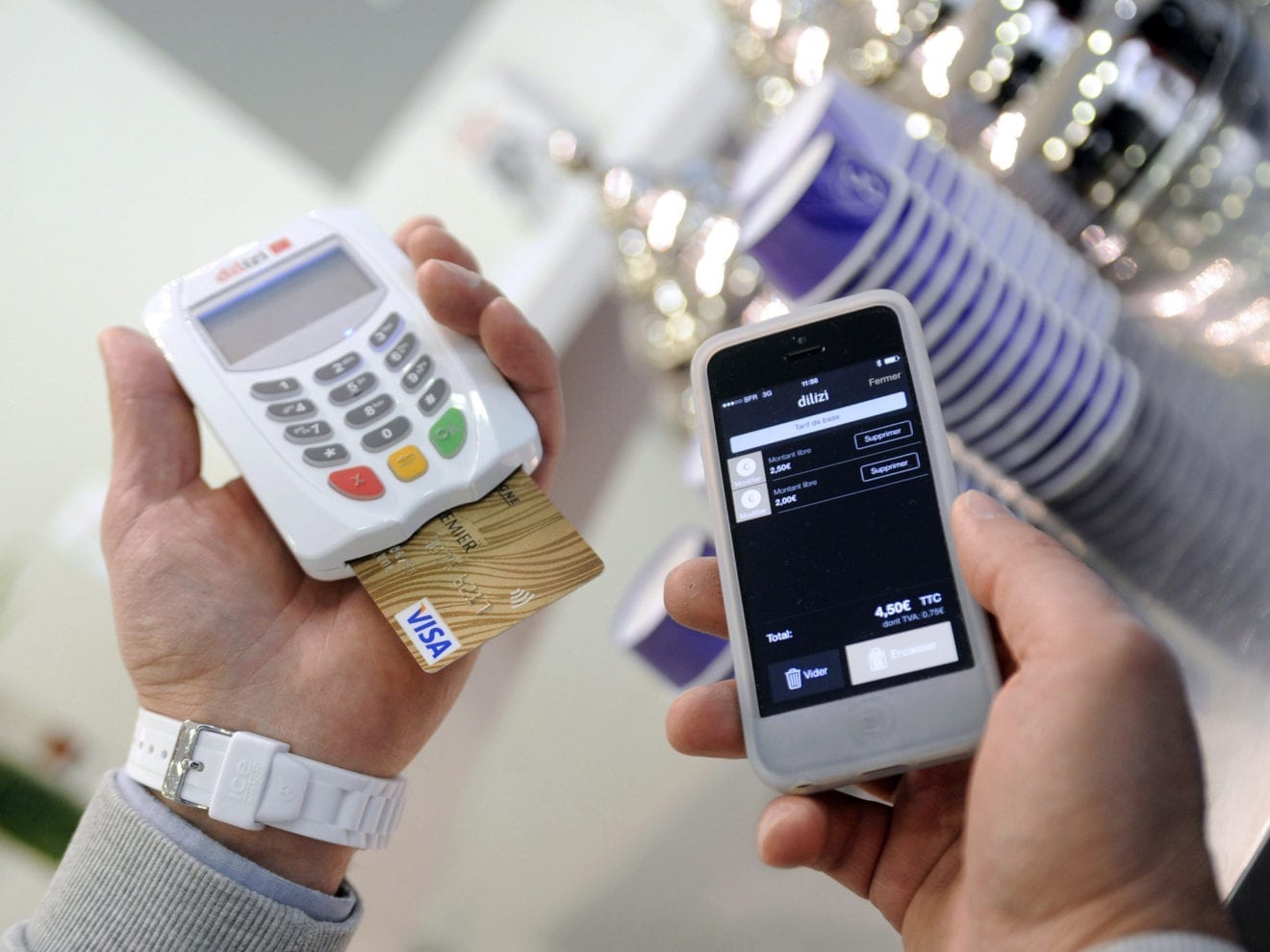
    Beijing is China’s “smartest” city for cashless payments, a new study has found, with consumers using e-wallet everywhere from vegetable markets to hotels.

    The study released on Monday was the result of a 34-city survey by tech firm Tencent, French market research firm Ipsos and Renmin University’s Chongyang Institute for Financial Studies.

    The survey asked more than 6,500 people about their payments for a range of goods and services, including takeaway food, restaurant dining, telecommunications and transport, state-run Xinhua News Agency reported.

    Beijing topped the list for penetration of cashless payments, followed by Shenzhen and Guangzhou in Guangdong province, and Shanghai. Two other Guangdong cities – Dongguan and Foshan – also made it into the top 10, Xinhua reported.

    About half of those surveyed used cash for about 20 per cent of their monthly spending, and four in 10 carried less than 100 yuan (US$14.84) in cash when they left the house.

    About seven in 10 respondents said they could go for more than a week with just 100 yuan in cash, and 84 per cent were comfortable going out with just their mobile phone to pay their way.

    Beijing office worker Xiao Yi said he often went a week without using cash because he could use his mobile from breakfast to dinner. Convenience stores and even vegetable vendors accepted WeChat or Alipay, an online payment platform owned by Alibaba Group, which owns South China Morning Post, he said.

    He also got around the city using a pre-paid subway card or a shared bicycle, which also ran on mobile payments.

  • Blockland Lego cafe takes constructive approach

    Blockland Lego cafe takes constructive approach

    A new cafe in Chiang Mai, Blockland Lego, has nearly 200 sets of the building blocks for customer use. Paying THB140 (US$4) an hour, customers of all ages can build the Lego masterpieces of their dreams. The cafe provides the more expensive sets including those featuring Marvel Comics superheroes and Star Wars (its Death Star collection comprises more than 4000 pieces and retails at more than THB16,000).

    Blockland Lego owner Taewon Park, a South Korean expat, says he decided to open the business in Chiang Mai following the popularity of Lego cafes in his country. He was also inspired by his nieces and nephew, who are Lego fans.

    His shop, in Ruamchok Mall, also hires Lego enthusiasts as workers, who can help customers with their constructions by request.

    “There are 194 Lego sets in my shop,” says Park, who is buying another 75.

  • CJ Express to invest THB4 billion in expansion

    CJ Express to invest THB4 billion in expansion

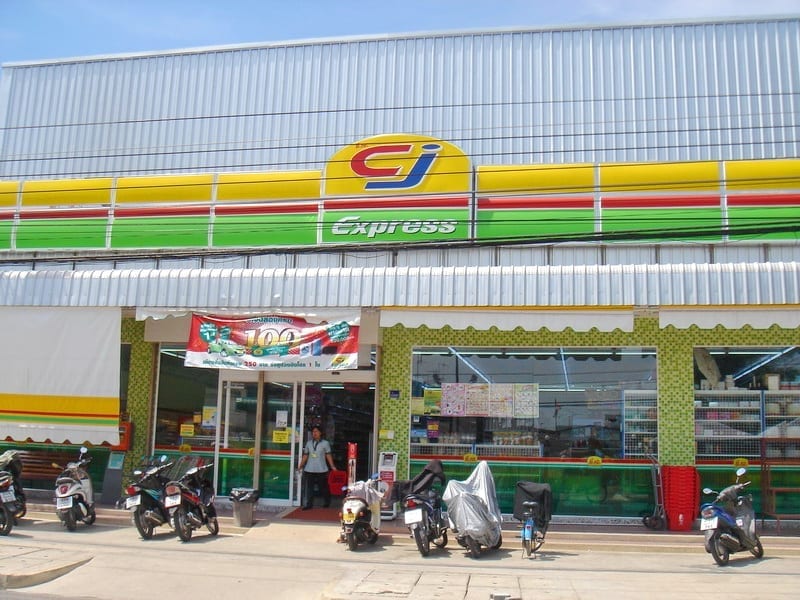
    CJ Express, which runs convenience stores and supermarkets, plans to invest THB4 billion (US$120 million) in doubling the size of the business.

    Its aim is to be earning THB20 billion in sales by 2020, says MD Sathien Setthasit.

    He says about THB3.7 billion will be used to open 370 stores and supermarkets this year through to 2020. This would bring store numbers to 600 within the next three years.

    The remaining THB300 million will be spent on store renovations and other upgrades.

    Sathien says he is confident the investment will help boost sales to THB10 billion this year, up from THB7.4 billion last year.

    This year the company has added stores in the central region and in a 250km radius from Ratchaburi province, where it has its distribution centre.

    CJ Express is owned by the same stakeholders as energy-drink maker Carabao Group, but the two businesses are run separately. Sathien, who is also a Carabao Group founder, acquired CJ Express about four years ago.

    He says CJ Express is quite strong in the central region and helps support sales of Carabao Dang energy drinks.

    There are plans to expand CJ Express outlets to the northeast, which supports about 30 per cent of Thailand’s energy-drink market.

    Sathien says CJ Express will join forces with Topvalue, a wholly owned e-commerce site, in this year’s fourth quarter.

  • Kering revenues soar 28 per cent, fuelled by Asia-Pacific

    Kering revenues soar 28 per cent, fuelled by Asia-Pacific

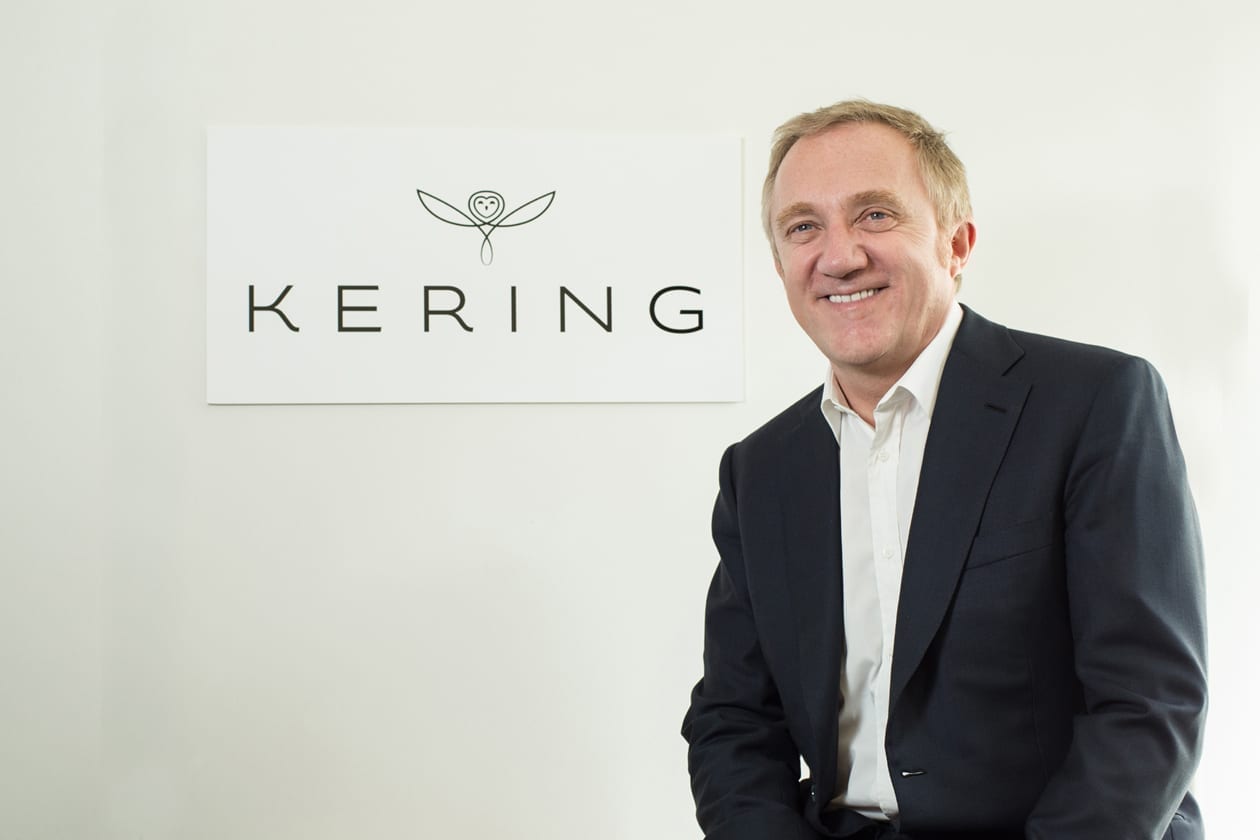
    Luxury brand and sportswear retailer Kering has reported first-half consolidated revenue up 28.2 per cent to €7.296 billion.

    Kering revenues in Asia-Pacific, (excluding Japan), soared 34.4 per cent and that market now accounts for 28 per cent of the group’s total sales. Japanese sales rose 20.7 per cent.

    Sales in its luxury division rose 29.7 per cent (28.3 per cent on a comparable basis) and in the sports and lifestyle arm – largely Puma – by 16.1 per cent (14.3 per cent).

    Recurring operating income of €1.27 billion was up 57.1 per cent.

    “Thanks to the execution of our strategy, we achieved outstanding revenue growth in the first half, clearly outperforming the sector, and delivered record profits and operating margins,” said chairman and CEO François-Henri Pinault.

    “These remarkable performances in all regions of the world and across all of our activities underscore Kering’s ability to innovate, create value, and gain market share. Our vision of luxury, grounded in creative audacity and in the sincerity of our brands’ values, is more relevant than ever.”

    A global luxury group, Kering owns a diverse portfoilo of luxury brands, including Gucci, Bottega Veneta, Saint Laurent, Alexander McQueen, Balenciaga, Brioni, Christopher Kane, McQ, Stella McCartney, Tomas Maier, Boucheron, Dodo, Girard-Perregaux, Pomellato, Qeelin and Ulysse Nardin. In the sports and lifestyle sector, it owns Puma, Volcom and Cobra.