Tag: asia

  • H&M Philippines opens in SM Mall of Asia

    H&M Philippines opens in SM Mall of Asia

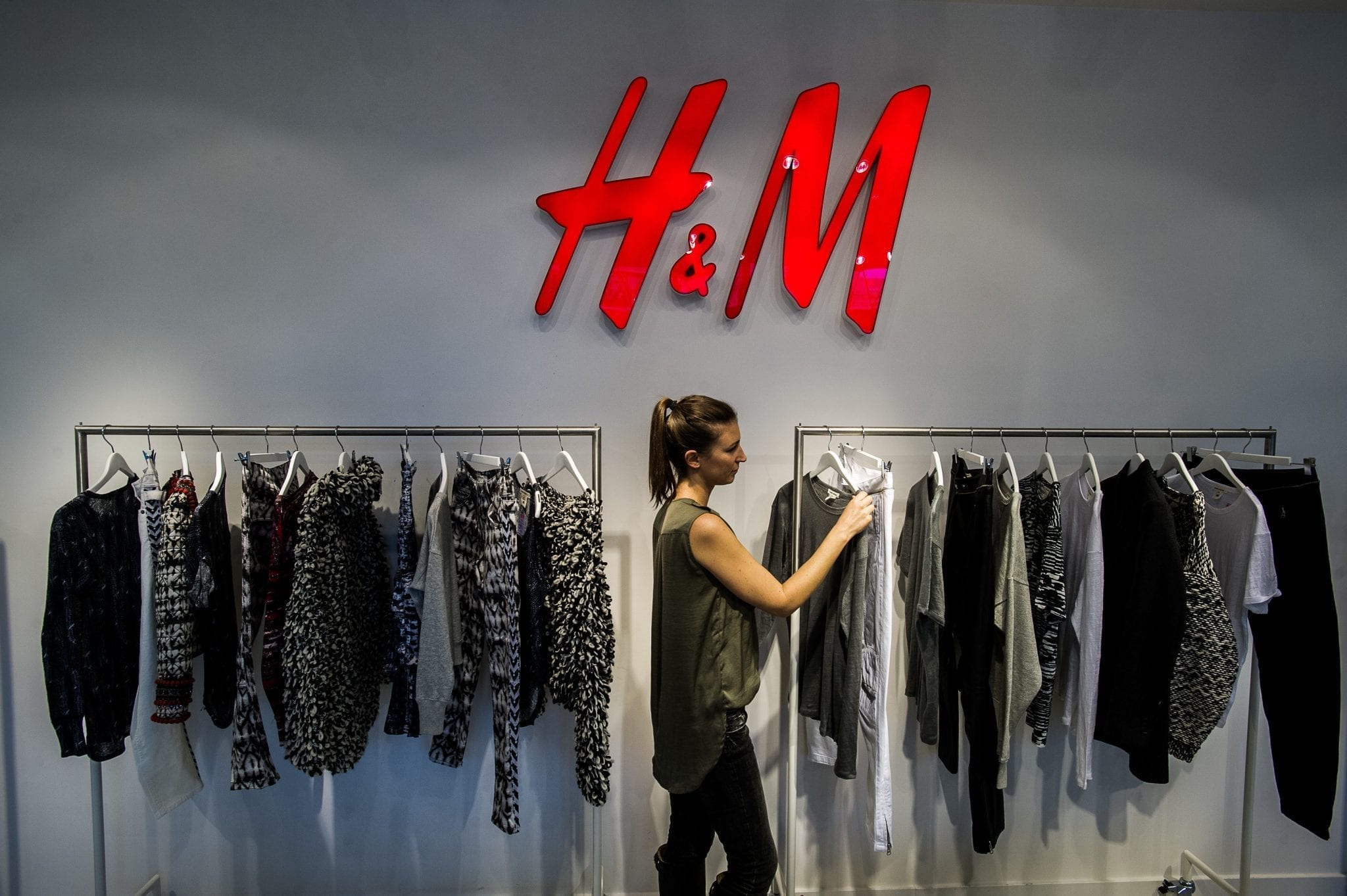
    H&M Philippines opens its first SM Mall of Asia branch today, with plans to open two more stores in Metro Manila before the end of the year.

    The other outlets for the Swedish fast-fashion giant will be at Greenbelt 4 in Makati City, and Robinsons Galleria in Ortigas, taking the company’s total to 29 stores nationwide.

    “We have more than 700 colleagues working in the stores, distribution center and support office,” says H&M Philippines communications chief Dan Mejia.

    H&M Philippines last year generated about PHP5.38 billion (US$107 million) in sales from 21 stores – an increase of more than 50 per cent over the PHP3.45 billion from 15 stores in 2015.

    Mejia says the retailer will also launch an online shop this year.

    At the end of last year, H&M had 4351 stores in 64 markets.

  • Ippudo Hong Kong teams with Zucca for celebration

    Ippudo Hong Kong teams with Zucca for celebration

    Proving that fashion is a matter of taste, Japanese fashion brand Zucca has launched a collaboration with Ippudo Hong Kong to celebrate the Japanese ramen restaurant’s sixth anniversary.

    Ippudo this month introduces new limited-time-only specials at its five Hong Kong outlets including “Cool” Uni Ramen, Zucca Roll and Nagoya Torikai Chicken Wings Karaage.

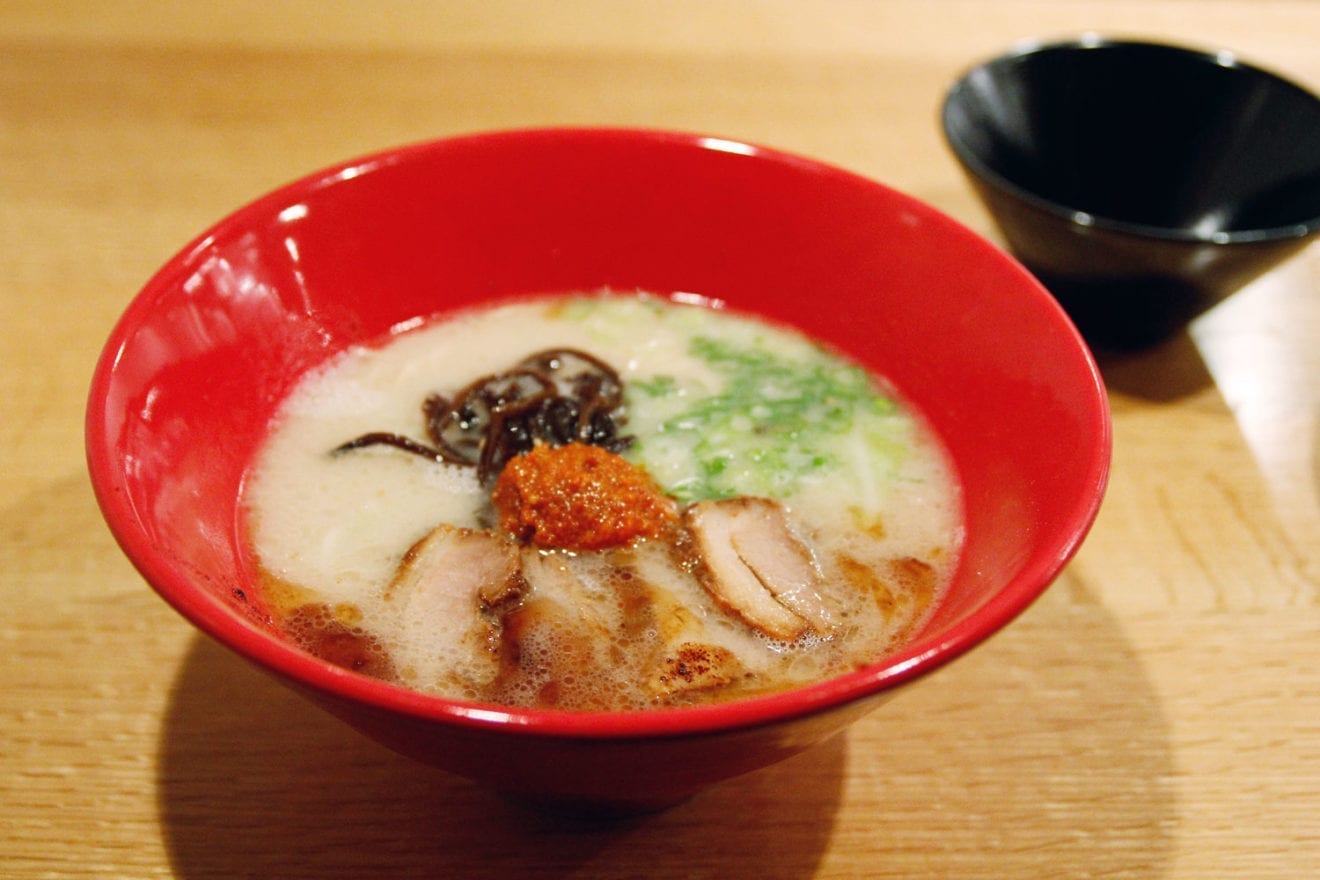
    During the three-month celebration, Ippudo Hong Kong staff members will wear customised Zucca-branded uniforms (tees and aprons). Furthermore, Zucca has designed a special branded tote bag plus a ramen bowl for the Zucca x Ippudo celebration menu.

    In a six-phase celebration, Ippudo fans will be offered collectibles and discounts.

    Phases one and two (this month): An Ippudo Hong Kong Facebook video launches the celebrations, and Ippudo staff members are modelling their Japanese-style uniform, with special Facebook activities.

    Phase three (this month and next): Illustrator Tony Electric introduces three inventions and customers vote for their favourite. The winning invention will be built and displayed at Ippudo.

    Phase four (this month and next): Ippudo and Zucca launch an online mini-game which customers can play after scanning a QR code on the menu. All participants are offered free Zucca membership, plus two winners will each receive a HK$100 (US$12) electronic shopping coupon. Each day, 10 lucky entrants will each win a soft-boiled egg or Zucca roll at Ippudo.

    Phase five (September/October): Zucca members will be offered a 10 per cent discount on purchases, and also take their receipt to Ippudo to a similar discount there.

  • Hugo Boss China proves best dressed

    Hugo Boss China proves best dressed

    With second-quarter sales rising by 14 per cent, Hugo Boss China has shined for German luxury fashion house.

    With double-digit sales growth on a like-for-like basis, the Chinese mainland continued to perform significantly better than Hong Kong and Macau, says the company. Sales were also up in Japan.

    In Asia, sales grew by 12 per cent in local currencies to ¥90 million (US$800,000).

    It was Asia/Pacific’s growth that mainly contributed to overall Hugo Boss sales increasing by 3 per cent for the quarter on a comparative store and currency-adjusted basis.

    Sales in freestanding stores and shops-in-shops were 2 and 7 per cent respectively above the previous year’s figures on a currency-adjusted basis. Outlet sales rose by 10 per cent, while online business increased by 9 per cent.

    Despite higher marketing expenses and spending on digital transformation, operating profit was steady.

    At its Investor Day at its head office in Metzingen yesterday, the company announced the implementation of its two-brand strategy, Boss and Hugo. Previously independently managed, the Boss Orange and Boss Green lines have been integrated into the Boss core brand, with the first parts of the new collections going into stores from the end of this year.

    Hugo Boss says it is widening its commercially important entry-level price ranges, continuing to expand its omnichannel services and systematically investing in sales staff training and development. It will also start a step-by-step roll-out of new store concepts for Boss and Hugo.

    In the first half of the year, the group’s store numbers fell by four to 438. As at June 30, five of the 20 store closures agreed upon last year had been completed.

    Its store network in Asia/Pacific was reduced by one. There were five new openings in Korea and Singapore plus six closures in various markets.

    “Our strategic realignment is beginning to take effect with business in the second quarter encouraging,” says CEO Mark Langer, who noted “considerable headway” in its online business. “We are facing the future with confidence.”

  • Vietnam develops an appetite for booking trips by phone

    Vietnam develops an appetite for booking trips by phone

    ‘Travel expenditure in Vietnam will rise rapidly due to increasing disposable incomes and growing middle-class affluence.’

    Mobile travel sales accounted for around 7 percent of total online sales in Vietnam in 2016.

    Over the past four years, mobile sales have witnessed strong growth of nearly 60 percent, a new report released by Criteo, an internet advertising company, revealed.

    “Travel expenditure in Vietnam will rise rapidly due to increasing disposable incomes and growing middle-class affluence,” said Alban Villani, general manager of Criteo Southeast Asia, Hong Kong and Taiwan.

    “Vietnam is a mobile-first society with a very high mobile penetration rate. Since the ubiquitous presence of internet, online and mobile traveling purchases become more commonplace. We expect digital traveling will become the new trend of traveling,” he added.

    In comparison to other countries, mobile travel sales in Vietnam contribute modestly to total online travel sales, but are expected to take up a bigger slice of online travel sales by the end of 2020, according to the report. During the next five years, the revenue generated from travel purchases via mobile is expected to grow by 22.4 percent.

    Travel remains an area that the Vietnamese are devoted to, according to the report. During 2016, Vietnamese people took 6.9 million outbound trips and 52.8 million domestic trips, said the report.

    On average, each Vietnamese person took 5.6 trips each in the last 12 months.

    Online and mobile strategies are crucial for retailers and online travel agents to engage with shoppers while they browse and book trips and ancillaries.

    The survey was conducted in February 2017 among 1,900 travelers from Australia, China, India, Indonesia, Japan, Singapore, South Korea, Taiwan and Vietnam who search or book travel products online.

  • Honda motorcycle sales boost quarterly net profit

    Honda motorcycle sales boost quarterly net profit

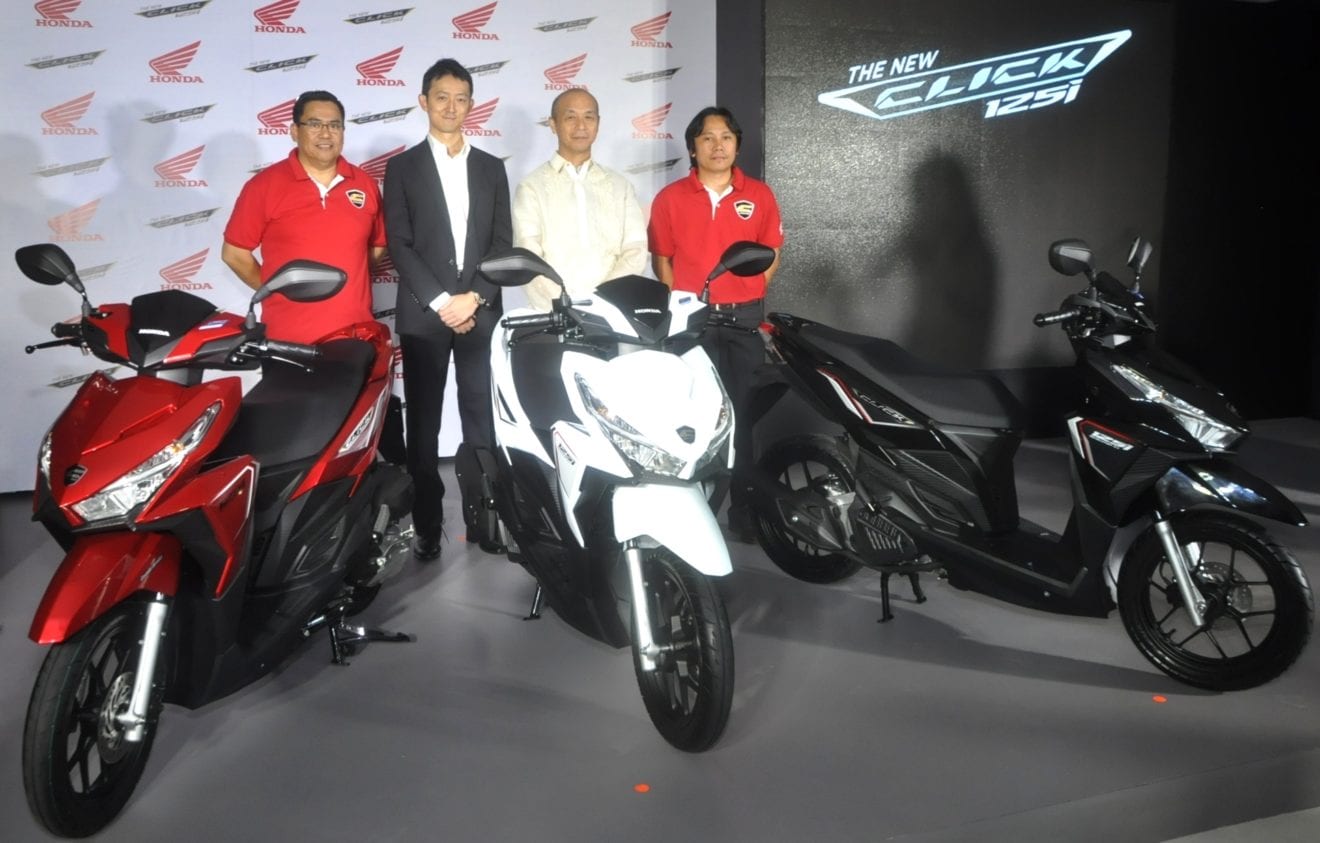
    Motorcycle sales volume grew in India and Vietnam. Japanese vehicle maker Honda on Tuesday said net profit for the second quarter rose by double digits boosted by strong motorcycle sales, revising up its full-year forecast.

    The Tokyo-based company said “solid sales of two-wheel vehicles in Asia and cost reduction efforts” contributed to increased profits.

    Motorcycle sales volume grew in India and Vietnam, Honda said, while four-wheel vehicle sales volume increased in Japan and China but declined in North America.

    Japan’s number-three automaker booked net profit of 207.3 billion yen ($1.88 billion) in the April-June period, up 18.7 percent from the previous year.

    Sales grew 7.0 percent to 3.71 trillion yen, while operating profit rose 0.9 percent to 269.2 billion yen.

    Honda boosted its net profit forecast to 545 billion yen from an earlier figure of 530 billion yen for the fiscal year ending March 2018.

    It also lifted its fiscal year operating profit and revenue outlooks.

    “Honda’s profit pales compared to figures last year when it booked a one-time gain in a pension accounting change,” Satoru Takada, an analyst at TIW, a Tokyo-based research and consulting institute, said ahead of the earnings release.

    “But it displayed a good performance in China and Indonesia while showing steady sales in North America,” he said.

    While North American vehicle sales declined in the quarter year on year to 481,000 from 510,000, revenue rose slightly to 2.13 trillion yen from 2.06 trillion yen.

    Takada added that the foreign exchange situation is “a key factor” for automakers.

    “Current levels are relatively positive for the Japanese auto industry,” he said.

    Although the yen has strengthened slightly in past days, it remains weak against the dollar over recent years.

    A stronger Japanese yen can hurt carmakers by eroding the value of overseas profits when repatriated.

    On Thursday, Nissan reported a drop in quarterly net profit, hit by higher costs and weak sales in key markets, although it left its annual forecasts unchanged.

    Toyota will release earnings on Friday.

  • Danang denies Uber pilot run

    Danang denies Uber pilot run

    Danang City Department of Transport said on August 2 that they hadn’t allowed Uber and Grab Car to operate yet despite an advertisement about Uber’s pilot run posted on the internet.

    According to the department, the city won’t give the go-ahead until the Ministry of Transport review the two-year pilot project of applying science and technology to support management and connect passenger services of contracted cars such as in Uber and Grab Car cases.

    The ministry will announce the legal framework to better manage such services.

    “After the government and the Ministry of Transport issue legal documents related to the services, we’ll work with related agencies to consult the city people’s committee and allow them to operate in accordance with the procedures and regulations,” the department’s representative said.

    The department will meet with Uber Vietnam to halt the advertised service being made available in the city.

    Uber Vietnam had previously announced on its website that after three years in Vietnam, the company would start a pilot run in Danang starting from August 1. Passengers would be given free rides during the first week.

  • BMW’s 5-series launch helps drive forecast-beating second quarter profit

    BMW’s 5-series launch helps drive forecast-beating second quarter profit

    German luxury carmaker BMW posted a forecast-beating 7.5 percent rise in second-quarter profits as sales of its new 5-series helped to offset slowing demand for luxury cars in the United States.

    Earnings before interest and tax (EBIT) rose to 2.92 billion euros ($3.46 billion), compared with an average forecast for 2.82 billion in a Reuters poll of banks and brokerages.

    BMW affirmed its guidance for a slight increase in full-year group pretax profit and an operating margin of 8 to 10 percent at its automotive business, which posted a second-quarter margin of 9.7 percent, up from 9.5 percent a year earlier.

    BMW said it now forecasts a solid increase in automotive segment revenues for the full year.

  • UPS expands alcohol shipping to consumers around the world

    UPS expands alcohol shipping to consumers around the world

    UPS is expanding its ability to ship alcohol, wine and beer to consumers around the world. Using one of the UPS Express shipping services, wine connoisseurs can have their favourite cases of wine shipped directly from the vineyards to their home.

    UPS is helping wineries reach consumers living in 24 of the top 35 wine importing countries, and distilleries in 9 of the top 25 spirit importing countries. Depending on the destination, orders can arrive at the business or consumer’s home within 3 days. All alcohol shipments require an adult signature upon delivery.

    According to the International Organization of Vine and Wine, 43% of all wine is consumed in a country other than where it is produced. The global wine market is expected to reach US$380 billion by 2022.[1] The countries producing and exporting the most wine include Italy, Spain, France, Chile, Australia, South Africa and the United States.[2]

    Europe is the market leader in wine production and consumption. UPS will ship to 23 countries in Europe including these primary markets: Belgium, France, the Netherlands, Switzerland and the United Kingdom.

    Wine consumption is growing rapidly in Asian markets. By 2020, China is expected to surpass the U.S. as the world’s third-largest largest wine importer.[3] The fast growing middle class is driving the demand for premium alcohol. Last year, China imported US$890 million worth of spirits globally.[4]

    UPS will now ship wine, beer and liquor to consumers and businesses in 11 countries throughout Asia Pacific including: China, Hong Kong, Japan, Macau, New Zealand, Philippines, Singapore, South Korea, Taiwan and Thailand. In Malaysia, only businesses can import wine and beer.

    Mexico is earning its place at the table of major wine countries, as consumption has increased by more than 40% in the last 10 years.[5] UPS is shipping wine to Mexico, Argentina and the Dominican Republic. Mexicans are also thirsty for America’s beer, importing $187 million worth in 2016.6

    Canada and the U.S. are key trade partners and as more Canadians buy products online they’re also adding alcohol to their shopping carts. With the expansion, UPS can deliver to 5 of the Canadian Provinces covering 95% of all alcohol imports.[7] The Provinces include Alberta, British Columbia, Manitoba, Ontario and Quebec.

    Boeger, a small family-owned winery in Northern California, recently started global shipping. “It was hard telling our international visitors they couldn’t have our wine because we couldn’t get it to them,” said Tara De La Rosa, hospitality and logistics manager. “We are always looking for ways to expand globally and have our wines on tables around the world.”

    De La Rosa and her team use Paperless Invoice to simplify customs clearance. The UPS shipping system helps wineries, breweries and distilleries avoid delays by uploading all of the required alcohol-related documentation for each country electronically.

    UPS provides automatic tracking and visibility allowing the consumer to follow an order on its global journey. Boeger winery visitors will receive an email notification, in their own language, the day before the scheduled delivery.
    The UPS Express shipping portfolio features three unique service levels: UPS Worldwide Express Plus for early morning delivery, UPS Express for midday deliveries and UPS Express Saver for end-of-day deliveries.
  • Japan’s Subaru posts higher profit as car sales jump

    Japan’s Subaru posts higher profit as car sales jump

    Subaru on Thursday posted a better-than-expected rise in its quarterly operating profit, buoyed by higher sales in the United States, its biggest market, where other Japanese automakers are struggling with slower demand.

    Operating profit at Japan’s No.6 automaker came in at 119.3 billion yen ($1.08 billion) in the first quarter ended June, up 17.5 percent from a year ago and exceeding the average forecast for 114.8 billion yen from seven analysts polled by Thomson Reuters I/B/E/S.

    Most Japanese automakers have been hit by both an overall slowdown in the U.S. market and a growing preference for bigger car models, versus the sedan.

    Subaru has, however, managed to buck this trend, reporting a 12.3 percent jump in sales in the world’s No.2 auto market after China, with models such a revamped version of its Impreza sedan, along with the Forester SUV and Outback SUV crossover.

    Subaru raised production capacity last year at its plant in Indiana and was able to deliver more units over the quarter in the United States, which accounts for around 60 percent of its global sales volume.

    The automaker’s U.S. marketing strategy has focused mainly on affluent and liberal-minded consumers, with advertisements featuring slogans such as love and inclusion.

    It has won over consumers living largely on the west and east coasts – a concentration that has allowed it to leverage its production capabilities, which are a fraction of those of Toyota Motor and other bigger rivals like Nissan Motor Co.

    Toyota is expected to announce a 16 percent drop in its quarterly operating profit, according to analysts surveyed by Thomson Reuters I/B/E/S, while Nissan last week posted an almost 13 percent slide in profit, dragged by rising incentives to sell its cars in the United States.

  • Telstra’s 4G population coverage hits 99%

    Telstra’s 4G population coverage hits 99%

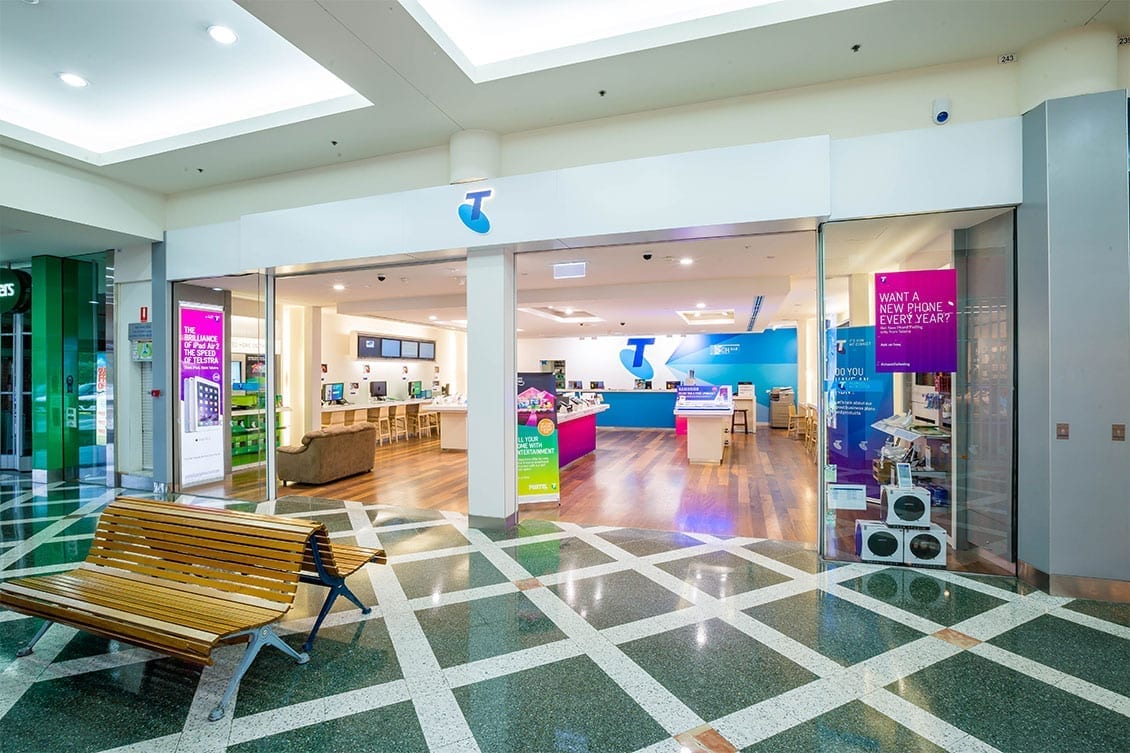
    Australia’s Telstra has revealed that its 4G network now covers 99% of the nation’s geographically dispersed population.

    Following upgrades in regional areas of Western Australia, Victoria, Queensland and South Australia, the company’s 4G network now offers coverage across more than 1.4 million square kilometers, Telstra COO Robyn Denholm said in a blog post.

    Telstra is meanwhile upgrading its transmission network to help meet projected traffic demand. Denholm said only 20% of the projected capacity Telstra will require by 2020 existed at the start of the year.

    To achieve this Telstra is deploying optical transport technology across its transmission network, starting with an upgrade to the cable connecting the island state of Tasmania to the mainland across the Bass Strait. The upgrade will increase the capacity on each of the two cables from 400Gbps to 1Tbps.

    “Importantly, the next generation optical transport technology offers huge upside for supporting growth. With future system deployments we anticipate we can scale up to 100Tbps or more,” Denholm said.

    “We will now be progressively upgrading our optical transport capability around Australia, with Victoria, New South Wales and South Australia the next in line to benefit from from inter-capital upgrades.”

    Finally, Telstra has activated LTE Cat M1 across its 4GX (LTE-Advanced) network footprint, and plans to deploy range extension capability that will take the footprint of the IoT network to more than 3 million square kilometers.

    The company has also commenced testing of software that supports NB-IoT and expects to introduce this capability later this year.

  • Viettel launches 4G in East Timor

    Viettel launches 4G in East Timor

    Vietnam’s Viettel has launched 4G services in East Timor through its subsidiary in the market Telemor.

    The launch in East Timor marks the Viettel group’s sixth 4G launch outside Vietnam, and follows launches in Burundi, Cambodia, Haiti, Laos, and Peru.

    Viettel first entered East Timor in 2013, investing $15 million to deploy a mobile network covering 95% of the population within a year. The company was able to achieve profitability within ix months, generating $17 million in revenue and $4 million in profit in its first year.

    The company has now captured a roughly 47% share of the market, making it the incumbent operator in the market, ahead of competitors Timor Telecom and Telkomcel.

    According to the report, Viettel increased its revenue in East Timor by 29% year-on-year during the first half of 2017 and attracted 42% more new subscribers than anticipated.

  • AirAsia India In Expansion Mode, Adds New Aircraft And Route

    AirAsia India In Expansion Mode, Adds New Aircraft And Route

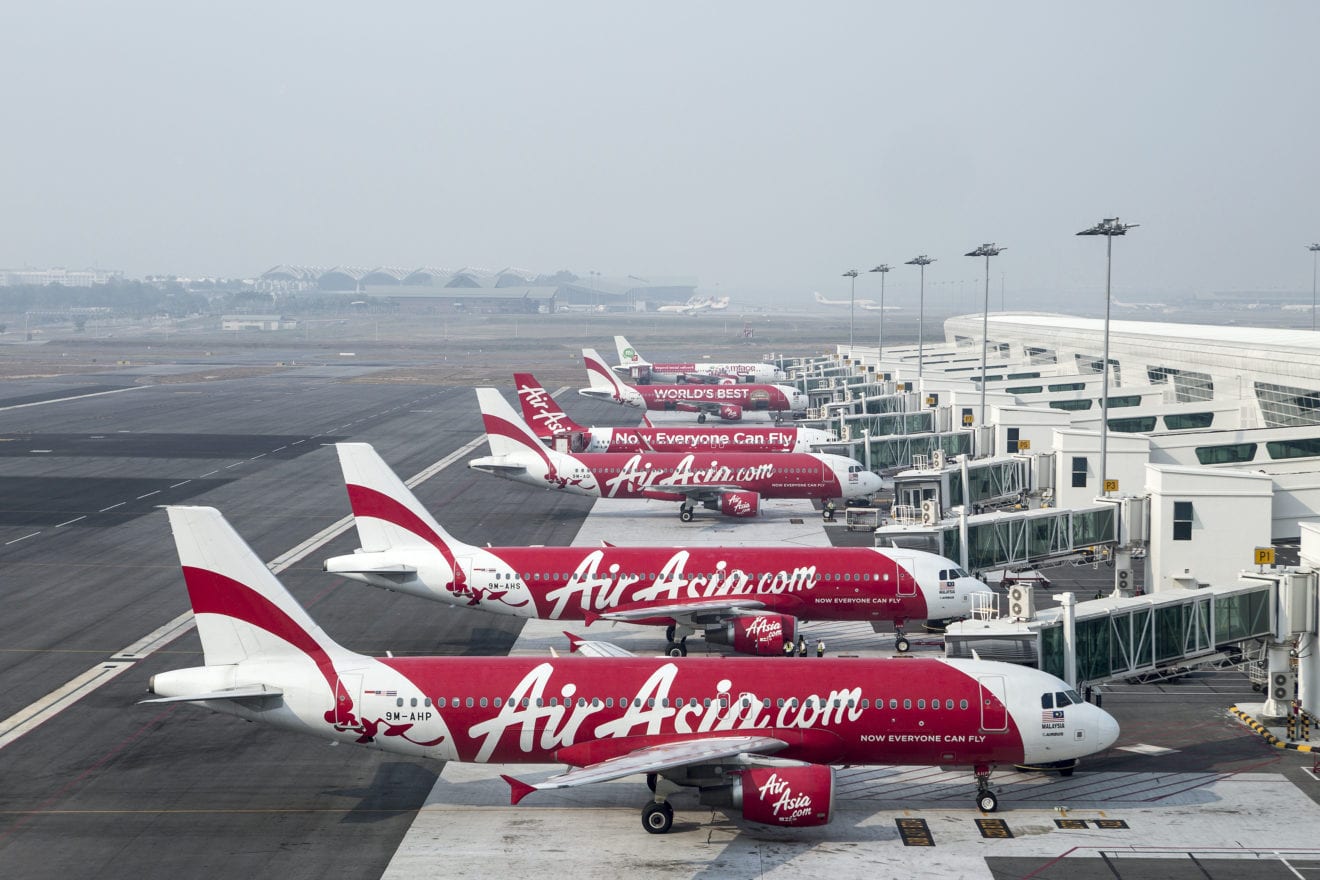
    Low-cost carrier AirAsia India has inducted a new aircraft (Airbus A320) to its fleet taking the total to 12. Focusing on its expansion plans, the airline has announced a new Hyderabad-Jaipur route which will be operational from September 1. AirAsia India has also added additional flights on Bengaluru-Bhubaneshwar and Kolkata-Bhubaneshwar routes “keeping in mind the government’s vision for regional connectivity,” it said in a release. The new AirAsia India aircraft will be stationed in Bengaluru, it added.

    “We received great reception in less than a month of starting the operations to Bhubaneshwar and are happy to intensify by adding another flight. We strive to provide connectivity to India’s key and under-served routes,” AirAsia India Managing Director and Chief Executive Officer Amar Abrol said.

    The airline currently flies to 16 destinations with its hubs in Bengaluru, New Delhi and Kolkata covering Kochi, Goa, Jaipur, Chandigarh, Pune, Guwahati, Imphal, Vizag, Hyderabad, Srinagar, Bagdogra, Ranchi and Bhubaneswar.

    Meanwhile, AirAsia announced the launch of direct flights between Tiruchirappalli and Bangkok at starting fares of Rs. 3,399 for a one-way journey. “AirAsia plans to continually penetrate the Indian market in the latter half of 2017 as it is a major market with great growth potential, especially as Bangkok and Thai cities have proven popular destinations for Indians,” Thai AirAsia, Commercial Director, Santisuk Klongchaiya said.

    Booking of tickets started from July 31 and will be open till August 13 for travel between September 29 and August 28, 2018. Currently, AirAsia offers direct flights to Thailand from Chennai, Bengaluru, Kolkata and Kochi.

  • Singapore consumers need mobile data

    Singapore consumers need mobile data

    Half of Singapore consumers would only be able to only last one day without using mobile data, according to a survey commissioned by MVNO Circles.Life

    The survey of over 900 respondents also discovered that many Singapore consumers are data deprived, with 2 in 3 saying that they need at least 6GB of mobile data per month to not worry about busting their mobile data limits. The industry average is between 3.5GB to 4GB of mobile data usage a month.

    “Findings of the survey are consistent with our internal market research, where we have discovered that consumers in Singapore needed more data, but did not have affordable access to it,” commented Rameez Ansar, co-founder and director of Circles.Life.

    “After we launched our 20GB for S$20 data Data Plus option in March, we saw a huge spike in the data usage of our subscribers to the current average of 8GB per month, more than double of the current industry usage. Singapore consumers are hungry for more mobile data and we expect that demand to grow as a nation.”

    The Circles.Life Annual Mobile Data Usage Survey 2017 was conducted by survey research firm, Survey Sampling International (SSI) of Singaporeans between 16 to 54 years old.

    The survey also revealed that many users were frustrated with their current mobile data limits and 9 in 10 felt frustrated when they reached their month data limits.

    In addition, 1 in 2 Singapore consumers have exceeded their monthly mobile data limits at least once in the last six months and of these, 24% exceeded their mobile data limits by at least 3GB.

    Survey respondents indicated that their most frequently used mobile app used each day was Whatsapp, followed by Facebook and YouTube. Dating apps were the least frequently used mobile apps.

    In conjunction with National Day 2017, Circles.Life is offering a free upgrade to its no-contract mobile plan for new subscribers. New subscribers joining in August will enjoy the 20GB for S$20 Data Plus option for free for the month of August.

  • SoftBank taps Cisco to optimize mobile IP core

    SoftBank taps Cisco to optimize mobile IP core

    Japan’s SoftBank has contracted Cisco to optimize network operations in its next-generation mobile IP core network.

    SoftBank will adopt Cisco high-density 100GE routing and segment routing technology to help meet demand for greater mobile traffic capacity and enable faster and more flexible provisioning of new services.

    Traffic demand is forecast to increase at a rate of 50% per year, prompting SoftBank to upgrade its core routers to a Cisco solution capable of housing 576 100GE ports.

    New capabilities in the system will also allow SoftBank to reduce fault recovery time and improve functions for ensuring service continuity in the event of a fault.

    Segment routing is aimed at simplifying network architectures and enabling the provision of advanced network services without increasing the burden on operations. The architecture has been designed to seek the balance between distributed intelligence and centralized optimization.

    “SoftBank keeps focusing on improving service quality and enhancing the reliability and agility of network while reducing costs,” SoftBank SVP Keiichi Makizono said.

    “Cisco’s advanced network technologies and support have allowed us to establish the next-generation mobile IP core network platform that meets the bandwidth demand. We expect Cisco’s continued support and cooperation for providing services that lead the Japanese market.”

  • DHL Supply Chain makes smart glasses new standard in logistics

    DHL Supply Chain makes smart glasses new standard in logistics

    DHL Supply Chain, the contract logistics specialist within Deutsche Post DHL Group, successfully completed its global augmented reality pilots and is expanding its “Vision Picking” solution in more warehouses around the globe, establishing a new standard in order picking for the industry. The smart glasses provide visual displays of order picking instructions along with information on where items are located and where they need to be placed on a cart, freeing pickers’ hands of paper instructions and allowing them to work more efficiently and comfortably. The international trials have shown an average improvement of productivity by 15 percent and higher accuracy rates. The user-friendly and intuitive solution has also halved on boarding and training times.

    “Digitalization is not just a vision or program for us at DHL Supply Chain, it’s a reality for us and our customers, and is adding value to our operations on the ground. Customers have been very happy about the productivity gains and are equally excited about using innovative technology at their warehouses,” says Markus Voss, chief information officer & chief operating officer, DHL Supply Chain.

    After having completed a pilot program across the U.S., Mainland Europe and the UK throughout different industries such as technology, retail and consumer, DHL has now established the Vision Picking solution for the long run. The technology has matured to become a standard, replicable solution for customers, allowing faster and easier implementation in their operations, helping them to benefit from productivity gains with increased speed of operations and better picking accuracy.

    Employees have been enthusiastic about being able to use state-of-the-art technology and are pleased with how light the smart glasses are, and how much more comfortable the process is now with hands-free picking. “We are very satisfied and happy that the pilot phase went so well and that we can now say augmented reality technology is one of our standard offerings at DHL Supply Chain,” Voss adds. “As one of the first logistics companies using the technology, we have truly established a new way of order picking in the industry.”

    DHL has been working alongside three partners in the pilot phase. Ubimax provided the augmented reality software xPick, whereas the recently announced Glass Enterprise Edition and Vuzix M100 and M300 glasses were used as hardware. Further proofs of concept running in Asia and Australia with other partners show similar promising benefits. Following the success of its Vision Picking program, DHL is looking into additional applications for augmented and virtual reality such as trainings, maintenance, dimension calculations and more.