Tag: asia

  • SoftBank developing Twin Access mobile service

    SoftBank developing Twin Access mobile service

    Japan’s SoftBank is developing a new Twin Access mobile network service for enterprises using equipment from NEC.

    The Twin Access service provides two simultaneous mobile network connections to maintain a state of constant, active connectivity between NEC line terminal equipment and devices employing virtualization technology.

    It uses the packet copy capsuled (PCC) technology jointly developed by SoftBank and NEC to offer improved transmission quality with higher packet arrival rates than conventional single mobile line systems.

    SoftBank VP for networks Takenori Kobayashi said the service is designed to be used as an alternative to fixed broadband networks.

    “Because of its high quality of service, Twin Access can be used at locations where optical fiber lines are not provided, or as an alternative to metal-wired lines such as DSL or digital access,” he said.

    “In addition, by utilizing the unique features of mobile networks, such as their freedom from cable installations, Twin Access makes it possible to build flexible, economical, short-term networks; such as temporary networks for use at construction sites and event venues.”

    SoftBank and NEC plan to conduct field trials of the technology ahead of the full-scale commercial launch of Twin Access by October. SoftBank aims to deploy the new service in Japan as part of the access lineup for its Smart VPN service.

  • Alibaba to help transform Macau into a smart city

    Alibaba to help transform Macau into a smart city

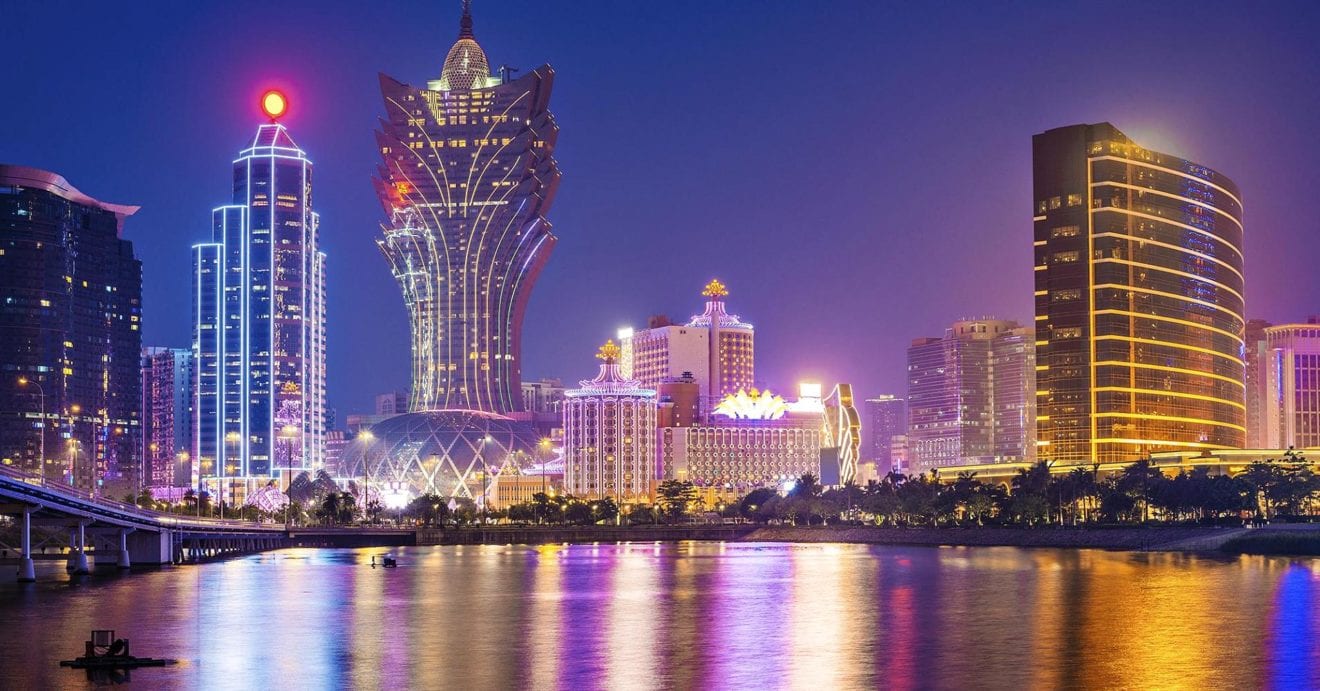
    Alibaba Group has entered a partnership with the Macau SAR government to help transform Macau into a smart city.

    The collaboration will focus on using cloud technologies to bring benefits to residents and tourists visiting the city.

    Under the four-year partnership, the parties will work together to upgrade the IT infrastructure in Macau to foster developments in tourism, transportation, healthcare, governance and talent development.

    The project will involve developing a dedicated smart technology platform to help promote cloud technologies in Macau, building a smart transport network to optimize the management of road, water and air traffic and the development of smart tourism capabilities using analytics and targeted consumer marketing.

    The project will also focus on smart healthcare – enhancing Macau’s electronic medical system and assisting healthcare decision-making through the use of online medical information.

    In addition, the project will involve collaborating on smart city governance by developing a centralized cloud-based platform connecting different government departments, and talent development through the launch of the Alibaba Cloud IT Certificate program and B2B e-commerce training program.

    “After setting the goal to turn Macau into a smart city, Macau Government has studied the experience of other cities in developing their own versions of smart cities. After thorough study and research, we have decided to collaborate with Alibaba Group to foster the development of cloud computing and big data technologies,” Macau chief executive O Lam said.

    “By leveraging the power of these technologies and connecting resources of different government departments, the project is expected to enhance the model of socio-economic operation in Macau, expediting the city’s transformation into a smart city.”

  • Narellan Town Centre unveils new look

    Narellan Town Centre unveils new look

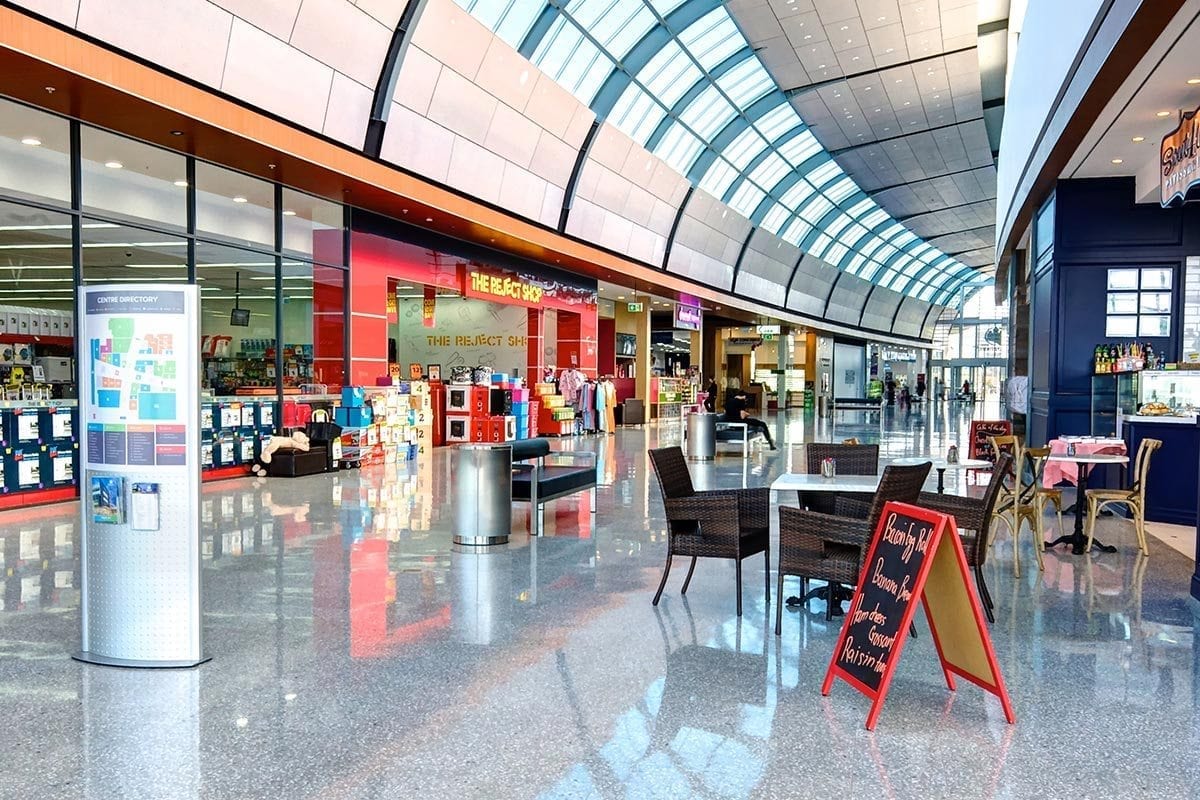
    Narellan Town Centre has officially opened in southwest Sydney, marking the completing of the $200 million redevelopment project.

    The refurb involved a major extension of the existing shopping centre on the south side of Camden Valley Way, joining the brand new section of the Centre on the north side of the major arterial road.

    A 38-metre wide pedestrian link bridge spanning 48 metres across Camden Valley Way at the retail level – the full width of the shopping mall – now integrates the north and south precincts. A total gross floor area of 132,810sqm was delivered by construction firm, Mainbrace, with a design competition helping to shape the external community spaces.

    In all, 35,000sqm of net lettable area (NLA) has been added to the existing town centre south of Camden Valley Way, while the greenfield site on the north side of the road is a new connected centre with 23,207sqm of NLA.

    The retail project owned by Dart West Retail was completed on schedule and was officially unveiled at a function on site last Friday.

    “This project is the centrepiece of our expansive retail construction portfolio,” said Rob Doust, Mainbrace managing director.

    Mark Perich, a director of Dart West Retail, said the expanded centre is a reflection of the community’s evolving needs and desires.

    “We want people to actually stay here in Narellan rather than have to travel to shop. It means a lot to us to see it open and to see such a high class and quality piece of infrastructure in south west Sydney,” he said.

    An Australian-first automatic water fountain stands as the centrepiece of the north side’s restaurant and entertainment precinct.

  • Jeanswest continues Jeans for Genes Day partnership

    Jeanswest continues Jeans for Genes Day partnership

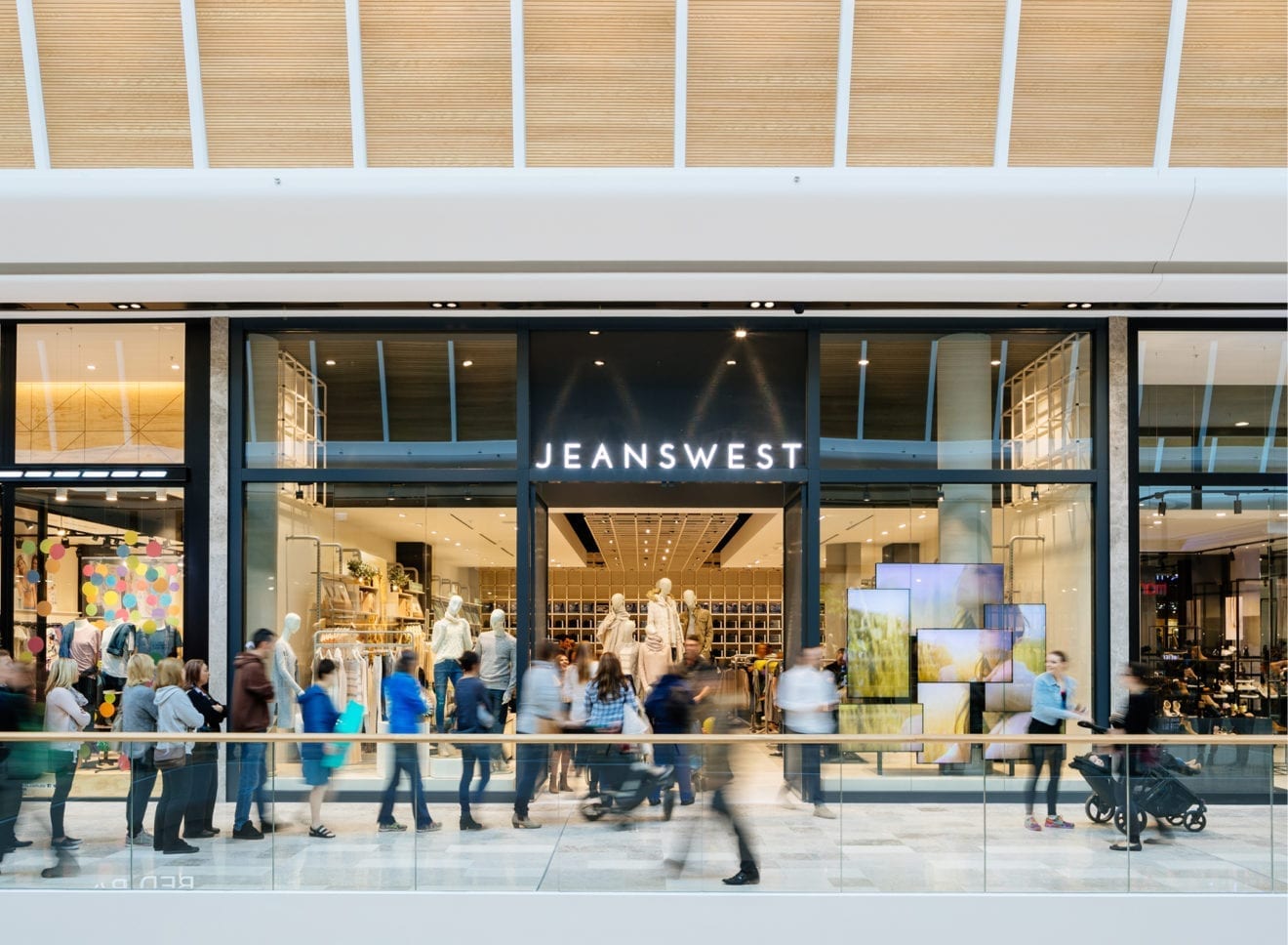
    Apparel chain, Jeanswest, has continued its long term partnership as official denim partner for Jeans for Genes Day, looking to raise funds for research into childhood diseases.

    The denim retailer has launched a variety of campaigns including an Instagram competition, blog posts, eDMs, in-store activations and jean giveaways in conjunction with selling a range of Jeans for Genes Day merchandise across its Australian network of over 180 stores.

    All proceeds go directly to the Children’s Medical Research Institute to support their work discovering treatments and cures for a host of diseases.

    Belinda Waller, GM marketing at Jeanswest said it was important for major retailers to engage in such initiatives.

    “We have the capacity to give back and support the amazing work of a not for profit such as the Australian Children’s Medical Research Institute, so including corporate social responsibility in our business strategy is important to us,” Waller told Inside Retail.

    “There are ways retailers can use their resources to support community initiatives without diverting focus from the core business.”

    Waller said the campaign has strengthened the brand’s loyalty ties with customers.

    “While there’s an obvious brand alignment between Jeanswest and Jeans for Genes Day, our partnership is not just about the denim,” she said. “On the mission to beat childhood disease, the Jeans for Genes campaign is about improving the lives of children, families, and communities; these are a reflection of our customers’ own values, and each July and August we are reminded of their passion as they offer their support and generosity to the Children’s Medical Research Institute.”

  • Surfstitch chairman survives shareholder’s removal attempt

    Surfstitch chairman survives shareholder’s removal attempt

    Sam Weiss, chairman of struggling surfwear retailer, Surfstitch, has survived a shareholder’s attempt to remove him from the post.

    Crown Financial, which has a more than a five per cent stake in Surfstitch, had sent the company a notice of requisition to hold the shareholder meeting, after taking legal action against Surfstitch related to a fallout over a content sharing deal, and wanted Weiss removed as a director of Surfstitch.

    The board backed Weiss and earlier urged shareholders to vote against the proposal, which the majority did, with 91.78 per cent of the votes cast in favour of keeping the chairman.

    Surfstich says it is exploring the option of selling media assets and other asset sales as it faces litigation from Crown Financial group, separate class actions in the Queensland and NSW supreme courts and a continuing ASIC investigation – all of which are expected to impact its cash position.

    “I have been involved in the retail trade for the past forty years and have experience in it in Europe, the United States and Asia and have been actively engaged in e-commerce virtually since the beginning of it nearly twenty years ago,” Weiss said prior to the vote.

    “I was under no illusions about the degree of difficulty of the task ahead, nor was I when I commenced my appointment with the company.”

    Surfstitch went into a trading halt in late May after shareholders launched a potential $100 million class action.

    The action launched by law firm Quinn Emanuel in Queensland’s Supreme Court accuses Surfstitch of making misleading statements and forecasts of its 2015/16 earnings.

    The company last traded at 6.8 cents a share, significantly lower than its peak of $1.90 a share in December 2015, and is expected to resume trade when it reports its full-year results in August.

  • Timberland US opens Tree Lab concept store

    Timberland US opens Tree Lab concept store

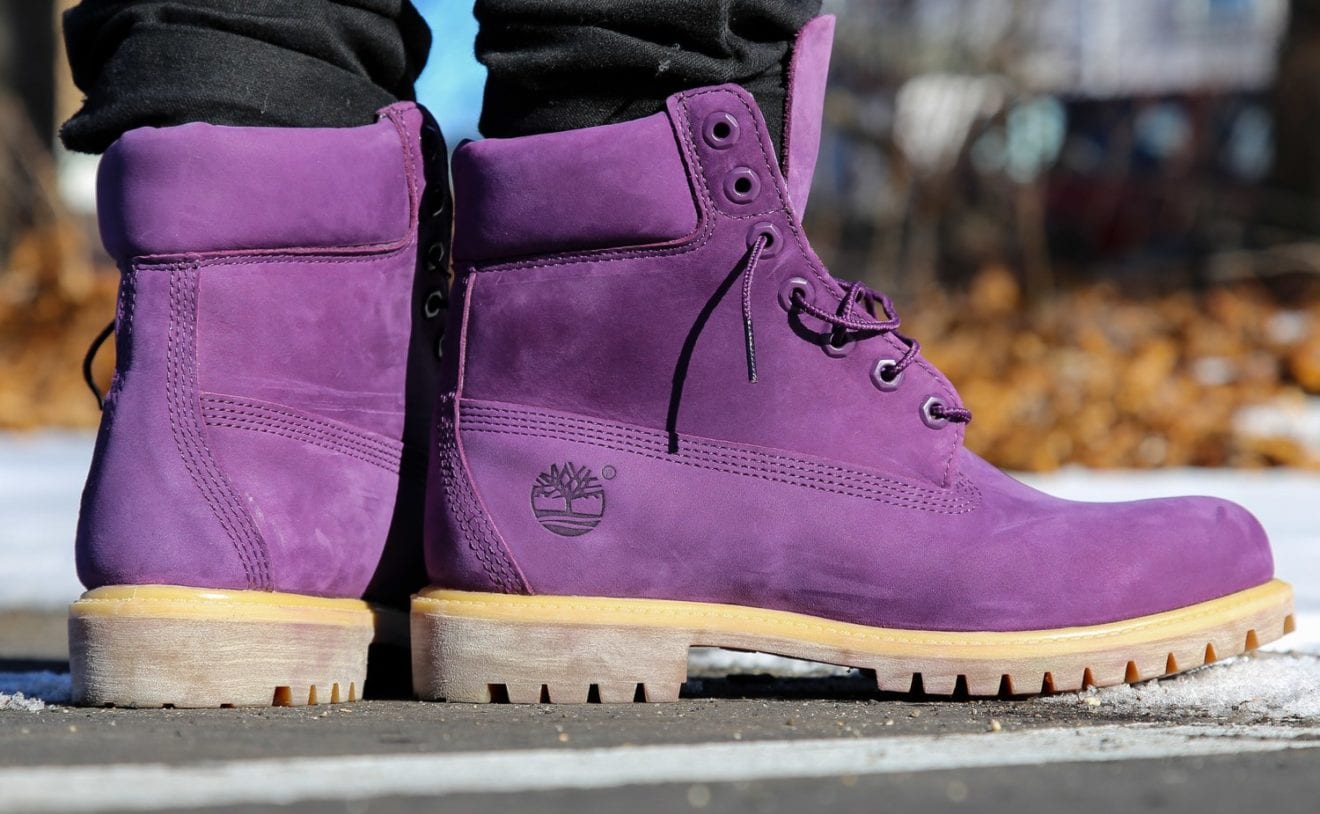
    Timberland US has opened the doors of its first specialty concept store: The Timberland Tree Lab.

    Located in the King of Prussia mall in Pennsylvania, the experiential Tree Lab features carefully curated product collections and brand stories in a gallery-style setting that will completely change every six weeks.

    The Tree Lab debuts with the theme Streetology – where versatile style for city streets meets hidden technology that’s been tested and proven for long days (and nights) in the city. Highlighting the Streetology launch will be the new men’s FlyRoam collection featuring the AeroCore energy system, as well as several new styles featuring SensorFlex comfort technology.

    Upon entering the Tree Lab – which is tagged by the brand’s signature tree logo followed by the word “Lab” – guests will immediately sense that this is something new from Timberland. Sleek, angular design elements combine with minimalist product displays for a fresh and modern brand presentation.

    Fun creative executions, like an oversized, Timberland-style periodic table, casually reinforce the science of comfort behind the new technologies. While testing the products in the Tree Lab, guests are invited to sample a local craft beer from Tröegs Independent Brewing (ages 21+) or enjoy a bottle of water that may one day be recycled into Timberland linings or shoelaces. And store associates, sporting custom Tree Lab hoodies, are always on-hand to help connect visitors to everything from the latest style trends to local city events. Every detail, down to the premium Tree Lab drawstring shopping bags, has been considered.

    “A shopping experience today reflects a journey through a hyper-connected world that’s constantly seeking something new, and our stores need to deliver on that, every day,” said Kate Kibler, VP of Timberland US’ direct-to-consumer business in North America.

    “The Tree Lab is more than just a place to shop – everything a consumer experiences from the moment they enter has been designed to enhance their visit, expand their horizons, and leave them with a great memory to go along with that beautiful new pair of shoes.”

    Following the Streetology installation, in late September Tree Lab will transform virtually overnight into SHEvolution. The entire store will be dedicated to women, with a curated selection of boots and shoes that offer everything she wants without giving up anything.  Feminine. Tough. Beautiful. Well-crafted.

    Comfortable. On the heels of SHEvolution will be a holiday-themed installation, opening early November.

    Tree Lab – the first of its kind in the world – is one of many initiatives Timberland plans to introduce this autumn. The brand plans to open a series of “flex retail” stores across the US, starting with a Mall of America location debuting on September 1.  In addition, Timberland plans to open specialty stores in Stanford, CA at the Stanford Shopping Center (August 18) and in the heart of Portland, Oregon along popular Couch Street (September 1).

  • Uniqlo deploys apparel vending machines

    Uniqlo deploys apparel vending machines

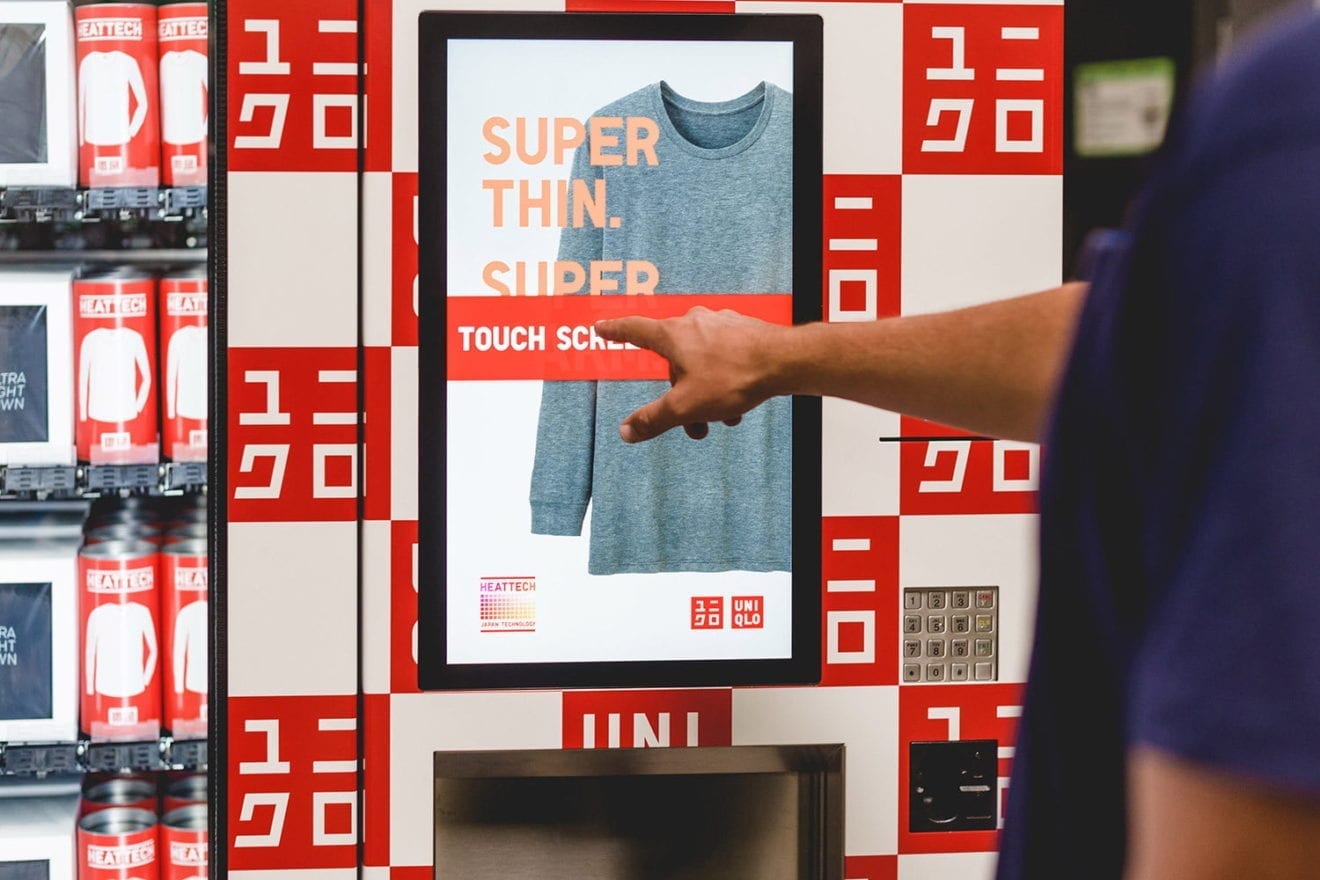
    Uniqlo has deployed its first apparel vending machines at key locations across the USA, as the Japanese retailer looks to enter new markets.

    Dubbed ‘Uniqlo to Go’, the fashion vending machines are popping up in select American airport terminals during August.

    According to the Fast Retailing-owned brand, the first ten are scheduled for Oakland Airport, where the vending machine bowed on Wednesday, followed by one in the Hollywood and Highland Centre in Los Angeles on August 10; Houston Airport, August 17, and Queens Center, Elmhurst, New York, August 22.

    The six remaining locations will be revealed soon, a Uniqlo spokesperson told WWD this week. Locations have been decided upon based on their potential for high-traffic and customer visibility.

    “We’re already talking with amusement parks, train stations, entertainment conventions and movie theatres about additional opportunities,” said the spokesperson. “The goal is to open new markets and use machines as an introduction to our products.”

    As for the operation of the vending machines, customers can use both debit or credit cards and access product via touch screens and a user interface.

    After browsing products, selecting and completing the transaction, a robotic arm retrieves the product. A conveyor shelf moves the item onto the robotic arm and the arm brings it to a window. From here, the customer can access the items.

    Apparel available for purchase includes Uniqlo’s Heat Tech Ultralight down jackets (US$69.9) and Heat Tech tops ($14.90). Both items are available in a variety of colours and styles for men and women.

    The company said it plans to expand to graphic t-shirts, Airism, and then innerwear items such as socks and underwear.

    Earlier in the year, Uniqlo said it plans to double its store count in Europe to 100 outlets over the next three years, in a bid to strengthen its retail presence outside of Asia.

    Uniqlo is eyeing global sales of 3 trillion yen ($26.6 billion) by the fiscal year ending August 2020.

  • Cebu Pacific launches two new routes for Davao City

    Cebu Pacific launches two new routes for Davao City

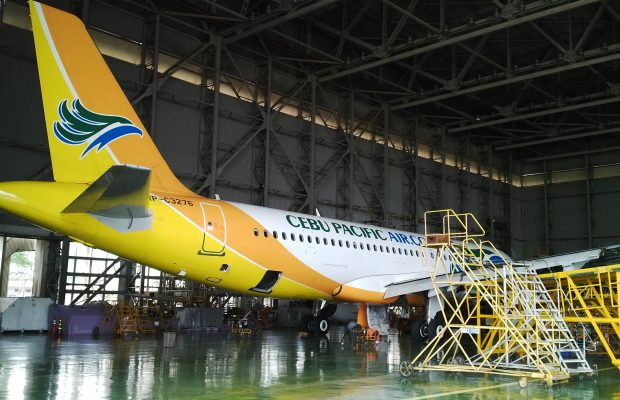
    The Philippines has taken another step towards an integrated flight network with two new routes serving Davao City. Cebu Pacific is now running regular services from the Mindanaoan city to Dumaguete and Tacloban.

    The airline’s subsidiary Cebgo will fly on Monday, Wednesday and Friday to and from Dumaguete, and on Tuesday, Thursday, Saturday and Saturday to and from Tacloban.

    The fare from Davao to Dumaguete is pegged at 2,590 pesos and and at 2,142 for Davao to Tacloban.

    Airline spokeswoman Charo Logarta Lagamon said: “Cebu Pacific remains bullish over prospects in Mindanao.

    “We remain optimistic that new routes would benefit not only Davaoeños, but Mindanaoans in general, in terms of strengthening family and cultural ties, fostering domestic tourism and education exchange, and helping harness trade and business opportunities.

    “Our new intra-island routes provide Mindanaoans convenient air connections; and support the government’s push for more infrastructure investments in Mindanao.”

    Ping Remollo, the Mayor of Dumaguete, said: “My hats off to Cebu Pacific for being the pioneer in Dumaguete; for coming in during the time when no other airline would fly to what was considered then a missionary route.

    “The new Davao-Dumaguete route will usher in more flights and improve connectivity. It will increase economic development, extending beyond Negros Oriental to nearby Siquijor; and link Davaoeños and Dumagueteños closer.

    “The Dumaguete City Council will work with our Davao counterpart to forge a partnership between our cities for tourism development.”

    Davao City councillor Danilo Dayanghirang, representing Mayor Sara Duterte-Carpio at the launch, said: “The Philippines is becoming smaller because of Cebu Pacific.

    “We look forward to more flights between cities around the country as we move towards a stronger Philippines.”

    Mrs Lagamon said the new routes would also boost trade and industry in the south. “Additional routes also expand our cargo service capability,” she said.

    “This will mean faster and more efficient means for traders, exporters and entrepreneurs to move their products and raw materials; or for our overseas Filipinos to be able to send their packages back home easier.

    “We are optimistic that the overall improvement in our cargo logistics network in Mindanao will boost the local economy.”

    The new Davao routes join existing Cebu Pacific services to Cebu, Bacolod, Cagayan de Oro, Iloilo, Zamboanga and Manila — the last of which is now served by four daily flights.

  • Odyssey expands facility for chemical sample fulfilment in Shanghai

    Odyssey expands facility for chemical sample fulfilment in Shanghai

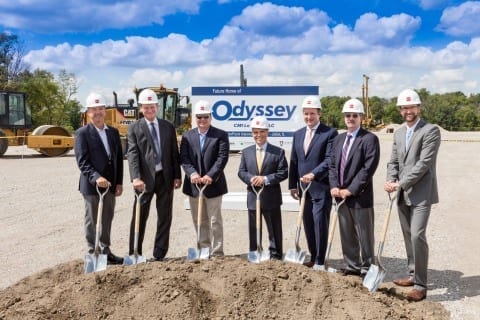
    Odyssey Logistics & Technology Corporation, a global logistics provider, has opened a newly expanded facility for chemical sample fulfilment in Shanghai Chemical Industry Park (SCIP), China. The new facility is strategically located near major chemical manufacturers, and can support increased throughput by up to 40 percent.

    “Chemical manufacturers in this region are paying closer attention to safety and are partnering with professional Dangerous Good (DG) logistics service providers for their sampling needs. Up to now this vital service has been a cottage industry,” said Lawrence Hu, senior vice president and president, Odyssey Logistics & Technology Asia-Pacific. “This is an investment in the future of this region and continues to strengthen our leadership position by providing our customers with innovative and responsible solutions to their chemical sample challenges.”

    Hu also noted that among manufacturers in Asia there is a growing trend toward increased awareness of the importance of safe handling and labeling of chemical products. “Odyssey not only has the expertise, but it also has the demonstrated processes and technology to provide this niche service to the chemical industry. This facility was designed to better serve our chemical sample customers and support growing demand for safe chemical handling,” said Hu.

    The new facility has DG class A, B and C storage and handling capabilities as well as large storage spaces to accommodate anticipated growth.

    Chemical Marketing Concepts LLC (CMC), a subsidiary of Odyssey Logistics & Technology, is the global leader for outsourced sample fulfillment and logistics services. More than 65 manufacturers use CMC to safely store, package and ship their sample and small revenue orders. CMC has processed more than 10 million sample shipments and has facilities in the United States, Netherlands and China.

  • Volvo Cars to share engine technology and more with parent Geely

    Volvo Cars to share engine technology and more with parent Geely

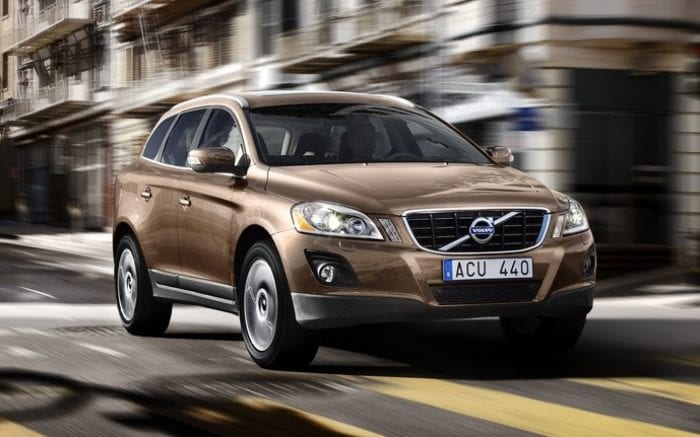
    Sweden’s Volvo Cars, a unit of Zhejiang Geely Holding Group, has agreed to make some engines available for Geely-branded vehicles, sources said, deepening ties between the carmakers who already share technology through third brand Lynk & Co.

    Three people close to Geely and Volvo said the first Volvo-powered Geely model was expected to hit the market as early as late next year as a 2019 model year car.

    The car will be equipped with a new 1.5-liter turbo charged gasoline engine which Volvo has been developing for smaller cars, the knowledgeable individuals said.

    Volvo is expected to share a 2.0-liter turbo-charged engine at a later date and will also allow Geely-branded cars to use a common vehicle platform the two automakers developed jointly for Volvo and Lynk & Co.

    “The terms of the recently announced joint venture between Volvo Cars and Geely Group mean that existing and future technologies can be shared by Volvo, Geely Auto and Lynk & Co, under license agreements,” a Volvo spokesman said.

    Analysts questioned Geely’s ability to absorb the best of Volvo when it acquired the automaker from Ford Motor Co almost seven years ago. Yet Geely has been working progressively to improve its technology with Volvo know-how.

    Better designed cars following its 2010 purchase of Volvo – such as its GC9 sedan and Boyue sport-utility vehicle – have helped lift Geely’s fortunes. Its China sales grew 50 percent last year to 766,000 vehicles and it expects sales to climb well above the 1 million mark this year.

    Ultimately, it aspires to sell more outside China.

    Earlier this year, Geely bought 49.9 percent of struggling Malaysian carmaker Proton from conglomerate DRB-HICOM Bhd. Geely officials have told Reuters the Hangzhou automaker is planning to improve Proton cars by sharing Geely and Volvo technologies.

    Analysts have said one big risk for Volvo, as it combines more with its parent, is the dilution of Volvo’s brand image by sharing its technology and know-how with a Chinese auto upstart.

    Volvo Chief Executive Hakan Samuelsson said the key was to differentiate the brand sufficiently – even if the two groups share more technology. For Volvo, that is about more and better safety equipment, among other aspects.

    “The progress Geely has been able to make in improving products and brand image over the past several years makes me feel more confident they can execute this process successfully,” Yale Zhang, head of Shanghai-based consultancy Automotive Foresight, said.

    Last month Geely and Volvo said they plan to go beyond Lynk & Co and create a joint venture to share technology, such as vehicle architecture and engines via cross licensing arrangements managed by that joint venture.

    Samuelsson told Reuters last month the deal would provide Volvo with greater development resources and efficiency in purchasing parts. It also should help Volvo speed up introduction of new technology in areas such as components for electric vehicles, he said.

  • AirAsia celebrates Asean’s golden jubilee with low fares

    AirAsia celebrates Asean’s golden jubilee with low fares

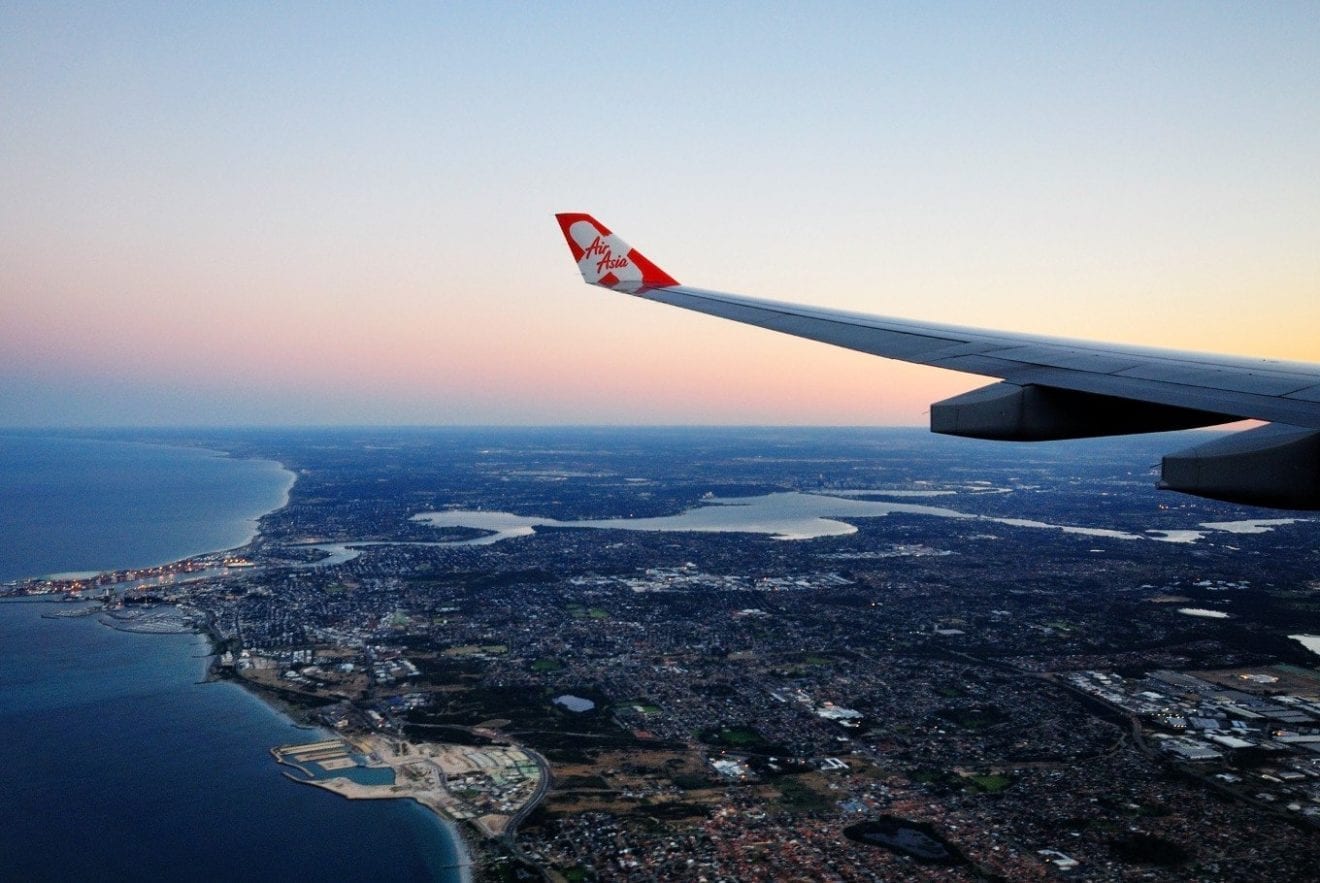
    AirAsia is celebrating Asean’s 50th anniversary with low fares to all destinations across its regional network.

    The promotion from only RM50 is in conjunction with Asean Day tomorrow, commemorating the founding of the Association of Southeast Asian Nations (Asean) on 8 August 1967.

    To seize this great offer, simply book on airasia.com or the AirAsia mobile app from Aug 7 to 13 for travel between Aug 7 2017 and Feb 8 2018 to any destination in Malaysia, Thailand, Indonesia, the Philippines, Singapore, Brunei, Cambodia, Myanmar, Laos or Vietnam.

    AirAsia Group CEO Tan Sri Tony Fernandes said, “For 50 years, Asean has inspired us with its message of unity. As Aseanists, we want to return the favour and we hope these low fares will inspire the people of Asean to discover more about the region we call home”, said AirAsia Group Chief Executive Officer Tan Sri Tony Fernandes.

    AirAsia is proud to be an Asean airline, with operations in Malaysia, Thailand, Indonesia and the Philippines, and is the only airline that flies direct to all 10 Asean countries.

    AirAsia also offers AirAsia Asean Pass which allows guests to enjoy flights within the region at fixed rates with travel validity up to 60 days.

  • StarHub 1H17 profit falls 21%

    StarHub 1H17 profit falls 21%

    Singapore’s StarHub has reported a 21% slump in net profit for the first half of the year to S$85.7 million ($63.1 million), as  result of declining revenue and margins.

    Service revenue for the six-month period fell 2% year-on-year to S$1.08 billion due to lower mobile, broadband and pay TV service revenues.

    Total mobile revenue fell 1% to S$599 million despite an increase in postpaid and prepaid customers of 21,000 and 33,000 respectively.

    Broadband revenue fell 1% over the same period to S$107 million, but enterprise fixed revenue was up 2% to S$198 million, with enterprise data and internet services revenue up 5% to S$176 million.

    StartHub also reported a decline in ebitda margin to 31.6% from 34.2% a year earlier.

    “In the quarter, we announced our acquisition of Accel to enhance our enterprise-grade cyber security offerings. This acquisition dovetails perfectly with our strategy to grow our enterprise business and demonstrates our push for inorganic growth,” StarHub CEO Tan Tong Hai said.

    “In the consumer space, we are happy to see continual improvements in customer satisfaction levels… We remain focused on addressing our customers’ digital lifestyle needs by offering them relevant products and services to enjoy a better StarHub experience.”

    For the full year, StarHub is currently projecting flat service revenue and a group ebitda margin of between 26% to 28% of service revenue. The company expects capex payments to be around 13% of total revenue.

  • Subway theme for Coach Hong Kong pop-up

    Subway theme for Coach Hong Kong pop-up

    A pop-up shop designed like a New York subway car has been launched by luxury brand Coach Hong Kong at Lane Crawford in IFC, Central.

    As well as showcasing Coach’s latest collections, the Art of Expression pop-up shop offers customisation of leather bags for customers.

    Running until August 22, the rose gold pop-up shop pays homage to the home of Coach, New York City, and features graffiti and music to match. The life-size subway recreation also includes a mosaic wall ideal for selfies, which can be pimped in an interactive photo booth by adding Coach stickers, graffiti and other effects before being emailed.

    Inside the subway car, Coach showcases its pre-fall and fall collections for women and men, including floral print dresses and skirts reminiscent of the ’30s, embellished t-shirts and high-top trainers with NASA details.

    A Coach craftsman is available to add the brand’s signature leather Tea Roses to iconic Dinkys, personalise leather bags and wallets with a monogram or Coach stamp, or add a new glove-tanned leather strap of choice to bags.

  • Toyota takes stake in Mazda, links up for $1.6 billion U.S. plant

    Toyota takes stake in Mazda, links up for $1.6 billion U.S. plant

    Toyota  said on Friday it planned to take a 5 percent share of smaller Japanese rival Mazda Motor Corp, as part of an alliance that will see the two build a $1.6 billion U.S. assembly plant and work together on electric vehicles.

    The plant was a surprise for investors at a time of cooling U.S. sales, but marked good news for U.S. President Donald Trump who came to office on the back of promises to bring back manufacturing and jobs for U.S. workers. He commented on Twitter that it was a “great investment in American manufacturing”.

    The plant, whose location is not yet public, will be able to produce 300,000 vehicles a year, with production divided between the two automakers, and employ about 4,000 people. It will start operating in 2021.

    Analysts said the plan was more than a political ploy. The alliance is also an attempt to catch up with rivals in the race for electric car technology, as tighter global emissions rules loom, along with the entry of new players into the market.

    “There will be new rivals appearing – Apple, Google – these are IT companies, we also need to compete with them, too,” Toyota President Akio Toyoda, grandson of the company’s founder, told a news conference in Tokyo.

    He was appointed last year to lead Toyota’s newly formed electric car division, flagging the group’s commitment to a technology it has been slow to embrace.

    “What’s different from the past is that there are no nautical charts for us to follow. It’s without precedent,” he said of the push into alternatives to the internal combustion engine.

    Other traditional automakers such as Daimler and BMW are also weighing how best to work on new, disruptive technology, from electric vehicles to autonomous driving, that require hefty investment and have turned firms like Google and Tesla into rivals.

    Toyota has set a goal for all of its vehicles to be zero emission by 2050. But until recently, it has said it favoured EVs for short-distance commuting, given their limited driving range and lengthy charging time.

    It has been investing heavily in hydrogen fuel-cell vehicles (FCVs), while rivals such as Nissan Motor Co, Volkswagen AG and Tesla have touted pure electric cars as the most viable zero-emission vehicles.

    As part of the agreement, as well as electric car technology, Toyota and Mazda will work together to develop in-car information technologies and automated driving functions.

    Toyota, Japan’s biggest auto company, has been forging alliances with smaller rivals for several years, effectively engineering a loose network at the heart of the Japanese auto sector. It already owns a 16.5 percent stake in sixth-ranked Subaru Corp with which it also has a development partnership.

    Toyota is also courting compact car maker Suzuki Motor Corp to cooperate on R&D and parts supply, as Toyota seeks to tap its smaller rival’s expertise in emerging Asian markets.

    As part of Friday’s plan, Toyota, the world’s second-largest automaker by vehicle sales last year, will take a 5 percent share of Mazda, and Mazda will take a 0.25 percent share of Toyota.

    Mazda said it could even expand the alliance, as long as it could stay in control of its own management. “We will study the possibility of expanding the capital alliance, but the basic premise is that autonomy is assured,” said Mazda Executive Vice President Akira Marumoto.

    A stake in Mazda may also prevent future incursions by tech companies, one analyst said.

    “For a technology company which lacks the expertise in making cars, Mazda could look like a very interesting acquisition. They’re very good, they’re not too expensive. Maybe Toyota realises this,” CLSA managing director Chris Richter said.

    “By buying a 5 percent stake, Toyota takes Mazda off the table rather than having it sit out there like a free agent which could someday be used against them.”

    Mazda, for its part, stands to gain from a deal that gives the small automaker a production foothold in the United States. At the moment, it ships all vehicles sold in the country, its biggest market, from its plants in Japan and Mexico.

    With an R&D budget of around 140 billion yen ($1.27 billion) this year, a fraction of Toyota’s 1 trillion yen, Mazda lacks the funds to develop electric cars on its own, a predicament shared by Subaru and Suzuki.

    “Mazda needs electrification technology. In the past, they’ve pooh-poohed EVs, they’ve felt they can make internal combustion engines more efficient, but the bottom line is that globally you need to have this technology,” said Janet Lewis, head of Asia transportation research at Macquarie Securities.

    The automakers plan to produce Toyota Corollas and a new Mazda SUV crossover at the new plant, and the companies said they could eventually build other cars including electric vehicles.

    Toyota initially had been planning to produce Corollas at its new $1 billion plant being built in Mexico, prompting Trump to threaten punitive tariffs.

    The company has since said it will instead produce its Tacoma truck model in Mexico.
  • Apple sales beat expectations as all categories fire

    Apple sales beat expectations as all categories fire

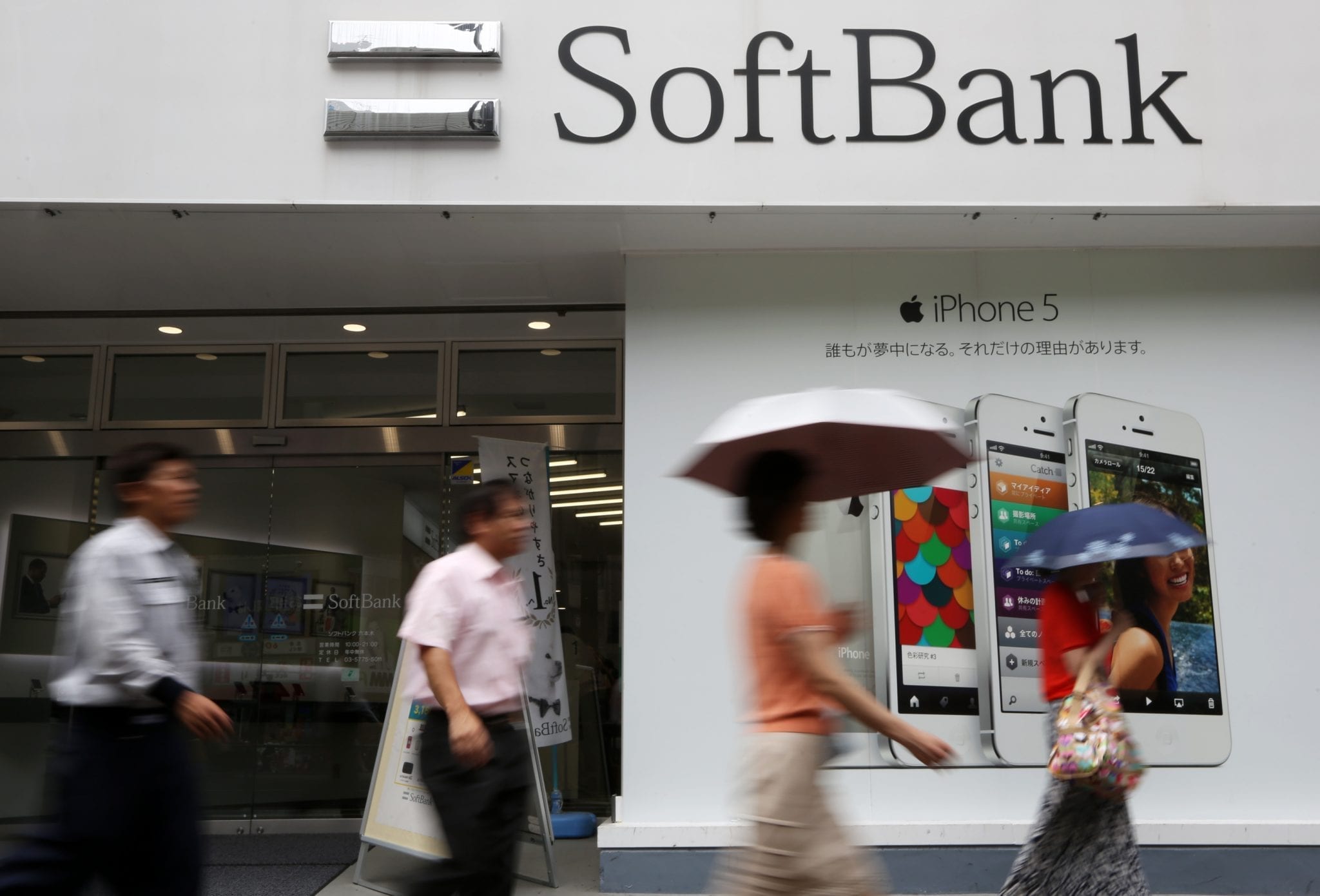
    Apple sales beat estimates in the latest quarter, with all its main product segments showing growth – even the iPad and Apple Watch, which were previously struggling.

    The US-based tech giant boosted net income by 12 per cent year-on-year to $8.72 billion on total sales of $45.41 billion.

    But despite its global success the company still has major challenges in China, a market it once considered key to future growth. Greater China sales fell 9.5 per cent to $8 billion as locals switched allegiance to local brands, often with better specifications and lower price tags.

    While iPhone sales have stagnated in the mainland, other product categories showed growth and sales were also higher in Taiwan.

    “The decline from a market standpoint was concentrated in Hong Kong, which is a place that has been really affected by a reduction in tourism because the Hong Kong Dollar is pegged to the US dollar,” said Apple CFO Luca Maestri.

    The strong global result was unexpected given the third quarter is traditionally Apple’s weakest due to its product launch cycle. The next generation iPhone, on track for a September launch, is expected to help Apple achieve fourth quarter sales of between $49 billion and $52 billion.

    “Decidedly rosier”

    GlobalData Retail MD Neil Saunders described the results as “decidedly rosier than those of recent quarters”.

    “In our view, this is a very solid performance, especially so at this point in the cycle when consumers are awaiting the release of the next generation of product. All the main product segments are showing growth – however, it is clear that growth across the divisions is far from even. iPhone growth is respectable, but far from stellar. iPad growth is good but is still not strong. Mac growth is decent, but this is down to higher-priced laptops pushing up revenue rather than underlying volume growth in unit terms. In other words, sales of products are reasonable, but not spectacular.”

    Saunders said the services sector – including products such as iTunes, Apple TV and the App Store – shows the strongest potential for Apple in the short term.

    “In contrast, service sales powered ahead – with a growth rate of 22 per cent over the prior year. Services now represent around 16 per cent of Apple’s revenue base, up from 14 per cent a year ago. In our view, this growth has some way to run.”.

    Saunders expects near-term benefits from iPads, the HomePod and the new iPhone.

    “While the iPad remains a category past its prime, we believe the upcoming release of iOS 11 has the potential to stimulate some growth. In essence, Apple has come to realise that as aesthetically pleasing and as technologically sound as it is, the applications for the iPad are somewhat limited. This is exacerbated by the fact that the main benefit of an iPad, namely its larger screen, has been diminished by the rise of bigger smartphones. The new operating software goes some way to remedying this and gives the iPad many of the functions of a laptop or notebook; in so doing, it puts some clear blue water between it and the iPhone. This will allow Apple to compete more effectively with devices like Microsoft’s Surface and could sustain this quarter’s slight uptick in demand.”

    Home Pod shines

    Saunders said the HomePod comes “as a breath of fresh air” – if only because it is the first major new product release by Apple for some time.

    “Despite this, we have mixed views about its potential success. There is no doubt that Apple has created a good piece of kit with superior speakers and some smart functions. However, the concept itself is not revolutionary; indeed, it is rather samey and follows a multitude of other home devices, including Amazon’s Echo products. One of the challenges here will be getting consumers who have already committed to one platform to switch to Apple or to buy into Apple as well. In our view, the HomePod is not sufficiently differentiated to do this well. As such, we do not believe the device will be the new iPhone; although it will likely be more successful than Apple Watch.”

    A fundamental problem for Apple is that it has set the bar so high, he said. “Its existing products are impressive and often cutting edge. However, consumers are now intimately familiar with them and, take them for granted.

    As such, it is tough to wow them with small changes and tweaks – no matter how much engineering and technical prowess those adaptations require.

    “That said, Apple has been in an incremental mode for quite some time. Our sense is that the company has lost the edge for looking at a part of the market or a category and finding ways in which it can radically reinvent it – just as it once did with the iPod and then the iPhone. This is the fuel that previously made Apple great; without adding more of it to the fire, Apple’s flame – dazzling though it is – will not burn brighter.”