Tag: asia

  • Cisco Jasper launches multi-tier IoT platform

    Cisco Jasper launches multi-tier IoT platform

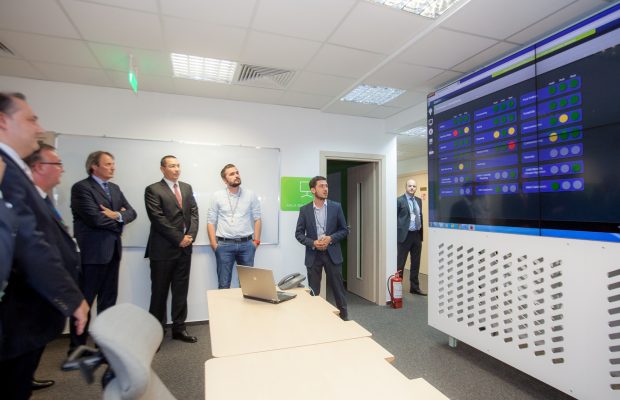
    Cisco Jasper has unveiled “Control Center,” a new expanded model to bring the benefits of its IoT connectivity platform to a broader audience.

    Control Center 7.0 addresses business’ needs for greater flexibility with a new multi-tiered IoT platform that gives companies various options to meet their specific needs, regardless of their stage of IoT implementation.

    This new platform is also paired with a new set of premium services that address previously unmet needs in the industry related to IoT monetization and security.

    “What we’ve learned from enabling IoT success for our 11,000 customers is that companies have different needs at different stages of their IoT journey,” said Jahangir Mohammed, general manager of IoT at Cisco.

    “We’re introducing the biggest evolution of our Control Center IoT platform ever, providing a flexible model and new premium services that help meet the needs of customers at any phase,” said Mohammed.

    With Control Center 7.0, Cisco Jasper is introducing a unique approach to IoT solutions unmatched in the industry, giving customers and service provider partners the flexibility to select and customize the capabilities and services that are right for their deployment, while also providing an easy path for growth as their IoT businesses scale.

    AT&T, a Cisco Jasper service provider, is integrating these additional capabilities to meet IoT needs for a broad range of industries. The platform will be called AT&T Control Center-Advanced, and will be paired with additional premium services.
  • Motorola Philippines opens third concept kiosk

    Motorola Philippines opens third concept kiosk

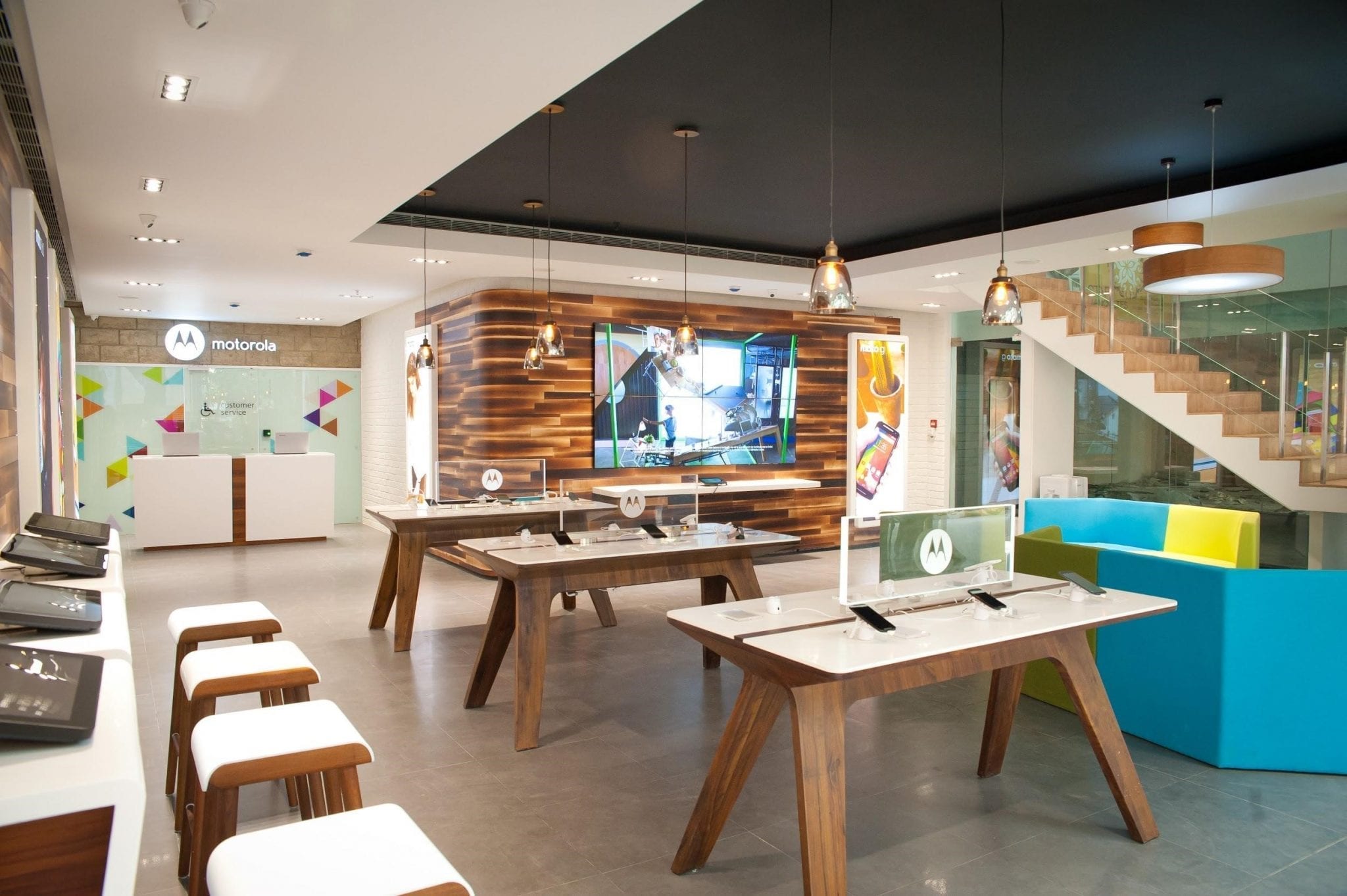
    Motorola Philippines has opened its third concept kiosk, at SM Mall of Asia in Pasay City.

    It is part of the Lenovo-owned company’s move to strengthen its retail footprint in the nation’s high-traffic malls.

    On the second level of the mall’s Cyberzone, the store features a full Moto smartphone lineup.

    “Motorola is keen to revolutionize Filipinos’ digital lifestyle,” says Lenovo Mobile Business Group Philippines country manager John Rojo.

    Shoppers at the new kiosk have been offered exclusive discounts and gifts when buying Motorola smartphones.

  • China’s retail sales grow 10.4 per cent

    China’s retail sales grow 10.4 per cent

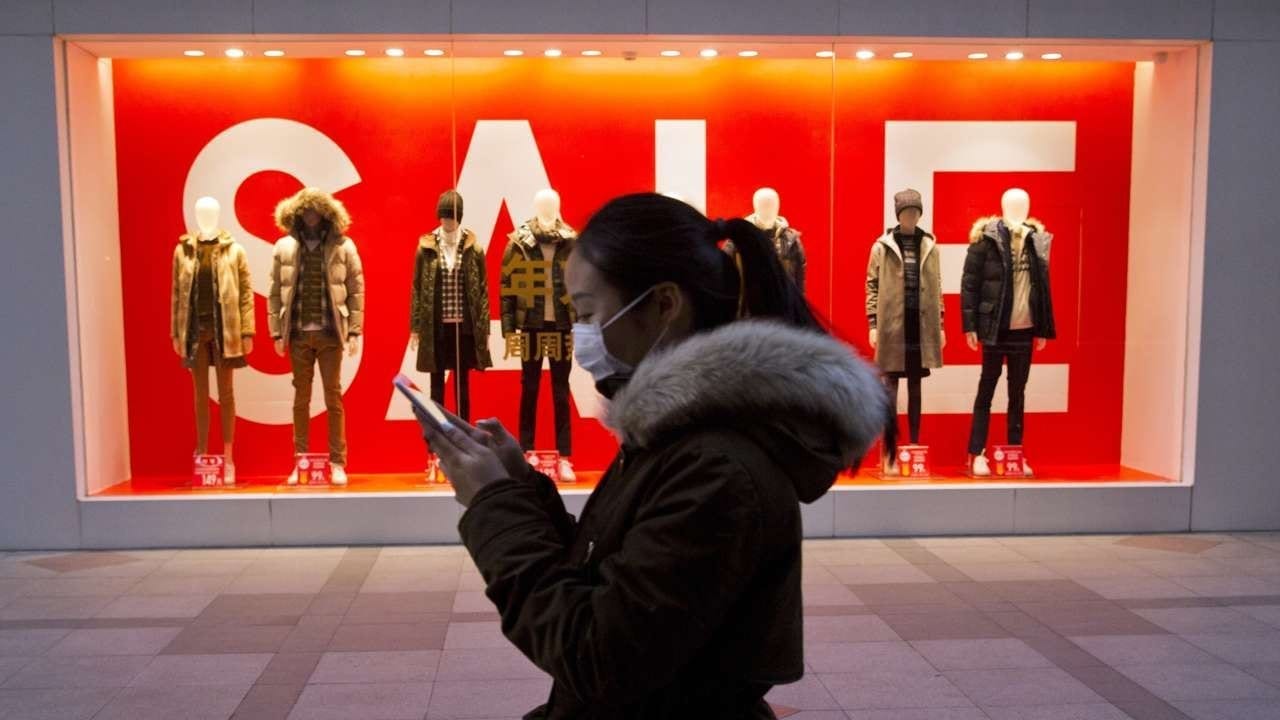
    China’s retail sales of consumer goods grew 10.4 per cent year-on-year in the first half of this year to RMB17.24 trillion (US$2.55 trillion), new official data shows.

    The pace was slightly faster than the 10 per cent for the first quarter, the National Bureau of Statistics (NBS) says.

    Retail sales last month grew by 11 per cent year-on-year, the fastest rate since December 2015.

    The NBS attributes the pick-up in growth partly to online sales, which surged 33.4 per cent year-on-year in the first half, 1.3 points higher than in the first quarter.

    Online sales of goods rose 28.6 per cent to RMB2.37 trillion, accounting for 13.8 per cent of China’s total retail sales, up from a share of 11.6 per cent for the first half of last year.

    NBS spokesman Xing Zhihong says the larger share proves new growth sources in the economy are rising.

    Retail sales in rural areas rose 12.3 per cent in the first half, outpacing the 10.1 per cent expansion for urban areas.

    Booming retail sales are behind China’s stabilising economy, which grew 6.9 per cent in the first half.

    The contribution of final consumption to GDP growth stood at 63.4 per cent, slightly down from last year’s 64.6 per cent.

    “Consumption demand is the most important engine of our economic growth,” says Xing.

  • Crown Equipment Opens New Facility In South Korea

    Crown Equipment Opens New Facility In South Korea

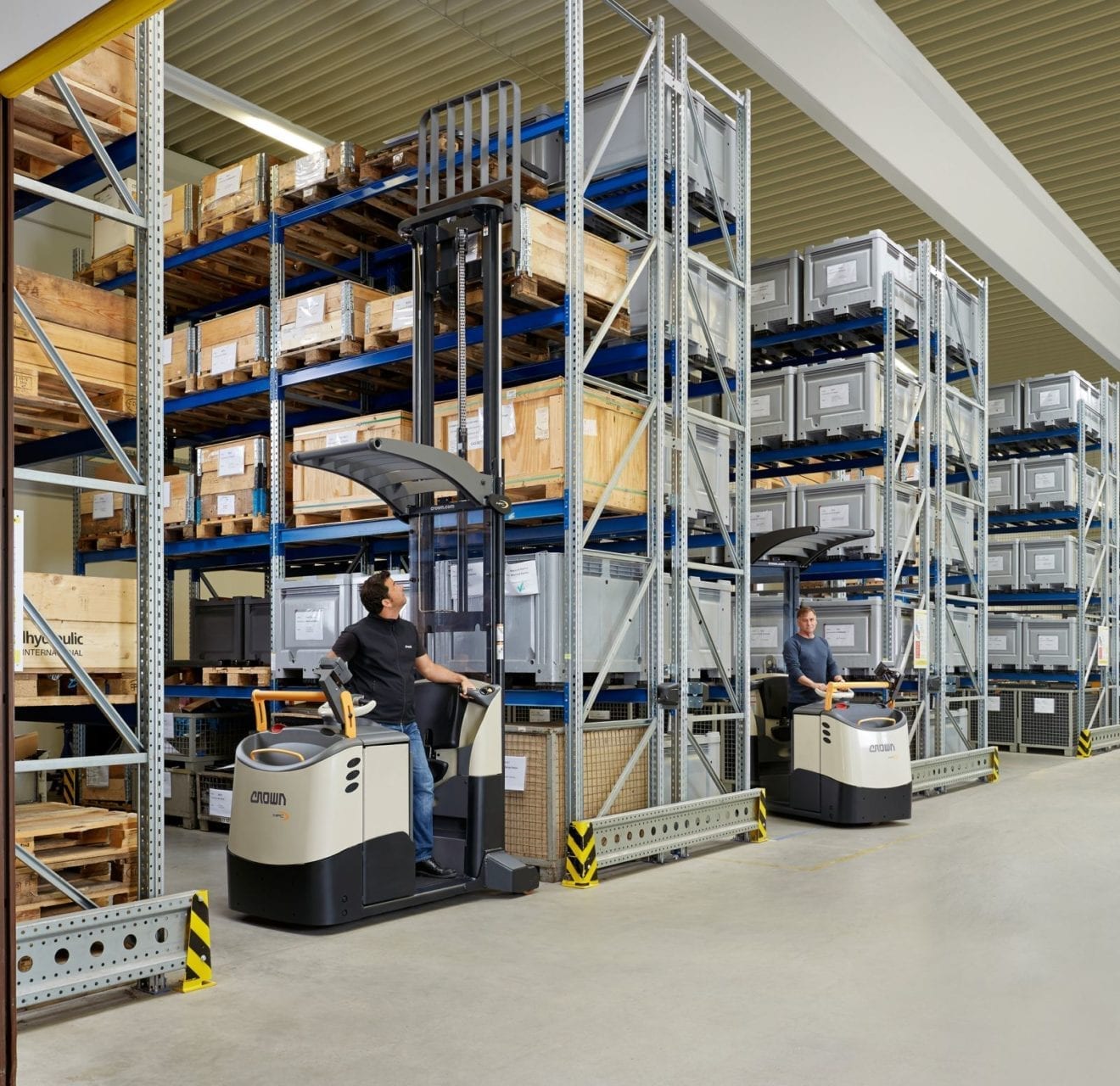
    To continue to meet growing demand for its lift trucks and fleet management technology, Crown Equipment to upgrade its South Korean operations with a move to a larger facility in one of the country’s fastest growing logistics hubs.

    Located in Icheon, Gyeonggi-do, the new facility supports Crown Korea’s experienced, factory-trained team of material handling specialists including the sales and service technicians and support staff who assist customers countrywide.

    The new branch is located for greater convenience and features larger sales and rental forklift fleets, better stock capacity and improved inventory management for faster parts turnaround.

    The Icheon facility is the third major demand-driven expansion in Asia for Crown in the last 12 months, following recently completed facilities in Johor, Malaysia and Rayong in Thailand.

    Crown Equipment managing director for Asia Pacific, Steven Hill, said the new facility was required due to steadily increasing customer numbers and geographical spread of demand for Crown’s innovative products and services.

    “The new branch is another example of Crown’s commitment to our growing number of South Korean customers in manufacturing, industrial, warehousing and logistics,” Mr Hill said.

    “It also demonstrates Crown’s ability to improve the customer experience through ongoing infrastructure development in the Asian market, which is bringing global technology to local business in Asia whilst expanding the customer support network.

    “Since we began operating in South Korea, Crown has delivered genuine cost savings, operational improvements and operator safety improvements to its customers, as well as growing employment opportunities.

    “The new facility also enables Crown to extend its already strong environmental credentials, which is in harmony with the sustainability focus of the Icheon area.

    Located in the region’s commercial Busan-Jeonju-Icheon ‘growth triangle’, Icheon is home to the port of Tanjug Pelepas, South Korea’s largest logistics complex, which supports the majority of the country’s resource refineries.

    The area is also at the junction of three major expressways servicing Jungbu, Gyeongbu and Yeongdong, for easy vehicle access.

  • Sa Sa has mixed quarter

    Sa Sa has mixed quarter

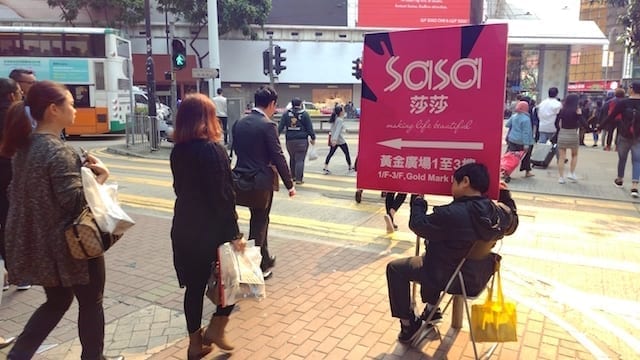
    Sa Sa sales in Hong Kong and Macau grew by 2.4 per cent for the first quarter, but same-store sales dropped by 2.5 per cent.

    Sa Sa says the unaudited figures were weaker than the previous quarter, affected by a particularly quiet June which was marked by typhoons and extended torrential rain. With a cool-down in Korean products and less store traffic, sales volume fell with fewer transactions by local and mainland tourists, down 4.1 and 6.4 per cent respectively.

    “However, some customers switching out of Korean products and into broader alternatives resulted in demand for higher-priced products,” says the retailer. “As a result, the average purchase per transaction of local and mainland customers has started to rise gradually, up 3.1 and 2.9 per cent respectively.

    “Our strenuous efforts to improve house-brand offerings is beginning to bear fruit, with the first quarter seeing improvement in the house-brand mix as well as gross profit margin in the Hong Kong and Macau markets. However, the increase in gross profits is not yet sufficient to offset the weakness in June’s sales performance and the one-off costs of Hong Kong warehouse relocation.”

    The group says it is cautiously optimistic about the Hong Kong and Macau markets and continues to invest in residential shops and extra staffing as well as launching a new own-label brand.

    It says these strategies will increase the group’s competitiveness but also exert short-term cost pressure.

    Sa Sa’s unaudited figures for the quarter to the end of June show retail and wholesale turnover increased by 2.1 per cent. In Hong Kong and Macau, the number of transactions eased by 0.4 per cent, while the average sales per transaction grew by 2.8 per cent.

    The group’s retail and wholesale turnover in other markets (including China, Malaysia, Singapore, Taiwan and e-commerce) rose by 0.5 per cent for the quarter.

    “Stepping into the second quarter, sales performance in the Hong Kong and Macau markets has
    shown conspicuous improvement,” says chairman/CEO Kwok Siu Ming Simon. “While the group is strengthening choices in selected product categories, it is anticipated sales in Hong Kong and Macau will continue to improve in the second quarter.”

  • AirAsia gives free baggage allowance, meals to soldiers

    AirAsia gives free baggage allowance, meals to soldiers

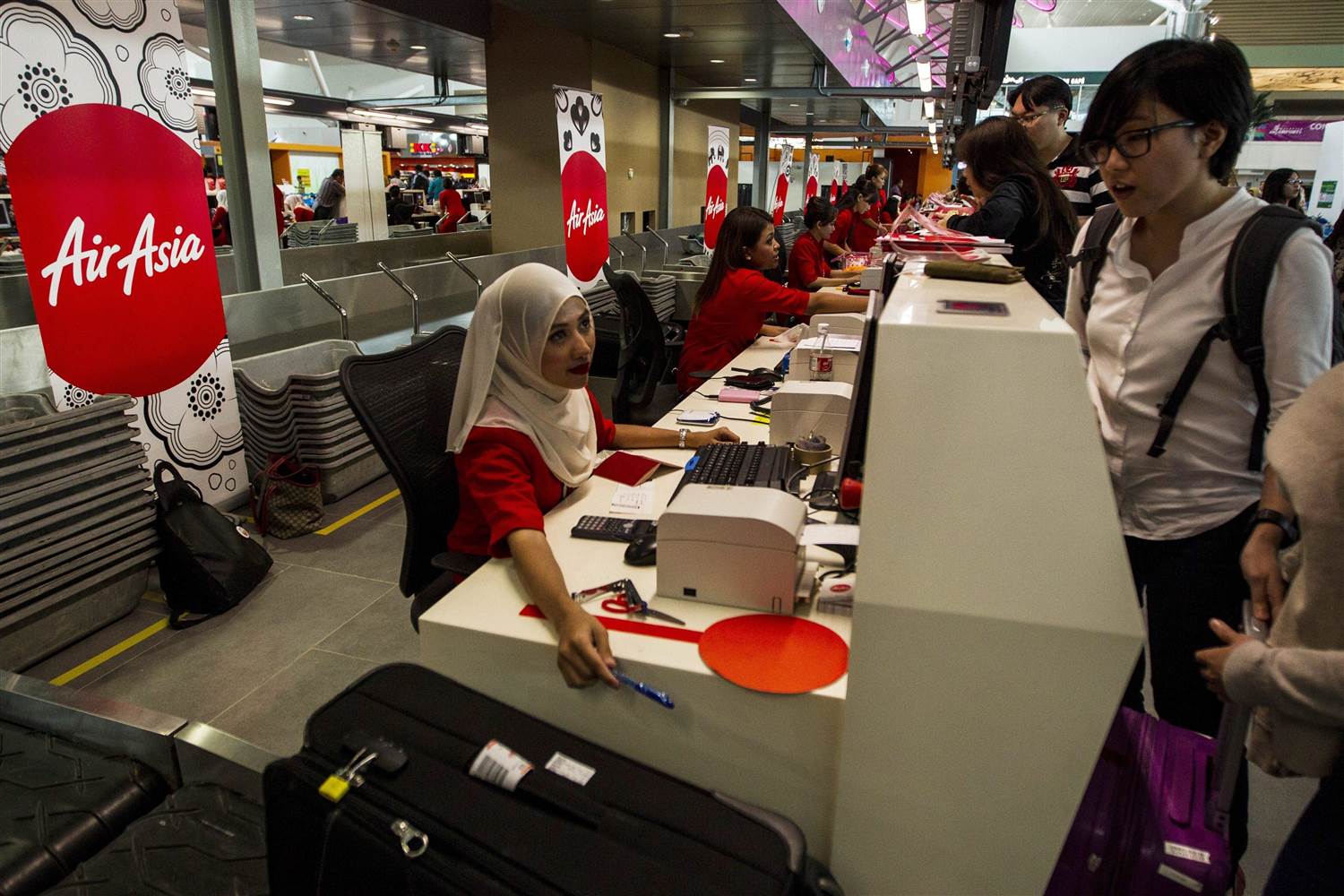
    AirAsia announced on Wednesday that it is giving soldiers and officers of the Armed Forces of the Philippines, who are on a peace-keeping mission, extra baggage allowance and free inflight meals.

    “We recognize the incredible sacrifices of our military heroes and Bayanihan spirit among Filipinos,” AirAsia CEO Capt. Dexter Comendador said in a photo posted on the airline’s Facebook page.

    The budget airline said AFP military personnel can avail of free baggage allowance of up to 40 kgs after presenting their ID and mission order.

    Facebook user Inday Rakel earlier narrated how passengers of an AirAsia flight helped three Mindanao-bound soldiers — two of whom were headed for strife-torn Marawi City and another for Cotabato — with their excess baggage.

  • Jordan 9 Guanghua store marks China milestone

    Marking two decades in greater China, Jordan Brand has opened its largest store for Asia in Beijing, Jordan 9 Guanghua.

    “We are excited to bring Jordan Brand’s vision to life in Beijing by creating a retail experience that not only pays homage to the brand’s legacy and the city’s culture, but also inspires the future,” says Jordan Brand president Larry Miller.

    Jordan 9 Guanghua, which opened with a special ceremony, will serve as a key source for pinnacle products and personalised Jordan experiences in Mainland China. As part of the opening, visitors to the store can sign up for services and take part in lucky draws for products, as well as use social media to gain special access to launches.

    Product customisation is offered at the store with 365 brand icons and the debut of Beijing Icons inspired by the city’s courts and landmarks.

    There is also a regulation-size Jordan basketball court in the store where customers can trial products, with Jordan Flight Club services at weekends.

    Showcased in the store are works by international artist Jayson Atienza with Michael Jordan themes.

  • Cross-border e-commerce: the 21st century spice trade

    Cross-border e-commerce: the 21st century spice trade

    Amidst recent uncertainties around the themes of globalization and international trade, one thing remains absolutely certain: cross-border trade is here to stay. People have been engaged in international trade for more than five millenniums. According to some of the earliest records of civilization, the exchange of goods was already supported by trading posts established in South Asia and Middle East.

    One of the main commodities was spices, which were highly prized. Traders in the Middle East offered cinnamon and cassia, embellishing their sales pitches with tales about their mysterious origins and properties. And customers loved it: The spice trade flourished and continued through to modern times, on the back of demand for these high value commodities, and the ingenuity of those who worked to source and sell them around the world. It built bridges between different cultures and gave rise to major shipping routes between continents, many of which endure till this day.

    Fundamentally, consumers have not changed over the last 5,000 years. As consumers, they still crave exclusive, high quality and exotic goods. They are willing to invest a certain amount of time and effort to seek out what they want at the best price. Merchants are constantly looking for enterprising, creative ways of taking their goods across borders to new markets. All these have set the stage for cross-border e-commerce – the new ‘spice trade’ phenomenon that will help to shape international trade, transform the world’s supply chains and build new shipping routes in the future.

    E-commerce is not a particularly new phenomenon. And neither is cross-border e-commerce. People have been able to order – particularly from major online retailers – around the world for years now, and this has helped the cross-border market grow to USD 300 billion up till 2015.

    Research insights published recently by DHL Express – in partnership with a leading global management consultancy, has indicated that this business will continue to flourish for years to come. According to the report, this market offers superior growth rates to those available in just about any other retail segment today. Cross-border e-commerce is expected to grow, on average, at nearly twice the rate of domestic online retail by 2020. The market will be three times bigger than what it was in 2015 by then.

    Outside of today’s biggest spice route supply markets—US, UK and China—new spice trade routes have emerged in Singapore, Hong Kong and India, spurred by rising consumer education and e-tailer awareness of opportunity. According to Google’s Consumer Barometer, consumers are motivated to purchase from abroad because of better product availability, more attractive offerings and trust in the brands. And consumers in Singapore (being ranked top alongside Japan, Germany and the UK) also cited better availability as a principal reason for cross-border online purchases.

  • Ericsson swings to $120.4m Q2 loss

    Ericsson swings to $120.4m Q2 loss

    Ericsson has revealed plans to accelerate its turnaround strategy after swinging to a 1 billion kronor ($120.4 million) loss in the second quarter.

    Net sales for the quarter fell 8% to 49.9 billion kronor, or 13% adjusted for constant currency. Ericsson also reported a 1.2 billion operating loss, of a slim 300 million kronor profit excluding restructuring charges.

    Ericsson’s operating margin fell to 10%, with networks operating margin reaching 7%, due to the rough economic environment for the telecoms sector. Ericsson warns it expects a high single digit percentage decline in the RAN equipment market for the full year.

    “We are not satisfied with our underlying performance with continued declining sales and increasing losses in the quarter. Execution of our focused business strategy is gaining traction. However, in light of current market conditions, we are accelerating the planned actions to reduce costs,” Ericsson CEO Börje Ekholm said.

    “The decline in the networks result in the quarter was mainly caused by lower software sales, driven by two key factors; unusually strong software sales in the second quarter last year and cautious mobile broadband investment levels.”

    He said the vendor will continue to explore performance improvements in the segment by pursuing cost reductions and continuing the ramp-up of its Ericsson Radio System product. The company has also started to increase R&D investments in networks to safeguard its market position in the future.

    Ericsson is considered a bellwether for the telecoms sector, so the results serve as something of an indication for the health of the equipment market.

  • Qualcomm releases Snapdragon Wear 1200 platform

    Qualcomm releases Snapdragon Wear 1200 platform

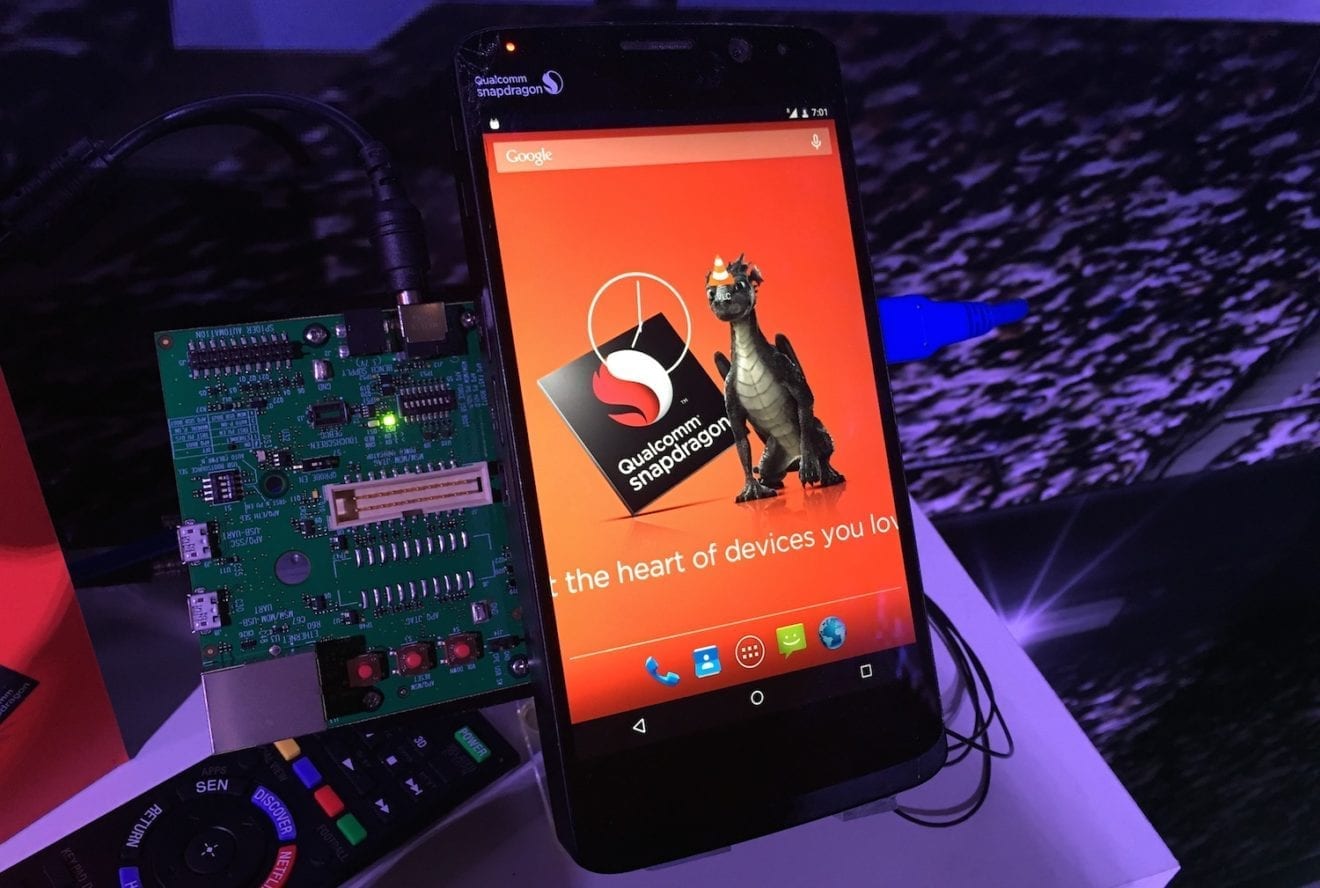
    Qualcomm has launched its ‘Snapdragon Wear 1200’ multi-mode wearables platform incorporating LTE-M and NB-IoT connectivity.

    The new platform –  complements the existing Snapdragon Wear 1100 and Snapdragon Wear 2100 platforms – is designed to connect wearable devices for fitness trackers, kids, the elderly and pets.

    “The smart wearables industry continues to grow with prolific innovation across targeted opportunities such as kids, pets, elderly, and fitness,” said Pankaj Kedia, senior director of product management at Qualcomm Technologies.

    “To effectively scale, these opportunities require ultra-low power, highly energy efficient, always connected, and cost-efficient solutions,” said Kedia. “With the introduction of Snapdragon Wear 1200, we extend our wearables offerings to bring LTE IoT categories M1 and NB1 to connect the next generation of wearable devices and provide an exciting complement to our Snapdragon Wear 2100 platform for smartwatches.”

    Qualcomm also announced collaborations with original design manufacturers (ODMs), Borqs and Quanta, who have developed reference platforms based on Snapdragon Wear 1200.

    These reference designs target the kid, elderly, and pet tracking segments and will enable device manufacturers to commercialize new products in an accelerated fashion while leveraging the features and functionality of Snapdragon Wear 1200.

  • Subway stores to be revamped globally

    Subway stores to be revamped globally

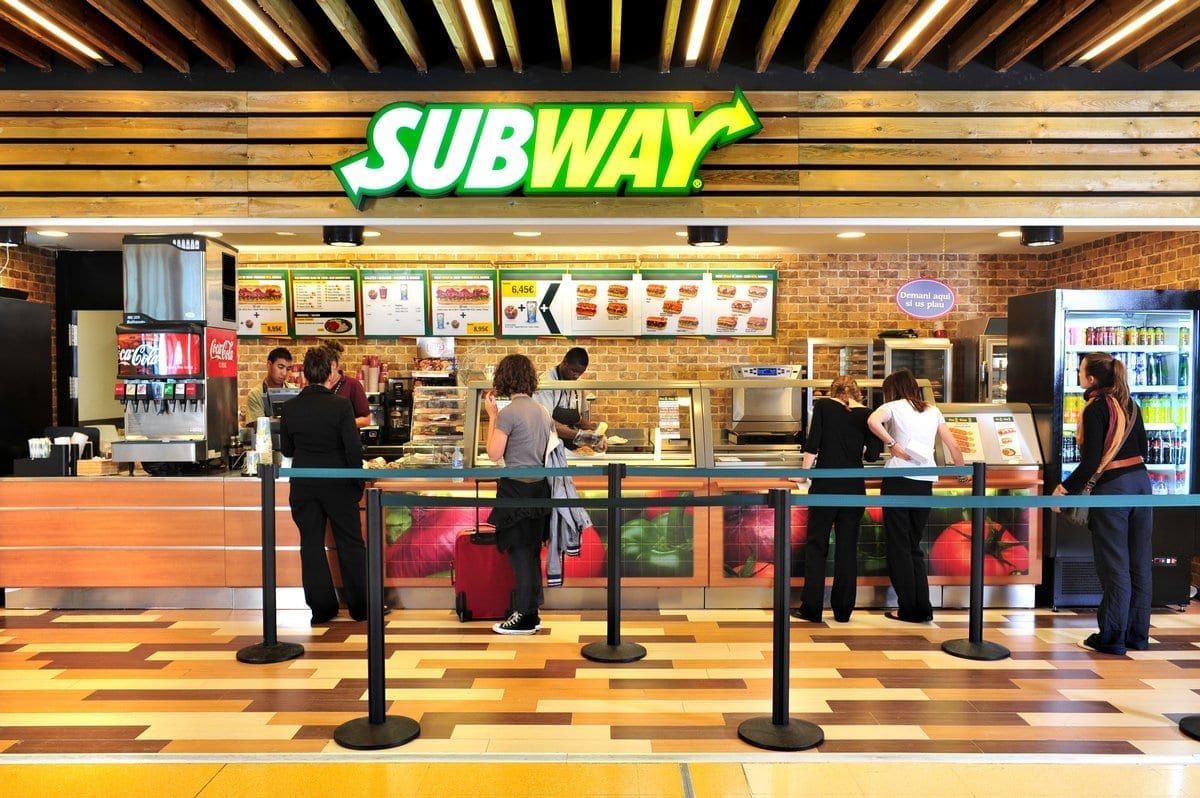
    Subway stores are getting a facelift, with the new Fresh Forward design being rolled out internationally. Briefed to come up with a distinctive, welcoming space, FRCH Design Worldwide introduced a bright new colour palette inspired by fresh vegetables.

    This comes almost a year after the chain updated its logo. It created Subway Digital last year to develop an omni-channel strategy and also revealed a new brand identity including a new symbol called the Choice Mark. Its optimised colour palette is being brought to life through in-store imagery, packaging, uniforms and signs. Many elements of the refreshed brand identity will be worldwide by the end of this year.

    “We’ve created a modern design that gives our guests choices – from how they order, to how they pick up their food, to how they enjoy their meal,” says Subway VP of operations Trevor Haynes.

    Select locations offer self-order kiosks with digital menu boards and Apple and Samsung Pay options. There is a separate food-preparation area for kiosk guests. There is also a designated pre-order pick-up location for orders via kiosk, mobile app, delivery, catering and bot for Messenger.

    Stores feature a fresh vegetable display with whole tomatoes, green peppers, onions and cucumbers, plus there are bread and cookie displays. Subway Fresh Forward restaurants are also adding items to the menu, starting with pico de gallo, sauces, house-made pickles and gluten-free bread.

    For dine-in guests there is bright and playful decor, curated music and comfortable seating with USB charging ports and complimentary Wi-Fi internet access.

    Franchisees and customers around the world offered input for the new design. Twelve pilot locations have just opened in Canada, the UK and the US, with restaurants to be refreshed in the 113 countries covered by the chain’s more than 44,000 locations.

    Subway was founded more than 50 years ago Fred DeLuca, then 17, and family friend Dr Peter Buck, and is still a family-owned business.

  • E-commerce booms in China for Chow Tai Fook

    E-commerce booms in China for Chow Tai Fook

    Chow Tai Fook Jewellery Group’s e-commerce sales in Mainland China grew 140 per cent year-on-year in the first quarter to June 30. Volume surged 125 per cent.

    Retail sales value growth overall for China came in a 17 per cent, compared to 7 per cent for Hong Kong/Macau, unaudited figures show.

    Same-store-sales growth for China was 11 per cent, with zero growth in sales volume, a 3 per cent rise in gemset jewellery sales and 16 per cent for gold products.

    For Hong Kong/Macau, same-store sales grew 5 per cent, with volume growth up 7 per cent, a 4 per cent fall in gemset jewellery sales and a  per cent increase in the sale of gold products.

    Both retail  sales value and same-store-sales performance improved for the quarter in the two markets.

    An increase in average selling price (ASP) helped boost the same-store sales of gold products in both markets. In China, the same-store ASP was HK$3600 (US$461), compared to $3000 in the first quarter, while for Hong Kong/Macau the figure was $7100 compared to $6800.

    Chow Tai Fook says the increase was primarily because of gold product sales having a higher average weight while the average international gold price stayed flat.

    Driven by an increase in both volume and ASP, same-store sales of gemset jewellery in China improved during the quarter. The decline in same-store sales of gemset jewellery in Hong Kong/Macau narrowed to a single digit, as volume resumed double-digit growth.

    Same-store ASP was $6100, up from $6000 in the first quarter, for China, and $10,800 for Hong Kong/Macau, down from $12,900.

    During the latest quarter, the group added 28 points of sale. This included 29 in China, two in Japan and one in the US, with four outlets being closed in Hong Kong. This gave the group a total 2409 points of sale as at the end of June.

  • Sennheiser Hong Kong store opens at The Peninsula Arcade

    Sennheiser Hong Kong store opens at The Peninsula Arcade

    German headphone brand Sennheiser has opened its first standalone Hong Kong store at The Peninsula Arcade.

    “We hope to build a close relationship with Hong Kong’s customers by knowing their demand and providing a place where they can experience the perfect sound quality we have achieved,” said Daniel Sennheiser, the company’s CEO, who attended the opening.

    Sennheiser was founded by electrical engineer Prof Dr Fritz Sennheiser in 1945. Besides headphones, it also produces microphones and other audio solutions.

    At the Sennheiser Hong Kong store, located in the Peninsula Hotel complex, customers can peruse wireless headphones and collaborative products from luxury fashion label Dior Homme.

  • Michael Kors, Chinese in battle to buy Jimmy Choo

    Michael Kors, Chinese in battle to buy Jimmy Choo

    Michael Kors has joined the list of known bidders for luxury shoe brand Jimmy Choo.

    According to Sky News, the US brand will lodge an indicative bid for Jimmy Choo prior to next week’s deadline.

    Rival US fashion label Coach has already declared its interest along with Chinese investor Hony Capital, which owns Pizza Express.

    Sky News reports private equity company CVC Capital and at least one other party are also preparing bids.

    Jimmy Choo was put on the market in April, by majority parent JAB Luxury. It is estimated to be worth about £800 million. JAB, which is also selling Bally, says it wants to focus on its food investments, which include Panera Bread, Caribou and Krispy Kreme Doughnuts.

    Hony Capital has reportedly also entered discussions with Interparfums on a joint takeover. Interparfums owns the license to make Jimmy Choo-branded perfumes.

  • Chain.io unveils supply chain open access integration platform

    Chain.io unveils supply chain open access integration platform

    Chain.io, a cloud-based supply chain integration provider, announces the exclusive beta release of their open access Chain.io Platform. The technology is a cloud-native supply chain integration and intelligence service that helps shippers, logistics service providers and logistics software providers share data more efficiently and dramatically reduce the cost of connectivity.

    “We’re really excited to bring the supply chain community a platform that will be able to make so many people’s jobs easier and more effective,” said Brian Glick, CEO of Chain.io. “This platform is the culmination of decades of combined work across the team. Leveraging open APIs, a collaborative data model, a pay-for-what-you-use pricing structure, Chain.io will transform the way that the logistics industry collaborates.”

    Chain.io fills the gap in the industry where one-on-one software integration has become too complex and costly. Via the company’s technology, clients will be able to develop a one-time connection to the platform and instantly be connected to other partners in the supply chain. Unlike legacy VANs, the cloud native platform allows for self-service and a significantly lower total cost of ownership.

    “Connectivity began with a bi-directional, costly, EDI integration between only two trading partners. Each new partner came with the same costly, bi-directional connectivity,” Glick continues. “Today, we reduce the development time and expense by allowing a company to create a single connection to Chain.io. From here, any other company can do the same, allowing for a nexus of interconnected parties as the platform continues to grow and add users.”

    While Chain.io was officially launched earlier this year by a group of industry experts, its technology has been in the works for some time already. The company leverages modern, cloud-based technologies like Functions as a Service, NoSQL, and Data Streams which allows the platform to deliver lightning fast performance while maintaining the highest levels of scalability, reliability and security.