Tag: asia

  • Inditex sales soar 14 per cent

    Inditex sales soar 14 per cent

    Inditex sales grew 14 per cent in the quarter to April 30, to €5.6 billion, underpinned by a solid business performance in all markets.

    Sales growth in constant-currency terms was 12.5 per cent and net profit amounted to €654 million, up 18 per cent year-on-year.

    Growth was achieved across all regions and all of the group’s brands – Zara, Stradivarius, Pull & Bear, Massimo Dutti, Oysho, Uterqüe and Zara Home – increased their international presence, expanding their integrated physical and online store platforms.

    Four new e-commerce markets were added during the quarter, with Zara launching online in Thailand, Malaysia, Singapore and Vietnam. In parallel, the group continued to expand and refine its presence in its 93 operating markets, ending the period with 7385 stores.

    Zara is due to launch online in India during the second half of the year.

    Highlights of the group’s physical store openings included a Zara Home flagship store on Shanghai’s West Nanjing Road and a new 4800 sqm Zara flagship in the Ismail Building in Mumbai, India.

    Inditex said it was committed to continuing to invest in growth through the constant modernisation and renewal of its stores and facilities.

  • Louis Vuitton x Supreme draws queues

    Louis Vuitton x Supreme draws queues

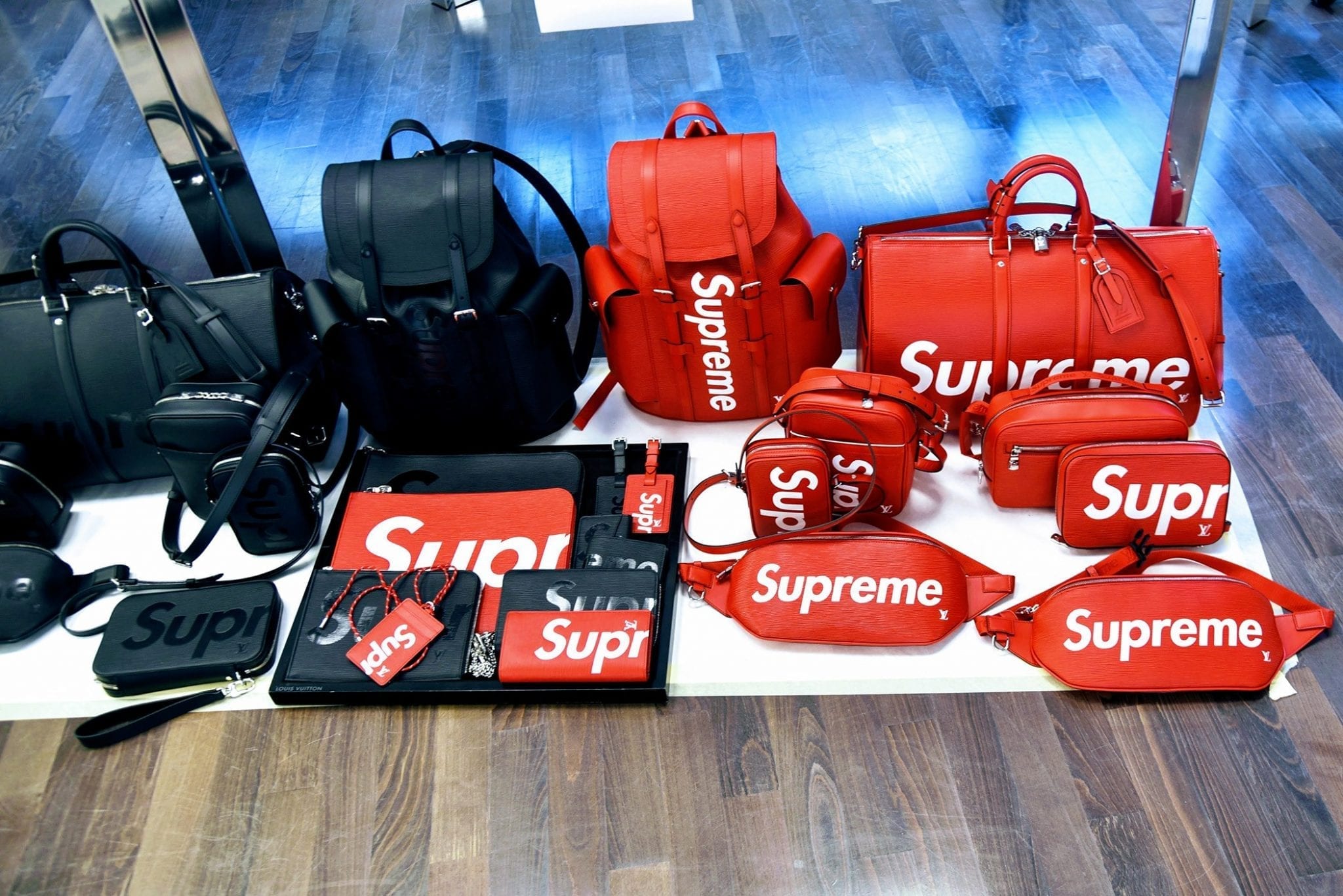
    Louis Vuitton’s heavily-hyped collaboration with streetwear label Supreme has gone on sale in Hong Kong – and elsewhere around the world – with long queues.

    The products in the Louis Vuitton x Supreme collection range from a HK$565,000 luxury red trunk and a $445,000 skateboard to more affordable items like sneakers – and even a bumbag at $18,200.

    Such was the demand for the streetwear range, Louis Vuitton organised appointments for would-be buyers, limiting each person to one, non-transferable visit and a maximum purchase of two items.

    In Singapore, people queued for more than 48 hours, with some shoppers hiring queue-sitters and swapping shifts to be sure of getting in the door. On Friday, there were still short queues outside some Louis Vuitton outlets in Hong Kong. Louis Vuitton customers wanting to browse other items were allowed in via other entrances.

    The Louis Vuitton x Supreme range – which has a strictly limited volume – was pre-launched on June 30 in Beijing, Miami, Seoul, Los Angeles, Tokyo and several other cities via pop-up stores, which have since closed.

    In China, Louis Vuitton launched a WeChat campaign for fans to register to get their hands on the collection.

    Despite Louis Vuitton’s efforts to limit purchases per customer, the Louis Vuitton x Supreme items are already being resold online at a premium. A box logo hoodie was reportedly being advertised at US$25,000.

  • Foot Locker Launches E-commerce Platform

    Foot Locker Launches E-commerce Platform

    Foot Locker has launched its first Aussie e-commerce platform, opening a website that includes the shoe retailer’s full range of sneakers and apparel.

    In a statement, the shoe retailer said it anticipates the online store will further fuel the rise of sneaker culture in Australia.

    “We’re excited to expand into the online space and give our customers the opportunity to access our full range of product from anywhere in Australia,” said Natalie Ellis, VP GM Foot Locker Asia Pacific.

    The 24/7 website will house sneakers, apparel and accessories from brands including Jordan, Nike, adidas, Puma, Asics and Converse.

    Foot Locker said it’s built the e-commerce store to meet the needs and expectations from consumers and ‘to facilitate access to the best-of-the-best sneakers from anywhere in Australia’.

    Consumers will have access to the full range of House of Hoops, a-standard, Puma Lab and Converse Prime product that had previously been available for purchaseonly within flagship stores.

    The e-store allows free returns anywhere in Australia, free delivery nationally for orders over $150 and has a selection of over a thousand products.

    Foot Locker Australia, a subsidiary of the US corporation, Foot Locker Inc, was incorporated in 1994 and is based in Murarrie, Queensland. It operates approximately 100 stores across Australia and New Zealand.

    Sneaker culture appears to be a developing phenomenon, with Foot Locker’s British rival, JD Sports, recently asserting the success of its first local offerings.

    “The highly anticipated JD Sports Parramatta launch is expected to attract sneakerheads en masse, following the success of Melbourne Central’s flagship store, which went down as one of the largest launch days of any international territory within the JD Sports business,” said Hilton Seskin, head of JD Australia. The Parramatta store opened last week with over 500 customers queueing to get their hands on limited edition sneakers.

  • The most promising 5G operators named

    The most promising 5G operators named

    Although 5G is still a few years from becoming a reality, Juniper Research has identified five mobile carriers as the “most promising 5G mobile network operators” – namely SK Telecom, NTT Docomo, KT Corp, China Mobile and AT&T Mobility.

    South Korean mobile carrier SK Telekom ranked No 1 for the extent of 5G trials over the past 24 months in the fields of millimetre wave spectrum, MIMO (Massive Input, Massive Output) transmission and network slicing.

    The ranking process included analysis of time in development, breadth and value of partnerships and progression of 5G network testing, Juniper Research says in its new report.

    Additionally, the research firm forecasts that 5G operator-billed service revenues will reach $269 billion by 2025, rising from $851 million in 2019 – achieving 161% CAGR (compound annual growth rate) over the first seven years of 5G services.

    Two thirds (66%) of all the revenues will come from North America and Far East & China by 2025.

    Meanwhile, as 5G spectrum auctions and infrastructure build-out costs would necessitate a diverse range of strategies to maximize operator return on investment, this need is compounded by the ongoing fall of average revenues per connection.

    As such, adoption of software-based network solutions will lower investment costs, enabling operators to begin realizing a return on investment as early as 2024, Juniper predicts.

    The research firm also emphasizes the importance of these technological solutions in addressing varying 5G use cases.

    “Network virtualization will become increasingly prominent as operators aim to lower expenditures,” notes research author Sam Barker. “Adoption of the technology is critical to the wide-ranging demands of future 5G networks.”

    Juniper says the research is based on the latest market data and takes into account the accelerated status of current operator and vendor developments, with network launches expected to occur during 2019, a year earlier than originally anticipated.

  • Global telecoms revenues to grow 2% in 2017

    Global telecoms revenues to grow 2% in 2017

    Worldwide IT spending is expected to increase by 4.5% in 2017 in constant currency terms, a significant improvement on last year’s growth of 2.5%, according to IDC.

    The latest addition of the research firm’s  Worldwide Black Book forecasts that total IT spending this year will reach $2.1 trillion and is forecast to increase by another 4% in 2018 as positive momentum continues into next year.

    Including telecom services, which will increase by just over 2% in constant currency terms this year, the overall ICT market will reach $3.5 trillion in 2017.

    Growth is being driven by stronger upgrade cycles for infrastructure and mobile devices.

    APeJ will post the strongest regional growth in IT spending this year, IDC predicts, with the company projecting an 8% increase in constant currency terms.

    China and India are both expected to post overall IT spending growth of 10% in constant currency terms this year, although China is likely to see a moderating pace of growth in the next few years as the economy begins to slow.

    The strongest growth this year will come from infrastructure hardware, enterprise software, and mobile devices. With cloud service providers expected to accelerate their datacenter investments in order to keep pace with growing demand for cloud services, total server spending will increase by 4% this year and 5% in 2018.

    Smartphone sales will improve compared to 2016

    Last year saw a significant slowdown in the smartphone market, as increasing maturity and price competition affected many markets. Stronger growth is expected in the second half of 2017, as premium vendors launch significant new products while smartphone penetration and value continues to grow steadily in key emerging markets including China.

    Overall smartphone spending will increase by 7% this year to $439 billion, a big improvement on last year’s 1% growth.

    “Cloud and mobile are still the big drivers for IT spending, despite the attention devoted to new technologies like augmented reality, artificial intelligence, and robotics,” IDC VP for customer insights and analysis Stephen Minton said.

    “New technologies will drive a larger share of market growth in the next 5-10 years, but the short term will also see a resurgence of growth in markets tied to 3rd Platform opportunities, including cloud services, mobility and big data.”

  • Grana expands into Mainland China, opens store on Alibaba’s Tmall

    Grana expands into Mainland China, opens store on Alibaba’s Tmall

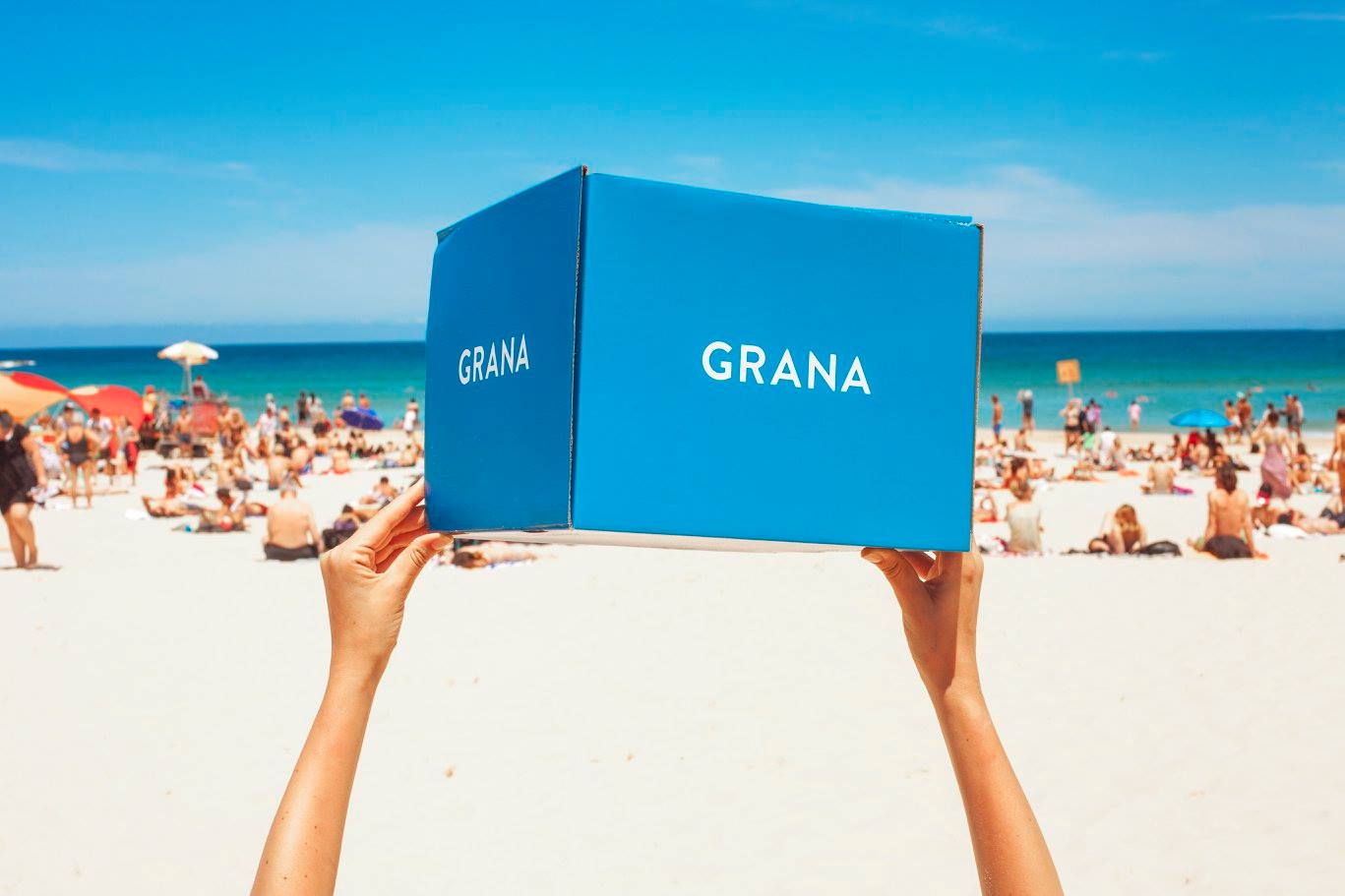
    Today Grana, one of Asia’s fastest growing eCommerce disruptors in the apparel industry, with US $16 million in funding, announced its official launch into mainland China opening an online store on Alibaba’s Tmall – the largest business-to-consumer (B2C) retail platform in Asia.

    The Hong Kong-based startup has also announced global shipping, adding more than 50 new countries across Asia Pacific, Southeast Asia and Europe to introduce its obsession with high-quality fabrics and bring affordable luxury basics to millennial consumers. This expansion comes from direct consumer demand to ship Grana’s modern essentials cross-border into their countries.

    With today’s official entry into the Chinese market, the young startup aims to meet demand from the emerging middle-class seeking trusted quality goods at a lower price-point from online luxury and fast-fashion retail brands currently in the market.

    To drive its market penetration, Grana’s increasing brand awareness in the US – it’s biggest growth market and traction with celebrities including Gigi Hadid, Jessica Alba and Lily Collins, wearing its products for everyday looks to red carpet appearances, will be important factors to attract the Chinese consumer.

    “We appreciate the strong and strategic partnership with Alibaba supporting our expansion plans onto Tmall. It’s a pinnacle time for the company right now and it’s promising to see Chinese millennial consumers and online shoppers around the world becoming more sophisticated in how they shop, encouraging brands to disrupt the cost of quality goods across all sectors.

    It’s great, since this is our sweet spot. We now ship cross-border to over 60 countries and are well positioned to further drive the projected total revenue of eCommerce in Asia to double, over the next five years to US $1.4 trillion”, said Luke Grana, CEO & Founder at Grana.

    Grana’s flagship store on Tmall has been localised to provide the Chinese consumer with detailed information on product description pages that focus on its trusted and best-selling fabrics, garment production and key styles.

    Given the consumer preference for more guidance on size and fit, online shoppers will soon have access to customised size guides with measurement details sharing recommended sizing to purchase its modern essentials. This customised size guide is different to the size guide available on grana.com and more tailored for Chinese consumers.

    “We’ll be introducing our unique value proposition to Chinese consumers focused on sourcing the finest luxury fabrics from around the world, affordable pricing and direct shipping from Hong Kong.

    This will be crucial to break out amongst fast-fashion and luxury brands. On the Hong Kong front, our team can now introduce Grana to Chinese tourists who already visit our showroom and communicate that we ship to their city. It means they can try items offline, place an order and have it delivered by the time they get home – the aim is to bring these offline customers, online for their second purchase”, says Grana.

  • Asics New Zealand launches in Auckland

    Asics New Zealand launches in Auckland

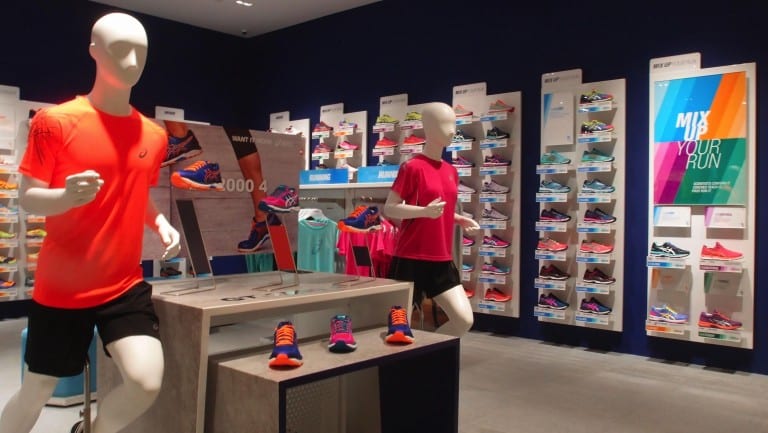
    Sneaker company Asics New Zealand has opened its first retail store in Auckland – one of only nine concept stores for the Japanese brand.

    Covering 203sqm over two levels, the store houses the nation’s only 3D foot-mapping system.

    “If you walk into the store in New York or New Zealand you have the same look and feel – it’s welcoming and comfortable. We are using a lot of wood, for example,” says Asics GM Greig Bramwell.

    “We are showcasing the full range of product, ‘head to toe’, with a focus on developing our apparel business.”

    He says the Shortland Street site is great. “It grabs your attention with big screens on the mezzanine.”

    It is only the second company-owned outlet in Australasia for Asics. It has a Family and Friends Outlet Store in New South Wales, with most of its stores being in Asia and Europe. Asics was founded in Japan in 1949 and has its head office in Kobe.

  • AirAsia up 1.91% on upgrade, outlook for better 2Q results

    AirAsia up 1.91% on upgrade, outlook for better 2Q results

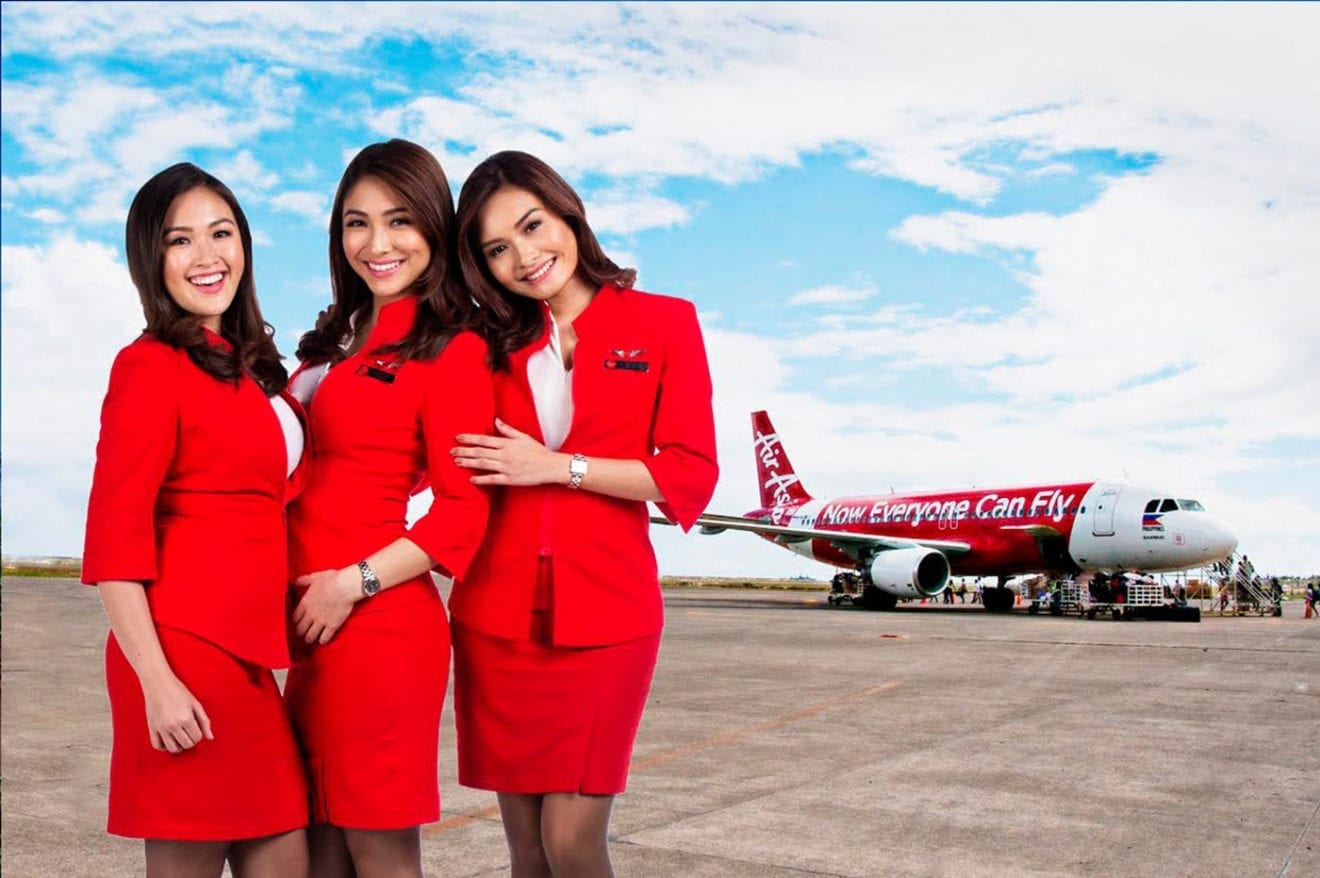
    Shares of low-cost carrier AirAsia Bhd rose 1.91% at mid-morning today following an upgrade by CIMB IB Research as well as positive outlook for its second quarter earnings.

    At 10.49am, AirAsia rose 6 sen to RM3.21 with 4.35 million shares traded.

    CIMB Investment Bank Bhd upgraded AirAsia Bhd shares to “add” from “hold” after the stock’s recent drop and in anticipation that the budget airline will report better financials in the second quarter ended June 30, 2017 (2QFY17).

    CIMB analyst Raymond Yap wrote in a note yesterday that the research house however maintained its AirAsia share target price at RM3.51.

    “Upgrading AirAsia after recent share price correction,” Yap said.

    “On a yoy (year-on-year) basis, we believe that AirAsia may deliver better results in 2QFY17F despite the ringgit being weaker by 5.7% yoy and the jet fuel price (inclusive of hedging) higher by 11% yoy. This is because we expect loads to be 4% pts higher yoy, offsetting most or all of the cost hikes.” he said.

    AirAsia is scheduled to announce its 2QFY17 financials next month.

  • Shopee scales up B2C efforts with launch of Shopee Mall

    Shopee scales up B2C efforts with launch of Shopee Mall

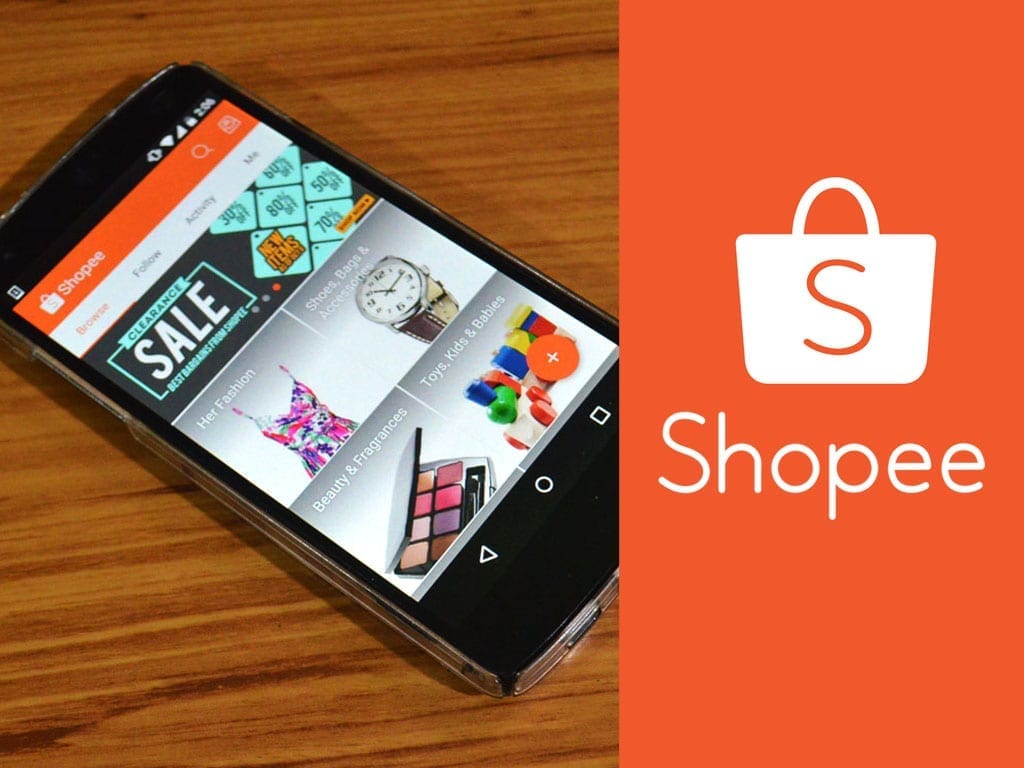
    Shopee, Southeast Asia and Taiwan’s leading eCommerce platform, today officially launched Shopee Mall, a dedicated in-app space for B2C sellers. Consumers are now able to shop from Shopee Mall, in addition to the existing offerings available in the Shopee marketplace. The new portal provides access to thousands of products from over 200 top sellers and leading brands such as 3M, L’Oreal, Philips and Reckitt Benckiser.

    Additionally, all products on Shopee Mall come with 100% Authentic Guarantee, Free Shipping and 15 Days Return Policy.

    Shopee Mall was conceptualised due to the increasing need for brands to provide Singaporeans with a streamlined online shopping experience. In a recent survey by HSBC, 94% of local online shoppers identified reliability and trust as key considerations when making an online purchase.

    Shopee Mall aims to bolster both attributes and assure consumers by ensuring that all sellers on Shopee Mall are verified with the Accounting and Corporate Regulatory Authority, a locally registered entity. This verifies a merchant’s trustworthiness and ensures that all goods sold are authentic.

    Speaking about the launch, Zhou Junjie, Country Head of Shopee Singapore, said: “The launch of Shopee Mall is a major move for us in establishing Shopee as an industry leader and a one-stop platform that caters to all our customers’ needs.

    As we scale up our B2C efforts, customers can now shop conveniently from hundreds of leading brands. At the same time, Shopee Mall helps brands to reach out to more customers whilst building consumer confidence. Our users are very important to us and we’re continually working to improve Shopee for them.”

    Additionally, Shopee further strengthens its consumer-first policies by giving consumers more convenience. Shoppers can reap cost savings from free shipping on every order with no minimum spend. Furthermore, shoppers who wish to return their purchases can do so using the prepaid postage labels provided.

    In a survey conducted by PwC in 2016, Southeast Asian shoppers indicated that this is an amenity they expect from eCommerce businesses.

    Catering to this is crucial as return policies in Asia have typically been less favorable to consumers.

    Shoppers can easily identify Shopee Mall product listings with the newly added red ‘Mall’ label. Within the portal, shoppers can also navigate easily between key brands, category campaigns and personalised recommendations.

    During the launch period beginning 18 July, Shopee Mall will offer exclusive campaigns, including opening sales of up to 80% off, voucher codes and giveaways.
  • Lanvin opens menswear store in Kuala Lumpur

    Lanvin opens menswear store in Kuala Lumpur

    Lanvin has opened its first flagship store in Malaysia, with an emphasis on the French maison’s men’s fashion and women’s accessories collections.

    Located at the Pavilion in Kuala Lumpur, the store covers 2040 square feet of floor space and is situated on level 2 of the prestigious mall.

    The store features Lanvin’s signature retail design accenting sleek interiors with cream-coloured shelves and marble floors, largely minimalist with an emphasis on the high-end clothing and accessories.

    Focused on Lanvin’s male customer, the shop boasts a range of men’s formalwear, black tie suiting, casualwear, as well as a skater and sneaker offerings from Lanvin’s Pre-Fall Collection.

    For women, Lanvin Kuala Lumpur also carries the latest women’s accessories including bags and leathergoods. It has not been disclosed if the French luxury brand has plans to open a women’s store in the Malaysian capital.

    Lanvin retail sales have faced difficulty the past two years ever since the house’s Taiwanese owner Madame Shaw abruptly sacked Alber Elbaz, its long-serving and critically acclaimed creative director.

    Shaw appointed Bouchra Jarrar, but the new designer head failed to turn fashion into revenues in her sixteen-month tenure.

    In a turnaround move last week, Lanvin named Olivier Lapidus to be its new artistic director, replacing Jarrar just four days after she was fired.

  • Mastering the art of home cooking

    Mastering the art of home cooking

    US-based meal kit company, Blue Apron, celebrated its IPO on 29 June with more than the usual fanfare, hiring caterers to pass out bite-size chicken burgers and hosting a cooking competition outside the New York Stock Exchange.

    But just over one week later, the company’s stock was trading 24 per cent down from its debut price of US$10, at about US$7.60 a share. Investors in Blue Apron, which listed with a market cap of US$1.9 billion, well below its initial target of US$3 billion, have revealed a wariness about the challenges that lie ahead.

  • Largest KFC operator raises funds for more buys

    Largest KFC operator raises funds for more buys

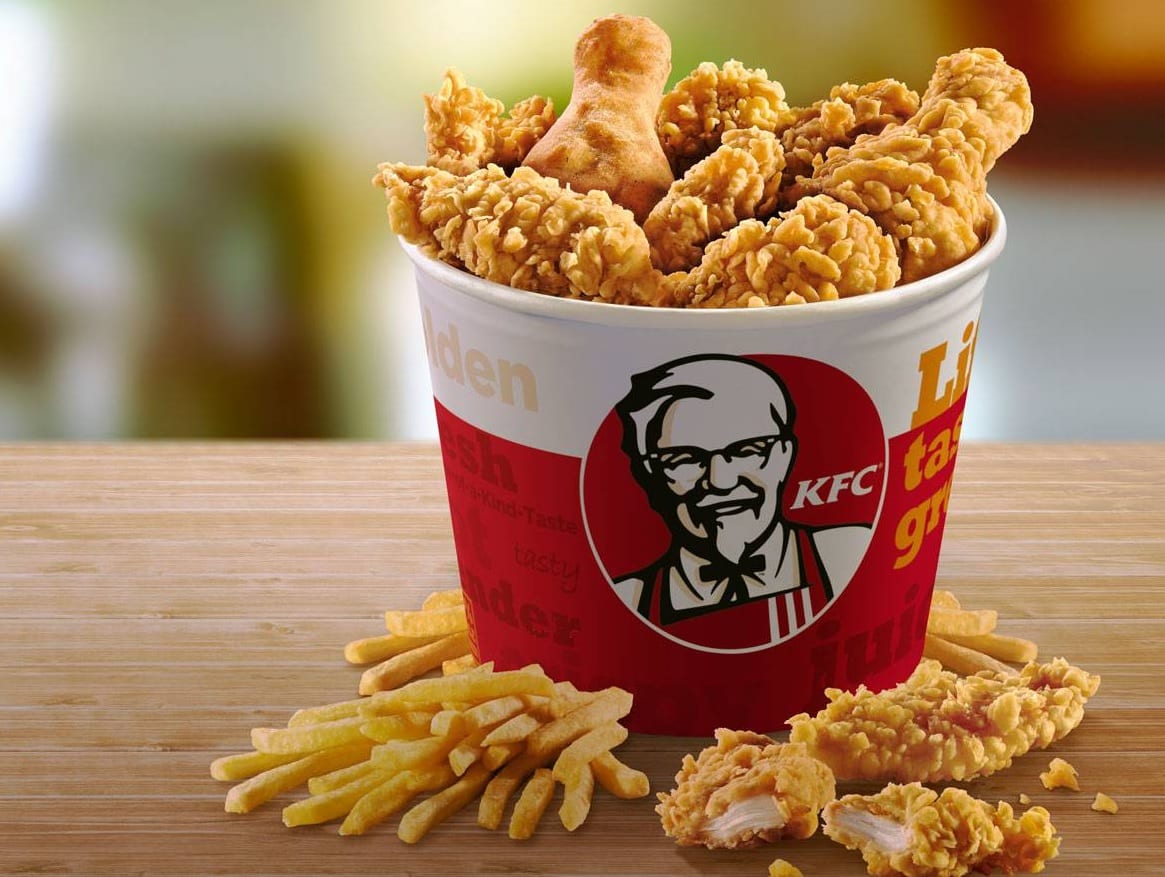
    Fast food operator, Collins Food, has completed the second stage of its retail entitlement offer, which raises the funds for its acquisition of 28 more KFC outlets through a $44.1 million offer of new shares and $69.3 million in debt facilities.

    On Friday, Collins Foods announced the institutional component of the entitlement offer raised approximately $25.9 million, with the retail entitlement offer raising approximately $18.3 million.

    Australia’s largest KFC franchisee said it received valid applications from eligible retail shareholders for approximately three million shares (approximately $13.5 million) representing 74 per cent of the offer.

    The approximately one million new shares not taken up under the offer will be allocated to institutional investors who were sub-underwriters for the offer.

    “The successful completion of Collins Foods’ $44.1 million entitlement offer is an important milestone for the company and we would like to thank all shareholders and new investors who participated in the offer and supported the company in its acquisition of 28 KFC restaurants in Australia,” said Graham Maxwell, CEO, Collins Foods.

    It’s been a postive week for Maxwell, who saw the terms of the fixed salary of $650,000 per annum raised to $800,000 for the new financial year.

    In Australia, the company plans to build eight new KFC restaurants and will integrate the 28 KFC restaurants acquired in Tasmania, South Australia and Western Australia into the Collins Foods’ network.

    In Europe, the company will integrate the 16 KFC restaurants acquired in the Netherlands.

    Maxwell said that with further growth on fiscal 2018, the company expects to continue to increase shareholder returns.

  • Korean duty-free sales to see first drop in 14 years

    Korean duty-free sales to see first drop in 14 years

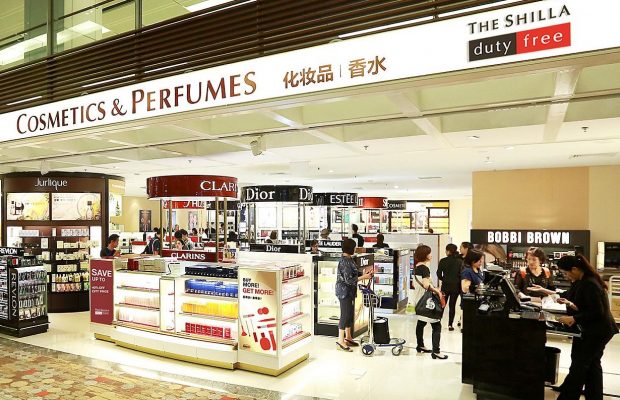
    “The Korean duty-free industry may see a drop in on-year annual sales in 2017, which would make it the first decline in 14 years, according to data from the customs regulator Sunday.”

    Since the outbreak of the Severe Acute Respiratory Syndrome virus in 2003, the duty-free industry had seen steadily rising sales until last year.

    Especially in 2016, sales had risen sharply to 12.3 trillion won (US$10.83 billion), breaking the 10 trillion-won mark thanks to the popularity of Korean music and dramas and heavy marketing aimed at the Chinese market by duty-free operators.

    However, those numbers had been heavily reliant on large tourist groups from China which were brought to downtown duty-free outlets by travel agencies. This demand spiraled down beginning in mid-March when Beijing imposed an unofficial ban on travel packages to Korea.

    The loss of inbound traffic from China took a heavy toll on duty-free operators such as Lotte Duty Free, who had previously pulled in up to 70 percent of its revenues from Chinese tourists.

    The blow was even harder for newer duty-free operators who do not have the brand power of industry leaders Lotte and Shilla, and are heavily dependent on tourist groups.

    Earlier this month, Hanwha Galleria announced that it would be returning its permit to operate a duty-free outlet at Jeju International Airport due to continued losses.

    The move followed months of repeated bidding for the fashion and accessories duty-free area of the second terminal at Incheon International Airport, which eventually went to Shinsegae DF after Incheon Airport agreed to lower the rent prices by 30 percent.

    Recent developments have indicated a sharp turn away from the optimism that had previously surrounded the duty-free industry, which had led to intense bidding wars between operators to win licenses for downtown outlets.

    Analyst Choi Min-ha wrote for Korea Investment & Securities that this year‘s annual sales for the duty-free sector was likely to reach around 10.5 trillion won, marking the first drop since the SARS crisis.

    “Although numbers of Koreans leaving the country are rising, they are not enough to make up for the losses from Chinese tourists,” Choi said.

  • Yusen Logistics opens new logistics centre in Myanmar

    Yusen Logistics opens new logistics centre in Myanmar

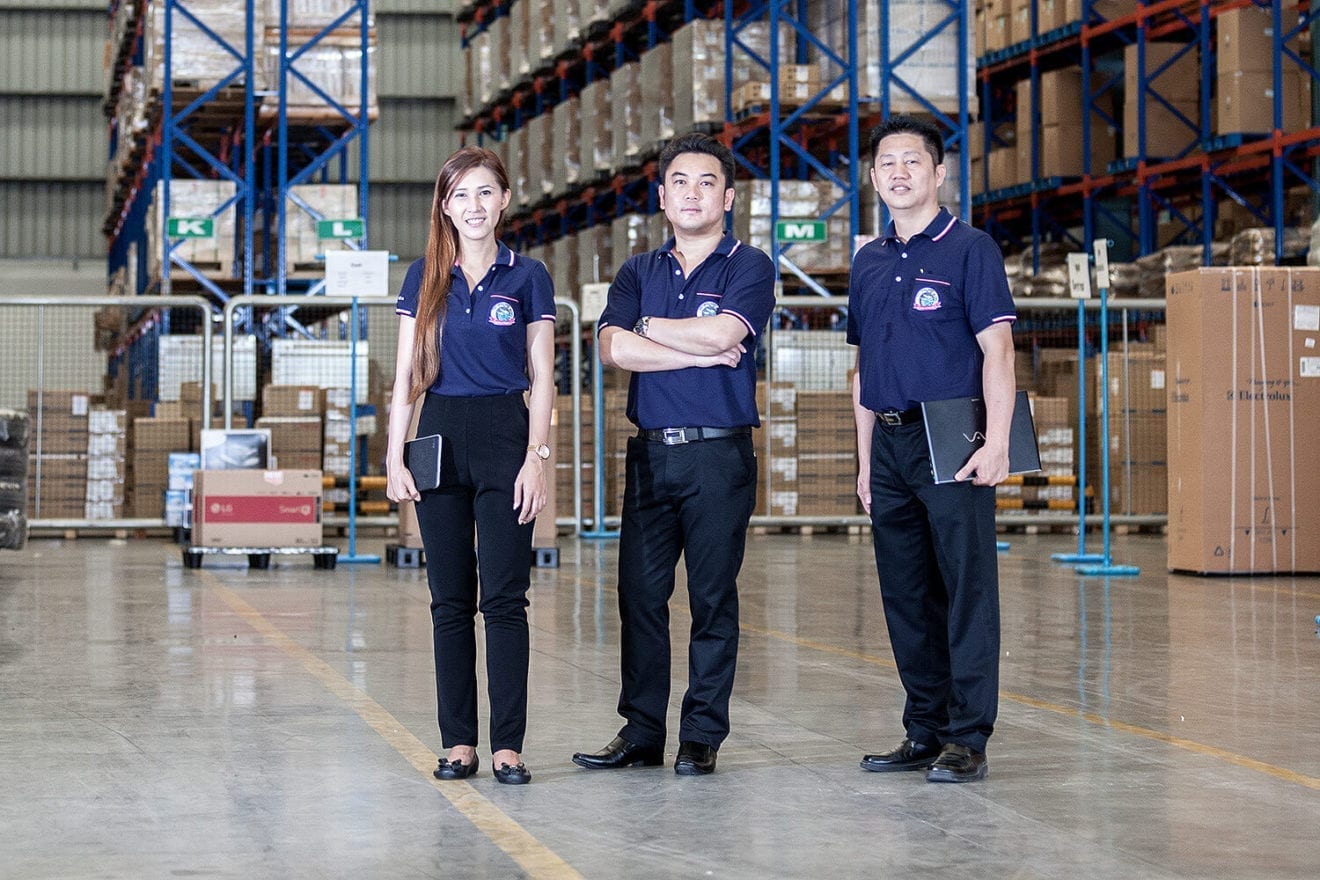
    On July 12, Yusen Logistics held an opening ceremony for Thilawa Logistics Centre in the Thilawa Special Economic Zone (SEZ) in Myanmar.

    The event was attended by Thilawa SEZ Management Committee Vice Chairman Cho Cho Win; Ambassador Extraordinary and Plenipotentiary Embassy of Japan in Myanmar Tateshi Higuchi; Myanmar Japan Thilawa Development Limited (MJTD) Chairman Thein Han; Mitsubishi Corporation Chief Representative for Myanmar Mitsuo Ido, Yusen Logistics Co., Ltd.; Kenji Mizushima; Yusen Logistics (Myanmar) Co., Ltd. President Yasuhiko Nojima; and Yusen Logistics (Thilawa) Co., Ltd. President Tatsuhiko Saeki.

  • Escada hires new Marketing Head

    Escada hires new Marketing Head

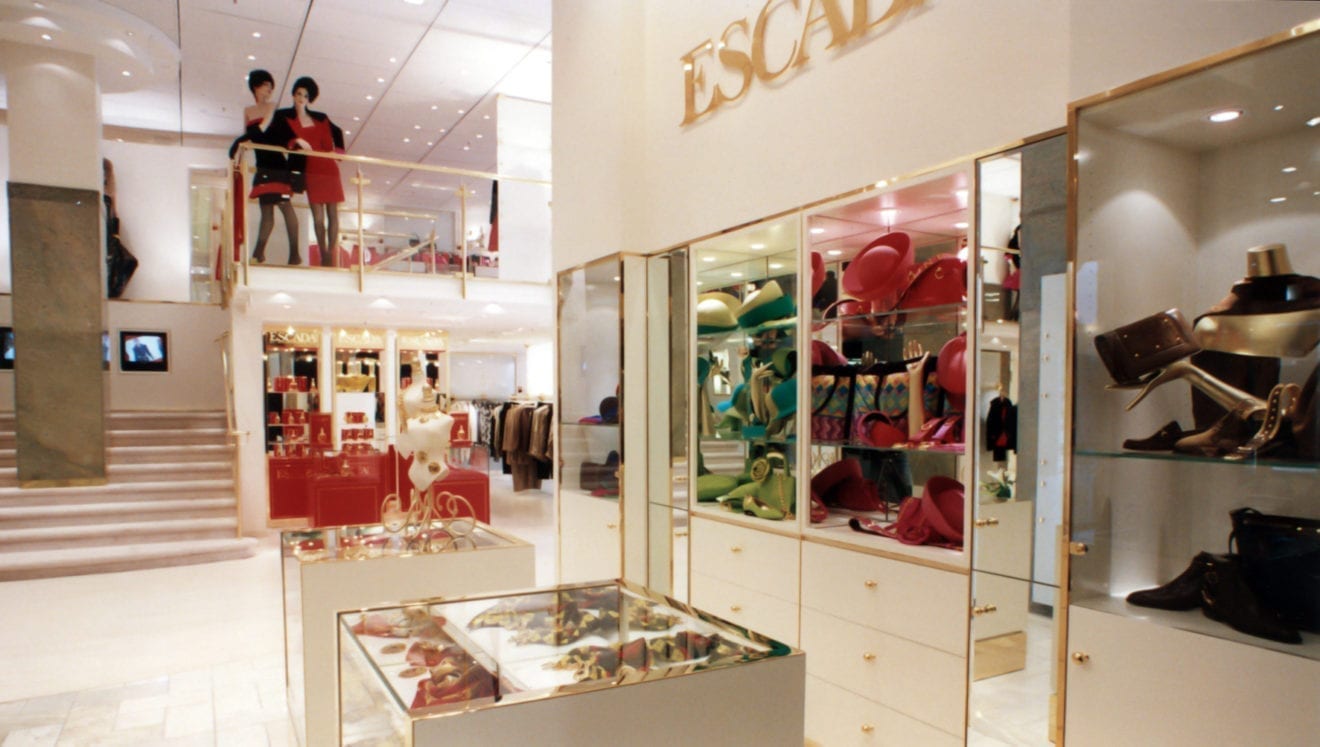
    German designer brand Escada has poached an experienced marketing expert from Red Bull to become its new vice president of marketing and communications.

    The high end label announced on July 13th that Marco Raab is to lead all marketing and communication activities of Escada from 15 August, particularly focusing on reshaping the brand “with a more contemporary edge”.

    Raab, who has been described as a “digital-native” with an understanding of millennial mindset, joins from Red Bull where he held several brand, marketing and communications position over the last 10 years. He was most recently global marketing manager for special projects, tasked with leading innovation and change for the fast moving digital age.

    At Escada, he will be part of the executive team and report to CEO Iris Epple-Righi.

    “Escada is at an exciting point in its journey with Iris Epple-Righi as new CEO and Niall Sloan as Global Design Director. I was attracted by the idea of being part of this leadership team tasked with re-shaping the brand with a more contemporary edge. I have a passion for creative approaches and believe Escada’s brand and its strong heritage offers numerous opportunities to engage with our established clientele as well as excite new customers about the beauty of Escada’s products,” said Raab.

    Escada CEO Iris Epple-Righi added: “Our vision is to build on Escada’s rich heritage in a relevant, modern and contemporary way and our marketing and communication is a very important part of this. We have the potential to reposition Escada at the cutting edge of fashion again and I believe Marco’s experience at Red Bull is extremely relevant for us.”

    Escada is also set to welcome its new design director Niall Sloan on 1 August. Sloan comes from Hunter and has revealed he plans to focus on Escada’s fun, bold and feminine heritage.