Tag: asia

  • Ikea Philippines debut imminent

    Ikea Philippines debut imminent

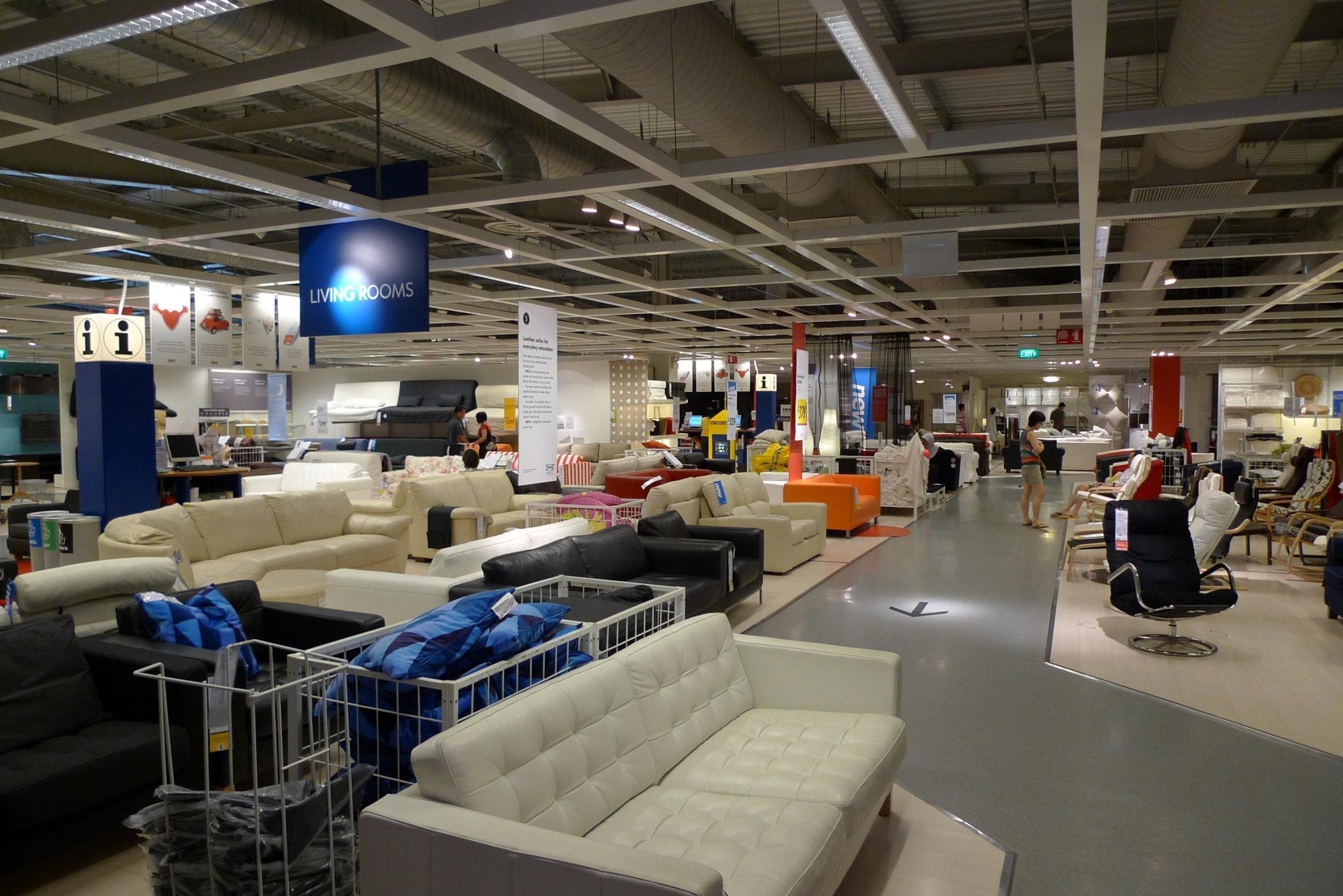
    The launch of Ikea Philippines is a major step closer after the Swedish furniture giant’s local partner won Board of Investment (BOI) approval to set up business.

    News of the BOI pre-approval of a bid by Ikano Pte Ltd, the operator and franchise-rights owner of Swedish furniture brand Ikea in key Asian markets, was broken by the Business Mirror, which cited BOI documents dated last November.

    Ikea has always wanted to establish a presence in the Philippines, especially Manila, and there have been reports of planning for a launch as far back as 2013.

    The Business Mirror points out that under current law, before engaging in retail trade business – or investing in an existing store in the Philippines – all foreign retailers must have a net worth of either US$200 million or $50 million, depending on its classification as a foreign retailer.

    “The foreign retailer must also have five operating retail branches or franchises in global locations, unless it owns at least one store worth $25 million, and a five-year track record in retailing,” the publication explained.

    Ikea is already operated in Hong Kong, Indonesia and Taiwan by a subsidiary of Hong Kong-headquartered Dairy Farm International, which also owns the Guardian chain of health and beauty shops, and pharmacies.

    It is run by a separate franchisor in Singapore, Thailand and Malaysia.

  • Starbucks Japan going traditional in Kyoto

    Starbucks Japan going traditional in Kyoto

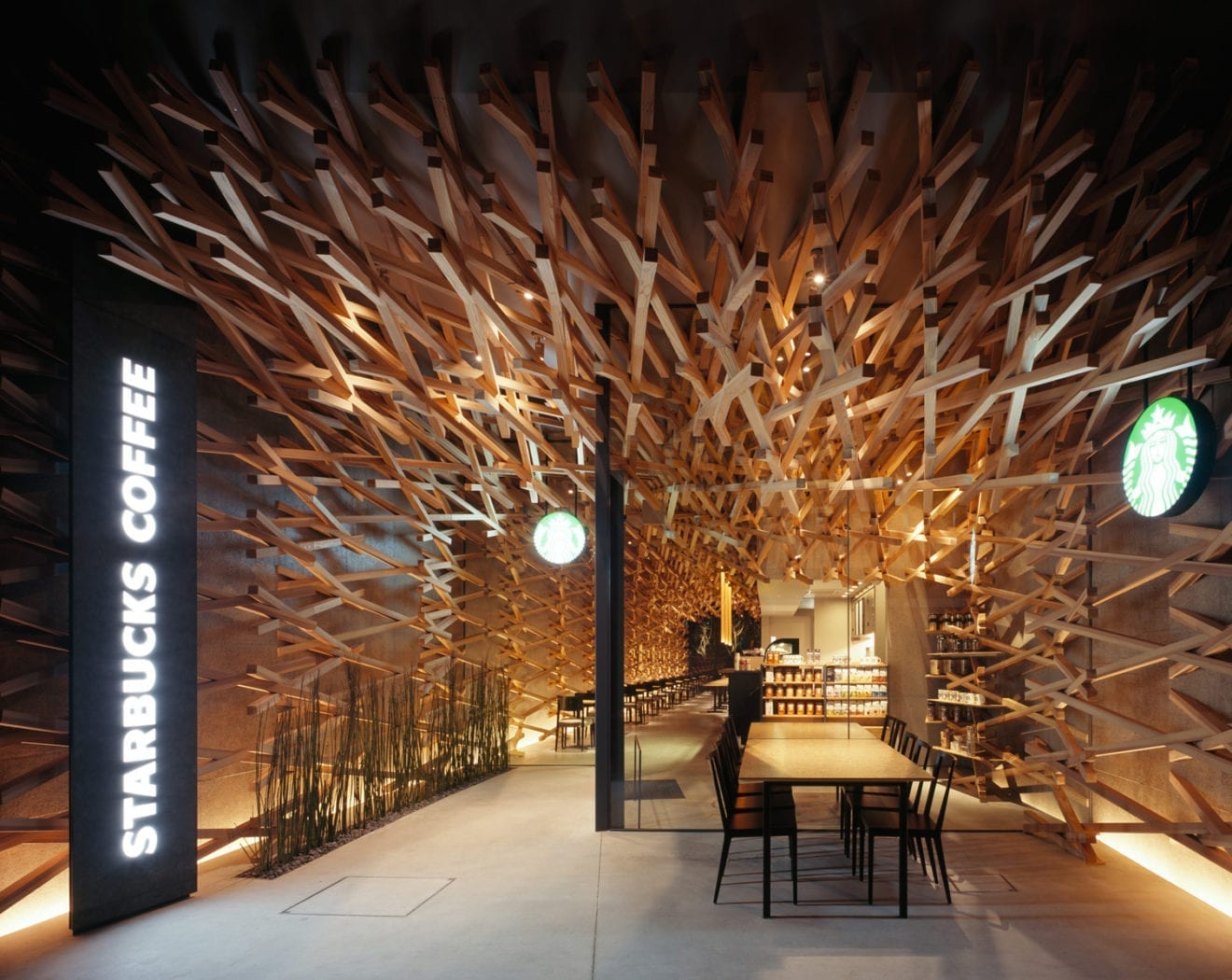
    Starbucks Japan’s new Kyoto branch will have a traditional Japanese cafe space complete with tatami mats.

    It will be in a 100-year-old, two-storey traditional Japanese townhouse, one of the only buildings in the area still in its original form.

    Starbucks Kyoto

    There will be three gardens within the wooden building, one in the front, one in the middle and one in the back. Each will have greenery, rocks and light in an attempt to recreate a traditional Japanese interior space.

    On the second floor, guests can take off their shoes to sit on tatami mats and cushions with Japanese designs.

  • Del Monte retail chain to launch in US

    Del Monte retail chain to launch in US

    Three Del Monte entities will launch a series of JVs, including a Del Monte retail concept to be rolled out in the US.

    Del Monte Pacific (DMPL), a subsidiary of Del Monte Foods and Fresh Del Monte Produce have agreed to launch the retail F&B concept modelled after a Fresh Del Monte Produce business in the Middle East. They also agreed to expand the distribution of refrigerated goods internationally.

    Initially the focus of the Del Monte retail stores will be in the US market with the potential for expansion into other territories, says DMPL, which is dual listed in the Philippines and Singapore.

    The stores will offer foods and beverages aimed at consumers seeking healthier options. The companies are also collaborating on product innovations, including a line of chilled juices, new varieties of prepared refrigerated fruit snacks, and guacamole and avocado products.

    As well as Del Monte, the group’s heritage brands include College Inn, Contadina and S&W, most of which originated in the US more than a century ago as premium packaged-food products. The group has exclusive rights to use the Del Monte trademarks for packaged products in the US, South America, the Philippines, the Indian subcontinent and Myanmar.

    DMPL is 67 per cent owned by NutriAsia Pacific and Bluebell Group Holdings, which are beneficially owned by the Campos family of the Philippines. The NutriAsia Group sells liquid condiments, specialty sauces and cooking oil in the Philippines.

    The JVs follow the full and final settlement of active litigation between the companies, which had been centered on licensing rights and product distribution in various international territories.

  • Samsung Mobile Philippines takes nod to past

    Samsung Mobile Philippines takes nod to past

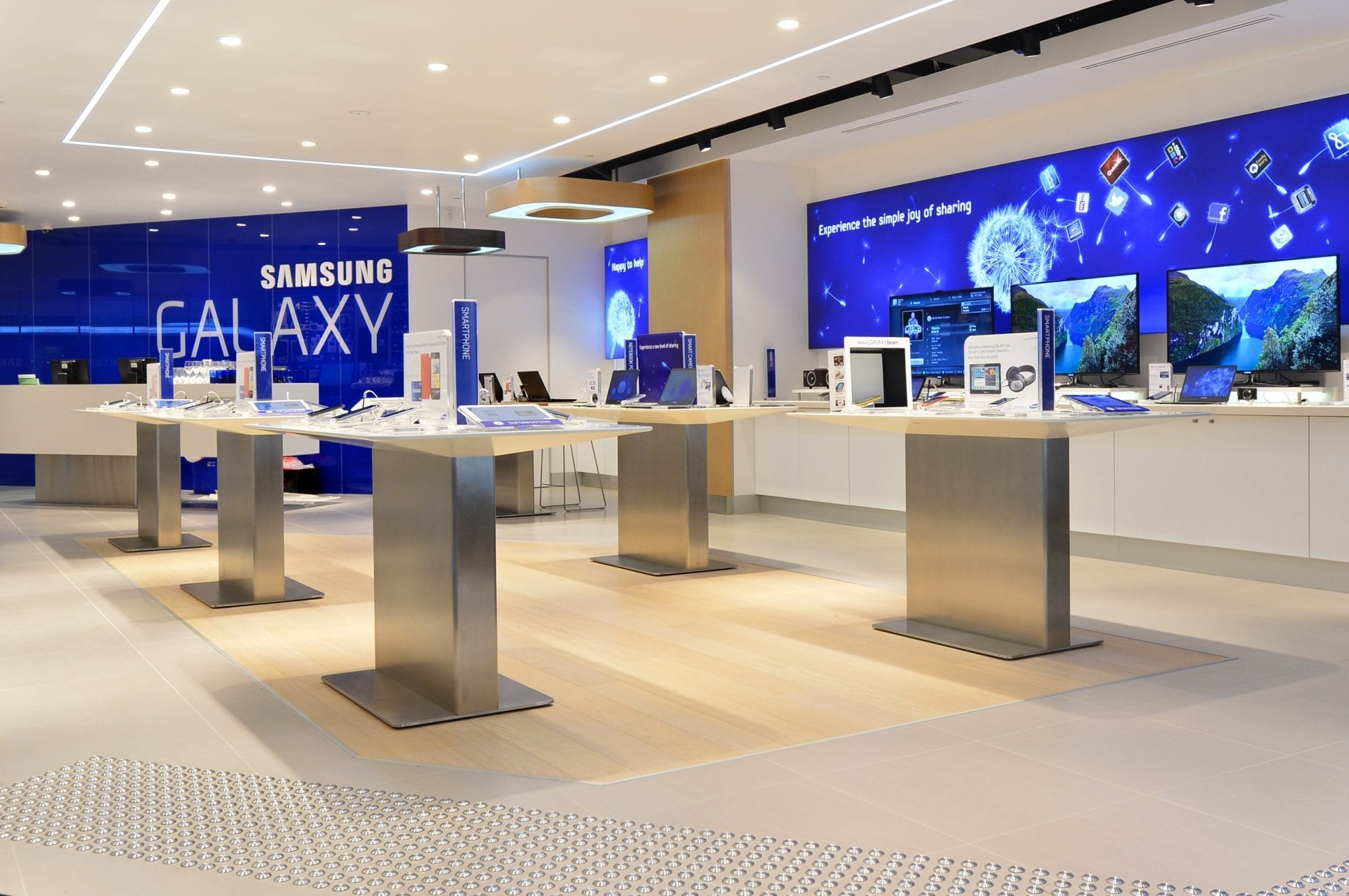
    In partnership with 8Telcom, Samsung Mobile Philippines has officially opened its second Samsung Experience Store, at Davao City’s Victoria Plaza Mall.

    Billed as the first redesigned concept store in the Philippines, it marks 8telcom’s 15th anniversary, with Samsung deciding to go back to where everything started – the first 8telcom multi-brand kiosk was established at Victoria Plaza.

    At a grand opening of the Samsung store, the first 50 customers each received a free headset, and a free Bluetooth speaker was given to buyers of five different phone models.

    Customers who pre-ordered the Samsung J7 Pro smartphone will also receive a free wireless speaker.

  • Globe commences Massive MIMO rollout

    Globe commences Massive MIMO rollout

    The Philippines’ Globe Telecom has commenced the commercial deployment of massive multiple input multiple output (MIMO) technology to improve the mobile connectivity experience in dense urban areas.

    The commercial deployment follows initial testing of the technology in the Makati financial district of Metro Manila. The testing demonstrated the ability of the technology to improve capacity up to six times compared to a regular site.

    Globe’s initial rollout will cover 150 cell sites, mostly in Southern Luzon and Northern Luzon, according to Joel Agustin, SVP for program governance at the operator’s Network Technical Group.

    “The use of massive MIMO technology is an important component of our goal to stay ahead of the demand curve for data capacity in densely populated and high-foot traffic areas,”  he said.

    Globe this month also became the first operator in the world to activate massive MIMO using two-carrier aggregation, the company said.

    The deployment makes use of Globe’s 2.6-GHz spectrum holdings. Globe acquired additional 2.6-GHz spectrum from last year’s joint purchase of San Miguel’s telecoms assets with rival PLDT.

  • Chunghwa taps Ericsson for trial NB-IoT system

    Chunghwa taps Ericsson for trial NB-IoT system

    Taiwan’s Chunghwa Telecom has contracted Ericsson to deliver a trial narrowband IoT (NB-IoT) system, and plans to use the system to test a range of IoT devices and applications at its laboratory.

    Ericsson will provide an end-to-end NB-IoT solution comprising a radio system, massive IoT RAN software, virtual EPC, virtual subscriber data management and an IoT smart device and application service.

    The two companies have also agreed to continue to work together to identify 5G use cases and applications for the digital transformation of industry verticals such as transportation and utilities. Ericsson and Chunghwa Telecom signed a 5G collaboration memorandum of understanding at Mobile World Congress 2017 in February.

    NB-IoT, a 3GPP standards-based low power wide area (LPWA) technology promises significant improvements in areas including indoor penetration, power consumption and system capacity that will be needed to support future IoT applications.

    “Ericsson has long been our leading network provider and has demonstrated the strong device life-cycle management and integration capabilities that are required for a system of this type,” Chugnhwa Telecom EVP and president of Telecommunication Laboratories Chen Shyang-Yih said.

    “NB-IoT technology is one of our primary focuses in 2017, and we are keen to explore more opportunities based on the new technology.”

    Chunghwa also recently announced plans to introduce four-carrier aggregation (CA) this month using the 1,800-MHz spectrum refarmed following the nation’s 2G switch-off.

  • Myer walks away from Topshop concessions

    Myer walks away from Topshop concessions

    At the time of writing, the company still lists the concessions on its website, but local reports said that there is little sign the brand had ever been there inside the 17 Myer stores that carried the women’s and men’s brands.

    The news comes just a few days after it emerged that the Australian Topshop/Topman administrators are closing as many as five of its standalone stores, including the first location the brands opened in the country. Only Emporium Melbourne, Gowings Sydney, Bondi Junction and Brisbane will continue.

    Arcadia has been talking to administrator Ferrier Hodgson since debts of A$35 million led to franchisee Austradia collapsing in May. Myer had bought a 25% stake in the business during 2015, four years after the brands’ Australian debut, and this was diluted to a still-substantial 20% holding last year. In its latest half-year results, Myer had written-down its A$9.2 million stake to A$7.2 million and the firm is also believed to be a major unsecured creditor of the failed business.

    It has also emerged that Austradia’s major shareholder Hilton Seskin had been holding talks with Arcadia about a restructure for some time before the collapse. While he said little at the time of the collapse, he has more recently been quoted criticising Arcadia’s Australian operating model saying the supply chain was too complex and the product made available in Australia, which was controlled by the UK business, was not strong enough.

    Arcadia is still expected to take direct control of the Australian business and reports have said it had been keen to retain the Myer link.

    The administrator has made little comment on the issues surrounding the Topshop and Topman brands but said its priority is still to find an “appropriate operating model and structure” to continue the brands in Australia.

  • Wesfarmers to trim Target portfolio

    Wesfarmers to trim Target portfolio

    Wesfarmers will reduce the size of Target’s store portfolio in an effort to improve productivity as it looks to refocus the struggling business towards a growth phase by FY21.

    Speaking to analysts and investors at Wesfarmers’ annual strategy day on Wednesday, department stores chief financial officer Marina Joanou said that leadership has taken “decisive action” to cut costs at Target and reset the business, concluding a store network review across the division.

    “We’ve reviewed the whole country and have created a plan that rebalances the network, removes unproductive space and opens accretive new space over time,” she said.

    A 20 per cent improvement in store space productivity across the department store division is being targeted in what Joanou called a “long term game” that will include closures, store re-badges and new stores where appropriate.

    Wesfarmers department store CEO Guy Russo, who has been tasked with spearheading the turnaround of Target, declined to outline the number of Target stores earmarked for closure, but told a Sydney audience that the plan involves large and small format stores.

    “Our capital plans will be prioritised on the basis of performance, materiality and opportunities for market catch-up,” Russo said.

  • Mobile phone market saturated, phone distributor sells perfume

    Mobile phone market saturated, phone distributor sells perfume

    Phone distribution chains are selling many other products together with mobile phones to earn extra money. On its website, in addition to mobile phone and laptop models, Hnam Mobile displays 30 perfume products of different brands, priced at between hundreds of thousands of dong and several million of dong per bottle.

    Hoang Phu Nam, the founder of Hnam Mobile, confirmed that the mobile phone distribution chain now sells perfume as well.

    Nam said the chain’s managers, after thorough consideration, have decided to sell perfume to take full advantage of the existing large network, fame and management technology.

    However, Hnam Mobile only sells perfume products via internet, while the products are not available at shops. Nam expressed his concern that it may be unreasonable to display perfume next to technology products.

    “We hoped to sell 100 bottles in the first three months. However, at present, we sell several bottles a day,” he said.

    “If everything goes smoothly, we will think of selling liquor and milk,” he said.

    “Selling perfume is quite different from selling mobile phones,” he said. “Though we have high number of outlet, we have to learn things from the very beginning to sell perfume.”

    The businessman admitted that the mobile phone sales have been decreasing, so it’s time to think of expanding business to increase revenue.

    Confirming that the mobile phone market has become saturated, Mai Trieu Nguyen, the owner of Mai Nguyen chain, said selling additional products was inevitable for mobile phone distributors.

    Mai Nguyen has also been selling non-mobile phone products such as flashlights, multifunction knives, TVs and binoculars.

    Nguyen Lac Huy, a representative of CellphoneS, the mobile phone distribution chain with 19 shops in Hanoi and HCMC, said the growth of the mobile phone market has slowed down and mobile phone distribution chains have to diversify products and services.

    CellphoneS has tried to do this by opening phone repair shops, called Dien Thoai Vui. In the coming time, one shop in Hanoi and one in HCMC will open.

    The Gioi Di Dong, the largest mobile phone distributor, is now promoting the sale of home appliances with Dien May Xanh brand, while FPT Shop has announced cooperation with Vinamilk to sell dairy products.

    A report of GfK showed that 6.2 million smartphones were sold in 2013, and a 40 percent growth rate was reported in 2014.

    However, the growth rate has slowed down in recent years. It is expected that 23.6 million smartphones would be sold this year, an increase of 19 percent over 2016. However, the revenue would increase by 7 percent only, from VND73.3 trillion to VND78.6 trillion.

  • Why did all 7-Elevens in Jakarta suddenly disappear?

    Why did all 7-Elevens in Jakarta suddenly disappear?

    The closure of global convenience chain ­7-Eleven in Indonesia underlines the tough economic and regulatory landscape that could deter future investors from taking over the iconic brand’s franchise in Southeast Asia’s biggest economy.

    The publicly listed PT Modern Internasional, ­7-Eleven’s franchise holder in the country, said in its statement to Jakarta’s bourse that a lack of resources was the main reason it ceased operations at all 7-Eleven outlets permanently as of June 30. The company also cited its failed deal to sell the franchise and other assets to Charoen Pokphand Indonesia, an affiliate of Thai conglomerate Charoen Pokphand Group, for 1 trillion rupiah (HK$585 million).

    But the debate over why 7-Eleven, widely known as “sevel” in Indonesia, closed down its stores continues to swirl. Analysts and industry watchers said that a combination of strong competition, an economic downturn and regulatory hurdles, including a 2015 nationwide ban on the sale of alcoholic drinks in mini markets, led to the brand’s closure.

    The termination of 7 eleven’s franchise agreement affects approximately 110 stores in and around Jakarta, and both parties are in talks to wind down the 7-Eleven business in all of Indonesia, including the de-branding of 7-Eleven stores, the American franchiser said.

    7-Eleven also had a role in developing Indonesia’s digital payment ecosystem by facilitating online transactions and utilities payments through clerks. Competitors, such as the country’s biggest mini market operators Indomaret and Alfamart, eventually followed 7-Eleven’s business concept by providing hot meals and small seating areas at some stores.

    They also now accept payment for utilities and an array of digital services, including e-commerce. Combined, Indomaret and Alfamart had nearly 90 per cent of the nation’s convenience store market last year, while 7-Eleven only had a 0.7 per cent share, according to researcher Euromonitor International.

    The chain’s glory days in the country didn’t last long. In the past two years, industry players noted Indonesians got thriftier as a sluggish economy and an oversupply of low-wage labourers lessened purchasing power.

    “The consumers’ behavioural change affected the overall retail industry. Many customers no longer stock up on groceries and only buy goods when they need them,” Mandey said. Indonesian shoppers also increasingly rely on online delivery services, reducing the chances of in-store impulse buying, he added.

    Modern Internasional shut down 45 stores over the past two years due to dwindling sales. According to its annual report, the struggling company recorded more than 630 billion rupiah in net losses last year, an increase from around 58 billion rupiah in 2015. Net sales for 7-Eleven, which contributed 75 per cent of the company’s total revenue, was 675 billion rupiah last year, a nearly 24 per cent drop year on year.

    “The problem was exacerbated by the lack of clear differentiation between the 7-Elevenconvenience stores and fast-food and medium-sized restaurants in Indonesia,” Olly Prayudi, associate director at credit ratings agency Fitch in Indonesia, said in a recent research note.

    Unfavourable regulations also added to the company’s woes. In 2015, a ban on the sale of alcoholic drinks in mini markets and convenience stores across Indonesia was a blow to company performance, as alcoholic drinks made up about 15 per cent of Modern Internasional’s sales, according to Fitch.

    Japan’s Seven & i Holdings, the global parent of the 7-Eleven chain, told it would search for another partner to revive the franchise in Indonesia.
  • The inaugural Asian Food Tech Expo opens in Shanghai 2018

    The inaugural Asian Food Tech Expo opens in Shanghai 2018

    The first Asia Food Tech will be held from May 16-18 May 2018, in Shanghai New International Expo Center. The exhibition is organized by the Messe München. It focuses on fresh food production, food  processing and packaging. Through the latest processing and manufacturing equipment & technology from meat, dairy products, fruits and vegetables, seafood, wine and other eight sectors, the show aims to push China’s food industry towards a better standard – “safety, seamless, intellectualised, modularised and flexibilized, tailor-made”.

    Asia Food Tech will be collocated with 3 other shows including “2018 Fresh Food Asia”, the 5th “Fresh Logistics Asia”. The event covers over 50,000 sqm exhibition area, with more than 800 exhibitorsand 35,000 professional visitors.  Be the first to lock down business opportunities!

  • ShopBack launches in Thailand and pays Thais to shop online

    ShopBack launches in Thailand and pays Thais to shop online

    ShopBack, the online Cashback platform with a strong regional presence, today announced its official launch of its website and mobile in Thailand at a media briefing

    Connecting international merchants to local shoppers, ShopBack introduces the smarter way to shop with up to 30% Cashback stacked atop discounts, coupons, voucher codes and credit card rebates.

    More than 1,300 merchants are integrated in ShopBack sites, with 100+ local and international merchants on the Thai site as of the launch. These include leading online travel booking websites Expedia and Booking.com, French beauty merchant Sephora, SE Asia’s leading online shopping platform Lazada, transport apps Grab and Uber and many more. Shoppers can get up to 30% Cashback depending on individual merchants.

  • J&F Investimentos gives up Havaianas control

    J&F Investimentos gives up Havaianas control

    J&F Investimentos has agreed to sell a controlling stake in Havaianas flip-flop maker Alpargatas to the investment firms of Brazil’s most prominent banking families for 3.5 billion reals (US$1.1 billion), according to securities filings.

    Under terms of the deal, Cambuhy Investimentos, Itausa Investimentos and the fund Brasil Warrant will split J&F’s 86 per cent stake in Alpargatas, the filing said. Both had bid 3.3 billion reals for Alpargatas before talks appeared to have collapsed, reports Reuters.

    It is the first sale by J&F, the holding company overseeing the fortune of Brazil’s billionaire Batista family, since it was hit with a record-setting fine linked to a corruption investigation, reports CNBC. Proceeds from the sale will help repay J&F’s debt and speed up payments on the 10.3 billion-real fine, insiders say.

    Sao Paulo-based Alpargatas makes Havaianas flip flops, favoured by celebrities. The company also manages a swathe of Brazilian fashion brands including Osklen beachwear.

    Itausa oversees the fortune of the Villela and Setubal families, who control Itau Unibanco Holding, Latin America’s largest bank by assets. Cambuhy is the family office of Brazil’s billionaire Moreira Salles family, also a major Itau shareholder.

    Insiders say J&F’s owners Joesley and Wesley Batista will use proceeds from the transaction to repay a 2.7 billion-real acquisition financing loan they took with state-controlled lender Caixa Economica Federal. The loan is under investigation by Brazil’s audit court TCU for potential irregularities.

    The brothers signed a leniency deal in May after admitting to bribing almost 1900 politicians to obtain cheap government loans for their businesses.

    The Batistas had acquired Alpargatas in December 2015 from construction conglomerate Camargo Correa, which was ensnared in the same scandal, dubbed “Operation Car Wash”. As well as the Caixa loan, the Batistas will also have to pay for financing they took to buy out minority shareholders.

    Other J&F-controlled assets up for grabs include a dairy company and a pulp manufacturer.

  • TripAdvisor China partners with Thai retailers

    TripAdvisor China partners with Thai retailers

    Travel site TripAdvisor China has partnered with five retail groups in Thailand to further enhance the shopping experience for Chinese tourists in Bangkok.

    TripAdvisor says Chinese travellers show more interest in visiting Thailand than any other inbound market. Chinese users of its website continue to grow year-on-year by 56 per cent. During the June-to-August shopping period, the growth in inbound interest is growing year-on-year by 84 per cent, says TripAdvisor.

    Meanwhile, the retail partnership has been designed specifically for the free, independent traveller from China. With a tendency to seek information on their mobile devices while travelling, users of TripAdvisor’s Chinese domain are being offered a Bangkok shopping category via mobile web or app.

    As well as discounts and promotions, users can access floor maps, brand directories and curated shopping guides provided by the Central Group, King Power, Siam Piwat Group, Terminal 21 and The Mall Group.

    “Bangkok is one of the leading shopping capitals of the world and continues to be a top destination for the Chinese,” says TripAdvisor Asia Pacific senior director of partnerships Aaron Hung.

    “We’re pleased to extend our tourist promotions of special discounts and tax refunds to TripAdvisor’s Chinese users, and we hope to welcome more Chinese shoppers in our stores especially at Central Chidlom and Zen@Central World,” says Central marketing executive Piyawan Leelasompop.

    Promotions executive Jiraporn Srisa-an at Siam Piwat Group says the mall group is also offering TripAdvisor’s Chinese users with exclusive privileges such as a tourist platinum discount card for Siam Paragon Department Store and for participating brands in Siam Paragon, Siam Center, and Siam Discovery, as well as a gift voucher.

    “We’ve tailored promotions exclusively for TripAdvisor’s Chinese users who shop at Terminal 21 Asok,” says Terminal 21 MD Prasert Sriuranpong. These include a dining card and a Posh bag

  • Alibaba project in Thailand to support Asean e-commerce

    Alibaba project in Thailand to support Asean e-commerce

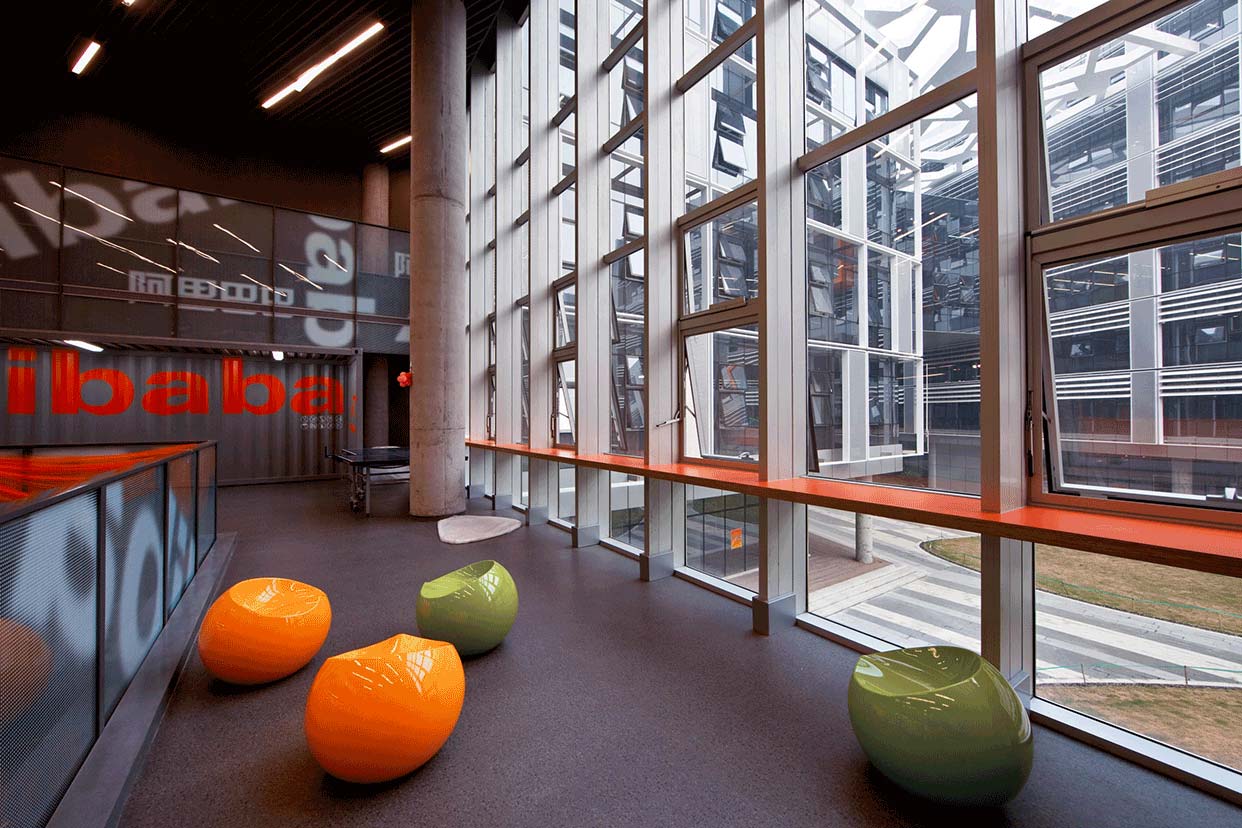
    Alibaba Group has pledged to build an e-commerce park in Thailand’s Eastern Economic Corridor (EEC) to serve the burgeoning Asean e-commerce market, says Industry Minister Uttama Savanayana.

    Covering 300 rai (50ha), the park will serve as the centre of Alibaba’s logistics business in Asean, he says.

    The Chinese e-commerce giant expects to sign the project’s first-phase contract with local developers within the next few months and start construction before the end of the year.

    The second phase will include an R&D unit and a business development centre tailored to cater to small and medium-sized companies, says Uttama, who is in talks with top-level executives of Alibaba subsidiary Lazada.

    He says the group will give more details about the project soon.

    “Alibaba is investing in the EEC because it is the most attractive investment project in Asean. Also, Thailand is the region’s most promising and best located e-commerce market.”

    Uttama says Alibaba wants to use Thailand as a stepping stone to the global market, and as a production base for Cambodia, Laos, Myanmar and Vietnam.

    The government has allotted more than 18,000 rai for the EEC project, adding to 30,000 rai already allocated.