Tag: asia

  • CellMining launches Network NPS to drive subscriber retention

    CellMining launches Network NPS to drive subscriber retention

    CellMining in Israel launched Virtual Network NPS, touted as the first technology able to predict network detractors across the entire mobile subscriber base without the need for an NPS survey.

    By correlating the responses of surveyed subscribers with key quality indicators (KQI) observed and analyzed by CellMining’s Subscriber Network Analytics – such as low-quality VoLTE calls, slow video streaming, or frequent dropped connections when traveling – CellMining’s embedded machine learning model can actively predict the detractors from the entire subscriber base for which it has analyzed KQIs.

    CellMining said this breakthrough gives the marketing team the power to identify both detractors for retention campaigns and promoters who can be nurtured. It also directly provides the network team with insights for automating network configuration changes, performance optimization, and enhanced prioritization for network tasks, based on subscriber data including NPS metrics.

    “The impact of network quality on the brand NPS score is a major concern for network operators today, and a technology to predict detractors will be a game changer for them,” said Greg (Giora) Snipper, CEO of CellMining.

    “CellMining’s Virtual Network NPS gives operators the power both to automate network performance optimization and to prioritize future investment based on NPS metrics, as well as the ability to use this insight to inform marketing campaigns and business decisions,” said Snipper.

    Virtual Network NPS integrates with CellMining’s Network CEM Solution, which provides marketing and customer experience teams with market-wide customer satisfaction metrics that correlate subscriber experience data with parameters that include device type, cells, technology, service, and quality.

  • Indonesia to bring home tax money parked in Singapore

    Indonesia to bring home tax money parked in Singapore

    The government is to hunt down tax money from Indonesians who park their money in Singapore, following an offer from Singapore to allow Indonesia to access the financial data of Indonesians in the neighboring country.

    Singapore and Indonesia are soon to sign a Bilateral Competent Authority Agreement (BCAA) to implement the Automatic Exchange of Information (AEoI) between the two countries.

    Finance Minister Sri Mulyani Indrawati received the offer from Singapore on the sidelines of the G20 Summit in Germany last week.

    “This is a positive. I will follow up so that we can benefit from the agreement,” said Sri Mulyani.

    Sri Mulyani estimated that Indonesian wealth parked overseas amounted to about Rp 1 quadrillion (US$74.68 billion), 60 percent of which was in Singapore.

    Meanwhile, the Finance Ministry’s tax compliance expert Suryo Utomo said that of the Rp 835.7 trillion parked in Singapore that was declared during the tax amnesty, only Rp 84.52 trillion had been repatriated.

    Taxation Directorate General spokesman Hestu Yoga Saksama said that Sri Mulyani and Director General of Taxation Ken Dwijugiasteadi would visit Singapore sometime this month to follow up on the agreement initiated by Singapore.

    Indonesia and Singapore has an open exchange of information, said Hestu. He added that Indonesia should also seek a BCAA with Hong Kong, as well as stipulate confidentiality and data safeguards.

  • New laws in Bangkok may kill Thailand’s street food culture

    New laws in Bangkok may kill Thailand’s street food culture

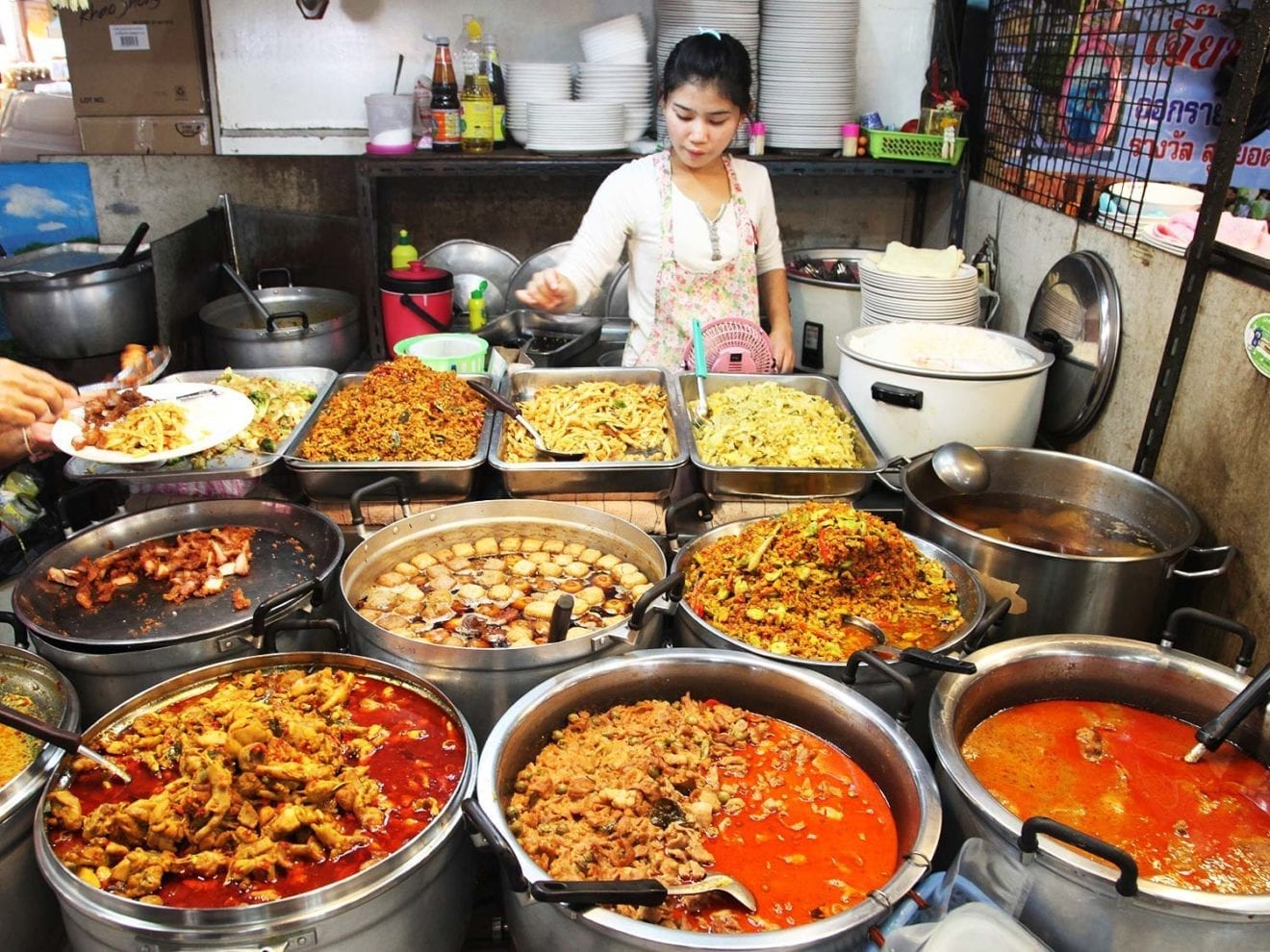
    Chances are you’re imagining all of those things. You’re probably also, however, picturing street food. You’re picturing pad thai slapped together by a vendor on a street corner. You’re picturing the “clack clack” of wooden pestles on mortars as som tum is prepared. You’re picturing clouds of smoke rising into the hot night as satays are grilled and sausages are sizzled.

    That’s Bangkok. It’s street food. It’s the sounds and smells and chaotic sights that come with this cultural staple, the crush of people, the calls of vendors, the fight for a place to sit, the sweat, the hunger, the taste of all that good food served up for next to nothing. That’s what so many travellers love about this city.

    And yet, it’s changing. Bangkok’s street food culture is disappearing. It’s being legislated out of existence. It’s being shifted out of its traditional home in the name of progress, in the name of safety, in the name of order.

    Thailand’s military junta government is attempting to change the face of its capital city. Street food is not being banned, contrary to fears earlier this year. But new laws are making life so difficult for many vendors that this cherished culture is facing extinction.

    Bangkok’s “sidewalk police” are now enforcing new rules, driving some vendors away from their regular patches, and clearing entire areas of all street food outlets. It seems clear the government is intent on sanitising Bangkok, on taking the chaos and turning it into order, on clearing the well-off areas of their unsightly street stalls and morphing the Thai capital into a place that more closely resembles somewhere like Singapore

    For tourists, this is bad news. I can’t think of any other city around the world that has legislated one of its major tourist attractions out of existence in the same way the Thai government is poised to do with its street food culture.

    The Catalans in Spain banned bull-fighting, but there’s no way many travellers were visiting Barcelona just to see that. The Laos government cleaned up the infamous tubing site at Vang Vieng, but that was never really legal in the first place. Plenty of individual tourist attractions have banned selfie-sticks, but people were visiting those places long before selfies were even a thing.

    But Bangkok is street food. People visit this city just to sit on a plastic stool on a crowded corner and eat oyster omelettes and noodle soups, to watch as curries are cooked and meat is grilled before their eyes. That’s a tourist attraction. That’s a sight.

    According to the Thai government, that street food culture will remain. Vendors are still allowed to operate in touristy areas such as Khao San Road and Chinatown, albeit with stricter sanitary regulations and fewer stalls. And other vendors are being encouraged to shift their businesses into shopping malls and other heavily regulated zones.

    But that, in our opinion at least, is not street food culture. That’s not what people love about this city. It’s the chaos that makes it great. It’s the vote-with-your-fork democracy that allows a husband and wife team from rural Thailand to compete with the city’s most famous vendors. It’s the thrilling lack of regulation in Bangkok that we love, that’s so different to the staid streets of our homes.

    Maybe, of course, that’s a problem in itself. Travellers want chaos, they revel in the dysfunction. But maybe cleaning up the streets is actually a good thing for Bangkok. Maybe its residents really would rather live somewhere that resembles Singapore, clean and orderly and efficient, than the street-vendor-strewn city they currently inhabit. Maybe they would prefer flowing traffic to 60-baht egg noodles.

    I’m sure for some residents in Bangkok that’s true. But it’s certainly not a good thing for those on low incomes who rely on eating or selling street food, or those who visit the city to soak up the anarchic flavour of a typical Bangkok sidewalk. And after all, no issues of long-term poverty are actually being addressed here, they’re just being moved on.

    To sanitise Bangkok’s streets is to make them more comfortable for the high end of town, for the people who can afford to live in the apartments that tower above the chaos, and afford to drive on the roads. But the character and the charm of the city will be forever altered, forever lost, and that, for me at least, is going to diminish it as a destination.

    There’s already a Singapore. You can go there if you want to. Regardless of the arguments for or against Bangkok’s sterilisation, the loss of the bulk of the city’s street food culture is going to make it a far less attractive proposition for potential visitors.

  • Burger King Landside Opens at Airport

    Burger King Landside Opens at Airport

    American global fast food chain, Burger King has opened its third local outlet at the Nadi International Airport yesterday.

    The new outlet known as the “landside” restaurant will be accessible to all customers who visit the airport.

    Burger King initially started its Fiji operations at the Nadi International Airport on November 16, 2015 with the opening of its first outlet which is only accessible to customers departing our shores via the international departures lounge.

    The second outlet was opened at Martintar, Nadi in February last year.

    Burger King Fiji General Manager, Akash Narsey said they’ve worked very closely with Airports Fiji Limited to make sure the new site was delivered on time and the handover was as smooth as possible.

    “Today has been the first day of operation, it has been very positive. We haven’t really advertised to say this is where we are but the number of guests that have come in since we opened at 5.30am this morning, it’s very positive, a lot of locals and those that work around here as well,” Mr. Narsey said.

    With interior designs designed by a New Zealand based company, natural copper brick walls, and furnishing pieces shipped from China and Thailand and world-class standard kitchen fit outs, Mr. Narsey said the construction of the outlet costs about $1million including labour.

    He said the features of the restaurants are mostly similar to the already existing outlets with minor differences which includes the selling of draught beer at the new restaurant.

    The restaurant is open from 5.30am to 10pm daily.

    “It’s not open 24  hours, at the moment it is tied with the flight departures, we will most definitely change those times depending on what our customer demands are,” Mr. Narsey said.

  • Equinix links to Oracle Cloud in Sydney

    Equinix links to Oracle Cloud in Sydney

    Equinix has announced the launched dedicated, private access to Oracle Cloud in its Sydney, Australia International Business Exchange (IBX) data center.

    Available via Oracle Cloud Network Service – FastConnect and the Equinix Cloud Exchange, access will be available for Oracle Infrastructure as a Service (IaaS) as well as Platform as a Service (PaaS).

    This direct access enables enterprise customers in this growing region to migrate compute, applications and data to Oracle Cloud in a high-performance, low-latency manner for an optimal user experience.

    This builds on previous announcements between Equinix and Oracle to offer direct connection to several Oracle PaaS and IaaS services, including database, Java, integration, analytics, compute and storage – in multiple regions around the globe. The addition of Sydney brings the total number of markets that Equinix is offering private access to Oracle Cloud to five globally.

    Cloud deployments in Asia Pacific, and specifically Australia, are on the rise. According to a recent report by IDC, 67% of all Australian organizations surveyed are embracing cloud, using public or private cloud for more than one or two applications or workloads. Yet, factors such as security and privacy concerns still inhibit public cloud adoption.

    Through the Equinix Cloud Exchange integration with Oracle FastConnect, customers in Australia can establish direct connectivity between their private IT infrastructure and Oracle Cloud. This enables them to fully realize the benefits of hybrid cloud – moving application, middleware and database workloads seamlessly between private IT infrastructure and Oracle Cloud on a private, dedicated connection.

    The Equinix data centers in Sydney are the most interconnected in Australia. Enterprise customers in Sydney are able to establish direct links to both of the continent’s largest peering points, as well as key submarine cable systems, and gain direct access to multiple network and cloud providers such as Oracle via the Equinix Cloud Exchange.

    Oracle Cloud delivers nearly 1,000 SaaS applications and 50 enterprise-class PaaS and IaaS services to customers in more than 195 countries around the world, and supports 55 billion transactions each day. Oracle Cloud Infrastructure is also part of the fast growing sector of cloud computing. According to a recent Gartner report the highest cloud growth is expected to come from IaaS, with a growth of 38.4% in 2016.

    The Equinix Cloud Exchange is currently available in 21 markets globally – Amsterdam, Atlanta, Chicago, Dallas, Frankfurt, Hong Kong, London, Los Angeles, Melbourne, New York, Osaka, Paris, Sao Paulo, Seattle, Silicon Valley, Singapore, Sydney, Tokyo, Toronto, Washington DC and Zurich.

  • Stripe launches in Hong Kong to lift e-commerce

    Stripe launches in Hong Kong to lift e-commerce

    Online payment solution provider Stripe has launched services in Hong Kong, and announced the formation of new global partnerships with Alipay and WeChat Pay.

    The launch will provide Hong Kong online businesses with access to Stripe’s entire portfolio, including online marketplace platform Stripe Connect, fraud blocking platform Radar and analytics platform Sigma.

    With the local launch, Stripe is rolling out US dollar settlements in Hong Kong to allow businesses to accept payments in US dollars without currency conversion into US dollar denominated bank accounts.

    The partnerships with Alipay and WeChat Pay will meanwhile allow Stripe customers around the world to accept Alipay and WeChat Pay on their websites by simply activating support for the platforms from their online dashboards.

    The Alipay integration will also support recurring payments for subscription-based services. Alipay one-time payments are available to businesses worldwide, but recurring payments and WeChat payments are initially launching in private beta.

    Stripe has been testing services in Hong Kong for a year prior to the launch, and has already attracted two-thirds of venture-backed startups in the market as customers. These include online fashion company Grana, fashion and lifestyle company HBX, as well as travel technology startups Tink Labs and Klook.

    Besides Alipay and WeChat Pay, Stripe supports all major credit and debit cards, bitcoin and mobile payment technologies including Apple Pay and Android Pay.

    “Hong Kong has long been a launchpad for thousands of globally-minded Asian entrepreneurs and a gateway to Asia for businesses around the world,” Stripe president and co-founder John Collison said.

    He noted that despite Hong Kong’s large proportion of connected consumers only around 4% of consumer spending happens online, but a new wave of internet-first retail businesses are emerging to change this, and Stripe intends to help support these companies.

    “Whether in the Eastern or Western hemisphere, we’re focused on arming more businesses with the tools and infrastructure they need to thrive in the modern economy,” Collison said.

    US-based Stripe launched in 2011, and has attracted around $450 million in funding to date from investors includeing Sequoia Capital, Visa, American Express, Peter Thiel and Elon Musk.

  • Japanese Retail Giant Accepts Bitcoin Nationwide after Successful Trial

    Japanese Retail Giant Accepts Bitcoin Nationwide after Successful Trial

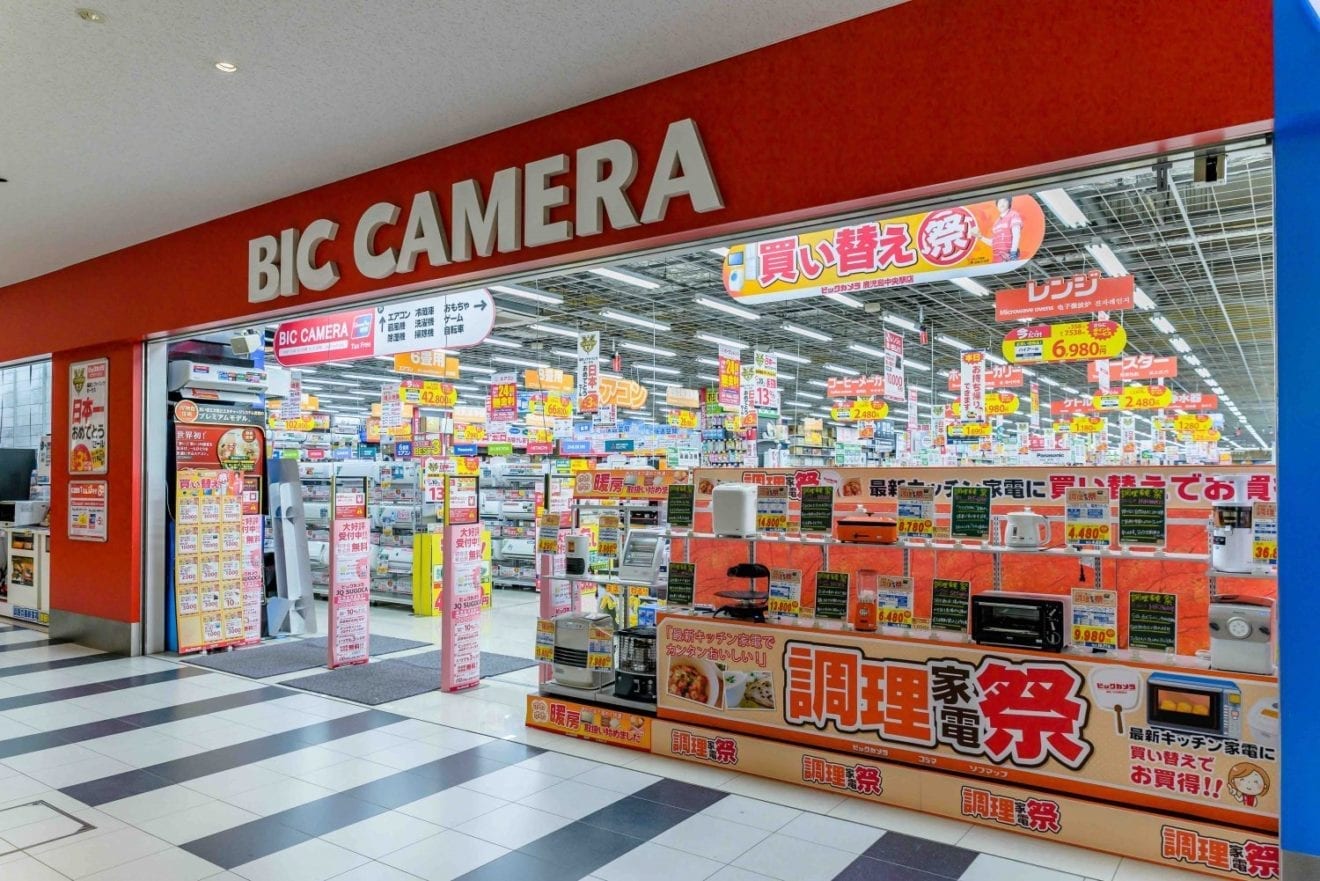
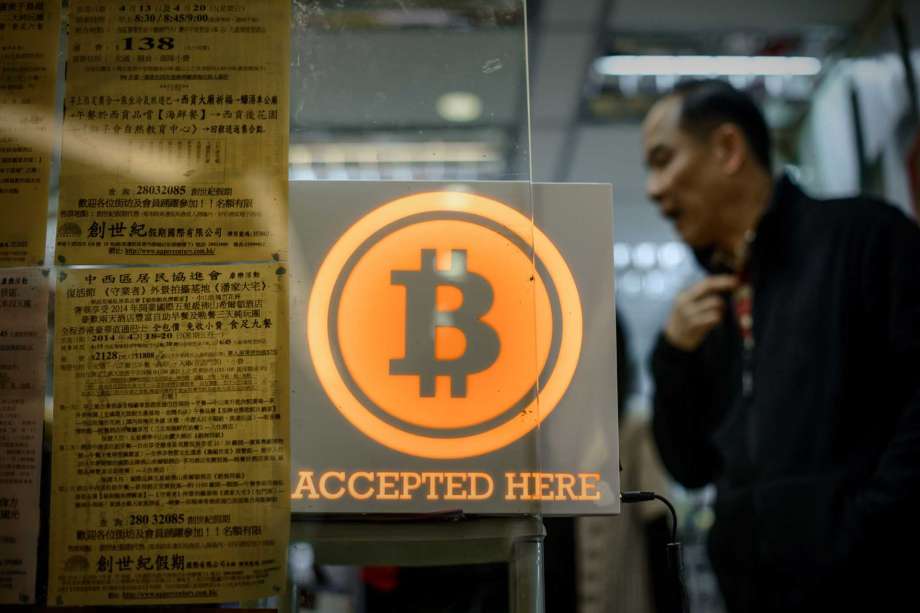
    Japanese electronics retailer Bic Camera will enable bitcoin payments across all stores in the country this month. Tokyo-based consumer electronics retail chain Bic Camera becomes the latest major retailer to accept bitcoin throughout Japan, a report confirmed today.

    The trial proved to be beyond successful.

    According to today’s report, the ‘more-than-expected’ popularity of bitcoin payments has led to Bic Camera expanding bitcoin payments at more than 40 stores domestically.

    Bic Camera first announced a trial run of accepting bitcoin payments from shoppers at the retail group’s flagship store in Tokyo and another store in the city. Customers could pay up to ¥100,000 (approx. $900) for purchases of consumer electronics such as cameras, laptops, audio equipment and more.

    The retailer partnered Tokyo-based bitFlyer, an industry startup and Japan’s largest bitcoin exchange, to install the point-of-sale (PoS) payments infrastructure. As a payments processor, bitFlyer’s gateway converts the bitcoin into fiat immediately upon payment. These fiat funds are then transferred to the retailer the following day. bitFlyer charges a 1% service fee on transactions.

    Bitcoin’s growing popularity in Japan, following recent legislation that acknowledged bitcoin as a legal method of payment, will also see Bic Camera accept bitcoin at 139 subsidiary Kojima stores in suburbs across Japan.

    Last month, bitFlyer’s chief financial officer Midori Kanemitsu revealed that the number of retail storefronts accepting bitcoin is “expected to rise to 300,000” this year. Japanese bitcoin startup BITPoint was revealed to be in discussions with a payments terminal operator that could see digital currencies accepted at hundreds of thousands of Japanese retailers.

    Japan also ended the 8% consumption tax on bitcoin purchases in July, making adoption attractive for new investors and consumers preferring cashless payments.

    All of this, at a time when the Japanese government is making marked moves toward embracing cashless payments by mandating a growth strategy to double digital payments over the next decade.

  • Japan’s Rakuten retail site bans ivory sales

    Japan’s Rakuten retail site bans ivory sales

    One of Japan’s largest online retailers has banned the sale of ivory, closing a major marketplace for the controversial trade. Rakuten is accused of being the world’s largest online retailer for elephant ivory, but will now phase out its sale. The trade is legal in Japan for items imported before 1989 – but no new stock can be brought into the country. Many other countries have banned the trade outright over concerns that it contributes to elephant poaching.

    Rakuten also banned the sale of sea turtle products on its site, telling it was responding to “growing international concern”.

    “We expect it will take 1-2 months for all listings of these prohibited products to be removed,” it said.

    On the day of the announcement, a large number of ivory items were still listed for sale, including many carved personal seals known as “hanko”. Sellers of such items are expected to maintain careful records of their origin, and use only government-regulated ivory stockpiles. But activists believe the rules are often circumvented and the precious material is often smuggled across borders.

    Yahoo Japan, another site which allows the sale of ivory, has previously come under fire for the practice.

    However, a spokesman told Reuters it did not plan to halt the trade, saying: “We don’t think that the legal ivory trade in Japan has any impact on African elephant numbers.”

    “It is important to recognise there are cultural differences between different countries,” he added.

    African elephant numbers have plummeted in the last century, and there are an estimated 500,000 remaining on the continent.

    China, a traditional powerhouse in the ivory trade, announced in December that it would ban all ivory activities and trade by the end of 2017.

    Conservation groups hailed the decision as “historic” and a “game-changer” – but ivory artists have lamented the loss of a traditional craft.

  • Vietnam to import more cashew

    Vietnam to import more cashew

    Viet Nam, the world’s No 1 exporter of cashew products, expects to import an aditional 500,000 tonnes of nuts from now until October to meet its annual export target, according to the Vietnam Cashew Association (Vinacas).

    Without imports, the industry will not meet its export target of 360,000 tonnes because unseasonal rains have shrunk the 2016-17 crop, which in any case would have been insufficient to meet processing demand, the association said. Currently, nearly two-thirds of the nuts for Vietnam’s cashew industry are imported.

    According to the General Department of Vietnam Customs, 165,000 tonnes of cashew nuts worth about US$1.62 billion were exported in the first six months of 2017, up 2.3 per cent in volume and 27 per cent in value year-on-year.

    But Vinacas Chairman Nguyen Duc Thanh said the domestic cashew supply was not sufficient for processing needs in the first half, so the industry had to import 400,000 tonnes of high-quality raw cashew nuts from Africa.

    However, processors complained that while imported nuts were expensive, processed product prices remained unchanged, leading to lower profits, Thanh noted.

    Vietnam has been the world’s No1 cashew nut exporter for 11 straight years and is set to keep this position for the 12th year as it is forecast to ship abroad 360,000 tonnes of cashew nuts worth $3.3 billion in 2017. Since the six-month shipments were equivalent to just 45 per cent of this year’s target, the industry must work harder to realise this goal, according to Vinacas. The year’s final harvest in the fall is not expected to make up the shortfall.

    Due to the shortage, the price of raw nuts on the domestic market was expected to rise, even for low-quality raw material, especially in the period from October to December 2017. Therefore, many plants have scheduled to reduce their processing capacity and some small plants will have to close.

    Nguyen Quang Huyen, General Director of the Hoang Son 1 Co, Ltd, said the shortage of raw cashew is not new. Major enterprises made preparations from the start of the year to ensure normal production activities. Only small firms without adequate storage have to wait for imported materials.

    According to Vinacas Chairman Thanh, to ensure bigger crops, new high-yield cashew varieties tolerant to climate change and disease must be planted, and the planting schedule should be adjusted to cope with climate change.

  • JYSK Nordic, DHL sign 5-year supply chain management agreement

    JYSK Nordic, DHL sign 5-year supply chain management agreement

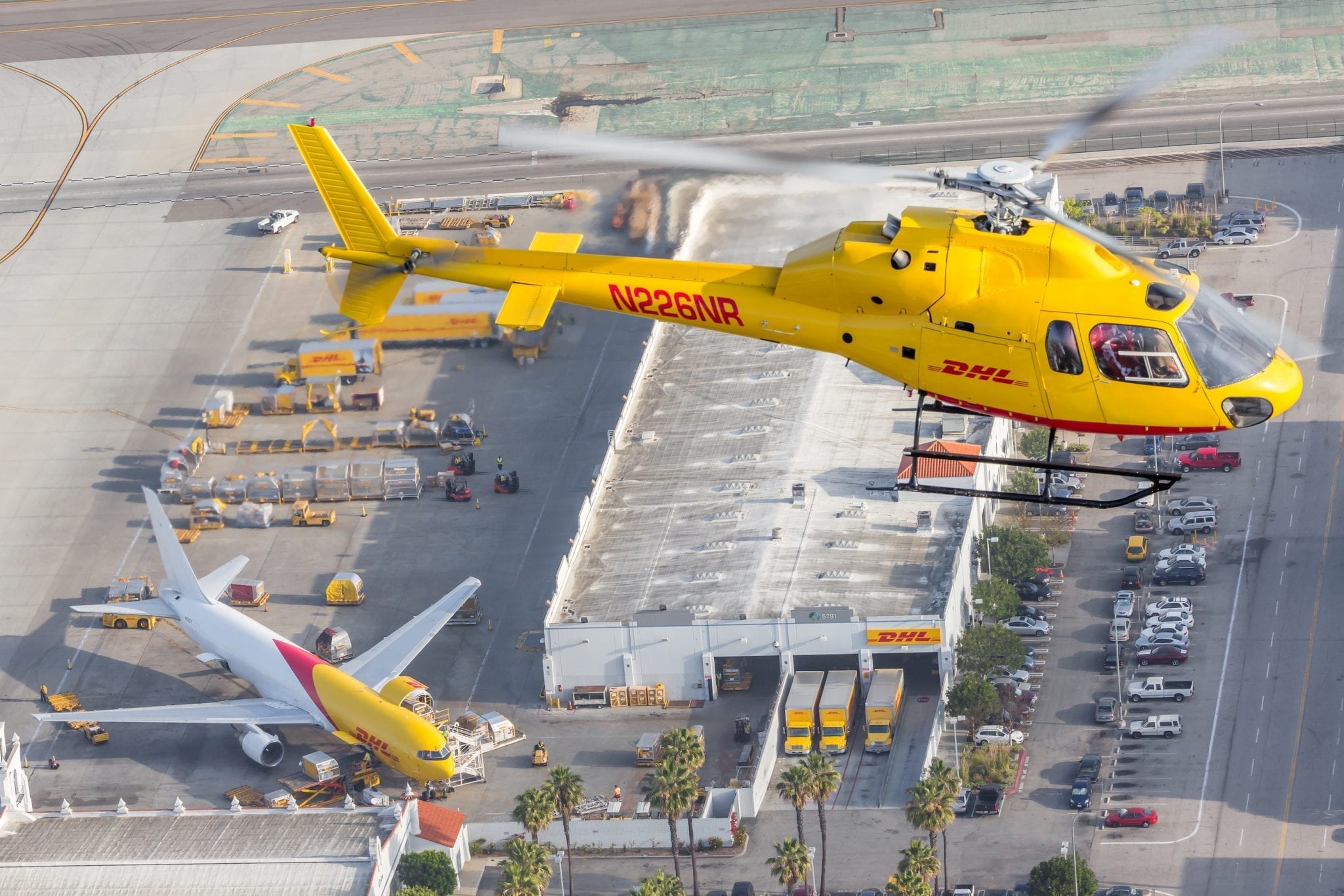
    DHL International Supply Chain has signed an exclusive five-year contract extension with JYSK Nordic, part of the JYSK Group. As an international chain with Scandinavian roots, JYSK sells everything for the home in over 2,500 stores in 48 countries. As part of the agreement, DHL International Supply Chain manages JYSK Nordic’s inbound flow with an integrated supply chain solution including online vendor booking and Purchase Order management services. DHL will continue to handle an annual volume of approximately 55,000 TEUs, predominantly from Asia as well as the Mediterranean, Latin America and the Middle East into the EMEA region.

    “We are very pleased that our service to JYSK Nordic has resulted in a contract extension and look forward to continue to service JYSK Nordic with a strong supply chain solution that will assist them in growing their business successfully” says Chris Arnold, Head of Operations Nordics & Central Eastern Europe, DHL Global Forwarding International Supply Chain.

    JYSK Nordic opened their first store in Denmark in 1979. While all over the world JYSK works under the same brand, the stores in Germany and Austria are called Dänisches Bettenlager.

    All services to JYSK are delivered through the dedicated DHL International Supply Chain team in Scandinavia, supported by a strong operational set-up throughout Asia and the Middle East region. Transparent, fast and reliable management of all shipments in the JYSK Nordic supply chain is achieved through full end-to-end visibility of all Purchase Orders down to item level – from order placement through to fulfillment.

    “The DHL solution has provided better control and visibility in our supply chain and brings real value to JYSK, especially through online vendor booking and the EDI connections. We see that the solution has supported our continued efforts to streamline and improve our inbound flow and look forward to continuing to grow our successful partnership with DHL”, comments Loui Andreasen, Shipping Manager JYSK Nordic.

  • Things to know about Bitcoin

    Things to know about Bitcoin

    Bitcoin is the world’s most widely used crypto currency. Mark Karpeles, the former CEO of collapsed Bitcoin exchange MtGox, went on trial in Tokyo on charges stemming from the disappearance of hundreds of millions of dollars worth of the virtual currency from its digital vaults.

    Here are some key facts about the world’s most widely used crypto currency:

    What is Bitcoin?

    Bitcoin is a virtual currency created from computer code. Unlike a real-world unit such as the US dollar or euro, it has no central bank and is not backed by any government.

    Instead, Bitcoin’s community of users control and regulate it. Advocates say this makes it an efficient alternative to traditional currencies because it is not subject to the whims of a state that may devalue its money to boost exports, for example.

    Just like other currencies, Bitcoins can be exchanged for goods and services — or for other currencies — provided the other party is willing to accept them.

    Where does it come from?

    Bitcoin was launched in 2009 as a bit of encrypted software written by someone using the Japanese-sounding name Satoshi Nakamoto.

    Last year secretive Australian entrepreneur Craig Wright said he was the creator of Bitcoin, but some have raised doubts over his claim.

    Hundreds of other digital currencies followed but Bitcoin is by far the most popular, with an increasing number of merchants accepting digital currencies for payments.

    Transactions happen when heavily encrypted codes are passed across a computer network. The network as a whole monitors and verifies the transaction in a process that is intended to ensure no single Bitcoin can be spent in more than one place simultaneously.

    Users can “mine” Bitcoins — bring new ones into being — by having their computers run complicated and increasingly difficult processes.

    However, the model is limited and only 21 million units will ever be created.

    What’s it worth?

    Like any other currency, it fluctuates. But unlike most real-world units, Bitcoin’s value has swung wildly in a short period.

    When it first came into existence it was worth a few US cents. Several years later Bitcoin topped $1,000. It’s now worth more than $2,300, with commentators suggesting some are buying it as an alternative bet in times of global economic uncertainty.

    The chaotic withdrawal of high-value notes in India, and Chinese controls on the purchase of foreign currency have also been cited for its meteoric rise.

    There are presently more than 16 million units in circulation. Some economists say the limited number of Bitcoins mean its price will increase over the long run, making it less useful as a currency and more a vehicle to store value, like gold.

    But detractors point to Bitcoin’s volatility, security issues and other weaknesses as flaws that will eventually undermine it.

    What’s the future?

    Some commentators say that like many technological developments, the first iteration of a product will encounter difficulties, possibly terminal ones. But the trail it blazes might smooth the way for the next crypto currency.

    Problems include an apparent vulnerability to theft when Bitcoins are stored in digital wallets.

    A major Hong Kong-based Bitcoin exchange suspended trading last year after $65 million in the virtual unit was reportedly stolen by hackers.

    The virtual currency movement also faces legitimacy issues because of the way it allows for anonymous transactions — the very thing that libertarian adopters like about it.

    Detractors say bitcoin’s use on the underground Silk Road website, where users could buy drugs and guns with it, is proof that it is a bad thing.

    If Bitcoin does become more widely accepted, experts say, it could lead to more government regulations, which would negate the very attraction of the concept.

  • Ho Chi Minh City to crack down on tax-evading Facebook retailers

    Ho Chi Minh City to crack down on tax-evading Facebook retailers

    The tax man is threatening to shut down social media accounts, but savvy retailers know that it’s an empty threat. Ho Chi Minh City sent out tax demands to nearly 13,500 Facebook retailers over a month ago, but a representative from the city’s Tax Department told that so far only around 1,000 of them have responded.

    As a result, the city’s tax authorities have decided to work on tougher solutions to crack down on potential tax-evading online retailers, and have asked the Ministry of Finance to finalize regulations regarding tax declarations and deductions at source, as well as the supervision of online business activities.

    The city’s tax department also said it is considering a name-and-shame approach to individuals and organizations that refuse to pay tax.

    To combat retailers that open multiple Facebook accounts to avoid detection, the department claimed it had come up with multiple solutions, such as closing down accounts or sending officials posing as customers to confront them in person.

    It also said it would ask the State Bank of Vietnam for copies of retailers’ bank statements to determine their incomes, and courier companies would be asked to provide information on the quantity and value of the goods they transport for them.

    However, many online retailers say that the tax man has no authority over Facebook.

    Nguyen Thi Cuc, who chairs the Vietnam Tax Consultants’ Association, also told that Vietnam does not have a comprehensive tax policy for online businesses, and that collecting taxes is difficult because most transactions are conducted in cash.

    Many retailers claim they already have business licenses and have declared tax, and only use Facebook to advertise their products, while others say they earn less than VND100 million ($4,400) annually so they are not required to declare tax by law.

  • Nissan expects up to 20 percent of sales to be zero emission cars by 2020

    Nissan expects up to 20 percent of sales to be zero emission cars by 2020

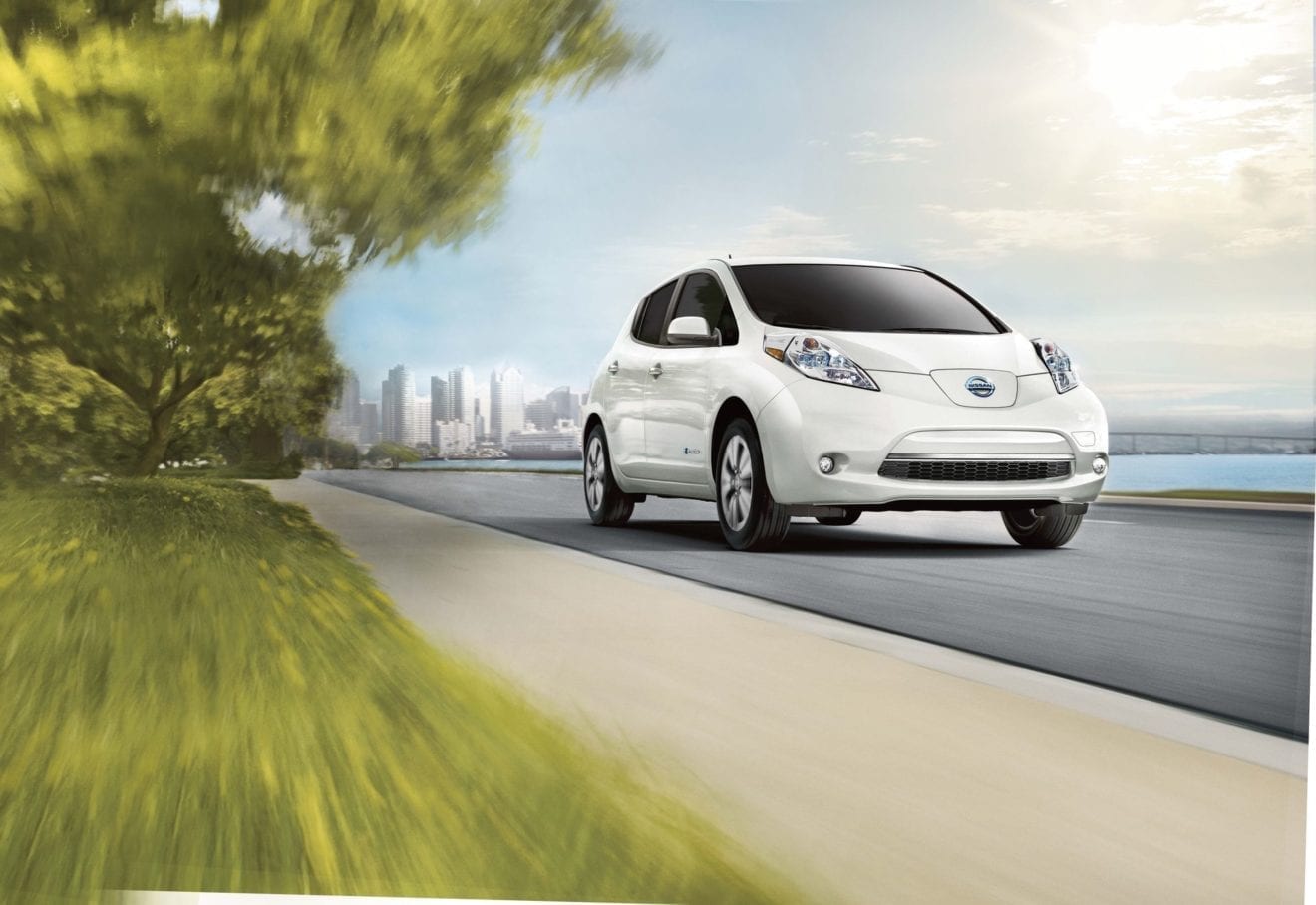
    Nissan Motor expects that zero-emission cars will make up to 20 percent of its sales in Europe by 2020, Gareth Dunsmore, Electric Vehicle (EV) Director for Nissan Europe said in a statement on Monday.

    Nissan said it welcomed France’s commitment to reward those who choose more sustainable vehicles.

    Last week, Ecology Minister Nicolas Hulot said France would aim to end the sale of gasoline and diesel vehicles by 2040 and become carbon neutral 10 years later.

    “By 2020, where the market conditions are right, I’m confident we’ll be selling up to 20 percent of our volume as zero emissions vehicles and this will only grow,” Dunsmore was quoted as saying in an emailed statement.

  • Aeon to open second Cambodia mall in 2018

    Aeon to open second Cambodia mall in 2018

    Japanese group Aeon is expanding its presence in Cambodia with a new location, Aeon 2, announced for 2018.

    Covering 70,500 square metres of retail space, it will be the second Aeon Mall in Cambodia. The exact location has not been disclosed, nor has a date been given for completion.

    According to local media, Cambodian retailers are hailing the entrance of Aeon in 2014 as a huge success, saying its “high standards” are having a positive impact on the Kingdom’s retail sector.

    “Aeon is the first international mall operator and developer in Phnom Penh, and they have set an industry standard and expectations for other such malls in Cambodia,” said Cambo-Sia CEO, Daniel Li.

    “The demand for entry into Aeon is very high, and there is a waiting list for brands wanting to make a debut in the mall.”

    Aeon Mall, the first large-scale modern shopping mall in Cambodia, recently celebrated its third year of operation in the Kingdom.

    CBRE’s first-quarter real-estate report said prime retail rents for malls have dropped by 0.9 per cent compared to the previous quarter, averaging US$31.1 a square metre per month. Prices gained 1 per cent year-on-year.

    The second half of last year, prime rental prices in Cambodia ranged from $32 to $70 a square metre per month, according to a Frank Knight report. The upscale Vattanac Capital mall held highest priced leases for its 5000 square metres of retail space, said the report.

    Looking forward, the retail sector in Cambodia is set to further evolve over the next three years as the total modern retail space could surge from the current 212,000 square metres to 582,000 square metres.

  • H&M to open in Wellington, New Zealand

    H&M to open in Wellington, New Zealand

    Wellington’s fashion scene continues to grow as H&M (Hennes & Mauritz) opens in Queensgate Shopping Centre, Lower Hutt, later this year.

    The fashion retailer made waves in 2016 when it opened its first store in Sylvia Park shopping centre, drawing in crowds from all over Auckland.

    Now Wellington is getting a slice of the Swedish retailer with plans for the store to open late this year, with more information to be realised closer to the yet-to-be-confirmed opening date.

    Queensgate Shopping Centre was closed late 2016 after the Kaikoura-centred earthquake damaged the building’s infrastructure.

    The centre re-opened early April of this year after parts of the complex were redesigned with shock absorbent technology.

    At the time Diversified NZ Property Trust acquired the shopping centre late November of 2015, the centre was the largest enclosed shopping area in the lower North Island. It is managed by Stride.

    Stride’s general manager shopping centres, Roy Stansfield, says this announcement marks an important milestone in a large project, which has been a long time in the works.

    “We’re incredibly excited that a world-renowned brand like H&M has chosen Queensgate as the location for its first Wellington store. It’s testament to the standard of the centre and the opportunities in the region as a whole.

    “Customers and retailers alike have been curious about the works going on in the centre as we prepare for H&M’s opening, so we’re very happy to be able to finally confirm who this new tenant is,” he said.

    Leading up to the store’s launch, Stansfield says Stride will continue to share information through the company’s website, Facebook page and within Queensgate.

    “We’re very much looking forward to seeing the new store take shape.”