Tag: asia

  • Time for ocean shippers to digitize is now

    Time for ocean shippers to digitize is now

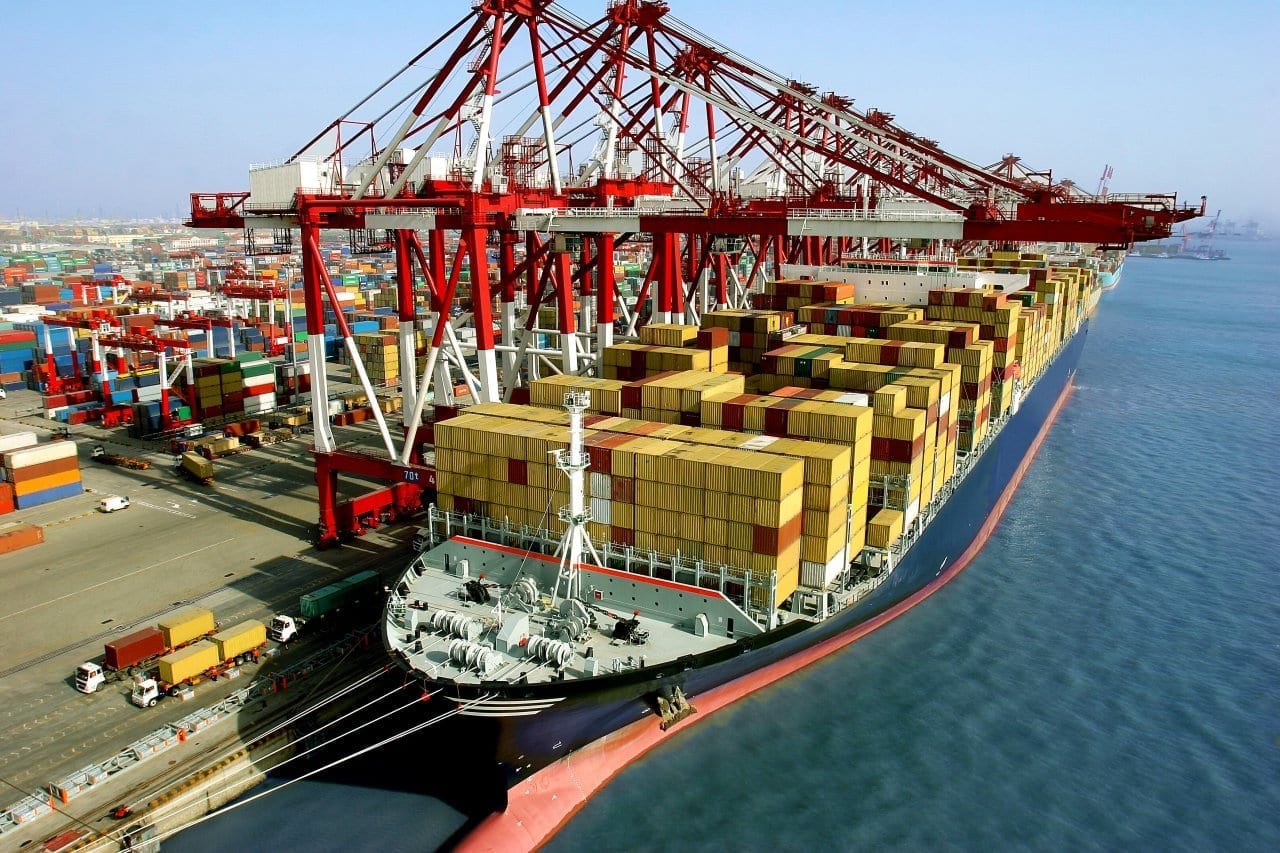
    Digitization is rapidly transforming the ocean container shipping industry, according to INTTRA, a neutral electronic transaction platform, software and information provider for the ocean shipping industry.

    In a new whitepaperBlueprint 2032: How Technology Transforms Ocean Container Shipping – INTTRA reports that the pace of technology innovation is accelerating as businesses seek new and more efficient ways to optimize.

    “Digitization is now a competitive necessity,” says John Fay, CEO of INTTRA. “We’ve reached a tipping point in the global shipping industry when information technology is now the primary means for CEOs and their companies to achieve and increase long-term profitability. We are enabling shippers to rethink processes, and to digitize their operations through our unique position as a neutral service provider.”

  • Chinese demand for supercars races ahead at full-speed

    Chinese demand for supercars races ahead at full-speed

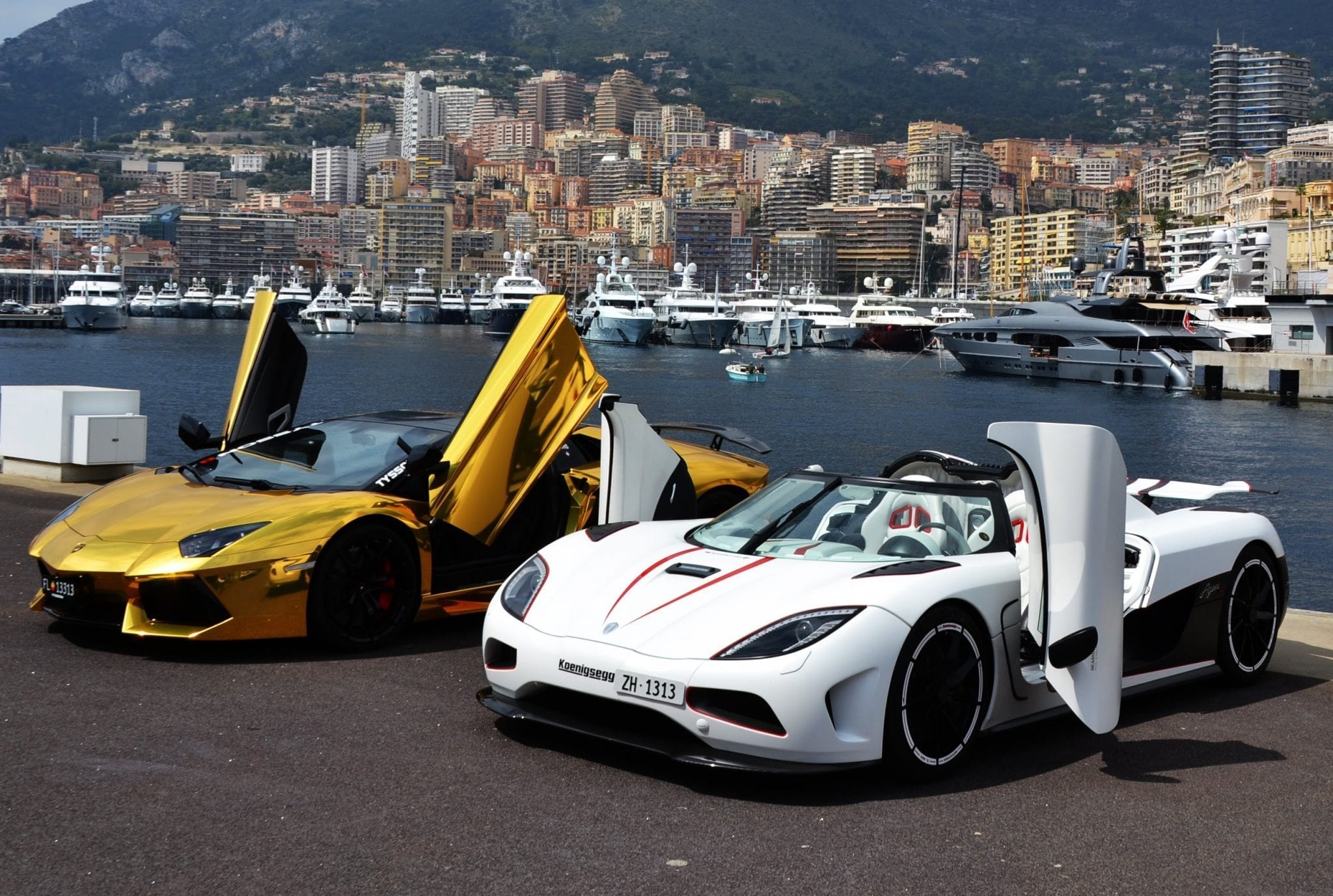
    Chinese demand has helped boost supercar sales around the globe to double-digit growth, according to a new report by automotive market research company Jato. While the United States remains the largest market for ultra-luxury car sales, China is close behind at number three, with demand last year jumping 54 percent to about 4,400 units. To compare, the second biggest market, the UK, only saw a 15.6 percent growth.

    Jato cites Forbes’s swelling billionaire list as evidence for the increasing demand for ultra-luxury automobiles around the globe—overall, supercar sales are up by 16 percent in 2016 from the previous year. China added 65 billionaires for a total of 400 to the list last year, the most of any country on the list, and its role in the supercar market reflects this.

    Supercars, which include brands like Aston Martin, McLaren, Bentley, and Ferrari, have long been valued by Chinese consumers for boosting their status quo, but the report notes that supercar brands are increasingly innovating to respond to changing consumer needs. For example, many of the automakers have recently introduced luxury SUVs to their lineup, of which have witnessed a major market in China as families are getting larger. There is also more demand for sustainable vehicles, especially in China, where environmental concerns like pollution are rampant. Luxury car brands have been quick to respond—out of the 10 brands featured in Jato’s report, nine of them have announced plans for releasing electric or hybrid automobiles.

    While supercar brands are no doubt having good luck with the Chinese consumer in general, many are also now having to consider how the emerging affluent in China are getting younger and more digitally savvy. Maserati, an ultra-luxury brand that wasn’t on Jato’s list, made an effort to reach this market by opening a Tmall store, but others have room to grow when it comes to bridging their online presence with call to actions to bring customers into their showrooms. And with surging demand, the opportunity to reach China’s digital natives is likely only growing wider.

  • Petrol prices continue to decrease

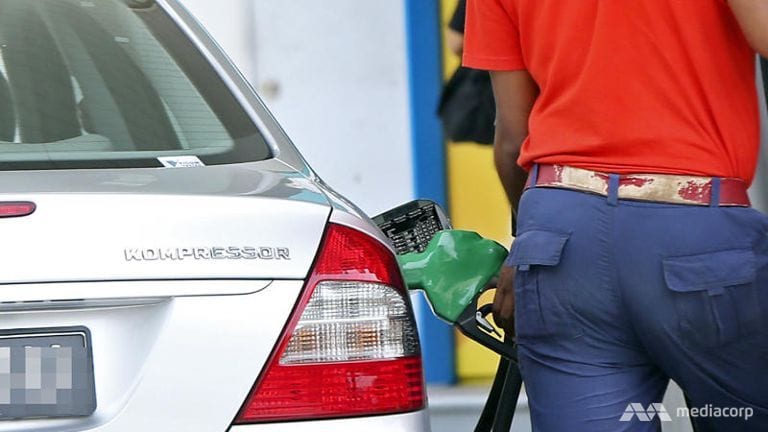
    Petrol prices continue to decrease

    Prices of oil and petrol products continued to decrease from 3pm on Saturday, following the latest price adjustment by the Ministry of Industry and Trade and the Ministry of Finance.

    The prices of RON 92 gasoline slightly dropped by VNĐ211 per litre, while that of E5 bio-petrol and diesel oil declined by VNĐ197 and VNĐ343 per litre, respectively.

    Following a joint decision by the ministries, RON 92 and E5 bio-petrol will be sold at a maximum price of VNĐ17,063 (US$0.75) and VNĐ16,871 per litre, respectively.

    Meanwhile, the new ceiling prices of diesel 0.05S and kerosene are VNĐ13,260 ($0.58) and VNĐ11,792 ($0.52) per litre.

    The average global price of RON 92 during the last 15 days until May 20 was $61,084 per barrel, down $1 compared with the previous price adjustment.

    The prices of petrol and oil are adjusted every 15 days by the two ministries depending on the changes in the world market.

  • Hawaiki Cable manufacturing nearing completion

    Hawaiki Cable manufacturing nearing completion

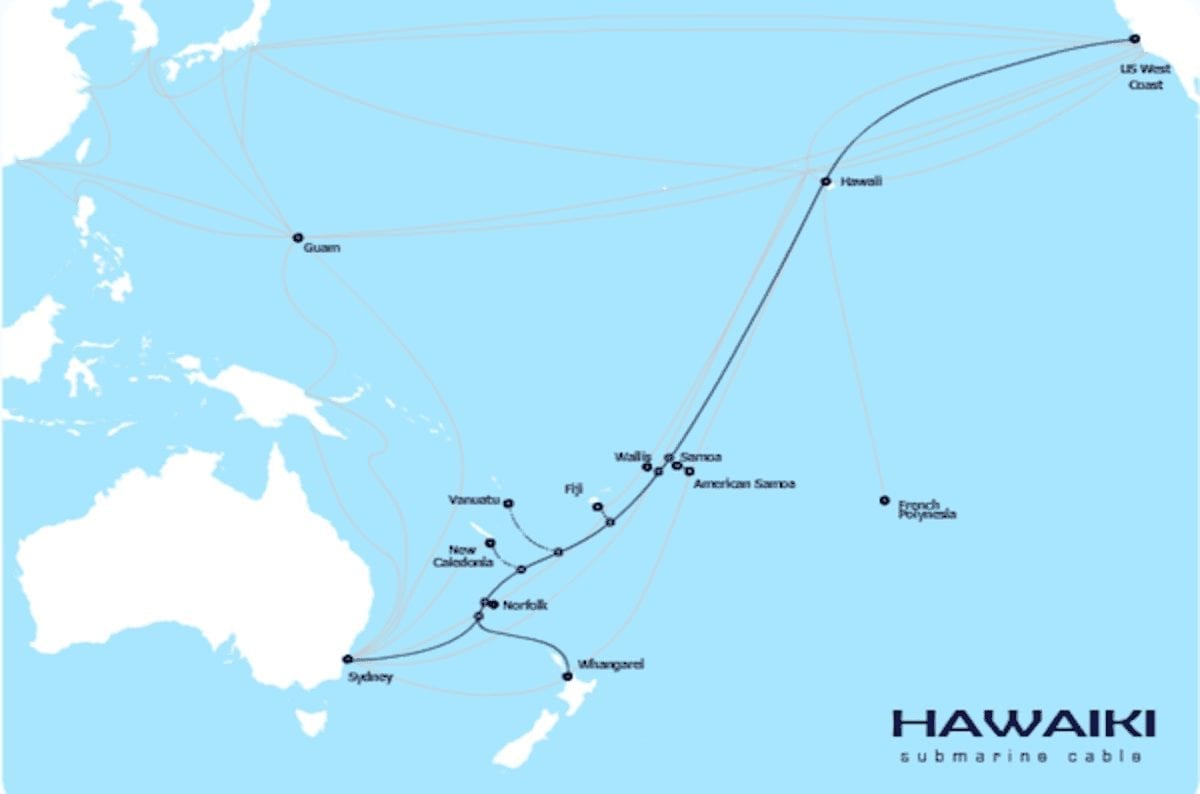
    The first cable load for the Hawaiki Cable – the subsea cable that will link Australia and New Zealand to the continental US, Hawaii and America Samoa – will commence next month.

    Hawaiki Submarine Cable and TE SubCom announced that construction of the cable remains on schedule, with more than 13,000km of the 14,000km transpacific cable now manufactured. The initial cable load will include 7,000km of this cable.

    Installation permits for Australia, New Zealand and Oregon in the US have also been procured, and horizontal directional drilling for the cable landing of Pacific City in Oregon have commenced.

    In Sydney, more than half of the conduits for the land duct route have meanwhile been installed, and drilling operations will start early next month.

    Once complete in mid-2018, Hawaiki is expected to be the highest cross-sectional capacity link between the US and Australia and New Zealand. The carrier-neutral cable system will have options to expand to several South Pacific islands, including Tonga, Fiji and New Caledonia.

    “We’re very close to completing the manufacturing stage of Hawaiki and are preparing to launch installation in just a matter of months,” Hawaiki CEO Remi Galasso said.

    “Once live, this cable system will help eliminate the distance between all Pacific communities and provide an economic boost to a region consistently starved for broadband access.”

  • CMC launches anti-malware software

    CMC launches anti-malware software

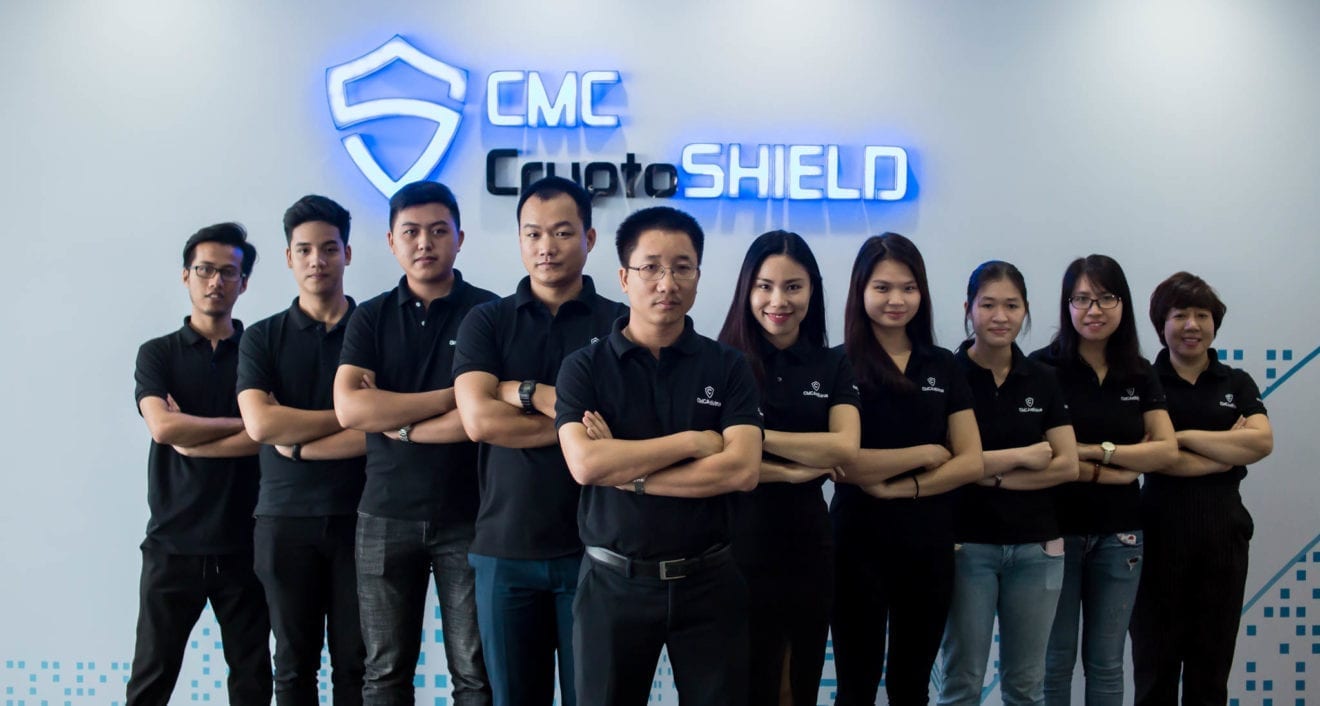
    Vietnam-based technology corporation CMC on May 19 released its anti-data encryption software CMC CryptoShield, which offers protection from ransomware.

    Ransomware is software that blocks access to a computer system until the hackers behind the attack are paid.

    CMC CryptoShield is designed to prevent all forms of malicious code by applying artificial intelligence. The artificial intelligence system integrated in CMC CryptoShield can recognise all micro-encoded data and block it.

    Ransomware has become a new global threat and profitable business and with the boom of difficult to trace cryptocurrencies in recent years, most notably Bitcoin, hackers can get ransom without being traced.

    CMC CryptoShield ensures that all user data will be put into a secure and inviolable area right before it is encrypted, said Vũ Lâm Bằng, Director of CMC’s Research and Development Centre at the launch ceremony of CMC CryptoShield.

    Artificial intelligence is a weapon in the fight against hackers and malicious code. It has been integrated in CMC CryptoShield and users just need to turn it on so that all the data on their computer is safe, said Triệu Trần Đức, General Director of CMC InfoSec under CMC corporation at the launch.

  • Eat-in supermarkets catching on in Japan

    Eat-in supermarkets catching on in Japan

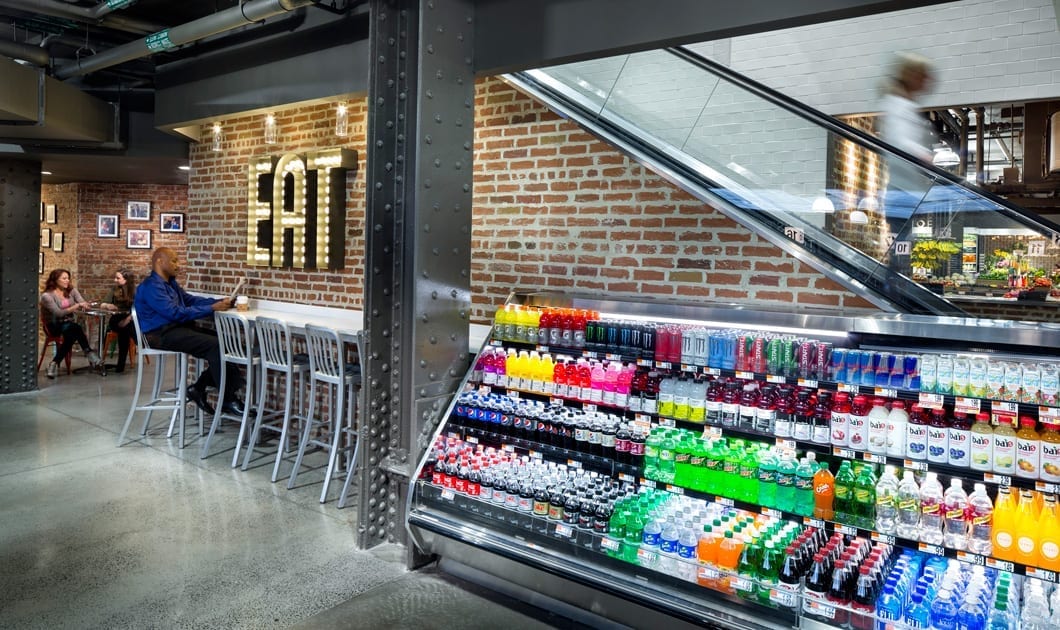
    Japanese retail group Aeon will expand dining areas at its domestic stores, aiming to capture demand from the growing ranks of seniors and dual-income families wanting to spend as little time as possible on household chores.

    Within three years, group unit Aeon Retail plans to double to around 150 its stores with spaces seating at least 50. Most of its 360 locations stores already have dining spaces, but only for 20 to 30 people.

    The plan is to create the roomy spaces at 30 or so locations each year as stores undergo renovation. Dedicated registers may be set up so that customers need not wait in the same lines as grocery shoppers. Such new items as pizzas baked to order and make-your-own salads will be gradually introduced.

    Yaoko, a supermarket operator in the greater Tokyo area, has renovated a flagship store in Kawagoe, northwest of the Japanese capital. It serves freshly made meals there for eating in-store, such as a 680 yen ($6) bowl of seafood over rice with eight toppings.

    Yokohama-based discount retailer OK runs a food court at one of its stores that serves dishes made from such supermarket-section ingredients as rice, eggs and beef.

    Supermarkets sell prepared foods at lower prices than convenience stores and restaurants. Eating on the premises spares customers from dealing with the resulting trash at home. Retailers hope to leverage these benefits to pull in more shoppers. Since foods prepared on-site carry higher margins than processed foods from manufacturers, in-store eating is seen buoying earnings as well.

    In the U.S., such major retailers as Whole Foods Market have “grocerant” — a portmanteau of “grocery” and “restaurant” — dining areas offering prepared foods for purchase by weight. These are drawing attention as a new way to lure customers. The market for prepared foods from grocers has been estimated at $10 billion a year.

  • Esprit looks to open physical stores in India

    Esprit looks to open physical stores in India

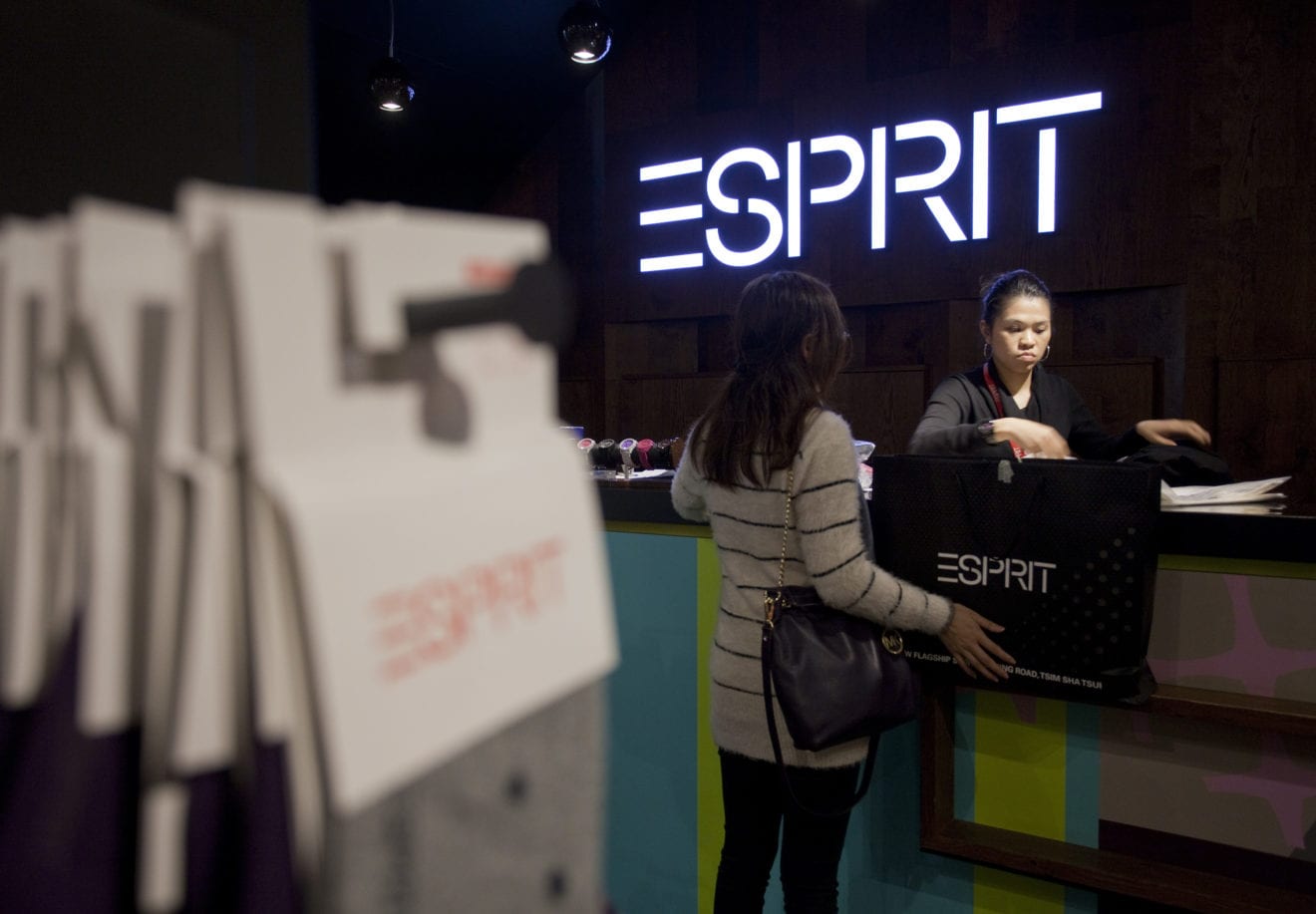
    Hong Kong-based fashion brand Esprit is planning to make a comeback in the Indian market and looking for mall space to open stores. Esprit is also in talks with online fashion retailer Myntra to boost offline presence of the brand, citing sources.

    Esprit is reportedly in talks with online fashion retailer Myntra to open Esprit-branded physical store in the country.

    “Yes, Esprit is coming back. The top guys from abroad had come about three weeks ago and they were looking for (mall) space,” a person familiar with the matter told ET.

    The second person said Esprit is in talks with online fashion retailer Myntra to open Esprit-branded physical store in the country. Myntra already sells Esprit products online through an exclusive deal signed with the fashion brand late last year. Esprit and Myntra did not respond to queries on the matter.

    Esprit had entered India in 2005 in a distribution partnership with Aditya Birla Group. However, poor business growth forced the company to shut operations in the country in 2013.

    The fashion brand operates in 40 countries through more than 700 retail stores and over 6,000 points of sale, including franchise stores and shop-in-shops in department stores.

  • Habeco targets 9 per cent increase in revenue

    Habeco targets 9 per cent increase in revenue

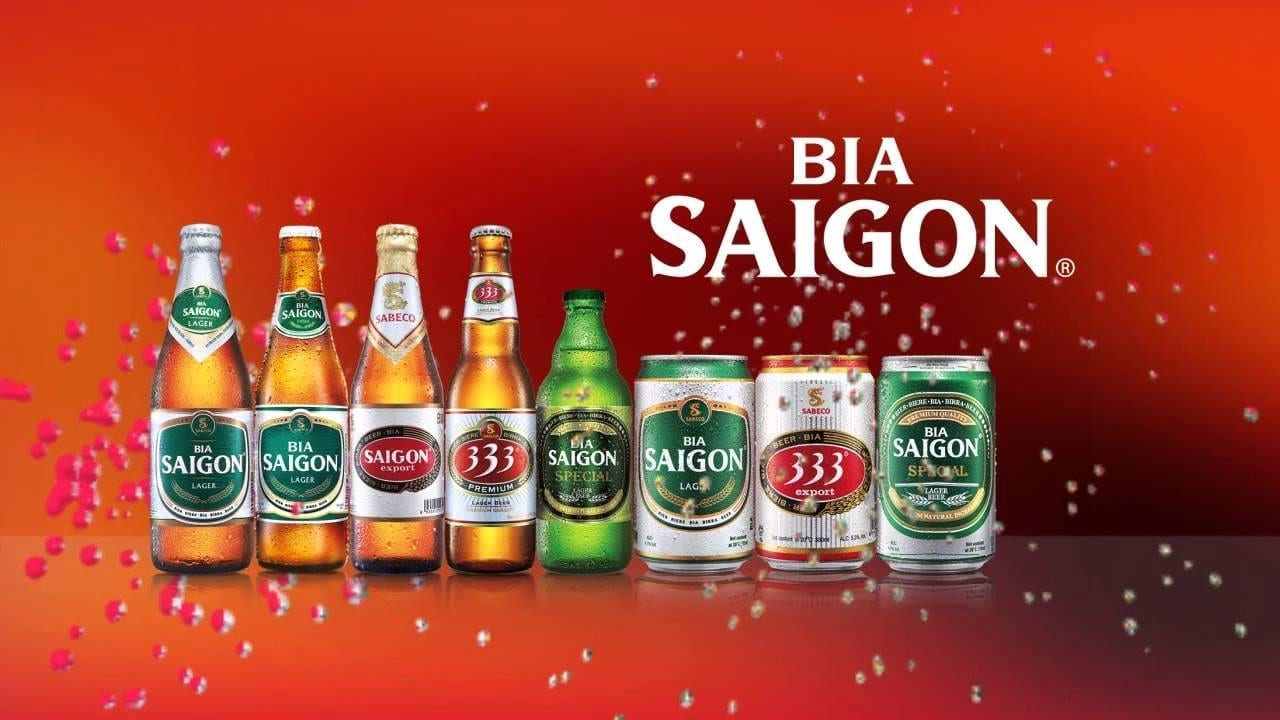
    Hà Nội Beer Alcohol and Beverage Joint Stock Corporation (Habeco) targets total revenue of over VNĐ8.8 trillion (US$390 million) in 2017, up 9.1 per cent year-on-year.

    The brewer plans to earn pre-tax profit of VNĐ1 trillion this year, up slightly from 2016, and dividends are projected at 20 per cent.

    The company’s revenue in 2016 grew by 8 per cent to reach VNĐ8.1 trillion. Pre-tax profit reached VNĐ997.3 billion, up 0.6 per cent year-on-year.

    With this result, the dividend rate was adjusted upwards to 18 per cent, equivalent to VNĐ417 billion. The company paid 10 per cent dividend in 2015.

    The Ministry of Industry and Trade (MOIT), Habeco’s biggest stakeholder with 81.79 per cent capital, is expected to collect VNĐ341 billion.

    At its 2017 annual general meeting of shareholders held last week, two members of the board of directors were dismissed, including Nguyễn Thị Nga representing the Ministry of Industry and Trade and Tayfun Uner, CEO of Carlsberg Việt Nam, which currently holds a 17.08 percent stake of Habeco.

    Đỗ Xuân Hạ was appointed to replace Nguyễn Thị Nga from May 11 until the Ministry of Industry and Trade has made a decision on personnel.

    Habeco only elected one new member to the board, namely Soren Ravn, Business Development Manager of the Carlsberg Group. With this change, Habeco temporarily has just four board members.

    Headquartered in Hà Nội, Habeco is the largest beer producer in the North and the third-largest beer company in Việt Nam, with popular brands such as Hà Nội Beer and Trúc Bạch Beer. It owns 17 subsidiaries and nine affiliated companies.

  • JD rumored to invest in Indonesian e-commerce company

    JD rumored to invest in Indonesian e-commerce company

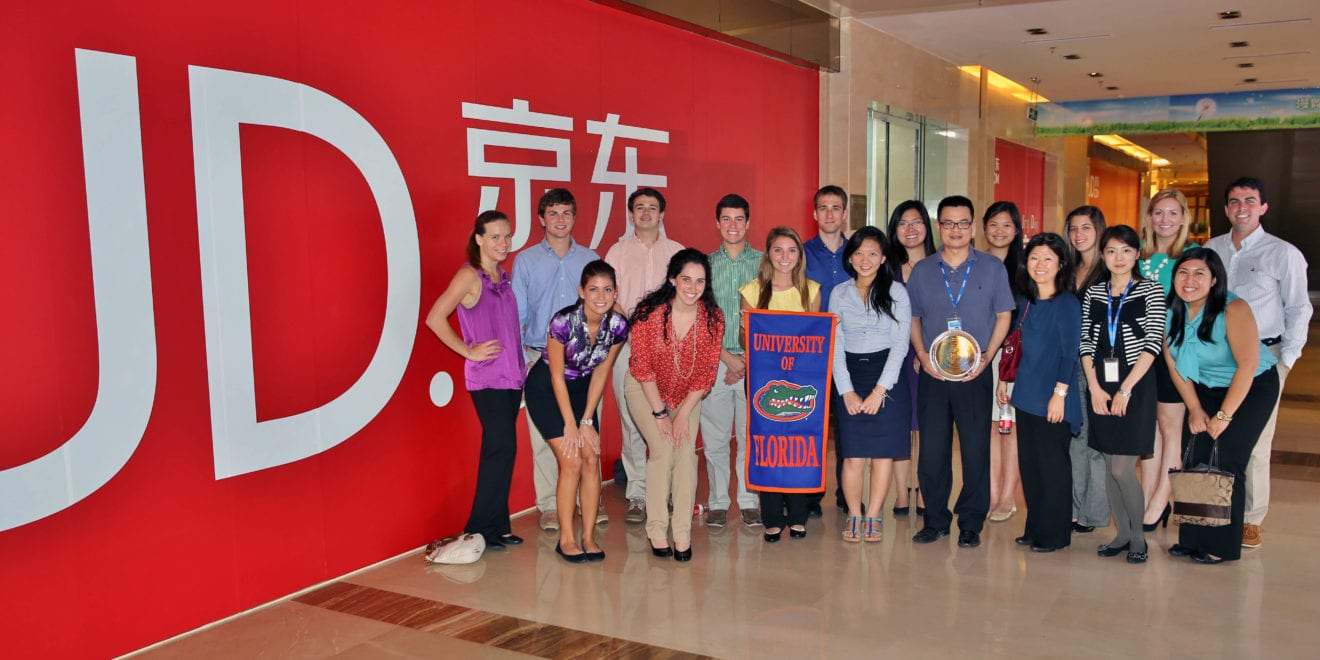
    China’s JD is reportedly currently negotiating with PT Tokopedia, an e-commerce company in Indonesia, for a potential investment deal.

    If an agreement can be reached, it will help JD accelerate its expansion in Indonesia, one of the largest markets in Southeast Asia.

    JD has implemented initial negotiation and the Chinese e-commerce giant may invest hundreds of millions of dollars into Tokopedia. The deal may value Tokopedia at over USD1 billion.

    Once the investment is successful, JD will be able to compete with Alibaba in this marketplace. As China’s two leading e-commerce providers, Alibaba and JD are both exploring the Southeast Asia market. In 2016, Alibaba acquired the controlling stake in the Southeast Asia e-commerce company Lazada. In addition, with this move, JD is expected to realize deployment in this region before Amazon.

    Tokopedia was established in 2009 and its business model is similar as Alibaba, which focuses on connecting consumers and vendors, instead of selling owned products. In 2014, the company gained USD100 million investments from SoftBank and Sequoia Capital, setting a record at that time.

  • VW’s JV in China to recall nearly 600,000 vehicles over fuse fault

    VW’s JV in China to recall nearly 600,000 vehicles over fuse fault

    Volkswagen AG’s joint venture in China, FAW-Volkswagen Automobile, will recall 577,590 Golf and Sagitar cars because of a headlight fuse defect that may lead to safety risks, the quality watchdog said.

    The recall covers 416,364 Golfs produced between September 2009 and May 2014, and 161,226 Sagitars produced between July 2010 and March 2012, said the General Administration of Quality Supervision, Inspection and Quarantine.

    The watchdog said the defects could cause headlight failure.

    FAW-Volkswagen, majority owned by state-owned China FAW Group, could not be immediately reached for comment. Volkswagen China declined to comment.

    In March, Volkswagen recalled over 1 million Audi vehicles due to potential leaks and coolant pumps faults.

    The German carmaker delivered nearly 4 million vehicles in China last year, two fifth of its global sales.

  • Boots to launch in Korea

    Boots to launch in Korea

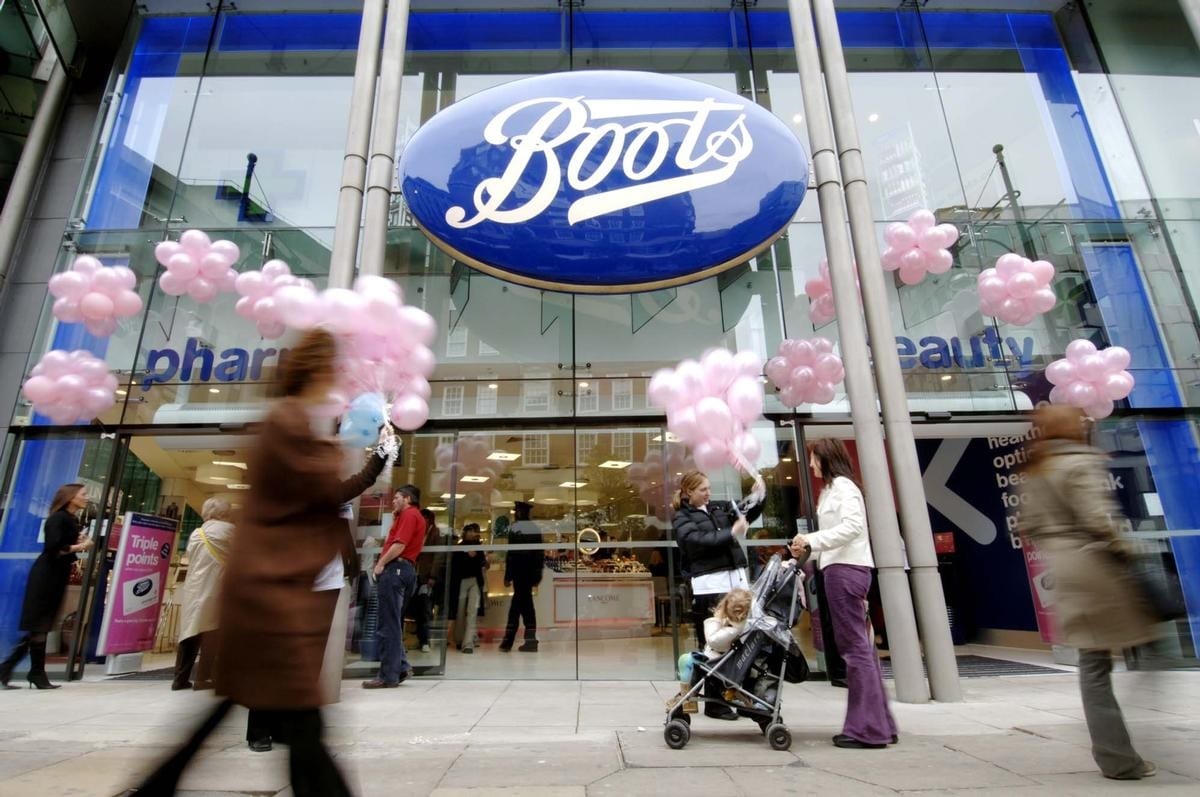
    E-Mart said on March 19 that the Korean first store of Drugstore Boots opened in Starfield, Hanam. It was only 10 months since the signing of a partnership agreement between E-Mart and the Wall Green Boots Alliance (WBA) in July last year. The Boots store is located on the first floor of Starfield with the size of 619 square meter (187 pyeong).

    WBA is a global ‘distribution giant’ that has 13,100 stores in 11 countries around the world, including the UK’s No. 1 health and beauty (H & B) brand, with annual sales of 145 trillion won.

    E-mart will show Korean version of H & B, which is differentiated by global sourcing power of boots, the world’s top drugstore company, and E-Mart’s product planning ability.

    The H & B market in Korea last year was1.2 trillion won. It has been on a steady upward trend with a growth of 30~40 percent every year and the business holds great promise for the future. In the next five years, it will grow to over 3 trillion won.

    The boots strengthens the competitiveness with their own brand products (PL) and services. Boots has PL products such as ‘Soap & Glory’ and ‘Botanics’, including functional cosmetics ‘No.7’. In particular, No7 is the number one beauty brand in the UK, and has already been famous among Korean customers. With the official opening of boots, consumers can purchase boots PL products more easily such as No7.

    The boots offers a ‘Match-made’ service that will consult the colours for their skin tones on the opening day. It recommends foundation and colour cosmetics by measuring consumer’s skin tone using No7 exclusive device.

    To celebrate the opening of the Starfield Hanam store, the boots will carry out the ‘3 for 2’ event, which takes one more item if you buy two items of their own brand of boots by the 1st of next month. Until June 29th, 5000 won discount certificate will be presented to customers who purchase more than 50,000 won. The boots eco bags will be presented to 5,000 people by order of arrivals regardless of the amount of purchase. When purchasing more than 50,000 won, the boots beauty box will be presented for the first 400 people as well.

    E-Mart will also open a large flagship store in Myeong-dong, which is called “The Holy Land of Cosmetics” in July. The size of the store is 1284 square meter (388 pyeong). E-Mart plans to gradually expand its H & B gmbusiness, starting with Starfield Hanam, complex shopping mall and Myeongdong stores.
  • Cebu Pacific Air commences second route to Cotabato

    Cebu Pacific Air commences second route to Cotabato

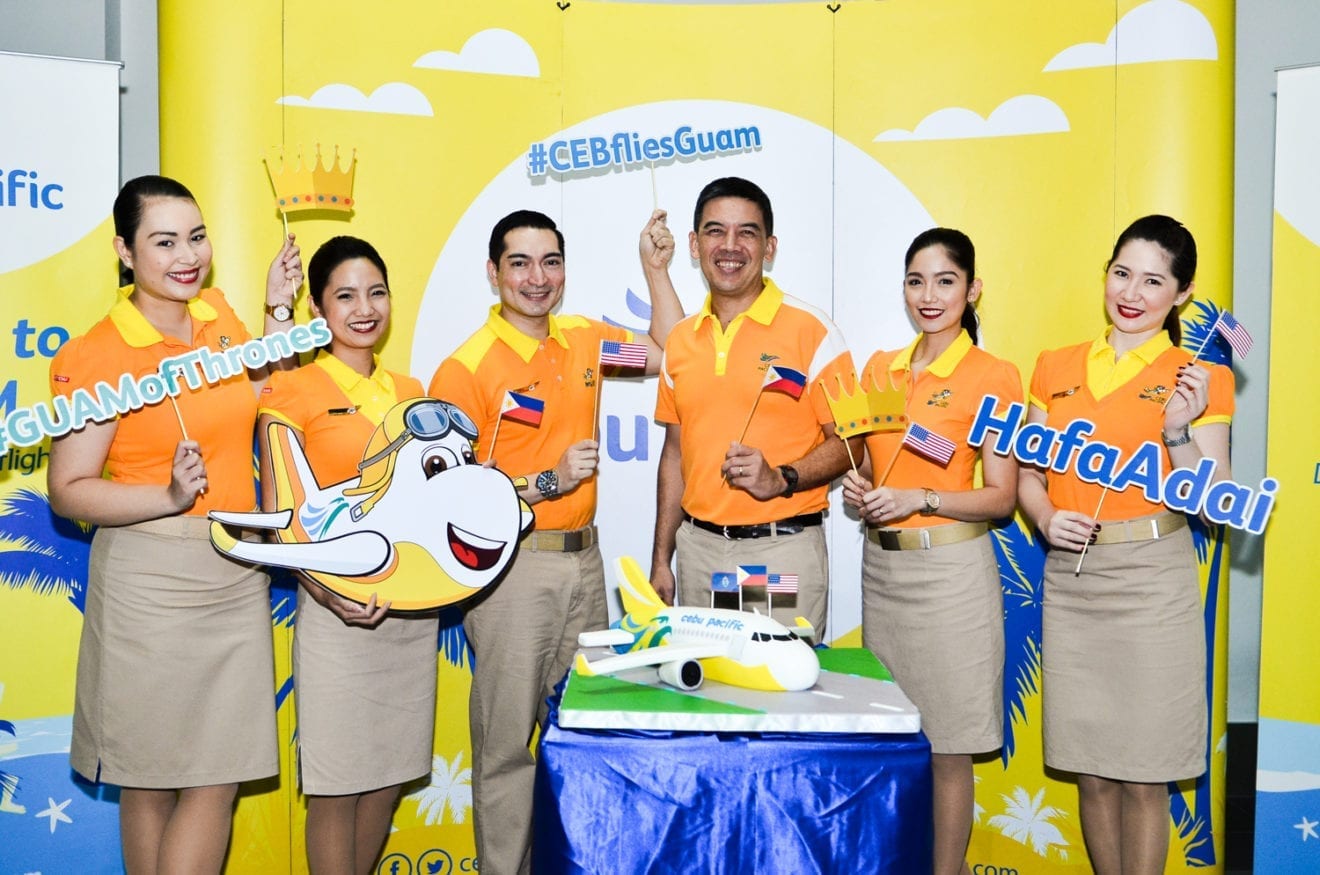
    Cebu Pacific Air started its second new domestic route from Cebu (CEB) this week with the launch on 16 May of a four times weekly service to Cotabato (CBO). The 351-kilometre route will be flown by CebGo using its ATR 72s. No other carrier connects these two airports. Cotabato is located on the province of Maguindanao.

    The airport’s only other scheduled services are to the capital, Manila, which are offered by both Cebu Pacific and Philippine Airlines. Cotabato City is home of Sultan Haji Hassanal Bolkiah Masjid, also known as the Grand Mosque of Cotabato, which is the largest mosque in the Philippines. Completed in 2011 the facility can accommodate 15,000 people and was funded by the Sultan of Brunei.

  • AU budget a welcome boost for supply chain efficiency

    AU budget a welcome boost for supply chain efficiency

    The significant infrastructure investments contained in Australia’s Federal Budget have the potential to deliver substantial improvements to supply chain efficiency and significantly boost economic growth, according to the Australian Logistics Council (ALC).

    “The Government should be commended for making clear commitments to two significant infrastructure projects crucial to the freight and logistics industry,” said ALC managing director, Michael Kilgariff.

    “The transformative potential of the Inland Rail project has been talked about for decades, with incremental progress being made over the past several years, including a positive assessment of the business case by Infrastructure Australia. The $8.4 billion commitment announced in the Treasurer’s speech tonight will finally allow its construction. At long last, we can stop merely talking about this project’s potential, and instead begin to witness it.”

    “Establishing a safe, reliable port-to-port rail link for freight between Melbourne and Brisbane is the only way we can simultaneously meet Australia’s burgeoning freight task, alleviate congestion on existing freight networks, create regional jobs and boost growth,” he said.

    “To fully unleash the benefits of this project, the line must run to the ports of Melbourne and Brisbane, and comprise efficient rail linkages to the ports of Botany, Kembla and Newcastle in NSW. We must also support the development of intermodal freight hubs at appropriate intervals along the route.”

    “The commitment of $5.3 billion to construct the Western Sydney Airport and the $75 million to duplicate the Port Botany freight rail line likewise bring to fruition critical freight infrastructure projects that will further support economic activity and job creation.”

    “The Budget’s strong focus on infrastructure is timely, coming less than six months after the Federal Government agreed to ALC’s request to develop a National Freight and Supply Chain Strategy. We welcome the measures announced tonight as a positive first step in continuing efforts to deliver a safer, more efficient supply chain. The importance of this is made clear by the industry views outlined in a recent ALC Working Paper,” he said.

    “It’s also pleasing that Infrastructure Australia has been provided with an additional $11.9 million to deliver its core functions of assessing projects and producing an infrastructure pipeline.”

  • Nike launches Summer 17 collection through NikeLab

    Nike launches Summer 17 collection through NikeLab

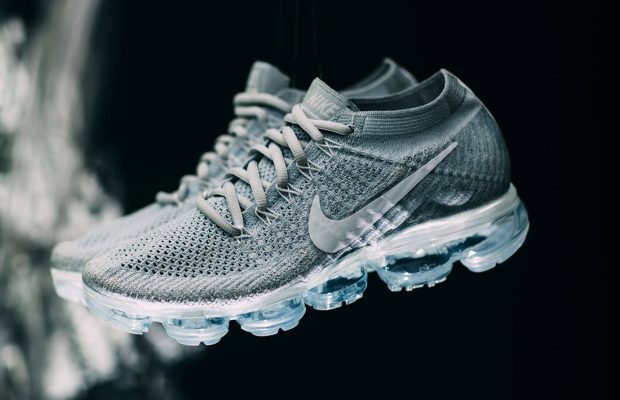
    Nike has launched a Summer 17 All Conditions Gear (ACG) collection through NikeLab which features the first brand new silhouette of the Komyuter shoe as well as apparel styles blending fashion and function.

    The shoe’s hinge design was inspired by the simplicity of parachute cords. NikeLab partnered with Acronym’s Errolson Hugh to design sleek and functional apparel for this summer’s collection. Pieces include a short sleeve hooded pancho, a sleek pullover hoodie, cargo pants and shorts, fleece shorts, a hat and a lightweight shirt jacket.

    The Komyuter shoe is the capstone piece in the collection and is creating the buzz for the entire line. It was inspired by the straightforward functionality of a brown paper bag and is designed for the urban commuter in mind.

    Nike NSW footwear designer Gerald Sullivan said, “it reduces functional elements to bare necessity — one doesn’t need the distractions of complicated entry and lockdown systems when moving around the city.”

    Technically speaking, it is a laceless shoe with a magnetic heel closure.

    Sullivan shed more light on his design process explaining, “I began thinking about how a parachute unfurls and wondered how that might operate in reverse. Ultimately what worked best was pulling the cord through the shoe via a single hinge.”

    He continued explaining the form and function of the shoe saying, “Secondary lockdown is achieved through the magnetic buckle, which is not only low profile, but adds a distinct panache to the shoe’s form.”

    The Komyuter is water resistant and offers fashionable function which the entire ACG collection stands for this summer. The initial launch offering of the Komyuter, ACG.07.KMTR, is in black and navy. Additional colorways of “golden beige” and “cool grey” have been teased for launch later this summer.

    Price points for the ACG collection range from US$119 to US$295. Nike’s Summer 2017 ACG collection is now available online through NikeLab as well as at NikeLab retail locations.

  • Daicel, Toyota affiliate plan capital tie-up to expand air bag businesses

    Daicel, Toyota affiliate plan capital tie-up to expand air bag businesses

    Japanese chemicals maker Daicel and auto parts maker Toyoda Gosei Co said on Friday they will invest 1 billion yen ($8.98 million) in each other’s equity, deepening ties as both companies expand their global air bag businesses.

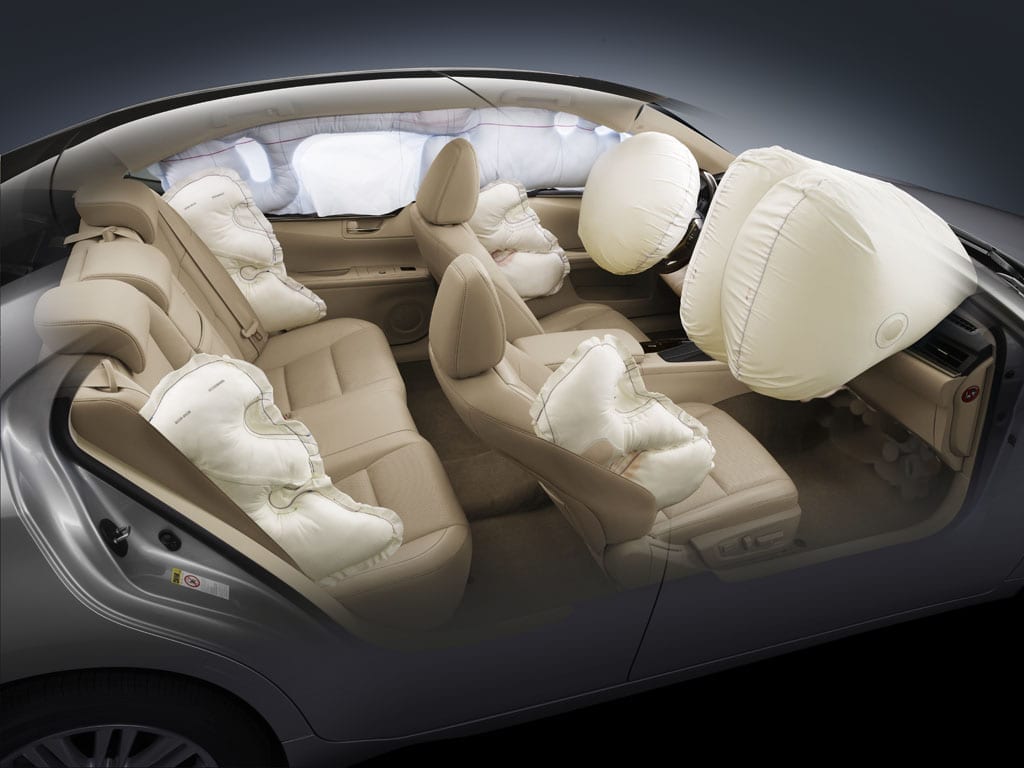
    Daicel, which produces inflators used in air bags, along with polymer and plastic products, and Toyoda Gosei, which makes air bag modules, steering wheels and other auto components, have been growing their air bag-related businesses since a global recall of inflators made by Takata Corp has snowballed since 2013.

    The companies would take a stake of about 0.3 percent in each other and discuss research and development opportunities that would enable them to further expand globally.

    Headquartered in Japan’s automaking heartland of Aichi Prefecture, Toyoda Gosei is a group company of Toyota Motor Corp , which owns a 43 percent stake in the firm. Toyota also owns a 4.3 percent stake in Daicel.

    Osaka-based Daicel supplies inflators to Takata, which has become its biggest customer as the embattled Japanese air bag maker struggles to produce enough replacement inflators in the global auto industry’s biggest ever recall.

    Daicel also sells inflators to Key Safety Systems, the Chinese-owned, U.S.-based components maker which is in talks with Takata about a financial rescue.

    Air bags and other safety-related products accounted for 28 percent of Toyoda Gosei’s annual revenue last year, up from 27 percent the previous year.

    It has been increasing air bag sales to Toyota, Honda Motor Co and other automakers in the last few years, as an increasing number of automakers shift away from Takata.