Tag: asia

  • Tata Motors Launches Its First Registered Vehicle Scrapping Facility

    Tata Motors Launches Its First Registered Vehicle Scrapping Facility

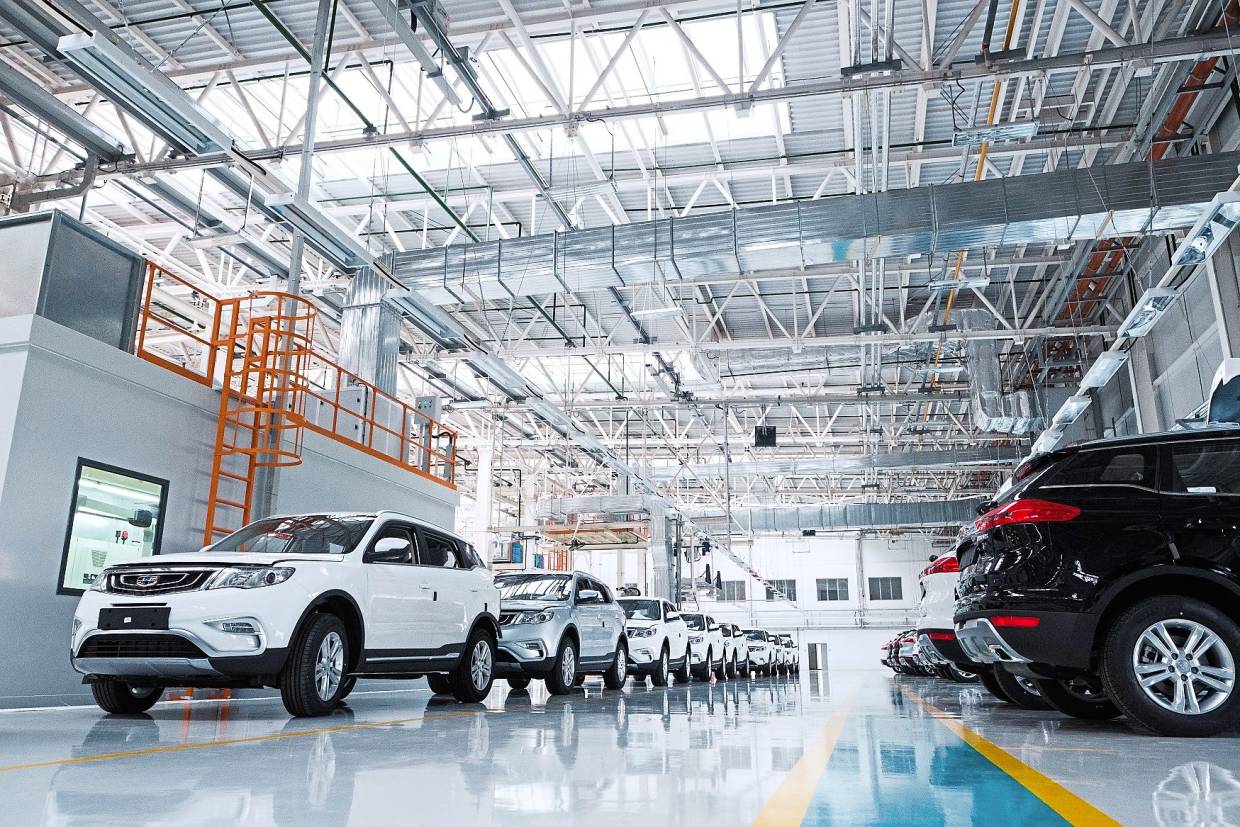
    Tata Motors launched its first Registered Vehicle Scrapping Facility (RVSF) in Jaipur, Rajasthan today. The facility is called Re.Wi.Re which stands for Recycle with Respect and has a capacity of 15,000 vehicles per annum. The company also claims that the facility uses eco-friendly methods to dispose of the vehicles, which will go through a strict documentation process before being dismantled. It is developed and operated by Tata Motors’ partner Ganganagar Vaahan Udyog Pvt. Ltd. to scrap end-of-life passenger and commercial vehicles of all brands. The facility was inaugurated by Hon’ble Union Minister of Road Transport and Highways, Shri Nitin Gadkari.

    Speaking at the inauguration ceremony, Hon’ble Union Minister of Road Transport and Highways, Government of India, Shri Nitin Gadkari said “The National Vehicle Scrappage Policy was introduced with the aim to promote circular economy by creating an ecosystem for phasing out unfit and polluting vehicles and to achieve a lower carbon footprint in the country by replacing them with greener and more fuel-efficient vehicles. I congratulate Tata Motors for setting-up this quality facility that is at par with global standards. We are working towards positioning India as a vehicle scrapping hub for the entire South Asian region and need more such state-of-the-art scrapping and recycling units in India.”

    Mr. Girish Wagh, Executive Director, Tata Motors, said, “The inauguration of this RVSF (Registered Vehicle Scrapping Facility) heralds a new beginning in responsible scrapping of end-of-life vehicles. With globally benchmarked and optimised recycling processes, we intend to yield maximum value from the scrap for future use and minimise waste for the overall betterment. We appreciate the visionary efforts of Shri Gadkari ji in enabling the National Vehicle Scrappage Policy and look forward to setting-up Re.Wi.Re facilities across the country in collaboration with our partners. These decentralised facilities will benefit the customers, share the economic value generated, create employment while addressing the need of scrapping vehicles in every part of the country in an eco-friendly manner.”

  • Fruit, vegetable exports see high potential, tough requirements

    Fruit, vegetable exports see high potential, tough requirements

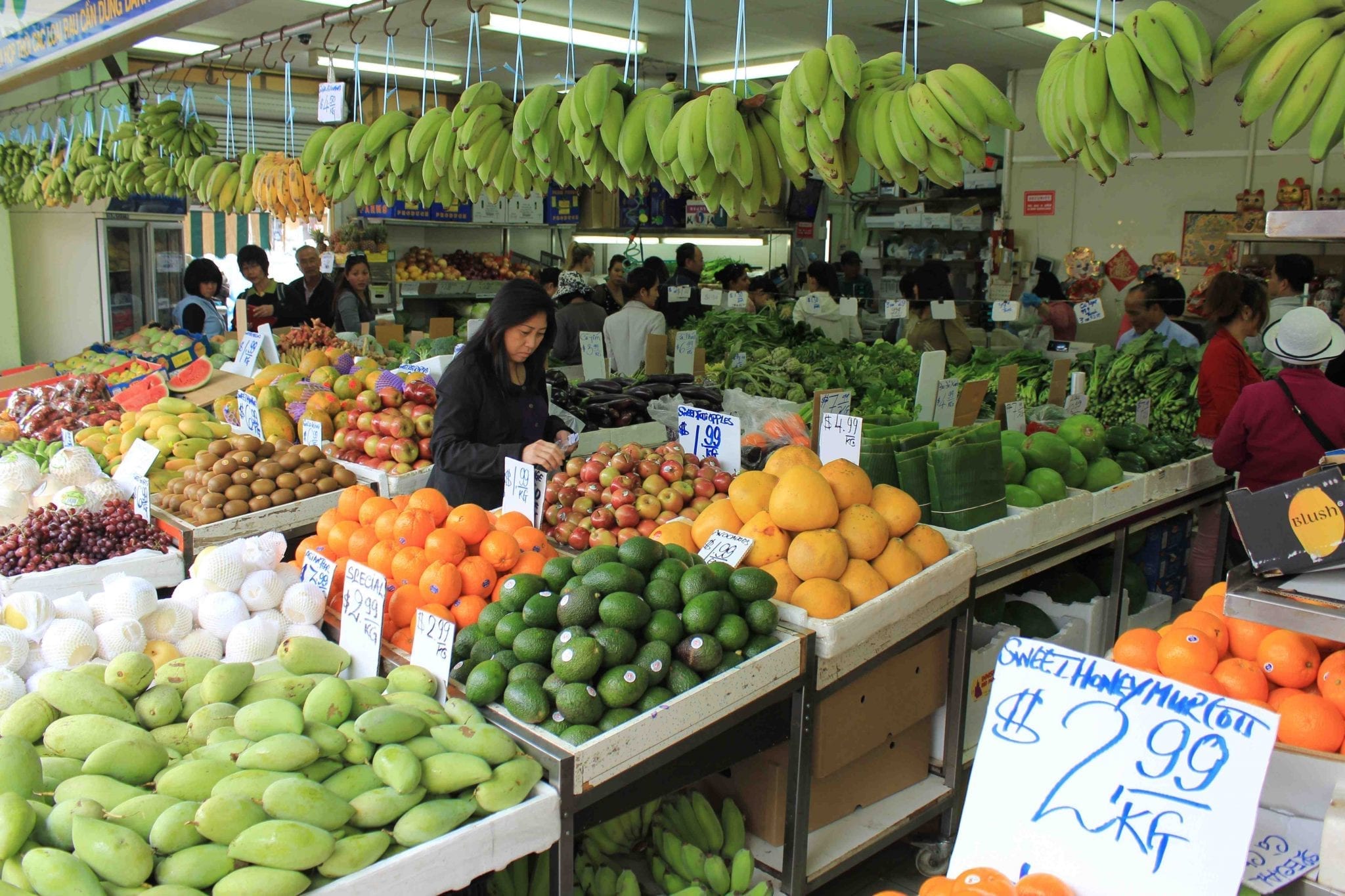
    Vietnamese vegetables and fruits are eyeing potential overseas markets, in which quality requirements and standards are high, said experts at a forum in Ho Chi Minh City on March 1.

    Nguyen Minh Phuong, Director of the Asia-Africa Market Department under the Ministry of Industry and Trade, said that due to low supply and high demand, the Middle East and North Africa are also promising markets for Vietnamese farm produce.

    However, experts underscored that the major challenge for Vietnamese fruits and vegetables is the increasing requirements in international market, especially those in origin traceability and food safety.

    Pham Minh Thang from the Agrotrade said that Vietnamese firms have faced a lack of information on market demands and access to distribution channels in imported countries.

    Meanwhile, the export of fresh vegetables to other markets is encountering obstacles due to transportation difficulties, while the rate of processed products remains modest.

    In order to promote fruit and vegetable exports, Thang advised producers and exporters to actively renovate their farming techniques to increase their product quality, while strengthening processing and trade promotion activities, diversifying trading activities in digital platforms, and applying information technology in the sale of farm produce.

    Le Thanh Hoa, Vice Director of the Agro Processing and Market Development Authority (Agrotrade), said that over the recent years, fruits and vegetable have been among the groups with export revenue of over $3 billion each year. The figure reached $3.37 billion in 2022.

    Last year, many kinds of fruits such as passion fruit, durian and banana were allowed to be exported to China through official channels, while Vietnamese pomelo was excepted to the U.S., limes and pomelos to New Zealand, and fresh longan to Japan.

    In the first two months of this year, the export of fruits and vegetables hit $592 million, up 17.8% compared to the same period in 2022. China remained the major market of Vietnam, consuming 57.5% of the country’s total fruit and vegetable exports.

  • Cooking gas prices drop in Vietnam as global demand eases

    Cooking gas prices drop in Vietnam as global demand eases

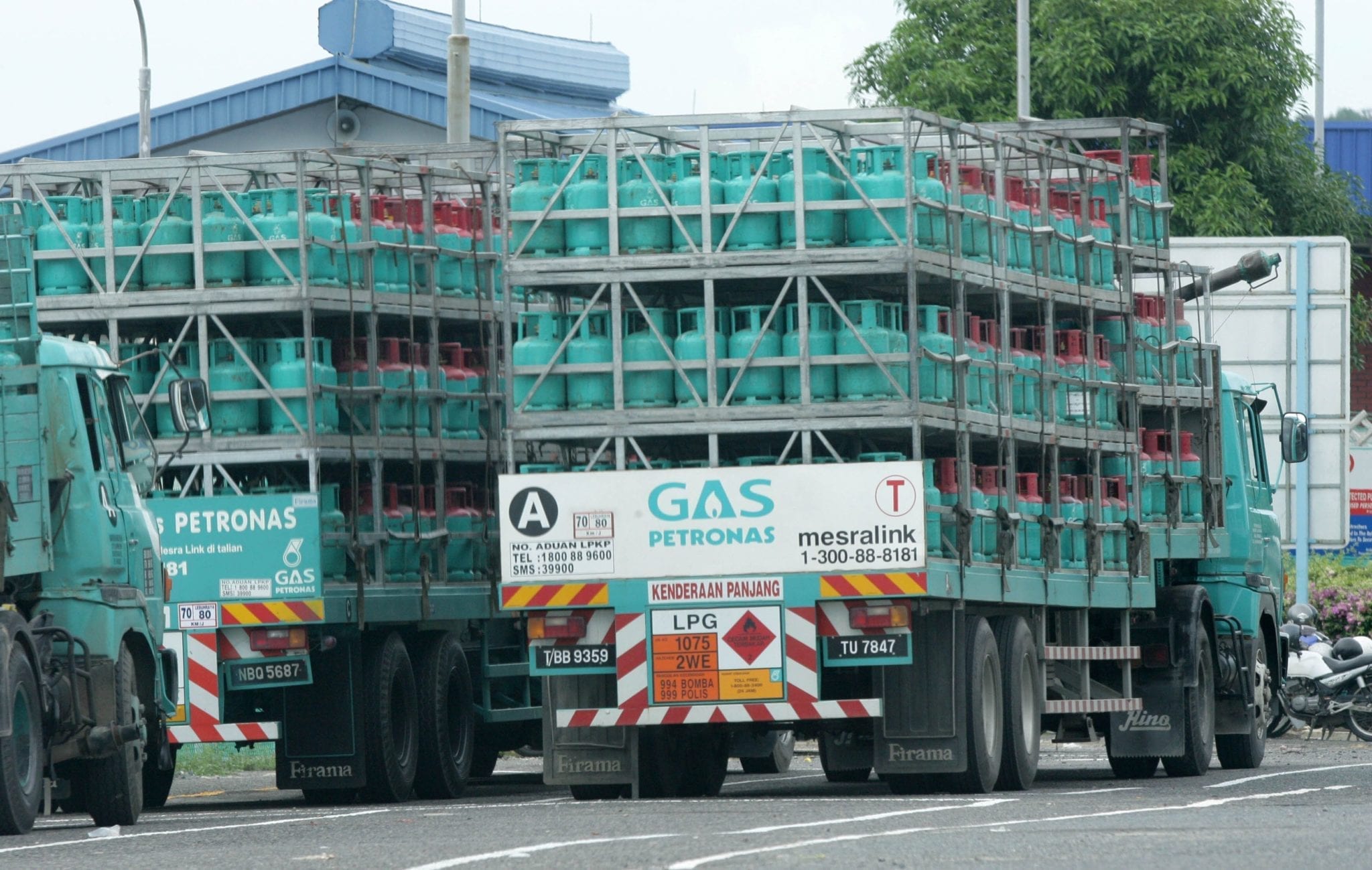
    Cooking gas prices have fallen by VND16,000 (68 cents) to VND461,000 for a 12-kg cylinder in Ho Chi Minh City and other southern localities as global prices declined.

    Saigon Petro Co. announced the cut Wednesday after global suppliers lowered average prices by $60 to $730 per ton for March.

    The price of a 12-kg cylinder had shot up by VND62,000 in February when fuel demand spiked in many Northeast Asian and European countries due to cold weather, causing global prices to rise, the company said.

    This month, with warmer weather, gas demand for and prices are down.

    In April 2022 the price of a cylinder exceeded VND500,000 for the first time.

    Retail prices track global developments since domestic supply only meets 60% of demand.

  • Microsoft is testing an app that will allow the iMessage platform to be used on your PC

    Microsoft is testing an app that will allow the iMessage platform to be used on your PC

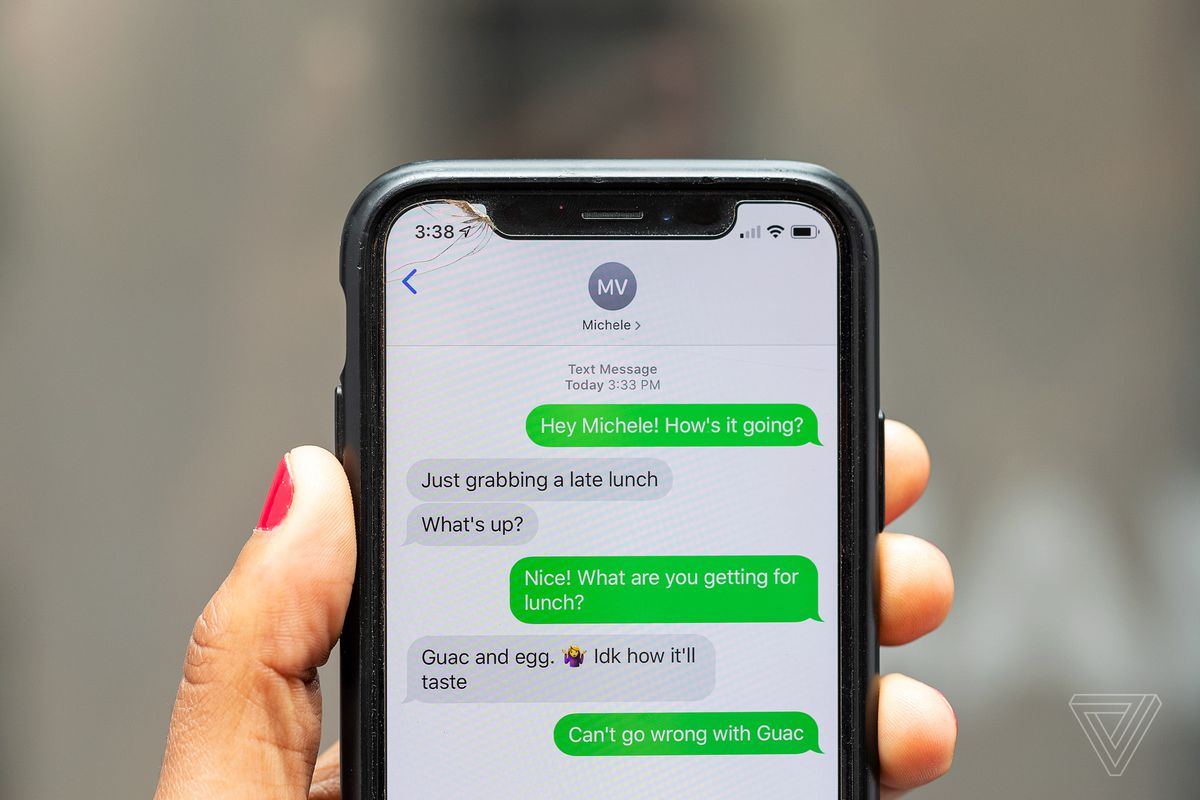
    Imagine using Apple’s highly-regarded iMessage messaging platform on your Windows computer. Microsoft is making this happen via an update to its Phone Link app, which will allow you to send messages to your PC contacts (who also use an iPhone) through your Windows computer although there are some caveats. Phone Link cannot enable group messaging nor allow photos or videos to be sent.
    Yusuf Mehdi, Microsoft’s head of consumer marketing, said, “We send the messages back and forth via Bluetooth, Apple, I think in turn, sends those as iMessage once it gets onto their system.” The version of the iOS Messages app that is brought to your Windows computer is basic and you won’t see the entire history of a conversation. Only messages sent or received using the Phone Link app will appear.
    Because Phone Link can’t tell the difference between a regular text message and one sent using iMessage, there are no blue or green text bubbles. On an iPhone, blue bubbles indicate a conversation where everyone is using an iPhone and thus it is handled on the iMessage platform. A green bubble reveals that at least one of the parties in the conversation is using an Android phone and all of those great iMessage features (like higher-quality images, read receipts, typing indicators, and more) are not available.
    But as we said, group messaging is not allowed using the Phone Link app and with no difference between texting and sending an iMessage, there is no reason to use different colored text bubbles. While on the subject of Android, the version of Phone Link for this platform has more capabilities. With the Phone Link app on your PC and an Android phone, you can get “instant access to everything you love on your phone, right from your PC,” says Microsoft.
    Linking your Android phone and your PC with this app will allow you to read and reply to text messages, make and receive calls (requires a Windows 10 computer with Bluetooth connectivity), view your notifications, and more. Instead of sending emails to yourself to save content, you can easily share content between your PC and phone. “Copy, edit, and even drag and drop photos without ever touching your phone.” You can even see your phone apps on your PC with a Surface Duo phone, certain Samsung handsets, and some Honor devices.
    Phone Link is bundled with Windows 11 and the new support for the app comes with a major Windows 11 update that includes the new AI-powered version of Bing on the taskbar, improved touch capabilities, and a new feature that records the screen.
    The version of Phone Link with iOS support will be available for Windows Insiders in the Dev, Beta, and Release Preview channels, but only for a small percentage of users. Microsoft says, “We will increase the availability of the preview to more Insiders over time and based on feedback we receive with this first set of Insiders.”
    Microsoft’s Medi explains why Microsoft has added iPhone support for the Phone Link app. He says, “It’s something we’ve been wanting to do for a long time. The experience with Android is quite good, and we felt like we needed to get something out [for iPhone].”
  • Huawei is expected to make some noise in Barcelona

    Huawei is expected to make some noise in Barcelona

    It’s like old times in Barcelona where the MWC exhibition means something again. Manufacturers are showing off prototypes of future handsets, some with amazing form factors. Other firms are unveiling new phones at the event just like in the good old days. One company expected to announce its new flagship phone in Barcelona is Huawei as the P60 series is rumored to see the light of day very soon.
    According to MyDrivers, the Austrian Gax blog wrote that the Huawei P60 series could be unveiled at MWC 2023. Huawei’s P-series phones are focused on photography (don’t mind the pun since it won’t bite) and the P60 models will feature Huawei’s own XMAGE photography platform (as did last year’s Mate 50 line).
    The P60 Pro will be the first smartphone to carry the 50MP Sony IMX888 sensor (for the primary camera), and a 50MP Sony IMX858 sensor will be employed for the ultra-wide-angle camera.  We expect Huawei to use Omnivision’s 64MP OV64B sensor for the telephoto camera that delivers 3.5x optical zoom.
    The non-Pro P60 could sport the 48MP Sony IMX789 sensor for its primary camera. Both the P60 Pro and P60 should feature the 10-speed adjustable variable aperture feature that debuted on last year’s Mate 50 Pro and allows the aperture to change between f/1.4 and f/4.
    The Huawei P60 Pro could be powered by the Snapdragon 8 Gen 2 chipset modified to work with 4G signals only. The P60 might be equipped with the Snapdragon 8+ Gen 1 SoC which also would be tweaked not to support 5G signals. All things considered, these are not a bad pair of chips to employ.
    Huawei launched its emergency satellite communication service last year on the Mate 50 series. The firm’s second-gen satellite system will be featured on the P60 line and reportedly Huawei has added voice text capabilities and support for short-term voice calls to the ability to send and receive two-way text messages via satellite. Huawei beat out Apple last year by one day to become the first smartphone manufacturer to announce emergency satellite connectivity for its smartphones.
    The P60 line will have HarmonyOS 3.1 pre-installed. This could be a minor upgrade from HarmonyOS 3.0 that will focus on exterminating bugs, and improving the stability of the software.
    Keep your eyes peeled. MWC 2023 ends on March 2nd so we could see the Huawei P60 series introduced sometime soon. Huawei, returning to two flagship series a year, is expected to unveil the Mate 60 line in September. The Mate series usually comes out late in the year and focuses on innovative new technology and features. In 2021 and 2022, Huawei released only one flagship model each year with the P50 series launched in 2021 and the Mate 50 line released late last year.
  • Google Fi reportedly drops US Cellullar service from main supported network to extended roaming

    Google Fi reportedly drops US Cellullar service from main supported network to extended roaming

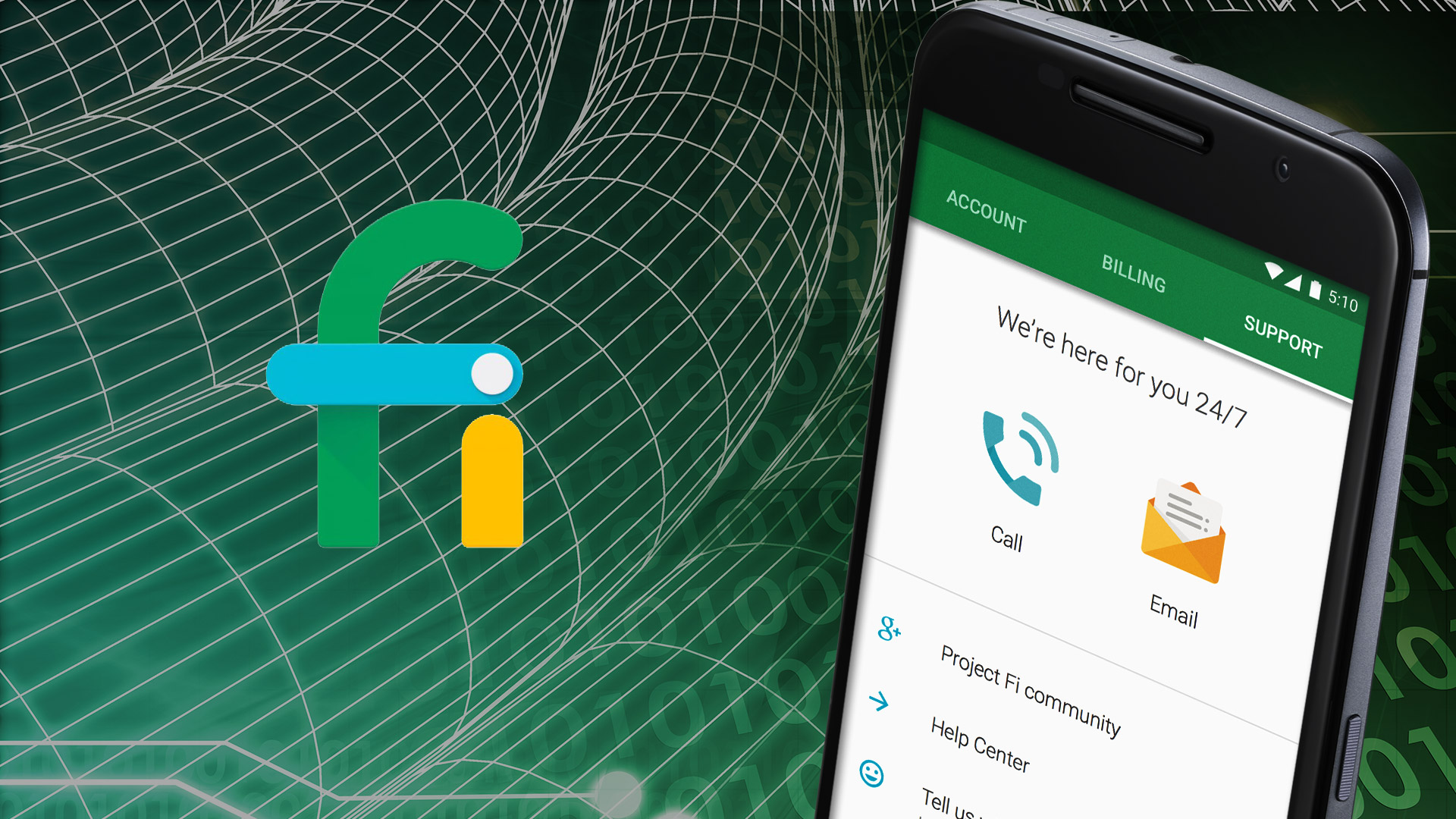
    Although not officially confirmed, it appears that Google Fi has dropped US Cellular as main network partner, leaving T-Mobile as the sole provider to choose from when using the MVNO. However, US Cellular is still supported as part of Google Fi’s extended network.

    This was discovered by users of the service when reaching out to Google Fi’s customer service and was then promptly posted on Reddit where other users have chimed in confirming that they are receiving the same information. Chat representatives have responded to each query with somewhat conflicting information, but the one thing they agree on is that T-Mobile appears to now be the only main supported network that doesn’t involve roaming.
    This has been cause for concern for Google Fi customers who live in areas where the US Cellular towers are more prominent. In one chat conversation, Google Fi customer support assured that although US Cellular is not longer an official network for Google Fi, users may still be able to access it through roaming on the company’s Extended Network without incurring roaming charges while using it in the United States. Additionally, the MVNO has removed its dialer code, which was required for manual switching to the carrier.
    What this means for users is that they will no longer be able to manually choose a network as there is no other choice besides T-Mobile. Previously, although the setting wasn’t permanent, Google Fi would allow users to manually select their preferred network. Additionally, it would automatically switch between T-Mobile and US Cellular in locations where both networks were available but one had better coverage than the other. This latest change takes both of these options away.
    Now, T-Mobile will take precedence over US Cellular when both networks are available, despite the fact that US Cellular may have a stronger signal in some areas. This is a big change from when Google Fi started offering its MVNO services in 2015 by utilizing T-Mobile and Sprint, and then subsequently added US Cellular as a third partner a year later. However, options began to shrink once T-Mobile acquired Sprint in 2020, effectively combining those two options into one.
  • AirAsia Looks to China to Drive Budget Airline’s Recovery

    AirAsia Looks to China to Drive Budget Airline’s Recovery

    AirAsia parent company Capital A expects China’s reopening to international travelers in January to drive the recovery of its airlines this year.

    AirAsia’s four airlines — Malaysia-based AirAsia, Indonesia AirAsia, Philippines AirAsia, and affiliate Thai AirAsia — plan to rapidly ramp up capacity to China from less than 1 percent of 2019 levels in December, according to Diio by Cirium schedules, to 90 percent by August, Capital A said in a fourth-quarter earnings presentation on Wednesday. And, barring any unexpected events or waning travel demand, they will fly 11 percent more capacity to China in November than they did four years earlier. The rapid return to China will support the group’s recovery to roughly 85 percent of 2019 capacity levels this year.

    The group said its China capacity plans demonstrate its “confidence and commitment” to the market. Capital A CEO Tony Fernandes added that China’s reopening would “further boost” the company’s recovery.

    China ended its no-Covid policy, and dropped most border restrictions in January. Since then, airlines from around the world have moved to resume flights that were suspended during the pandemic. All Nippon Airways, Cathay Pacific Airways, KLM, Singapore Airlines, and Swiss Air, to name a few, are all resuming flights in the next few months. And Singapore Airlines even called out China as partially driving the strong travel demand in the market.

    The easing of China’s restrictions is especially important for AirAsia. The country was the largest source of international visitors to Thailand, and in the top three for international visitors to Malaysia and the Philippines in 2019, each country’s data show. That makes China a critical market for the budget airline’s success. Flights to and from China made up nearly 17 percent of the four AirAsia airlines’ combined capacity in 2019, Diio data show.

    As part of AirAsia’s recovery to China, it plans at least five new routes to the country this year. This includes service to Shenzhen on Indonesia AirAsia, and a new Kuala Lumpur-Guangzhou nonstop on AirAsia.

    Even without China, Capital A posted strong results in the fourth quarter as the Asian travel recovery accelerated. Group revenues increased 77 percent from 2019 to 2.4 billion Malaysian ringgit ($537 million); airline revenues were down 34 percent from three years earlier to 2.1 billion Malaysian ringgit. The group posted an operating loss of 198 Malaysian ringgit. Airline unit revenues, measured in revenue per available seat kilometer, were up 134 percent compared to 2019, while unit costs excluding fuel were up 106 percent. Capacity across the group’s four airlines recovered to 57 percent of 2019 levels in the December quarter.

    Capital A’s much vaunted AirAsia Super App for travel continued to make gains in the fourth quarter. Revenues increased 41 percent year-over-year to 138 million Malaysian ringgit, and the segment was earnings before interest, taxes, depreciation, and amortization (EBITDA) positive at 100,000 Malaysian ringgit. However, despite the public push, the Super App results reinforce the fact that airlines, not travel technology, remain Capital A’s core business — airline revenues were more than 15-times higher than Super App revenues.

    The group’s plan to merge its Indonesia, Malaysia, Philippines, and Thailand units into a single holding company, AirAsia Aviation Group, is forecast for completion by March.

    AirAsia’s airlines operated 126 of 205 total Airbus A320 and A330 aircraft at the end of December. The group aims to fly 150 aircraft by the end of March, and fully reactivate its fleet by the end of September. AirAsia has 362 A320neo family aircraft on order, and expects its first five A321neos in 2024.

    AirAsia’s long-haul brand, AirAsia X, is a separate company and not included in Capital A’s results.

  • Bill to ban TikTok in the U.S. takes its first steps toward the White House

    Bill to ban TikTok in the U.S. takes its first steps toward the White House

    on Tuesday Republicans on the U.S. House Foreign Affairs Committee took short-form video app TikTok closer to its final tick in the U.S. Concerned about reports that TikTok collects personal data from its U.S. subscribers, and might even collect keystrokes from those using TikTok’s  in-app browser, legislation that would result in the ban of TikTok on all U.S. mobile devices has advanced.
    The legislation would give President Joe Biden the authority to ban the popular app in the U.S. Committee Chairman Michael McCaul (R-Texas) said, “Everybody knows what TikTok is. It’s too dangerous to be on our phones as members of Congress.I think, it’s too dangerous to be on our children’s phones. That’s the whole point of this bill.” The U.S. in December banned TikTok from government-owned phones.
    McCaul’s DATA Act (H.R. 1153) advanced out of committee by a vote of 24 to 16. Voting on the proposed bill was split along party lines with the 24 votes in favor of moving the legislation along coming from all of the Republicans on the committee while the 16 dissenting votes came from all of the Democrats on the committee. McCaul said that he hoped the voting isn’t the start of a breakdown in bipartisanship when it comes to Chinese technology.
    In 2021, TikTok hit one billion monthly users, and last August, a survey revealed that 67% of teens in the states use TikTok and 16% use it constantly. Insider Intelligence says that TikTok owns 2.3% of the digital ad market behind heavyweights like Google, Facebook, Amazon, and Alibaba. The company is owned by Chinese firm Byte Dance, and while it denies any ties with Beijing’s spying operations, like other Chinese companies it must agree to comply with all requests from the country’s intelligence agency.
    In a statement, TikTok says, “A U.S. ban on TikTok is a ban on the export of American culture and values to the billion-plus people who use our service worldwide. We’re disappointed to see this rushed piece of legislation move forward, despite its considerable negative impact on the free speech rights of millions of Americans who use and love TikTok.”
    The bill has a long road ahead of it. If it gets voted out of the Republican-controlled House, it would still need to be voted on in the Democrat-controlled Senate which could be a problem. And should the bill pass the Senate, it would then require the president to sign the bill, or he could veto it. If Biden does the latter, the veto can be overturned with a two-thirds
    vote from members of the House and Senate.
    A few years ago, when Donald Trump was president, a deal was reportedly in place that would have seen Oracle and Walmart buy the app’s U.S. operations from TikTok owner ByteDance. But the deal never got done and Trump turned his attention toward more pressing matters such as the upcoming presidential election. But Needham analyst Laura Martin says that this time a deal could be finalized.
    While the platform could be weakened, “it wouldn’t just disappear and get shut down,” Martin said. She also said that “Implications are great for anybody that has been losing market share to TikTok.” Martin picked Snapchat, Facebook, and YouTube as platforms that would be big winners if TikTok gets banned in the U.S.
    Another analyst, JMP’s Andrew Boone, said that if TikTok is banned in the states, Facebook would be a big winner because of the money that parent company Meta has been throwing at Facebook’s TikTok rival Reels. Boone also noted that “If TikTok were to go away, I think that there would be a lot more consumption of Instagram Reels.” The analyst also says that Snapchat’s Spotlight and YouTube Shorts would both benefit from the disappearance of TikTok.
  • Apple has paid $12.12 million to Russia for antitrust practices, another fine is pending

    Apple has paid $12.12 million to Russia for antitrust practices, another fine is pending

    Apple’s decision to stop product sales in Russia over the war in Ukraine has not saved the company expenses, stemming from the multiple antitrust investigations that are going on. One of them has reportedly concluded with a $12.12 million fine over the Cupertino Company breaking monopoly legislation.

    This particular case goes back to 2020, when the Russian Federal Antimonopoly Service (FAS) concluded that Apple is receiving an unfair advantage through its dedicated AppStore. The case has taken years to revolve, but the competition regulator finally concluded that Apple owes Russia a massive amount of money. Naturally, Apple “respectfully disagrees” and plans to appeal this decision, even though reports from Reuters point to the fine being already paid out.

    All of this was initiated through Kaspersky Labs — a company renowned for its antivirus software — when its Safe Kids app was rejected as per AppStore internal regulations. Anton Gorelkin — a committee member on information and communications — went on record stating that the fine isn’t meant to be damaging to Apple, but to be noticeable enough to send a message to Big Tech.

    But as we all know, sometimes, when it rains — it pours. Russia’s Federal Antimonopoly Service (FAS) is gaining on Apple with another fine, this time for $17.4 million. This one is related to the AppStore’s way of processing payments and more specifically, the lack of options that developers have when it comes to choosing how they bill their customers.

    As per Reuters’ report, Russia sees Apple’s rules as abuse over its dominant position on the iOS market. Furthermore, the big, red, flashing light is related to Apple’s prohibition of developers to point users to payment solutions outside of the AppStore itself.

    This is yet another instance of Apple being pursued by legislators worldwide over the way it runs its AppStore. This isn’t something unique to Apple either, as Google was recently forced through law to open up Android to third-party stores in India. As more and more lawsuits are being won against Big Tech companies, one cant help but wonder what the future of mobile digital goods will look like.

  • Skoda cars to be sold in Vietnam from May

    Skoda cars to be sold in Vietnam from May

    Skoda cars are expected to be imported from the Czech Republic and sold from May before being assembled there, according to Skoda Vietnam sources.

    In the C-segment, CUV Karoq, one of the company’s bestselling models, will compete with the Hyundai Tucson, Kia Sportage, Mazda CX-5, Honda CR-V, and others.

    In the D-segment, the SUV Kodiaq will go up against the Kia Sorento, Hyundai Santa Fe, Mazda CX-8, and Toyota Fortuner.

    In late February Skoda and its Vietnamese partner TC Motor, a distributor and assembler of South Korean Hyundai vehicles, began building a plant in the northern province of Quang Ninh.

    Vietnam is the first Southeast Asian country in which Skoda will put up a factory and plans to export vehicles to other countries in the region.

    Skoda makes 11 models, with the Octavia being its bestseller. Various models, including B-segment sedan Slavia are expected to be sold in the country from late 2024.

    Last year the company sold 731,300 vehicles in some 100 markets worldwide, with Germany, the Czech Republic, India, the UK, and Poland being the biggest.

  • Vietnam’s largest automobile distributor braces for tumble in profits

    Vietnam’s largest automobile distributor braces for tumble in profits

    Saigon General Service Corporation, the country’s largest auto distributor, expects profits to decline by VND150 billion (US$6.33 million) in 2023 amid forecasts of a turbulent year.

    In its annual report released recently, Savico said the auto market faces challenges as high car loan interest rates and lack of credit since the fourth quarter of 2022meant businesses and individual consumers called off or delayed purchase plans.

    Since September, demand has fallen to 60-70% of normal, leading to oversupply and high inventory costs.

    “The market will need three to six months to rebalance. The securities and real estate markets are now in difficulty, and people do not have as much motivation for buying cars as before.”

    Competition would be more intense than ever, and so Savico only expects profit before tax of be VND538 billion, down more than VND150 billion from last year, when it reported record earnings of VND688 billion ($29.3 million) after a 2.7-fold rise from 2021.It was higher than the combined figures of the previous two years.

    But it also expects revenues to grow by at least 20%.

    Savico, the distributor of Toyota, Honda, Ford, Mitsubishi, and Volvo cars, plans to expand its distribution network and sell new brands.

    Last year the industry enjoyed record profits as demand recovered after a two-year slump due to Covid-19.

  • How enhanced customisation pushed brands’ sales growth

    How enhanced customisation pushed brands’ sales growth

    Starbucks and Samsung used the strategy to increase sales. Enhanced customisation helped in driving sales growth of some brands in 2022, Euromonitor International said in its latest study.

    More than 49% of global digital consumers aged 15 to 29 said they are willing to share personal preferences with brands online.

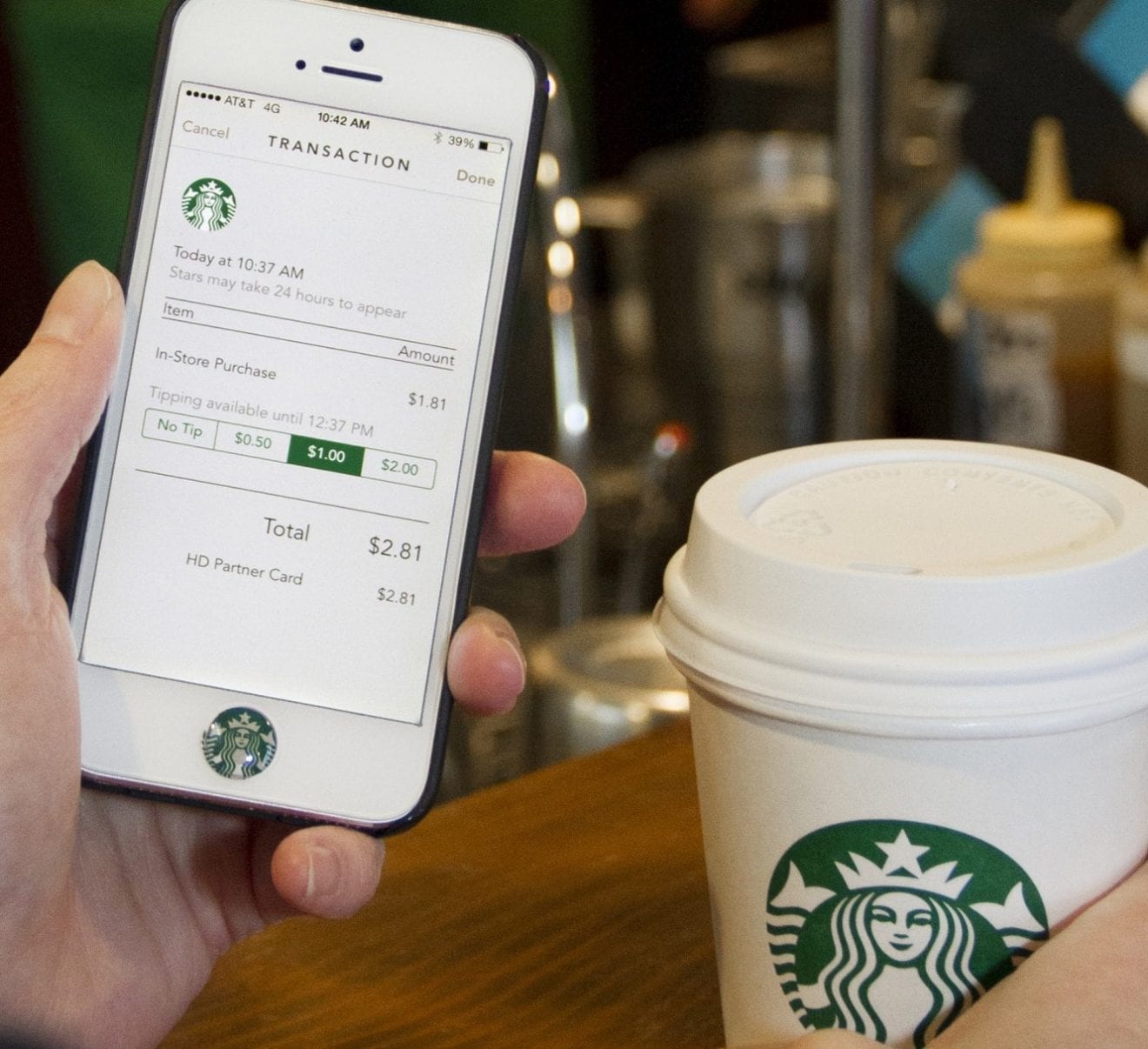
    An example of enhanced customization is Starbucks which implemented an app that allows users to choose from over 170,000 options on drink orders.

    “This has powered sales growth for the company, with app-enabled US sales expanding over 400% from 2017 to 2022,” said Euromonitor.

    Another way is Samsung’s Bespoke Design Studio which lets consumers order appliances customized to their individual specs.

    It contributed to 3% of sales growth in mobile appliances.

  • E-commerce leverage in-app games to drive consumer spending

    E-commerce leverage in-app games to drive consumer spending

    Three in 10 people visited e-commerce platforms even if they had nothing to buy.

    Digital commerce platforms like Shopee used in-app games to allow users to win coins that increase their time on the app, which will ultimately raise consumer spending, a recent Euromonitor International study said.

    The study showed that 33% of consumers liked to look in stores even if they had nothing to purchase whilst more than half of consumers said they played mobile video games weekly.

    “Gamifying commerce experiences can improve loyalty schemes and enrich long-term engagement,” said Euromonitor.

    Aside from gaming programs, Gucci is also tapping metaverse to connect with the younger audience.

  • Alibaba group net income soars over 130% in December quarter

    Alibaba group net income soars over 130% in December quarter

    This is despite softer demand as well as supply chain and logistics disruptions.

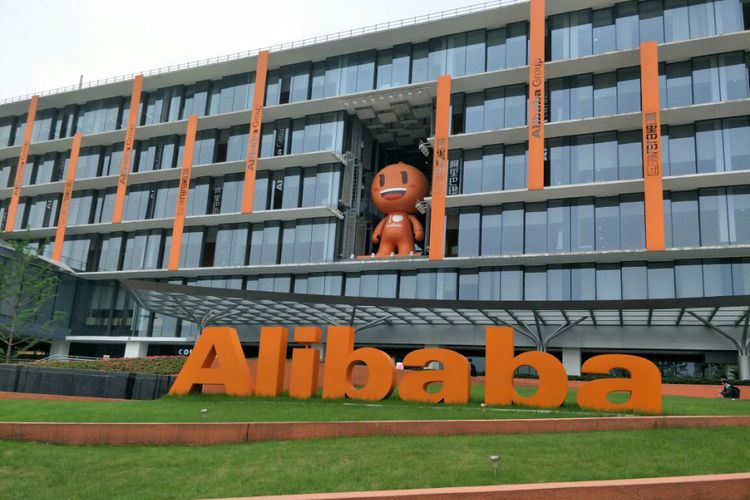
    Alibaba Group Holdings reported its net income attributable to ordinary shareholders grew by 138% to US$6.78b in the quarter ending in December 2022.

    The company attributed this to the decrease in impairment of goodwill linked to Digital media and entertainment segment.

    “During the past quarter, we continued to improve operating efficiency and cost optimization that resulted in robust profit growth,” Toby Xu, Chief Financial Officer of Alibaba Group, said. “Our net cash position remains strong and we continue to generate healthy cash flow. During the quarter ended December 31, 2022, we repurchased 45.4 million ADSs for approximately US$3.3b under our share repurchase program as part of our ongoing commitment to improve our shareholder return.”

    Over the same period, Alibaba noted its revenue rose by 2% year-on-year to US$35.92b.

    “We delivered a solid quarter despite softer demand, supply chain and logistics disruptions due to impact of changes in COVID-19 measures,” Daniel Zhang, Chairman and Chief Executive Officer of Alibaba Group, said.

    “Looking ahead, we expect continued recovery in consumer sentiment and economic activity. We are focused on driving growth for our customers amid the competitive landscape, and creating sustainable, longterm value for our shareholders.”

  • Coty SEA blends physical and digital space for limitless store access

    Coty SEA blends physical and digital space for limitless store access

    Coty SEA stores offer services that give the same customer experience online.

    There is no telling when one’s favourite perfume or go-to moisturizer runs out, which some shoppers can solve with a quick dash to the store. On days they are not so lucky, shoppers are left waiting for their next store-run, but this does not have to be the case as Coty Sea blends the physical and digital space.

    “If customers have already bought the product and it is running out, they can then just text our beauty advisors to get a replenishment, and the product can be sent to them,” Estella Lau, Country Manager, Singapore & Prestige Distributor, Coty said.

    She said Coty plans to launch a beauty concierge service through which customers can reach their beauty advisors in a call or chat for advice or makeup tips, even when their free-standing store has closed down for the day.

    Lau highlighted the role brick-and-mortar stores play for brands even amidst the acceleration of technological adoption of the industry. Coty SEA strived to use the physical space to complement the company’s digital channel to elevate the customer experience.

    “Brick-and-mortar is definitely not going away. It remains a key platform for us to engage the customers as we say we want to create a community space where customers can come and play with the product or enjoy a makeover or master class,” Lau said.

    Coty recently partnered with Chloé Atelier des Fleurs, which opened its first pop-up boutique in Singapore. The store replicated a Parisian florist’s boutique, where shoppers can mix and match 17 niche scents to whip their own unique fragrance, much like making a bouquet.

    In their Chloé Atelier de Fleur boutique, Coty SEA has assigned beauty advisors ready to help shoppers who prefer face-to-face interactions; whilst those who prefer to shop alone can play with a digital “Bouquet Finder,” which will likewise take customers to a fragrance layering experience.

    Lau said the company has observed a monthly increase in footfall since launching in October 2022. More than this, there is also a noticeable growth in their conversion rates amongst the shoppers coming through their doors.

    This brings to light the significance of having the right investments in place. Lau said retailers need to beef up their operations not just through investments in their digital technology infrastructure, but also by bringing the right people on board.

    “Technology is one thing, but behind all that technology needs competent people with very strong digital marketing skills, digital commercial skills, and someone who can understand consumer needs and consumer shopping behaviour,” Lau said.

    Whilst e-commerce development is critical, she said that retailers need to also invest in creating an experience that is more personal to the consumer; but businesses have to make sure that the experience is reflected in both the physical and digital space. At Coty SEA, stores have a “shop space” to take their clients through the same experience online.

    The Gucci Beauty Flagship store at ION Orchard, for instance, uses augmented reality to bring shoppers to the Gucci Beauty universe, where they can learn and play with beauty products. They also have the option to virtually try-on makeup using in-store gadgets.

    This will need a better understanding of consumers, which retailers can achieve with improved data analytics capabilities that could track the frequency of shoppers’ store visits, or determine the key promotion drivers that shape their behaviour.

    “For customers who want a more bespoke experience, we offer the art of fragrance layering with our ultra-luxe range, the Alchemist Garden, where customers can learn about how they layer fragrance oil with perfume water, and with the fragrance of their choice and really have a wonderful premium experience,” Lau said.

    Investing in people may also be internal as seen in how Coty SEA puts effort into training their beauty advisors. Lau said their people are not just skilled in making transactions, but also in personally engaging with customers through storytelling or even by making them feel more pampered.

    On top of these, Lau said retailers can no longer exist on their own, hence, they need to start looking at partnerships with other brands to offer a different, layered, and more interesting experience to customers. Through partnerships, they can develop limited edition products, or even create ones that shoppers can exclusively get online.

    “If we don’t keep up, we risk losing market share. Now it is not even a choice because this is what the shoppers want. They want to be shopping 24/7. They want to be shopping at their convenience, at their own time,” Lau said.

    “It is really imperative now for retailers to continue to connect and engage with all our multi-generational consumers and new audiences to stay relevant.”