Tag: asia

  • Google TV adds new landing pages to simplify navigation

    Google TV adds new landing pages to simplify navigation

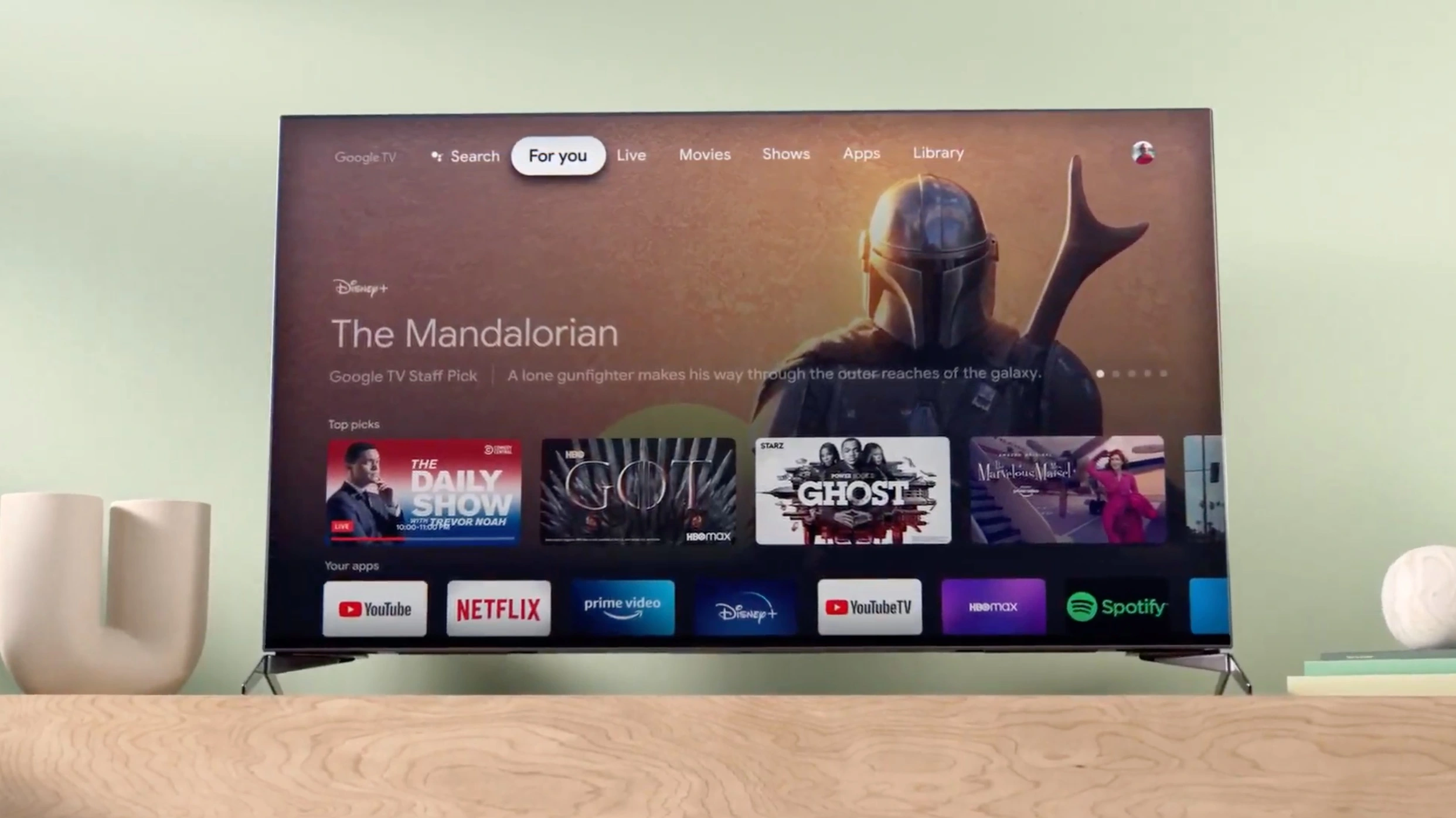
    Google announced today via a blog post a set of new improvements coming to the Google TV platform that will add four new landing pages in the United States to make it simpler for viewers to access their preferred forms of entertainment without having to switch between different applications. These updates were considered after recent research has found that the average household subscribes to more than five different entertainment apps.

    These new landing pages, which can be found directly below the row of apps on the “For you” tab, will give you quick access to the best entertainment in the categories of Movies, Shows, Families, and Spanish-language content, without requiring you to navigate from app to app, and make it easier to discover new things. Below are the details:

    The Family page is the new place to go for entertainment that is suitable for families, with content ranging from old favorites to recent releases. It is not difficult to find something suitable for the entire family to watch together if it has a PG or lower content rating. And there’s no need to worry, because even when your children watch their own shows on their own television, they’ll still have access to the kid’s profile where they can watch all of their favorites.

    The Español page is the new home for the best Spanish-language entertainment, including telenovelas, live TV, movies, and shows. You will also have access to well-known apps in Spanish, such as Pantaya and FlixLatino, in addition to a library of dubbed and subtitled movies and television shows. Google is striving to make it much simpler for you to watch the entertainment that you enjoy, regardless of whether you are a native speaker of Spanish, live in a bilingual household, or are simply someone who enjoys content that is presented in Spanish.

    The Movies page allows you to search through thousands of films based on their title, genre, or subject matter, all on one simple page. You will also receive personalized recommendations for films that you might enjoy, in addition to information on recently released films and films that are currently popular.

    It has never been simpler to watch back-to-back episodes of your favorite show, whether it’s “The White Lotus” or “Yellowstone.” You can get new releases from all of your subscriptions in one convenient location by visiting the Shows page, where you can also view popular shows and explore personalized topics. In addition, when one show is over, you will be given suggestions for other shows that you might like to watch afterward.

    Google also states that several improvements are being made to the navigation system, one of which is moving the profile switcher to the top left corner so that you can switch between profiles in a seamless manner. The search bar will also be relocated to the far right of the screen, and a new button for quick settings will be added. These updates will begin rolling out today globally on Chromecast with Google TV and other Google TV devices, such as those manufactured by Hisense, Philips, Sony, and TCL.


  • Netflix lowers subscription prices in nearly three dozen countries

    Netflix lowers subscription prices in nearly three dozen countries

    We now have the full list of countries where Netflix has decided to lower subscription prices has just been published courtesy to Ampere Analysis: Afghanistan, Albania, Algeria, Angola, Bangladesh, Belize, Benin, Bhutan, Bolivia, Bosnia & Herzegovina, Botswana, British Indian Ocean Territory, Bulgaria, Burkina Faso, Burundi, Cambodia, Cameroon, Cape Verde, Central African Republic, Chad, Christmas Island, Comoros, Congo – Brazzaville, Congo – Kinshasa, Côte d’Ivoire, Croatia, Cuba, Djibouti, Dominica, Dominican Republic, Ecuador, Egypt, El Salvador, Equatorial Guinea, Eritrea, Ethiopia, Fiji, Gabon, Gambia, Ghana, Grenada, Guatemala, Guinea, Guinea-Bissau, Guyana, Haiti, Honduras, Indonesia, Iraq, Jamaica, Jordan, Kenya, Kiribati, Laos, Lebanon, Lesotho, Liberia, Libya, Macedonia, Madagascar, Malawi, Malaysia, Mali, Mauritania, Mauritius, Mongolia, Montenegro, Morocco, Mozambique, Myanmar (Burma), Namibia, Nepal, Nicaragua, Niger, Palestinian Territories, Panama, Papua New Guinea, Paraguay, Philippines, Pitcairn Islands, Romania, Rwanda, Samoa, São Tomé & Príncipe, Senegal, Serbia, Seychelles, Sierra Leone, Slovenia, Solomon Islands, Somalia, South Sudan, Sri Lanka, St. Barthélemy, St. Helena, St. Lucia, St. Martin, St. Vincent & Grenadines, Sudan, Suriname, Swaziland, Tanzania, Thailand, Timor-Leste, Togo, Tonga, Tunisia, Tuvalu, Uganda, Vanuatu, Venezuela, Vietnam, Wallis & Futuna, Yemen, Zambia and Zimbabwe.

    Netflix is expected to lose some subscribers due to crackdown on password sharing this year. Although it lost a few million subscribers in the first quarters of 2022, the streaming service gained nearly 8 million subscribers in Q4 2022, a number that exceeded its initial losses.

    In an attempt to avoid potential losses in customer numbers, Netflix announced plans to reduce subscription costs in over 30 countries.

    Unfortunately, Netflix didn’t provide the complete list of countries where subscription prices will be lowered, but we some of the locations where these changes will be introduced. For example, Middle East countries like Yemen, Jordan, Libya, and Iran will benefit from major discounts.

    The same goes for at least three countries in Easter Europe, such as Bulgaria, Croatia, and Slovenia. As far as Latin America goes, we know of three countries where Netflix plans to cut subscription prices: Ecuador, Nicaragua, and Venezuela. Last but not least, customers in several countries from Africa and Asia will be getting cheaper Netflix subscriptions, including Kenya, Indonesia, Malaysia, the Philippines, and Thailand.

    While Netflix confirmed that it’s updating the pricing of its plans in certain countries but didn’t offer specific details regarding prices. As mentioned earlier, price reductions will differ based on location, so you’ll probably have to check with your local Netflix branch for more details.

    This is a major decision that somewhat contradicts Netflix’s most recent statements that announced plans to raise prices rather than lowering them. It’s important to mention though that these changes will only be introduced in some countries where prices were already too high.

    As competition from other streaming services becomes fiercer, Netflix is taking steps to make sure customers remain loyal to its products no matter where they live.

  • Vietnam to have 16 more railway lines by 2030

    Vietnam to have 16 more railway lines by 2030

    Vietnam’s railway network planning expects to have 16 new national lines with a total length of about 4,802km by 2030.

    According to the Ministry of Transport, the planning for 2021-2030 will also upgrade seven existing lines, whose total length amounts to 2,440km.

    By 2050, the number of new rail lines will be 25, which together are 6,354km long.

    The completely upgraded and expanded network following the planning will connect strategic economic areas and corridors, urban centres, international sea ports, border gates, and airports nationwide, said a leader of the ministry.

    Rail transport boasts several advantages. It requires less land areas, leaves little impact on the environment, and carries a large amount of goods and passengers. It is also fast, safe, and low cost.

    However, the railway investment budget is enormous, while the State budget resources are limited. Due to the low financial efficiency of railway investment, it is difficult for the sector to attract capital from society.

  • Finance ministry again moots tax on sweetened beverages

    Finance ministry again moots tax on sweetened beverages

    The Ministry of Finance is again considering imposing a tax on sweetened beverages eight years after failing to get other ministries’ backing for it.

    A “reasonable” special consumption tax on sugary drinks would help protect people’s health in line with the World Health Organization’s recommendation and international practice, it said.

    Consumption of sweetened beverages in Vietnam had surged by nearly eight times between 2002 and 2018 to 50.7 liters per person per year.

    Surveys by the National Institute of Nutrition in 2001-10 and 2011-20 found the overweight children rate rising quickly in urban and rural areas.

    In 2012 15 countries were imposing a tax on sweetened beverages, but by 2021 it had risen to 50, including six in Vietnam’s neighborhood: Thailand, the Philippines, Malaysia, Laos, Cambodia, and Myanmar.

    “WHO recommends that governments take actions to encourage people to consume healthy food, including using tax measures on sugary drinks to orient consumption,” the ministry said.

    In 2014 the ministry had proposed a 10% special consumption tax on sweetened beverages, but other ministries opposed it. The Ministries of Planning and Investment and Justice said the argument for the tax was not convincing, and the Ministry of Industry and Trade said it could have a negative impact on businesses.

    The finance ministry is also considering hikes in the special consumption tax on beer and other alcoholic beverages and cigarettes.

    Between 2016 and 2019 it had increased the rate on beer and certain alcoholic beverages from 55% to 65% and on cigarettes and cigars from 70% to 75%.

    But the hikes do not seem have had much effect, the ministry admitted.

    Vietnam remained the biggest beer consumer in Southeast Asia and third biggest in Asia. In 2019 an average person consumed 47.6 liters a year, 20% more than in 2015.

    In 2020 around 42.3% of Vietnamese men smoked, while the government’s target had been to bring it down to 37%.

    But the country’s taxes on alcoholic drinks remain lower than in other countries, and account for only 30% of retail price compared to 40-85% elsewhere, according to WHO.

    On cigarettes, the rate is 35% compared to 70% in Thailand, 69% in Singapore, 57% in Malaysia, and 51% in Indonesia. It is as high as 80% in France and 75% in Germany.

    Another reason for the ministry’s proposal to increase the tax is that prices of alcoholic drinks have been rising slower than average incomes.

    In 1998 it had taken a person 8.2% of their annual income to buy 10 liters of Vodka Hanoi, but by 2014 the ratio had dropped to 2.2%. In the case of red wine, the rate had dropped from 5.9% to 1.6%.

  • Price of foldable Samsung smartphone plummets

    Price of foldable Samsung smartphone plummets

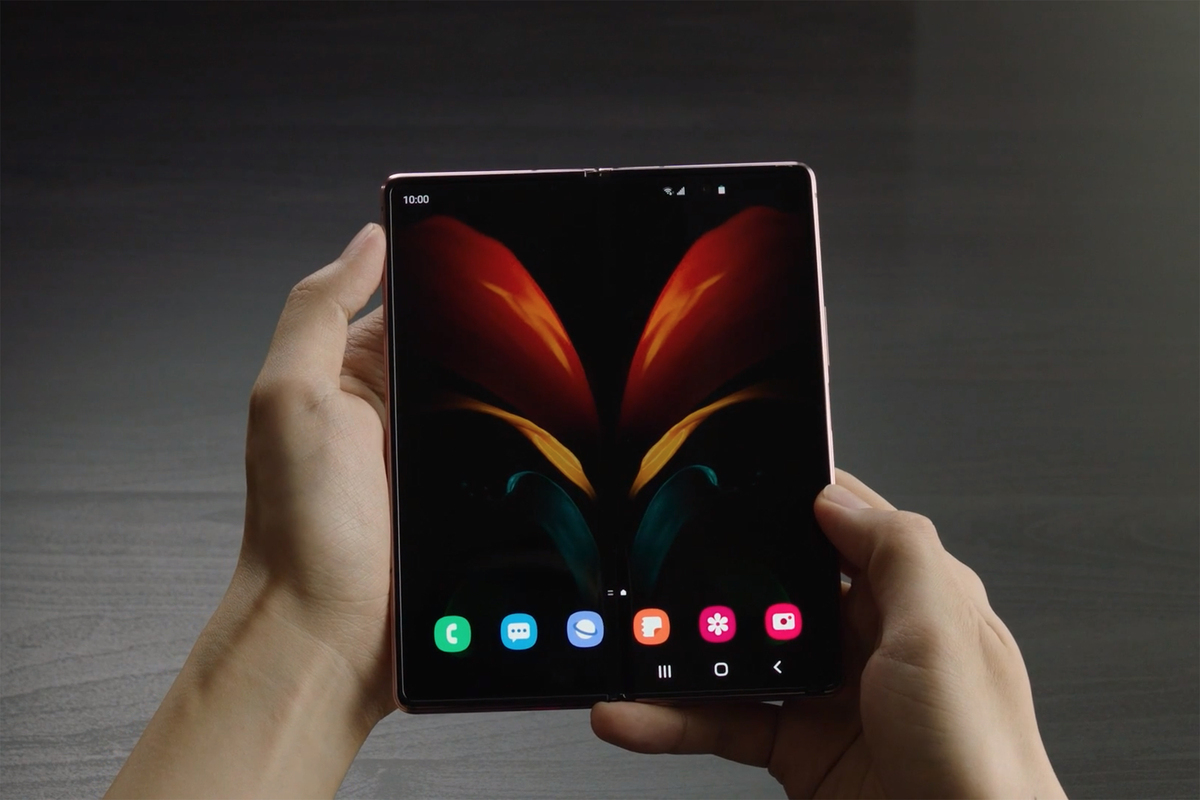
    Vietnamese electronics retailers are buying back the Galaxy Z Fold, which sold for VND50 million (US$2.092) when it was launched in 2019, at an 88% reduction from the original price.

    Ever since Samsung’s new Galaxy S23 went on sale in Vietnam on Feb. 17, retailers have launched trade-in programs, encouraging users to buy the new model.

    Galaxy Z Fold phones are being bought back at prices of VND0.43-6.1 million per unit depending on their condition.

    The Galaxy S10+, another high-end Samsung model which went on sale in 2019 with a price tag of VND28.9 million, is being bought back for VND2.9 million.

    According to Nguyen Lac Huy, manager of electronics chain CellphoneS, prices of most Android smartphones fall faster than those of iPhone models. After six months of use, the price of an Android phone plunges by 40-50%.

    The main reason is that manufacturers often offer discounts on Android phones after launch, while the cost of repairing them is high.

  • Blackmores’ international sales soften during first half

    Blackmores’ international sales soften during first half

    The chief executive of vitamins group Blackmores says people will keep spending on vitamins and health supplements they consider crucial, but are becoming more discerning about when and where to buy as cost-of-living pressures rise.

    Alastair Symington says there’s a noticeable shift in the different channels from which vitamins purchases are being made, with value-oriented consumers hunting for special deals and the lowest price.

    “We are seeing a little bit of shifting out of the traditional pharmacy,” he said.

    Mr Symington said in the first weeks of February, the volume of sales across the board hadn’t waned, but Blackmores was closely monitoring buying patterns, anticipating that some consumers could start buying fewer items and stick to core purchases.

    “We haven’t seen volumes coming down yet,” he said.

    Blackmores shares dropped 6.7 percent to $79.06 by late afternoon on the ASX on Thursday after a subdued first-half profit. The group generated net profit after tax of $25.5 million for the six months ended December 31, down 1.4 percent from a year earlier. Revenues fell 1.6 percent to $338 million.

    The share price had rallied in the previous four months, gaining 35 percent from $63.71 in mid-October.

    Blackmores shares hit $200 in 2016 when the “clean and green” status of Australian vitamin companies fuelled an extraordinary jump in demand from consumers in China, and triggered a buyout of Australian rival Swisse by China-based Health & Happiness.

  • Google drops “Chat” for “RCS” on Android

    Google drops “Chat” for “RCS” on Android

    The Google Messages app is very much like Apple’s Messages app, When an Android user sends messages to another Android user employing the Google Messages app, the messages enjoy end-to-end encryption, no limit on character capacity, higher-quality image sharing, read receipts, message indicators, and more. And guess what happens when an iOS user joins the group; all of these lovely features are disabled.
    Another issue is that those unaware of RCS can overlook the Google Messages app (which stands for Rich Communication Services). Some Android users might use the Messages app connected to their carrier for no reason other than they are unaware what the differences are. If you’re an Android user and want the same features that Apple gives iPhone users on its Messages app, you need to install the Google Messages app which can be installed from the Google Play Store by tapping on this link.
    Originally, Google called its replacement for SMS by the name of Chat. For example, if an Android user was messaging another Android user and both were using Google Messages, the text field would say Chat. But Google is rebranding Chat using the RCS name. In this situation, where two Google Messages users are messaging, the text field now says RCS message. By the way, when someone using Google Messages is messaging an Android user using, say, Verizon’s Messages app, or an iPhone user, the text field says Text message.
    In areas of the Messages app where Google used to use the Chat branding, it now mentions RCS. The first item on the app’s Settings page (which you can get to by opening the Messages app, tapping on the profile picture in the upper right side inside the search field, and tapping on Messages setting) now says RCS chats where previously it said Chat features.
    Google said that it has started to disseminate the updates necessary for Android users to see the change in branding from Chat to RCS. But we still don’t think that Apple will give in to the pressure that Google has applied to the crew in Cupertino from time-to-time in an attempt to get Apple to support RCS and end the green bubble bullying.
  • Microsoft launches its all-new AI-powered Bing on mobile

    Microsoft launches its all-new AI-powered Bing on mobile

    After introducing its new Bing and Microsoft Edge apps powered by AI, Microsoft announced the launch of the new Bing preview and Edge on mobile. The Redmond-based company figured out that most of the searches occur on mobile phones these days and decided to bring the new AI capabilities to smaller screens around the same time as PC.

    The new Bing and Edge mobile apps are now available for those who wish to try them out. Along with a new experience, Bing mobile offers a fresh design as well. Tapping the Bing icon allows users to engage in a chat session asking simple or complex questions.

    Another important change added, one of the preview community’s most requested features, is voice. Voice search is now available not just on desktop, but also on mobile too. For those who have access to the preview, the new Bing experience will be available from the homepage of the Microsoft Edge mobile app.

    Additionally, Microsoft announced the launch of the AI-powered Bing for Skype. Starting today, the new Bing in Skype is available worldwide in preview. While Microsoft is fine-tuning the app, Skype users who use Bing will still get real-time answers to their questions.

    The new AI-powered Bing for Skype experience includes personalization options that allow users to choose how they want answers to be displayed such as bullet points, text or simplified response. According to Microsoft, Bing can translate text from more than 100 languages, so that’s another plus. Although Skype user interface will vary during initial rollout, these features will remain available to everyone who has access to the preview.

    Those who wish to try these out must sign up for the Bing preview. Keep in mind though that you may occasionally find connectivity issues when your network signal is low. Microsoft is aware of these problems are will probably fix them sooner rather than later.

  • Update to Bixby allows some users to create a custom wake phrase, use Text Call in English,

    Update to Bixby allows some users to create a custom wake phrase, use Text Call in English,

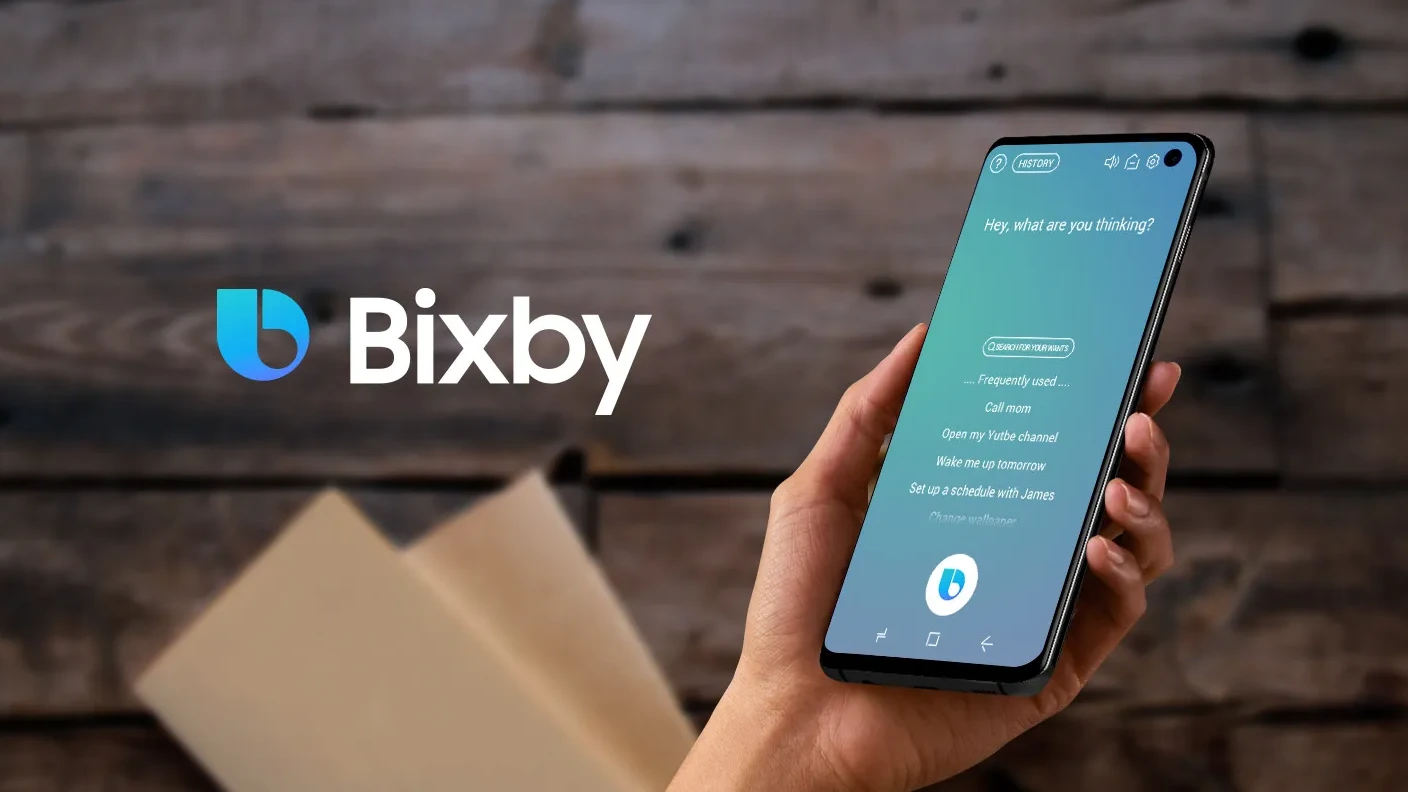
    Samsung’s Bixby digital assistant has never really captured the love and affection of Galaxy device users. But Samsung posted a press release today announcing that Bixby has received a major update that enhances the feature. And while Google Assistant still remains the best-performing digital assistant, the update to Bixby makes it clear that Samsung has not given up on the technology. The update improves Bixby’s language recognition and gives users more control over it.

    One big change will allow users to create their own custom wake phrase that will activate Bixby. And this is a feature that Google Assistant cannot offer users who still must summon Google by saying, “Hey, Google” or “Ok Google.” Can you customize a wake phrase to activate Siri? Come on, get real. We should point out that this feature is available in Korea only at the moment for the Galaxy S23, Galaxy S23+, and Galaxy S23 Ultra

    The update now allows the Bixby Text Call feature to be used in English. With Bixby Text Call, you can answer a call by typing a message that Bixby converts to audio and communicates to the person on the other end of the phone. While first available only for the Korean language, Samsung expects to make this feature available for other apps besides phone calls. With Bixby Custom Voice Creator, users can also change the sound of the audio message as Bixby analyzes the recordings and uses AI to make a custom reply

    Following the update, Bixby can play music to match the kind of workout that you’re doing. First, you launch a workout using the Samsung Health app. Then, you ask Bixby to play music to match the workout by saying, “Play music for this workout.” Supported apps at the moment include Melon, Bugs, Genie, and FLO. And by expanding Bixby’s AI capabilities, following the update, users can be offline when asking Bixby to take a screenshot, set a timer, or turn on the flashlight.
    Bixby Text Call in English will be available on the Samsung Galaxy S23, Galaxy S23+, Galaxy S23 Ultra, Galaxy Z Fold 4, and Galaxy Z Flip 4 with One UI 5.1 installed. Bixby Custom Voice Creator will be available on the Galaxy S23, S23+, and S23 Ultra. It will work on phones with One UI 5.0 or above installed.
    The Bixby updates will be disseminated this month through software updates.
  • Spotify launches new feature powered by AI to enhance music curation

    Spotify launches new feature powered by AI to enhance music curation

    As more companies adopt AI (artificial intelligence), many services are getting new features that are now fully automated and less curated by the human touch. Spotify’s new AI DJ is meant to bring personalization to a new level.

    In an announcement earlier today, the music streaming service explains that its new feature is a personalized AI guide that “knows you and your music taste so well that it can choose what to play for you.” It might sound frightening at first glance, but it’s exactly what many customers are looking for when using Spotify on a daily basis.

    Granted, the new DJ feature powered by AI is only rolling out in beta, it promises to provide customers with a curated lineup of music, as well as commentary around the tracks and artists that it thinks the user likes “in a realistic voice:”

    Among the many capabilities of the AI DJ, Spotify mentions the ability to sort through the latest music. It can also look back at some of the old favorites and serve more songs that the user might not have listened to for a long time.

    The AI DJ assesses your actions all the time and after each review, it tries to deliver a stream of songs picked specifically for you. More importantly, it refreshes the lineup based on feedback regularly.

    If you don’t like a song picked by the DJ, you can tap the dedicated button and it will skip to a new track. As with all these AI-powered features, the more you use the DJ, the faster it learns what you like, so the better your recommendations will be in the end.

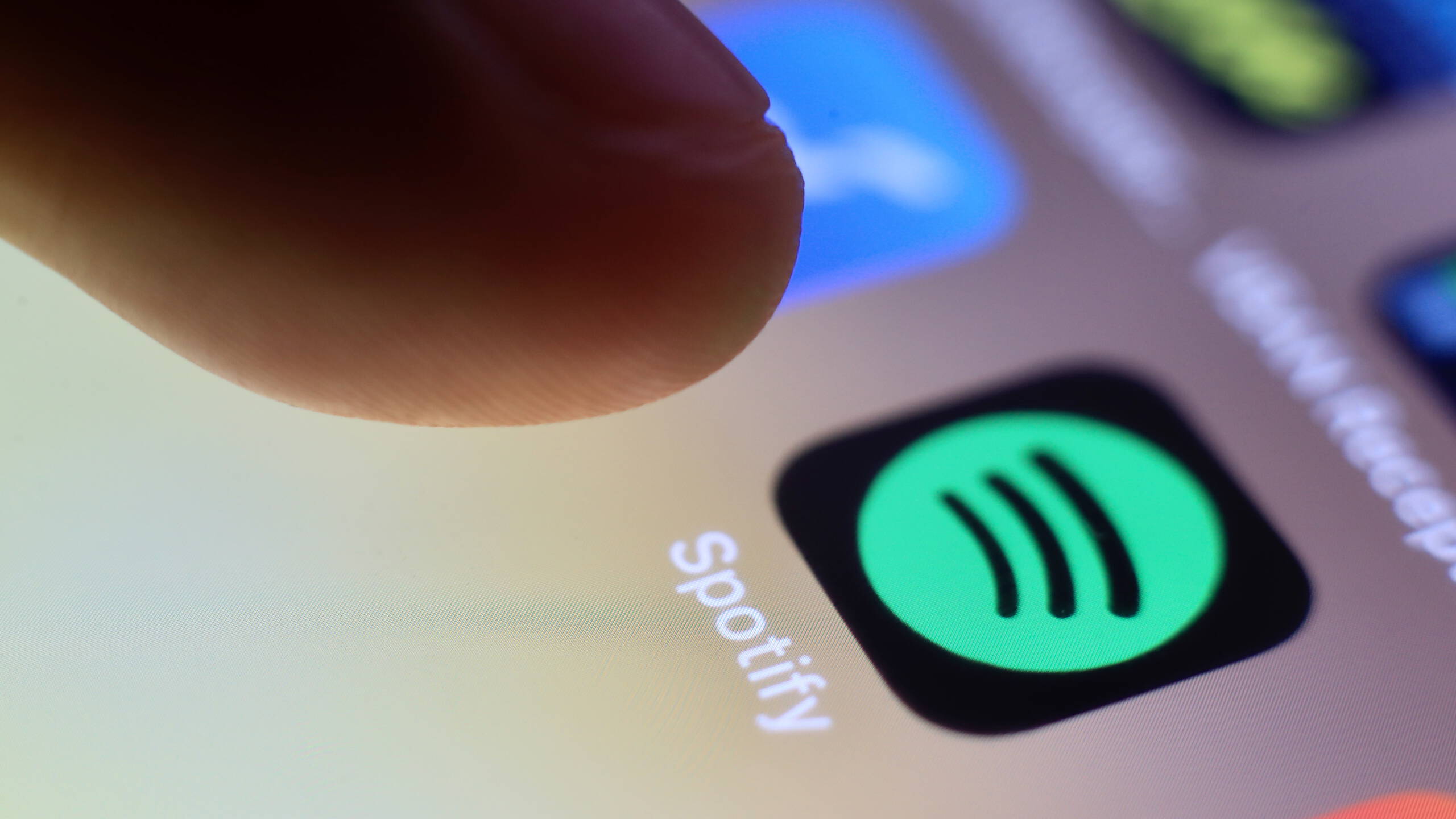
    The new DJ feature is available via the Music Feed on Home in the Spotify mobile app for iOS and Android devices. Simply tap Play on the DJ card and the app will do the rest. You’ll be getting music and short commentary on the songs and artists specifically picked for you. Don’t forget that you can skip a song by tapping the DJ button at the bottom right of the screen.

  • Apple working on bringing glucose monitoring to the Apple Watch

    Apple working on bringing glucose monitoring to the Apple Watch

    It is hardly a secret that health-related features are one of the main selling points of the Apple Watch. From monitoring heart rate, though blood oxygen, to sleeping time, Apple’s wearable can be an indispensable ally for health-conscious users.

    The Cupertino company understands this very well, which is why it is continuously working on improving said functionality and implementing more health-related features. According to Bloomberg’s Mark Gurman, Apple has hit ‘major milestones’ in the development of a blood glucose monitoring technology that could eventually make its way to the Apple Watch.

    Through a process called optical absorption spectroscopy a precise measurement of glucose levels is possible even without a blood sample. Currently, the prototype device is ‘about the size of an iPhone’ according to Gurman, so more work will be needed before the technology becomes usable in wearables.

    Nevertheless, Apple is determined to ‘eventually bring glucose monitoring to the market’. Such a feature would be a game changer and could make the Apple Watch invaluable to many suffering from diabetes and other related conditions.

    By now, the Apple Watch has existed for the better part of a decade and, during this lengthy time frame, its purpose has been redefined on a number of occasions. Initially, the Cupertino company wanted to design an ‘iPhone-killer’, a device that could replace your smartphone.

    Subsequently, they attempted to transform the Apple Watch into a luxury piece, similar to conventional jewelry. Now, the Apple Watch is officially a health-oriented device above all else. Tim Cook has mentioned that Apple’s greatest contribution to mankind could end up being digital health.

    It seems Apple’s CEO had something in mind when he made that statement. It is precisely through such technologies that Apple could consolidate its place in history. It will take time, but, with such vast resources, the Cupertino company might well succeed.

  • WhatsApp has a Newsletter feature in the works

    WhatsApp has a Newsletter feature in the works

    WhatsApp has been working on a plethora of cool features recently, and many new features and features under development get regularly discovered in beta versions of the popular chat app. The latest report from WABetaInfo on features in the works for the app tells us that the company is now working on a newsletters feature. 

    The folks at WABetaInfo have discovered references to the useful feature in beta 2.23.5.3 for iOS. It is unclear whether the feature will be called “Newsletter”, it could very well be a codename for the feature as well, so do keep that in mind. 

    As you might imagine judging by the name (or codename) of said feature, it will be used for broadcasting information. You can receive useful updates from groups, local officials, sports teams, or other organizations. 

    This new feature will likely be an extension of the Communities feature – another useful social feature that allows up to 10 groups to be linked together. 

    The Newsletter feature seems to be a “separate and optional” section of the app, and it is said to be apart from standard chats and groups. So far, there’s no preview of where the feature will be situated on the app. Understandably, newsletters won’t be encrypted end-to-end (they are intended for a large group of recipients). 

    You will be able to search for Newsletters you will like to follow using handles. You will be in control of who you follow, and others won’t be able to see who you’re following – all in all, it seems Newsletters won’t pivot to a public social network and they will remain a personal space. To protect your privacy, WhatsApp will mask and hide the phone numbers of users who create or subscribe to a newsletter.

    It is still quite early to say when this feature will show up in an official WhatsApp release. Also, we don’t currently have more details about it, but when we know more, we’ll make sure to let you know, so stay tuned!

  • Oversupply fears as Mekong Delta farmers switch en masse to durian

    Oversupply fears as Mekong Delta farmers switch en masse to durian

    Rice farmers in the Mekong Delta have been switching to durian on thousands of hectares of lands despite warnings the soil is unsuitable and there will be oversupply.

    Tran Dang Khoa in Long An Province in the delta is busy preparing to harvest his durian crop he has sold to a trader at VND150,000 ($6.32) per kilogram.

    The 32-year-old man borrowed from banks five years ago to plant the fruit trees on a part of his 3.5-hectare rice farm. He invested VND1 billion to plant over 150 durian trees, which are now nearly ready for harvest.

    “One hectare can produce 15 tons of fruits, and I can earn an income of over VND1 billion,” he said, pointing out that was 10 times the income he would get by growing rice on his whole farm.

    In the neighboring province of Tien Giang, Nguyen Van Dong gets up early every day to fertilize his four-year-old durian trees that will be ready for harvest next year.

    He too used to farm rice, but it fetched him VND20 million a year. When jackfruit prices rose, he switched to it, but prices plunged due to oversupply and he suffered losses.

    He switched to the fruit with durian prices rising relentlessly in recent years.

    “I have 200 trees and invested VND800 million in the farm, part of it borrowed from banks.”

    In the last three years the area under durian in Tien Giang has expanded by 21% to 17,600 ha. Neighboring localities such as Can Tho City and Hau Giang Province have been witnessing a similar trend with thousands of hectares of durian added in recent years.

    The Ministry of Agriculture and Rural Development planned to have 75,000 ha of durian by 2030, but the figure has already exceeded 80,000 ha and is increasing.

    Nguyen Bao Ve, former head of agriculture studies at Can Tho University, said warned about unsuitable soil and low yields.

    Tan Phuoc District in Tien Giang has for instance acid sulphate in the soil, and it would cost farmers a lot of money to make the soil suitable for growing durian, he said.

    Tien Giang, Long An and Dong Thap provinces frequently suffer flooding and growing durian there without building dikes could lead to losses, he warned.

    Vo Huu Thoai, head of the Southern Horticultural Research Institute, said farmers used to replace rice with jackfruit when the latter’s prices rose and chop them down when prices dropped. The same thing happened with orange and is now happening with durian, he said.

    “Of the 80,000 hectares of durian in Vietnam, only 5% are approved for imports by China, and this poses a great risk to farmers.”

    In the long run the government needs to impo

  • China begins large purchase of Vietnamese tra fish

    China begins large purchase of Vietnamese tra fish

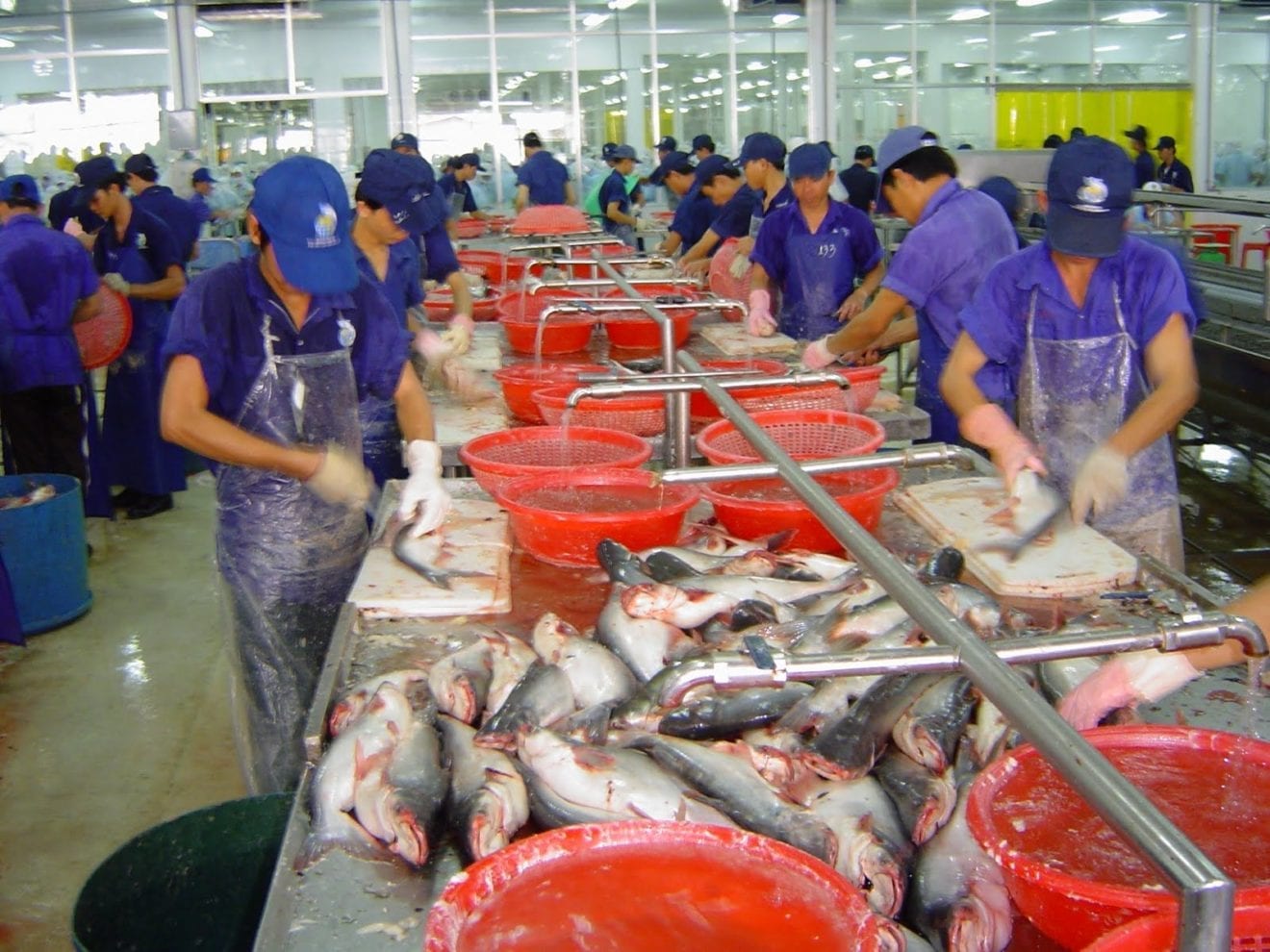
    A Chinese trader has imported 500 containers of tra fish weighing 12,000 tonnes from Vietnam right after China lifted its zero-Covid policy, showing a positive signal for the sector this year.

    China is the second biggest importer of Vietnamese tra fish, after the U.S. Last year, Chinese traders bought nearly 300,000 tonnes of the fish from Vietnam, with a total value of more than $700 million.

    Notably, the current price of fillets exported to this market ranges from $3.5 to 3.6 per kg – the best export price of this product – in the context of the global economic downturn.

    Vietnamese tra fish is now exported to 138 countries and territories worldwide.

    About 350 tra fish-raising establishments in the Mekong Delta region with a total area of nearly 3,120 ha have been certificated to meet Vietnamese Good Agricultural Practices (VietGAP) standards.

    According to the Vietnam Association of Seafood Exporters and Producers (VASEP), this year, tra fish exports are expected to surpass $2.4 billion – a record high set in 2022.

  • Shrimp exports fall by half in January

    Shrimp exports fall by half in January

    Shrimp exports plummeted by 55% year-on-year in January to US$141 million due to weaker global demand and stronger competition from other countries.

    According to the Vietnam Association of Seafood Exporters and Producers, exports to the U.S. were worth $23 million, down 65%, the sharpest decline among all markets.

    Shipments to the EU were down 55% to $24 million. Vietnam’s largest market, Japan, imported $29 million worth of shrimp, a 47% decline.

    A major reason for the fall in exports was that demand in the EU was weaker because of the impact of inflation and uncertainties related to the Russia-Ukraine conflict.

    Vietnam also saw heightened competition from rivals such as Ecuador and China.

    Shrimp exports would face a lot of challenges this year due to the unfavorable global economic situation, which would drive down demand, and high inventories in many markets, the association said.

    Exporting to Japan is becoming increasingly difficult because of the high hygiene, safety and sustainability standards the country has, it said.

    However, China’s reopening in January would help the Vietnamese fisheries sector realize its export target of over $10 billion this year, including $4 billion worth of shrimps, it added.