Tag: asia

  • Cellcos to spend $250m on pre-standards 5G networks by year-end

    Cellcos to spend $250m on pre-standards 5G networks by year-end

    Mobile operators will spend more than $250 million on pre-standards 5G network rollouts by the end of 2017, according to SNS Research’s latest report.

    Despite the lack of sufficient LTE coverage in parts of the world, mobile operators and vendors have already embarked on R&D initiatives to develop 5G, the next evolution in mobile networks.

    5G is expected to provide a single network environment to deliver not only existing mobile broadband and IoT services, but also new innovations such as self-driving cars, cloud robotics, 3D holographic telepresence and remote surgery with haptic feedback.

    In fact, many mobile operators are betting on 5G to diversify their revenue streams, as conventional voice and data service ARPUs decline globally.

    At present, the 3GPP and other SDOs (Standards Development Organizations) are engaged in defining the first phase of 5G specifications. However, pre-standards 5G network rollouts are already underway, most notably in the United States and South Korea, as mobile operators rush to be the first to offer 5G services.

    Although 2020 has conventionally been regarded as the headline date for 5G commercialization, the very first standardized deployments of the technology are expected to be commercialized as early as 2019 with the 3GPP’s initial 5G specifications set to be implementation-ready by March 2018.

    Between 2019 and 2025, SNS Research expects the 5G network infrastructure market to aggressively grow a CAGR of nearly 70%, eventually accounting for $28 billion in annual spending by the end of 2025.

    These infrastructure investments will be complemented by annual shipments of up to 520 million 5G-capable devices.

  • Equinix expands Hong Kong footprint to meet demand

    Equinix expands Hong Kong footprint to meet demand

    Equinix is expanding its Hong Kong footprint to accommodate local interconnection needs and increasing numbers of inbound cloud service providers.

    This latest expansion of Equinix’s Hong Kong footprint adds over 1,400 new cabinets and brings the company’s total investment in the city to over $250 million.

    The expansion in Hong Kong includes 515 new cabinets in HK1 and represents an incremental investment of $16 million and adds 900 new cabinets in HK2 and represents an incremental investment of $39 million. It is the latest in a series of expansions across Asia-Pacific to meet the rising demand for interconnection services, with other recent expansions including Melbourne, Tokyo and Sydney.

    The new development will enable Equinix to support the growing needs of an increasing variety of enterprises – such as FSI and FinTech, e-payments and logistics – to interconnect with cloud and technology providers.

    Equinix’s cloud and IT ecosystem has continued to gain momentum in Hong Kong. Its cloud customer-base has grown significantly since 2014, as local and international internet security and CSPs are increasingly choosing to deploy with Equinix Hong Kong as their initial entry point or hub location for the Asia-Pacific region.

    Major cloud service providers in Equinix Hong Kong now include Alibaba Cloud, the cloud computing arm of Alibaba Group, Microsoft Azure & Office 365 and Google Cloud. According to Cisco, global cloud IP traffic will almost quadruple in over the next 5 years, this expansion will enable Equinix to meet the needs of Hong Kong customers looking to take advantage of this growth.

    One Hong Kong customer taking advantage of Equinix’s increased capability is ClusterTech Limited, which specializes in using cloud, high performance computing and big data technologies to solve challenging technical problems and improve operational efficiency for their customers. The company is in the process of adding more resources within Equinix’s IBX data centers to launch a new solution that will enable environmental engineering companies to run complex simulation applications.

    In addition to supporting the core cloud needs of customers, Equinix is now also in an excellent position to accommodate the growing trend towards multi-cloud convergence and “interconnected commerce” that Equinix experts predict will be a key feature of the IT landscape over the coming year.

    The additional capacity comes online at a time when Equinix is predicting IoT will become a concrete reality – evolving from independent, single-vendor solutions to those that talk to each other and rely on the same data.

    With the Hong Kong expansion, Equinix will relieve the growing pressure on corporate-centric networks by distributing the traffic more broadly, as well as better control the performance of the streaming IoT information for more real-time business and operational insight.

  • Cross-border e-commerce to hit $900b by 2020

    Cross-border e-commerce to hit $900b by 2020

    Cross-border e-commerce is now the fastest growing segment in the retail market, according to a report published by DHL Express.

    Cross-border sales volumes are predicted to increase at an annual average rate of 25% – from $300 billion to $900 billion – between 2015 and 2020. This is twice the pace of domestic e-commerce growth, DHL Express said.

    The study found that online retailers are boosting sales by 10-15% on average simply by extending their offering to international customers.

    By including premium service offering such as faster shipping options, retailers and manufacturers also grew 1.6 times their online stores faster on average than other players.

    “Shipping cross-border is much, much easier than many retailers believe, and we see every day the positive impact that selling to international markets can have on our customers’ business growth,” DHL Express CEO Ken Allen said.

    In Asia (Singapore, Hong Kong, and India) and Europe (Italy, Spain, France, Germany), key markets for high-value purchases are being expanded — with growth rates up to two or three times higher than the global average driven by rising consumer education and e-tailer awareness of opportunity.

    The report also noted that the $30 billion market of high-basket value transactions is evenly divided between Asia, Europe, and North America.

    Allen added that DHL Express sees that virtually every product category has the potential to upgrade to premium, both by developing higher quality luxury editions and by offering superior levels of service quality to meet the demands of less price-sensitive customers.

    “The opportunity to ‘go global’ and ‘go premium’ is there for many retailers in all markets,” he said.

    The main challenges highlighted by consumers to cross-border purchases relate to logistics, trust, price, and customer experience.

  • Some banks in Vietnam enter new rate race

    Some banks in Vietnam enter new rate race

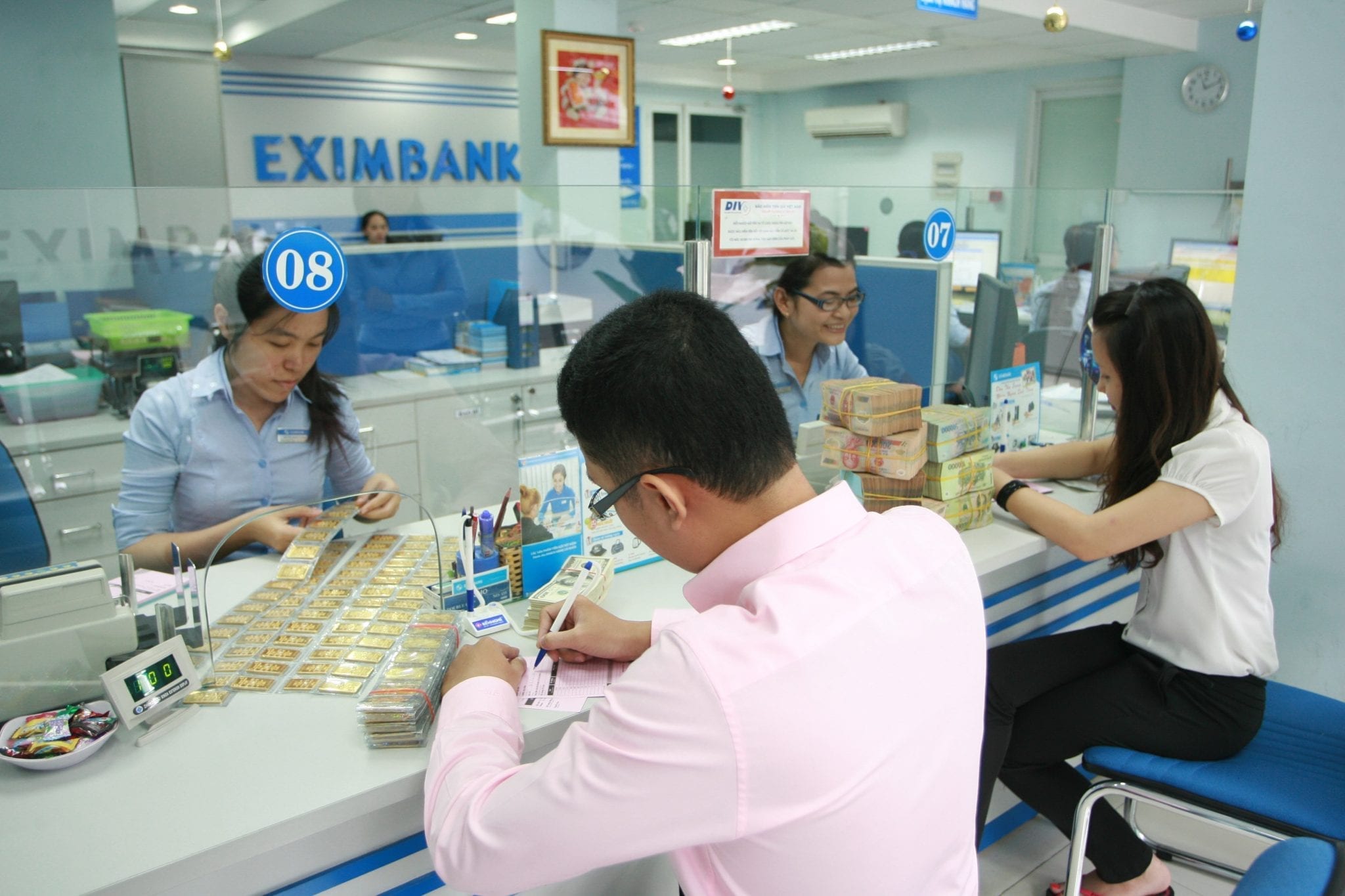
    VPBank announced it has offered a rate of 9.2 per cent per year for five-year certificates of deposit. VietA Bank has also listed a high rate of 8.2 per cent per year for certificates of deposit with tenure of just six to 18 months.

    The rate at Sacombank is also at 8.2 per cent per year; however, it is applicable for certificates of deposit with tenure of 5-7 years.

    The rate is much higher than the average deposit interest rates offered by other commercial banks. Currently, State-owned commercial banks offer a rate of 6.5-6.8 per cent per year for long-term deposits, while it is 7-7.5 per cent at large-sized joint stock commercial banks and 8-8.2 per cent at small-sized banks.

    Analysts attribute the hike to factors such as the need for medium- and long-term funds to grow lending this year.

    Many experts anticipated the scenario and warned there would be rising demand for long- and medium-term funding after they saw the economy clearly recovering and the Government signing a series of bilateral and multilateral trade agreements, which is likely to increase businesses’ demand for funds.

    Another reason is that 80-90 per cent of deposits currently are short-term while demand for long- and medium-term loans is growing rapidly.

    State Bank of Viet Nam (SBV)’s HCM City branch reported that last year the ratio between short-term and long- and medium-term loans was 44:56 per cent. It is normally 50:50.

    In addition, SBV’s amendments to Circular 36/2014/TT-NHNN reducing the ratio of short-term deposits that can be used for medium- and long-term loans from the current 60 per cent to 40 per cent has caused deposit interest rates to rise.

    Besides this, the risk weight for loans to the real estate sector has also been raised to 250 per cent from 150 per cent since 2017.

    As a result, banks have been forced to hike interest rates on long-term deposits so that they have enough funds to provide long- and medium-term loans.

    Expert Bui Quang Tin said the interest rate hike would put pressure on the central bank’s monetary management this year, especially when the central bank has to meet the three targets of controlling inflation, keeping foreign exchange rate and interest rate stable.

    Tin was also concerned it would be hard for lending interest rate, especially medium and long term, to be steady in the wake of the deposit rate hike. Both lending and deposit rate would rise by roughly 0.5-1.5 per cent per year this year, he forecast.

  • Investors rush to apply for multi-billion dollar casino projects

    Investors rush to apply for multi-billion dollar casino projects

    The $4 billion Nam Hoi An integrated resort project wad restarted by VinaCapital after it found a new partner for the joint venture. The new investor is Chow Tai Fook Enterprise from Hong Kong.

    The project kicked off in 2007 and received an investment certificate in late 2010, but it was delayed for many years as the initial partner – Genting Berhard Malaysia — left in September 2012.

    The other huge project is Ho Tram Strip, a complex of five integrated resorts covering an area of 164 hectares along the Ba Ria – Vung Tau seashore. The project has registered capital of $4.2 billion of which $1 billion has been disbursed.

    Meanwhile, Singaporean Banyan Tree Holdings Limited is moving ahead with Languna Lang Co, capitalized at $1 billion in Hue City. The investor is following necessary procedures to obtain a license for a casino.

    Bloomberg news and Nikkei Asia Review reported that two leading Vietnamese real estate developers are planning to build two integrated resorts with casinos in Phu Quoc and Van Don in 2017. However, the scale of the projects and the detailed plan remain secret.

    Sources said G.O. Max I&D, a South Korean group, is considering investing $1.5 billion in a horse race complex in the north of Hanoi.

    Other projects in the same field, capitalized at less than $1 billion, are being considered by huge investors including Hong Kong’s Matrix Holdings, South Korea’s Global Consultant Network and Australia’s Golden Turf Club.

    George Tanasijevich from Las Vegas Sands, the world’s leading group in casinos, commented that foreign investors see great opportunities in the Vietnamese market.

    He said Las Vegas Sands is eager to develop a project in Vietnam, but this would depend on Vietnam’s policies on casino development in the future, referring to  uncertainties and risks in the next three years after Vietnam opens casinos to Vietnamese players on a trial basis.

    The recently released government decree stipulates that Vietnamese are allowed to go to casinos, but just for a trial period of three years.

    After the trial period, Vietnam will consider continuing to allow Vietnamese to gamble at casinos.

    The business performance of existing casinos (open only to foreigners) varies. While the casinos in border areas report good business results, the casinos in coastal areas depend on the number of tourists from China, South Korea and Japan.

    Running the only casino for foreigners in Ha Long City, Hoang Gia JSC repeatedly reported unsatisfactory business results. In 2016, the casino brought VND88 billion in turnover, but this meant a loss of VND36 billion because of the high cost price of VND123 billion.

  • AirAsia India launches flights to Kolkata, Ranchi

    AirAsia India launches flights to Kolkata, Ranchi

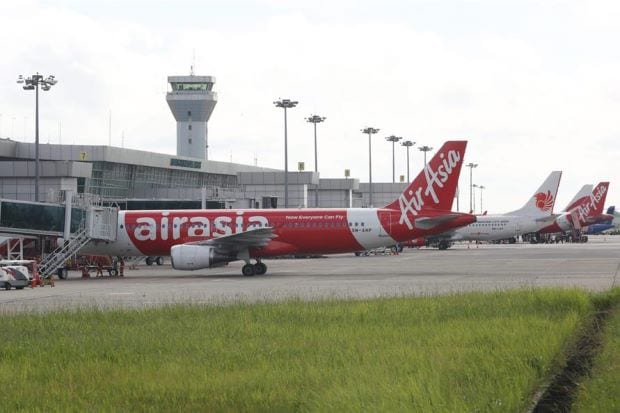
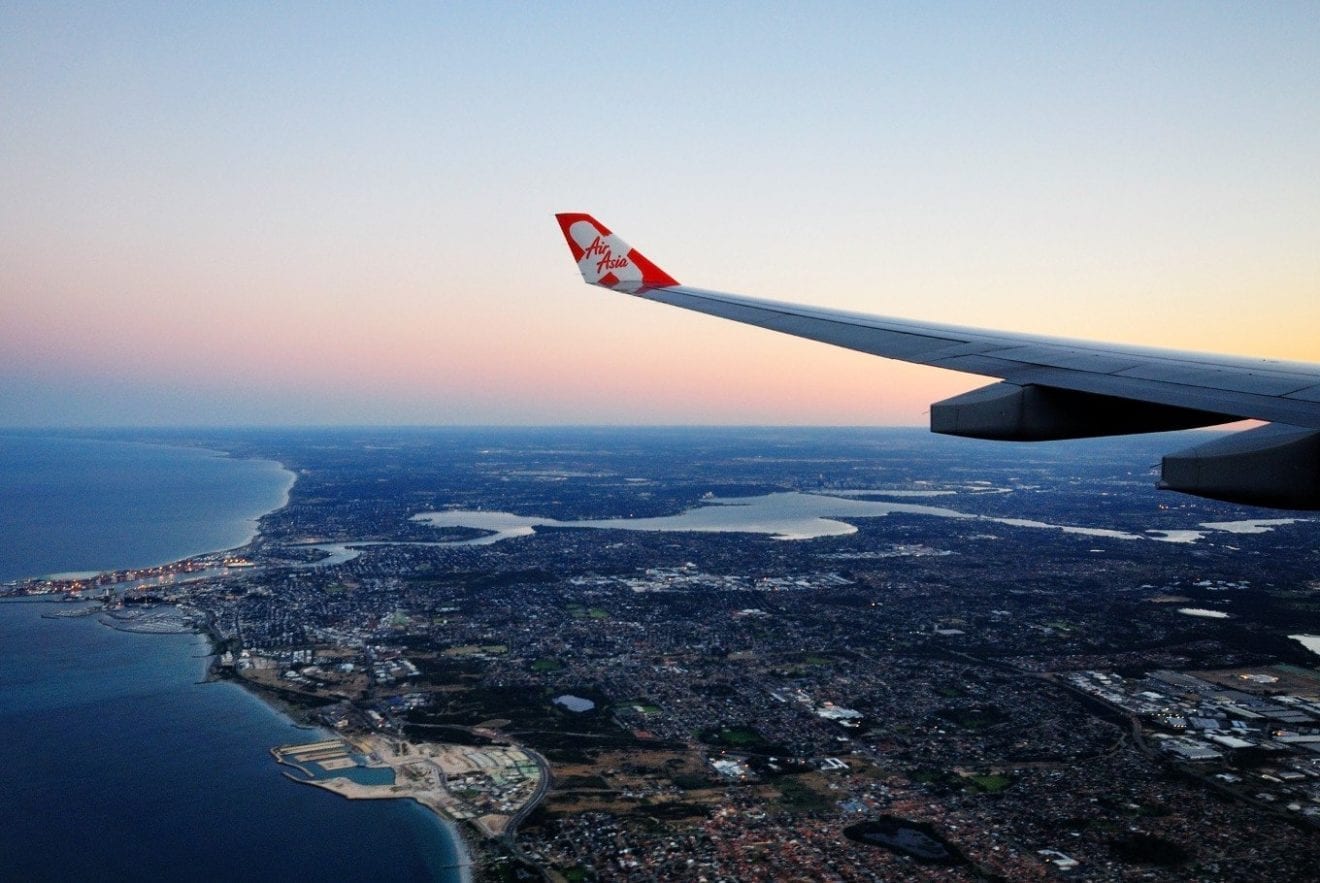
    AirAsia India today announced its addition of two new destinations in Kolkata and Ranchi and said that Kolkata will be its third hub. With the launch of these destinations, AirAsia will operate to 15 destinations in the country.

    AirAsia operates a fleet of 9 Airbus A320 aircraft. The ninth aircraft was added during the beginning of this year.Kolkata will become airline’s third hub in India after Bengaluru and Delhi.

    “2017 is proving to be a very exciting year for us. Our determination to serve regional India is paving way for a successful implementation of our planned strategy. The continued support of the Central and State Governments in a young AirAsia India, is an affirmation to me, as we work towards helping Indians fly,” Amar Abrol, MD & CEO, AirAsia India was quoted in the release.

  • Alibaba Group Investments in Delivery Start Ups

    Alibaba Group Investments in Delivery Start Ups

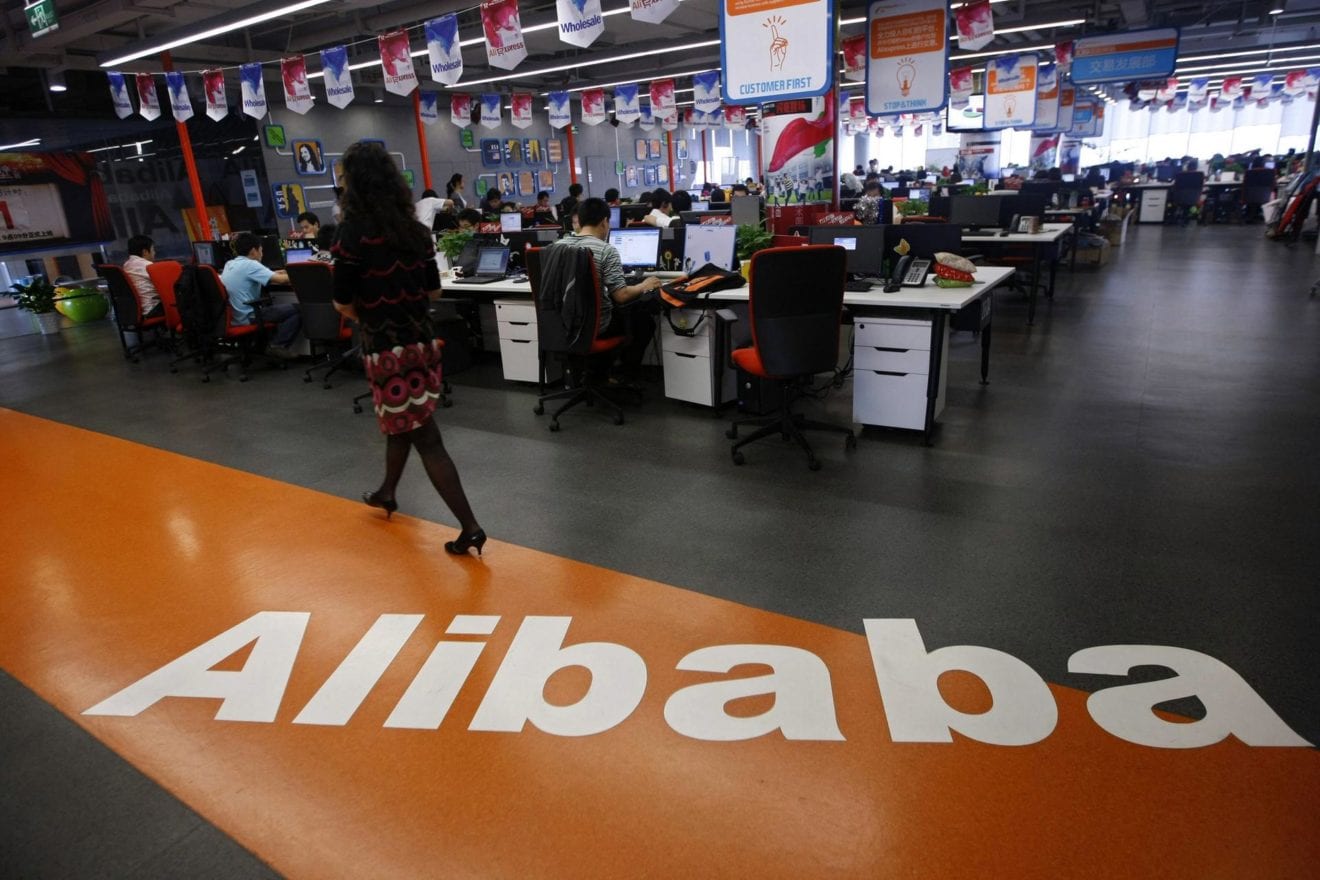
    Alibaba and main rival JD.com will enjoy fast growth in the fast moving consumer goods (FMCG) market, according to research from Goldman Sachs, as more people in China turn to online shopping for daily grocery items like food snacks, body care products and soft drinks.

    The online grocery retail market is currently substantial and will continue to grow and support the two major e-commerce platforms in China, as they take away business from offline Chinese stores in the coming years and invest in a new type of courier service, according to a report published by investment bank Goldman Sachs.

    Alibaba will use start-ups courier businesses, which works much like Uber for delivery, and similar to Instacart. The start-ups run lean, with little infrastructure. When a customer logs onto the Alibaba website or app and purchases groceries, they will send contractor couriers, many of who ride electric bikes, to supermarkets, convenience stores and local groceries as well, where store employees bag the orders for the courier to pick up.

    While delivery start-ups like this have existed for the last couple years, they have gained position since a boost of funding from Alibaba and JD.com.

    In hundreds of cities around China, consumers can order their groceries on the Alibaba or JD.com app and have them delivered to their door within an hour.

    The company is still looking for the better ways to bring perishables like fresh seafood, meat and vegetables to its customers, according to Goldman Sachs analysts led by Ronald Keung. Last year both companies finished building its nationwide fulfilment centres, enabling more than 200 cities in China to enjoy same or next day delivery for groceries ordered online.

    “We expect Tmall and JD’s new supermarket initiatives to drive further online growth in the supermarket segment,” said Keung in the report.

    “These will be enabled by their logistics improvements, wider FMCG brand participation and ongoing new user adoption. We see the FMCG market big enough for two online winners.”

    FMCG currently accounts for 37 percent of all retail spending in China and the market is expected to increase on average by 6 percent annually to reach $2.6 trillion in 2020.

  • Keppel boosts Saigon Centre stake

    Keppel boosts Saigon Centre stake

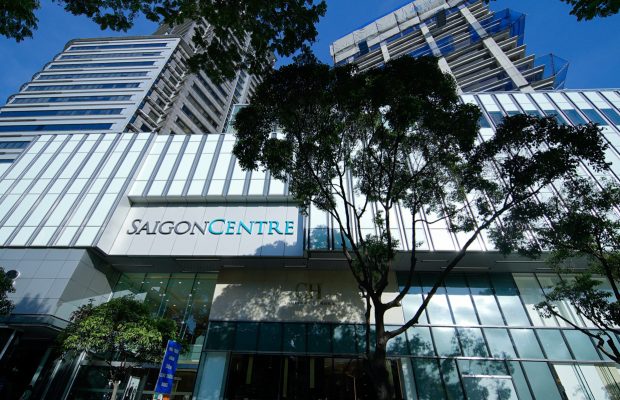
    Singapore-headquartered Keppel Corp has paid VND 845.9 billion (S$53.5 million) to boost its stake in Ho Chi Minh City’s Saigon Centre beyond 50 per cent.

    Saigon Centre, a mixed-use development incorporating a shopping centre anchored by Takashimaya department store, apartments and office space, is a joint venture between Keppel and local company Watco. The first stage, a small shopping mall beneath an 11-story tower, opened in 1996. Last year the expanded 55,000 sqm mall opened, and construction continues on a second tower of approximately 40 stories above it.

    The mall is trading well, 100 per cent leased, with several Japanese retailers, including Owndays, making their debut in the market. Chanel is constructing what is expected to be a make-up studio on the ground level in a prime space previously used for events and pop-ups.

    Keppel now owns 53.5 per cent of the Keppel Land Watco I, II and II companies and 76.2 per cent of Keppel Land Watco IV and V.

    “Keppel Land is committed to grow its commercial portfolio in key Asian cities. Vietnam, one of our key growth markets, continues to attract foreign direct investments which will drive positive demand in the property market from homes to offices and mixed-use developments,” said Keppel Land CEO Ang Wee Gee in a statement.

  • VW trucks division targets strong profitability gain in 2017

    VW trucks division targets strong profitability gain in 2017

    Volkswagen’s truck division aims to significantly increase its profitability this year as deepening cooperation between the MAN and Scania brands and improving overseas markets spur business, it said on Monday.

    Volkswagen, which launched a new truck & bus division in 2015 to challenge global rivals Daimler and Volvo, is targeting a long-term operating margin target of 9 percent, up from 6.1 percent last year.

    “We are not striving to become a volume champion, we want to be the most profitable ones,” chief executive Andreas Renschler told journalists, referring to improving markets in Western Europe, Russia and China.

    But finance chief Matthias Gruendler made clear a significant improvement in financial results requires a rebound in the key Brazilian market where the VW division commands a 37-percent share of the country’s commercial-vehicles market.

    Overall truck and bus sales in Brazil have been falling for four years but demand is expected to rebound slightly in the second half of the year amid the improving economy with a chance for stronger growth in 2018, Gruendler said.

    “Brazil has always been an important market and is characterized by a high degree of cyclicality,” chief executive Andreas Renschler said.

    Under Renschler, who ran Daimler Trucks before joining VW in February 2015, Europe’s largest automotive group has also been seeking to expand its footprint in international truck markets.

    Last year, VW announced a stake purchase in U.S. truck maker Navistar International which may earn the German group access to the vast North American truck market, and is also in talks about finding a new partner in China.

    “We are currently in discussions about different opportunities,” Renschler said. “All options are open” including a possible increase in MAN’s stake in China’s Sinotruk and finding a new partner.

  • Vodafone India, Idea to merge into India’s top cellco

    Vodafone India, Idea to merge into India’s top cellco

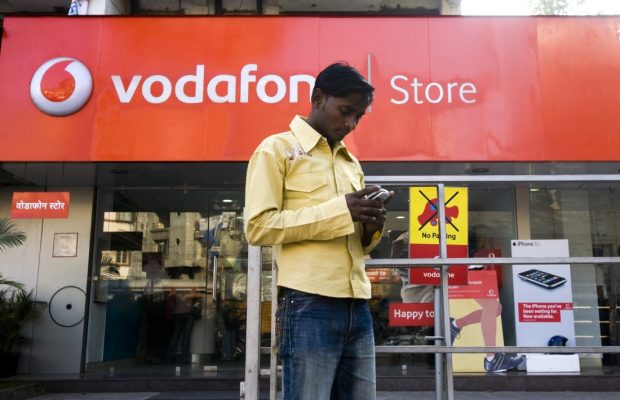
    India’s second and third ranked mobile operators, Vodafone India and Idea Cellular, have revealed plans to merge to create the India’s largest operator by market share.

    The companies have announced that Vodafone will combine its Vodafone India subsidiary with Idea Cellular in a deal worth around $23 billion.

    The combined company will have around nearly 400 million subscribers and is expected to have a revenue market share of around 40%, propelling it ahead of current market leader Bharti Airtel.

    Under the terms of the agreement, Vodafone will take a 45.1% stake in the combined company while the owner of the Idea brand – the Aditya Birla Group – will have about 26%.

    Vodafone will transfer a stake of around 4.9% of the company for around 39 billion rupees ($579 million) as part of this transaction, and there will be a mechanism in place designed to equalise the shareholdings within four to nine years. Until this takes place, the voting rights will be equalised.

    The marger excludes Vodafone’s 42% stake in Indus Towers, the joint venture established between the Bharti Group, Vodafone India and Idea Cellular to manage the operators’ tower infrastructure.

    “The combination of Vodafone India and Idea will create a new champion of Digital India founded with a long-term commitment and vision to bring world-class 4G networks to villages, towns and cities across India,” Vodafone Group CEO Vittorio Colao commented.

    “The combined company will have the scale required to ensure sustainable consumer choice in a competitive market and to expand new technologies – such as mobile money services – that have the potential to transform daily life for every Indian. We look forward to working with the Aditya Birla Group to create value for all stakeholders.”

    Meanwhile fellow Indian operators Reliance Communications (RCom) and Aircel are one step closer to executing their planned merger.

    RCom announced in a regulatory filing that it has secured approval from the Competition Commission of India for the proposed merger, which was announced in September last year.

    The companies have already secured approval from the Securities and Exchange Board of India as well as the BSE and NSE stock exchanges, but still requires the go-ahead from the National Company Law Tribunal.

    Under the terms of the planned merger, RCom and Aircel parent Maxis Communications will each hold 50% of the combined company.

  • AirAsia X plans for more fifth-freedom flights

    AirAsia X plans for more fifth-freedom flights

    AirAsia X is planning to add more fifth-freedom flights as it seeks to take advantage of the growth at secondary and tertiary cities across North Asia.

    Sharing the long-haul, low-cost carrier’s plans was its head of network planning Venggatarao Niadu, as part of a panel at the Routes Asia Strategy Summit in Okinawa.

    “We now operate an eight-hour range for our Airbus A330 widebodies, and we want to go beyond that using more fifth-freedom flights,” says Naidu.

    Naidu cites AirAsia’s Kuala Lumpur-Gold Coast-Auckland and Kuala Lumpur-Osaka-Honolulu as examples of the model it is looking to for future growth. He adds that North Asia and China are regions for expansion and where it could mount more fifth-freedom services.

    When asked about AirAsia X’s plans to return to Europe, Naidu describes it as “still a work in progress” and that the carrier is still working to secure the relevant rights. He reveals that flights to Europe will not only be operated by its main Malaysian unit, but also Thai AirAsia X.

    Meanwhile, AirAsia X acknowledges that it faces certain obstacles to growth, largely bilateral limitations, and slot and infrastructure shortages.

    Naidu says that, even with those challenges, and growing competition in the market, it isn’t deterred from seeking new growth opportunities.

    “When we see an opportunity, we grab it first. Then the industry will follow suit and flood the market. But we have seen that the industry will rationalise after a few years to keep it stable,” he says.

  • Thailand’s Mobile LTE gets satellite license

    Thailand’s Mobile LTE gets satellite license

    Thai mobile broadband provider Mobile LTE has secured the nation’s second satellite service provider license, positioning the company to compete against incumbent Thaicom.

    Mobile LTE has received a Type Three Satellite Business License with a 15 year term valid until January 2032. The license covers the operation of satellites and satellite services.

    Mobile LTE CEO Varayuth Yenbamroong said the operator plans to differentiate from Thaicom by focusing on providing services using new technologies that are distinct from those existing in the market.

    “[We] want to launch a satellite onto [the] country’s unused and reservation orbital slots as soon as possible as some slots will expire very soon,” he added.

    “This will help utilizing the existing resources in another way for the benefit of the country in order to promote and support the expansion of communication satellite business to ASEAN and other countries.”

    He said the operator aims to use its satellite business to target people and government agencies in remote areas, in order to improve digital inclusion and further the government’s Digital Thailand initiative.

    But Mobile LTE noted that it will still require approval from the Ministry of Digital Economy and Society before launching such services.

  • Malaysians’ appetite for spending remains poor

    Malaysians’ appetite for spending remains poor

    Malaysian consumers continue to tighten their belts as reflected by the 0.3% year-on-year growth of retail sales in the fourth quarter of 2016 (4Q16), according to Retail Group Malaysia (RGM).

    The quarterly growth of retail sales decelerated for the third quarter after it hit a high of 7.5 per cent in 2Q16, based on data compiled by RGM from members of Malaysia Retailers Association (MRA).

    Retailers are pessimistic about the sales performance for 1Q17. “As consumer confidence remains low, they estimate an average growth rate of only 0.9 per cent during 1Q17,” said the report.

    “The year-end school holiday and festive celebration did not motivate Malaysian consumers to spend more. The weak economic environment and bleak job prospect discouraged shoppers to buy more than usual.

    “4Q16’s growth rate was a let-down taking into consideration the low growth rate of 1.3 per cent during the same period in 2015,” said RGM in its latest quarterly report that was released over the weekend.

    For 2016, domestic retail sales expanded by 1.7 per cent, which was not much stronger compared with 1.4 per cent growth in 2015 — the year when goods and services tax was introduced in April that year.

    “After almost two years, the retail industry has yet to recover. Economic condition remains tough for retailers,” said RGM.

    In view of the lacklustre growth pace in 4Q16, RGM has slashed its forecast annual retail sales growth to 3.9 per cent to RM101.6 billion (US$22,921,609,224) for 2017 from RM97.8 billion (US$22,064,304,942) in 2016, compared with its initial forecast of 5 per cent.

    RGM pointed out that the latest quarterly result was way below market expectations. “It was 95 per cent below the estimate made by members of MRA in November 2016 [at 5.5 per cent],” RGM wrote in the report.

    The weak retail sales are quite a sharp contrast to the growth of private consumption, which had been above 6 per cent for three consecutive quarters since April last year.

    Among the sub-sectors, the other specialty stores, which include photo shops, optical shops, children-related stores, second-hand goods stores, toy stores, TV shopping as well as restaurants, were the worst-performing retail category in 4Q16. This sub-sector suffered a contraction of 7.7 per cent — the second consecutive quarter of declining sales. For the whole year, this sub-sector suffered a decline of 2.2 per cent in its business.

    In contrast, the fashion & fashion accessories sub-sector was the bright spot among all. The sub-sector continued to fare well in 4Q16.

    “It managed to sustain its business with a growth rate of 6.9 per cent compared with the same period a year ago. This retail sub-sector was the best-performing retail sub-sector in 2016 with a growth rate of 5.8per cent,” said RGM.

    Moving forward, for the first-quarter growth rate, RGM predicts a 1.5 per cent improvement in overall retail business.

    “The weak ringgit has affected the costs of a large number of retail goods sold locally. Many retailers have begun to raise prices, including prices of food and beverages, household goods as well as other daily necessities.

    “Malaysian consumers are expecting to be cautious about their spending on retail goods during the first half of this year. Their cost of living has risen and their purchasing power has reduced during the last one year,” said the quarterly report.

  • Vistara announces codeshare with Singapore Airlines and Silkair

    Vistara announces codeshare with Singapore Airlines and Silkair

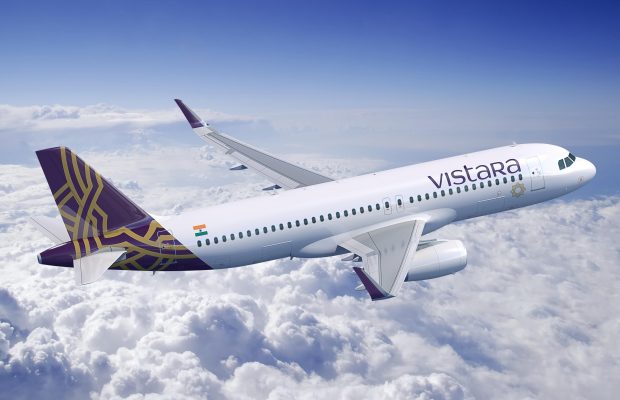
    Singapore Airlines (SIA) and regional subsidiary SilkAir announced today that they have signed an agreement to codeshare on Indian domestic flights operated by Vistara, with effect from today.

    “Under the agreement, SIA will add its ‘SQ’ designator code to Vistara-operated flights beyond Mumbai and New Delhi to 10 destinations within India. SilkAir will add its ‘MI’ designator code to Vistara-operated flights beyond Bengaluru and Kolkata to six destinations within India,”

    SilkAir will add its ‘MI’ designator code to Vistara-operated flights beyond Bengaluru and Kolkata to six destinations within India,” said a release from the airlines.

    The codeshare agreement is Vistara’s first with another airline group, as well as SIA’s and SilkAir’s first with an India-based domestic carrier. As a result of the agreement, four new destinations will be added to the SIA Group’s India network, namely Bhubaneswar, Goa, Guwahati and Port Blair. SIA Group airlines currently serve 15 destinations in India from Singapore, the release added.

    This partnership would also contribute to Vistara’s topline by bringing in passengers on to its network.“As we continuously work towards eventually becoming a globally renowned airline, codeshare partnerships will play a very important role in helping us get closer to realizing that aspiration. Customers booked on any of the classes on Singapore Airlines and SilkAir will find an equally world-class experience when they travel within India, given Vistara’s service and operational excellence,” Phee Teik Yeoh, Chief Executive Officer, Vistara was quoted in the release.

    Members of SIA’s and Vistara’s frequent flyer programmes, KrisFlyer and Club Vistara, will also enjoy additional tier benefits as a result of the new codeshare partnership. PPS Club and KrisFlyer Elite Gold members will enjoy lounge access, increased baggage allowance, and priority baggage handling, check-in and boarding when travelling on Vistara-operated flights. Likewise, Club Vistara Platinum and Gold members will enjoy the same benefits when travelling on SIA- operated flights. PPS Club and KrisFlyer members will also earn Elite miles when travelling on SIA codeshare flights operated by Vistara.