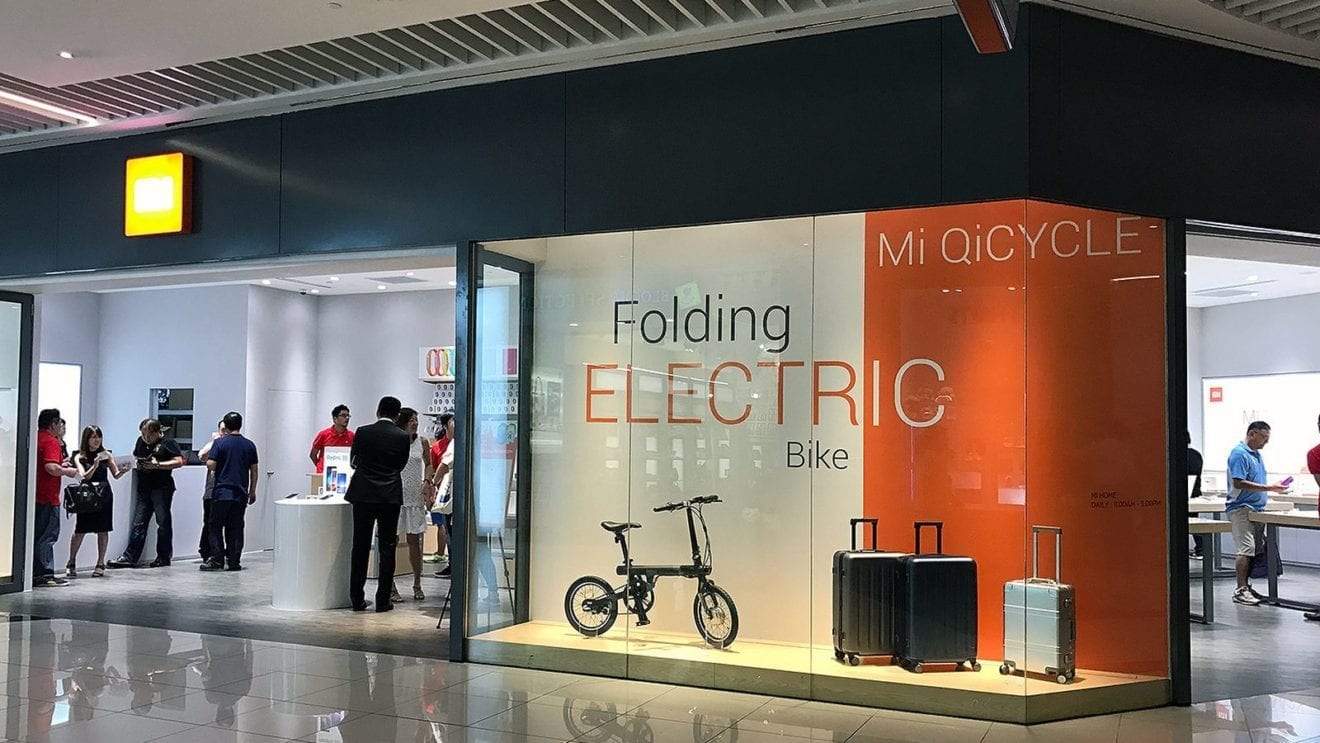
Chinese smartphone maker Xiaomi is likely to expand its sales model of online to offline integration abroad, as its chief executive pins his hopes on so-called “new retail” to arrest a slide in its home market as well as winning more buyers overseas.
Lei Jun, founder and chief executive of the Beijing-based Xiaomi, said on Monday the company will adopt its sales strategy in China while making expansion overseas, a practice that would require self-built retail outlets on foreign land in addition to the company’s existing online presence overseas.
“We will bring our (sales) practice in China to overseas markets,” Lei said on the sideline of the ongoing meeting of the National People’s Congress in Beijing without disclosing any detailed plans.
The integration of online and offline sales, coined as new retail in China, is one of the key areas Lei, an NPC deputy, emphasises in his proposals to the NPC.
He said the new retail model provides “better customer experience” while at the same time “boosts sales efficiency”.
Offline stores are good for Xiaomi to attract overseas buyers in India and Southeast Asia as for a significant proportion of them smartphones are still big-ticket item. They want to check out real products first before making purchases and offline stores can also provide after-sales services
Jessie Ding, an analyst with market research firm Canalys
Earlier this year, Lei announced plans to open 1,000 bricks-and-mortar stores in China over the next three years, part of the company’s effort to reach its target of 10 billion yuan in revenue in 2017.
The company opened 50 stores in 2016 after finding it online sales model being challenged by domestic rivals.
The company, which was China’s best selling smartphone maker in 2014, saw its shipments in the country last year slump 23 per cent with a market share of just 8.9 per cent, according to IDC data.
Via the aggressive outlet strategy in smaller cities in China, domestic players Oppo saw smartphone shipments more than double to 78.4 million units last year as it took top spot with a 16.8 per cent share. China’s Huawei Technologies and Vivo both rose at a double-digit pace to rank second and third.
As most of China’s major smartphone makers look overseas for business growth, Xiaomi faces tough competition not only at home but also abroad, said analysts.
“Offline stores are good for Xiaomi to attract overseas buyers in India and Southeast Asia as for a significant proportion of them smartphones are still big-ticket item,” said Jessie Ding, an analyst with market research firm Canalys.
“They want to check out real products first before making purchases and offline stores can also provide after-sales services,” she added.
Lei said the next decade will be a golden era for the globalisation of Chinese smartphone makers thanks to increased innovation and manufacturing skills.
“Our global expansion started three years ago. But our strategy is to move to neighbouring countries first, before going to the West mainly because we haven’t got enough talented staff to support such drastic expansion,“ he said.