Tag: asia

  • Mobile to continue driving growth in Lunar New Year online shopping

    Mobile to continue driving growth in Lunar New Year online shopping

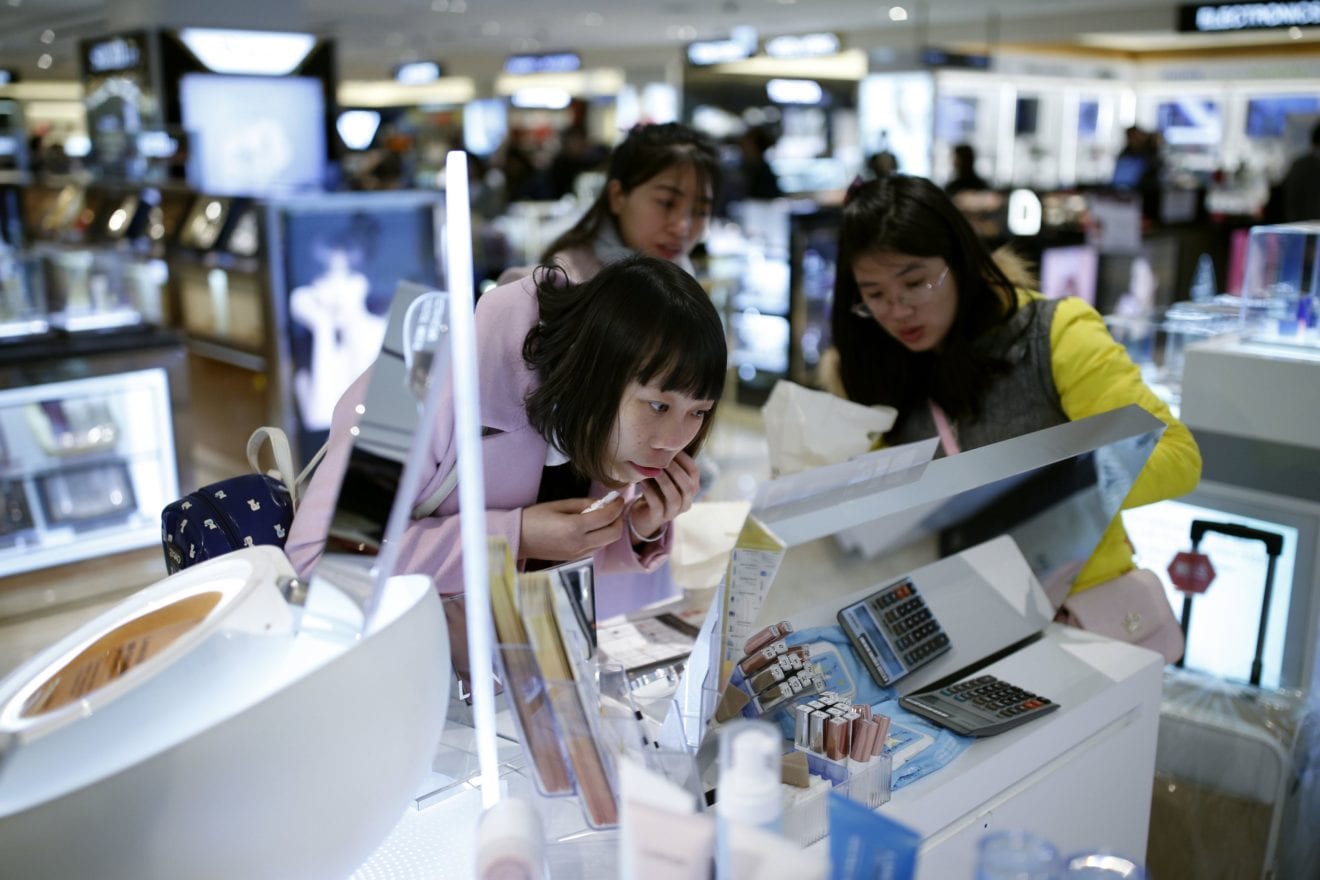
    Lunar New Year shopping is getting more mobile. Thirty-two percent of all e-commerce transactions happened on a mobile device while more than six in 10 consumers browsed on a combination of PCs and mobile devices, before making a final purchase on either device.

    These were among the findings based on an analysis of 65 million online transactions in Hong Kong, Singapore and Taiwan before, during and after Lunar New Year in 2016 conducted by performance marketing technology company Criteo.

    “Easy navigation and shorter checkout processes on mobile sites and applications, and multi-channel integration are key to improving retail sales before, during and after Lunar New Year in 2017,” it concluded.

    The company’s deep-dive into consumer browsing and buying activity revealed that in the two weeks before and after the first day of Lunar New Year, consumers browsed and purchased retail products more actively than before – an 81 percent increase in online visitors to e-commerce sites and a 68 percent increase in e-commerce sales.

    Two trends are expected to impact regional retailers during the Lunar New Year season this year.

    The first trend is that mobile devices will be used to make high value purchases. Criteo said that desktops were once the king of big-ticket purchases, but in 2017, consumers in Hong Kong, Singapore and Taiwan will feel equally comfortable purchasing expensive items on smartphones.

    The Average Order Value (AOV) on mobile applications was 27 percent higher than desktops in the second quarter of 2016. The AOV on mobile browsers was only 9 percent lower than desktop during the same period, according to Criteo’s 1H 2016 State of Mobile Commerce Report.

    The second trend is that retailers will see a high web influence on offline sales.

    Shoppers in Hong Kong, Singapore and Taiwan are becoming experts at “showrooming” – the phenomenon of looking at items at a brick-and-mortar store while checking the prices available online.

    In Singapore, while in physical stores, 62 percent of local shoppers are browsing similar products online and comparing prices to ensure they get the best deals, according to Edelman Intelligence’ Singapore Consumers Online Shopping Survey in September 2016.Sixty-nine percent of these consumers end up purchasing the same product or service online rather than offline.

    In Hong Kong and Taiwan, 32 percent and 47 percent of consumers are looking to make purchases online, rather than offline, according to Google’s 2016 Consumer Barometer.

    “Consumers have come to expect exclusive online collections and discounts during this period, timing their purchases so they have the best deals and new clothes or jewellery to symbolise the new beginning. They also tend to continue shopping indoors and online throughout all 15 days of Lunar New Year,” said Yvonne Chang, Executive Managing Director, Asia-Pacific, Criteo.

    “Given the fluid nature of online shopping behavior and intense competition, retailers must use advanced technology that delivers personalized engagement, based on each consumer’s buying habits, expressed interests and online surfing history to leverage this opportunity,” she added.

  • Vietjet awarded as “My Favorite New LCC” in Hong Kong

    Vietjet awarded as “My Favorite New LCC” in Hong Kong

    Vietjet has become an instant hit among travelers by winning the “My Favorite New LCC Award” organized by the popular online travel platform, Flyagain.la. The newly launched Ho Chi Minh City and Hong Kong service last December has been very popular with travelers as its daily afternoon flights provide them with convenient and comfortable trips between the two cities. 

    The award presentation, now in its third year, was held last week to commend travel-related companies for their good performance and their prospect for future growth. Flyagain.la is one of Hong Kong’s leading travel websites, which boasts a Facebook fans group of over 480,000, providing them with the latest travel and ticketing information. Vietjet was named “My Favorite New Low Cost Carrier” in the ceremony attended by leading travel writers, bloggers and journalists as well as representatives of leading airlines and travel-related companies.

    The Ho Chi Minh City – Hong Kong route, which is operated daily with a flight time of 2 hours 45 minutes per leg, departs daily from Ho Chi Minh City at 14.35 (local time) and arrives at Hong Kong at 18:20. The return flight takes off at 19:20 (local time) and lands at 21:05. Tickets can be booked at www.vietjetair.com or at www.facebook.com/vietjetvietnam.

    Vietjet took off in the sky in 2011 as a new-age airline with low-cost and diversified services. It has been expanding quickly and currently boasts a fleet of 42 aircraft, including A320s and A321s, providing services for 60 domestic and international routes.


    To keep pace with its rapid development and route expansion programs, Vietjet is currently recruiting cabin crew in its Ho Chi Minh City Training Centre. Successful candidates will attend intensive training courses in Vietnam and other foreign countries and enjoy an attractive income and many other benefits as well as unlimited promotion opportunities within the group.  

  • Singapore residential prices continue fall, but signs of bottom emerge

    Singapore residential prices continue fall, but signs of bottom emerge

    Private home prices in Singapore fell and rents continued to soften in the last quarter of 2016 but a decrease in the number of vacant units suggests the market may be nearing a bottom.

    According to Urban Redevelopment Authority (URA) statistics for the fourth quarter released Thursday, private residential property prices in Singapore fell 0.5% between October and December 2016, slowing from the 1.5% decline in the previous three-month period.

    For the whole of 2016, private home prices fell 3.1%, compared with the 3.7% drop in 2015.

    Meanwhile, rents for private homes declined 1.0% in the fourth quarter following a 1.2% fall in the previous quarter. For the year as a whole, rents slipped 4.0%, slower than the contraction of 4.6% in 2015.

    Home prices in the city-state have trended downwards over the past three years as the government introduced a series of measures such as caps on mortgage loans and higher stamp duties to check soaring real estate values.

    Residential prices have retreated more than 10% since they hit a peak in 2013, leading many to call for a relaxation of the curbs.

    There were some signs in Thursday’s data that a recovery may be taking shape in the private housing market.

    For instance, according to the URA data, the number of private residential units in the pipeline fell to 40,913 at the end of the fourth quarter, from 43,693 at end September. The vacancy rate for completed units decreased to 8.4% at end December from 8.7% at the end of the third quarter.

    In addition, there were pockets of strength within the residential sector, particularly at the high end of the market. For example, prices of landed homes rose 0.8% during the fourth quarter, turning around from a 2.7% decline in the previous quarter.

    Most people in land-scarce Singapore reside in high-rise apartment blocks and only the wealthy can afford landed property.

    PropNex Realty, one of Singapore’s largest real estate brokers, said activity in Singapore’s residential market picked up in 2016 because prices dropped to levels that home buyers are comfortable with.

    “Despite the uncertain economic outlook and impending interest rate hikes, we are expecting a price moderation in 2017 with possible (decline) of not more than 3%,” PropNex CEO Ismail Gafoor said.

    Turning to the commercial property market, URA said office rents fell 1.8% in the fourth quarter compared with the decline of 1.1% in the previous three-month period. For the whole of 2016, office rents declined at a faster pace of 8.2% compared with the 6.5% drop in 2015.

    As for shopping malls and other retail spaces, URA said rents declined 1.2% in the fourth quarter compared with the decrease of 1.5% in the preceding period. Rents fell 8.3% for the full year, which was more than twice the 4.1% decline in 2015.

    Desmond Sim, head of CBRE Research for Singapore and Southeast Asia, estimates an additional 52,000 square metres of retail space was leased in 2016, which was short of the new supply of 75,000 square metres.

    “Although the magnitude of the quarterly decline in Q4 2016 was lower than previous quarters, we expect rents to remain under pressure,” he said.

  • South Korea duty free sales grow +33% to $10.5bn

    South Korea duty free sales grow +33% to $10.5bn

    According to the Korean Customs Service (KCS) which recently shared some Korean duty free sales figures with the local media, the total DF market in South Korea grew by +33.5% in 2016, registering sales of KRW12,275.7bn (US$10.56bn)

    The No. 1 duty free retailer in South Korea, Lotte Duty free, registered sales of KRW5,972.8bn (US$5.13bn)in 2016, whilst second-placed Shilla Duty Free saw sales rise to KRW3,405.3bn (US$2.93bn).

    Shinsegae Duty Free posted sales of KRW960.8bn (US$826m).

    By product category, sales of cosmetics – the highest-grossing product category – rose to KRW6,273.3bn (US$5.4bn); sales of handbags reached KRW1,735.6bn ($1.5bn); watches KRW935.9bn (US$804.5m) and tobacco KRW593.5bn ($510.2m).

  • Retail rents in central region to slump 8% later this year

    Retail rents in central region to slump 8% later this year

    Landlords and retailers are off to another bumpy ride. The retail outlook for this year seemed to still be on the cloudy side for both retailers and landlords.

    According to Knight Frank’s latest Singapore Retail Bulletin, average rents in the Central Region are envisaged to fall by 5.0% to 8.0% by Q4 2017, while the more resilient prime rents to moderate downwards by up to 3.0% YoY in the same period.

    “Landlords are likely to take on a more proactive role to initiate more advertisement and promotion activities in a bid to attract shoppers into the mall. On the same note, retailers are also expected to explore innovative concepts that integrate both offline and online retailing platforms to enhance consumer engagement,” the research house said.

    Meanwhile, the occupancy performance is expected to hover between 90% and 92% this year, after maintaining an average of 92.2% over the first three-quarters in 2016. This is in consideration of the close to 2m sq ft. gross floor area of retail space slated for completion in 2017 amidst the heightened level of caution among retailers towards their business strategies due to the uncertain global economic outlook.

  • Hong Kong high street retail rents decline should ease

    Hong Kong high street retail rents decline should ease

    After falling 12 per cent in 2016, the pace of decline in Hong Kong high street retail rents should ease in the year ahead, predicts CBRE.

    Last year’s decline followed a 17 per cent fall in 2015. That represents a full 27 per cent fall since rents were at their peak in 2014.

    But this year, says CBRE Hong Kong in a research note, expect a fall of a more modest 5 per cent.

    In contrast, shopping centre rents were broadly flat in 2016.

    “In 2017, slower economic growth in China and depreciation of the Renminbi are set to undermine mainland tourist spending in Hong Kong,” said Joe Lin, executive director, advisory & transaction services – retail, with CBRE Hong Kong. “However, the fall in high street shop rents is not expected to exceed 5 per cent in 2017, and by the middle of the year, most leases that were signed during the market peak of 2014 will have expired, meaning that rents are expected to stabilise from then on. Leasing momentum is expected to gradually improve from 2016,” Lin concluded.

    In investment terms, CBRE predicts a 5 to 10 per cent decline in prices for street shops in core locations in 2017, coming off a 10.6 per cent decline last year.

  • Levi’s exec says eCommerce forcing focus on inventories

    Levi’s exec says eCommerce forcing focus on inventories

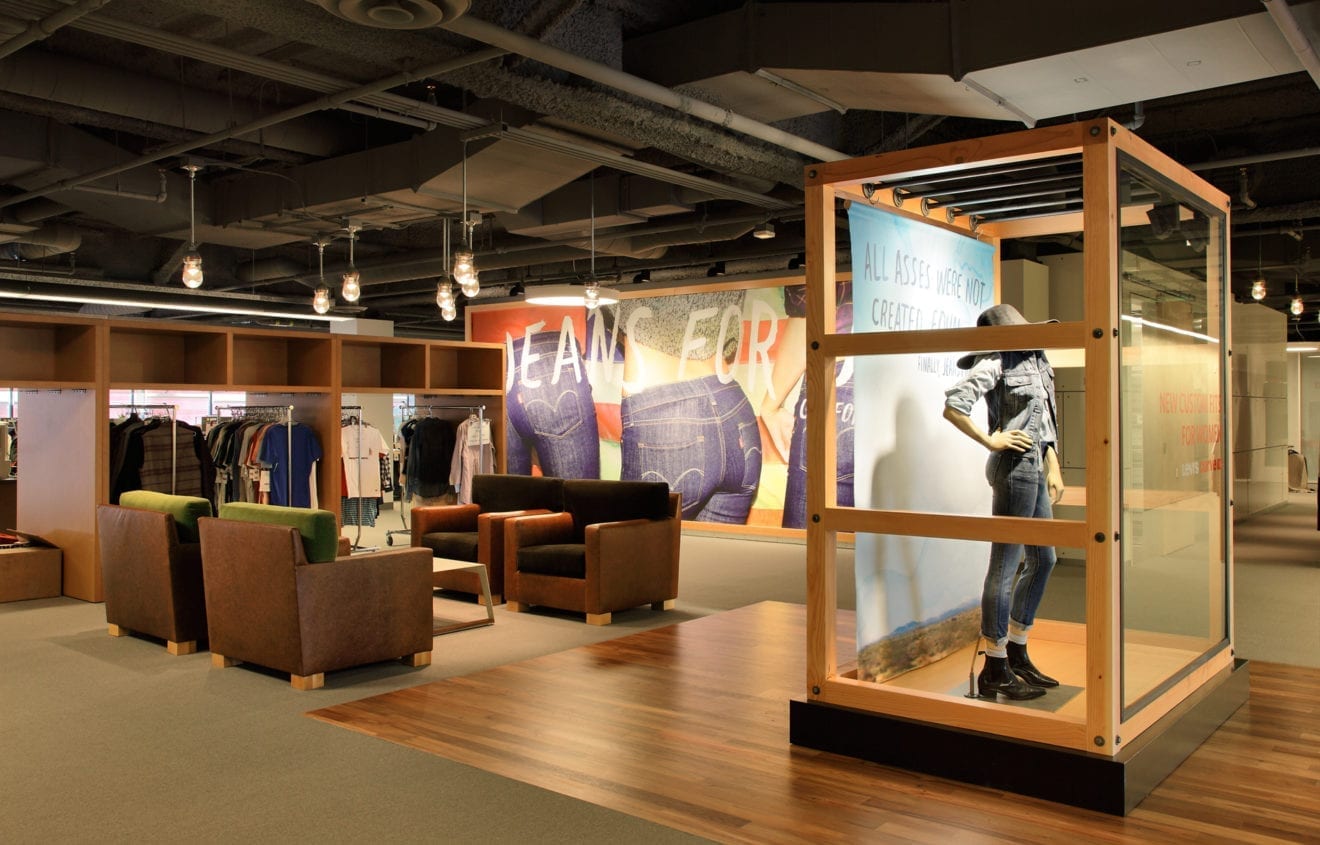
    Retailers can no longer accept a lack of shelf level inventory in-stocks and inaccurate inventories, according to Carrie Ask, executive VP and president of global retail at Levi Strauss & Co.

    Speaking at this month’s NRF Big Show in New York, Ask said that after travelling the world and observing consumers purchasing intent and behaviour in-store, the 164 year old brand’s executive team had an ‘a-ha’ moment.

    “Now while store traffic is declining, we discovered something else, something that we think is fundamentally different about store traffic today,” she said.

    “We discovered the purchase intent of consumers visiting stores, is rising. Makes sense, they don’t have to go to a store anymore, so when they do, their intention is higher.

    “In addition, we found that ‘out of stock’ and ‘couldn’t find my item’ are the top barriers to purchase for consumers that plan to make a purchase, as well as consumers who purchase but didn’t get everything they wanted.”

    Ask said the opportunity and stakes are now higher than ever for physical retailers. On the opportunity side, Ask said Levi’s were underestimating the potential within its store traffic to drive sales and conversion. And on the stakes side, the clothing brand also realised that when out of stock, the opportunity to drive a planned or impulse purchase is removed, resulting in frustrated and disappointed consumers that may decide their next trip, time and energy wasn’t worth it – potentially jeopardising future traffic.

    “In-store inventory insights, specifically shelf level instocks and accurate inventories are an age old problem for retail,” said Ask.

    “While we’ve had inventory management and planning systems for some time but typically limited to telling us whether an item is in the store but not whether it’s on the sales floor in its designated location on the sales floor.”

    In addition, Ask said instore inventory is often inaccurate, with sales associates in-store stock checks using radio or POS often culminating in coming back empty handed, not able to find products ‘even though the system said there was one.’

    “The truth is, full stop, this happens all the time and as a retailer and an industry, we can no longer accept this lack of shelf level inventory instocks and inaccurate inventories, which are an Achilles heel for us.

    “In the bad old days the consumer didn’t have very many choices and they could either keep looking and keep shopping, maybe go to a competitor or they had to settle for a substitute item, waiting for it to come back in-stock or to go without but consumers don’t have to settle anymore.”

    Levi’s is trialling technology from Intel in its stores, including the RFID tagging of all products and ceiling mounted sensors, trigger replenishment actions and get staff away from focusing on inventory management and back onto its consumers.

    “The goal is real-time, all the time, inventory insights, which brings several benefits,” said Ask. “It also gives our planning and allocation teams more accurate information to guide inventory decisions.”

  • Biggest Coach store opens in Malaysia’s KL Mall

    Biggest Coach store opens in Malaysia’s KL Mall

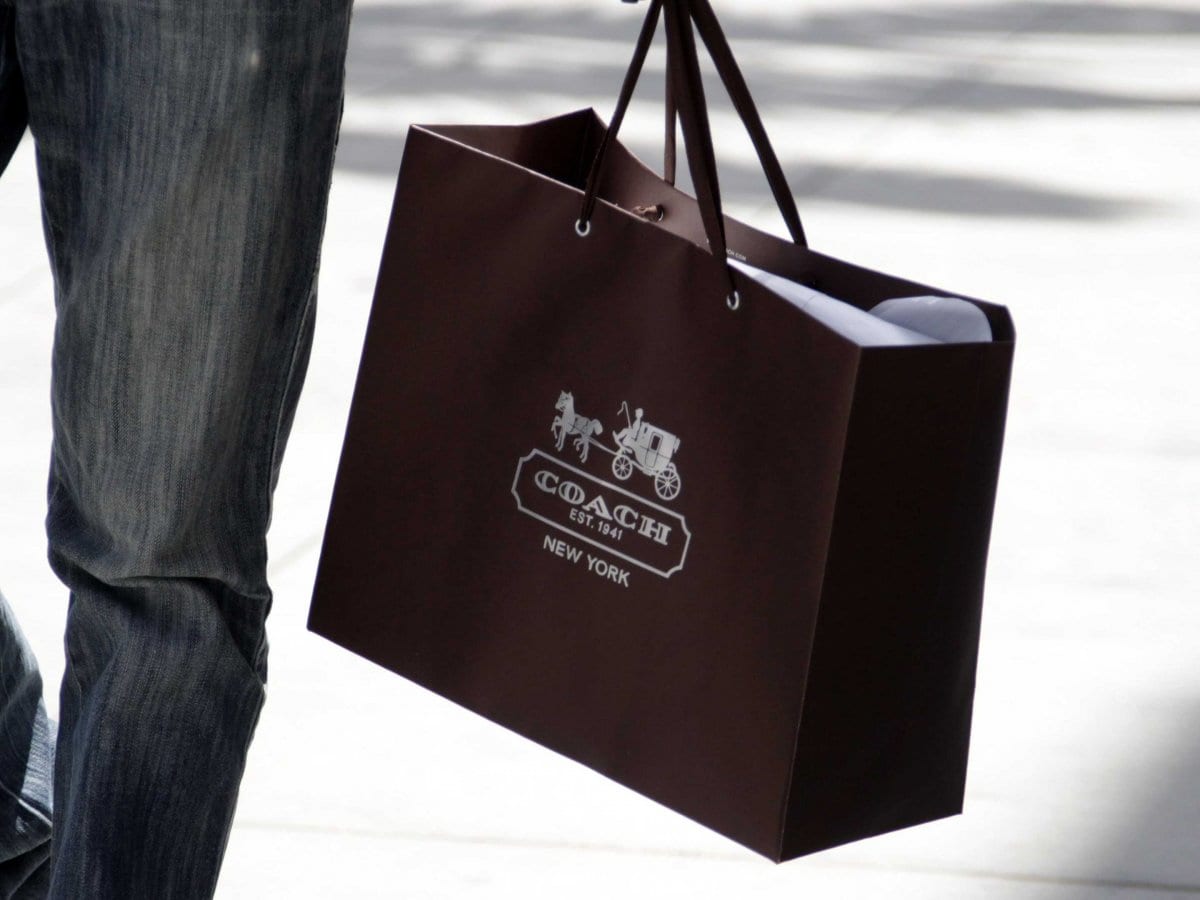
    Luxury fashion company Coach Malaysia has opened its largest store for Southeast Asia, in Kuala Lumpur’s Pavilion Elite.

    The store is part of the company’s continuous expansion strategy in the Asian market despite it closing its Hong Kong flagship last year.

    Pavilion Elite, developer Urusharta Cemerlang’s latest project, is next to Pavilion Kuala Lumpur as part of an integrated project with a net lettable area of about 23,226 sqm. The development is estimated to have cost US$146.4 million.

  • Waiting for Japanese department store to wake up

    Waiting for Japanese department store to wake up

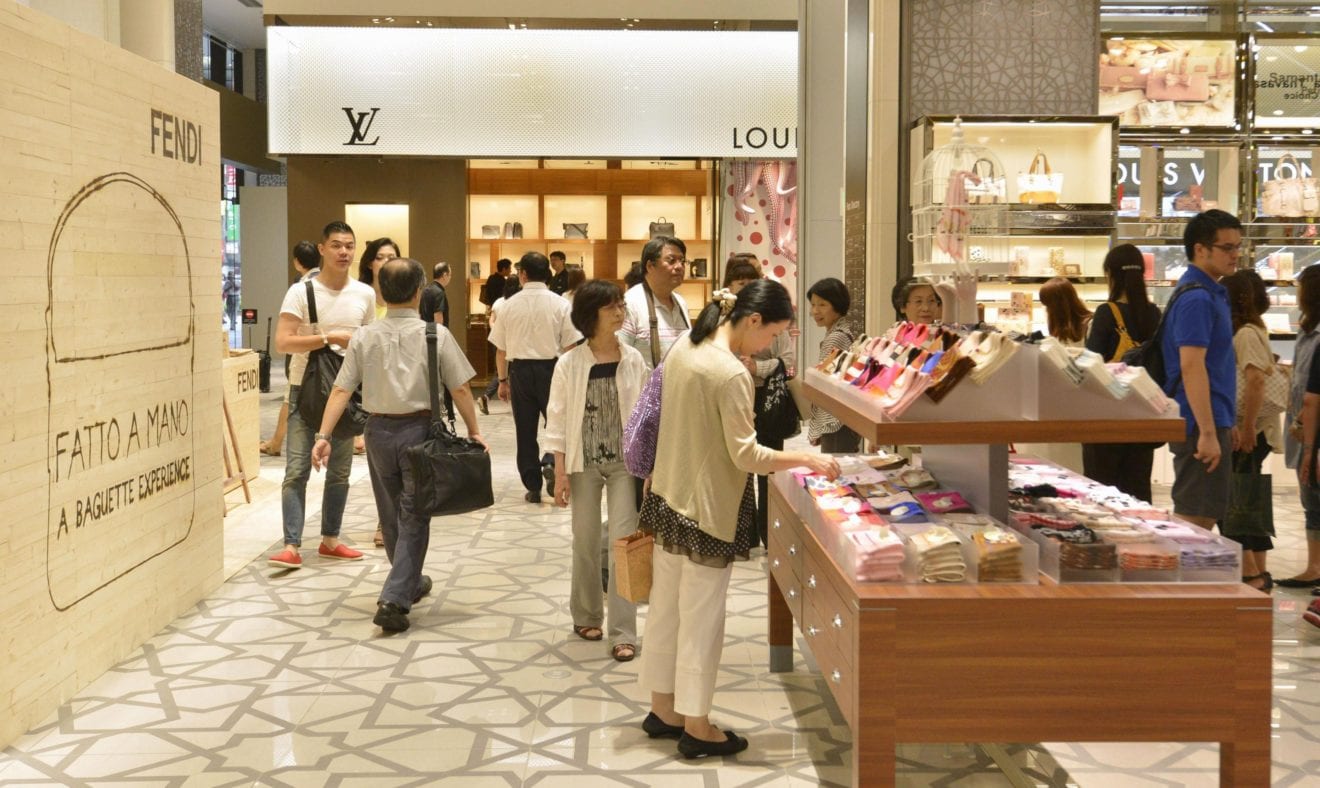
    Japanese department-store sales dropped 2.4 per cent in November from a year earlier on a same-store basis, down for the ninth consecutive month.

    Overall sales at 234 outlets run by 81 companies stood at ¥525.7 billion (US$4.6 billion), the Japan Department Stores Association says, noting the size of the decrease had shrunk for the third straight month.
    Association officials say department stores are hopeful for a turnaround in December through the year-end shopping spree.

    Sales dropped for almost all categories in November, with exceptions including cosmetics. Sales fell 2.4 per cent for clothing and 0.6 per cent for food. Same-store declines were smaller than October’s 6.5 per cent and 2.1 per cent, respectively.

    Sales of tax-free goods to overseas visitors dropped 7.1 per cent to about ¥14.5 billion – the first contraction of less than 10 per cent in seven months.

    Meanwhile, the Japan Franchise Association has reported an 0.5 per cent increase in convenience store sales in November, reaching ¥773.4 billion on a same-store basis, up for the second straight month.
    It says the increase reflects brisk sales of prepared meals such as fried foods as well as the winter dish oden.

  • Alibaba posts strong third quarter results

    Alibaba posts strong third quarter results

    E-commerce giant, Alibaba, posted a 54 per cent rise in third quarter revenue ending December 31, 2016, raised its outlook and announced it would step up investments to expand its cloud and digital ventures.

    Alibaba reported a revenue of RMB53.2 million (US$7.67 million), an increase of 54 per cent year-over-year. Revenue from core commerce increased 45 per cent year-over-year to RMB 46.6 million (US$6.7 million). Revenue from cloud computing increased 115 per cent year-over-year to RMB1.7 million (US$254 million). Revenue from digital media and entertainment increased 273 per cent year-over-year to RMB4.1 million (US$585 million). Revenue from innovation initiatives and others increased 61 per cent year-over-year to RMB845 million (US$122 million).

    “Our robust December quarter demonstrates the strength of the Chinese consumer and Alibaba’s ability to create value across our vast ecosystem,” said Daniel Zhang, Alibaba Group CEO.

    “The 11.11 Shopping Festival featured Alibaba at its best, integrating commerce, entertainment and social engagement, all happening globally at record scale,” Zhang said. “We are driving the age of ‘New Retail,’ which leverages big data and innovation to provide a seamless online and offline experience for nearly half a billion mobile monthly active users. This retail transformation will make it even easier and more efficient for brands and retailers to engage with these consumers anywhere, anytime.”

    Maggie Wu, Alibaba Group CFO, said with the three quarters of the year coming in ahead of their expectations, they have adjusted their 2017 fiscal year revenue growth outlook from 48 per cent to 53 per cent year-over-year.

    “This quarter we generated US$4.9 billion in free cash flow on a non-GAAP basis1, enabling us to continue investing in growth areas globally, including cloud computing, digital media and entertainment and innovation initiatives, as well as core commerce,” Wu said.

    Håkon Helgesen, retail analyst at Conlumino, said while Alibaba’s revenue numbers are flattered by the integration of the Lazada business, this was, nonetheless, another robust quarter for the online giant, and one that exceeded initial forecasts.

    “All parts of the business pulled their weight, although the international division stormed ahead with stellar growth of 288 per cent over the prior year,” Helgesen said.

    The 11.11 Global Shopping Festival, which is a giant day-long online sale, made a healthy contribution to growth: this year $17.8 billion of merchandise was sold over 24 hours.

    “In our view, the event is a testament not only to Alibaba’s reach within China and, increasingly, the wider world – but also to its ability to create engaging experiences which excite and stimulate consumers,” Helgesen said. “In essence, the day was as much a social event – with online and virtual reality games – as it was an opportunity to sell product.”

    Helgesen said part of Alibaba’s efforts to create a more holistic shopping experience involve going beyond one-dimensional e-commerce by tying their platforms to physical retail.

    “We welcome this initiative and liken it to Amazon’s push into bricks and mortar,” he said. “However, like Amazon, Alibaba does not just want to play in the physical space – it wants to reinvent the shopping experience by using data and technology. So far, good progress has been made with an equity stake being taken in Sanjiang Shopping Club (a neighborhood grocery chain in China), and an offer to acquire a controlling stake in Intime Retail Group (which runs department stores and owns shopping centers in China).”

    Away from the domestic business, Alibaba’s international side continues to do well.

    “Here, Alibaba’s role as a facilitator for Western brands wanting to sell into China continues to be a major advantage and a significant source of growth,” he said. “In short, Alibaba provides a shortcut for retailers looking to expand and grow in China. The opportunities for Alibaba to expand its operations and platforms into foreign markets is also sizeable, although we maintain our view that over the next year the company will stick to countries where e-commerce is less developed. This will help it to maximize returns.”

    “In summary, we retain our opinion that Alibaba is a solid, and highly disruptive, retailer.”

  • Pizza delivers Longfort Group’s Thailand debut

    Pizza delivers Longfort Group’s Thailand debut

    Malaysian headquartered investment company The Longfort Group has made its first acquisition in Thailand, Scoozi Italian Restaurant.

    It completed the deal through its wholly owned Vietnam-based subsidiary, L Concepts, set up in 2015 to operate food and retail concepts across Southeast Asia, starting with several Vietnam businesses.

    Scoozi is a craft pizza restaurant with 24 branches across the greater Bangkok area. Its first location opened in downtown Bangkok in 2004. It specialises in Neapolitan-style pizzas made in wood-fired ovens. Scoozi offers both dine-in and delivery formats.

    “We are excited about our foray into the Thai consumer market, especially through such an established platform as Scoozi,” says The Longfort Group CEO TW Pang. “The potential of the brand is enormous.”

    The Longfort Group is a private investment firm backed by an Asian family with a mandate to run a global investment program. It has owned and run businesses across the value chain of the F&B industry in Asia, including the manufacturing of food packaging, canned beverages, confectionery and dairy products.

    It has lately embarked upon a strategic expansion into F&B retail across high-growth markets in Southeast Asia, starting with Vietnam, where it has had a presence for 25 years. As well as Vietnam, the group has an office in Malaysia.

    L Concepts owns and runs a range of lifestyle concepts, restaurant brands and franchises including L’Usine, Namo and Sizzlin’ Steak.

  • Nike Cambodia opens official outlet

    Nike Cambodia opens official outlet

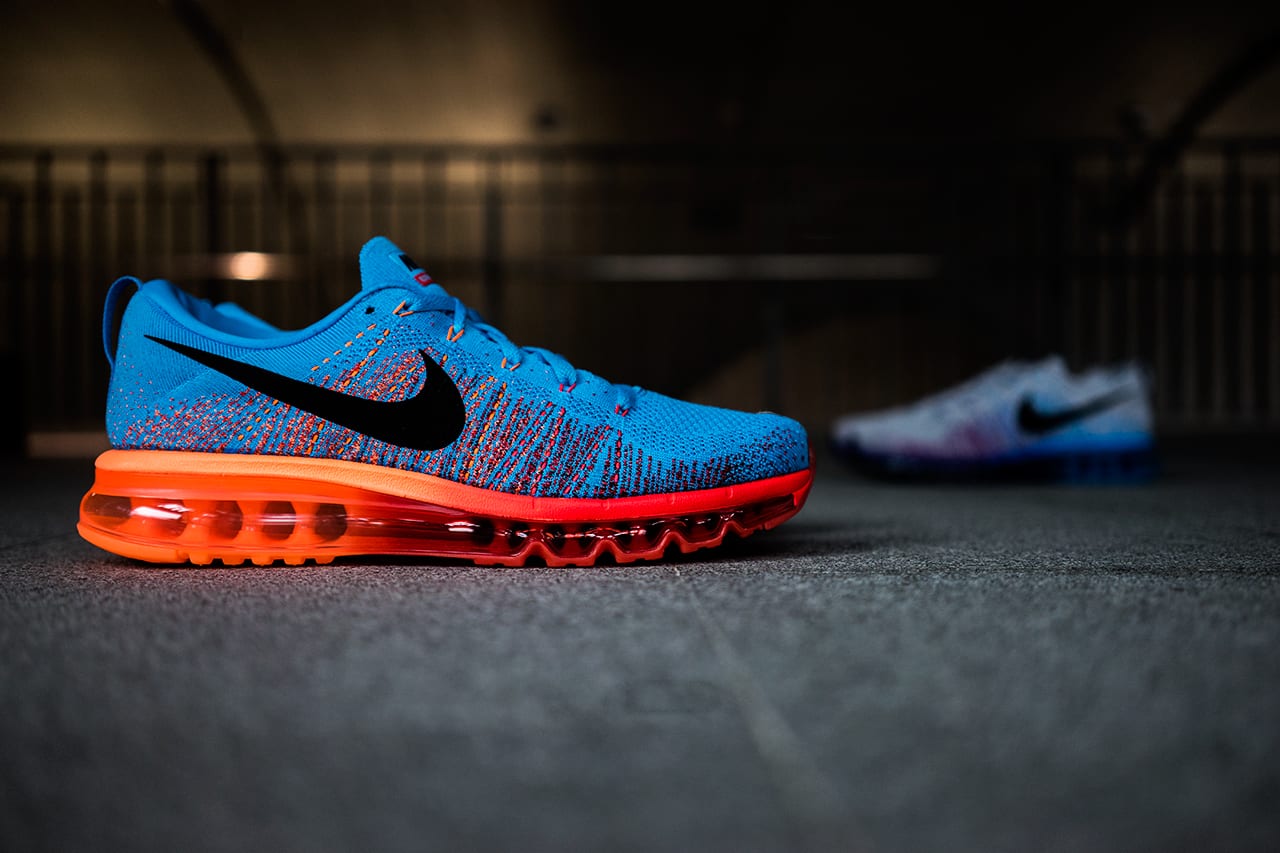
    American sporting goods giant Nike Cambodia has opened its first dedicated retail store.

    The shop, store in central Phnom Penh, is the country’s first official outlet for Nike goods such as sport shoes and apparel, including items produced at local factories.

    Market commentators say Nike’s choice to open a flagship store at along Preah Monivong Boulevard rather than in a shopping centre such as Aeon Mall or neighbourhood like Boeung Keng Kang could signify the brand is testing the market.

  • Seven & I plans to triple China network

    Seven & I plans to triple China network

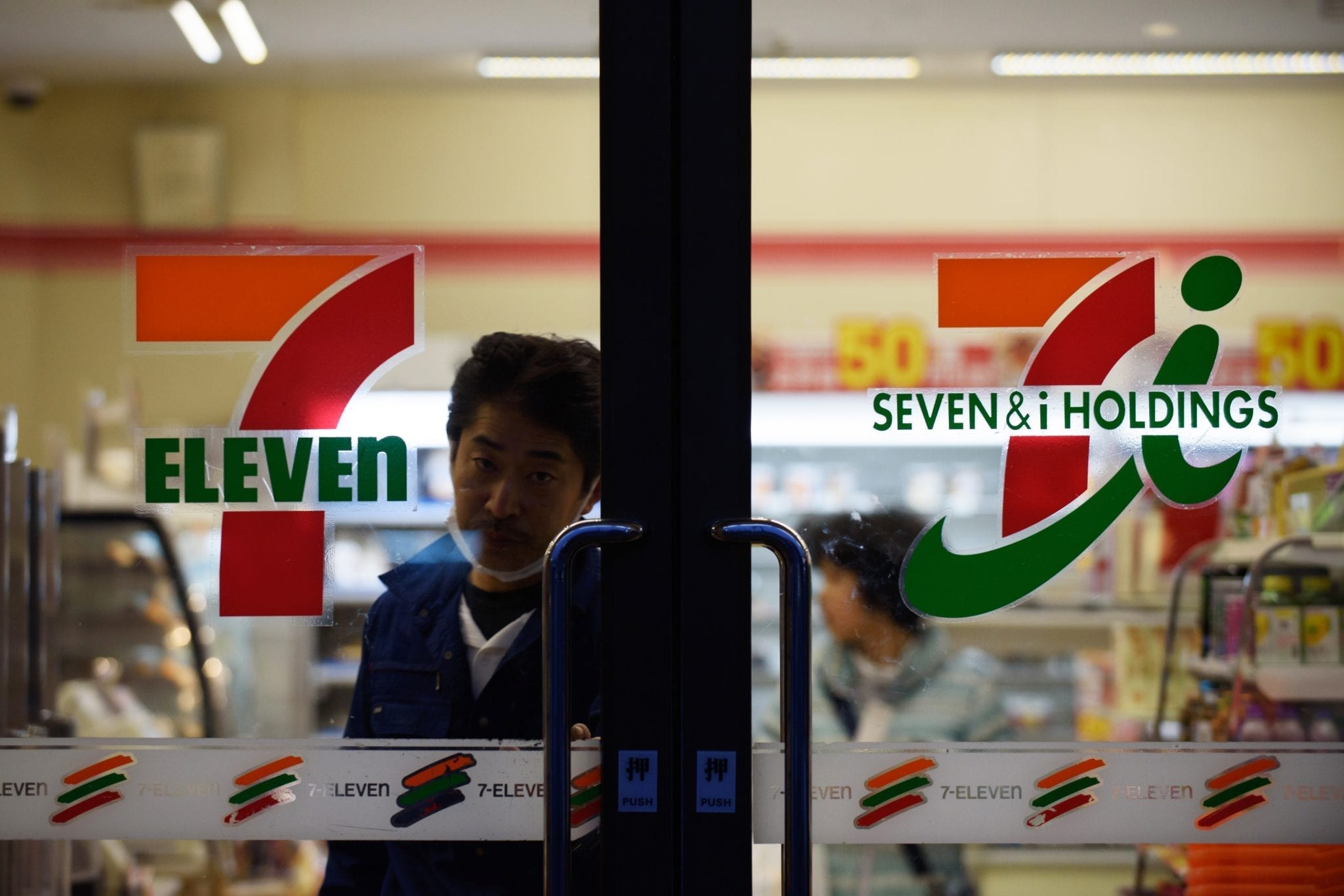
    While Japanese retailer Seven & I, which owns the 7-Eleven brand, has seen sales sliding, it plans to triple its network of supermarkets and department stores in China.

    The company aims to capitalise on the high growth in Sichuan province to grow its general merchandise store network there to 20 outlets by 2020.

    Its local subsidiary will increase its Ito Yokado-branded stores to 10 in the region, while one Ito Yokado supermarket will open in southern Chengdu next year with plans to launch as many as 10 locations in the city by 2020, says Ito Yokado head of Chinese operations Tomohiro Saegusa.

    Ito Yokado will also set up a company to sell Japanese products online, aiming for sales of ¥10 billion (US$85.7 million) by 2020. The company may use the free trade zone planned by Sichuan province.

    Meanwhile, group total sales continued to slide for a second consecutive quarter for Seven & I, which owns the 7-Eleven brand. Its third-quarter sales fell by 1.4 per cent to ¥7909 billion. However, its operating profit improved by 5 per cent for the quarter ended November 30.

    With more than 19,000 stores, 7-Eleven Japan has achieved continued growth. Total sales grew by 5.5 per cent to ¥3422 billion and operating profit reached ¥187.1 billion for its latest nine months, up 4 per cent year-on-year.

    Seven & I says 7-Eleven’s product strategy has largely driven its success. The retailer captured expanding demand for ready-made take-home meals, spurred by a rise in dual-income and elderly households. Private-label products rake in more than ¥10 billion in sales a year, showing the benefits of scale.

  • m1nd-set reveals Chinese arrivals shopping behaviour

    m1nd-set reveals Chinese arrivals shopping behaviour

    The eyes of the travel retail industry are turning eastwards in 2017, with the planned opening of new arrivals duty free shops across many Chinese airports and border stores. m1nd-set has announced the results of recently-conducted research on the shopping behaviour of Chinese travellers. The findings provide a deeper understanding of travelling consumer preferences and behaviour of perhaps the world’s most sought-after shopper.

    Peter Mohn, owner & CEO, m1nd-set: “We see that it will be increasingly vital for retailers to provide a different shopping experience to woo the Chinese travellers. This will mean brands and retailers will need to work closer than ever together on providing location-specific travel retail exclusives and an improved, more unique shopping experience in order to retain the Chinese travellers spend in the duty free shops outside China.”

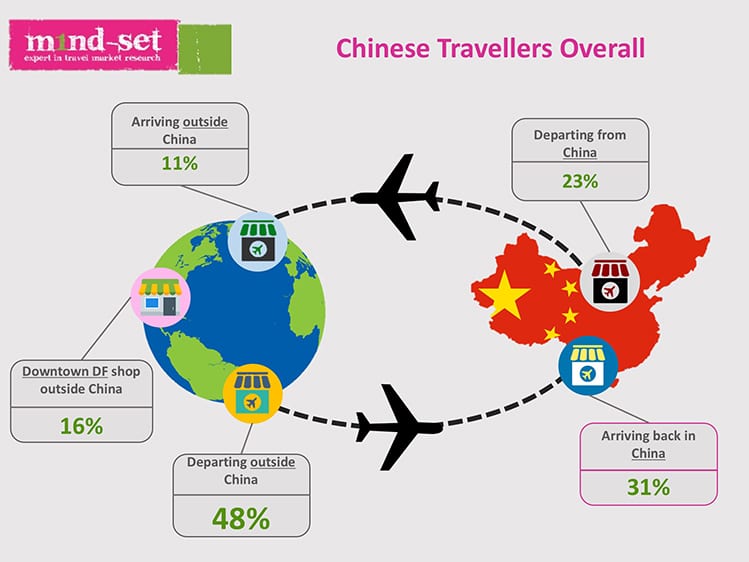
    The research was carried out among over 2,000 Chinese travellers in December 2016, and reveals what they say will influence them to purchase at the arrivals shops in China and why they would prefer to shop abroad. Convenience, quality and value for money are among the main reasons for suggesting they would rather shop on arrival back in China; language and ease of communication was another. A number of Chinese travellers still feel the products will be more affordable outside China, which is one of the main reasons for choosing to shop at the departure store on the return leg. Reassurance that the products will be authentic is another key motivator to purchase outside China.

    When asking the Chinese travellers where they would prefer to shop when the various arrivals shops have opened later this year, almost half of them said they would still favour purchasing at the departure airport duty free shop on the return journey, while only a third would purchase on arrival in China. One in five travellers indicated they would favour the departure duty free shop on their outbound trip. The findings also show that business travellers express a stronger preference to purchase at departure shops on both their outbound and return trips, as well as on arrival at their destination, than other segments. Their inclination to purchase on arrival back in China, however, is lower than the average.

    m1nd-set has announced the results of recently-conducted research on the shopping behaviour of Chinese travellers. The research was carried out among over 2,000 Chinese travellers in December 2016, and reveals what they say will influence them to purchase at the arrivals shops in China and why they would prefer to shop abroad.

    m1nd-set has announced the results of recently-conducted research on the shopping behaviour of Chinese travellers. The research was carried out among over 2,000 Chinese travellers in December 2016, and reveals what they say will influence them to purchase at the arrivals shops in China and why they would prefer to shop abroad.

    “While brands stand to gain from the increased sales outlets and the ease for Chinese travellers to purchase in their home country on arrival, retailers outside China will be showing concern for the potential lost business if Chinese travellers shift their purchasing decisions to the arrivals shops back home,” comments Peter Mohn, owner & CEO, m1nd-set. “We see that it will be increasingly vital for retailers to provide a different shopping experience to woo the Chinese travellers. This will mean brands and retailers will need to work closer than ever together on providing location-specific travel retail exclusives and an improved, more unique shopping experience in order to retain the Chinese travellers spend in the duty free shops outside China.”

    Hear more from Peter Mohn, owner & CEO, m1nd-set, at the 26th Airport Commercial & Retail Conference & Exhibition, hosted by Aéroport Nice Côte d’Azur and taking place on 3-5 April 2017 at the Hyatt Regency Nice Palais de la Méditerranée. Mohn is participating in the First Working Session “Is there a big problem in the airport retail space? Are conversion rates and yields performing far below expectations?” His defining presentation will provide a detailed analysis of the real financial performance of airport retail at a representative range of major and regional airports. With the average per passenger spend being €10.38, Mohn will consider the question of what

  • Startup pushes mobile, social selling concept in Southeast Asia

    Startup pushes mobile, social selling concept in Southeast Asia

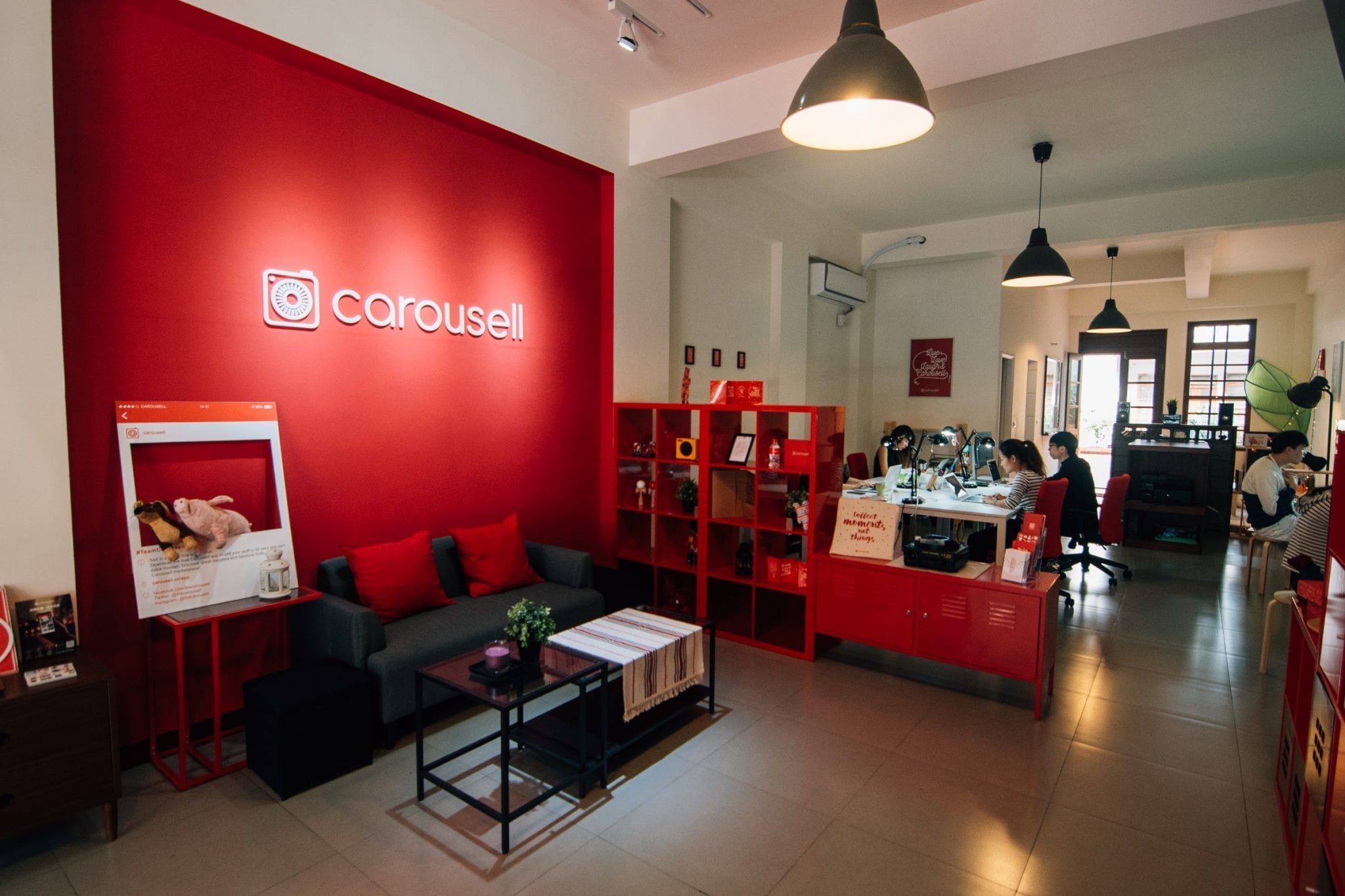
    Singapore-based mobile classifieds marketplace Carousell recently announced that it has acquired Duriana, a Malaysian-based mobile-first, fashion and lifestyle marketplace in Southeast Asia.

    It was the company’s third acquisition in less than six months, which is expected to boost its ambition to become a leading global mobile classifieds marketplace.

    Basically, Carousell offers a mobile marketplace for vendors to sell stuff – mostly used or ‘preloved’ items – using only an iPhone or an Android phone. It offers fast onboarding – its claim is 30 seconds to list an item for sale – and one can share the link on Facebook, Twitter, and Instagram.

    This aspect of social selling is bundled with a trusted user feedback that makes it easy for vendors to engage with customers. As simple as the concept sounds, it is fast catching on. ‘Snap to sell’ and ‘chat to buy’ resonates with a young and digital-savvy target market.

    Siu Rui Quek, CEO & Co-founder of Carousell, told in an email interview that the basis of the idea was that selling should be as simple as taking a photo, and buying as easy as chatting.

    “We felt that this was important, as we noticed more people like us using the smartphone as the main device to access the internet,” he said. “We aim to be more than just a transactional platform because we believe that buying and selling preloved goods is a more responsible way to consumption and that every interaction on our marketplace can help to inspire others to become more thoughtful consumers,” he said.

    The marketplace also has a feature called “Carousell Groups” which allows users of similar interests and hobbies to connect and make friends. “We have a vibrant community of Lego fans, Disney fans, sneakerheads, photography enthusiasts and many others,” he added.

    Launched in 2012 in Singapore, Carousell has since spread to 19 cities around the wold, including recent launches in Hong Kong, the Philippines, and Australia. It is backed by leading international Venture Capitalists Sequoia India, Rakuten Ventures, 500 Startups, Golden Gate Ventures, and QuestVC.

    Since its launch in Malaysia in 2014 and the Philippines in 2016, the classifieds marketplace has been growing rapidly in both countries. Carousell claims almost two million items sold in the fourth quarter of 2016, almost doubling within a quarter.

    Duriana, on the other hand, was founded in 2013 and has raised funding from investors like Alps Ventures and BEENOS.

    “It’s been an exciting three years with Duriana, and we’re proud to have brought the company to this stage,” said Saeed Gouda, Co-founder and CEO of Duriana. “We’re confident that Duriana users will enjoy buying, selling and connecting as part of the vibrant Carousell community.”

    The acquisition of Duriana is part of Carousell’s international expansion strategy, according to Quek.

    “Mobile classifieds operate best with a large community of buyers and sellers on one platform,” he said. “In Southeast Asia, where more people are experiencing the internet for the first time through their smartphones, we have the opportunity to reimagine the way they buy and sell online. There are over 600 million people, but almost 400 million are not connected to the internet yet. That’s a lot of potential. We’re reaching out to a generation of internet users who leapfrogged the desktop internet, creating an environment where we can take a mobile-first approach to solving unique local problems.”

    From startup to global player

    “If you’ve ever bought or sold something on a forum or classifieds website, you’ll remember how difficult and frustrating it could be to list an item or find something you wanted these sites on those forums. You often needed a pretty good idea of how the forums or online stores worked, as they were built for different purposes and not as a marketplace,” Rui explained.

    Thus, in March 2012, Quek and co-founders Marcus Tan and Lucas Ngoo participated in a Startup Startup Weekend Singapore and built the first Carousell prototype in 54 hours to solve this problem. They demonstrated the prototype and won the competition.

    “The basis of the idea was that selling should be as simple as taking a photo, and buying as easy as chatting. We felt that this was important, as we noticed more people like us using the smartphone as the main device to access the internet,” he said.

    The trio started working on Carousell full-time, and the first version was launched in the Singapore iTunes App Store in August 2012.

    Today, Carousell expects mobile commerce to be a significant contributor to the exponential growth in the region, as the web and mobile infrastructure improve, and as smartphones become more affordable and accessible.

    Retail e-commerce is poised to reach $4 trillion by 2020  globally, according to a report from eMarketer. APAC is expected to take a sizeable chunk of that pie in 2020 with US$2.7trillion, and Southeast Asia is poised to become one of the world’s fastest-growing regions for e-commerce revenues, exceeding $25 billion by 2020.

    “Across this region, governments are also making a greater push for companies and entrepreneurs to adopt new technology to keep up with consumer trends and demands. For example in Malaysia, the government has announced that 2017 will be the “Year of the Internet Economy”. The digital economy is already contributing 16% to the country’s GDP, and this figure will only go up,” he added.

    Global push

    By acquiring Duriana, which is a mobile-first, peer-to-peer, fashion and lifestyle marketplace in the region, the company expects to bring its users 600,000 users in Malaysia and the Philippines onto the Carousell platform.

    “We saw that Duriana users had similar demographics and interests in buying and selling fashion items, gadgets, and electronics as well as home furnishing,” Quek shared.

    With the speed with which it has expanded in the region in the last five years, the company also sees a global opportunity.

    “The problem we are solving is a global one, and we have a once in a lifetime opportunity to be the world’s largest classifieds marketplace because of the mobile phenomenon,” Quek said. “By 2020, more than six billion people around the world are expected to own mobile phones.”