Tag: asia

  • Telecom giants must develop equitisation plans

    Telecom giants must develop equitisation plans

    The three telecommunication groups under direct management of the Information and Communications Ministry (MIC) will have to develop their equitisation plans in 2017, according to the Minister of Information and Communications, Trương Minh Tuấn.

    The three groups are the Việt Nam Post and Telecommunications Group (VNPT), Việt Nam Multimedia Corporation (VTC) and MobiFone Telecommunications Corporation (MobiFone).

    The equitisation of the three telecom giants has to be speeded up in accordance with a December 2016 decision by the Prime Minister on criteria to differentiate State-owned enterprises (SOEs) and State-invested companies, he added, speaking at a meeting on January 23.

    Along with the decision, the PM also published the list of 240 SOEs that have to be equitised by 2020. On the list of 240 SOEs to be equitised, VNPT and MobiFone are the two among 27 firms in which the Government will hold 50-65 per cent ownership. VTC is among 106 SOEs in which the State’s stake will be reduced to below 50 per cent.

    Among the rest of the 240 SOEs, the State’s ownership will remain 100 per cent in 103 SOEs while its stake will stay over 65 per cent in four others.

    VNPT in 2016 recorded revenues of VNĐ135 trillion (US$6.09 billion), up 7 per cent from 2015, whereas income rose by 20 per cent to VNĐ4.16 trillion.

    MobiFone reported revenues of VNĐ38.4 trillion, up 14.5 per cent from 2015 with 19 million subscriptions. VTC surpassed their goal for 2016, with total revenues reaching VNĐ5.2 trillion, up 39 per cent compared to 2015.

    The Government has enhanced divestment from SOEs, ranging from breweries to dairy producers. Those deals have attracted intense attention from foreign investors given that Việt Nam is one of the fastest growing economies due to its young population and rapidly increasing export turnover, the Wall Street Journal reported last week.

    In the past 15 years the number of SOEs has fallen from around 6,000 to over 700. Between 2011 and 2015 almost 600 SOEs were equitised, 96 per cent of the targeted number.
    Read more at https://vietnamnews.vn/economy/350276/telecom-giants-must-develop-equitisation-plans-mic.html#0TOutqLCIzMYb4Ew.99

  • M1 profit falls 16.1% in 2016

    M1 profit falls 16.1% in 2016

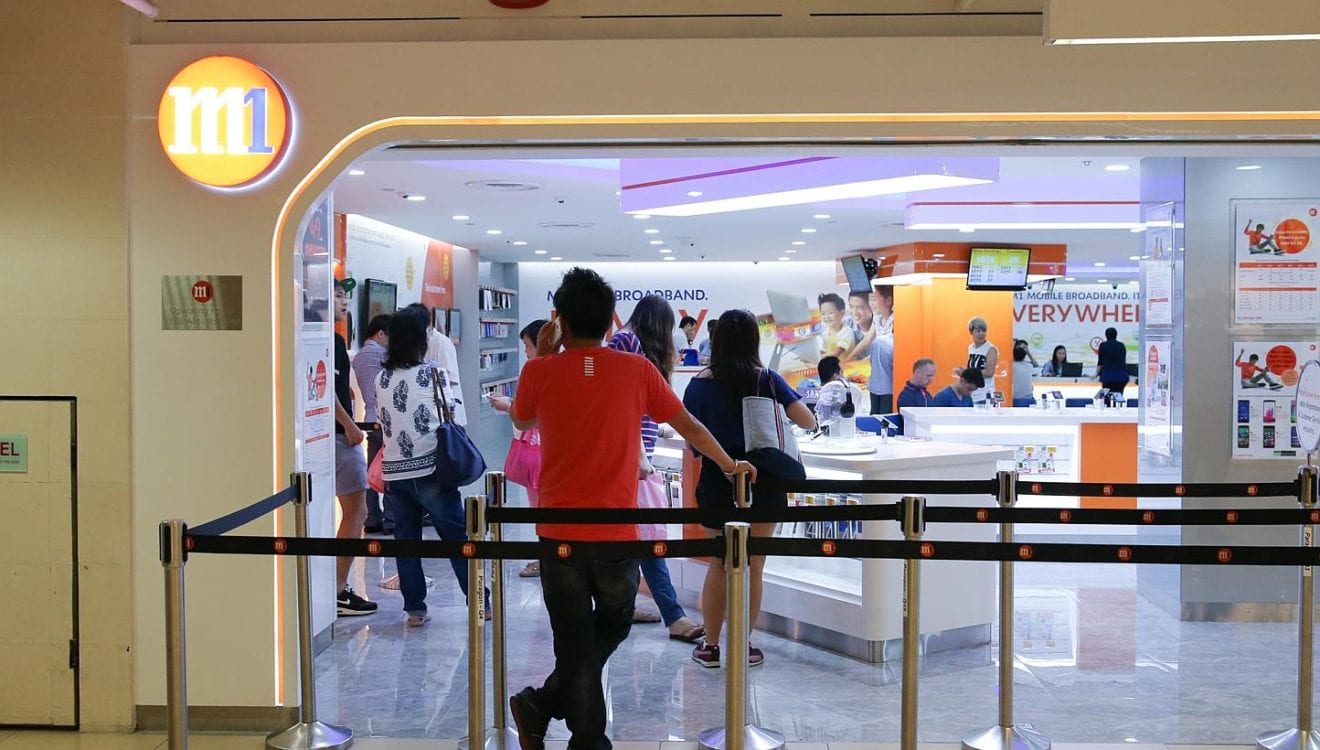
    Singapore’s M1 has reported a 16.1% slump in net profit for 2016 to S$149.7 million ($105.3 million), blaming lower international call and roaming revenues as well as rising expenses.

    The operator’s service revenue for the year fell 2% to S$805.5 million, due to the ongoing impact of OTT substitution. But fixed-line revenue grew a strong 21.4% to S$104.2 million, growing to account for 12.9% of service revenue.

    Besides the decrease in revenue, M1 said depreciation and amortisation expenses grew due to an increasing 4G network fixed asset base, and additional spectrum acquisition costs also contributed to the profit decline.

    M1 added 52,000 postpaid customers and 39,000 prepaid customers during the year, bringing its total mobile customer base up to 2.02 million. Mobile churn meanwhile stayed flat at 1%.

    During the year, mobile data consumption grew to account to more than half of M1’s total service revenue, increasing 7.7 percentage points year-on-year during the fourth quarter to 54%.

    M1 meanwhile added 32,000 fiber customers during the year, taking its total to 160,000 and contributing to the growth in fixed service revenue.

    Capex for the year grew to S$140.5 million, up from $133.5 million a year earlier,

    “We continue to invest and innovate to enhance our service offerings to better serve our customers, as well as capitalize on new opportunities in the digital economy such as solutions for smart nation and  IoT services,” M1 CEO Karen Kooi said.

    “These initiatives, together with the foundation that we have laid over the years, will enable us to create and deliver long-term value to our stakeholders.”

  • Trump good for the Philippines

    Trump good for the Philippines

    Why is President Trump good for the Philippines?  He has withdrawn from the Trans-Pacific Partnership (TPP). The TPP, according to the Office of the United States Trade Representative, prohibits exploitative child labor and forced labor; ensures the right to collective bargaining; and prohibits employment discrimination.

    Philippine agriculture and retail and many small businesses depend on child labor and forced labor. The TPP would have subjected the Philippines (especially its exporters) to charges of violations of child and labor rights, non-payment of minimum wage and benefits for formal work.  With the US out of the TPP, the Philippines loses a major excuse for joining it and escapes the consequences that would have ensued with violations.

    Also, the TPP would have meant high-priced software and medicines produced by multinationals because of the treaty’s strong copyright protection provisions and severe sanctions for violations.   Without the TPP, Filipinos would have access to pirated and cheaper software and cheaper medicines.

    Besides, the Philippines doesn’t really have anything to sell to the world, except humans.  It has a very insignificant and weak manufacturing sector, outside of food and beer.

    President Trump is good for President Duterte and Duterte has been good for Filipinos.  He says they “have the same mouth.”

    Trump won’t mind any human rights violations in Duterte’s current violent anti-drugs campaign, unless the violations become so outrageous they trigger worldwide condemnation (such as the killing by the police while under police custody of the Korean businessman who was kidnapped for ransom by the police.  I agree that PNP Chief General Bato should resign and form an entirely new Philippine National Police. The present PNP is beyond reform).

    “We do not seek to impose our way of life on anyone,” Trump declared in his inaugural address. With his “America First,” Trump abandons America’s commitment declared by John Kennedy in his stirring inaugural speech wherein he said, “Let every nation know, whether it wishes us well or ill, that we shall pay any price, bear any burden, meet any hardship, support any friend, oppose any foe to assure the survival and the success of liberty.”

    So liberty, no. But territory? Now, that’s another matter.

    Still, Trump’s secretary of state, Rex Tillerson, told a US Senate confirmation hearing “we are the only global superpower with the means and the moral compass capable of shaping the world for good.  If we do not lead, we risk plunging the world deeper into confusion and danger.”  When he said that, Tillerson, however, might have been just pandering to the Democrats in the Senate to get his confirmation.

    Trump will try to  check China’s island-grabbing military and territorial expansion in the South China Sea. Tillerson has referred to China’s island-building to “Russia taking over Crimea.” “They are taking territory or control or declaring control of territories that are not rightfully China’s,” Tillerson said. At a press briefing Monday (Tuesday in Manila), White House Press Secretary Sean Spicer vowed the US would “make sure that we protect our interests” in the resource-rich trade route.  “It’s a question of if those islands are in fact in international waters and not part of China proper, then yeah, we’re going to make sure that we defend international territories from being taken over by one country,” the combative Spicer told reporters Monday.

    Some $5 trillion worth of goods pass through the South China Sea, according to our own Defense Secretary, Delfin Lorenzana.

    Trump’s belligerent anti-China stance could mean Duterte could play the China card vis-à-vis the US and his friendship with Trump vis-à-vis Beijing.  So Duterte gets the best of both worlds—increased trade, loans, assistance and investments from China—a great boost to the President’s focus on infrastructure and job generation, while enjoying the protective umbrella of the power of the US Seventh Fleet.

    Trump is an acoustics and optics-type president. He likes fire and brimstone.   That is why he has assembled for his defense and security and intelligence management who are, tough guys, and to use his own words, “the greatest of killers.”

    In the cabinet, there are three former generals, James “Mad Dog” Mattis (Defense) and John Kelly (Homeland Security and anti-terrorism), both former marines; and Michael Flynn (national security).

    Described as an intellectual in Genghis Khan clothing, a “Warrior Monk,” and another General Patton, Mattis once said “it’s fun to shoot some people”.   At the time he said (in San Diego), he was not referring to the Chinese.    He also once told Iraq military leaders, “I come in peace. I didn’t bring artillery. But I’m pleading with you, with tears in my eyes: If you f–k with me, I’ll kill you all.”   His favorite slogan: “Marines don’t know how to spell the word defeat.”  His advice to his soldiers before the second Iraq invasion: “Be polite, be professional, but have a plan to kill everybody you meet.”

    Meanwhile, a retired Marine Corps four-star general, Kelly, is the highest ranking officer who lost a son, a marine lieutenant, in Iraq (he stepped on a landmine in 2010).

    So expect fireworks, if not outright firepower, to spark in the South China Sea.  And that will be good for the Philippines.

    As for Mr. Flynn, well, The Economist calls him “a gifted intelligence officer” but recalls that “he was sacked as head of the Defense Intelligence Agency in 2014, allegedly for poor management skills.”

    In practical terms, such a description would mean:  The US has the right info on the Chinese.  They send warrior ships.  One of the warrior ships, however, fires on the wrong target (Remember: China’s ships in the islets and island it occupies in the South China are not supposed to be war ships but coast guard boats, civilians).

  • Suntec REIT records 5.9% fall in DPU for 4Q 2016 on Park Mall divestment

    Suntec REIT records 5.9% fall in DPU for 4Q 2016 on Park Mall divestment

    Retail and office landlord Suntec REIT has reported a DPU of 2.596 Singapore cents for its 4Q FY2016, 5.6% lower year-on-year than the 2.750 cents recorded in the corresponding period of 2015.

    Correspondingly distributable income of SGD66.1 million (USD46.5 million) for the period came in 4.9% lower compared to 4Q 2015.

    “Notwithstanding the fourth quarter year-on-year dip in distributable income which was mainly due to the divestment of Park Mall, we are pleased to report that for the financial year ended 2016, we have maintained the distributable income and DPU at similar levels as FY 2015”, said Chan Kok Leong, CEO if the REIT’s manager, in reference to Suntec REIT’s full-year DPU of 10 cents for FY 2016.

    The REIT’s committed occupancy for its Singapore office portfolio was at 99.3% while the committed occupancy for its Australian office portfolio was 95.9%.

    Meanwhile for its Singapore retail portfolio, the overall committed occupancy as at 31 December 2016 was 97.7%, and in Australia, 89.0%.

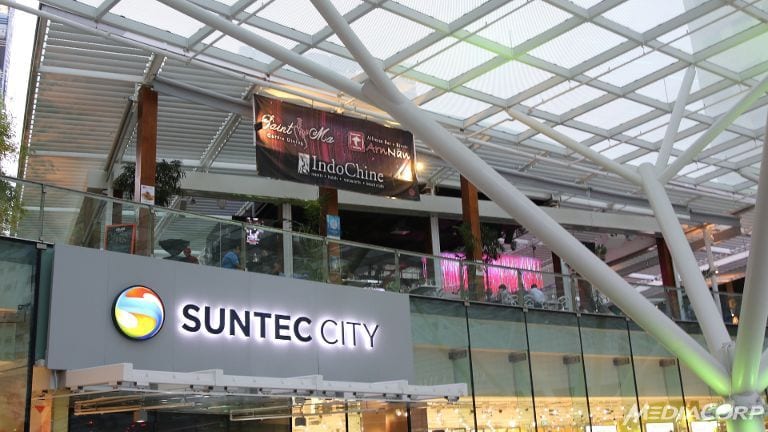
    “Despite the soft retail market, Suntec City Mall continues to benefit from the completed asset enhancement works, excellent connectivity with direct connections to both Promenade and Esplanade MRT Stations, and with ample car parking facilities of over 3,000 lots”, said Chan.

    The REIT’s gearing was at 36.4% as at 31 December 2016 with an all-in financing cost of 2.28% per annum.

    Chan pointed to the development of a new Grade A commercial building at 9 Penang Road as a factor that may bolster earnings in the future.

    “Development works commenced in December 2016 and the building is scheduled to complete by end 2019 when the new office supply is expected to be limited”, he added.

    Units of Suntec REIT are currently listed on the Singapore Exchange at SGD1.685.

  • AirAsia load factor up 85% in third quarter 2016

    AirAsia load factor up 85% in third quarter 2016

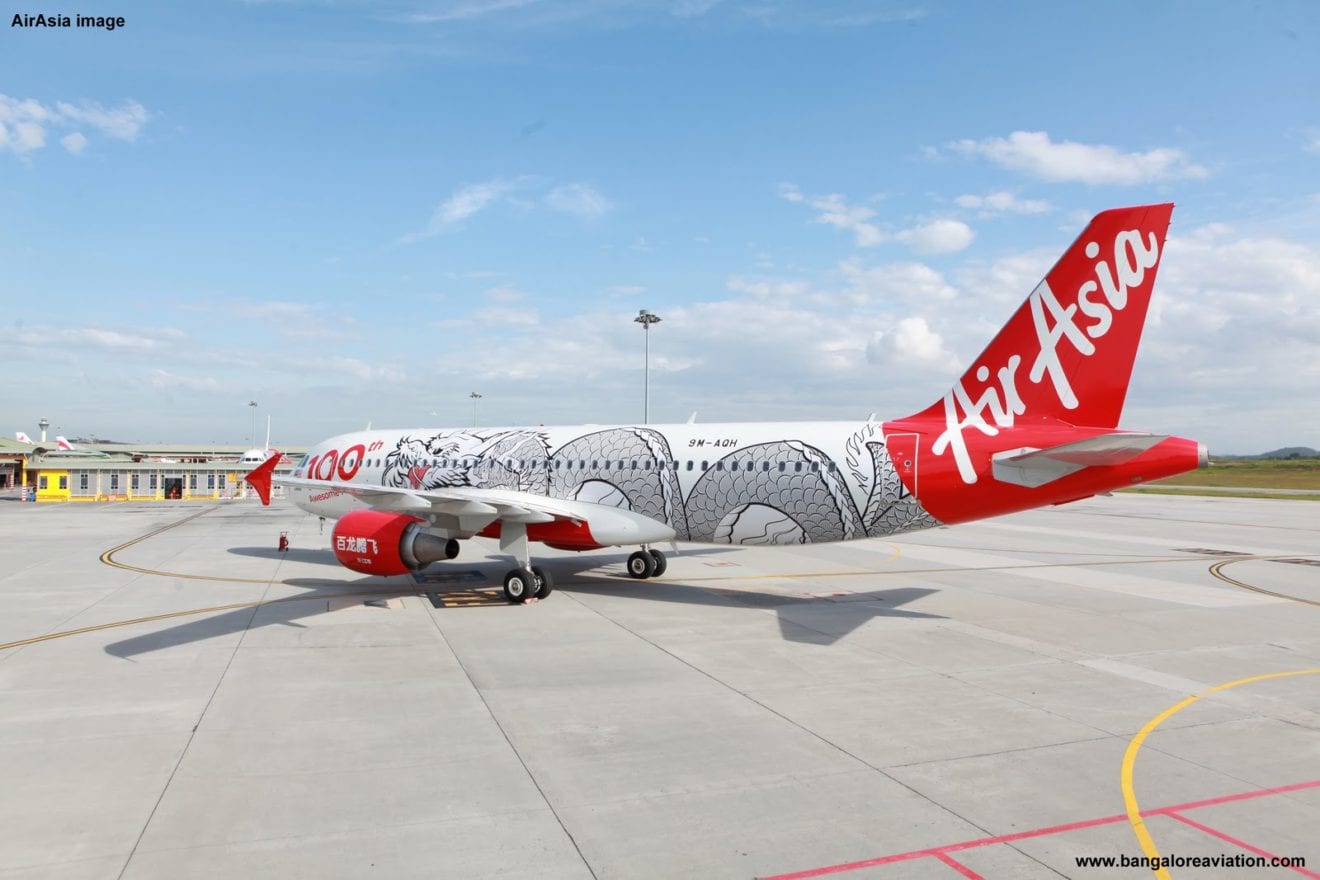
    AirAsia Bhd recorded a load factor of 85% in the third quarter (Q3) of 2016, up two percentage points from the same period last year.

    The carrier said the total number of passengers carried increased 7% year-on-year (y-o-y) to 14.51 million, well ahead of the 5% increase in seat capacity.

    At the end of the quarter under review, the budget airline’s total fleet size stood at 172 aircraft (174 including two aircraft delivered to AirAsia Japan but yet to commence operations).

    For financial year 2016 (FY16), the airline carried a total of 56.59 million passengers for a load factor of 86%.

    AirAsia said in a statement the Malaysian operations achieved a load factor of 87% in Q4, up two percentage points year-on-year.

    It added that demand exceeded the 2% y-o-y increase in capacity, with the number of passengers carried rising by 5% y-o-y to 6.76 million. AirAsia Malaysia ended the quarter with a fleet size of 77 aircraft.

    Thai AirAsia posted a load factor of 82% in Q4, unchanged y-o-y. The number of passengers carried was 4.37 million, an increase of 8% y-o-y, near to the capacity growth of 10% y-o-y.

    “Thai AirAsia took two additional aircraft during the quarter, ending the year with a fleet of 51 aircraft. For FY16, Thai AirAsia carried 17.22 million passengers and posted a load factor of 84%, up three percentage points from FY15,” it said.

    Indonesia AirAsia posted a load factor of 83% in Q4, up three percentage points y-o-y. The number of passengers carried totalled 1.55 million on a reduced capacity of 10% y-o-y, in line with the turnaround strategy.

    For FY16, Indonesia AirAsia carried 6.52 million passengers and averaged a load factor of 84%.

    Philippines AirAsia reported a load factor of 85% while AirAsia India posted a load factor of 86% in Q4.

    Meanwhile, AirAsia X Bhd (AAX) said overall operating performance in Q4 has improved y-o-y, resulting from the successful turnaround initiatives implemented during the year.

    “In Q4, the company recorded high double-digit increase in passengers carried of 40% y-o-y to 1.38 million, in line with capacity growth of 43% y-o-y. The huge capacity injected during the quarter was to cater to higher demand from year-end holiday travel,” it said in a separate statement.

    AAX said passenger load factor dropped two percentage points to 81% against 83% for the same period last year, as available seat per kilometers grew 44% y-o-y to 8,474 million in Q4.

    “Operationally, FY16 has been a success turnaround story, with various phases of turnaround initiative carried out positively during the year.”

  • Alibaba third quarter revenue surges 54% to $7.67bn

    Alibaba third quarter revenue surges 54% to $7.67bn

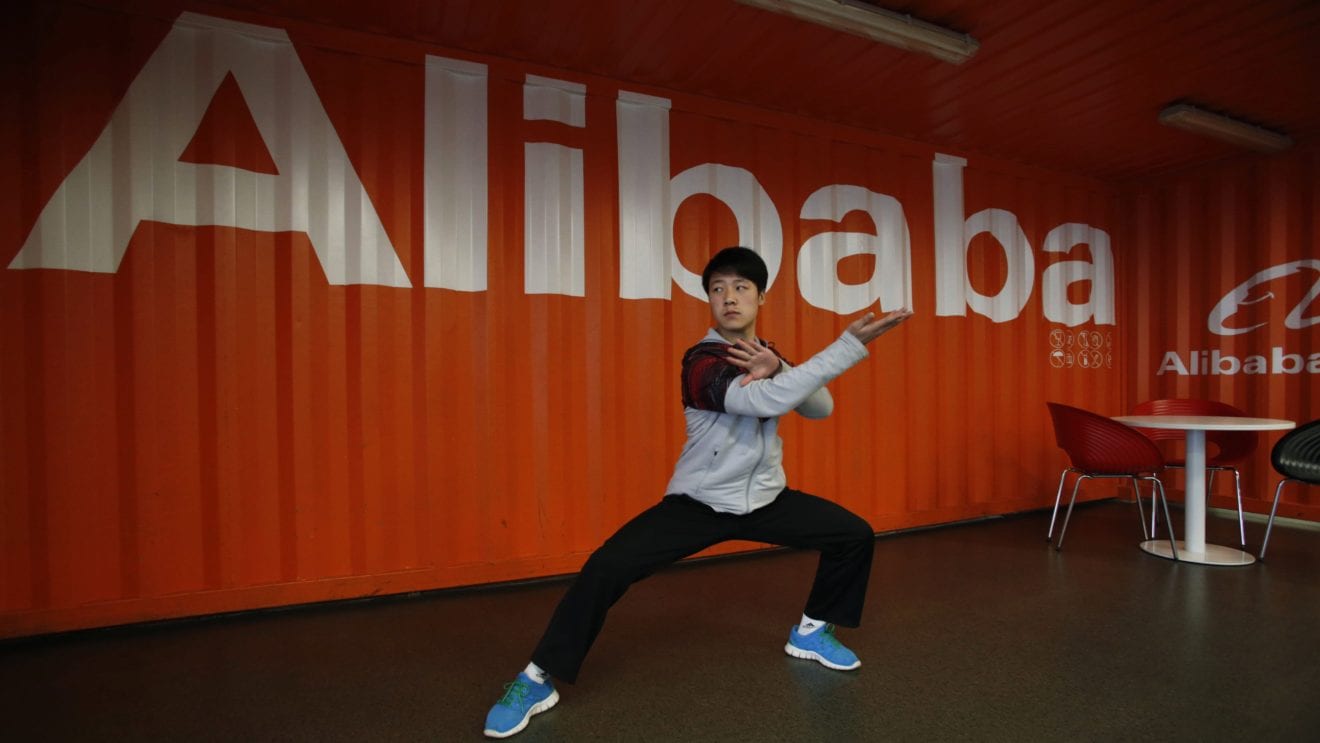
    Alibaba has reported that its third quarter revenue increased 54% to $7.76bn, compared to $5.3bn for the same period last year.

    The Chinese e-commerce giant credited the revenue growth to its commerce retail business in China followed up by Alibaba Cloud and also the integration of its newly acquired businesses, especially Youku Tudou and Lazada.

    Alibaba stated that the robust revenue growth in its Chinese commerce retail business was due to its persisting efforts to improve the social commerce platform by delivering better user experience driven by data technology.

    Alibaba Group CEO Daniel Zhang said: “Our robust December quarter demonstrates the strength of the Chinese consumer and Alibaba’s ability to create value across our vast ecosystem.

    “The 11.11 Shopping Festival featured Alibaba at its best, integrating commerce, entertainment and social engagement, all happening globally at record scale. We are driving the age of ‘New Retail,’ which leverages big data and innovation to provide a seamless online and offline experience for nearly half a billion mobile monthly active users.

    “This retail transformation will make it even easier and more efficient for brands and retailers to engage with these consumers anywhere, anytime.”

    The commerce retail business contributed revenue of RMB40.8bn ($5.9bn), an increase of 77% in comparison to what it earned in the same quarter in 2015.

    From outside China, the retail business for Alibaba brought the group revenue of RMB2.4bn ($353m), surging at 288% in comparison to what was registered in Q4 2015.

    The group’s cloud computing business brought revenue of RMB1.8bn ($254m), an increase by 115% compared to Q4 2015.

    On the digital media and entertainment front, Alibaba made revenue of RMB4bn ($585m), surging by 273% to its corresponding revenue in the same quarter of 2015.

    Following the results it has delivered for Q4 2016, Alibaba is expecting its revenue for fiscal year 2017 to increase 53% year-over-year.

  • Moto boosts retail presence with 2 Moto concept stores

    Moto boosts retail presence with 2 Moto concept stores

    MOTO’S Philippine expansion remains at full throttle, with the opening of two new Moto Concept Stores in Metro Manila.

    Say #HelloMoto to two new stores located at the 4th level of Cyberzone areas in SM North EDSA Annex and SM Megamall both operated by MemoXpress.

    “The Philippines is a very important market for Moto, and we remain committed towards bringing the Moto experience to more Filipinos through our two new Moto Concept Stores. By offering greater product and service visibility, Moto is definitely on its way towards taking the Filipino digital lifestyle by storm,” said Dino Romano, Country Manager, Lenovo Mobile Business Group Philippines.

    As part of its goal to become the definitive #3 player in the global smartphone market, Lenovo is building scale and efficiency by expanding its Moto line across emerging markets, including the Philippines. Currently the fastest growing smartphone market in ASEAN, the Philippines has seen a total of 3.5 million smartphone shipments in the first quarter of this year, based on International Data Corporations (IDC)’s June 2016 report.

    Both Moto Concept Stores carry the newly-launched Moto smartphone lineup: its flagship line composed of Moto Z, Moto Z Play and the Moto Mods; its mid-range family, which consists of Moto G4 Plus, Moto G4 Play and Moto G Turbo; and the entry-level Moto E3 Power.

  • UberEats Asia expands to Bangkok

    UberEats Asia expands to Bangkok

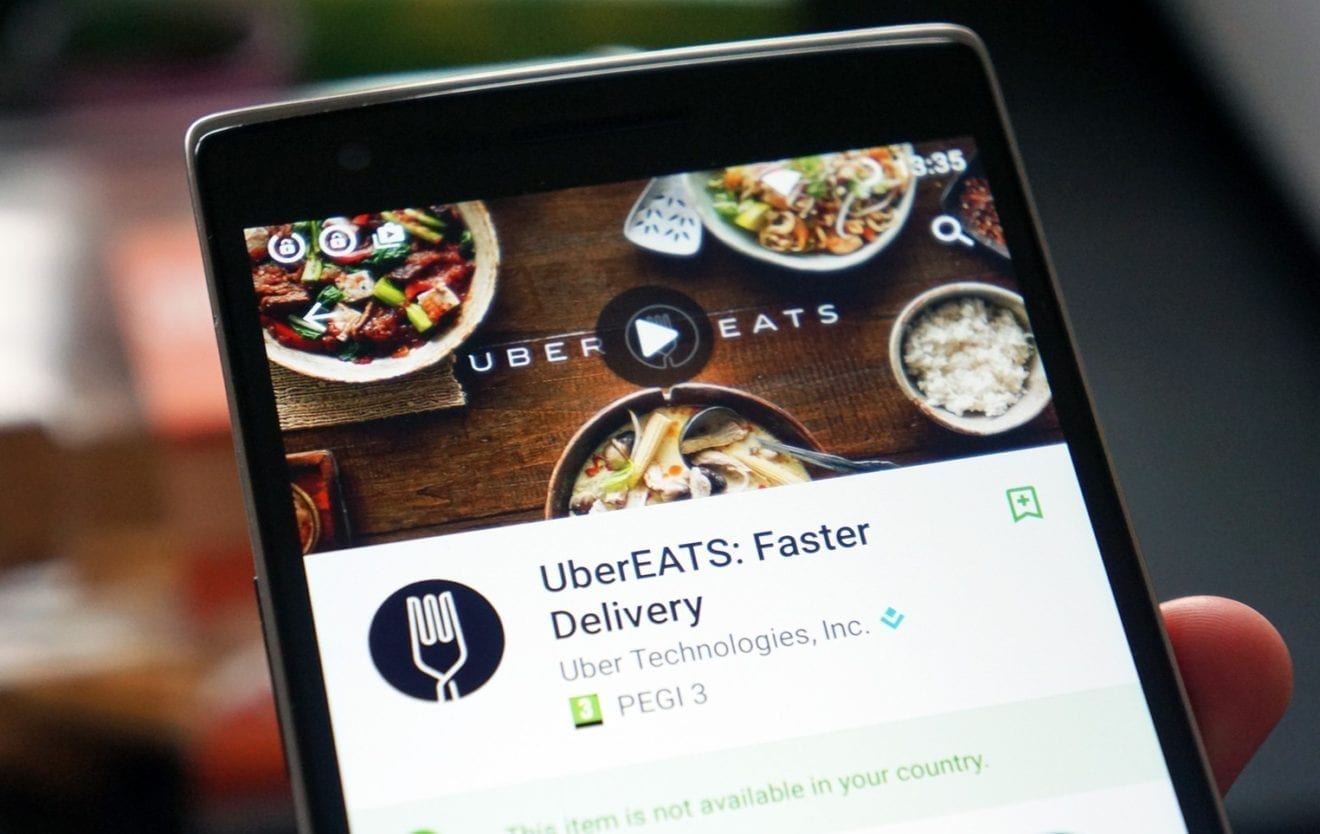
    UberEats Asia has introduced its stand-alone food-delivery app UberEats to Bangkok.

    It initially covers 100 restaurants and 24 cuisines, and users can track their orders from the moment they are placed until they arrive at their doors.

    “This app offers a window into what the future competition in the food-delivery industry could look like,” says UberEats Asia-Pacific GM Allen Penn. UberEats Asia is a business unit of US-based Uber Technologies.

    Already delivering food in Thailand are Berlin-based Foodpanda, Singapore-based GrabEat and Tokyo-based Line Man.

    After downloading the app, UberEats customers can order a meal and have it delivered in 30 to 45 minutes. The limited initial service areas include Asok, Chinatown, Ekamai, Nana, Pathumwan, Ploenchit, Phrom Phong, Sathorn, Silom and Thong Lor.

    The service will be available 10am to 10pm daily with no minimum price per order.

    “Bangkok has fantastic cuisine and the city has a large population with a strong base of smartphone users,” says Penn. “Most importantly, Thai people love to eat.”

    Bangkok is one of 57 cities in 20 countries where UberEats is available. It is the fifth city in Asia where Uber has launched its food delivery service, following Singapore, Tokyo, Hong Kong and Taipei.

    In other countries, UberEats restaurant partners have increased revenue by up to 50 per cent, says Penn.

  • Activewear and F&B driving Hong Kong retail innovation

    Activewear and F&B driving Hong Kong retail innovation

    Food and beverage and lifestyle is driving Hong Kong retail innovation, says property expert Shaun McManus with JLL Hong Kong.

    “The activewear and sports apparel sector has been a front-runner in elevating in-store experiences for shoppers,” McManus, who specialises in lifestyle retail and F&B with the property  company. “Looking to boost their winter sales, Adidas recently added a virtual reality fitting room in their flagship store in Causeway Bay, giving customers the chance to test new products in a training run simulation that mimics winter weather through a temperature control system,” he wrote in a market review.

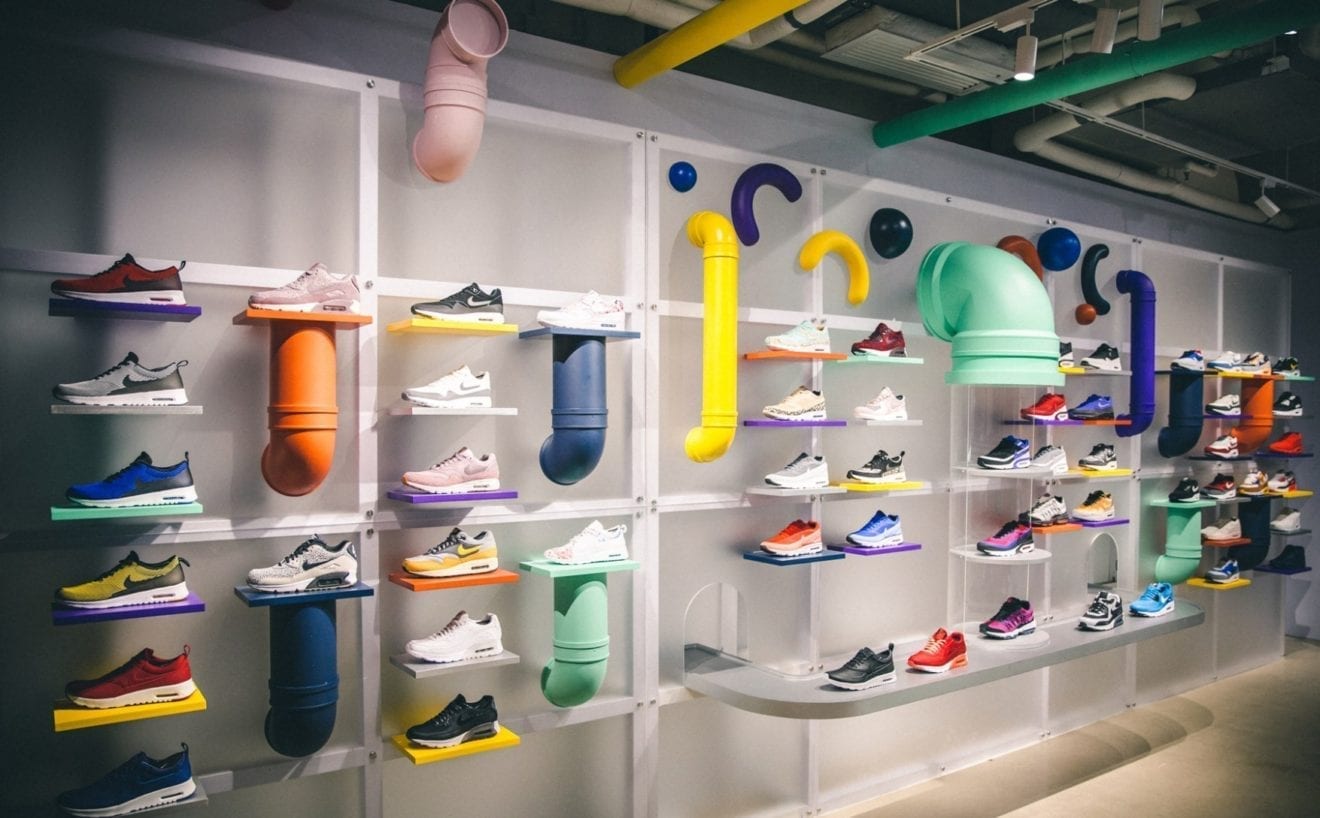
    Nike’s new 13,000 sqft flagship store on Granville Road in Tsim Sha Tsui offers customised T-shirts and sports bras, as well as a personalised coaching section where customers can test running shoes on a treadmill to see if they are the right fit.

    JLL’s foodservice consulting team forecasts that by 2020, 80 per cent of retailers will have some form of additional entertainment element or other unique offerings, like these within their stores.

    “The progression of omni-channel retailing – through physical and online stores and mobile apps – is another pattern that looks likely to emerge in 2017. Unlike other markets, eCommerce has yet to gain a strong foothold in Hong Kong.

    According to the Hong Kong Trade and Development Council, online sales account for less than 5 per cent of total retail sales among retailers with an omni-channel sales platform within the city.

    “To boost sales, retailers are increasingly turning to social media platforms to sell their goods, and will look to take advantage of apps like Instagram and Snapchat to give customers a behind-the-scenes look at their operations with the aim of building brand engagement and legions of loyal followers,” says McManus.

    “With over 40 million hits per month on Instagram, Facebook and Snapchat combined; it is no wonder popular brands such as watchmaker Daniel Wellington are attributing the largest proportion of their revenue to their social media marketing campaigns.”

    McManus also forecasts that this year promises a further shift away from traditional shopping mall tenant mixes towards an increased focus on entertainment hubs and food courts.

    “Many developers are already starting to reposition their portfolios. Swire Properties – whose shopping mall portfolio in Hong Kong includes Pacific Place Mall, CityPlaza and Citygate Outlets – has been at the forefront of this movement. At Pacific Place Mall, for example, it has increased the F&B footprint by more than 20 per cent in the space of 12 months and totally revamped its cinema complex to include a new VIP House with state-of-the-art sound system technology, higher resolution screens and vibrating seats. These changes have all been made with the aim of increasing and retaining footfall to the mall and attracting new customers.

    “The use of pop-up stores will also continue to be popular in prime malls, enabling landlords to optimise space and minimise void periods; an important consideration given the current challenges facing the city’s retail sector.”

    McManus says that for consumers, revolving pop-up stores freshen the shopping experience and encourage repeat visits.

    “All of the above factors point towards a more balanced and increasingly vibrant retail market for Hong Kong in 2017, and suggests that it is far from all doom and gloom for the sector in the year ahead. Rather, we believe these changes are ushering in a healthier retail climate that drives domestic consumption and is less reliant on tourist spend. Hong Kong must, and will, maintain its status as a shopper’s paradise in Asia for the foreseeable future.”

  • CT Corp moving to open cinemas

    CT Corp moving to open cinemas

    Indonesia’s retail/media conglomerate CT Corp is partnering with cinema companies to open movie theatres in its retail complexes.

    CT retail arm Trans Retail has announced a partnership with Graha Layar Prima, which runs the Korean-owned CGV cinema chain (formerly known as Blitz Megaplex), to develop cinemas at CT’s Transmart Carrefour stores across Indonesia. Launched last year, the Transmart centres feature restaurants, apparel stores and supermarkets. There are presently 13 outlets, with a US$3 billion plan to expand the number to 100 by 2019.

    CT founder/chairman Chairul Tanjung says that over the next three years a minimum of 500 cinema screens will be opened in Transmart centres.

    GLP will open CGV cinemas in four Transmart centres in Java and Sumatra in May, with plans to add four more by the end of the year. Each cinema will have five screens and include 4D entertainment systems, sofa-type seating for couples and VIP spaces that serve drinks and snacks.

    GLP says its cinemas attracted more than 10 million visitors last year, a 150 per cent increase from 2012. It aims expand its network of cinemas to 40 from the current 27.

    Meanwhile, Singaporean sovereign wealth fund GIC is to acquire an undisclosed stake in cinema company Nusantara Sejahtera Raya (NSR) for 3.5 trillion rupiah (US$262.9 million).

    Trans Retail has just signed a deal to install NSR’s Cinema XXI movie theatres in at least four Transmart stores this year.

    Meanwhile, mall management company Lippo Group is expanding its own cinema business, with plans to have 2000 screens across 85 cities by 2024.

  • Restructuring bites into McDonald’s global sales

    Restructuring bites into McDonald’s global sales

    Restructuring has taken its toll on McDonald’s global sales as the company refranchises store networks in Asia.

    The US fast food giant reported what one analyst described as a “sombre result” overnight, its fourth quarter sales falling by 1.3 per cent in the US market. However, two-thirds of its sales are achieved outside the US, where the company’s turnaround plan is further advanced.

    Global same-store sales rose 2.7 per cent, but overall sales fell by 5 per cent as the company worked towards spinning off its rights in Korea, China, Malaysia and Singapore.

    In the UK and Germany, McDonald’s is benefitting from technology upgrades such as self-service kiosks, which are also being installed in Hong Kong. Sales in what McDonald’s describes as its “international lead markets” rose 2.8 percent in the fourth quarter.

    Neil Saunders, CEO of Conlumino, said McDonald’s ends its fiscal year on a somber note with figures that put pay to the early optimism which surrounded its turnaround program.

    “McDonald’s is now lapping some tougher comparatives, especially in the US where, this time last year, it was reaping the rewards of menu reconfiguration and the introduction of the All Day Breakfast. These changes were supposed to drive a steady and sustainable uplift in spending rather than a one-off spike in sales, but it is increasingly clear that this strategy is not delivering through.”

    Saunders says widening the audience in a sustainable way is the key issue for McDonald’s as it enters the new fiscal year.

    “This has to be more than about menu change – including the recent introduction of multiple sizes of Big Macs which, in our opinion, does nothing to create step change or to increase real choice. Indeed, it is clear that the menu changes made so far have not completely reinvigorated the brand with younger and more discerning consumer segments, many of whom still shun the chain in favor of what they see as more premium offerings from other players.”

    Saunders believes the majority of the growth is at the quality end of the market, a segment where McDonald’s – which is seen as fast, convenient and low priced – still does not squarely play in the US – although it has made strides in some Asian markets, especially Thailand, with its customisable burgers.

    “In our view, McDonald’s needs to think more fundamentally and more holistically about how to play in this space. This includes looking at the state of its US restaurants – some of which leave a lot to be desired. It also means being more radical, perhaps opening a new type or brand of restaurant with a more premium proposition. What’s clear is that more fundamental change is needed to transform the US business.”

  • Indian company buys Twelve Cupcakes

    Indian company buys Twelve Cupcakes

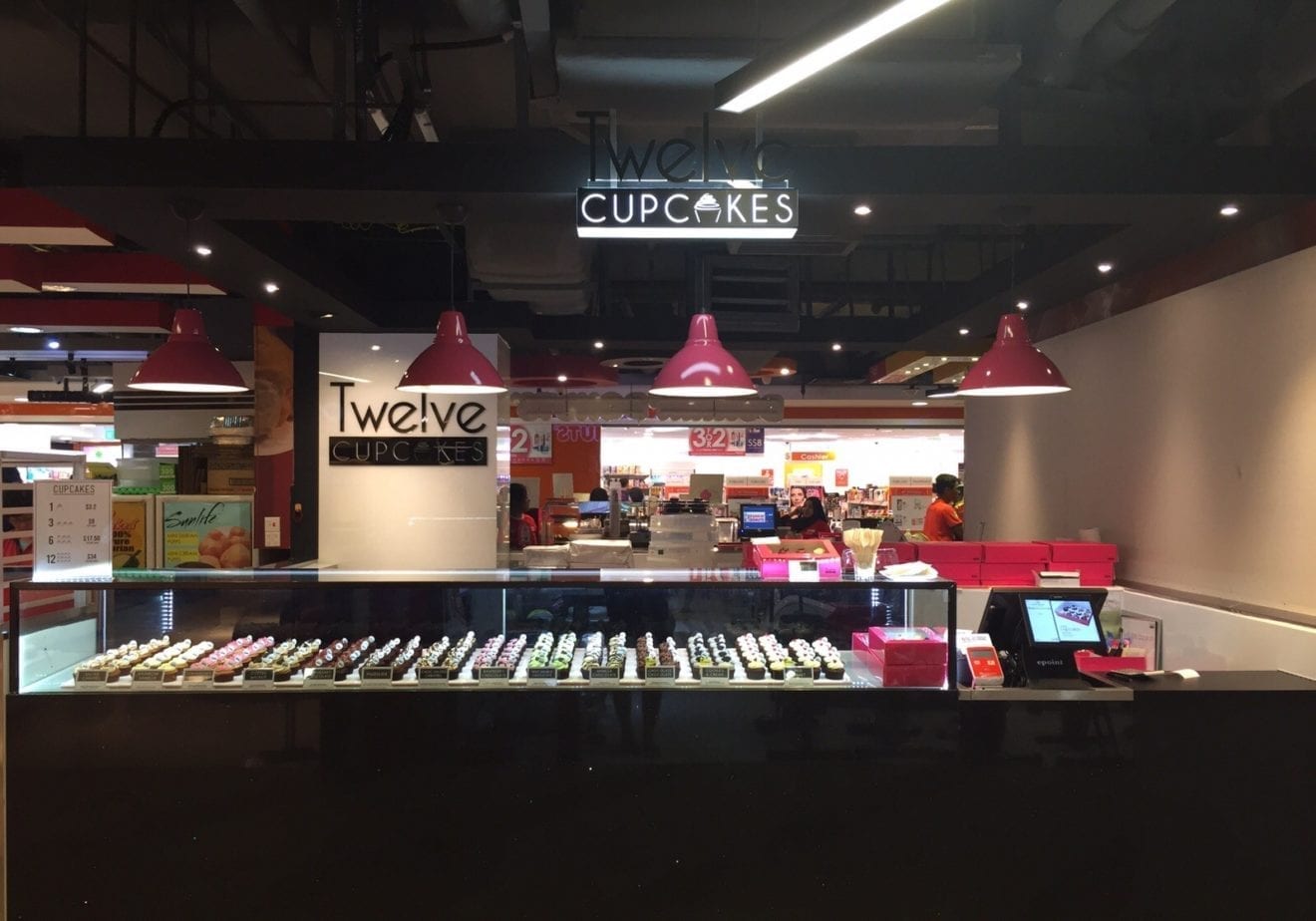
    Following the divorce of celebrity couple Jaime Teo and Daniel Ong, the Twelve Cupcakes chain they founded in 2011 has been sold.

    One of India’s largest tea producers, Kolkata-based Dhunseri Group, has bought the chain outright for S$2.5 million (US$1.7 million).

    With a presence in 17 malls, the chain offers the group the chance to establish a strong footprint in the F&B space in the Singapore market, says Mrigank Dhanuka, a member of the family that owns the Dhunseri Group.

    “We are looking at turning the business around, which is at just about cash break-even point at this juncture.”

    The sale was completed last month, following the divorce four months earlier of the former beauty queen and the radio deejay. The couple made the news of their divorce public on December 31 on their respective Instagram accounts.

    Twelve Cupcakes has more than 40 outlets across six countries in the region.

    This is Dhunseri Group’s first foray into the F&B space in Singapore, and Dhanuka has relocated to Singapore to head the business in the region.

    “We will be expanding our F&B portfolio under Twelve Cupcakes with new product launches in Singapore,” he says. “We continue to look for value deals here in the confectionery space.”

    In the tea business for more than five decades, the group also has petrochemical interests in India.

  • Jack Wills fails to maximise Christmas opportunity

    Jack Wills fails to maximise Christmas opportunity

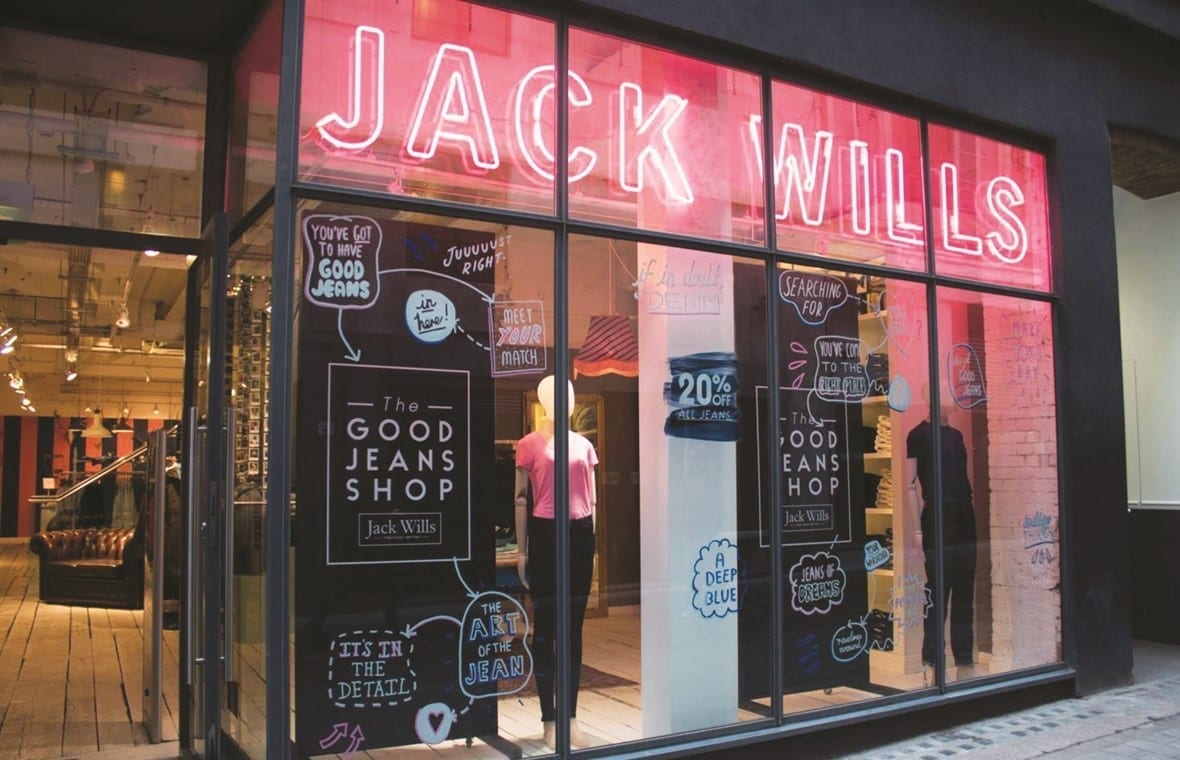
    Jack Wills, well known for its preppy style and predominant pink and navy colour palette, has reported an unexciting 1 per cent increase in like-for-like sales in December.

    However, back under the control of co-founder Peter Williams after a difficult few years, the chain’s profit margin increased by 6 per cent year-on-year after discounting was reduced.

    While other lifestyle brands such as Joules and Superdry have flourished over Christmas, Jack Wills has struggled to defend its place in the ever competitive market, indicating its appeal at home may be on the wane.

    Despite difficult trading conditions in the UK, the retailer’s international online sales doubled year-on-year, highlighting the brand’s potential in foreign markets, particularly in Asia. Jack Wills also saw mobile sales rise 60 per cent year-on-year, in line with other retailers’ growth for mobile, ensuring further investment to improve the mobile experience is a must to reduce pain points and drive conversion.

    Jack Wills’ bath and beauty category proved bountiful for the retailer, growing 44 per cent versus last year, and women’s loungewear and underwear also grew 20 per cent and 10 per cent respectively. The growth in these categories shows how the brand is a destination for premium gifting over the Christmas period, particularly for women. Jack Wills must now focus on further developing its menswear and grooming ranges in order to better capture the male gifting market.

    While the brand has recently launched its first activewear collection, capitalising on the athleisure trend, it is late to the party and Jack Wills must encourage existing, loyal customers to buy into its activewear offer for the first time. Jack Wills’ founder, Peter Williams, and private equity firm, BlueGem, will need to focus on driving destination appeal, especially as 2017 can be expected to be challenging with muted volume growth.

    -Charlotte Pearce

  • BCBG Maxazria plans restructure

    BCBG Maxazria plans restructure

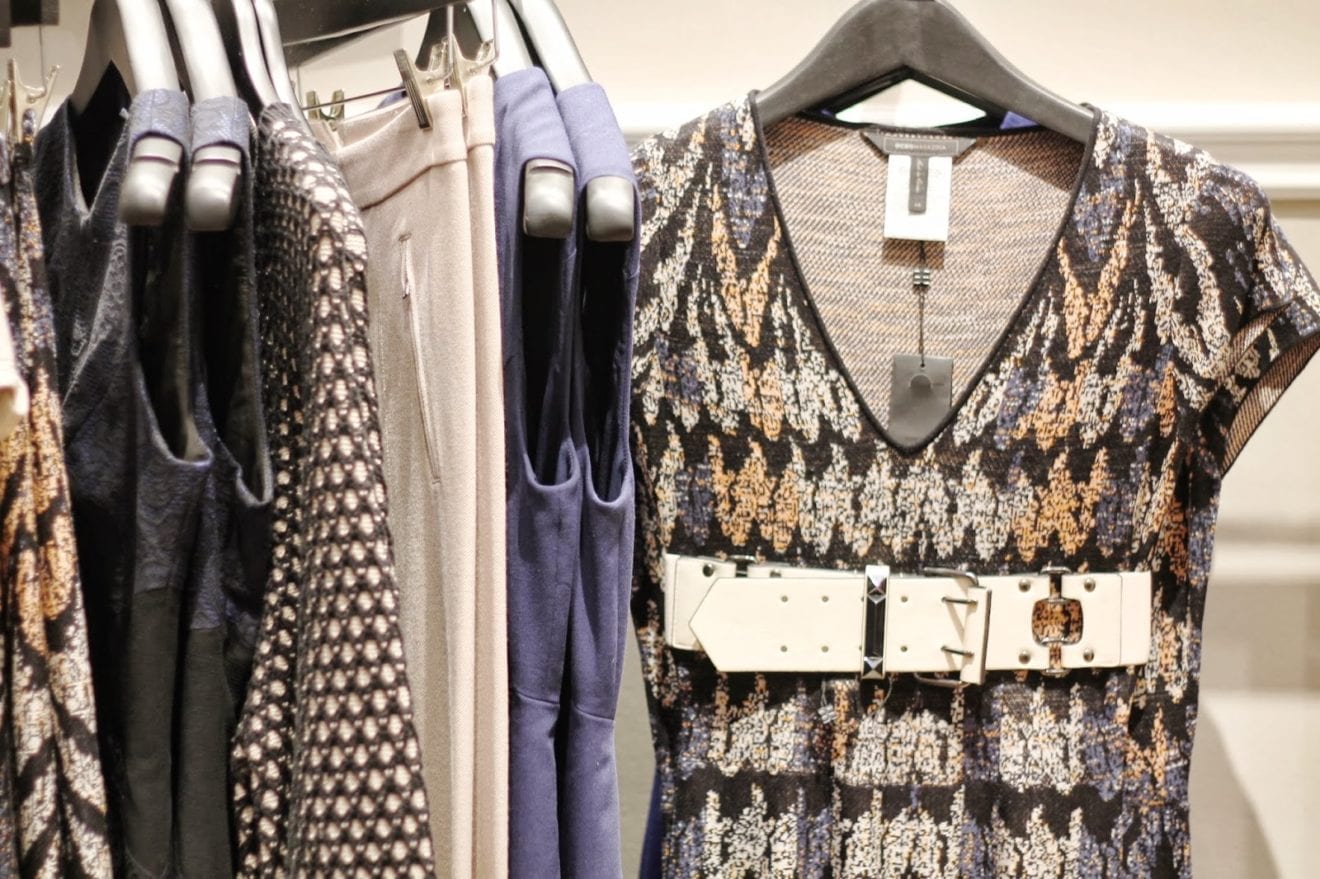
    Women’s fashion retailer BCBG Max Azria plans to close some of its stores to focus more on eCommerce, licensing and wholesaling.

    “BCBG has been negatively impacted by the growth in online sales and shifts in customer shopping patterns, and as a result has too large a physical retail footprint,” says PR company Sitrick & Co spokesman Seth Lubove.

    “To remain viable, the company must realign its business to effectively compete in today’s shopping environment.”

    BCBG hired AlixPartners consultancy, replacing Berkeley Research Group, to restructure its debt, reports Bloomberg.

    Many US retailers, especially department stores, struggled through the latest holiday season, including H&M and Target. Payless has announced it is restructuring to deal with its US$665 million debt, and department store Macy’s has cut more than 10,000 jobs as it closes branches and downsizes.

    BCBG has 570 global stores, with 175 in the US. It opened new stores in Munich and Paris last year, and plans to open a store in Quebec this year.

  • NTU Singapore launches seventh satellite

    NTU Singapore launches seventh satellite

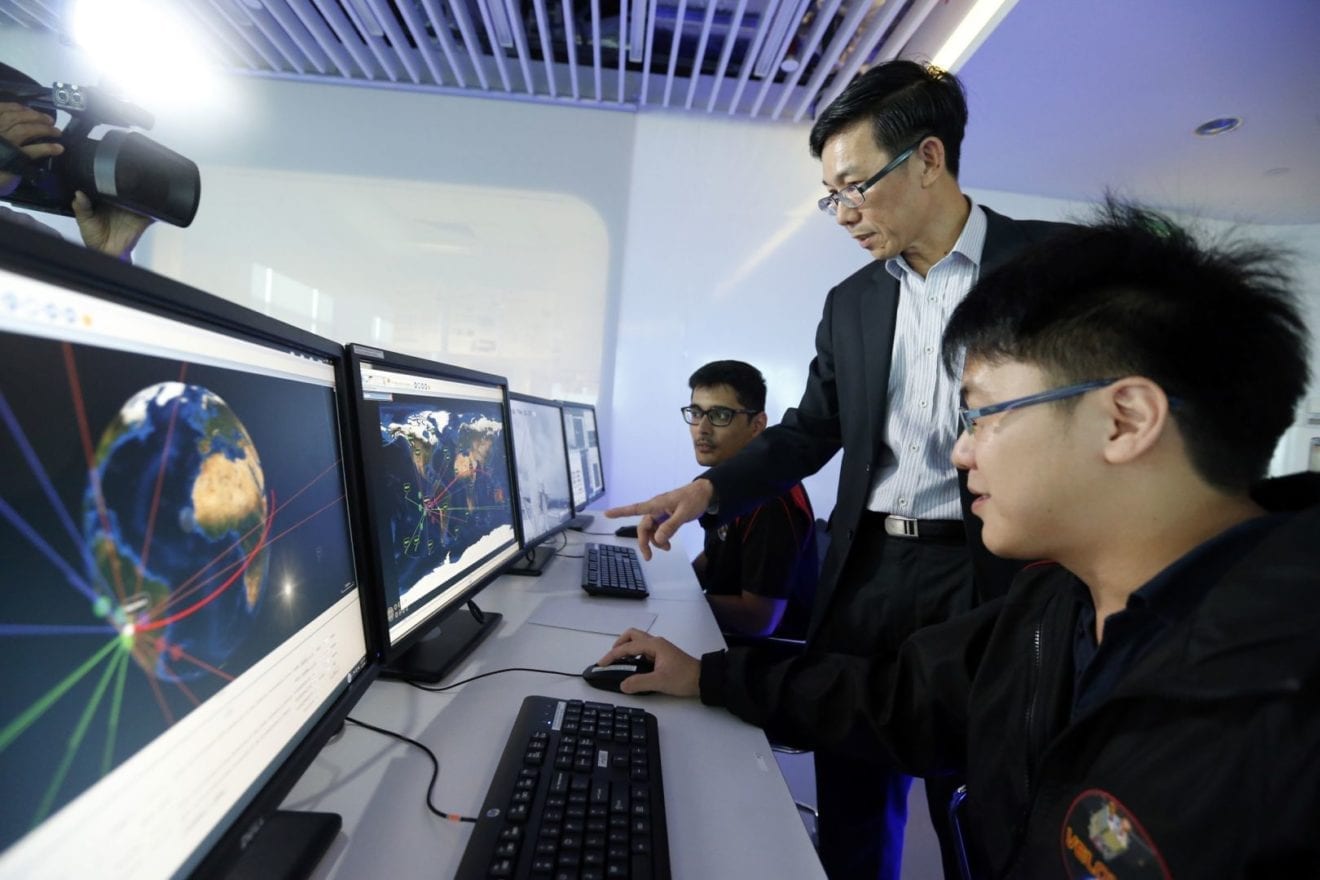
    Nanyang Technological University, Singapore (NTU Singapore) has launched its seventh satellite, the AOBA VELOX-III, into space from the International Space Station (ISS) on 16 January.

    It is the first Singapore satellite to be launched from the ISS, the 110-meter habitable human-made satellite that orbits the Earth. Unlike the conventional way of launching a satellite directly into space from a rocket, the two-kilogram VELOX-III was shot into orbit around the earth using a special launcher by a Japanese astronaut at the ISS.

    The AOBA VELOX-III is a joint project between NTU and Japan’s Kyushu Institute of Technology (Kyutech), one of Japan’s leading universities for satellite research and engineering. It is now orbiting 400 kilometers above Earth and will be conducting several tests, including the made-in-NTU micro-propulsion system, a new wireless communication system developed by Kyutech and experiments to evaluate the durability of commercial off-the-shelf microprocessors in space.

    “The successful deployment of the AOBA VELOX-III is a testament to the strong satellite engineering expertise at NTU. Building up the local satellite talent pool and developing disruptive technologies like the micro-thruster in the AOBA VELOX-III is important for Singapore’s budding space industry,” said Lim Wee Seng, director of the NTU Satellite Research Center.

    He said the NTU will now be developing its second joint satellite with Kyutech, which could lead to small and maneuverable satellites being used as space probes in future.

    Professor Mengu Cho, Director of Kyutech’s Laboratory of Spacecraft Environment Interaction Engineering, said the launch of AOBA VELOX-III is the tangible result of research collaboration between Kyutech and NTU for the past three years. AOBA VELOX-III is an important milestone in the Japan-Singapore inter-university space exploration.

    “We are looking forward to another joint satellite that is under development and scheduled to be launched in 2018. The long-term goal of the Kyutech-NTU joint space program is to do a lunar mission using the technologies demonstrated by these two satellites.”

    Professor Yoon Soon Fatt, Chair of NTU’s School of Electrical and Electronic Engineering, said conducting real satellite missions are key to training local talents for Singapore’s future satellite industry.

    “Satellite technology is a field that requires strong expertise across several disciplines, from power systems and batteries to integrated circuits and wireless communications,” he said.

    “The actual designing, building and operating real satellites in space gives a huge boost to the learning journey of our students and is an unparalleled experience for those seeking careers in the space industry.“

    Lim added that these space experiments by AOBA VELOX-III will enhance the university’s satellite building capabilities, paving the way for the next generation of nanosatellites that are more advanced and reliable.