Tag: asia

  • Alibaba buys into retail stores strategy

    Alibaba buys into retail stores strategy

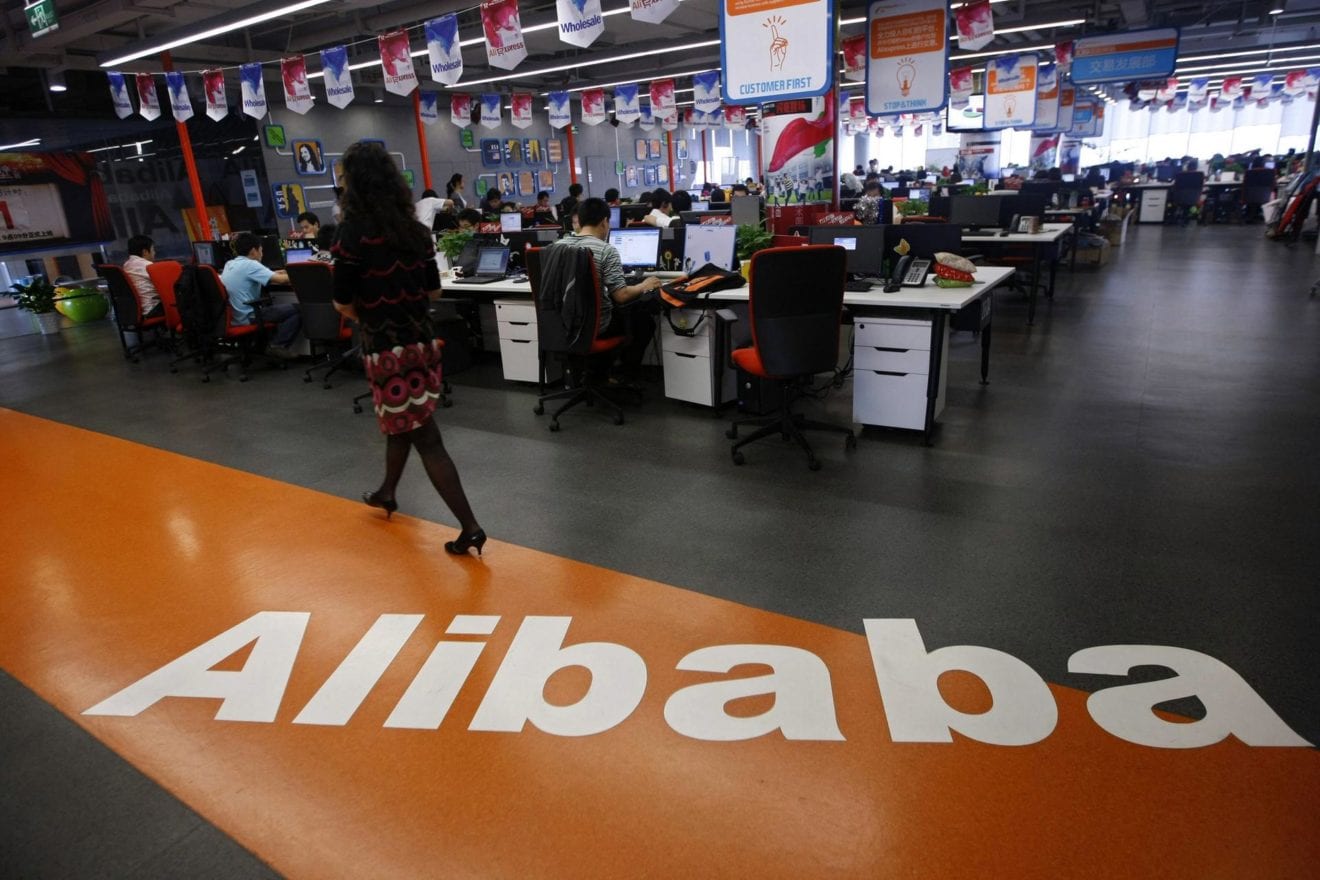
    Alibaba’s $2.6bn plan to take leading domestic department store Intime private underlines the dilemma being faced by the hoards of disrupters: how to blur the lines between online and offline shopping, and create a model that keeps the fun and feel of shopping, while letting retailers and brands collate the big data that enable them to sell more goods, more quickly and more profitably.

    “Today we cannot just separate online and offline,” Daniel Zhang, Alibaba chief executive, told a panel at Davos last week. Even when people are shopping in malls, he pointed out, they are on their phones — literally on and offline simultaneously.

    Alibaba, which already boasts investments in offline players such as retailer Suning and white goods manufacturer Haier, is not the only ecommerce name going back to bricks and mortar. Last month, Amazon launched its checkout-free Amazon Go store. Other crossover innovations are springing up. Panasonic is shopping its “intelligent baskets”, which will price items as they are placed inside.

    “To say that bricks and mortar is dead is wrong,” says Tom Birtwhistle, senior manager in PwC’s digital strategy division in Hong Kong. “It just needs to evolve, into smaller-format stores, for example, and embrace in-store digital technology.”

    It is a lesson start-ups are also learning. Luke Grana, who set up his eponymous Grana clothing company in 2014, was forced into a U-turn on his original ecommerce-only plan — introducing pop-up “fitting rooms”.

    “We realised we needed offline presence to increase brand awareness and push people online,” he says. “And lots of people want to try before they buy to get the fit right.”

    Customers can try on clothes in-store but still order online via iPads — “there are no cashier tills” — and have their purchases delivered. These partially offline purchases now account for 10 per cent of sales.

    It is a sentiment echoed by Alain Bejjani, chief executive of mall, retail and leisure operator Majid Al Futtaim Holding, who talks about stores as showrooms. “It’s not just products and price,” he told the Davos panel. “It’s about the seamlessness of the journey, and total integration between online and offline.”

    Alibaba, which represents more than one-tenth of China’s total retail sales and about 75 per cent of those made online, according to HSBC, takes that literally. Its apps enable shoppers to navigate China’s sprawling malls, some of which span more than 1m sq ft, and find where their cars are parked when they emerge hours later.

    Amazon unveiled its checkout-free grocery store last month

    But it is also rewriting the rules on the well-rehearsed “click and collect” model and corralling big data to loop back to retailers, allowing them to manage their inventory more efficiently.

    “Alibaba and Amazon have the same two goals. Two billion customers and a reinvention of the retail model and experience,” says Michael Zakkour of Tompkins International.

    “Much in the same way department stores, chain stores, malls, Big Boxes and ecommerce have reinvented retail in the past, Alibaba is using technology, big data and imagination to connect offline and online so that there is only a unichannel retail experience.”

    Mr Zhang talks about collapsing the traditional vertical system that sees manufacturers pass goods to a handful of large distributors, who in turn pass them on to smaller ones, who sell to retailers before the goods finally reach the consumer.

    Before, he says, a consumer could order a drink and have it delivered to their home. “Now you can order it and it’s delivered to your next stop.” That means inventory can no longer be managed by distributors, who lack the full picture, but requires the whole chain to be digitised and shops to become mini fulfilment centres.

    This is where Alibaba takes integration a step further — or rather, a step back, into what founder Jack Ma has called “new manufacturing”, where data can be used to tell the makers in advance what consumers want to buy.

    Manufacturers are also waking up to a flatter system and seeking ways to move closer to shoppers. Unilever, the Anglo-Dutch consumer goods manufacturer, last July paid $1bn for Dollar Shave, which sells razors and grooming products direct to consumers using home delivery.

    This month Coty, maker of perfumes and lipsticks, bought a majority stake in Younique, an online cosmetics retailer. And the crossover between internet and manufacturers can also be spotted in personnel shifts: US toymaker Mattel tapped Google executive Margaret Georgiadis as its next chief executive.

    Some question whether predictive data are enough to dictate fashion trends. “They’re not going to be on the back streets of South Korea looking at styles or pieces of fabric,” says one player.

    Others point to conflicts. Alibaba prides itself on being a platform rather than an asset-heavy ecommerce player such as Amazon, yet the Intime acquisition will see it integrate a bricks-and-mortar business into its asset-light ecosystem.

    Alicia Yap, analyst at Citigroup, is “cautious” about the future integration and about how Alibaba “would manage the potential conflicts between Intime vs other merchants and brands on its platform”, she writes in a research note.

    Others note that China’s online/offline models differ from the west, where platforms are mainly owned by the retailer or brand. Instead, China ecommerce is dominated by third party platforms, be it Alibaba’s Tmall or JD.com.

    “If customers are buying through a third party you are never going to get the same level of data granularity on the customer as if it was yours. That’s what all the big [multinational corporations] are beginning to grapple with,” says Mr Birtwhistle.

    “So linking data between on and offline is difficult. Solving that problem is the multi-billion-dollar question. No one has really got an answer to that yet.”

  • Singapore’s consumer prices rise for first time in 2 years

    Singapore’s consumer prices rise for first time in 2 years

    After a record two years of negative inflation, consumer prices in Singapore finally rose in December last year, with headline inflation coming in at 0.2 per cent.

    The rise in the consumer price index (CPI) was due to a larger increase in private road transport cost, which rose by 1.7 per cent in December following a 0.2 per cent rise in November. The rise was the result of higher petrol prices and car park fees, said the Monetary Authority of Singapore (MAS) and Ministry of Trade and Industry (MTI) on Monday (Jan 23).

    Services inflation edged up to 1.6 per cent from 1.5 per cent in November, mainly due to a faster pace of increase in holiday expenses, which more than offset the larger contraction in telecommunication services fees.

    Food inflation was 2 per cent, unchanged from the previous month. Accommodation costs fell by 3.8 per cent in December, similar to the previous month, reflecting continued softness in the housing rental market, MAS and MTI said.

    Overall retail goods inflation eased to zero per cent in December from 0.2 per cent in November, largely on account of a fall in the prices of personal care products.

    December’s increase comes after the headline consumer price index stayed flat in November from a year earlier, coming off a deflationary trend for the first time in two years.

    For the whole of 2016, headline inflation came in at -0.5 per cent for the second consecutive year.

    Core inflation, which excludes the cost of accommodation and private road transport, was slightly lower at 1.2 per cent compared to 1.3 per cent in November. The decline was mainly due to a fall in retail goods inflation more than offsetting an increase in services inflation, MAS and MTI said.

    For the whole of 2016, core inflation rose to 0.9 per cent, from 0.5 per cent the year before.

  • Urban Revivo opens first international store

    Urban Revivo opens first international store

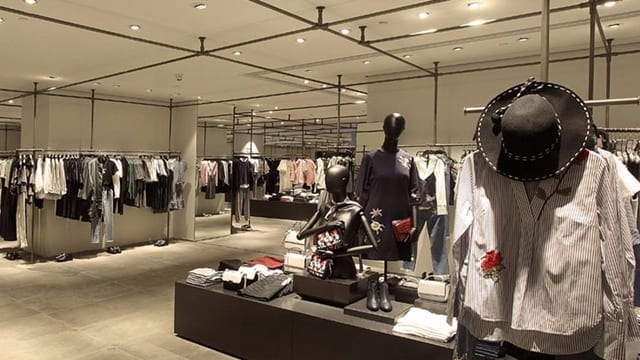
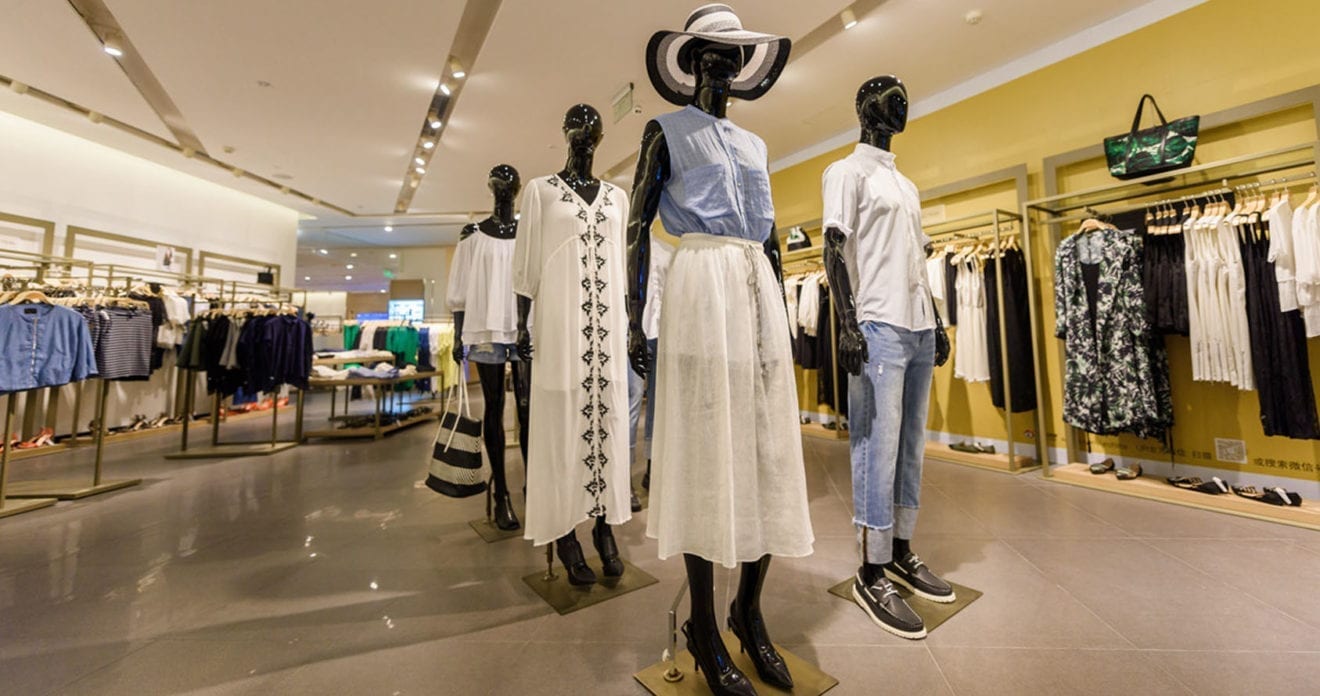
    Chinese fashion brand Urban Revivo has opened its first international store, at Singapore’s Raffles City Shopping Centre.

    Launched in 2006, Urban Revivo specialises in contemporary clothing and accessories for both men and women. It has 150 stores across about 60 cities in China, including Beijing, Chengdu, Guangzhou and Shanghai.

    While the brand refreshes its stores with up to 12,000 new styles every year, all its designs are available in only 12 pieces per store, reports Her World Plus, which features this video tour of the new store:

  • Dolce & Gabbana pop-up opens in Vietnam

    Dolce & Gabbana pop-up opens in Vietnam

    Italian luxury fashion brand Dolce & Gabbana has opened its first Vietnam pop-up store at Rex Hotel, Ho Chi Minh City.

    dolce-gabbana-vietnam-3

    Designed by Milan-based designers Giovanni Bressana, with red as the theme colour, the Dolce & Gabbana pop-up offers the label’s latest women’s collections to Vietnamese shoppers.

    dolce-gabbana-vietnam-2

    The brand has been brought to Vietnam by the IPP Group that also distributes other luxury brands there, including Burberry, Chanel, CK, Salvatore Ferragamo.

    dg-ho-chi-minh

    According to Le Hong Thuy Tien, CEO of IPP, the pop-up store will precede an official flagship scheduled to open in May.

    dolce-gabbana-vietnam-1

  • Economy Vietnam Airlines’ NASCO to list on UPCoM

    Economy Vietnam Airlines’ NASCO to list on UPCoM

    The Nội Bài Airport Services Company (NASCO) will list its 8.3 million shares on the Unlisted Public Company Market (UPCoM) under the code NAS, according to the Hà Nội Stock Exchange.

    NASCO, an affiliate of Vietnam Airlines, the country’s largest aviation corporation, has a chartered capital of VNĐ83 billion (US$3.7 million). Currently, its parent company Vietnam Airlines holds 51 per cent of NASCO’s capital and Saigon Thương Tín Commercial Joint Stock Bank (Sacombank) holds another 10 per cent.

    The company, which is headquartered at Nội Bài airport in Hà Nội, offers various services at airports such as duty-free shops, restaurants, VIP lounge, and travel and transport services.

    In the first nine months of 2016, NASCO’s revenue touched around VNĐ400 billion, down 8 per cent year-on-year. Its post-tax profit was around VNĐ24.5 billion, roughly the same as in 2015.

    Of its total revenue, the income earned from the transport service segment was the highest at VNĐ200 billion. Though the revenue gained from restaurants was lower, its profit accounted for half of the company’s total profit.

    NASCO is currently the only firm at Nội Bài airport that offers a business-class lounge with its interiors meeting 4-5 star standards.

    In 2016, NASCO faced business challenges after Terminal 2 became operational at Nội Bài airport as it affected the number of tourists using its services. The restructuring and upgradation of T1 has narrowed NASCO’s spaces at the airport, as well as thrown up fierce competition from new rivals.

    Two other companies that operate in Việt Nam’s airport service sector are Tân Sơn Nhất Airport Services Joint Stock Company (SASCO) and Đà Nẵng Airport Service Joint Stock Company (MASCO), both subsidiaries of Vietnam Airlines.

  • YCH Group to develop high-tech DistriPark in Nantong

    YCH Group to develop high-tech DistriPark in Nantong

    YCH Group, Asia Pacific’s leading integrated end-to-end supply chain management and logistics partner signed a Memorandum of Understanding (MOU) with CPC Nantong Northern New Town Management Committee to develop a DistriPark within the Nantong Integrated Logistics Park to support urban development of logistics infrastructures in Nantong City.

    As a key port and economic centre in the Jiangsu Province, Nantong City is a fast-growing coastal city strategically located along the Yangtze River Delta.  According to a report published by Milken Institute in September 2016, Nantong City is one of the top ten Best-Performing 3rd tier cities in China, characterised by its rapid development and growth of wages, jobs, GDP & FDI in the city.

    The new DistriPark will help to fill development gaps and intensified the growth of logistics infrastructure and capabilities, supporting the rapid urbanisation of Nantong City. The hub will also boost connectivity between the coastal and inland cities of China through the “One Belt, One Road” initiative, bringing further development prospects to China’s inland cities.

    “The DistriPark is strategic and instrumental to YCH’s expansion in the coastal and inland cities of China. With the rapid development and growth of second and third-tier cities in the country, the new facility will provide immediate access to the best-in-class Supply Chain solutions for our clients in the region.” said Dave Lim, Chief Executive Officer of YCH China.

    “The Nantong Integrated Logistics Park was designed to support the rapid growth of consumerism and urbanisation in Nantong City. We are delighted to collaborate with YCH, a notable Singapore company, who will add value in our efforts to develop Nantong into the next major economic centre of China.” said Zhou Yong, Director of CPC Nantong Northern New Town Management Committee.

    YCH has built a comprehensive network in Greater China since the mid 90s, expanding its growing presence in key cities such as Shanghai, Beijing, Tianjin, Hangzhou, Suzhou, Kunshan, Nantong, Chengdu, Xiamen, Shenzhen, Guangzhou, Macau and Hong Kong. In addition to this MOU signing, YCH has also recently launched a Retail Hub in Xiamen, and implemented its EduRISE Talent Development Programme at Jiangsu Vocational College of Business earlier this month.

  • Youku picks Nokia for 3D 360 VR content

    Youku picks Nokia for 3D 360 VR content

    Youku in China has chosen the Nokia OZO VR ecosystem of technologies “to bring the most immersive” VR content to the more than 500 million monthly active users engaged in its online video platform which has daily views of more than 1.1 billion.

    Youku users and content creators are promised the ability to experience and share the highest quality VR content including natively captured spatial audio.

    “China is one of the most progressive VR markets in the world with an appetite for high-quality virtual reality experiences that is enormous and growing,” said Paul Melin, VP of digital media at Nokia Technologies.

    Youku will use the entire OZO VR solution, which includes the OZO Camera, OZO Software Suite, OZO Live and OZO Player SDK in the creation and distribution of content ranging from film and television to news and documentary, as well as professional user-generated content featuring Youku’s top talent.

    Youku will be the first Chinese content producer and distributor to have fully integrated the Nokia OZO ecosystem of technologies.

    Also, Youku will integrate Nokia’s OZO Player SDK and OZO Audio solutions, which are designed “to deliver a superior consumer experience,” into all its platforms, mobile apps and consumer offerings, enabling its enormous audience to enjoy 3D 360 degree VR.

    The OZO Player SDK allows VR professionals to create amazing VR app experiences on most major platforms with a single, unified development interface. Full-featured reference players are also included in the SDK for all supported platforms.

    The multi-platform OZO Player SDK is now available in a free version as well as a Pro tier with more features and larger deployment options.

  • Bitcoin penetrates deeper into Indonesian market

    Bitcoin penetrates deeper into Indonesian market

    Bitcoin, a cryptocurrency that uses cryptography to make transactions anonymous, has penetrated deeper into the Indonesian market even though there is currently no legal umbrella for the currency’s use in the country.

    Bitcoin Indonesia currently has 250,000 members, up from 80,000 at the end of 2015, with a daily transaction value of Rp 20 billion (US$1.48 million).

    Bitcoin Indonesia business development manager Suasti Atmastuti Astaman said it was natural to see such a positive trend as Bitcoin had successfully gained global trust, especially following the recent Russian government’s decision to legitimize Bitcoin as an official currency at the end of November 2016.

    “Bitcoin’s value completely depends on supply and demand in the market. At present, as more and more countries have relaxed their stances on digital currency, including the United States, China and Russia, more and more people are putting their trust in it. That’s why Bitcoin’s value has been rapidly surging,” Suasti said.

    However, Suasti also said the Indonesian government might need more time to learn the know-how of Bitcoin, while waiting for its real impact in other countries that had legitimized the digital currency. “So, if someone asks when will Indonesia make Bitcoin an official currency, only God knows,” she said.

    As of Monday, Bitcoin was priced at $1,018 with a market capitalization of $16.36 billion, seeing an annual increase of 151.7 percent, according to CoinMarketCap.

  • Online Tết shopping a boon for busy pros

    Online Tết shopping a boon for busy pros

    Lan Anh, an accountant living in District 3, HCM City, is over-worked as the Lunar Year draws to a close.

    She has plenty of reports to finish and very little time to spare for shopping, even for the most traditional, must-have food items for Tết (Lunar New Year), the most important festival celebrated in the country.

    For professionals like her, online shopping is a boon. Ordering and paying have become easy and convenient, although problems of quality and authenticity have also surfaced.

    Many consumers have said that the hectic year-end schedule keeps them so busy that they can’t go shopping, but the development of e-commerce and e-payment is helping them avoid going to stores or supermarkets by themselves. Now, without leaving their office or home, they can place orders online and wait for goods to be delivered at home.

    “To prepare for the New Year, I have ordered some traditional dishes from the central region, like pickled scallion, salted figs and papaya shrimp sauce,” Lan Anh said.

    With Việt Nam boasting a large Internet community and a young, digital-savvy population, the domestic e-commerce market is buzzing with activity ahead of the upcoming festival.

    Xuân Hòa, a resident in HCM City’s Bình Thạnh District, said he had purchased some products via Facebook after seeing many sellers advertise their goods on the social network.

    “I bought green grapefruit and bánh chưng cake for the upcoming holiday. Thanks to Facebook, I can shop and complete my work at the same time as all the transactions are conducted online. I just wait for the bills and goods brought to my house,” Hòa said.

    As the nation pushes its way to modernisation and deeper international integration, online shopping is set to become a habit for many. This is facilitated by several factors including diversified services and products, fast transaction speeds, quick payment and attractive promotions.

    Many large e-supermarkets and social networking sites have announced that they have carefully prepared to ship a large quantity of goods to serve a huge, growing demand, apart from launching various promotions to attract more buyers.

    Hotdeal.vn, one of Việt Nam’s largest e-commerce sites, has launched special shopping programmes for the holiday, providing customers with a wide range of selection of tasty and delicious Tết dishes from common foods to specialities like natural dried dates, pasteurised pennywort powder and hand-made meat pies.

    At e-commerce site adayroi.vn, customers can choose diverse food products, from confectionery, snacks, dried food, beverage and soft drinks to vegetables, fruits as well as provisions like rice, sugar and groceries.

    A representative of an e-commerce business said that with much lower overheads than traditional shopping channels, online shopping centres are able to offer multiple promotions and discounts.

    Some popular sites like sendo.vn, lazada.vn, chodientu.vn, hotdeal.vn, tiki.vn and zalora.vn are offering discounts up to 50 per cent on all types of products, especially those related to fashion and beauty, like shoes, handbags, watches and eyeglasses.

    With foodstuff is most in demand for this holiday, these items are advertised widely on the Internet with many discount programmes. Although the percentage discounts are not high compared to other consumer goods, people can still buy some items like confectionary, soft drinks and noodles for discounts of up to 39 per cent.

    Meanwhile, big supermarket chains in the country, are only accepting delivery orders by phone, while a prominent wholesaler allows only registered business owners to make online purchases.

    Quality question

    While online buying has grown significantly, consumers aren’t completely convinced of the benefits because the platform presents a number of risks and problems for users. Many e-commerce businesses have exploited legal loopholes in e-commerce transactions to swindle customers.

    Thanh Hà, a resident of HCM City’s Tân Phú District, said a very attractive spicy dried chicken has appeared on the e-market this year. After researching social networks, she chose a seller who seemed trustworthy and ordered a small amount to taste the product first.

    After checking and liking the dish, she ordered a larger amount to present to her relatives as Tết gifts. However, the second order turned out to be of bad quality. Hà still had to pay for the goods as it was the very last days of the year and the return process required many complicated steps, she said.

    Several websites are selling what they claim Nike and Adidas brand sports shoes for around VNĐ350,000, much lower than the official prices listed on the brands’ original websites. A pair of Converse brand shoes are being advertised online for just VNĐ100,000- 200,000, while the price of a pair on the official website is between VNĐ1 and 2 million.

    Lawyer Nguyễn Văn Viễn, Chairman of the Intellectual Property Association of HCM City, said punishing violations relating to counterfeit goods would be easier if the affected brand belongs to Vietnamese firms as they can confirm whether the goods are authentic or not.

    It is difficult to get confirmation of pirated products from overseas brand owners, Viễn said, adding that the Government and relevant agencies have to tighten management of online goods. The unprofessional and disreputable behaviour of some e-commerce businesses have badly affected the reputation of authentic companies, he said.

    Nguyễn Thanh Hưng, chairman of Việt Nam E-commerce Association (VECOM), also said that as the country’s e-commerce sector developed rapidly, legal issues were posing a big challenge.

    He said Việt Nam still did not have specific guidelines on the operation of the e-commerce market, thus there is no basis to determine the operational model and management direction for this potential growing market.

  • Cebu Pacific opens 2 new Mindanao routes with seat sale

    Cebu Pacific opens 2 new Mindanao routes with seat sale

    Cebu Pacific, the country’s largest airline, said Monday it was launching two new routes from Cagayan de Oro City, as it expands in Mindanao.

    Cebu Pacific said it would fly four times weekly (Monday, Wednesday, Friday and Sunday) between Cagayan de Oro and Tagbilaran City from March 15, and thrice weekly (Tuesday, Thursday and Saturday) between Cagayan de Oro and Bacolod starting March 16.

    The airline said it was offering an introductory P799 all-in rate for travel from March 15 to May 31.

    New ATR 72-600 aircraft for the two routes, Cebu Pacific said.

  • EZ Link launches contactless payment wearables

    EZ Link launches contactless payment wearables

    Singapore’s EZ-Link, the market’s largest issuer of CEPAS-compliant cards, announced the launch of EZ-Link Wearables.

    Launched in collaboration with Watchdata Technologies and Garmin, the ez-link CEPAS purse will be enabled on the Batman v Superman Fitness Tracker X EZ-Link and the Garmin vívosmart HR with EZ-Link smartwatch.

    The devices will support contactless payments on public transit and at more than 30,000 ez-link acceptance points island-wide.

    While offering support for contactless payments, the devices remain smart health and fitness devices that monitor and record daily activities to support a healthy lifestyle.

    “Last year, we integrated a similar contactless chip into the vívosmart HR band in Taiwan which lets users pay for train rides, bus trips and retail purchases via the I-Pass electronic wallet stored within the chip,” Garmin South Asia GM Al Sundoro said.

    “This collaboration with EZ-Link puts Singapore on the road map as the first country in South-east Asia to offer a contactless payment solution where you can pay for public transport rides with a tap of your wearable on your wrist.”

  • Citilink to concentrate on flights to eastern Indonesia

    Citilink to concentrate on flights to eastern Indonesia

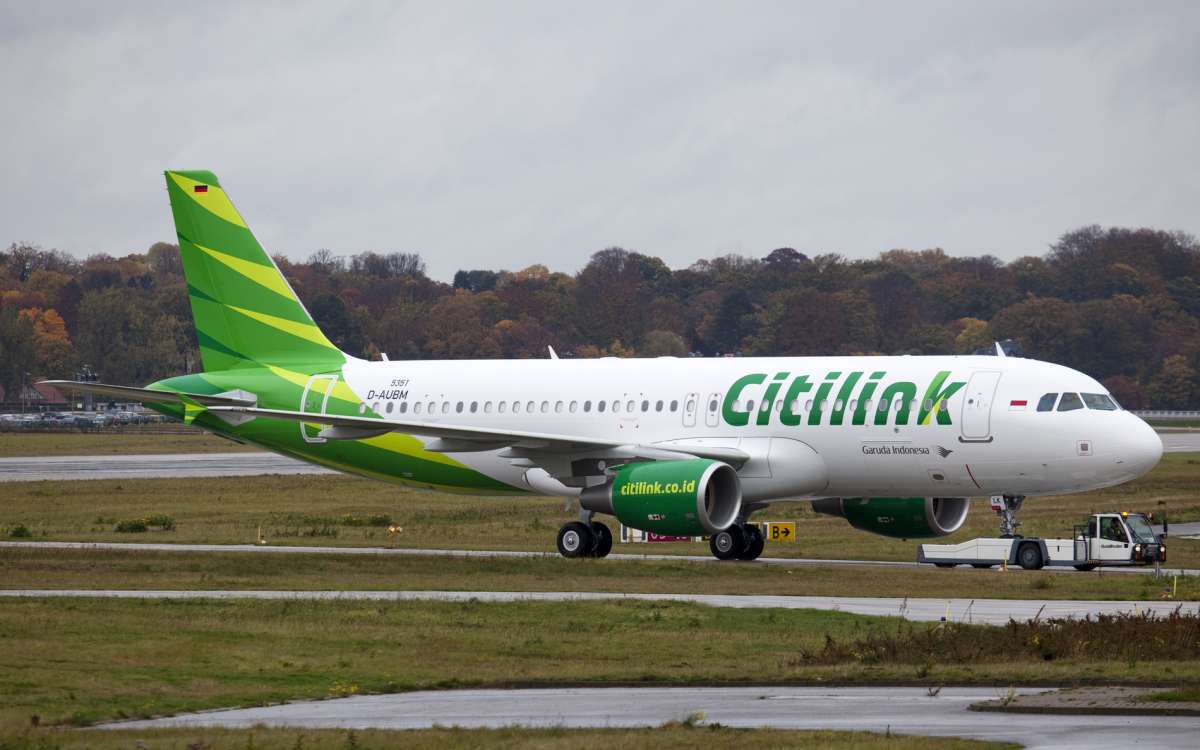
    Chief Executive of Citilink Indonesia Albert Burhan said the airline would focus on expanding flights to eastern Indonesia this year.

    Albert said there are potential routes to eastern Indonesia, which have not attracted other airlines.

    “There will be plan to open routes to other areas in Papua, but we start from Jayapura. In 2017 we want to focus on expanding flights to eastern regions of the country,” he said.

    He said he knew not all airports in eastern Indonesia could take wide bodied aircraft like Airbus, the main aircraft of the subsidiary of the nations flag carrier Garuda Indonesia.

    “Only a few could be used for Airbus A320. We might have to rely more on ATR aircraft to be safe,” he said.

    He said eastern Indonesia still needs more airlines to serve flight to and from eastern Indonesia.

    He said he was optimistic Citilink could chalk up quite high load factor in flights between Jayapura and Jakarta, although there are already a number of other airlines serving the route.

    “Our target is a load factor of 80 percent. In our first flight from Jakarta to Jayapura the load factor was almost 100 percent,” he said.

    Citilink Indonesia officially started serving the Jakarta Jayapura route on Monday using Airbus A320 with a seat capacity of 180 passengers.

  • CB Bank pursues self-service banking in Myanmar

    CB Bank pursues self-service banking in Myanmar

    Cash remains the primary payment method in many parts of Southeast Asia. In Myanmar, competition to provide cash services is intense.

    Vikram Kumar, country manager for Myanmar at the International Finance Corporation, the private arm of the World Bank Group, recently told that domestic banks in Myanmar are under pressure “to prepare themselves to cope with the demands placed on them by the expected pace of economic growth. As a consequence, most banks have upgraded or are in the process of upgrading their technology capacity.”

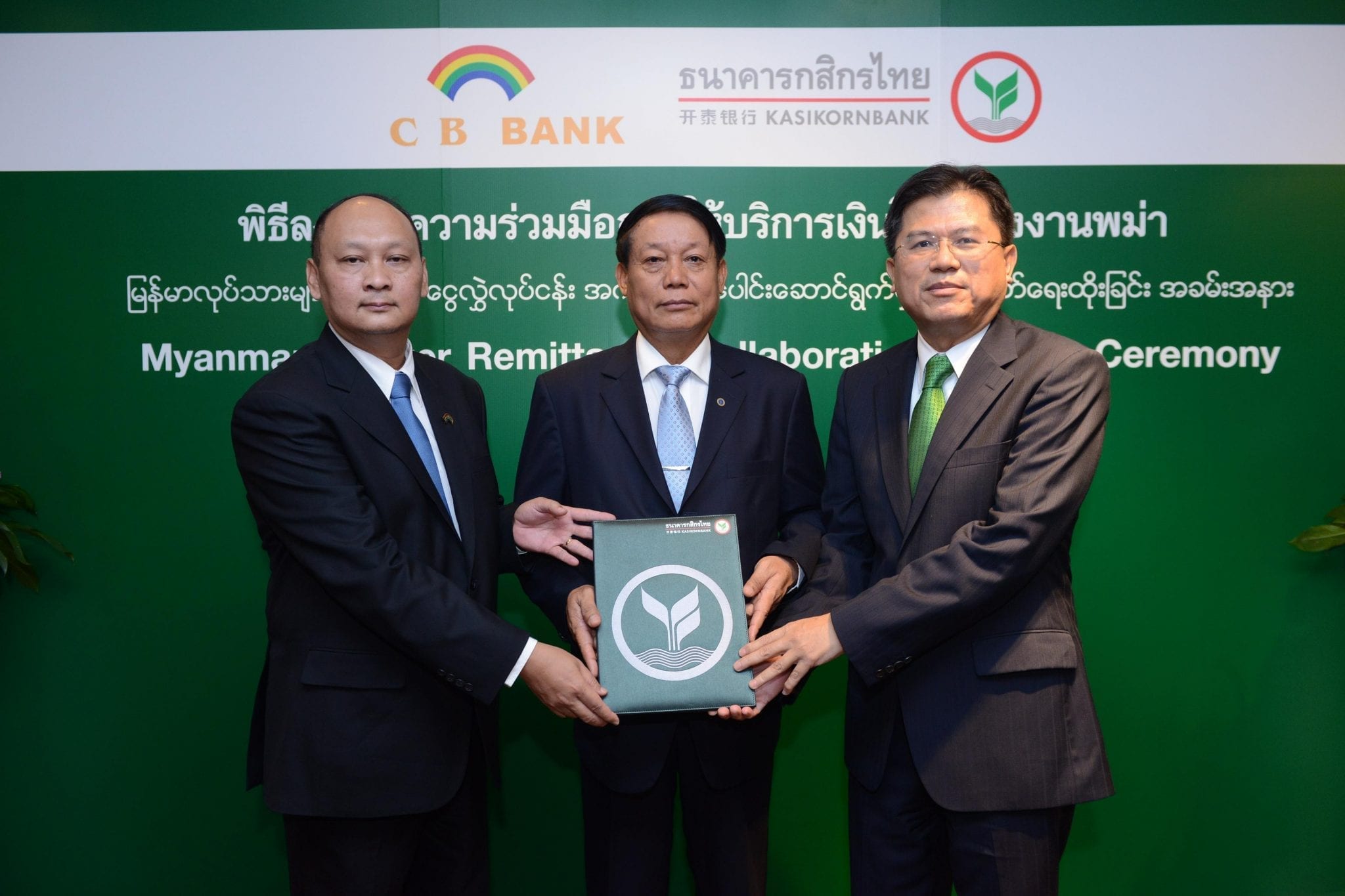
    Myanmar’s Co-Operative Bank Limited (CB Bank) is the latest to upgrade its banking infrastructure. Sometime earlier the bank upgraded all its existing ATMs to more secure EMV chip card technology and obtain EMV certification with both VISA and MasterCard.

    More recently, the bank ordered 500 new ATMs and cash recyclers as part of a more extensive contract for systems, software and services to expand its self-service cash offerings beyond the country’s main commercial hub Yangon.

    Diebold Nixdorf is also assisting CB Bank with the implementation of cardless cash withdrawals at ATMs. Bank customers will be able to use their mobile devices to generate a one-time PIN to activate a withdrawal at an ATM either for themselves or for a third party without requiring a bankcard.

    The technology provides an innovative person-to-person payment service to consumers especially in developing markets, and underscores Diebold Nixdorf’s commitment to drive connected commerce and help bridge the digital and physical worlds.

    CB Bank has grander ambitions beyond just upgrading its infrastructure. According to U Kyaw Lynn, CEO and Executive Vice Chairman, at CB Bank, the bank aims to become one of Myanmar’s top banks offering secure, innovative and convenient cash services across our branch, online and mobile channels.

    The rollout will mean a total of 1,000 advanced cash systems across a network of 180 CB Bank branches. Completion is expected to be by the end of 2017.

  • Cash payment declines by 2% in 6 year

    Cash payment declines by 2% in 6 year

    Cash as a mode of payment has declined in the country by 2 per cent in the past six years, from 14.02 per cent in 2010 to the current 12 per cent.

    As per the State Bank of Việt Nam’s report released this week, the country currently has around 67.4 million bank accounts compared to 16.8 million accounts in 2010.

    Modern infrastructure and technology to facilitate non-cash payments, especially online payments, have developed significantly. The number of bank cards has increased by 11.36 per cent against the end of 2015, to around 111 million now.

    There are around 254,000 points of sales (POS) and 17,380 automatic teller machines (ATMs), up 13.77 per cent and 5.39 per cent, respectively, compared to end of 2015.

    The central bank has issued many policies relating to modern infrastructure and technology to boost non-cash payments, to protect customer interests, and ensure quality of service.

    It has instructed commercial banks to quickly carry out a plan to convert all magnetic cards into chip cards to prevent fraud. Under the plan, all ATM cards will become EMV-standard chip cards by 2020, to reduce risks in e-commerce for both buyers and sellers.

    To protect the interests of customers, in October 2016, the central bank issued Circular 30/2016/TT-NHNN, which requires credit card service providers to compensate card owners for loss not caused by the owners, starting November 28, 2016.

    The Government also recently approved a policy encouraging cashless transactions in Việt Nam in order to reduce the number of cash-based deals, improve electronic payment methods and control tax evasion.

    Under the plan, by 2020, cash transactions in the country will be account for less than 10 per cent of total market transactions. As per the plan, all supermarkets, shopping malls and distributors will accept credit cards; 70 per cent of water, electronics and telecommunication service providers will accept cash-free payments from households and individuals; and 50 per cent of the total urban households will use electronic payment for daily transactions.

    The policy also proposes the development of new payment methods for rural and remote areas in order to encourage financial inclusion and increase overall access to services. At least 70 per cent of Vietnamese citizens over the age of 15 will have bank accounts by the end of 2020. Social welfare and pensions will be paid through electronic payment methods.

  • Globe sets 2017 capex budget at $750m

    Globe sets 2017 capex budget at $750m

    The Philippines’ Globe Telecom has allocated a capex budget for 2017 of around $750 million as the operator invests to expand its data network.

    The operator will spend the majority of its capex budget for the year on data network expansion, including investing towards its target of providing ultra-fast fiber broadband to 2 million homes by 2020.

    Globe also plans to take advantage of the spectrum it acquired from the joint purchase of San Miguel Corporation’s telecoms assets last year by investing heavily in LTE.

    But the $750 million figure marks a significant planned reduction from the operator’s roughly $1 billion in capital expenditures last year.

    The report cites Globe CEO Ernest Cu as stating that the reduction marks a rebalancing from 2016, when the company needed to borrow money to fund its network spending.

    Cu told BusinessWorld Online that the operator’s priority with its capital investments will be revenue generation, which the company plans to achieve by focusing on high-value customers in order to improve ARPU.

    This will be important in light of the agreement Globe and rival PLDT signed with the government late last year to reduce their fixed and mobile voice interconnection rates.