Tag: asia

  • Business globalisation must be more inclusive, says Jack Ma

    Business globalisation must be more inclusive, says Jack Ma

    Alibaba founder Jack Ma says business globalisation is good – but not yet good enough.

    I believe globalisation needs to be improved,” Ma told an audience during the second day of the World Economic Forum annual meeting in Davos overnight. “Globalisation, I think, should be inclusive globalisation.”

    Probed by interviewer New York Times columnist Andrew Ross Sorkin, Ma said his goal is to shift the balance of power in globalisation away from big companies and toward empowering small businesses. He said globalisation was largely controlled by 60,000 large businesses over the past three decades.

    “What if, in the next 30 years, we can support 6 million businesses across the board?” he asked.

    Ma’s appeal for more-equitable opportunities for success follow a commitment he made in a discussion with US President-elect Donald Trump earlier this month to facilitate creation of one million small business jobs in the US over the next five years.

    The Alibaba founder touched on that talk with Trump during his interview with Sorkin, saying he found the President-elect “open-minded, and (he) listened to what I talked about.” The two discussed how to develop US small businesses, promote US agricultural products and more trade between the US and China.

    “He was very happy about the results we had,” Ma said.

    Asked by a member of the audience about some of Trump’s prior negative comments on China’s trade surplus with the US and whether it might lead to a damaging trade war, Ma urged people to “give President Donald Trump some time. He has an open mind.” More broadly, he said a trade war “would be a disaster for the two countries and the world.”

    “I would do anything to stop it,” Ma said.

    Sorkin asked how Amazon’s business model stacked up against Alibaba’s, specifically, whose model is right and whose is wrong.

    “I hope both are right,” Ma said. “The world can never have one model. If you only have one correct model, it’s boring.”

    He said the two companies’ differing business models derive from fundamentally different philosophies. Alibaba is about empowering sellers, services companies, logistics companies and others to build their businesses, rather than owning the entire sales chain and logistic network.

    “Amazon is more like an empire,”he said. “Everything, they want to control by themselves. We want to be an ecosystem… Our philosophy is to empower others to sell, to service, to make sure others are more powerful than us.”

    Ma said he’s looking forward to the day when 10 million small business sellers can compete with a giant like Microsoft and “we can make every company become Amazon.”

    Ma again touted his company’s efforts at weeding out fakes on its platforms using big data. He said Alibaba has made great strides at detecting and taking down counterfeit products and worked with law enforcement to make cases against hundreds of sellers of counterfeiters last year. He said Alibaba spends about RMB1 billion a year on anti-counterfeiting efforts.

    “People criticise us. We are happy about the progress we make,” Ma said.

    Discussing Alibaba’s foray into Hollywood, Ma said the decision to go into movies came a couple of years ago during a periodic strategic review. He said Alibaba decided to enter show business as part of its so-called “2-H Strategy” – standing for happiness and health. He said movies are fun and enjoyable and that, as with all of its businesses, it’s taking a long-term view toward its success. Asked what he hoped to achieve through investment in entertainment, he compared and contrasted Chinese and American movies.

    “In China movies, the heroes are always dead. In American movies, heroes never die. In my movies, I want to make the hero live,” Ma said, drawing laughter from the audience.

  • Wahlburgers to open 100 restaurants in Asia

    Wahlburgers to open 100 restaurants in Asia

    Wahlburgers – the burger restaurant brand founded by chef Paul Wahlberg and celebrity brothers Mark and Donnie – is to launch in Asia.

    Through a joint venture with Hong Kong-headquartered Cachet Hospitality Group (CHG), Wahlburgers will open in Hong Kong, Mainland China and Thailand this year.

    CHG has signed agreements with World Packaging Center to open the first restaurant in Hangzhou and with Shanghai-based Naked Hub, which will open 20 Wahlburgers in their office complexes in Hong Kong and the mainland, the first two in Wuhan, and Shanghai. Thailand’s Big Ho Corporation will open 20 Wahlburgers inside Big C Supercenter stores throughout northern Thailand.

    Actor Mark, musician Donnie and chef Paul hosted a launch party in Hollywood overnight to commemorate the venture.

    “We’re excited about this wonderful opportunity to grow in Asia,” said Wahlburgers CEO Rick Vanzura.

    “Having a savvy, financially strong partner is essential and we have a great partner in the Cachet Hospitality Group, which will bring an unprecedented level of service and strength to the Wahlburgers brand. Cachet is dedicated to family, community and, of course, bringing diverse groups of people together through great food – the very same values that drive Wahlburgers.

    “Thanks to Cachet, we already have our first confirmed restaurant projects outside of North America, and we look forward to making history together,” said Vanzura.

    CHG CEO Alexander Mirza said the timing of Wahlburgers’ Asian debut was perfect. “There is dramatic growth in US-style destination malls with increasing space committed to restaurants as mall owners see both traffic and income rise dramatically.

    “This combines perfectly with the explosive popularity of international restaurant brands in China’s malls and airports, opening the door to tremendous opportunity for Wahlburgers and our Asia Pacific joint venture,” said Mirza.

    The joint venture plans to open 100 restaurants in China and the surrounding region over the next five years.

    “With two strategic partnerships in place, Wahlburgers Asia Pacific is in a strong position to achieve its goal of opening in a variety of locations, including shopping centers, theme parks, residential and office developments and hotel and resort properties,” the partners said in a statement.

    Wahlburgers made its debut in October 2011 in Hingham, Massachusetts. The subject of an A&E reality show, Wahlburgers offers a fun, casual music-filled atmosphere where guests, like family, share great food, a few laughs and lots of love. While its walls celebrate the story through photos and words of the Wahlberg brothers’ life journeys from Dorchester, Mass. neighborhood kids to rising chef and international superstars, it’s the food at Wahlburgers that takes center stage.

    Crafted by chef Paul and served with heartfelt hospitality, the chef-inspired menu features a variety of fresh burgers, housemade condiments, crispy haddock, seared chicken and vegetarian options. Other signature items include Mom’s Sloppy Joe, thin crispy onion rings, tater tots and thick creamy frappes and floats. Gluten free options are available.

    Wahlburgers’ full-service bar offers adult frappes, cocktails, wines and beers including the signature Wahlbrewski – a Harpoon Brewery custom, unfiltered Pale Ale.

  • Macau retail revival outshines Hong Kong

    Macau retail revival outshines Hong Kong

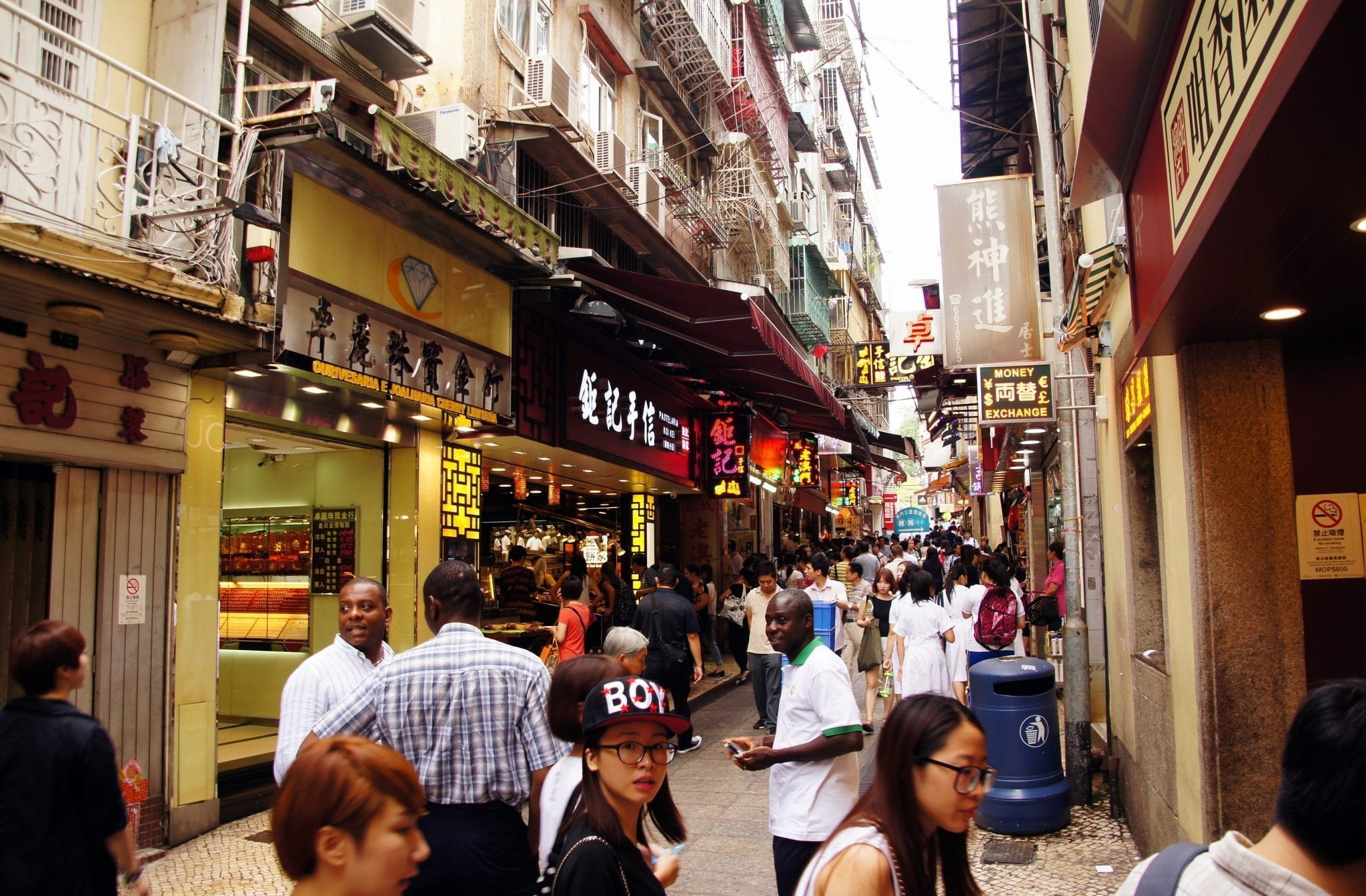
    Macau is enjoying a retail revival, according to the latest government data.

    Macau Association of Retailers and Tourism Services executive committee president Frederick Yip, who organised December’s Macau Shopping Festival festival, says the city’s retail industry will be back on a path of growth again soon. The festival generated total sales of MOP230 million (US$28.8 million).

    Of the total, a sale event featuring branded products between December 23 and 25 saw sales exceed MOP2 million, while another special sales event at Landmark Macau raked in MOP2 million, reports the Macao Daily. About 1800 SMEs took part in the festival.

    Yip says the city’s economy has started to recover since gaming revenue began rebounding in August, with more casino-resort projects nearing completion. Macau’s casino gross gaming revenue for last year was equivalent to US$27.9 billion.

    Free Wi-Fi internet access was provided at the festival for the first time, and Yip says a total of 145,000 hours were used by 475,000 people.

    Also helping boost the economy have been the Macau Grand Prix motorsport weekend and a Food Festival in November.

    Statistics and Census Service (DSEC) survey figures show that 30 per cent of respondents in the catering sector reported a year-on-year increase in turnover for the month, up 4 per cent from October. Most popular were Chinese restaurants, followed by Western restaurants, then Japanese and Korean.

    On the other hand, half of the respondents had a similar decrease in turnover to October.

    In the retail sector, 39 per cent of respondents reported a year-on-year increase for November, up 4 per cent points from October. All leather goods retailers saw their turnover grow, while increases were reported by 62 per cent of adult clothing retailers and 50 per cent of department stores.

    On the downward side of the ledger were supermarkets and watch and jewellery retailers. They were among 53 per cent of surveyed retailers that say their turnover decline – by up to 28 per cent for supermarkets.

    Expecting decline

    But while Yip is upbeat, retailers seem more pessimistic looking ahead, with 40 per cent of respondents expecting their turnover to decline in December. Only 19 per cent of merchants were confident of an increase.

    The survey covered 167 F&B businesses and 135 retailers.

    Meanwhile, below the radar a black economy has been uncovered by the Judiciary Police, reports GGR Asia.

    The police say the value of detected retail transactions in Macau using allegedly unregistered China UnionPay handheld terminals amounted to about MOP4.995 billion (US$625.5 million) last year.

    A total of 25 investigations were opened into cases involving alleged unregistered UnionPay handheld terminals. Of those, 20 were passed as cases to the Public Prosecutions Office for further action, the balance reaching an impasse because of lack of evidence.

    The police identified 53 suspects as part of the investigations: 14 from Macau, 38 from Mainland China and one from Hong Kong.

    Early this month, the Judiciary Police and Monetary Authority of Macau jointly conducted raids against the suspected use of illegally modified UnionPay terminals. The police detained 23 people connected to eight shops, suspected of committing computer fraud and being involved in organised crime.

  • Samsung Malaysia launches into regions

    Samsung Malaysia launches into regions

    Samsung Malaysia Electronics has launched its first Samsung Experience Store (SES) in Genting Highlands, at Sky Avenue mall.

    It is a one-stop shop providing mobile phones and accessories as well as associated services.

    Samsung Malaysia Electronics IT and mobile business unit VP Lee Jui Siang says the opening of the store is another step forward in the company’s plans to expand to different regions of Malaysia.

    To mark the store’s opening, Samsung offered customers a chance to take home a personalised caricature mug specially drawn using a Galaxy Note 5. It also gave away a special-edition umbrella for Samsung product purchases.

  • This is what Hanoi’s first subway train may look like

    This is what Hanoi’s first subway train may look like

    French company Alstom has signed a $340 million contract to provide 10 modern train sets and build 12 stations. Hanoi Metropolitan Railway Management Board has signed a $340 million contract with French company Alstom for a metro system.

    Under the contract, the French urban mobility supplier will supply and integrate 10 train sets, each with a capacity for 900 passengers, for the city’s Metro Line 3, linking Nhon and Hanoi Station.

    It will also build 12 stations and one depot for maintenance.

    The contract is sponsored by the French government and will be carried out in four years.

    The 12.5-kilometer line is designed to carry 8,600 people per hour for each direction. It is one of several planned for the capital’s metropolitan area. Together they will form a rail network that is hoped to help ease traffic congestion and reduce emissions.

    Work on the line began in 2010, with the cost estimate originally set at $1.2 billion and operation scheduled in 2017. But funding delays may stretch the deadline to 2021.

    Hanoi officials said the city will need billions of dollars to develop transport infrastructure over the next five years, but funding is tight and this could affect the city’s growth prospects.

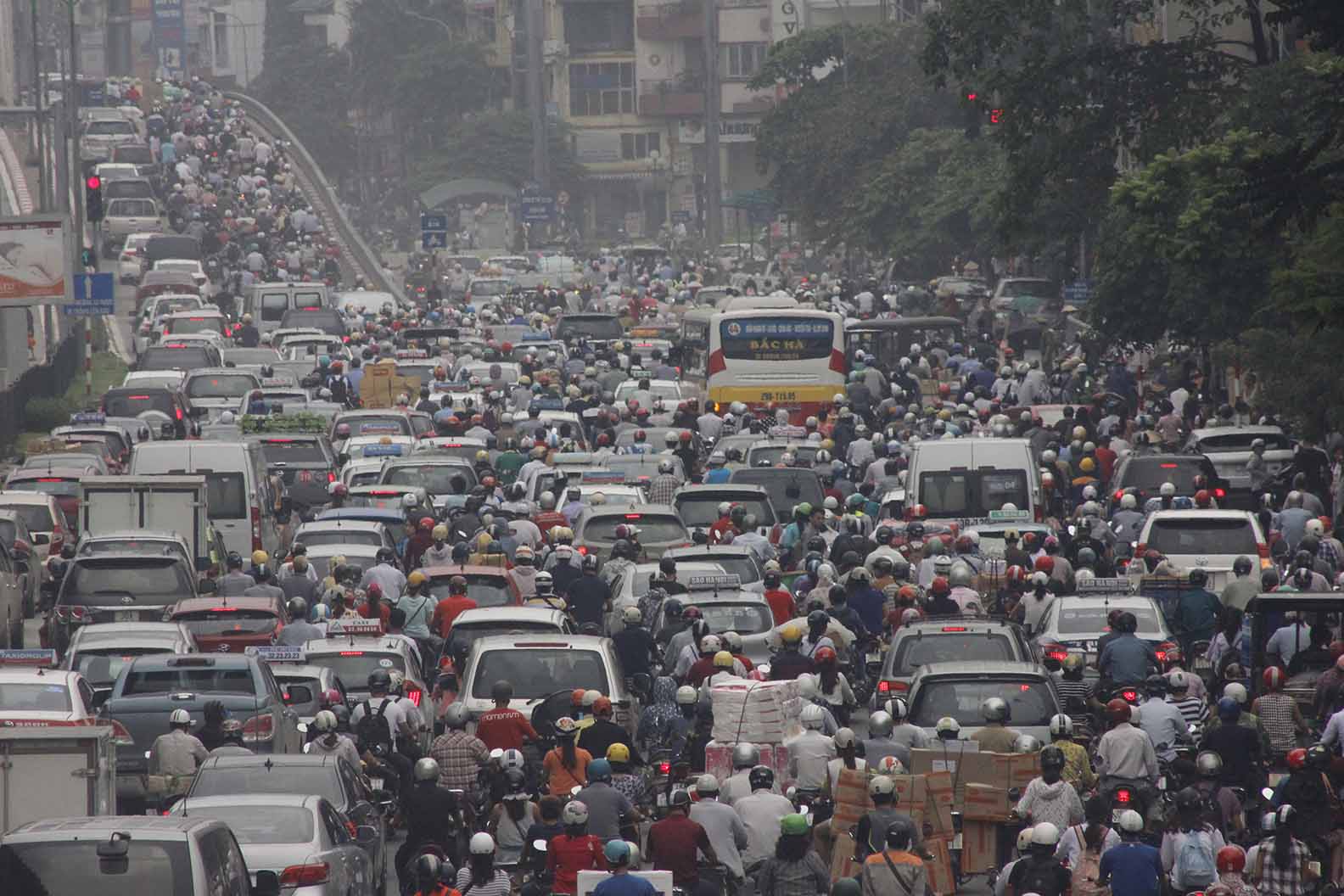
    There are more than five million motorbikes on Hanoi’s roads and the city is adding as many as 19,000 newly registered vehicles each month.

    With the number of vehicles growing 10 percent and road space at only 2 percent a year, traffic in Hanoi is on course for crippling gridlocks, experts say.

  • Raja Ampat to organize various festivals to lure tourists

    Raja Ampat to organize various festivals to lure tourists

    The district administration of Raja Ampat in West Papua Province will organize various festivals to lure tourists to the island.

    The planned festivals will be part of the tourism campaign for the region, according to the Head of Raja Ampat tourism office, Yusdi Lamatenggo, on Saturday (Jan. 21).

    This years list of festivals include a maritime festival, a flute and drum festival, the Wonderful Misol festival, the Wonderful Salawati festival, the Wonderful Waigeo festival, a fish cooking festival and a Red and White festival.

    There will also be a spiritual festival, a blue sea festival, the Raja Ampat Fair and the Raja Ampat childrens reading festival.

    The events are also intended to preserve and promote the regions local culture and arts, he added.

    In an effort to improve transportion access to Raja Ampat, the government has also launched several key infrastructure projects on the islands.

    Regular transportation will be made available from the regional capital of Waisai to other islands, including Misol Island.

    “Foreign and local tourists will now be able to visit the islands without having to hire expensive speedboats,” explained Lamatenggo.

    The Wing Air Lion Group will also operate direct return flights from Jakarta to Manado and Waisai to improve the access to West Papua from outside the region, he said.

    “At the moment, tourists wishing to visit Raja Ampat have to take a long flight from Jakarta to Sorong,” he added.

    The Indonesian archipelago of Raja Ampat, fondly called the Living Eden or Paradise on Earth, was a lesser-known tourist destination and was familiar only to intrepid travelers and avid divers.

    Considered to be a crown jewel in Indonesia, Raja Ampat has crystal clear turquoise waters and islands covered by dense green forests and mangrove swamps.

    Located in an area called the “Coral Triangle” between the Pacific and Indian oceans in eastern Indonesias West Papua province, the world is now taking notice of Raja Ampat after the Indonesian government intensified its tourism campaign to promote the region.

  • Digital native Gen Z prefers to shop in-store

    Digital native Gen Z prefers to shop in-store

    Despite being the first “digitally native” generation, Generation Z – people born from the late 1990s through 2010 – still prefer to shop in bricks-and-mortar stores, according to a new study released IBM and the National Retail Federation.

    Though this generation grew up not knowing the world before cellular phones, smartphones, and other digital devices, the study found that 67% of Generation Z shop in a bricks-and-mortar store most of the time, with another 31% shopping in-store sometimes, indicating that 98% of Gen Z shop in the store.

    “Just as Millennials (born between 1980 and 2000) overtook Generation X (born from the mid-60s to early ‘80s), there’s another big buying group retailers need to plan for, and it’s even larger: Generation Z,” NRF President and CEO Matthew Shay said.

    “They appreciate the hands-on experience of shopping in a store. Technology is constantly evolving but some shopping habits remaining the same, retailers need to be agile enough to serve both needs.”

    The study, conducted by the IBM Institute for Business Value is based on findings from more than 15,000 consumers aged 13-21 from 16 countries. It estimates the global Gen Z population to reach 2.6 billion by 2020.

    It said retailers should consider this post-Millennial generation important because it has access to $44 billion in buying power, with 75% saying they spend more than half of the money that is available to them each month.

    This generation is also demanding: 52% of Gen Z consumers will transfer loyalty from one brand to another if the brand’s quality is not up to par. They care the most about retailers getting the basics right, with 66% saying product quality and availability are the most important factors when choosing one brand over another; 65% focus on value.

    “Retailers need to create more interactive engagement around their brands to serve the “always on,” mobile-focused, high-spending demographic,” the study noted.

    The study also found 74% of respondents spend their free time online, with 25% online five hours or more each day. Around 73% of Gen Z use their phones primarily to text and chat socially with family and friends, but members are willing to extend their conversations to brand relationships.

    For example, 36% would create digital content for a brand, 42% would participate in an online game for a campaign and 43% would participate in a product review.

    They also have no patience for hard-to-use technology and demand a seamless mobile/digital experience. Sixty-two percent will not use apps or websites that are difficult to navigate and 60% will not use apps or websites that are slow to load.

  • Taiwan’s VAT On Online Retailers Becomes Law

    Taiwan’s VAT On Online Retailers Becomes Law

    On December 28, Taiwan’s President Tsai Ing-wen signed into law the amendment to the Value-Added and Non-Value-Added Business Tax Act to impose tax on foreign online sellers’ supplies to Taiwanese consumers.

    The amendment is intended to raise additional revenues and level the playing field for Taiwanese bricks-and-mortar retail and service businesses.

    The Ministry of Finance is to draw up the required tax regulations and procedures. In addition, it is to establish a website for simplified business registration and for filing VAT returns and paying VAT.

    Foreign online suppliers selling cross-border goods and electronic services to end consumers will have to register for tax in Taiwan through a permanent establishment, or appoint a VAT or non-VAT tax representative. The permanent establishment or agent will be required to file the necessary bimonthly tax returns. Significant penalties will be imposed for non-compliance.

  • Indonesia’s cooperative kicks off smart phone production

    Indonesia’s cooperative kicks off smart phone production

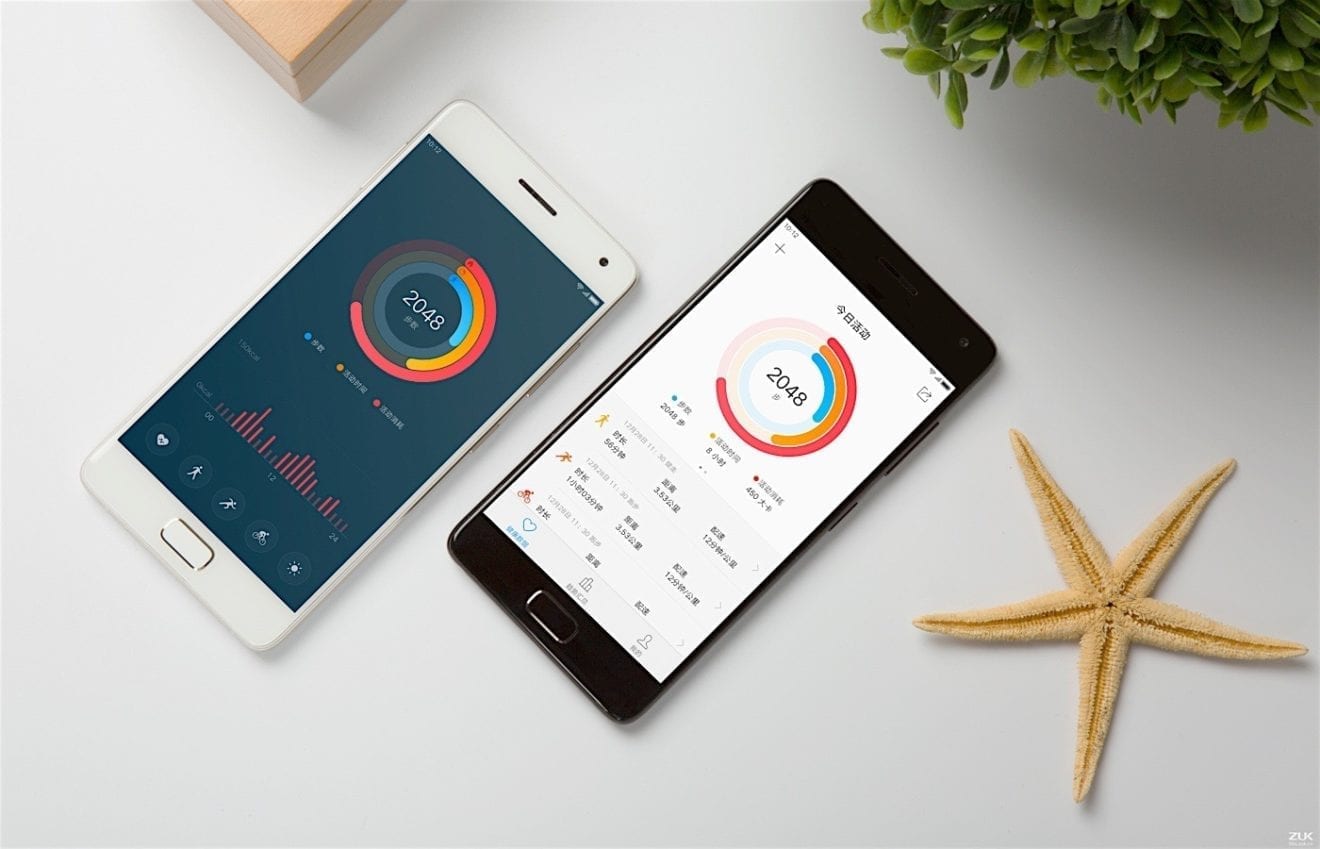
    Jumping on the bandwagon of local cell phone production, newly-founded cooperative Koperasi Digital Indonesia Mandiri (KDIM) on Friday started the production of a locally built smartphone under the brand of Digicoop.

    The smartphone is set to bolster the domestic cell phone market currently dominated by big players, especially foreign manufacturers.

    The initial model comes with a 4.7 inch-screen, a 1.5 Ghz quadcore processor, 1 GB of RAM, two cameras, two SIM card slots and 4G LTE compatibility.

    Unlike commercially distributed phones, this smartphone can only be obtained by becoming a member of the cooperative via its website, after which one needs to pay Rp 100,000 (US$7.48) per month for one year. Delivery occurs after two month of subscription.

    KDIM chairman Henry Kasyfi Soemartono said the cooperative would produce 5,000 units in the initial phase, with pre-orders currently running at 1,500 units.

    Henry further said the basic idea of the cooperative was to maximize people’s power to create a strong local information technology business.

    “A cooperative is the ideal format for crowdfunding in Indonesia,” said Henry during the event to kick off production. “It is neutral and everybody has the same say. It also provides benefits to its members.”

    KDIM was set up in June last year by the Associations of Indonesian Internet Providers (APJII) and Indonesian Information and Telecommunications Society (Mastel).

    It aims to bring the cooperative format to Indonesia’s information technology (IT) business currently saturated by giants.

    The cell phone is the result of collaboration with a team of experts from the Bandung Institute of Technology (ITB) and is made in the factory of electronics manufacturer PT VS Technology in Cikarang, West Java.

    Indonesia has seen its domestic phone industry rise in recent years, with some manufacturers, like Polytron, already running local factories.

    Communications and Information Technology Minister Rudiantara, who was present during the event, said the economic model of a cooperative could be a solution for the IT business, including the ride-sharing business based on mobile phone applications.

    “The Uber and Grab Car drivers need entities to operate, while both companies have yet to register as transportation companies. So, we’ve suggested that they form cooperatives for the drivers,” he said.

    Rudiantara said the government would support the development of KDIM, such as by facilitating synergy with cooperatives for ride-sharing.

    Henry said KDIM had ambitions beyond smartphone-making, namely to buy a satellite and run an internet provider business. To do this, members interested in participating in the satellite purchase could deposit Rp 5 million and in return access internet for free for a lifetime.

    “We need to find at least 500,000 people who want to participate, so that we can buy a satellite for the people,” Henry said, adding that a satellite would cost between $200 million to 250 million.

    The plan would materialize in the next three years as preparations were still underway, he added.

    Based on the latest APJII survey, Indonesia has 132.6 million internet users, the highest number in Southeast Asia and the fourth-highest globally. Half of its more than 260 million population still cannot access the Internet.

    KDIM digital equipment head Teguh Prasetya said KDIM was preparing for designs for middle and high-end models. In the meantime, the cooperative tried to increase its local content, including applications, from 20.2 percent at present to 30 percent by the end of this year.

  • Nike aims for traction in Cambodia with first retail store

    Nike aims for traction in Cambodia with first retail store

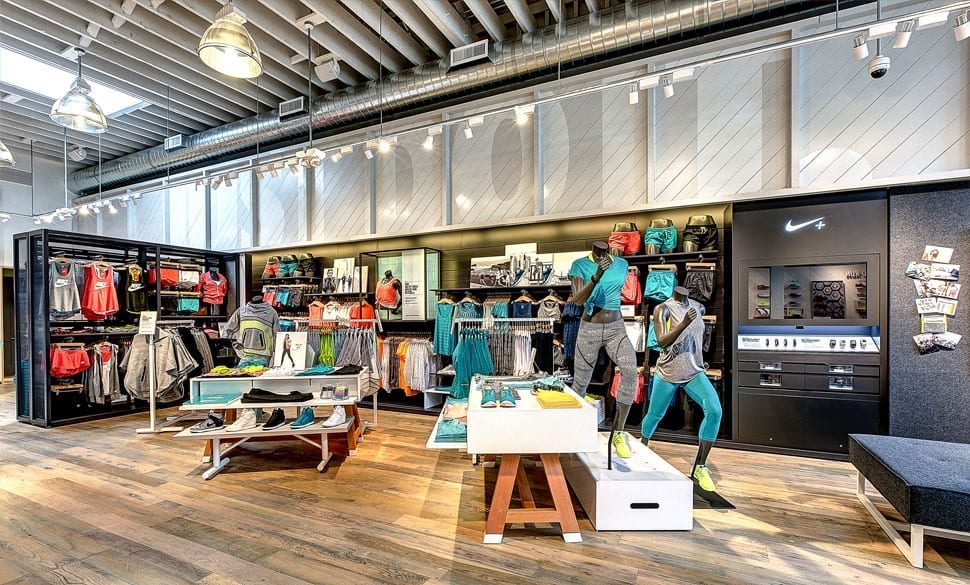
    American sporting goods giant Nike has opened its first dedicated retail store in Cambodia in what observers have described as another sign the Kingdom’s strong economy and rising incomes had not gone unnoticed by international retail giants.

    The opening of the outlet store in central Phnom Penh marks the first time that Nike goods such as sport shoes and apparel – including items produced at local factories – can be purchased from a dedicated brand outlet.

    According to Julie Chung, Charge d’ Affaires at the US Embassy in Phnom Penh, Nike’s retail launch underscores the Kingdom’s economic development and its ability to attract major name-brand American products and investment.

    “This is a testament to the economic transformation that is taking place here a transformation we hope the United States and American companies can continue to help support,” she said at the store opening on Saturday.

    Ronald Marvin, executive director of the American Chamber of Commerce, said the Nike store’s arrival was a positive sign that American businesses have confidence in the Cambodian market.

    However, on a retail level, some analysts said the choice of opening a flagship store on Monivong Boulevard, rather than in an upscale mall or neighbourhood such as Aeon Mall or Boeung Keng Kang 1, could signify that Nike was still testing the market before going all in.

    “The fact that they are not opening a flagship store in a more prime location could be because they just want to establish a presence in Cambodia for the meantime,” said Sofia Perez of property consultancy advisory Knight Frank Cambodia.

    She said that while Nike’s brand-name appeal would certainly help business, it should not be relied on as the sole marketing tool.

    “The choice in location and the store size will definitely affect brand image, which is important for consumers because for a higher price, they would also expect a more exclusive shopping experience among other added benefits,” Perez said.

    She added, however, that if Nike can develop an effective marketing strategy with added consumer benefits, “they could definitely increase the pressure on their competitors”.

  • American Airlines Cargo transports priceless art to Hong Kong

    American Airlines Cargo transports priceless art to Hong Kong

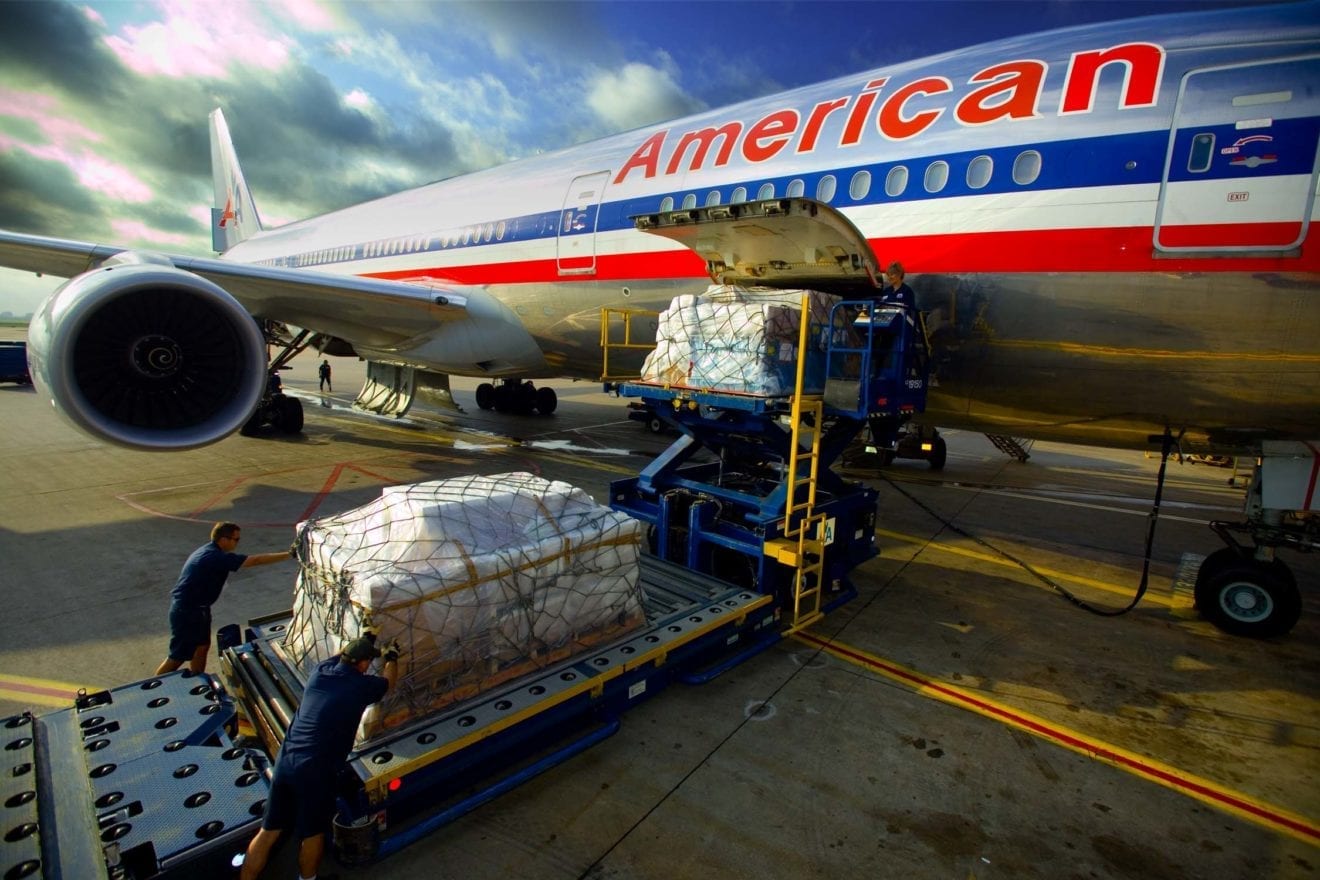
    American Airlines Cargo safely delivered more than 3,000 pounds (1,500 kilograms) of priceless artifacts belonging to the Kinsey African American Art and History Collection from Los Angeles (LAX) to Hong Kong (HKG).

    Working with Cookes Crating, one of America’s oldest and most respected fine art shippers, over 100 artifacts, including paintings, sculptures, rare first editions, manuscripts and official records, were transported to The University of Hong Kong Museum and Art Gallery. The three month long exhibition tells the story of African American achievement and contribution.

    “With priceless artifacts like those in this collection, we offer customers peace of mind with our High Value service, which includes enhanced safety and security measures, such as special handling and surveillance at every touch point,” said Joe Goode, American Airlines Cargo’s managing director, Cargo Sales – Western Division. “Plus, with our direct flight from LAX to HKG, we were able to quickly and successfully deliver the shipment in prime condition before the exhibition’s debut in Hong Kong.”

    The Kinsey family’s long-standing relationship with American was just recently extended to the Cargo division for the shipment of their invaluable collection because of the carrier’s experience in handling high-value shipments.

    “My family and I have been loyal customers of American Airlines for nearly 40 years, beginning with my parents who have visited 100 countries and flown millions of miles,” said Khalil Kinsey, general manager and chief curator – The Kinsey Collection. “American has played an integral role in our business from a travel perspective, and we are excited to expand our relationship to the cargo and logistics aspect. The Cargo division provided a smooth and efficient experience that gave us great comfort and confidence that our crates full of priceless contents would be handled with the utmost care, as well as arrives safely and on time.”


  • One person, one car in Hanoi as it considers a new traffic plan

    One person, one car in Hanoi as it considers a new traffic plan

    Hanoi is considering limiting individuals to one car and one license plate to ease pressure on its roads due to the continuing rise of newly-registered vehicles.

    Colonel Dao Vinh Thang, the chief of the Hanoi traffic police force, made the proposal at a meeting on Friday, urging municipal leaders to consider the new regulation.“If people want to get a new vehicle, they must use the old license plate,” he added.

    16,000 new motorbikes and 500 new cars are registered in the city every month, official figures show. Five years ago, Hanoi’s traffic infrastructure could support 5 million vehicles, but now it has to cope with two or three times that amount, which authorities are really struggling to control, Thang said.

    Major General Tran The Quan from the Ministry of Public Security shared the same view, saying this type of restriction on vehicle ownership has been applied in other countries, and that transferring license plates from old cars to new vehicles could help lower registration costs.

    However, Quan said that since Vietnam’s current law doesn’t impose any limit on the number of vehicles citizens are allowed to own, the regulation would require a lot of amendments to existing decrees and government circulars.

    But the proposal has raised some eyebrows.

    Attorney Pham Thanh Binh, director of Bao Ngoc Law Company, warned that restricting vehicle ownership would risk violating the Constitution.

    “Vietnam’s Constitution says that all citizens have the right to buy or sell any assets that are not prohibited by the state,” said Binh.

    The attorney, however, supports the idea that each person should only be allowed one license plate which they can use for life.

    Statistics show that Hanoi has more than 5.5 million personal vehicles (nearly 500,000 cars and more than five million motorcycles). The numbers are expected to increase to more than 7.3 million motorbikes and 1.3 million cars by 2025.

    Hanoi recently launched a competition seeking solutions from the public to solve its serious congestion problems, with a first prize of $200,000.

    The capital has been trying to ease traffic by constructing more highways and overpasses and launching the city’s first bus rapid transit route, in addition to more normal buses. To ease congestion, the city previously suggested banning motorbikes from inner-city streets over the next four years. However, experts said the proposal was unfeasible due to undeveloped and insufficient public transport.

    Last September, the city’s top leader Hoang Trung Hai also put forward another plan to make vehicles park only on one side of the road, depending on whether it’s an odd or even day. To date, no additional details of the plan have been unveiled.

  • Philippine Airlines expands operations at Clark

    Philippine Airlines expands operations at Clark

    Philippine Airlines is ramping up its operations at Clark International Airport, north of Manila. The national carrier is aiming to ease pressure at Manila’s Ninoy Aquino International Airport by launching new services connecting Clark with Cebu, Davao and Puerto Princesa. Clark is located approximately 80km from the Philippine capital.

    Having launched flights between Clark and Boracay in late 2016, PAL will launch four weekly Clark-Cebu flights and three weekly Clark-Davao services on 30 January 2017. Then on 26 March PAL will start offering three weekly flights between Clark and Puerto Princesa, on the island of Palawan.

    “We aim to cater to the flight needs of northern Metro Manila, central and northern Luzon residents. Now, they will be able to experience the convenience of easy travel from their homes to the Clark Airport. Travellers from abroad and domestic outlying stations may fly to Clark and journey on to popular travel spots in the Luzon area,” stated PAL’s president & chief operating officer, Jaime Bautista.

    PAL will continue to serve Cebu, Davao and Puerto Princesa from Manila’s main airport.

  • Hong Kong’s Credit China FinTech joins GBBC

    Hong Kong’s Credit China FinTech joins GBBC

    Hong Kong based FinTech service provider Credit China FinTech Holdings has signed on as a founding member of the new Global Blockchain Business Council (GBBC).

    The GBBC was established by bitcoin mining company Bitfury and international law firm Covington at the first Blockchain forum of the World Economic Forum in Davos on Tuesday.

    The council aims to act as a forum for businesses, innovators and technologists to come together and explore the opportunities Blockchain has to offer in the business world, as part of efforts to advance the technology.

    Credit China FinTech plans to apply Blockchain in the custody of assets in its online lending business and supply chain finance business, and is exploring using the technology in other business areas.

    The company is therefore committed to the development of the Blockchain ecosystem, and is joining the GBBC to facilitate this development, Credit China FinTech CEO Phang Yew Kiat said.

    “It is our pleasure to represent Hong Kong, China, to be the founding member of the GBBC together with the world’s top business leaders,” he said.

    “With the help of Credit China FinTech’s capabilities and advantages in China and Southeast Asia FinTech industry, we aim to build a better environment for the development of Blockchain technology to be applied in global commerce, communications, financial services, intellectual property, and other areas.”

  • Malaysian retailer leaves Hanoi after two stormy years

    Malaysian retailer leaves Hanoi after two stormy years

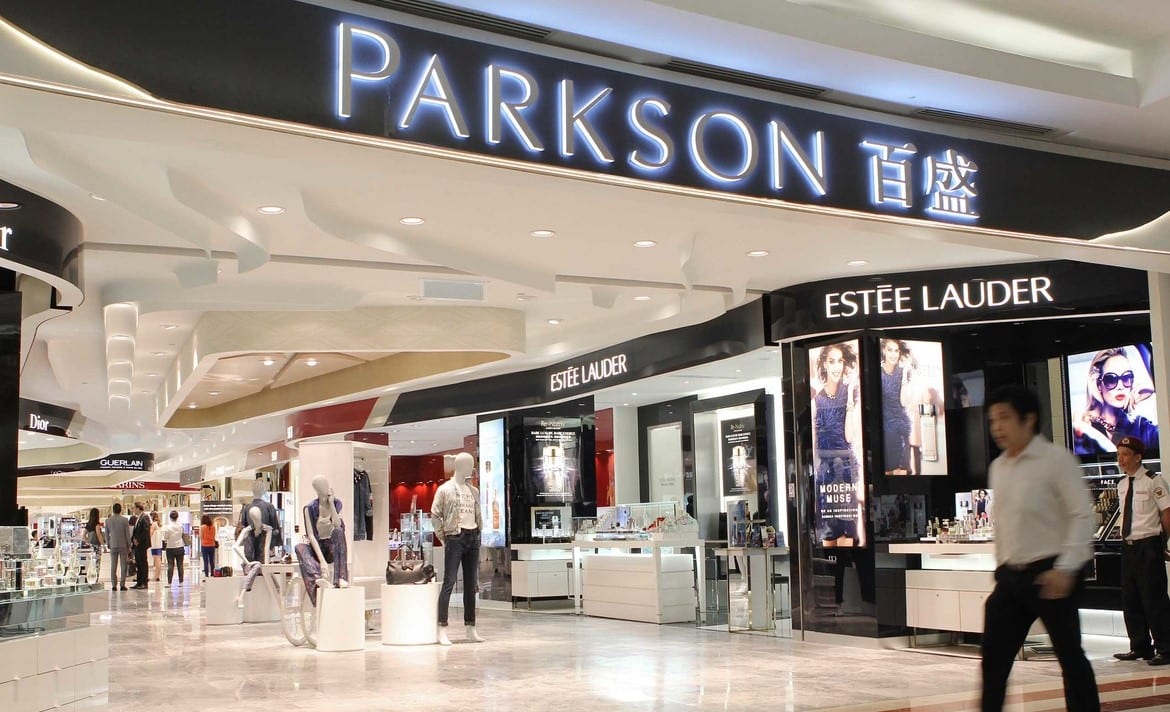
    After closing some of its department stores in Hanoi within a two-year period, Parkson, a retail giant from Malaysia, has officially decided to leave the capital. Parkson Viet Tower on Thai Ha street will close on December 15. Meanwhile, Vincom, just opened Vincom Pham Ngoc Thach in early November.

    In early 2015, Parkson closed Parkson Keangnam Hanoi Landmark. The closure produced a big stir as the owners of the shops were asked to move at night.

    In May 2016, Parkson shut down Parkson Paragon in Phu My Hung Urban Area in district 7 in HCM City.

    Located outside the central area of the city, Parkson Paragon was prominent in Phu My Hung new urban area, on Nguyen Luong Bang street, the financial heart of the area.
    However, the advantageous position could not help Parkson Paragon, especially when it had to share the pieces of the market cake with many other retailers with similar business models in HCM City.

    Parkson still maintains seven malls in three cities, including five in HCM City: Parkson Saigontourist in district 1, Parkson Hung Vuong Plaza in district 5, Parkson C.T Plaza in Tan Binh district, Parkson Cantavil Premier in district 2 and Parkson The Flemington in district 11. The latter has not had good customer traffic.

    It also has Parkson TD Plaza in Hai Phong City and Parkson Vinh Trung Plaza in Da Nang. Sources said the business in Da Nang has not been satisfactory.

    Parkson is a brand of Lion Group from Malaysia. Analysts believe that the insistence on the ‘department store’ model put Parkson at a disadvantage in comparison with the ‘shopping mall’ model applied by other big brands such as Vincom, Aeon, Mipec and Crescent Mall.

    Parkson has also had to share the branded-goods market with new rivals. And a series of counterfeit goods scandals also contributed to Parkson’s unsatisfactory business results.

    In 2010, when many retail brands appeared in Vietnam and the shopping mall model joined the market, Parkson became entangled in some scandals on counterfeit goods.

    Topics like ‘be cautious when buying goods at Parkson’ or ‘Parkson sells fake goods’ were shared on forums. Many customers also made complaints about the service quality at Parkson centers.

    Parkson admitted that it will face big problems in the last quarter of the 2016 fiscal year. The retailer has not mentioned the opening of more stores in Vietnam in its strategy to expand its network in SE Asia.