Tag: asia

  • M1, Huawei complete 5G mmWave demo

    M1, Huawei complete 5G mmWave demo

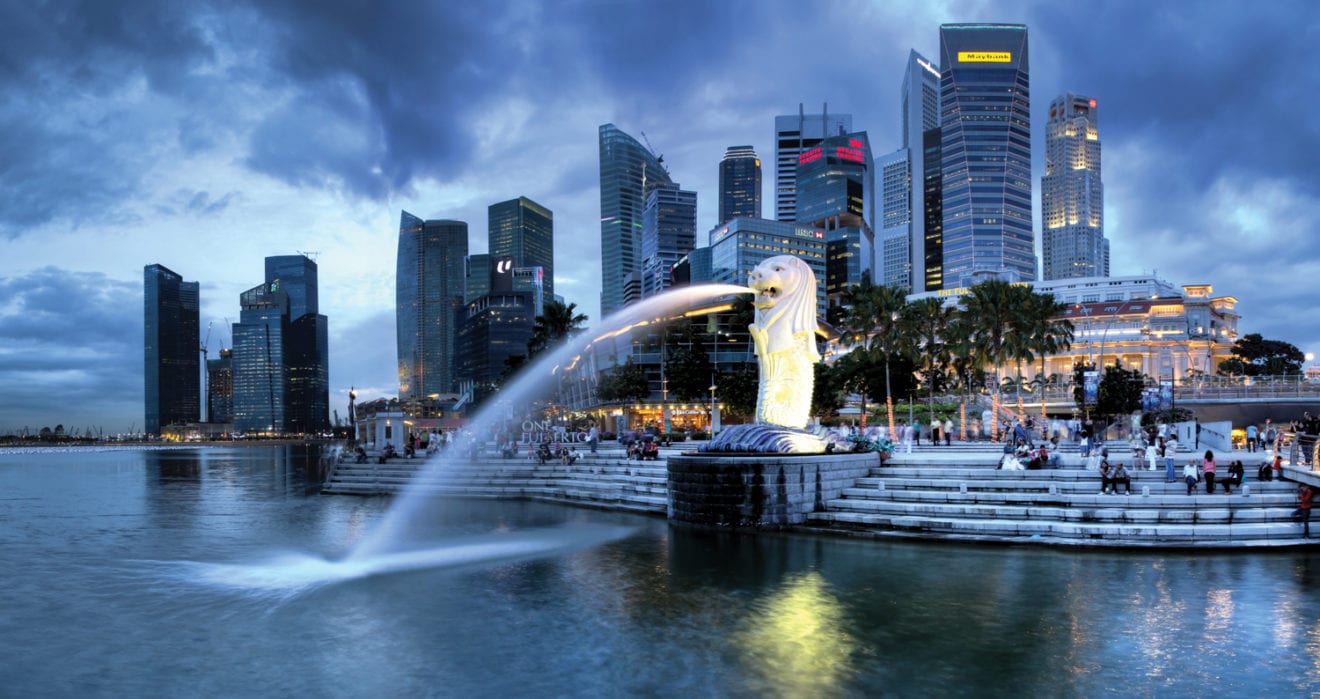
    M1 and Huawei have completed a 5G demonstration over 73-GHz E-band spectrum, achieving Singapore’s highest 5G transmission speeds of 35Gbps.

    The demonstration at M1’s main operating center in Jurong has validated the performance of 5G using millimeter wave high frequency bands, the companies announced.

    M1 CTO Denis Seek said 5G will support the massive number of low-latency connections critical to driving the next wave of technological development in areas including virtual and augmented reality, the connected car and autonomous vehicles as well as IoT applications.

    “Singapore’s mobile networks are widely acknowledged as amongst the most advanced worldwide, and M1 is committed to staying at the forefront of 5G technology to ensure our consumers enjoy the best experience and latest smart applications,” he said.

    In Hong Kong, SmarTone and Ericsson recently conducted the city’s first 5G demonstration using millimeter wave spectrum.

  • Asia’s smart home market to be worth $115b by 2030

    Asia’s smart home market to be worth $115b by 2030

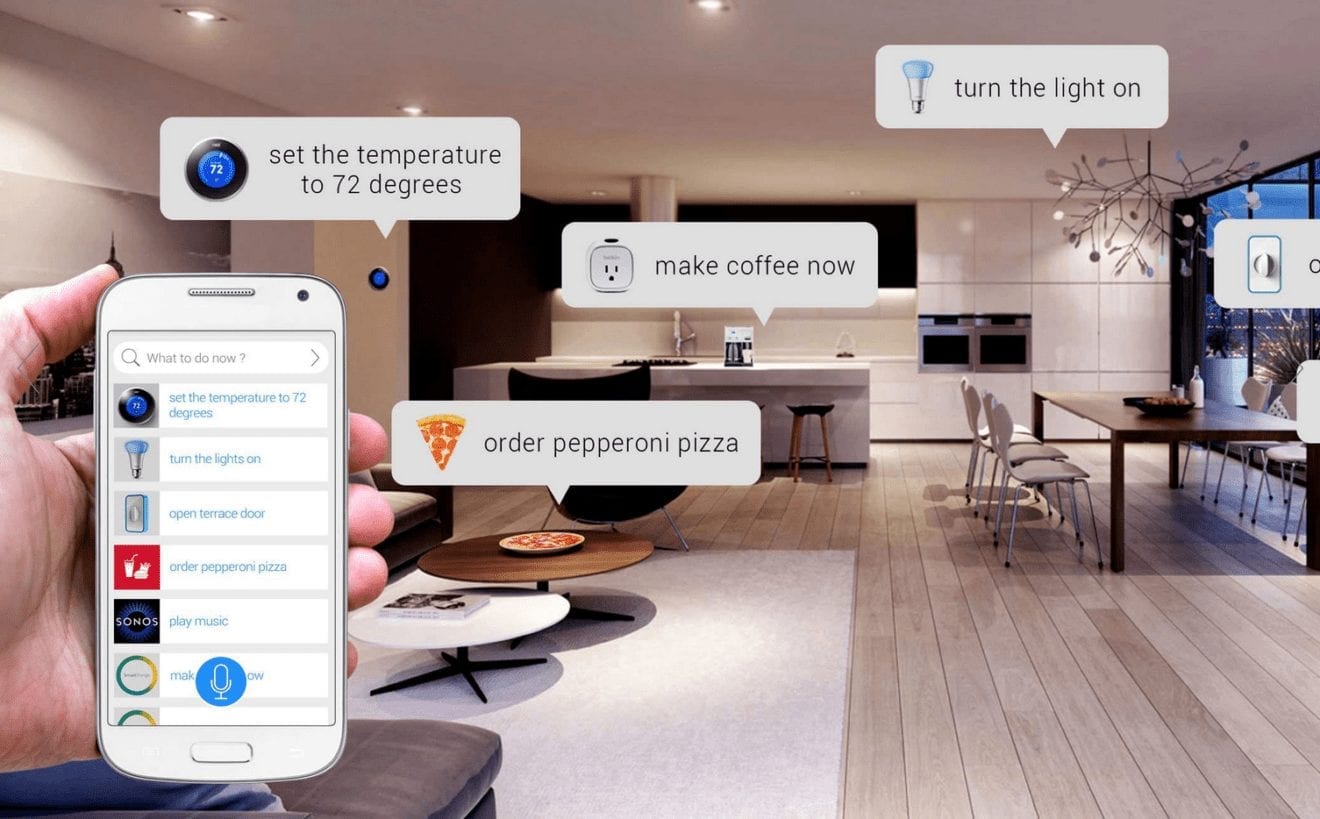
    Asia’s smart home market is on track to grow to $115 billion by 2030, accounting for 30% of the global market, according to a report released by global management consulting firm AT Kearney.

    The report, “The Battle for the Smart Home: Open to All,” noted that growth will be driven by China and Japan, with highly-connected economies such as Singapore, South Korea, and Taiwan also playing a key role.

    “Asia’s socio-economic landscape provides a great opportunity for the region to be a global driver of growth in the smart home sector over the next few years,” said Nikolai Dobberstein, partner and Asia-Pacific head of communications for media and technology at AT Kearney and a co-author of the report.

    “Japan, which is already among the top five global markets in terms of smart home penetration, will see continued growth driven by an ageing population enticing households to install health and wellness solutions. The opportunity in China is even greater with a phenomenal number of households seeing increased incomes, and a strong local manufacturing and technology ecosystem,” he added.

    Meanwhile, South Korea, Taiwan, and Singapore are all expected to have a high penetration of smart homes given the large proportion of high-income households and the data connectivity in these economies.

    The study noted that the idea of the connected, intelligent home is becoming a reality in Asia due to four major shifts that are accelerating market expansion.

    The first is connectedness and intelligence. The advancements in technology and processing power of smartphones has seen homes become much more connected. The addition of big data and artificial intelligence is also improving usability of smart home application drastically.

    Second is interoperability. The increasing interoperability among products from different manufacturers is making home applications more broadly useful to consumers. Advancement of APIs, industry alliances and efforts to standardize communication of applications are proliferating across the smart home ecosystem to drive progress.

    Product availability and cost are also factors. Nearly every aspect of home living is already covered by automated products, 80% of which are now commercially available in ‘smart’ form. Meanwhile, rapid cost reduction trends of key technology components is making smart home applications more affordable.

    Lastly, new monetization models of smart home applications are opening up to wider networks such as electricity grid, the internet, and real world service ecosystem.

  • Bali expected to lure 40% of 2017 tourist arrivals

    Bali expected to lure 40% of 2017 tourist arrivals

    Bali is expected to attract 40 percent of the total target of 15 million foreign tourists to Indonesia in 2017.

    The province has been given a bigger portion than other regions because it still remains the prime destination for foreign tourists, according to the Assistant Deputy for Tourism Human Resource Development, Wisnu Bawa Tarunajaya, on Saturday (Jan. 21).

    “Bali is still number one compared to the other regions in Indonesia,” he said.

    The capital Jakarta is expected to attract 30 percent, while Batam in the Sumatran province of Riau Islands is expected to get 20 percent. All other regions of the country are expected to get the remaining 10 percent.

    The three major regions will play important roles in meeting the targets for attracting foreign tourism in Indonesia, added Tarunajaya.

    In order for the other regions to compete, the Ministry of Tourism is also planning to develop new tourist destinations. These include Toba Lake in North Sumatra, Tanjung Klayang in Bangka-Belitung province, Thousand Islands in Jakarta and Tanjung Lesung in Banten province, West Java. Mandalika in Lombok in West Nusa Tenggara, Labuhan Bajo in East Nusa Tenggara, Wakatobi in Southeast Sulawesi and Morotai in North Maluku are also listed for potential development.

    Through careful planning and sustainable development, the Ministry of Tourism is hoping to boost the promotion of new tourist destinations to attract more foreign visitors, said Tarunajaya.

    He also mentioned that most of the foreign tourists that are expected to visit this year are likely to come from China and other ASEAN countries, as well as Australia.

  • China Mobile taps Brocade software for SDN cloud rollout

    China Mobile taps Brocade software for SDN cloud rollout

    China Mobile will deploy NFV software from Brocade at several of its key data centers as part of its first SDN-based commercial public cloud rollout.

    The operator is deploying virtual traffic management technology from the networking vendor, initially at its Southern Base and Northern Base data centers.

    The deployment will be conducted in conjunction with China Mobile’s strategic SDN and NFV supplier Nokia. Brocade’s software will run within the Nuage Networks virtual service platform, which is being implemented by Nokia as part of a project announced last week.

    China Mobile is playing a major role in the Chinese government’s Internet Plus initiative to support the development of new business models enabled by ICT, such as fixed and mobile internet connectivity, cloud, big data and the IoT.

    As part of this effort, China Mobile has taken on the role of a large-scale cloud service provider for major enterprise and government customers, and is deploying SDN-based cloud services to support these operations.

    “The promise of network functions virtualization is the ability to scale services on demand. When it comes to service providers, they don’t come much bigger than China Mobile in terms of potential scale,” Brocade China country manager Henry Zhu said.

    “We’re naturally delighted that Brocade’s advanced NFV appliance technology has been selected by China Mobile. This is a groundbreaking project within China’s service provider landscape and we are fully committed to ensuring it results in complete success.”

  • Vietnam set to send first workers to Australia, Thailand in 2017

    Vietnam set to send first workers to Australia, Thailand in 2017

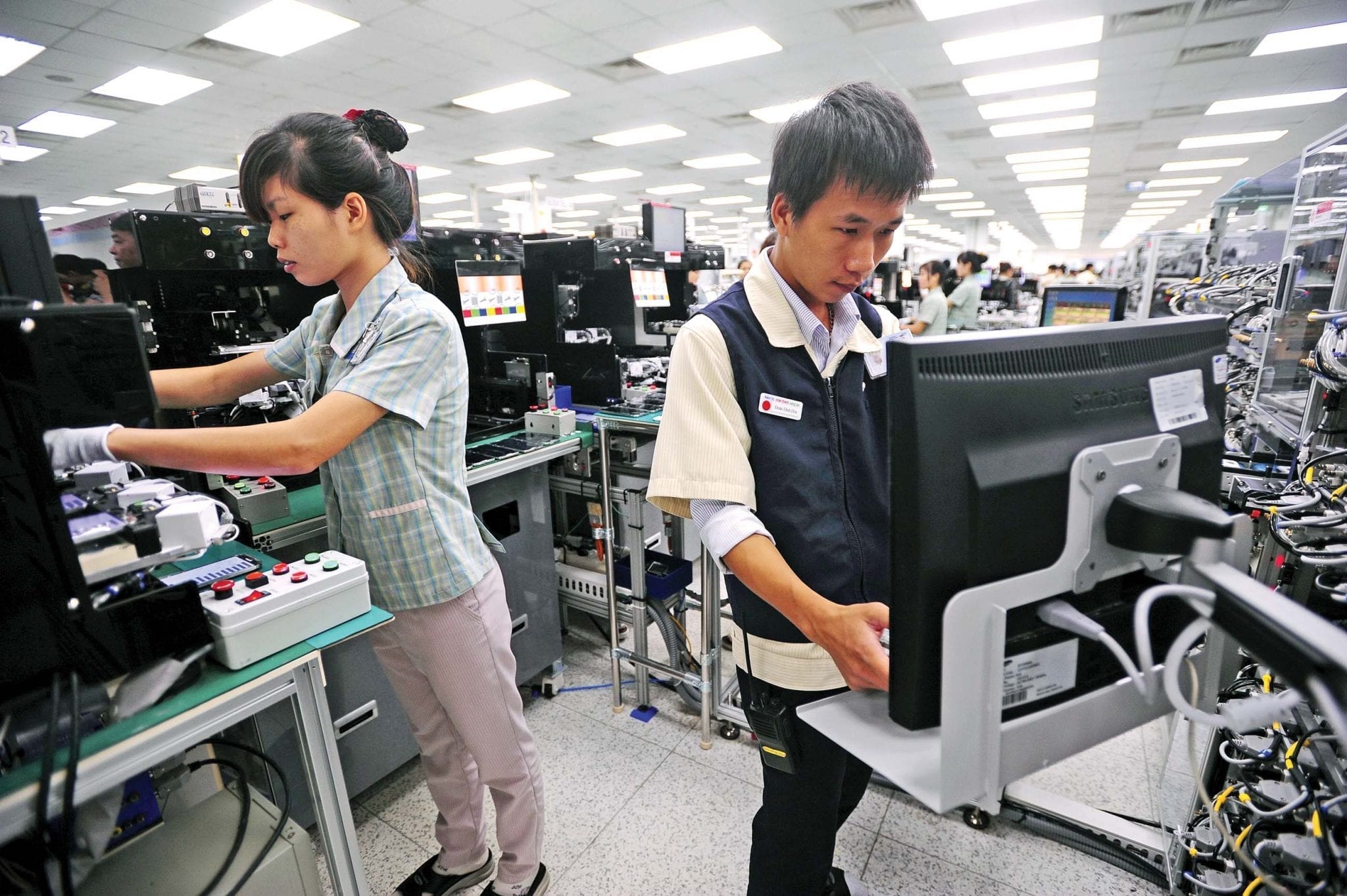
    The country is focusing more on improving its workers’ skills to meet high demands from developed markets. Vietnam plans to send workers to Australia, Laos and Thailand for the first time this year in a bid to expand and improve its overseas labor force.

    Vietnam sent a record 126,000 workers overseas in 2016.

    Pham Viet Huong, the deputy director of the central Deparment of Overseas Labor, told that the plan is more about improving workers’s skills rather than increasing the number of them.

    The government has set a target of sending 105,000 workers abroad in 2017. Japan, South Korea and Taiwan will continue to be the core markets.

    Huong said the labor ministry is going to implement agreements that have been signed with Australia and Southeast Asian neighbors Laos and Thailand this year.

    The Vietnamese and Australian governments signed an agreement in March 2015 to provide up to 200 multiple entry visas to citizens of both countries per year and allow them to stay for 12 months for travel and work.

    Vietnam and Thailand signed an MoU on labor cooperation and a labor export agreement in July 2015 and a similar agreement was signed with Laos in January that same year.

    Huong said Vietnam has successfully increased the number of workers it sends abroad over the past three years.

    But a bigger goal is to meet the strict demands of overseas markets, especially developed countries where salaries and labor benefits are good, he said.

    He said labor exporters should invest more in training while local workers, notorious for their low productivity compared to others in the region, should also better prepare themselves with skills and language competence.

    “There’s a huge demand in many countries for workers with high professional skills. We should get ready with a good labor pool,” Huong said, as cited in the report.

    He said the ministry has built an action plan to improve local labor skills by 2020.

  • Singapore’s PM Launches Visit ASEAN@50 Campaign

    Singapore’s PM Launches Visit ASEAN@50 Campaign

    The Prime Minister of Singapore, Mr Lee Hsien Loong, and ASEAN Secretary General, Mr Le Luong Minh, officially launched the VisitASEAN@50 Golden Celebration tourism campaign on 18 January at the opening of the ASEAN Tourism Forum (ATF) in Singapore.

    The campaign promotes the twin objectives of commemorating the 50th anniversary of ASEAN, and embracing the ASEAN region as a single and united tourism destination.

    Ahead of its launch, ASEAN tourism ministers agreed that the objectives of the campaign were to raise tourist arrivals to the region to 121 million by end of 2017, up from 108 million in 2015. Tourism officials also hope to boost tourism receipts to USD83 billion and increase average length of stay to 6-7 days by encouraging tourists to travel to at least two ASEAN countries on each visit.

    Fifty special tour packages – carefully selected by the 10 member countries of ASEAN — are the main draw of the tourism campaign, which is supported by globally recognised companies such as Mastercard and AirAsia.

    The VisitASEAN@50 campaign comes at a time when tourism has been a star performer in Southeast Asia, rising from 42 million international arrivals to the region in 2000 to 108 million in 2015, according to numbers provided by the ASEAN Secretariat.

    The proliferation of low cost airlines, rising living standards in the region and the proximity of mass markets such as China have turned tourism into a powerful workhorse, which now commands about 12.4 % of the ASEAN economy according to the World Travel and Tourism Council.

    In his speech, Prime Minister Lee called for better connectivity within Southeast Asia and urged fellow member countries not to shy away from “less glamorous” tourism development tasks such as building new infrastructure, enhancing training and reducing red tape. Specifically he said he would like to see ASEAN strengthen air links, boost cruise tourism and develop tourism’s human resource skills.

    During the launch on 18 January, a new hybrid orchid named Papilionanda ASEAN Golden Jubilee was unveiled to commemorate 50 years since the launch of the Association of Southeast Asian Nations (ASEAN) in 1967. The orchid was created from several different strands of genus from various ASEAN countries.

    The Visit ASEAN@50 campaign will run until 31 December this year. Details on the 50 special tour packages are available on the campaign’s official website at www.visitASEAN50.com.

  • GPSengine align with Ulbotech to deliver tracking solutions

    GPSengine align with Ulbotech to deliver tracking solutions

    Ulbotech, long established as a key tracking device supplier in a number of market segments and GPSengine, a leading hosted platform service provider in GNSS, Telematics, IoT and Tracking, announced a new partnership to bring support for the Ulbotech range to GPSengine’s Platform Connect service.

    With a range of devices catering for the vehicle tracking markets, Ulbotech continues to bring new advanced trackers to market. With OBD tracking devices that support a wide range of satellite navigational systems and optional WIFI hotspot models, Ulbotech cater for a wide range of industry uses.

    The combination of Ulbotech’s tracking devices and the high availability and unique IoTs service offering that Platform Connect provides, allows customers to quickly build a product or service in the tracking space. Adding support of the Ulbotech range to the Platform Connect system, provides customers with more choice, and the opportunity to take advantage of the features available in the Ulbotech range.

  • AirAsia X to start direct KL-Wuhan flights

    AirAsia X to start direct KL-Wuhan flights

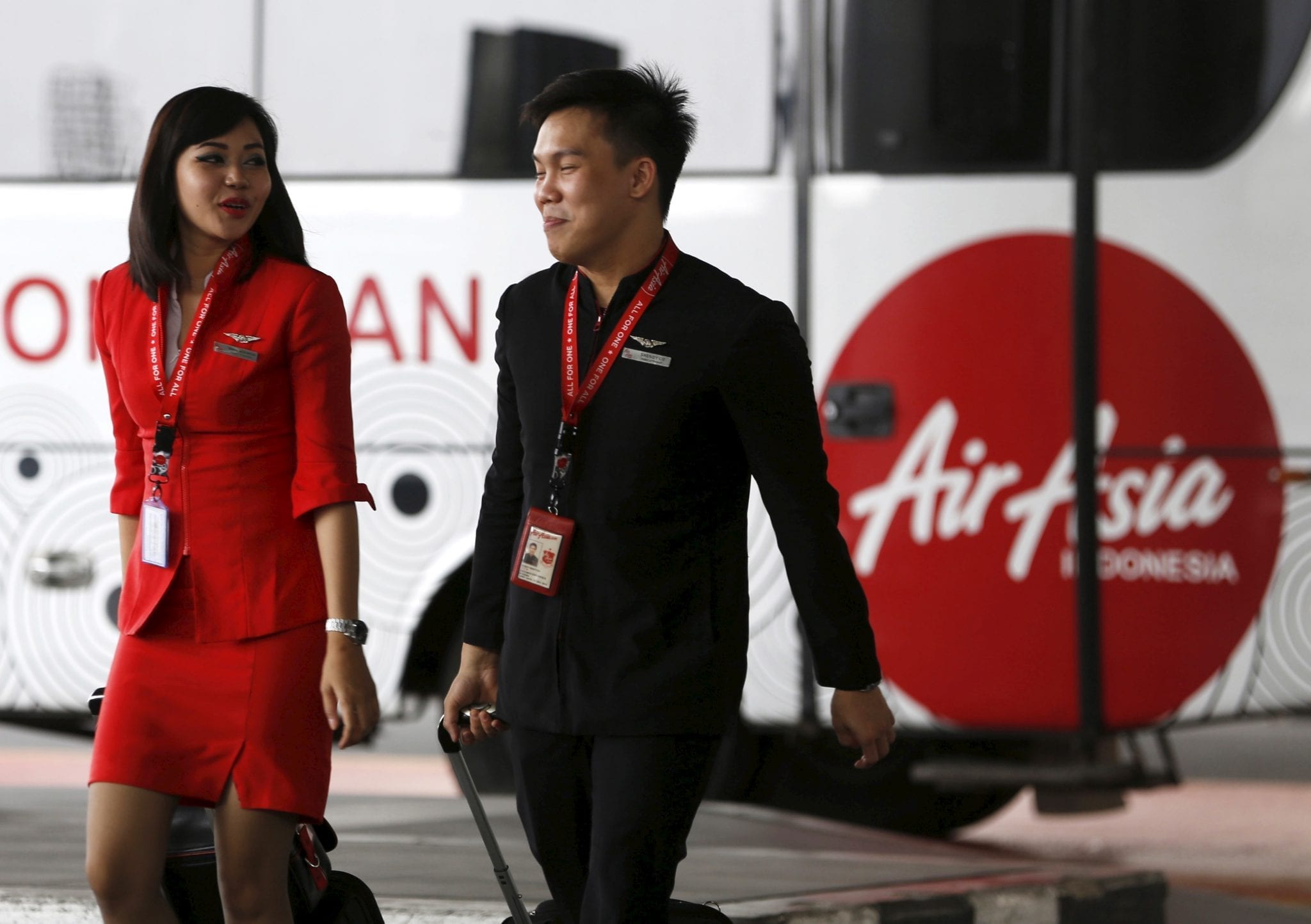
    AirAsia X plans to fly four times weekly direct to Wuhan, China, from Kuala Lumpur, effective March 22, 2017, and is offering one-way promotional fares from RM199.

    Chief executive officer Benyamin Ismail said the company is the largest foreign carrier into China and the destination is set to receive 32 weekly flights from Kuala Lumpur, Kota Kinabalu, Bangkok and Phuket.

    AirAsia currently operates daily flights to Wuhan from Kota Kinabalu.

    “China is a segment that continues to record encouraging progressive performance annually and remains the focus of AirAsia X’s network expansion strategy.

    “Wuhan will soon be a virtual hub for the AirAsia and AirAsia X Groups. We are committed to maintaining growth, while developing innovative products and services,” he said in a statement on Monday.

    The group currently operates 409 weekly flights from various Asean cities across 45 routes to 17 destinations in China.

    As of 2015, AirAsia carried over five million people in and out of China, making it the largest foreign carrier in the country

  • Vietjet launches its 5th route to Taiwan linking Ho Chi Minh City with Taichung

    Vietjet launches its 5th route to Taiwan linking Ho Chi Minh City with Taichung

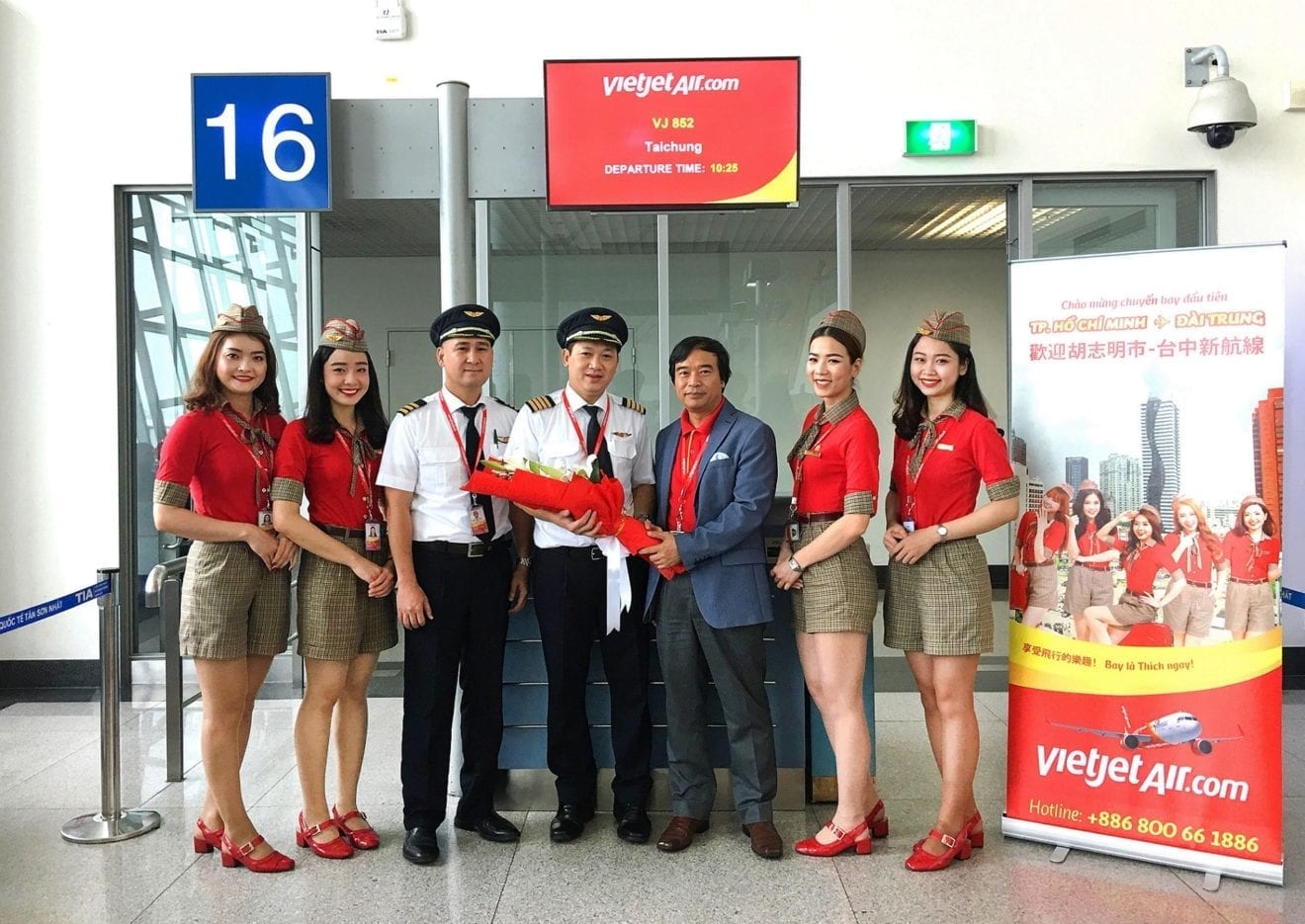
    This Month Vietjet has launched its 5th route to Taiwan connecting Ho Chi Minh City with Taichung (Taiwan), becoming the airline with the most routes between Vietnam and Taiwan. The new service is to meet the increasing travel demand of individuals, tourists and businessmen, looking to boost regional trade and integration. It follows last month’s launch of the Hong Kong – Ho Chi Minh City route serving as another important step forward for Vietjet in its on-going move to expand in the Asia Pacific region. 

    The Ho Chi Minh City (HCMC) – Taichung route is operated with four round trips per week, on Monday, Wednesday, Friday and Sunday with flight time per leg being 3 hours 30 minutes. The HCMC-Taichung flight takes off at 10:25 (local time) and lands at 14:45 (local time). The return flight from Taichung departs at 15:45 (local time) and arrives in HCMC at 18:00 (local time). All passengers onboard the inaugural flight have received lovely gifts from Vietjet.

    Promotional air tickets for this new route are also available for booking from 13:00 to 15:00 every day under Vietjet’s 5th Anniversary “Win a 1-kg gold airplane, Fly to a happy future” campaign from now till February 28. Vietjet offers up to 5 million promotional air tickets from only HKD8. Tickets can be booked at www.vietjetair.com. Payment can be easily made with debit and credit cards of Visa, MasterCard, JCB, KCP and American Express and ATM cards that have been registered with internet banking. All passengers who book tickets successfully can also enter a daily lucky draw for free return air ticket, a weekly lucky draw for 3.75-gram of gold, and a final lucky draw for a 1-kg gold aircraft model.

    Located in the west of central Taiwan, Taichung is Taiwan’s third largest city, widely known as a cultural and educational center with many heritages and historical sites. Thanks to its serene nature, nice weather and famous local cuisines and cultural events, the city is expected to become the tourism paradise. With the new route to Taichung, Vietjet’s flight network to Taiwan has been increased to five routes, helping travelers, tourists and businessmen fly affordably.

    Ho Chi Minh City on the other end is one of the most popular tourist destinations in Southeast Asia with its many cultural and historical attractions. From pagodas and museums to fine restaurants and scenic spots, the city offers travelers a truly memorable experience. 

    With its high-quality services, special low-fare tickets and diverse ticket classes, Vietjet offers its passengers enjoyable flights with dynamic and friendly flight crew, comfy seats, amazing hot meals and special surprises from the airline’s inflight activities. Vietjet’s Hong Kong and Ho Chi Minh City route which commenced on December 9, 2016, has been very popular with travelers with its daily service departing from Ho Chi Minh City at 14:35 (local time) and arrives at Hong Kong International Airport at 18:20. The return flight takes off at 19:20 (local time) and lands at 21:05. The flight time is 2 hours 45 minutes per leg.  

  • NEC holds Innovative Solutions Fair in Singapore

    NEC holds Innovative Solutions Fair in Singapore

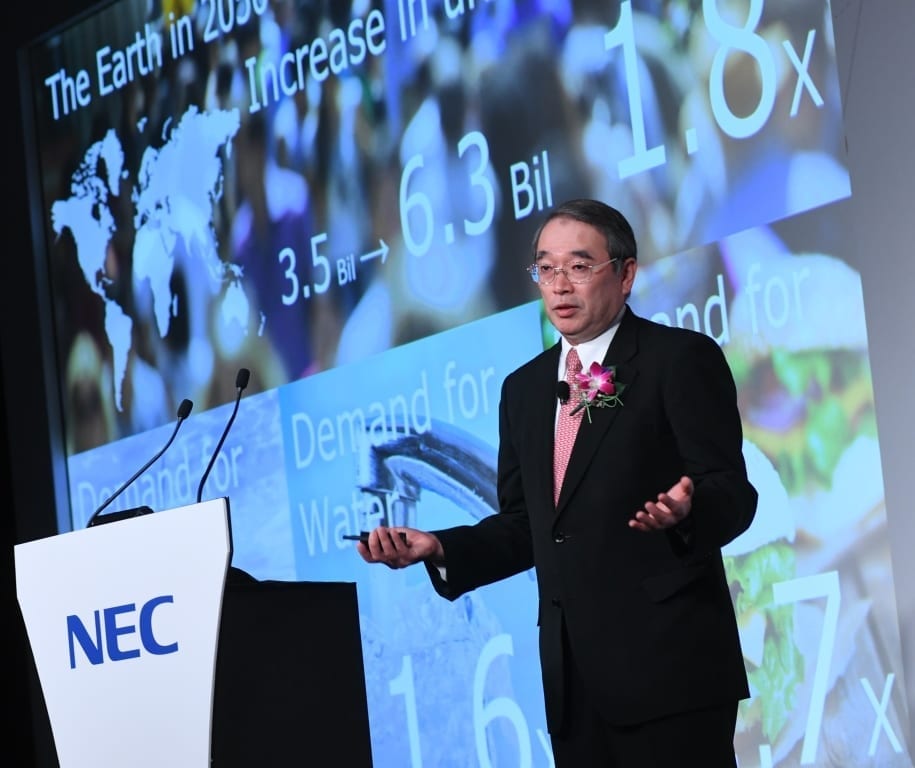
    This year’s theme, ‘Co-creating Cities of Tomorrow’, seeks to showcase NEC’s most innovative and proven suite of “Solutions for Society” and cutting-edge technologies that are being used to transform cities and businesses in the areas of safety, security, efficiency and allowing people to live brighter lives.

    Featuring more than 25 interactive exhibits showcasing NEC’s breakthrough innovative urban and business transformation solutions, the one-day event will feature a keynote speech by Mr. Kiren Kumar, who oversees the Infocomm and Media industry development efforts at the Singapore Economic Development Board (EDB), as well as insights from thought leaders into the latest industry research, and how ICT solutions can help enhance safety and business transformation for cities and society.

    Other highlights include safer and smart cities technologies based on NEC’s portfolio of artificial intelligence technologies, NEC the WISE, such as NEC’s world’s No.1 face recognition and fingerprint technology, cyber security, smart energy, healthcare, transport; business transformation solutions such as enterprise cloud, IoT, smart workplace and collaboration, Software-Defined Networking technology, mixed reality for enterprises and much more.

    Mr. Kiren Kumar, Assistant Managing Director, EDB, said, “NEC is a longstanding partner of Singapore and has worked closely with the government on multiple fronts to test and scale their latest smart city technologies. We are therefore heartened to see that NEC is leveraging Singapore as a platform to showcase their latest technologies and facilitate partnerships between companies and innovators to address opportunities created by digitalisation. This bodes well for Singapore’s efforts to become the Digital Capital of Asia.”

    “NEC Asia Pacific is pleased to hold the NEC Innovative Solutions Fair for the second time in Singapore. Leveraging NEC’s ‘Solutions for Society’ suite of cutting-edge technologies and solutions, we believe in forging strong partnerships with governments and enterprises to co-create impactful, innovative solutions that solve societal challenges and enhance lives. As a result, NEC aims to create a safer, brighter and more sustainable future for society and its communities,” said Lim Kok Quee, Managing Director and Deputy CEO (ASEAN Sub-Region) of NEC Asia Pacific.

  • Vietnam OKs casino gambling for locals

    Vietnam OKs casino gambling for locals

    Citizens over 21 years old with a monthly income of at least $445 will be allowed to enter local casinos from mid-March. Betters in gambling-mad Vietnam will soon be allowed to stake their fortune in some casinos across the country, the government said Friday, in a pilot scheme aimed at opening up the lucrative industry.

    The government has long-banned locals from gambling in casinos, despite their popularity among foreigners and hot demand from Vietnamese.

    The government said Friday it would allow citizens over 21 years old with a monthly income of at least 10 million dong ($445) to hedge bets in local casinos from mid-March under a three-year pilot program. Vietnam’s average annual income was around $2,200 last year.

    “After three years… the government will decide whether to continue Vietnamese people’s access to casinos,” a statement on the government website said.

    International casino developers, for whom Asia has become a global gaming engine following the stagnation in the U.S., have been circling Vietnam for some time now.

    With a population of nearly 92 million, analysts said that by lifting the gambling ban, Vietnam could reignite interest in investors who had previously pulled out of casino projects due to tough entry barriers.

    A study by Augustine Ha Ton Vinh, an academic who has researched Vietnam’s gaming industry extensively, showed the country is hemorrhaging as much as $800 million a year in tax revenue from gamblers who cross the border to Cambodia. Vietnamese authorities have endorsed this study.

  • Vietnam puts $860-million upgrade plan at Saigon airport on the runway

    Vietnam puts $860-million upgrade plan at Saigon airport on the runway

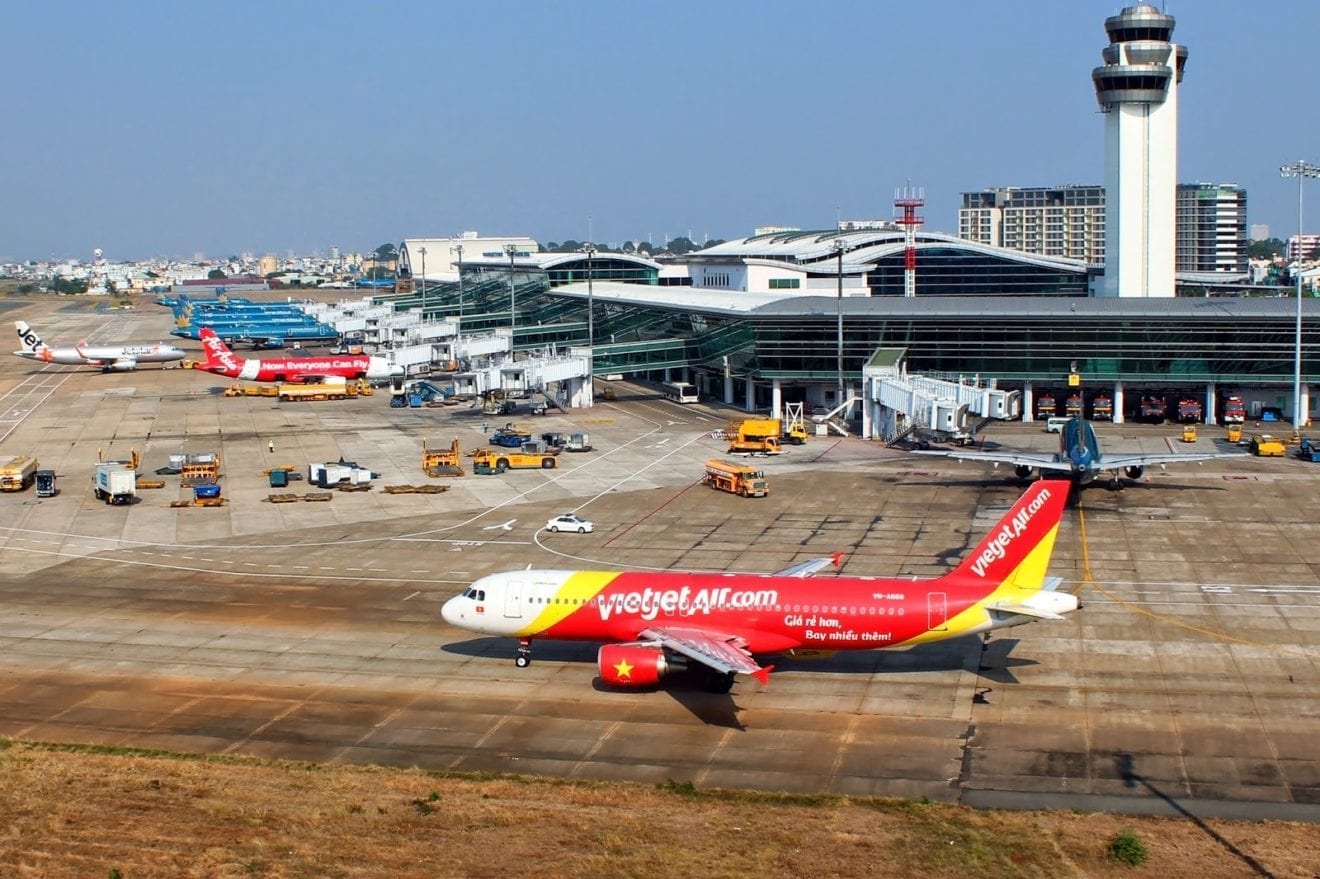
    The plan will allow Tan Son Nhat to handle 45 million passengers annually. Vietnam’s Deputy Prime Minister Trinh Dinh Dung has agreed with a proposal to invest around $860 million to upgrade the congested Tan Son Nhat International Airport in Ho Chi Minh City.

    In the fifth meeting to discuss the airport upgrade on Friday, Dung asked the Ministry of Transport and other relevant ministries to submit a complete report on the proposal to Prime Minister Nguyen Xuan Phuc for consideration by February 25.

    Under the proposal, two more terminals, capable of handling 10 million passengers each per year, will be constructed to the south of the airport. The new terminals, along with other proposed infrastructure projects, would need total investment of VND19.7 trillion ($860.6 million) and would take three years to complete.

    When complete, the new Tan Son Nhat would be able to handle 43 million-45 million passengers annually, up from its overloaded capacity of 28 million in 2016.

    According to state-owned consultancy firm Airport Design and Construction Consultancy One Member Limited Liability Company (ADCC), the proposed upgrade project will use land currently owned by the airforce, which will help reduce site clearance costs and time.

    Vietnam’s airline market is growing at the third fastest pace in Asia-Pacific, and the country is grappling with an acute dearth of airport capacity.

    Tan Son Nhat is the country’s main airport and is designed to handle 25 million passengers by 2020. But due to a surge in passengers, it was mobbed by 28 million passengers last year.

    Meanwhile, Vietnam Airlines, Jetstar Pacific, VietJet and the newly founded Vietstar are planning to expand their fleets in the next four years.

    The country is working on a design for a massive airport in Dong Nai Province to share some of the heavy load on Tan Son Nhat, but construction could take years.

  • Burger King to launch mobile app this spring

    Burger King to launch mobile app this spring

    The parent company of Tim Hortons and Burger King plans to launch an app Canada-wide this spring that would allow customers to order and pay in advance on their smartphone without lining up to pay a cashier.

    The move by Restaurant Brands International follows a similar one by Starbucks and is the latest push towards more automation in the food service industry.

    In the fall of 2015, RBI acquired Brewster App and tasked the startup’s dozen staff to develop the app.

    “The first feature we’re going to be introducing is the ability for a customer to have Tim Hortons (and Burger King) in their pocket,” said Steve Greenwood, RBI’s head of digital.

    Since late December, the app has undergone testing in 25 Tim Hortons cafes in Ontario and 25 Burger King restaurants in Miami. The expansion would see the app rolled out to the roughly 4,000 Tim Hortons and Burger King locations across Canada.

    In October 2015, Starbucks Canada launched a similar app at 300 stores in the Toronto area. The service is now available at various locations in the country, excluding Quebec and New Brunswick, according to the company’s website. The technology is not yet available for users of its French-language app.

    Automated customer service is part of a general trend as people become increasingly accustomed to going online to access services, such as making reservations or pre-selecting movie theatre seats, said David Hardisty, an assistant professor at the Sauder School of Business at the University of British Columbia in Vancouver.

    Mobile order-and-pay applications make shopping faster and more convenient by allowing customers to bypass lines – and for those immersed in their own world, possibly avoid unwanted human interaction, Hardisty said.

    The push towards greater automation could result in cashiers being laid off or put into different roles, but Hardisty said he doesn’t expect such jobs to be eliminated outright.

    “Mostly everybody just uses ATMs and automated stuff all the time, but they still have tellers there,” he said. “Stuff comes up that’s just really hard for a completely automated system to handle.”

    In 2015, self-service kiosks started showing up at McDonald’s restaurants in Canada. Many grocery stores and other retailers also offer self-serve checkouts.

    For RBI, the app could pave the way for other developments, like self-service kiosks, Greenwood said.

    The company already operates self-service kiosks in Burger King restaurants in several international markets and they’re being tested in the U.S., Shannon Hall, an RBI spokeswoman, said in an email.

    Hall said individual franchisees make staffing decisions, but the goal of the app is to drive sales, which should result in more employment opportunities.

    Apps also provide companies with an opportunity to build data on consumer habits and offer promotions and loyalty point programs to customers, Hardisy said.

    “Once you, you’re drawn in for one thing, you also get involved in other things.”

  • Festive feasts, online deals bring smile to China retailers

    Festive feasts, online deals bring smile to China retailers

    Retail sales hit their year high in December, buoyed by the festive mood in the food and beverage sector and continued surge in online shopping. Still, inflationary pressures are making themselves felt in consumers’ pocketbooks, climbing to their highest in 30 months.


    Higher prices on shop stickers nationwide played a major role in the 0.1 percentage uptick last month to 10.9%, with price-adjusted sales growth steady at 9.2%.

    Diners notched up 335.2 billion yuan (US$48.8 million) in bills, up 10.6% from a year earlier and an improvement on November’s 10.1% year-on-year gain — perhaps driven by Chinese homeowners celebrating their good fortunes in the property market.

    Consumer goods sales rose 10.9% in December from a year ago, the same as in November but well ahead of gross domestic product growth of 6.7% for the year.

    Vehicle sales jumped 14.4% from 13.1%, and clothing to 7.1% from 5.1%. Food products, another major component, rose 8.6% from 8.8% in November.

    E-commerce for the full year totalled 5.16 trillion yuan, 26.2% up on 2015, and accounting for 12.6% of overall retail sales in China. The percentage was just 9.7% during the first half of 2015.

    A key indicator of consumer spending, China’s retail sales grew 10.4% in 2016, the same as in the first three quarters. After deducting price changes, retail sales clocked in at 9.6%, according to National Bureau of Statistics. Total retail sales were 33.23 trillion yuan in 2016.

  • Cebu Pacific-Visa tie up for exclusive international seat sale

    Cebu Pacific-Visa tie up for exclusive international seat sale

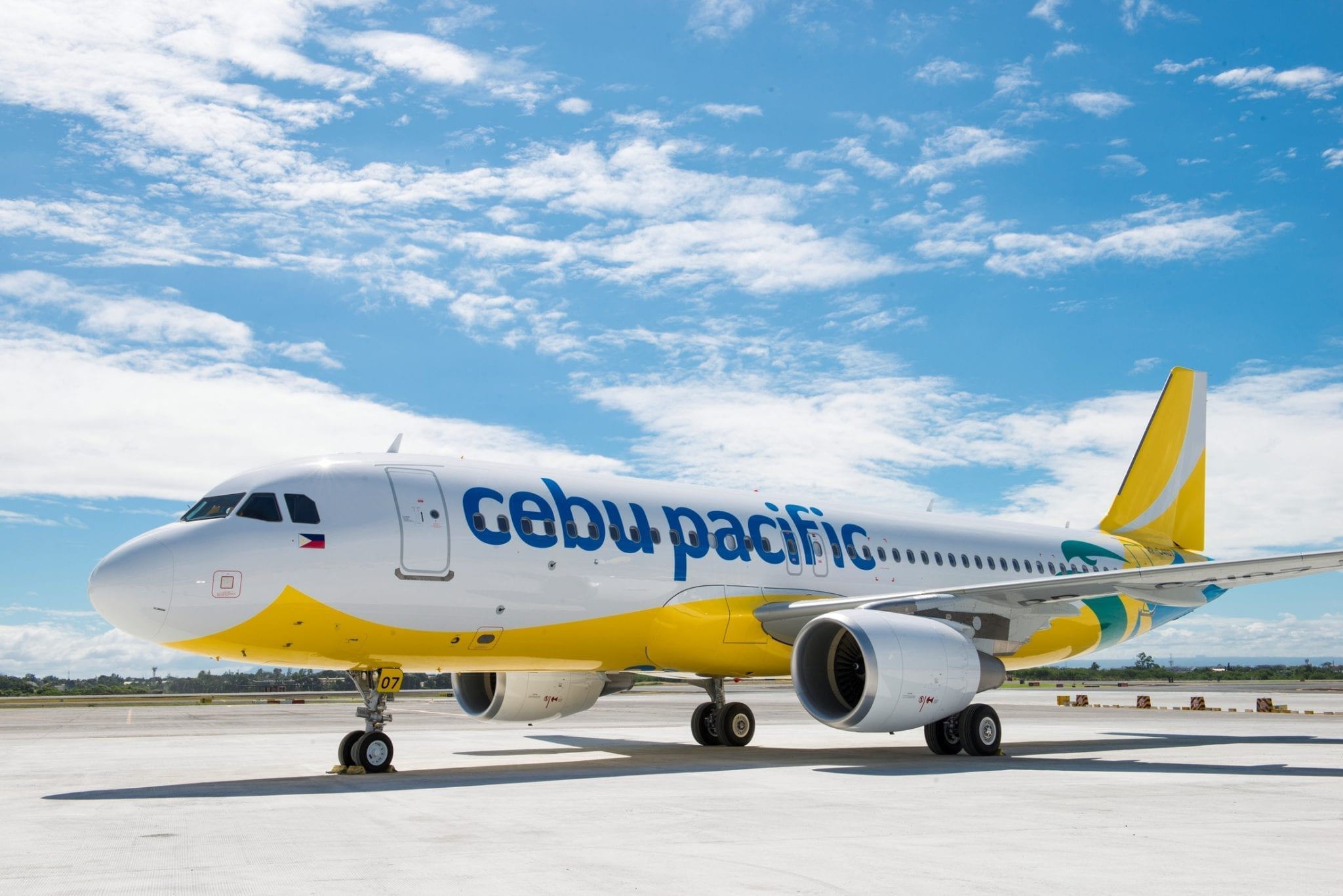
    Cebu Pacific (CEB) allies with Visa to offer all-inclusive seat sale fares to some of the most popular international destinations within its extensive flight network.

    The seat sale exclusive for Visa cardholders, started last January 16, 2017 and will be available until January 22 (or until seats last). Flights will be for travel from May 1 to September 30, 2017.

    Cardholders who wish to make the most out of this year can still catch the last few days of the sale and book flights from Manila to Hong Kong for as low as P1, 599. Seats from Cebu, Clark, Davao and Iloilo to Hong Kong and Singapore are also available at the same low fare.

    Those who want to visit Busan and Incheon from Manila can avail of flights for as low as P2, 099. Flights to Incheon from Cebu and Kalibo and flights to Singapore, Guangzhou and Xiamen from Manila are also up for grabs at the same all-in fare. Passengers can also fly from Manila to Beijing and Shanghai (P2, 599), Guam (P3, 099) or Sydney (P4, 199).

    All fares quoted are for one-way flights, and are inclusive of country-specific taxes, web admin fee and terminal fee. Baggage allowance, meals, travel insurance and other ancillaries may be added to the fare per the passenger’s preference.

    To avail of this exclusive seat sale, Visa cardholders only need to input the promotional code “VISA” through www.cebupacificair.com. Terms & conditions apply.

    CEB currently offers flights to a total of 37 domestic and 29 international destinations, operating an extensive network across Asia, Australia, the Middle East, and USA. Its 57-strong fleet is comprised of four Airbus A319, 36 Airbus A320, seven Airbus A330, eight ATR 72-500, and two ATR 72-600 aircraft. Between 2017 and 2021, CEB expects delivery of one more brand-new Airbus A330, 32 Airbus A321neo, and 14 ATR 72-600 aircraft.