Tag: asia

  • Indonesia’s CT launches cinema blitz to boost retail chain

    Indonesia’s CT launches cinema blitz to boost retail chain

    Indonesia’s CT Corp. is partnering with cinema operators to open movie theaters in its commercial complexes. The retail and media conglomerate hopes to tap growing demand for entertainment and gain an edge over other retailers.

    On Wednesday, CT retail arm Trans Retail announced a partnership with Graha Layar Prima, operator of the CGV cinema chain (formerly known as Blitz Megaplex), to develop cinemas at CT’s Transmart Carrefour stores across Indonesia.

    CT officially launched its Transmart centers, which feature restaurants, apparel stores and supermarkets, in 2016 and currently operates 13 outlets across the archipelago. It plans to invest $3 billion to expand the number to 100 by 2019.

    “For the next three years, we will deliver [a] minimum of 500 [cinema] screens” to Transmart centers, CT founder and Chairman Chairul Tanjung told the Nikkei Asian Review on the sidelines of a recent business conference in Hong Kong.

    GLP will open CGV cinemas in four Transmart centers in Java and Sumatra in May, with plans to add four more by the end of the year. Each cinema will have five screens. CGV theaters stand out for their 4-D entertainment systems, sofa-type seating for couples and VIP spaces that serve drinks and snacks. CT is targeting the country’s growing middle class, which is expected to account for nearly half the population by 2030, compared with 19% in 2010, according to a 2012 report by McKinsey Global Institute.

    Mall operators have been keen to invest in the growing entertainment market to set themselves apart amid stiff competition from convenience stores and online retailers. Lippo Group, the largest mall operator in Indonesia, is aggressively expanding its own cinema business, with plans to have 2,000 screens across 85 cities by 2024.

    The relative scarcity of entertainment facilities and scorching temperatures in Indonesia have made movie theaters an increasingly popular destination there. GLP said its cinemas attracted over 10 million visitors in 2016, up 150% from 2012. The top-grossing domestic film this year raked in a record 205 billion rupiah ($15.3 million), according to local media.

    GLP aims expand its network of cinemas to 40 from the current 27. The partnership with CT provides it a major retail platform for increasing its footprint at a time when cinema operators are bracing for fiercer competition amid a wave of deregulation. In 2016, the government removed film projection, production and distribution from its list of businesses with foreign investment caps. In December, Singaporean sovereign wealth fund GIC announced that it will acquire an undisclosed stake in Nusantara Sejahtera Raya, Indonesia’s largest cinema operator, for 3.5 trillion rupiah.

    Satria Hamid, a spokesperson for Trans Retail told that the company signed a deal in December to install NSR’s Cinema XXI movie theaters in at least four Transmart stores in 2017.

    Even as cinema and mall operators take steps to gain an edge over traditional and online retailers, a new wave of competition is emerging in the form of online streaming services, such as Netflix.

  • Cambodia’s new airline prepares to launch

    Cambodia’s new airline prepares to launch

    JC International Airlines expects to take delivery of its first aircraft in the coming weeks, ahead of the start of commercial operations from Phnom Penh in February 2017. The carrier has acquired two Airbus A320s from airberlin.

    Part-owned by China’s Yunnan Jingcheng Group, which also operates Kunming-based Ruili Airlines, JC International Airlines is planning to serve domestic and international routes to countries including Malaysia, Singapore and China.

    Cambodia was without an airline for several years until the launch of Cambodia Angkor Air in 2009. Since then a further four airlines have started operating in the country, including Apsara International Air, Bassaka Air, Cambodia Bayon Airlines and Sky Angkor Airlines.

    As such, JC International Airlines will become Cambodia’s sixth commercial airline.

  • Vietjet to list on HoSE

    Vietjet to list on HoSE

    HoSE has announced that it received full registration documents from Vietjet Air on January 16. The airline would conduct an initial public offering (IPO) worth $200 million at the end of 2016 with 44.7 million shares on offer at an IPO.

    The 44.7 million shares are equivalent to 14.9 per cent of its existing charter capital of $132 million and will earn it $200 million at a share price of VND84,400 ($3.8) for organizations and VND86,500 ($4) for individuals.

    The total capital raised from the IPO, Reuters noted, will be VND3.8 trillion ($170 million), which would consequently put its value at $1.2 billion.

    The airline’s CEO Nguyen Thi Phuong Thao told local media recently that pre-tax profit reached $101.9 million in 2016, up 91.6 per cent. The airline expects net revenue to increase 30 per cent this year.

    In 2016 it placed orders for 100 Boeing 737 and 20 Airbus A321 aircraft. It posted year-on-year growth of 205 per cent in 2015, with revenue of VND10.9 trillion ($490.7 million), fulfilling its annual target.

    The budget carrier targeted transporting 15 million passengers in 2016 with an on time performance (OTP) rate of 85 per cent and growth of 60 per cent year-on-year. Its revenue was expected to double compared to the VND11 trillion ($484 million) recorded in 2015.

    The airline will continue to expand its domestic network and strengthen its international operations while improving service quality, especially its SkyBoss and in-flight services. It also aims to achieve a passenger satisfaction rate of 99 per cent and a return-customer rate of 95 per cent.

    Vietjet Air currently boasts a fleet of 40 aircraft, including A320s and A321s, and operates 350 flights each day. It has opened 53 routes in Vietnam and across the region to international destinations such as Thailand, Singapore, South Korea, Taiwan, Malaysia, China and Myanmar and has carried nearly 30 million passengers to date.

    Looking ahead, Vietjet plans to expand its network across the Asia-Pacific region and has signed agreements to purchase more brand-new modern aircraft.

  • CB Bank in Myanmar rolls out cardless cash withdrawal and P2P payment services

    CB Bank in Myanmar rolls out cardless cash withdrawal and P2P payment services

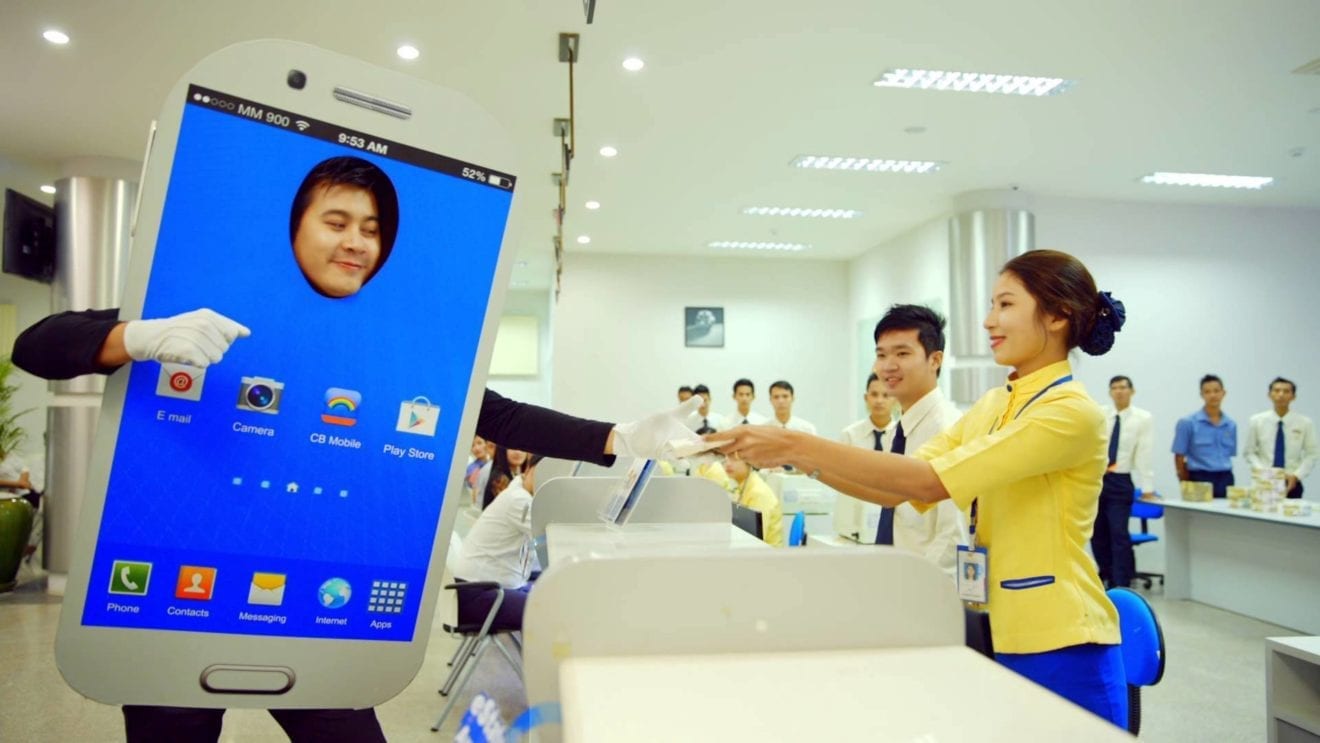
    Recently, Diebold Nixdorf helped CB Bank migrate all its ATMs to more secure EMV chip card technology and obtain EMV certification with both VISA and MasterCard. EMV is a technical standard for smart payment cards introduced by Europay, Mastercard and VISA.

    Diebold Nixdorf is also assisting CB Bank with the implementation of cardless cash withdrawals at ATMs. The solution allows bank customers to use their mobile devices to generate a one-time PIN to activate a withdrawal at an ATM either for themselves or for a third party without requiring a bankcard. The technology provides an innovative person-to-person payment service to consumers especially in developing markets, and underscores Diebold Nixdorf’s commitment to drive connected commerce and help bridge the digital and physical worlds.

    “Diebold Nixdorf was awarded the contract due to its superior product quality, flexible software and ability to offer field service for both hardware and software within the country,” said U Kyaw Lynn, CEO and Executive Vice Chairman, at CB Bank. “With the help of their advanced technology and services provided, we aim to become one of Myanmar’s top banks offering secure, innovative and convenient cash services across our branch, online and mobile channels.”

    Diebold Nixdorf’s Myanmar partner, Kaytumadi iSolutions, will localize product features and begin installing the new systems at the start of next year. The rollout is scheduled for completion by the end of 2017.

    Diebold Nixdorf will service the entire 1,000-strong fleet of advanced cash systems in CB Bank’s network of 180 branches.

    “Together with our local partner, we are enabling CB Bank to extend the reach of its self-service offerings and win a greater share of Myanmar’s growing market for cash services,” said Neil Emerson, Senior Vice President & Managing Director, Asia Pacific, at Diebold Nixdorf.

    Demand for cash is strong in Myanmar. Cash is the main mode of payment in the southeastern Asia country of more than 53 million people. Competition to provide cash services is also fierce. CB Bank already operates one of the largest ATM networks in the country and aims to expand its market position even further by doubling the number of terminals in its self-service network.

    CB Bank benefits from its IT partner’s wealth of local experience in Myanmar. Diebold Nixdorf, which has been delivering solutions to CB Bank since 2012, is a major supplier of cash-handling technology and services to all major banks in the country and across the Asia-Pacific region.

  • Mobile app usage growth shows signs of slowing

    Mobile app usage growth shows signs of slowing

    The mobile apps industry managed to achieve growth throughout last year, but signs suggest that usage growth is slowing down, according to Yahoo unit Flurry.

    Over the last year, the Flurry footprint grew to track more than 940,000 applications, across 2.1 billion devices, in 3.2 trillion sessions. In this context, app usage is defined as a user opening an app and recording what Flurry calls a “session”, as well as the amount of time spent in the application.

    Compared to the year prior, overall app usage grew by 11% and time-spent in apps grew by 69%. In previous years, all app categories had grown in tandem. However, this year the story is different.

    Mobile apps started eating their own, with session and time-spent growth in some app categories occurring at the expense of others. While Messaging and Social applications drove year-over-year session grow at 44%, the Personalization category gave up a staggering 46% in session usage. This steep decline in usage can be attributed to diminishing value for users of these products.

    In 2016, time spent in Social and Messaging apps grew by a strong 394% over the previous year, proving to be the driver that helped mobile achieve its year-over-year time-spent growth of 69%.

    This is a result of consumers using their social and messaging apps as their voice and video calling utilities, as well as the phenomenon Flurry calls Communitainment. With news and magazines sessions down 5% and Music, Media and Entertainment up only 1%, it’s safe to say that Social has absorbed the media industry.

    Business and Finance (up 43% in time-spent) and Sports (up 25% in time-spent) categories were immune to growth decay because they are intrinsically centered around mobile activities and rely on real time data.

    Gaming, the app category formerly known as “the darling of the mobile industry” saw time-spent decline by 4% year-over-year. Users are increasingly comfortable paying their way through games, with the mobile gaming industry seeing a strong increase in revenues according to Apple’s latest App Store report. Additionally, gaming remains a hit-driven industry.

    This year’s first “hit”, Pokémon Go, faded relatively fast, as consumers lost interest in the game, only returning for marquee holiday events. Another notable hit, Super Mario Run, was released too late in the year to make a difference for the overall engagement numbers.

  • Gazpromneft-Aero starts refuelling Thai Airways in Moscow under long-term contract

    Gazpromneft-Aero starts refuelling Thai Airways in Moscow under long-term contract

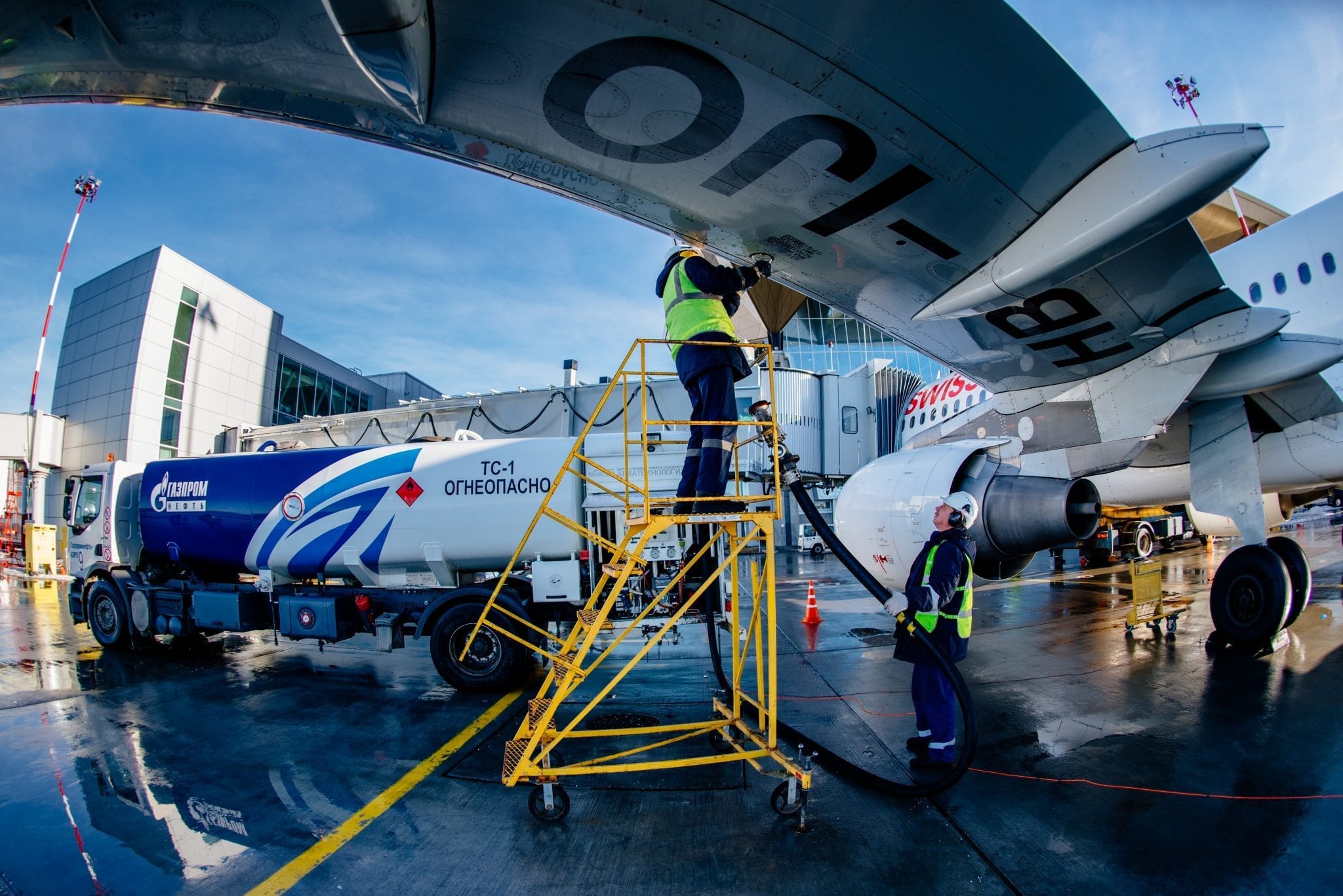
    Gazpromneft-Aero, the operator of Gazprom Neft’s aviation refuelling business, has entered into a new contract for refuelling scheduled flights of the Thai national carrier, Thai Airways, at Moscow Domodedovo Airport. Gazpromneft-Aero will supply aviation fuel for four weekly Thai Airways flights from Moscow to Bangkok. Total refuelling volumes will exceed 18,000 tonnes per year.

    Refuelling of the Thai Airways fleet will be carried out under an existing long-term agreement between Gazpromneft-Aero and Thai oil company PTT Public Company Limited. The agreement on collaboration, signed in 2012, envisages the reciprocal use of those airports at which both companies operate. The agreement provides for the refuelling of Gazpromneft-Aero’s Russian clients at Thai airports as well as the servicing of PTT clients at airports at which Gazpromneft-Aero has a presence, throughout Russia and CIS.

    Gazpromneft-Aero Director General Vladimir Egorov commented: “Gazpromneft-Aero is keen to develop partnerships with national aviation fuel suppliers throughout countries with high volumes of tourist traffic. Together with PTT we have put in place the most convenient and reliable refuelling processes possible for Russian and foreign airlines throughout those airports at which both companies operate. This new contract with Thai Airways demonstrates our partners’ confidence and the strengthening of our company’s position in the global aviation fuel supply market. The Thai national carrier’s flights from Moscow will provide our tourists with additional opportunities for connecting flights via Bangkok to resorts in Thailand, Malaysia, Philippines and Australia. We plan to further expand cooperation with Thai Airways, in the future.”

    Mr Songpon Thepnumsommanus, Vice President PTT, Aviation and Marine Marketing Department, added: “In working with Gazpromneft-Aero we have expanded our western market in aviation fuels. PTT is completely satisfied with Gazprom Neft’s international service standards in supplying aviation fuel for Thai Airways aircraft at Domodedovo. This agreement establishes a firm basis for further joint projects and initiatives.”

    Gazpromneft-Aero is a subsidiary of Gazprom Neft. The company has been providing aircraft refuelling services and selling aviation fuel at airports since January 1, 2008. Since December 2008, Gazpromneft-Aero has been a strategic partner of the International Air Transport Association (IATA) in the field of aviation fuel supply. Gazpromneft-Aero is the leading aviation fuel supplier on the Russian market in terms of its retail sales. The company’s operational activities are fully compliant with the highest safety standards in fuelling operations — “Green”.

  • Standard Chartered makes CEO appointment for Hong Kong

    Standard Chartered makes CEO appointment for Hong Kong

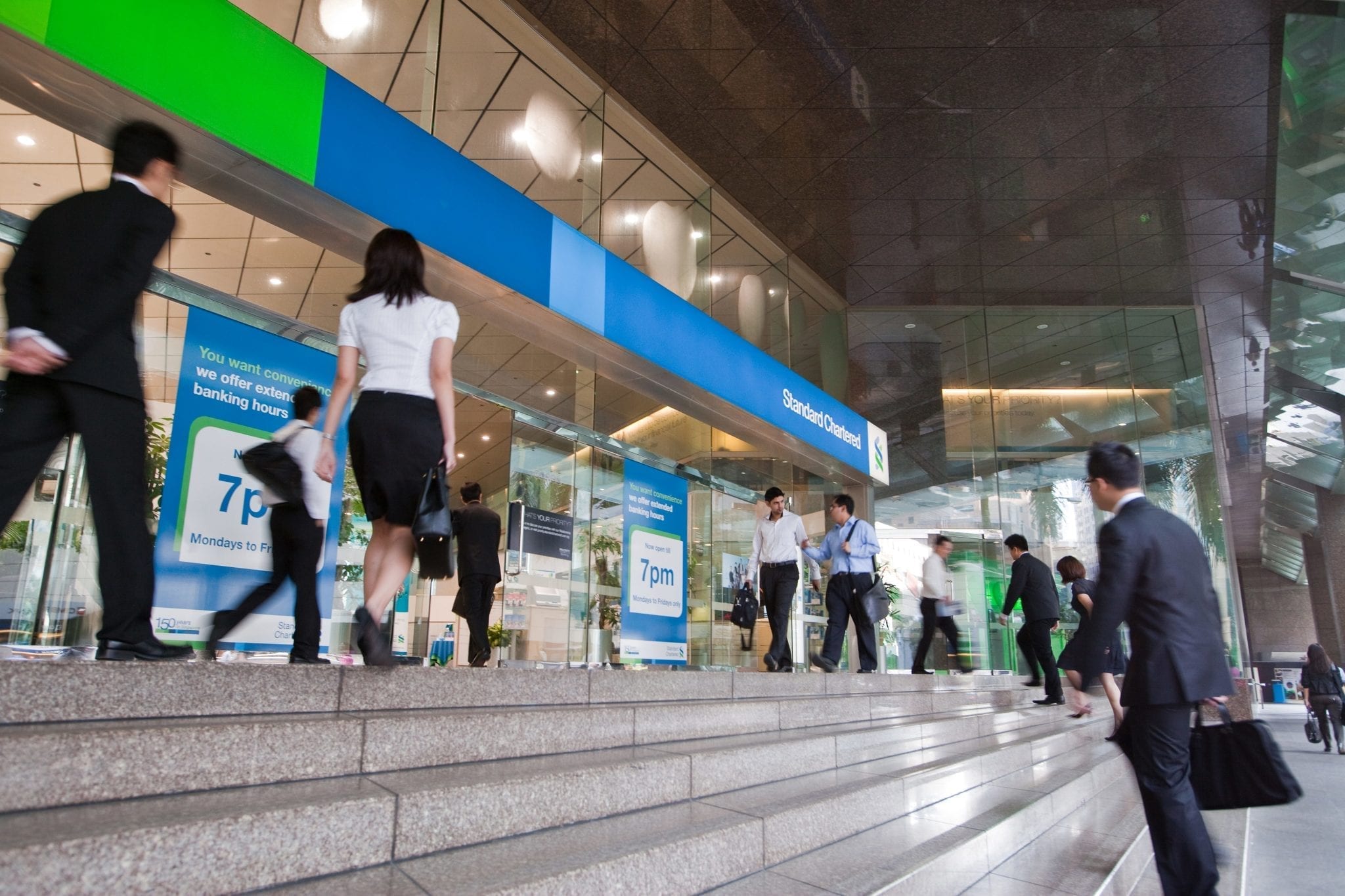
    Standard Chartered Bank (Hong Kong) Limited (SCBHK) announces the appointment of May Tan as the Bank’s Chief Executive Officer for Hong Kong, with effect from 1 July 2014.

    May joined SCBHK in January 2009 as Global Head, Equity Corporate Finance and also as a board member of SCBHK Ltd, and has since become the Bank’s Vice Chair, Asia. With over 30 years of experience in the financial industry, May has been instrumental in deepening the Bank’s client relationships and in enhancing its equities capability, providing a comprehensive suite of services for clients.

    Before joining Standard Chartered, May was the CEO of Cazenove Asia Limited since 1993, and was a partner of Cazenove and Co. Cazenove Asia Limited became part of SCBHK in January 2009.

    With international banking experience covering Europe, Asia and Hong Kong, May has made significant contributions to Hong Kong through numerous public roles she has held. May is a member of the Listing Committee of the Hong Kong Stock Exchange and was also a member in the Takeovers and Mergers Panel and the Takeovers Appeal Committee of the Securities and Futures Commission from 2001-2013. She is also an Independent Non-Executive Director of The Link Management Limited since February 2013.

    As an advocate of gender diversity and a champion in supporting charitable causes, May is the Executive Sponsor of the Women’s Internal Network of Standard Chartered Bank (Hong Kong), and Vice Chairman of Oxfam (HK) as well as a member of the charity’s Finance and Audit Committee.

    In her new role, May will report to Benjamin Hung, Chief Executive Officer for Greater China. Commenting on the appointment, Ben says, “I am excited to see May taking the helm of Standard Chartered Hong Kong. A well-respected veteran in the banking and finance industry, May has immensely strengthened our franchise through her extensive client relationships. I very much look forward to working with May closely in her new role.”

  • Capacity and demand grows on Asia routes from Spain

    Capacity and demand grows on Asia routes from Spain

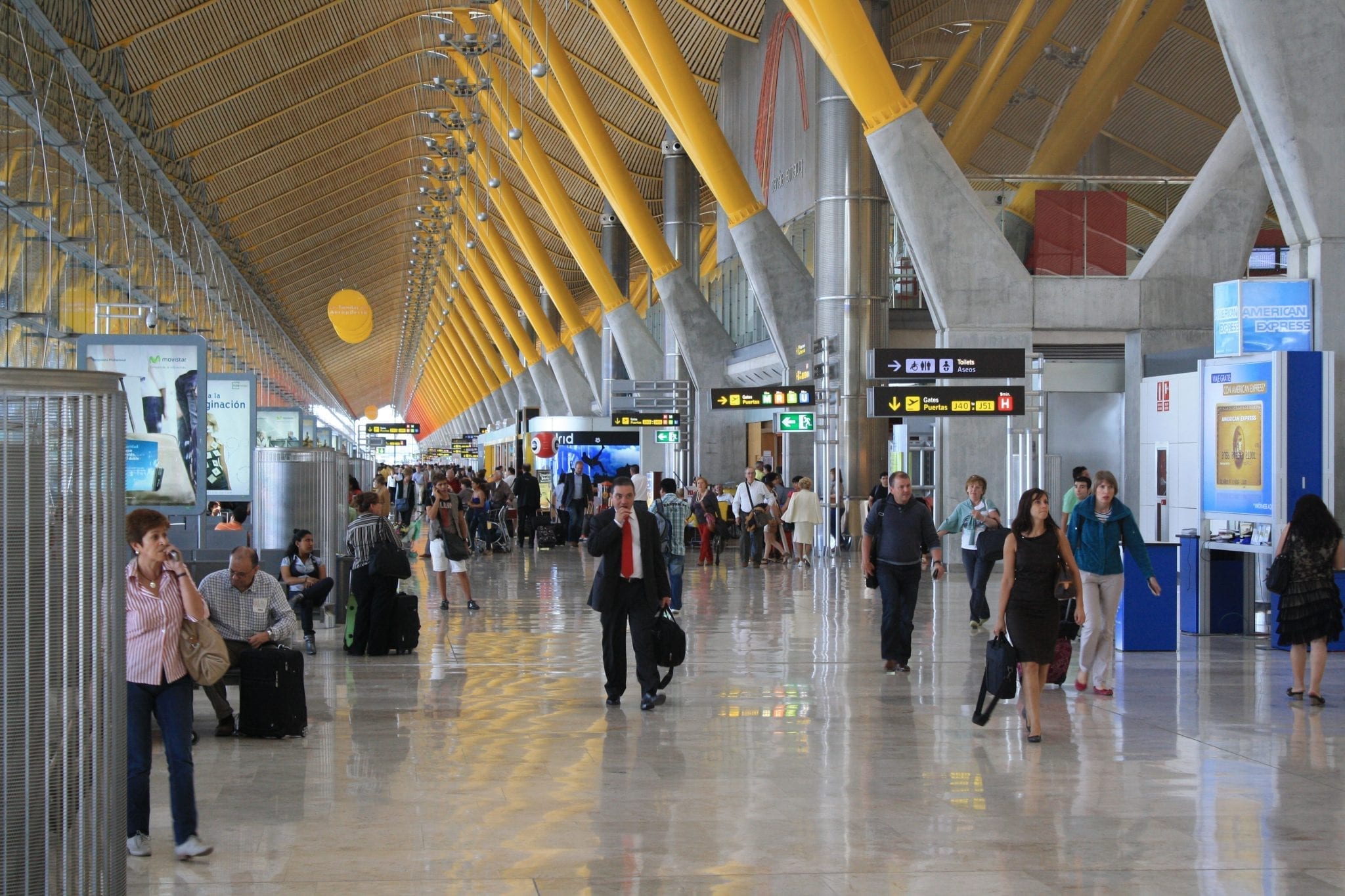
    International outbound flights from Spain were up by 2.7% last year with the biggest increase seen from countries in Asia Pacific; a trend that looks like it will continue in 2017, says travel analyst ForwardKeys.

    Passengers to Asia Pacific destinations were up by 15.7% on the previous year with many countries seeing double-digit growth, including China (up 13%), Japan (+16%), India (+17%) and Vietnam (+32%). This is clearly good news for the dominant travel retailer at Spanish airports, Dufry (World Duty Free). 

    Much of the increase can be attributed to certain airlines dramatically increasing their capacity to the region (up 38%) in 2016.

    “The growth in capacity is partly due to the Chinese seeing Spain as a safe and attractive destination and as a result creating capacity on return flights, creating the opportunity for Spanish consumers to travel on new direct routes to Asia,” says the travel analyst.

    Growth started in the second half of last year helped by Cathay Pacific (Hong Kong – Madrid), Iberia (connecting Madrid with Shanghai and Tokyo) and China Eastern (Madrid –Shanghai). However, it is important to note that Singapore Airlines and Thai Airways dropped routes.

  • Hyundai Department Store plans CoEx duty-free outlet

    Hyundai Department Store plans CoEx duty-free outlet

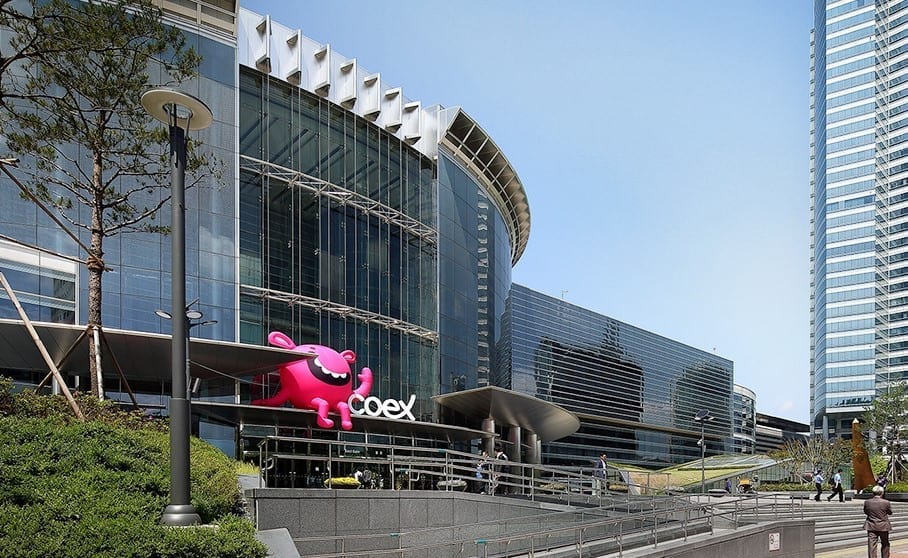
    Hyundai Department Store Group plans to open a 14,005 sqm duty-free store in the CoEx Convention and Exhibition Center in Samseong-Dong, Seoul, late this year.

    Hyundai joined rivals Lotte Duty Free and Shinsegae in securing five-year licences last month to run downtown duty-free stores in Seoul. The SME licence went to TopCity, with Alpensia and Busan Duty Free winning licences for stores in Gangwon Province and Busan.

    Hyundai Duty Free merchandising manager Hyunjin Lee says CoEx attracts independent travellers who are willing to experience Korean culture (K-wave).

    “This place will grow into a worldwide landmark in a few years when there is a Hyundai Global Business Center, underground transit complex and the Jamsil Sports Complex extension,” says Lee.

    “We will provide a differentiated duty-free store with luxury boutiques and customer lounges.”

    A wide selection of luxury items and Korean cosmetic products will be offered, says Lee. “We also plan to develop Kangnam tourist attractions, co-operating with entertainment companies and local government.”

    A key element in Hyundai Duty Free’s licence proposal was agreeing to a memorandum of understanding with the government to invest in tourism infrastructure development plus a commitment to contribute US$50 million in social welfare funds.

  • The Battle Between iPhone and Galaxy to Begin in South Korea

    The Battle Between iPhone and Galaxy to Begin in South Korea

    Apple has confirmed that it plans to open its first South Korea retail store moving into the backyard of its biggest rival for smartphones Samsung Electronics.

    Apple, which this year celebrates its 10th anniversary of the iPhone said on Friday that it is very excited about having its first retail Apple Store in South Korea. The Cupertino, California based tech giant praised Korea as one of the leaders in technology and telecommunications.

    A spokesperson for Apple did not comment when asked when the store would be opening or where any of the Apple stores would be opening across South Korea.

    However, those people who are familiar with the opening, said the company looked at different sits in Gangham, an upscale neighborhood of Seoul.

    One of the possible locations is a short distance from the longtime headquarters of Samsung in Gangham, where the consumer electronics giants has a flagship store for its global products that is three stories high, said those familiar with the situation.

    The same people said that Apple was looking for a site on the fashionable shopping street of Garosu-gil in the same neighborhood.

    A representative from Samsung did not respond when contacted for a comment.

    South Korea, which is the fourth largest Asia economy, has been a difficult market for a long time for Apple. Sales of smartphones are dominated by Samsung and local rival LG Electronics. The popular hometown favorites together hold close to 80% of the overall smartphone market across the country.

    Apple does not even have a break down for sales in the country.

    The breakdown of smartphone sales in Korea is approximately 40% each for Samsung and LG and between 10% and 15% for Apple. That means South Korea is the only developed country that does not have a large iPhone user base.

    Apple, in South Korea, relies on different carrier partners as well as third party retailers. Those groups apply for a license to operate as Apple authorized vendors.

    On Friday, the company posted new job openings for 15 new positions on its website for South Korea, which included a store leader.

    A spokesperson for Apple said in a prepared statement released on Friday by the smarpthone maker that the company was now hiring its team that will offer customers in the capital of South Korea the education, entertainment and service that is loved by millions of Apple customers across the globe.

  • Hong Kong Fashion Week for Fall/Winter Closes

    Hong Kong Fashion Week for Fall/Winter Closes

    he 48th edition of Hong Kong Fashion Week for Fall/Winter ended today at the Hong Kong Convention and Exhibition Centre. The four-day fashion fair (16 to 19 January), organised by the Hong Kong Trade Development Council (HKTDC), welcomed some 15,000 buyers from 77 countries and regions.

    HKTDC Deputy Executive Director Benjamin Chau noted that the fashion industry is facing immense challenges amidst economic and political uncertainties and lacklustre retail sales. “In spite of that, Hong Kong companies are versatile and with e-commerce developing steadily, companies can capture the opportunities to turn the situation around. At this year’s Fashion Week for Fall/Winter, buyer numbers from Italy, Iran, Germany and Israel saw good growth. This shows that buyers from certain regions are not as cautious as expected and their sourcing sentiment is gradually improving.”

    Buyers from emerging markets more upbeat

    In general, buyers from emerging markets demonstrated a more positive sourcing sentiment during the fair. Muhammad Yasin, owner of United Arab Emirates’ company Imperial Clothing FZE, said he had visited more than a hundred exhibitors on just the first day of the show, and had identified about 15 potential suppliers from Hong Kong, the Chinese mainland, Vietnam and Pakistan. He expected to work with two of the companies and initial orders would be worth about US$10,000.

    Israeli buyer Moshe Silverstain said that, after the fair, he would visit some of the supplier’s factories in Nanjing. He expected to place orders for 12,000 raincoats and 20,000 denim trousers.

    Russian company Forward Ltd, which supplies sports uniforms for Russian national teams, visited the fair. The company’s Head of Logistics Department, Ruben Nariyants, said his company had found three potential suppliers from the mainland. To facilitate smooth delivery to Russia, Mr Nariyants said his company is willing to offer logistics assistance; and he expected to finalise cooperation arrangements soon.

    Hong Kong’s designer collections in demand

    Hong Kong Fashion Week has long been a launch pad for up-and-coming young designers to showcase their designs to international buyers. This year, the HKTDC organised two FASHIONALLY COLLECTION shows to spotlight emerging local designers from 14 fashion labels. Buyer Takayuki Kubota from renowned Japanese fashion group H.P. France said he had found suitable Hong Kong designer collections through the FASHIONALLY COLLECTION shows and expected to place initial orders of five to ten styles per brand. He was glad that Hong Kong designers were willing to accept small-quantity orders.

    Yi Gao, owner of Shenzhen designer brand store MR. TOP, found Hong Kong designer brand Lapeewee’s designs fashionable and wearable. He said his company is likely to conclude business deals with the brand very soon.

    Singaporean buyer and designer Samuel Wong said customers in Singapore are receptive to designer brands. He attended the fair to source designer collections and was in talks with Hong Kong label MODEMENT for its women’s and men’s apparel.

    Online store buyers becoming a new force

    Online shopping has been growing in popularity in recent years and there has been an explosion of fashion e-shops, which are becoming a new force driving consumption. Korean department store Shinsegae has opened an e-shop to capture the opportunities in online shopping. Mae Hong, the company’s Buying Manager, said she came to Hong Kong Fashion Week for the first time to look for blouses and knitwear for kids and adults. She had found three potential suppliers on the first day and was in advanced talks with them. If her requirements were met, she would buy at least 1,000 pieces per item.

    Nitin V Tewari, Senior Manager of Flipkart, a leading e-commerce company in India, also visited the fair for the first time. He claimed that fashion is one of their biggest business segments. Through the fair, he hoped to find new brands and OEM manufacturers and he had already identified a number of suitable bags and sportswear brands. He anticipated the purchasing amount would be between US$50,000 to US$100,000 per order, after further discussions.

    Online shopping is also popular in Central Europe. Iva Tureckova, Project Manager of Czech company SLK Trade s.r.o, said her company is a young but fast-growing e-tailer selling women’s underwear in Central Europe. She said she came to Hong Kong to source different underwear brands and to seek opportunities to expand their business by becoming the distributor of brands from Hong Kong and other countries. Through the HKTDC’s business matching sessions, the company had found two potential underwear suppliers and would pursue negotiations with them.

    Fashion seminar explores “Omni-Channel Retailing” opportunities

    ZALORA’s Head of Acquisition, Giovanni Maria Musillo, spoke at the seminar titled “ZALORA: Navigating the Wave of Omni-Channel Retailing” and shared their keys to success and the opportunities in omni-channel retailing. He said ZALORA is a leading fashion e-tailer in Asia with a presence in Hong Kong, Australia, Taiwan, Malaysia, Brunei, Singapore, the Philippines and Indonesia. The website attracts some 30 million visits each month. “Localisation is key to ZALORA’s success. We offer different languages and interfaces to suit different markets’ needs,” he said. “We also ensure that consumers from different countries and regions can settle payments efficiently. These have helped to accelerate ZALORA’s growth.

    “Smart phone penetration in Southeast Asia is set to exceed 100 per cent by 2019 and that is conducive to e-commerce development. It is also expected that the market share of fashion in e-commerce would double from four per cent in 2015 to eight per cent in 2019. All these signify immense business opportunities. With the ‘Korean wave’ sweeping across Asia and Europe in recent years, ZALORA is also actively sourcing different Korean brands to further capture the opportunities.”

    HKTDC’s CENTRESTAGE to return in September

    Hong Kong Fashion Week for Fall/Winter gathered more than 1,500 exhibitors from 21 countries and regions to showcase the latest fashion collections of international brands, garment, accessories, fabrics and sewing supplies. More than 20 fashion events were organised during Fashion Week, including 10 fashion shows as well as industry seminars and networking activities. The Hong Kong Fashion Week for Spring/Summer will be held from 10 to 13 July, while the second edition of CENTRESTAGE will run from 6 to 9 September. CENTRESTAGE aims to provide an ideal promotion platform for Asian and international fashion brands and designers, further solidifying Hong Kong’s position as a fashion capital in Asia.


  • Australian egg farmers have sent the first shipment of eggs to South Korea

    Australian egg farmers have sent the first shipment of eggs to South Korea

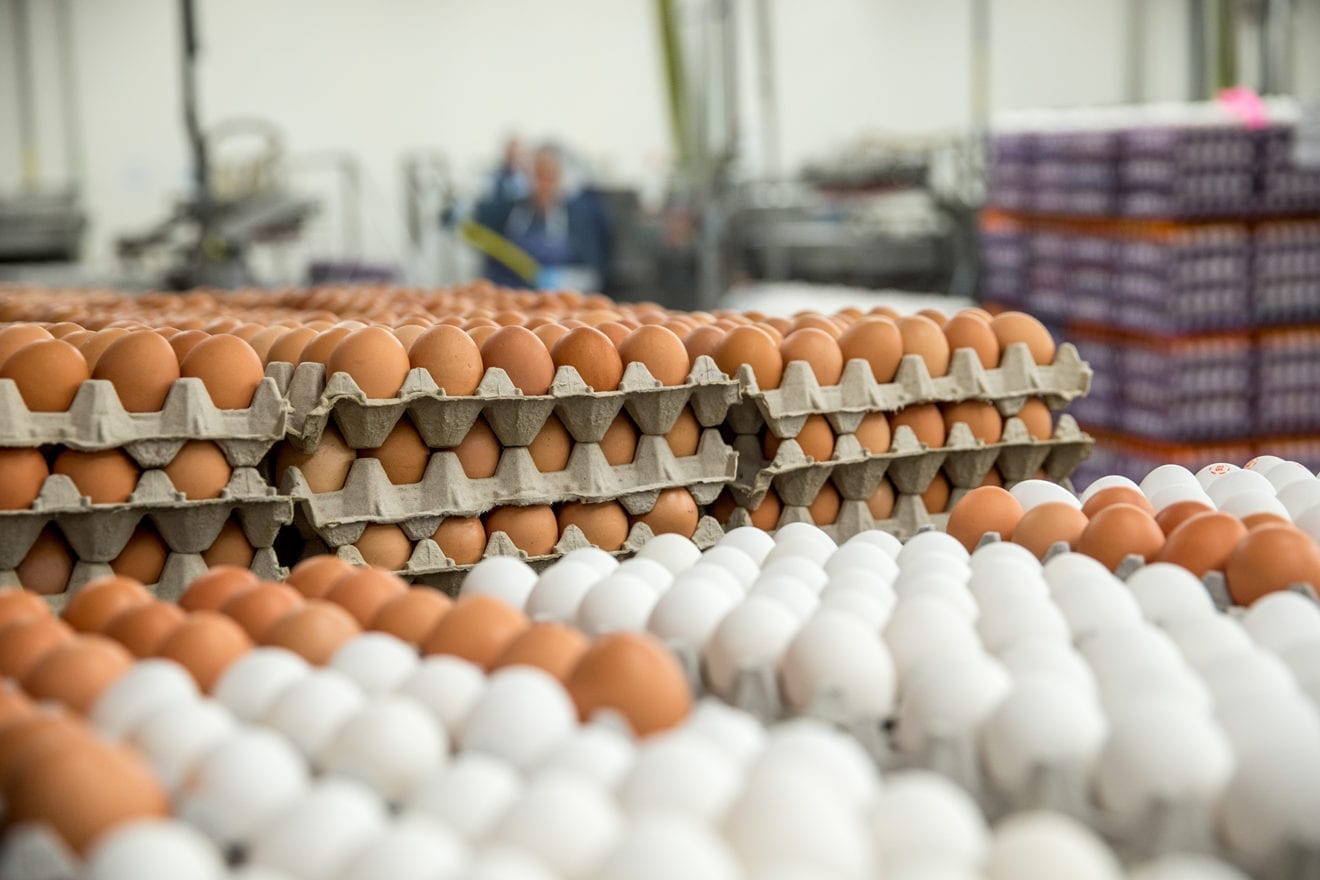
    Australian egg farmers have sent the first shipment of eggs to South Korea, to help ease a major shortage caused by an Avian influenza outbreak.

    Approximately 30 million birds have been culled to stem the spread of the disease, causing a shortfall of around 15 million dozen eggs each week.

    Prices of eggs and other poultry products have soared as a result, with retail egg prices rising by around 21.5 per cent to $2.50 (2,207 KRW) for 10 eggs.

    But at the farm gate, farmers have raised the price of eggs they are selling by 50 per cent to $1.75 (1,551 KRW).

    The outbreak is the first in seven months, caused by a highly contagious new strain, H5N6.

    Huge shipments of white eggs are already arriving from the USA, but Koreans have a preference for brown eggs, and that is where Australian farmers are stepping in.

    It is estimated around $20 million worth of eggs will be sent to South Korea, aided by a recently inked export agreement approved by South Korea, which permits the sale of Australian eggs.

    Industry body, the Australian Egg Corporation Limited managing director Rowan McMonnies said the urgency of the situation had help negotiations between the Australian Department of Agriculture and Water Resources and the South Korean government.

    “South Koreans are some of the biggest egg consumers in the world,” Mr McMonnies said.

    In comparison, Australians east around 227 eggs per person annually, the British consume 182 and South African eat 150 each per year.”

    All tariffs on imported eggs have been suspended until at least 30 June 2017.

    The first shipment of eggs left Australia by air last week, and further shipments will be sent by sea in the coming months.

    Mr McMonnies said the export of eggs to South Korea would not impact domestic supplies.

    “The Australian egg market is very large and Australian egg farmers are always seeking to balance supply and demand.

    “If anything this represents an opportunity for the expansion of the industry.”

  • Vietinbank successfully issues bonds at low interest rate

    Vietinbank successfully issues bonds at low interest rate

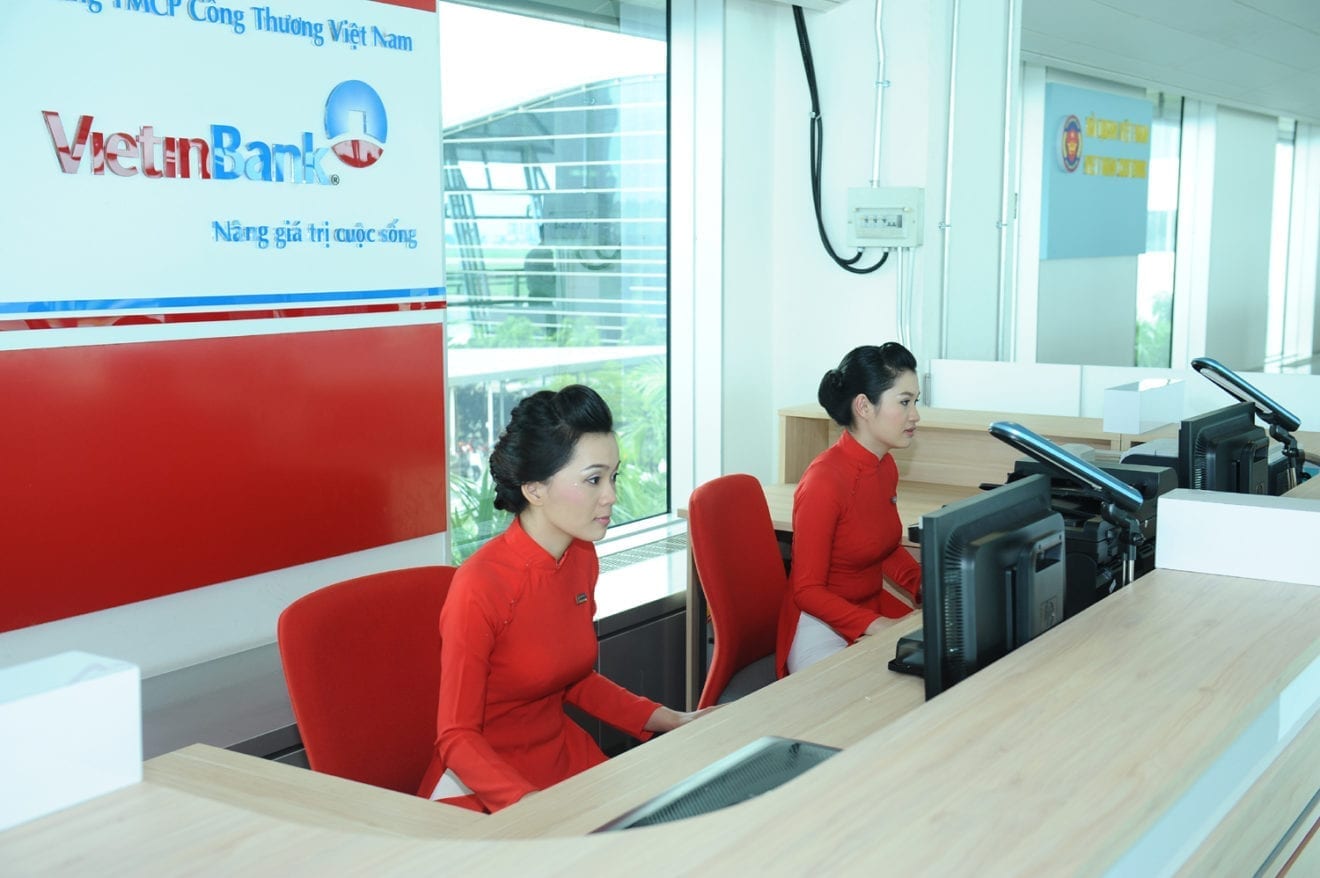
    Vietnam Joint Stock Commercial Bank for Industry and Trade (Vietinbank) announced it successfully issued non-convertible five-year bonds worth VNĐ2 trillion (US$88.1 million) at annual interest rate of 5.8 per cent.

    Compared with the interest rates of other bond issued recently, the 5.8 per cent rate is considered the lowest rate. It is even lower than the interest rate of 7 per cent per year applicable for deposits of over three years in Vietinbank.

    Previously, in December 2016, Vietinbank also issued 10-year bonds worth VNĐ2.9 trillion at interest rate of 7.5 per cent in the first five years.

    Vietinbank reported a high profit of VNĐ8.25 trillion in 2016, 4 per cent higher than the target set at the bank’s general meeting of shareholders.

    As of December 31, 2016, the bank’s total merged assets were estimated at VNĐ947 trillion, up 22 per cent from the previous year.

    Also in 2016, the bank’s total outstanding loans were VNĐ720 trillion, a year-on-year rise of 18 per cent, while total mobilised capital reached VNĐ862 trillion, up 21 per cent. By the end of 2016, the bank continued to effectively manage the quality of assets with bad debt ratio of less than 1 per cent.

    The bank in 2017 has set a target of a 15-17 per cent rise in total assets and an 18 per cent increase in outstanding credit.

  • Videocon to complete mobile market exit on Feb 15

    Videocon to complete mobile market exit on Feb 15

    India’s Videocon will complete its withdrawal from the mobile market next month, shutting down its network in its one remaining telecoms circle on February 15.

    Videocon’s 3 million remaining customers in the Punjab area have been asked to switch to a new provider to avoid losing connectivity.

    The operator’s licenses and spectrum in 17 circles were revoked following the 2G spectrum scandal in 2012, which involved a former telecoms minister allegedly granting favorable treatment to preferred operators during the allocation. A court revoked 122 telecoms licenses in the wake of the scandal.

    Videocon subsequently bid for and won back spectrum in six circles, but last year the company sold these spectrum assets to Bharti Airtel and pulled out of the mobile market in these areas, leaving Punjab as its last remaining mobile operation.

    But Videocon’s mobile license in Punjab is due to expire shortly, after the company was denied permission to have the license validity extended until 2027.

    According to the report, Videocon has decided to exit the mobile sector due to the high cost of mobile spectrum in light of its recent experiences.

    The company is concentrating on businesses including broadband, surveillance and security as well as enterprise services.

  • China’s BYD plans to sell passenger cars in U.S. in 2-3 years

    China’s BYD plans to sell passenger cars in U.S. in 2-3 years

    BYD plans to sell electric passenger cars in the United States in about two to three years, an executive said on Thursday, as it races to be the first Chinese automaker to sell cars to American drivers.

    BYD, backed by Warren Buffett’s Berkshire Hathaway, specializes in electric and plug-in petrol-electric hybrid vehicles. At present, its U.S. presence is limited to producing buses and selling fleet vehicles such as taxis.

    Li Yunfei, BYD’s deputy general manager for branding and public relations, said its passenger car plan was not fixed as entering the U.S. was a complicated process.

    “It could be adjusted,” Li said at an event in Beijing. “Now we can only say roughly 2 to 3 years.”

    China’s government has used a raft of policies, including billions of dollars in subsidies, to spur a boom in electric and plug-in hybrid sales since 2015. The U.S., meanwhile, has lagged.

    BYD has had false starts in the U.S., with Chairman Wang Chuanfu previously saying the automaker would begin selling in the U.S. in 2010. Other Chinese peers have also encountered delays in entering the market.

    GAC Motor, a subsidiary of Guangzhou Automobile Group, displayed three models at the Detroit Auto Show earlier this month, stating it would enter the U.S. by 2019 instead of a previous goal of 2017.

    A GAC Motor spokeswoman declined to elaborate on the delay.