Tag: asia

  • City begins programme to trace vegetable origins

    City begins programme to trace vegetable origins

    Consumers in HCM City can now use a smartphone app to trace the origin of vegetables sold at Co.opmart, Lotte Mart, Big C and AEON supermarkets under a programme run by the city Department of Agriculture and Rural Development and the Digital Agriculture Association.

    Huỳnh Thị Kim Cúc, the department’s deputy director, said customers could use Zalo on Android or QR code scanning apps to scan the labels on the packages.

    The information they contain includes where and when the vegetables are grown, packaged and distributed and the types of pesticides and fertilisers used, she said.

    The initiative followed growing concerns about food safety, she said.

    The department and the association has surveyed and collected data on vegetable farming models since May last year.

    Now only two co-operatives – Phước An Co-operative in Bình Chánh District and Phú Lộc Co-operative in Củ Chi District – are part of the programme, and they are supplying 18 items, including cabbage, cucurbit, cucumber, bitter melon, broccoli, sweet potato buds, water spinach, and amaranth.

    The programme would be piloted at select supermarkets and VietGap-certificated vegetable co-operatives until March before being expanded to all VietGap-certified co-operatives and more retailers, Cúc said.

    She said her department and other relevant agencies would closely monitor vegetable quality, carrying out surprise tests and quick tests.

    Nguyễn Phước Trung, the department’s director, said a million tonnes of vegetables are consumed in the city every year, with 24 per cent supplied by farms in the city around and the rest by those in other provinces.

    The department said the city was paying more and more attention to the safety of vegetables, resulting in plant protection drug residues decreasing year after year.

    In fact, last year authorities did not detect any plant protection drug residues exceeding permissible levels in key growing areas, down from 1 per cent in 2015, it said.

    Last month, the city launched a programme to enable consumers to trace pork origins at nearly 350 modern outlets by downloading the QR Code decoding application from www.te-food.com to their devices.

  • AirAsia X enhances entertainment for Aussies

    AirAsia X enhances entertainment for Aussies

    Malaysian carrier AirAsia X has upgraded its in-flight entertainment option for Australian passengers.

    The new Xcite Inflight Entertainment tablet is a Huawei Mediapad 2, equipped with a 10.1″ HD widescreen display, Harman Kardon audio technology and headset.

    Guests travelling aboard AirAsia X (flight code D7) services to and from Australia can pre-book these devices for about $AU15 (RM49) or rent them on-board for about $18 (RM60).

    The new tablets support five languages (English, Bahasa Malaysia, Mandarin, Korean, Japanese) and the service is complimentary for all Premium Flatbed customers.

    AirAsia X CEO Benyamin Ismail says device content will be regularly updated with the latest Hollywood blockbusters, as well as other international and local movies.

    Currently Xcite is showing X-Men: Apocalypse, The Maze Runner, 21 Days Under the Sky, Storks, The Drop and more. However, no television shows or series are available on the devices at this point.

    There’s also plenty of music, games and magazines to read, plus passengers can shop while they fly, as the AirAsia BIG Duty Free catalogue is also included.

    Previously, the airline offered Samsung Galaxy Tab devices for rental on all its Australian flights.

    AirAsia X flies out of Sydney, Melbourne, the Gold Coast, Darwin and Perth.

    Xcite Inflight Entertainment will not be available on flights to/from Auckland, Jeddah and Kathmandu.

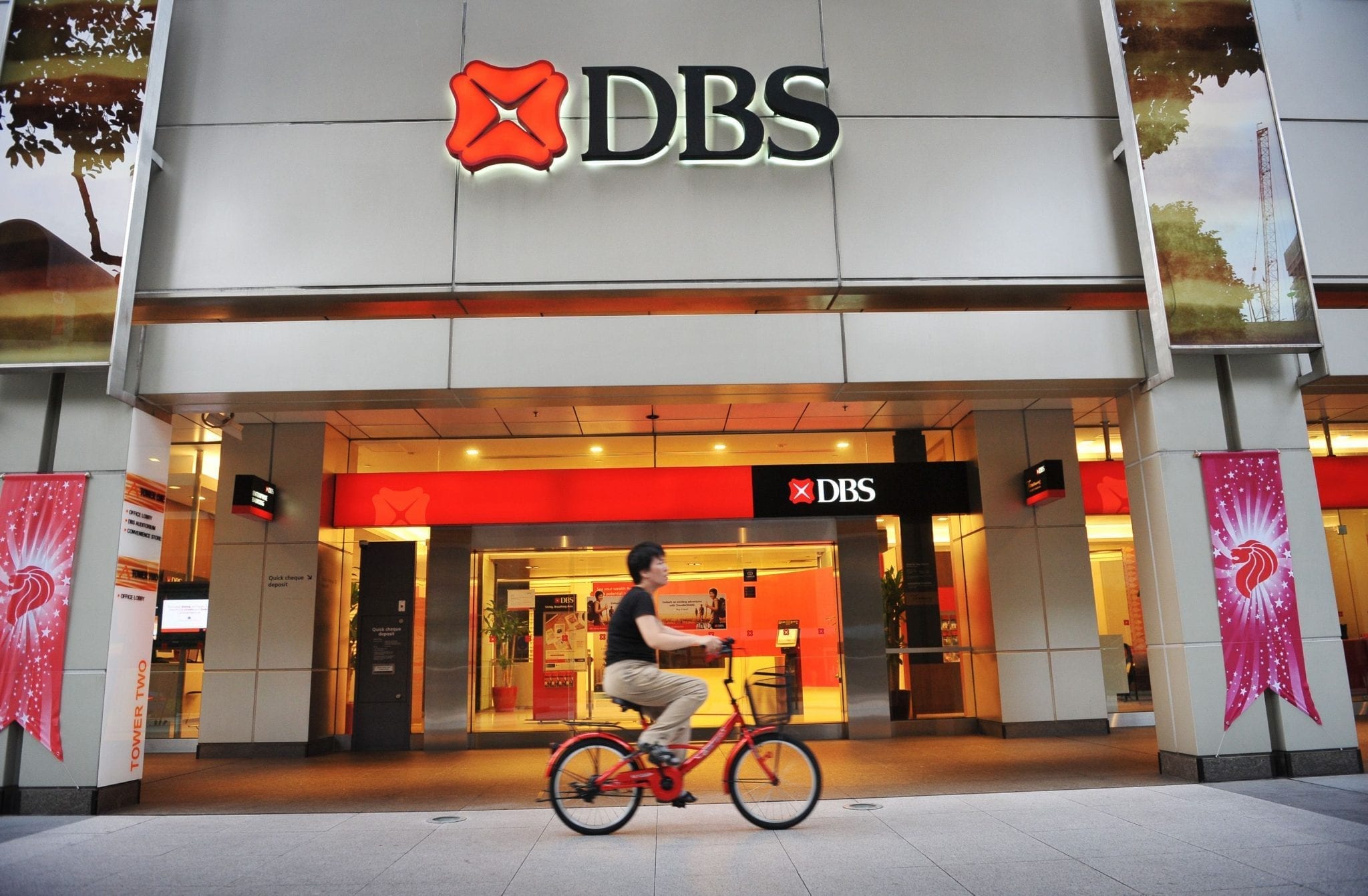
  • DBS offers cardholders dynamic currency conversion on overseas shopping

    DBS offers cardholders dynamic currency conversion on overseas shopping

    In a game-changing move, DBS Bank today unveiled its plans to help customers save on their overseas spending by avoiding high foreign exchange (FX) and conversion fees.

    Starting today, customers with a DBS Visa Debit Card linked to a DBS Multi-Currency Account (MCA)* can use their card to spend overseas in the country’s given local currency** without any additional charges. This scheme is the first of its kind in Southeast Asia.The savings will be greatest for Singapore customers who shop in overseas-based online stores or who perform credit/debit card payments overseas and choose to pay in SGD. When they pay in SGD overseas, their payment undergoes a process called “Dynamic Currency Conversion” (DCC), and customers can incur additional merchant charges of between 7% to 15%. In 2016, around 10% of payments by DBS Visa Debit cardholders were overseas transactions made in SGD.

    Customers who choose to pay in the country’s local currency also get to avoid any additional charges such as FX fees and any other conversion charges. For example, a Singapore traveller who intends to visit the U.S. can change currencies via their DBS MCA account (e.g. from SGD to USD), which offers competitive FX rates. This can be done on-the-go or when rates are favourable via DBS mBanking or iBanking. When spending in the U.S., the traveller can simply use their DBS Visa Debit Card to pay for purchases in USD. The amount is then directly deducted from their DBS MCA’s USD balance with no other charges incurred.

    “With travel and ecommerce expenditure rising rapidly in Singapore, we decided to be on the front foot and introduce a game-changing scheme for customers and the industry. With the DBS MCA and DBS Visa Debit Card, customers can convert their currencies at a competitive rate using DBS iBanking or mBanking without needing to make a trip to the money changer. They will also get to skip FX fees and conversion charges for their overseas spends. Our hope is that this will incentivise Singaporeans move towards the security and convenience of cashless payments,” said Jeremy Soo, Head of Consumer Banking Group (Singapore) at DBS.

    DBS’ introduction of the scheme is particularly timely given that it has witnessed close to a 30% increase in foreign currency payment volumes – which includes foreign currency eCommerce and point-of-sales payments – from debit cardholders since 2014. For DBS Visa Debit cardholders in particular, foreign currency payments make up more than 20% of total payments. DBS also sees some SGD560 million in overseas cash withdrawals every year by customers.

    “Travel is becoming increasingly popular amongst Singaporeans and based on the Consumer Travel Poll jointly conducted by Visa and DBS, more than half of them take two to four leisure trips a year. Visa cardholders are increasingly using their payment cards when they travel and cross border transactions by Singapore debit cardholders is growing close to 15% year-on-year. Today, 95% of Singaporean travellers change money into foreign currencies before they travel and the main reason is because they want to avoid the uncertainty of foreign exchange costs. The introduction of this first in market product in Southeast Asia by DBS and Visa supports Singapore’s move to be truly cashless,” said Ooi Huey Tyng, Visa Country Manager for Singapore and Brunei.

    To enjoy the benefits of the scheme, customers will need to sign up for both the DBS MCA and DBS Visa Debit Card. In addition, the customer’s DBS MCA must be linked to their DBS Visa Debit Card as a primary account. Further details on how to be eligible for the scheme’s benefits are available at go.dbs.com/sg-mca. Launched in 2013, the DBS MCA has rapidly built up a large base and has some 200,000 account holders today. In 2015, DBS made the DBS MCA a standard account for new customers to ensure customers will always have ready access to currency exchange. The DBS MCA is also the only multi-currency account in Singapore that allows exchanges in twelve key currencies (including SGD)*** – by far the most here. In addition, there are some 800,000 DBS Visa Debit cardholders here.

    The scheme, focused on helping customers who are frequent travellers avoid the hassle of carrying large amounts of cash overseas, is part of DBS’ larger plan to drive cashless payment behaviour and to bring innovation into financial services. This is something the bank is uniquely positioned to do given that it banks most of Singapore and is the nation’s largest credit and debit card provider, with some five million cards in circulation here.

    Over the last few years, the bank has launched several large-scale and game-changing offerings to help Singaporeans reduce their reliance on cash. This include innovations such as DBS PayLah! (for small merchants and micropayments), DBS FasTrack (for F&B SMEs), POSB Fare Free Friday (for public transport-related transactions); POSB Smart Buddy (for school kids) and more. The bank was also one of the first in Singapore to adopt all three mobile payment platforms – Apple Pay, Samsung Pay and Android Pay.

  • NEC pushes interoperability of smart city tech

    NEC pushes interoperability of smart city tech

    NEC Laboratories Europe has teamed up with four other ETSI members to initiate a new ETSI Industry Specification Group on Context Information Management (ISG CIM), together with the Open & Agile Smart Cities (OASC) organization.

    The ISG CIM will specify open standards for the context information management layer, running “on top” of IoT platforms, enabling implementation of context-aware behavior in smart applications.

    This context information management layer accesses and updates information coming from different sources (IoT networks and information systems) that comprise the semantics of information, including data source, time of validity, ownership and many more.

    This will extend the interoperability of applications, helping smart cities to integrate their existing services and enable new third-party services.

    Cities are striving to use digital services to advance the quality of life of their residents, the efficiency of their operations, the growth of their economies and to increase their sustainability.

    At the moment, telecommunication systems, city infrastructure databases, car traffic management systems, and new Internet of Things (IoT) solutions all have their own specifications, and smart cities are held back by lack of interoperability for exchange of information between these platforms — which the new ISG CIM aims to overcome.

    A focus of the group will be collaboration with other standardization activities in related areas, including ETSI TC SmartM2M and ETSI PP oneM2M. Groups such as EIP-SCC, W3C or ITU-T, and open source IoT software platforms such as FIWARE and OM2M will be closely consulted.

    The goal is to interoperate and to re-use existing work as much as possible. The ISG CIM work is intended to align with the EU’s standardization policies for the Digital Single Market.

    The five ETSI members of the new ISG CIM are Easy Global Market, imec, NEC, Orange and Telefonica. Beyond the initial focus of smart cities, the approach will be transferable to other applications, such as smart agriculture and smart industry.

    Organizations from all areas are welcome to join the ISG CIM initiative — non-ETSI as well as ETSI members, including research organizations, software houses and system integrators, SMEs, industrial partners, city groups and other stakeholders.

  • Vietnam’s online market: Some shut down, others pocket big money

    Vietnam’s online market: Some shut down, others pocket big money

    The online retail market is considered very attractive with 9 out of 10 Vietnamese consumers having smartphones as shown by a Nielsen report.

    Meanwhile, Trang Bui from JLL Vietnam commented that the number of credit card holders is increasing, which is a factor that will change consumer behavior.

    However, despite the attractive factors, many online retailers still fail. In August, Lingo.vn suddenly shut down without any notice in advance.

    After receiving investment from Yellow Star Investment, Lingo once set the target of becoming the No 1 e-commerce website. However, within a short time, Lingo incurred a loss of VND150 billion. The ‘sad ending’ for Lingo also happened to Deca.vn, Beyeu.com, Lamdieu.com and Foreva.vn.

    Zalora and Lazada, which are listed as the most redoubtable rivals in the market, are experiencing tough days. In April 2016, Rocket Internet, the owner of Zalora Vietnam, sold Zalora to Central Group from Thailand. In a similar move, Alibaba from China has taken over Lazada in SE Asia after a $1 billion deal.

    One of the reasons for the failure of e-commerce websites was the boom of Facebook. Everyone can do business and sell goods via the social network without paying a fee.

    Facebook has become involved more deeply in e-commerce after launching an app allowing users to exchange and buy/sell goods with others in the community.

    The company doesn’t intend to collect fees from transactions, which gives it an outstanding competitive edge over its rivals.

    However, while many investors have to leave the market silently, others pocket money.

    A report from The Gioi Di Dong, a large high-tech product distributor, showed that iPhone 7 sales on its website have increased by three times, while online revenue in the first 11 months of 2016 reached VND2.944 trillion.

    Meanwhile, Vingroup’s adayroi, FPT’s Sendo and Tiki have been running a race to expand the market.

    In December 2014, Sendo received strategic investment from Japanese investors. It now has 80,000 shops which retail 3 million products in 14 different branches.

    Tiki has received huge investment of $18 million. The once ‘online bookstore’ has been enlargng rapidly, now distributing 100,000 product items in 10 categories of goods.

    The opportunities for online sellers remain very great. According to Tran Trong Tuyen, CEO of DKT, 75 percent of e-commerce market share is in Hanoi and HCMC, while the remaining 25 percent in the other 61 provinces and cities. If the 61 provinces and cities can develop like Hanoi and HCMC in 3-5  years, the e-commerce market scale would be 3-5 times larger.

  • Axiata to sell 34.1% of tower unit for $600m

    Axiata to sell 34.1% of tower unit for $600m

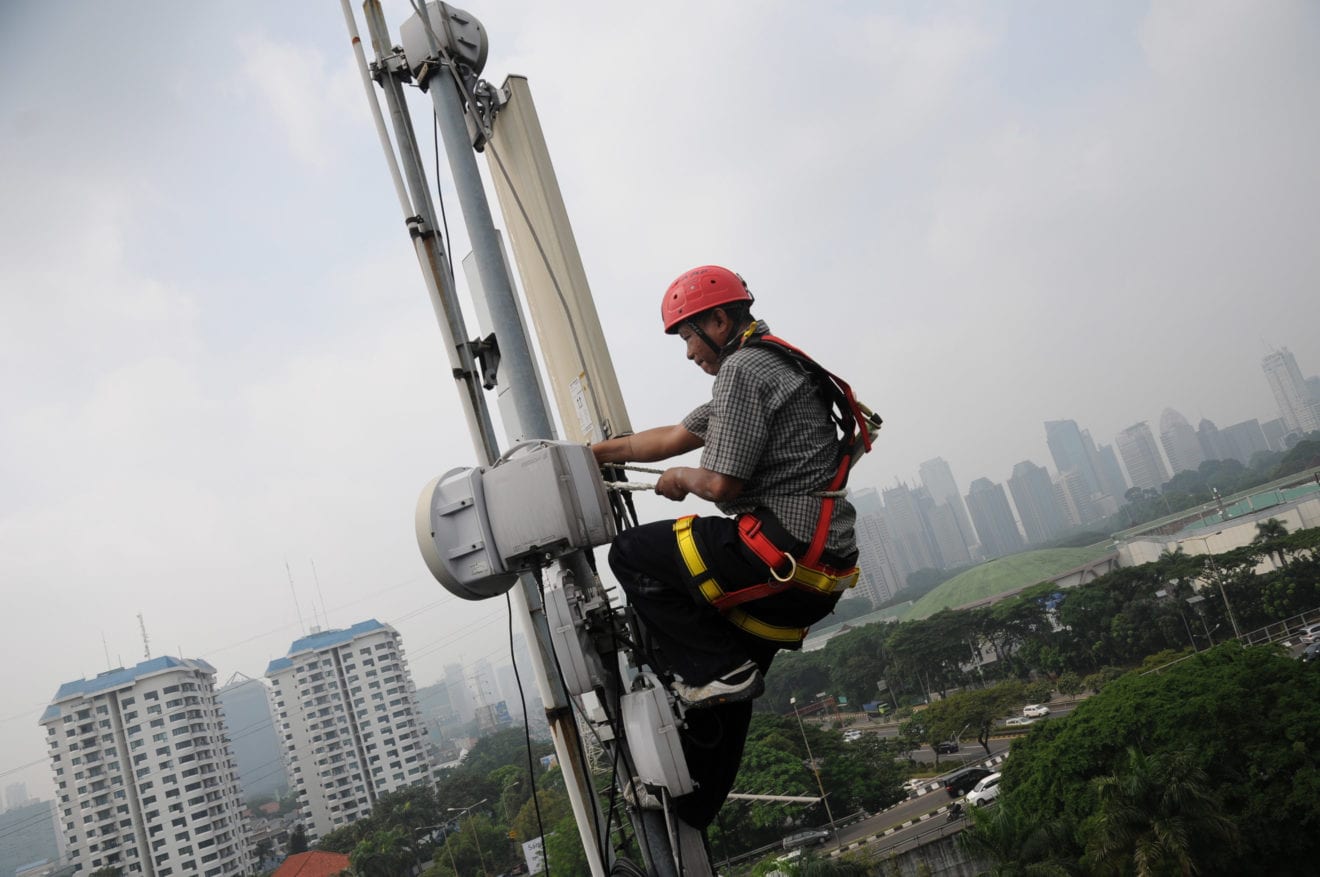
    Malaysia’s Axiata Group has arranged to sell a 34.1% stake in its wholly-owned telecommunications infrastructure services division edotco Group for $600 million.

    The operator will place $400 million worth of primary shares with Innovation Network Corporation of Japan, and $200 million in secondary shares with Khazana Nasional Berhad.

    The placement is expected to close by the end of January. It values edotco at close to $1.5 billion, with an enterprise value to FY16 ebitda multiple of 12.5x – roughly comparable to the company’s regional peers.

    The valuation takes into account the potential future injection of tower assets from Axiata’s Cambodian and Sri Lankan operations, which would further increase Axiata’s shareholding in edotco.

    “Our lead investors and new shareholders, INCJ and Khazanah, are both long-term investors who will provide strategic value-add to edotco’s growth strategy, open doors to further strategic collaborations, as well as enhance and diversify our shareholder base,” edotco CEO Suresh Sidhu said.

    Axiata CEO Jamaludin Ibrahim added that edotco achieved a comparatively strong valuation during the placement due to its robust recent business growth.

    “We are determined to make edotco a world-class business and one of the world’s largest independent tower companies by 2020. The successful placement exercise is yet another step – financially and symbolically – towards facilitating this aspiration.”

  • HACTL Achieves 1,6% Tonnage Cargo Growth in 2016

    HACTL Achieves 1,6% Tonnage Cargo Growth in 2016

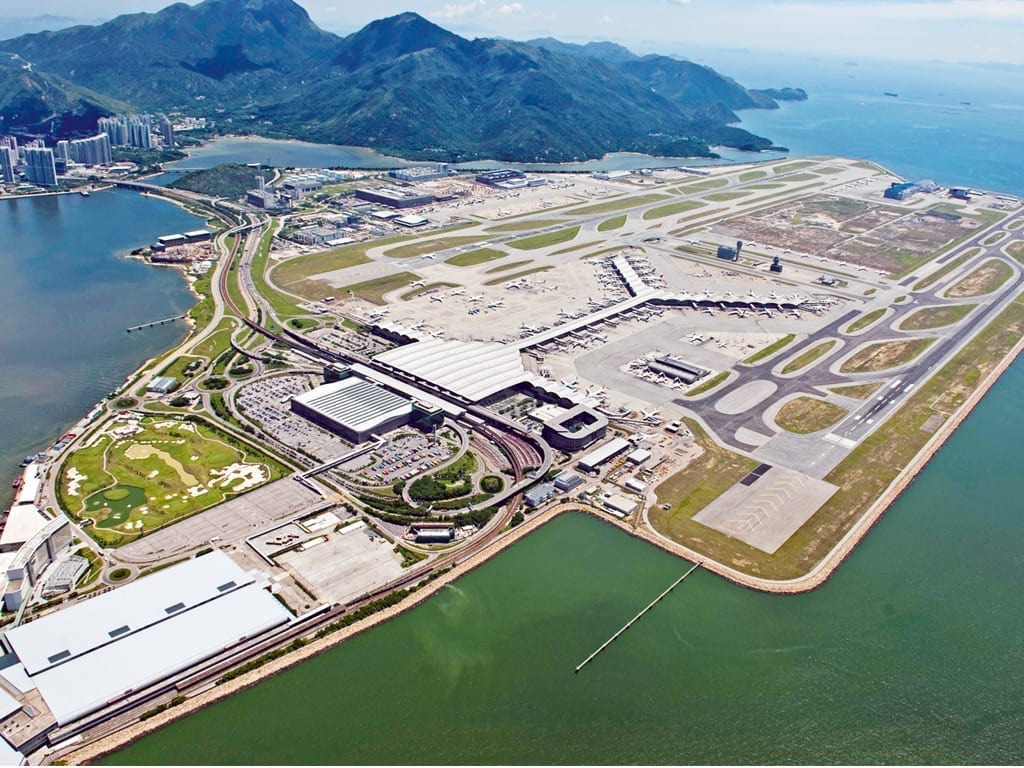
    Hong Kong Air Cargo Terminals handled a total of 1,653,938 tonnes of cargo in 2016, an increase of 1.6% compared to 2015. “From a disappointing start, 2016 shaped up to be a very satisfactory year for Hactl and its airline customers,” said Mark Whitehead, chief executive of Hactl.

    “The best results showed in the second half, and are hopefully indicative of a more settled picture for global air cargo that will continue into 2017. Particularly gratifying is the continuing growth of our ramp-handling business. We ascribe this both to the attraction of Hactl’s unique ability to provide combined terminal and ramp handling in Hong Kong, and to our recent investment in streamlining through the use of mobile computing; this has enhanced productivity and service standards.”

    According to Hactl, transhipments performed most strongly, having grown 29.6% year-on-year. Mail, courier and express traffic grew 8.4% and exports grew 2.1%. Imports declined 8.3%.

    Self Photos / Files - Hactl [2]

    The company’s SuperTerminal 1 set a new weekly record when it handled 41,926 tonnes of cargo from November 28 to December 4, 2016. The ramp-handling business also set new all-time daily, weekly and monthly records.

    Hactl handled 101 freighters on November 23, breaking the previous record of 98 which was set 19 days earlier. From November 28 to December 4, the company handled 628 freighters, beating the previous week’s record of 609. Hactl handled 2,579 freighters in November 2016. The previous record of 2,242 was set in November 2015.

    SuperTerminal 1 is the largest cargo facility at Hong Kong International Airport and is capable of handling 3.5 million tonnes per year.

  • BSP Approves New Bank Service Channels

    BSP Approves New Bank Service Channels

    The Bangko Sentral ng Pilipinas (BSP) has relaxed rules governing service channels for banks and deposit taking activities outside bank premises.

    BSP Deputy Governor Nestor Espenilla Jr. said in a chance interview the changes would allow banks to expand their reach and serve clients more efficiently.

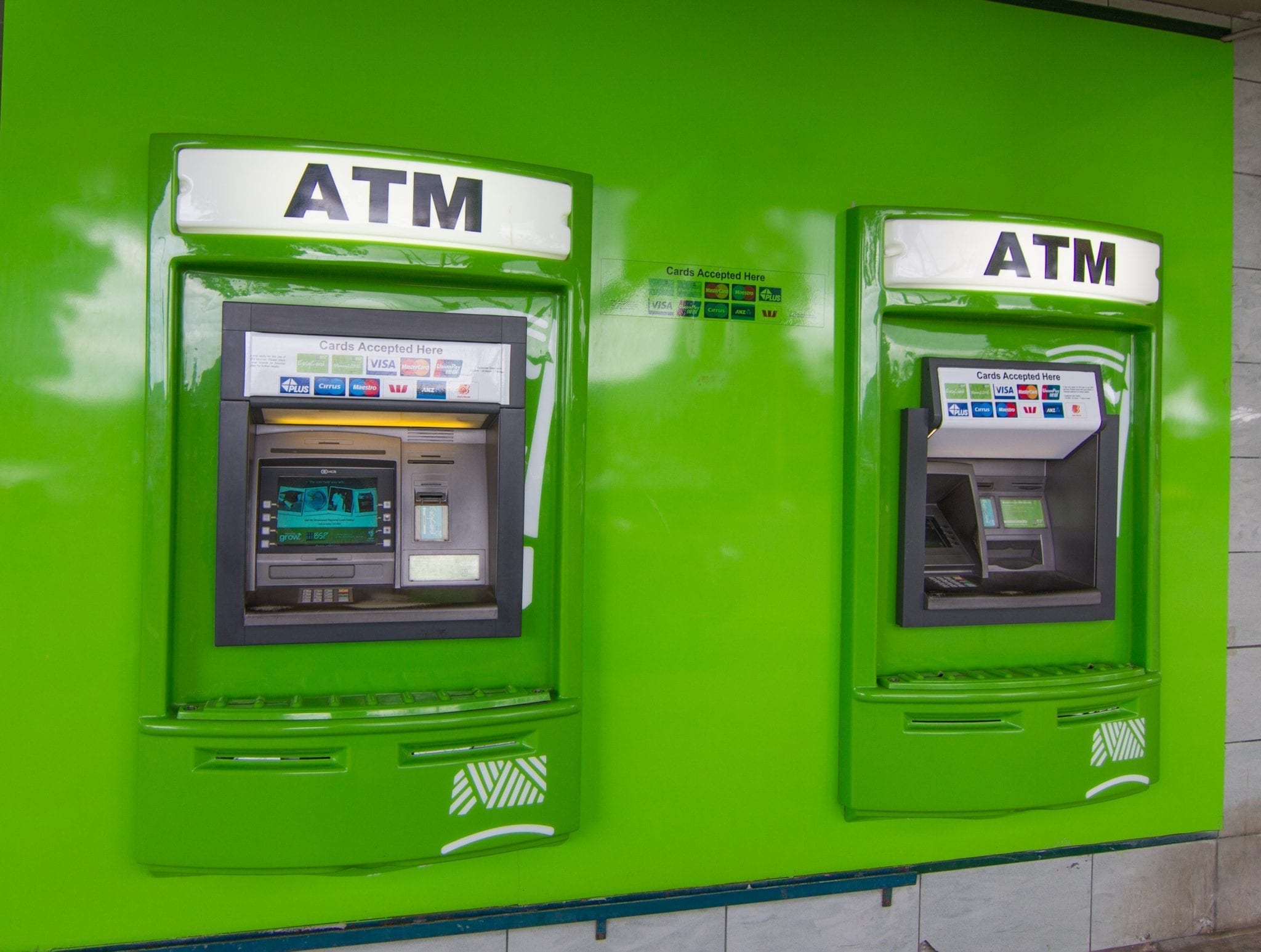
    Under the newly approved regulations, banks are now allowed to serve clients through cash agents. Cash agents will accept and disburse cash on behalf of the banks, facilitating online self-service deposits, withdrawals and fund transfers, as well as bills payment.

    Furthermore, cash agents can also perform Know-Your-Customer procedures as well as collect and forward application documents for loan and account opening.

    They may also sell and service insurance products as authorized by the Insurance Commission.

    Cash agents are typically cash-rich third-party entities with many outlets that conduct regular business in fixed locations anywhere in the country, such as convenience stores, pharmacies and other highly accessible retail outlets.

    The BSP said the cash agents enable banks to leverage on innovative digital solutions to serve a wider client base, particularly in the low-income and rural areas where the commercial incentives to set up a full branch or even a micro-banking office are limited.

    The new regulations are seen to help serve the large base of unbanked and low-income segments.

    Data from the BSP shows more than 36 percent of all the municipalities in the country have no banking presence although most of these are served by a variety of non-bank financial institutions like pawnshops, cooperatives and lending investors.

    Likewise, the BSP also relaxed existing regulations on offsite deposit servicing. This was done by removing highly prescriptive operational requirements and conditions for banks.

    With the new rules, banks have more flexibility in designing appropriate and cost-efficient ways to render deposit pick-up and delivery services and as a result, enhance client experience.

    However, despite the relaxed rules, the BSP said banks must ensure the safety and soundness of the banking system as well as uphold consumer protection.

    It said the recently approved guidelines emphasize banks’ responsibility for ensuring the adequacy of risk management and internal control systems for the liberalized deposit servicing activities.

    As such, the BSP would evaluate the quality and sufficiency of the risk management

  • IMDA to hold 5G consultation this year

    IMDA to hold 5G consultation this year

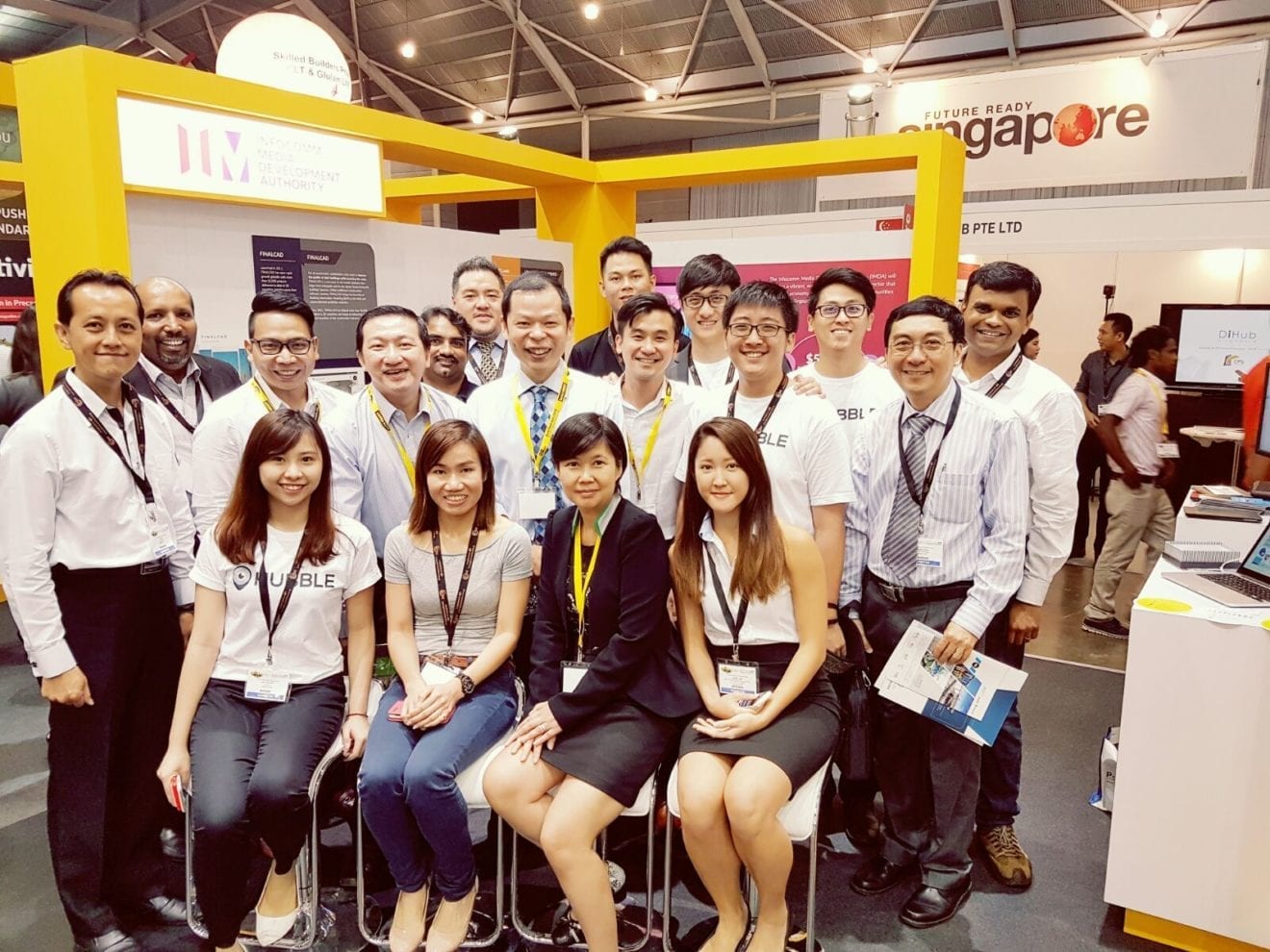
    Singapore’s Infocomm and Media Development Authority (IMDA) plans to hold a public consultation covering 5G mobile networks later this year.

    The regulator will hold the consultation as part of its efforts to facilitate the commercialization of 5G services in Singapore.

    The IMDA is strongly urging the mobile industry to participate in the consultation to help the regulator better understand the industry’s needs, as well as the optimal spectrum roadmap and regulatory framework that will allow innovation to flourish.

    Other initiatives the IMDA will take during the transition to 5G will include the promotion of real-world trials to better understand how 5G will fit into Singapore’s business environment, as well as optimal deployment scenarios for operators.

    Singapore’s mobile operators are meanwhile themselves conducting preparatory work for the introduction of 5G – Singtel, for example, recently upgraded its LTE network nationwide to support the pre-5G technology 256 quadrature amplitude modulation (256 QAM), giving the network a peak speed of 450Mbps.

  • Innisfree collaborates with POSPi and Bank of China to launch mobile payment in China

    Innisfree collaborates with POSPi and Bank of China to launch mobile payment in China

    Mintel reports that in 2017, brands will be looking for innovative ways to use data to proactively assist consumers in all aspects of the sales journey to optimise customer service.

    The trio hopes that by adopting the innovative concept and technology, it will enable them to provide a personalised, more engaged and more convenient service to maximise the customer experience.

    Digital growth

    Innisfree, which promotes green sustainability and eco-friendliness, has ploughed resources into presenting its brand as a progressive, authentic and digitally-savvy leading destination.

    To date, it is the natural beauty name’s entry into the Chinese beauty arena that has proved the most lucrative step for the company. Since its expansion into the Chinese market in 2011, it has gone on to open 300 outlets and achieved an annual sales revenue of RMB 5.7 bn (€776 mn).

    “Innisfree, as one of the fastest growing brands under AmorePacific, has inherited the spirit of innovation and achieved a geometric growth over the past 4 years, especially in the Chinese market,” said Cai Jianren, General Manager of Innisfree.

    Celebrating its 17th birthday this year, Innisfree has an e-commerce site to help build brand awareness throughout APAC, secure a global following and increase sales by connecting online marketing efforts with an offline presence.

    With stores located throughout the APAC region, including South Korea, Hong Kong, China, Japan, Taiwan, India, Singapore, Malaysia, and Vietnam, Innisfree has positioned itself as a strong adopter of the online-to-offline (o2o) commerce trend.

    On-the-go service

    “The application of mobile POS allows us to offer a personalised service to our customers at retail stores. Each of our salespersons is now equipped with a mobile POS which has successfully eliminated queuing and empowered them to respond to customer’s various requests anywhere, anytime on the floor,” Jianren added.

    Based in Shanghai, POSPi, researches and develops mobile retail technology solutions to help brands move into a smart and intuitive retail environment.

    Feng Yanrong, Senior Manager of Bank of China, highlighted the impact this collaboration is expected to have on the business landscape: “This project marks a new step of Bank of China in the field of mobile POS, which will help multinational retailers enter the smart retail era.”

  • Bank Indonesia Keeps Benchmark Rate

    Bank Indonesia Keeps Benchmark Rate

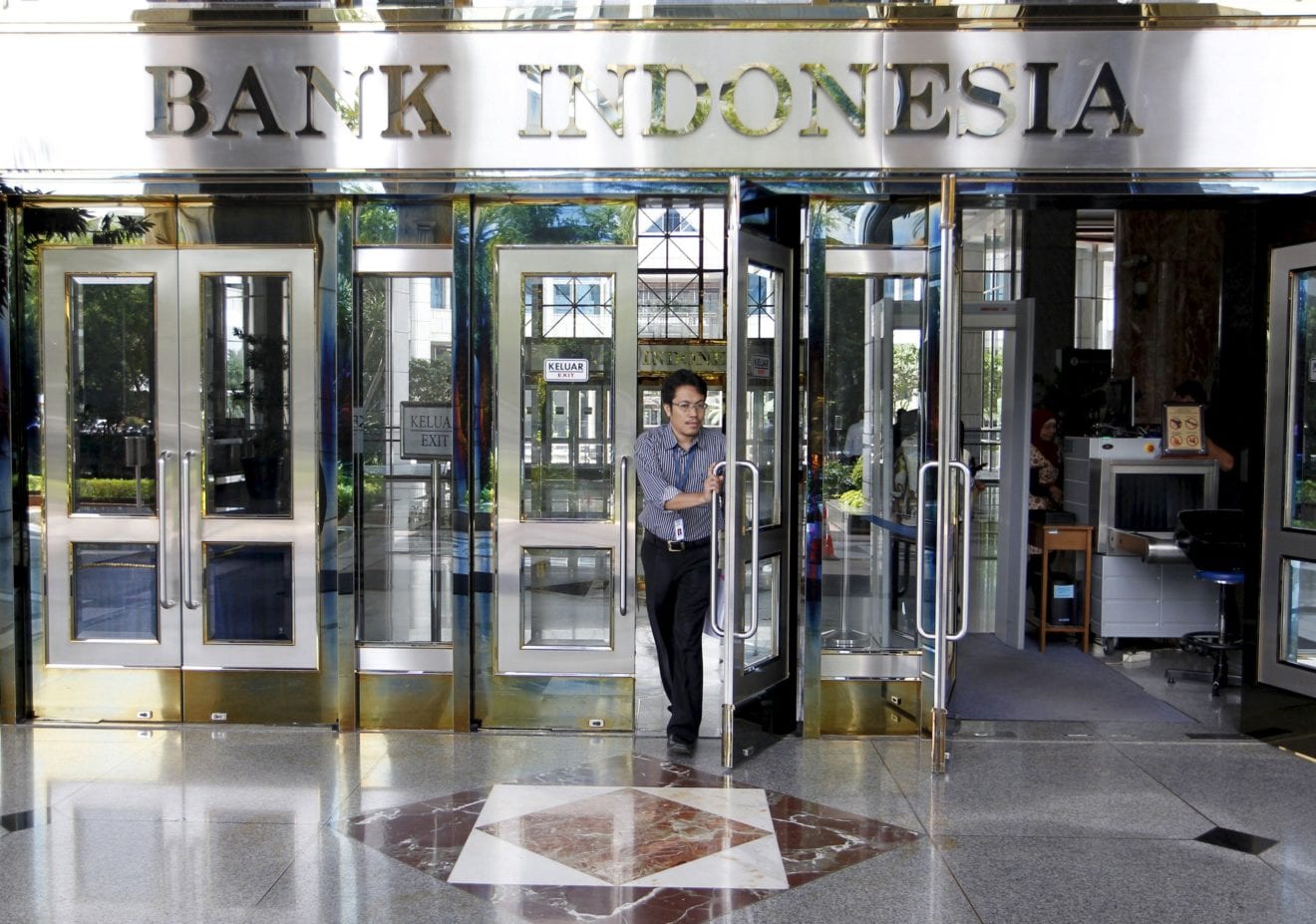
    Bank Indonesia (BI) has kept its 7-days reverse repo rate at 4.75 percent. Other monetary benchmark rates such as deposit facility rate and lending facility rate have also been kept at 4 and 5.5 percent. “The decision was made by BI to preserve domestic macroeconomic stability,” Bank Indonesia spokesman Tirta Segara said yesterday.

    As such, the BI has maintained its benchmark rate since October 2016. Tirta did not deny that economic policy uncertainty in the United States future following Donald Trump’s victory in the US presidential election in November have also come into play. However, he said that domestic inflation rate is positive at around 3.02 percent.

    Indonesian economy will also be affected by China’s economy. The United States and China are Indonesia’s major trade partner. “BI and the government will continue to collaborate to monitor every development,” Tirta said.

    Finance Minister Sri Mulyani Indarwati said global economic outlook may not improve this year. “Economic growth in developed countries, such as the United States, Japan and European countries, may not be as rapid as expected,” Minister Sri said.

    Sri said the United States is the only developed country that may recover from the economic downturn. However, at the same time, the US economic recovery may pose new problems to the global economy. The Fed, according to Sri, may increase interest rates should the US manages to achieve economic growth.

    The Fed itself had said that it plans to increase interest rates. However, it would await Trump’s policy on tax cuts and increased infrastructure and defense spending that may lead to increase in inflation.

  • Dalian Wanda revenue drops 14pc

    Dalian Wanda revenue drops 14pc

    Dalian Wanda Group’s revenue has fallen for the first time in at least 11 years after a slump in its property business outweighed growth from its entertainment interests.

    Sales last year fell 14 per cent from 2015, while revenue at  Dalian Wanda Commercial Properties, the group’s real-estate unit, dropped 25 per cent to 143 billion yuan (US$20.8 billion).

    Wanda’s operating income rose 3.4 per cent to 255 billion yuan, while profit grew more than 10 per cent, it said, without giving details.

    Wanda’s owner billionaire Wang Jianlin, China’s second-richest man, has been acquiring Hollywood assets – he bought movie production company Legendary Entertainment last year – to help Wanda diversify away from its real-estate roots.

    He told employees at Wanda’s annual meeting in Hefei, the capital city of Anhui province in eastern China, that Ffan.com, a unit that includes internet financing and credit-rating businesses, will raise 10 billion yuan via a private placement this year. He ultimately plans to list the unit by 2020 and target profit of more than 10 billion yuan.

    Wang delisted Dalian Wanda Commercial Properties in Hong Kong last year with the idea of eventually seeking a listing in mainland China, where valuations tend to be higher. He has taken an “asset-light” strategy for his real-estate business in recent years, reducing reliance on property sales and increasing his focus on leasing and management.

    Wanda Cultural Industry Group, which oversees most of Wanda’s theme parks, film production and exhibition businesses, saw sales climb 25 per cent to 64.1 billion yuan last year.

  • Huaqiang North hub new huge change

    Huaqiang North hub new huge change

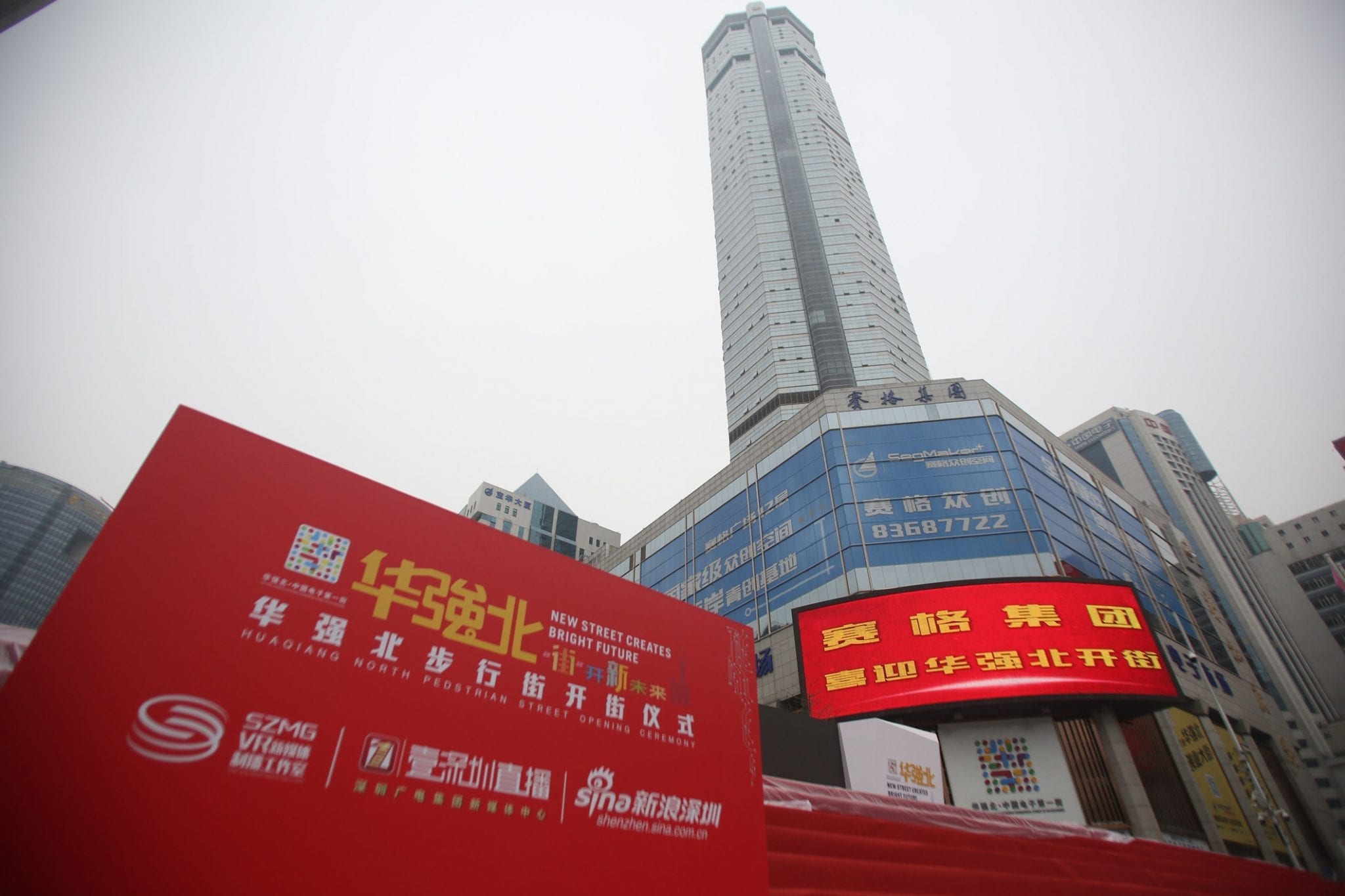
    After four years of being blocked off by construction walls and scaffolding, electronics hub Huaqiang North in Shenzhen has reopened as a pedestrian street.

    Following a grand reopening ceremony, the thoroughfare has been transformed into a 930m pedestrian street with more than 4000 sqm of new business spaces in a new sublevel. The vision is to have a street that integrates fashion and technology.

    About 500,000 people shop at Huaqiang North every day, altogether spending more than 200 billion yuan (US$29.1 billion) each year.

    Many streets and thoroughfares in Huaqiang North have been closed off to pedestrians since March 2013 because of the construction of Line 7 of the Shenzhen Metro. During this time, the Futian district committee and government as well as the Futian Huaqiang North subdistrict office have taken measures to help affected merchants maintain their businesses.

  • Hugo Boss Asia sales rebound

    Hugo Boss Asia sales rebound

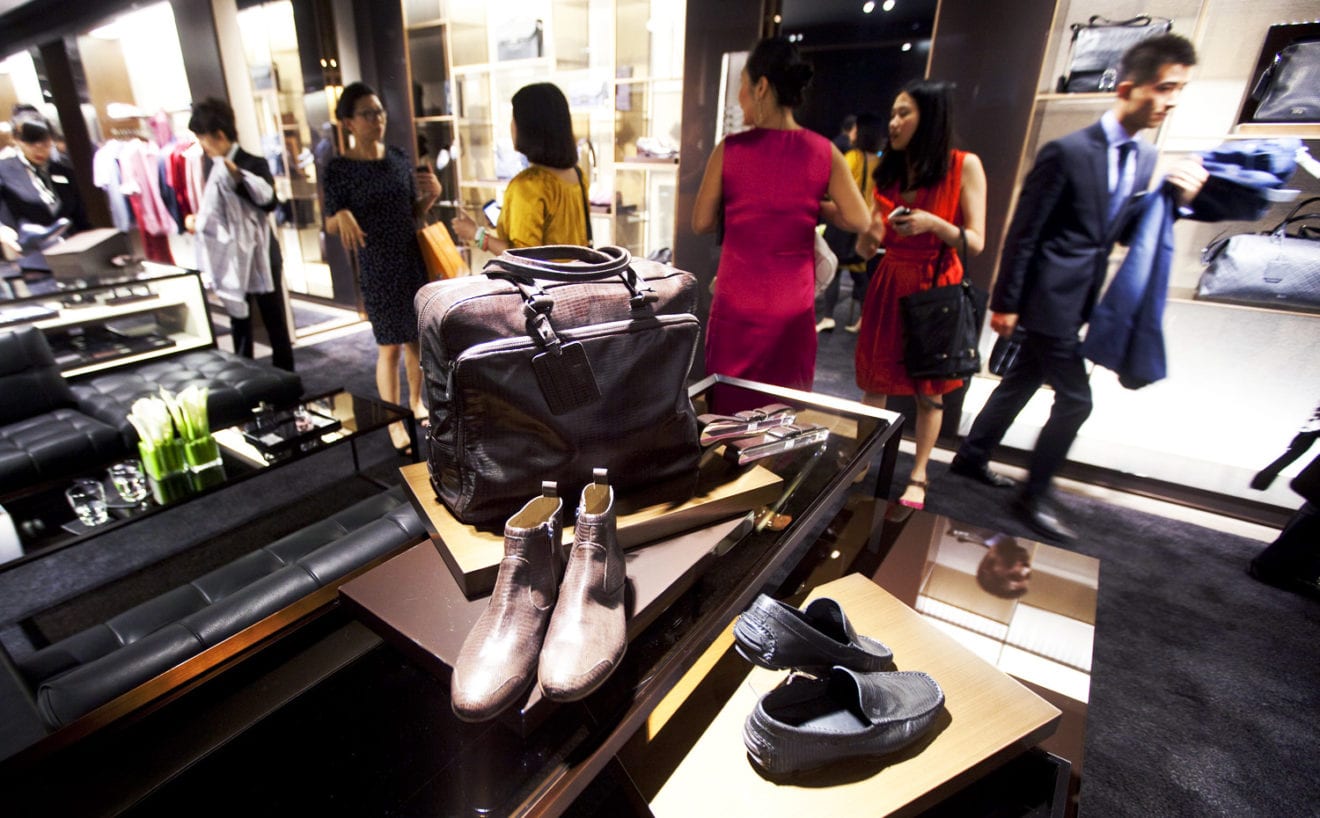
    Rebounding Hugo Boss Asia sales have prompted the German fashion retailer to revise its profit outlook.

    The company’s stock price soared as much as 10 per cent after management said improved sales in Asia and Britain mean its profit decline will be less than previously predicted in the current financial year.

    Hugo Boss Asia like-for-like sales soared 20 per cent in the latest quarter, after currency adjustments.

    Asia accounts for about 20 per cent of Hugo Boss’ global sales and after currency adjustment, regional revenues rose 5 per cent in the fourth quarter – a significant turnaround from the 3 per cent decline of the previous quarter. The increase was aided by adjusting pricing more into line with those of the US and Europe.

    It is now forecasting an operating profit for 2016 which is better than the previously predicted  decline of between 17 and 23 per cent. Final results will be revealed on March 9.

    Rival fashion retailers Gucci and Louis Vuitton have also recently  reported improving sales in Mainland China as consumers open their wallets again, encouraged by government policies aimed at boosting local consumption rather than shopping abroad.

    CEO Mark Langer said in a statement that fourth-quarter results underline the company is on the right track.

    Total sales fell 3 per cent to 725 million euros (US$769 million), down 1 per cent on a currency adjusted basis, but a far better result than the third-quarter’s fall of 6 per cent. The damage was done in the US where sales fell 14 per cent on a currency-adjusted basis, partly due to the brand’s decision to stop selling in discount and outlet stores.

    Sales in Europe rose 2 per cent.

  • Fashion chain Hobbs builds global footprint

    Fashion chain Hobbs builds global footprint

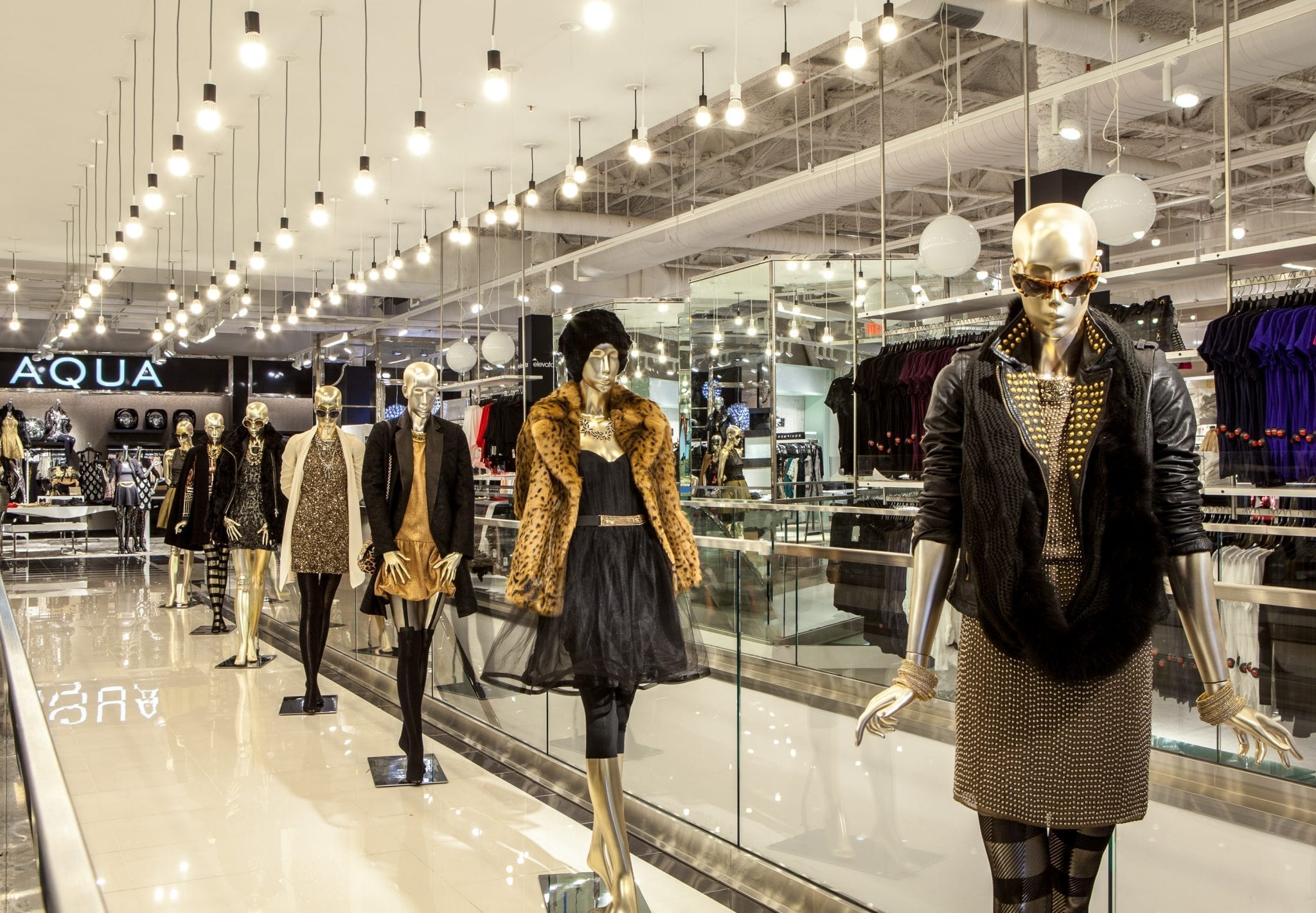
    UK fashion chain Hobbs has reported a significant boost in sales driven by impressive international performances in the US and Germany.

    While same-store sales rose 3.9 per cent in the 13 weeks to December 31, total sales rose 14.3 per cent due to international expansion. Retail Week said the improvement reflected investment in product range and customer experience. Online sales grew 26.7 per cent.

    Hobbs joins other premium clothing retailers such as Reiss, Joules and Superdry to report positive trading results over the Christmas period.

    “This shows the opportunity and success in the premium fashion market despite 2016 being an incredibly tough year for mass market clothing retailers,” observes analyst Charlotte Pearce.

    Last year saw Hobbs open its first international solus store in Westchester, New York and further expansion across Bloomingdales’ store network and on bloomingdales.com. International sales rose by 97.9 per cent as a result.

    “Hobbs’ entry into Germany will prove worthwhile due to its strong British heritage and focus on quality and fit of products,” said Pearce.

    “Outerwear has been reported as a resounding success for Hobbs throughout the UK and its international markets, but as we move into spring/summer 2017 and put our coats to the back of the closet, CEO Meg Lustman and her team will need to close in on who Hobbs is targeting and which key trends will resonate best among its core shopper base to continue this run of better sales.”

    Hobbs is rumoured in the financial press to be up for sale after more than a decade under 3i’s ownership.

    “As we head into a difficult few years of trading, potential new owners must recognise that Hobbs is not yet out of the woods despite a better Christmas trading period.  It must firm up its place in the market and improve brand appeal and awareness to secure a loyal customer base,” concluded Pearce.