Tag: asia

  • New law to stop minors in Hong Kong buying alcohol from shops

    New law to stop minors in Hong Kong buying alcohol from shops

    Convenience stores and shops across Hong Kong will be banned from selling alcohol to minors under new legislation to be proposed by the government this year as it steps up efforts to tackle a rise in underage drinking.

    The law, if passed by the Legislative Council, will prohibit retailers from selling liquor to anyone under the age of 18 – the same as the current restriction on the sale of tobacco.

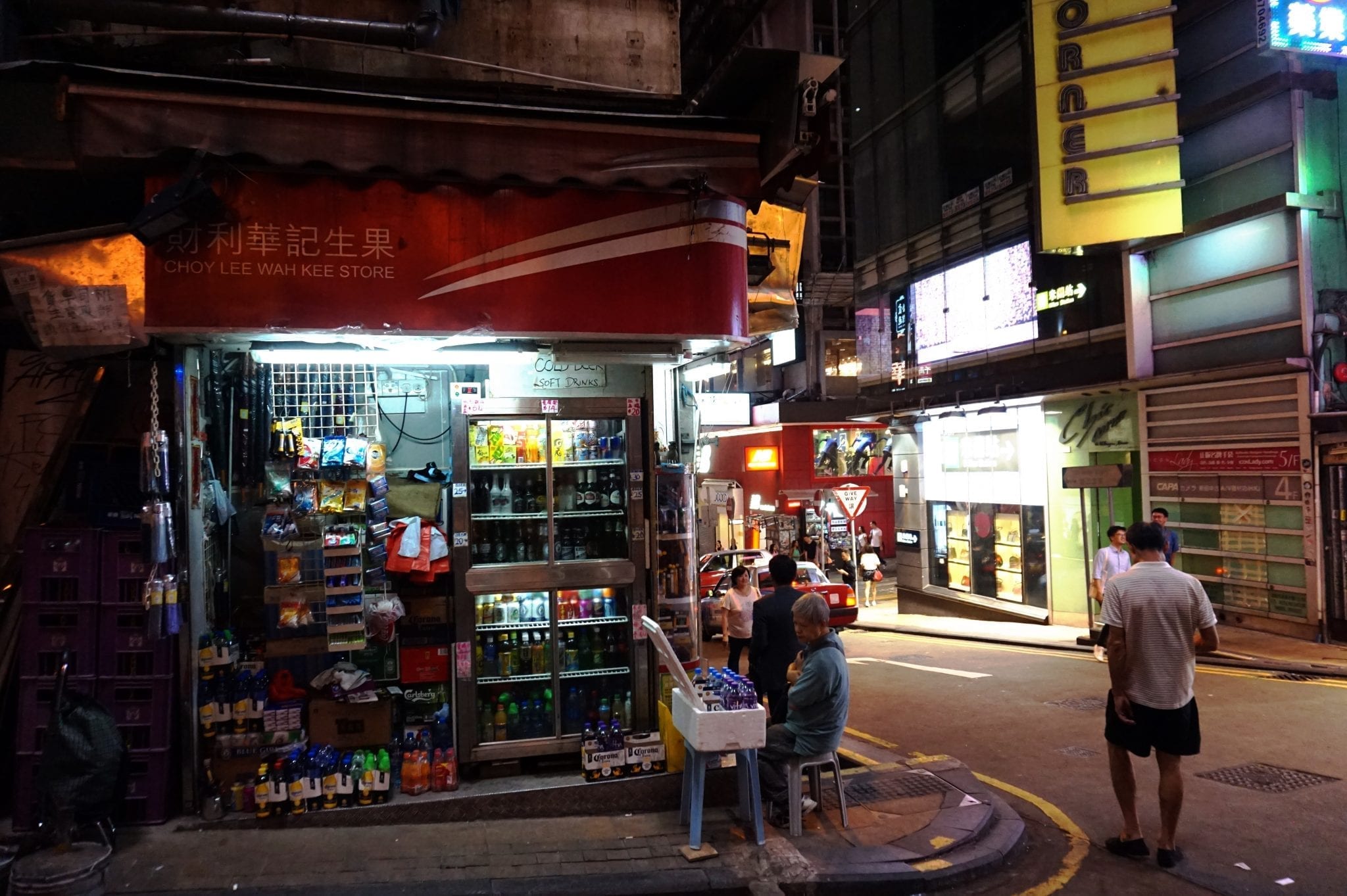
    Although the city’s bars and clubs are already banned from serving or selling alcoholic drinks to minors, retailers do not have to follow the rule. Leading retail chains such as 7-Eleven have agreed ­voluntarily to refuse to sell liquor to anyone below 18, but staff seldom bother to check the age of customers. This is a problem that has been confirmed by various studies and demonstrated in a test conducted.

    The new move by the Food and Health Bureau comes amid criticism that Hong Kong is slipping behind other developed cities in its handling of underage drinking, and that it remains easy for teenagers to enjoy a tipsy night.

    “The proposed statutory regulatory regime will cover all forms of commercial sale and supply of alcohol, including internet sale … and from the vending machine,” a spokeswoman for the bureau said, confirming the plan to table the legislation this year.

    Sellers will also have to display signs stating that no alcohol may be sold or supplied to anyone aged below 18.

    A government poll in 2014 found that 56.2 per cent of the city’s students had tried alcohol, with 21.9 per cent of those aged 10 or below saying they had done so.

    Last year the Centre for Health Protection found that 43.1 per cent of 1,630 people polled had taken their first sip of alcohol before the age of 18. It also showed a worrying rise in binge drinking among students.

    The Medical ­Association, the city’s largest doctors’ group, said 77 per cent of the 1,003 people it polled supported banning the sale of alcohol to those below 18.

    Allan Zeman, ­chairman of the Lan Kwai Fong Group, supported the move, saying anti-social behaviour among the young at nightspots might damage Hong Kong’s image abroad.

    “Some of the retail chains are very powerful here. I think we should look at what other cities in the world have done and get tough about this,” Zeman said.

    A 7-Eleven spokesman said the chain supported legislation banning the sale of alcohol to those aged below 18.

    The Hong Kong General Chamber of Wine & Spirits has previously said it supports an age limit on the sale of alcohol, but it should be set at 16.
  • Qoo10 bridges the gap between online and offline retail in Singapore

    Qoo10 bridges the gap between online and offline retail in Singapore


    Asia’s e-commerce platform, Qoo10, has launched a GPS-enabled mobile game called MameGo! in Singapore. The game, which was developed by Qoo10, is available on Qoo10’s online marketplace as well as its Qoo10 and Live10 mobile apps.

    Nearly similar to Pokemon Go!, the game issues three Mameballs to Qoo10 shoppers on a daily basis to unlock and catch Mamemons, which can be exchanged for discounts, super sale coupons or Qpoints. Mameballs can also be collected through electronic direct mailers (eDMs), mobile pushes and various loyalty programmes.

    According to Qoo10, brick-and-mortar retailers can use MameGo!’s GPS feature to attract shoppers to visit their physical stores. This method thus bridges the gap between brick-and-mortar outlets and e-commerce platforms.

    “The future of retail is no longer divided between online and offline, but one converged platform offering consumers an end-to-end shopping experience. As consumers’ shopping appetites continue to become more sophisticated and as they demand more personalised experiences, it will take a concerted effort to boost Singapore retail sector,” said Jacob Yu, Brand Manager and PR, SEA, Qoo10.

    To help retailers leverage the game to increase brand awareness, MameGo! offers exclusive branded Mamemon characters, also known as Brandmons. Currently, more than 100 retail brands are exploring the adoption of MameGo!, each with their own personalised Brandmons.

    “Singapore remains a key growth market for us, and initiatives such as Mame Go! are aligned with our mission to create a marketplace that benefits everyone – not just customers, but also the retail ecosystem as a whole,” concluded Yu.

  • Two enterprise technology predictions for 2017

    Two enterprise technology predictions for 2017

    1. Retailers build competitive advantage through the Internet of Things

    With Hong Kong retailers still struggling in the face of falling tourist numbers, restricted spending from Mainland Chinese shoppers and fierce competition from e-commerce channels, I believe that bricks and mortar operations will focus on building competitive advantage through the Internet of Things (IoT) in 2017.

    Connected devices such as beacons and retail sensors are already helping some shopping mall operators to track footfall and visitor flow in order to determine optimal mall and store layouts, and to maximise rent yields.

    IoT technology also has the potential to enhance customer loyalty.  For customers that have opted in, there’s an opportunity for retailers to send personalised coupons or limited-time deals that bring more value to the traditional, in-store shopping experience.

    As more retailers explore the possibilities of IoT, consumers will no doubt take an interest in what personal data companies are accessing and how they plan to keep it safe. Already, there have been major news stories about security vulnerabilities in IoT devices.  Smart retailers will embed security protocols at the heart of their IoT services and processes to protect the data they harvest.

    As the need for IoT security emerges, businesses may also reconsider other cybersecurity vulnerabilities in terms of operations, finance and more. Many enterprises are not yet prepared for unexpected, malicious attacks, and might consider outsourcing cybersecurity management and adopting trusted cyber insurance solutions to stay one step ahead of the threats.

    2.  Blockchain drives financial service innovation

    In 2017, we can expect blockchain to firmly establish itself as a financial technology worth getting excited about, distinct from the hype – and the hitches – of bitcoin.

    Blockchain is a simple and elegant technology that can track the movement of money, authenticate transactions and validate ownership of financial assets. At its core, blockchain is a distributed database composed of blocks of transactional information, each one containing data about every transaction that came before, to form a chain. Fast and efficient, it’s also secure by design – a hacking event might affect one block, but the chain won’t be broken.

    In the coming year, I expect entrepreneurs – especially in the financial services industry – to look more closely at the type of businesses that can be built on blockchain.

    The Hong Kong Monetary Authority (HKMA) is already leading the way with its FinTech Supervisory Sandbox initiative, announced in September 2016. By promoting an experimental space with less regulation, the HKMA is opening up new possibilities for Hong Kong innovators to spearhead pioneering fintech services. Commercial centres in Asia and worldwide are already positioning themselves to be at the forefront of fintech, making 2017 an important year for Hong Kong to assert its own leadership in this space.

  • US Beef Market Share Grows in South Korea

    US Beef Market Share Grows in South Korea

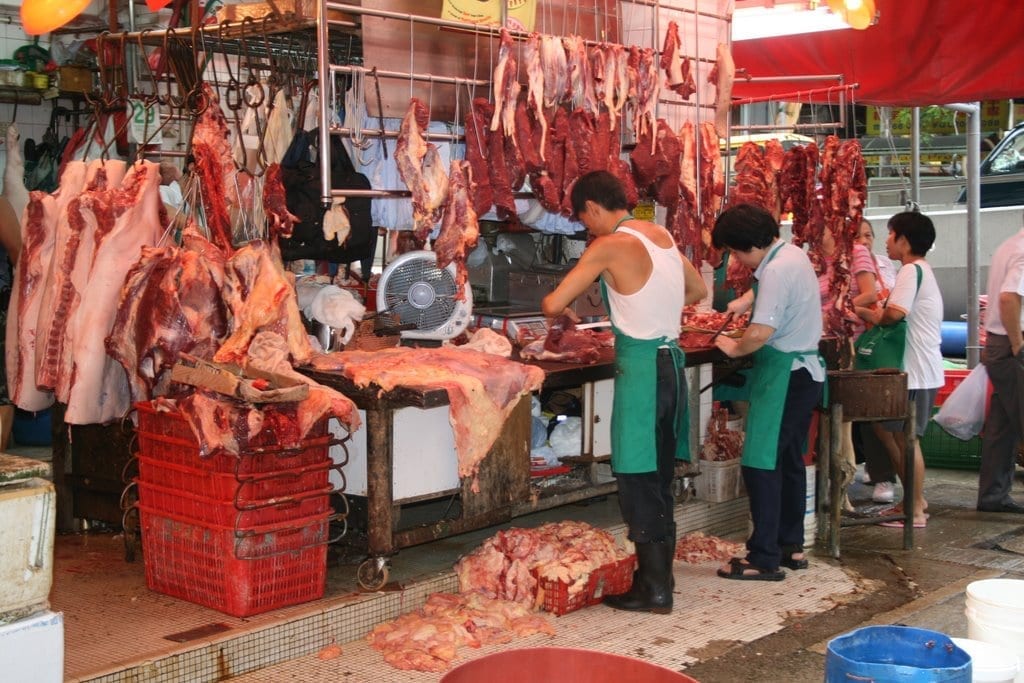
    Despite a regain in consumer interest for imported pork, ostensibly because of bird flu, South Korea’s pork imports slightly decreased over the past year, both overall and from the U.S.

    Contrastingly, beef imports volumes have surged, with the U.S. product the main beneficiary.

    Korea Customs Service figures provided by Meat Export Federation South Korea director Ji-Hae Yang show South Korea’s January-November overall pork imports very slightly dipped from 422,766 to 421,123 metric tons. During the same period, imports from the U.S. went down 4% from 129,224 to 124,093 tons. December 2016 import figures are not available yet.

    South Korea is highly self-sufficient in pork, and domestic production continues to rise, Yang says, explaining the stagnancy of imported product volumes.

    However, it appears consumers have gained interest in imported pork, even if that has not been reflected yet in import volume figures. Sales of imported pork rose 8.7% year-on-year from January to November 2016 at South Korea’s largest retail discount chain E-mart, The Korea Herald reported. The newspaper explained the rise as being a result of declining consumer interest in chicken because of bird flu.

    Things were bright on the beef side, though, with an overall import rise of 25% from 276,852 to 346,878 tons. U.S. beef fared even better, rising 47% from 98,712 to 145,376 tons. U.S. beef market share also rose 6.2% from 35.7% to 41.9%.

    Meanwhile, although beef imports from the U.S.’ main competitor, Australia, rose 10% from 158,080 to 173,104 mt, Aussie beef suffered an almost 8% market share loss, from 57.1% to 49.9%.

    U.S. beef has benefited both from record-high prices and a production decline of South Korea beef, as well as drought in Australia, which has reduced numbers of grazing and feedlot cattle there. “We had drought in the U.S. three to four years ago and we have recovered completely, so that is why we are at an advantage this year,” Yang said.

    Another reason for the import increase of U.S. beef is recovery of consumer confidence in the product’s safety, Yang said. MEF South Korea measures South Korea consumer confidence in U.S. beef with Gallup South Korea every six months. The latest survey, done in December, showed a 52% confidence point, she said.

    In comparison, the March 2012 survey showed confidence at only 15.4%, but still up from a very low 5.3% two years earlier, Yang said.

  • Trading brightens for Luk Fook Holdings

    Trading brightens for Luk Fook Holdings

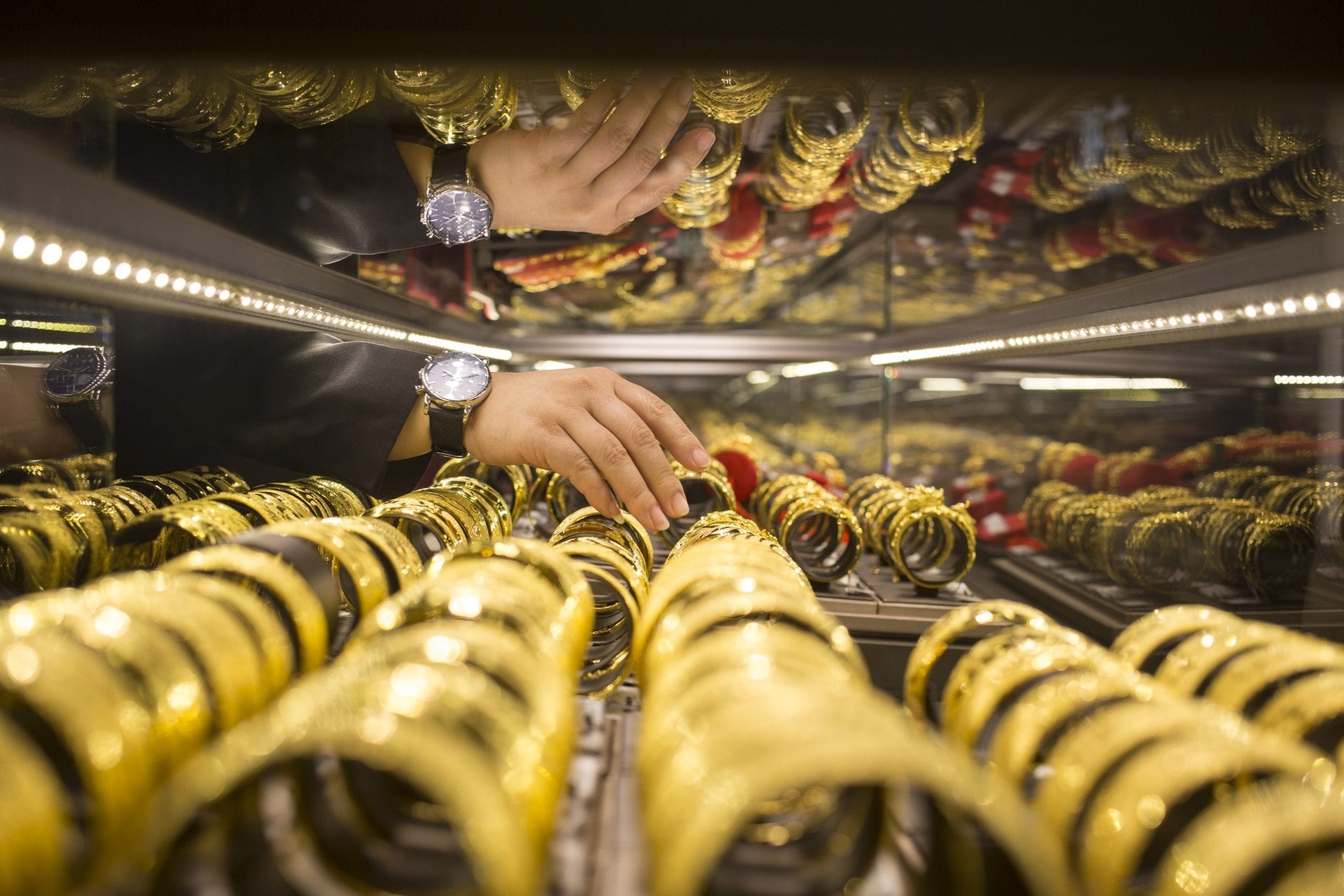
    Jeweller Luk Fook Holdings (International) reports a turnround to positive growth in its same-store sales for its third quarter, ended December 31.

    With a relatively low base, the same-store sales growth for the period recorded a “substantially narrowing decline” of 10 per cent from 37 per cent in the second quarter.

    Since September, same-store sales of gemset jewellery products in Mainland China have achieved double-digit growth for four consecutive months.

    Luk Fook’s same-store sales for the quarter turned into a positive growth of 20 per cent from a decline in the previous two quarters. Together with the 2 per cent growth of same-store sales in gold products, mainland sales for the quarter started to see positive growth (5 per cent) for the first time in the current fiscal year.

    The group ended the quarter with 11 new shops – nine in Mainland China and two in Kuala Lumpur. However, it closed an outlet in Macau.

    There was also an increase in its licensed shops in China, with 28 at the end of December. There were 195 own-brand shops – 129 in China, 47 in Hong Kong, 10 in Macau and nine in other countries.

    Together with 1297 licensed shops in China and one in Korea, there were 1493 Lukfook outlets worldwide, of which 1426 shops were in China.

  • Japan’s bakugai phenomenon fading fast

    Japan’s bakugai phenomenon fading fast

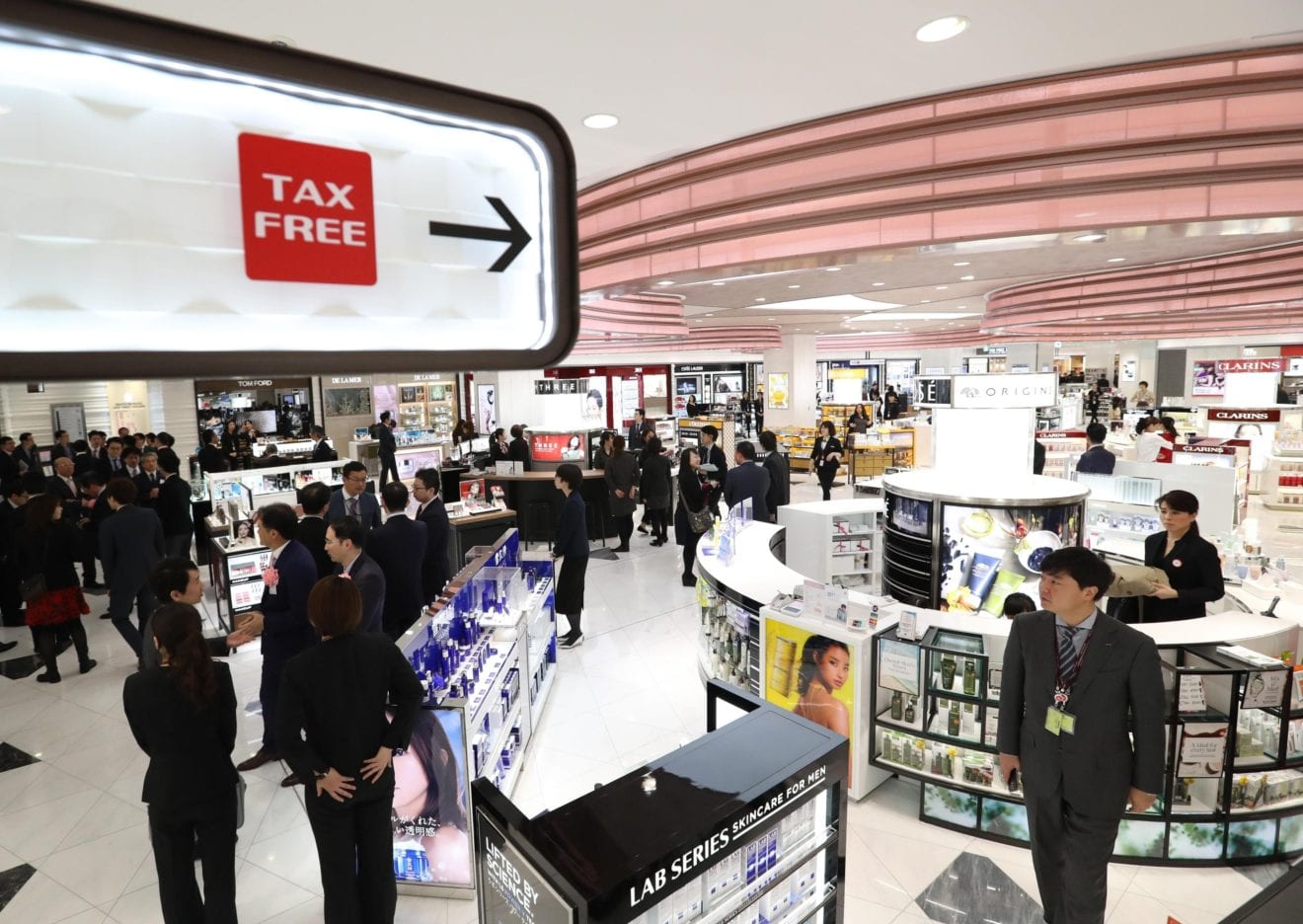
    The drastic slowdown of the Chinese duty-free shopping phenomenon known as bakugai (“buying explosion”) continues to hit Japanese tax- and duty-free retailers, with several companies having sharp revenue falls in recent months.

    As a result of the slowing market, South Korean travel retailer Lotte Duty Free and its partners Bic Camera and New Kansai International Airport Company have pulled out of a planned downtown duty-free shop proposed for Osaka.

    The “bakugai” trend began in Japan in 2015 as travelling shoppers from China poured into Japan in waves, says The Moodie Davitt Report. This led to a proliferation of government-backed tax- and duty-free stores, and like all bubbles this one appears to have burst. Read more.

  • Thailand’s CP All bidding for Polish retail chain

    Thailand’s CP All bidding for Polish retail chain

    Thailand convenience-store chain CP All and three private equity funds are competing to buy Polish retail chain Zabka from Mid Europa Partners in a deal valued at up to €1.5 billion (US$1.59 billion).

    Zabka’s sale comes at a time when some policies of the ruling conservative Law and Justice party in Poland are considered an investment risk, says Deal Street Asia. CP All, which runs 7-Eleven stores, is up against CVC Capital Partners, TPG and Hellman & Friedman. The deadline for binding offers is mid-February.

    London-based private equity firm Mid Europa Partners, which focusses on central and eastern European investments, bought Zabka in 2011 for €400 million. Zabka, with 3400 stores, had sales of 5.75 billion zlotys (US$1.39 billion) in 2015.

    In November, Mid Europa Partners bought Romanian supermarket chain Pro from Polish Enterprise Investors fund for €533 million.

  • Burberry China sales recover

    Burberry China sales recover

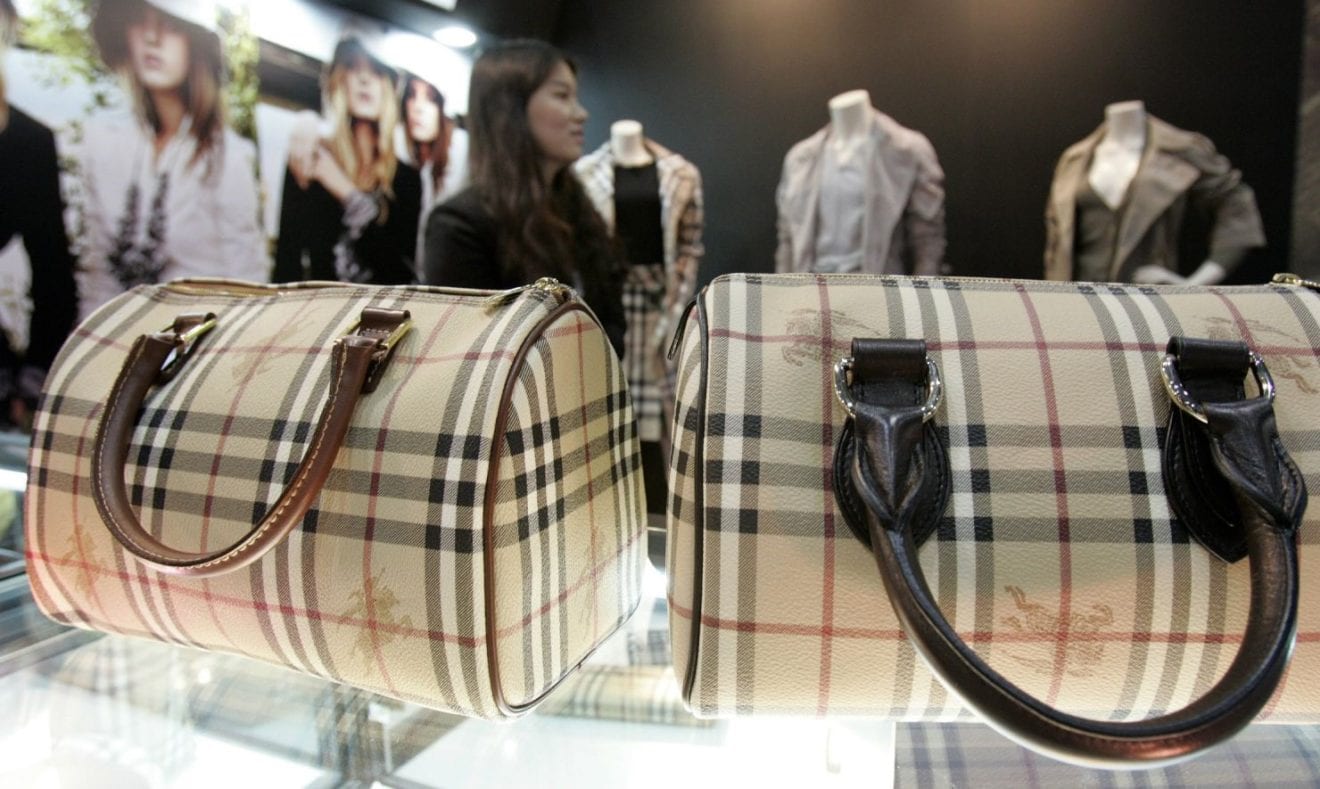
    Burberry says sales in its core China market have improved in the latest quarter, ending a long run of declines.

    And while Hong Kong stores posted yet another like-for-like drop due to weaker footfall, the decline is now in the low single digits.

    Globally, Burberry achieved a 4 per cent increase in wholesale and retail sales for the three months to December 31, totalling US$1.19 billion. This was largely underpinned by an “exceptional” 40 per cent increase in same-store sales in its UK home market.  UK media report the boom was down to Chinese tourists taking advantage of the cheaper pound in high street flagship stores in London, where staff estimate some 70 per cent of customers are from China.

    Globally, retail revenue rose 22 per cent to £735 million.

    The luxury fashion brand singled out Burberry China and Hong Kong sales, reporting Asia-Pacific had returned to growth during the quarter, hitting low single-digit percentages, driven by acceleration in Mainland China and improvement in Hong Kong.

    American trade experienced a low single-digit percentage sales decline, similar to sales trends in the first half, although the company reported an increase in American customer spending globally.

    “With a record number of views of our festive film and strong demand for new products in our collections, this third quarter improvement reflects early progress from our plans to drive Burberry’s performance for the long term,” said Burberry CEO Christopher Bailey.

    Verdict Retail analyst Charlotte Pearce said that although the company’s results have been chequered in recent times, its strong performance is a sign the changes the company is making are working.

    “Burberry’s double digit growth in EMEIA is most notable in Q3, with the retailer reporting continued strong trading in the UK, thanks to the weak pound which has encouraged tourism spending.

    Meanwhile, the innovation and newness of its products aided strong performances in bags, accessories and apparel, with items such as rucksacks and buckle totes standing out,” she said.

    “The brand continues to focus on its presence in the digital space through growing its online business, where mobile has been the driver due to improved payment methods, as well as developing an app, which is currently in its testing phase, in order to build Burberry’s connection with customers.”

    Pearce said the Asian results bode well for Burberry’s recovery.

    “Historically, sales in Asia Pacific have been a source of strength for the renowned British brand, accounting for 38 per cent of retail and wholesale revenue in 2015/16, so the brand should look to identify new markets within the region which indicate fast growing affluence and urbanisation.”

  • Usher in the Auspicious Year of the Golden Rooster with an Exclusive Promotion for Tourists

    Usher in the Auspicious Year of the Golden Rooster with an Exclusive Promotion for Tourists

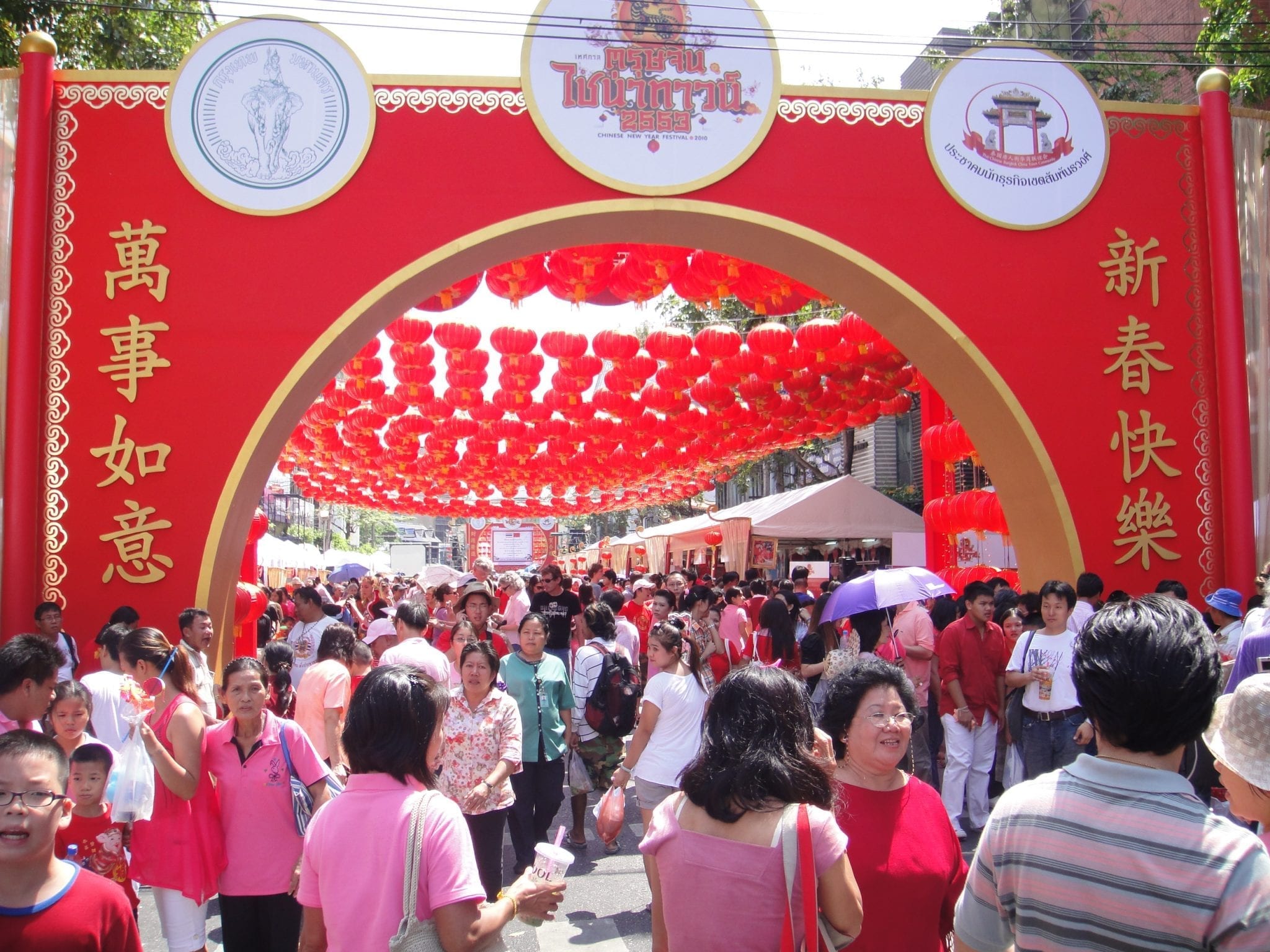
    Chinese New Year is one of the best chances for traveling as this festival provides the week-long national holidays and a unique vibe of traditional and colorful festivities. As Chinese community in Thailand is one of the largest in the world, the capital city of Bangkok is lit up in colorful festive ambiance and known as one of the most attractive places to visit during this Chinese holiday. Come experience the Thai version of Chinese New Year celebration at “Siam Magnificent Chinese New Year 2017” to be arranged at Siam Paragon, Siam Center and Siam Discovery and bring home a hassle-free, enjoyable memory of a lifetime while enjoying exceptional offers available only at this a must-visit “One Siam” destination.

    BRING IN A GLIMPSE OF CHINATOWN

    Marking the grandest event for Chinese people and expressing the appreciation of Chinese art and culture, we bring in a glimpse of Bangkok’s Chinatown to the all-in-one-place shopping destination as follows:

    • Siam Paragon is set to host “The Marvelous Music Harmonizing Two Realms” between 26 – 29 January in order to demonstrate the good relationship between Thailand – China using music as the links between the two countries’ art & culture. On the opening ceremony, there will be for the very first time music performance by Guzheng & Erhu, traditional Chinese music instrumentals played by Master Li Yang; the Guzheng teacher of Her Royal Highness Princess Chulabhorn Walailak and Master Li Hui, together with traditional Thai music instrumentals played by Korphai Ensemble and the Bangkok Symphony Orchestra (BSO) from 5.00 – 6.30 pm at Parc Paragon. Moreover, other interesting activities include the Chunlian and Duilian calligraphy (a form of auspicious greeting couplets expressing a prosperous year ahead), Chinese paper-cutting, traditional Chinese knotting, and Chinese auspicious painting are the highlights not to be missed at Hall of Fame, M Floor, Siam Paragon
    • Siam Center schedules to host “12 Lucky Shades 2017” exhibition updating 12 auspicious colors suitable for 12 zodiac signs by famous fortuneteller. By boosting more confidence in choosing the right clothing and accessories, the 4 renowned stylists will also give you helpful tips and tricks on how to mix and match your auspicious color with your style in the year of an energetic rooster. The exhibition will take place at 1st Floor, Siam Center from 26 January – 12 March 2017 with an opening ceremony and a Zodiac Sign Mini Fashion Show to be held on 26 January 2017 at 4.00 – 5.30 pm. Siam Center customers can also present their receipts to redeem for a Lucky Pouch with auspicious zodiac signs designed by Mr. Somnuek Klangnok (Kru Parn), a renowned Thai artist.
    • Siam Discovery introduces a “DIY Ceramic Bowl Screen Printing in Siam Discovery Style” workshop aiming to please customers with DIY favors. Those interested can choose their preferred bowl in 2 different sizes then have them screened with a lucky rooster pattern or an auspicious Chinese calligraphy text of their choice, making this DIY Ceramic bowl a limited, one-of-a-kind item in the world. The workshop will run from 26-31 January 2017 at Siam Discovery.

    CHINESE NEW YEAR SPECIAL FOR TOURISTS

    A trip can’t be completed without shopping, especially in Bangkok where shopping is a must activity. Siam Paragon, Siam Center and Siam Discovery offer unrivaled shopping experience suitable for travelers who love varieties and uniqueness. Dropping by this shopping landmark trio during the Chinese New Year 2017, holiday makers and souvenir hunters can rest assured that your splurge will worth every penny.

    Siam Paragon, Siam Center and Siam Discovery offer Tourist Privilege Card for tourists to shop across these three shopping centers with a discount from 5-20%. Tourists also enjoy a welcome package and a birthday privilege upon registration. The welcome package includes Thann Facial Sunscreen and Angbao vouchers valued more than 10,000 Baht from participating brands.

    Enjoy a lot of exclusive tourist offers from 23 January – 9 February 2017 including limited special gifts and promotions as follows:

    • NaRaYa Chinese New Year Collection when spending from 5,000 Baht
    • Thann Body Care Set and Siam Discovery Discount voucher when spending from 10,000 Baht

    Redemption points are available at Tourist Lounge, G floor of Siam Paragon and VIZ Counter, G floor of Siam Center and Siam Discovery.

    Additionally, keep your eyes peeled for a Golden Dragon Parade as they may approach you while shopping during 27-29 January 2017 with ranges of Angbaos, discounted vouchers and many more privilege cards to be enjoyed at more than 100 participating brands throughout Siam Paragon, Siam Center and Siam Discovery!

    DELIGHTFUL GASTRONOMIC JOURNEY

    After taking in these authentic cultural festivities, it is probably the perfect hour for a sumptuous meal. If you are thinking that Chinese New Year is all about a hearty meal with your loved ones, this shopping trio is the right destination to drop by especially during this Chinese New Year. Visa Card offers an exclusive privilege for its cardholders. Dine at participated restaurant using Visa Card and receive special discount and dishes.

    • Siam Paragon reinvents the whole new dining pleasure, with more than 30 globally-renowned restaurants and dessert outlets at The Gourmet Garden, G Floor.
    • Siam Discovery serves the need of Jamie Oliver’s fan anticipating a chance to try out his recipe by introducing the first restaurant of globally-renowned Jamie’s Italian in Thailand at Siam Discovery, G Floor. What’s more, experience the new dining excitement at My Kitchen on the 4th floor where 5 premium restaurants and a dessert outlet are ready to serve their signature dishes.
    • Siam Center offers limitless local and international dining selections at the Food Factory located on the 4th floor for people who love being among a bustling, vibrant surrounding while enjoying a wide variety of delicious food.

    As a must-visit “One Siam” destination, Siam Paragon, Siam Center and Siam Discovery welcome all travelers in the heart of Bangkok during this long holiday and all year round. If one visit is not enough to breathe in all these fulfilling excitements, the shopping landmark trio wholeheartedly welcome you back with a lot more adventures waiting out there.

  • Mitsui Sumitomo Insurance Welfare Foundation awards research grants to 4 projects

    Mitsui Sumitomo Insurance Welfare Foundation awards research grants to 4 projects

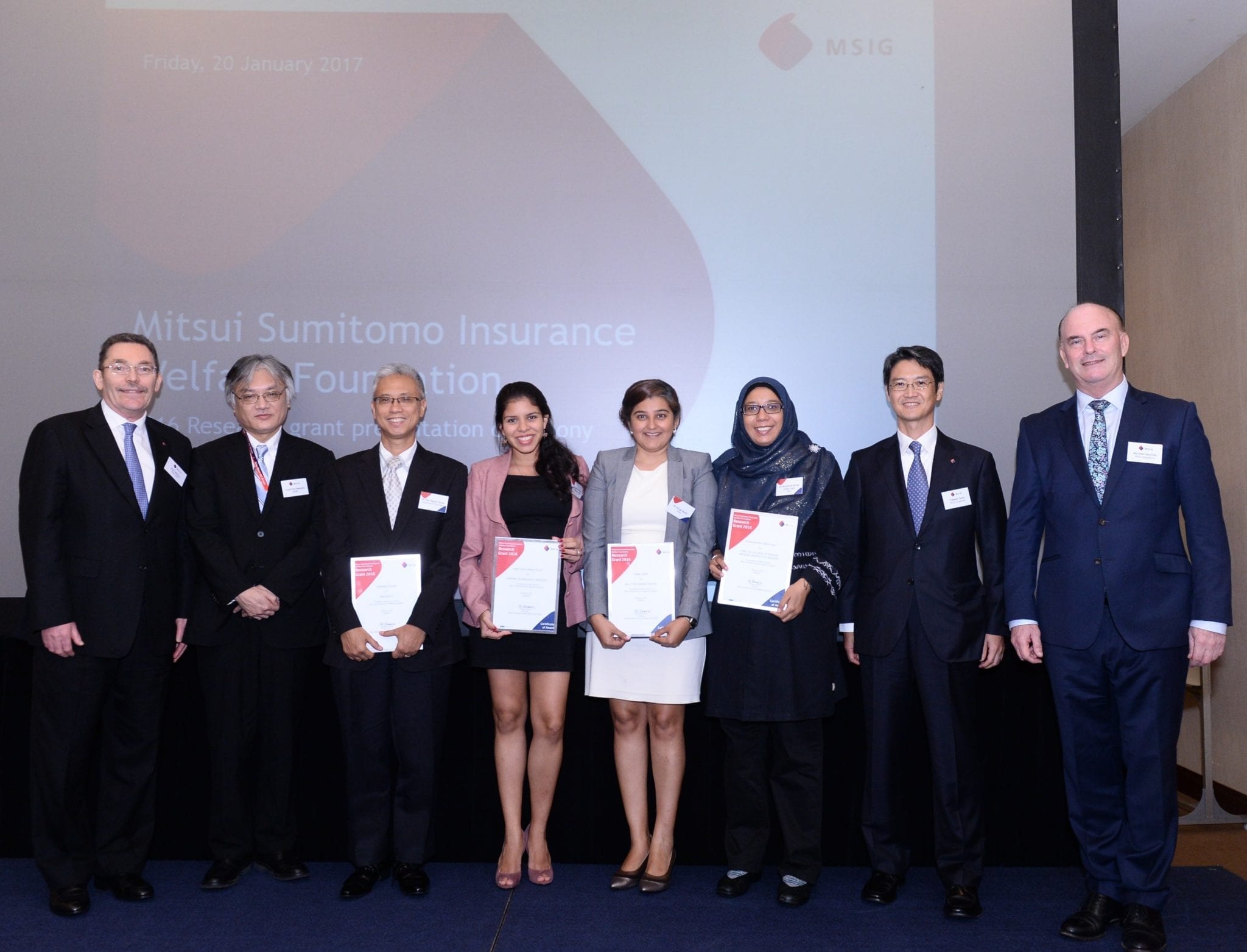
    This year’s winners of the Mitsui Sumitomo Insurance Welfare Foundation (MSIWF) research grant, awarded for exceptional insight and potential, comprised of some of Singapore’s leading researchers that aim to make a difference by solving Singapore’s key traffic and healthcare issues for the nation’s ageing population.

    The 2016 winners are:

    • Ms Maria Cecilia Rojas Lopez, PhD candidate at the School of Civil and Environment Engineering at Nanyang Technological University, for her research that will lead to the development of traffic schemes and policies for the safety of cyclists and pedestrians on footpaths. For this project, Rojas Lopez will study cyclists’ behaviour and their interaction with other path users, which is a potential issue since bicycles have been allowed on footpaths in Singapore since March 2016.
    • Dr Tan Ngiap Chuan is a Family Physician, Senior Consultant and Director, Research at SingHealth Polyclinics. His proposed study aims to find out how common is the age-related loss of muscle mass and muscle function, known as “sarcopenia” among elderly patients. Sarcopenia has been shown to be worse amongst the elderly with diabetes. Muscle weakness resulting from the reduced muscle bulk and strength will subject the elderly to increased risks of frailty, falls, fractures, hospitalisations and even premature deaths. The findings from this study will allow doctors, nurses and other healthcare professionals to identify the reasons leading to sarcopenia, so that solutions can be developed and assessed if they are effective in reducing the muscle bulk loss, in maintaining or even strengthening their muscle functions.
    • Dr Kinjal Doshi, principal clinical psychologist at Singapore General Hospital, aims to create a better tool for use in identifying loss of functional abilities among the elderly. 
    • Dr Rufaihah Binte Abdul Jalil, assistant professor at the NUS Yong Loo Lin School of Medicine, will design a diagnostic tool for atherosclerosis, a main illness known to harden the arteries usually affecting the elderly.
    • MSIWF is a non-profit organisation that is part of the Mitsui Sumitomo Insurance Company, Limited, and supports researchers in Japan, Singapore and Thailand for practicable research in two key areas: senior citizen welfare and traffic safety. The MSIWF research grant is unique compared to others, as it supports interdisciplinary research at its early stages, where it is generally tougher for researchers to obtain funding elsewhere. 

    This year marks the 10th anniversary of MSIWF grant support in Singapore, which was introduced in 2007 for the first time outside of Japan. Since then, MSWIF has supported 38 research projects and has disbursed grants worth more than about S$363,000.

    “At MSIG, our focus goes beyond financial profits. It is our mission to help secure a sustainable future for the communities at large. With a growing ageing demographic in Singapore, solutions for improving the quality of life are critical for sustainable growth. This grant from Mitsui Sumitomo Insurance Welfare Foundation aims to empower talented researchers to do just that,” said Mr Alan J. Wilson, Regional CEO of MSIG Holdings (Asia) Pte Ltd. 

    The call for the 2016 grants was launched in June last year, and a total of 246 applications were received globally. The winning projects will conduct their research over the next 12 months and their findings will be published in scientific journals as well as shared with the Foundation during next year’s presentation ceremony in 2018.

  • AirAsia India to connect Srinagar, Bagdogra, Pune with Delhi

    AirAsia India to connect Srinagar, Bagdogra, Pune with Delhi

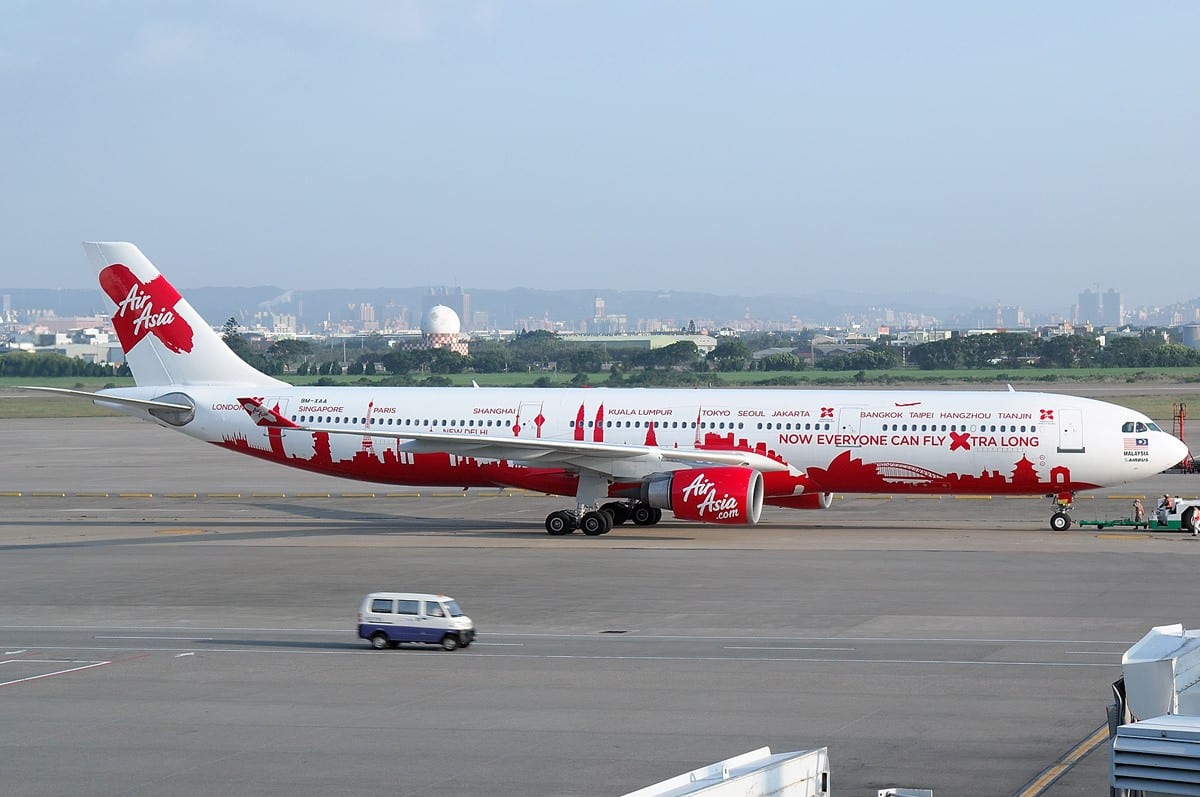
    No-frills carrier AirAsia India today announced the launch of its services to Srinagar and Bagdogra from the national capital, commencing next month.

    The Bengaluru-based airline would also start a direct flight on Delhi-Pune route.

    The launch of two new destinations and one new route is aimed at improving regional connectivity and increasing the airline’s footprint in the country, AirAsia India said in a release.

    The new services will be rolled out from February 19, it said.

    “AirAsia India is consistently growing and is on a rapid business expansion mode. We ended 2016 on a highly positive note and are delighted to continue the same momentum in 2017 with the launch of two new sectors and an additional route,” AirAsia India chief executive officer Amar Abrol said.

    With the launch of these services, AirAsia India would now fly to 13 destinations through its hubs –Bengaluru and New Delhi — covering Chandigarh, Jaipur, Guwahati, Imphal, Goa, Pune, Vizag, Kochi, Hyderabad, Srinagar and Bagdogra.

    The airline also announced special fares from as low as Rs 1,999 for the New Delhi-Srinagar flights and Rs 2,499 and Rs 2999 for Bagdogra and Pune flights from New Delhi.

    AirAsia as a group strongly believes in enhancing connectivity and making air travel affordable for all, Abrol said, adding Bagdogra and Srinagar are key sectors for the airline’s further growth in the domestic market.

  • Naver AI platform recommends travel options

    Naver AI platform recommends travel options

    South Korean internet giant Naver has launched Context Recognition AI (ConA), an artificial intelligence platform that automatically recommends travel destinations overseas.

    According to Naver, parent of messaging app Line, amongst other things, ConA uses ‘deep-learning technology’ and makes use of big data from online tour sites or restaurant information to come up with travel themes and ideas based on different travel purposes.

    For instance, if one were to search for tour packages in Singapore, the Naver AI technology would suggest themes like “travelling with family,” “best nightscapes,” or “exotic”.

    ConA has the ability to read data on the web to extract the most useful information, hence the name context recognition, said a company spokesperson.

    The new Naver AI platform is based on some 12.2 million travel-related posts from Naver’s massive online communities, and it even provides ratings based on traveler reviews, in addition to other essential travel information including the time and total distance of travel required for recommended routes.

    “ConA can analyse travel data written in other languages as well, including English and Chinese, and it has potential to be developed into a global service platform,” the Naver spokesperson said.

    “We’re also considering its implementation in Naver Place (a recommendation platform for domestic news and activities), so it can automatically recommend things like festivals, attractions, and cultural events (in Korea).”

  • Lingerie Maker Victoria’s Secret Looks to Uncover Supply Chain Issues in Indonesia

    Lingerie Maker Victoria’s Secret Looks to Uncover Supply Chain Issues in Indonesia

    Lingerie giant Victoria’s Secret, famed for its racy bras and thongs, has pledged to trace the sources of its wood-based fabrics, joining the ranks of fashion companies addressing human rights and deforestation, its parent company said. In a new policy statement, parent company L Brands said it aimed to eliminate sources of wood pulp, used to make rayon, viscose and modal, that contribute to rainforest destruction or violate the rights of local people.
    L Brands is the latest in a growing number of US fashion companies to commit to investigate its supply chain for products from destructive regions and stop using those sources by the end of 2017, according to Rainforest Action Network (RAN). Ralph Lauren, whose designs are popular on Hollywood’s red carpets, adopted a similar policy earlier this month. “Our Forest Products Procurement Policy is written to reduce threats to ancient and endangered forests and to avoid products that contribute to deforestation or human rights abuses,” said L Brands’ policy statement published on its website.
    “We will report on our progress publicly.” Production of wood pulp can involve clearing forests to build eucalyptus plantations and taking land traditionally used by indigenous communities, campaigners say. The issue is particularly acute in Indonesia, a major producer of wood pulp. The Victoria’s Secret catalog features voluptuous models clad in tiny thongs, push-up bras and “cheekini” panties, and its top models who appear in its popular fashion shows are known as its Angels. It is one of several companies owned by L Brands. Its other well-known brands include Henri Bendel, Pink and Bath & Body Works. L Brands did not respond to a request for comment.
    RAN said the new policy was posted on the company website late on Wednesday. RAN, which helped develop the sourcing policies for L Brands and Ralph Lauren, has been waging an “Out of Fashion” campaign to publicize the impact of forest-based fabrics and call on major US brands to adopt stringent sourcing systems. “It’s encouraging to see brands beginning to take responsibility for their supply chains,” said Brihannala Morgan, senior forest campaigner with RAN. “
    L Brands’ commitments and actions, following right behind Ralph Lauren and among more than 60 other brands who have developed policies, can have a real positive impact for forests and the people that depend on them.” H&M, Zara, Levi Strauss & Co and British fashion designer Stella McCartney have adopted similar policies, RAN said. Last year Stella McCartney partnered with environmental non-profit Canopy to encourage clothing companies to stop sourcing fabric from ancient and endangered forests.
  • UCWeb to invest R200 cr in India, Indonesia over 2 yrs

    UCWeb to invest R200 cr in India, Indonesia over 2 yrs

    UCWeb, part of Alibaba Mobile Business Group, plans to invest R200 crore over the next two years in India and Indonesia. The funds will primarily be used to make use of user-generated content in India via its news distribution and content platform, UC News.

    Jack Huang, president of overseas business, Alibaba Mobile Business Group said, “India is the most critical overseas market for UCWeb and this investment will help bring in the global mobile internet to an era of ‘GUF’ (Google, UCWeb, and Facebook).” UC News, a product of UCWeb Inc is a content distributor of trending and curated news content covering all kinds categories including news, cricket, technology, entertainment, movies, lifestyle, health, humor, etc.

    UCWeb plans to add more than 30,000 self-publishers, bloggers and key opinion leaders to its platform in 2017.

  • Alpecin Opens Official Retail Channel in China

    Alpecin Opens Official Retail Channel in China

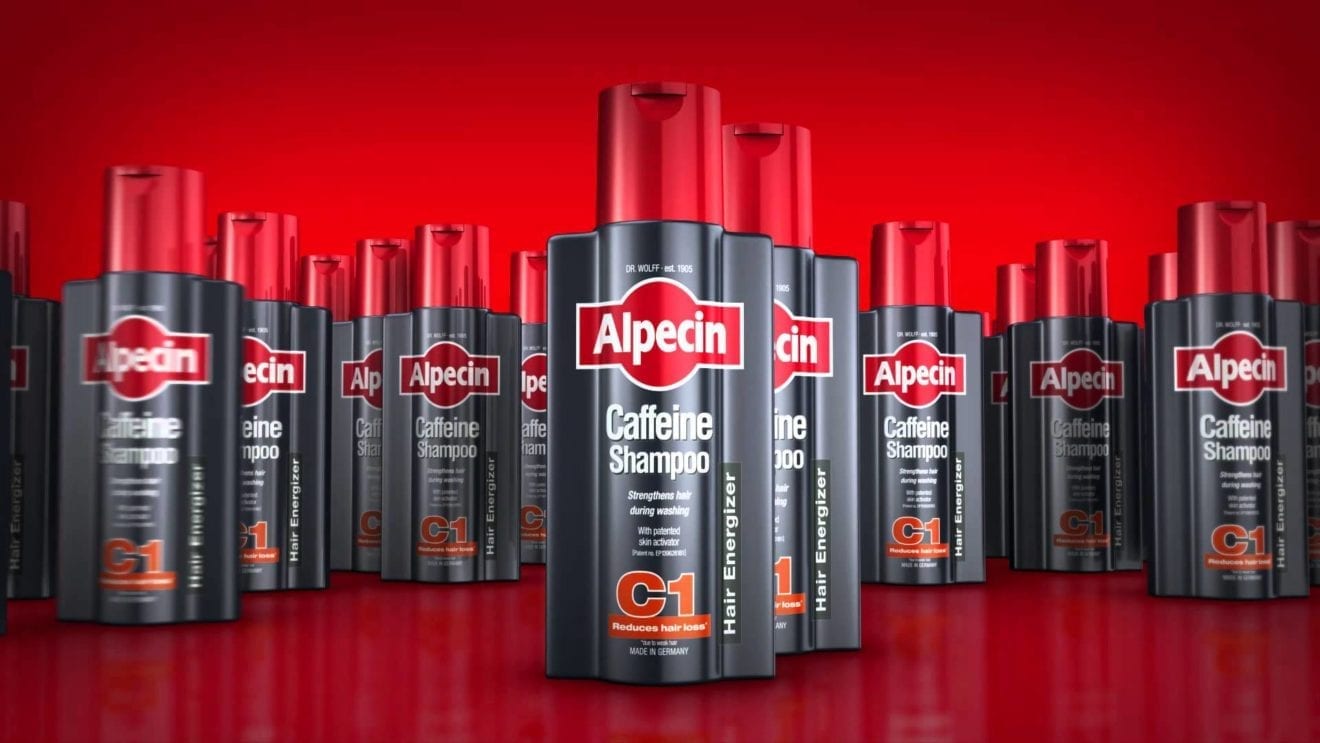
    The power of Chinese overseas retail shoppers has again caught the attention of international media. This time several German media channels have covered the story “First milk powder, now shampoo – Chinese consumers, again, go crazy for our products” — now Chinese cross border shoppers have discovered the German anti-hair loss caffeine shampoo brand “Alpecin”.

    Germany’s biggest business newspaper FAZ reports that the massive interest of Chinese importers, especially for the well-known anti-hair loss product “Alpecin” has led to a situation where some major German retailers have run out of stock due to increased demand.

    Dr Wolff and the retailers are considering to limit sales quantities for Alpecin in Germany to avoid further stock shortages.

    Price increases and stock shortages in China are not be expected.

    Many Chinese consumers are searching for new ways and channels to purchase Alpecin products from abroad, not knowing if the products are real or fake. There is, however, a safer and quicker way to purchase the Caffeine Shampoo Brand as the company entered the Chinese market in April 2016.

    Alpecin’s 3 best selling products are available in over 2,000 Watsons stores in Shanghai, Beijing, Guangzhou etc., and the brand has also initiated online distribution via the online platform Tmall. The brand pledges to its Chinese customers that all its products, whether sold in Germany or China, preserve the same quality standard.

    “We are very happy about the trust of the Chinese customers in our products. We know that this trust is mainly based on the ideal of quality ‘Made in Germany’,” says CEO of Dr. Wolff Mr Eduard Doerrenberg. Knowing that this massive demand for infant formula in Germany led to a massive price increase in Asia “We are not willing to allow any such price surge. We have a regional stable pricing strategy and will not take advantage out of the current situation.”

    Alpecin, a product developed by the scientific research team of the German company Dr. Wolff in the year 1930, is a product that prevents hereditary hair loss. According to studies, 80% of men that suffer from hair loss are prone to that problem due to genetic reasons. Alpecin’s main ingredient that battles this kind of hereditary hair loss is “caffeine”. It penetrates the hair root and promotes longer hair growth phases and therefore prevents hair from falling out early.